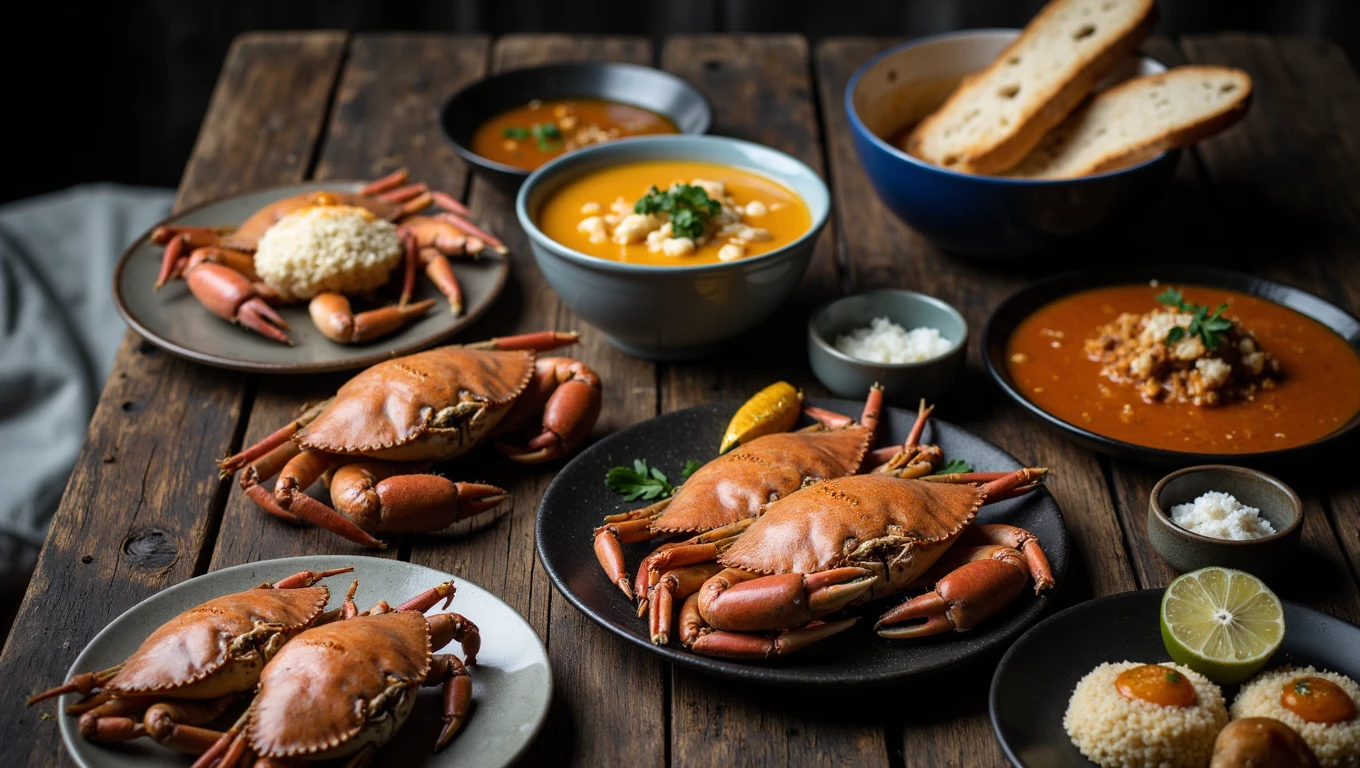
" The sea, in its infinite generosity, offers treasures that connect nations. Shrimp. A simple, ubiquitous creature that, when viewed through the lens of culture, reveals worlds of difference. From the sun-drenched, brackish waters of Vietnam's Mekong Delta to the meticulously managed aquaculture and precise culinary artistry of Japan, the journey of shrimp is a story of terroirs, traditions, and tastes. "
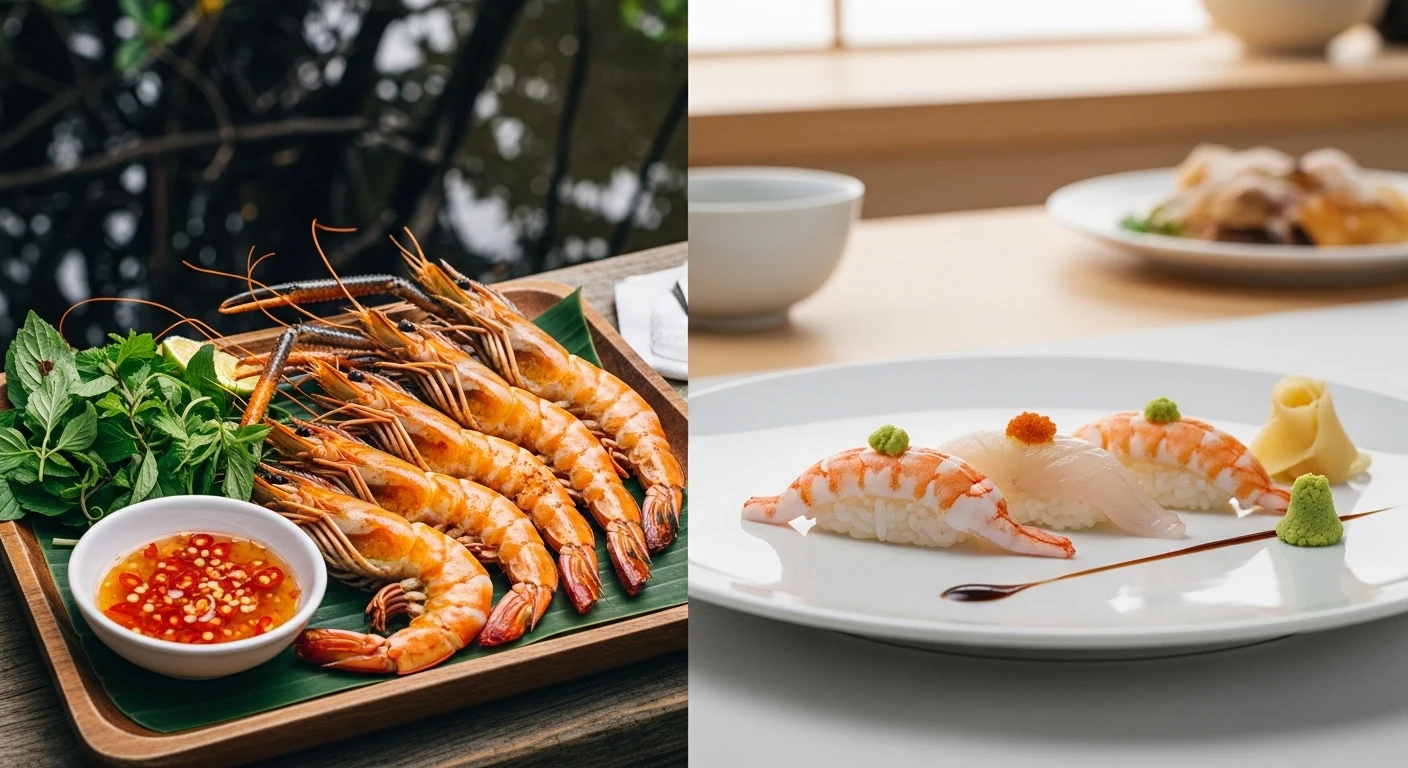
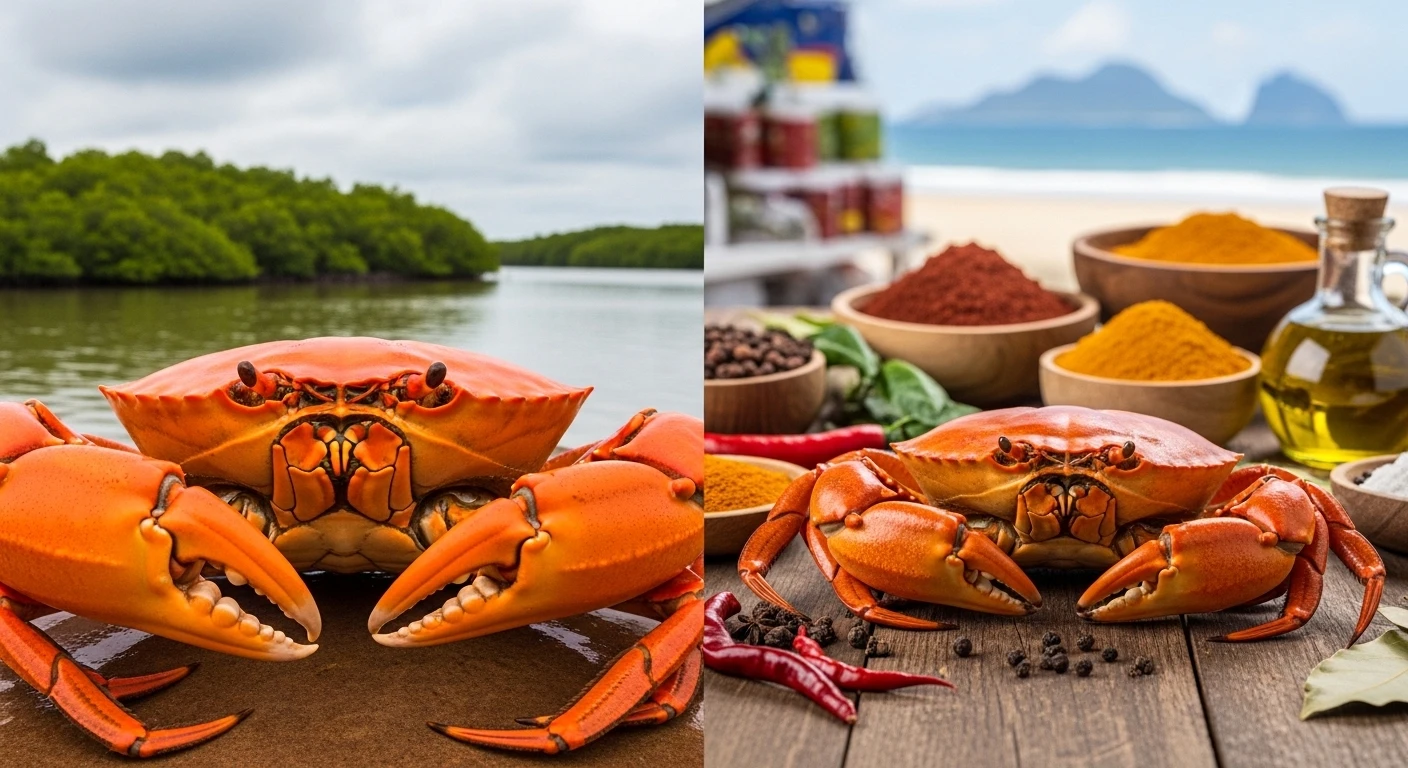
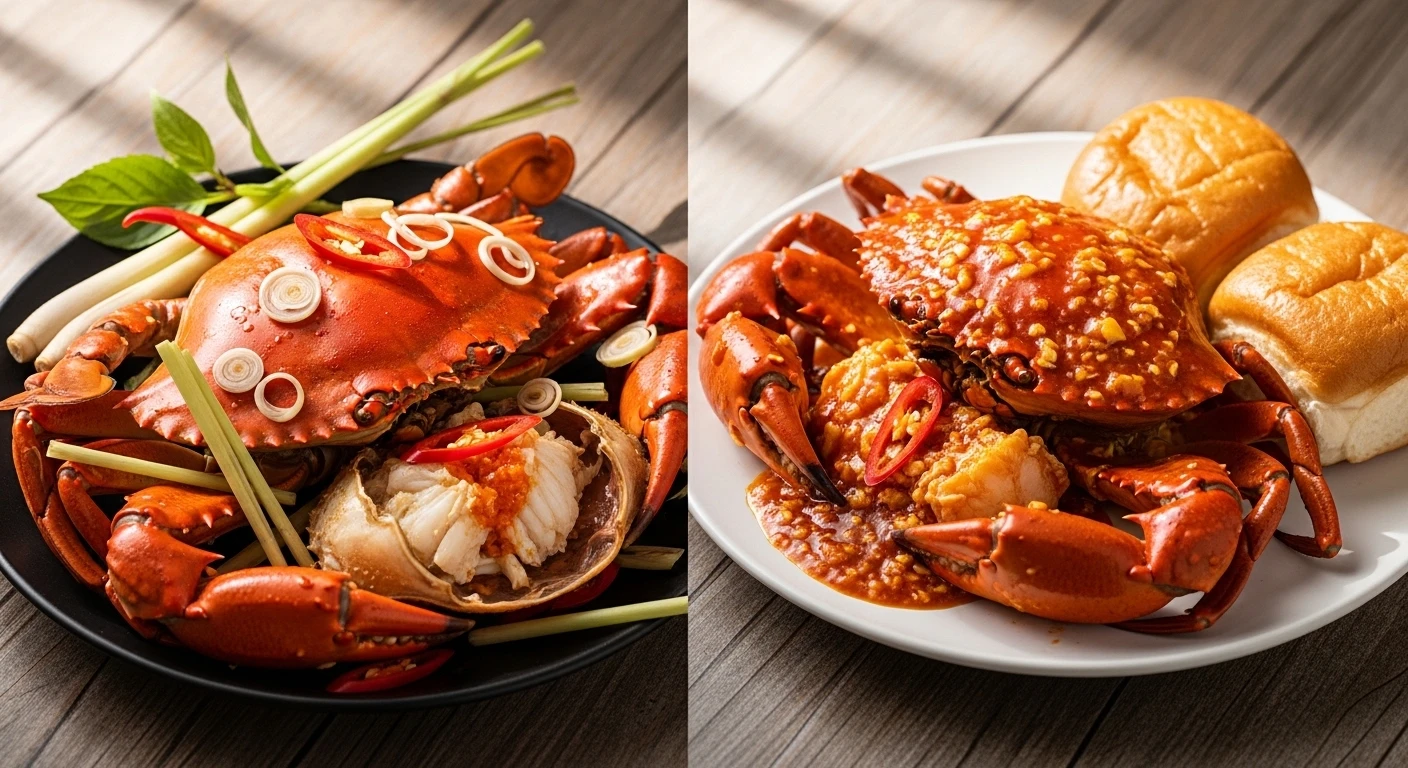
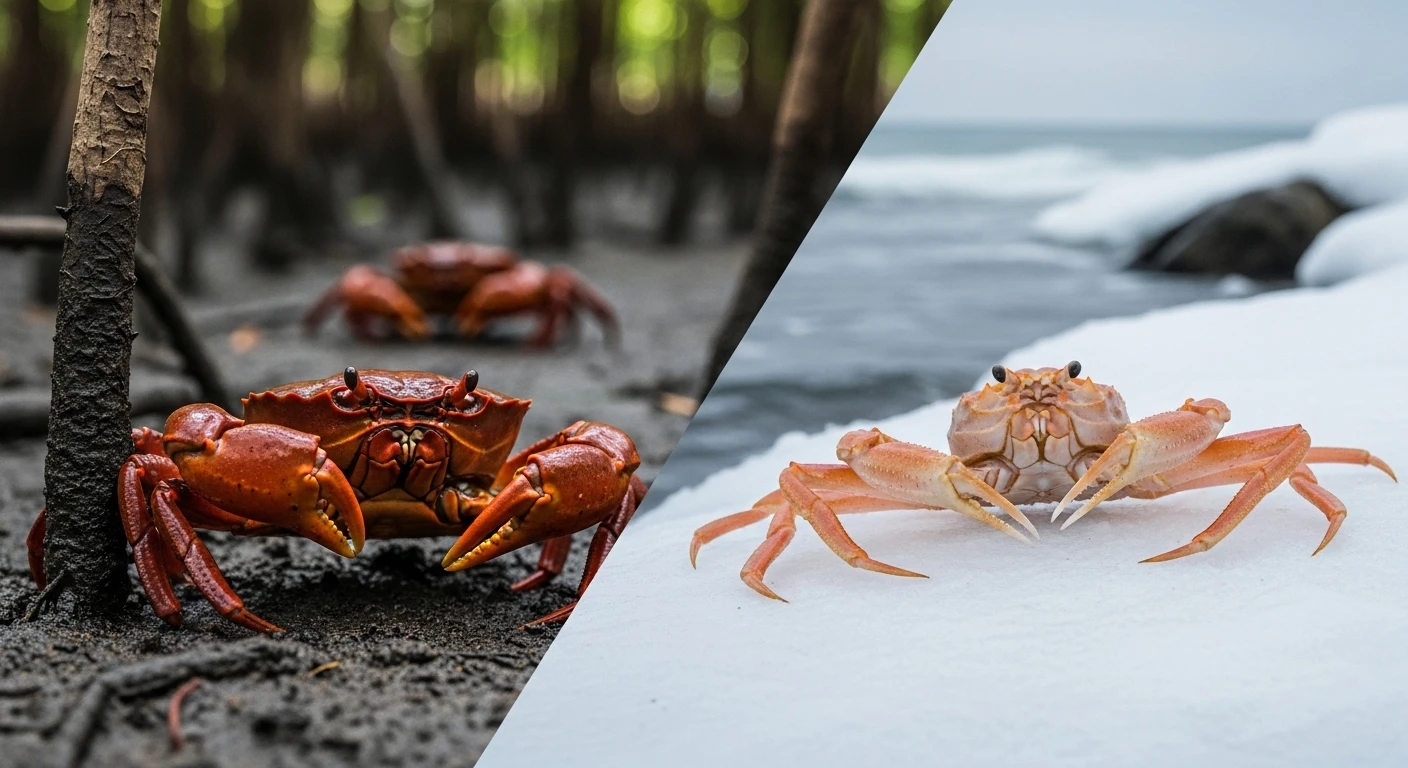
📸 A Tale of Two Waters: The visual contrast of Vietnamese and Japanese seafood traditions.
1 The Mekong Delta's Bounty: A River of Life
To truly understand Vietnamese shrimp, you must first understand the Mekong Delta – Vietnam's vibrant agricultural heartland, a vast labyrinth of rivers, canals, and fertile floodplains stretching towards the South China Sea. This is a place where water dictates life, and where the annual ebb and flow of the mighty Mekong River shapes not just rice paddies, but entire ecosystems vital for some of the world's finest shrimp.
Here, shrimp aren't just a commodity; they are an integral part of the landscape, the diet, and the local economy. From extensive brackish water farms in Ca Mau, where black tiger shrimp thrive amidst mangrove forests, to freshwater prawn fisheries deeper inland, the Delta offers a spectrum of environments that yield shrimp of remarkable flavor and texture. The very essence of the Delta – its unique blend of freshwater and saltwater, its rich sediment, and the sheer abundance of life – infuses these crustaceans with a distinct sweetness and a satisfyingly firm bite.
Ca Mau Black Tiger Shrimp: A Mangrove Treasure
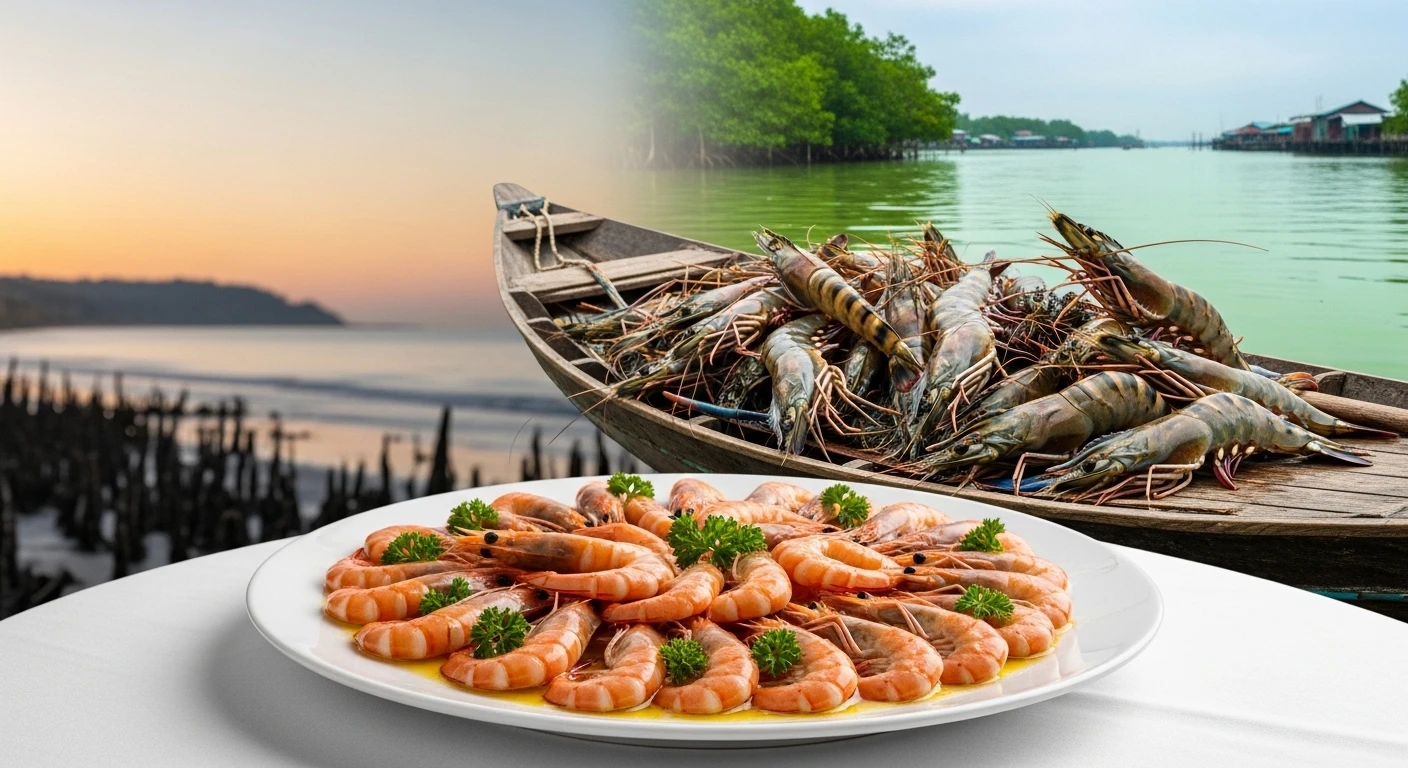
Often hailed as the crown jewel, the Ca Mau Black Tiger Shrimp is synonymous with the protected mangrove ecosystems of the southernmost province. These prawns are not just farmed; they are cultivated in harmony with nature. The mangroves act as a natural filter and breeding ground, providing a diet rich in organic matter. This unique environment results in shrimp with a cleaner, sweeter taste and a firm, succulent texture that’s worlds apart from mass-produced alternatives.
Mekong Giant Freshwater Prawns: The River's Giants
Venture further inland, and you'll encounter the mighty Mekong Giant Freshwater Prawn. Characterized by their long, striking blue claws and rich, buttery head fat, these prawns are a staple in regional hotpots and grilled delicacies. Their substantial size and robust flavor make them a true centerpiece, embodying the spirit of abundance found in the Delta's freshwater arteries.
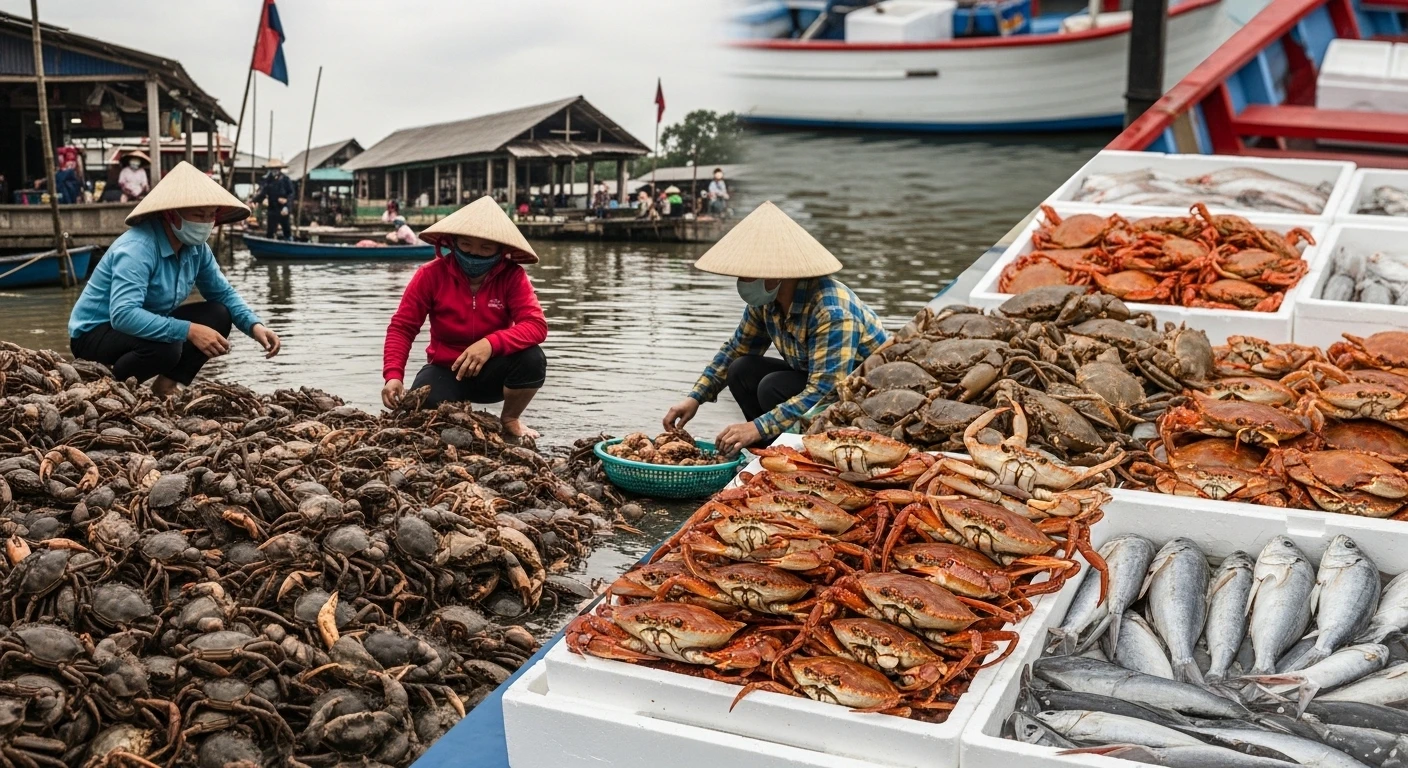
The culture surrounding shrimp in the Mekong Delta is deeply rooted in practicality and tradition. From the daily catch sold at bustling floating markets to the family meals featuring freshly steamed or grilled prawns, shrimp is woven into the fabric of Vietnamese life. The emphasis is often on freshness and simplicity, allowing the natural sweetness of the shrimp to take center stage, perhaps with a dipping sauce of lime, salt, and chili.
2 Japan's Precision: The Art of Seafood
Across the sea, Japan presents a vastly different, yet equally compelling, approach to seafood. Here, shrimp and prawns are not just food; they are subjects of an almost reverential culinary art form. Japanese seafood culture is built on principles of meticulous sourcing, impeccable freshness, precise preparation, and an aesthetic that elevates each ingredient to a masterpiece.
The Japanese reverence for seafood extends to their shrimp and prawn varieties. While aquaculture plays a role, the focus is on quality over sheer volume. Japanese chefs and consumers value specific characteristics: the subtle sweetness, the delicate texture, the visual appeal, and how each prawn complements other flavors. This precision is evident in how they are prepared – often raw (sashimi), lightly grilled, or steamed, with an emphasis on highlighting their natural qualities rather than masking them.
Amaebi: The Sweet Unveiling
Perhaps the most iconic Japanese shrimp is Amaebi, or sweet shrimp. Typically served raw, amaebi is prized for its translucent flesh and a profoundly sweet, almost floral, flavor. The preparation is simple, often just a quick clean and served with a touch of soy sauce and wasabi, allowing its delicate taste to be the star.
Kuruma Ebi: The King of Prawns
For a truly premium experience, there's Kuruma Ebi, the Japanese spiny tiger prawn. These magnificent crustaceans are known for their firm, elastic texture and a rich, savory sweetness. Kuruma Ebi are often prepared with minimalist techniques like grilling or tempura, where their inherent quality shines through, or served as exquisite sushi, showcasing their vibrant red shell and pearlescent flesh.
The Japanese approach to seafood is one of deep respect for the ingredient and the environment it comes from. This philosophy translates into shrimp dishes that are not just meals, but experiences – a testament to craftsmanship, tradition, and the pursuit of perfection.
3 The Great Divide: Flavor Profiles
The most striking difference between Vietnamese and Japanese shrimp lies in their fundamental flavor profiles, a direct consequence of their environment and cultivation methods.
Vietnam: Sweet & Earthy
Mekong Delta shrimp, especially the Ca Mau Black Tiger, possess a pronounced natural sweetness, often described as 'earthy' or 'brackish'. This flavor is less about a singular, sharp taste and more about a deep, lingering sweetness derived from the nutrient-rich waters and the natural diet available in their estuarine or mangrove habitats. It’s a robust, honest sweetness that pairs wonderfully with bold dipping sauces.
Japan: Delicate & Pure
Japanese shrimp, like Amaebi and Kuruma Ebi, offer a more refined, delicate sweetness. It’s a clean, pure flavor, often with subtle floral or oceanic undertones. This profile is geared towards emphasizing the pristine quality of the shrimp itself, relying on subtle enhancements rather than bold accompaniments. It’s the sweetness of the ocean’s breath, captured perfectly.
4 Texture and Mouthfeel: A Tale of Two Bites
The textural experience of eating shrimp also provides a fascinating point of comparison.
Vietnam: Firm and Satisfying
Mekong Delta shrimp, particularly the Black Tiger and Giant Freshwater Prawns, are renowned for their firmness. This isn't a tough, chewy texture, but a satisfying, substantial bite that holds up beautifully to various cooking methods, from grilling to stir-frying. The dense flesh offers a pleasing resistance, making each mouthful a substantial experience.
Japan: Tender and Delicate
Japanese shrimp often lean towards a more tender, yielding texture. Amaebi, when served raw, is almost melt-in-your-mouth, with a silken quality. Kuruma Ebi, while firm, has a fine-grained structure that feels luxurious and smooth. This delicate texture is optimized for preparations that require minimal manipulation, allowing the shrimp's natural succulence to dominate.
5 Culinary Approaches: Simplicity vs. Artistry
The way shrimp are cooked and served is a profound reflection of their respective cultures.
Vietnam: The Art of the Dip
In the Mekong Delta, shrimp are often prepared with a focus on bringing out their natural flavor, complemented by potent dipping sauces. Steamed shrimp, grilled prawns, or shrimp cooked in coconut water are common. The star of the show is often the accompanying sauce – a vibrant concoction of lime juice, salt, sugar, and fresh chilies, or a spicy, savory concoction like Tamarind Shrimp. These sauces don't just accompany; they actively enhance and balance the shrimp's sweetness.
Japan: The Unadorned Jewel
Japanese cuisine champions the philosophy of "ichiban," meaning "number one" or "best." When it comes to shrimp, this translates to preparations that showcase the ingredient in its purest form. Sushi and sashimi are paramount, where the raw quality of Amaebi or the carefully prepared Kuruma Ebi is paramount. Other methods like grilling (yakitori) or light tempura also aim to highlight the shrimp's inherent flavor and texture with minimal intervention. Soy sauce, wasabi, and a touch of grated ginger are often the only 'enhancements' considered.
6 Everyday Staples: Whiteleg Shrimp & Practicality
Beyond the celebrated premium varieties, both Vietnam and Japan utilize more common shrimp types for everyday meals, showcasing a different facet of their shrimp culture.
Vietnam: The Versatile Whiteleg
The Whiteleg shrimp (also known as Pacific White Shrimp or Litopenaeus vannamei) is the workhorse of Vietnamese aquaculture and home kitchens. While not possessing the dramatic flavor profile of Ca Mau Black Tigers, it's incredibly adaptable and affordable. It finds its way into countless dishes: hearty noodle soups (like *bun cha ca*), stir-fries, spring rolls, and simple steamed preparations. Its mild flavor and consistent texture make it a family favorite, embodying the practical, nourishing spirit of Vietnamese everyday cooking.
Japan: Convenience and Consistency
Japan also utilizes farmed shrimp, often imported, to meet the demand for convenient and consistent ingredients. These might appear in bento boxes, as additions to fried rice, or in casual noodle dishes. While perhaps lacking the distinct terroir of locally sourced varieties, these shrimp are valued for their reliability and ability to be incorporated seamlessly into busy lifestyles. They represent the modern convenience aspect of Japanese food culture.
7 The "Why Visit" Factor: Experiencing Shrimp Culture
For the global traveler with a palate for adventure, the differences between Vietnamese and Japanese shrimp culture offer compelling reasons to explore both destinations.
Mekong Delta: A Sensory Immersion
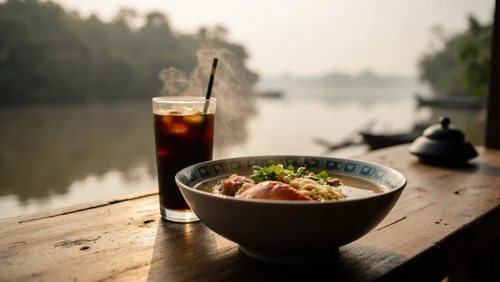
Visiting the Mekong Delta is an immersion. Imagine cruising along murky canals, passing by floating shrimp farms, stopping at a riverside eatery for freshly grilled giant prawns, the smoky aroma mingling with the humid air. You can witness the entire lifecycle, understand the connection between mangroves and flavor, and taste shrimp as it's meant to be – fresh, sweet, and bursting with the spirit of the river. The experience is raw, vibrant, and unforgettable, a true taste of Vietnamese soul food.
Japan: Culinary Refinement and Aesthetics
In Japan, the pursuit of perfect seafood is an art form. Visiting Tokyo's fish markets, dining at a meticulously prepared sushi restaurant, or experiencing a kaiseki meal offers a different kind of journey. It's about appreciating the subtle nuances, the stunning visual presentation, and the profound respect for ingredients. It’s a journey into precision, beauty, and the quiet dedication that defines Japanese gastronomy.
8 Conclusion: Two Worlds, One Crustacean
Ultimately, comparing Vietnamese and Japanese shrimp is not about declaring a 'winner.' It's about celebrating the incredible diversity that one ingredient can offer, shaped by vastly different environments, traditions, and culinary philosophies. The robust, earthy sweetness of Ca Mau Black Tiger shrimp, born from the muddy embrace of the Mekong, stands as a testament to nature's generosity. The delicate, pure flavor of Japanese Amaebi and Kuruma Ebi speaks volumes about human dedication to refinement and artistry. Both offer profound culinary experiences. For the adventurous eater, the question isn't 'which is better,' but 'when can I taste them both?'