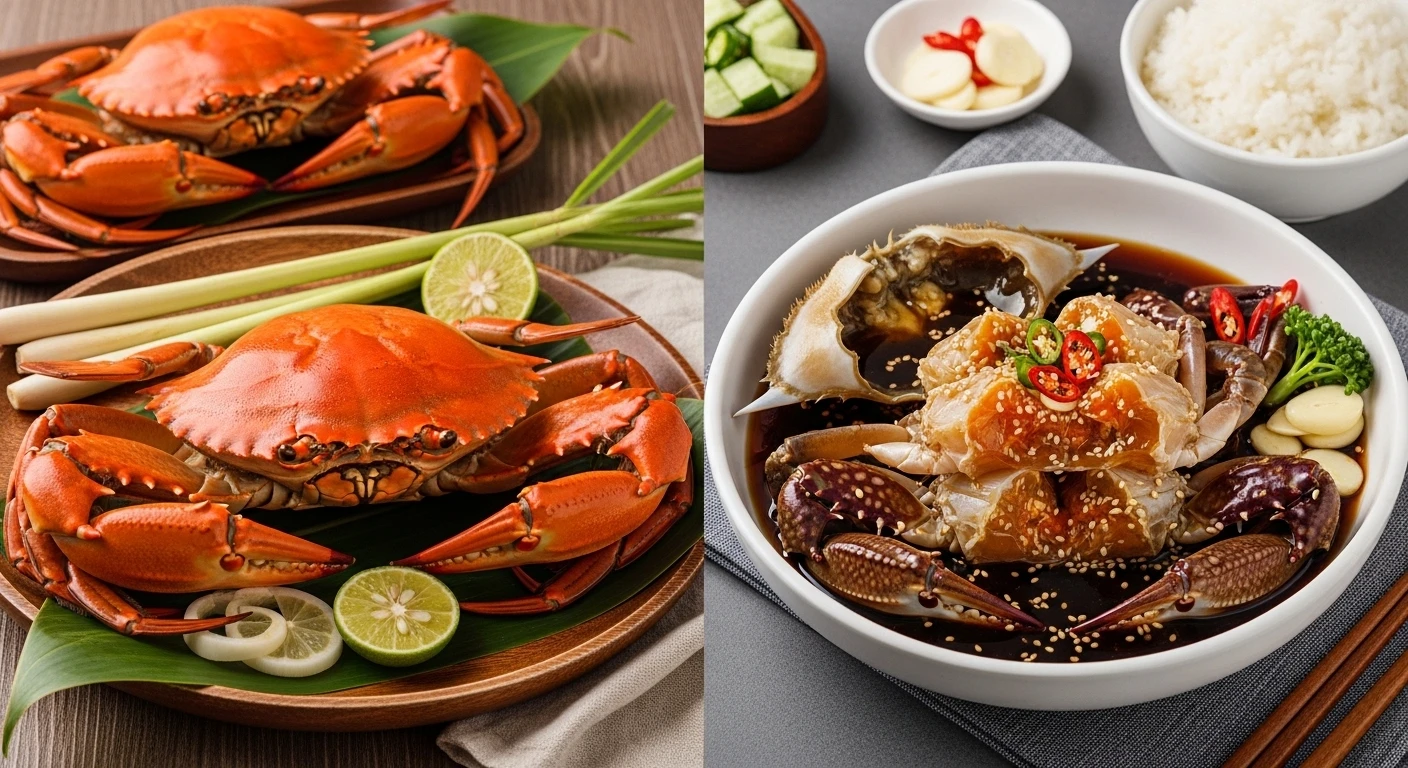
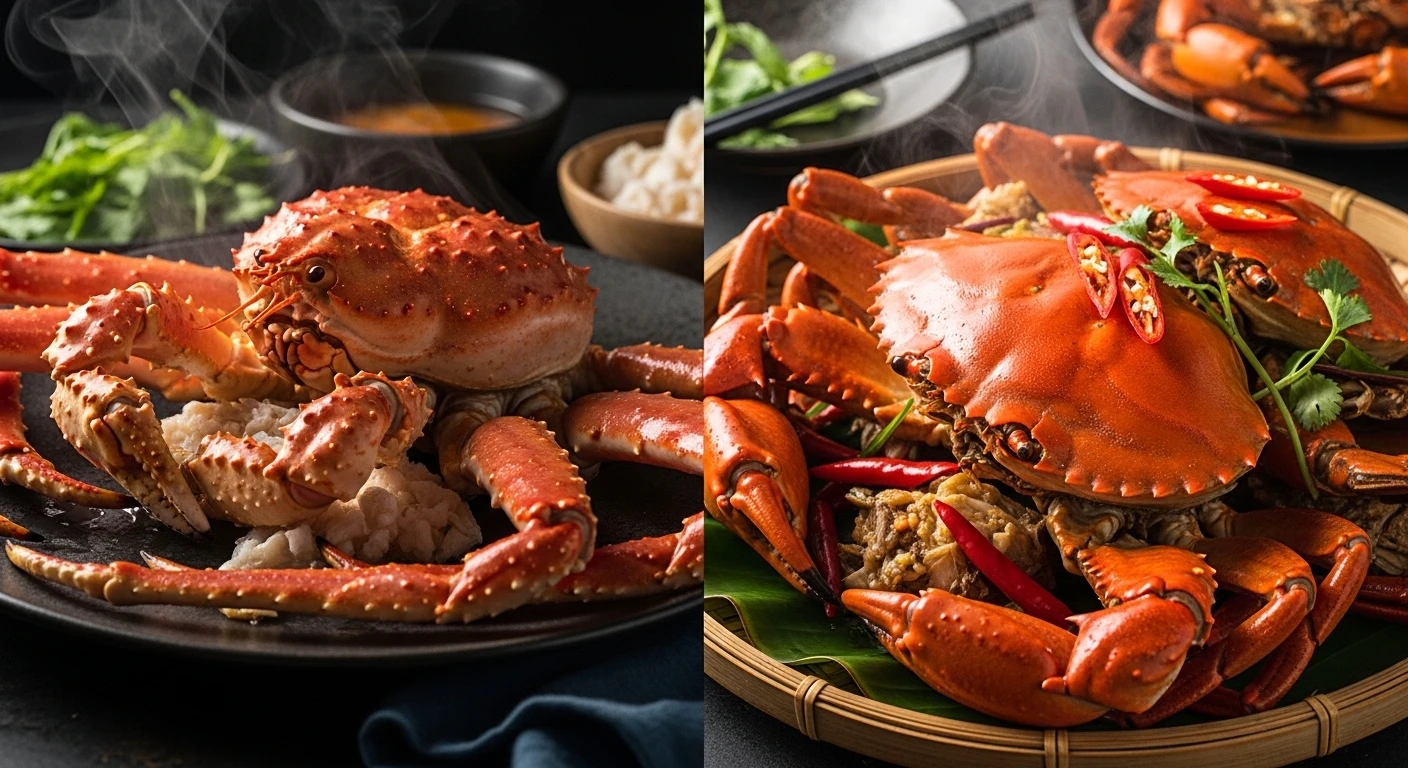
" Whether it's the sweet, succulent flesh of a Mekong Delta mud crab or the fiery embrace of Singapore's signature chili crab, the appeal of a well-prepared crustacean transcends borders and cultures. But to truly understand the nuances, you need to taste them side-by-side. "
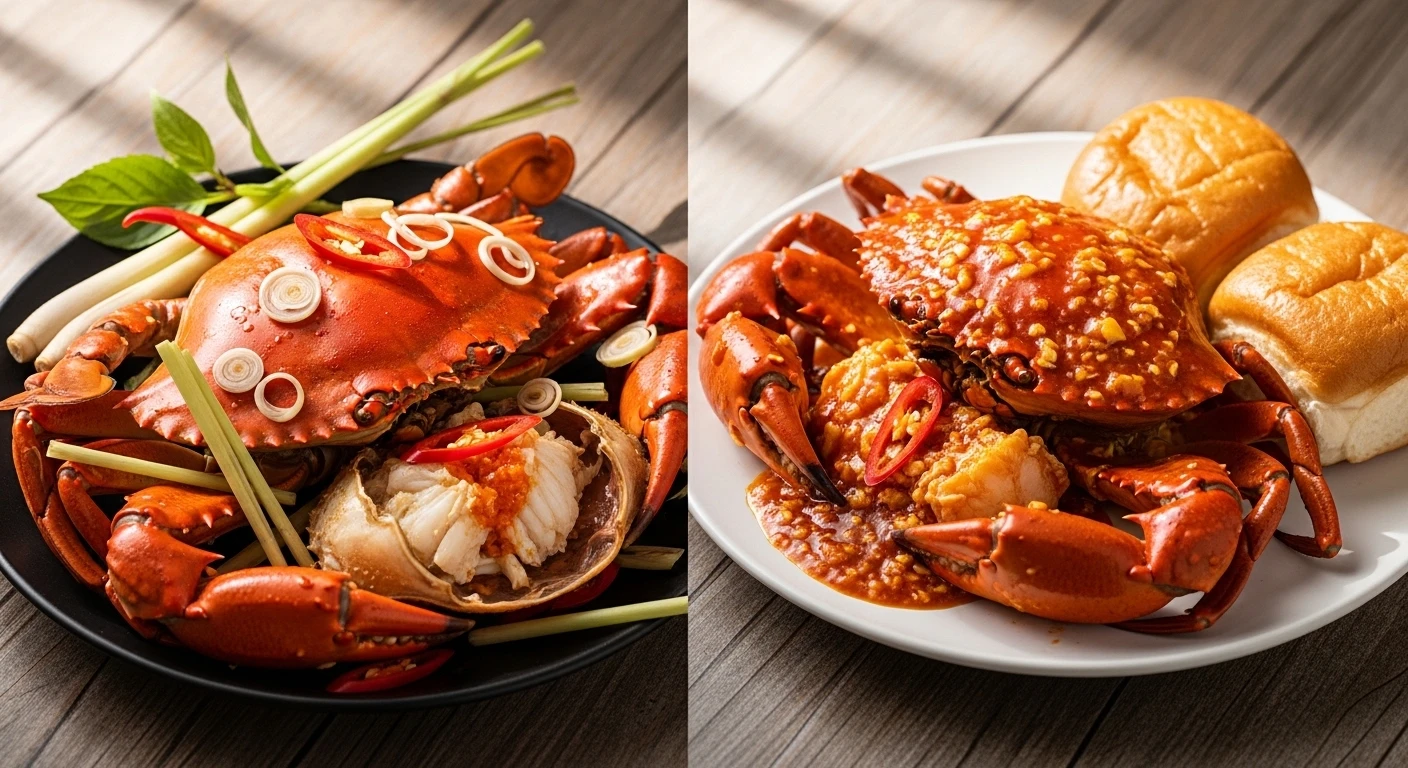
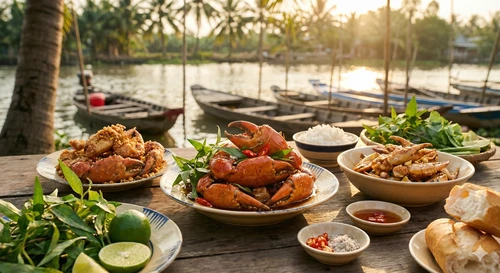
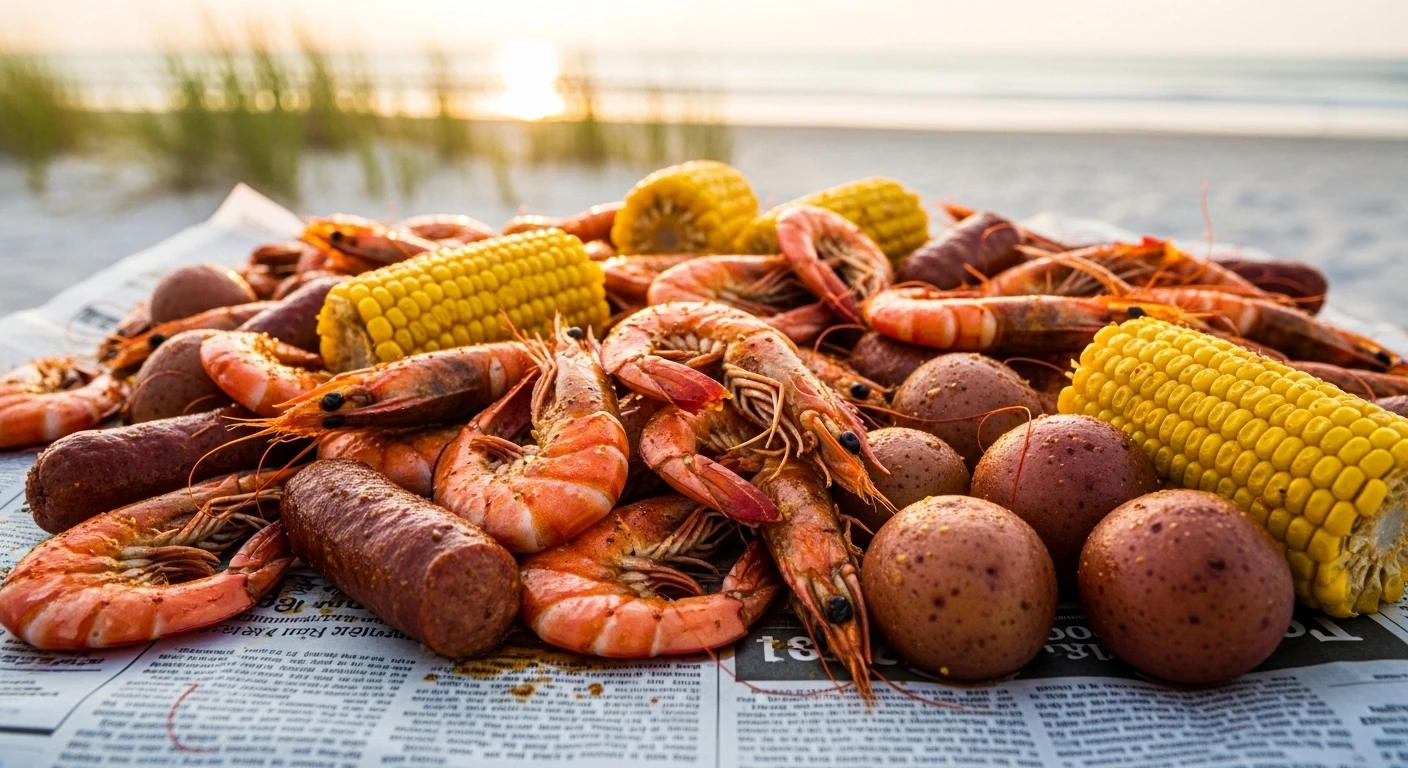
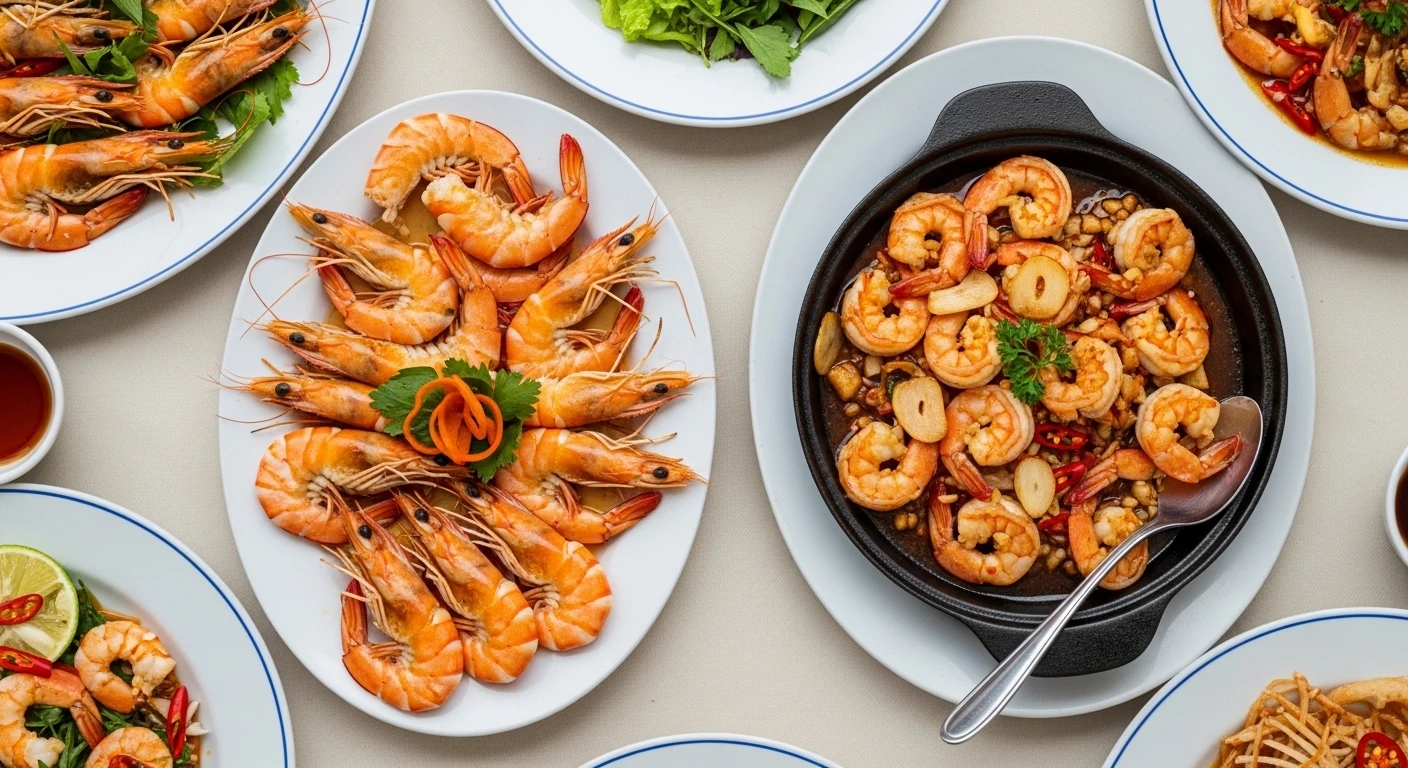
📸 The visual feast: Where culinary artistry meets the bounty of the sea.
1 The Global Allure of Crab
Crab. The word itself conjures images of pristine beaches, bustling docks, and tables laden with culinary treasures. It's a creature revered globally, a symbol of the ocean's rich bounty. From the delicate sweetness of Japanese hairy crab to the robust meat of American Dungeness, nearly every coastal culture has its own beloved crustacean rituals.
Yet, within the vibrant tapestry of Southeast Asian seafood, two distinct yet equally compelling crab cultures stand out: those found along the serpentine waterways of Vietnam's Mekong Delta, and the iconic offerings of Singapore's world-renowned culinary scene. While both celebrate the crab, their approaches, philosophies, and ultimate expressions on the plate couldn't be more different.
This isn't just about comparing ingredients; it's about comparing philosophies. It's about understanding how geography, history, and culture shape the very way we appreciate one of the sea's most prized gifts.
2 The Heartbeat of the Delta: Vietnam's Crab Heritage
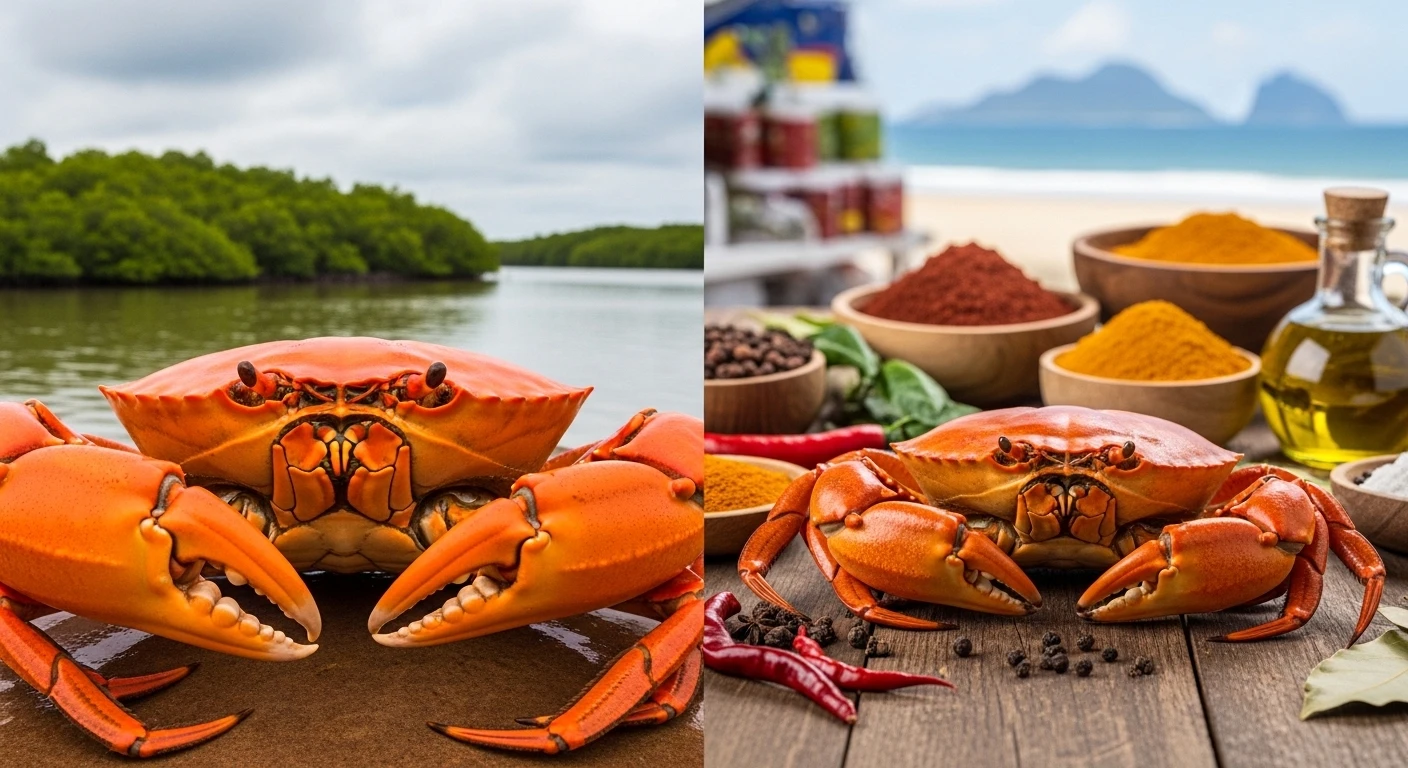
Journey into the Mekong Delta, a vast network of rivers, canals, and mangrove forests in Southern Vietnam, and you enter a realm where crab is not just food, but a way of life. This is the ancestral home of the prized Vietnamese mud crab, particularly the famed Ca Mau sea crab. These crabs thrive in the brackish waters, feeding on a diet of natural marine life, which imbues their flesh with an unparalleled sweetness and a firm, dense texture that is the hallmark of truly exceptional mud crab.
In the Delta, the philosophy around crab is one of profound respect for the ingredient. The focus is on purity, on letting the crab's natural flavor shine. While stir-fries and soups are common, the most revered preparations highlight the crab's inherent quality. Think of simple steaming, often with just lemongrass and beer, allowing the steam to coax out the delicate sweetness without overwhelming it. Or grilling over charcoal, which imparts a subtle smoky char that complements the rich, briny meat.
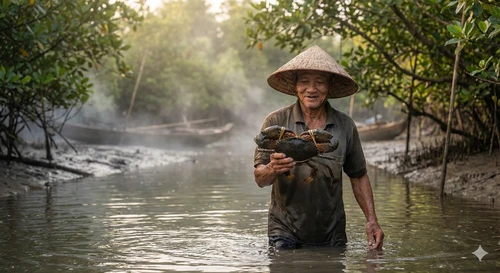
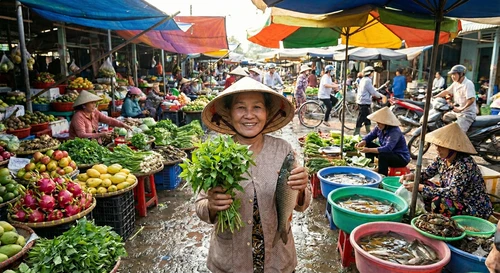
The Delta's crab culture is deeply intertwined with its geography. Mud crab fishing is a livelihood for many families, passed down through generations. Markets overflow with live crabs, their shells gleaming, their claws bound with twine. The types of crab themselves tell a story: the dense, meaty males prized for their substantial claws, and the females, celebrated for their rich, orange roe (gạch), a luxurious delicacy often reserved for special occasions.
A Taste of Ca Mau:
Heritage Ingredient
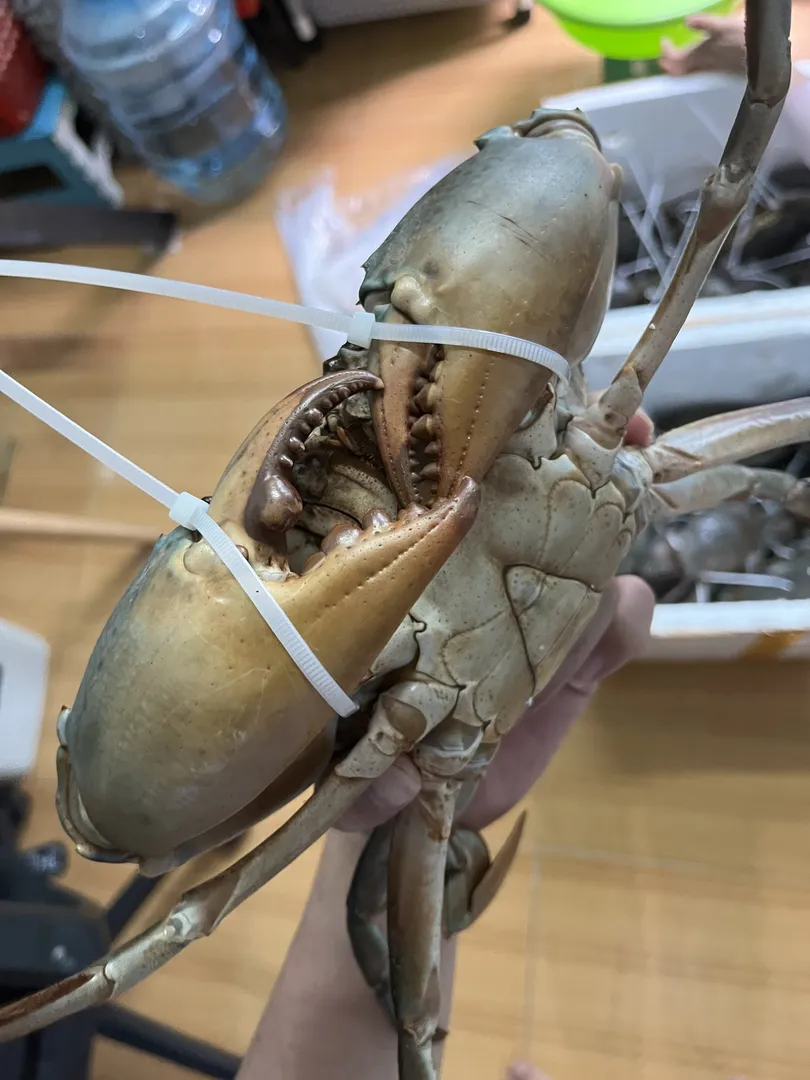
Ca Mau Jumbo Mud Crab
Ca Mau Jumbo Mud Crab
A large male mud crab prized for dense, sweet meat and thick claws, commonly used in steamed crab and grilled crab dishes across the Mekong Delta.
An icon of coastal culinary heritage, featuring firm, sweet meat that captures the raw power and freshness of Ca Mau's tides.
The Ca Mau Jumbo Mud Crab exemplifies the Delta's commitment to ingredient quality. These large males, with their substantial claws and dense, sweet meat, are the stars of any simple preparation. Their flavor is a direct expression of the pristine brackish waters they inhabit, a testament to the Delta's unique terroir.
The culinary approach here is almost elemental. It’s about minimal intervention to achieve maximum flavor. This is the essence of Vietnamese ingredient-first cooking, and nowhere is it more evident than in the preparation of fresh, live mud crab from the Mekong.
3 The Lion City's Culinary Crown Jewel
Shift your gaze to Singapore, and you'll encounter a crab culture that is equally revered, but profoundly different. Singapore is internationally synonymous with its iconic Chili Crab. This dish is more than just a meal; it's a national symbol, a culinary ambassador that has captivated palates worldwide.
Unlike the ingredient-purity focus of the Mekong, Singapore's crab tradition is sauce-forward. Chili Crab, along with Black Pepper Crab, is a masterclass in flavor layering. The sweet, tender crab meat serves as the perfect canvas for a complex, often fiery, and deeply savory sauce. The tomato-based chili sauce, infused with sambal, garlic, ginger, and sometimes egg, creates a sticky, addictive coating that demands to be mopped up with fried mantou buns.
Singapore's approach to seafood, including crab, is shaped by its history as a trading port and its identity as a multicultural melting pot. Hawker centers, renowned for their culinary diversity, are the heart of this vibrant food scene. Here, you can find an array of crab preparations, from the celebrated chili and black pepper to steamed crab (often done very well, acknowledging the ingredient's value) and butter crab. The emphasis is on bold, unforgettable flavors that represent the confluence of Chinese, Malay, and Indian culinary influences.

📸 The Star of the Show: Singapore's legendary Chili Crab.
While the crab itself is always of high quality, the preparation is an art form where the sauce is as critical as the crustacean. It's a celebration of intense flavors, social dining, and the creation of an iconic dish that put Singapore on the global food map.
4 Mud Crab Purity vs. Chili Crab Icon Status: A Comparative Taste
Vietnamese Crab (Mekong Delta Focus)
- Primary Focus: The natural, sweet flavor of the crab itself.
- Key Ingredient Types: Live mud crabs (Ca Mau), often prized for meat density or roe.
- Flavor Profile: Subtle, sweet, briny, clean. Enhanced by aromatics.
- Dominant Cooking Methods: Steaming (with beer, lemongrass, coconut water), simple grilling, stir-frying with minimal sauce.
- Sauce/Dipping: Often served with a simple salt-pepper-lime dip, or a spicy green chili sauce. The sauce is a condiment, not the main event.
- Terroir Impact: Deeply influenced by the brackish mangrove environment of Ca Mau and the Mekong.
- Culinary Philosophy: Ingredient-driven, minimalist, respecting the natural quality.
Singaporean Crab (Iconic Dishes)
- Primary Focus: The complex, bold flavor of the sauce that coats the crab.
- Key Ingredient Types: Sri Lankan mud crabs (often imported), locally sourced mud crabs.
- Flavor Profile: Intense, savory, spicy, sweet, tangy, sometimes rich and eggy.
- Dominant Cooking Methods: Signature dishes like Chili Crab, Black Pepper Crab, Butter Crab.
- Sauce/Dipping: The sauce IS the dish. Often thick, clinging, and designed to be eaten with rice or mantou.
- Terroir Impact: Less about specific local terroir, more about skillful blending of diverse culinary influences.
- Culinary Philosophy: Sauce-driven, bold fusion, creating iconic, memorable dishes.
The distinction is clear: Vietnam champions the crab's intrinsic flavor, while Singapore elevates it through masterful sauce creation. Both approaches yield delicious results, but they cater to different cravings and offer distinct sensory experiences.
5 From Riverside Markets to Hawker Centers: The Dining Experience
The way crab is enjoyed also paints a vivid picture of each culture. In the Mekong Delta, seafood dining is often an intimate, communal affair. You might find yourself at a simple riverside restaurant, selecting your live crab from a tank, or sharing platters of steamed crab with family amidst the lush greenery. The atmosphere is relaxed, connected to nature, and focused on the freshness of the catch. The sound of the river, the gentle breeze, and the clatter of shells create a rustic, authentic experience.
A Glimpse into Vietnamese Markets:
Heritage Ingredient
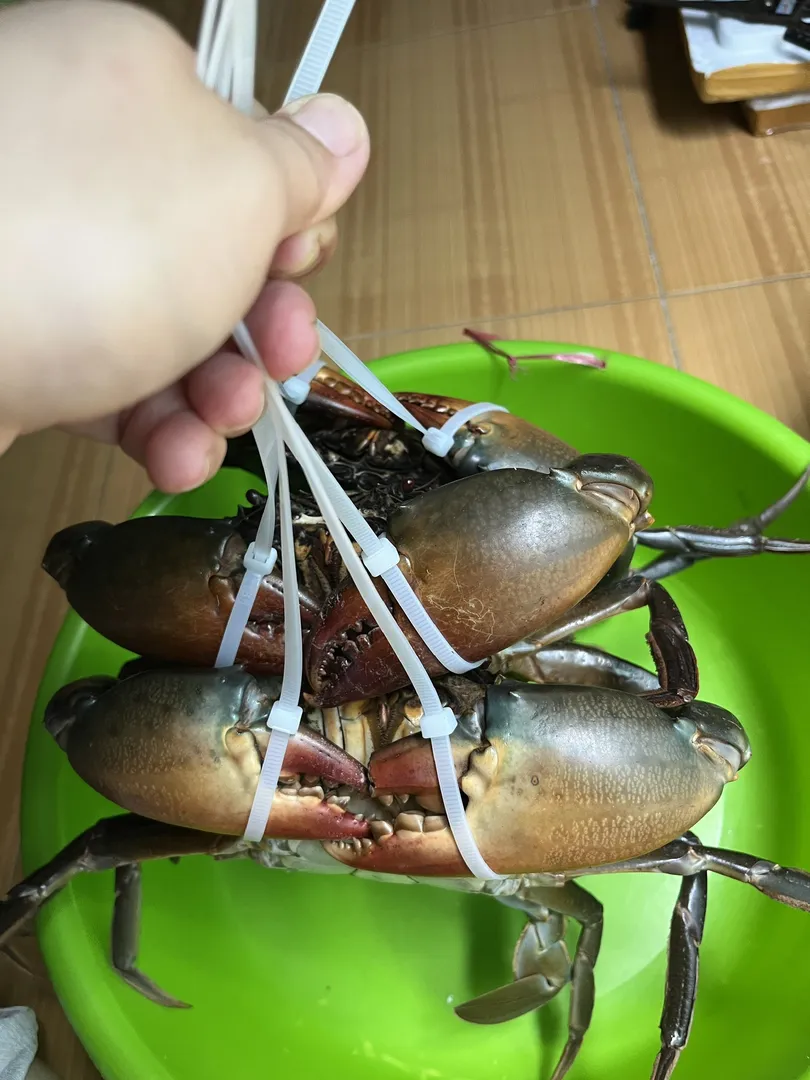
Giant Ca Mau Mud Crab
Giant Ca Mau Mud Crab
A larger export-grade mud crab with dramatic claws and thick meat, often used to illustrate oversized crab categories in Vietnamese seafood markets.
A titan of the ocean, offering colossal claws filled with muscular, succulent meat that elevates every feast into a royal experience.
Products like the Giant Ca Mau Mud Crab illustrate the scale and quality found. These large, impressive crabs, often destined for restaurant-quality dishes, are a common sight in Vietnamese markets. Their sheer size and substantial claws are a draw, showcasing the abundance from the Delta's rich waters.
In Singapore, the crab experience is often synonymous with the energetic, social atmosphere of its world-famous hawker centers. Here, you’ll sit elbow-to-elbow with locals and tourists alike, devouring plates of chili crab or black pepper crab with your hands, the scent of various cuisines mingling in the air. It’s a vibrant, bustling environment where food is celebrated with gusto and shared conviviality. The experience is about the iconic dish, the lively ambiance, and the sheer pleasure of bold flavors.
6 Beyond the Plate: Terroir, Livelihoods, and Culture
The true soul of crab in these regions lies beyond the mere taste. In the Mekong Delta, crab culture is intrinsically linked to the mangrove ecosystems that nurture them. The livelihoods of coastal communities depend on sustainable crab fishing, a practice that balances human needs with ecological preservation. The taste of Ca Mau crab is a direct reflection of this unique brackish environment – a terroir as distinct as any wine region.
For Singapore, crab, particularly chili crab, represents a triumph of culinary innovation and national identity. It's a dish that tells the story of a nation built on diverse influences, a testament to how immigrants fused their traditions to create something uniquely Singaporean. The crab here is a symbol of achievement, a celebrated national dish that draws global attention and pride. It's less about a specific geographical terroir and more about a cultural one, a fusion forged in the crucible of urban multiculturalism.
7 Why Your Next Crab Pilgrimage Should Be to the Mekong
For travelers and food enthusiasts, understanding these differences enriches the journey. If you seek the pure, unadulterated essence of crab, the sweet, tender meat that speaks of its pristine environment, then the Mekong Delta is your ultimate destination. Experiencing a freshly steamed Ca Mau mud crab, perhaps accompanied by a simple salt-lime dip and a cold beer, is to taste nature at its finest. It's an education in flavor, a connection to the source, and an immersion into a culture that respects the sea's offerings.
Visiting the Mekong Delta for crab is not just a culinary excursion; it's an exploration of a vibrant ecosystem, a chance to connect with local fishing communities, and to witness firsthand the dedication to quality that defines Vietnamese seafood. It offers a different perspective on crustacean appreciation, one that prioritizes subtlety and natural sweetness.
The Luxury of Roe:
Heritage Ingredient
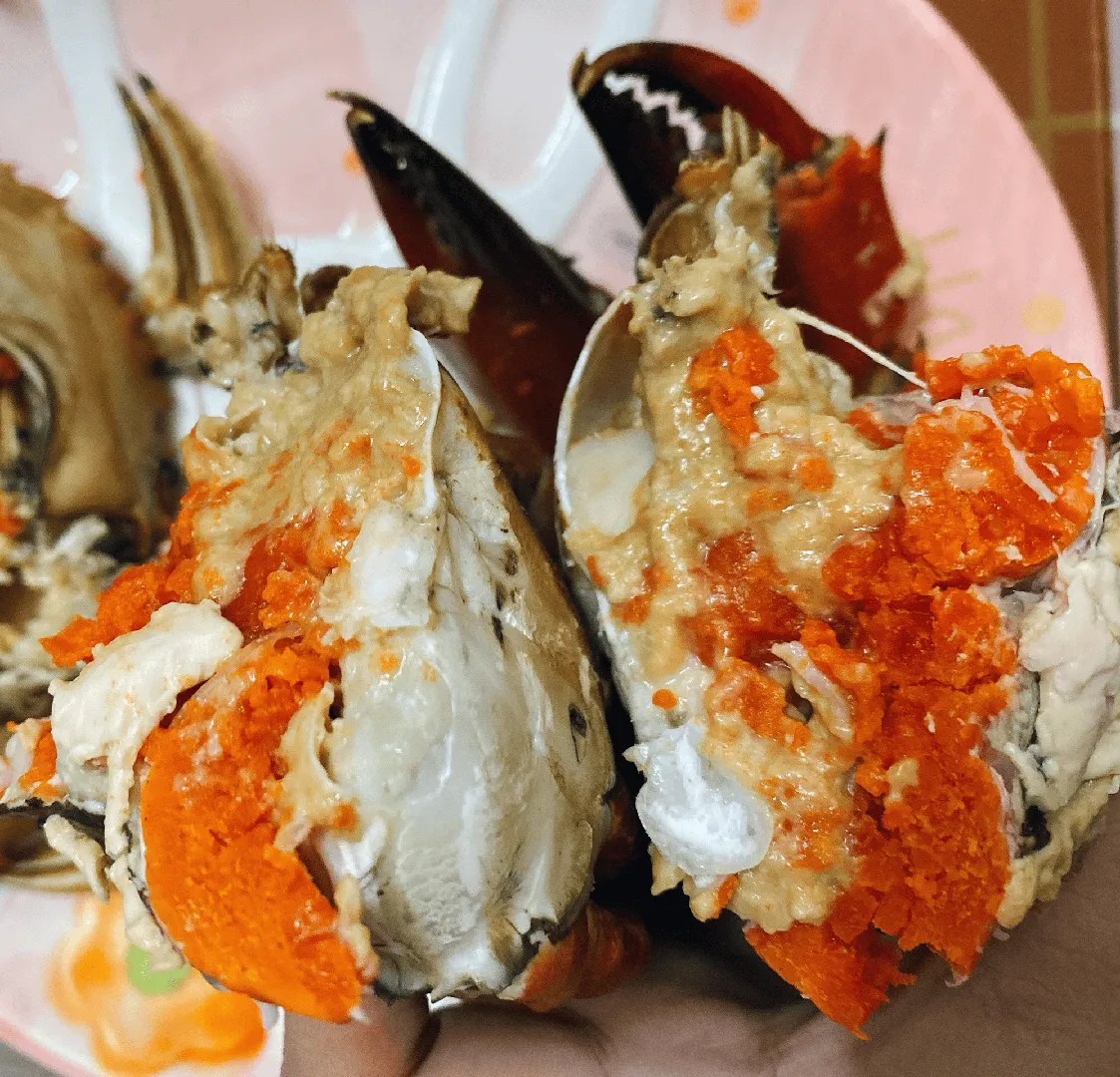
Ca Mau Roe Mud Crab
Ca Mau Roe Mud Crab
A female mud crab known for deep orange roe and a rich, creamy finish, often featured in celebratory Southern Vietnamese seafood meals.
A crimson treasure hidden within a shell, boasting rich, creamy roe that melts on your tongue like a golden sunset over the delta.
The Ca Mau Roe Crab represents a different kind of luxury within Vietnamese crab culture. Its deep orange roe, rich and creamy, offers a unique textural and flavor experience distinct from the meaty crab. This variety highlights the diverse offerings from the Delta, catering to those who appreciate richer, more decadent flavors.
While Singapore's chili crab is a must-try icon, exploring the Mekong Delta offers a deeper, more fundamental understanding of what makes crab so special. It's a chance to experience the source, the pure flavor, and the traditional ways of appreciation that have been honed over centuries.
8 A Tale of Two Crab Cultures, United by the Sea
Vietnam's crab culture, particularly from the Mekong Delta, and Singapore's iconic chili crab represent two distinct yet equally valid pinnacles of crustacean appreciation. Vietnam offers a journey into the heart of ingredient purity, where the natural sweetness of mud crabs is king, celebrated through simple, respectful preparations. Singapore, on the other hand, crafts unforgettable culinary experiences through bold, complex sauces that have made crab a global icon.
To appreciate one fully is to understand the other. They are not rivals, but complementary chapters in the grand story of seafood. For those who seek the unadulterated taste of the sea, the fresh, briny essence of crab in its purest form, the waters of the Mekong Delta await, offering a taste of true mud crab perfection. For those who crave a symphony of flavors, a dish that is both intensely satisfying and culturally significant, Singapore's culinary landscape beckons. Both offer a world of delicious discovery.