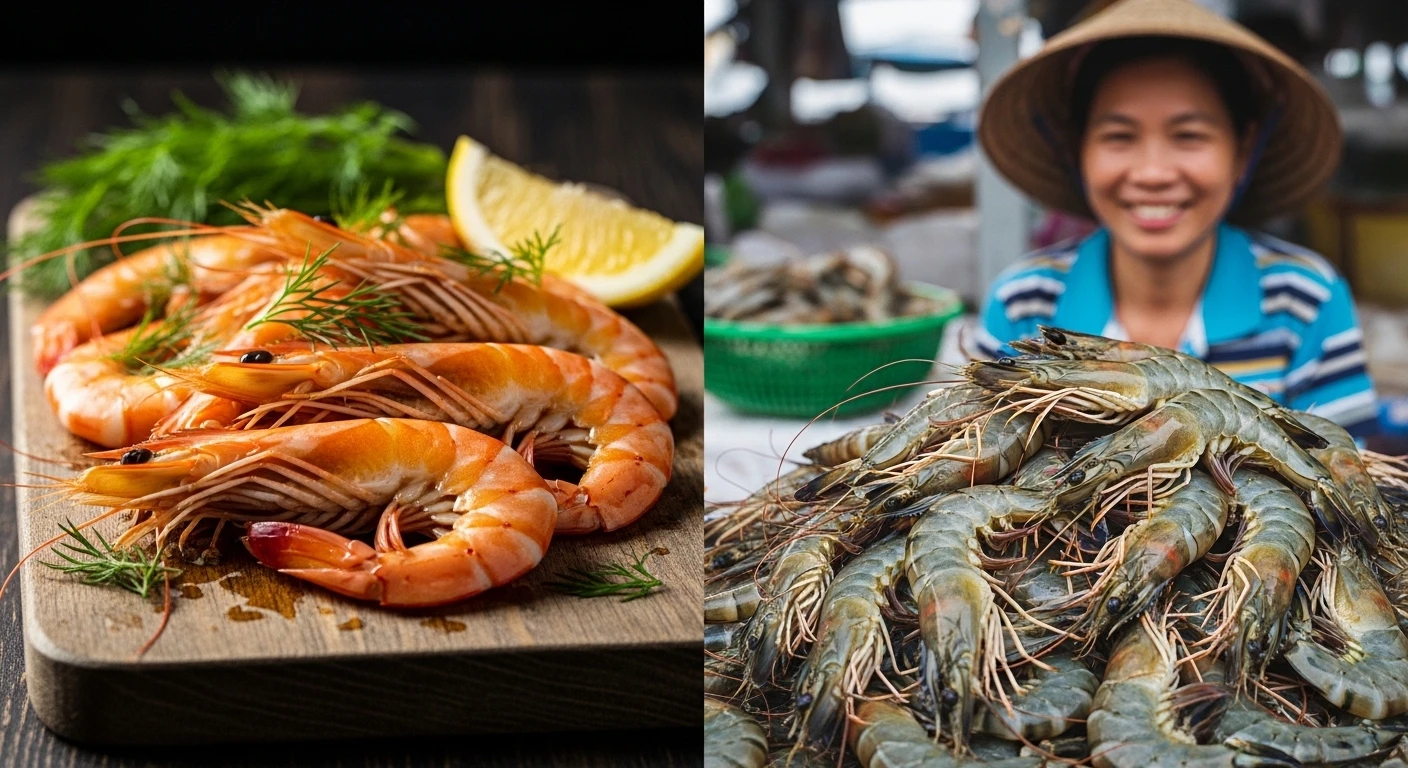
" The Mekong Delta doesn’t whisper; it hums. A low, constant thrum of life, of water meeting land, of human ingenuity bending to nature’s will. And nowhere is this hum more palpable than in the muddy heart of its aquaculture, where generations have worked to coax one of the world's most exquisite ingredients from the earth: the Vietnamese mud crab. "
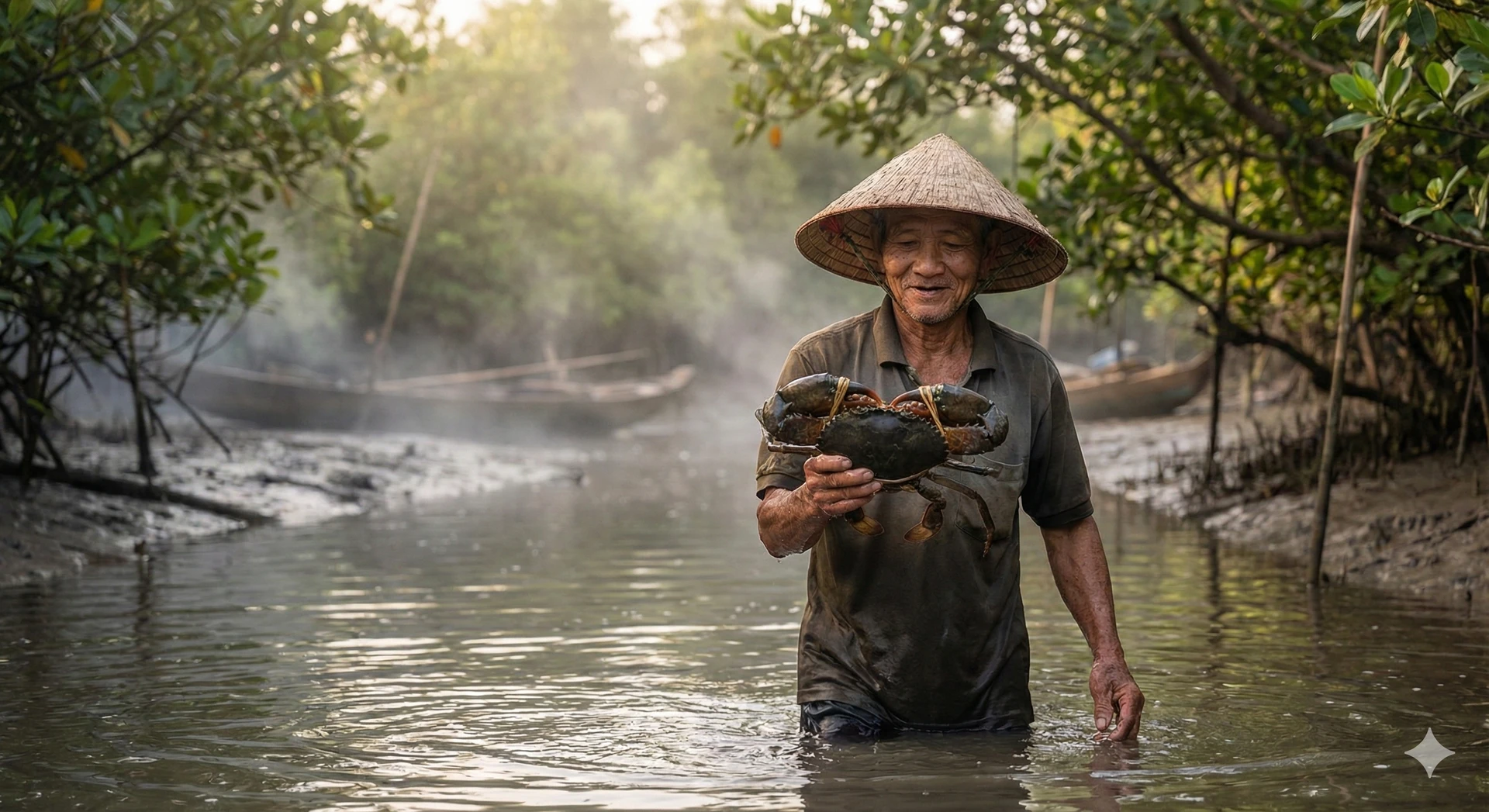
📸 The first light kissing the muddy shores, signaling the start of another day's labor.
1 The Delta's Embrace: A Landscape Forged by Water
At Vietnam's southernmost tip, where the mighty Mekong River finally surrenders its freshwaters to the sea, lies a labyrinthine world of canals, mangroves, and mudflats. This is Ca Mau province, specifically the Nam Can district – a place that feels like the edge of the world, and yet, is the vibrant center for one of the world's most coveted crustaceans: the mud crab.
This isn't your pristine beach paradise; this is a rugged, wild beauty. A symphony of brackish water, resilient mangrove forests, and nutrient-rich mud, it’s an ecosystem that thrives on the delicate dance between river and ocean. Its air is thick with the scent of damp earth and salt, its horizons painted in shades of green and grey. It’s here, amidst this primal landscape, where stilted houses stand sentinel over winding waterways, that the story of our crab farmer, a story of relentless toil and profound connection, truly begins.
2 Sunrise Symphony: A Farmer's Awakening
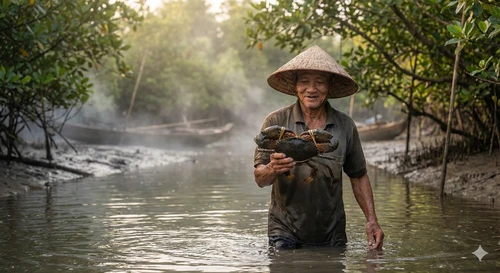
Long before the first tourist boat stirs, or the city markets begin their clamor, the Mekong Delta is already awake. For Ông Hải, a crab farmer with decades of mud beneath his fingernails and sun-etched lines around his eyes, the alarm clock is the gradual brightening of the sky and the distant murmur of the tide. It's a silence broken only by chirping crickets, the rustle of leaves, and the gentle lapping of water against his stilted wooden home.
A simple breakfast—a steaming bowl of rice porridge, perhaps some dried fish and chili—is consumed quickly, almost ritually. There's no time for dawdling. His tools are prepared: sturdy nets, ingenious bamboo traps, durable buckets, and the most crucial companion, his small, nimble wooden boat. The air is thick with humidity, carrying the earthy scent of damp soil and decaying leaves. The day's rhythm is dictated by the ebb and flow of the delta, and the crabs, masters of their domain, wait for no one.
This early start isn't a chore; it’s a communion. A quiet acknowledgment of the bond between man and this giving, yet challenging, land.
3 Into the Mangroves: The Art of Aquaculture
The boat, a slender vessel carved from local wood, glides effortlessly through narrow channels, propelled by Ông Hải's practiced paddle strokes. On either side, the dense, gnarled roots of mangrove trees form an impenetrable wall, their branches teeming with unseen life. These aren't just crab ponds; they are living ecosystems, managed with a wisdom that transcends modern farming techniques.
Many delta farmers practice a sustainable, integrated aquaculture known as polyculture. Crab, shrimp, and sometimes fish coexist, each playing a role in the delicate balance of the muddy ponds. Ông Hải navigates with an intuition born of years, checking the water levels, observing the subtle movements on the surface, reading the signs that speak volumes to his experienced eye. His crab ponds are typically large, fenced-off sections of the estuary, allowing natural tidal flow, which is crucial for the crabs' health and flavor. He's not merely harvesting; he's tending a complex garden, ensuring the right balance of salinity, food sources, and protection from predators. He carefully inspects his traps and nets, looking for signs of activity, the tell-tale splashes that signal a potential catch, or a disturbance that needs addressing.
It's a dance of patience and precision, where knowledge passed down through generations is as vital as the modern tools of the trade. The sun climbs higher, beating down on the water, but Ông Hải works methodically, his movements economical and purposeful.
4 The Crab's Kingdom: King of the Delta Mud
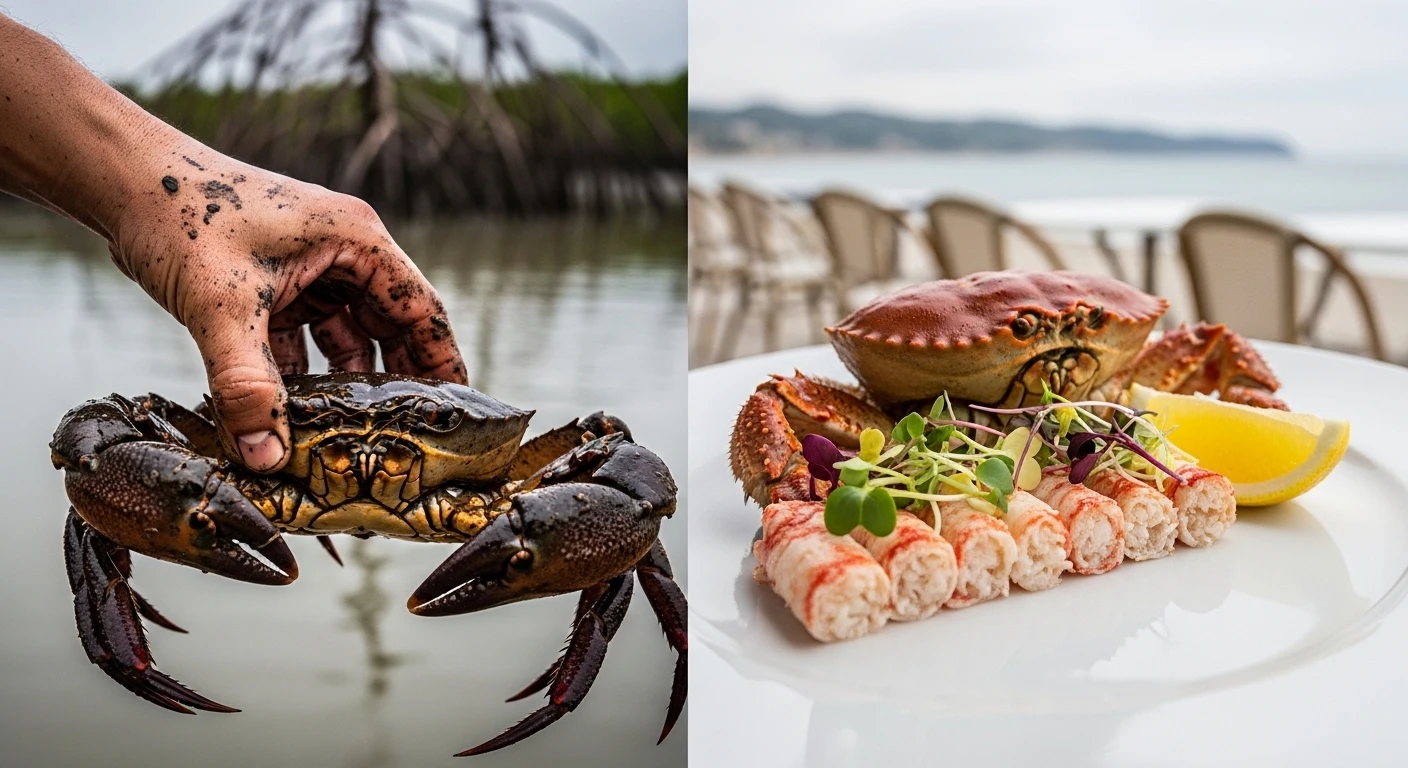
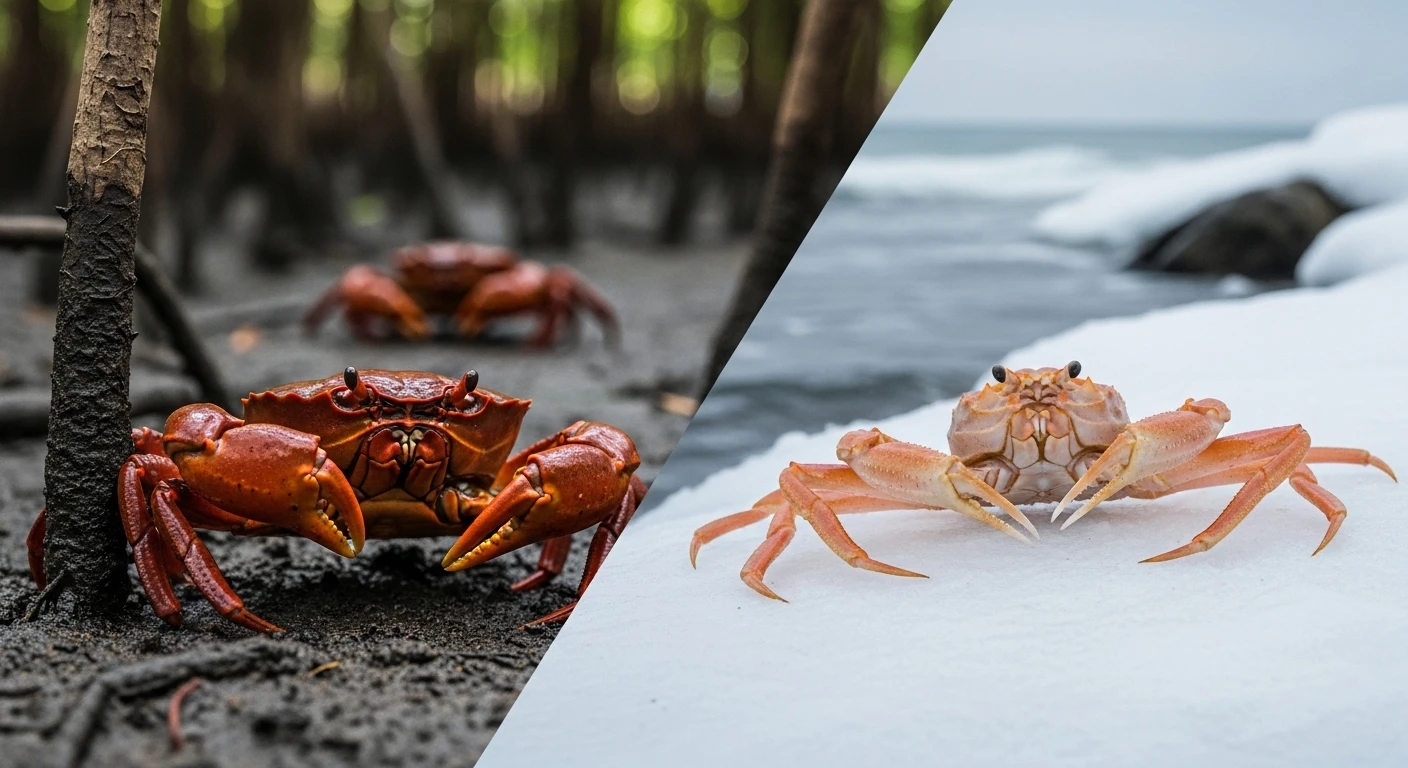
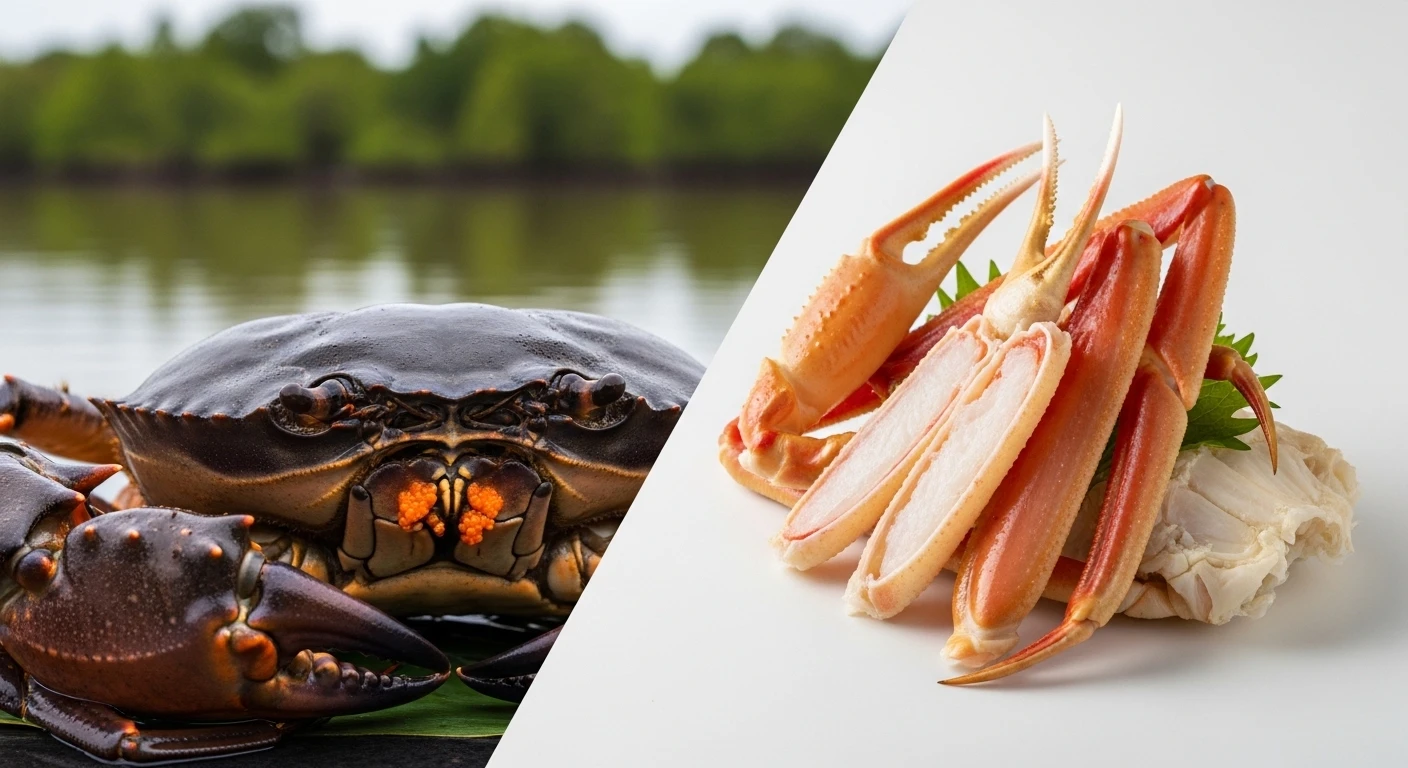
The star of this show is the majestic mud crab (Scylla paramamosain), a formidable creature perfectly adapted to its brackish domain. With powerful, often oversized claws, a thick, protective shell that ranges from muddy green to dark brown, and an almost primal intelligence, it burrows deep into the mud during the day, emerging at night to hunt for small fish, mollusks, and detritus.
What makes these Mekong Delta mud crabs so prized? It's their environment. The nutrient-rich waters and abundant natural food sources, coupled with the integrated farming practices, contribute to their incredibly sweet, firm, and succulent flesh. The flavor profile is complex—a hint of the ocean, a whisper of the earthy mangroves, and an undeniable richness that makes them a culinary delight across Vietnam and beyond.
Farmers distinguish between several types: the 'meat crab' (cua thịt) for its full, dense body of white flesh; the 'roe crab' (cua gạch) prized for its creamy, golden-orange roe; and sometimes the 'soft-shell crab' (cua lột), caught just after molting for a unique, edible-shell texture. Each is a treasure, representing years of careful cultivation and nature's generous bounty.
5 The Harvest Dance: From Pond to Paddleboat
The moment of truth arrives as Ông Hải pulls up his traps. A quick, practiced glance confirms a catch. There's a flurry of muddy water and snapping claws, a raw testament to the crab's vitality. With impressive dexterity and a calm demeanor, he reaches into the trap, carefully extracting the feisty crustacean. The mud crab is notorious for its aggressive nature, and handling it requires respect, speed, and undeniable skill. Before it can inflict a painful pinch, its powerful claws are swiftly and gently tied with a simple piece of twine or a thick rubber band, a crucial step for both safety and preventing injury to the crab itself.
Each crab is then inspected, weighed, and sorted. Only the healthiest, most vigorous specimens—those with full shells and lively movements—make the cut for market. Undersized crabs are returned to the pond to grow, a practice vital for the long-term health of the ecosystem and Ông Hải's livelihood. This meticulous process ensures not just quality, but also the sustainability of his harvest. The gathered crabs are placed into baskets, kept cool and moist under a damp cloth, ready for their journey to the local market or directly to waiting buyers.
It's a physically demanding task, performed under the relentless delta sun, but for Ông Hải, it's a testament to his expertise and a source of quiet, earned pride.
6 More Than Just a Meal: Life Beyond the Tides
As the morning progresses and the sun reaches its zenith, the baskets fill, and Ông Hải steers his boat back towards his stilted home. The work doesn't end with the harvest. There are repairs to make on nets and traps, young crabs and shrimp to feed, and the endless maintenance of the ponds – checking salinity, clearing debris, observing the water's color. But beyond the sheer physicality of the job, there's a profound philosophy at play.
Crab farming in the Mekong Delta is more than a livelihood; it's a way of life deeply intertwined with family and community. Generations have lived by the tides, understanding the land not as something to conquer, but to cooperate with. They face challenges daily: unpredictable weather patterns, fluctuating market prices, and the constant threat of environmental changes like salinity intrusion or rising sea levels. Yet, their resilience is as strong as the mangrove roots that anchor their homes, their smiles as warm as the delta sun.
They are stewards of a precious resource, their traditions serving as vital safeguards for a sustainable future, knowing that their prosperity is directly linked to the health of the delta itself. It’s a testament to human spirit thriving in harmony with nature’s grandeur.
From Pond to Plate: The Journey Continues 🦀
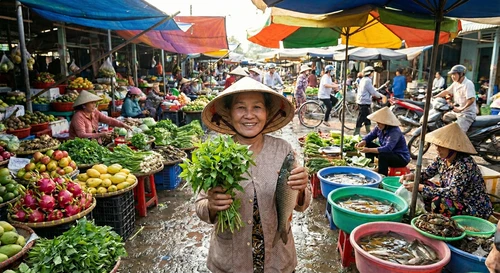
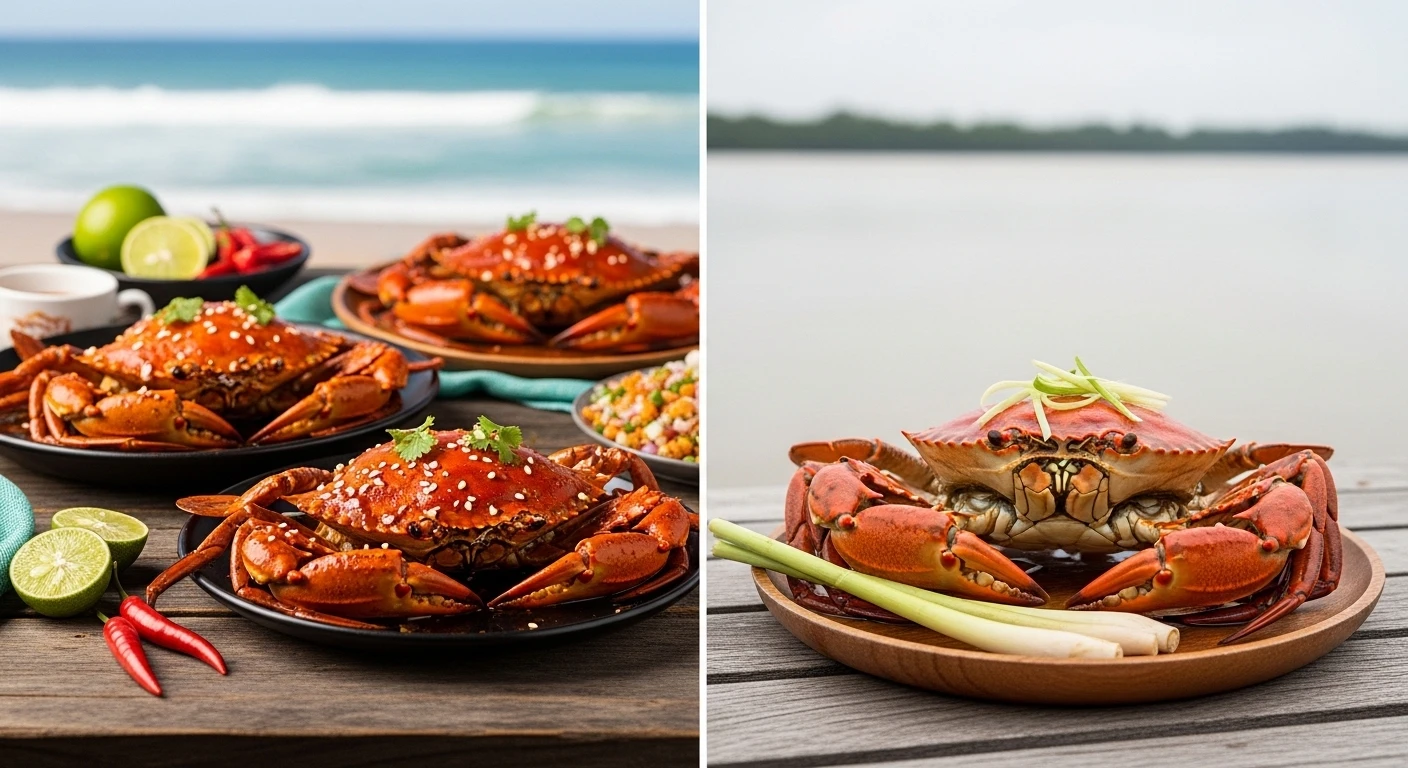
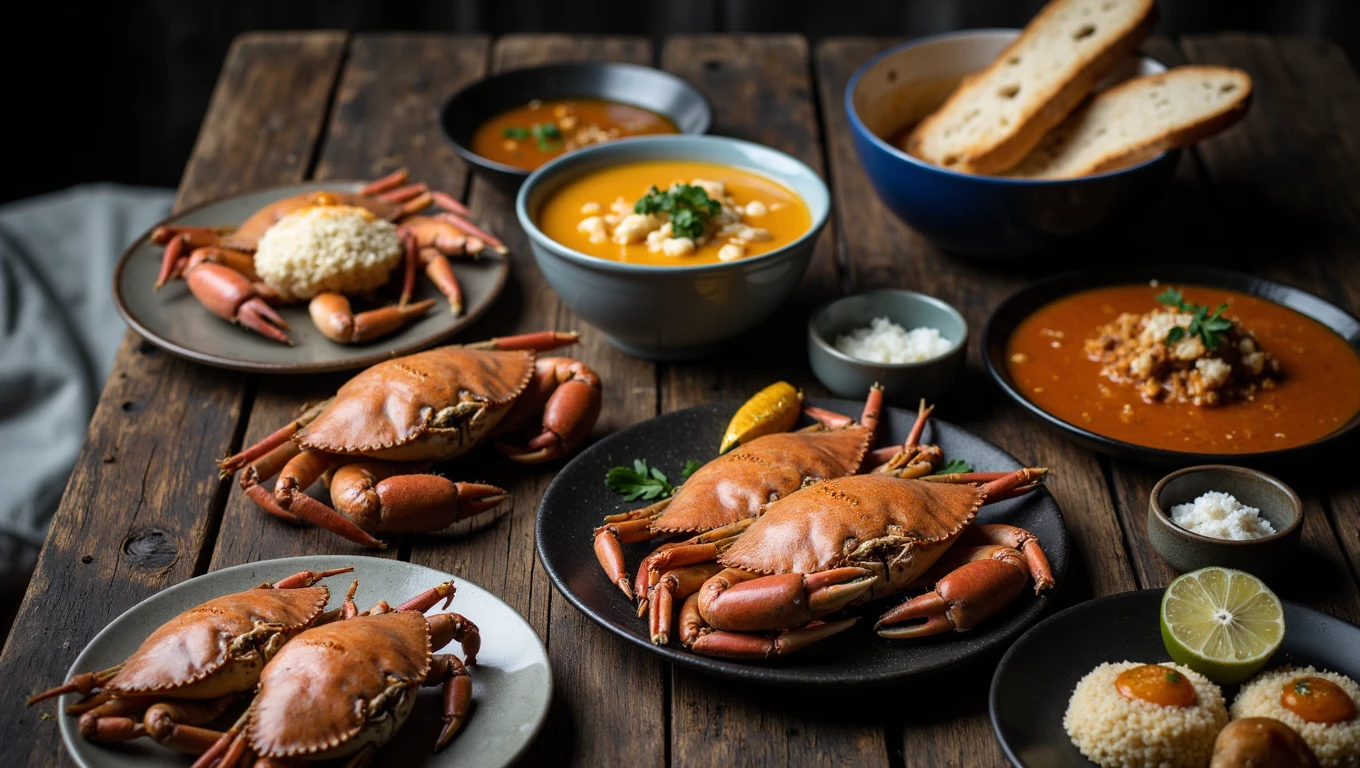
The journey of a Mekong Delta mud crab, from the murky depths of a Ca Mau pond, culminates on tables worldwide. Once harvested, these crabs are whisked away, often still alive and kicking, to bustling local markets, vibrant seafood restaurants, and even international culinary destinations.
1. Freshly Steamed
The purest way to enjoy the crab's natural sweetness, often with a simple lime-salt-pepper dip. See recipe here.
2. Tamarind Crab
A rich, tangy, and savory sauce that coats the crab in an unforgettable flavor explosion. Learn more.
3. Roasted with Salt
A dry-roasted method, often with chili and garlic, creating a crispy exterior and deeply savory meat.
No matter how it's prepared, the flavor of a Mekong Delta mud crab is a direct result of the meticulous care from farmers like Ông Hải. It's truly a taste born of hard work and natural harmony.
8 Expert's Insight: The Future of the Delta's Delicacy
The story of the Mekong Delta crab farmer is more than just a culinary tale; it's a critical lesson in sustainability and responsible consumption. As global demand for high-quality seafood grows, the traditional, integrated farming methods employed here, often in harmony with natural mangrove ecosystems, offer a blueprint for ecological balance that modern industrial aquaculture often lacks.
Supporting these local, small-scale farmers means not just enjoying exquisite seafood, but also preserving a vital ecosystem and a cherished way of life. It’s about understanding that the true luxury on your plate isn’t just the ingredient itself, but the journey it took, the hands that nurtured it, and the environment that allowed it to flourish. It’s a vote for tradition, for environmental stewardship, and for the unmistakable flavor that only comes from a life lived in rhythm with nature.
The future of the delta's delicacy, and indeed the delta itself, lies in our collective appreciation and support for these unsung heroes of the mudflats.
A Taste of the Delta's Soul
Next time you savor the sweet, tender flesh of a Vietnamese mud crab, take a moment to remember Ông Hải and his fellow farmers. Remember the muddy delta, the rising sun, and the unwavering dedication that brings this incredible delicacy to your table. It's a taste of pure, unadulterated delta soul, born from a day's hard work, a lifetime of knowledge, and an unbreakable bond with the land.
Explore More Mekong Stories