" There are places on Earth that capture the very essence of human ingenuity entwined with raw, untamed nature. The Mekong Delta is one such place – a watery labyrinth, a culinary paradise, and a photographer's dream. Forget the postcards; this is where life truly spills out onto the riverbanks. "
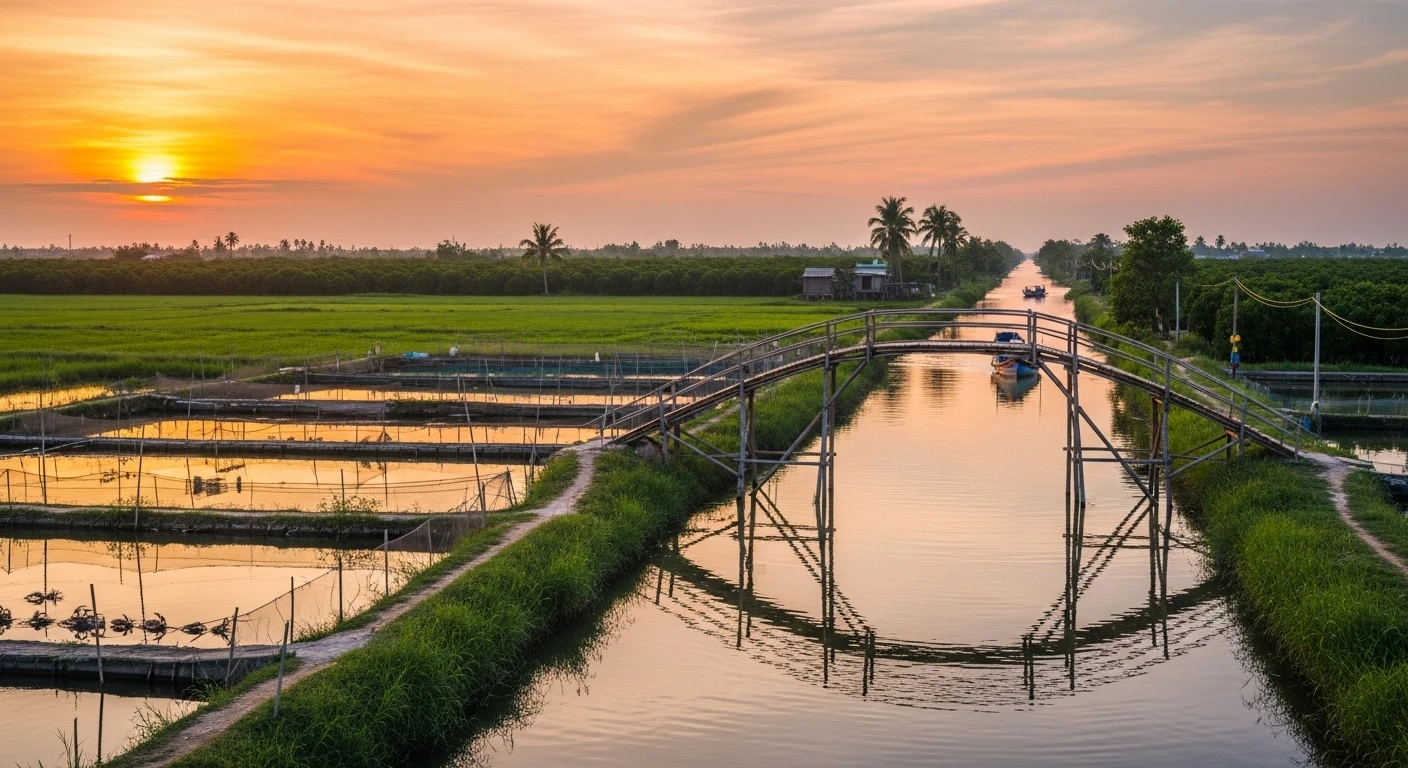
📸 Where land meets water, and life flourishes.
1 The Delta's Green Heartbeat: An Introduction
The Mekong Delta, or the "Nine Dragon River Delta" as the Vietnamese call it, is a sprawling, fertile region in southwestern Vietnam. It's where the mighty Mekong River, after its epic journey from the Tibetan plateau, fragments into a multitude of tributaries, canals, and streams before emptying into the East Sea. This isn't just a geographical area; it's a way of life, dictated by the ebb and flow of the water, a place where people live on, by, and for the river. The landscape here is a testament to resilience, beauty, and an almost symbiotic relationship between humanity and nature. It’s a place that buzzes with the quiet hum of an ecosystem in full, glorious swing.
What strikes you first is the sheer intensity of green – emerald rice paddies stretching to the horizon, dense coconut groves swaying gently, and the darker, mysterious hues of mangrove forests. Every turn of a canoe reveals a new vista, a new texture, a new smell. It’s a sensory feast that recalibrates your understanding of what 'lush' truly means.
2 Bamboo Bridges: Arteries of Rustic Connection
If there’s one enduring image that encapsulates the Mekong Delta, it’s the sight of a rickety bamboo bridge arching gracefully over a narrow canal. These aren’t feats of modern engineering; they are organic extensions of the landscape, built with local materials and immense ingenuity. Known locally as cầu khỉ, or "monkey bridges" due to their often precarious nature (they literally require you to balance like a monkey!), they are essential pathways.
For generations, these bridges have linked communities, provided access to remote orchards, and served as vital shortcuts across the watery expanse. Walking across one is an experience in itself – the gentle creak of bamboo underfoot, the slight sway, the panoramic view of the watery world below. They’re not just utilitarian structures; they are symbols of the Delta’s resourceful spirit, providing access to hidden corners and offering unparalleled photo opportunities for those seeking authentic Vietnamese scenery.
Each bridge tells a story, a silent testament to the daily commute of farmers, students, and merchants. They may be intimidating at first, but traversing them offers a unique intimacy with the local way of life.
3 Crab Ponds & Aquaculture: A Symphony of Sustenance
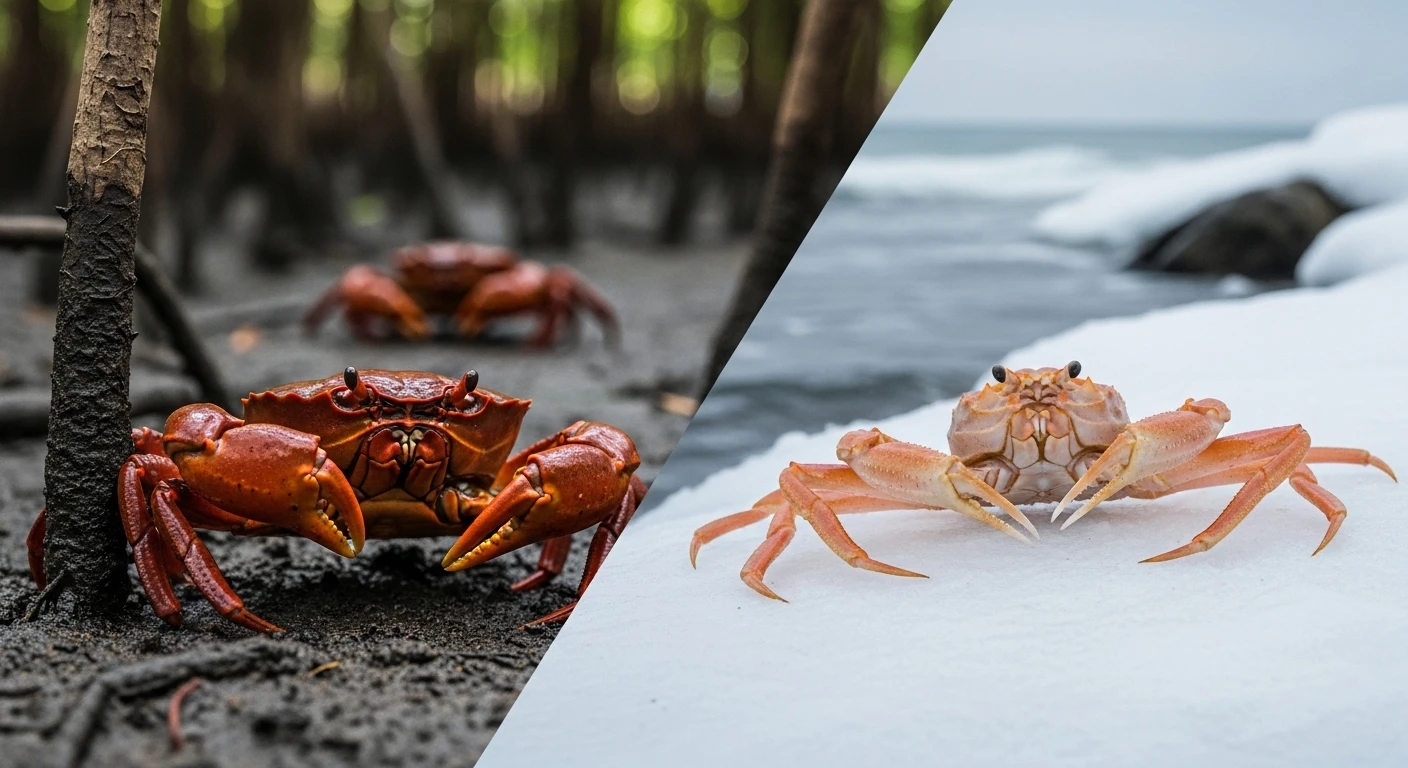
The waters of the Delta don't just flow; they teem with life. A significant portion of the landscape is dedicated to aquaculture, and among the most visually striking are the vast crab ponds. These shallow, carefully managed ecosystems are where Vietnam's famous mud crabs, shrimp, and various fish species are cultivated. From an aerial view, these ponds create intricate geometric patterns across the flat plains, reflecting the sky and creating an abstract art piece.
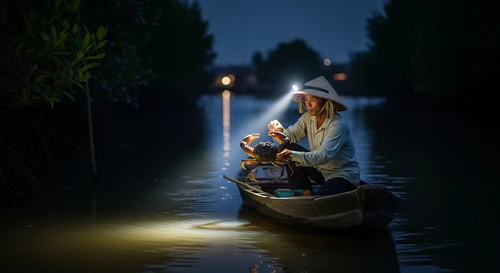
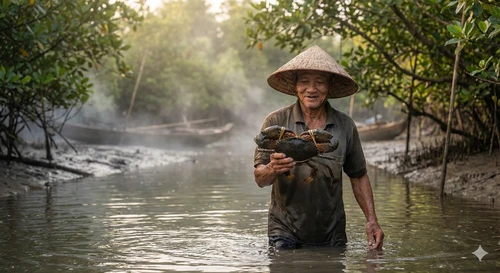
Beyond their aesthetic appeal, these crab ponds are the economic backbone for countless families. Watching fishermen expertly cast their nets or tend to their aquatic farms, often from small wooden boats, is a profound insight into a life intrinsically tied to the land and water. The rhythmic splashes, the glint of sun on water, and the patient pursuit of a livelihood paint a picture of enduring tradition and sustainable living. This isn't just about food; it's about cultural heritage, passed down through generations.
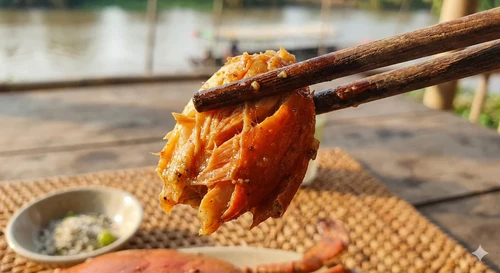
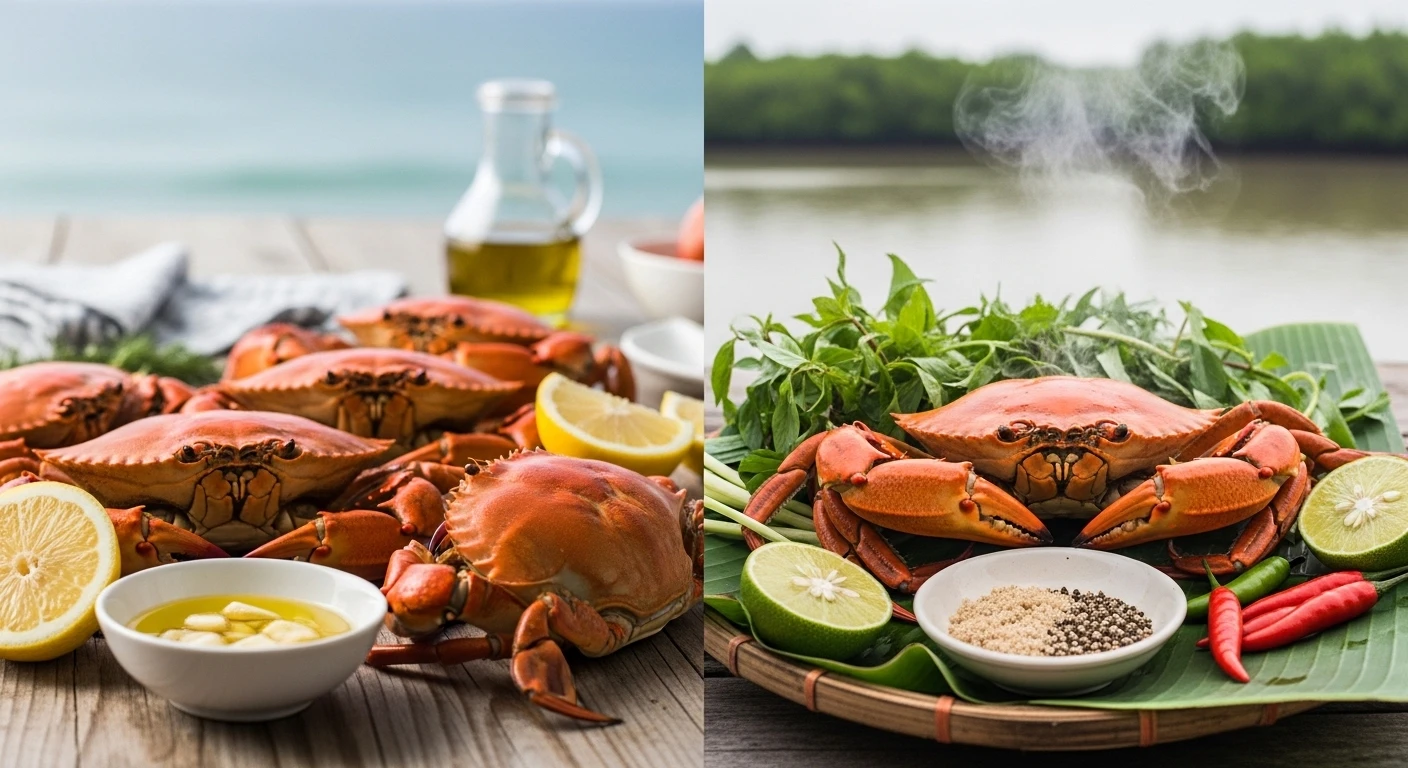
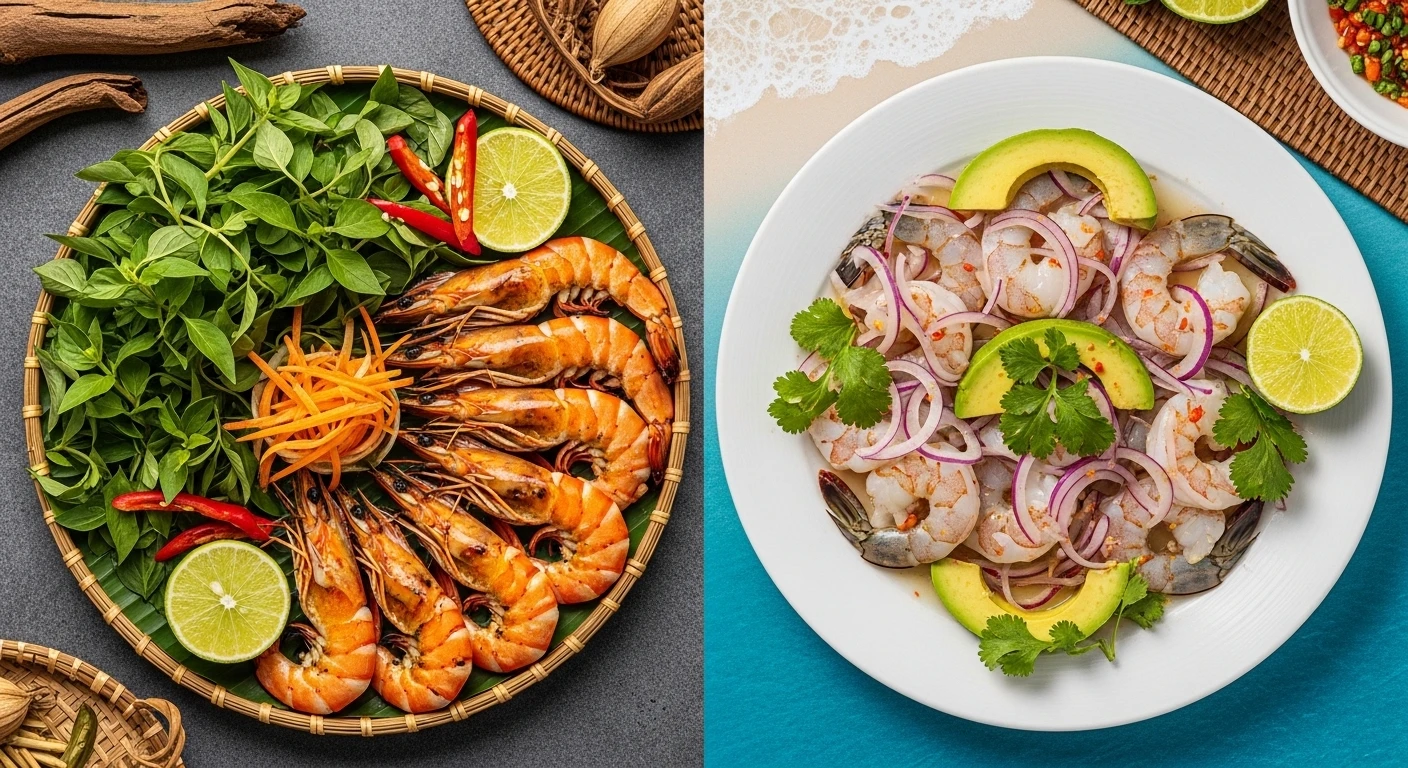
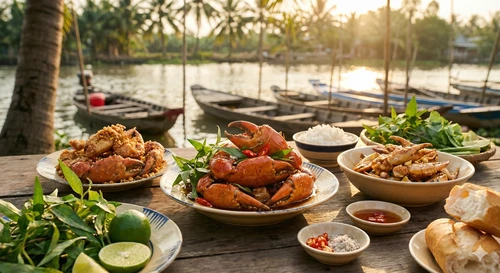
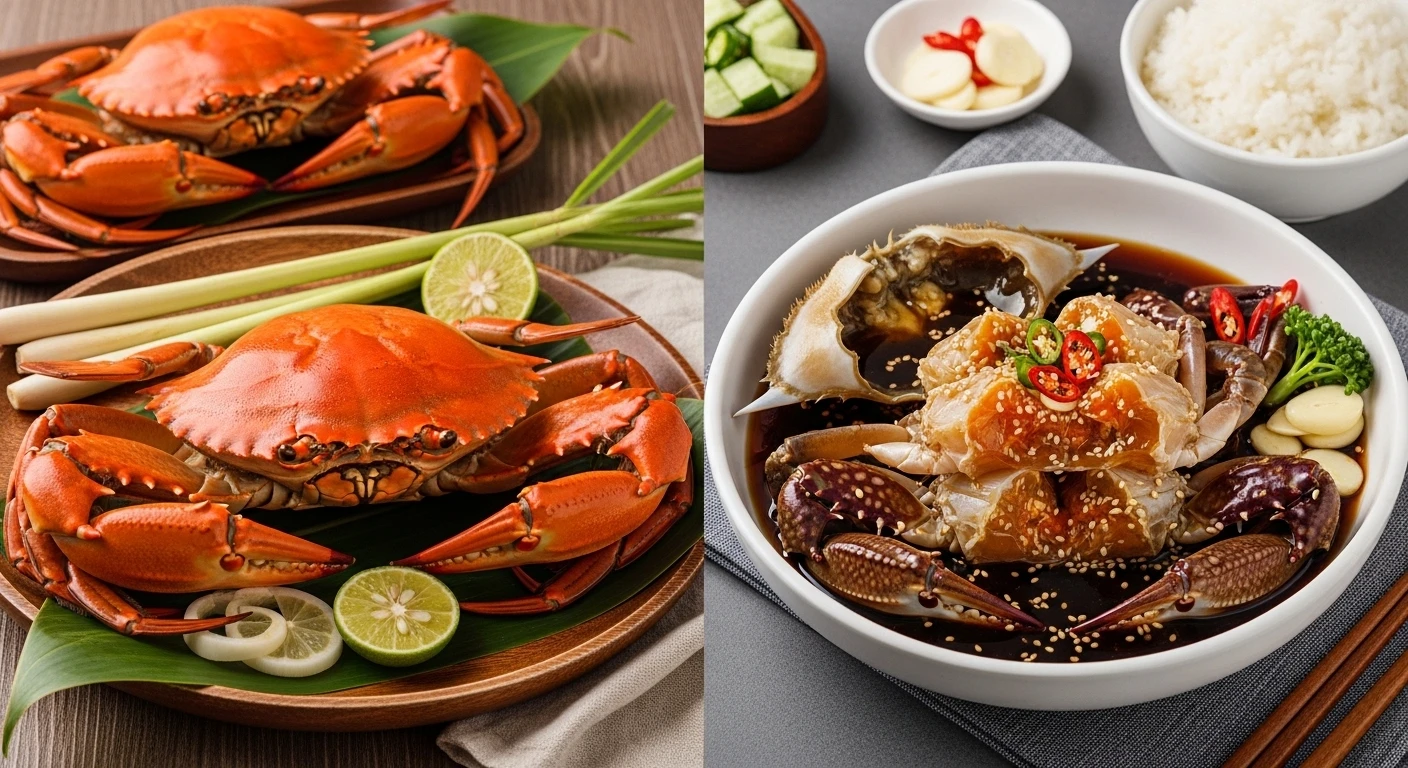
The crabs from these very ponds find their way into iconic dishes like Cua Rang Me (Tamarind Crab) or the simpler, elegant Cua Hấp Bia (Steamed Crab with Beer), offering a direct connection from the landscape to your plate.
4 The Emerald Tapestry: Rice Paddies and Fruit Orchards
While crab ponds define certain areas, the dominant green of the Delta comes from its expansive rice paddies. Vietnam is one of the world's largest rice exporters, and much of that staple grain originates from this verdant basin. The sight of farmers in conical hats (nón lá) tending to their fields, their reflections shimmering in the flooded paddies, is a timeless image of rural Vietnam. Depending on the season, you might see fields of vibrant green, golden yellow ready for harvest, or freshly tilled earth awaiting new seedlings.
Interspersed with these paddies are sprawling fruit orchards, a true delight for the senses. Rambutan, durian, mango, dragon fruit, pomelo – the Delta is a veritable Garden of Eden. Imagine a leisurely boat ride through narrow canals, flanked by trees heavy with ripe fruit, the air thick with sweet, tropical scents. Many of these orchards welcome visitors, offering the chance to pick and taste fresh fruit straight from the branch. It's a reminder that this landscape isn't just pretty; it's incredibly productive, fueling not just Vietnam, but much of the world.
5 Floating Markets: The Bustle on the Water
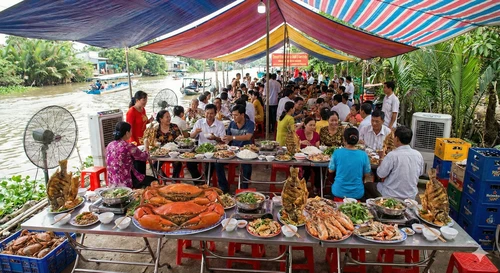
To truly grasp the Delta's vibrancy, one must witness its floating markets. Early mornings at Cai Rang or Phong Dien near Can Tho are an absolute spectacle. Hundreds of boats, laden with an astonishing array of goods—from fresh produce and live seafood to cooked breakfasts and steaming coffee—converge on the river. Each boat proudly displays its wares on a long pole, creating a unique, vertical advertising system against the dawn sky.
The cacophony of vendors calling out, the gentle lapping of water against hulls, the aroma of Vietnamese coffee and sizzling noodles (like a bowl of Hủ Tiếu or Bún Riêu) rising from tiny kitchens onboard, creates an unforgettable atmosphere. It’s an immersive experience that demonstrates how the river isn't just a physical feature but a central marketplace, a highway, and a home. These markets are a living, breathing testament to a resilient culture that has adapted and thrived in a watery world.
Navigating through the dense cluster of boats, you get a direct glimpse into the local economy and the friendly, industrious spirit of the Delta people. It's a photographer's paradise, offering endless candid moments and vibrant compositions.
6 Mangrove Forests: The Delta's Green Guardians
Deeper south, particularly around the U Minh Hạ and Cà Mau areas, the landscape transforms into dense, impenetrable mangrove forests. These aren't just pretty trees; they are the frontline defenders of the Delta, protecting the coastline from erosion, acting as nurseries for marine life, and providing vital habitats for countless bird species. The tangle of roots, perpetually submerged in brackish water, creates a mysterious, otherworldly environment.
Exploring the mangroves by canoe is like entering a secret world. The air is cooler, the light filtered, and the only sounds are the dip of paddles, the chirping of unseen birds, and the occasional splash of a fish. These forests are critical to the health of the entire ecosystem, supporting the very seafood industry that defines the Delta’s cuisine. They are a powerful reminder of nature's interconnectedness and the delicate balance that sustains life here. Conservation efforts are vital, and experiencing these ancient forests firsthand underscores their profound importance.
7 Golden Hour on the River: Painting the Sky
As the day winds down, the Mekong Delta unveils another layer of its magic: the sunset. There’s something truly special about watching the sun dip below the horizon over the vast, flat expanse of the river. The sky explodes in a riot of oranges, pinks, and purples, reflecting off the placid waters of the Mekong and its countless canals. Silhouettes of palm trees, fishing boats, and distant houses create dramatic, evocative scenes.
This is when the Delta breathes differently. The intense heat of the day gives way to a gentle breeze, and the sounds soften. Fishermen begin their evening routine, tiny lights appearing on their boats like scattered stars. Taking a small sampan out onto the river during this "golden hour" is an almost spiritual experience. It’s a moment of profound peace and breathtaking beauty, a perfect capstone to a day spent exploring this incredible landscape. It’s a time for reflection, for truly absorbing the rhythms of a life lived in harmony with nature.
Capturing the Essence: Expert Photography Tips 📸
The Mekong Delta is a visual feast, but capturing its true spirit requires more than just pointing and shooting. Here's how to get those award-winning shots.
Embrace the Water
Many of the best shots are from a boat. Get low to the water level for dramatic perspectives. Reflections are your friend.
Golden & Blue Hours
Sunrise at the floating markets and sunset over the river offer the most magical, diffused light. Wake up early, stay out late!
Focus on People & Details
The Delta's soul is its people. Capture candid moments, close-ups of hands working, faces smiling. Look for vibrant patterns in fruits or boats.
Lead with Lines
Use the natural lines of canals, bamboo bridges, and rice paddy divisions to lead the viewer's eye through your composition.
Bring a waterproof bag for your gear, and always ask for permission before photographing individuals, even if just with a friendly smile and gesture.
Come & See for Yourself
The Mekong Delta is more than just a place on the map; it’s an experience that flows directly into your heart. From the precarious grace of its bamboo bridges to the vibrant bounty of its crab ponds and fruit orchards, every element tells a story of survival, resilience, and profound connection to the land and water. It’s a journey for the senses, a challenge for the intrepid, and an unforgettable destination for anyone seeking the true, beating heart of Vietnam. Pack light, keep an open mind, and let the river guide you.