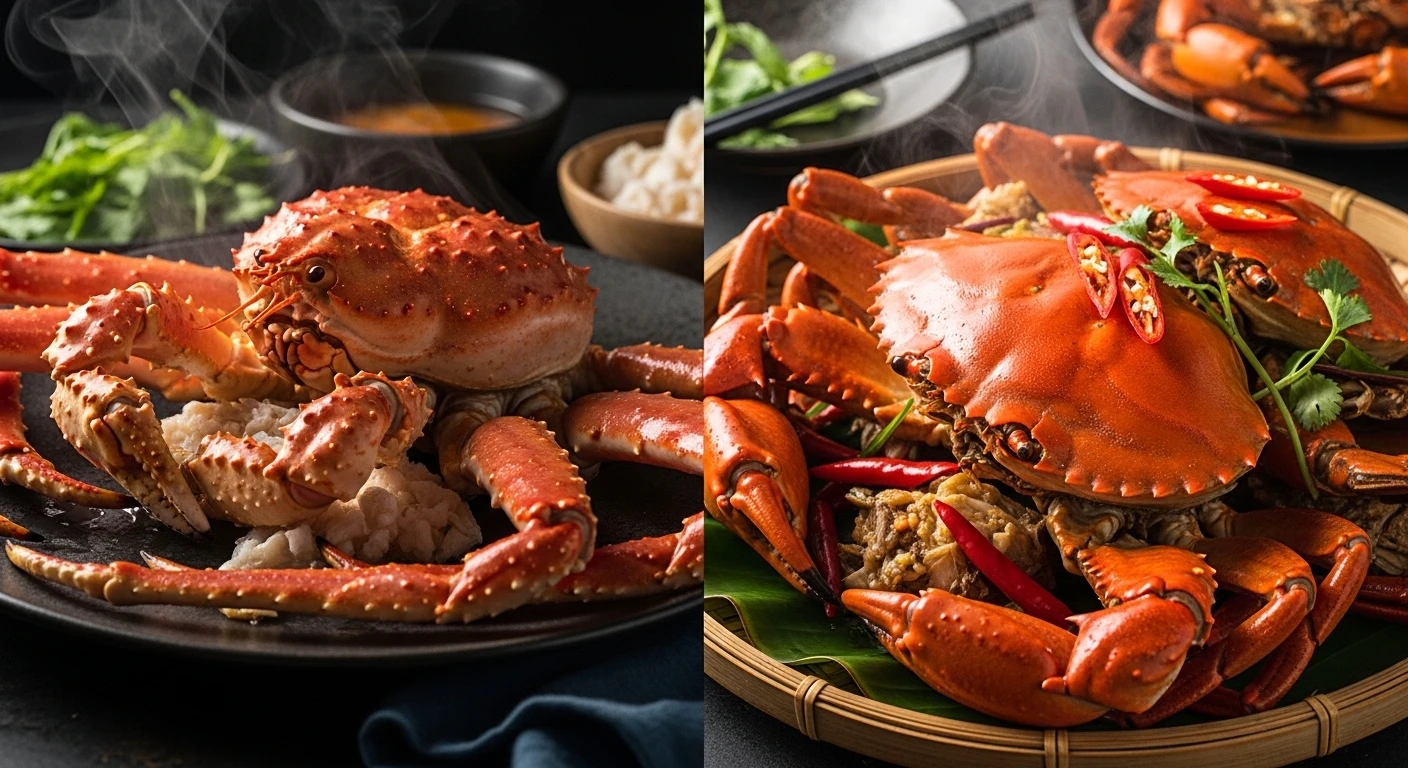
" Forget sterile labs and industrial mega-farms. The real genius of sustainable agriculture thrives in the muddy, mangrove-lined heart of Vietnam's Mekong Delta. It's a story told not in spreadsheets, but in the quiet wisdom of tides, seasons, and a millennia-old respect for the land. "
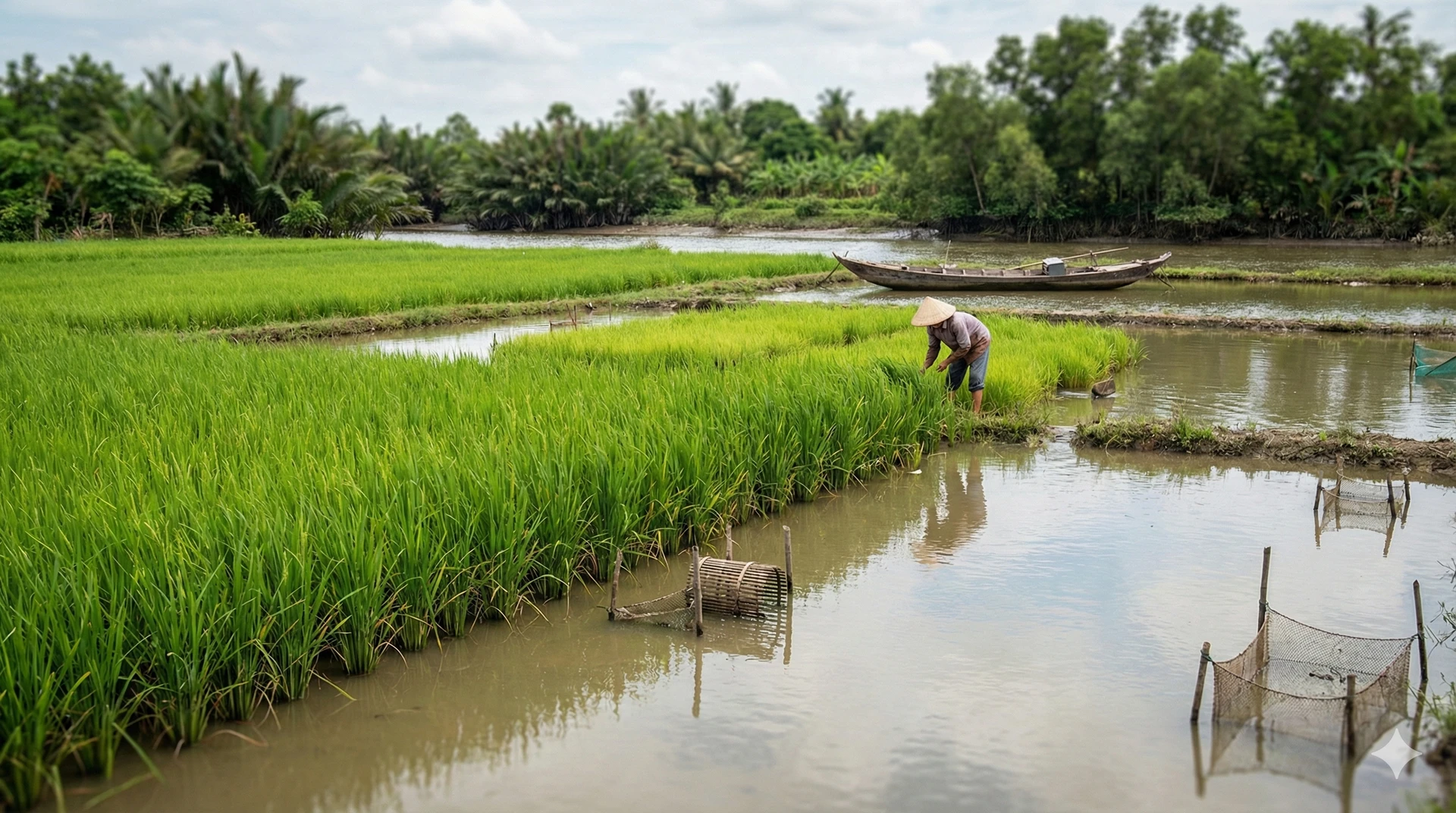
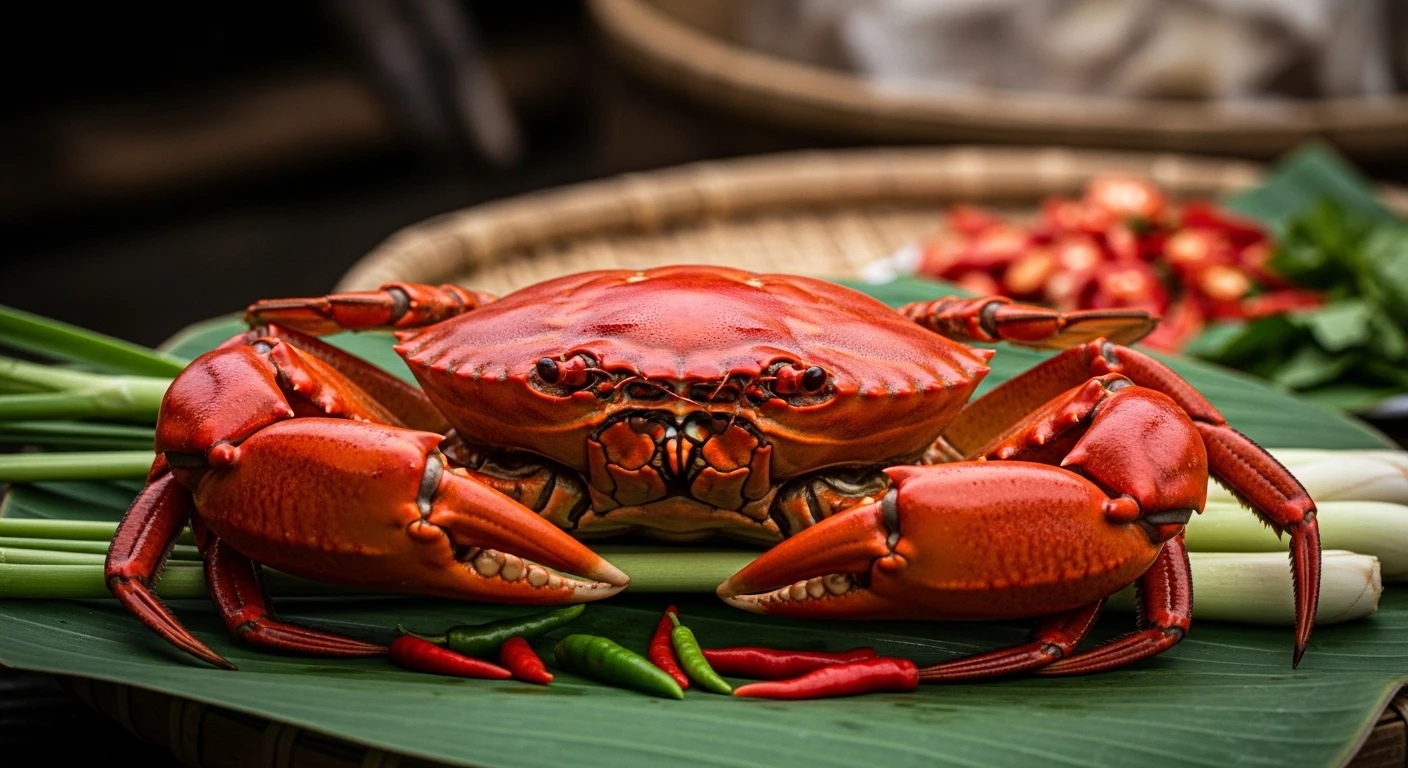
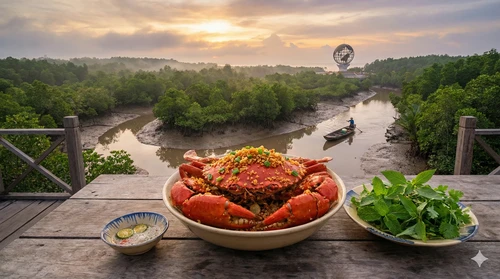
📸 Where rice paddies meet shrimp ponds, and crabs roam free: the ultimate eco-farm.
1 The Mekong's Gentle Embrace: A Delta Way of Life
The Mekong Delta is Vietnam's rice bowl, a vast, fertile labyrinth of rivers, canals, and paddy fields that sprawls across the southern tip of the country. It's a place where life revolves around the ebb and flow of water, where the rhythm of the tides dictates planting and harvesting, and where ingenuity is born from a deep connection to nature. For generations, farmers here have perfected a symbiotic relationship with their environment, yielding not just food, but a profound blueprint for sustainable living. It's a land where the earth gives freely, but only to those who respect its delicate balance.
This isn't some new-fangled eco-trend cooked up in a Silicon Valley startup. This is old-school wisdom, honed over centuries. It's born from necessity, yes, but also from a wisdom that understands that the most productive systems are often those that mimic nature itself. What we're talking about today is perhaps the pinnacle of this philosophy: the integrated Rice-Shrimp-Crab Model.
2 The Symphony of Symbiosis: How It Works
Imagine a farm that cycles its crops and livestock with the seasons, each component enriching the other, without a single chemical pesticide or artificial fertilizer. That's the Rice-Shrimp-Crab model in a nutshell. It's a masterclass in polyculture, designed to maximize output while minimizing environmental impact.
The cycle typically begins during the dry season, when farmers cultivate rice. The paddies are flooded, creating the perfect environment for the staple grain. But as the monsoon season approaches and freshwater gives way to brackish inflows, the fields are transformed. Salinity levels rise, and this is where the magic truly begins. The rice is harvested, and then the gates are opened to the tidal currents.
The Water's Embrace: Shrimp & Crab
The incoming brackish water brings with it shrimp larvae and baby crabs from the estuaries. Farmers might also stock juvenile shrimp. These crustaceans thrive in the residual organic matter from the rice harvest, feeding on algae, detritus, and small insects. They grow fat and healthy in the chemical-free environment. Their movements also help to aerate the water and consume pests that might otherwise affect the next rice crop.
As the wet season progresses, the shrimp and crabs grow, feeding naturally. When the dry season returns, the water levels are lowered, and the plump shrimp and crabs are harvested. The land is then prepared for the next rice crop, enriched by the natural waste products of the crustaceans, which act as a potent organic fertilizer. It's a perfect loop, an intricate dance choreographed by nature itself.
3 The Bountiful Harvest: A Taste of the Tides
So, what does this sustainable bounty taste like? In a word: exquisite. Because the shrimp and crabs are raised in a natural, stress-free environment, feeding on a diverse diet, their flesh is firmer, sweeter, and possesses a depth of flavor that industrially farmed seafood simply cannot replicate.
The Shrimp: Firm & Sweet
The shrimp harvested from these paddies are often black tiger shrimp or mantis shrimp, prized for their size and delicate sweetness. Whether grilled simply over charcoal, stir-fried with garlic and chili, or added to a steaming bowl of bun rieu, they offer a taste of pure, unadulterated ocean goodness, even though they come from a rice field.
The Crab: Rich & Meaty
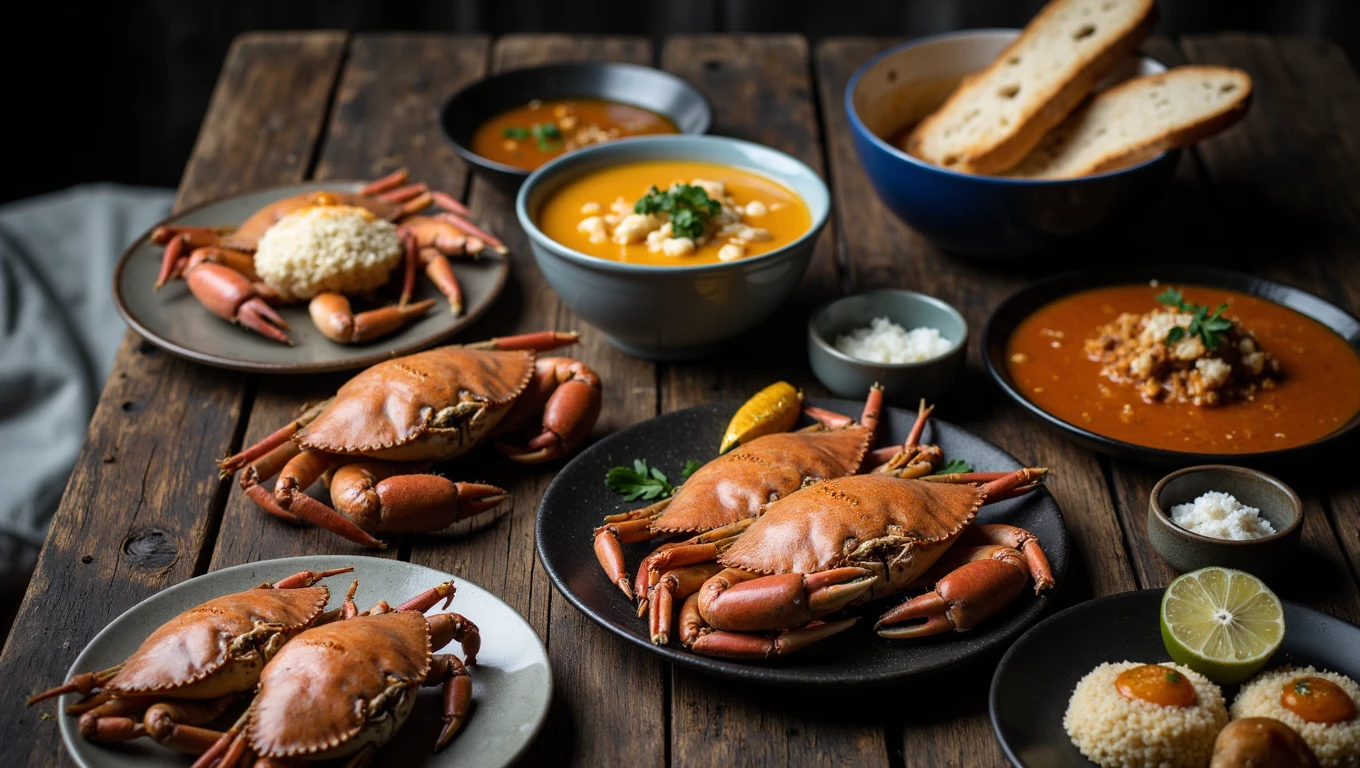
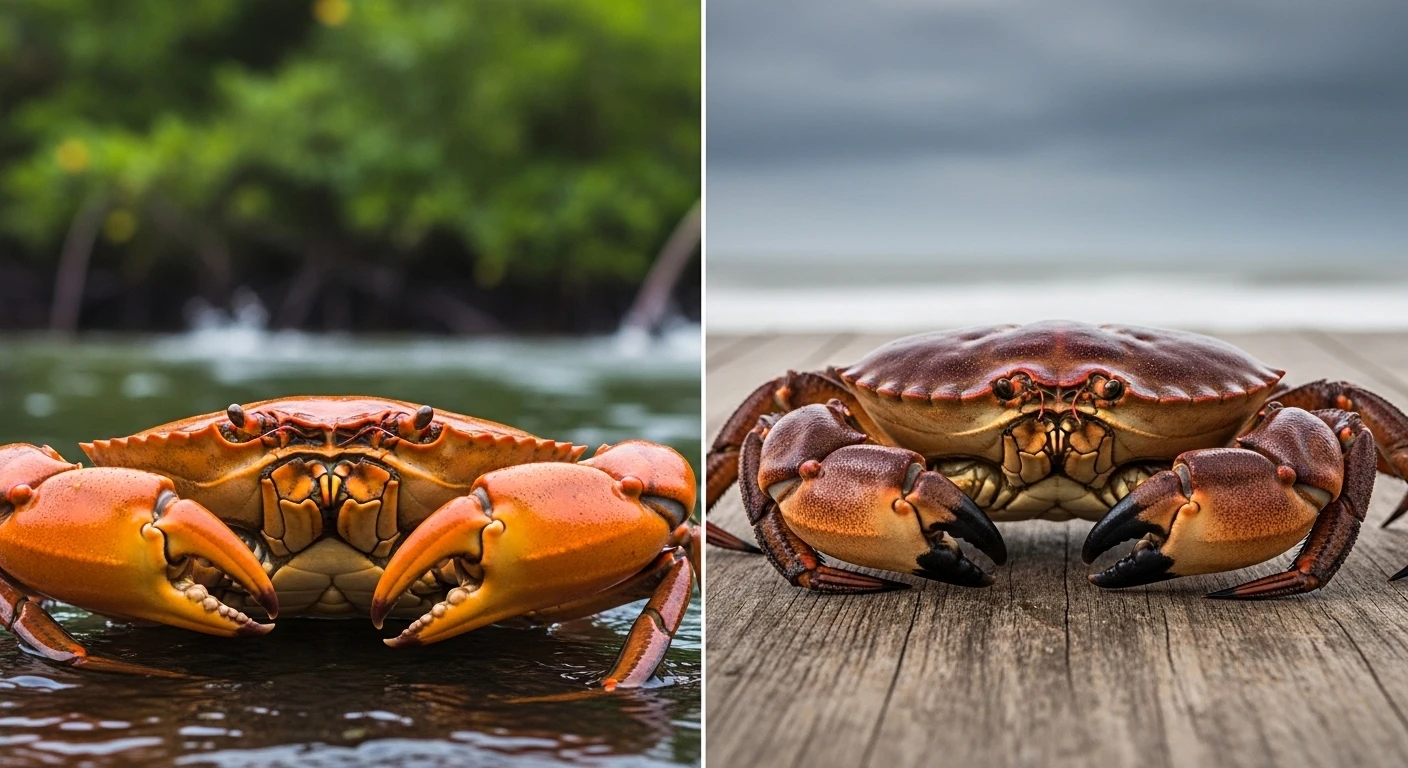
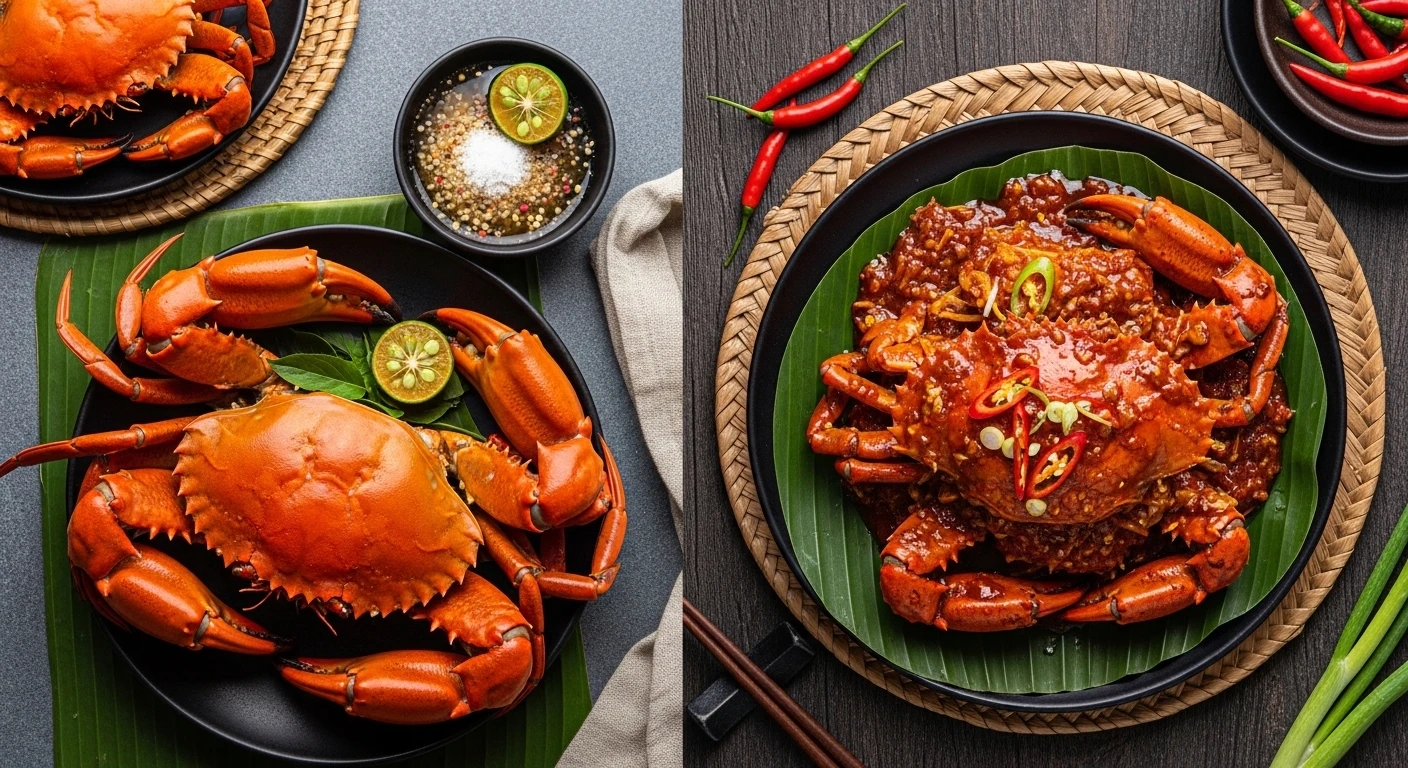
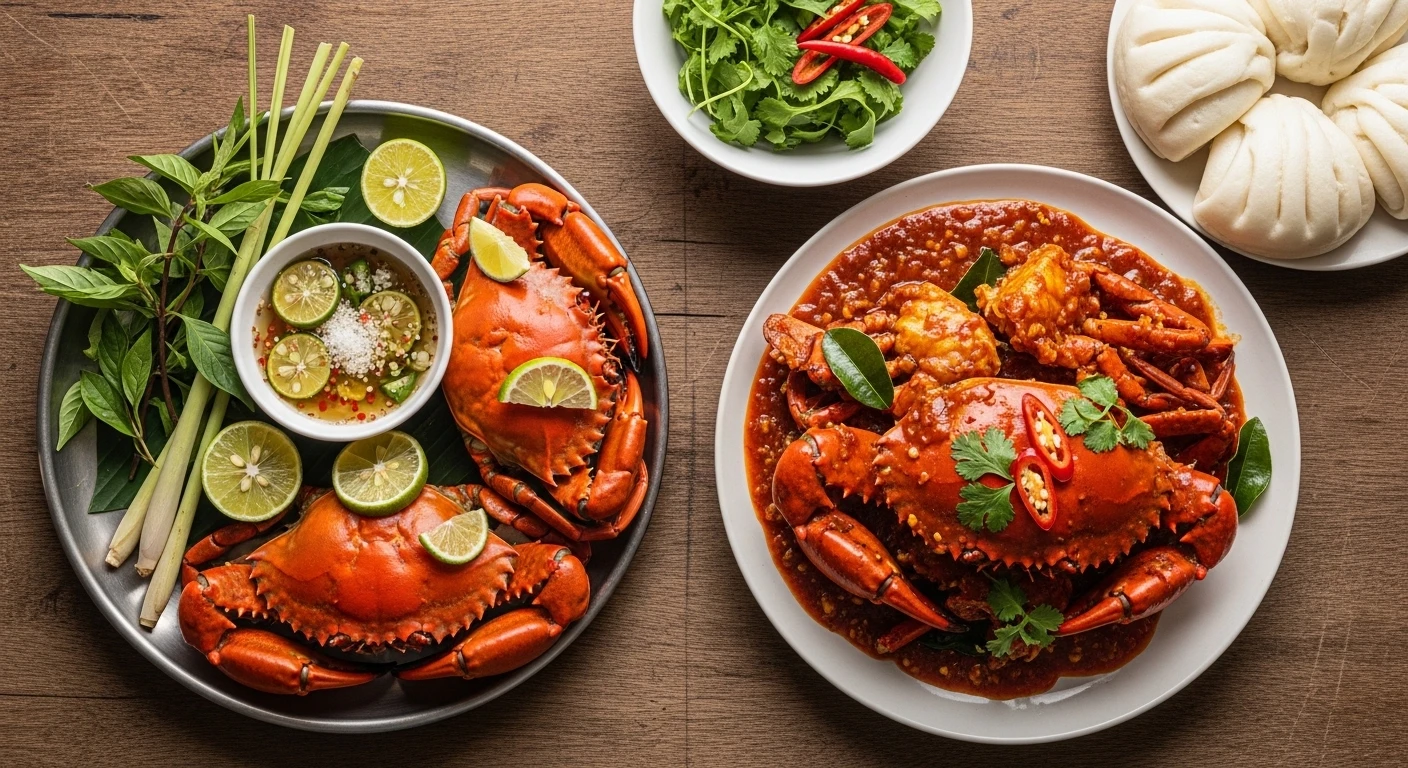
The crabs, predominantly mud crabs, are dense, meaty, and intensely flavorful. Their shells burst with rich, succulent meat and, if you're lucky, creamy roe. Cooked simply steamed with beer and lemongrass, or stir-fried with tamarind, these crustaceans are a testament to the purity of their upbringing. They taste of the earth and the sea, intertwined.
4 Beyond Organic: Why This Matters for the Planet
The Rice-Shrimp-Crab model isn't just about delicious food; it's a powerful statement in environmental stewardship. In a world grappling with climate change, biodiversity loss, and unsustainable agricultural practices, this model offers concrete solutions.
- No Chemicals: The reliance on natural processes eliminates the need for harmful pesticides, herbicides, and artificial fertilizers, protecting soil health and water quality.
- Mangrove Preservation: Unlike destructive industrial aquaculture that clears mangroves for intensive shrimp farms, this model often integrates with existing mangrove forests or encourages their regrowth, providing vital habitats for countless species and acting as natural barriers against erosion and storm surges.
- Reduced Carbon Footprint: By utilizing natural feed and foregoing energy-intensive inputs, the model boasts a significantly lower carbon footprint compared to conventional farming.
- Biodiversity Boost: The diverse ecosystem within the paddies supports a wider array of aquatic life, contributing to the overall health of the delta.
This is farming as nature intended – a harmonious dance where every element supports the other, resulting in a healthier planet and healthier food. It's a crucial paradigm shift away from monoculture and towards integrated ecological systems.
5 The Farmer's Wisdom: Generations of Delta Knowledge
Behind every successful rice-shrimp-crab farm is a farmer, often with generations of knowledge passed down through their family. These are not corporate executives; they are salt-of-the-earth individuals who read the tides, understand the whispers of the wind, and know intimately the cycles of the land.
They are patient observers, understanding that nature cannot be rushed or forced. Their decisions are based on traditional ecological knowledge combined with modern scientific understanding of water quality, salinity, and biodiversity. It's a tough life, dictated by the elements, but it's also a life deeply connected to the land and its rhythms. They are the guardians of this ancient wisdom, ensuring that the delta continues to provide for future generations.
A Legacy of Resilience
The delta farmers are a testament to resilience, adapting to changing climates and embracing methods that ensure long-term prosperity over short-term gains. Their farms are not just businesses; they are living ecosystems.
6 From Pond to Plate: A Simple Culinary Philosophy
When you have ingredients this pristine, the culinary philosophy is simple: do as little as possible. The aim isn't to mask flavors but to highlight them. The sweet, clean taste of rice, the firm succulence of shrimp, the rich meatiness of crab – these are stars that need no heavy sauces or complicated preparations.
The Rice
The rice from these farms is often fragrant and slightly sticky, perfect as the foundation for any Vietnamese meal. Served simply with a few fresh herbs and a dipping sauce, it embodies purity.
The Seafood
For the shrimp and crab, expect preparations that respect their inherent goodness. Think steaming with ginger and lemongrass, grilling over coconut charcoal, or a light stir-fry with a touch of garlic and fish sauce. The accompanying dipping sauces are usually simple: a squeeze of lime with salt and pepper, or a vibrant nuoc cham. It's about letting the natural flavors sing.
7 Visiting the Delta: Witnessing the Magic Firsthand
For the curious traveler, the Mekong Delta offers an unparalleled opportunity to see this sustainable model in action. While many tours focus on floating markets and fruit orchards, seek out experiences that delve deeper into the agricultural heartland.
Visit provinces like Ca Mau or Bac Lieu, where rice-shrimp-crab farming is particularly prevalent. Many local homestays or eco-tourism initiatives offer guided tours of these farms, allowing you to walk through the paddies, learn from the farmers, and even participate in a small harvest. It's an immersive experience that brings home the tangible benefits of such thoughtful farming. You might even be invited to share a freshly cooked meal of the very produce you've just seen pulled from the water. It’s an unforgettable taste of authentic Vietnam.
Pro Tip for Travelers:
Look for certifications or ask your guide about farms practicing "forest-shrimp" or "organic" methods. This indicates a commitment to the integrated model and supports ethical local businesses.
8 The Future of Food: A Blueprint for the World
In a world increasingly anxious about food security and environmental degradation, the Mekong Delta's Rice-Shrimp-Crab model stands as a beacon of hope. It's not just a farming technique; it's a philosophy, a way of life that proves that high-quality, abundant food can be produced in harmony with nature, not in spite of it.
This integrated system offers valuable lessons for agricultural regions globally, demonstrating how diverse, resilient ecosystems can be cultivated to feed populations sustainably. As climate change continues to impact weather patterns and water resources, the adaptability and ecological benefits of models like this become ever more critical. The Mekong Delta is not just feeding Vietnam; it's showing the world a pathway to a more sustainable, delicious, and respectful future. It's a legacy rooted in mud, water, and pure, unadulterated genius.