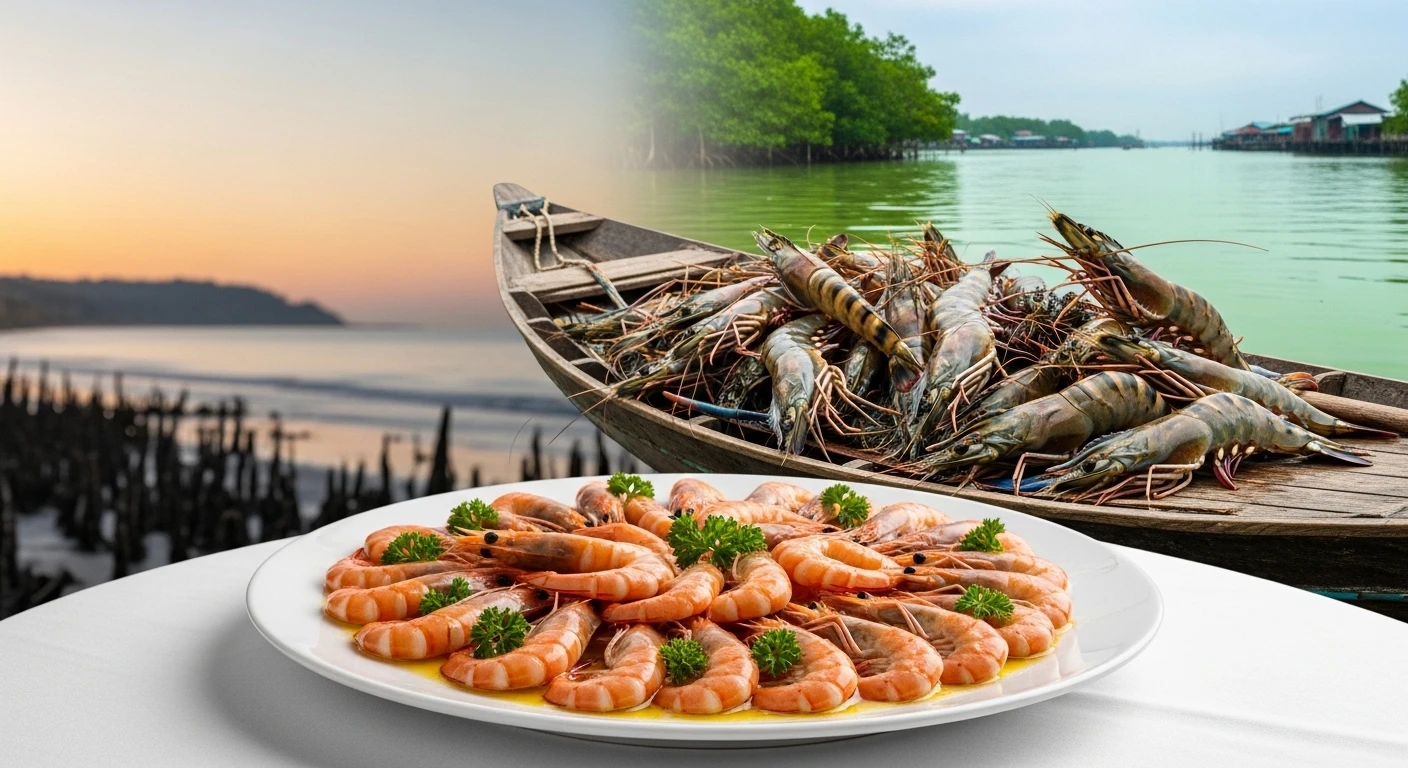
" Forget traffic jams and logistical nightmares. In Vietnam's deep south, the mud crab's journey from mangrove to market is a ballet of grit, speed, and two-wheeled audacity. This isn't just transport; it’s a living testament to human ingenuity. "
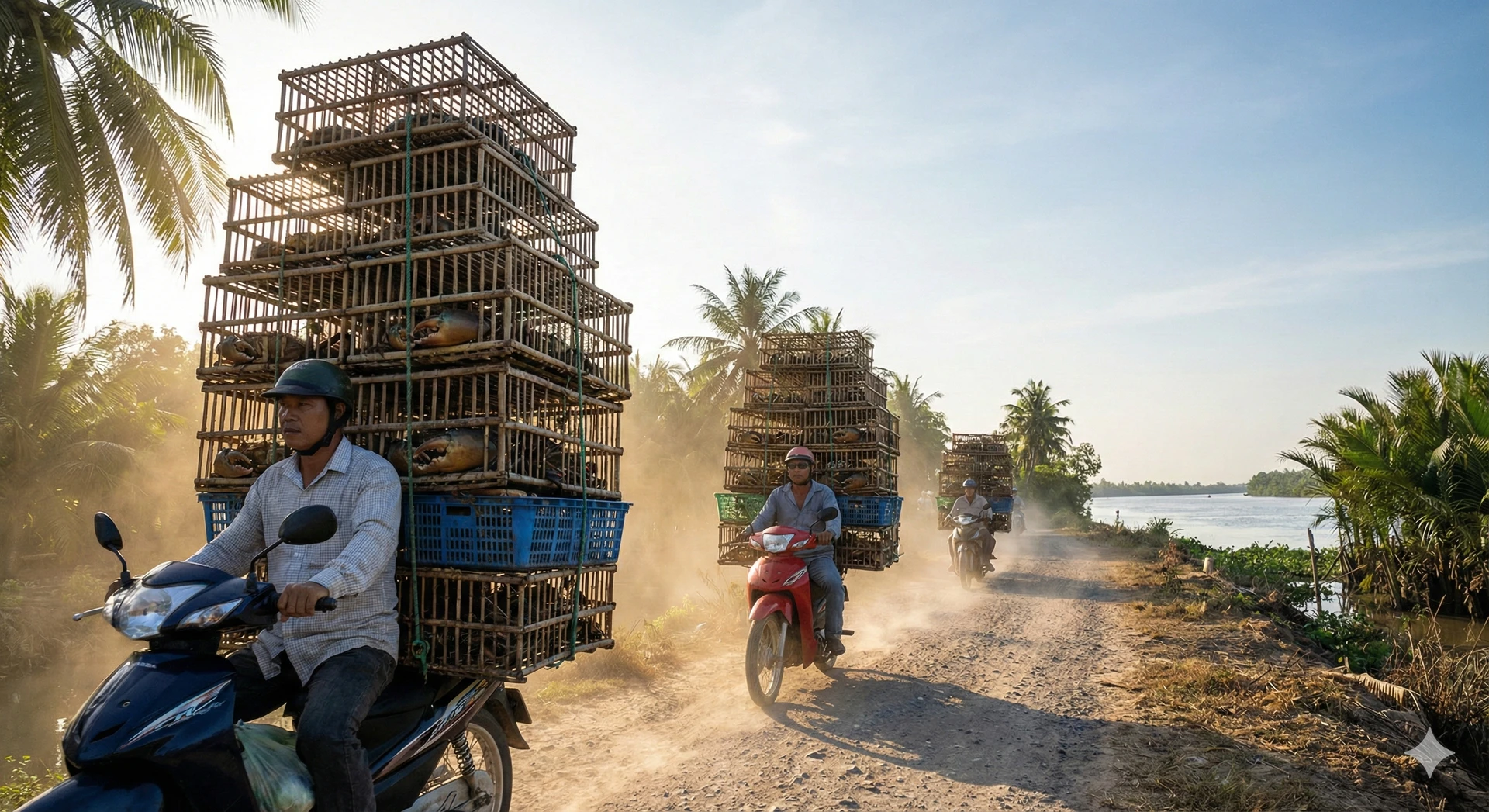
📸 The daily commute: Thousands of crabs on a single bike, a common sight in the Delta.
1 The Delta's Pulse: Ca Mau and its Crabs
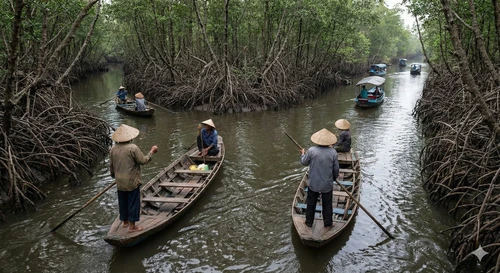
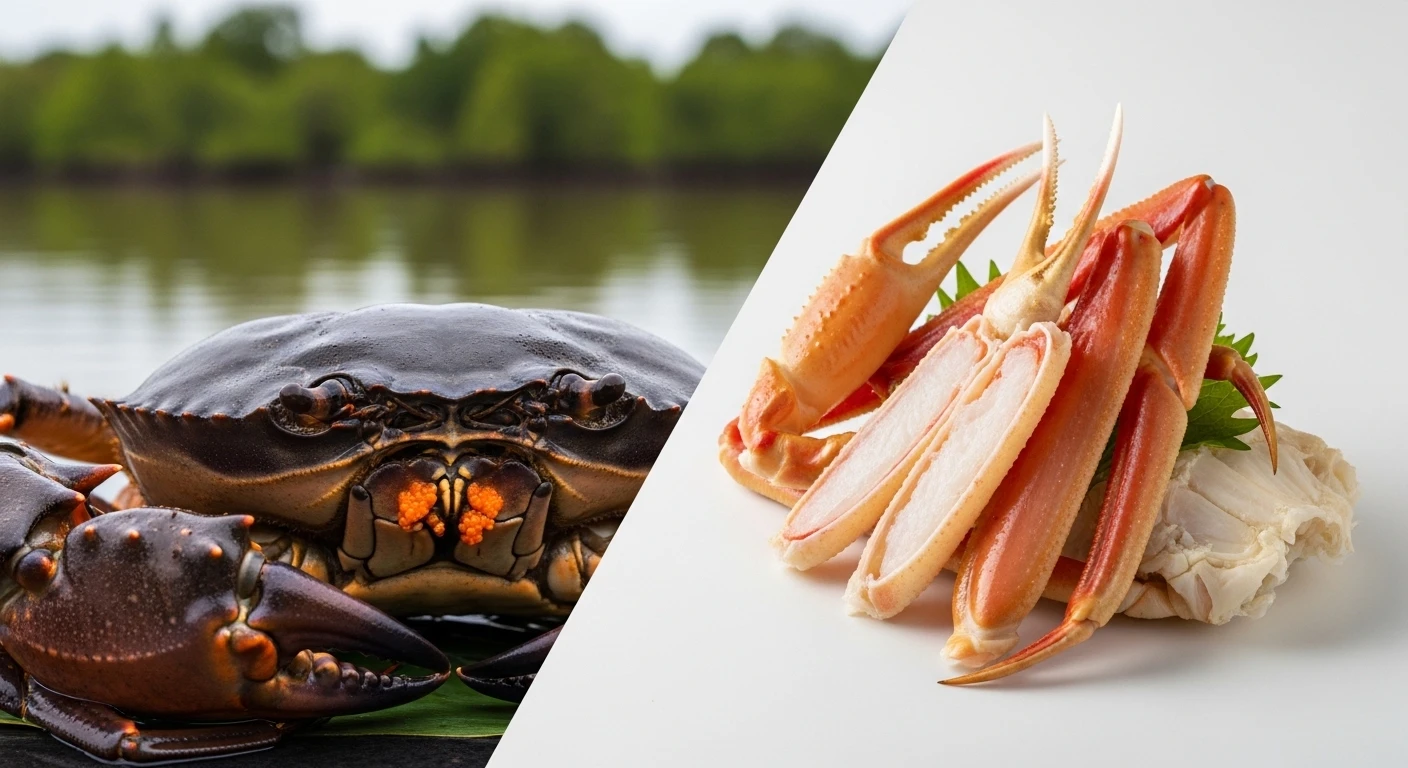
The Mekong Delta, a vast, fertile labyrinth of rivers and canals, is a place where life flows with the tides. At its southernmost tip lies Ca Mau, a province synonymous with one of Vietnam’s most prized culinary treasures: the mud crab. This isn't just any crab; it's a creature forged in the brackish embrace of dense mangrove forests, its meat renowned for its sweetness and firm texture. Ca Mau's unique ecosystem, a perfect blend of fresh river water and salty sea currents, creates an ideal nursery for these delectable crustaceans.
For centuries, the people of Ca Mau have lived intimately with the land and water, their livelihoods deeply intertwined with the rhythms of crab farming and fishing. The mud crab, known locally for its robust flavor, isn't just food; it's an economic backbone, supporting countless families and fueling a fascinating logistical ballet that plays out daily on the Delta's dusty roads.
2 From Muddy Banks to Market Baskets: The Catch
Before they ever hit a motorbike, these crabs begin their journey in the hidden watery groves of the mangroves. Farmers painstakingly cultivate them in vast, semi-wild ponds, often integrated with shrimp or fish farms, mimicking their natural habitat. Traditional methods, sometimes involving simple traps or even hand-catching by skilled harvesters navigating the slippery mud, are still prevalent.
The harvest is a labor of love and grit. Workers spend hours under the scorching sun or in the cool pre-dawn, carefully extracting the crabs, ensuring they are healthy and vibrant. Each crab is then meticulously bound with rope to prevent fighting and to preserve its energy for the long journey ahead. This careful handling at the source is critical, as a dead crab is a loss – these creatures must arrive alive, feisty, and ready for their next destination.
3 The Two-Wheeled Fleet: Anatomy of a Crab Run
Imagine a motorbike. Now imagine it completely engulfed by dozens, sometimes hundreds, of bamboo cages filled with live, squirming crabs. This isn't a rare sight; it's the norm. The Vietnamese motorbike, a ubiquitous symbol of daily life, transforms into an improbable, yet incredibly efficient, cargo hauler. These aren't fancy refrigerated trucks; they're humble Honda Waves and Yamaha Exciter's, customized with reinforced frames and extra bungee cords.
The drivers, often young men or seasoned veterans, are masters of balance and navigation. They stack the cages high, sometimes forming a pyramid that dwarfs the rider, yet they weave through bustling markets and narrow country lanes with astonishing precision. Each journey is a testament to their skill and the ingenious adaptations made to these two-wheeled workhorses. It's a logistical marvel born out of necessity, where speed and agility trump conventional transport methods, especially across the Delta’s intricate network of waterways and patchy roads.
Behind the Wheels: The Drivers
These drivers are more than just delivery personnel; they are vital conduits in the Delta's food chain. They know every shortcut, every pothole, every nuance of their route. Their dedication ensures that Ca Mau's crabs, often destination-bound for markets in Ho Chi Minh City or even international export, maintain their freshness and vitality, defying the odds of a hot, humid environment.
4 The Race Against Time (and Traffic): A Perishable Payload
Every crab on these motorbikes is on a clock. The goal is simple: deliver them alive and kicking. The intense heat and humidity of the Mekong Delta are formidable adversaries. To combat this, drivers often spray their precious cargo with water to keep the crabs cool and prevent them from dehydrating. This constant battle against the elements adds another layer of complexity to an already challenging task.
The routes can be long, winding through rural villages, over rickety bridges, and onto the main arteries leading to larger cities. They navigate through chaotic city traffic, where every inch is contested, yet manage to protect their fragile, wriggling cargo. The journey itself is a spectacle of endurance, a testament to the drivers' focus and skill in ensuring that the crabs reach their destination in peak condition, ready to be cooked and enjoyed.
5 The Unsung Heroes of the Supply Chain
This motorbike logistics system is more than just individual effort; it's a finely tuned network of interdependent communities. From the humble farmer who meticulously binds each crab, to the local collector who aggregates them, to the skilled motorbike driver who races against time, each link is crucial. These are not corporate giants or global shipping companies; these are families, small business owners, and local entrepreneurs, all contributing to a vital economic artery.
It’s a powerful illustration of informal economies at their best – responsive, flexible, and deeply embedded in the local culture. The efficiency and resilience of this system are born from necessity and generations of accumulated knowledge, showcasing how ingenuity can thrive even without high-tech infrastructure. It’s a profound connection between the land, its people, and the produce it yields.
6 More Than Just a Meal: The Cultural Significance
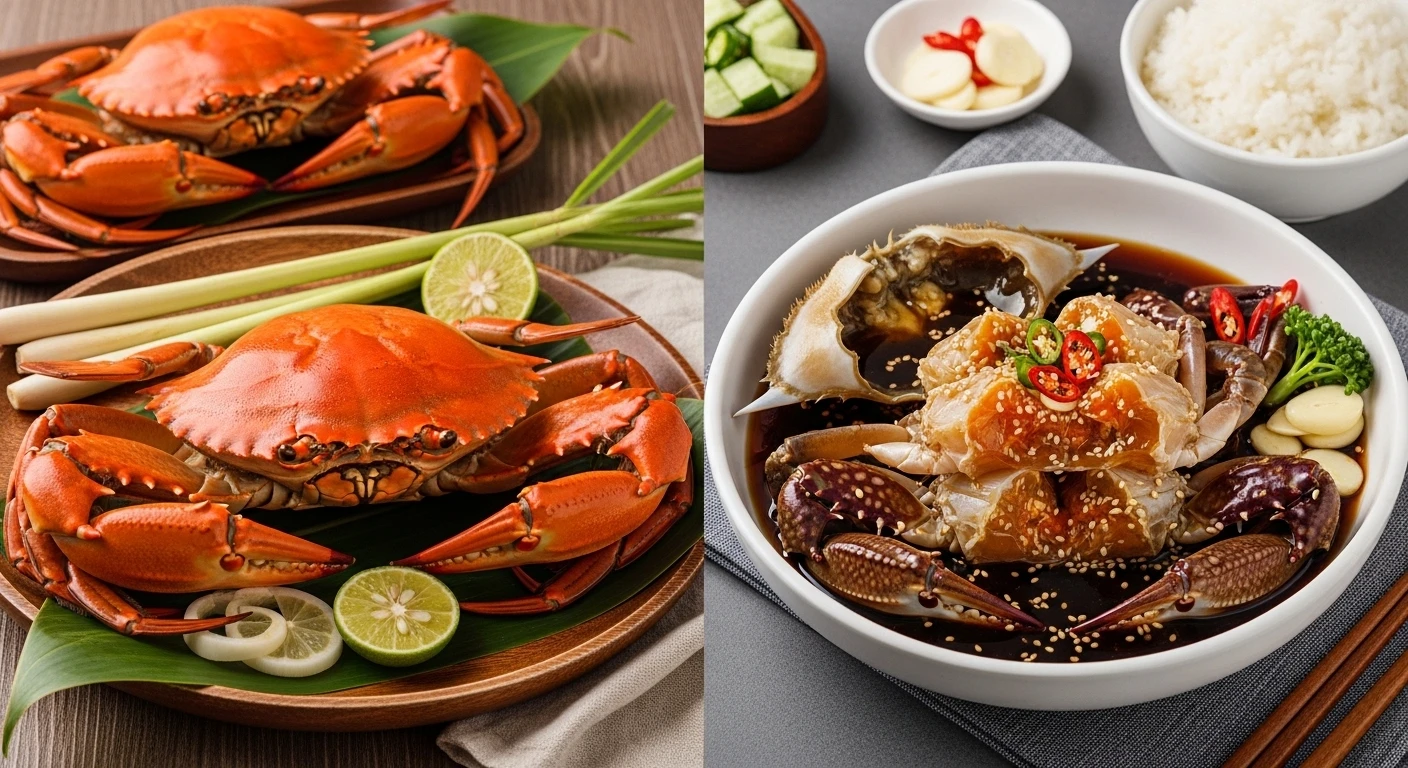
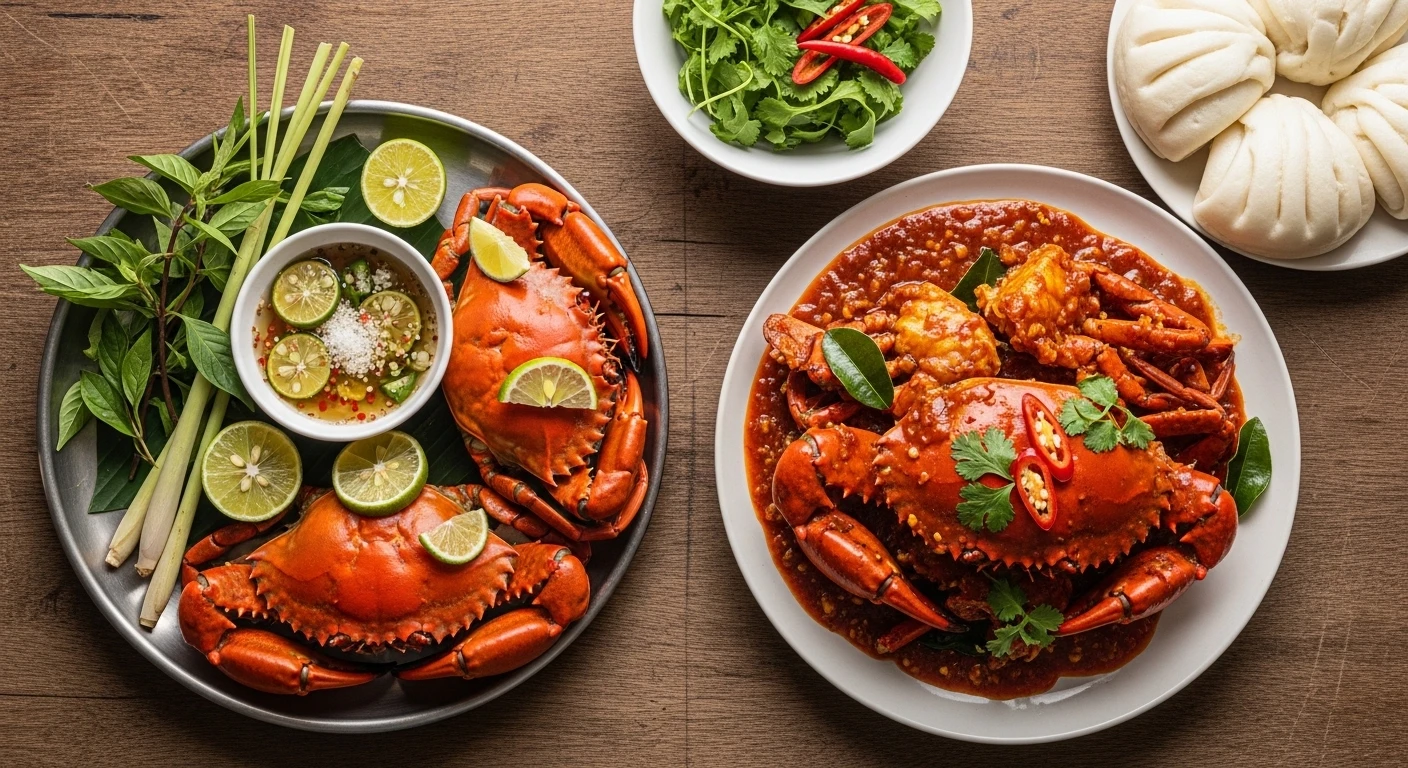
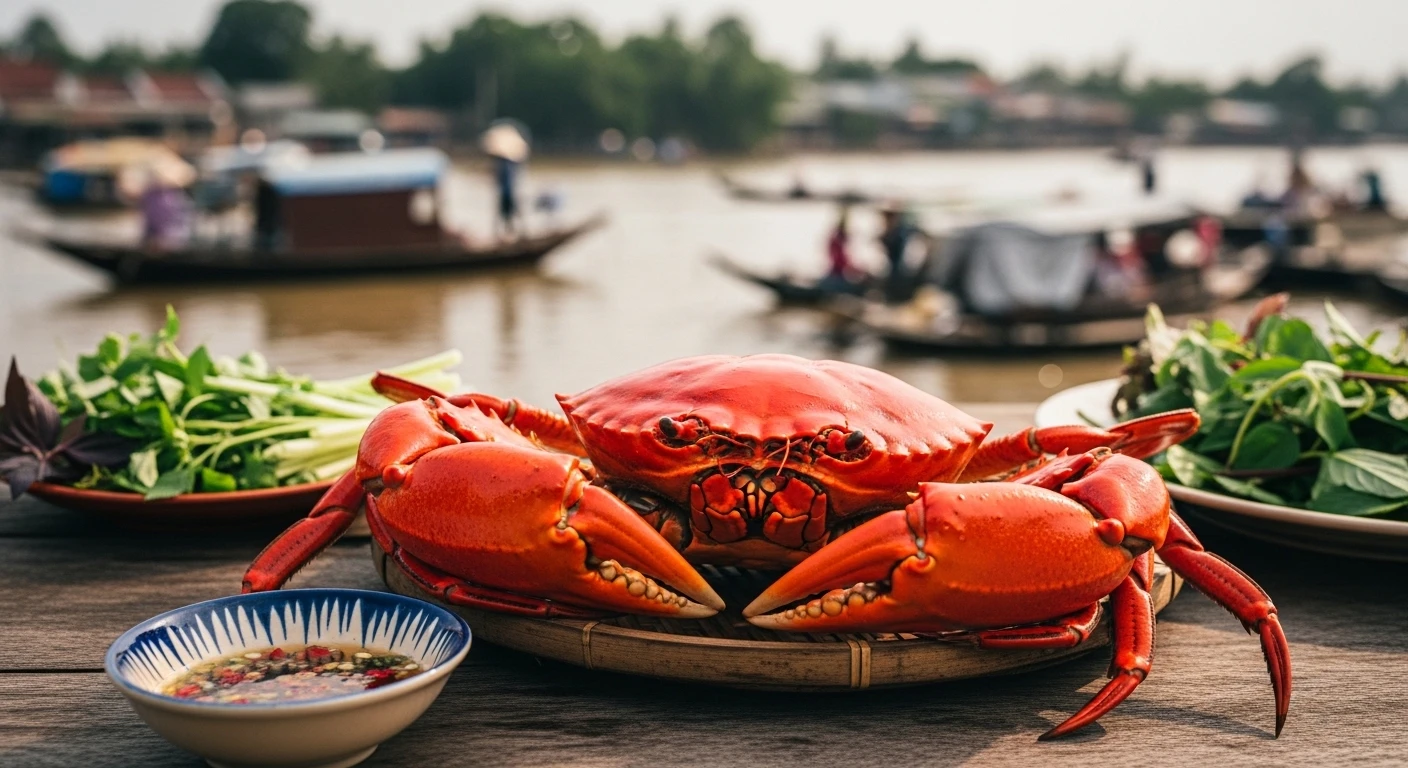
For Vietnamese diners, especially those in the southern regions, Ca Mau crab is a delicacy of the highest order. Its arrival in markets, still lively after its motorbike journey, signals quality and authenticity. It’s a staple for family feasts, celebrations, and restaurant menus alike. Dishes like Tamarind Crab (Cua Rang Me) or simple steamed crab with beer and lemongrass showcase its natural sweetness, often enjoyed with a vibrant dipping sauce of lime, salt, and chili.
The journey of these crabs is also a story of regional pride. Ca Mau is proud of its crabs, and the intricate system of getting them to tables far and wide reinforces their identity as a culinary powerhouse. When you bite into a succulent piece of Ca Mau crab, you're not just tasting seafood; you're tasting the hard work, the intricate logistics, and the very soul of the Mekong Delta.
7 Sustainability and the Future of the Two-Wheeled Crab
As Vietnam develops, questions naturally arise about the sustainability and future of such traditional logistics systems. While charming and effective, the sheer scale of operations and increasing demand put pressure on resources. Efforts are being made to promote sustainable crab farming practices, ensuring the mangrove ecosystems, which are vital for both the crabs and coastal protection, remain healthy.
There's a delicate balance to strike between maintaining traditional livelihoods and adapting to modern demands for efficiency and environmental responsibility. Will larger, refrigerated trucks eventually replace the iconic motorbike fleet? Perhaps, for longer hauls or greater volumes. But for the intricate local distribution and the unique charm it brings, the image of a motorbike laden with a mountain of crabs will likely remain an enduring symbol of the Mekong Delta's indomitable spirit for years to come.
8 A Taste of the Delta's Grit and Sweetness
To witness this incredible system in action is to gain a deeper appreciation for the food on your plate and the people who bring it to you. It's a reminder that even in the modern world, ingenuity, hard work, and a profound connection to nature can create truly extraordinary solutions.
So, the next time you savor a succulent mud crab from the Mekong Delta, take a moment to imagine its journey: from the muddy embrace of the mangroves, meticulously handled by farmers, then stacked high on a motorbike, expertly navigated through bustling streets, all to arrive fresh and delicious. It’s more than just a meal; it's a story of a culture, a region, and a crazy, beautiful logistics system that simply works.
Explore More Delta Delights
The Mekong Delta is a treasure trove of unique cultural experiences and incredible food. Dive deeper into its culinary landscape.
🍜 Your Mekong Culinary Adventure