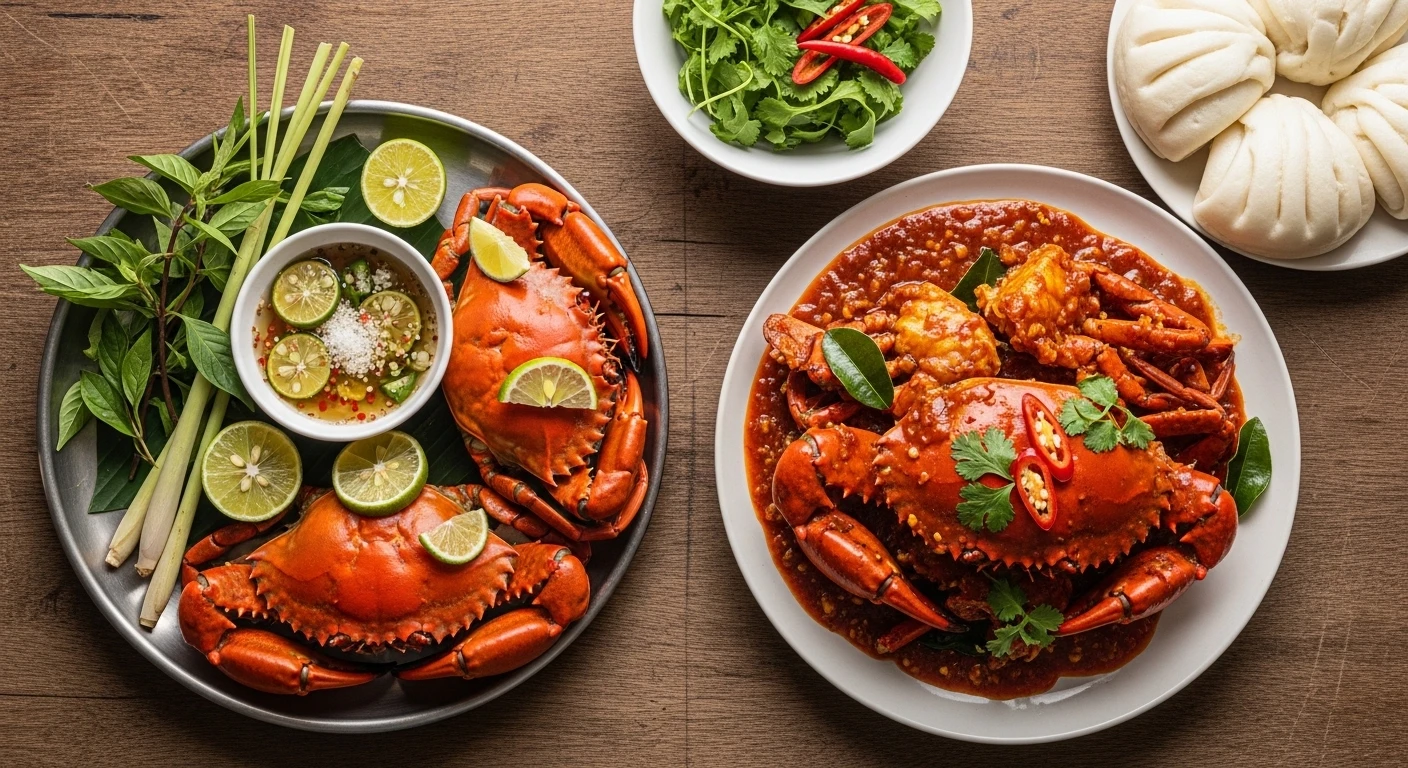
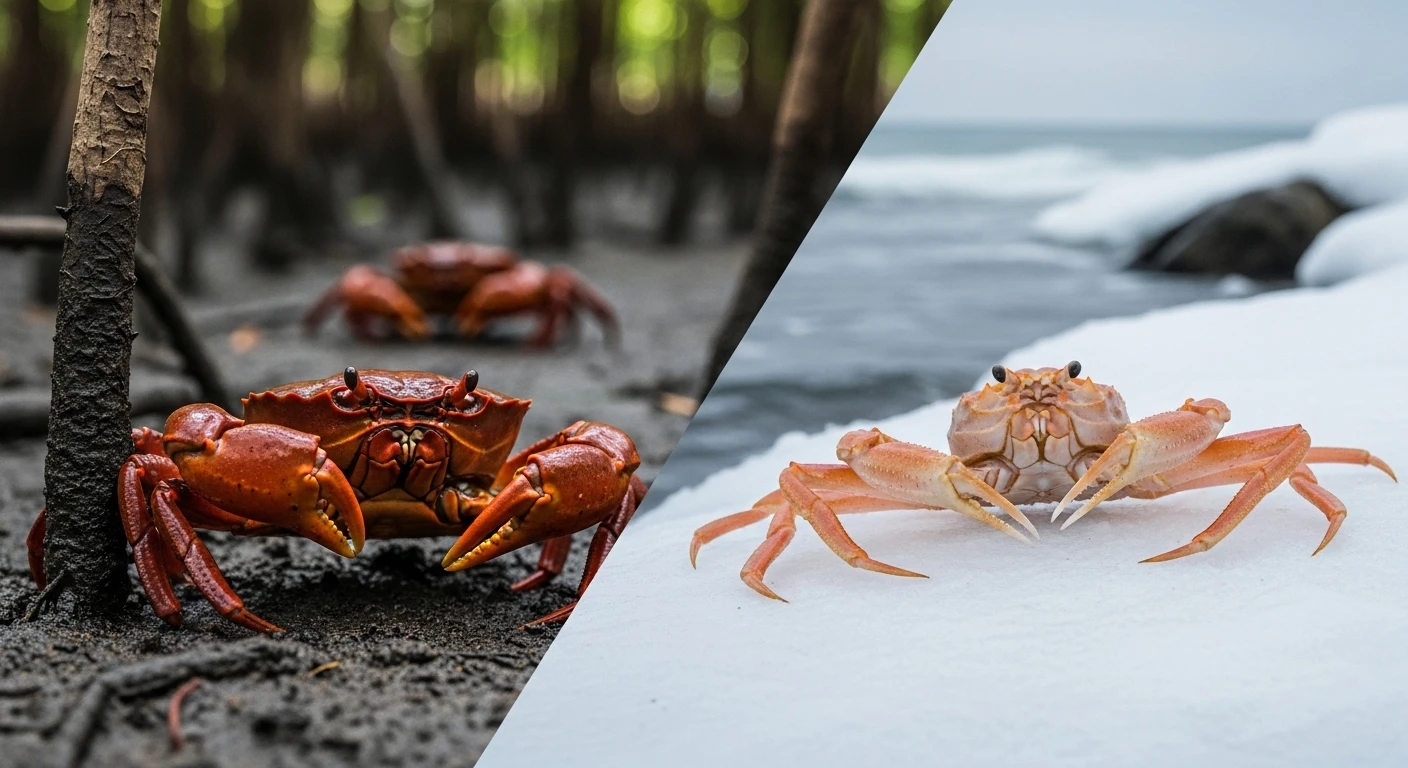
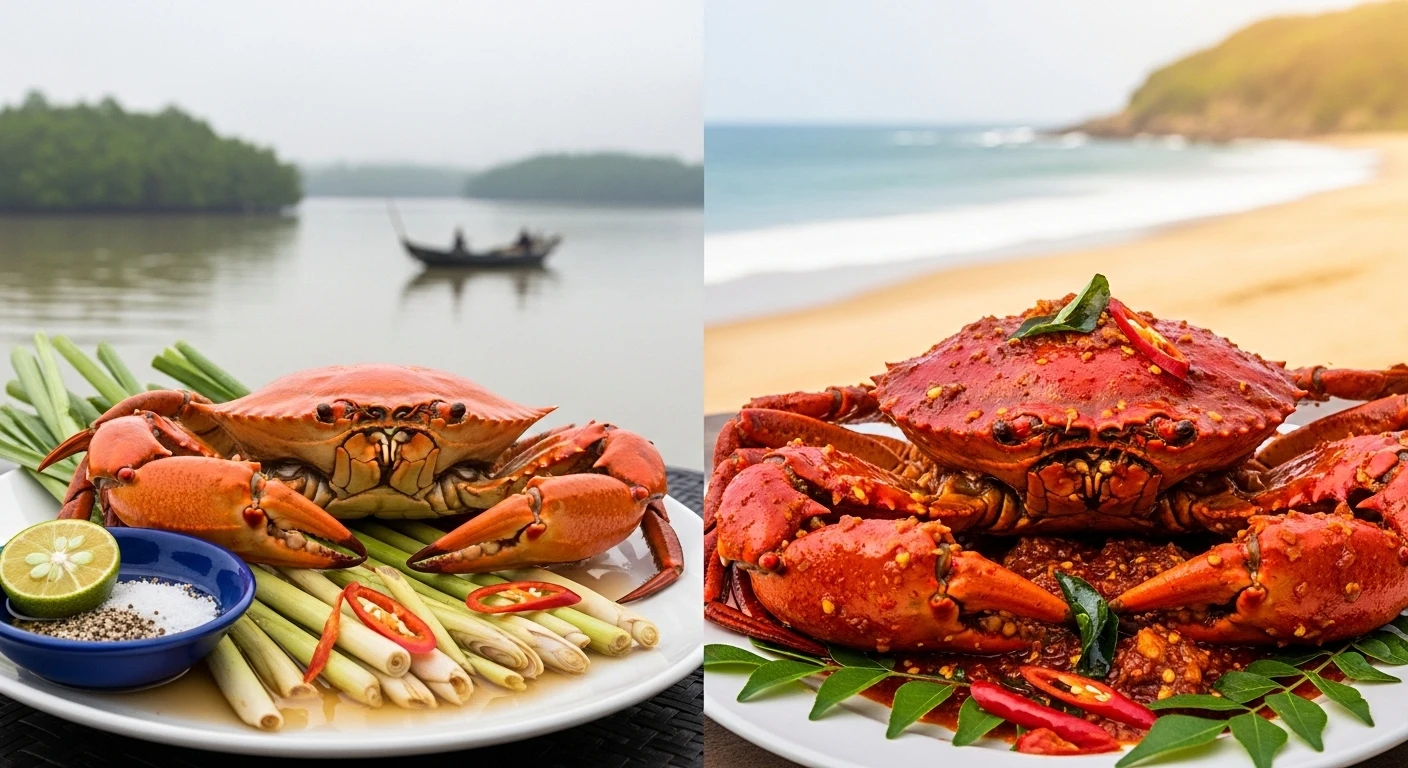
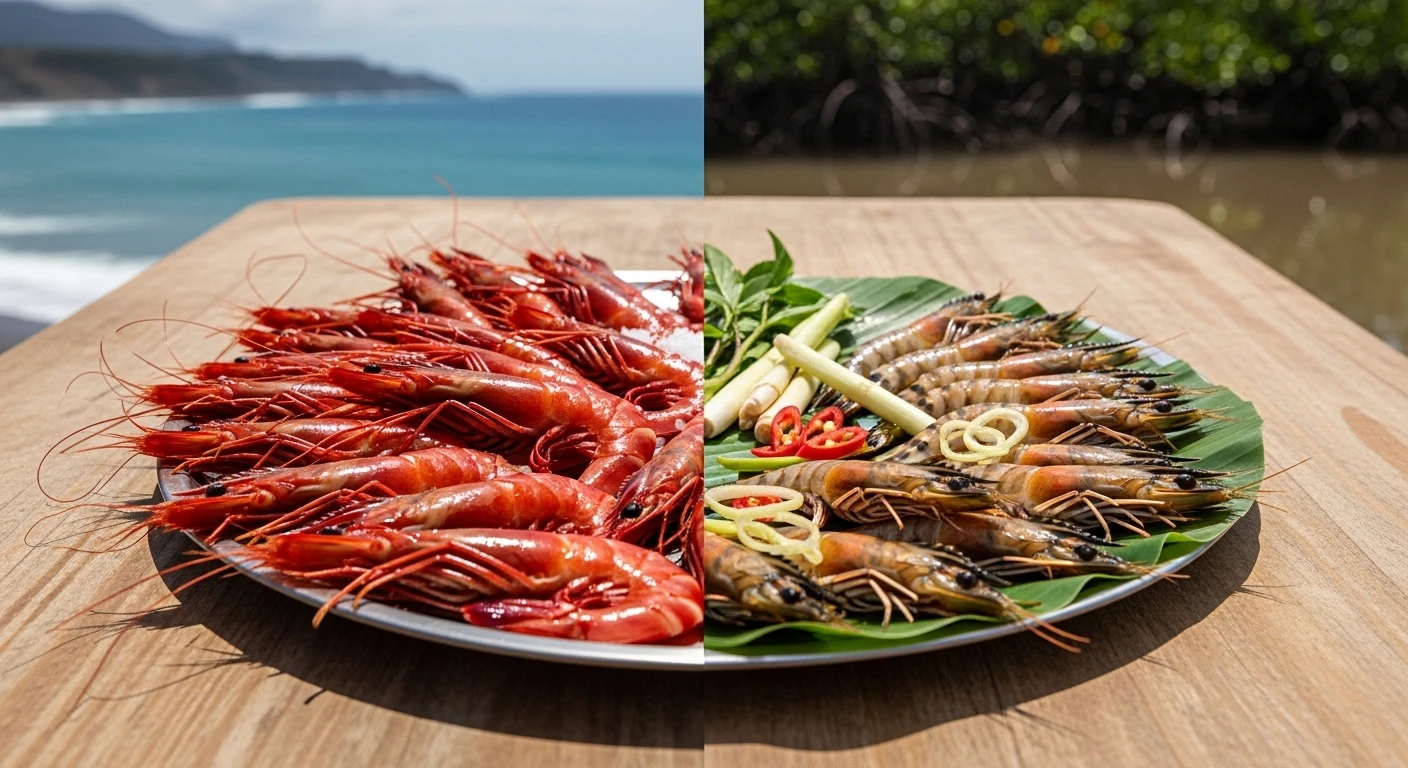
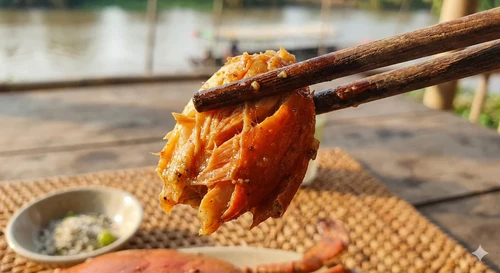
" In the grand, shimmering tapestry of global seafood, shrimp are the ever-present threads, weaving through nearly every cuisine. But not all shrimp are created equal. The vast oceans and intricate river systems of Ecuador and Vietnam, two giants in the export arena, yield shrimp that are as different as the landscapes they hail from. "
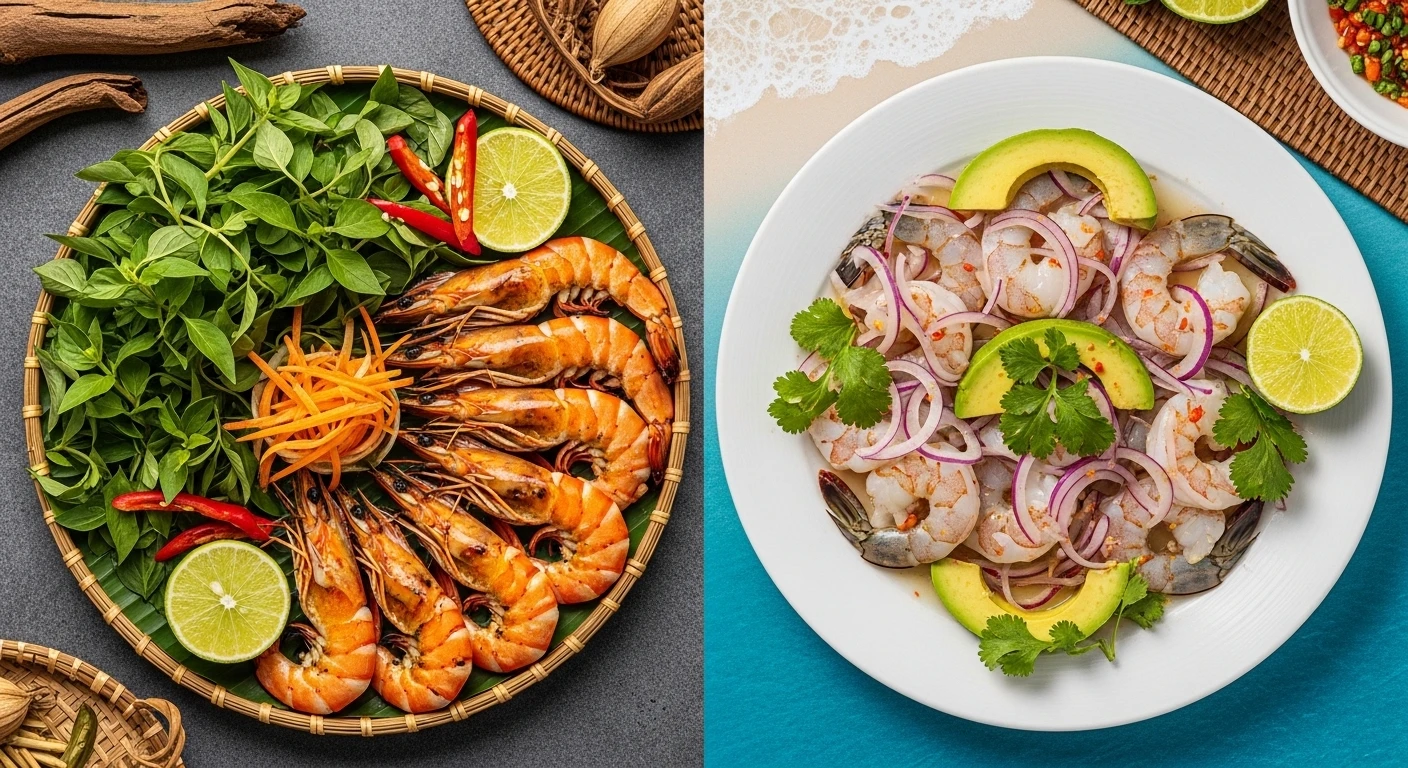
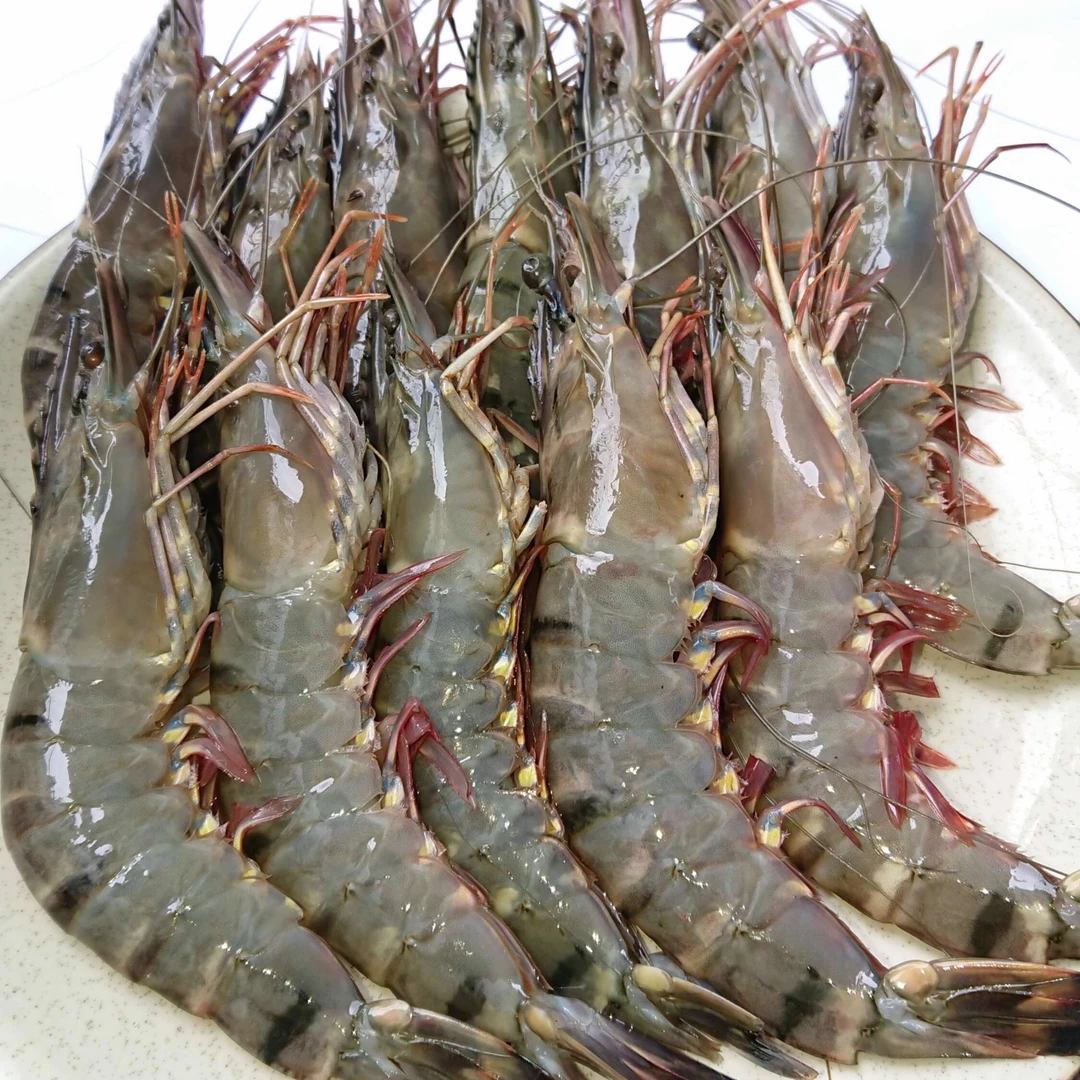
📸 Two worlds of shrimp: The vibrant palette of the Mekong meets the briny depths of the Pacific.
1 Global Shrimp Superpowers: Ecuador vs. Vietnam
When it comes to shrimp, two countries consistently dominate the international market: Ecuador and Vietnam. Both are export powerhouses, shipping millions of tons of their prized crustaceans to tables worldwide. Yet, the paths they've taken, the environments they cultivate, and the very essence of their shrimp are worlds apart.
Ecuador: Pacific Prodigy
Ecuador, positioned on the Pacific coast, has become synonymous with large, succulent whiteleg shrimp (Litopenaeus vannamei), often referred to as Pacific white shrimp. Their success lies in intensive, often land-based pond systems, leveraging the rich ocean currents and a highly organized industry focused on scale and consistent quality for export.
Vietnam: Mekong's Bounty
Vietnam, with its vast coastline and the intricate network of the Mekong Delta, offers a more diverse shrimp landscape. From the brackish mangrove-fed waters yielding prized black tiger shrimp (Penaeus monodon) to the freshwater giants, Vietnam's shrimp culture is deeply intertwined with its natural ecosystems and traditional aquaculture practices.
2 The Mekong Delta's Terroir: A Taste of Place
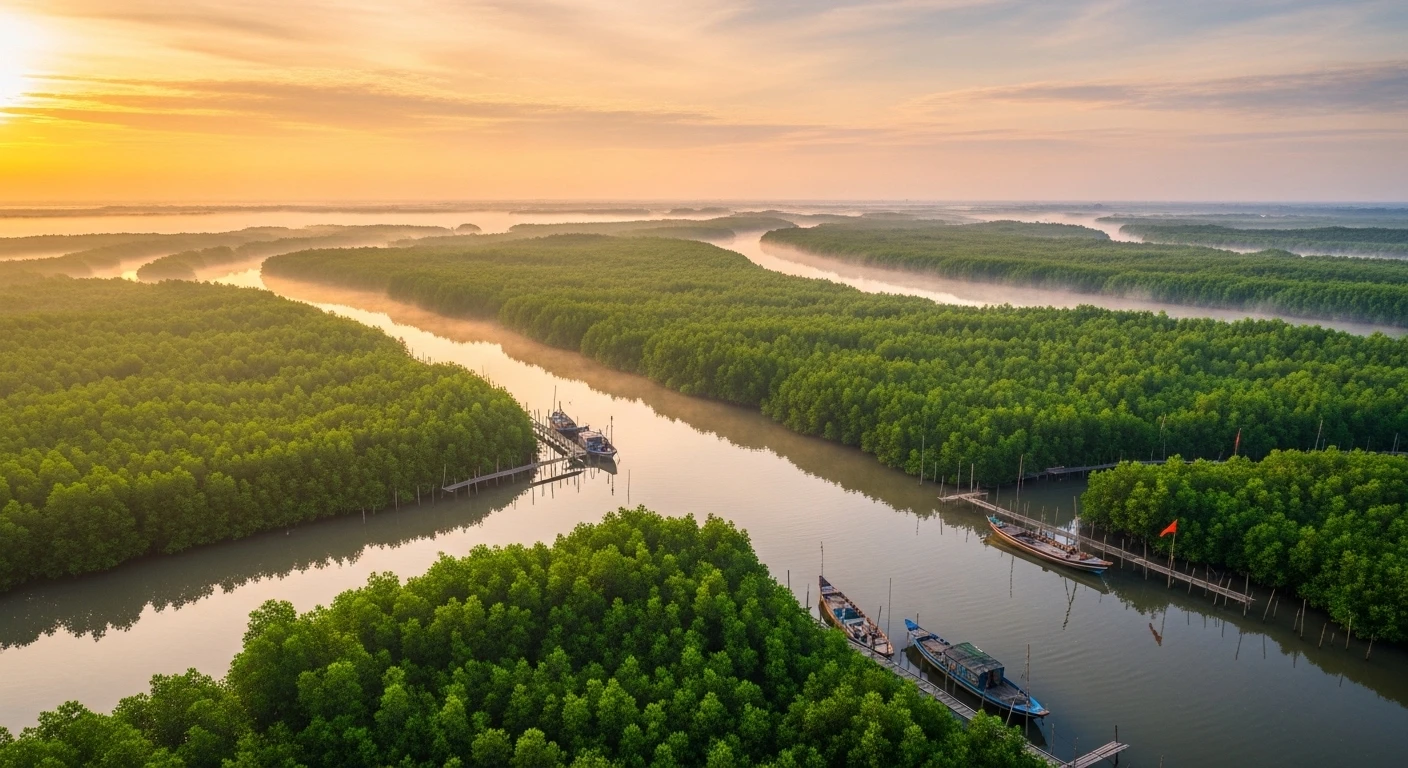
To understand Vietnamese shrimp, you must first understand the Mekong Delta. This sprawling, humid labyrinth of rivers, canals, and rice paddies is the agricultural heart of Vietnam, and its unique geography dictates the character of its seafood.
The Black Tiger's Domain
The star of the Mekong for many is the Ca Mau Black Tiger Shrimp. These are not raised in sterile, high-density monocultures. Instead, they thrive in integrated systems, often sharing space with rice paddies or thriving in the protected mangrove forests of Ca Mau province. This environment imbues them with a distinct character.
Flavor Profile: Clean, sweet, and slightly briny, with a more complex finish than intensively farmed shrimp. The mangrove ecosystem, with its rich organic matter and specific water conditions, contributes a subtle, almost mineral sweetness.
Texture: Firm, resilient, and satisfyingly ‘snappy’ to the bite. This is a shrimp that holds its structure beautifully, whether grilled, steamed, or stir-fried.
When you taste a true Ca Mau black tiger shrimp, you're not just tasting shrimp; you're tasting the brackish kiss of the estuary, the shade of the mangrove canopy. It's a flavor deeply rooted in its environment.
Beyond the Tiger: Prawns and Whiteleg
The Mekong Delta also yields other treasures. Giant Freshwater Prawns, with their striking blue claws, are a delicacy. Raised in freshwater rivers and canals, their rich, fatty heads are as prized as their sweet meat, often grilled to perfection.
The ubiquitous Whiteleg Shrimp (Penaeus vannamei) is also farmed extensively in Vietnam, often in brackish water coastal areas and even inland ponds. While sometimes more neutral in flavor compared to the black tiger, Vietnamese whiteleg shrimp, particularly when managed sustainably, can offer a pleasingly sweet and tender bite, a versatile workhorse for everyday Vietnamese cooking.
3 Ecuador's Whiteleg: The Pacific Powerhouse
Ecuador's reputation is built on its mastery of cultivating the whiteleg shrimp (Penaeus vannamei). Their approach is often characterized by large-scale, intensive farming operations designed for efficiency and high yields to meet global demand.
A Briny Blank Canvas
Ecuadorian whiteleg shrimp are celebrated for their consistent size and firm, clean texture. Grown in controlled environments, often with carefully managed salinity and feed, they present a beautiful, neutral profile.
Flavor Profile: Mild, sweet, and very clean. They are designed to absorb marinades and sauces beautifully, acting as a perfect base for a wide range of international dishes. There's a distinct oceanic freshness, but without the pronounced regional "terroir" notes that can sometimes characterize wild-caught or extensively farmed shrimp in more complex ecosystems.
Texture and Culinary Versatility
Texture: Firm, slightly chewy, and reliable. They maintain their form well under various cooking methods, from sautéing and grilling to being used raw in ceviche.
Culinary Use: Their neutrality makes them incredibly versatile. From Peruvian ceviche, where their crispness is paramount, to American shrimp scampi or stir-fries, Ecuadorian shrimp are the reliable, high-quality ingredient that chefs and home cooks worldwide depend on.
The Taste Test: Mekong's Complexity vs. Pacific Purity
This is where the rubber meets the road. If you were to blind taste these shrimp side-by-side, what would you notice?
Vietnamese Black Tiger (Ca Mau)
Flavor: Sweet, with a noticeable salinity and subtle mineral undertones from the mangrove ecosystem. A more pronounced, complex sweetness.
Texture: Firm, dense, satisfyingly ‘snappy’. Holds up exceptionally well to grilling.
Best For: Grilling, steaming, dishes where shrimp flavor is paramount.
Ecuadorian Whiteleg
Flavor: Clean, mild, and delicately sweet. A pure oceanic freshness.
Texture: Firm, smooth, consistently tender. Very adaptable to cooking.
Best For: Ceviche, marinades, stir-fries, dishes where the shrimp needs to complement other ingredients.
4 Cultures & Cuisine: How They Meet the Plate
The way shrimp are prepared and enjoyed speaks volumes about a culture.
Vietnam: Celebrating the Natural Sweetness
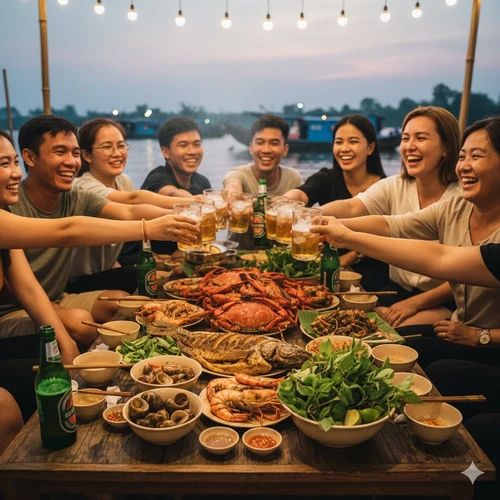
In Vietnam, particularly in the Mekong Delta, there's a profound respect for the inherent sweetness of the shrimp. Simplicity is often key. Grilled black tiger shrimp, brushed with a little oil and garlic, are a common sight at riverside restaurants.
Steaming, whether with beer and lemongrass for aromatics, or with coconut water for added sweetness, highlights the shrimp's natural flavor. Even in complex dishes like Banh Xeo (crispy crepes) or noodle soups like Bun Thai Hai San, the quality of the shrimp is paramount. The dipping sauces – often a blend of lime, chili, salt, and pepper – are designed to complement, not overpower.

Ecuador: The Art of Marinade and Ceviche
Ecuadorian cuisine, heavily influenced by coastal traditions and neighboring Peru, often utilizes shrimp as a star ingredient that can stand up to bold flavors.
The national dish, Ceviche, is a prime example. Fresh whiteleg shrimp are ‘cooked’ in lime juice, their firm texture and mild flavor making them the perfect vehicle for the vibrant marinade of red onion, cilantro, and chili. Beyond ceviche, shrimp feature in hearty seafood stews (Encebollado, though typically fish-based, often incorporates shrimp), grilled skewers, and rice dishes.

5 Sustainability and the Future of Shrimp Farming
Both Vietnam and Ecuador face ongoing challenges and opportunities in sustainable shrimp farming. The global demand for shrimp continues to grow, putting pressure on marine and freshwater ecosystems.
Vietnam's approach is increasingly shifting towards more integrated, eco-friendly systems. The government and local communities are promoting mangrove-friendly aquaculture, reducing reliance on chemicals, and exploring certification schemes to ensure better environmental practices. The unique bio-diverse nature of the Mekong Delta offers a natural advantage for those who farm in harmony with the environment.
Ecuador, a leader in intensive farming, is also investing in sustainability. Innovations include improved feed management, water quality monitoring, and waste reduction technologies to minimize the environmental footprint of their large-scale operations. Efforts are being made to balance high yields with ecological responsibility.
The future of both countries' shrimp industries will depend on their ability to innovate, adapt to climate change, and maintain consumer trust through transparent and responsible farming practices. Consumers play a role too, by seeking out sustainably sourced options and appreciating the diverse stories behind each shrimp.
6 Beyond the Plate: Visiting the Shrimp Lands
For the intrepid traveler and the true seafood aficionado, the ultimate experience is to see where these crustaceans come from.
The Mekong Delta's Living Labs
A journey into the Mekong Delta offers a glimpse into the heart of Vietnamese shrimp culture. Visiting the mangrove forests of Ca Mau, witnessing traditional shrimp-rice farming systems near Bac Lieu, or exploring the bustling floating markets of Can Tho provides an unparalleled understanding.
You can see the tidal gates, the shimmering ponds, and the families whose livelihoods are tied to the rhythm of the tides. The freshness is palpable, and the opportunity to eat shrimp caught mere hours ago is extraordinary. It’s a sensory immersion into a way of life shaped by water and seafood.
Ecuador's Coastal Prawn Farms
While the intensive farms are often not tourist destinations, understanding Ecuador's shrimp industry can involve visiting coastal cooperatives or learning about the scale of operations. The coastal regions themselves offer a different kind of beauty, with vibrant fishing towns and the ever-present Pacific.
Experiencing Ecuador's culinary scene, from the ceviche bars of Guayaquil to the seafood markets, reveals the national pride in their shrimp. It’s a journey into a country that has mastered a specific segment of the global shrimp market with impressive efficiency.
7 A Tale of Two Shrimps: Which Reigns Supreme?
The question of which shrimp is "better" is subjective and, frankly, misses the point. Both Ecuador and Vietnam produce exceptional shrimp that fuel global demand and delight palates worldwide.
Ecuador's whiteleg shrimp offer a benchmark of clean, mild sweetness and reliable texture, a testament to their sophisticated farming and export operations. They are the consistent performers, the blank canvas for a thousand culinary creations.
Vietnam's black tiger shrimp, particularly those from the Ca Mau mangrove forests, offer a more complex story. Their flavor is a direct consequence of their environment – a nuanced sweetness, a satisfying bite, and a tangible connection to the unique delta ecosystem. The giant freshwater prawns add another layer of rich, freshwater charm.
For those seeking a direct taste of a specific place, a connection to a particular environment, the shrimp of the Mekong Delta – with their richer flavor profile and diverse origins – hold a special allure. But for the sheer versatility and consistent quality demanded by the global market, Ecuador's whiteleg shrimp are undeniably masters of their domain.
Ultimately, appreciating shrimp from both nations allows us to celebrate the incredible diversity of aquaculture and the vital role these two countries play in feeding the world. Each shrimp tells a story of its origin – be it the briny Pacific or the intricate delta – a delicious narrative waiting to be savored.
A Closer Look at Vietnamese Shrimp Varieties
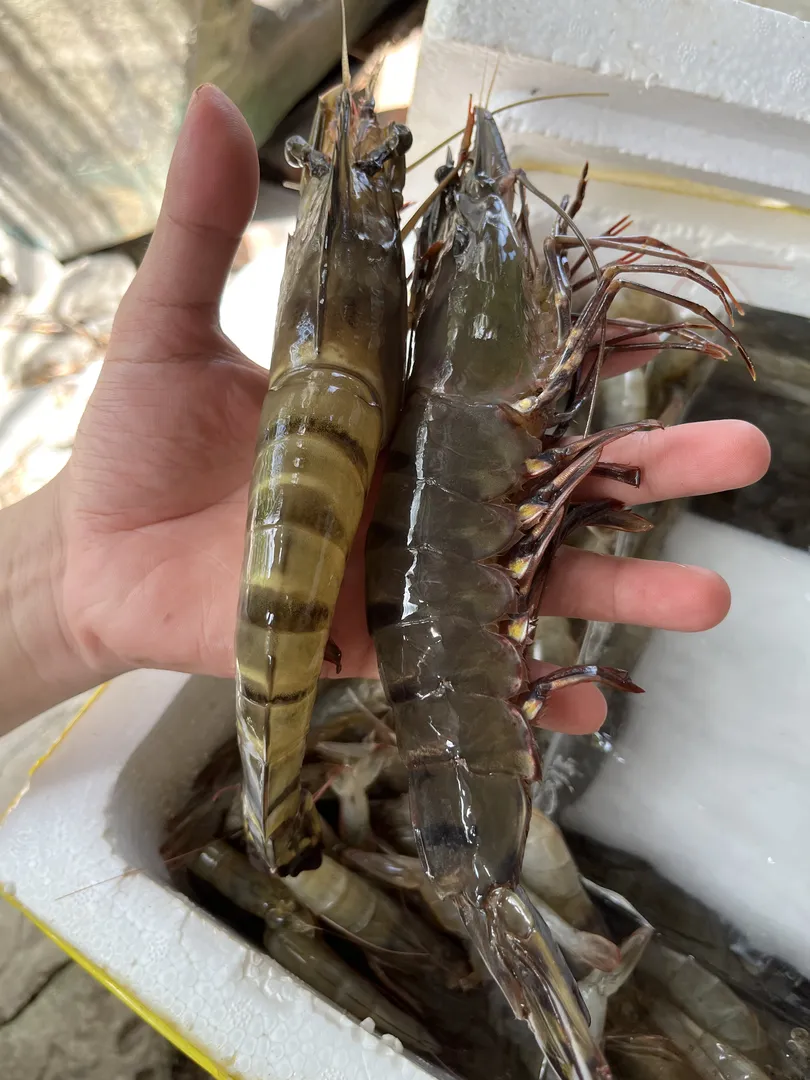
(Penaeus monodon)
- Mangrove-grown, firm, sweet.
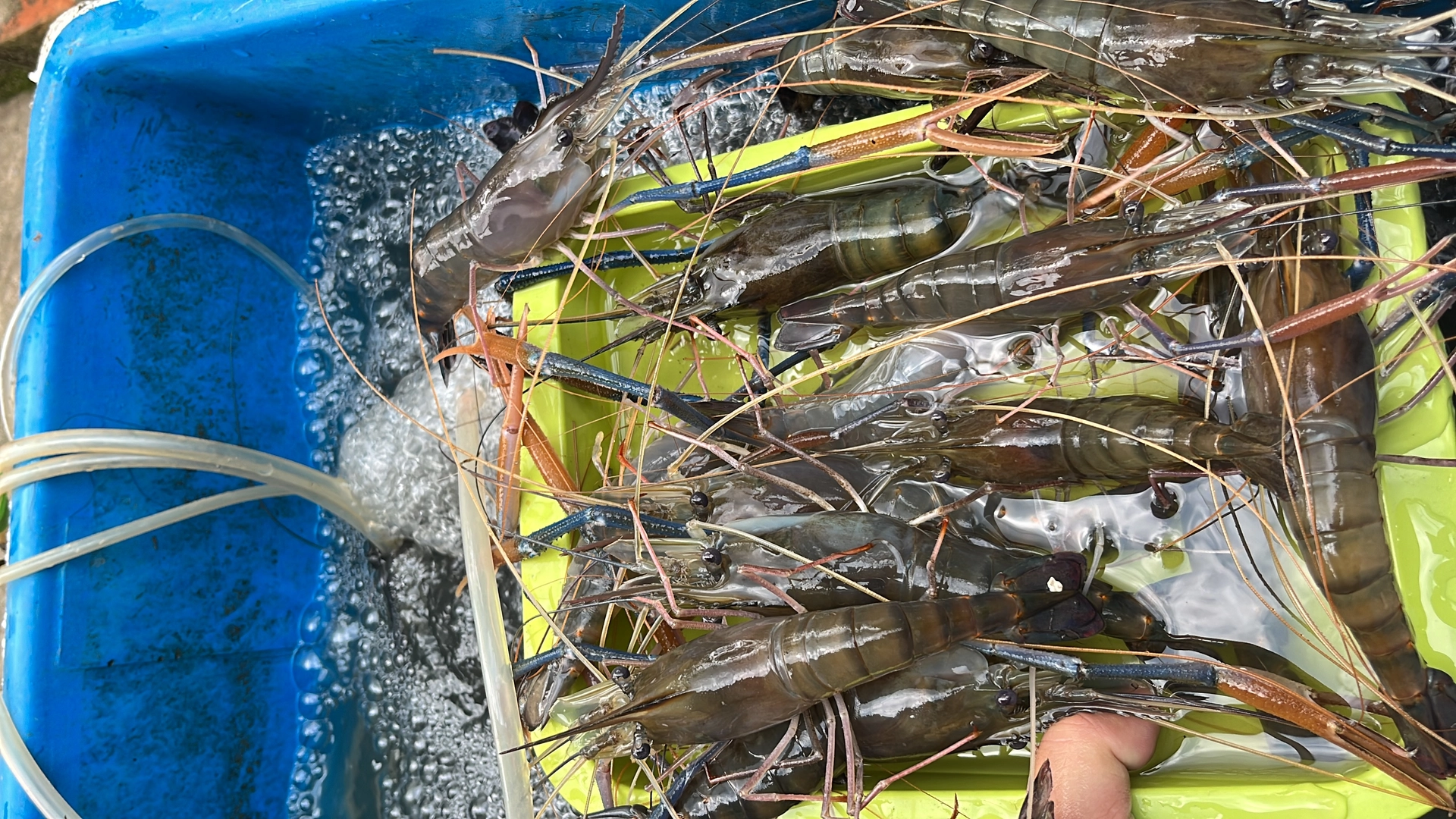
- Freshwater, rich head fat, long blue claws.
(Litopenaeus vannamei)
- Versatile, widely farmed, tender.