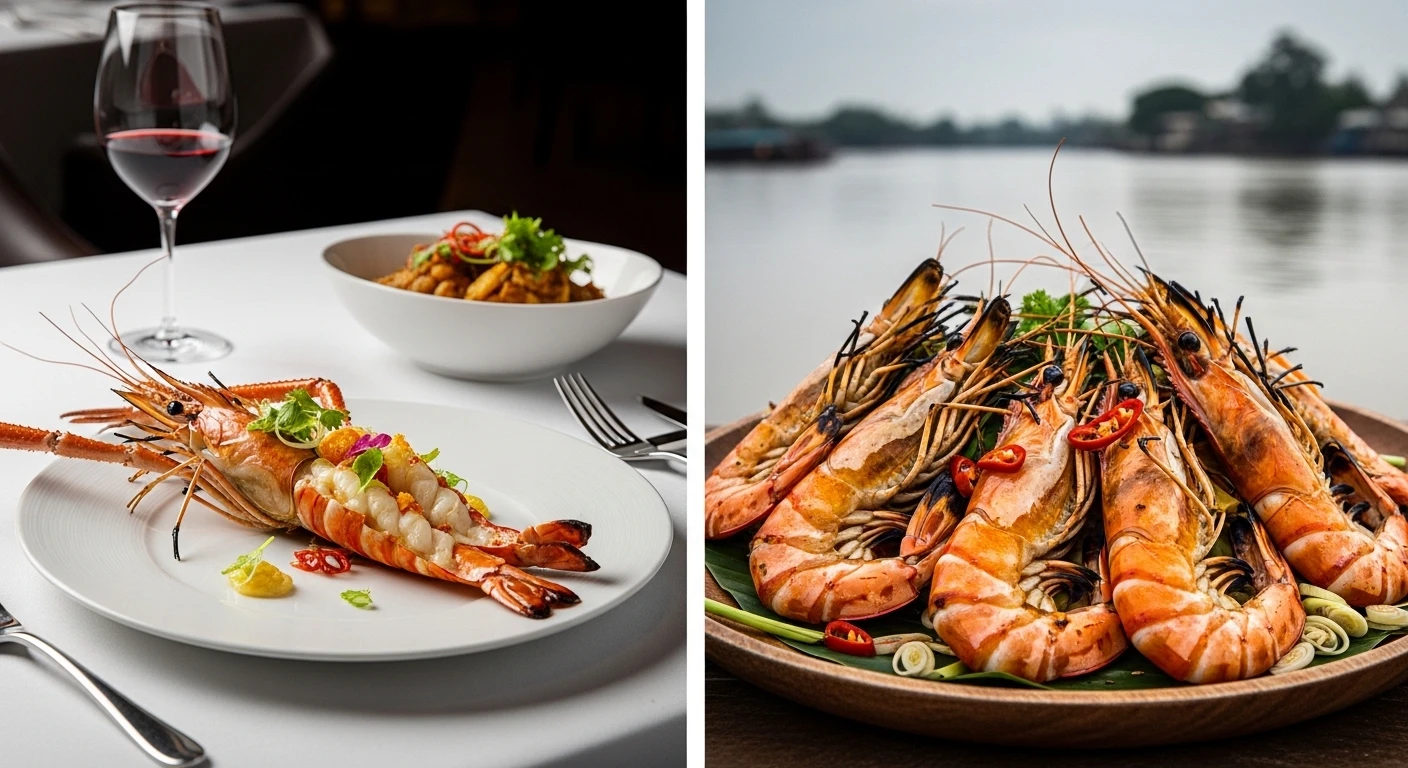
" Water is life. For billions across the globe, the rhythm of the tides, the silt of the rivers, and the bounty of the sea dictate not just meals, but entire ways of life. And in few places is this more true than in the deltaic civilizations of Vietnam and Bangladesh, where shrimp are more than just food – they are currency, community, and culture. "
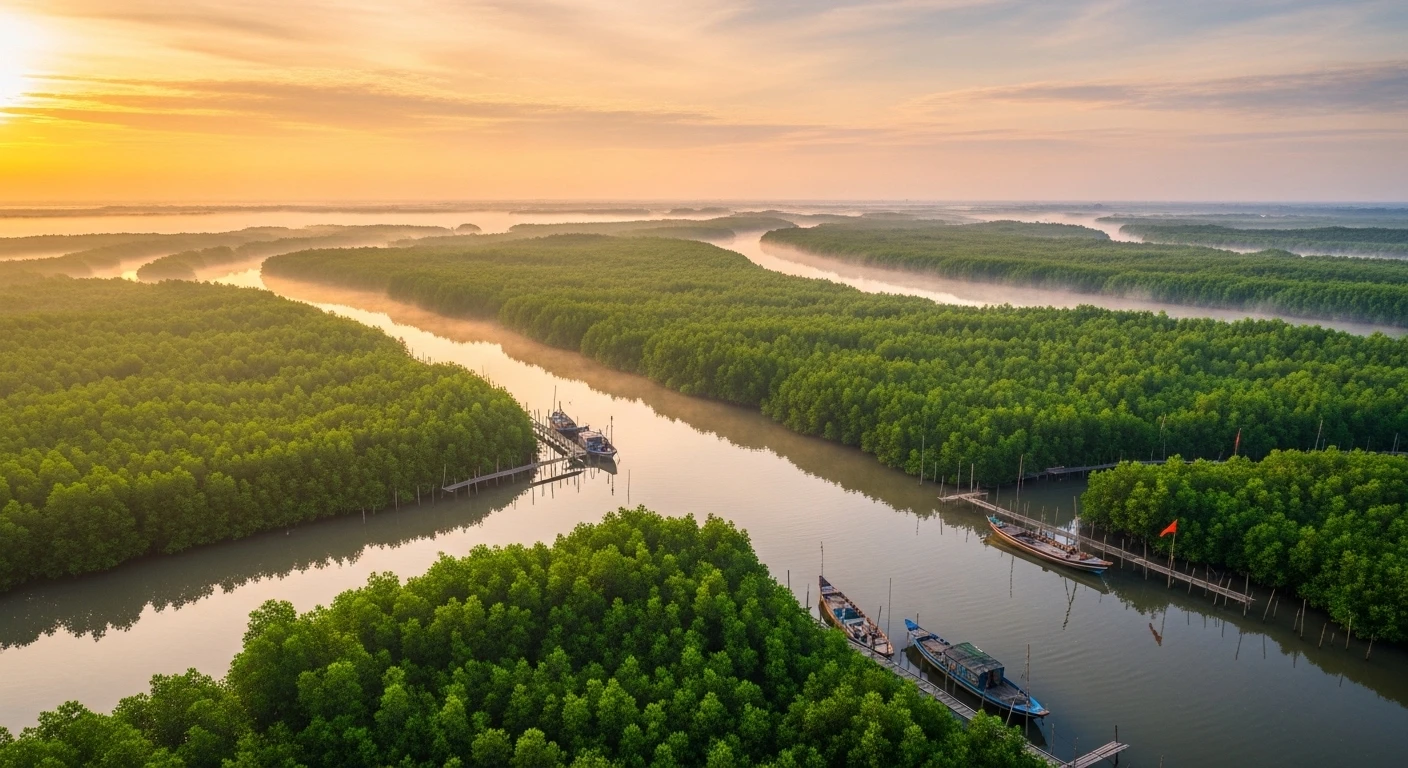
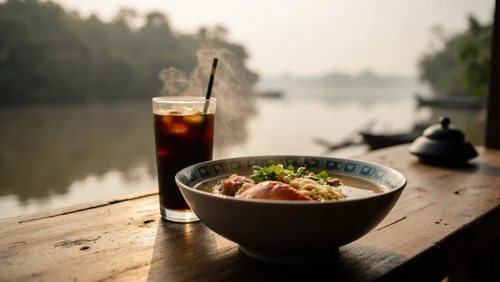
📸 Sunrise over the tranquil waters of the Mekong Delta, a cradle of Vietnamese shrimp culture.
1 The Soul of the Delta: Vietnam's Shrimp Odyssey
Vietnam, a country defined by its serpentine coastline and the vast, fertile expanse of the Mekong Delta, has always been inextricably linked to its waters. For centuries, fishing and aquaculture have been the lifeblood of coastal and riverside communities. Shrimp, in particular, have risen from humble sustenance to a global culinary ambassador, with the Mekong Delta, especially the southern provinces of Ca Mau, Bac Lieu, and Soc Trang, serving as its undisputed heartland.
The Ca Mau region, often called Vietnam's "shrimp capital," is a UNESCO World Biosphere Reserve. Here, traditional extensive farming methods, integrated with mangrove forests, yield some of the most prized shrimp in the world. These are not just farms; they are complex ecosystems where shrimp thrive amongst the roots of salt-tolerant trees. This unique terroir imparts a distinct flavor and texture that sets Vietnamese shrimp apart.
The Mekong's Star Players
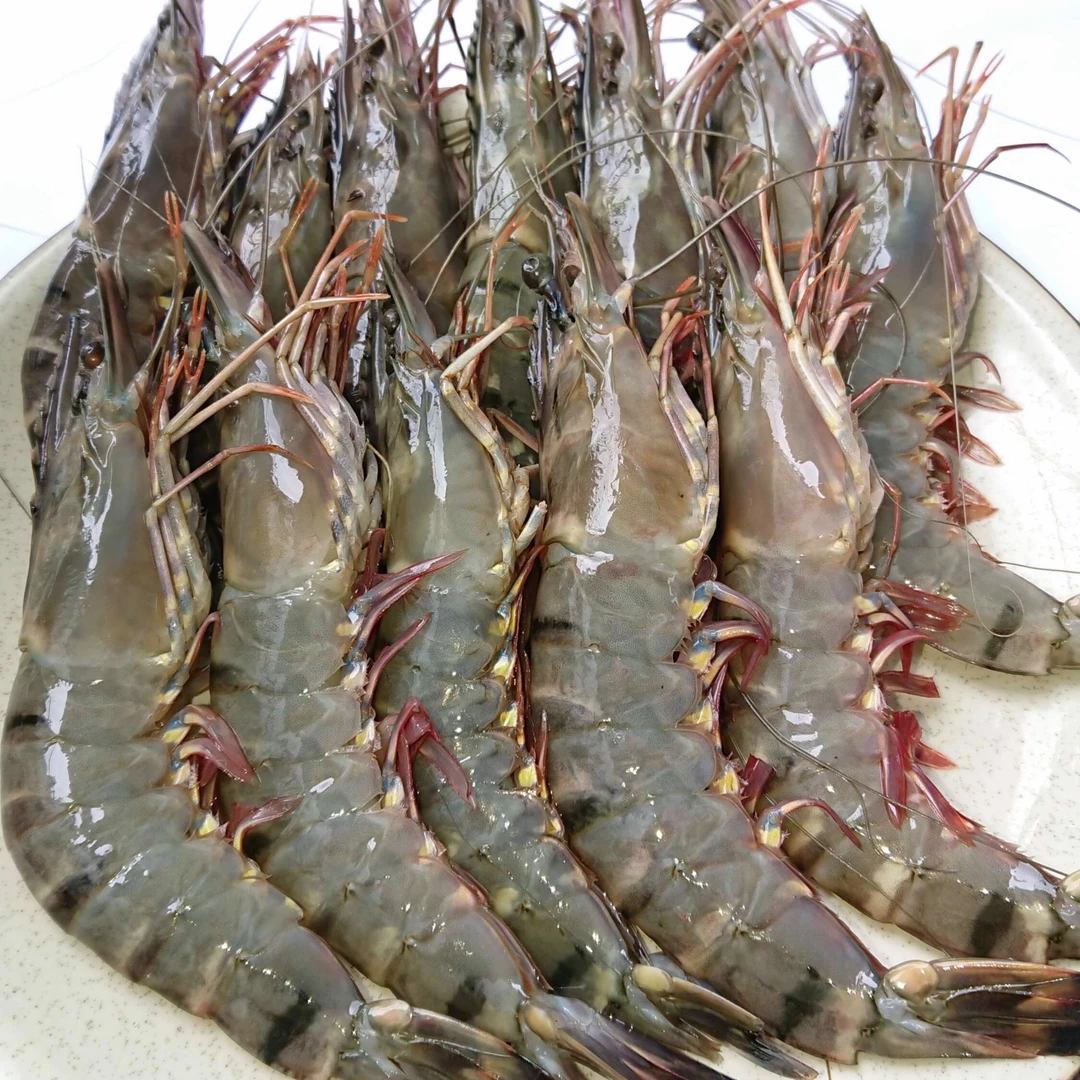
When we speak of Vietnamese shrimp, it’s a diverse cast. The **Ca Mau Black Tiger Shrimp (Penaeus monodon)**, often larger and more robust, are a flagship. Raised in brackish waters, sometimes alongside the iconic mangroves, they boast firm, succulent flesh with a clean, sweet, and slightly mineral finish. It's a flavor that speaks of its natural, untamed environment.
Then there are the **Whiteleg Shrimp (Litopenaeus vannamei)**. While perhaps less "exotic" than the black tiger, their versatility and consistent quality have made them a staple in kitchens worldwide and a crucial part of Vietnam's aquaculture success. They are the workhorses, perfect for stir-fries, soups, and an endless array of home-style dishes, offering a tender bite and a mild, pleasant sweetness.
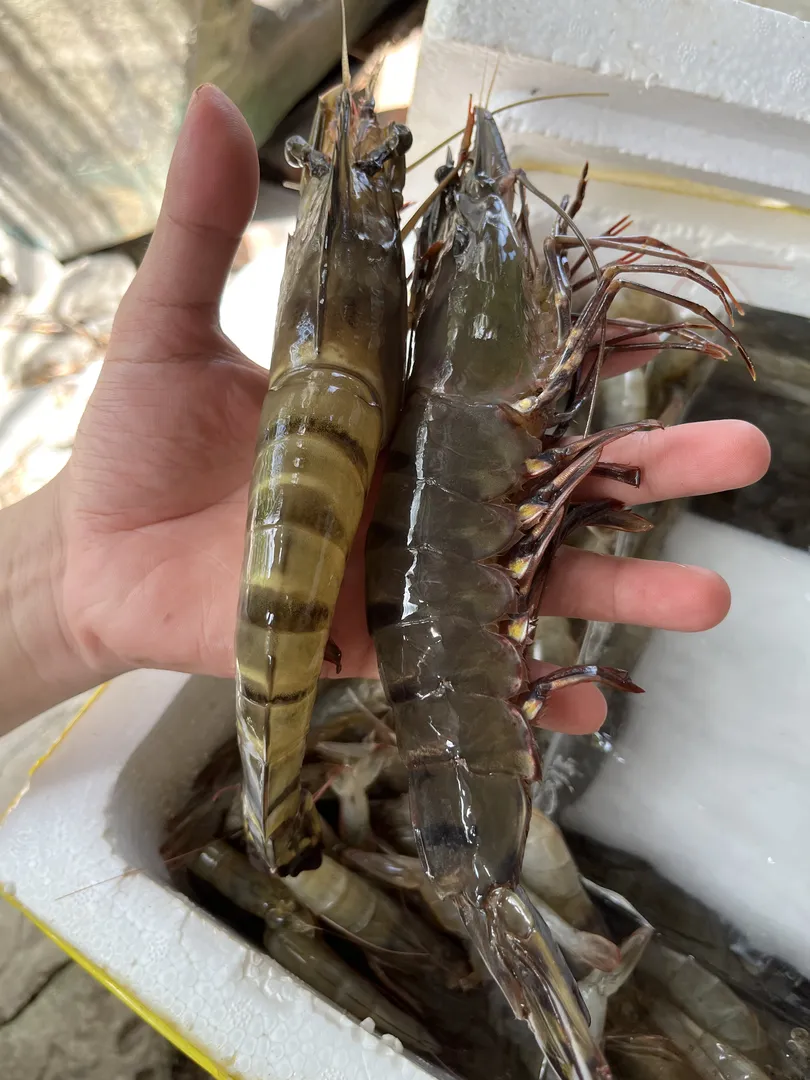
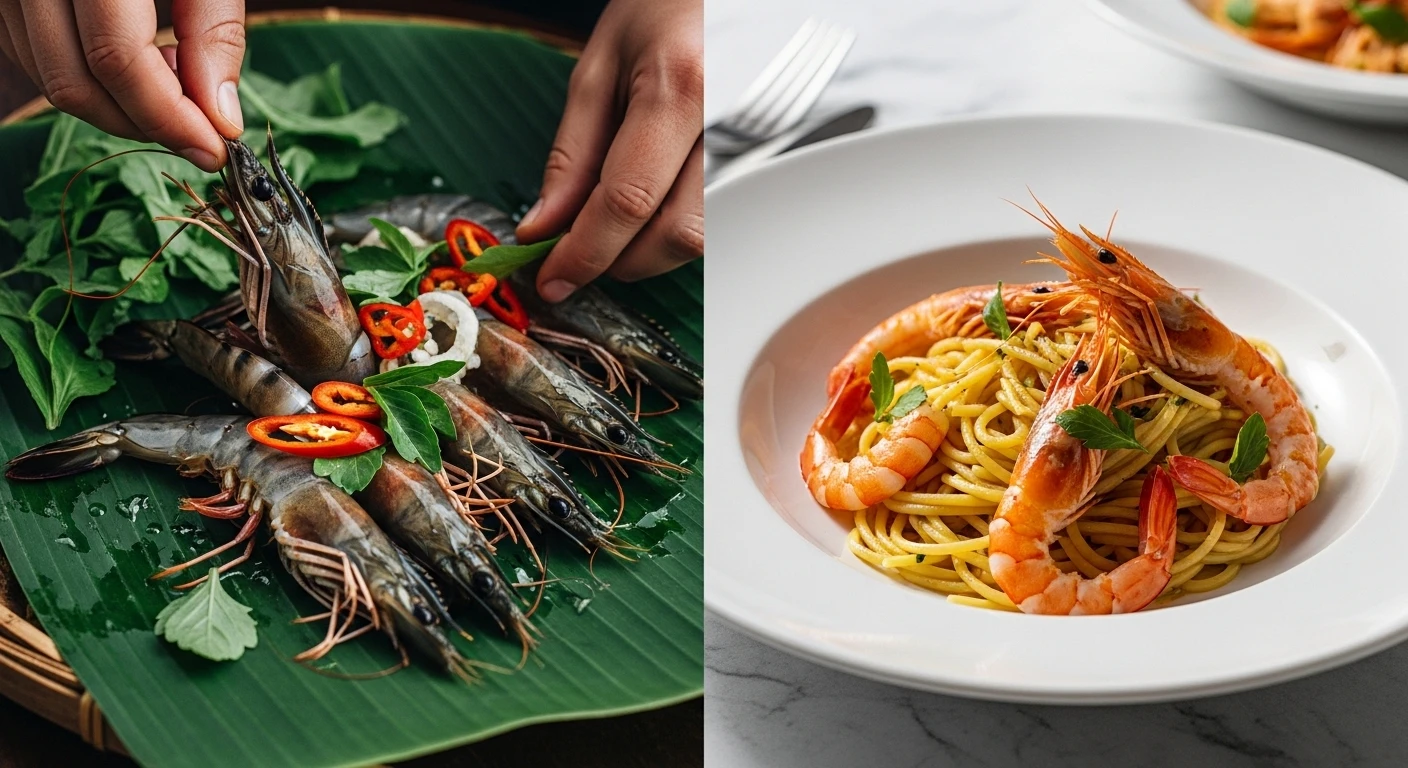
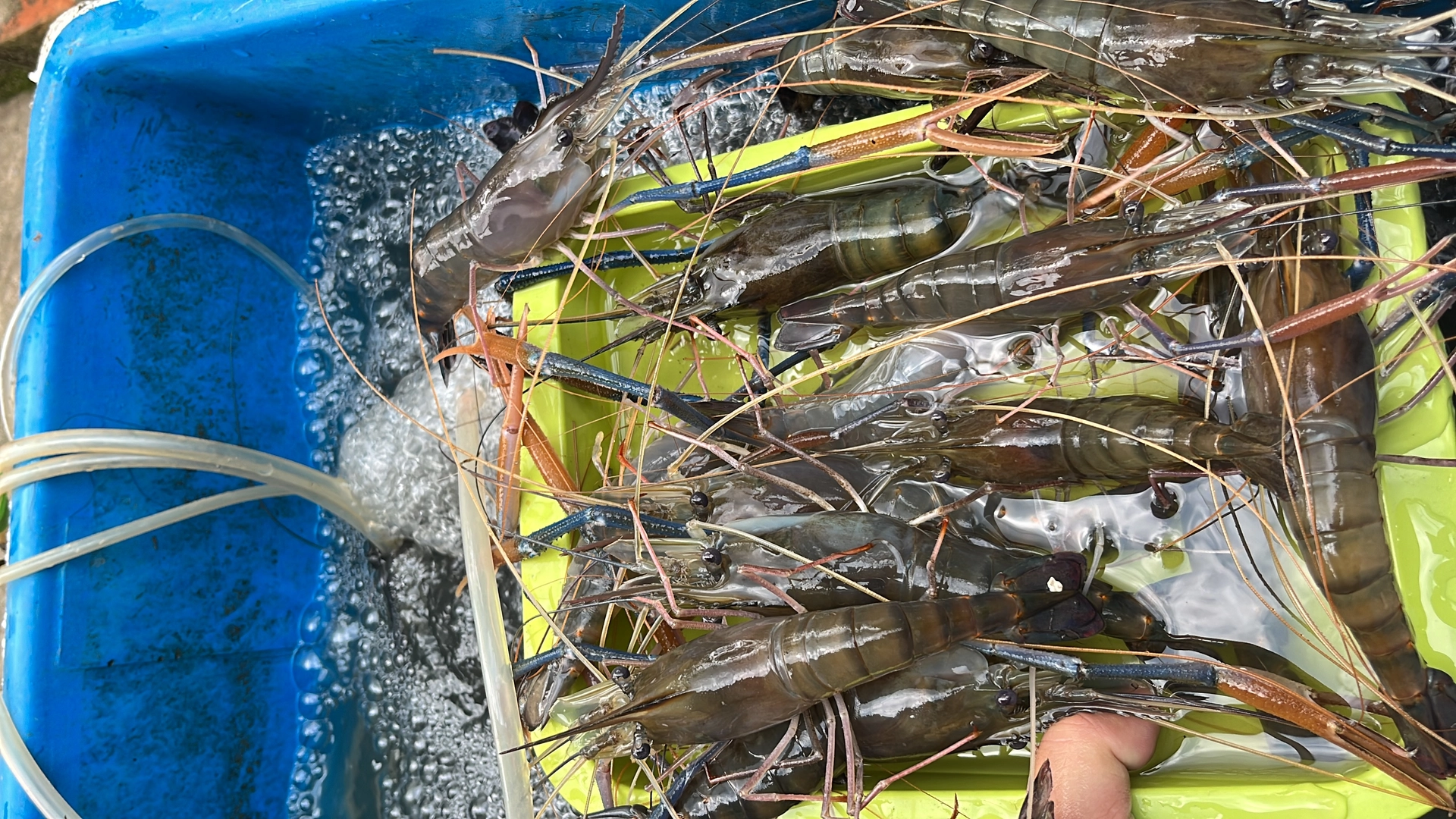
And we cannot forget the **Mekong Giant Freshwater Prawn (Macrobrachium rosenbergii)**. These impressive crustaceans, with their striking blue claws, are a delicacy. Unlike marine shrimp, they inhabit freshwater rivers and canals. Their appeal lies not just in the substantial meat but also in the rich, buttery fat found in their heads, a treasure for any prawn enthusiast, often grilled to perfection.
2 The Rivers of Bangladesh: A Legacy of the Bengal Basin
Bangladesh, sharing the colossal Ganges-Brahmaputra-Meghna delta, is another titan in the global shrimp arena. Its identity is woven with the ebb and flow of vast river systems and coastal plains. Historically, fishing has been fundamental, but it was the rise of aquaculture, particularly shrimp farming, that transformed livelihoods and economies in the latter half of the 20th century.
The country’s shrimp industry is largely concentrated in the southwestern coastal regions, embracing the vast network of rivers and interconnected waterways. These areas, often lower-lying and prone to tidal influences, are ideal for both brackish and freshwater aquaculture. The predominant species farmed are indeed Whiteleg Shrimp (Litopenaeus vannamei) and, to a lesser extent, Black Tiger Shrimp (Penaeus monodon). The focus is on large-scale production to meet international demand.
Flavor of the Estuary, Heart of the Community
Bangladeshi shrimp, especially those from the brackish estuaries, possess a unique character. The mingling of freshwater from the mighty rivers and saltwater from the Bay of Bengal creates a complex mineral profile. This results in shrimp with a distinct, savory depth, often described as having a more pronounced "sea flavor" compared to their Vietnamese counterparts from different ecosystems.
The socio-economic impact of shrimp farming in Bangladesh cannot be overstated. It has become a major source of foreign exchange earnings and has provided employment for millions, particularly in rural areas. The communal aspect of shrimp farming, where land and water are shared resources, fosters a strong sense of community. However, this rapid expansion has also brought environmental challenges, including salinity intrusion and habitat loss, which are ongoing concerns.

3 Delta vs. Delta: A Culinary and Cultural Showdown
Terroir: The Taste of Place
The most striking difference lies in the 'terroir' – the environmental factors that shape flavor. Vietnamese shrimp, especially from Ca Mau's mangrove-infused brackish waters, often exhibit a cleaner, sweeter profile with subtle earthy undertones. The integration with mangrove ecosystems provides natural feed and filtration, contributing to a refined taste.
Bangladeshi shrimp, frequently cultivated in wider estuarine systems with greater salinity fluctuations, can possess a more robust, brinier flavor. This savory intensity is prized in many global markets, offering a different yet equally compelling oceanic character. The scale of farming in Bangladesh also influences uniformity, while Vietnam's more varied aquaculture models, from extensive mangrove-based systems to intensive ponds, offer a broader spectrum of flavors and textures.
Cooking Traditions: Sauce & Simplicity
In Vietnam, shrimp are celebrated for their inherent sweetness. The culinary approach often emphasizes highlighting this natural flavor. Steaming, grilling, or quick stir-frying are common. Sauces are typically light and complementary: a simple lime-chili salt dip for grilled prawns, a delicate fish sauce-based dipping sauce for steamed shrimp, or vibrant herb-infused broths. The focus is on purity, allowing the quality of the shrimp to shine.
Bangladeshi cuisine, while also appreciating fresh seafood, often embraces richer, spicier flavor profiles. Shrimp dishes frequently feature in complex curries (like Shrimp Malai Curry, rich with coconut milk and spices) or are fried with aromatic masalas. The goal is often to create a harmonious blend where the shrimp absorb and complement the surrounding spices, creating a deeply satisfying, layered dish. While both cultures respect the shrimp, their application of flavors differs significantly.

Livelihoods and Landscapes
Both nations rely heavily on shrimp for export revenue and rural employment. However, the landscape of these livelihoods can differ. Vietnam’s approach, particularly in Ca Mau, often emphasizes ecological integration, with mangrove shrimp farming offering a more sustainable model that supports biodiversity. This is slowly gaining traction globally as a premium offering.
Bangladesh, while facing similar environmental challenges, has seen a massive industrialization of its shrimp sector. The focus on volume for global markets has led to vast, uniform pond systems. While providing essential income, this model is also more susceptible to disease outbreaks and can place a higher strain on local ecosystems. The narrative in Bangladesh is often one of economic necessity and industrial might, whereas Vietnam increasingly champions the ecological narrative of its shrimp.
4 When You Choose Shrimp: What's on Your Plate?
For the discerning consumer, understanding these differences unlocks a richer appreciation. If you seek a delicate sweetness, a firm yet tender texture, and a hint of the mangrove's natural essence, Vietnamese shrimp, particularly the Ca Mau Black Tiger, are your benchmark. They whisper of their origin, a subtle yet profound culinary experience.
If your palate craves a bolder, more savory oceanic punch, a shrimp that stands up to assertive spices and rich sauces, then Bangladeshi shrimp will likely captivate you. They carry the assertive spirit of the vast Bengal Delta, a hearty and satisfying bite.
5 Beyond the Plate: A Call to Explore
Comparing Vietnam and Bangladesh through their shrimp cultures is more than a culinary exercise; it's an invitation to understand the intricate relationship between humanity and water, tradition and modernity. Both deltaic giants offer a profound glimpse into how aquaculture shapes economies, communities, and the very food we eat.
For the adventurous palate and the curious traveler, the Mekong Delta beckons. Imagine navigating its labyrinthine waterways, witnessing the traditional shrimp farms nestled amongst verdant mangroves, and tasting shrimp pulled fresh from the water, prepared with generations of culinary wisdom. It's an experience that goes far beyond just a meal, offering a deep dive into a vibrant, water-bound culture.
So, the next time you savor a shrimp dish, consider its journey. Was it from the whispering mangroves of Ca Mau, or the expansive estuaries of Bengal? The answer tells a story, a story of water, labor, and the enduring spirit of delta civilizations.
6 Frequently Asked Questions
🦐 Are Vietnamese Black Tiger Shrimp better than Bangladeshi?
🌍 Which country exports more shrimp?
🌱 Is Vietnamese mangrove shrimp farming more sustainable?
7 Discovering Vietnamese Seafood
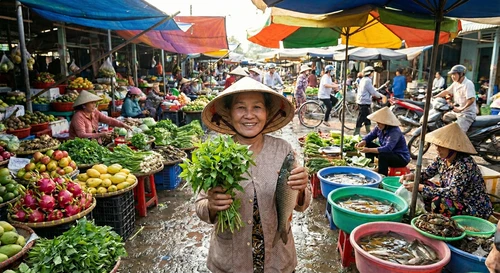
While this article focuses on shrimp, Vietnam's seafood heritage is vast and deeply rooted in its geography. From the pristine waters off Phu Quoc to the bustling markets of the Mekong, a world of flavors awaits. If you're intrigued by the depth of Vietnamese aquaculture and culinary traditions, exploring other local delicacies is a must.
From the Delta's Waters: More Than Just Shrimp
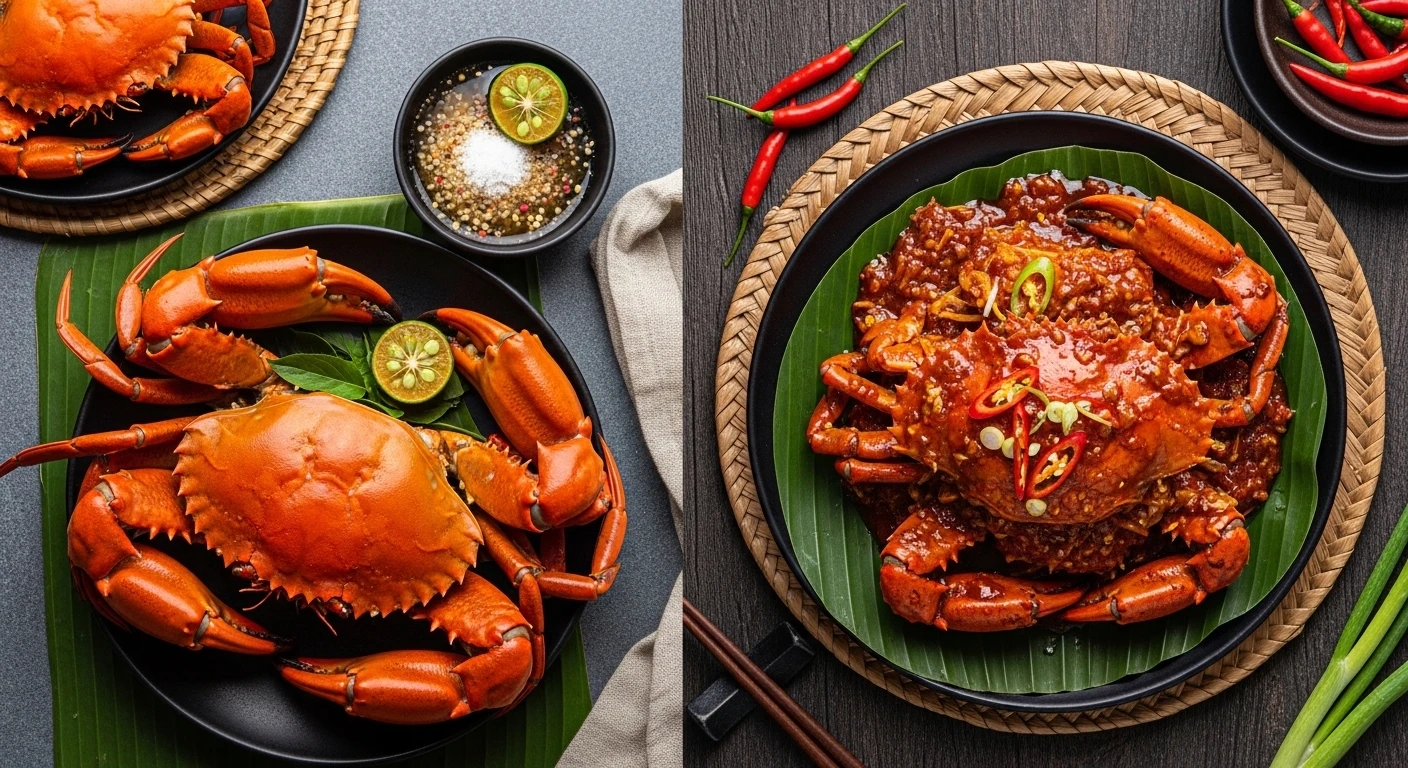
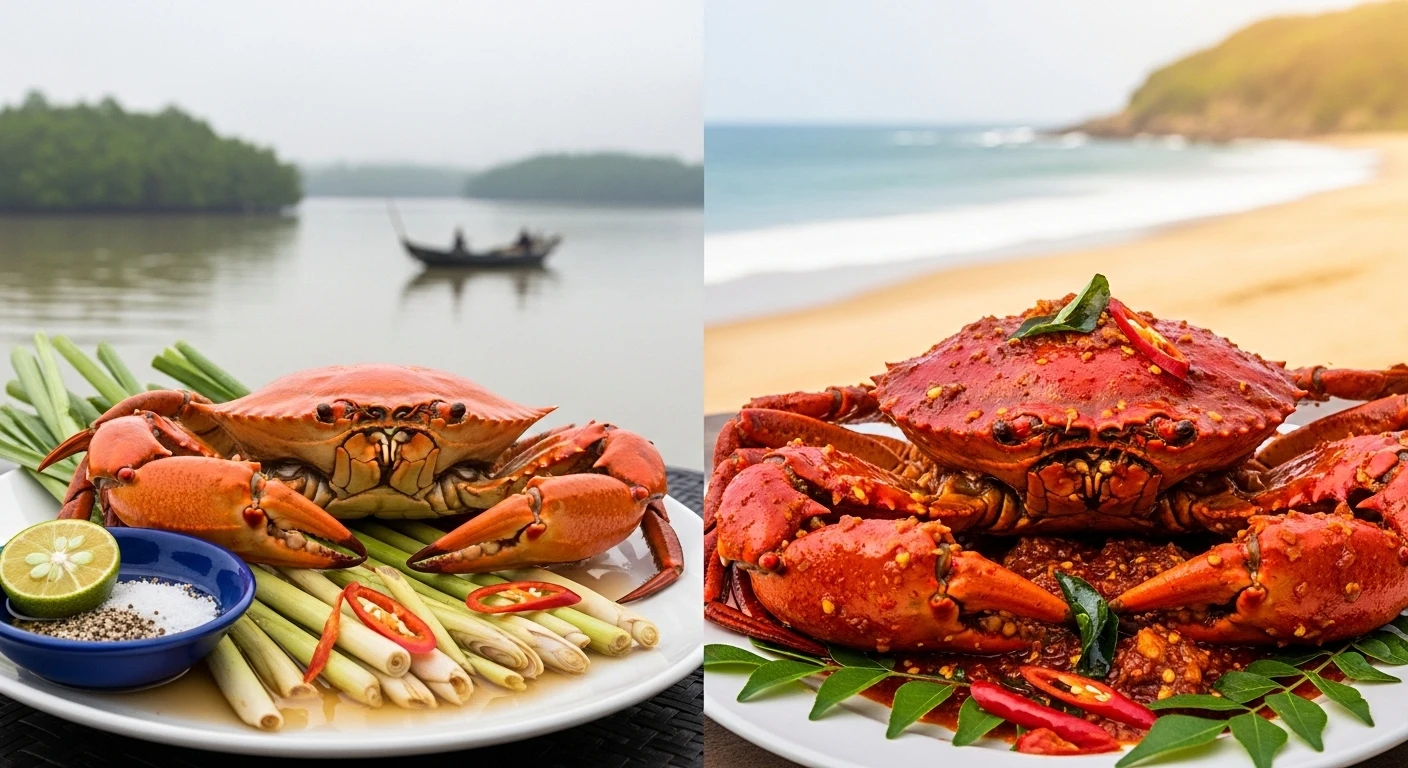
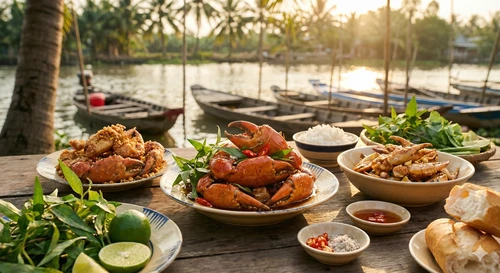
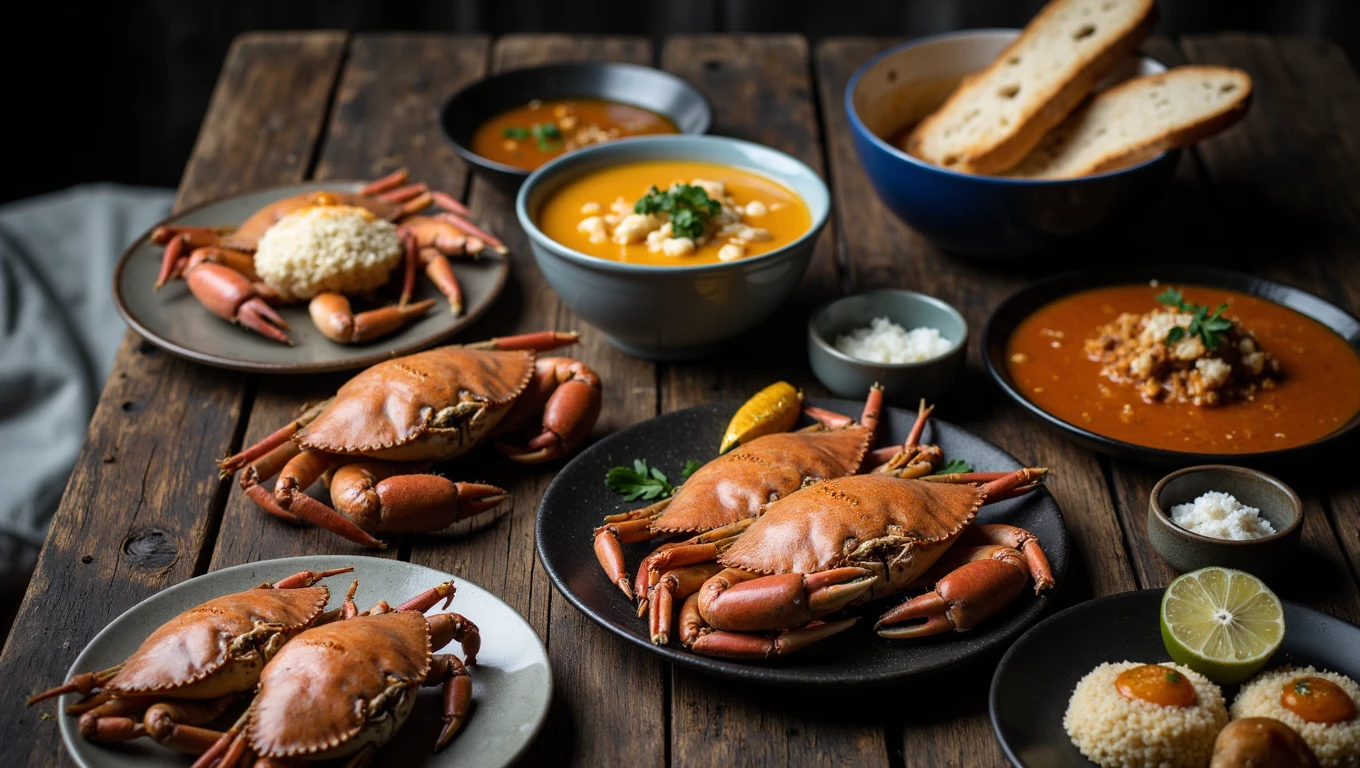
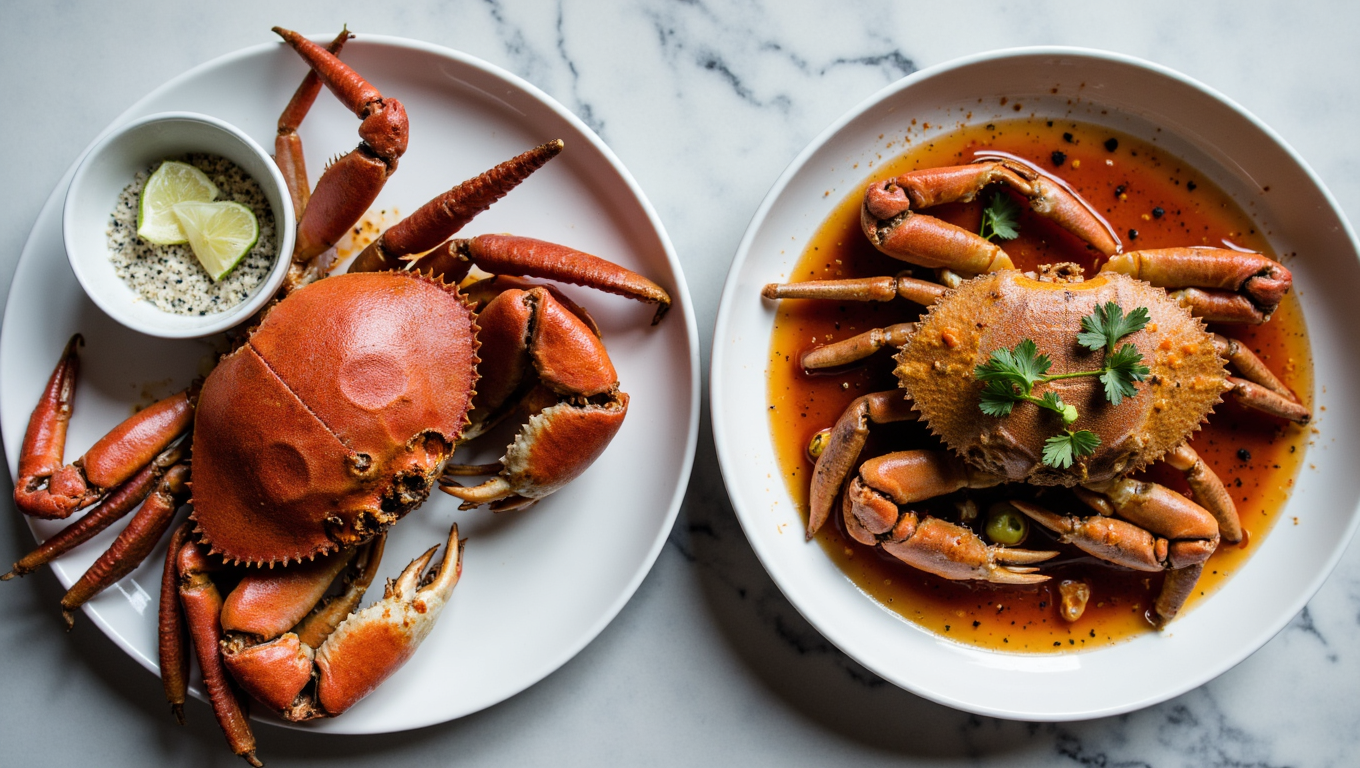
Dive deeper into the culinary treasures of the Mekong. Explore our guide to authentic Vietnamese crab dishes, renowned for their rich roe and sweet, dense meat.
8 What Makes Ca Mau Black Tiger Shrimp Special?
Ca Mau Black Tiger Shrimp (Penaeus monodon) are renowned globally for several reasons, all stemming from their unique origin in the southern Vietnamese province of Ca Mau. This region, a UNESCO World Biosphere Reserve, is characterized by vast mangrove forests and a delicate balance of fresh and saltwater.
1. Mangrove-Integrated Aquaculture: Unlike intensive pond farming, many Ca Mau farms are integrated with mangrove ecosystems. Shrimp grow in ponds that are part of the natural tidal flow, feeding on organic matter and small organisms found in the mangrove environment. This natural diet contributes significantly to their superior flavor.
2. Natural Flavor and Texture: The brackish water, rich in minerals from the mangroves, and the shrimp's natural diet result in firm, succulent flesh with a clean, sweet, and slightly complex flavor. They have a satisfying texture that holds up well to various cooking methods.
3. Environmental Sustainability: This method of farming is inherently more sustainable. The mangroves act as natural filters, protect coastlines from erosion and storms, and support biodiversity. This makes Ca Mau shrimp a choice for consumers seeking ethically and sustainably farmed seafood.
4. Size and Quality: Ca Mau Black Tiger Shrimp are often larger than their counterparts from other regions, and their quality is consistently high, making them a premium product sought after by chefs and seafood connoisseurs worldwide. They are a true testament to the power of terroir in seafood.
Heritage Ingredient
Ca Mau Black Tiger Shrimp
Ca Mau Black Tiger Shrimp
Large black tiger shrimp associated with mangrove aquaculture in Ca Mau, known for firm flesh and a cleaner, sweeter finish than intensively farmed shrimp.
Where every ingredient captures the essence of the wind and tides, weaving a vibrant culinary tapestry of the Mekong region.
Heritage Ingredient
Mekong Giant Freshwater Prawn
Mekong Giant Freshwater Prawn
A river prawn with long blue claws and rich head fat, common in grilled prawn dishes and hotpot traditions across the Mekong basin.
Where every ingredient captures the essence of the wind and tides, weaving a vibrant culinary tapestry of the Mekong region.
Heritage Ingredient
Whiteleg Shrimp
Whiteleg Shrimp
A widely used shrimp in Vietnamese home kitchens, suitable for stir-fries, soups, steamed dishes, and practical cooking articles that need a familiar shrimp reference.
Where every ingredient captures the essence of the wind and tides, weaving a vibrant culinary tapestry of the Mekong region.