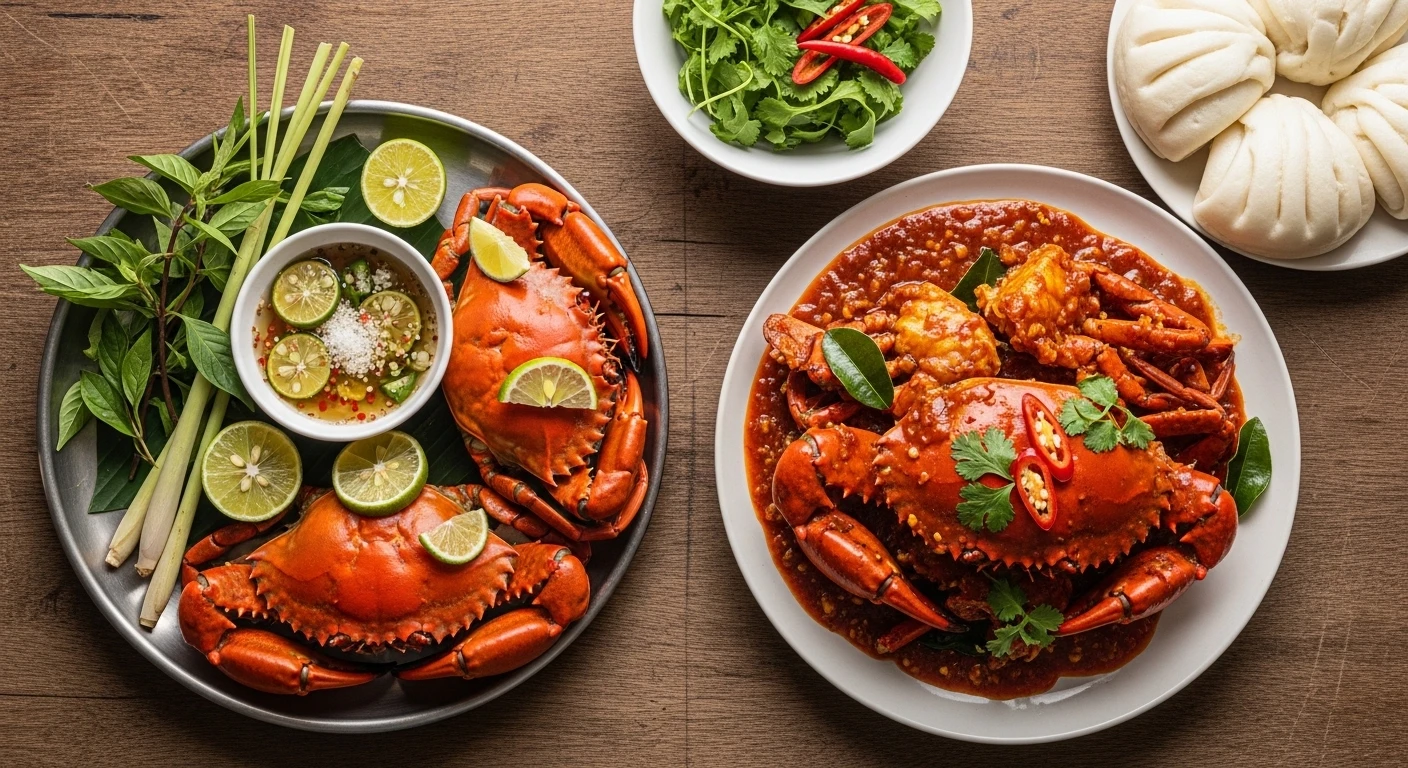
" In the grand tapestry of global seafood, shrimp holds a special place. But how do the elegant, sun-kissed crustaceans of Italy's Adriatic coast measure up against the robust, character-driven shrimp born from Vietnam's labyrinthine Mekong Delta? It’s a clash of oceans, cultures, and culinary philosophies. "
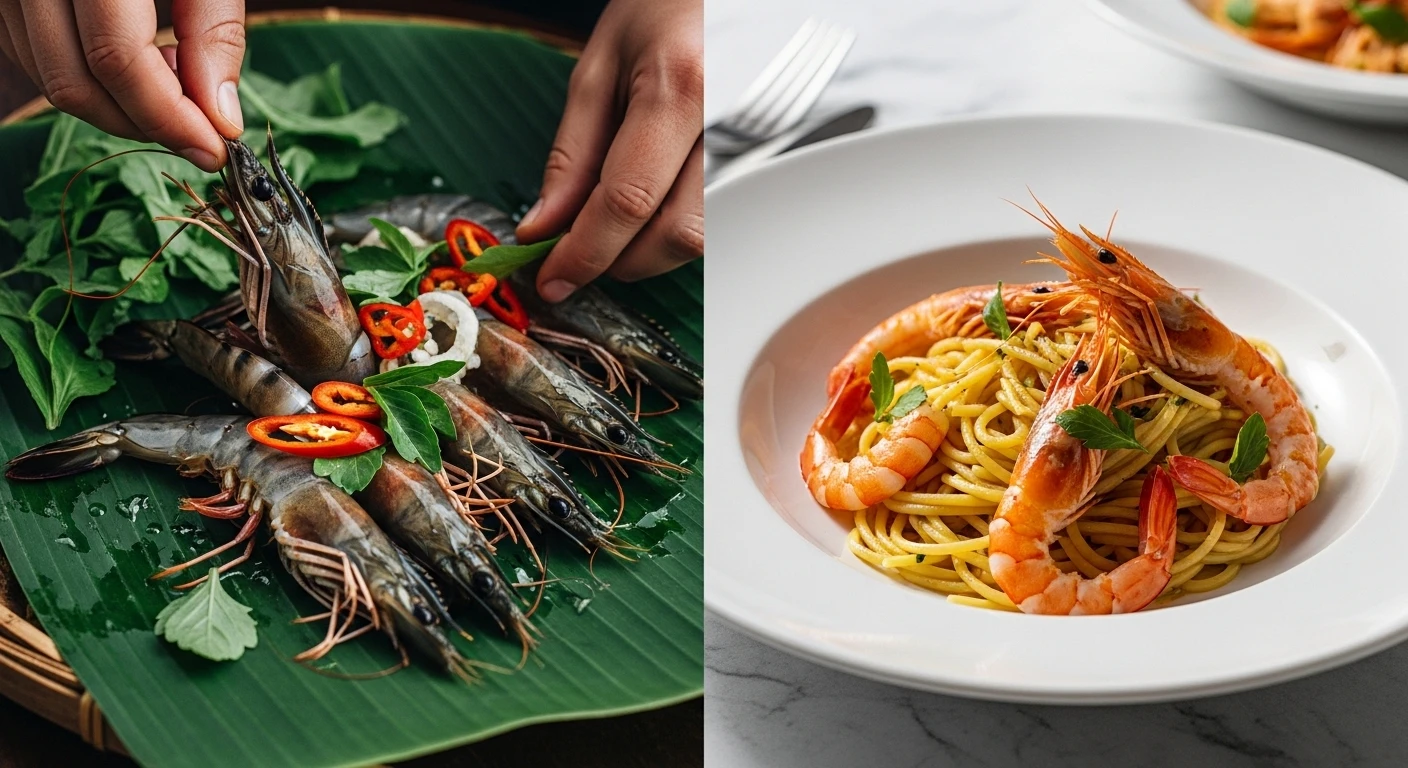
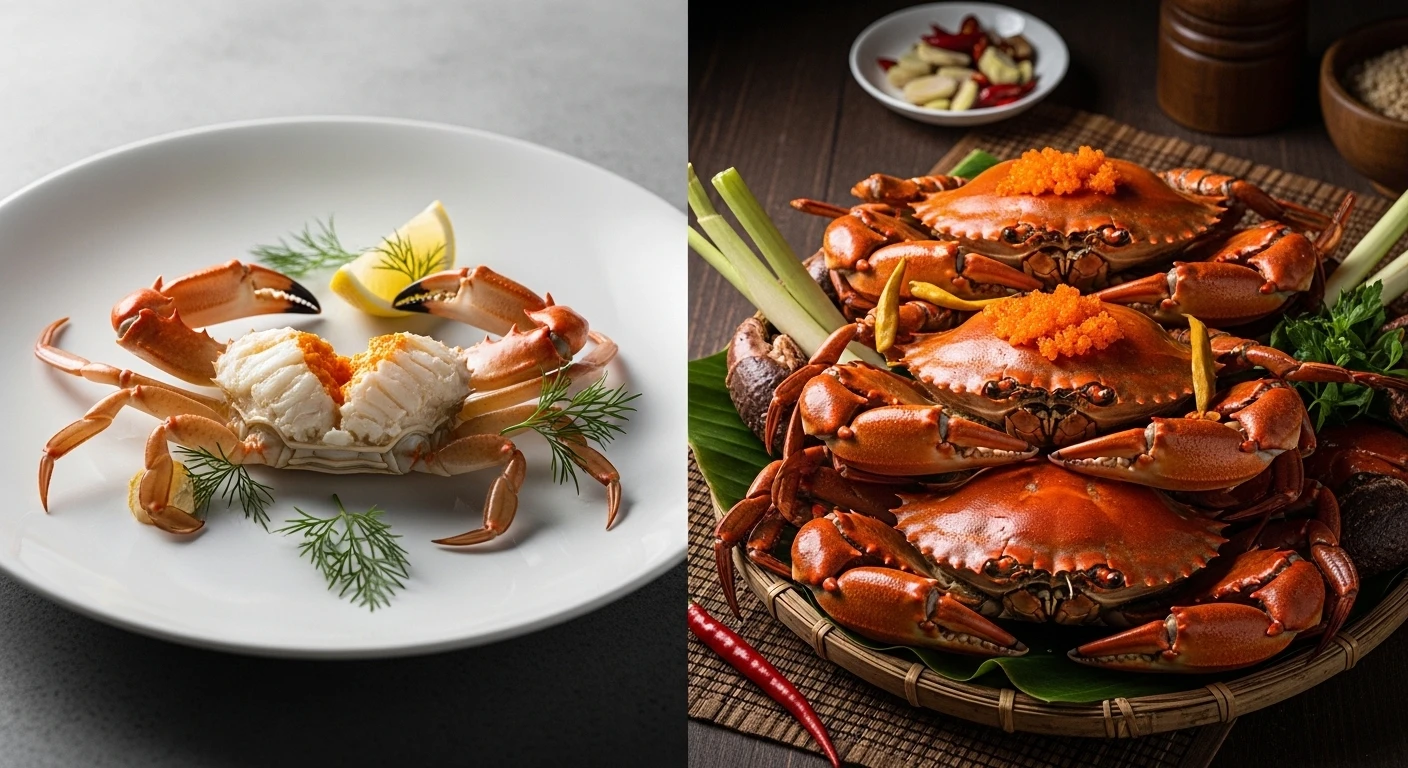
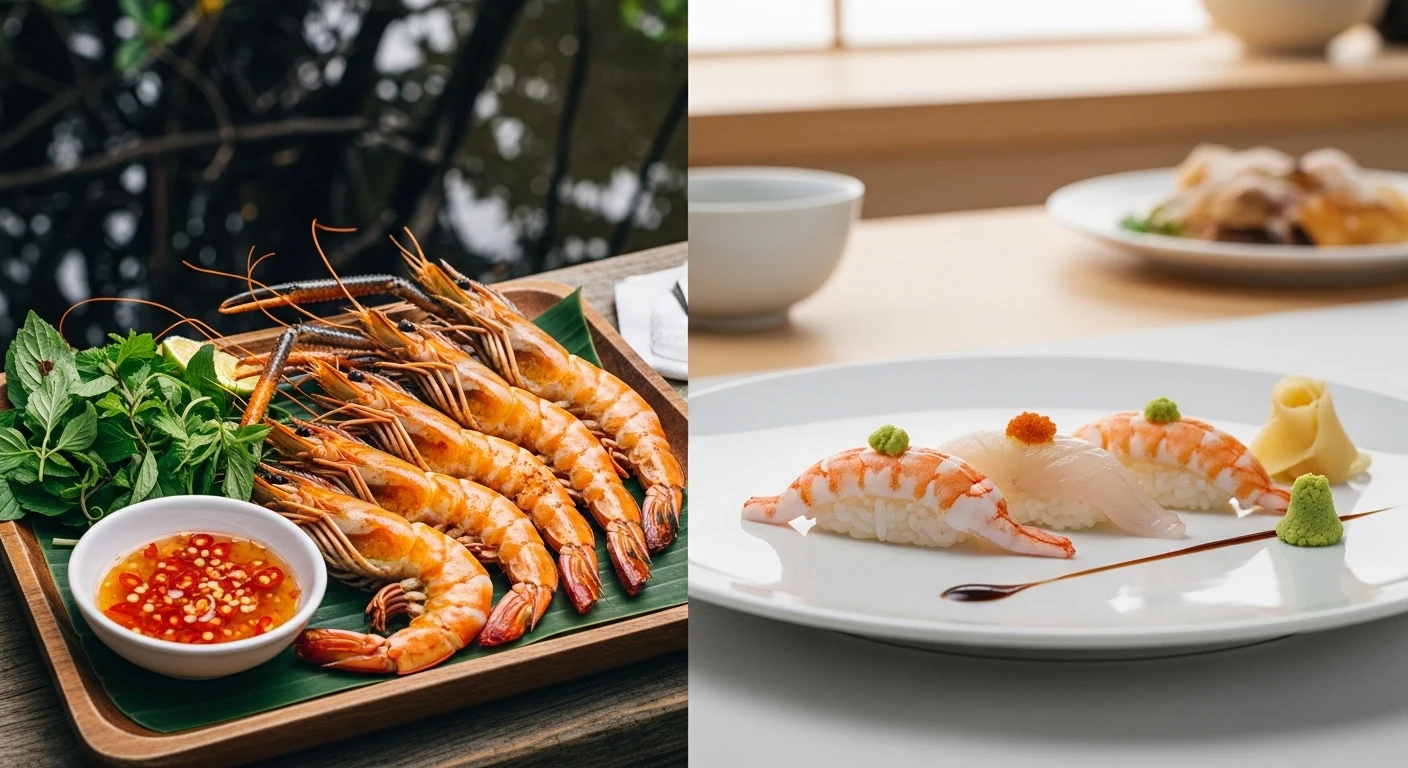
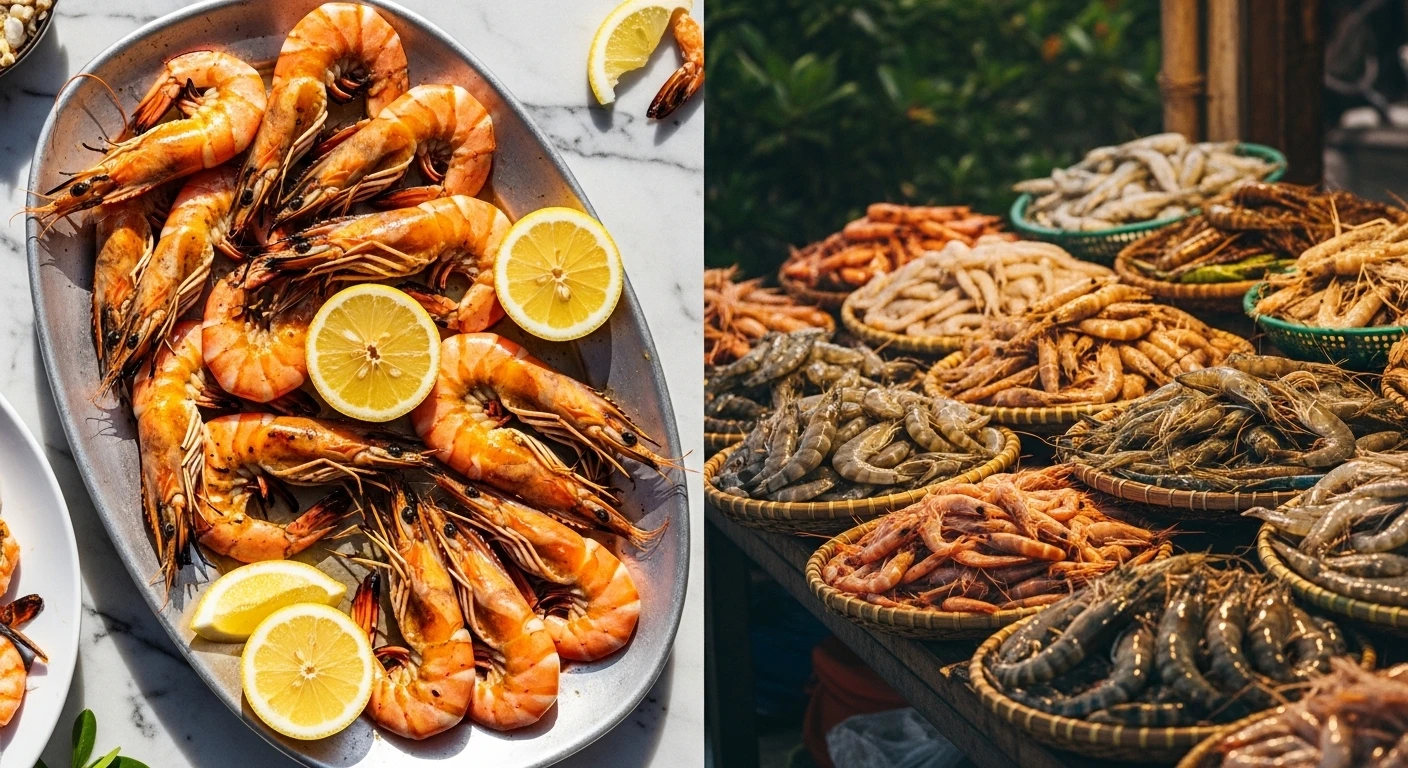
📸 The Adriatic Meets the Delta: A Visual Feast.
1 The Adriatic Pearl: Italy's Refined Shellfish Identity
Italy's relationship with seafood is a centuries-old love affair, deeply woven into the fabric of its diverse regional cuisines. Along the shimmering Adriatic coast, particularly in areas like Veneto, Emilia-Romagna, and Puglia, shrimp and other shellfish are not just ingredients; they are icons of coastal life, celebrated for their delicate flavor and inherent elegance.
Italian shrimp, often sourced from the shallower, cooler waters of the Adriatic, are typically smaller to medium-sized, with a distinct, sweet, and slightly briny taste. Think of the "Gambero Rosso" (red shrimp) of Sicily, though not strictly Adriatic, it embodies the Italian pursuit of pristine, high-quality shellfish with a notable sweetness and firm texture. In Italian kitchens, the emphasis is on showcasing the natural quality of the shrimp with minimal fuss.
The defining characteristic of Italian shrimp consumption is its integration into iconic dishes that highlight freshness. Pasta dishes are paramount: spaghetti alle vongole (clams) often have shrimp siblings; risottos are enriched with plump prawns; and simple antipasti platters feature perfectly grilled or boiled shrimp dressed with olive oil, lemon, and a whisper of parsley. The goal is not to overpower, but to complement, allowing the inherent sweetness and subtle salinity of the shrimp to shine through. The market traditions are equally refined – clean, organized fish markets where knowledgeable vendors present their day's catch with pride.
2 The Delta's Embrace: Vietnam's Diverse Shrimp Heritage
Journey south, into the vast, intricate network of rivers, canals, and mangrove forests that define Vietnam's Mekong Delta, and you enter a world where shrimp culture is not just culinary, but a way of life. This region, particularly provinces like Ca Mau, Bac Lieu, and Soc Trang, is the undisputed heartland of Vietnamese aquaculture and wild-caught shrimp.
Vietnamese shrimp, especially those from the Delta, often present a different profile to their Italian counterparts. They tend to be larger, firmer, and possess a more pronounced, almost earthy sweetness derived from their unique habitats.
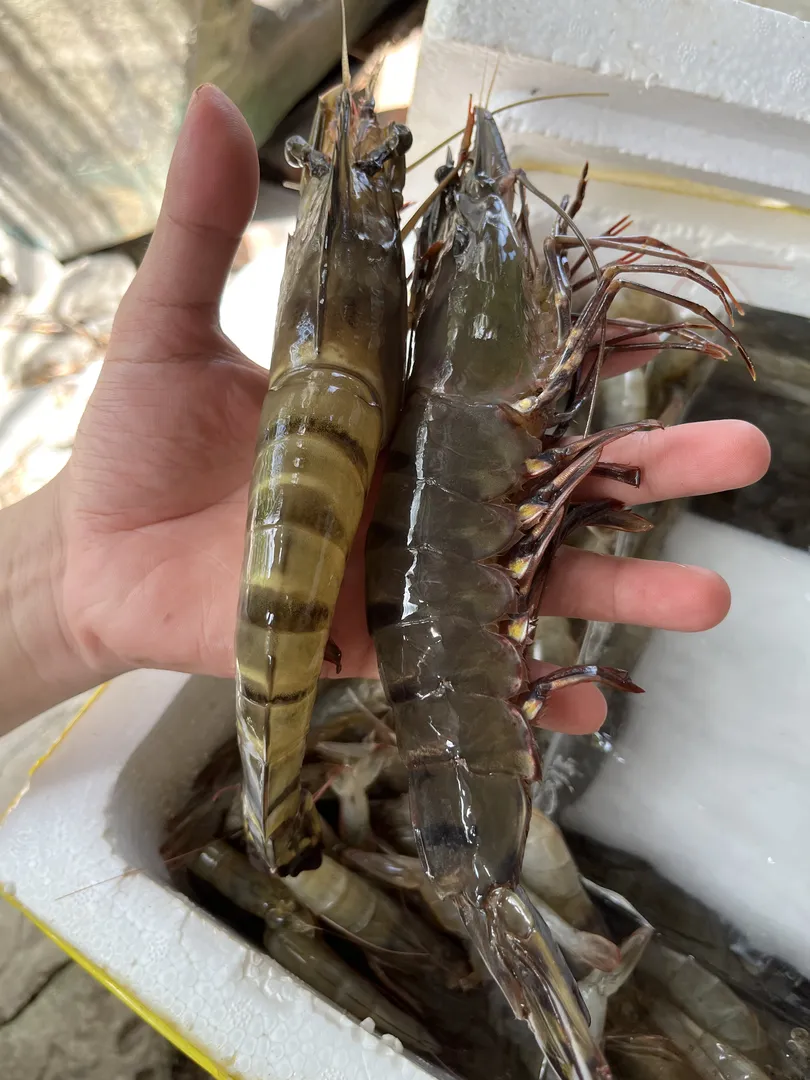
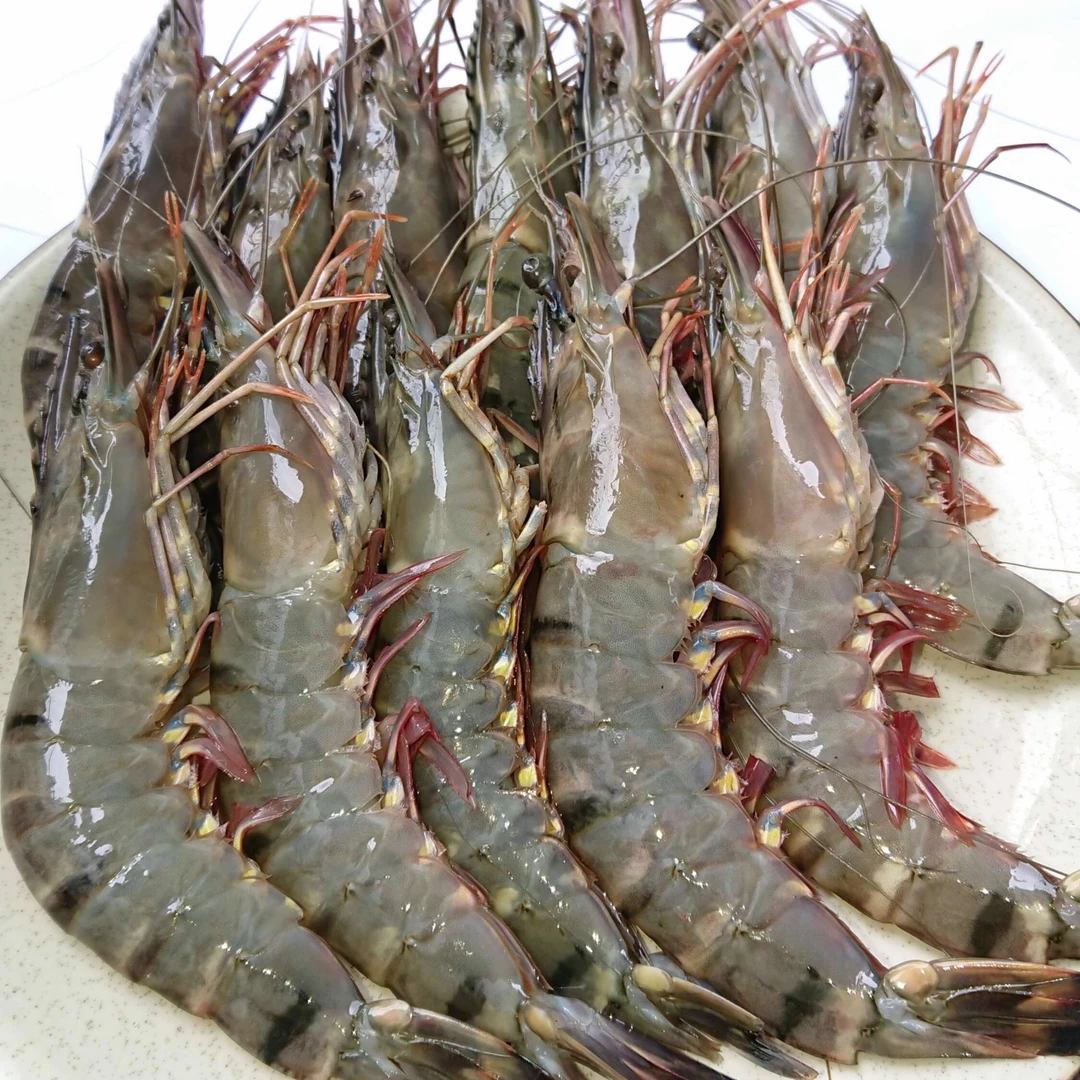
Ca Mau Black Tiger Shrimp (Tom Su), for instance, are legendary. These are not your average shrimp. Grown in the brackish waters of the mangrove forests, their diet and environment imbue them with a firm, almost springy texture and a deep, clean sweetness that stands up beautifully to robust flavors. They are a benchmark for quality, often destined for export markets, showcasing Vietnam's prowess in producing premium crustacean.
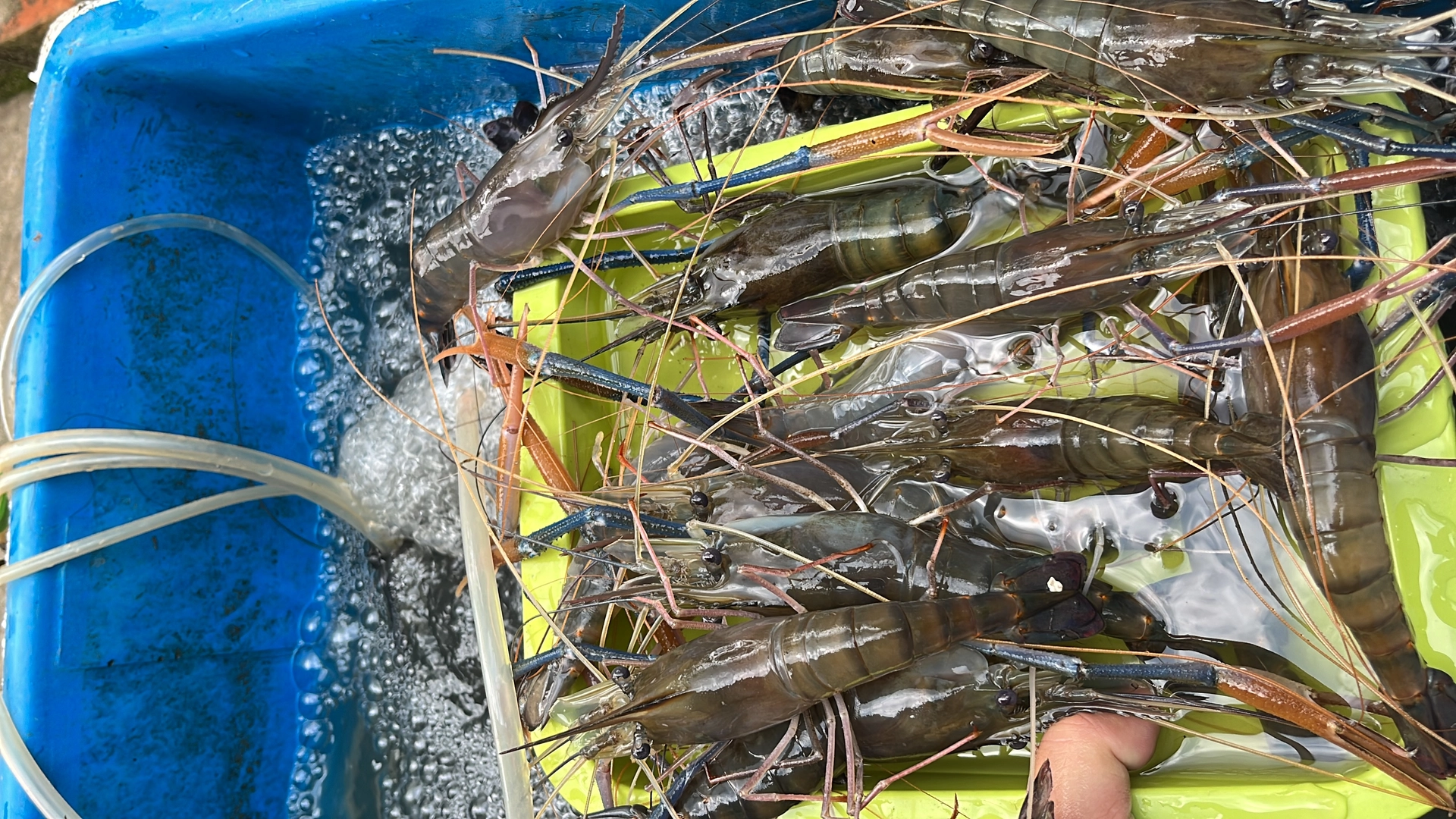
Then there are the Giant Freshwater Prawns (Tom Cang), with their distinctive long blue claws. These river giants, a common sight in Mekong markets and hotpots, offer a rich, buttery head fat and a satisfyingly dense meat that speaks of the fertile delta waters. While different from tiger shrimp, they represent another facet of the Delta's abundant shrimp diversity.
Even the ubiquitous Whiteleg Shrimp (Tom The), while farmed more extensively worldwide, plays a vital role in Vietnamese home kitchens. Versatile and readily available, they are the workhorse of countless stir-fries, soups, and steamed dishes, providing accessible shrimp flavor for everyday meals.
Heritage Ingredient
Ca Mau Black Tiger Shrimp
Ca Mau Black Tiger Shrimp
Large black tiger shrimp associated with mangrove aquaculture in Ca Mau, known for firm flesh and a cleaner, sweeter finish than intensively farmed shrimp.
Wild spirits of the mangroves, these black-banded gems deliver a firm, snappy texture and a sweetness that echoes the forest's vibrant life.
Heritage Ingredient
Mekong Giant Freshwater Prawn
Mekong Giant Freshwater Prawn
A river prawn with long blue claws and rich head fat, common in grilled prawn dishes and hotpot traditions across the Mekong basin.
Majestic blue-clawed warriors of the Mekong, famous for their rich, fatty heads and a savory depth that captures the essence of the delta's rivers.
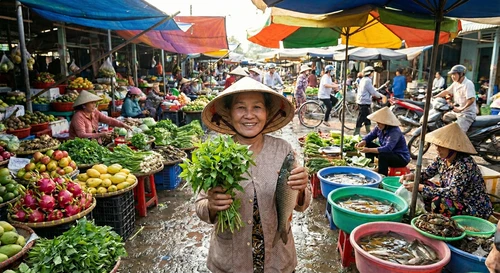
The visual spectacle of a Mekong Delta seafood market is a world away from the organized elegance of Italy. Here, it's a vibrant chaos of activity, where the air is thick with the scent of brine, fish, and exotic spices. Shrimp of all sizes are piled high, their shells gleaming, served fresh from the water, often destined for a variety of cooking methods that embrace bold flavors.
3 Flavor Profile & Texture: A Tale of Two Terroirs
The most striking difference lies in the flavor and texture. Italian shrimp, particularly from the Adriatic, often have a cleaner, more delicate sweetness with a subtle brininess. Their texture is typically tender, sometimes almost melt-in-your-mouth, which is precisely why they are often prepared with minimal intervention – think a squeeze of lemon, a drizzle of fine olive oil, or gently folded into a creamy risotto. They are the embodiment of understated elegance.
Vietnamese shrimp, especially the Ca Mau black tiger variety, offer a more robust and assertive profile. They possess a firmer, snappier texture, a testament to their active lifestyle in mangrove ecosystems. The sweetness is deeper, more complex, with a faint mineral note from the brackish waters. This firmness allows them to stand up to more vigorous cooking methods and bolder flavor pairings, like the vibrant chili-garlic stir-fries or savory dipping sauces common in Vietnamese cuisine. The rich head fat of a giant freshwater prawn adds another layer of decadent flavor often celebrated in Delta cooking.
4 Culinary Traditions: Simplicity vs. Boldness
Italy's approach to shrimp is rooted in "cucina povera" and a deep respect for the ingredient. Simplicity reigns supreme. Seafood pasta is a cornerstone, where the shrimp are either the star (like Shrimp Scampi variations) or a crucial, harmonious component. Grilled shrimp, often marinated lightly, are popular starters. The focus is on purity – letting the shrimp speak for themselves, often with the Mediterranean trinity of garlic, olive oil, and lemon.
In the Mekong Delta, shrimp are incredibly versatile, embraced across a spectrum of cooking styles. Beyond being simply grilled or steamed (though these are excellent), they are integral to fragrant stir-fries, hearty noodle soups (like Bún Chả Cá, often featuring shrimp), savory pancakes (Bánh Xèo), and as a protein punch in vibrant salads. The Delta’s cuisine is characterized by its liberal use of fresh herbs, chili, fish sauce, and tamarind, creating dishes that are a symphony of sweet, sour, salty, and spicy. The local markets overflow with ingredients that complement shrimp perfectly, from water spinach to ripe mangoes.
5 Market Culture: From Piazza to Riverside Stall
The Italian market experience is often a social ritual centered around a piazza or a dedicated fish market. It's about the morning stroll, the discerning selection, and the conversation with the fishmonger. It's a place where quality is paramount and often commands a premium. Dining is often more structured, with meals taken at tables, perhaps at a trattoria overlooking the sea, where plates are served individually or shared as elegant antipasti.
The Mekong Delta's market culture is intrinsically linked to the riverine landscape. Riverside markets, floating markets, and roadside stalls buzz with activity from dawn till dusk. It's a more hands-on, immediate experience. Freshness is key, but so is the sheer abundance and the dynamic interaction between vendors and a diverse clientele. Dining is often communal and informal – a shared platter of grilled shrimp enjoyed with sticky rice, a family meal around a bubbling hotpot, or a quick, flavorful bowl of noodles from a street vendor. It's about connection, family, and enjoying the bounty of the waterways together.
6 Sustainability: Navigating Modern Waters
Both Italy and Vietnam grapple with the complexities of sustainable seafood sourcing. Italy has a long history of artisanal fishing, but also faces challenges from overfishing and the environmental impact of larger-scale operations. Efforts are ongoing to promote responsible fishing practices and aquaculture, with a growing appreciation for native species and traditional methods.
Vietnam, particularly the Mekong Delta, is a global powerhouse in shrimp aquaculture. While this provides vital economic opportunities, it also presents significant environmental challenges, including habitat loss, water quality issues, and the potential for disease. However, there's a growing movement towards more sustainable farming practices, such as integrated mangrove-shrimp systems, which help preserve coastal ecosystems and offer a more responsible way to farm these prized crustaceans. Ca Mau black tiger shrimp, when farmed within well-managed mangrove ecosystems, represent a more eco-conscious choice, offering superior flavor and a lighter environmental footprint compared to intensive, open-pond systems.
7 The Verdict: A Culinary Quest for the Best
To declare a "winner" is to miss the point entirely. Italy's shrimp offer a sophisticated, nuanced taste of the Mediterranean, perfect for those who appreciate delicate flavors and refined presentations. They are the embodiment of coastal Italian grace.
Vietnam's shrimp, particularly from the Mekong Delta, deliver a more robust, tropical character. Ca Mau black tiger shrimp, with their firm texture and deep sweetness, are a revelation – a taste of a wilder, more untamed culinary landscape. The giant freshwater prawns offer a rich, decadent experience distinctly tied to the river's bounty. These are shrimp with personality, forged by the vibrant ecosystems of Southern Vietnam.
If you seek understated elegance and a gentle whisper of the sea, Italian shrimp beckon. But if your palate craves a bold, flavorful journey, a connection to thriving ecosystems, and a truly tropical zest, the Mekong Delta's shrimp await. They are not just food; they are a gateway to a rich culture, a dynamic landscape, and an adventure for the senses.
8 Your Next Adventure: Experiencing the Mekong's Shrimp Culture Firsthand
For the intrepid food lover, the Mekong Delta offers an unparalleled opportunity to experience shrimp culture at its source. Imagine navigating the canals by boat, visiting local shrimp farms, and savoring freshly grilled prawns by the riverbank. Explore the bustling floating markets of Can Tho, where the sheer variety of seafood, including shrimp, is astonishing. Engage with local communities, learn about their sustainable practices, and taste shrimp prepared in ways you've only dreamed of.
From the sweet, firm texture of Ca Mau black tiger shrimp to the rich, buttery head of a giant freshwater prawn, the Mekong Delta promises a seafood journey that is as rich and diverse as its landscape. It's an invitation to taste the authentic flavor of tropical waters and immerse yourself in a culture that has perfected the art of cooking with the gifts of the river.
Heritage Ingredient
Whiteleg Shrimp
Whiteleg Shrimp
A widely used shrimp in Vietnamese home kitchens, suitable for stir-fries, soups, steamed dishes, and practical cooking articles that need a familiar shrimp reference.
Translucent jewels of the coast, thin-shelled and remarkably sweet, making every simple home meal feel like a seaside celebration.
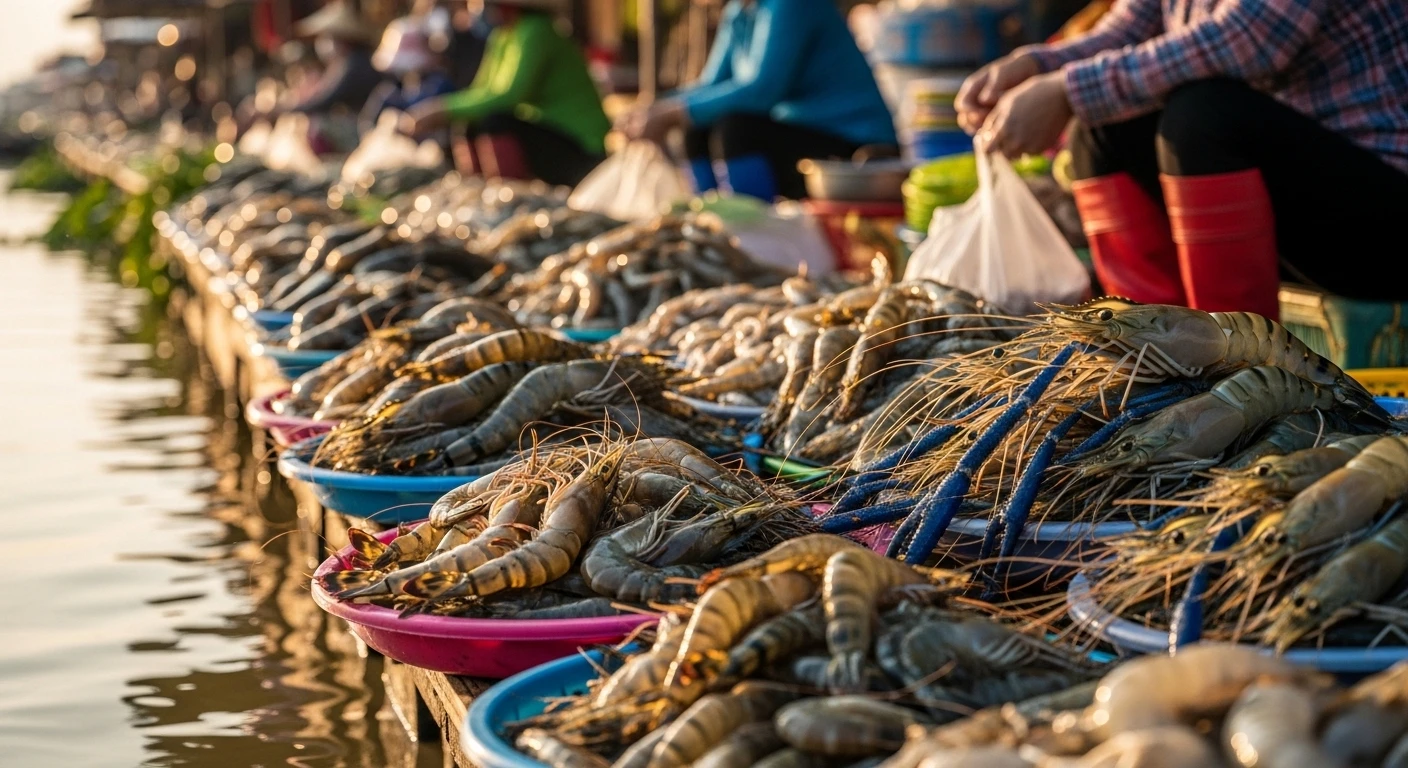
📸 A bustling Mekong Delta market, alive with the day's catch.
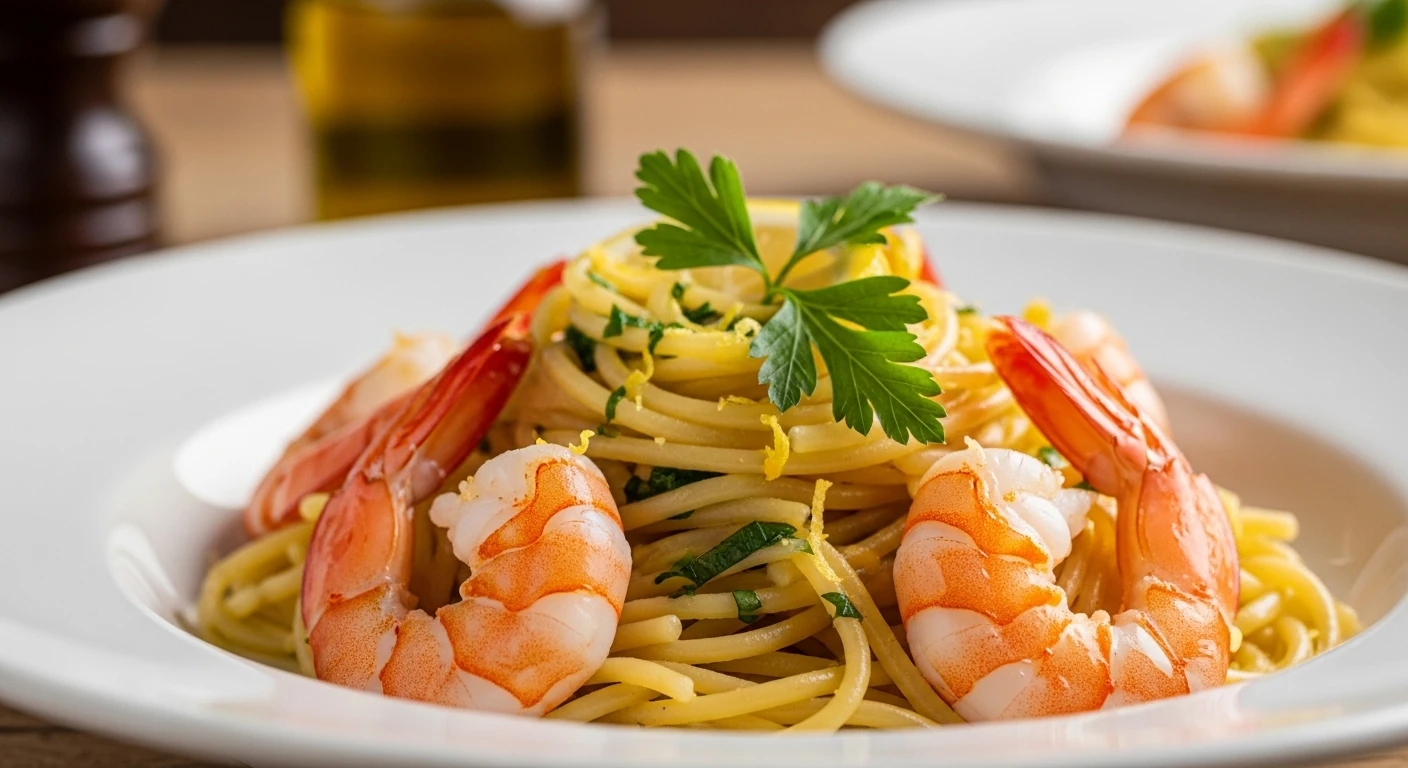
📸 A classic Italian seafood pasta dish, highlighting the delicate Adriatic shrimp.