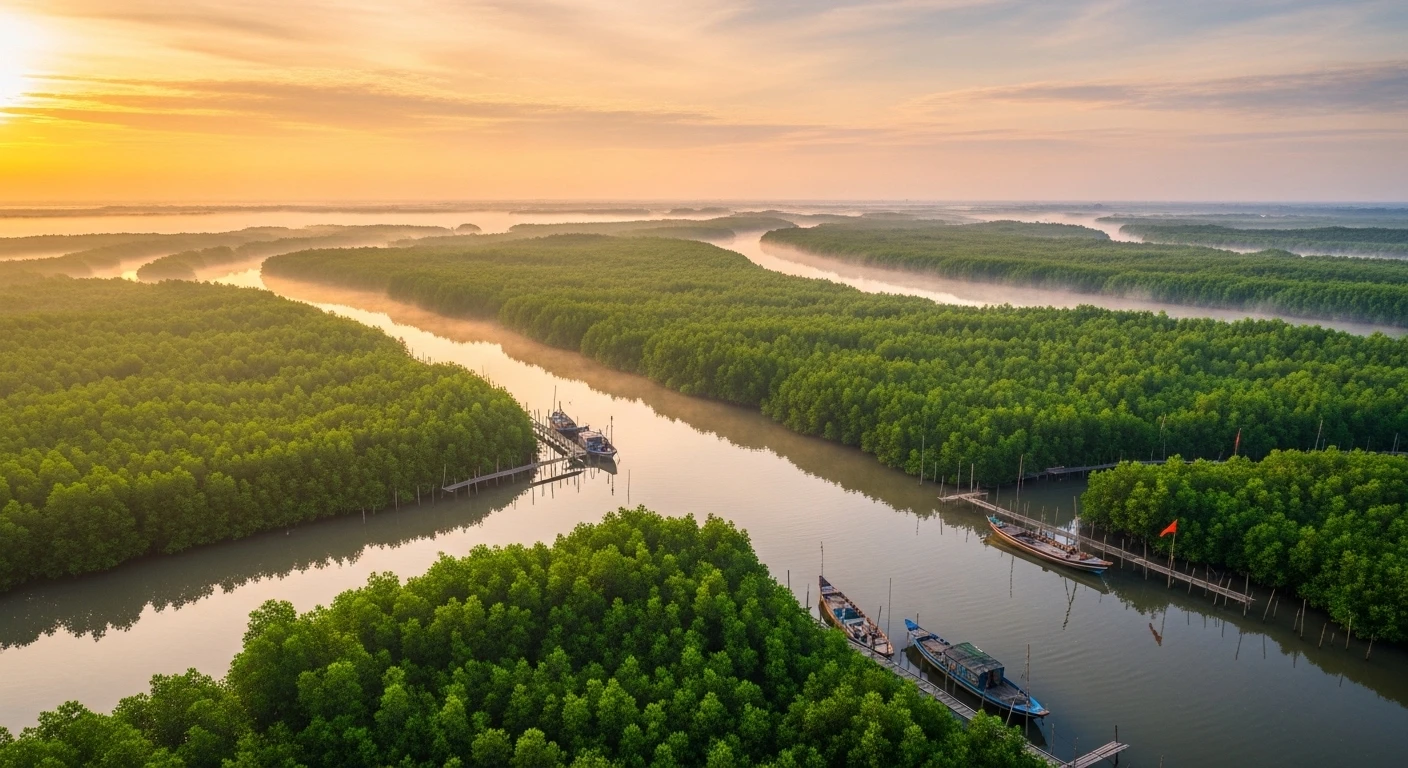
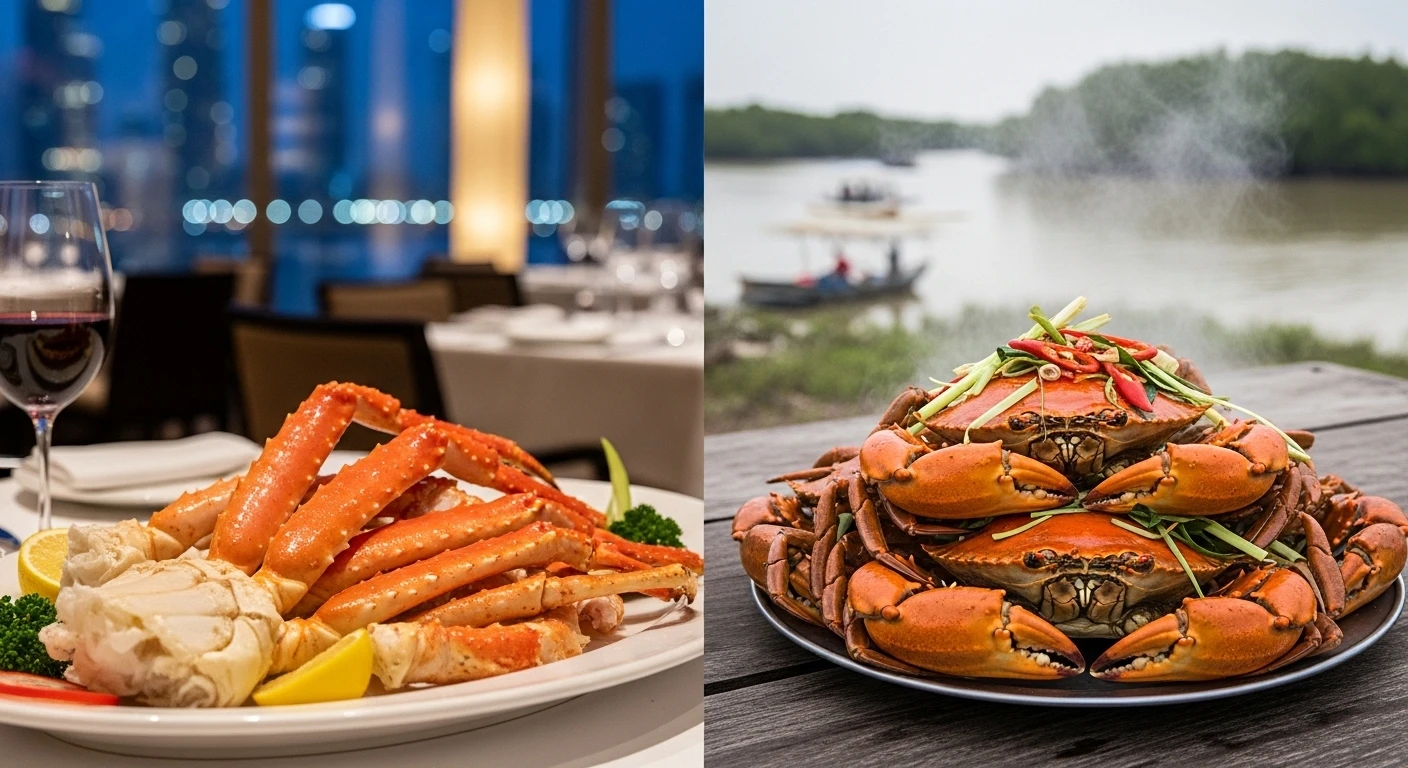
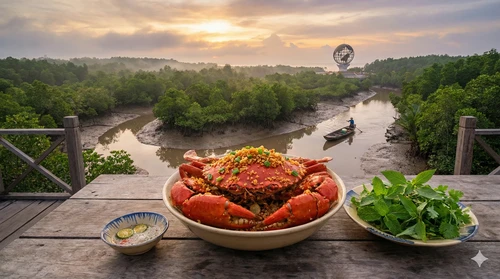
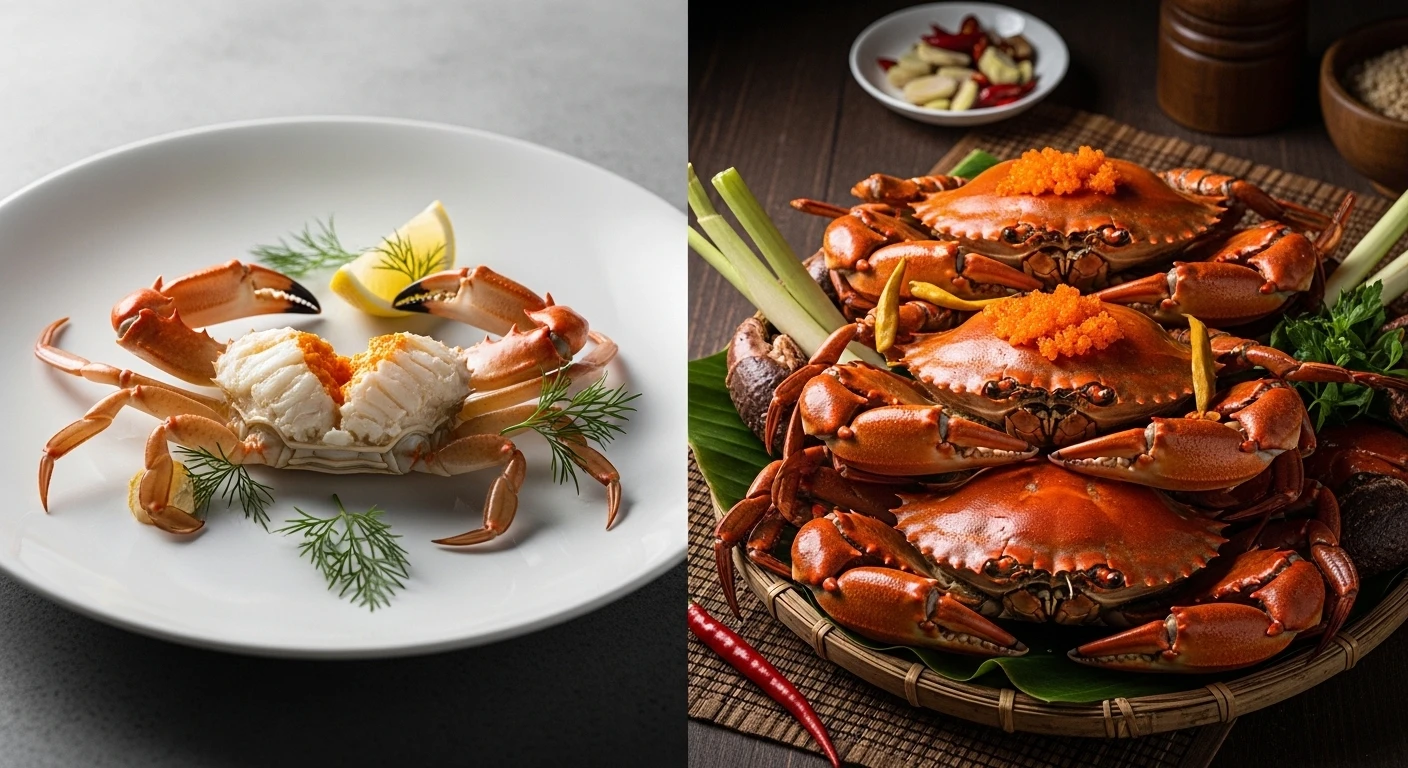
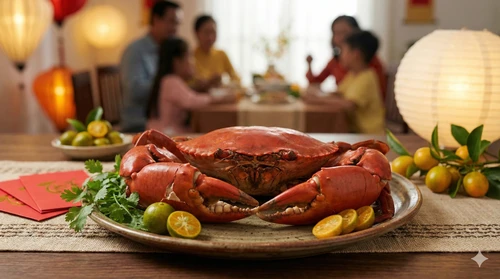
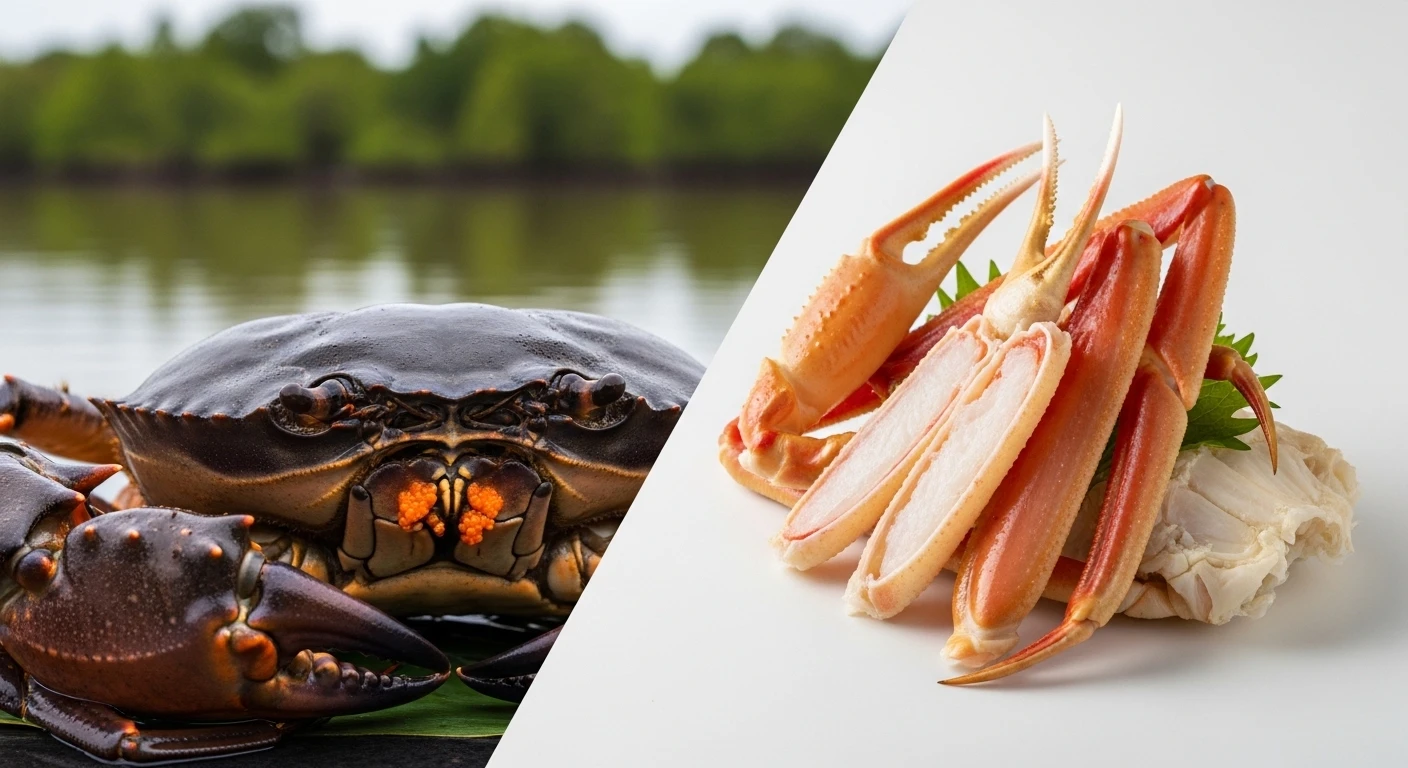
" The Mekong Delta. A place where the earth breathes water, where every gust of wind carries the scent of salt and mud, and where the line between reality and myth is as blurred as the horizon on a misty morning. Here, amidst the labyrinthine waterways, dwells a legend as old as the river itself: the tale of a giant crab, a creature of immense power and mystery. "
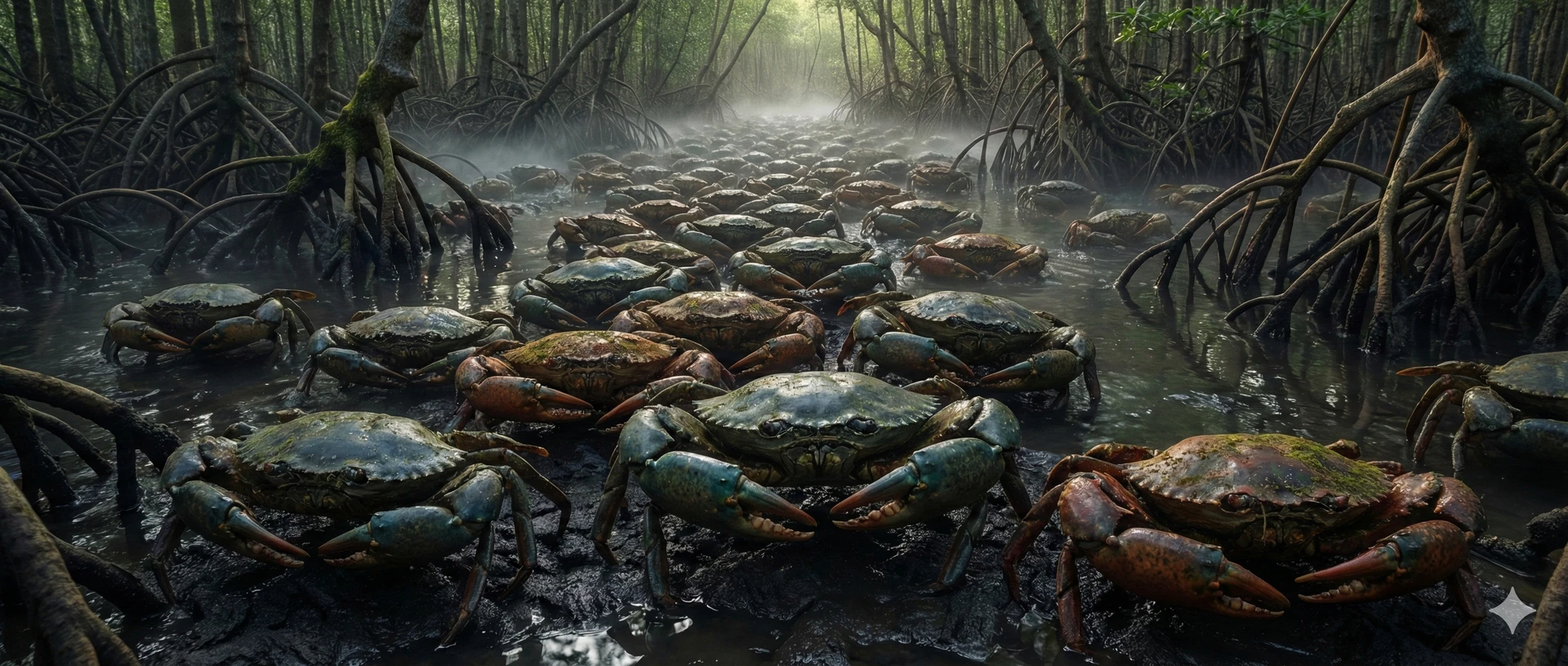
📸 Where the river whispers ancient tales of colossal creatures.
1 The Whispers of the Delta: Echoes of a Mythical Past
Before the French arrived, before bustling markets lined the canals, the Mekong Delta was a vast, untamed wilderness. Its earliest inhabitants, struggling against the powerful forces of nature – floods, storms, and the relentless pull of the tides – sought meaning and comfort in stories. These tales, passed down through generations of oral tradition, etched themselves into the very fabric of the land. Among them, few are as evocative and enduring as the legend of the giant crab, a primordial guardian of the waterways.
It's a testament to the power of the natural world, a giant clawed hand reaching from the deep, shaping landscapes and destinies. In every creak of a wooden boat and every rustle of the mangrove leaves, you can almost hear the echoes of these ancient whispers.
2 The Colossal Guardian: Unveiling the Legend of "Cua Khổng Lồ"
The legend varies in detail from village to village, but the core remains: a crab of unimaginable size, its carapace spanning islands, its claws capable of reshaping coastlines. Some say it was a benevolent protector, guiding fishermen through treacherous storms and ensuring bountiful catches. Others depict it as a temperamental deity, responsible for destructive tides and shifting sands, demanding respect and offerings.
One prevalent version speaks of a time when the Mekong Delta was still forming, a chaotic expanse of mud and water. The giant crab, sometimes referred to as "Cua Khổng Lồ" (Colossal Crab), emerged from the deepest trenches of the ocean, drawn by the delta's nascent life. With each swipe of its mighty claws, it carved out the intricate network of canals and rivers that define the region today. Its passage through the mud created the fertile shrimp ponds and the rich fishing grounds that sustain millions.
For the delta people, this creature wasn't just a monster; it was an explanation for the unpredictable power of their environment – a force that could both give and take, much like the river itself.
3 Ca Mau's Secret: Where Legends Meet Reality (and Deliciousness)
It's no coincidence that the heart of this giant crab legend is often associated with Ca Mau province, the southernmost tip of Vietnam. This is where the mighty Mekong finally surrenders to the South China Sea, creating a unique ecosystem of brackish water, vast mangrove forests, and incredibly fertile mudflats. And it is here, in these rich waters, that Vietnam's most famous and sought-after crab flourishes: the Ca Mau mud crab.
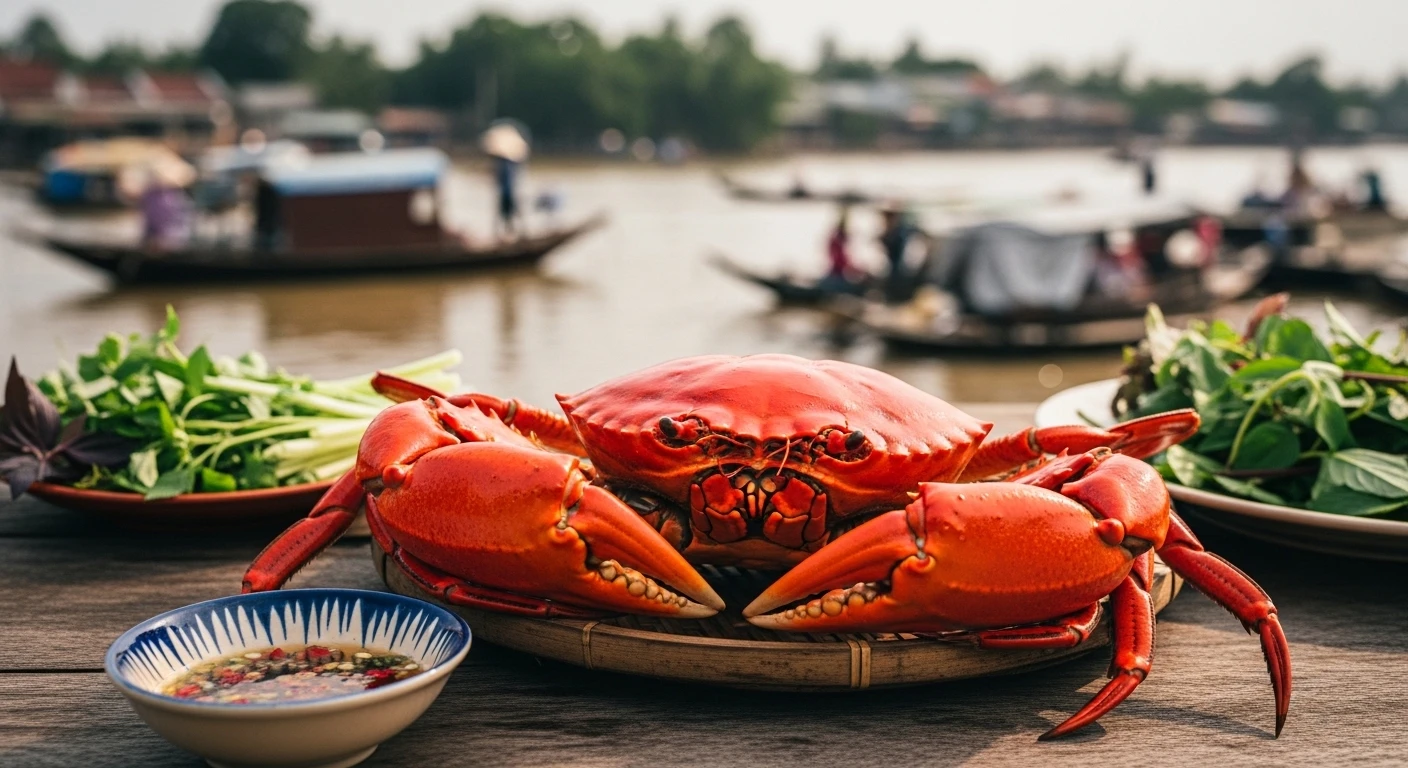
While not mythological in size, the real mud crabs of Ca Mau are indeed impressive. Known for their robust flavor, firm meat, and often substantial size, they are considered the gold standard among Vietnamese seafood connoisseurs. Locals will tell you it's the specific salinity of the Ca Mau waters, the abundant food sources in the mangroves, and the care of local aquaculture that makes their crabs superior. It’s almost as if the spirit of the ancient giant crab still imbues its descendants with exceptional qualities.
4 A Morning in Nam Can: The Daily Ritual and the Humble Crab Fisher
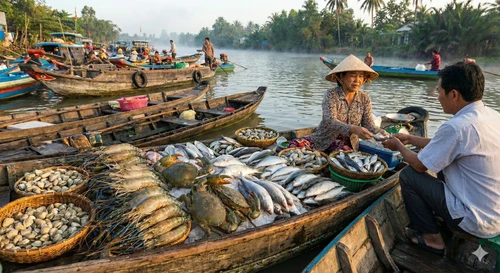
To truly understand the connection between the legend and the local life, you must witness a morning in Nam Can, a district in Ca Mau famous for its crabs.
Before Dawn: Fishermen, some carrying lanterns, navigate small sampans through the winding mangrove channels, checking their traps set the previous day.
The Catch: Each trap might yield one or two prized mud crabs, their shells often encrusted with delta mud, their claws impressively powerful.
Market Buzz: By sunrise, the crabs are brought to small, bustling local markets, where vendors meticulously sort them by size and quality, often tying their claws with rope to prevent escape (and injury).
The Transaction: There’s a certain respect in the way crabs are handled, a recognition of their value and the effort required to bring them from the wild depths to the communal table.
5 Beyond the Myth: Experiencing Crab in the Delta
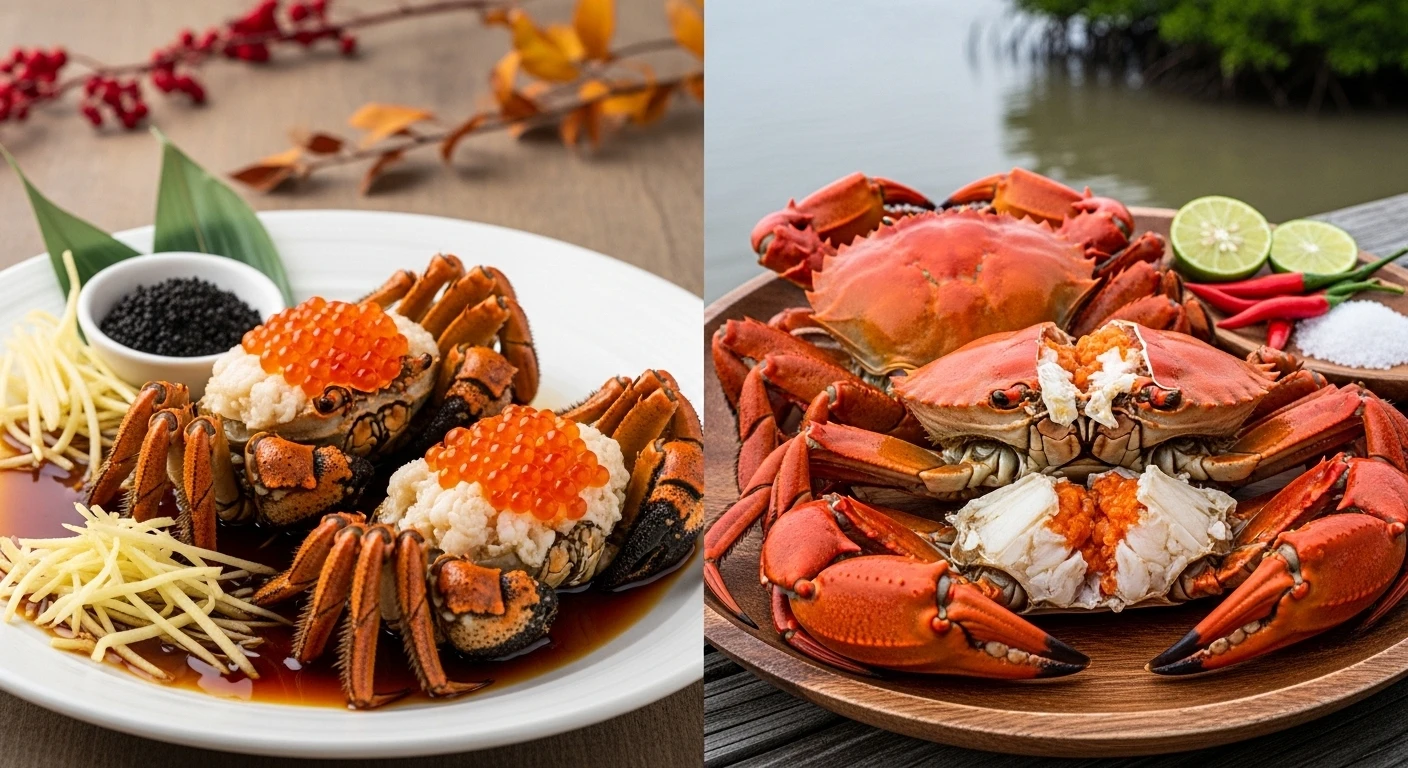
While you won't be dining on a crab the size of a mountain, the culinary experience of the Mekong Delta's real crabs is itself legendary. The philosophy here is often to let the ingredient shine. Because the crabs are so fresh and of such high quality, elaborate sauces are sometimes seen as unnecessary distractions.
The purest way to savor a Ca Mau mud crab is often the simplest: steamed. Whether with a dash of ginger and lemongrass, or the subtle sweetness of coconut water, or even the malty notes of local beer, steaming allows the crab's natural flavors to take center stage. The shell turns a brilliant orange-red, and the sweet, succulent meat peels away easily, ready to be dipped in a simple concoction of lime juice, salt, and pepper.
But the delta also offers more robust preparations, celebrating the versatility of its prized crustacean:
- Crab with Tamarind Sauce (Cua Rang Me): A sticky, tangy, sweet, and spicy explosion of flavor that coats your fingers and leaves you wanting more.
- Crab Hotpot (Lẩu Cua): A communal feast where the crab's richness infuses a fragrant broth, cooked with fresh vegetables and noodles.
- Crab Noodle Soup (Bún Riêu Cua): While often made with smaller field crabs, some versions incorporate chunks of mud crab for an elevated experience.
6 The Art of Selection: Choosing Your Own Legend
For the uninitiated, navigating a Vietnamese seafood market can be overwhelming, but choosing a good crab is simpler than you think. Here's what the locals look for, ensuring you get a crab worthy of legend:
- Liveliness is Key: A good crab should be active, trying to escape, and generally feisty. This indicates freshness and vitality.
- Heavy for its Size: Pick up a few crabs of similar size. The heavier ones are usually fuller of meat.
- Firm Belly: Gently press on the underside of the crab's belly (the apron). It should be firm and not soft or squishy. A firm belly indicates a full, meaty crab, especially during peak seasons.
- Color and Condition: Look for crabs with intact shells and a healthy, natural color. Avoid any with damaged shells or signs of sluggishness.
Remember, in the Mekong Delta, a crab is more than just food; it's a testament to the richness of the land and a connection to ancient stories. Choosing a good one is a small ritual of respect.
7 Eco-Conscious Consumption: Respecting the Delta's Bounty
The legend of the giant crab also serves as a subtle reminder of the delicate balance of the ecosystem. The Mekong Delta is a fragile paradise, and the livelihoods of its people depend on the health of its waters.
Supporting local, sustainable fishing practices is crucial. Many crab farms in Ca Mau are integrated with mangrove reforestation efforts, recognizing that healthy mangroves are vital nurseries for crabs and other marine life. By choosing responsibly sourced seafood, you help ensure that the delta's bounty, and its legends, will continue for generations to come. It’s a way of honoring the spirit of the colossal guardian.
8 The Enduring Echo: Why Legends Matter
In a world increasingly dominated by facts and figures, folklore might seem quaint, a relic of a simpler time. But in the Mekong Delta, stories like that of the giant crab remain deeply relevant. They are not just fanciful tales; they are cultural touchstones, encapsulating ancient wisdom about the environment, the power of nature, and the human spirit's resilience.
They teach respect for the land and its creatures, explain the inexplicable, and bind communities together through shared history and imagination. So, the next time you find yourself navigating the verdant waterways of Ca Mau, or simply savoring a perfectly steamed mud crab, remember the colossal guardian. Remember the legend. For in its mythical shadow, the real magic of the Mekong Delta truly comes alive.
Dive Deeper into Vietnamese Culture
The Giant Crab is just one of many vibrant tales. Explore more of Vietnam's rich heritage and traditions.
📚 Explore More Folklore & Traditions