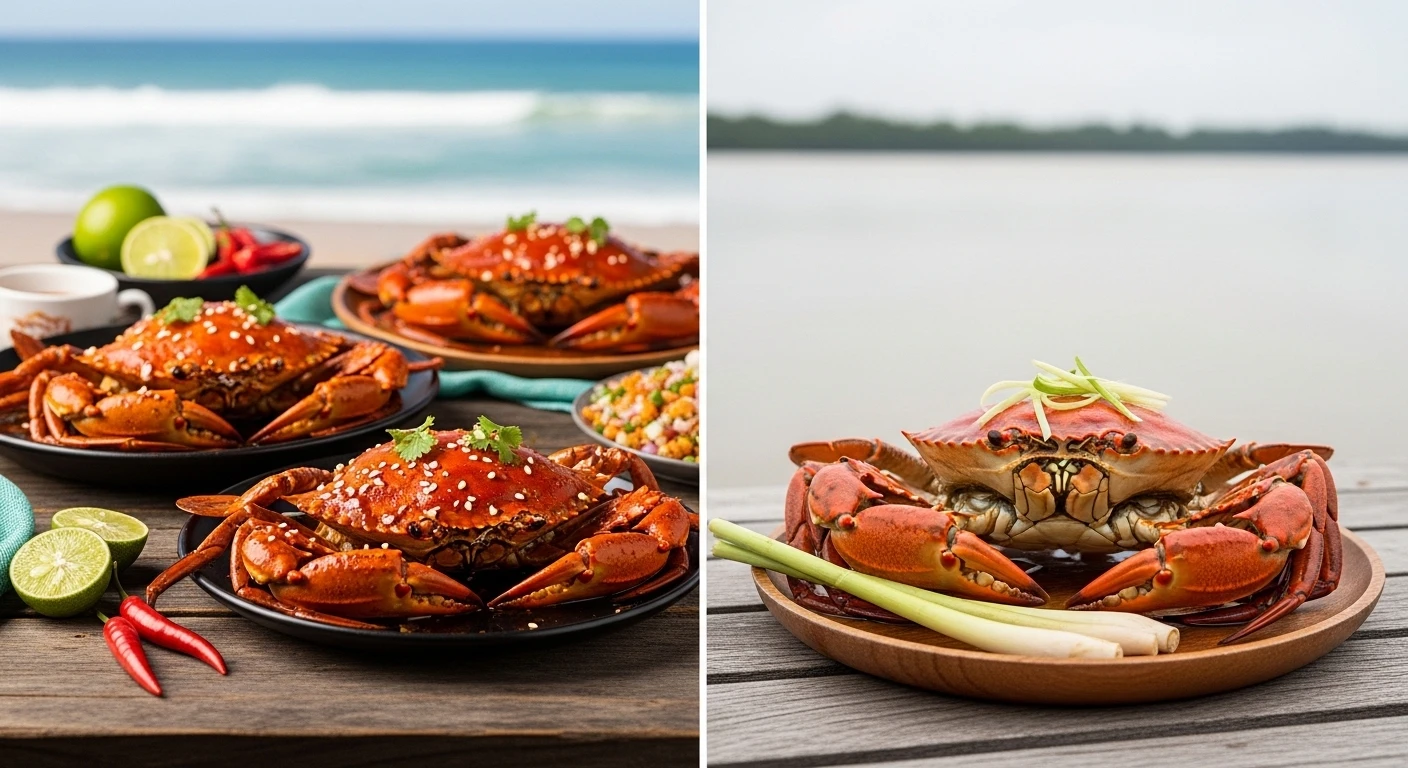
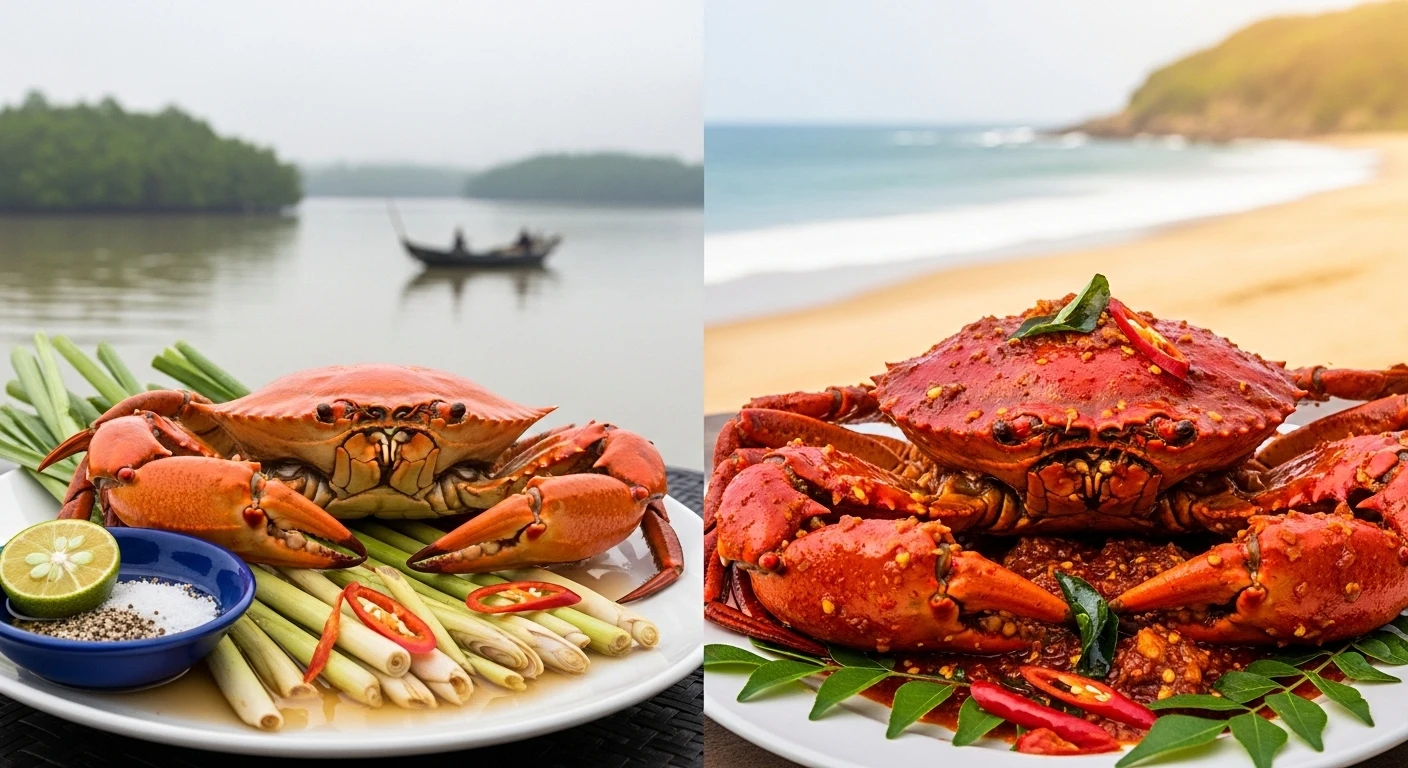
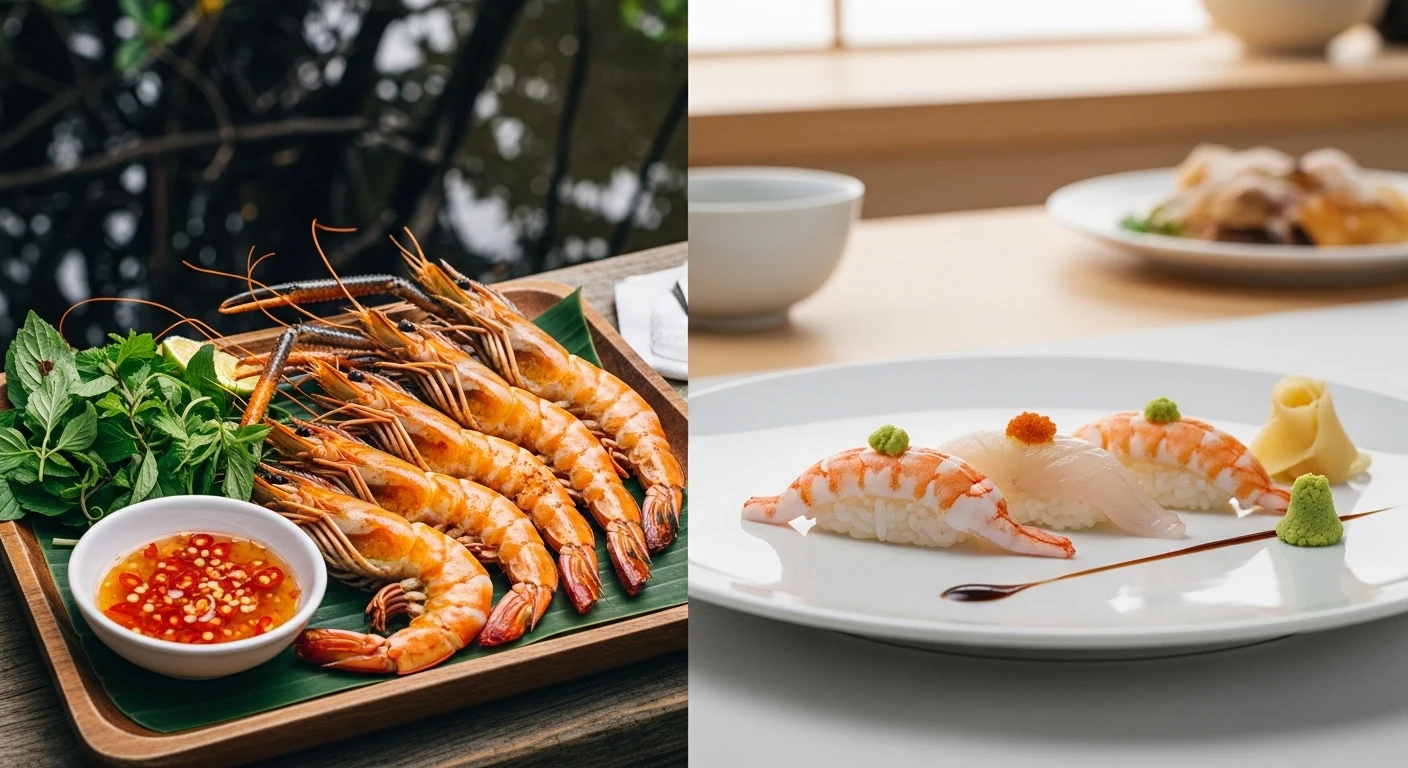
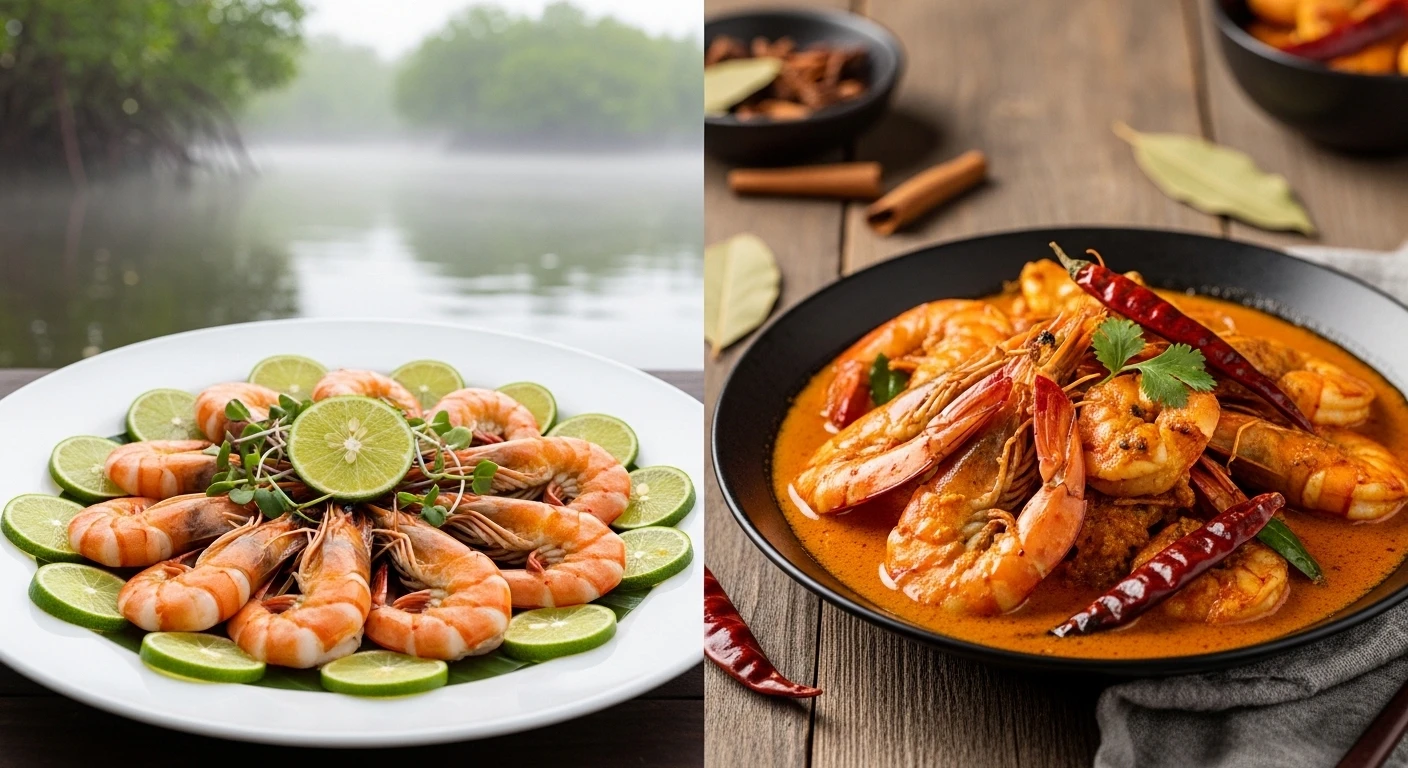
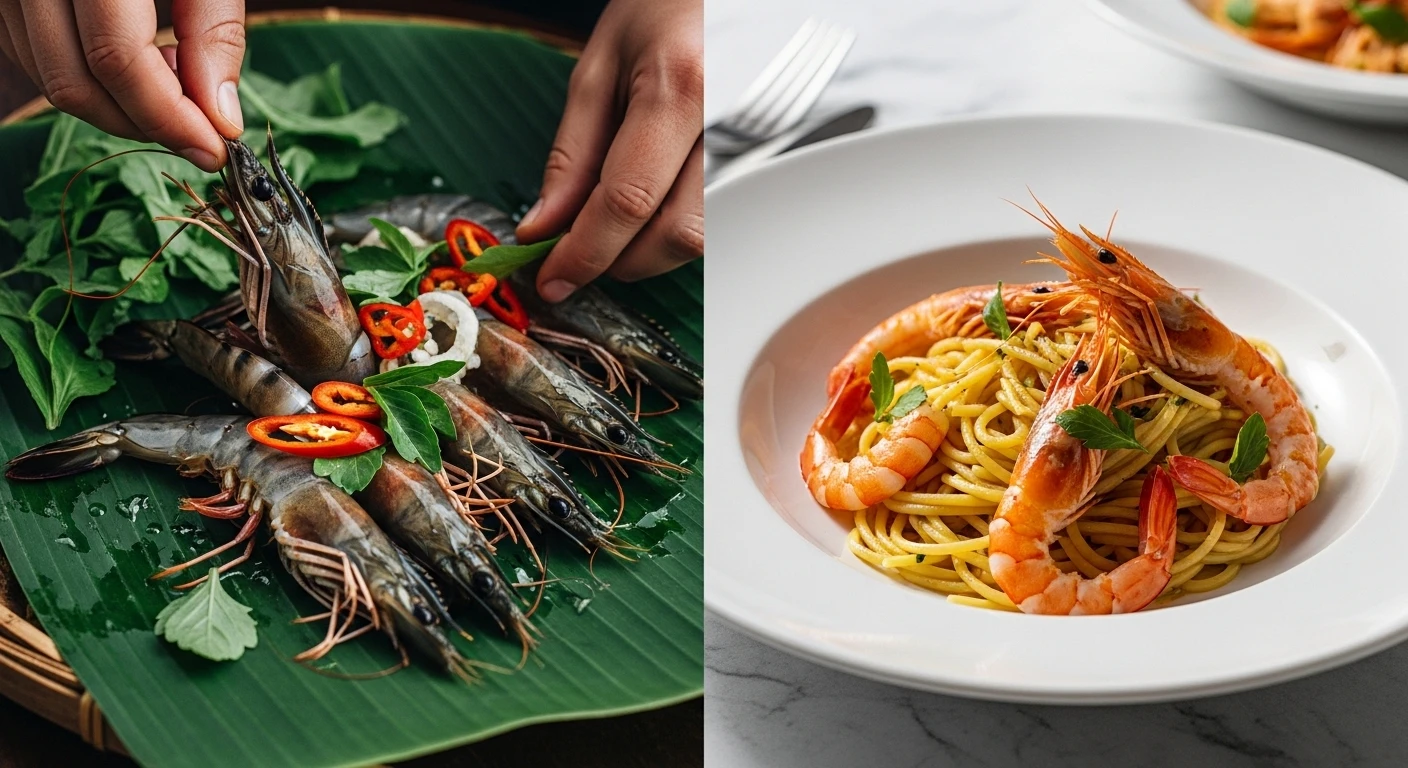
" The world is a big ocean, and its shores are dotted with countless treasures. Among the most prized? The humble, yet magnificent, crab. Whether wrestling with the muddy depths of Vietnam's Mekong Delta or navigating the sophisticated culinary landscape of Spain, the crab is a universal symbol of the sea's bounty. But which offers the more profound experience? "
1 Where the Wild Crabs Roam
To understand crab culture, you must understand its habitat. The differences in environment sculpt not only the crab's physiology but also the very traditions that surround its consumption.
Mekong Delta, Vietnam: Brackish Beginnings
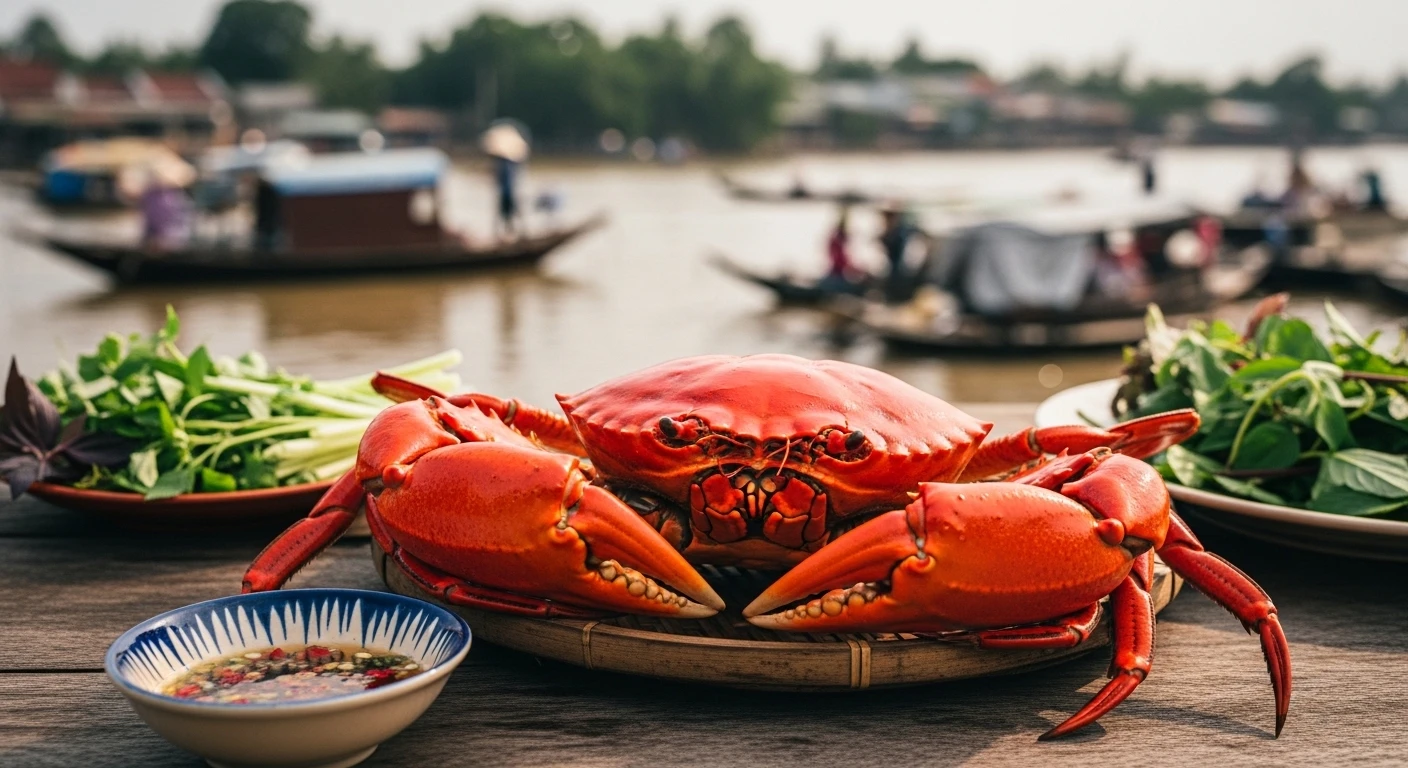
Vietnam's Mekong Delta is a vast network of rivers, canals, and swamps. Here, especially in provinces like Ca Mau, the landscape is dominated by mangrove forests. The brackish water, a blend of freshwater from the Mekong and saltwater from the East Sea, creates a unique ecosystem. It's within these nutrient-rich, muddy waters that the famous Vietnamese mud crab (Scylla serrata) thrives. This isn't the deep ocean; it's an estuary, a transition zone where life is hardy and abundant. The crab here is a product of this fertile, silty environment, absorbing its complex flavors. Life for the delta's crab farmers is tied to the tides, a rhythm of nature as old as time.
Spain: Atlantic & Mediterranean Shores

Spain's relationship with crab is shaped by its extensive coastlines, bordering both the Atlantic Ocean and the Mediterranean Sea. The crabs found here, such as the European edible crab (Cancer pagurus) or the spider crab (Maja squinado), are creatures of cooler, deeper, and often saltier waters. The Spanish approach to seafood is one of reverence for its pristine quality. Markets are temples to freshness, displaying their catches with pride. There's an emphasis on the inherent flavor of the sea itself, often enhanced by simple, elegant preparations that let the natural sweetness and subtle oceanic notes sing.
2 The Pulse of the Port: Market Dynamics
The journey of a crab often begins in the bustling marketplace. Here, the culture of a nation is laid bare, from the types of crabs available to how they are bought and sold.
Mekong Delta Markets: Lively Chaos

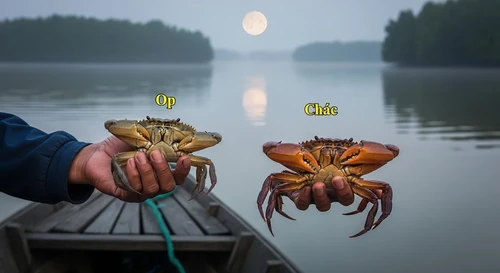
Step into a market in Can Tho or Soc Trang, and you're hit by a sensory explosion. The air is thick with the scent of the river, spices, and frying shallots. Crabs here are rarely presented as pristine specimens. They are lively, wriggling in baskets, or sometimes displayed in large, communal tanks. Conversations are loud, negotiations brisk, and the transaction is often accompanied by a friendly exchange of gossip. You'll see a spectrum of mud crabs: large males with meaty claws (known locally as cua thịt), and females bursting with rich, orange roe (cua gạch). The emphasis is on variety and freshness, directly from the local waters.
Heritage Ingredient
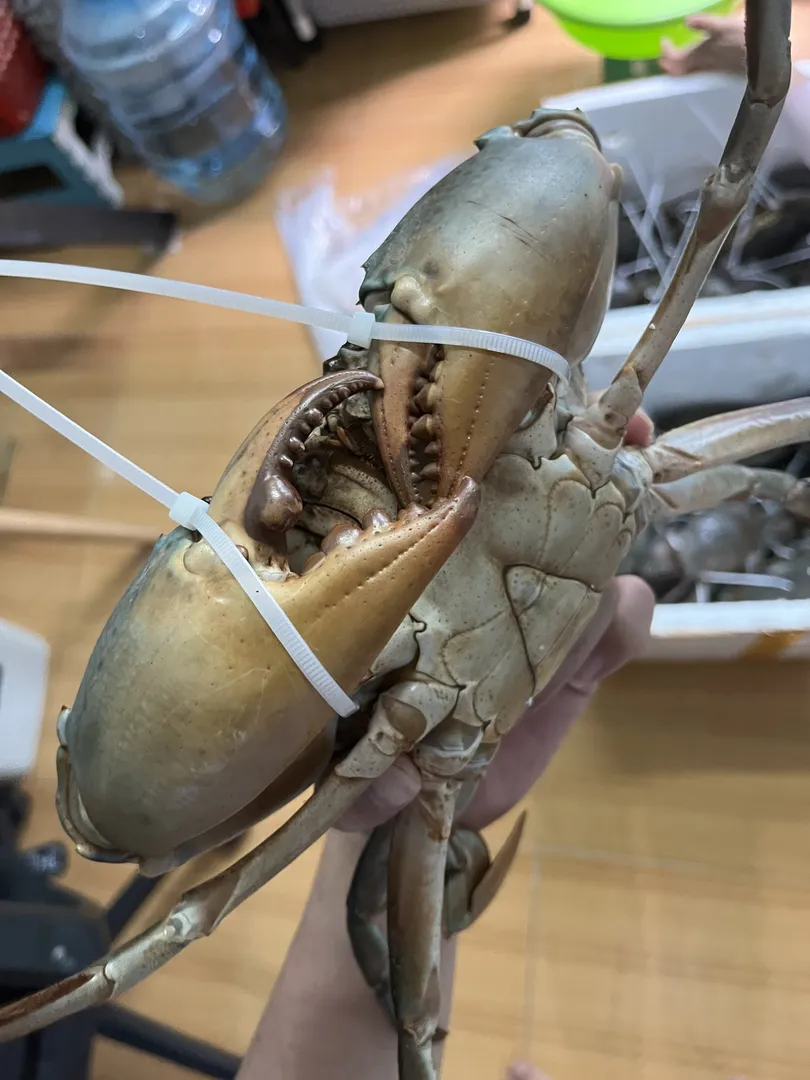
Ca Mau Jumbo Mud Crab
Ca Mau Jumbo Mud Crab
A large male mud crab prized for dense, sweet meat and thick claws, commonly used in steamed crab and grilled crab dishes across the Mekong Delta.
An icon of coastal culinary heritage, featuring firm, sweet meat that captures the raw power and freshness of Ca Mau's tides.
Heritage Ingredient
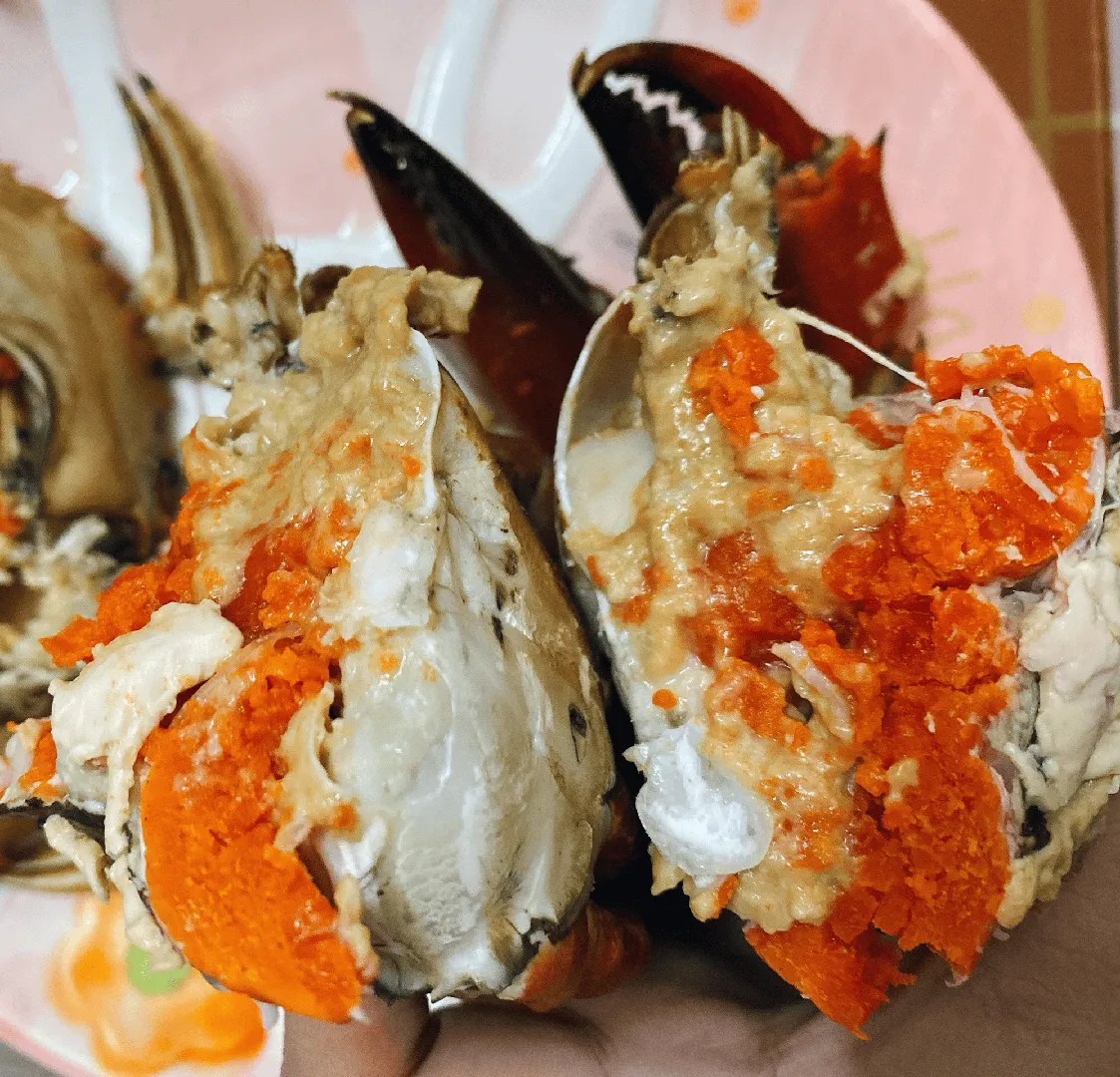
Ca Mau Roe Mud Crab
Ca Mau Roe Mud Crab
A female mud crab known for deep orange roe and a rich, creamy finish, often featured in celebratory Southern Vietnamese seafood meals.
A crimson treasure hidden within a shell, boasting rich, creamy roe that melts on your tongue like a golden sunset over the delta.
Spanish Markets: A Masterclass in Presentation

In Spain, market culture is an art form. Think of the Mercat de la Boqueria in Barcelona or a local market in Galicia. Crabs are meticulously arranged on ice, their shells gleaming, claws neatly tied. The presentation is as important as the product itself. Vendors are knowledgeable, eager to explain the origin, the best cooking method, and the subtle differences between species. It's a quieter, more discerning atmosphere. Here, you might find pristine specimens of nécora (velvet crab), centollo (spider crab), or buey de mar (crabmeat, or sea ox). The value is placed on size, shell quality, and the perceived purity of the ocean they came from.
3 From the Pot to the Palate: Cooking Styles
How these crabs are prepared reveals much about the soul of each cuisine.
Vietnam: Bold Flavors, Shared Plates

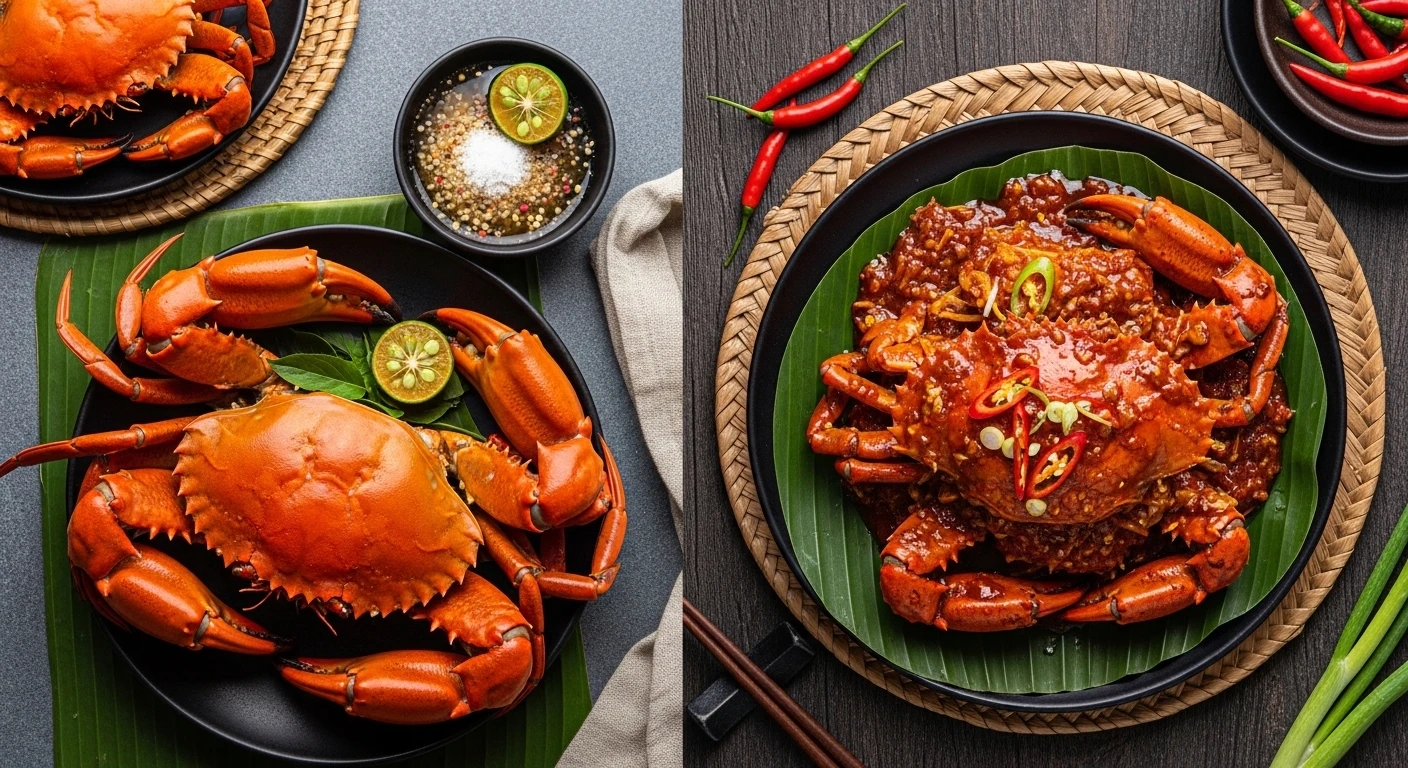
In the Mekong Delta and Southern Vietnam, crab is often prepared in ways that celebrate its inherent sweetness but aren't afraid to amplify it with bold flavors. Steaming with lemongrass and beer is common, a method that neutralizes any gamey notes while imparting subtle aromatics. Tamarind crab, grilled crab with chili salt, or crab noodle soup (Bún Riêu Cua) are popular dishes. These preparations are designed for communal eating; crabs are cracked, shells are shared, and hands are often messy. The focus is on a rich, often complex, flavor profile that demands dipping sauces and lively conversation. The dense, sweet meat of the mud crab, especially when cooked to perfection, is a canvas for these vibrant tastes.
Spain: The Art of Understatement

Spanish cuisine, particularly its seafood traditions, often champions a philosophy of restraint. The goal is to highlight the natural flavor of the ingredient. For crabs, this often means simple boiling or steaming, served with minimal fuss – perhaps just a squeeze of fresh lemon, a drizzle of olive oil, or a side of aioli or a simple vinaigrette. In tapas culture, small, intensely flavored dishes abound, and crab might appear in a delicate crab salad (ensalada de cangrejo) or as a filling for empanadas. The essence is purity. The crab's sweet, tender meat is the star, supported by, rather than dominated by, its accompaniments.
4 Ca Mau's Mud Crab: Terroir and Texture
Let's zoom in on the star of the Mekong Delta – the Ca Mau mud crab. Its reputation is legendary for a reason.
The mud crab of Ca Mau is a prime example of how terroir influences flavor. Grown in the extensive mangrove systems, these crabs feed on the rich organic matter and small crustaceans found in the brackish, muddy waters. This diet contributes to their unique, slightly sweet, and complex flavor profile, often described as having a deeper, earthier undertone than open-ocean crabs.
There's a distinction in texture and taste:
- Male Crabs (Cua Thịt): Prized for their substantial claws and firm, dense meat. This is the crab for those who love to crack shells and extract every bit of succulent flesh.
- Female Crabs (Cua Gạch): Valued for their rich, creamy roe, which turns a deep orange when cooked. This roe is considered a delicacy, adding a luxurious texture and intense flavor to dishes.
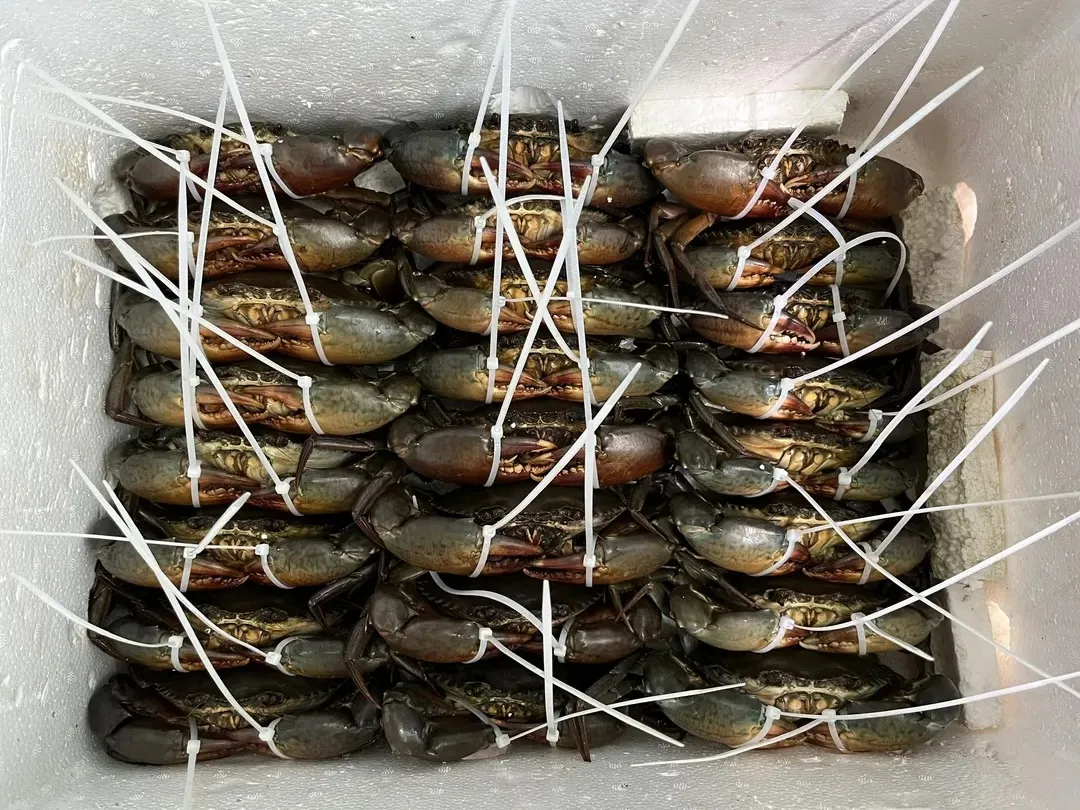
Heritage Ingredient
Export-Grade Ca Mau Roe Crab
Export-Grade Ca Mau Roe Crab
A carefully sorted roe crab selected for size, shell quality, and roe consistency, suitable for explaining premium grading in Vietnamese crab culture.
The pinnacle of perfection—pristine shells and bursting roe, meticulously selected to conquer the hearts of global gourmets.
The grading of these crabs in Vietnam, especially in export markets, often reflects size, shell hardness, and the quantity/quality of roe. This careful selection ensures that diners receive the best possible representation of this remarkable shellfish.
5 The Jewel of the Atlantic: Spanish Shellfish Hierarchy
In Spain, certain shellfish, including crabs, hold a special place in the gastronomic hierarchy.
The perception of crab in Spain is often one of delicacy and refinement. While the robust mud crab of Vietnam might be a hearty, flavorful main event, Spanish crabs are frequently enjoyed as a sophisticated appetizer or a lighter course. The European edible crab, with its firm white meat, is a classic, often simply boiled and served with a garlicky mayonnaise or a squeeze of lemon.
Spider crabs (centollo), with their distinctive appearance and sweet, delicate flesh, are particularly revered, especially during certain seasons. Their preparation is usually straightforward, allowing their subtle oceanic sweetness to shine. This emphasis on purity and the inherent quality of the seafood means that while Spanish crab dishes may seem less complex than their Vietnamese counterparts, they represent a profound appreciation for the clean, unadulterated taste of the sea. It’s a different kind of prestige, one built on subtle perfection.
6 Sharing the Bounty: Dining Rituals
The way crab is eaten tells a story about social connections.
Vietnam: Communal Cracking

In the Mekong Delta, eating crab is often a vibrant, hands-on affair. Picture a family or a group of friends gathered around a large table, a mountain of cracked crab shells, bowls of dipping sauce, and fresh herbs in the center. The process of breaking down the crab, sharing the best morsels, and using little tools to extract every bit of meat is a bonding ritual. It's loud, it's messy, and it's incredibly satisfying. The abundance of the delta means crab is often accessible, making these communal feasts a regular occurrence.
Spain: Elegant Appetizers and Tapas

Spanish dining, while social, often takes a more elevated approach to seafood. Crab might be enjoyed as a starter in a formal restaurant, or as part of a tapas spread. Think of a delicate crab salad served on a crisp toast, or simply boiled crab claws presented neatly on a plate. The emphasis is on individual enjoyment and appreciating the quality of the seafood itself. While tapas are inherently social, the interaction around crab is often less about the physical act of cracking and more about shared appreciation of a refined ingredient.
7 Your Next Crab Adventure
If the thought of exploring these crab cultures has ignited your wanderlust, where should you point your compass?
For the traveler seeking an authentic, immersive, and deeply flavorful crab experience, the Mekong Delta is an unparalleled destination. It offers a raw, unvarnished look at how crab is integral to the local economy and diet. You can visit local farms, haggle at floating markets, and savor crab dishes prepared with generations of tradition. Provinces like Ca Mau, the southernmost tip of Vietnam, are ground zero for some of the country's finest mud crabs. The landscape itself, a labyrinth of waterways and mangroves, is a character in the crab's story.
On the other hand, if your palate leans towards subtle flavors, refined presentations, and the sophisticated charm of coastal European dining, Spain offers a compelling journey. The quality of seafood in Spanish markets and restaurants is consistently high, and exploring regions like Galicia, with its robust Atlantic seafood traditions, would be a culinary delight.
Ultimately, both destinations offer a profound appreciation for the crab. Vietnam provides a more rustic, vibrant, and flavor-forward encounter, deeply rooted in its unique brackish environment. Spain offers elegance, purity, and a taste of the deep, clear ocean. Your choice depends on whether you seek the robust embrace of the delta or the sophisticated whisper of the Atlantic.
8 The Verdict: Delta's Soul vs. Atlantic's Elegance
Comparing Vietnamese mud crab from the Mekong Delta to Spanish Atlantic crab isn't about declaring a "winner." It's about celebrating the incredible diversity of flavor, culture, and geography that the humble crab represents.
The Mekong Delta's mud crab is a creature of its environment – rich, robust, and full of character, mirroring the vibrant, communal, and flavor-forward culture of Southern Vietnam. Its taste is a complex symphony, influenced by the very mud and mangrove roots that give it life. It's a taste of abundance, of hard work, and of shared joy.
The Spanish crab, on the other hand, embodies the crisp, clean essence of its oceanic home. It speaks of purity, of refined culinary traditions, and of an appreciation for nature's subtle perfections. It's a taste of the ocean's elegance, best savored in moments of quiet contemplation or sophisticated gathering.
For the adventurous food lover, the allure of Ca Mau's brackish power, with its dense meat and creamy roe, offers a unique tapestry of flavor and culture that beckons exploration. It's a direct connection to a specific place, a specific ecosystem, and a way of life. While Spain offers a masterclass in seafood appreciation, Vietnam's Mekong Delta presents an unforgettable, sensory immersion into the very soul of the crab.