" From the whisper of mangrove-kissed waters to the bold declaration of coastal spices, seafood is a universal language. But when we talk shrimp, the nuances are where the magic truly lies. "
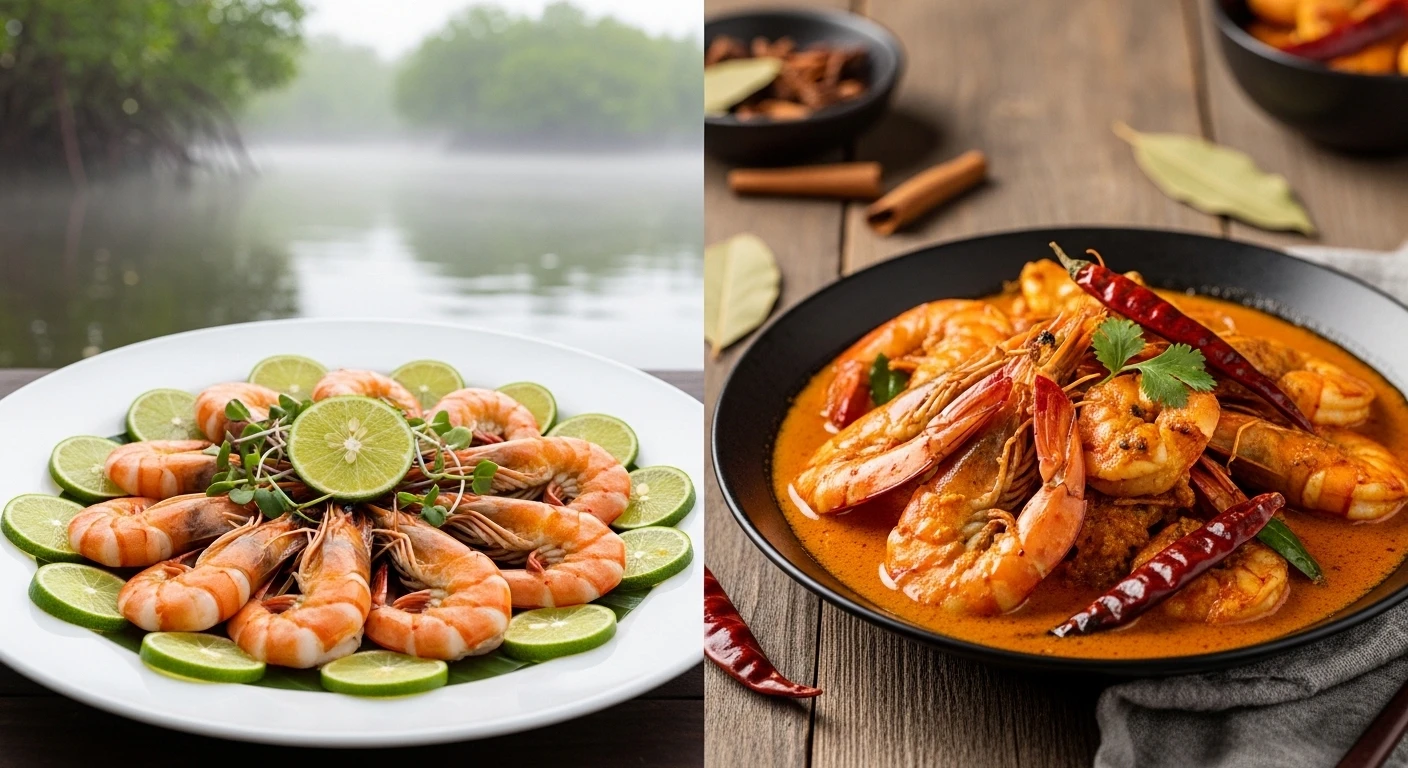
📸 A visual feast: Showcasing the diversity of shrimp from two aquatic powerhouses.
The World of Shrimp: A Tale of Two Continents
Shrimp. Prawns. Whatever you call them, these small, delectable crustaceans are a global culinary staple. From the bustling markets of Hanoi to the aromatic kitchens of Mumbai, they grace countless dishes, each prepared with unique traditions and flavors. But what sets the shrimp from Vietnam’s fertile Mekong Delta apart from those caught along India’s extensive Spice Coast? It’s a story of terroir, technique, and taste.
The Mekong Delta: Where Sweetness Meets the Tide
Venture into the labyrinthine waterways of Vietnam’s Mekong Delta, a region as synonymous with fertile lands as it is with bountiful seafood. Here, life revolves around the rhythm of the tides and the nutrient-rich silt deposited by the mighty Mekong River. This environment is a paradise for aquaculture and wild-caught shrimp, fostering varieties renowned for their delicate sweetness and firm, satisfying texture.
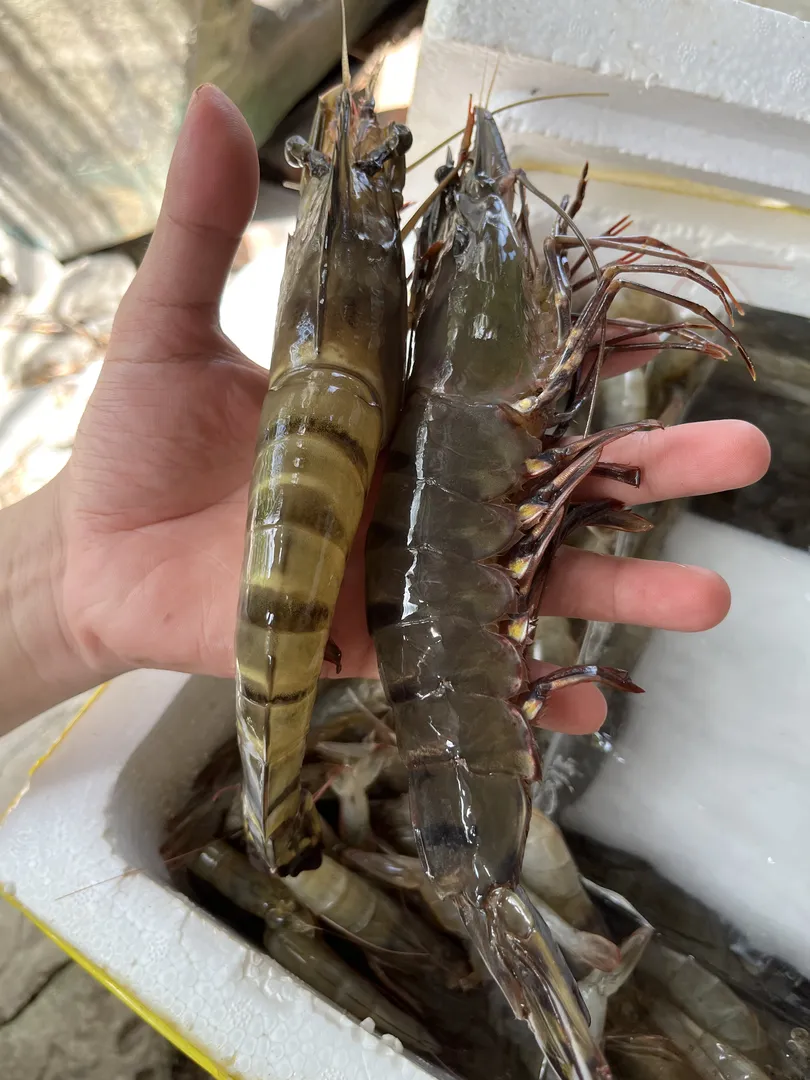
The star of the show, and a symbol of this region's commitment to quality, is the Ca Mau Black Tiger Shrimp. Cultivated in brackish waters often adjacent to mangrove forests, these shrimp benefit from a natural diet and a slower growth cycle. This results in a cleaner, sweeter flavor profile and a satisfyingly firm bite, a testament to its carefully managed habitat. Unlike intensively farmed shrimp, they carry a distinct taste of the estuary, a subtle brininess that hints at their pristine origins.
Beyond the celebrated Black Tiger, the Mekong Delta is also home to other valuable species. The Giant Freshwater Prawn, with its striking blue claws and rich, creamy head fat, is a prized catch for special occasions and hotpots, offering a more luxurious, intensely flavored experience. Then there's the ubiquitous Whiteleg Shrimp, a versatile workhorse in Vietnamese kitchens, perfect for everything from quick stir-fries to comforting noodle soups, providing that familiar, dependable shrimp flavor.
Mekong Delta shrimp traditions are deeply intertwined with simple, elegant cooking methods designed to highlight the natural purity of the catch. Think steaming, grilling, and light sautéing. The focus is on enhancing, not masking, the inherent sweetness and clean texture. Dipping sauces, when used, are often bright and zesty – a squeeze of lime, a pinch of sea salt, a hint of chili – designed to complement, not overpower, the star ingredient. This philosophy extends to market culture, where the freshness and vitality of the shrimp are paramount, often displayed live in tanks, a true reflection of their oceanic or riverine provenance.
Heritage Ingredient
Ca Mau Black Tiger Shrimp
Ca Mau Black Tiger Shrimp
Large black tiger shrimp associated with mangrove aquaculture in Ca Mau, known for firm flesh and a cleaner, sweeter finish than intensively farmed shrimp.
Wild spirits of the mangroves, these black-banded gems deliver a firm, snappy texture and a sweetness that echoes the forest's vibrant life.
India’s Spice Coast: A Symphony of Flavors
Now, cast your gaze towards India’s vast coastline, stretching over 7,500 kilometers, from the Arabian Sea to the Bay of Bengal. India is a global powerhouse in shrimp production and consumption, boasting an incredible diversity of species and an equally rich tapestry of culinary traditions. The shrimp culture here is inextricably linked to the bold, aromatic flavors that define Indian cuisine.
Indian waters yield a wide array of shrimp varieties, including Black Tiger, Whiteleg, and indigenous species like the Indian White Shrimp. While export markets often focus on specific qualities, it’s within home kitchens and regional restaurants that India’s true prawn prowess shines. Here, shrimp are not just ingredients; they are canvases for complex spice blends, creamy curries, and fiery masalas. The cooking styles embrace richness and depth, often using a symphony of spices like turmeric, cumin, coriander, fenugreek, and chili to create dishes that are both comforting and exhilarating.
Consider the iconic Goan prawn curry, where plump shrimp swim in a vibrant, coconut-milk-infused gravy, or the Chettinad prawn preparations from Tamil Nadu, known for their fiery spice and aromatic complexity. Even simpler preparations, like garlic butter prawns or tandoori spiced shrimp, are elevated by India’s mastery of spice. The aim is not always to showcase the shrimp’s inherent sweetness in isolation, but to integrate it into a broader flavor profile, creating a harmonious and memorable dish.
The Indian approach to seafood often involves marinating, frying, and simmering, allowing the shrimp to absorb the potent flavors of the spices. This results in a taste experience that is intensely savory, pungent, and often spicy – a bold contrast to the clean, delicate profiles often favored in Vietnamese cooking. The result is a culinary journey that is as vibrant and varied as the country itself.
Heritage Ingredient
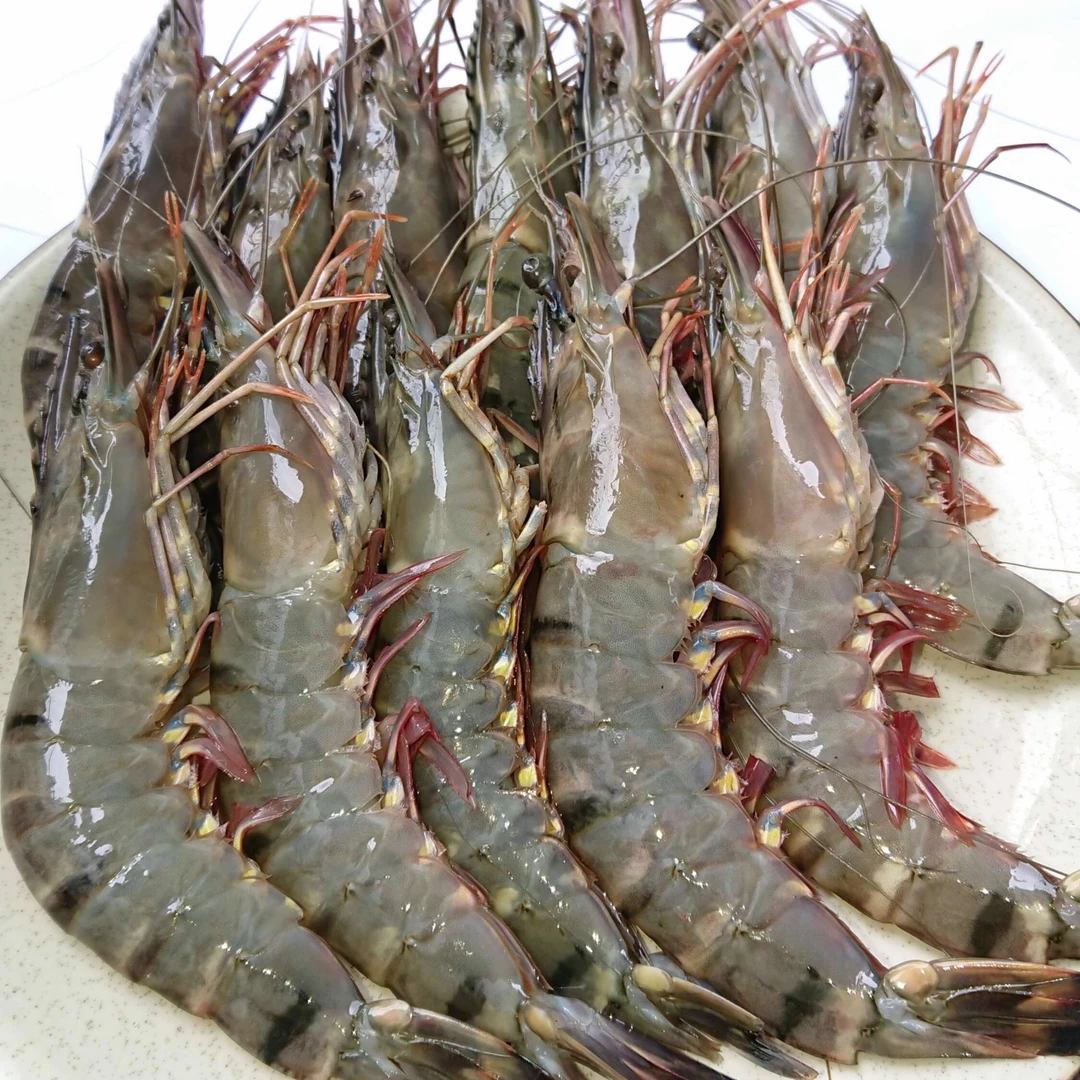
Whiteleg Shrimp
Whiteleg Shrimp
A widely used shrimp in Vietnamese home kitchens, suitable for stir-fries, soups, steamed dishes, and practical cooking articles that need a familiar shrimp reference.
Translucent jewels of the coast, thin-shelled and remarkably sweet, making every simple home meal feel like a seaside celebration.
The Great Shrimp Comparison: Texture, Taste, and Terroir
When we place Vietnamese and Indian shrimp side-by-side, the differences, while subtle to the uninitiated, are profound and speak volumes about their origins and preparation.
Texture: The Firm Embrace vs. The Delicate Yield
Mekong Delta shrimp, particularly the Ca Mau Black Tiger and Giant Freshwater Prawns, are often lauded for their firm, almost meaty texture. This is a direct result of their growth environment – often in natural or semi-natural ponds and waterways, with less population density and a cleaner water source. The Black Tiger shrimp, for instance, offers a delightful snap with each bite, a satisfying resistance that speaks of quality. Giant Freshwater Prawns are even more substantial, their large size contributing to a luxurious, yielding texture.
Indian shrimp can vary significantly in texture depending on the species and farming method. While high-quality export-grade shrimp will also be firm, many widely consumed varieties, especially those prepared in rich gravies or fried, might feel slightly softer. This isn't necessarily a deficit; rather, it's a characteristic that lends itself well to absorbing the complex sauces and spices central to Indian cooking. The goal is often a tender, yielding bite that melts into the curry, rather than a distinct snap.
Taste: Sweet Nuance vs. Spicy Depth
The most striking difference lies in the flavor profile. Vietnamese shrimp, particularly from the Mekong Delta, are celebrated for their inherent sweetness and clean, slightly briny taste. The mangrove-influenced aquaculture of Ca Mau imparts a unique, subtle earthiness. This sweetness is best appreciated in simple preparations, where the shrimp is the undisputed star. It’s the taste of clean water, natural feeds, and a healthy ecosystem.
Indian shrimp, by contrast, are often experienced as part of a larger, more complex flavor mosaic. While the shrimp itself may have its own mild sweetness, it is typically amplified and complemented by an array of spices. The taste is one of robust savoriness, pungency, and a delightful warmth that lingers on the palate. It’s a flavor designed to be bold, assertive, and utterly captivating, often carrying notes of chili, garlic, ginger, and toasted spices.
Terroir and Tradition: The Water's Tale
The concept of 'terroir' – the influence of land and climate on food – is incredibly strong in Vietnamese shrimp culture. The specific salinity of Ca Mau’s brackish waters, the organic matter from the mangroves, the gentle flow of the delta’s waterways – all contribute to the unique character of its shrimp. Traditions here emphasize preserving this natural goodness, using cooking methods that are respectful and minimalist.
In India, while the coastal environment is crucial, the culinary tradition often takes center stage in defining the shrimp experience. The vast spice trade and the long history of diverse regional cuisines mean that shrimp have been integrated into a multitude of flavorful preparations. The ‘terroir’ is not just the water, but also the rich soil that yields the spices and the centuries of culinary innovation that have shaped how these ingredients are combined.
When to Choose Which: A Culinary Compass
So, which shrimp should you choose? The answer, as with most things in food, depends entirely on what you’re aiming for:
- For Pure, Sweet Shrimp Flavor: Opt for Vietnamese Black Tiger shrimp or other well-sourced Mekong Delta varieties. These are best enjoyed grilled, steamed, or sautéed with minimal seasoning to let their natural sweetness shine. They are ideal for dishes where the shrimp itself is the main event.
- For Rich, Spiced Dishes: Indian shrimp, prepared in traditional curries, masalas, or marinades, offer an unparalleled depth of flavor. They are perfect for dishes where the shrimp acts as a vehicle for vibrant spice blends and creamy sauces.
- For Versatile Everyday Cooking: Whiteleg shrimp from either region are excellent all-rounders, suitable for a wide range of preparations.
The choice is not about superiority, but about intention. Do you want the clean, bright taste of the sea, unadorned? Or the complex, aromatic embrace of a well-crafted spice blend? Both paths lead to delicious destinations.
Heritage Ingredient
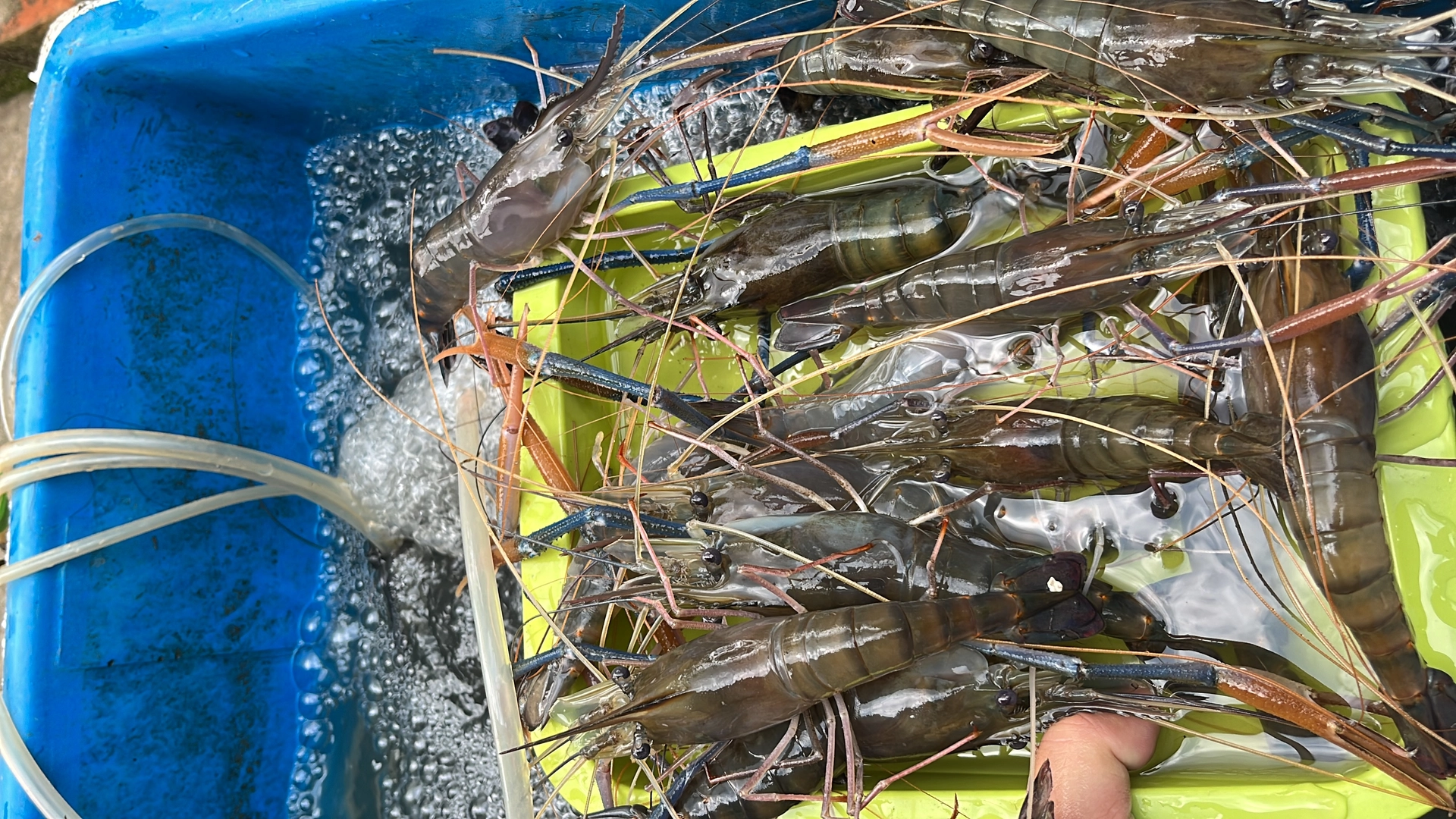
Mekong Giant Freshwater Prawn
Mekong Giant Freshwater Prawn
A river prawn with long blue claws and rich head fat, common in grilled prawn dishes and hotpot traditions across the Mekong basin.
Majestic blue-clawed warriors of the Mekong, famous for their rich, fatty heads and a savory depth that captures the essence of the delta's rivers.
A Journey for the Palate: Why Visit Vietnam?
For the global food enthusiast, the comparison between Vietnamese and Indian shrimp culture is more than just an academic exercise; it’s an invitation to explore. If the bold flavors of Indian prawn dishes have captivated your senses, imagine the delight of experiencing the subtle, pure sweetness of Mekong Delta shrimp in its homeland.
A journey through the Mekong Delta offers a chance to witness firsthand the origins of these exquisite ingredients. Visit floating markets where shrimp are traded fresh from the water, tour aquaculture farms nestled amongst the mangroves, and savor dishes prepared by generations of cooks who understand the delicate balance of flavor and texture. It’s an immersion into a culture where seafood is not just food, but a way of life, deeply connected to the land and water.
From the vibrant markets of Can Tho to the serene backwaters of Ca Mau, the Mekong Delta provides a unique perspective on shrimp. It’s a chance to understand the 'why' behind the 'what' – why Ca Mau black tiger shrimp taste so sweet, why freshwater prawns are so prized, and why simplicity is often the greatest culinary virtue. It’s a journey that promises not just exquisite food, but also a deeper appreciation for the sustainable practices and rich heritage of Vietnamese aquaculture.
Conclusion: A World of Flavor Awaits
Vietnam and India, two giants in the global shrimp trade, offer distinct yet equally compelling culinary narratives. Vietnam’s Mekong Delta champions a philosophy of purity, showcasing the inherent sweetness and clean texture of its shrimp through elegant, minimalist preparations. India, on the other hand, is a master of spice, weaving shrimp into a rich tapestry of bold, aromatic, and deeply satisfying dishes.
Understanding these differences enriches our appreciation for the global diversity of seafood. Whether you seek the delicate whisper of the estuary or the vibrant roar of the spice coast, the world of shrimp offers an endless adventure. For those who find themselves drawn to the subtle complexities of terroir and the elegance of natural flavors, a culinary pilgrimage to Vietnam’s Mekong Delta awaits, ready to reveal the unparalleled magic of its freshwater and brackish water treasures.