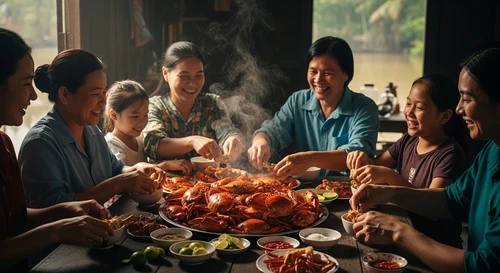
" The ocean gives its bounty, and cultures shape its destiny. In Vietnam's fertile delta and Korea's dynamic coastlines, shrimp are more than just food; they are threads woven into the very fabric of life and celebration. "
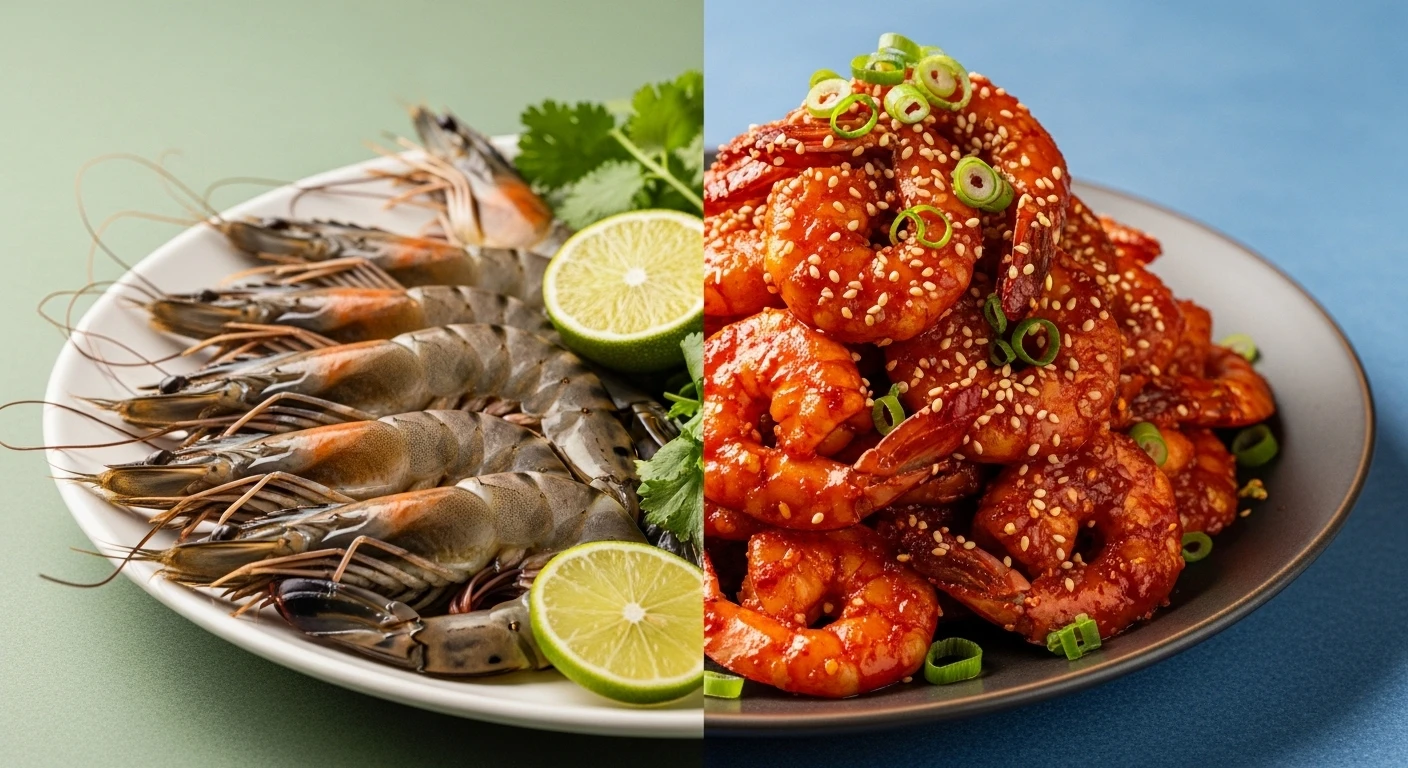
1 The Gulf Between Worlds: Vietnam's Mekong Delta & Korea's Coastline
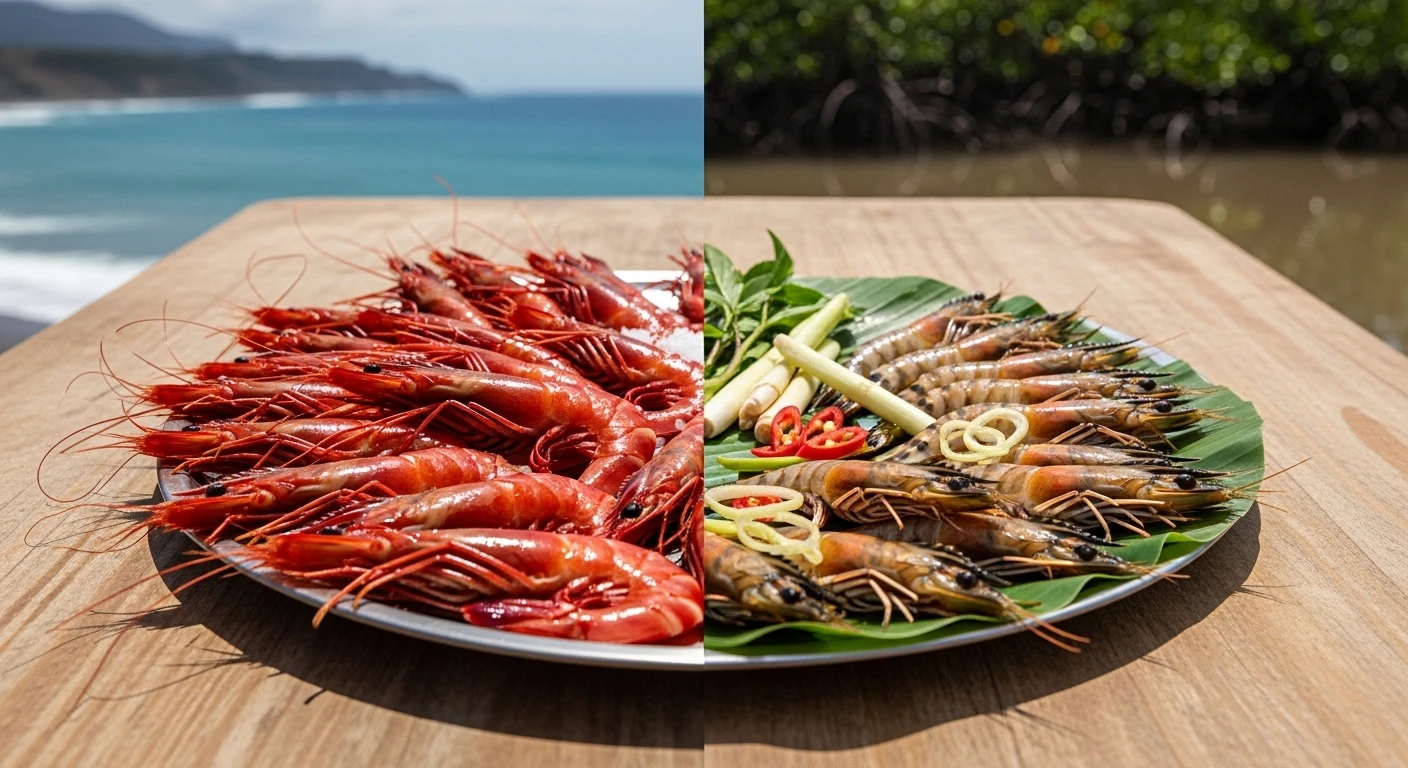
Imagine two worlds, separated by thousands of miles and vastly different climates, yet united by a deep appreciation for the humble shrimp. On one side, the sprawling, life-giving Mekong Delta in Southern Vietnam—a labyrinth of rivers, canals, and mangrove forests where shrimp culture is intrinsically linked to the rhythm of tides and the bounty of aquaculture. On the other, the rugged, vibrant coastlines of South Korea, where the sea’s chill breeds a different kind of shrimp, one often celebrated with bold marinades and fiery grills that speak of resilience and communal feasting.
While both nations cherish shrimp, their approaches diverge significantly, reflecting centuries of distinct history, geography, and culinary evolution. To understand this fascinating contrast, we must first delve into the unique environments that shape each nation's shrimp traditions.
2 The Mekong Delta: Where Shrimp is Lifeblood
The Mekong Delta, often called Vietnam's "rice bowl," is also its undisputed shrimp heartland. This vast, fertile region, home to diverse aquaculture practices, is where shrimp isn't just a commodity; it's an ecosystem, a livelihood, and a culinary cornerstone. The brackish waters, influenced by tidal flows from the East Sea (South China Sea), are ideal for farming prized species.
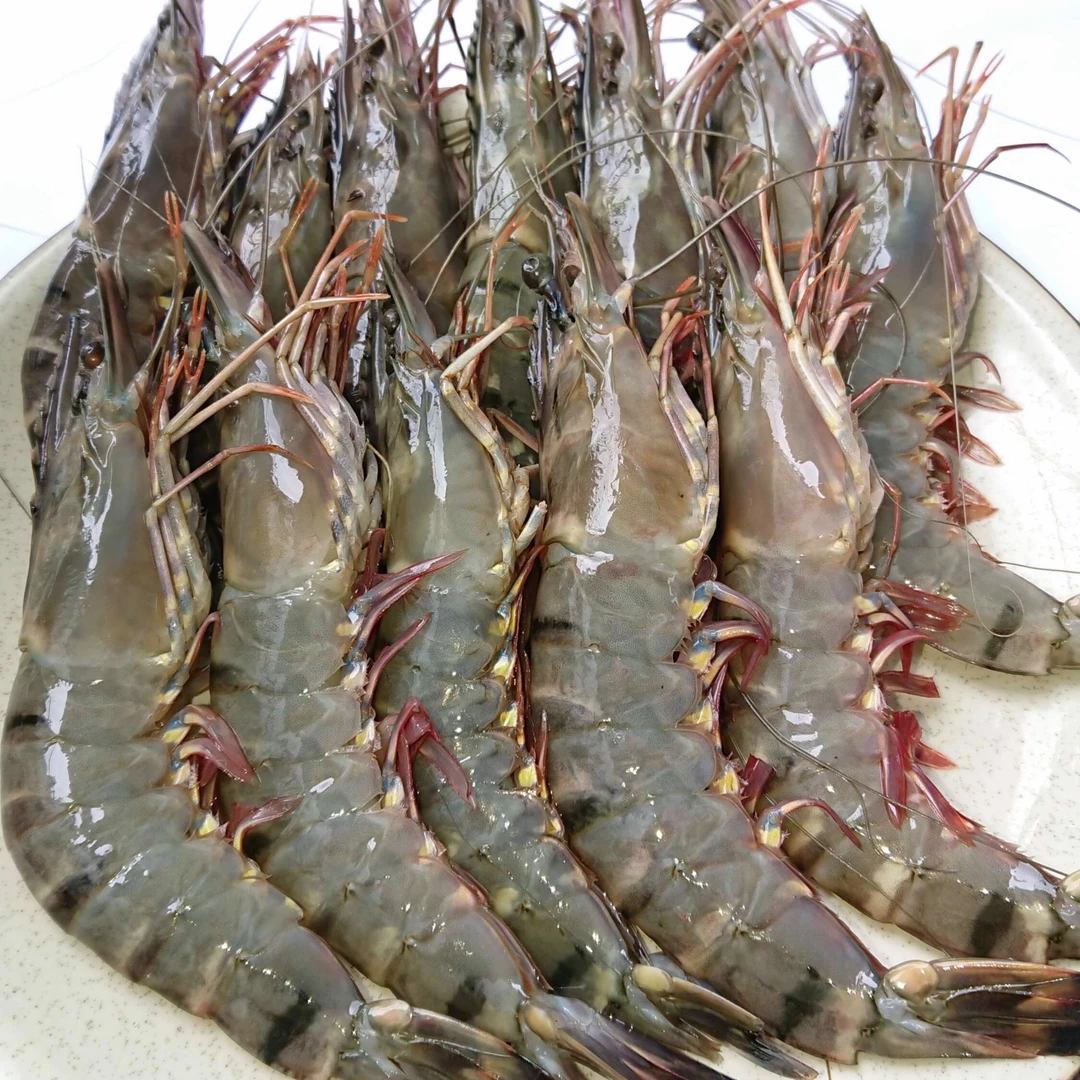
Chief among these is the legendary Ca Mau black tiger shrimp. These aren't just any shrimp; they are a testament to responsible mangrove aquaculture. Grown in extensive systems where shrimp farms coexist with mangrove forests, they develop a firm texture and a clean, sweet, slightly oceanic flavor that's hard to replicate. The mangroves act as a natural filter and nursery, lending a unique "terroir" to the shrimp.
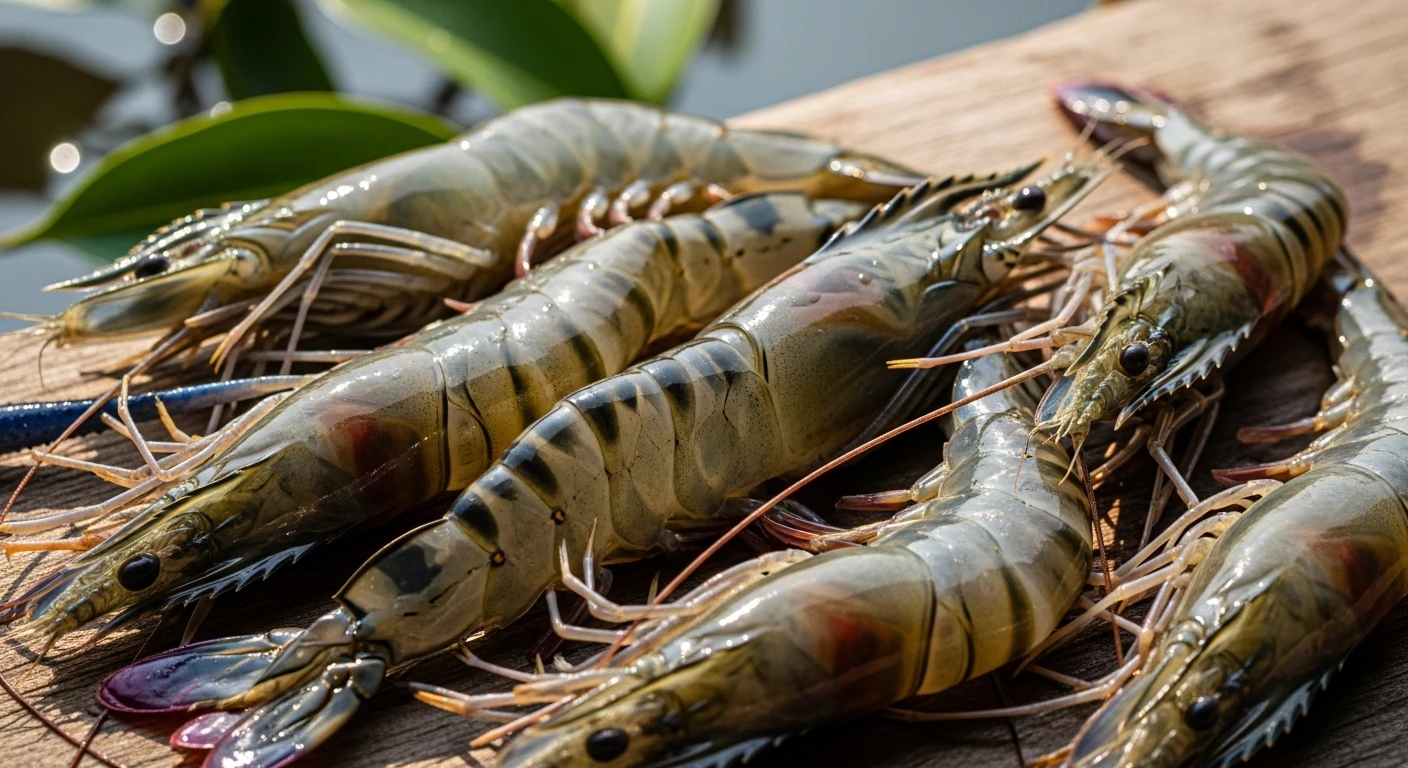
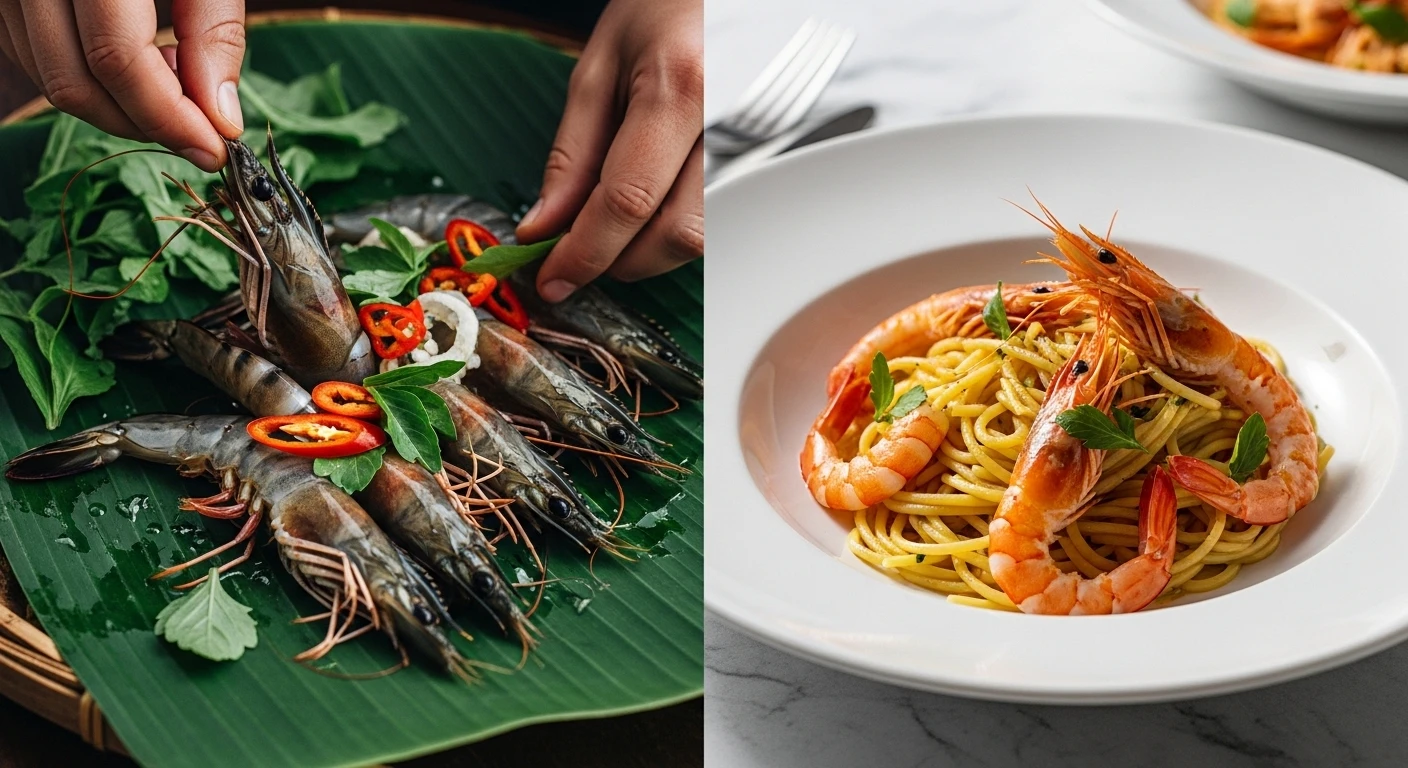
Ca Mau black tiger shrimp, prized for their size and flavor.
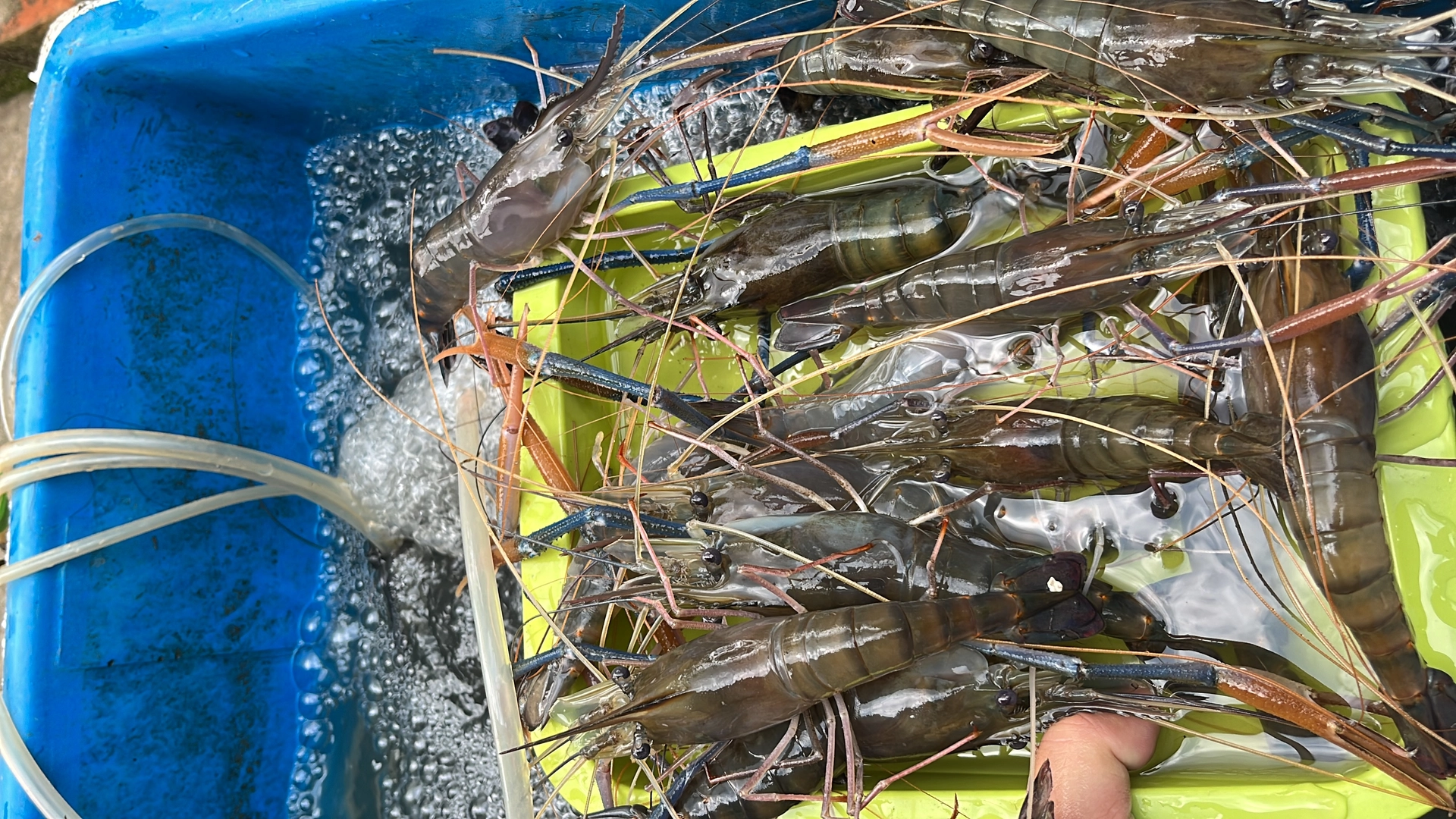
Beyond the black tiger, the Delta is a haven for other varieties: the robust Mekong giant freshwater prawn, with its distinctive long blue claws and rich, buttery head fat, is a celebrated delicacy, often grilled whole over charcoal. The ubiquitous whiteleg shrimp, while perhaps less famed than its black tiger cousin, is the workhorse of Vietnamese kitchens, versatile enough for countless everyday dishes, from bustling stir-fries to comforting noodle soups.
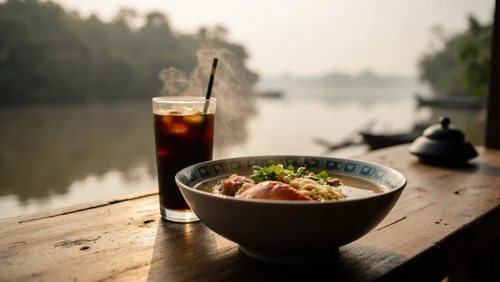
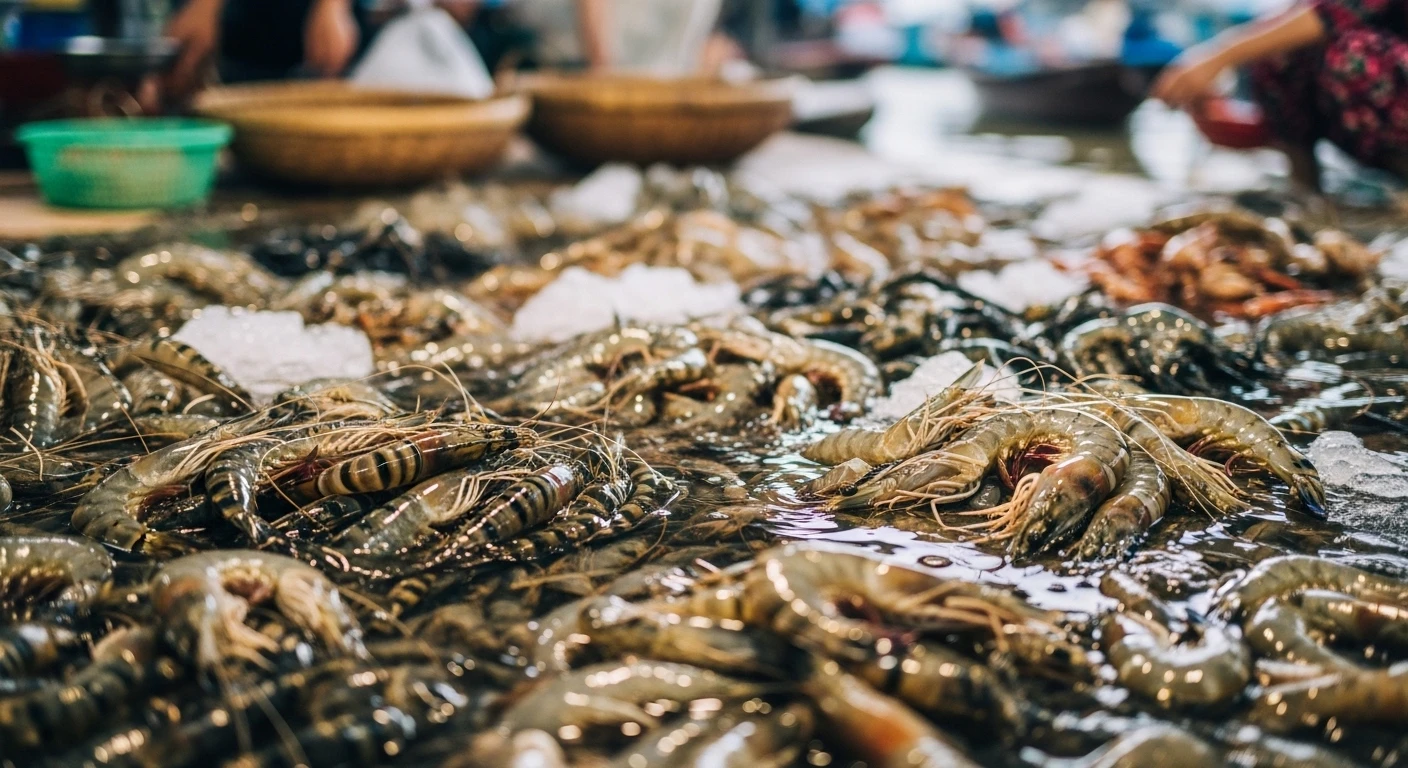
In the Mekong Delta, shrimp are typically revered for their natural sweetness and succulent texture. Cooking methods often aim to highlight this purity: steaming, grilling, or briefly sautéing. Sauces tend to be bright and herbaceous – think fresh lime, chili, garlic, and perhaps a whisper of fish sauce – designed to complement, not mask, the shrimp's inherent flavor. The culture here is deeply connected to the water, with markets brimming with live, impossibly fresh seafood, a stark contrast to frozen imports.
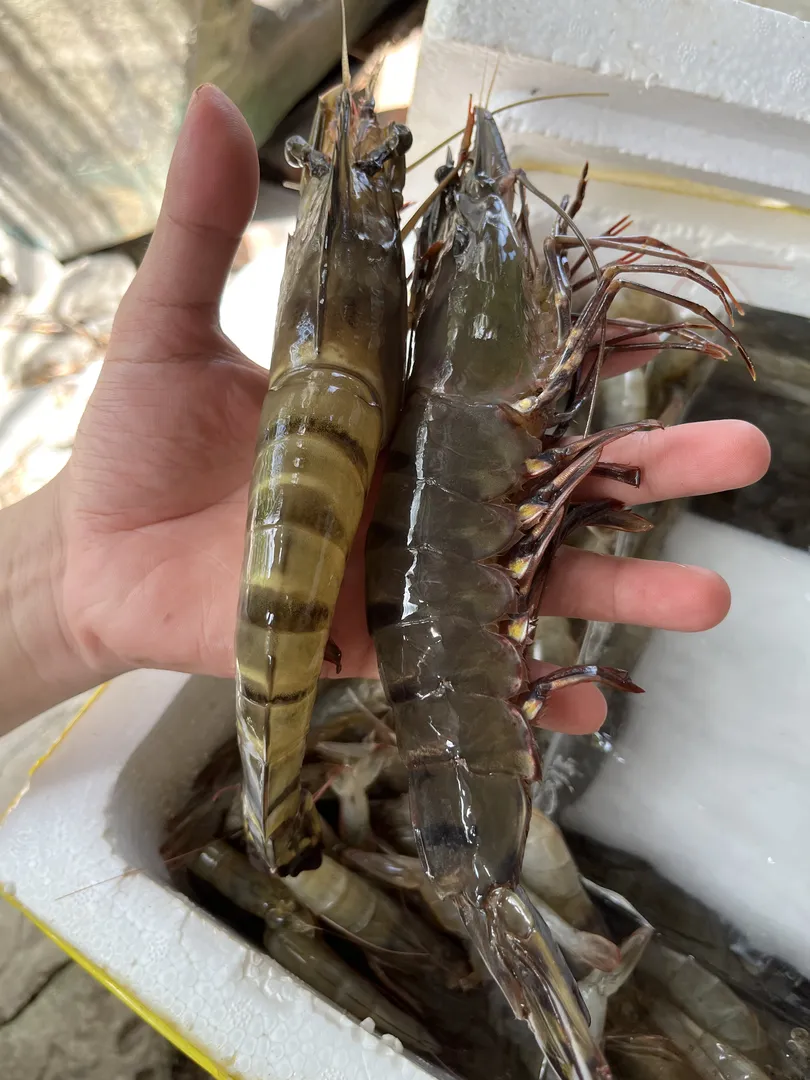
Heritage Ingredient
Ca Mau Black Tiger Shrimp
Ca Mau Black Tiger Shrimp
Large black tiger shrimp associated with mangrove aquaculture in Ca Mau, known for firm flesh and a cleaner, sweeter finish than intensively farmed shrimp.
Wild spirits of the mangroves, these black-banded gems deliver a firm, snappy texture and a sweetness that echoes the forest's vibrant life.
Heritage Ingredient
Mekong Giant Freshwater Prawn
Mekong Giant Freshwater Prawn
A river prawn with long blue claws and rich head fat, common in grilled prawn dishes and hotpot traditions across the Mekong basin.
Majestic blue-clawed warriors of the Mekong, famous for their rich, fatty heads and a savory depth that captures the essence of the delta's rivers.
Heritage Ingredient
Whiteleg Shrimp
Whiteleg Shrimp
A widely used shrimp in Vietnamese home kitchens, suitable for stir-fries, soups, steamed dishes, and practical cooking articles that need a familiar shrimp reference.
Translucent jewels of the coast, thin-shelled and remarkably sweet, making every simple home meal feel like a seaside celebration.
3 South Korea: The Allure of the Grill and the Soy Marinade
Shift your gaze to the Korean peninsula, a place where culinary traditions often embrace boldness, intensity, and a communal spirit centered around the tabletop grill. While South Korea does have its own native shrimp varieties, the country also imports significant amounts, which are then transformed through its distinct flavor profiles.
Korean shrimp cuisine often leans into the transformative power of marinades and grilling. The signature soy-based marinades, rich with garlic, ginger, gochujang (chili paste), and sesame oil, are designed to infuse the shrimp with deep umami and a touch of heat. Grilling, whether over charcoal or on a cast-iron pan, adds a smoky char that creates a delightful textural contrast.
Think of Saewoo Gui (grilled shrimp), often served whole, brushed with spicy-sweet sauces, and cooked to perfection right at the table. The communal aspect is key – friends and family gather, chat, and cook together, the sizzle of shrimp on the grill forming the soundtrack to their meal. It’s an experience as much as a dish.
Korean shrimp dishes might not always boast the same pristine "terroir" as their Mekong Delta counterparts, but they offer an exhilarating journey of flavor. The focus is on the complex interplay of sweet, salty, savory, and spicy notes. While fresh, live shrimp are prized, frozen shrimp are skillfully incorporated into dishes, their inherent qualities amplified by the skilled use of marinades and robust seasonings.
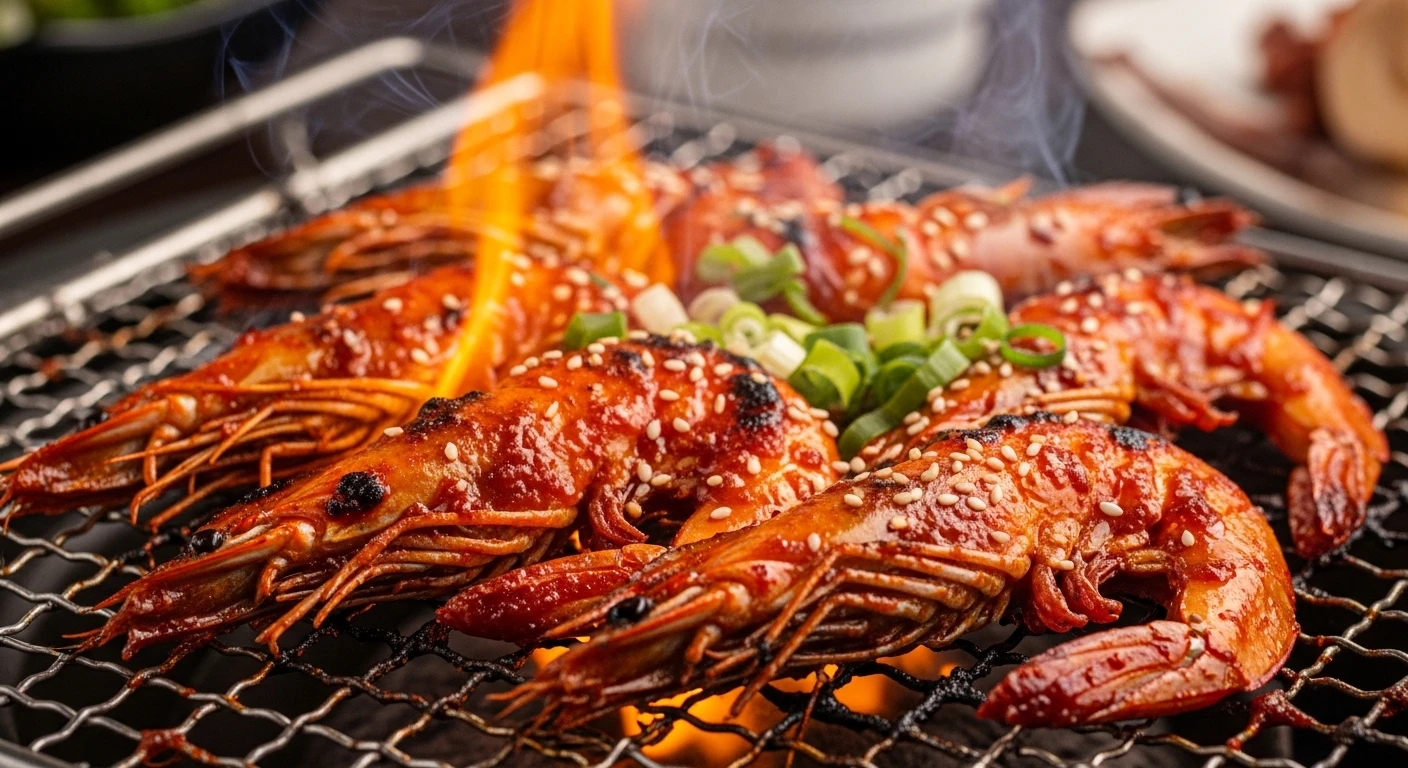
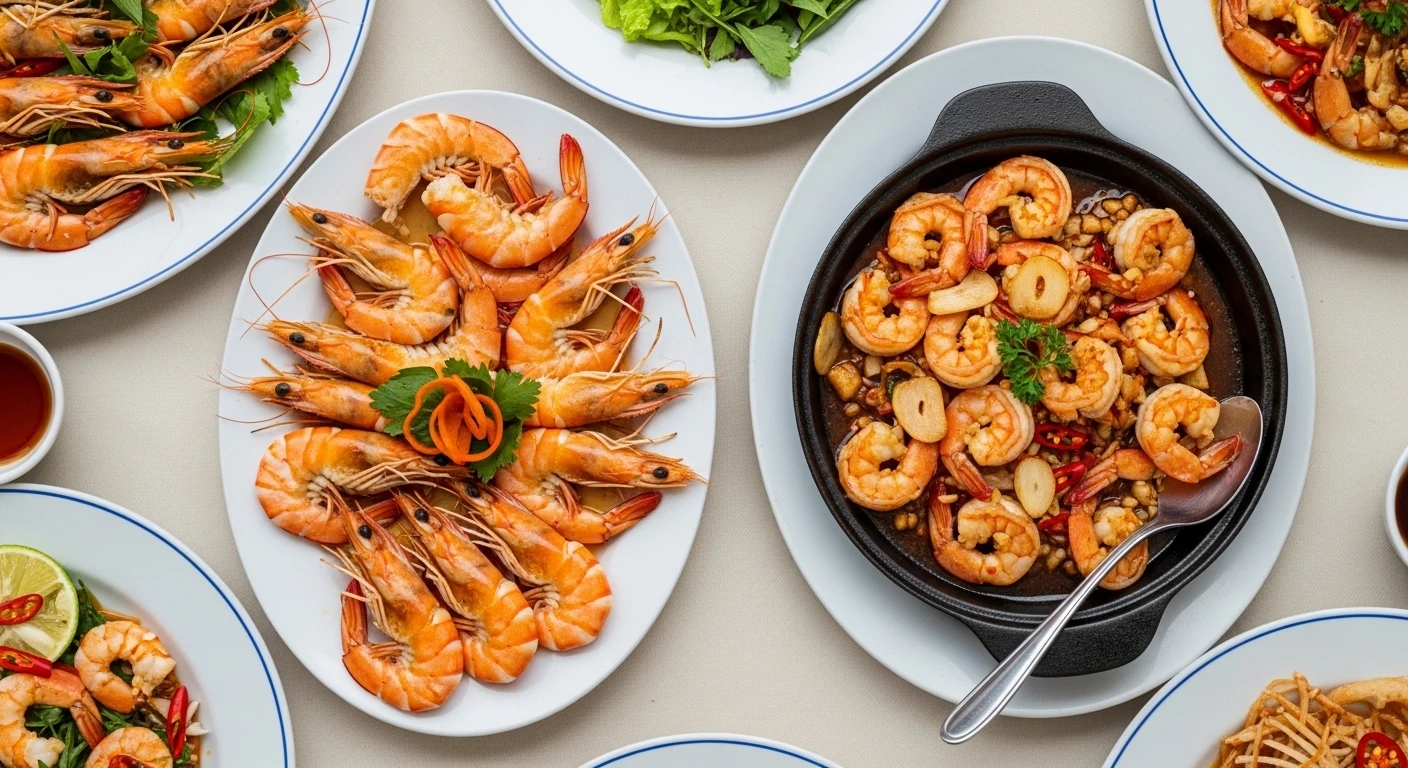
Vibrant Korean grilled shrimp, showcasing bold marinade flavors.
4 Flavor Profiles: Natural Sweetness vs. Bold Marinades
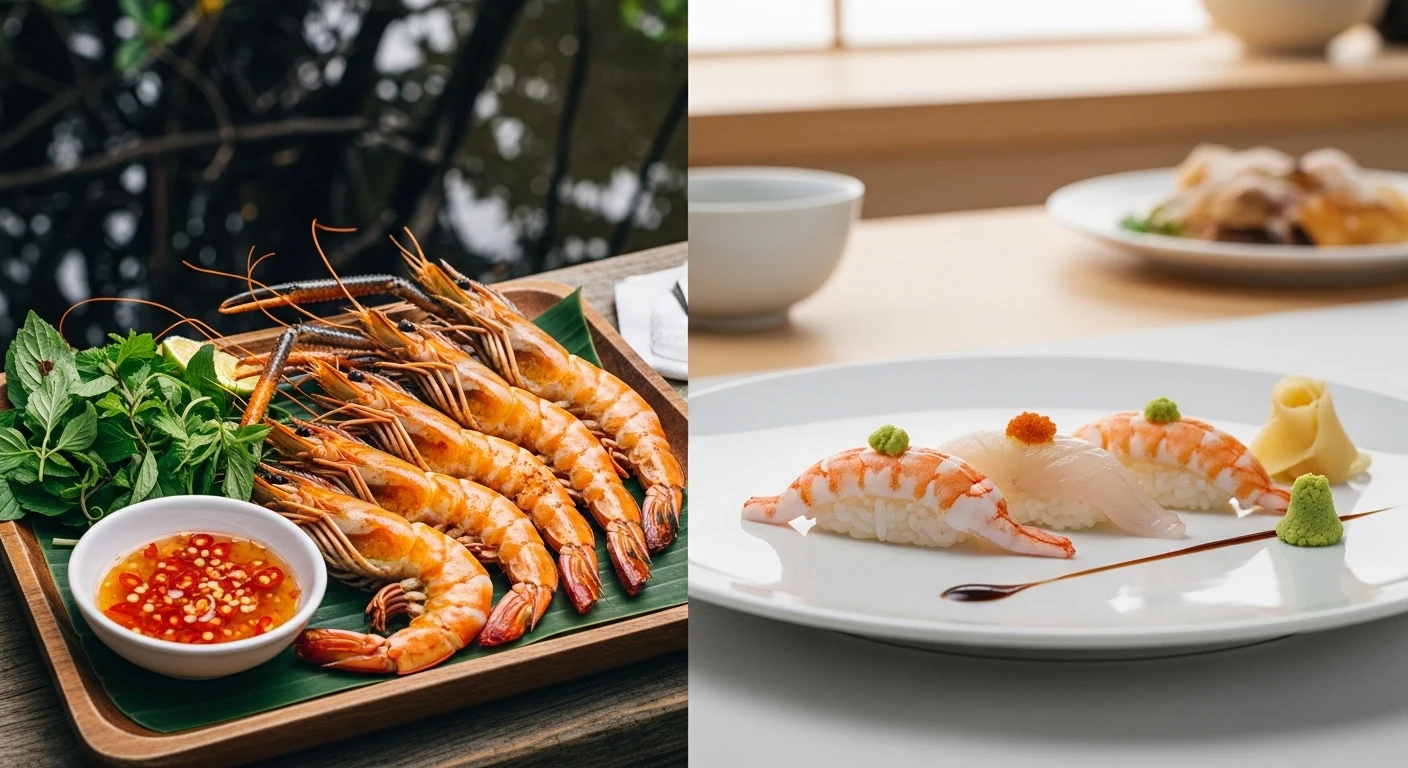
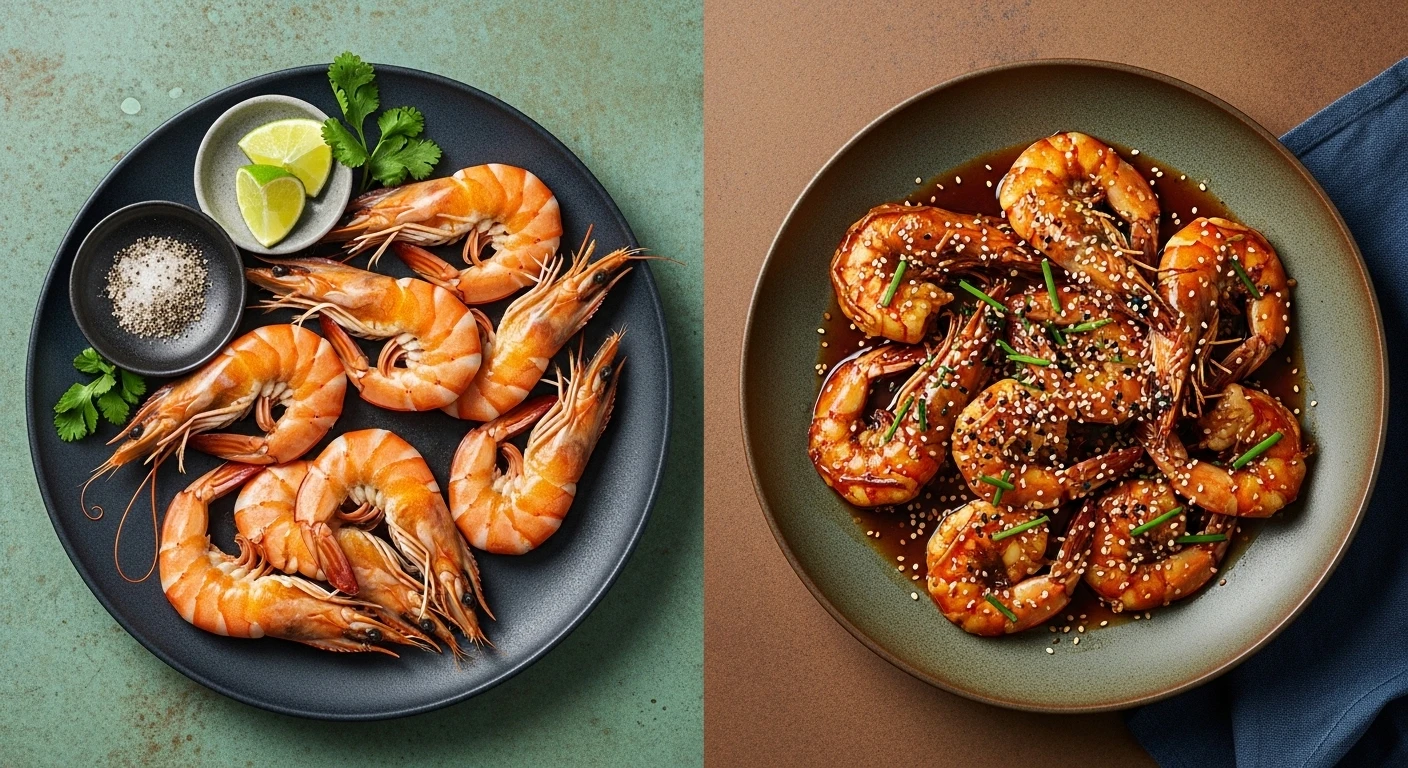
The most striking difference lies in the fundamental approach to flavor. In the Mekong Delta, the guiding principle is often to let the shrimp speak for itself. Ca Mau black tiger shrimp, for instance, possesses a delicate sweetness and a firm, satisfying bite that is enhanced, not overwhelmed, by simple preparations. Steamed shrimp dipped in a *muoi tieu chanh* (salt, pepper, lime) dip, or grilled prawns simply seasoned with a hint of salt and chili, showcase the pristine quality of the ingredient. This philosophy stems from the region's abundant, fresh seafood and a culinary heritage that values subtlety and purity.
Korean shrimp preparations, conversely, are about transformation and a symphony of robust flavors. The soy sauce, garlic, ginger, and chili paste in marinades create a complex, savory, and often spicy profile that envelops the shrimp. When grilled, the sugars in the marinade caramelize, creating a sticky, smoky exterior that contrasts beautifully with the tender, succulent interior. This approach reflects a culture that enjoys bold, assertive flavors and the lively social experience of shared meals.
5 Texture & Habitat: Mangrove-Grown Firmness vs. Cold-Water Crunch
The environment plays a crucial role in shaping shrimp texture. The brackish, nutrient-rich waters of the Mekong Delta, particularly the mangrove systems where Ca Mau black tiger shrimp are raised, promote slow growth and a naturally firm, resilient flesh. This allows the shrimp to hold their shape beautifully when cooked and provides a satisfying, slightly chewy bite. The presence of natural food sources within the mangroves contributes to their distinct flavor profile.
Korean shrimp, often sourced from cooler waters or farmed in controlled environments that mimic these conditions, can exhibit a different kind of firmness – a crisper, almost snappy texture. The cold-water environment slows metabolism, contributing to a denser meat. While both offer a delightful mouthfeel, the specific texture is a direct reflection of their origins and how they are managed. The Mekong Delta's shrimp are a product of a living ecosystem, while Korean traditions often focus on creating specific textural experiences through precise cooking and marination techniques.
6 Culinary Traditions and Social Dining
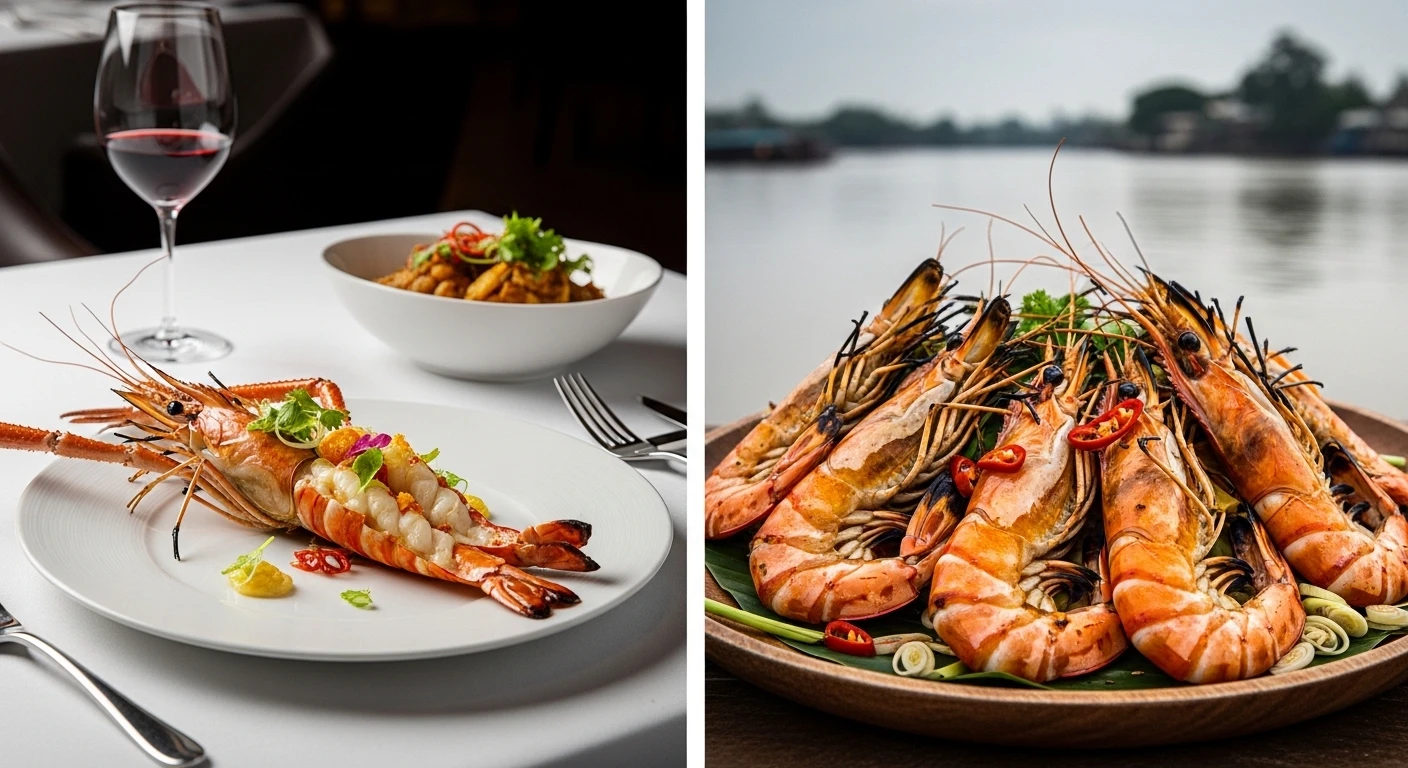
In the Mekong Delta, shrimp are a staple of daily life and special occasions alike. They appear in family meals, street food stalls, and celebratory feasts. Cooking often emphasizes shared dishes, like large platters of grilled prawns or communal hot pots. The act of peeling shrimp at the table is a familiar ritual, fostering connection and conversation. The focus is on freshness and the natural essence of the ingredients.
Korean dining culture, particularly around grilled dishes like Saewoo Gui, is inherently social and interactive. The tabletop grill becomes the centerpiece, around which family and friends gather. The process of marinating, grilling, and sharing is a shared experience, often accompanied by rice, kimchi, and various banchan (side dishes). The bold flavors and the communal act of cooking at the table create a dynamic and engaging dining atmosphere. It’s a culinary theater where everyone participates.
7 The Global Palate: Seeking Authenticity and Adventure
For the international traveler and the adventurous eater, both Vietnam and South Korea offer compelling shrimp experiences. South Korea provides an accessible entry point to bold, savory, and interactive grilled seafood, a familiar concept for many, yet with its unique Korean flair. The communal grilling experience is a powerful draw, offering a lively taste of Korean social dining.
However, the Mekong Delta offers a different kind of allure – one of unparalleled freshness, natural beauty, and a profound connection to the source. To taste a Ca Mau black tiger shrimp pulled from a mangrove farm and grilled moments later is to experience seafood in its purest, most vibrant form. The subtle sweetness, the firm texture, the very essence of the unique brackish environment—it's an exploration of terroir that is deeply satisfying. For those seeking an authentic taste of a region shaped by its waterways, the Mekong Delta's shrimp culture is an unmissable journey. It’s a testament to how a particular landscape can imbue a simple ingredient with extraordinary character.
8 Why Vietnam Deserves Your Next Shrimp Adventure
While Korean shrimp dishes offer a delightful explosion of flavor and a fantastic social dining experience, there's a unique, almost primal satisfaction to exploring the shrimp culture of Vietnam, especially the Mekong Delta. It’s a journey back to the source, a chance to taste shrimp as nature intended.
The commitment to sustainability in mangrove aquaculture, evident in regions like Ca Mau, not only yields superior shrimp but also supports vital ecosystems. Tasting a Ca Mau black tiger shrimp is tasting the very essence of this unique environment – a clean, pure sweetness that speaks of clear waters and careful cultivation. The Mekong giant freshwater prawn, with its impressive size and rich head fat, offers a decadent experience that’s hard to match. These aren't just ingredients; they are edible ambassadors of a rich, water-bound culture.
So, the next time you crave an extraordinary shrimp experience, consider venturing beyond the familiar. Look towards the lush, riverine landscapes of Vietnam's Mekong Delta. It’s a destination where the shrimp are as diverse and captivating as the geography, offering a taste of true culinary authenticity and a glimpse into a way of life deeply intertwined with the ebb and flow of the waters. Your palate, and your spirit of adventure, will thank you.