1 The World's Kitchen: Crab as a Global Culinary Icon
From the rugged coastlines of Alaska to the sun-drenched shores of the Mediterranean, crab has long been revered as a delicacy, a symbol of festivity, and a cornerstone of regional cuisine. Its complex sweetness, satisfying texture, and the sheer joy of cracking into its shell make it a near-universal delight. Yet, how this versatile crustacean is transformed into a cultural emblem varies wildly, shaped by local ecosystems, traditions, and the very hands that prepare it.
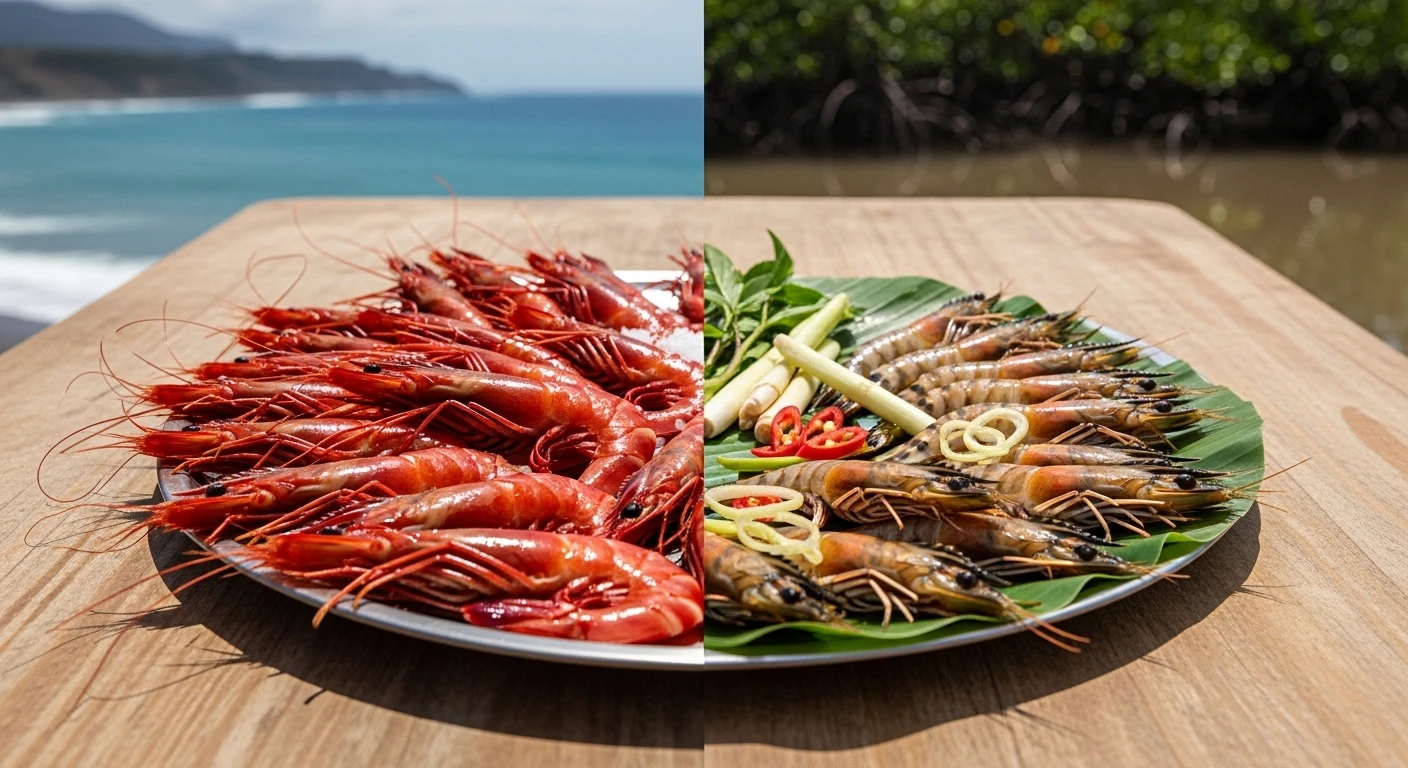
Today, we embark on a culinary expedition, pitting two distinct yet equally compelling crab cultures against each other: the refined, lagoon-kissed offerings of Italy and the robust, mangrove-nurtured powerhouses of Vietnam's Mekong Delta. It's a tale of subtle elegance versus primal flavor, of ancient fishing grounds meeting dynamic estuaries.
Italy, with its millennia of maritime history, offers a lens into delicate preparation and ingredient respect. Vietnam, a land where rivers and sea converge, presents a vibrant tapestry of flavors born from the rich biodiversity of its southern waterways. Let's dive in.
2 Italy's Crab Legacy: The Art of Lagoon Elegance
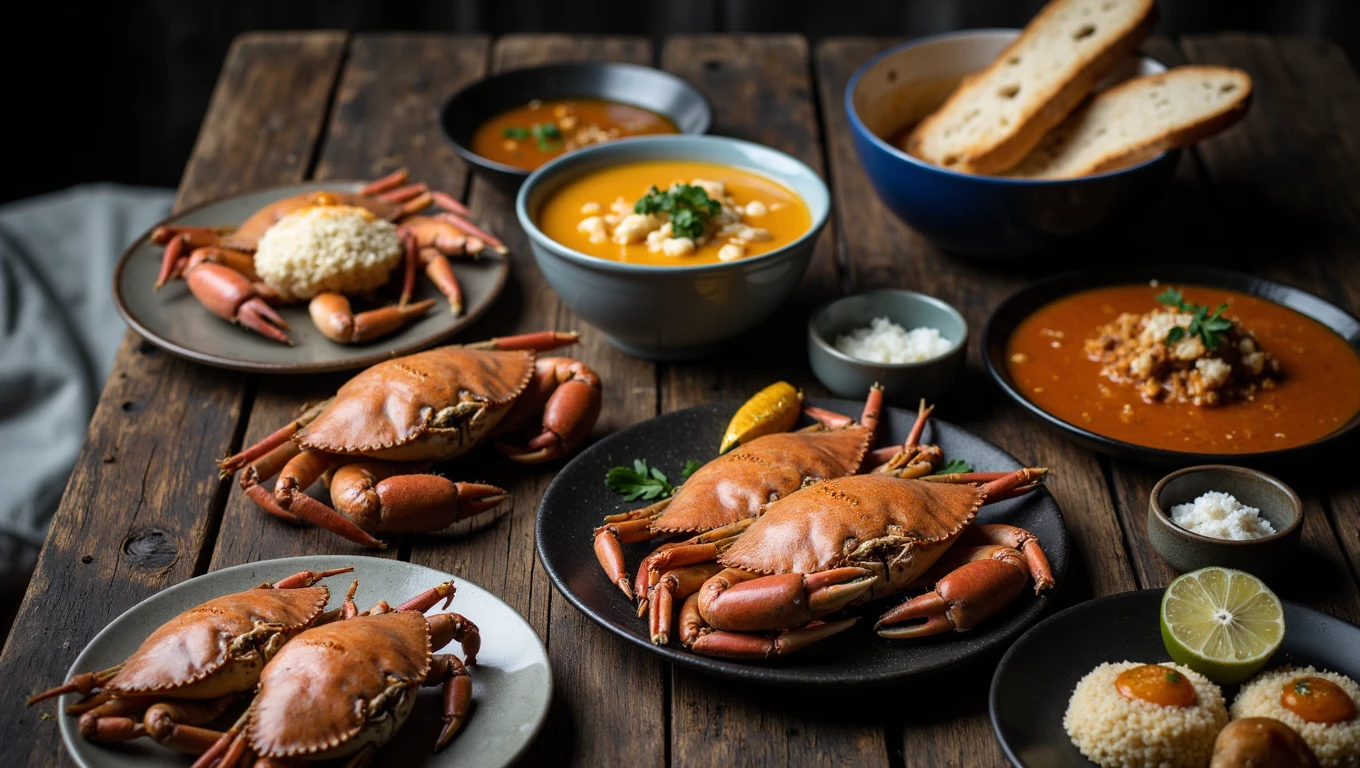
Italy's relationship with crab is deeply interwoven with its coastal geography. Think of the Adriatic Sea, home to iconic lagoons like Venice's. Here, the crab is not merely food; it's a reflection of the environment. The most celebrated Italian crab often comes from these brackish waters, and among them, the *moeca* (or *moleca*) stands out. This is the molting crab, the soft-shell variety, a true delicacy particularly prized in Venetian cuisine.
The Italian approach is characterized by a profound respect for the crab's natural flavor. Preparations are typically minimalist, focusing on enhancing, not masking, the sweetness and delicate texture. Steamed or lightly fried, dressed with nothing more than olive oil, lemon, and perhaps a whisper of garlic or parsley, Italian crab dishes celebrate purity. This philosophy extends to the serving; often, the crab is presented whole, allowing diners to engage directly with its bounty. The focus is on the subtle nuances, the tender meat found beneath a yielding shell. It’s a cuisine that whispers, rather than shouts, its deliciousness.
The Italian crab experience is one of refined pleasure, deeply tied to the rhythm of the tides and the art of simple, perfect preparation. It speaks of centuries of coastal living, where the sea's gifts are treated with reverence and culinary skill lies in knowing when to stop.
3 Vietnam's Crab Powerhouse: The Muscle of the Mekong Mud Crab
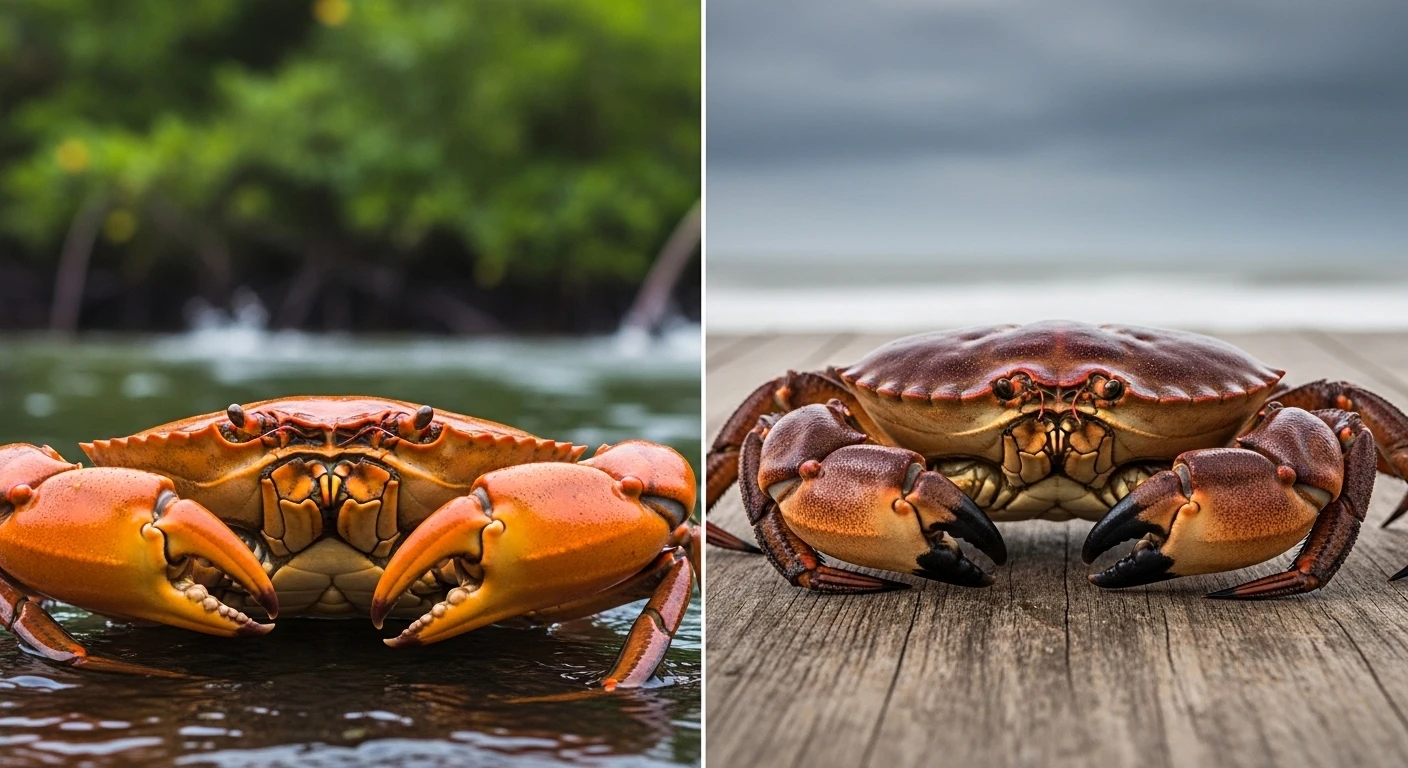
Venture south into Vietnam's sprawling Mekong Delta, and you enter a world where freshwater rivers meet the salty embrace of the sea, creating a unique brackish environment teeming with life. This is the domain of the mud crab (*cua bùn*), a creature of remarkable resilience and incredible flavor. Unlike Italy's prized soft-shell varieties, Vietnamese mud crabs are known for their hard shells, dense meat, and, in the case of females, rich, vibrant roe.
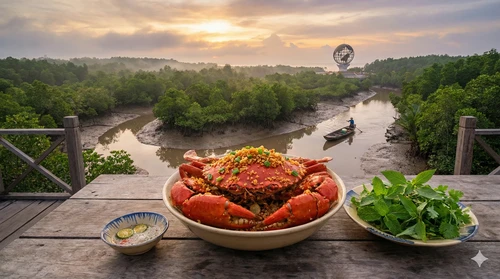
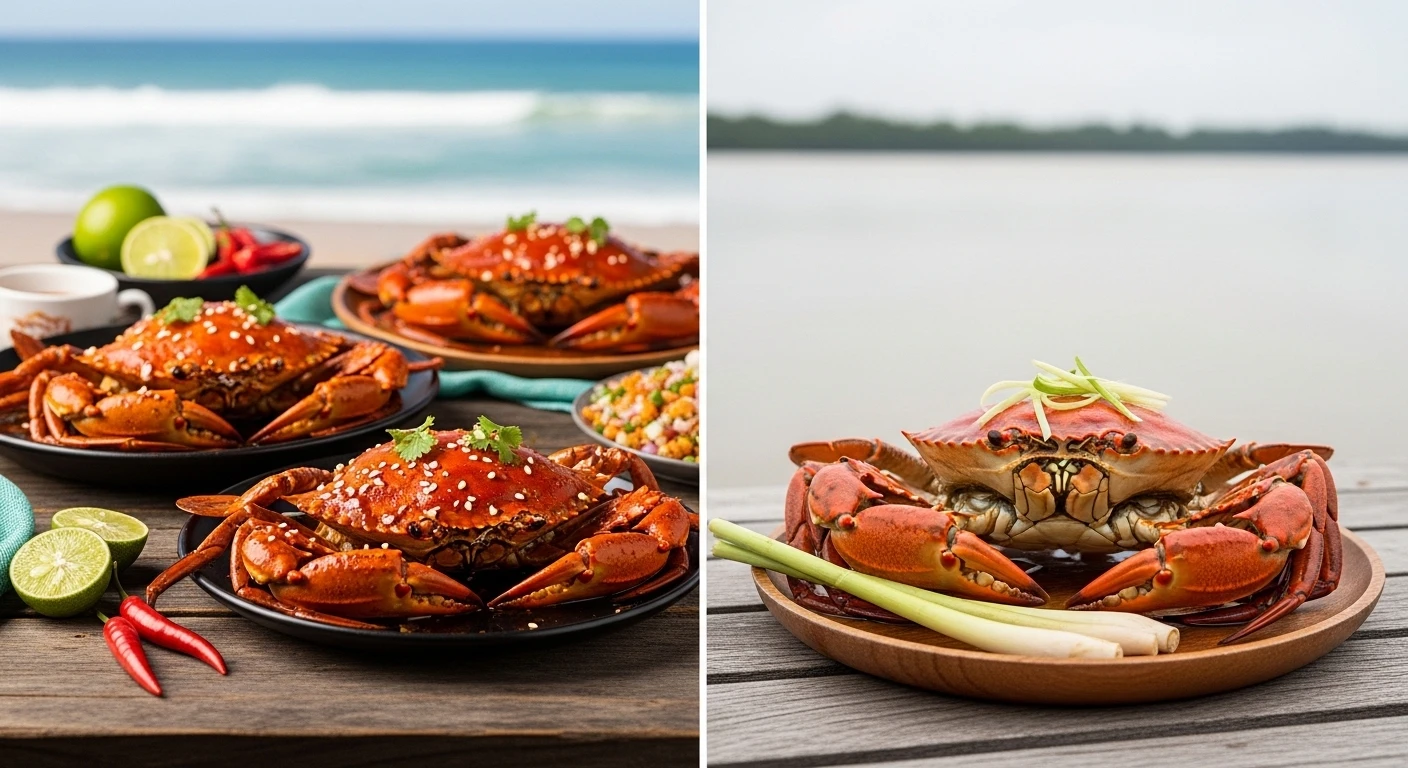
The mud crab, especially from regions like Ca Mau, is a symbol of the delta's bountiful ecosystems. These crabs, often harvested from mangrove forests or extensive aquaculture ponds, possess a firm, sweet meat that stands up beautifully to more assertive cooking methods. While simple steaming exists, Vietnamese crab dishes often feature bold flavors. Think of crab stir-fried with tamarind, garlic, and chili; crab baked with salted egg yolk; or the robust chili crab, a dish that embraces its sweet, spicy, and savory notes with unapologetic enthusiasm. The roe, a deep orange treasure, is particularly prized, adding a creamy richness to celebrations and special meals.
The mud crab of the Mekong Delta embodies the spirit of Southern Vietnam: generous, flavorful, and deeply connected to the land and water. It’s a taste of abundance, a testament to the wild, dynamic beauty of the delta's environment.
4 A Tale of Two Textures: Softness vs. Substance
The most striking difference lies in texture. Italian *moeca* (soft-shell crab) offers an unparalleled tenderness. When prepared correctly, the entire crab, from shell to claw, is edible, yielding a creamy, buttery experience that melts in the mouth. It’s delicate, requiring a gentle touch in the kitchen.
In contrast, the Vietnamese mud crab boasts a firmer, more substantial meat. The hard shell protects a dense, sweet flesh that provides a satisfying chew. When cooked, this meat is robust, capable of absorbing and complementing rich sauces. The presence of roe adds another dimension of luxury; the creamy, slightly briny roe provides a delightful contrast to the firm leg and claw meat, making it a sought-after element for festive dishes. It’s a texture that demands a bit more effort to extract but rewards with a concentrated, pure crab flavor.
5 Minimalist Purity vs. Bold Flavor Fusion
The culinary philosophies behind these crab traditions are as distinct as their habitats. Italian cooking, particularly seafood, often adheres to the principle of *'less is more'*. The goal is to highlight the inherent quality of the ingredient. For Italian crab, this means simple preparations: steamed with lemon and olive oil, or perhaps lightly battered and fried until golden, ensuring the delicate sweetness remains the star. It’s a celebration of the ingredient's natural state.
Vietnamese cuisine, especially in the South, is celebrated for its dynamic flavor profiles, often balancing sweet, sour, salty, and spicy notes within a single dish. Mud crab from Ca Mau or the broader Mekong Delta is a perfect canvas for this. Whether it’s the pungent kick of chili and garlic, the tangy embrace of tamarind, or the rich decadence of salted egg yolk, Vietnamese chefs use crab as a vehicle to explore a vibrant palette. The aim is not just to taste the crab, but to experience it as part of a complex, harmonious culinary symphony. This approach highlights the crab's ability to stand up to bold flavors without being overshadowed, demonstrating its inherent strength and versatility.
6 From Adriatic Lagoons to Mekong Mangroves
The environments that nurture these crabs play a crucial role in their identity. Italian soft-shell crabs thrive in the calm, shallow waters of lagoons, where they can safely molt. These sheltered areas provide a controlled environment, and the crab's life cycle here is delicate. Sustainability efforts in these regions often focus on managing molting cycles and protecting these specific habitats.
Mekong Delta mud crabs, on the other hand, are creatures of a wilder, more expansive landscape. They inhabit the intricate network of rivers, canals, and mangrove forests, or are farmed extensively in brackish water ponds. This ecosystem is characterized by its constant interplay of freshwater and saltwater, rich sediment, and abundant organic matter. The sustainability of mud crab populations here is often linked to mangrove conservation and responsible aquaculture practices. The sheer scale of the delta and its complex hydrological system means these crabs are harvested from a much wilder, more dynamic environment, contributing to their robust flavor and texture. The practice of mud crab farming in Ca Mau, for instance, is a vital economic driver that balances production with the preservation of coastal ecosystems.
7 Crab Feasts: A Gathering of Souls
In Italy, enjoying crab, particularly the soft-shell variety, is often an intimate affair. It might be a carefully plated dish in a trattoria overlooking the water, or a special family meal where the simplicity of preparation allows for conversation to flow easily between bites. The act of eating soft-shell crab is less about the vigorous cracking of shells and more about savoring tender morsels.
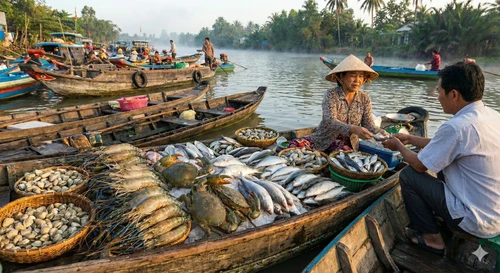
In the Mekong Delta and across Southern Vietnam, crab is often the centerpiece of communal dining. Picture large platters of steaming crab legs, bowls of dipping sauce, and a lively gathering of family and friends. The act of cracking shells, dipping generously, and sharing the bounty is a significant social ritual. It’s a hands-on experience that fosters connection and celebration. The robust nature of the mud crab lends itself perfectly to this convivial style of eating, where abundance and shared enjoyment are paramount. This communal aspect is central to the Vietnamese dining experience, making crab not just a meal, but an event.
8 The Verdict: A Matter of Taste and Terroir
To ask which crab "reigns supreme" is to miss the point entirely. Both Italian lagoon crabs and Vietnamese Mekong Delta mud crabs are extraordinary in their own right, each a product of its unique environment and cultural heritage.
Italy's soft-shell crab offers a whisper of the lagoon: a delicate, buttery indulgence for those who appreciate subtlety and purity. It’s a testament to refinement and ingredient-focused cooking.
Vietnam's mud crab, particularly from Ca Mau and the Mekong Delta, is a robust declaration of the tropics: a firm, intensely flavorful crustacean that thrives in complex brackish waters and pairs brilliantly with bold, aromatic cuisine. It embodies the vibrant spirit and generous flavors of Southern Vietnam.
For the discerning palate, exploring both offers a richer understanding of the global crab narrative. If you find yourself drawn to the elegant simplicity of the Mediterranean, Italy's lagoons await. But if you crave a more primal, intensely flavored encounter with the crustacean, a journey into the watery heart of Vietnam's Mekong Delta, with its mangrove-lined shores and bustling river markets, is an experience that will redefine your appreciation for crab. It’s a journey from lagoon elegance to mangrove muscle, each telling a delicious story of its homeland.
Whether you seek the delicate charm of the lagoon or the bold spirit of the mangrove, the world of crab offers endless discoveries. Where will your culinary journey take you next?