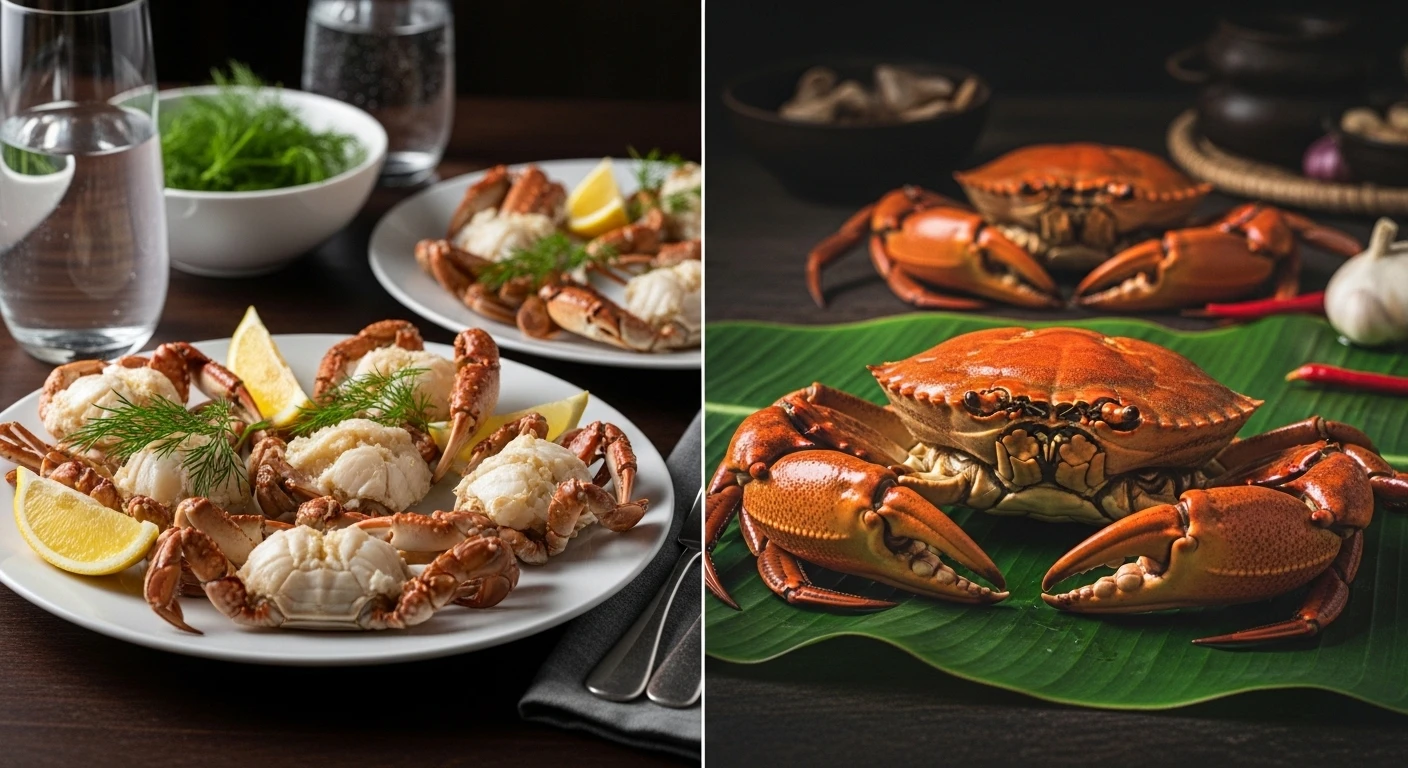
" The world is a vast ocean, and within its embrace, two distinct treasures emerge from the depths: the robust, briny crab of the British Isles, and the sweet, earthy mud crab from Vietnam's lifeblood, the Mekong Delta. "
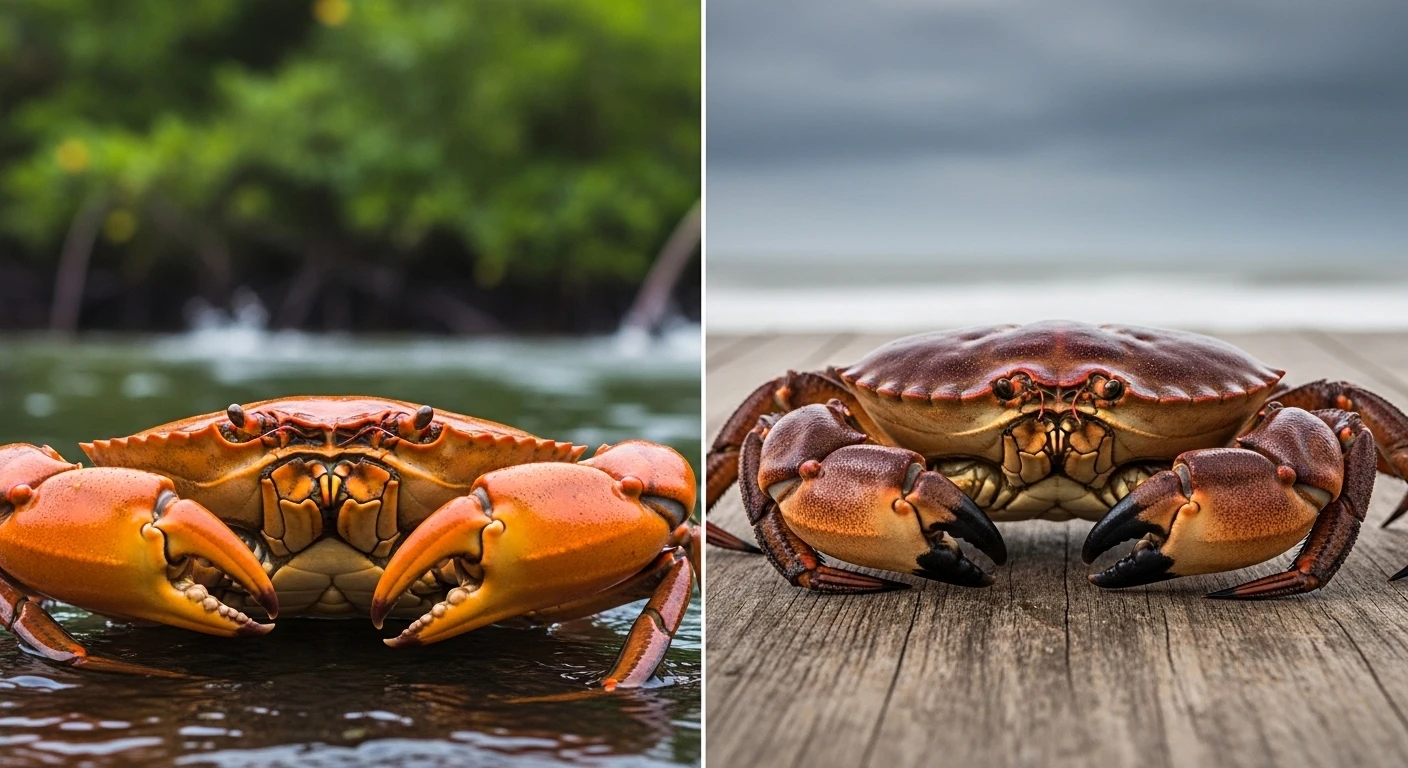
📸 Two worlds, one crustacean: The humble crab's journey from riverbed to table.
1 The Soul of the Mekong: Vietnam's Mud Crab Culture
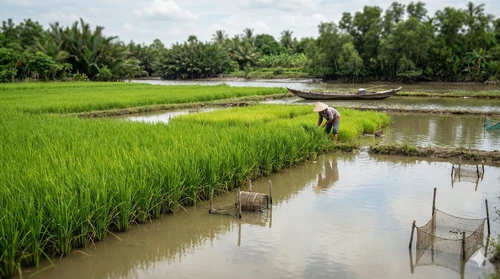
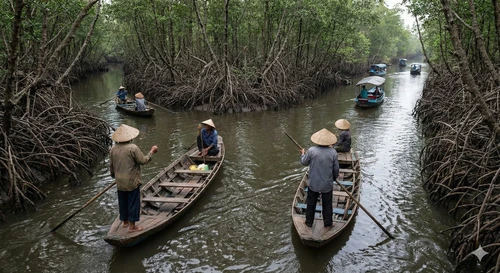
Journey with me down the intricate waterways of the Mekong Delta, a verdant labyrinth where life pulses with the rhythm of the tides. Here, the mud crab (Scylla serrata) is more than just a foodstuff; it's an emblem of resilience, sustenance, and regional identity. The vast mangrove forests of Ca Mau, Bac Lieu, and Soc Trang are the cradle for these prized crustaceans.
Unlike the clear, cold waters that nurture European crabs, Vietnam's mud crabs thrive in the brackish, sediment-rich environment of estuaries and mangrove swamps. This unique terroir imparts a distinct character: a delicate sweetness with an almost buttery undertone, and a texture that is both firm and yielding. The meat, particularly from the large-clawed males, is dense and succulent, while the roe-filled females offer a rich, almost custardy experience that is celebrated in special occasions.
In the Mekong Delta, crab is woven into the fabric of daily life. From humble street food stalls serving fiery chili crab to sophisticated family feasts featuring steamed crab with coconut water or beer, the preparation is often simple, allowing the natural flavor of the crab to shine. The sheer abundance and diversity, from the common mud crab to the highly sought-after roe crabs, mean that crab features prominently in local markets and culinary traditions.
Heritage Ingredient
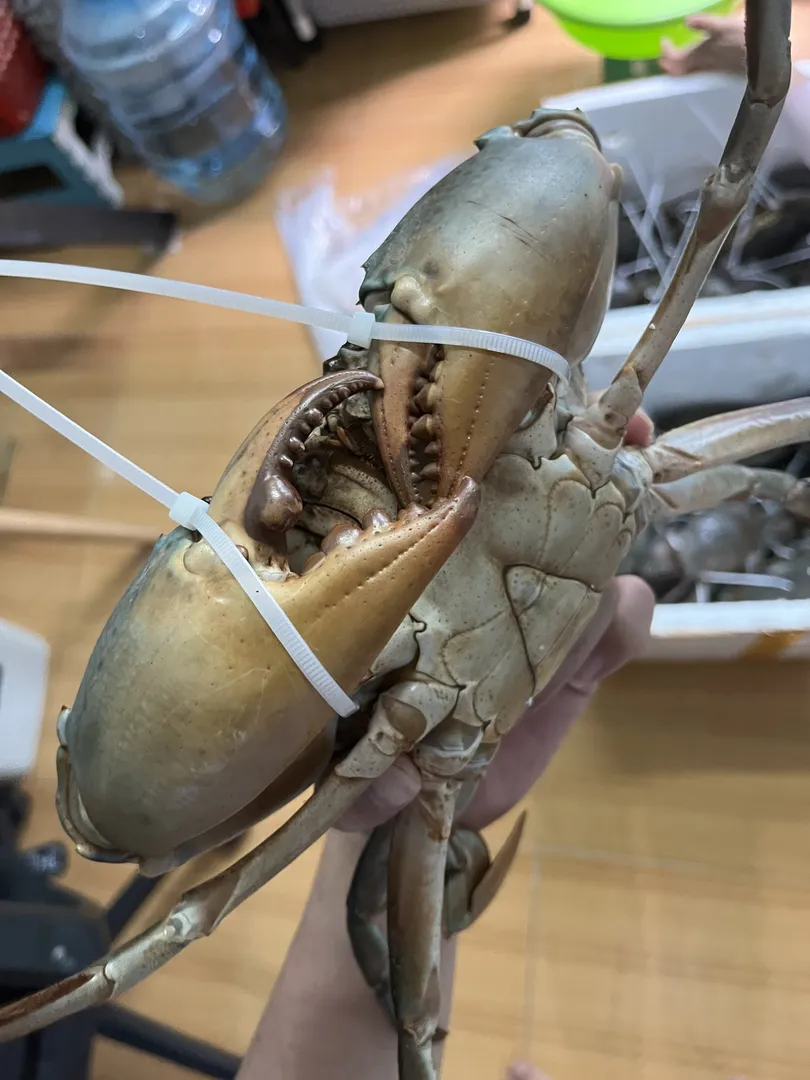
Ca Mau Jumbo Mud Crab
Ca Mau Jumbo Mud Crab
A large male mud crab prized for dense, sweet meat and thick claws, commonly used in steamed crab and grilled crab dishes across the Mekong Delta.
Where every ingredient captures the essence of the wind and tides, weaving a vibrant culinary tapestry of the Mekong region.
Heritage Ingredient
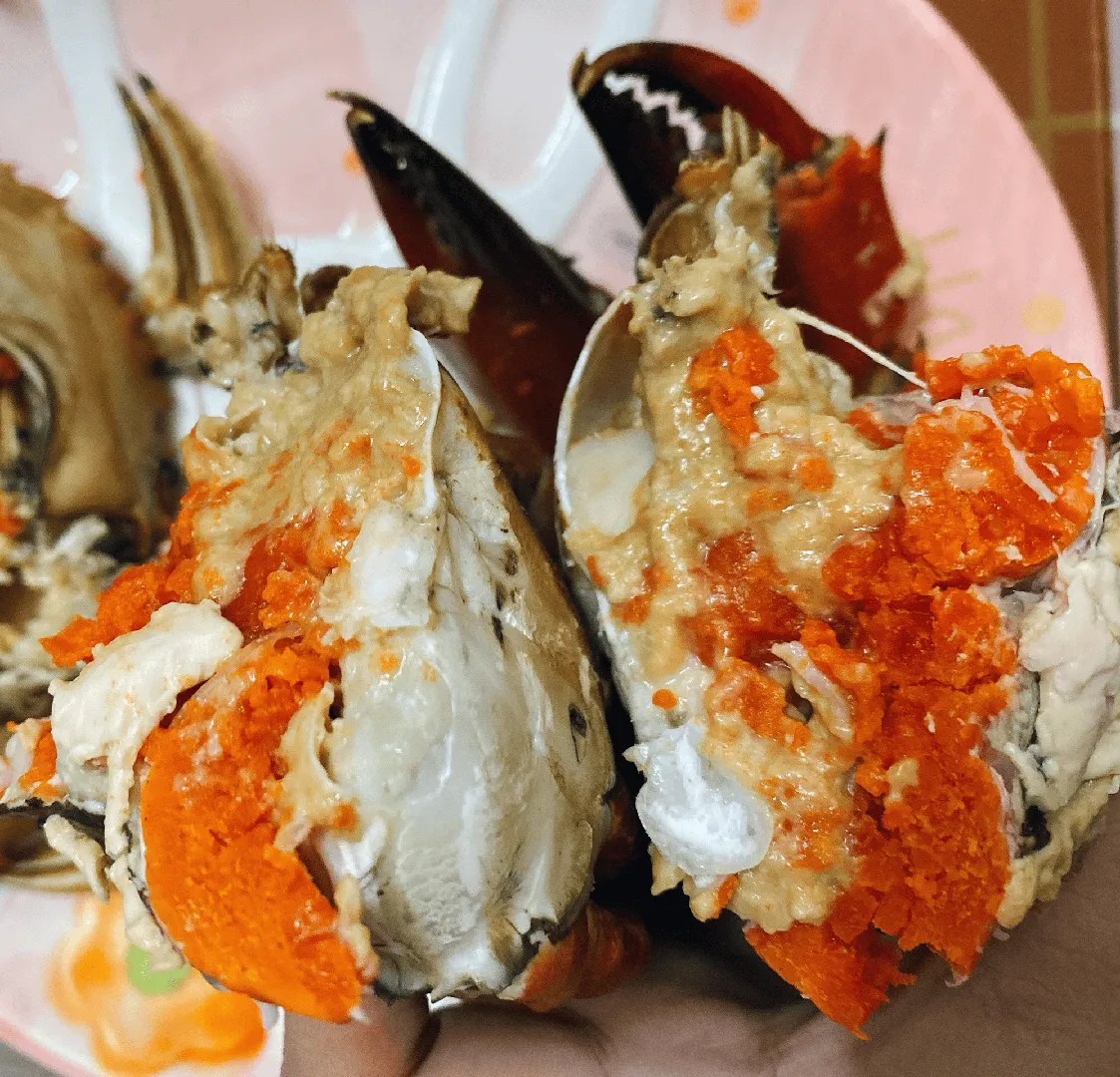
Ca Mau Roe Mud Crab
Ca Mau Roe Mud Crab
A female mud crab known for deep orange roe and a rich, creamy finish, often featured in celebratory Southern Vietnamese seafood meals.
Where every ingredient captures the essence of the wind and tides, weaving a vibrant culinary tapestry of the Mekong region.
The methods of harvest are often traditional, passed down through generations, with fishermen utilizing knowledge of tides and crab behavior. This connection to the environment ensures that what reaches the plate is not just seafood, but a direct taste of the Mekong's rich ecosystem.
2 From Coastal Waters: The UK's Cherished Crab
Across the Atlantic, the United Kingdom boasts a proud maritime heritage, and its coastlines yield a different, yet equally revered, crustacean: the European brown crab (Cancer pagurus), often simply called "brown crab" or "edible crab." Found from the icy waters of Scotland down to the Cornish coast, this crab is a staple of British seaside fare.
The brown crab is characterized by its deep red shell, often adorned with distinctive black 'eye' spots and large, powerful claws. Its habitat is rocky seabeds, where it preys on mollusks and other invertebrates. This environment contributes to its unique flavor profile: a robust, intensely briny taste with a subtle sweetness, and a firm, flaky white meat. The meat from the claws is particularly sought after for its sweet flavor, while the 'brown meat' found in the body offers a richer, more complex, and slightly gamier taste.
British crab culture is deeply intertwined with its coastal towns and fishing communities. Think of traditional seaside restaurants serving dressed crab straight from the shell, crab sandwiches piled high with fresh meat, or hearty crab bisque. The preparation often emphasizes the crab's natural flavor, with simple additions like mayonnaise, lemon, and sometimes a hint of paprika or cayenne pepper.
The respect for the brown crab is evident in the sustainability efforts and the regional pride associated with its catch. Each coastal area might have its own subtle variations in preparation or its own signature crab dish, making a culinary tour of the British coast a journey through diverse crab traditions.
3 A Duel of Flavors: Terroir and Taste
The most striking difference between Mekong Delta mud crab and British brown crab lies in their distinct terroir – the environmental factors that shape their flavor. The Mekong's brackish, estuarine mud imparts a subtle sweetness and a delicate, almost creamy texture to the mud crab. Its flavor is often described as clean, with a hint of the earth and the river, making it a perfect canvas for lighter preparations.
Conversely, the cold, mineral-rich waters of the Atlantic imbue the brown crab with a powerful, unmistakable brininess. This intense, sea-kissed flavor is its hallmark. The texture of the white meat is flaky, while the brown meat is rich and unctuous. British preparations often aim to complement or enhance this robust flavor, rather than mask it.
When comparing, it's not about which is "better," but about the unique sensory experience each offers. Are you craving the gentle whisper of the delta, or the roaring declaration of the sea? Both are profound.
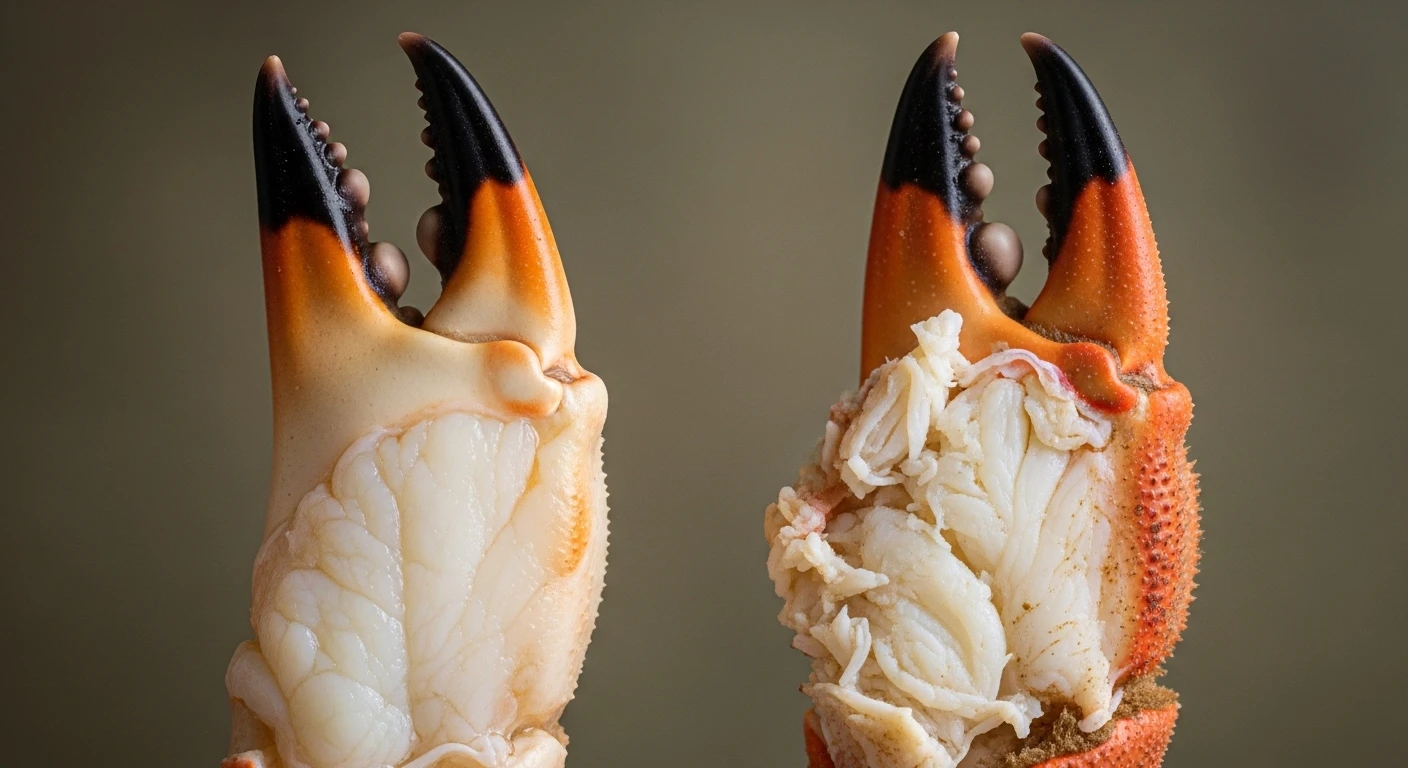
📸 Texture and taste: The subtle sweetness of the Mekong mud crab versus the bold brininess of the British brown crab.
4 Cooking Styles: Simplicity vs. Celebration
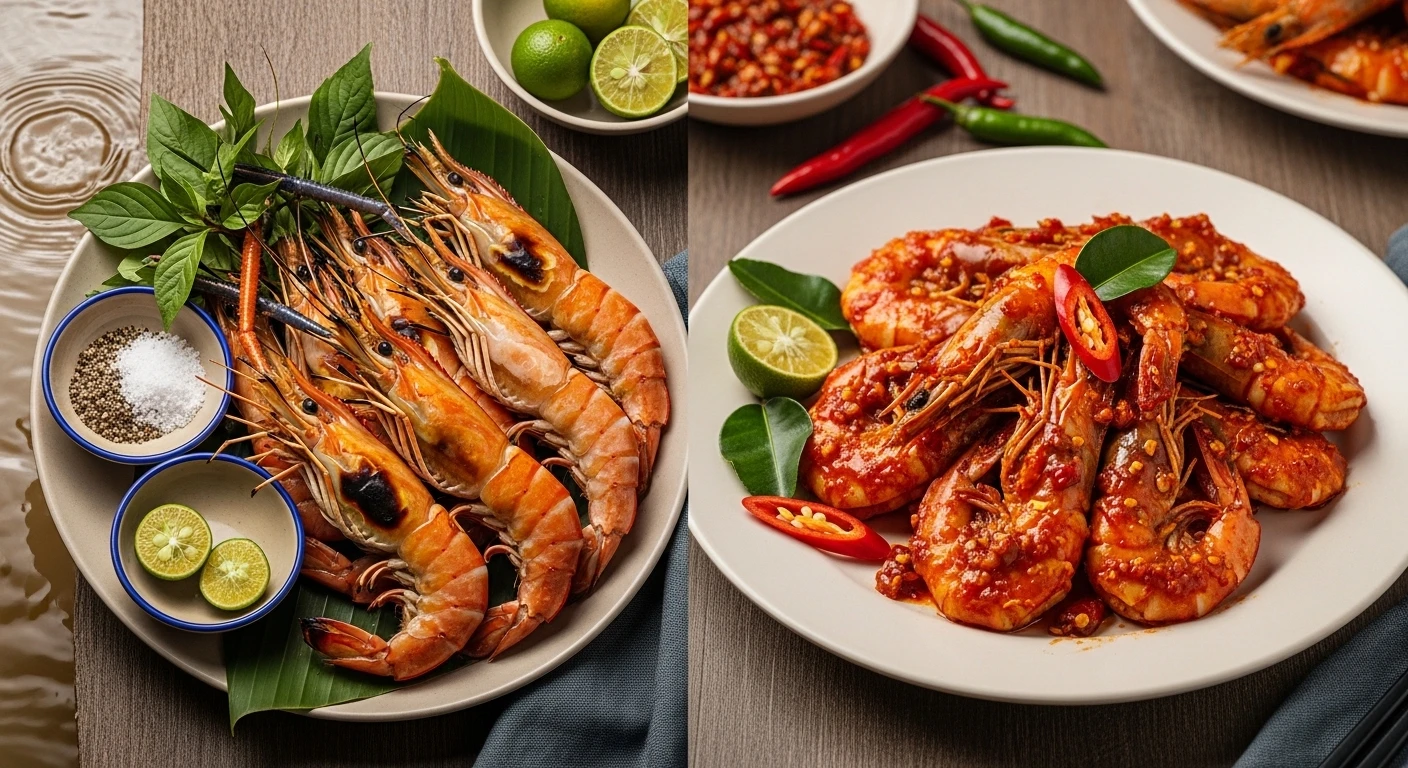
The culinary approaches to crab in Vietnam and the UK highlight their cultural differences. In the Mekong Delta, simplicity often reigns. Steaming with lemongrass and beer, grilling with salt and pepper, or a quick stir-fry are common. Dishes like "Cua Rang Me" (Tamarind Crab) or "Cua Hap Bia" (Steamed Crab with Beer) are popular, showcasing the crab's inherent flavor while adding a vibrant Vietnamese twist.
Vietnamese pairings often lean towards fresh herbs, chili, lime, and sometimes a hint of fish sauce. These vibrant, zesty accompaniments cut through the richness and amplify the crab's sweetness. The culture encourages communal dining, with families and friends gathering around a table laden with these fresh, flavorful dishes.
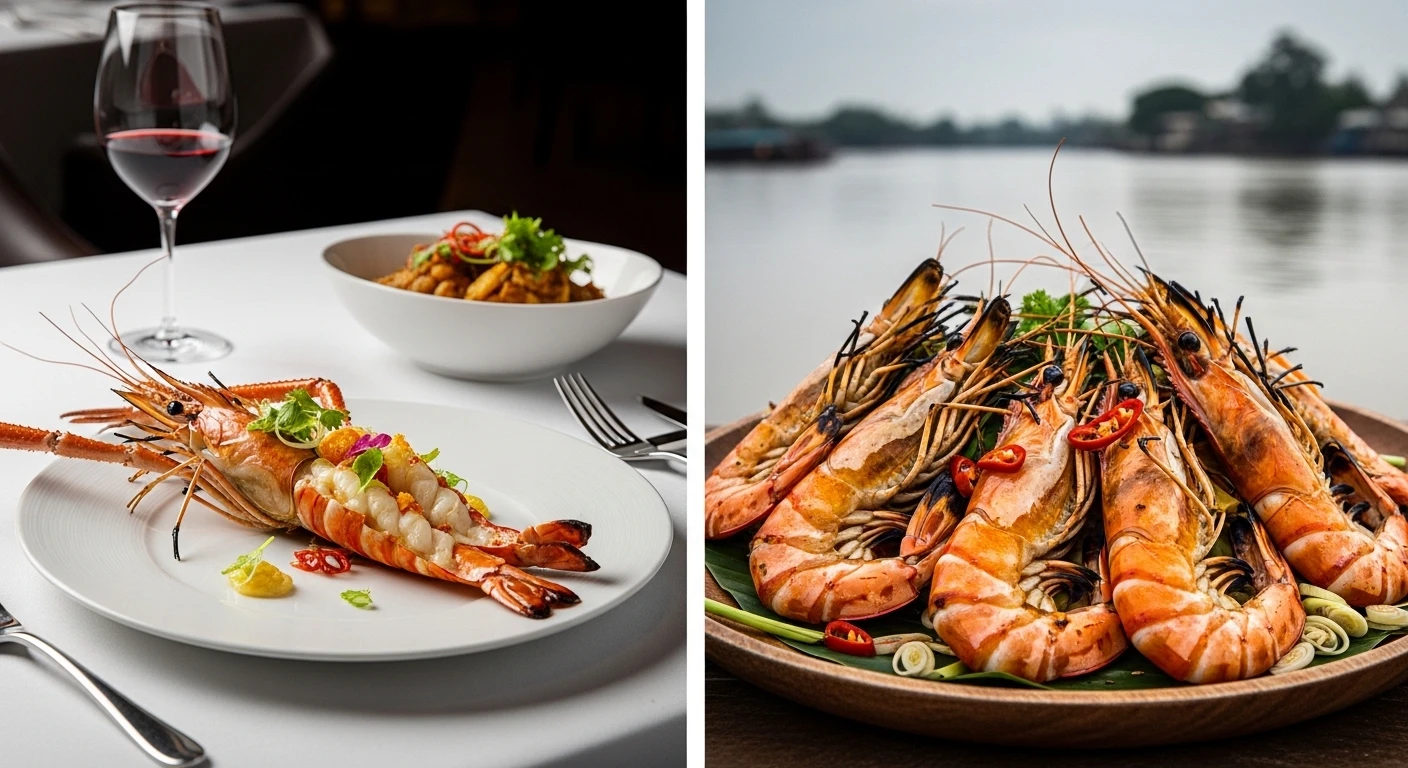
In the UK, crab is often presented in its purest form. A classic "dressed crab" sees the crab meat carefully extracted and presented back in its shell, perhaps with a light touch of mayonnaise, chives, and lemon juice. Crab sandwiches, crab salads, and crab thermidor are also beloved. The emphasis is on celebrating the crab's oceanic essence. Traditional pairings might include crusty bread, butter, and a crisp white wine or a pint of local ale.
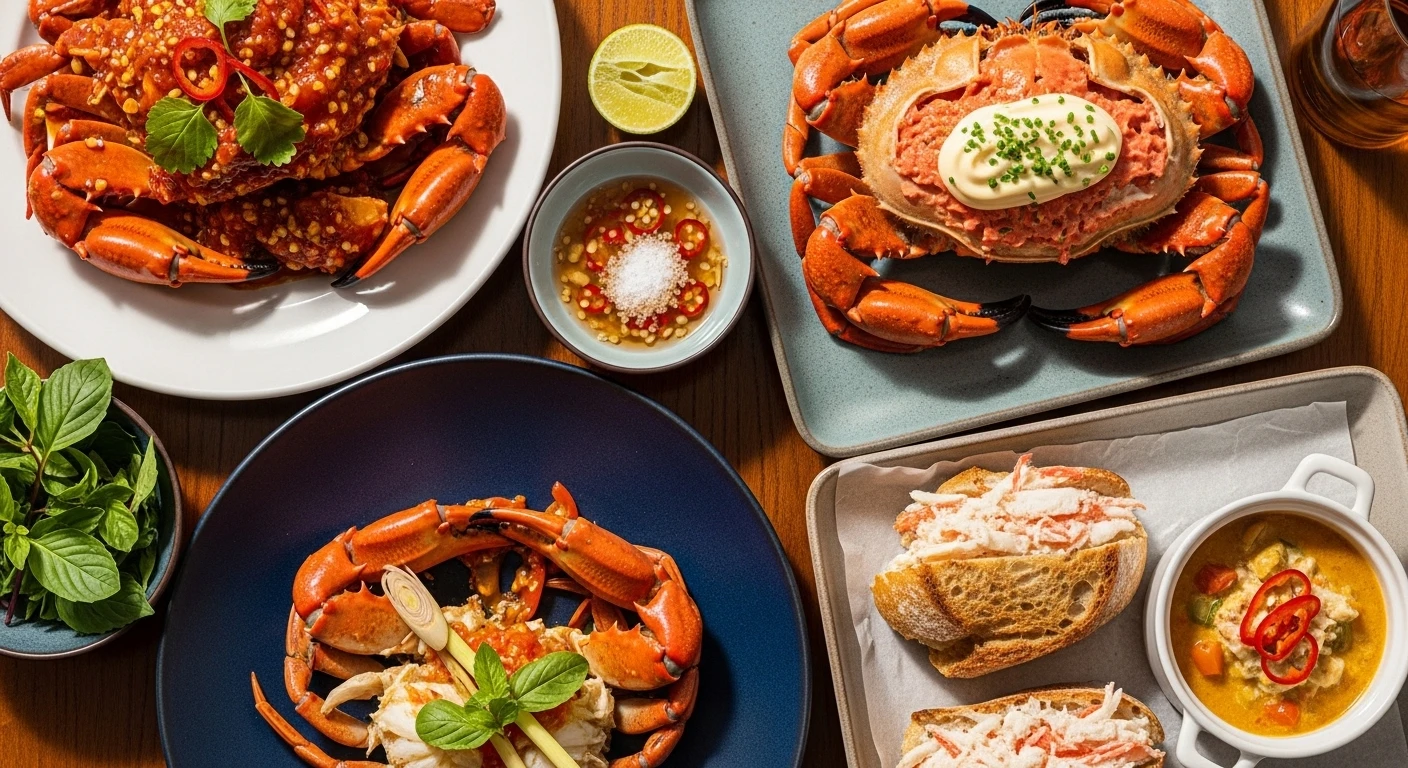
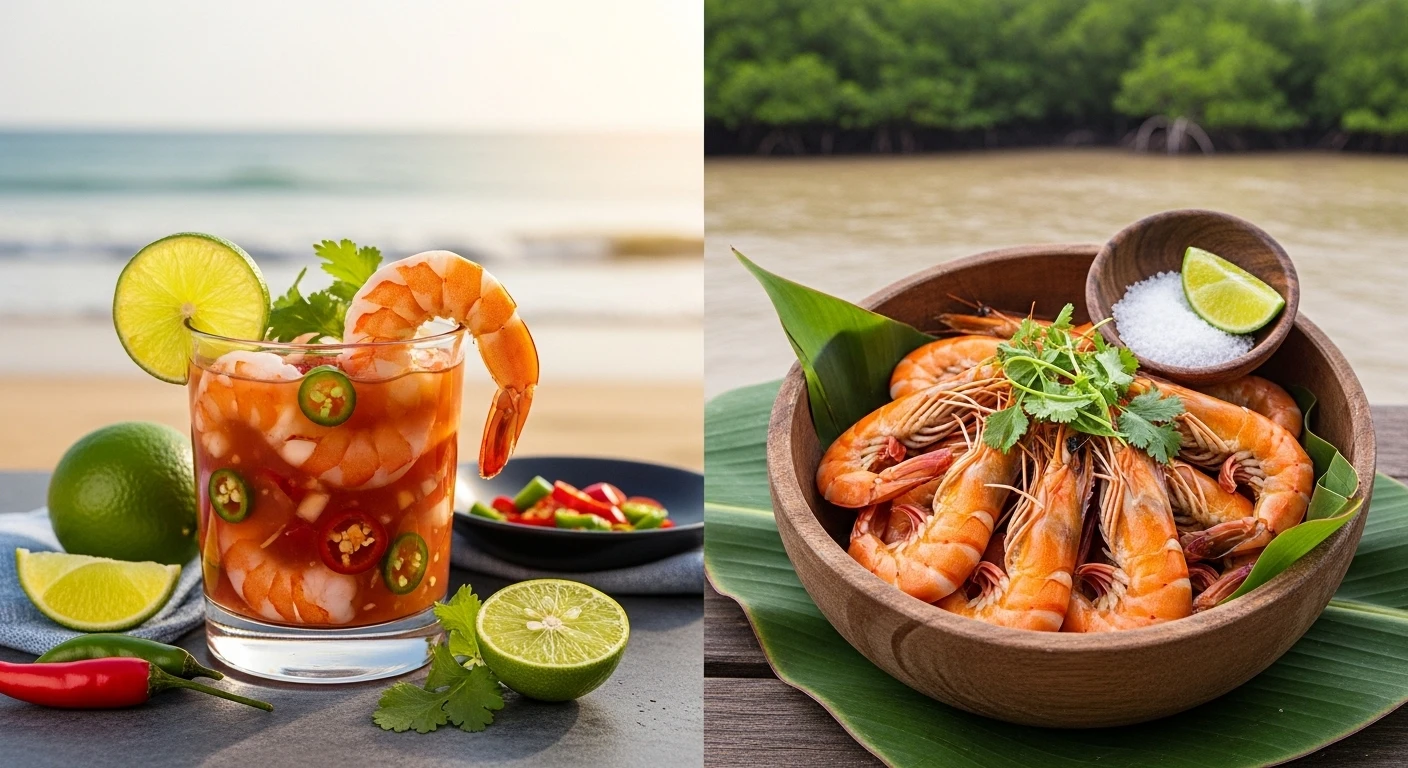
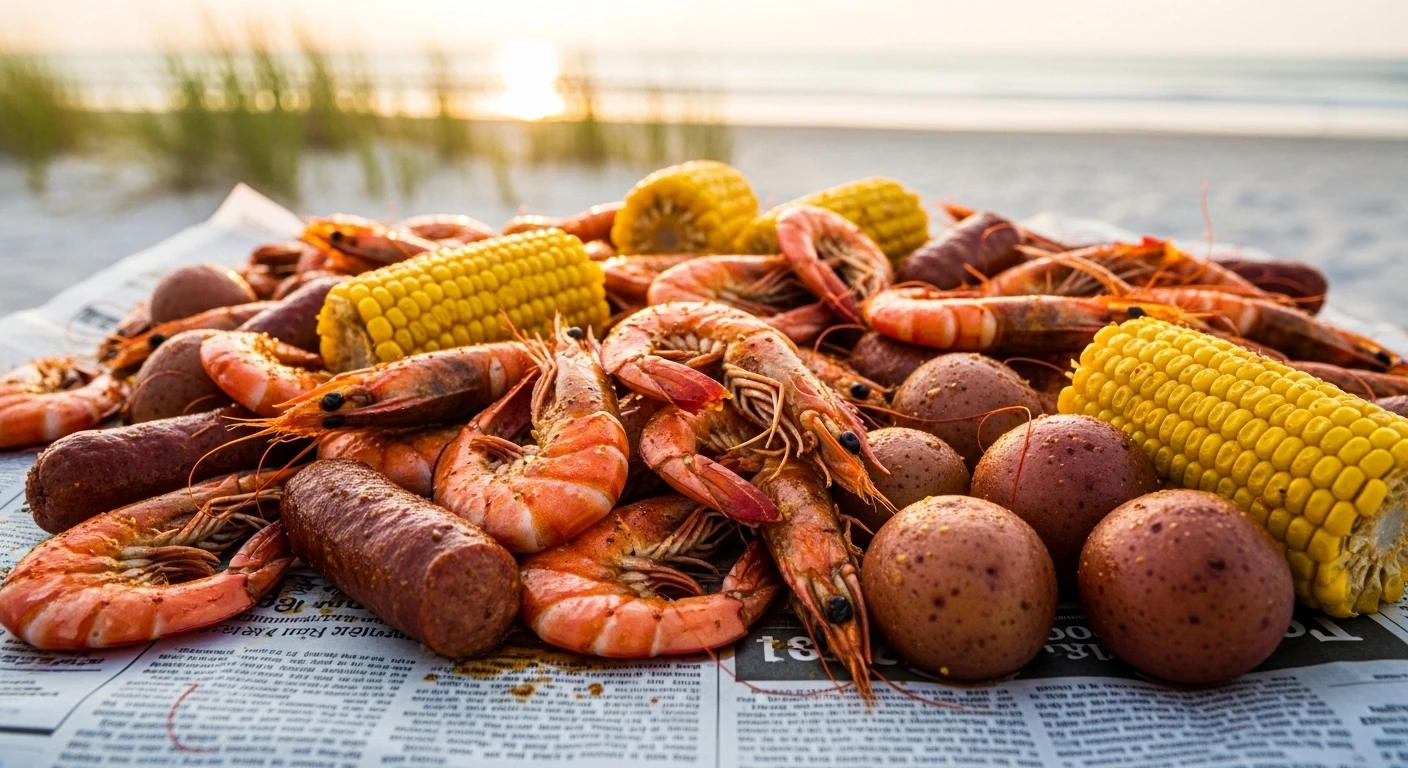
📸 A feast for the eyes: The visual contrast between Vietnamese and British crab preparations.
While Vietnamese cooking might embrace bolder, spicier, and more complex flavor profiles, British tradition often favors a more restrained approach, allowing the fundamental taste of the sea to dominate.
5 From Market to Table: A Cultural Exchange
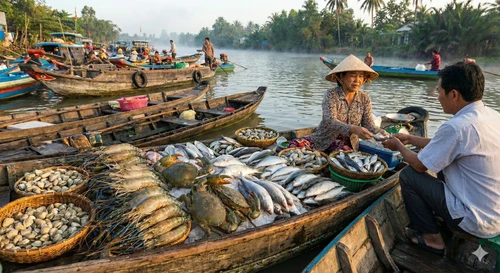
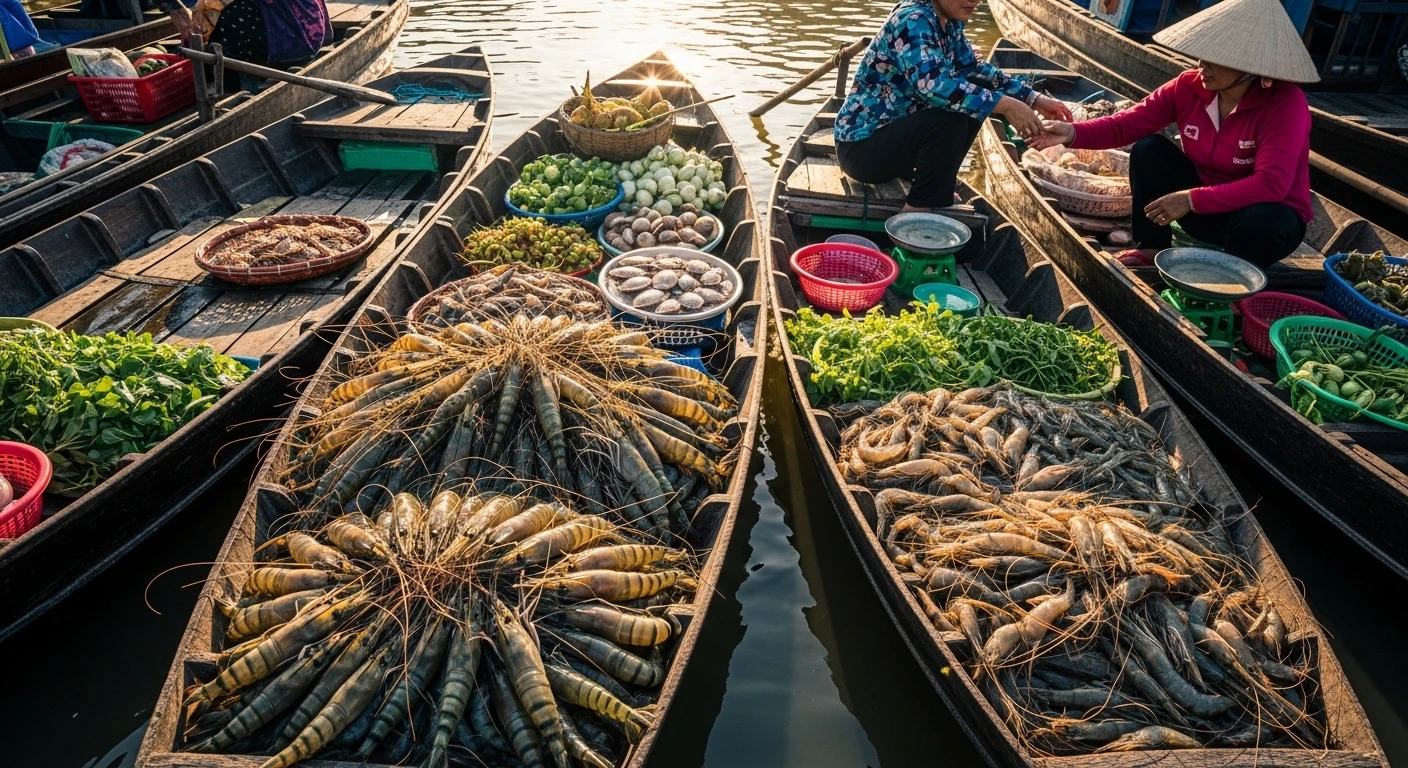
The way crab is bought and sold also tells a story. In Vietnam's Mekong Delta, lively floating markets and bustling riverside markets teem with fresh catches daily. Crabs are often sold alive, displayed in woven baskets, their claws sometimes bound. The negotiation is part of the experience, a vibrant interaction between vendor and buyer.
The classification in Vietnamese markets can be quite nuanced, with crabs categorized by gender (meat crab vs. roe crab), size, and shell condition. This reflects a deep understanding of the local product and its intended culinary use.
In the UK, while live crabs are available, especially in coastal areas, it's also common to find them sold cooked and dressed in fishmongers or supermarkets. The focus is often on the quality of the catch, with provenance and sustainability playing an increasingly important role in consumer choice. Discussions about crab often revolve around the "season" and the best places to find the freshest catch.
6 A Note on Shells: Hard vs. Molting
While this comparison primarily focuses on hard-shell crabs, it's worth noting the existence of "soft-shell" crab, a delicacy enjoyed in both regions, though with different traditions. In Vietnam, especially in the Mekong Delta, certain mud crabs are harvested during their molting phase, yielding a highly prized, edible soft-shell crab often referred to as "cua lột" or "cua com." These are typically fried to a crisp and eaten whole, providing a unique texture and rich, buttery flavor.
The UK also has its soft-shell crab traditions, though perhaps less prevalent than its hard-shell cousin. It highlights the versatility of the crab and how different stages of its life cycle can be celebrated culinarily. The edible soft-shell crab from Vietnam, however, is a distinct local specialty shaped by the specific molting cycles of the Mekong mud crab, making it a unique gastronomic experience.
7 Beyond the Plate: Cultural Significance
The humble crab plays a role that extends far beyond the dining table in both Vietnam and the UK. In the Mekong Delta, crab fishing and farming are vital livelihoods for countless families, supporting entire communities. The health of the crab populations is directly linked to the economic well-being of the region. Festivals and local celebrations often feature crab dishes as a symbol of prosperity and abundance.
Similarly, in the UK, crab fishing is a traditional and economically important industry, particularly in regions like Cornwall, Devon, and Scotland. The image of the crab is an iconic symbol of British seaside towns, appearing on local tourism materials and in the branding of many seafood establishments. The story of the catch, the local fishermen, and the journey from sea to plate is a narrative deeply embedded in the British coastal identity.
8 A Traveler's Invitation: Taste the Mekong
For lovers of seafood, and particularly for those who appreciate the nuanced flavors of crab, a journey to Vietnam's Mekong Delta is an unparalleled experience. While the British brown crab offers a powerful taste of the ocean, the Vietnamese mud crab presents a more subtle, sweet, and complex profile shaped by a unique ecosystem.
Imagine navigating the bustling Cai Rang floating market in Can Tho, sampling freshly caught crabs prepared with local spices. Envision savoring a perfectly steamed Ca Mau sea crab, its sweet meat melting in your mouth, perhaps accompanied by a zesty lime-salt dip. This is not just a meal; it's an immersion into a culture that reveres its natural bounty.
The hospitality, the vibrant food scene, and the sheer deliciousness of Mekong Delta crab make it a must-visit destination for any serious food traveler. It's an invitation to explore a different facet of crab culture, one that is deeply connected to the land, the water, and the warm heart of Vietnam.
The Verdict: Two Shores, Endless Flavors
Whether you find yourself on a windswept British pier or amidst the lush canals of the Mekong Delta, the crab offers a universal language of flavor and tradition. Both the robust brown crab of the UK and the delicate mud crab of Vietnam stand as testaments to the richness of our planet's oceans and waterways, and the ingenuity of the cultures that harvest them. Each bite is a story, a heritage, and an adventure waiting to be savored.