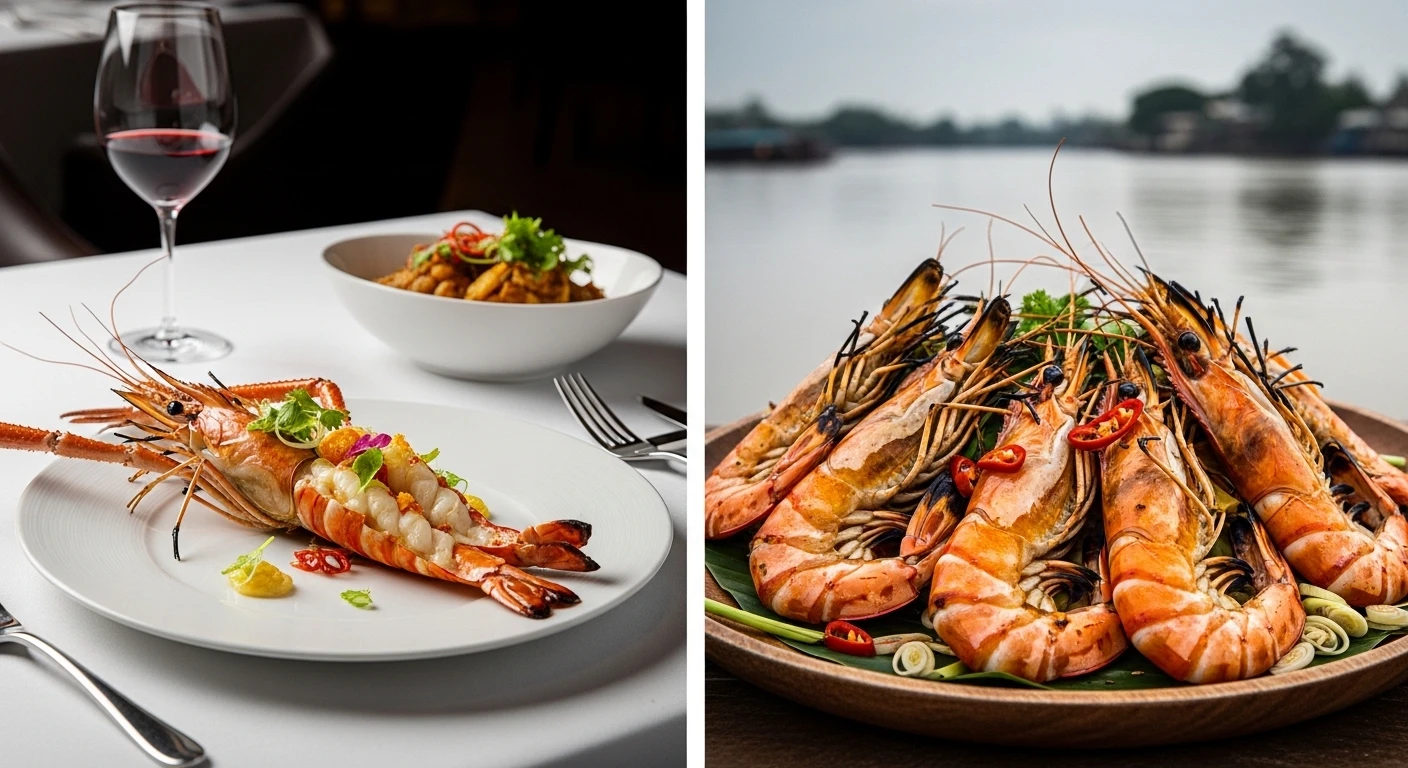
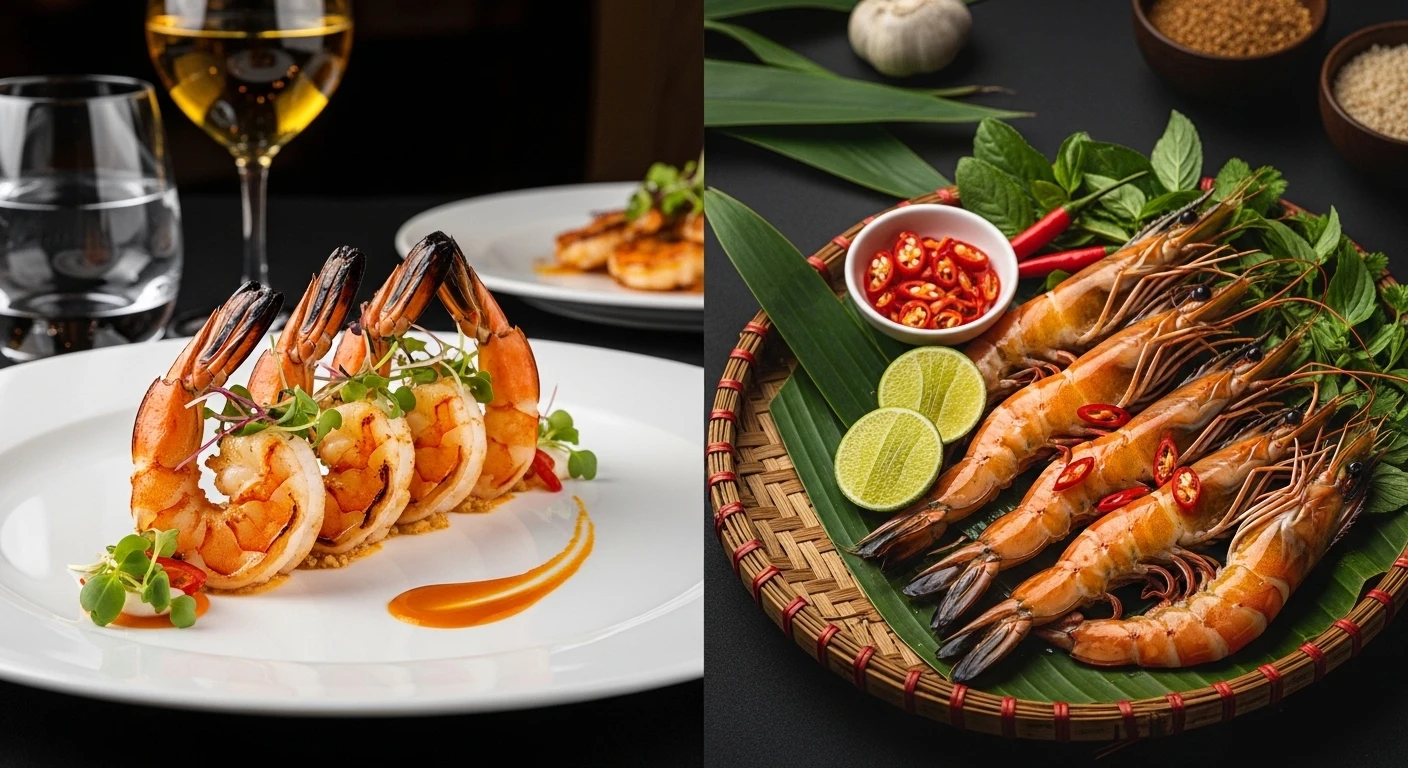
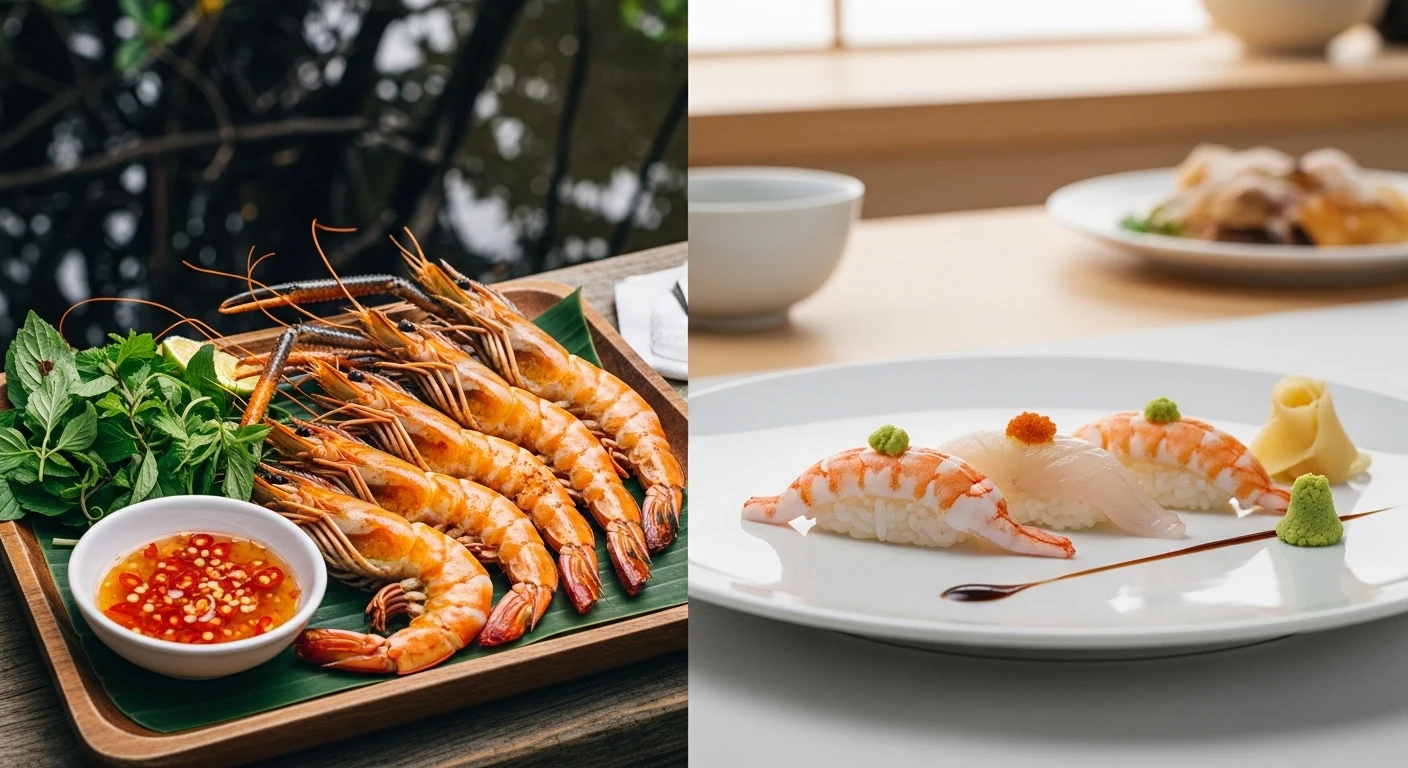
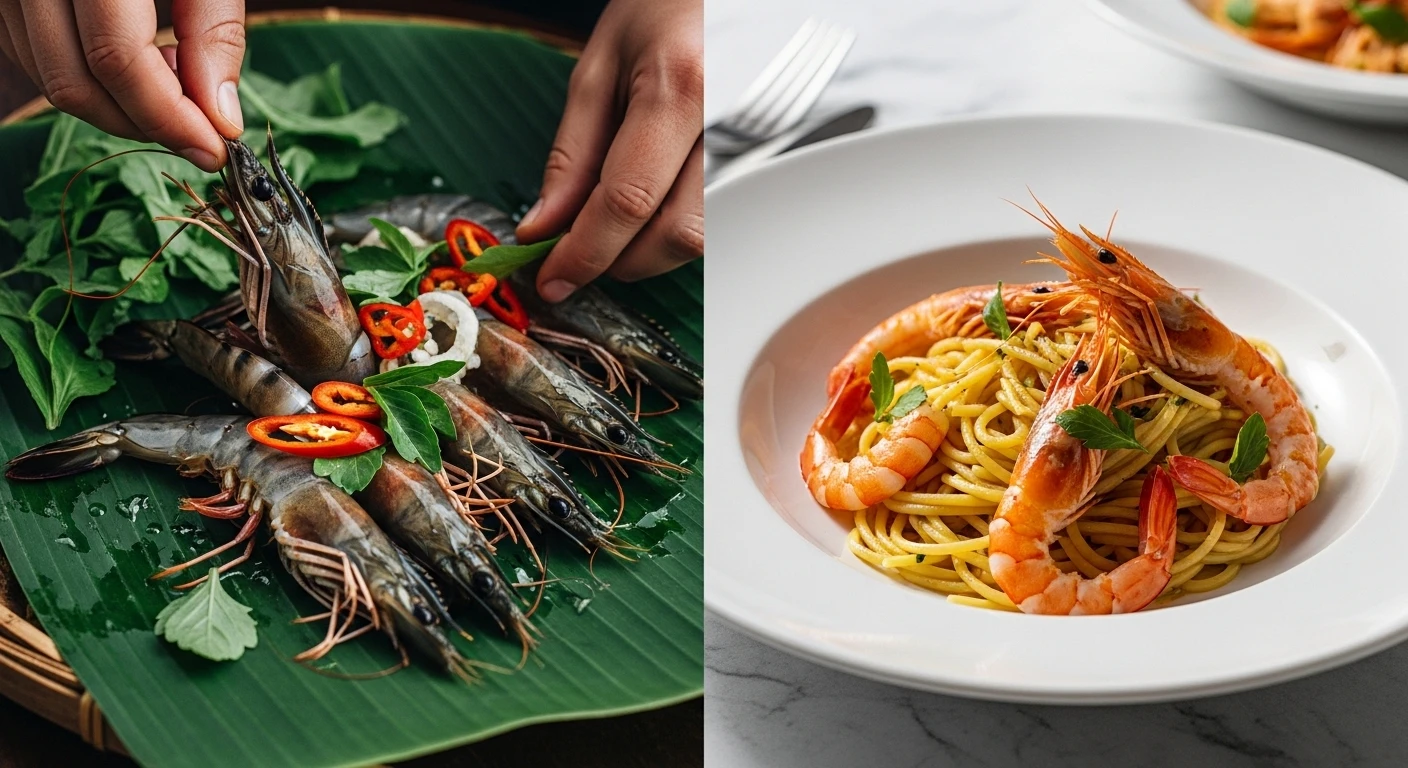
" Forget what you think you know about crab. In the deepest, southernmost reaches of Vietnam’s Mekong Delta, something alchemical happens. Here, the mud isn't just mud; it's the cradle of a culinary legend. "
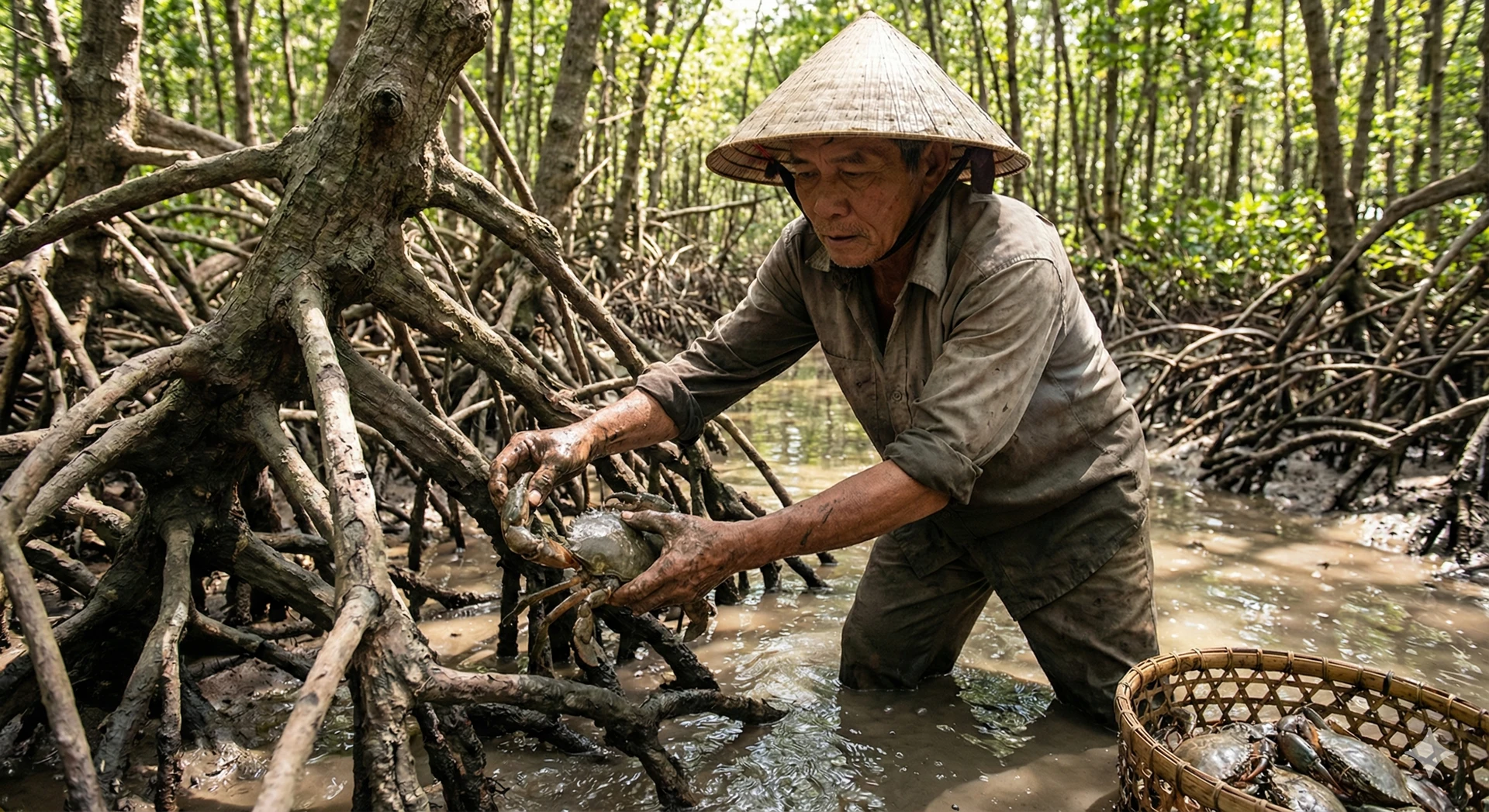
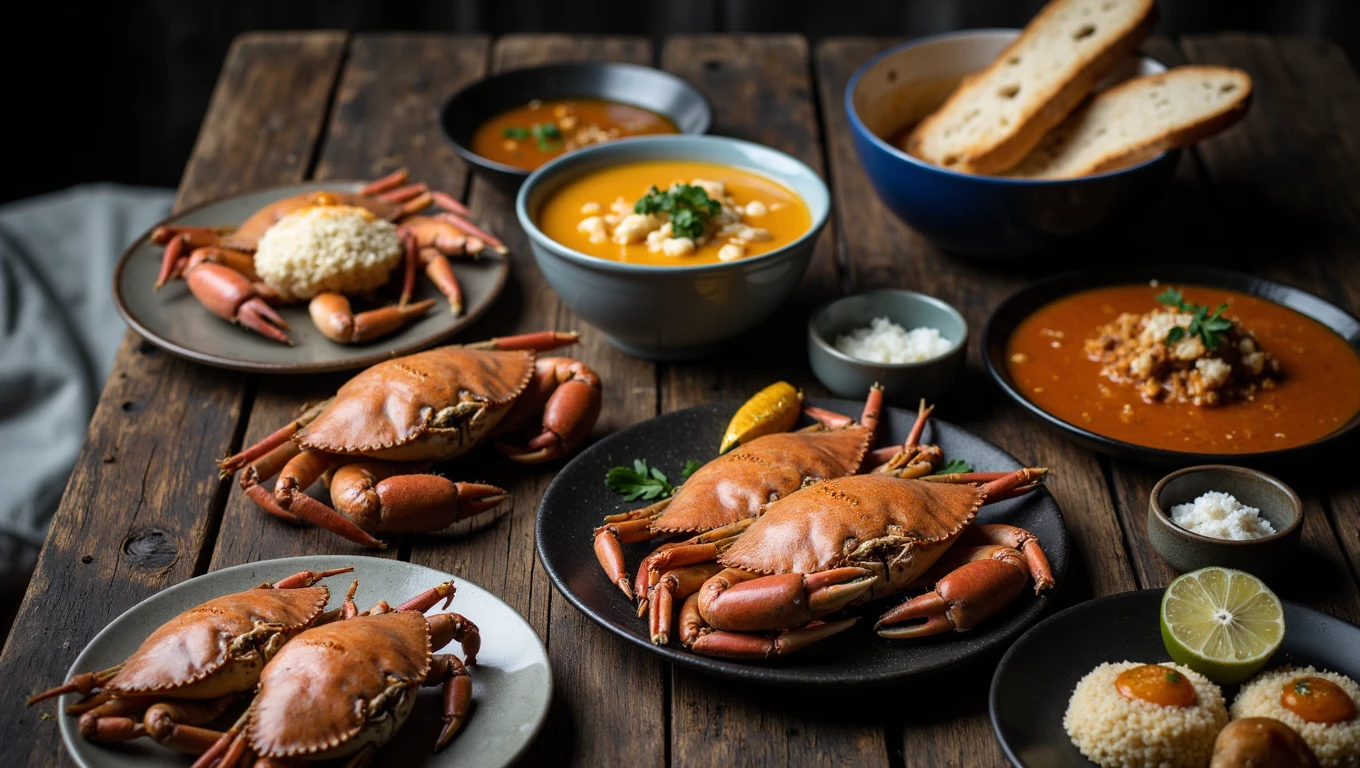
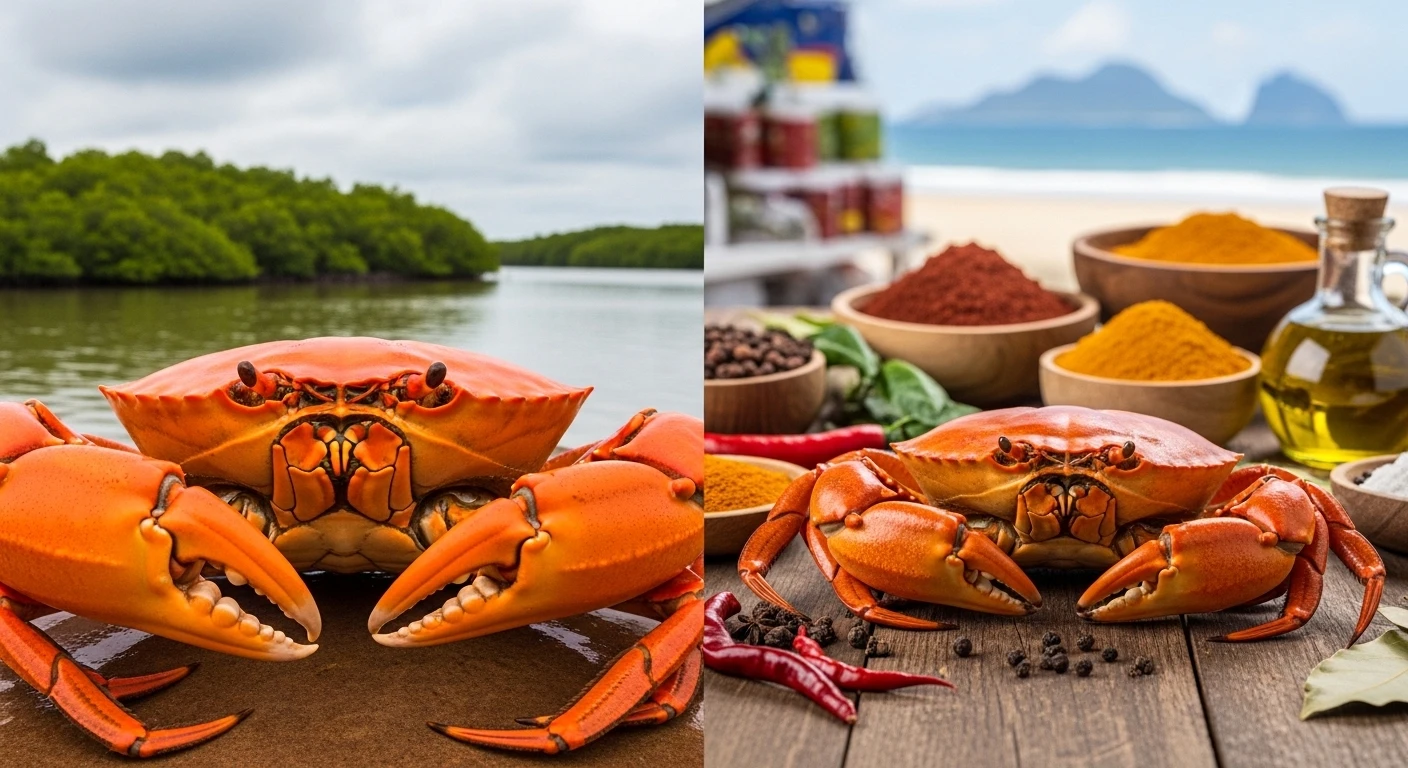
📸 The heart of the Delta: A Ca Mau mangrove crab, freshly caught and ready for its culinary destiny.
I’ve chased flavors across continents, from the street stalls of Bangkok to the Michelin tables of Paris. But few ingredients have captured my imagination quite like the mud crabs of Ca Mau. This isn't just about a crustacean; it’s about an entire ecosystem, a way of life, and a flavor so profound it tells the story of the land and sea. If you haven't tasted a Ca Mau mangrove crab, you haven't truly tasted crab.
1 The Delta's Emerald Heartbeat: Ca Mau's Unique Ecosystem
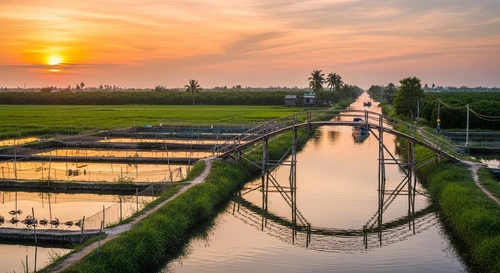
To understand the crab, you must first understand Ca Mau. This is Vietnam’s southernmost province, a land carved by a labyrinthine network of rivers, canals, and, most importantly, dense mangrove forests. Here, the land meets the sea in a glorious, muddy embrace, creating one of the most biodiverse coastal regions on Earth. The air hums with life, thick with the scent of brackish water and rich earth.
Mangroves are not just trees; they are the lungs and nurseries of the delta. Their intricate, stilt-like root systems filter water, prevent erosion, and provide a sanctuary for countless marine species. It’s a dynamic, brutal, yet utterly beautiful environment where life thrives in the intertidal zone.
2 The Secret Ingredient: Mangrove Roots & Tidal Rhythms
This is where the magic truly happens for the crab. The unique conditions of the Ca Mau mangroves are the key to its superior flavor and texture. Unlike crabs found in open seas or cleaner waters, the Ca Mau (Viet Nam) mud crab (often referred to locally as "cua gạch son" for its reddish-orange roe, or "cua thịt" for its meaty yield) spends its entire life amidst these gnarled, ancient roots.
- Rich Nutrient Diet: The mangrove ecosystem is teeming with organic matter – decaying leaves, plankton, small fish, and crustaceans. Crabs here feed on this incredibly rich, diverse diet, which translates directly into a more complex, nuanced flavor profile. Think of it as terroir, but for seafood.
- Mineral-Rich Mud: The brackish water, a mix of freshwater from the Mekong and saltwater from the sea, carries a unique blend of minerals. The crabs absorb these minerals from their environment and food, enhancing their natural sweetness and contributing to a firm, clean-tasting flesh.
- Constant Exercise: Living amongst the roots requires constant movement and strength. These crabs are always on the move, foraging, digging, and navigating the dense root systems. This active lifestyle results in incredibly firm, lean muscle tissue, meaning more meat and a satisfying bite.
- Tidal Fluctuations: The daily ebb and flow of tides naturally "flushes" the environment, preventing stagnation and ensuring a fresh, dynamic habitat. This constant change keeps the crabs healthy and robust.
It’s a perfect storm of environmental factors, culminating in a crab that is simply in a league of its own. You won't find this kind of natural conditioning anywhere else.
3 The Ca Mau (Viet Nam) Mud Crab: A Culinary Jewel Forged in Mud
So, what exactly makes the Ca Mau (Viet Nam) crab so special on the plate? It’s not just one thing; it’s a symphony of attributes:
- Unparalleled Sweetness: The most defining characteristic. The meat possesses a natural, delicate sweetness that requires little embellishment. It’s a pure, clean taste of the sea, elevated by its unique diet.
- Firm, Succulent Flesh: Due to their active lifestyle, the meat is incredibly firm, yet tender and juicy. It flakes beautifully but retains its structure, offering a satisfying texture with every bite.
- Rich, Creamy Roe: For female crabs (especially those known as "cua gạch son"), the roe is a golden, intensely flavorful delicacy. It’s rich, creamy, and bursting with umami, a prized component for many gourmands.
- Subtle Earthiness: There’s a faint, almost imperceptible earthiness that speaks to its mangrove habitat, a grounding note that prevents the sweetness from becoming cloying. It’s the whisper of the mud, not an overpowering flavor.
When you crack open a perfectly cooked Ca Mau crab, you're not just eating seafood; you're tasting a living snapshot of the Mekong Delta itself.
4 From Mudflats to Market: A Day in the Life of a Crab Fisher
The journey of a Ca Mau crab from its watery home to your plate is a story of deep respect for nature and generations of accumulated knowledge. Local fishermen, often descendants of those who first settled these remote lands, navigate the dense waterways in small wooden boats, setting traps and nets with a quiet precision honed by decades. It's not industrialized fishing; it's a careful, almost symbiotic relationship.
They know the tides, the currents, and the best places to find the fattest, healthiest crabs. Sustainability isn't a buzzword here; it's a necessity for survival. Crabs are harvested by hand, carefully selected, and immediately transported to local markets, ensuring peak freshness. There’s no elaborate cold chain, just direct access to the freshest possible ingredient, often still twitching with life.
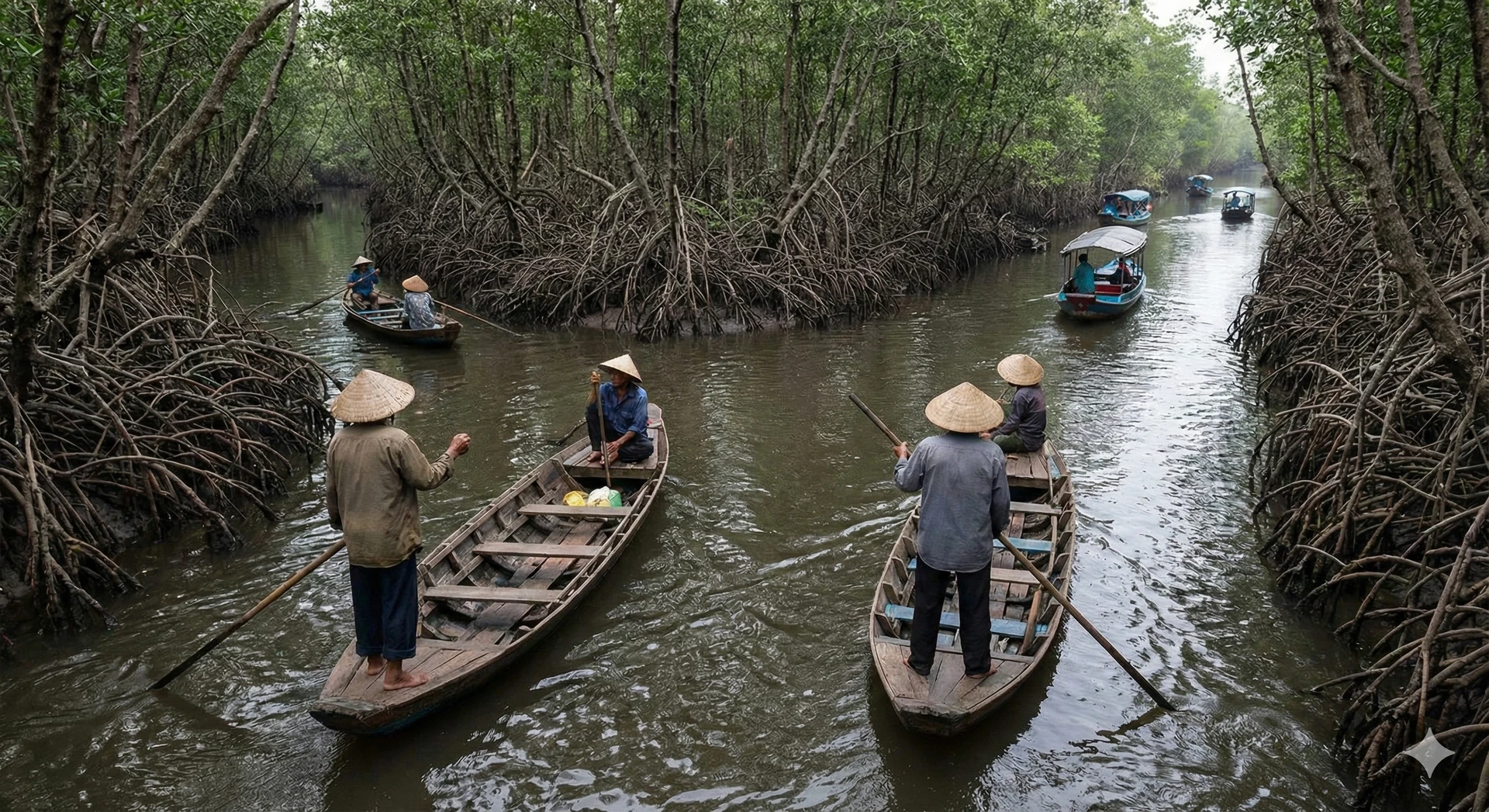
📸 A patient hand: Fishermen navigate the intricate waterways, understanding the rhythm of the tides and the secrets of the mangroves.
5 The Culinary Canvas: How Ca Mau Crabs Are Best Enjoyed
With an ingredient this exceptional, the best approach is often the simplest. You don't mask a masterpiece; you highlight it. While Ca Mau crabs feature in various elaborate Vietnamese dishes, a true connoisseur will tell you that minimalist preparation allows its intrinsic brilliance to shine.
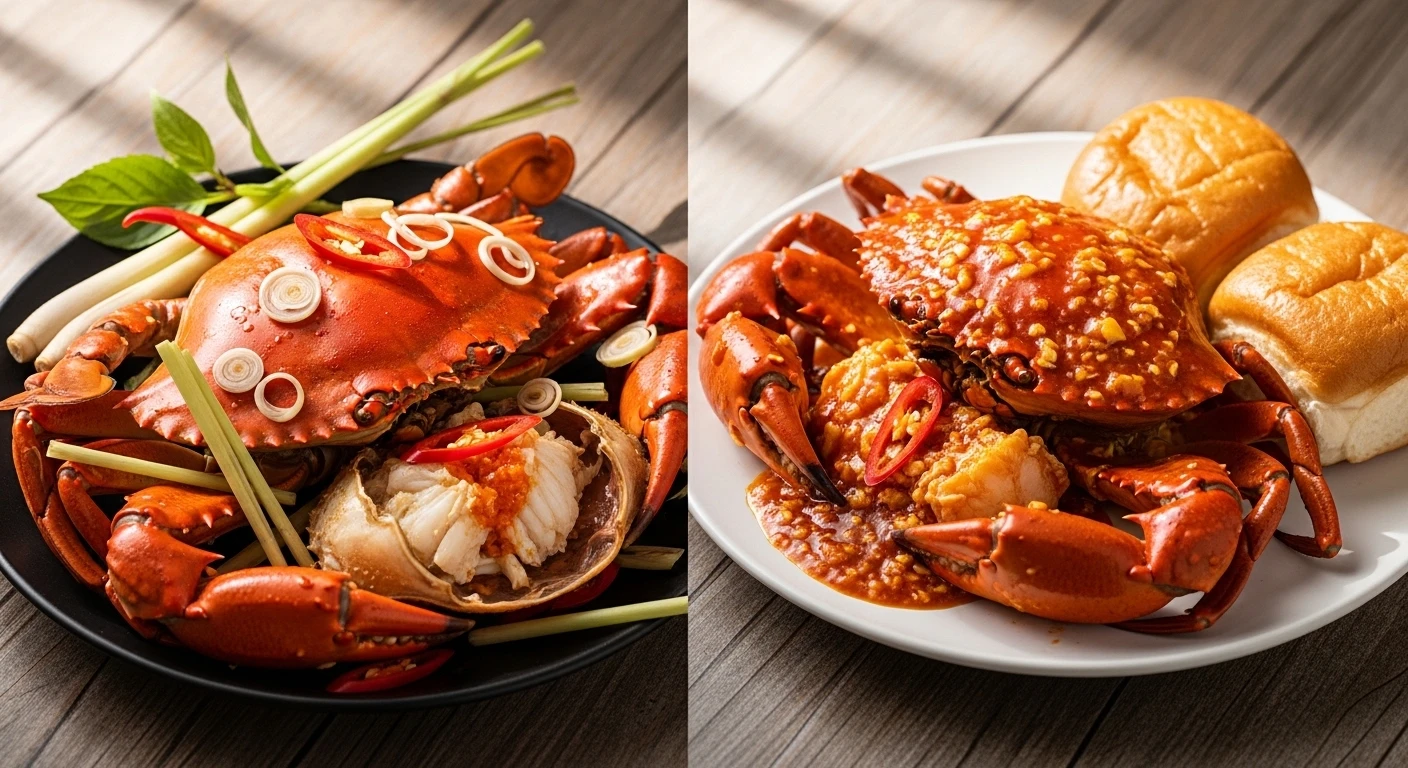
- Steamed with Beer or Coconut Water: This is the ultimate test of crab quality. Just beer, lemongrass, and ginger or pure coconut water (no added anything) steaming the crab. The gentle steam coaxes out every drop of natural sweetness, leaving the meat tender and aromatic. (Refer to our Steamed Crab with Beer & Lemongrass recipe for details).
- Grilled with Salt and Chili: A smoky, slightly spicy char adds another dimension without overwhelming the crab's flavor. The natural fats render beautifully, creating an irresistible aroma.
- Stir-fried with Tamarind (Cua Rang Me): For those who crave a bolder flavor, the sweet and sour tang of tamarind sauce provides a vibrant contrast, yet somehow still allows the crab's richness to come through. It’s a dance of flavors, not a wrestling match.
- Hotpot (Lẩu Cua): In a bubbling hotpot, the crab lends its sweetness to a communal broth, creating a comforting and deeply satisfying meal, often enjoyed with fresh vegetables and rice noodles.
Whatever the preparation, the key is to ensure the crab is fresh, live, and handled with care. The quality speaks for itself.
6 The Art of Eating: A Hands-On Ritual
Eating Ca Mau crab is not a polite affair with forks and knives. It’s a primal, joyous ritual. You don your plastic gloves (or simply embrace the mess), grab a small cracker, and dive in. The satisfying crunch of the shell, the delicate pick of the sweet meat from the claws, the rich indulgence of the roe – it’s an immersive experience.
Pair it with a simple dipping sauce: a concoction of lime juice, salt, pepper, and fresh chili. This minimalist condiment provides the perfect acidic counterpoint, cutting through the richness and awakening the palate without overshadowing the star of the show.
Surrounded by friends or family, perhaps with a cold local beer in hand, the experience transcends mere dining. It becomes a celebration of life, nature, and the simple, profound pleasure of good food shared.
7 Visiting Ca Mau: Embarking on a Delta Culinary Adventure
For the adventurous eater, a journey to Ca Mau is a pilgrimage. It's not a bustling tourist hub; it’s a tranquil, authentic slice of delta life. The journey itself, often by boat through winding canals, is an integral part of the experience.
- Where to Find Them: Look for local seafood restaurants in Ca Mau City or the district of Nam Can (which is particularly famous for its crabs). Don't hesitate to visit local markets early in the morning – you'll see the freshest catches directly from the fishermen.
- What to Expect: Rustic charm, warm hospitality, and an abundance of fresh seafood. English might be limited, but smiles and gestures go a long way. Pointing to the live crabs in a tank is universally understood.
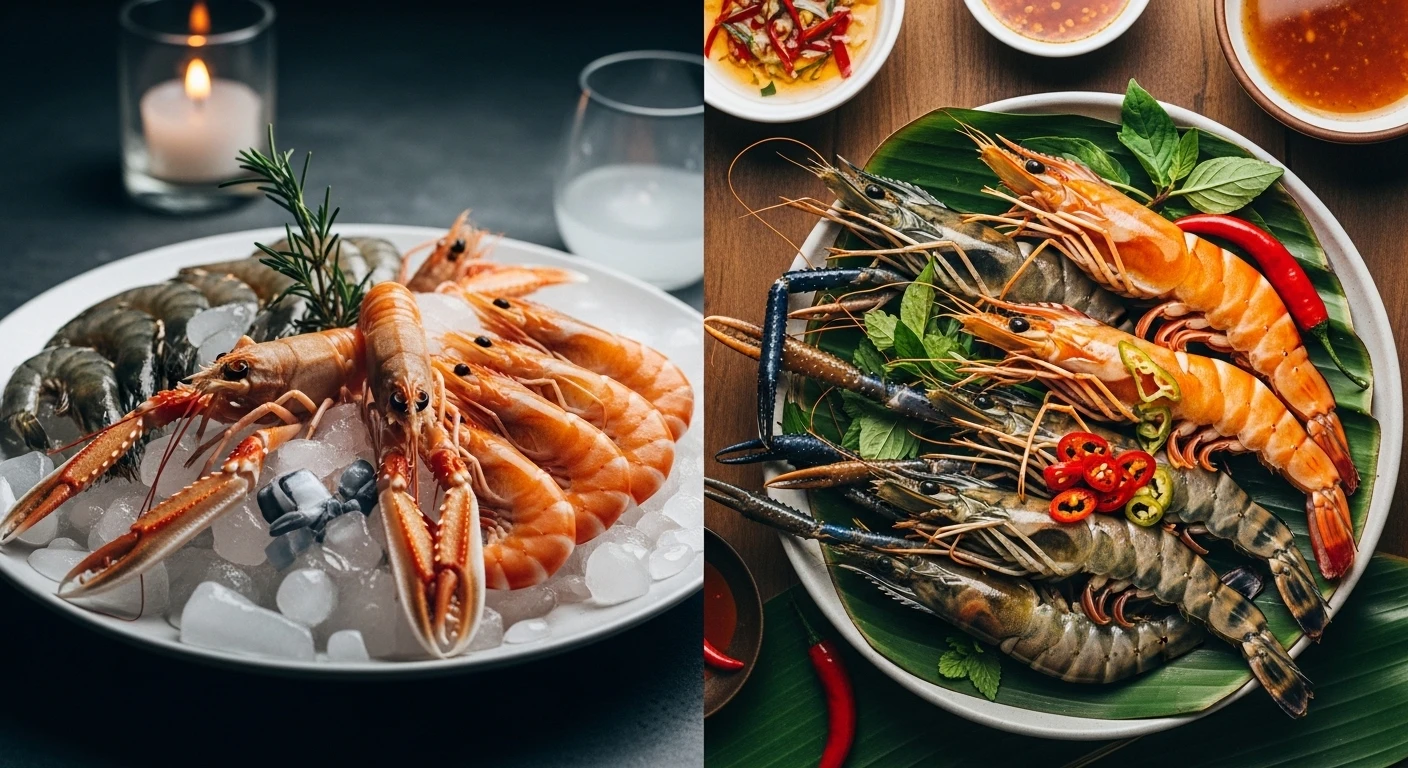
- Beyond Crabs: While in Ca Mau, explore the mangrove forests, visit the Ca Mau Cape (the southernmost point of Vietnam), and savor other delta specialties like fresh shrimp, fish, and seasonal fruits.
This is not a pampered resort experience; it's an immersion into a vibrant culture, centered around the rhythms of the water and the bounty it provides.
8 Preserving the Roots: Sustainability in the Mangroves
The exquisite quality of Ca Mau crabs is inextricably linked to the health of its mangroves. Recognizing this, local communities and conservation efforts are increasingly focused on sustainable aquaculture and protecting this vital ecosystem. When you enjoy a Ca Mau crab, you're not just consuming a delicacy; you're participating in a tradition that depends on ecological balance.
Choosing responsibly sourced crabs supports these efforts, ensuring that future generations can continue to savor this unparalleled gift from the Mekong Delta.
So the next time you seek out truly exceptional seafood, look beyond the glittering restaurants and famous coastlines. Turn your gaze to the muddy, emerald heart of the Mekong Delta. There, among the ancient mangrove roots of Ca Mau, lies a culinary secret waiting to be discovered – a crab whose flavor tells a story as rich and deep as the delta itself. It’s an edible masterpiece, forged in mud, perfected by nature, and utterly unforgettable.