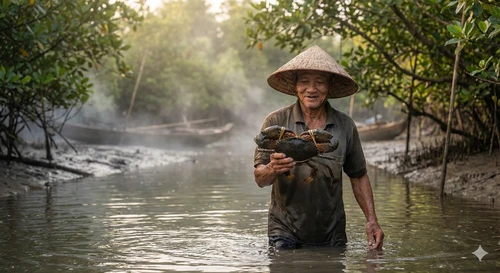
" There are places you visit, and then there are places that get under your skin. Ca Mau Cape isn't a postcard; it's a primal scream, a place where the wild heart of Vietnam beats strong and true. "
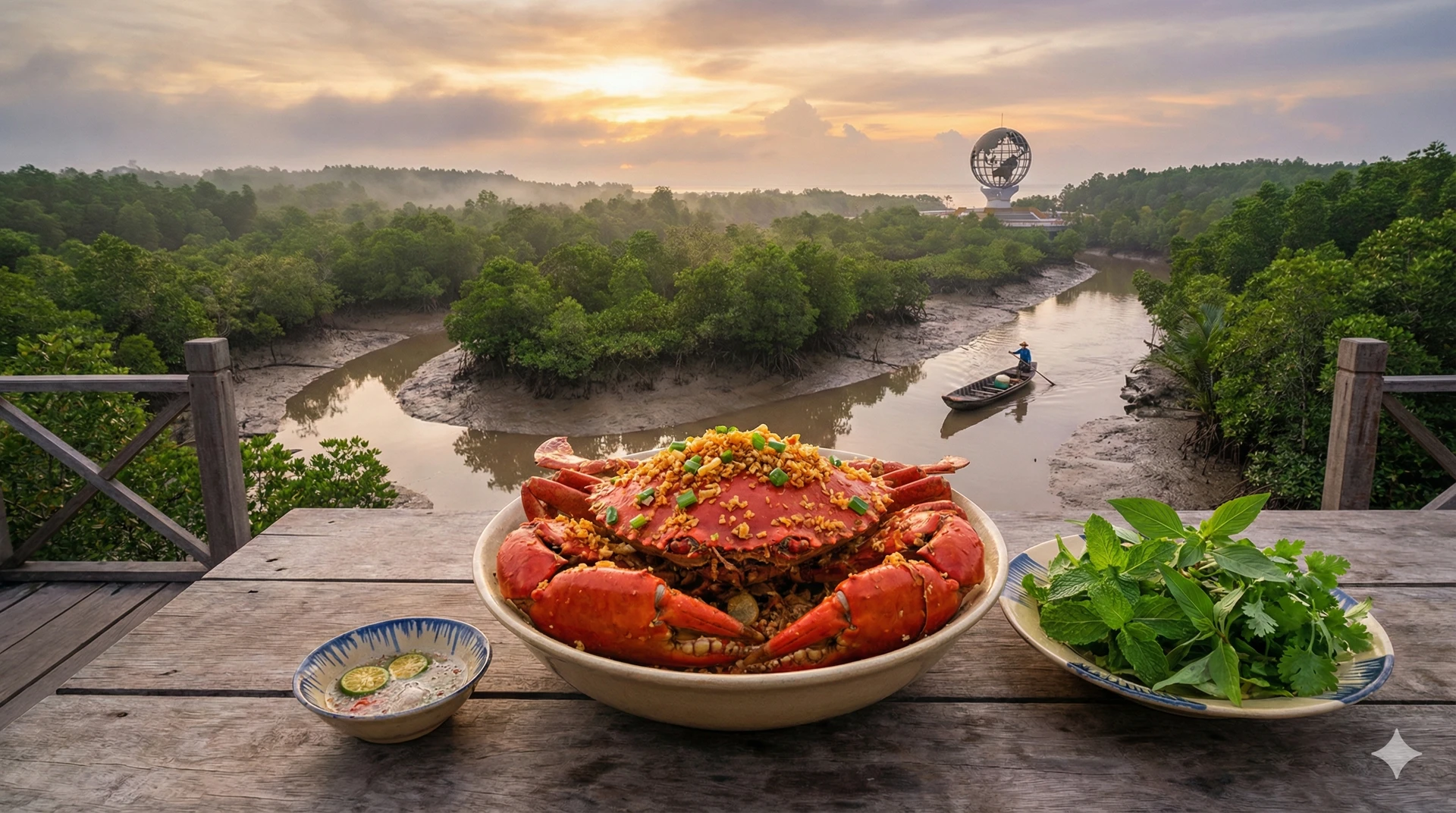
📸 The iconic Ca Mau Cape, where nature's bounty meets raw beauty.
1 The Call of the South: Where Vietnam Ends and the Ocean Begins
Imagine a place where the land tapers off into a mosaic of water and mud, where the final tendrils of Vietnam's mighty Mekong Delta reach out to embrace the East Sea. This is Ca Mau Cape, the southernmost point of the nation, a destination often overlooked by the casual tourist, but fiercely cherished by those who crave authentic, untamed beauty. It's not a bustling metropolis; it's a wild frontier, a testament to nature's enduring power and the resilience of the people who call this watery world home.
To reach Ca Mau is to embark on a pilgrimage, a journey away from the well-trodden paths, deeper into the delta's soul. The air grows thicker, heavy with the scent of salt, mud, and unknown flora. The landscape transforms from rice paddies into dense, emerald mangrove forests, crisscrossed by countless canals and rivers. This is where freshwater meets saltwater, where ecosystems collide, and where a unique culture has been forged by the rhythm of the tides.
2 The Taste of the Mud: Ca Mau's Culinary Identity
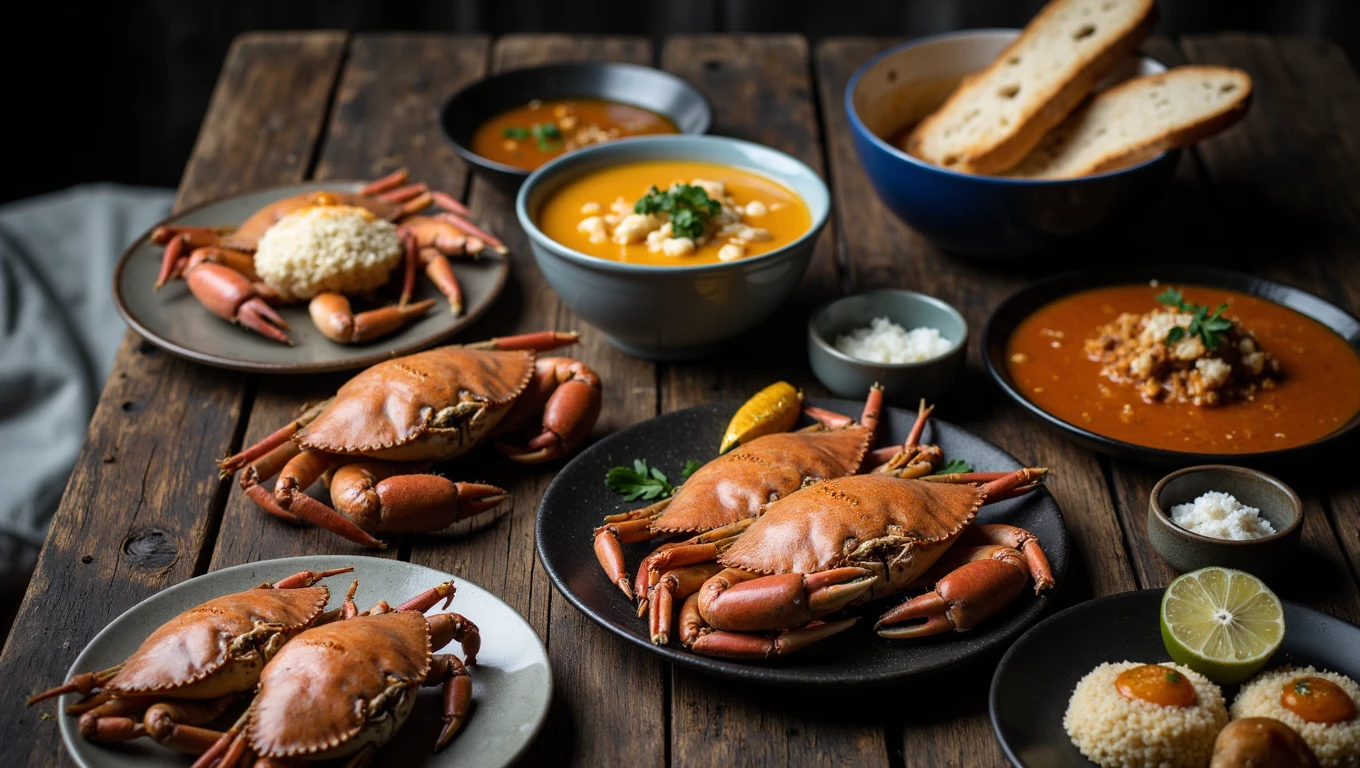
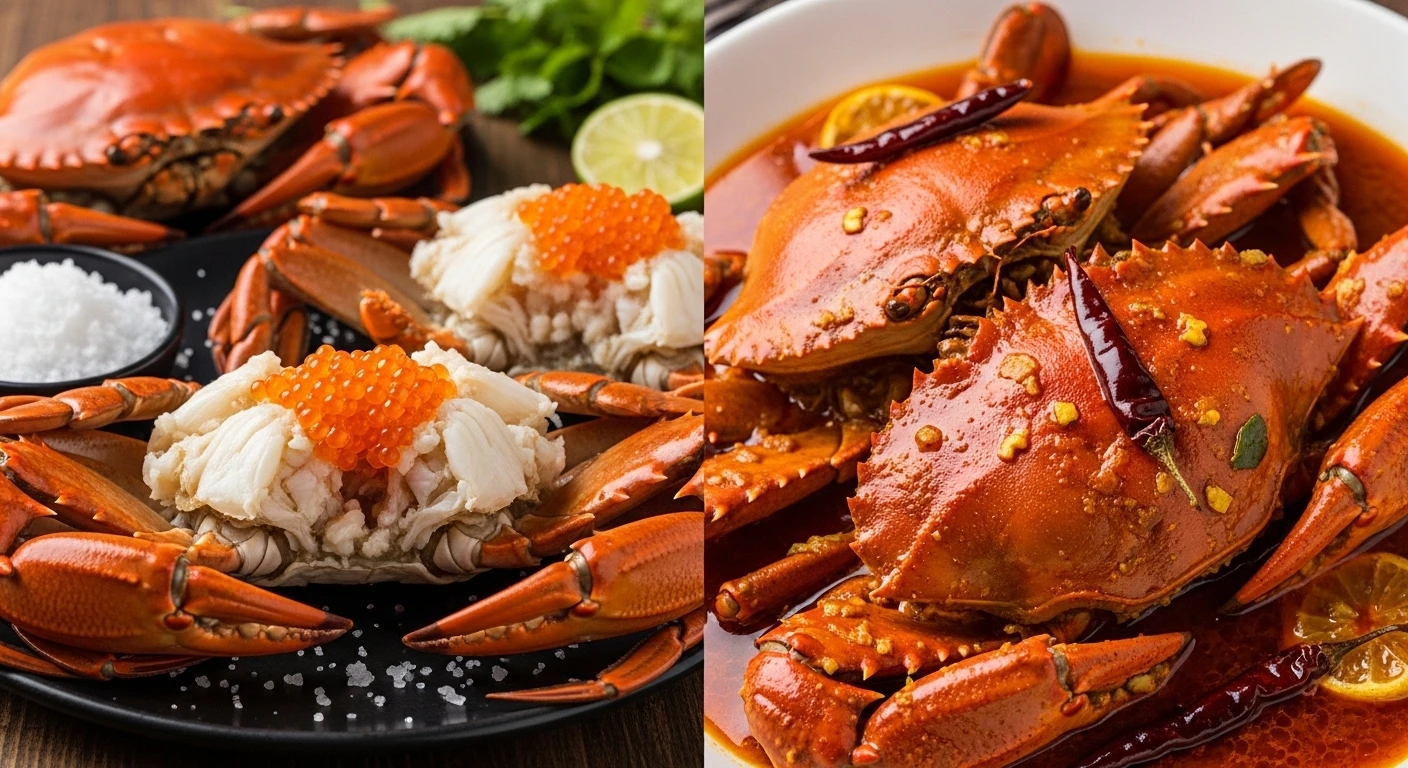
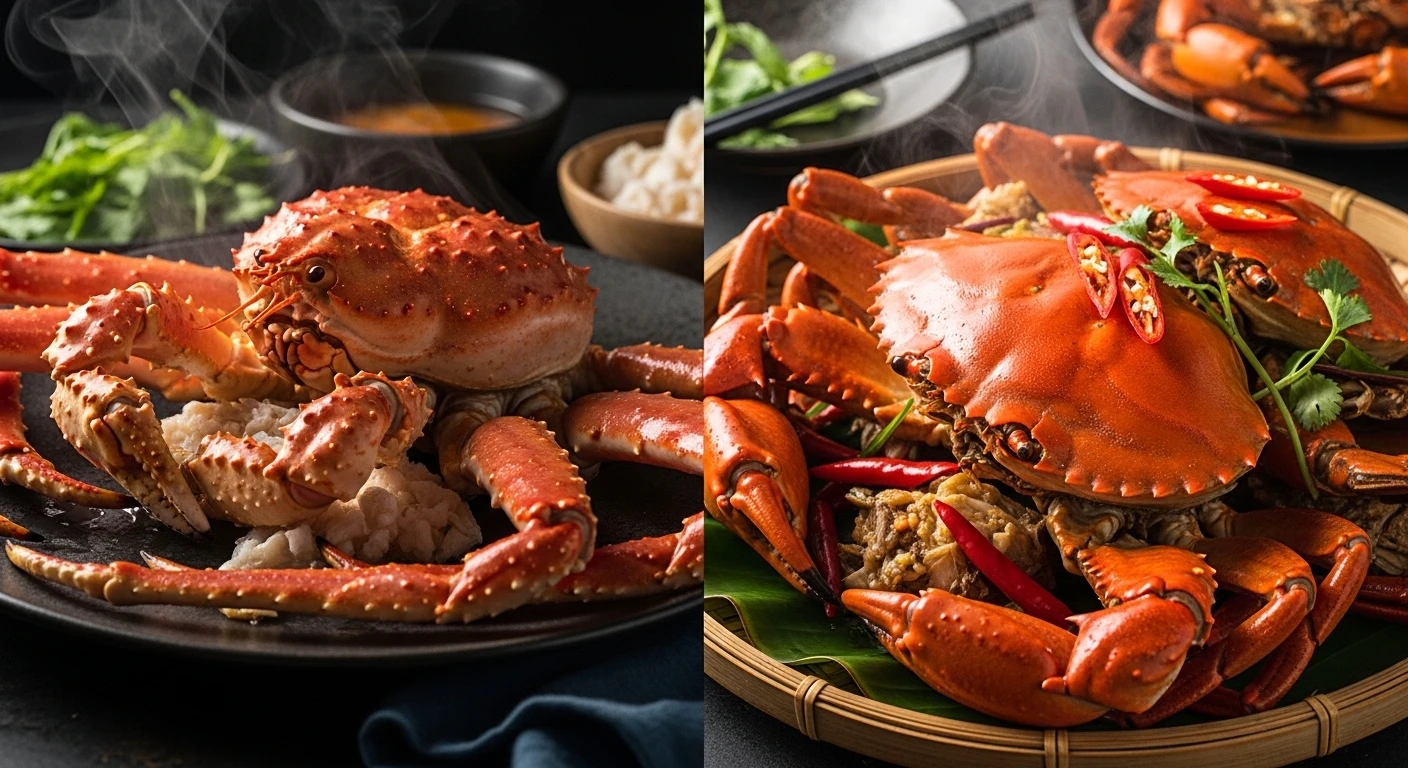
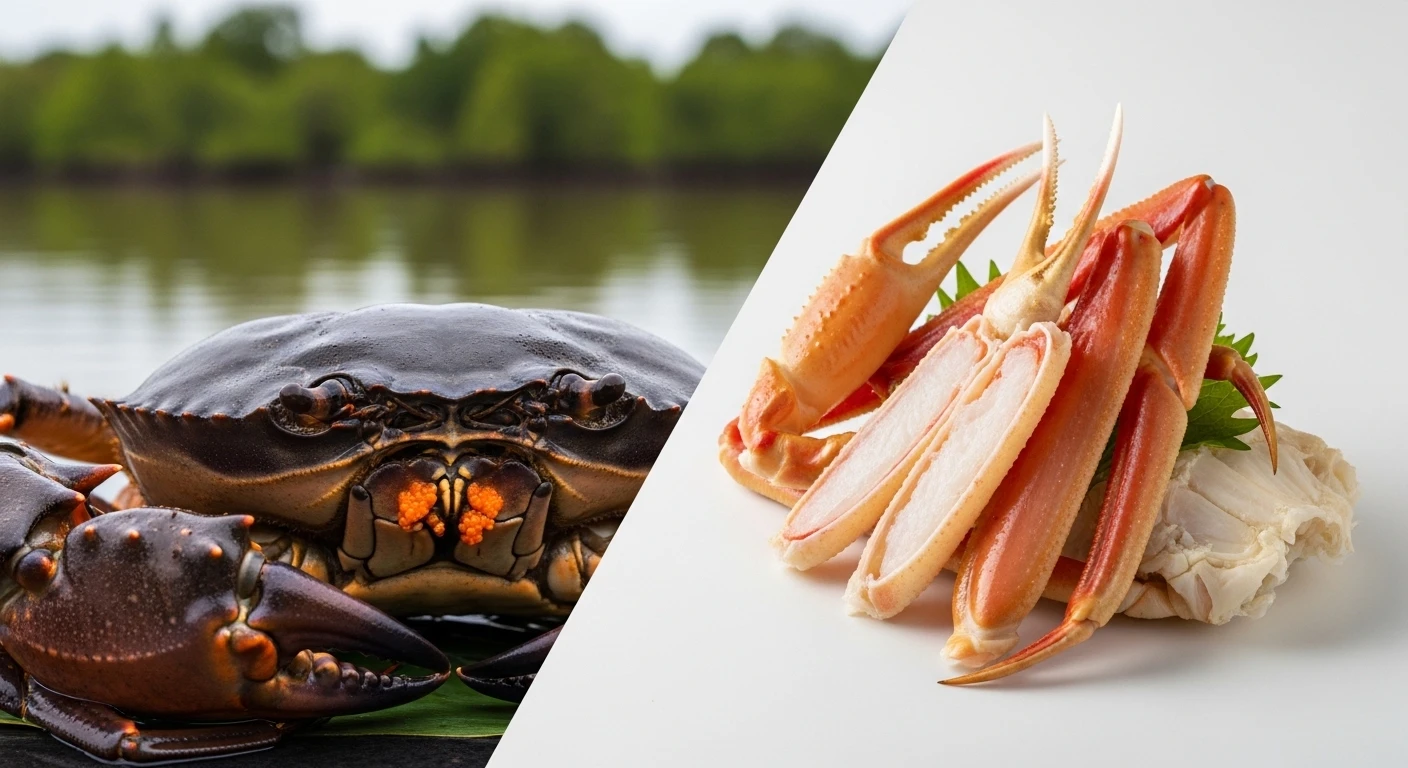
If Ca Mau has a beating heart, it's a gastronomical one, thriving on the bounty of its brackish waters. Forget your preconceptions of Vietnamese cuisine here; this is a seafood lover's paradise, where the catch of the day isn't just a menu item – it's a way of life. The star of this culinary show? Without a doubt, the Ca Mau crab. Revered across Vietnam, these crustaceans are famed for their firm, sweet meat and, if you're lucky, their rich, golden roe (known as "crab brick").
But it's not just crab. The delta's unique environment nurtures an incredible array of aquatic life: plump shrimp, succulent fish like the iridescent Siamese mud carp (cá lóc), and a host of shellfishes you might never have seen before. The magic here lies in the freshness. From the moment it's pulled from the water, often just hours before it lands on your plate, to its simple, yet profoundly flavorful preparation, Ca Mau seafood is an experience of pure, unadulterated taste.
3 From Mangrove to Market: The Story of Ca Mau Crab
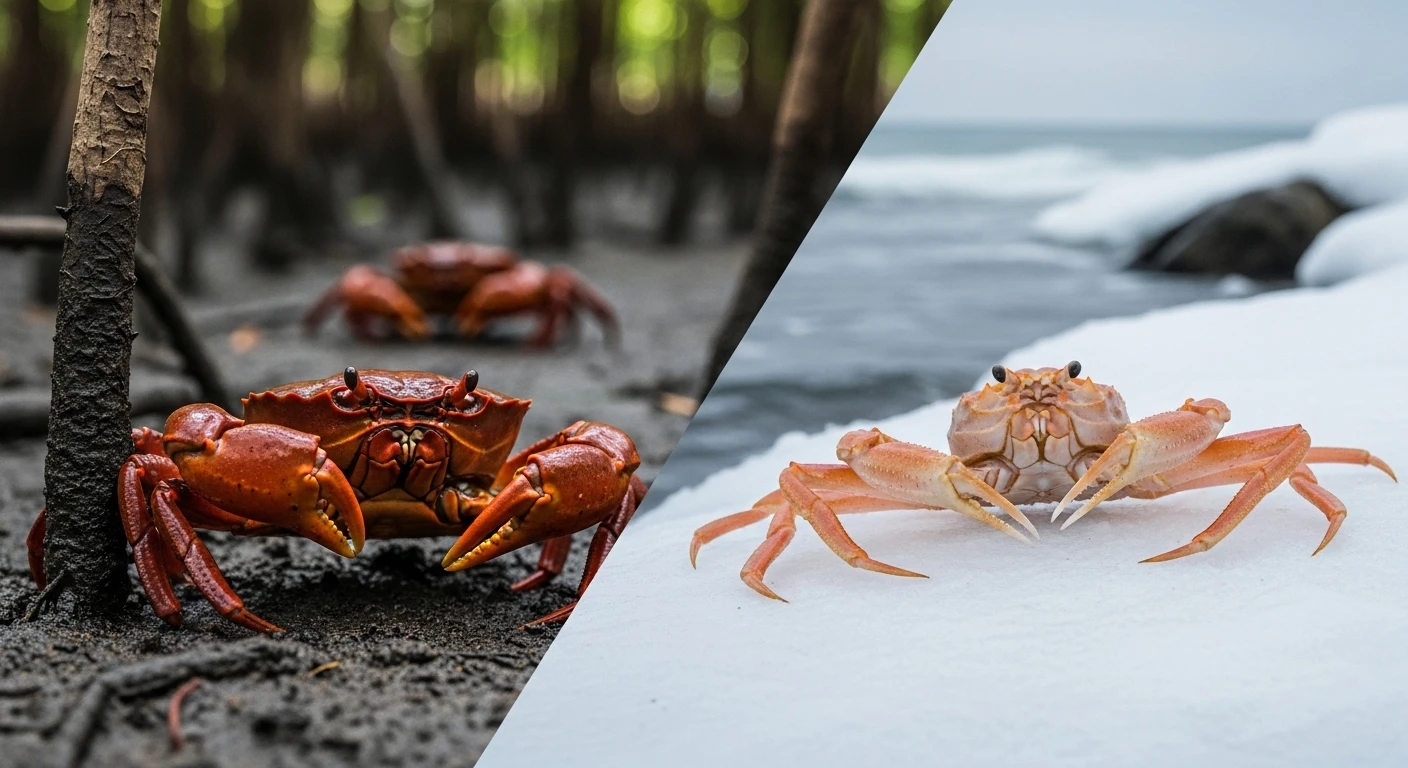
The mangroves are the nursery, the supermarket, and the playground for Ca Mau's most prized export. Farmers here cultivate crabs in vast, interconnected ponds, often integrated with shrimp farming and the sustainable growth of the very mangrove trees that define this landscape. This synergy creates an ideal habitat for mud crabs, allowing them to grow robust and full of flavor.
A visit to a local market in Ca Mau City or the smaller towns like Nam Can is a visceral experience. Buckets overflow with live, feisty crabs, their claws bound with rope, ready to be weighed and whisked away. The vendors, often women with sun-kissed skin and knowing smiles, expertly inspect each one, discerning the best specimens, especially those heavy with roe – a prized delicacy.
Crab Glossary for the Curious
- Cua Gạch: Refers to a female crab full of roe (the "brick" or "gạch"). This is the most sought-after and expensive variety.
- Cua Thịt: A male crab, or a female without roe, prized purely for its abundant, sweet meat.
- Cua Biển: General term for sea crab, often referring to the common mud crab species found here.
4 A Feast for the Senses: Must-Try Crab Dishes
In Ca Mau, simplicity often reigns supreme, letting the inherent quality of the ingredients shine. But simplicity doesn't mean a lack of flavor; it means a deep respect for the bounty of the land and sea.
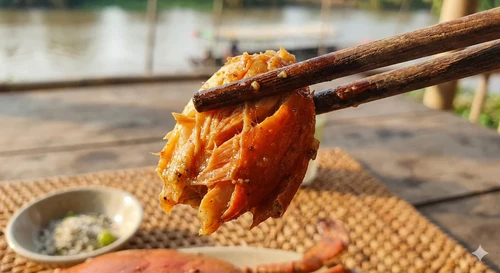
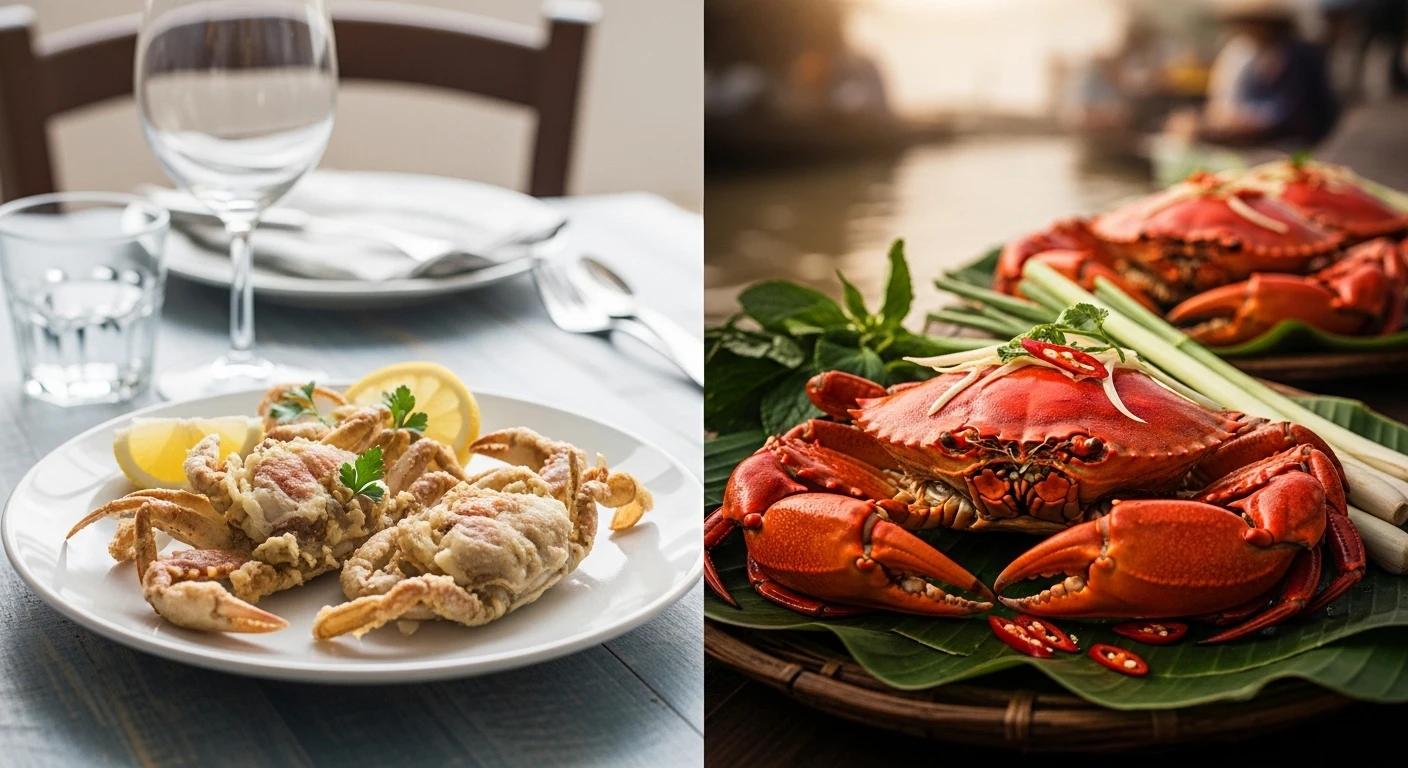
- Cua Rang Muối (Salt-Roasted Crab): This is the crowd-pleaser. Crabs are stir-fried with salt, garlic, and sometimes a hint of chili, resulting in a gloriously aromatic, savory dish where the shells are crispy and the meat is perfectly seasoned. It's messy, finger-licking good.
- Cua Hấp Bia (Beer-Steamed Crab): A testament to purity. Live crabs are steamed over a bed of lemongrass and a shallow pool of beer. The beer's subtle aroma permeates the meat, tenderizing it slightly and neutralizing any "fishiness," leaving behind only the sweet, clean taste of the ocean. It's often served with a simple dipping sauce of lime, salt, and chili.
- Bún Rêu Cua (Crab Noodle Soup): While not exclusive to Ca Mau, the version here often features incredibly fresh crab meat, sometimes even chunks of the whole crab. The broth is rich, tangy, and deeply savory, usually made with fermented shrimp paste (mắm tôm), tomatoes, and various herbs.
- Cháo Cua (Crab Porridge): The ultimate comfort food after a day of exploring. A hearty rice porridge simmered with generous amounts of shredded crab meat, often garnished with spring onions, pepper, and fried shallots. It's warming, nourishing, and deeply satisfying.
- Lẩu Mắm (Fermented Fish Hotpot): While not strictly crab-focused, this iconic Mekong Delta hotpot often incorporates various seafood, including crabs. It's a rich, pungent, and utterly addictive broth made from fermented fish, cooked with a medley of local vegetables, fish, shrimp, and sometimes crab. An acquired taste, but an essential experience.
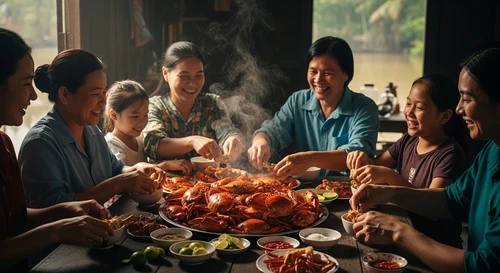
Remember the cardinal rule of Ca Mau dining: your hands are your best utensils. Embrace the mess, and savor every juicy morsel.
5 Beyond the Plate: Exploring the Wilds of Ca Mau
While the food alone is worth the journey, Ca Mau Cape offers more than just culinary delights. It's a place of significant natural beauty and ecological importance.
- Mui Ca Mau National Park: This UNESCO Biosphere Reserve is a vast expanse of mangroves, home to a staggering diversity of flora and fauna. Take a boat tour through the intricate waterways, spot exotic birds, and simply immerse yourself in the serene, almost otherworldly atmosphere.
- The Ca Mau Cape Landmark: A symbolic monument marks the southernmost tip of Vietnam. It's a popular spot for photos, a tangible sense of accomplishment, and a place to reflect on the immense journey that brought you to this geographical endpoint. Nearby, a lighthouse offers panoramic views of the merging sea and river.
- Boat Trips through the Canals: The best way to experience Ca Mau is from the water. Hire a local sampan or join a tour to navigate the labyrinthine network of canals, witnessing daily life unfold along the banks – fishermen tending their nets, children playing, and houses built on stilts.
- Bird Sanctuaries: Ca Mau is a crucial stopover for migratory birds. Several sanctuaries within the national park offer incredible birdwatching opportunities, especially early in the morning or late afternoon.
6 The Rhythm of the Delta: Daily Life and Local Encounters
Life in Ca Mau moves at a different pace. It's dictated by the tides, the seasons, and the simple necessities of existence close to nature. The people you'll meet here are genuine, warm, and often curious about foreigners venturing into their domain. Don't be surprised if you're invited for a cup of green tea or offered a taste of a freshly caught delicacy.
Observing the rhythm of a floating market, even a small one, provides insight into the local economy and social fabric. Boats laden with fruits, vegetables, and, of course, seafood, gather to trade and socialize. It's a stark contrast to the hustle of big cities, a reminder of a simpler, more connected way of life that still thrives in this remote corner of Vietnam.
7 Practicalities for the Adventurous Soul: Your Ca Mau Itinerary
Venturing to Ca Mau requires a bit of planning, but the rewards are immense. Here’s what you need to know:
Getting There:
- By Air: The fastest way is to fly from Ho Chi Minh City to Ca Mau City Airport. From there, hire a taxi or local bus to the Cape (about a 2-3 hour drive).
- By Bus: Numerous long-distance buses connect Ho Chi Minh City directly to Ca Mau City. The journey takes around 7-8 hours. It's economical but can be tiring.
- To the Cape: From Ca Mau City, you can take a local bus, hire a private car, or even arrange a speedboat tour to the cape itself. The roads are improving, but part of the charm is the remote feel.
Best Time to Visit:
- The dry season (November to April) offers the most pleasant weather, with less rain and generally calmer seas, ideal for boat trips and outdoor exploration.
- The wet season (May to October) can bring heavy rains, but also lush green landscapes. Prices might be lower, but some activities could be impacted by weather.
Where to Stay:
- Most visitors base themselves in Ca Mau City, which offers a range of hotels from budget to mid-range.
- For a more immersive experience, consider a homestay closer to the national park or the cape itself. These often include meals and local tours.
What to Pack:
- Light, breathable clothing: It's hot and humid.
- Insect repellent: Essential, especially in mangrove areas.
- Sunscreen and a wide-brimmed hat: Protection from the intense sun.
- Comfortable walking shoes/sandals: You'll be doing a lot of walking, often on uneven terrain or boardwalks.
- Camera: For capturing the unique landscapes and culinary adventures.
- Cash: While Ca Mau City has ATMs, smaller villages might not.
8 The Verdict: Why Ca Mau Is More Than Just a Point on a Map
Ca Mau Cape is not for the faint of heart, nor for those seeking five-star luxury resorts. It's for the intrepid traveler, the food enthusiast, the nature lover, and anyone looking to peel back another layer of Vietnam's captivating tapestry. It's a place that asks you to slow down, to engage with your surroundings, and to truly taste the wild, muddy, and incredibly flavorful soul of the Mekong Delta.
It’s a place where the landscape tells stories of relentless nature, where the food is a direct translation of the environment, and where the people embody the resilience of this frontier. So, pack your bags, prepare your palate, and set your compass south. The end of Vietnam awaits, promising an adventure that will linger long after the last bite of crab is savored.
Craving More Delta Adventures?
The Mekong Delta is vast and varied. Discover another one of its gems.
⛵ Explore Can Tho Floating Market