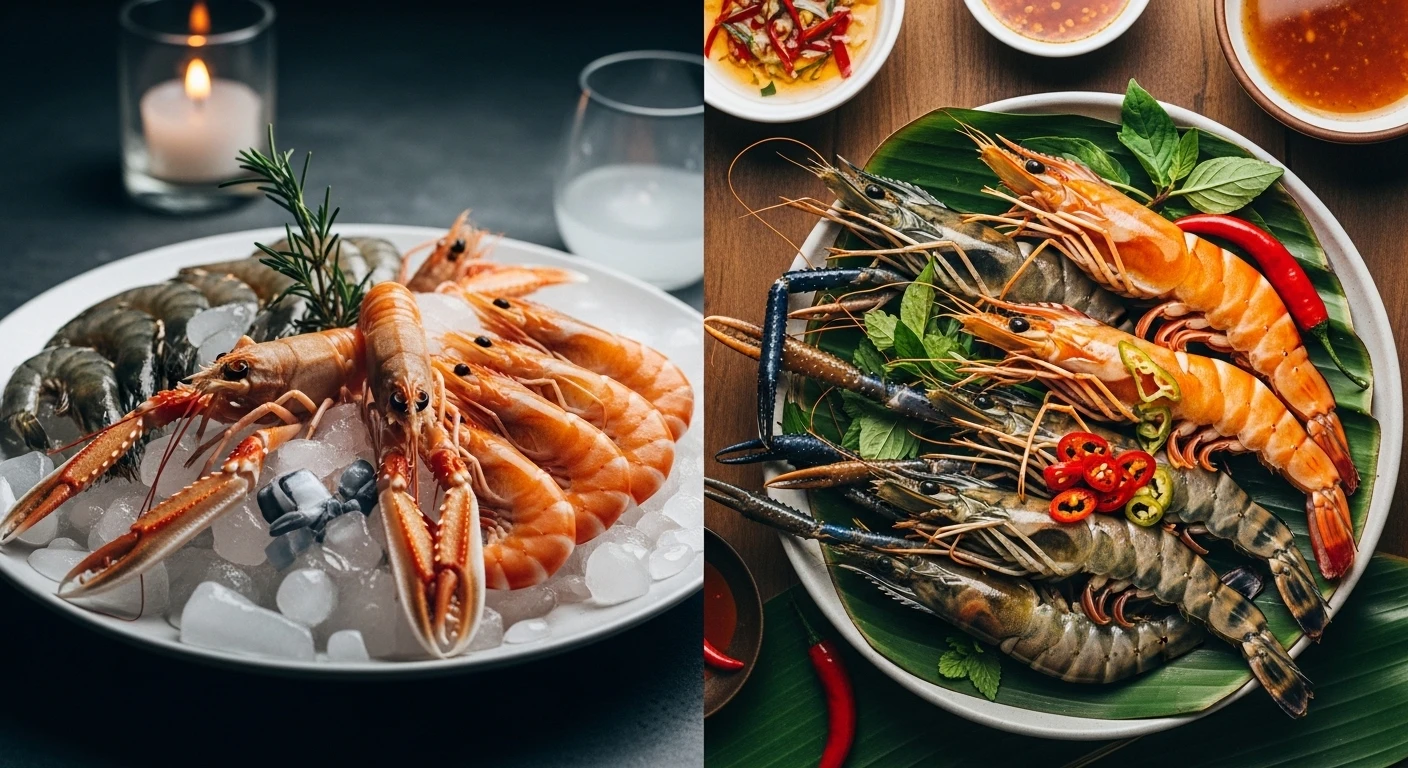
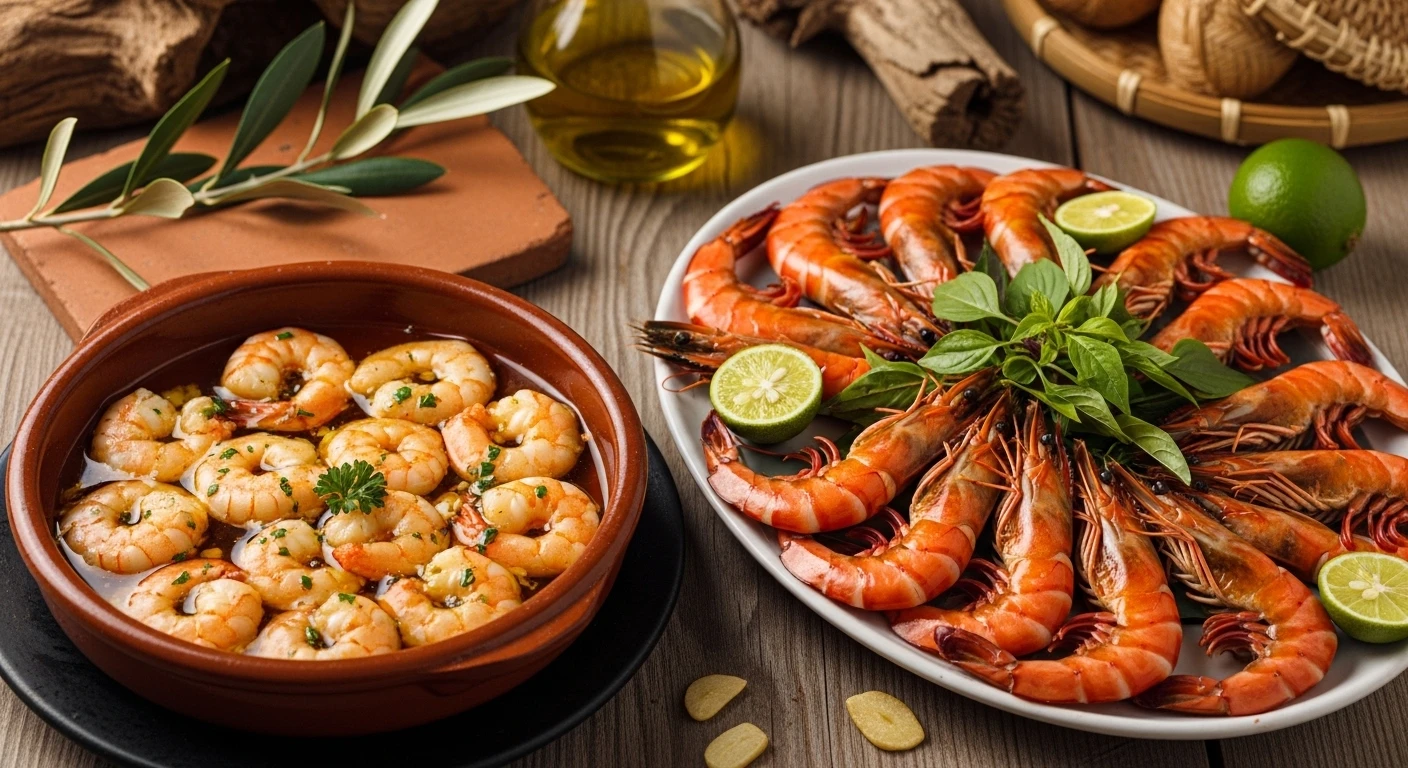
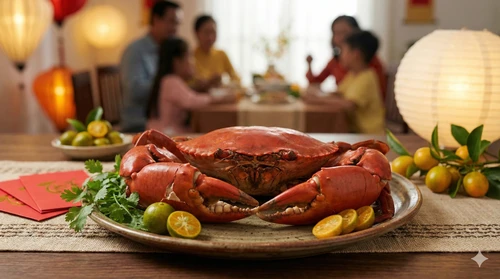
" This isn't just about choosing where to sit. It's about deciding what kind of story you want to tell with your taste buds. "
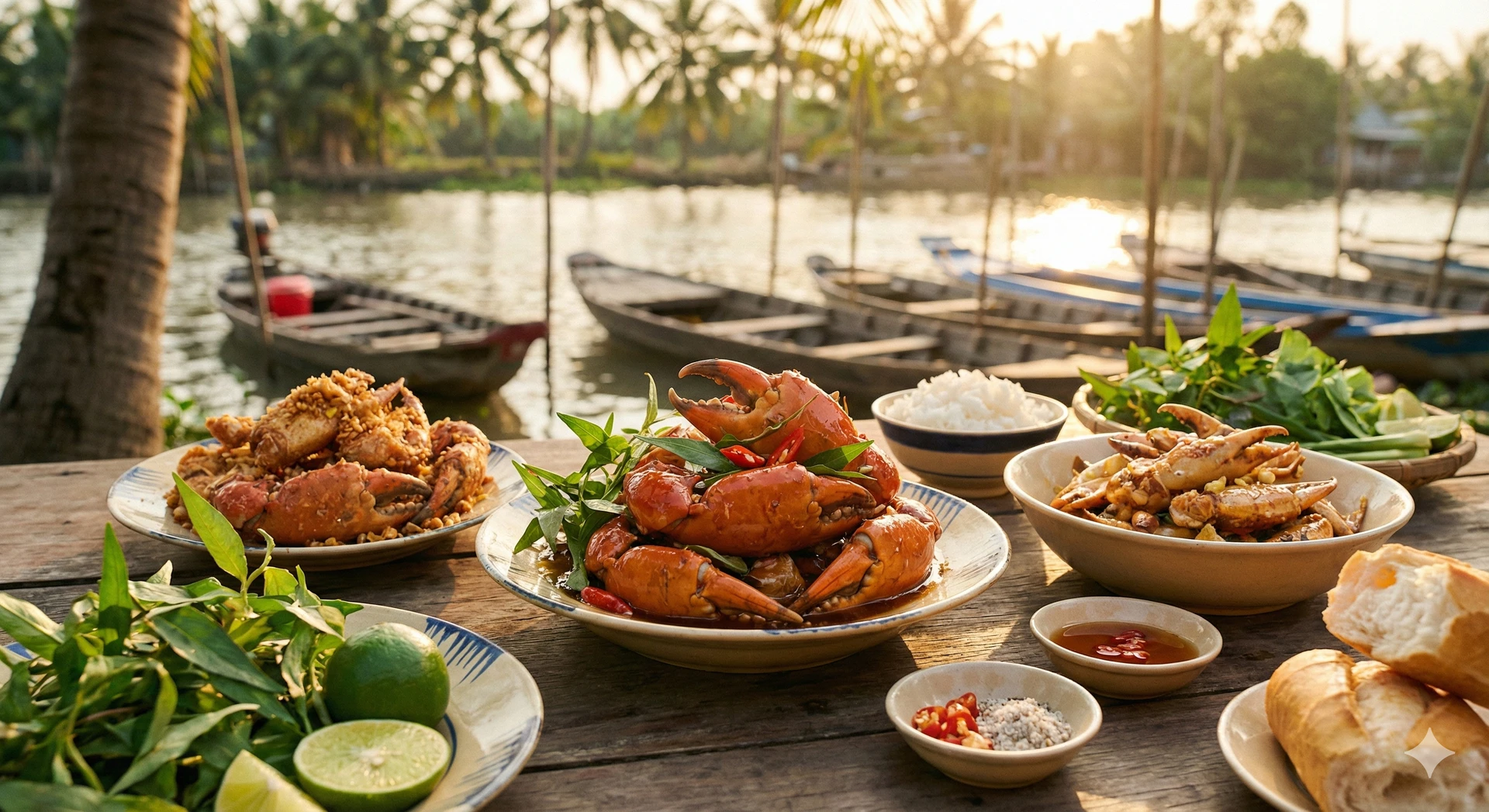
📸 The eternal dilemma: rustic charm or refined comfort?
1 Crab Dreams & Delta Realities: The Ultimate Mekong Dilemma
The Mekong Delta, Vietnam's rice bowl and seafood pantry, pulses with a unique rhythm. Life here revolves around the vast network of rivers, canals, and fertile lands. And if you ask any local what truly defines their culinary landscape, somewhere near the top of that list, you’ll find crab.
But for the uninitiated Western traveler, a crucial question emerges as the aroma of sizzling garlic and simmering spices wafts through the humid air: Where do I eat it? Do you dive headfirst into the bustling street food scene, jostling with locals on tiny plastic stools, or seek refuge in the air-conditioned comfort of a formal restaurant? Is street food safe? Is the restaurant worth the price?
As a journalist who’s spent years navigating these very waters, I’m here to tell you that there’s no single right answer, but there is an optimal approach. Let's peel back the layers of this crustacean conundrum.
2 From Mudflat to Market: The Mekong's Golden Crustaceans
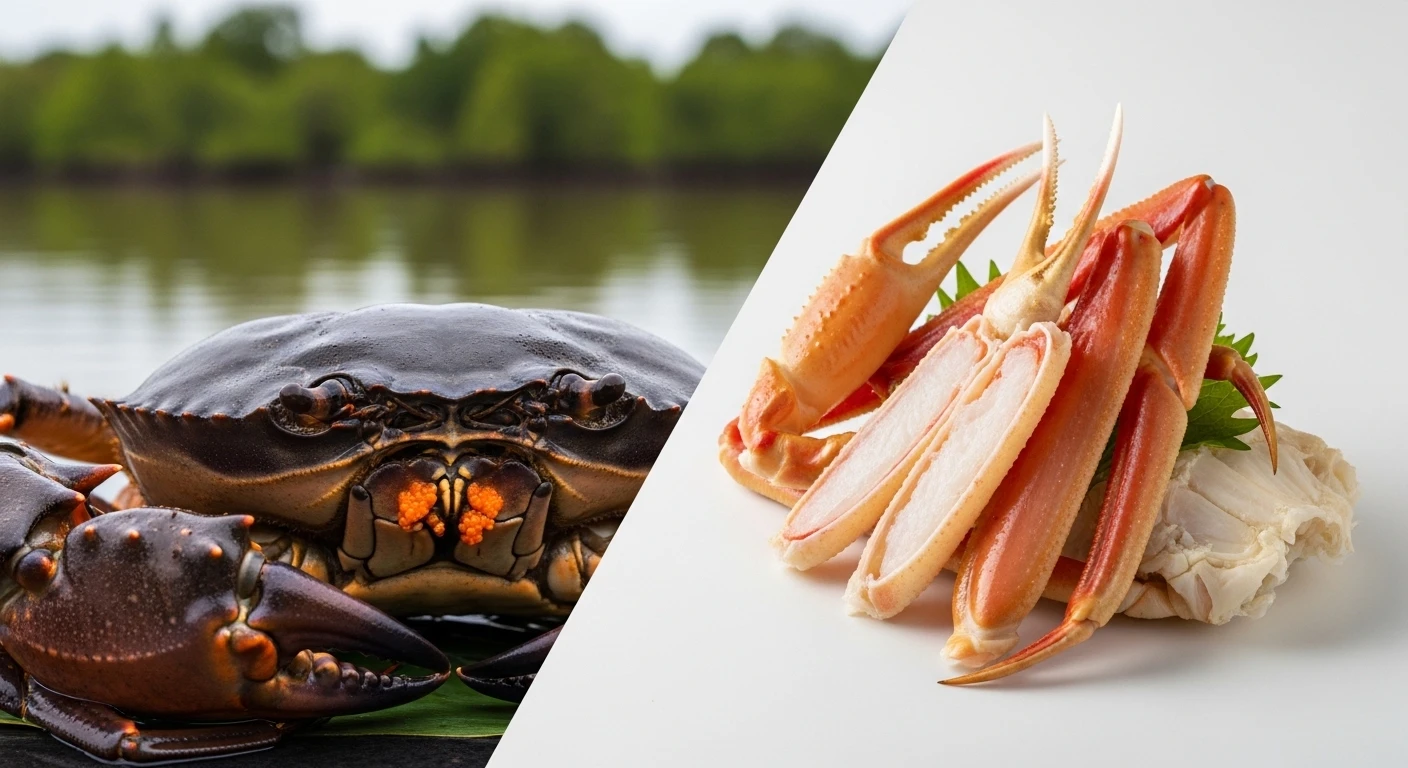
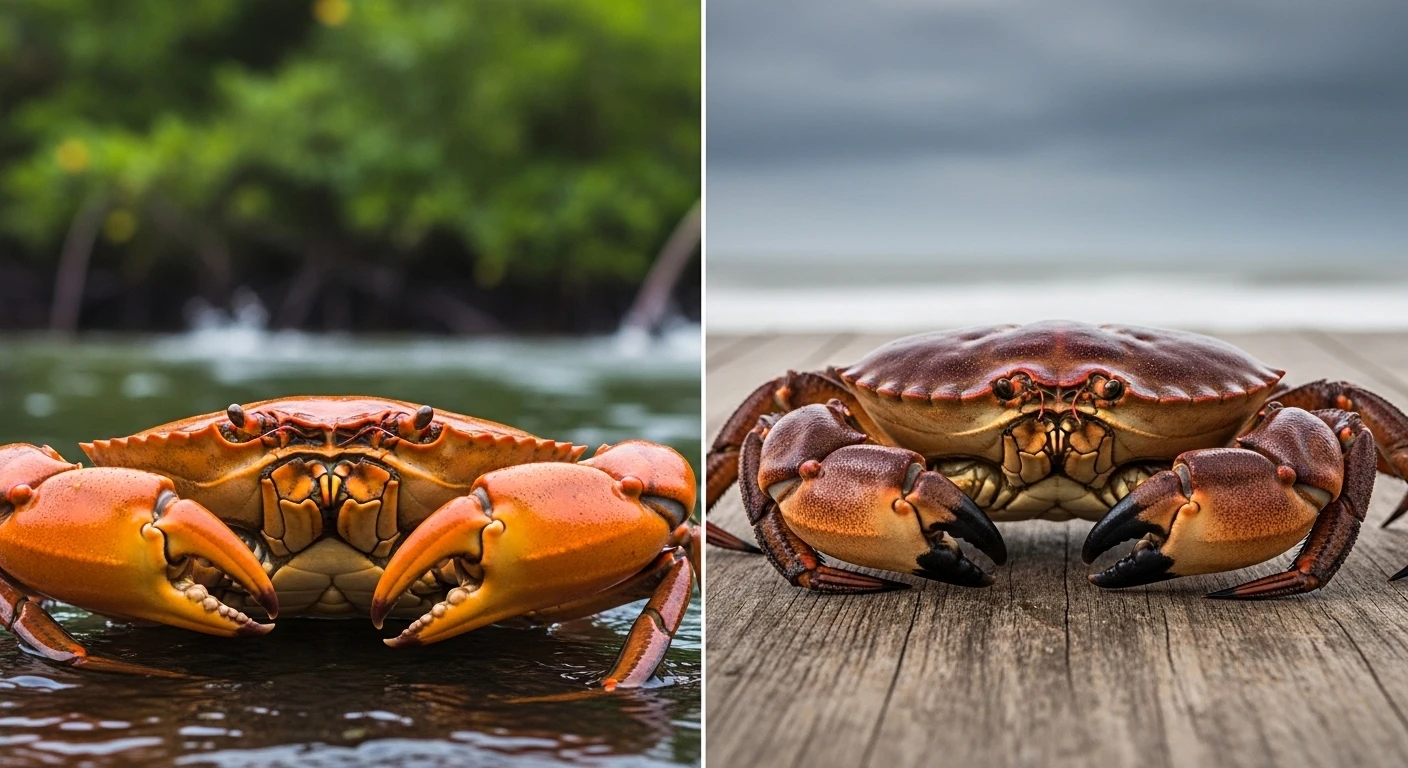
Before we pit street stall against tablecloth, it’s essential to understand the star of the show: the Mekong Delta mud crab, or cua biển. These aren't your dainty blue crabs from Maryland. These are robust, muscular creatures, often caught in the brackish waters of mangrove forests, particularly around the southernmost province of Ca Mau and the district of Nam Can – areas renowned for having the finest, most succulent crab in all of Vietnam.
What makes them special? The unique ecosystem. The fluctuating salinity and abundant food supply in the mangrove estuaries contribute to a crab meat that is incredibly firm, sweet, and packed with flavor. When you crack open a perfectly cooked Mekong mud crab, you're not just getting a meal; you're tasting the very essence of this intricate river system.
The Ca Mau Legend
Locals swear by Ca Mau crab. Its reputation is built on generations of crab farmers and fishermen who understand the nuances of their environment. Whether you find it steamed, fried, or curried, the quality of the raw ingredient is paramount, a fact that both humble street vendors and high-end chefs fully respect.
3 The Street Food Symphony: Chaos, Charisma, and Unforgettable Bites
Ah, street food. The very heartbeat of Vietnamese culinary culture. In the Mekong Delta, it's a sensory explosion: the roar of motorbikes, the chatter of vendors, the glint of steel woks, and the intoxicating scent of everything from grilled pork to simmering noodle soups. When it comes to crab, the street food experience is raw, immediate, and utterly captivating.
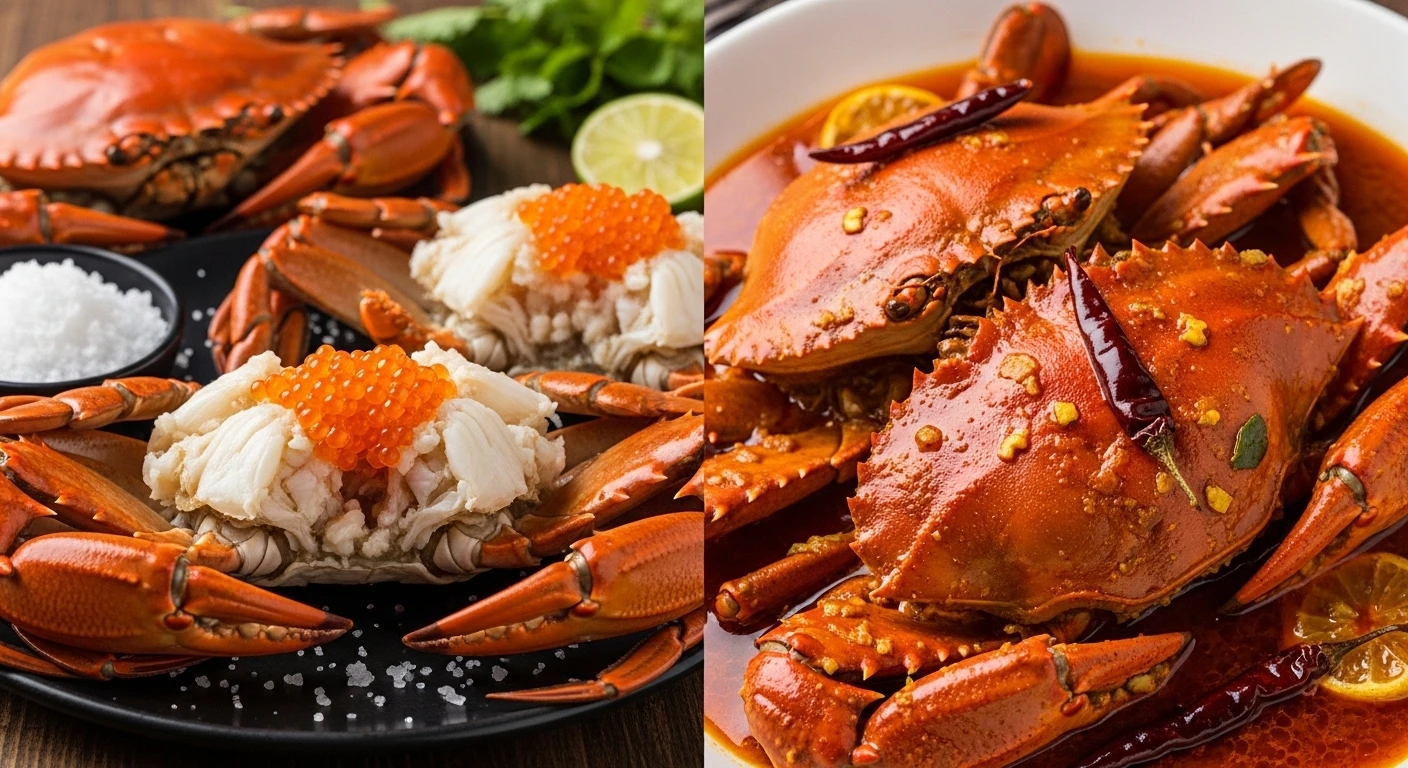
You'll find vendors, often tucked away down narrow alleys or lining bustling market fronts, showcasing live crabs in plastic basins. You pick your victim, and minutes later, it’s transformed into a sizzling masterpiece. Think: Cua Rang Muoi (salt-roasted crab), where the shell is coated in a sticky, savory-spicy salt mixture, or Cua Hap Gung (ginger-steamed crab), simple yet profoundly flavorful. The beauty lies in the spectacle, the direct interaction with the chef, and the feeling of truly eating like a local.
The Pros & Cons of the Pavement Feast:
- Pros:
- Authenticity: This is how locals eat. It’s unpretentious and vibrant.
- Atmosphere: The sounds, smells, and energy are an integral part of the meal.
- Price: Generally significantly cheaper than restaurants for the same amount of crab.
- Speed: Often cooked to order and served quickly.
- Cons:
- Comfort: Plastic stools, makeshift tables, and the elements (heat, dust, rain).
- Perceived Hygiene: This is the big one for many Westerners. While often cleaner than they appear, the lack of visible amenities can be off-putting.
- Limited English: Ordering can be a fun adventure or a frustrating challenge.
My take? Embrace the chaos. The best street food stalls have loyal followings for a reason, and it’s rarely just about the price.
4 Restaurant Elegance: Polished Plates and Air-Conditioned Comfort
Step off the bustling street and into a restaurant, and the experience shifts dramatically. You'll find a range from mid-tier, family-style eateries to more upscale establishments. Here, the focus is on a more controlled environment, attentive service, and often a wider array of dishes beyond just crab, though crab will remain a highlight.
Restaurants often offer more elaborate crab preparations. Think Cua Rang Me (tamarind crab), a sticky, sweet, and sour triumph; or a rich crab hotpot, perfect for sharing. You might even find delicate crab noodle soups like Banh Canh Cua, showcasing the meat in a more refined context. Presentation is elevated, and you can expect comfortable seating, clean restrooms, and English-speaking staff in tourist-centric venues.
The Pros & Cons of the Restaurant Rendezvous:
- Pros:
- Comfort & Amenities: Air conditioning, clean tables, proper cutlery, and often better hygiene standards.
- Service: More attentive staff, often with some English proficiency.
- Variety: A broader menu, allowing you to try other regional specialties.
- Presentation: Dishes are often plated with more care and artistry.
- Cons:
- Price: Expect to pay significantly more, sometimes double or triple, for comparable crab dishes.
- Less Local Vibe: The atmosphere can feel more generic, lacking the raw energy of the street.
- Tourist Traps: Some restaurants cater exclusively to tourists with inflated prices and mediocre quality.
Restaurants offer a reliable, comfortable option, especially if you're traveling with a group or prefer a more relaxed dining experience.
5 Beyond the Buzz: Unpacking Safety, Sourcing, and Quality
"Is street food safe?" This is the million-dollar question for many travelers. And it's valid. While stomach upsets can happen anywhere, the reality in Vietnam, especially in the Mekong Delta, is that freshness is king. The high turnover of popular street food stalls means ingredients, particularly seafood, are often incredibly fresh.
What to look for, regardless of venue:
- Live Crabs: The golden rule for crab is that it must be alive before cooking. Look for tanks or basins where crabs are actively moving. If they're sluggish or still, walk away.
- Busy Stalls/Restaurants: High customer traffic usually indicates fresh ingredients and good hygiene practices (even if it doesn't look spotless, high turnover prevents food from sitting too long).
- Cooking Method: Steaming and stir-frying at high heat ensure any potential pathogens are eliminated.
- Local Recommendation: Ask hotel staff, local guides, or even friendly locals where they eat. This is invaluable.
Ultimately, a good street food vendor prioritizes freshness because their reputation (and livelihood) depends on it. A bad restaurant can serve subpar food just as easily. Trust your instincts and look for the signs of quality.
6 The Price of Pleasure: Decoding Value in the Delta
There's no denying it: street food will almost always be cheaper. For the same weight of crab, you might pay 200,000 VND (approx. $8 USD) at a bustling market stall, versus 400,000-600,000 VND ($16-$25 USD) at a mid-range restaurant, and even more at high-end establishments. But is the restaurant "worth the price"?
Consider what you're paying for. At a restaurant, you're paying for:
- Overhead: Rent, utilities, staff salaries, taxes.
- Comfort: Air conditioning, cleaner facilities, comfortable seating.
- Service: English-speaking staff, attentive table service.
- Presentation: More refined plating.
- Peace of Mind: For some, the perceived higher hygiene standards offer comfort.
At a street food stall, you're primarily paying for the raw ingredients and the skill of the cook. The "value" isn't just in the monetary cost but in the entire experience. If you value comfort and convenience, a restaurant might be "worth it." If you value immersion and authenticity, the street food offers unparalleled value.
My Unfiltered Verdict: The Best of Both Worlds
Don't limit yourself. The Mekong Delta offers a spectrum of experiences.
When to Hit the Street:
- For a quick, authentic snack or a casual, lively dinner.
- When you want to soak in the local atmosphere and interact directly with vendors.
- If budget is a concern, but you don't want to compromise on flavor.
- To try simple, classic preparations like salt-roasted or ginger-steamed crab.
When to Opt for a Restaurant:
- For a more relaxed, comfortable, or romantic meal.
- When you want to try more elaborate dishes like tamarind crab or crab hotpot.
- If you're traveling with a group and prefer guaranteed seating and service.
- For a break from the heat and humidity.
My ideal itinerary? A mix of both. Enjoy a bustling street side crab dish for lunch, then treat yourself to a refined crab hotpot for dinner. Experience the full spectrum.
8 Navigating the Shell Game: Insider Tips for Crab Connoisseurs
Now that you're armed with the knowledge of where to eat, here are a few more tips to ensure your crab-eating adventure in the Mekong Delta is nothing short of legendary:
- Go Early: Especially for street food, hitting popular spots during peak hours means fresher ingredients and less waiting.
- Embrace the Mess: Eating crab, especially whole, is a messy business. Don't be shy; get your hands dirty. Wet wipes are your best friend.
- Master the Sauce: Vietnamese crab is almost always served with a dipping sauce. The classic is a simple mixture of lime juice, salt, pepper, and sometimes chili. This acidic punch perfectly complements the sweet crab meat. Ask for muối tiêu chanh.
- Pair with Local Beer: A cold local beer (like Bia Saigon or 333) cuts through the richness of the crab and enhances the dining experience.
- Learn a Few Phrases: "Ngon quá!" (Very delicious!) or "Cua tươi không?" (Is the crab fresh?) will go a long way in connecting with vendors.
- Trust Your Gut: If a place looks (or smells) off, move on. There are plenty of other options.
The Mekong Delta's crab scene is a microcosm of Vietnamese food culture: diverse, delicious, and deeply connected to its environment. Whether you choose the bustling street or the tranquil restaurant, prepare for an unforgettable culinary journey.
9 The Lingering Taste: More Than Just a Meal
The debate between street food and restaurant dining in the Mekong Delta isn't just about what's on your plate; it's about the entire cultural immersion. Eating crab here is a ritual, a connection to the river, the mudflats, and the hardworking hands that bring these delicacies to your table.
So, come to the Mekong Delta with an open mind and an empty stomach. Engage with the locals, explore the markets, and let the flavors guide you. Whether it's the humble plastic stool or the crisp tablecloth, the finest crab awaits, ready to tell its story through every succulent bite. Just remember to bring your appetite, and maybe an extra napkin or two.