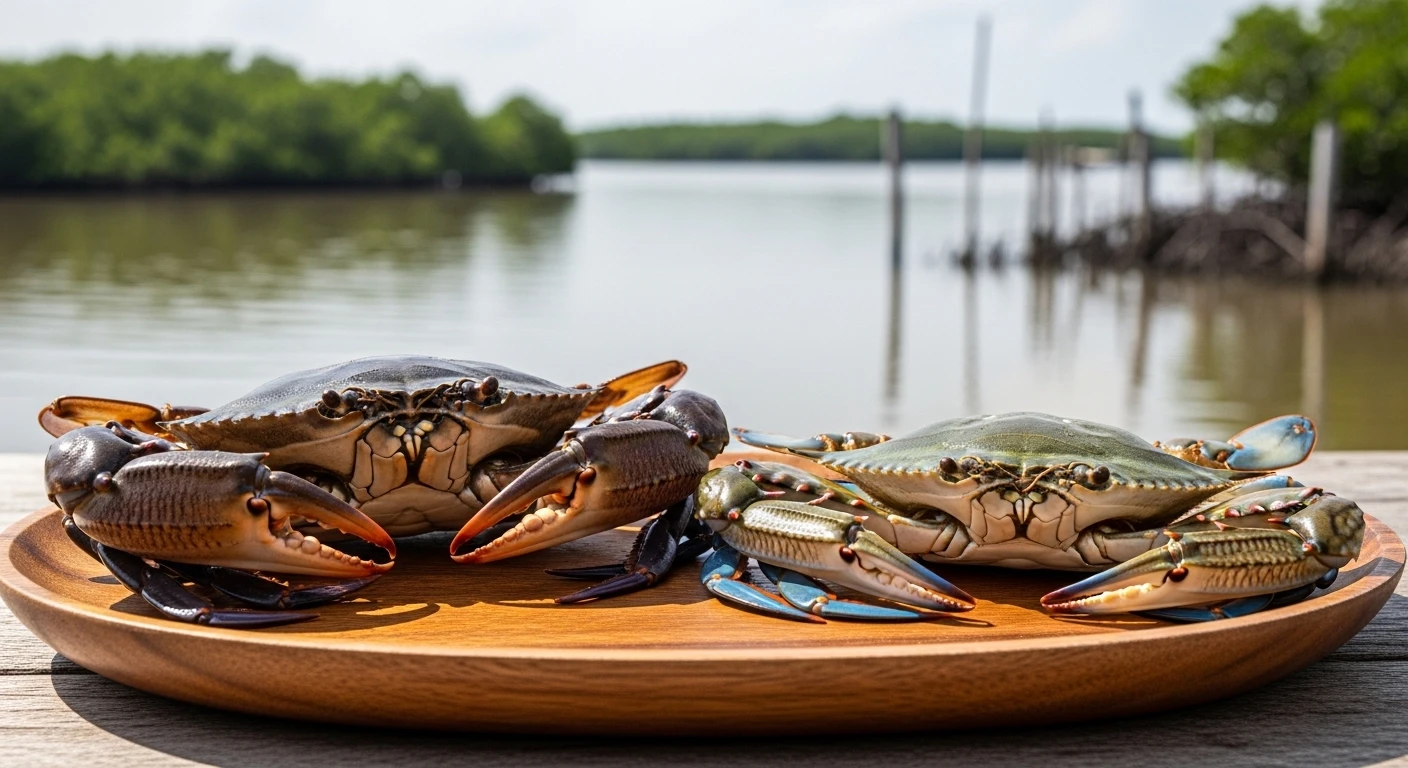
" There are meals you eat, and then there are meals you earn. In the wild heart of Vietnam's Mekong Delta, amidst the emerald embrace of the mangroves, lies an adventure that promises not just sustenance, but a profound connection to the land and its people. This isn't just eco-tourism; it's a primal dance with nature, ending with the freshest seafood imaginable. "
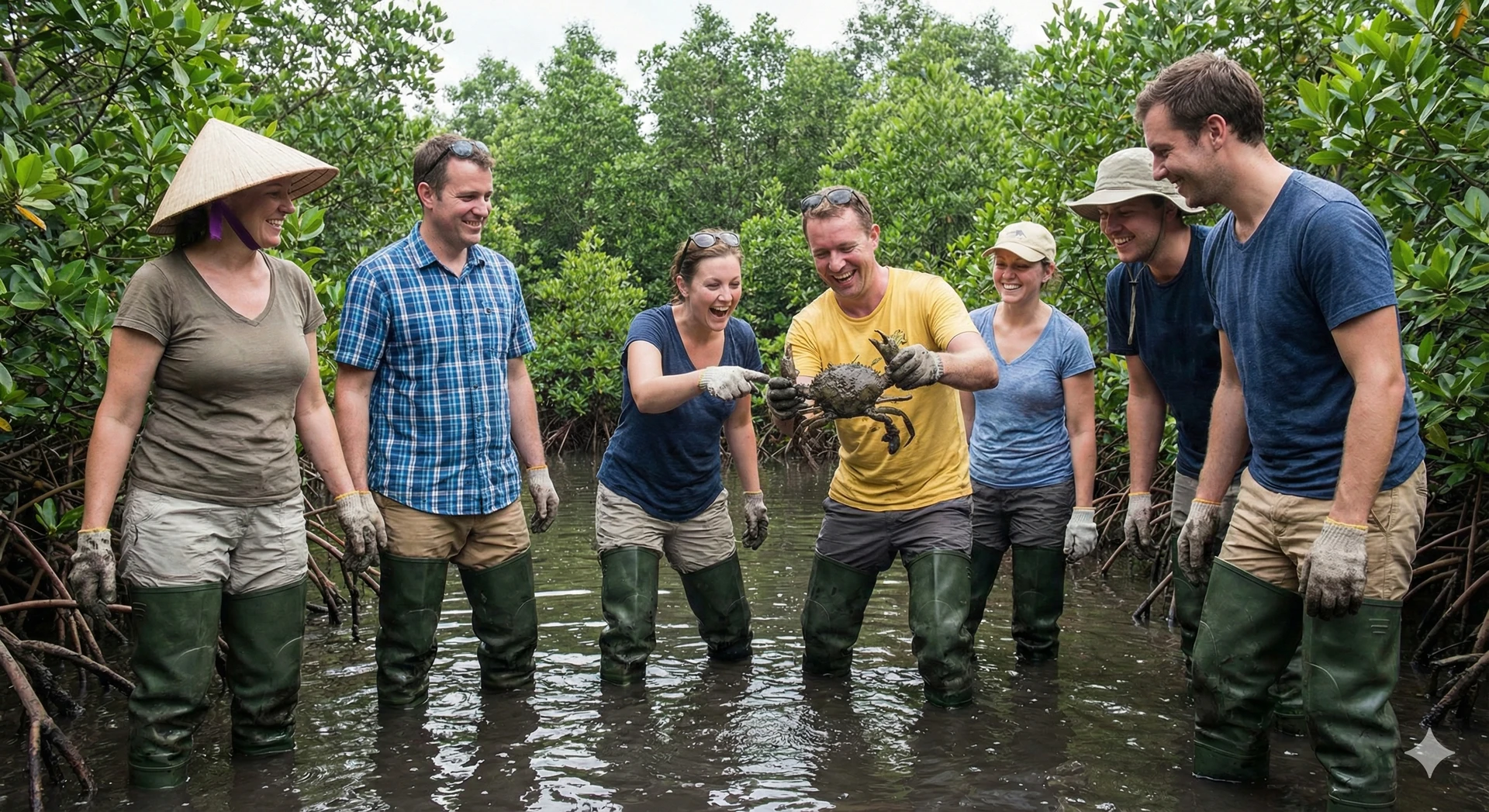
📸 The thrill of the catch: Hands-on adventure in Ca Mau's mangrove forests.
1 The Call of the Wild South: Ca Mau's Untamed Charm
Venture to the southernmost tip of Vietnam, and you'll find Ca Mau, a province where land and sea merge in a labyrinthine embrace of rivers, canals, and mangrove forests. This isn't the postcard-perfect rice paddies of other delta regions; Ca Mau is rugged, wild, and largely untamed. It's a place where life unfolds at the rhythm of the tides, and the bounty of the water dictates the daily bread. For the adventurous traveler, it offers a glimpse into an authentic, untouched Vietnam, far from the well-trodden tourist trails.
Here, the air is thick with the scent of saline earth and growing things, the whisper of wind through mangrove leaves, and the distant hum of a fishing boat. It's a place that asks you to slow down, to breathe deep, and to open yourself to an experience unlike any other. And for us, that experience began with a craving: a craving for the succulent mud crab, a delicacy synonymous with this region.
Ca Mau, often overlooked for its more famous delta neighbors, is a treasure trove for those seeking genuine connection. Its capital city, also called Ca Mau, serves as a gateway to these watery wildernesses, but the real heart of the province lies deeper within its intricate network of waterways and resilient communities. This is where tradition and nature thrive hand-in-hand.
2 Beyond the Plate: Understanding the Mud Crab's Kingdom
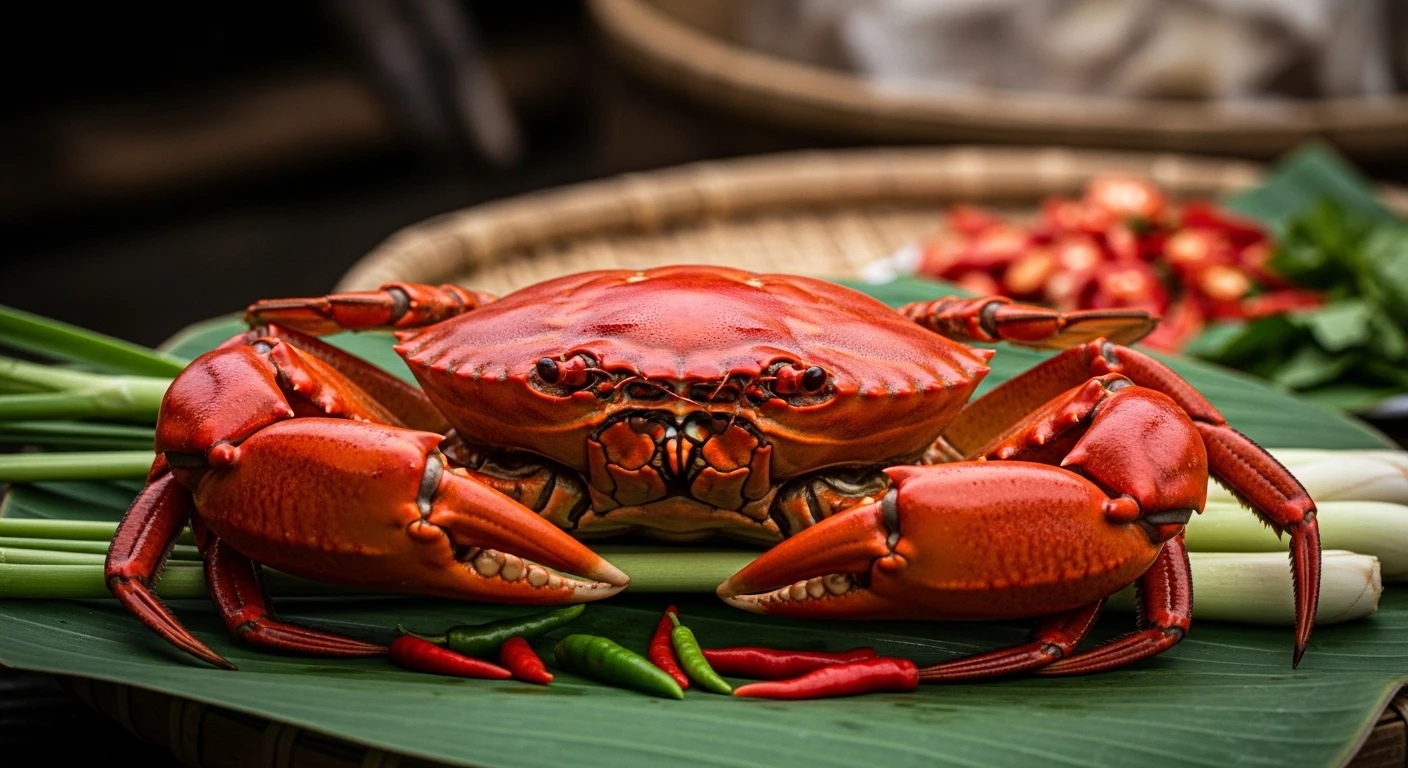
Before you even think about cracking a shell, it's crucial to understand the star of our show: the mud crab. These formidable crustaceans, known for their powerful claws and rich, sweet meat, thrive in the brackish waters and muddy estuaries of Ca Mau's mangroves. They are not just food; they are an integral part of the ecosystem and the local economy, living proof of the delta's vitality.
Locals have perfected the art of sustainable crab farming and hunting, often integrating it with shrimp and fish cultivation in a system known as silvofishery. This harmonious approach, part of what makes Ca Mau's eco-tourism so special, ensures that the environment remains healthy while providing livelihoods. It's a delicate balance, passed down through generations, and a testament to the ingenuity of the delta people. When you participate in a crab hunt, you're not just a tourist; you're stepping into a living, breathing tradition, a cycle of life and sustenance.
The sheer abundance of these crabs speaks to the health of the mangrove ecosystem. These forests act as a natural filter, a protective barrier against erosion, and a vital breeding ground for countless species. Protecting them is paramount, and the eco-tourism here is designed with that principle at its core.
3 Wading In: The Art of the Hunt
This is where the rubber meets the mud. Or rather, where your feet meet the mud. Dressed in simple, practical clothes, often provided by your local guide (think oversized boots, protective gloves, and sometimes even a traditional conical hat, the nón lá, for sun protection), you'll navigate the slick, tidal flats. The sun beats down, but the thick canopy of mangroves provides pockets of shade. The air is warm and humid, carrying the earthy smell of the delta, a symphony of nature's raw essence.
Your guide, usually a seasoned local with eyes sharp as an eagle's and reflexes faster than a striking snake, will demonstrate the techniques. There are several ways to catch a mud crab, each demanding a different skill set and level of daring:
- Hand Catching: The most thrilling (and perhaps terrifying) method. Spotting the tell-tale bubbles or subtle movements in the mud that betray a crab's burrow, you plunge your hand into the soft earth, feeling for the elusive crustacean. It requires speed, courage, and a healthy respect for those powerful claws. Your heart will race, your muscles will burn, but the exhilaration of success is unparalleled.
- Trapping: Using simple, locally made traps baited with fish, which you'll help set and retrieve later. This is a more patient, strategic approach, revealing the subtle science of local fishing, where knowledge of tides and crab behavior is key.
- Fishing Rod Method: A simple line with bait (often small fish or squid) dangled into burrows. The crab grabs the bait, and with a swift, practiced motion, the hunter hooks it out. This method often involves less direct contact but no less excitement.
The feeling of pulling a live, wriggling mud crab from its muddy lair is an exhilarating rush. It’s dirty work, certainly, but the laughter and camaraderie among the group, combined with the pride of a successful catch, make it utterly unforgettable. It’s a sensory explosion: the squelch of mud beneath your feet, the salty spray, the triumphant shouts of "Got one!", and the raw, untamed beauty of the mangrove landscape unfolding before your eyes. This isn't just an activity; it's a baptism by mud, a true taste of the delta's spirit.
4 The Mud, The Sweat, The Reward: A True Eco-Adventure
This isn't just about catching a crab; it's about connecting with an ecosystem. Ca Mau's mangrove forests are vital carbon sinks, protecting the coastline and providing a nursery for countless marine species. The local eco-tourism initiatives are built around preserving this delicate balance, offering a model for responsible travel.
When you participate in a guided crab hunt, you're contributing directly to sustainable practices. The guides teach you not only how to catch but also how to respect the environment, ensuring crabs of a certain size are returned to propagate, and that minimal disturbance is made to the habitat. It’s a hands-on lesson in ecological responsibility, masquerading as pure, unadulterated fun. You get a unique insight into the daily lives and ingenious methods of the delta farmers, learning about the symbiotic relationship between humans and nature.
Anthony Bourdain once eloquently stated, "Context and memory are the key. Without them, food is just food." Here, the context is the wild delta, and the memory is the mud on your face, the ache in your muscles, and the triumphant joy of a hard-earned, impossibly fresh meal. This is food with a story, woven into the very fabric of the landscape.
5 From Trap to Table: The Culinary Journey of Your Catch
The real magic begins once your bucket is heavy with your hard-won bounty. The journey back often involves a serene boat ride through narrow canals, providing a moment of tranquility after the adrenaline of the hunt. You'll head to a rustic, open-air kitchen – sometimes a simple shack perched on stilts over the water, sometimes a welcoming family home – where your crabs will undergo their transformation from wild catch to culinary masterpiece.
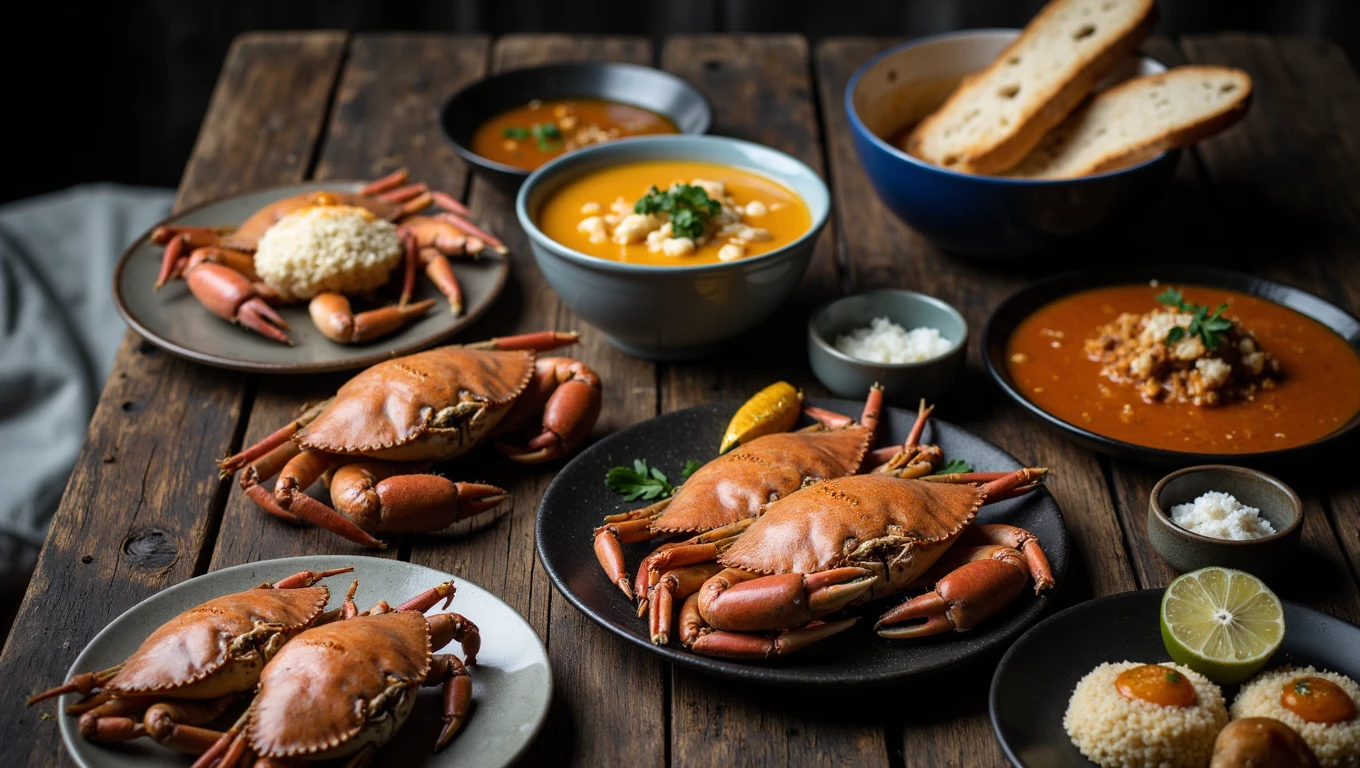
Ca Mau locals are masters of seafood, and their crab preparations are legendary. While there are countless ways to cook crab, some stand out as quintessential Ca Mau experiences, designed to highlight the ingredient's natural perfection:
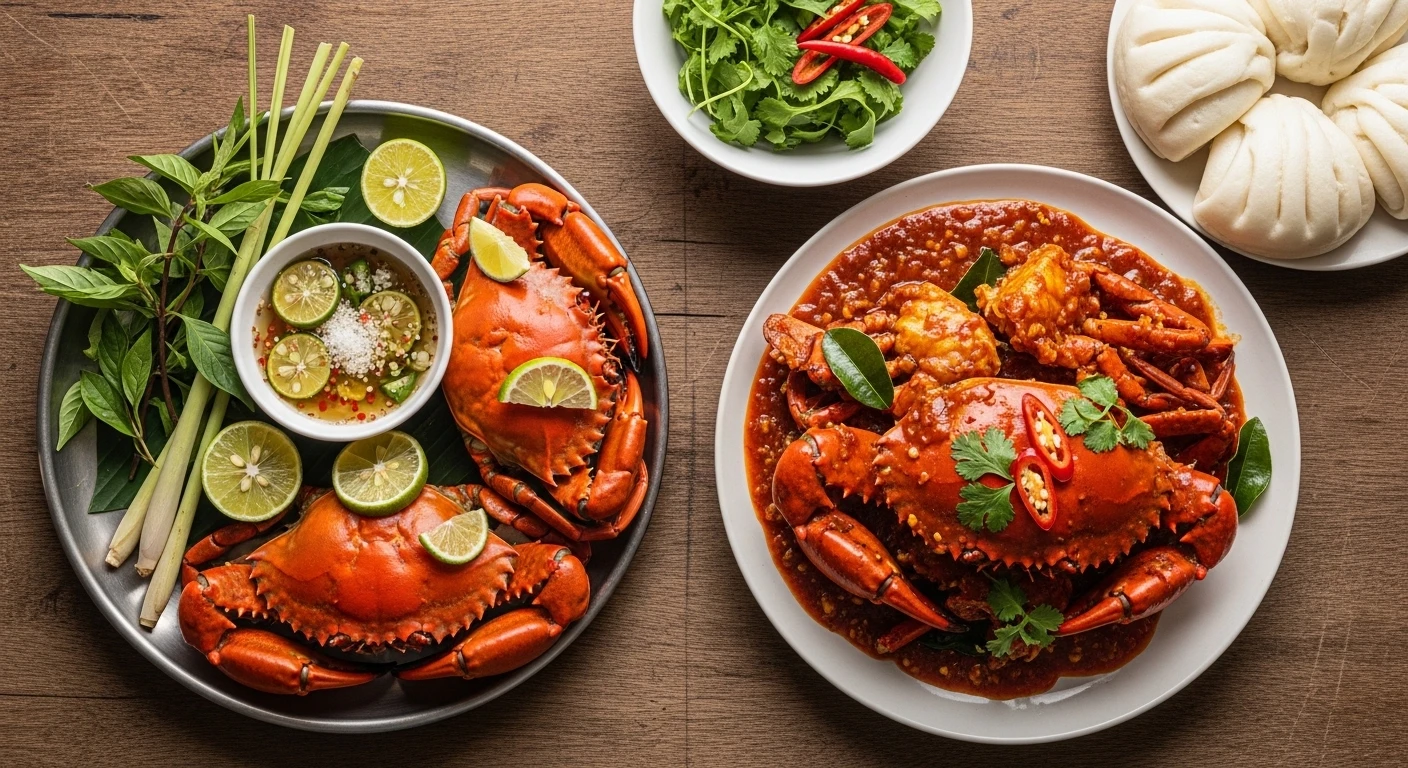
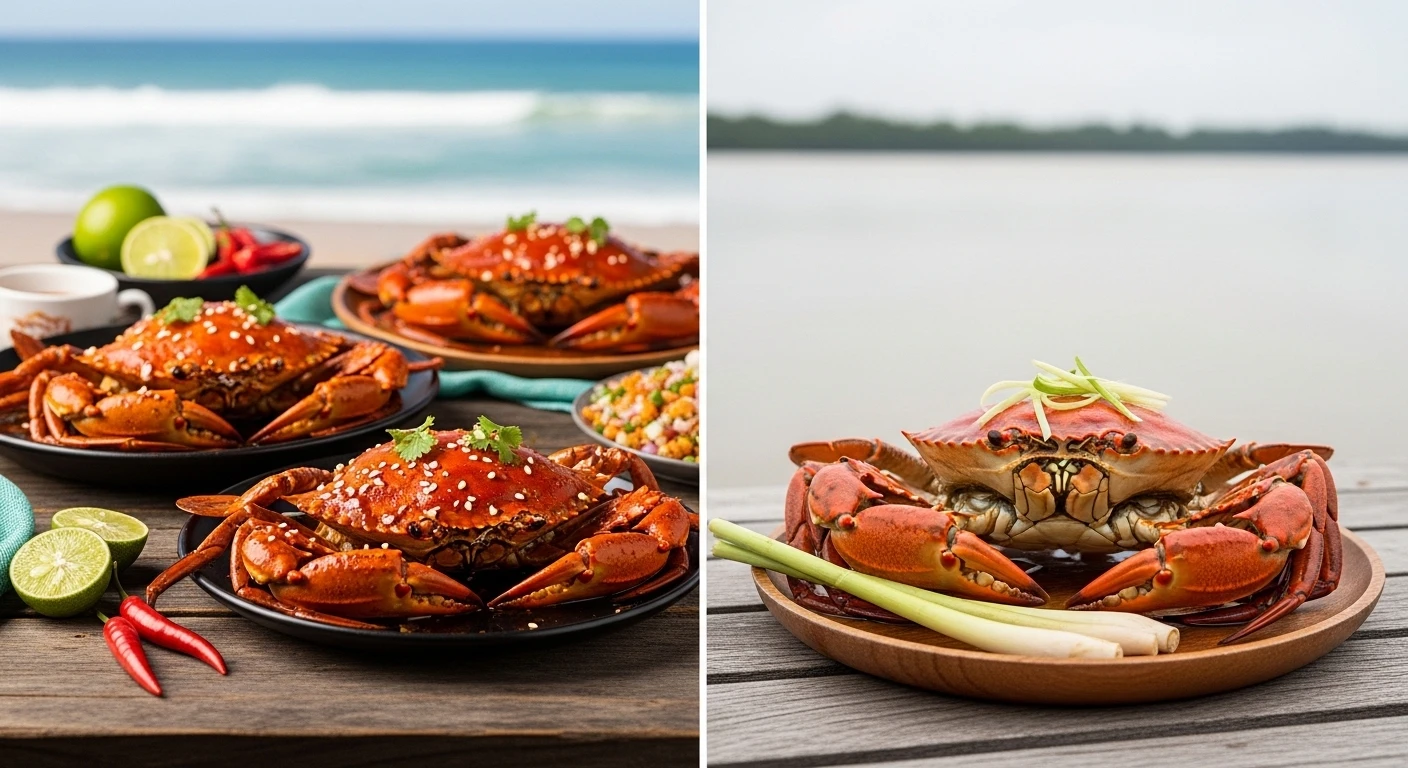
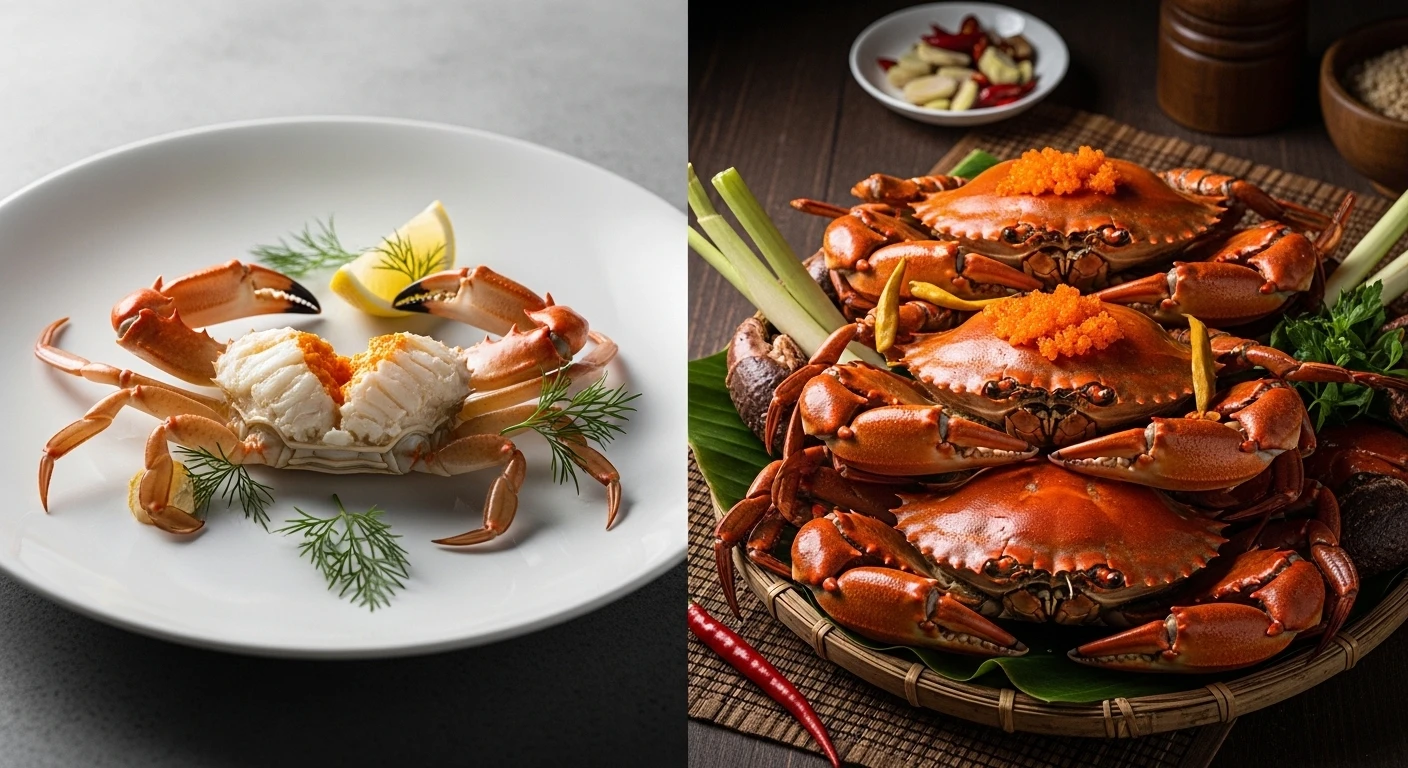
- Steamed with Coconut Water or Beer (Cua Hấp Nước Dừa / Cua Hấp Bia): This is arguably the purest expression of the mud crab's sweet, delicate meat. The coconut water adds a subtle sweetness and fragrance, while beer imparts a unique aromatic depth, mellowing any "fishy" notes. It’s a minimalist approach that allows the crab to truly shine.
- Grilled with Salt and Chili (Cua Nướng Muối Ớt): For those who love a smoky, spicy kick. The crabs are butterflied and marinated with a fiery salt-and-chili paste before being grilled over charcoal. The result is a slightly charred, intensely flavorful dish with an irresistible aroma that permeates the air.
- Crab Hotpot (Lẩu Cua): A vibrant, communal feast where the crab is cooked in a rich, flavorful broth alongside various fresh vegetables, mushrooms, and rice vermicelli. Perfect for sharing, this dish epitomizes Vietnamese communal dining and provides a comforting, aromatic experience.
The simplicity of these preparations speaks volumes about the quality of the ingredient. When crab is this fresh, caught just hours before, it needs little embellishment. The goal is to highlight its natural sweetness, firm texture, and the unique oceanic flavor that only a wild-caught delta crab can possess.
6 A Taste of Authenticity: Dining in the Delta
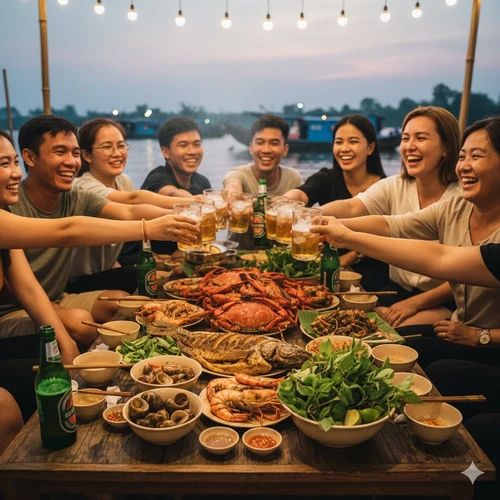
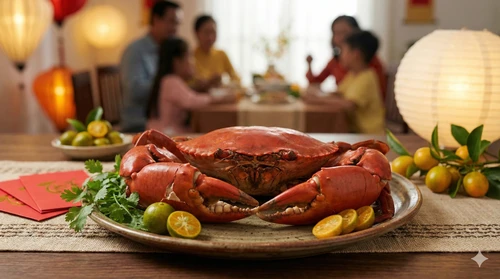
Sitting down to eat your freshly caught and prepared crab is not just a meal; it's the culmination of an entire experience. You'll likely be sharing a table with your guides and their families, or fellow adventurers, swapping stories of the day's catches under the warm glow of simple lights.
The Setting
The dining setup is often humble: sturdy wooden tables, plastic chairs, and the rhythmic sounds of the delta – perhaps a cicada's song, the gentle lapping of water, or distant conversations. But the atmosphere is priceless. You're eating with your hands, cracking shells with gusto, extracting sweet, tender crab meat, and dipping it into a spicy, salty lime-and-pepper sauce (muối tiêu chanh) – the quintessential Vietnamese seafood condiment, a perfect counterpoint to the crab's richness.
This is food as it was meant to be: communal, fresh, and deeply connected to its origins. The flavors are clean, vibrant, and utterly satisfying, a true reflection of the land and its bounty. Each bite carries the memory of the mud beneath your feet, the sun on your back, and the thrill of the hunt, creating a multi-sensory culinary journey.
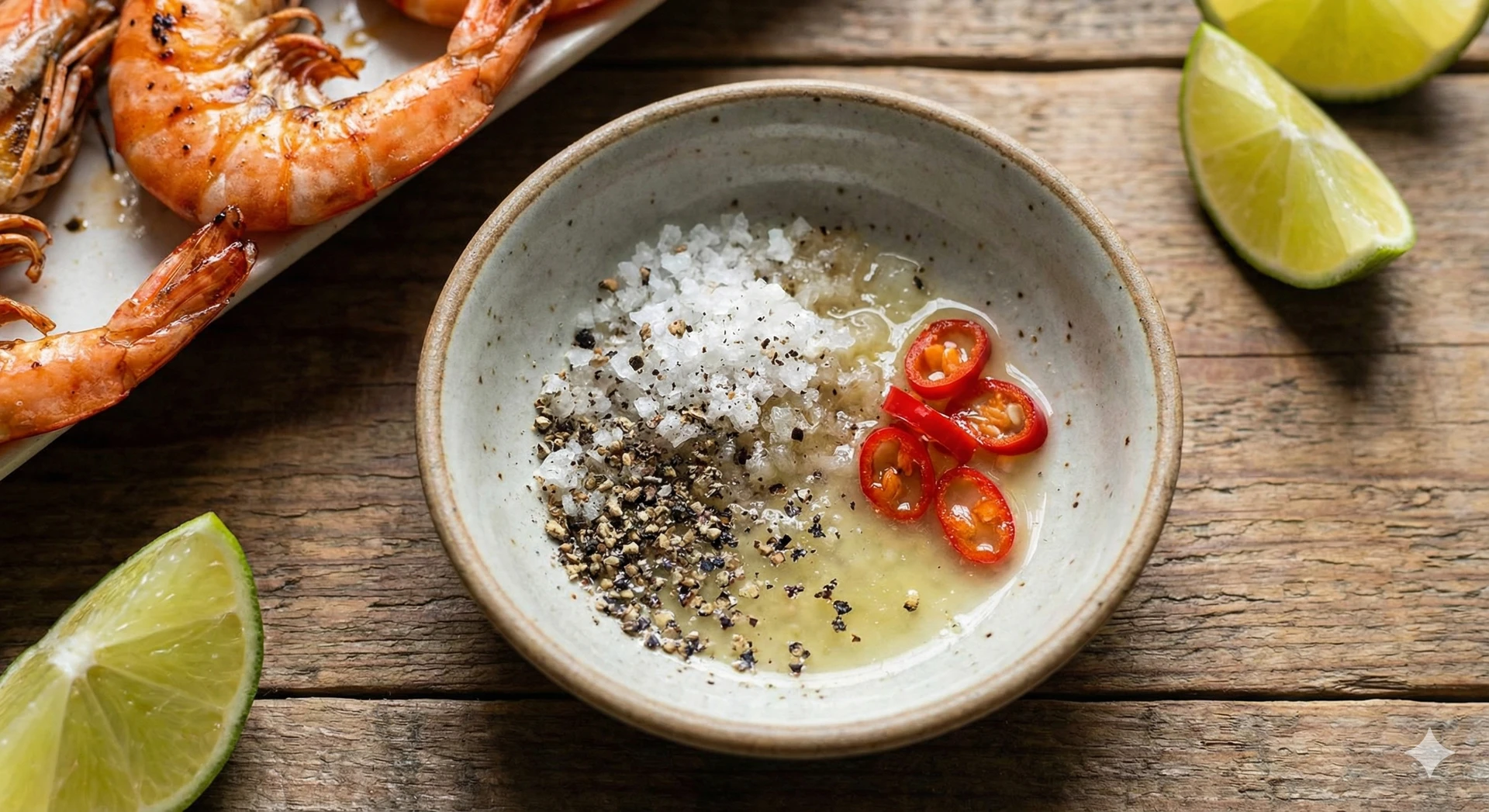
The essential dipping sauce: simple, potent, perfect for fresh crab.
This is where travel journalism transcends mere description. It becomes an immersion, a participation in the very fabric of local life. And the flavor? Unbeatable – a taste of true authenticity.
7 Expert's Field Notes: Tips for Your Ca Mau Expedition
To ensure your Ca Mau crab hunting adventure is as smooth and enjoyable as possible, here are some invaluable tips from a seasoned delta explorer:
- Best Time to Visit: The dry season (November to April) generally offers more comfortable weather for outdoor activities, with less rain and moderate temperatures. However, the delta is lush and beautiful year-round, and the rainy season can offer a different, equally captivating charm.
- What to Wear: Pack light, quick-drying clothes that you don't mind getting thoroughly muddy. Long sleeves and pants are highly recommended to protect against the sun, insects, and minor scrapes from mangrove roots. Comfortable, enclosed shoes or sturdy sandals are a must; many guides will provide oversized rubber boots for wading through the thick mud.
- Sun Protection: The sun in the delta can be intense. Bring a wide-brimmed hat, sunglasses, and plenty of high-SPF, reef-safe sunscreen. Protecting yourself from UV rays is crucial for an enjoyable day.
- Insect Repellent: Absolutely essential, especially during twilight hours in the mangroves where mosquitoes and other biting insects can be prevalent.
- Book Ahead: Eco-tourism experiences often involve local families and small community groups, requiring pre-arrangement. Connect with reputable local tour operators or directly with homestays in Ca Mau city or the Nam Can district to ensure a well-organized and authentic experience.
- Cash is King: While larger establishments in Ca Mau city might accept cards, smaller local vendors, guesthouses, and guides in rural areas will prefer cash (Vietnamese Dong). Ensure you have enough small denominations.
- Embrace the Mud: This is not a pristine, manicured experience. It’s raw, real, and gloriously dirty. Be ready to get covered in mud, laugh at yourself, and let go of your inhibitions. The mud is part of the magic!
- Learn a Few Phrases: Even a few basic Vietnamese phrases like "hello" (xin chào), "thank you" (cảm ơn), and "delicious" (ngon quá!) will go a long way in connecting with your hosts and enriching your experience.
8 Why Ca Mau? More Than Just a Meal
In a world increasingly homogenized by mass tourism, Ca Mau stands as a bastion of authenticity. It’s a place that strips away the artifice, inviting you to reconnect with the raw beauty of nature and the resilient, warm spirit of its people. The mud crab hunt is more than an activity; it's a window into a sustainable way of life, a profound lesson in ecological harmony, and a delicious reminder of where our food truly comes from.
You’ll leave Ca Mau not just with a full stomach and perhaps a few scrapes, but with a full heart, a deeper appreciation for the intricate beauty of the Mekong Delta, and perhaps, a little bit of mud still clinging to your boots – a tangible, earthy souvenir of an unforgettable adventure. This is where you don't just travel; you live, you learn, and you taste the wild, unadulterated essence of Vietnam. It's an experience that nourishes the soul as much as it fills the belly.
Ready for Your Delta Adventure?
Inspired to plunge into the heart of Ca Mau and experience this unique eco-adventure firsthand? Planning a trip to the Mekong Delta requires local insights.
🗺️ Plan Your Immersive Trip Now!