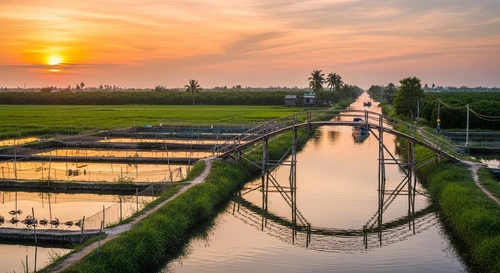
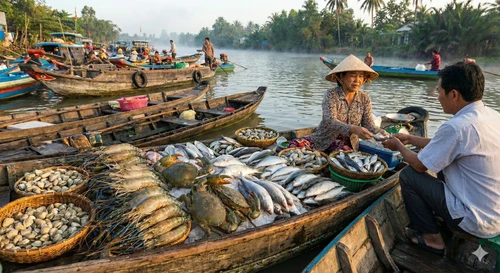
" The Mekong Delta, a watery labyrinth of life, pulses with rhythm—the splash of oars, the chatter of commerce, and the persistent, playful tug-of-war of a good bargain. Here, buying food isn't just about handing over cash; it's a performance, a negotiation, a true taste of local culture. "
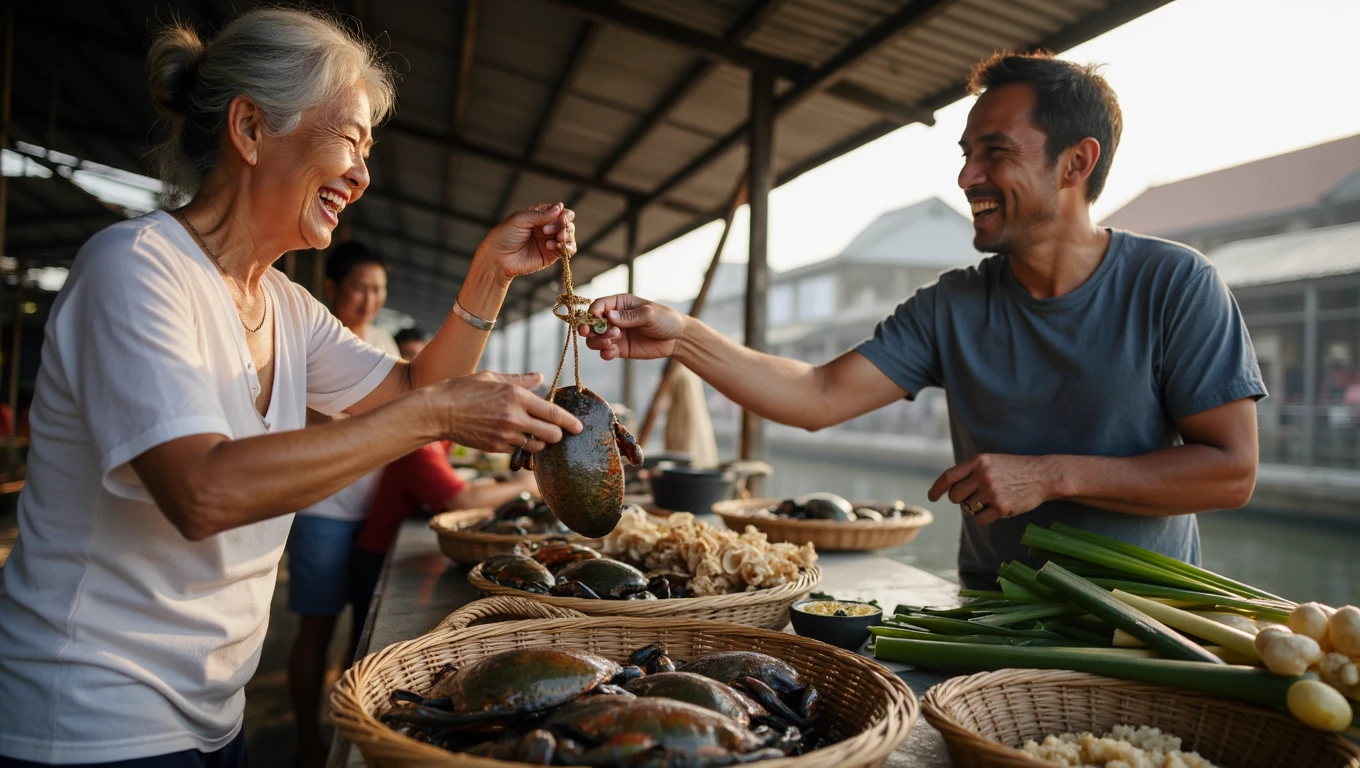
📸 The heart of the Delta: A lively market, where every transaction is a story.
1 The Delta's Whisper: A Dance of Wits and Wonders
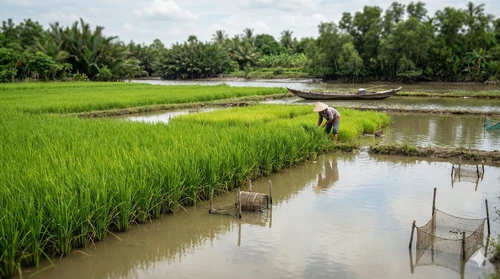
Imagine a place where the air hangs thick with the scent of river mud, ripe fruit, and grilled fish. Where wooden sampans glide silently past emerald rice paddies, and every morning, the waterways explode into a vibrant symphony of commerce. This is the Mekong Delta, Vietnam's rice bowl and seafood basket. It’s a region defined by its fertile lands and its generous waters, yielding an abundance that fuels its bustling markets. And nowhere is its spirit more alive than in these labyrinthine spaces, where the negotiation for a succulent mud crab is a rite of passage, a conversation, and an invitation to truly engage with the local way of life.
For the uninitiated, the bustling markets can seem overwhelming, a dizzying array of sights and sounds. The clamor of voices, the clatter of scales, the pungent aromas of fresh produce and dried goods – it's a sensory overload in the best possible way. But beneath this surface chaos lies an ancient system, a vibrant cultural exchange that revolves around the art of the deal. And when it comes to prized delicacies like fresh, lively crab, mastering this dance isn't just about saving a few dong; it's about connecting with the very rhythm of the Delta itself, proving you're willing to play by its rules.
2 More Than Money: The Art of the Deal, Delta Style
Bargaining in Vietnam, especially in traditional, wet markets, isn't perceived as aggressive or disrespectful. Quite the opposite, in fact. It's an expected part of the interaction, a friendly game where both parties are looking for a fair outcome. It’s less about squeezing every last penny and more about the engagement itself. For vendors, a good haggle demonstrates your interest, your respect for their goods, and your engagement with their culture. It shows you're not just a passive buyer but an active participant. For you, the buyer, it’s an opportunity to save money, yes, but more importantly, to gain a deeper, more authentic experience, one that transcends a simple monetary exchange.
Think of it as a conversational dance, not a confrontation. It’s about building a fleeting connection, exchanging smiles, and finding a middle ground that satisfies both sides. Tourists who shy away from bargaining often miss out on this rich cultural tapestry, inadvertently paying inflated prices while also missing a chance to interact with locals on their terms. Don't be that tourist. Embrace the challenge; the rewards are not only financial but deeply experiential. A successful haggle often ends with a shared laugh and a sense of mutual respect – and that, my friends, is priceless.
3 The Mud Crab's Odyssey: From Mangrove Roots to Market Stalls
Before you even think about prices, it's worth understanding the journey of the star of our show: the mud crab. These formidable crustaceans thrive in the brackish waters of the Delta's extensive mangrove forests, especially around provinces like Ca Mau, Ben Tre, and Soc Trang. Fishermen, often navigating narrow, muddy canals in small wooden boats, spend hours setting traps or patiently hand-catching these prized creatures. It's arduous, often hot and humid work, requiring intricate local knowledge of tides, currents, and crab behavior, along with a deep respect for the fragile ecosystem.
From the murky depths of the river system, these live, feisty crabs are brought directly to market, often still bound with strong jute string to prevent their powerful claws from causing havoc among the other produce or, worse, on the vendors themselves. This direct "mangrove-to-market-to-table" journey means unparalleled freshness, a quality that is non-negotiable for any serious Delta chef or home cook. This rapid transit also creates a fierce, yet friendly, competition among vendors and discerning buyers. Knowing this backstory helps you appreciate the product and the immense efforts of those who bring it to you, imbuing your approach to the bargaining table with a new layer of understanding and respect.
The Guardians of the Catch: Decoding the Vendor's Smile 🤝
Your market vendor is a seasoned professional, an astute entrepreneur, and often, a charmer. They've seen it all. Understand their perspective, and you're already halfway to a good deal.
Their Goal
To make a fair profit, ensure their fresh, perishable inventory moves quickly, and ideally, to build a positive, albeit brief, relationship with customers. They operate on two pricing tiers: a standard 'local price' and a slightly higher 'tourist price'. Your objective is to politely, skillfully, bridge that gap.
Your Advantage
You're often a curiosity, a novelty. A friendly face, a little politeness, and a genuine willingness to engage in the local custom can go an incredibly long way. Learning a few simple Vietnamese phrases like "Xin chào" (hello), "Cám ơn" (thank you), and "Bao nhiêu tiền?" (how much?) will endear you. But above all, a genuine smile is a universal currency that unlocks doors and opens wallets, often leading to a more favorable price.
5 The Unwritten Scrolls: Golden Rules for the Wary Buyer
Bargaining is less about rigid rules and more about subtle understanding of social cues and market dynamics. However, a few guiding principles will equip you well for the lively market floor, transforming apprehension into playful confidence:
- Always Start Lower, but Be Realistic: The vendor's initial price for a tourist is almost invariably inflated. A good starting offer is usually 50-70% of their stated price. Don't insult them with a ridiculously low offer (e.g., 20%), but absolutely do not accept the first price either. The negotiation range is often 10-30% off the initial quote.
- Be Polite and Smile Constantly: A friendly, unassuming demeanor is your greatest asset. Begin any interaction with a warm "Xin chào" (hello) and a genuine smile. Even if you don't speak a word of Vietnamese beyond this, a polite and warm approach signals good intentions and a willingness to engage respectfully.
- Master the Art of Non-Verbal Communication: If language is a significant barrier, leverage pointing, using fingers for numbers, or showing notes on your phone. This makes the interaction clearer, more efficient, and often more engaging. Hand gestures are universal, and a little playful gesturing can go a long way.
- Know When to Walk Away (and Mean It): This is arguably the most powerful negotiating tactic. If you feel the price is genuinely too high, politely say "Cám ơn" (thank you) and begin to slowly, deliberately walk away. Often, the vendor will call you back with a better, more agreeable offer. If they don't, it simply means you've either hit their absolute rock bottom, or they genuinely don't need your business at that moment. Be prepared to genuinely walk away to another stall; there are usually plenty of other vendors selling similar products.
- Don't Rush the Process: Bargaining is a slow, methodical dance. Rushing gives the impression you’re desperate, easily swayed, or simply not enjoying the cultural interaction. Take your time, inspect the goods thoroughly, ask questions (even if just through gestures), and genuinely enjoy the process of negotiation. It’s part of the Delta experience.
- Buy More, Save More (The Bulk Discount): If you're buying multiple crabs or other items from the same vendor, you inherently gain more leverage for a discount. Bulk purchases are always appreciated by vendors. "For three crabs, can you give me [X amount]?" is a much stronger negotiating position than trying to haggle each one individually.
6 The Crab Whisperer: Specific Strategies for Mud Crabs
When it comes to the revered mud crab, a few extra layers of strategy and discernment come into play. This isn't just any commodity; it's a living creature, and its quality and vitality are paramount to a truly delicious meal. A good negotiator isn't just focused on price, but on value – and that starts with the product itself.
- Assess Freshness (The Vigour Test): The first, and arguably most crucial, rule of buying crab in the Delta: it must be alive and kicking with undeniable vigor. Look for crabs that are active, moving their legs purposefully, and trying to escape their bonds. If they're sluggish, still, or emitting any off-putting smells, they're likely on their way out, and you absolutely do not want them. Reputable vendors will often proudly demonstrate the liveliness of their crabs.
- Inspect for Damage and Size: Carefully check for missing claws, damaged shells, or signs of recent molting (soft shells mean less meat). A healthy, intact crab means more succulent meat. Don't be shy about asking the vendor to show you the crab up close, or even picking one up (very carefully, by the shell near the back!) if the vendor permits. Bigger crabs usually mean better meat-to-shell ratio, but also higher price.
- "Cua Gạch" (Roe Crab) vs. "Cua Thịt" (Meat Crab): Mud crabs come in two main varieties for sale: those packed with delicious, creamy, orange roe (called cua gạch) and those primarily prized for their succulent, flaky white meat (called cua thịt). Roe crabs are typically more expensive due to their sought-after delicacy. If you know which you prefer, specifically asking for "cua gạch" or "cua thịt" can sometimes give you a slight edge in negotiation by demonstrating your knowledge and discerning taste.
- Understand Weight and Price Per Kilogram: Prices are almost universally quoted per kilogram (ký). Have a rough idea of how much a good-sized crab weighs (often ranging from 500g to over 1kg for truly magnificent specimens). When they weigh it, observe the scales closely. If language is an issue, politely ask them to write down the price per kilo and the total price for clarity.
- The Bundle Deal Advantage: As mentioned, if you're buying several crabs, aim for a bundle price. Instead of haggling for each individual crab, propose, "For these three fine crabs, can you offer me [X amount]?" This approach often results in a more favorable collective price, and the vendor appreciates the larger sale.
7 Beyond the Transaction: Earning Respect, One Crab at a Time
The ultimate goal of bargaining in the Mekong Delta isn't just to secure the lowest possible price, but to engage respectfully and meaningfully with the local culture. A truly successful negotiation should leave both parties feeling positive and satisfied. The vendor feels they've made a fair sale and had a pleasant, perhaps even memorable, interaction; you, the buyer, feel you've gotten a fair deal and experienced an authentic slice of local life that goes beyond mere tourism.
Once the deal is done, seal it with a sincere "Cám ơn" (thank you) and a warm smile. A gesture of politeness goes a long way. If you plan to return to the same market or, even better, the same vendor, this positive interaction lays the crucial groundwork for future successful haggles and potentially even friendlier prices. Building a small rapport, even with a fleeting acquaintance, is one of the most rewarding and enduring aspects of travel in Vietnam. It's about active participation, not just passive observation, and in the end, it makes your culinary journey even richer.
8 The Sweetest Victory: From Market Bag to Mekong Feast
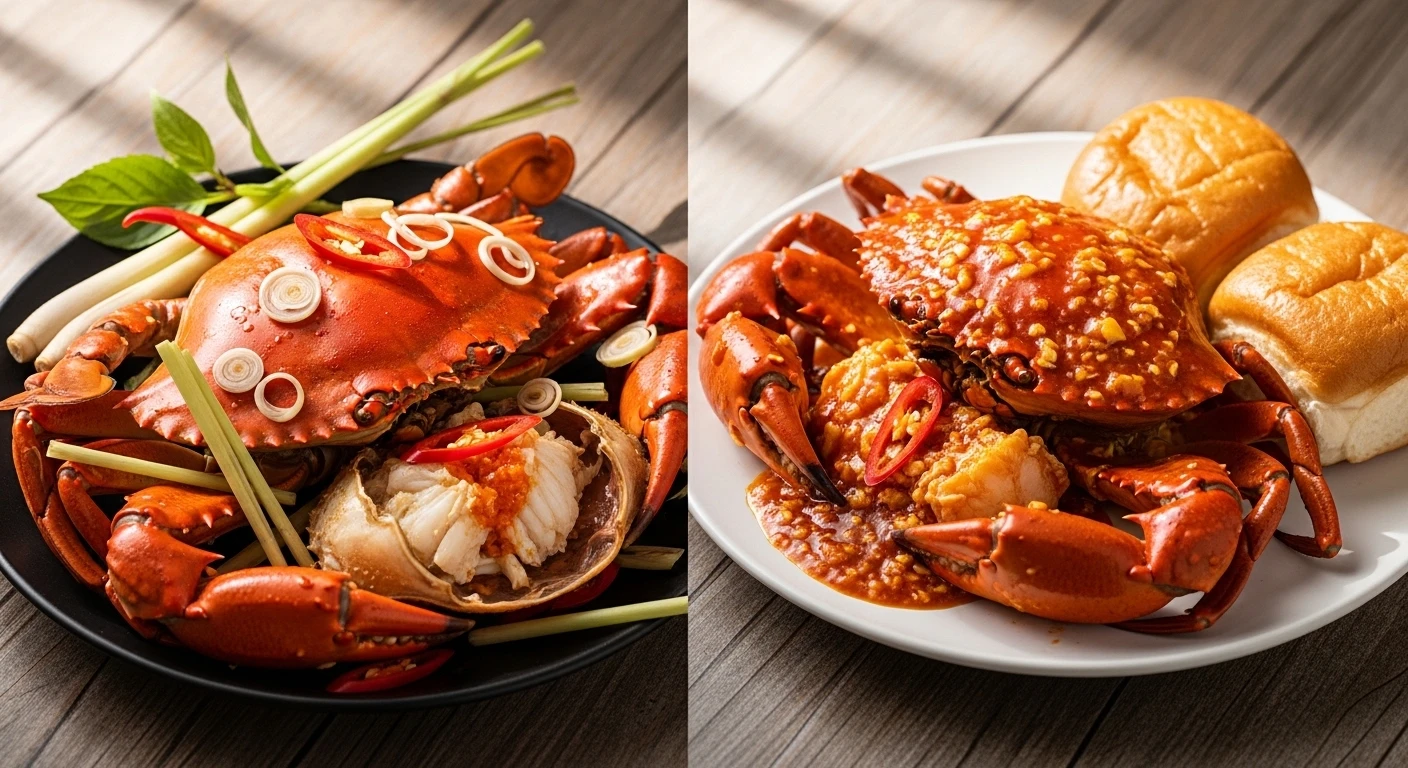
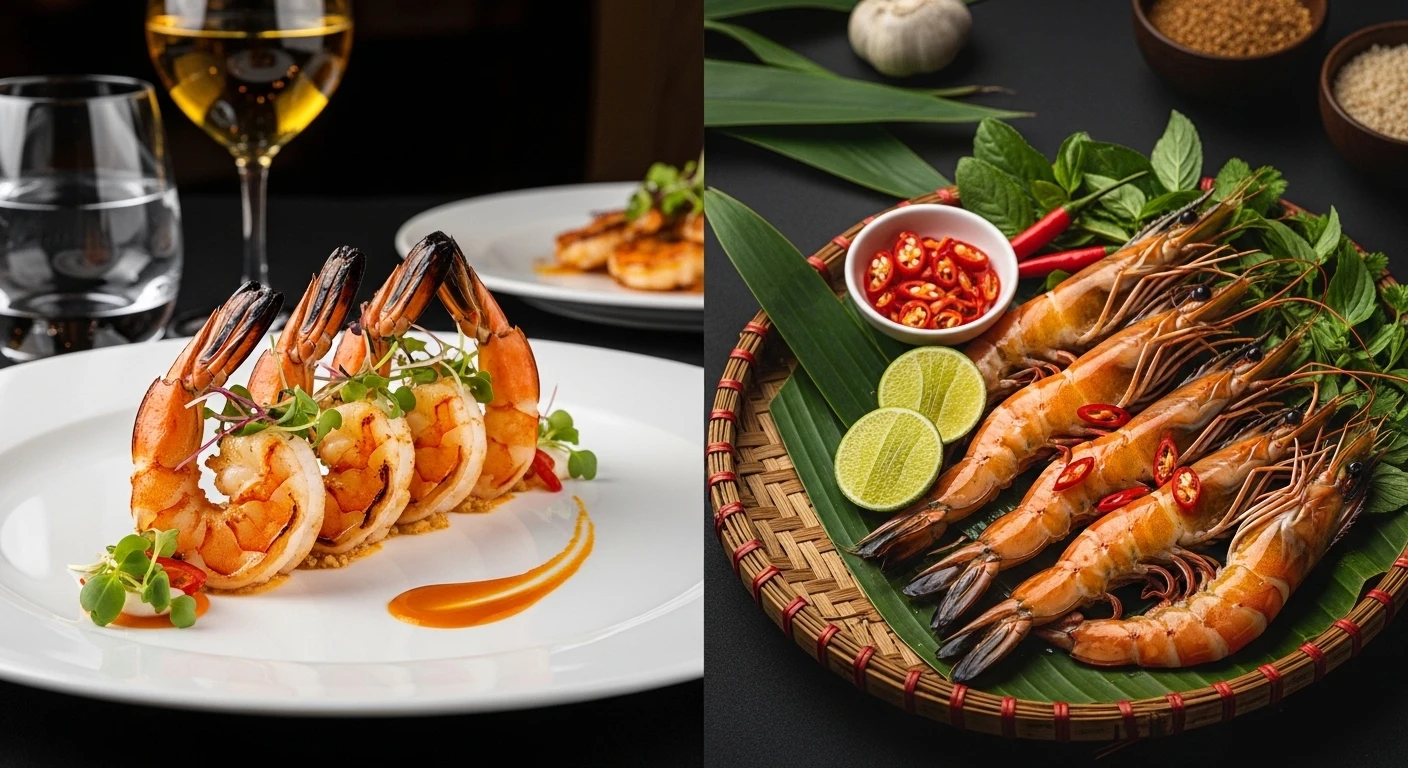
With your freshly acquired, perfectly priced mud crabs in hand, the real reward awaits. You’ve navigated the bustling market, engaged in a spirited negotiation, and emerged victorious. Now, the flavors of the Delta are yours to command. Whether you choose to have them simply steamed with aromatic beer and fragrant lemongrass, grilled over smoky charcoal until their shells blush crimson, or stir-fried in a tangy tamarind sauce, the flavor of victory is undeniably sweeter when it’s been earned through a good, honest haggle.
The taste of success is delicious, especially when it's fresh, local crab.
Cook Your Prize!