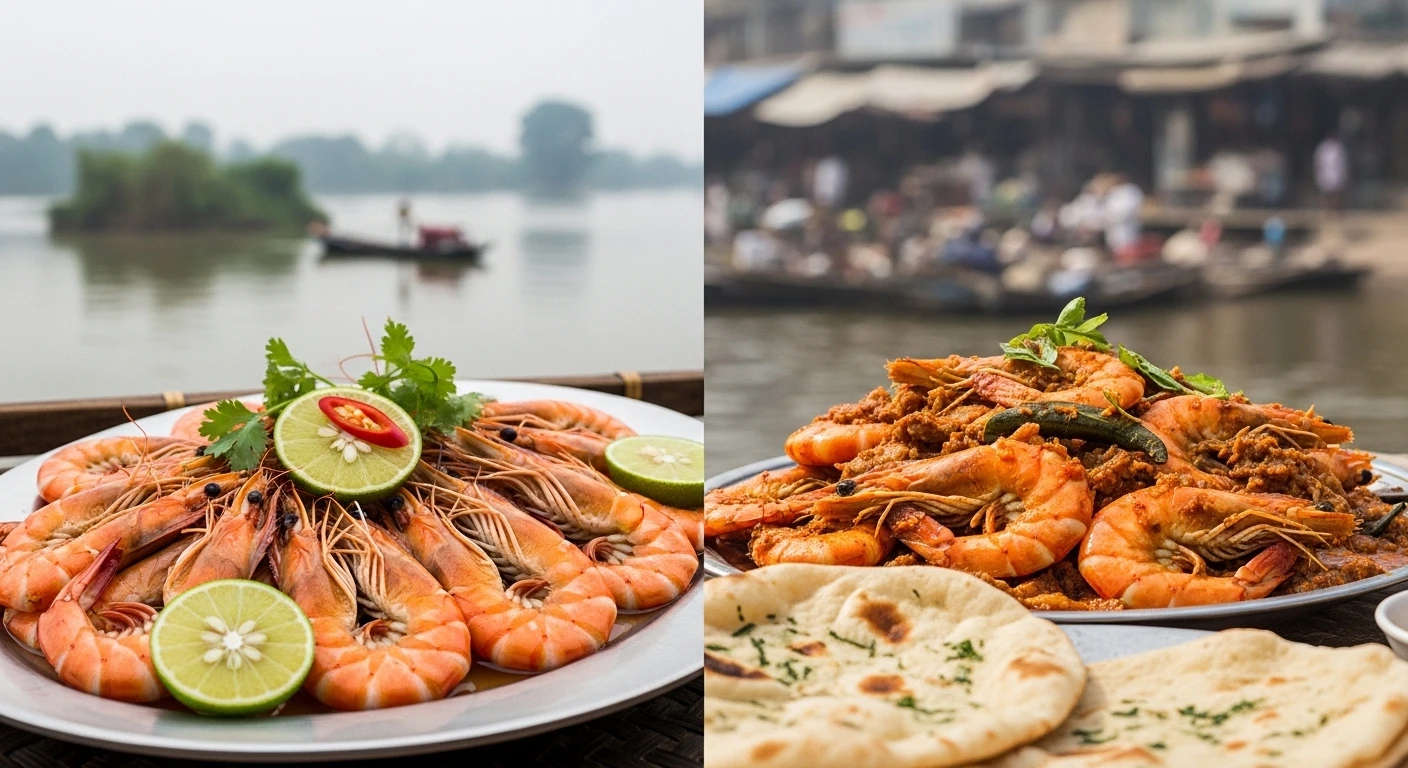
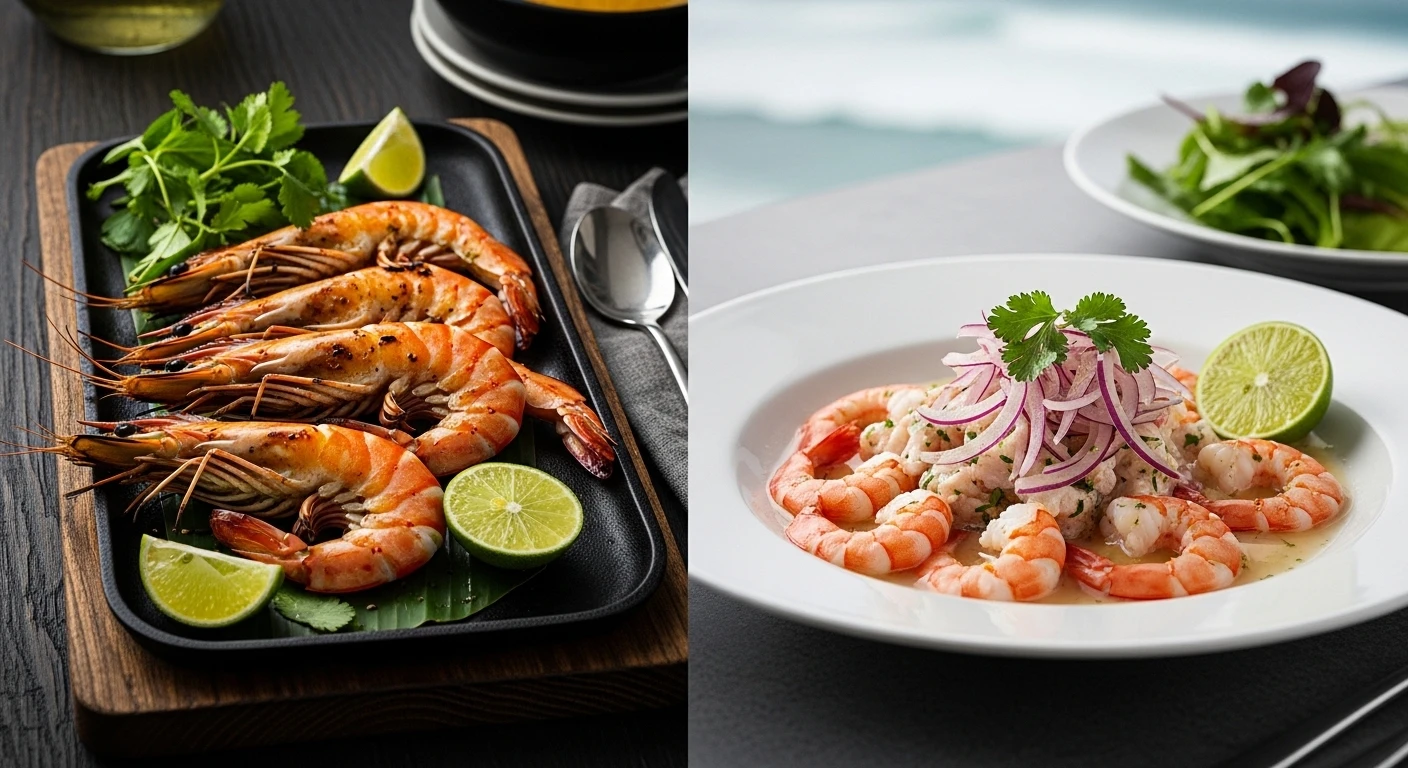
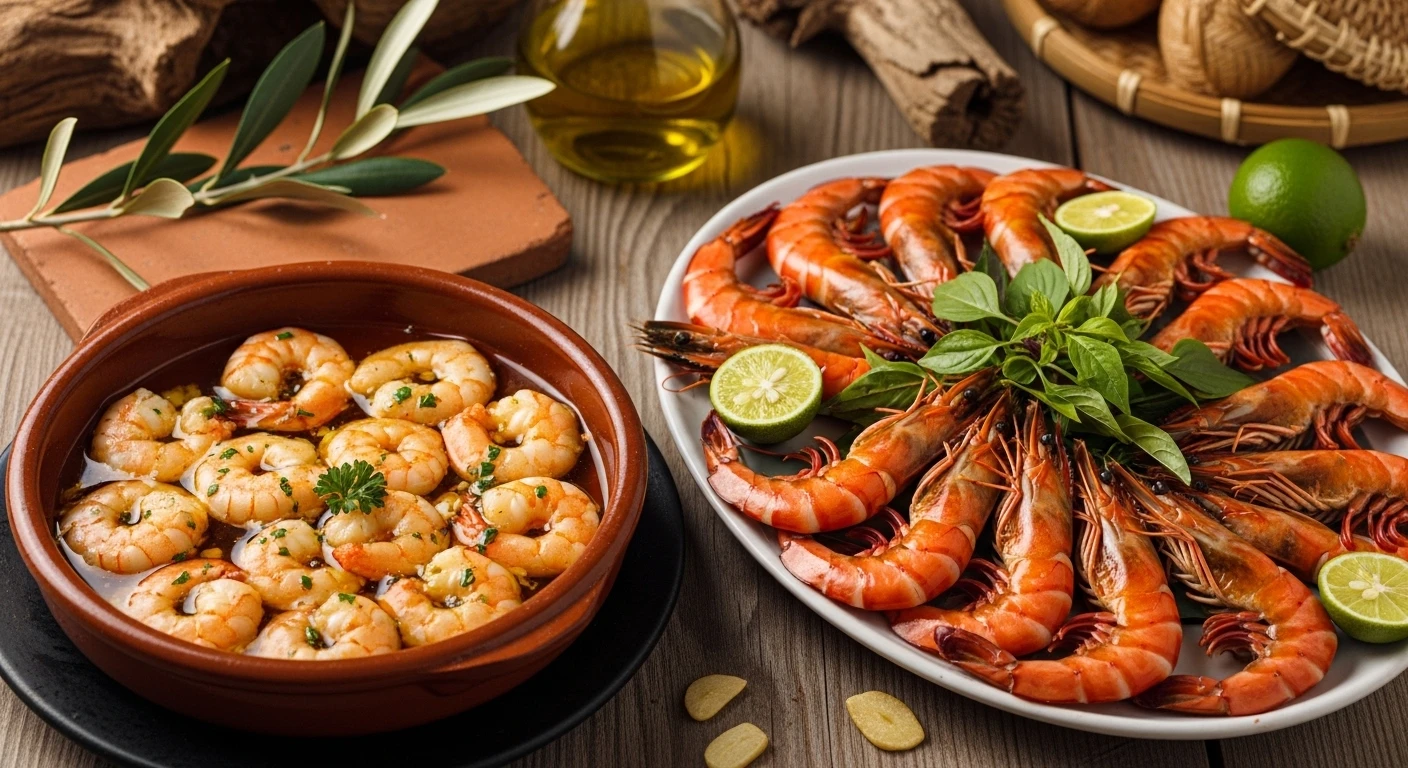
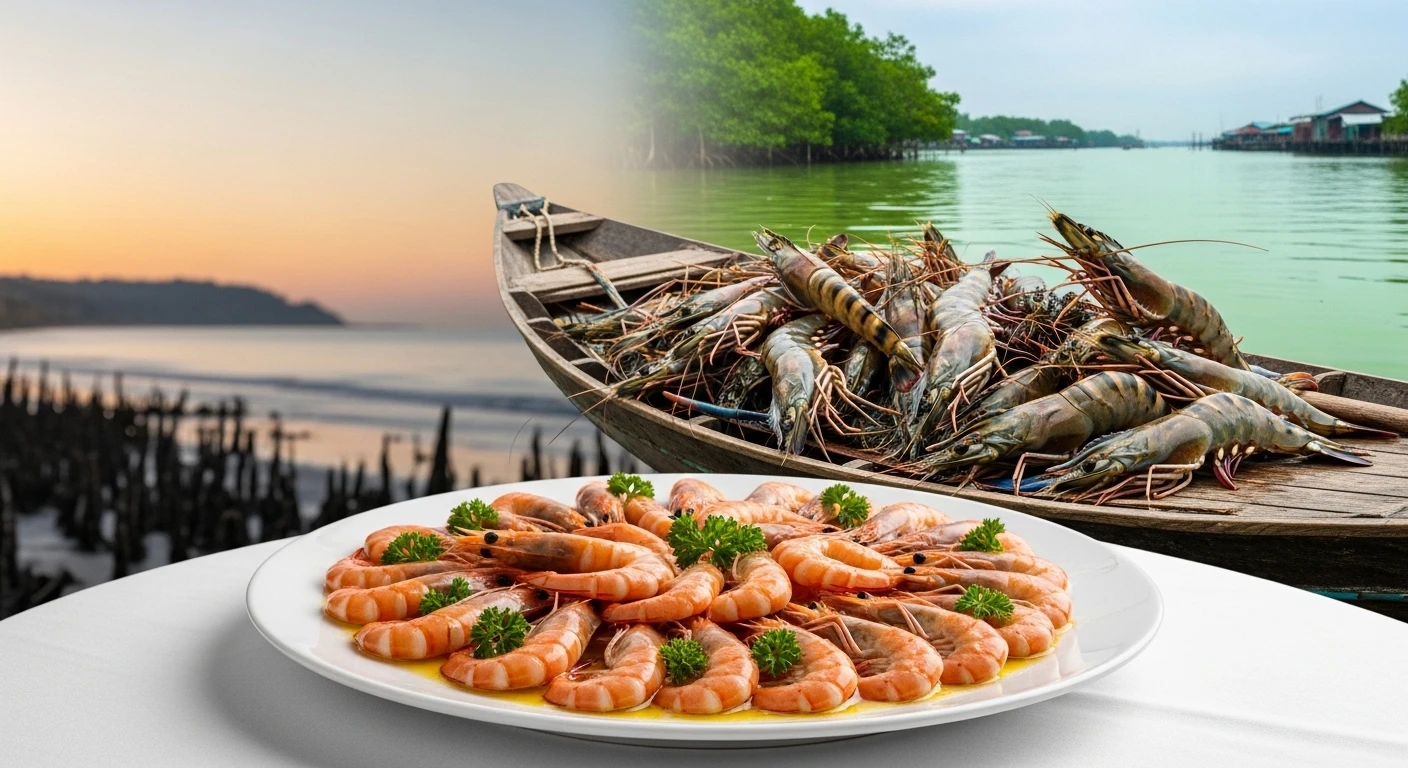
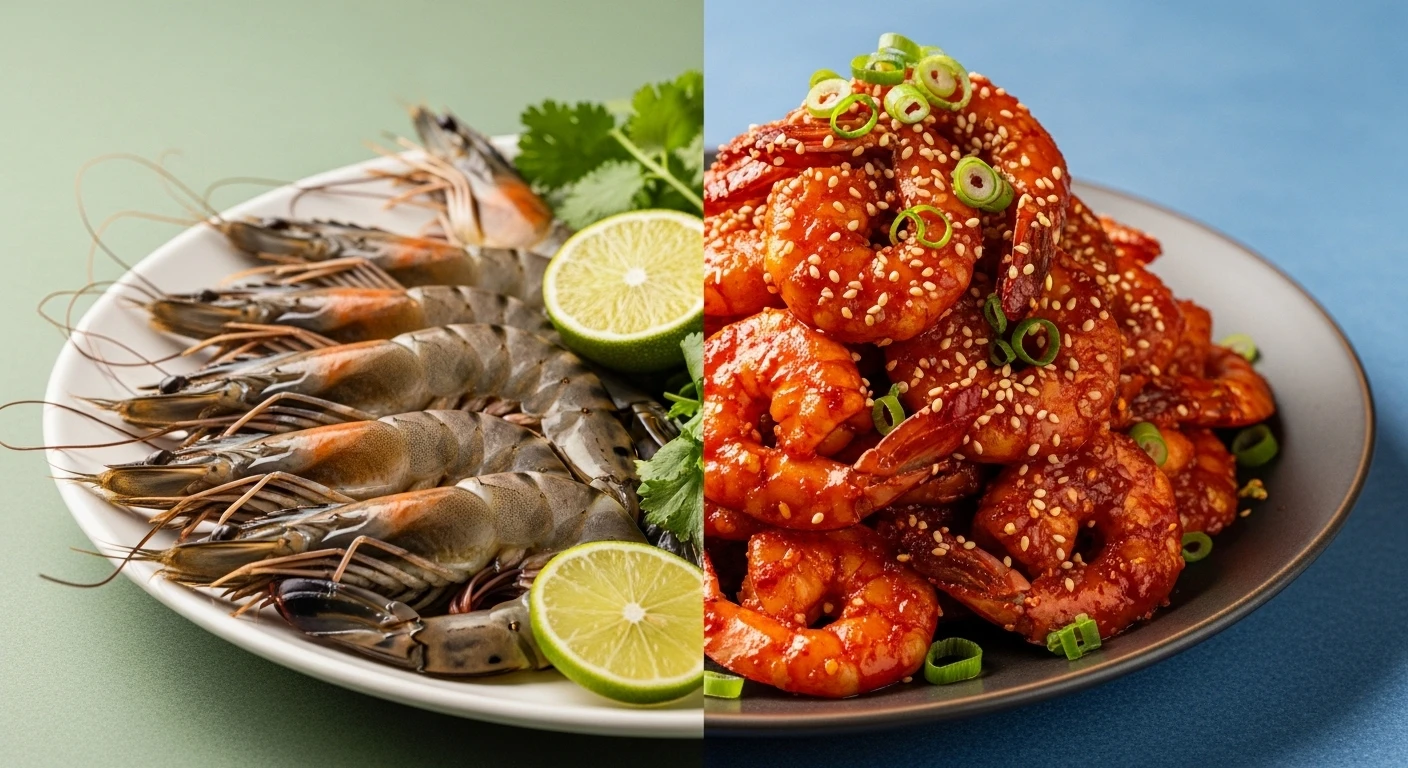
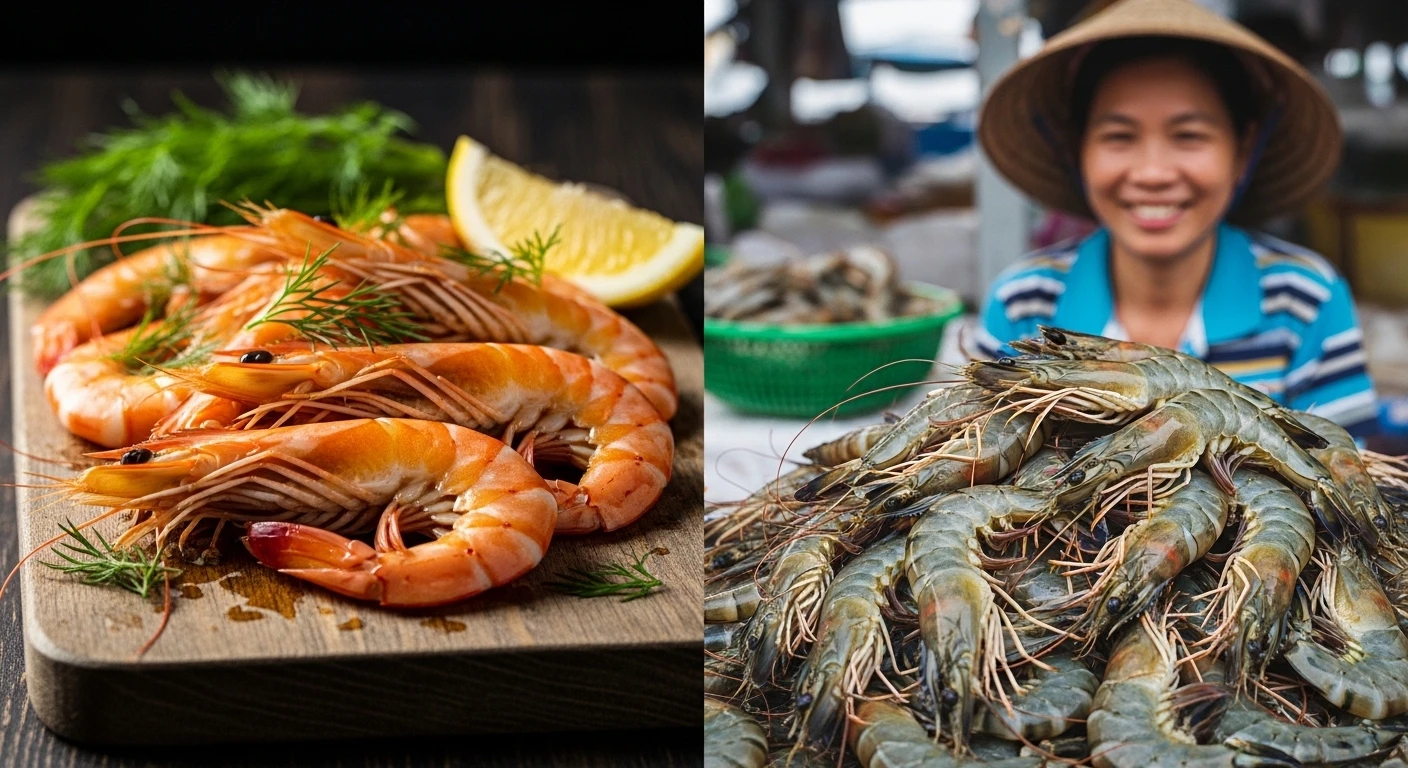
" Most places wake up to toast and eggs. Some prefer pastries. But in the Mekong Delta's deep south, the first light of day brings an aromatic brew and a bowl brimming with the freshest catch from the river and sea. This isn't just breakfast; it's a statement. "
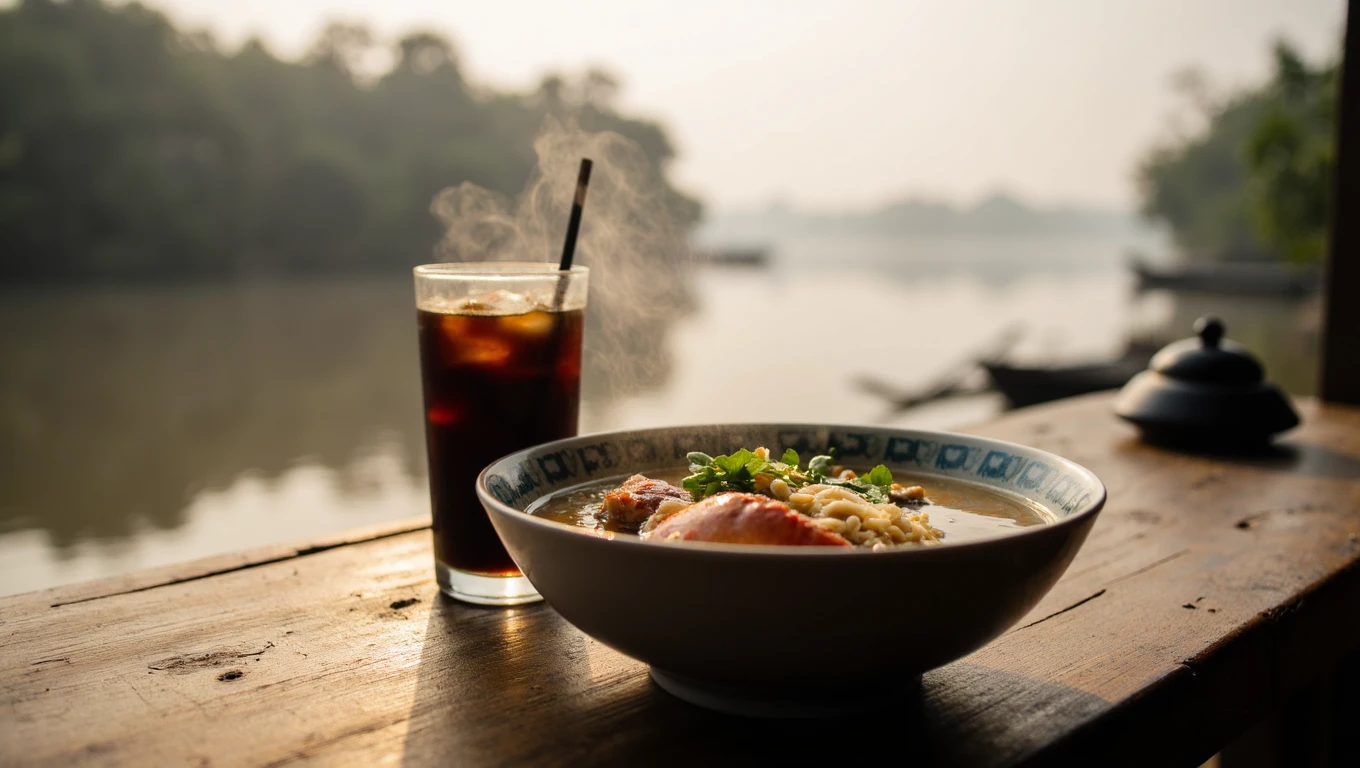
📸 The morning spread: Strong coffee and hearty crab noodles, the Ca Mau way.
1 Ca Mau: Where Land Dissolves into Water
At Vietnam’s southernmost tip lies Ca Mau, a land defined by its intricate network of rivers, canals, and vast mangrove forests. This isn't a place of bustling cities or ancient temples; it's a realm of raw, untamed nature, where life rhythmically ebbs and flows with the tides. Here, the land is young, constantly expanding, an alchemical blend of freshwater rivers from the Mekong and the salty embrace of the South China Sea. This unique environment has forged a distinctive culture, a resilient people, and, perhaps most importantly for us, an unparalleled culinary landscape.
The air here is thick with humidity, scented with the brine of the sea and the damp earth. Boats are the primary highways, and livelihoods are intricately tied to the generous bounty of the water. When you wake up in Ca Mau, you don't just feel the morning; you taste it, long before your first meal.
2 Coffee and Crabs: A Morning Enigma
For many Westerners, breakfast conjures images of sweet pastries, scrambled eggs, or perhaps a bowl of cereal. The idea of starting your day with a robust cup of coffee alongside a steaming bowl of crab noodles might seem... unconventional. Yet, in Ca Mau, this is not merely a meal; it's a cherished ritual, a deeply ingrained part of the local lifestyle.
This pairing isn't born of whimsy but practicality and resourcefulness. The delta provides an abundance of fresh seafood, and crab, with its sweet, tender meat, is a prized catch. The intense, bittersweet kick of Vietnamese coffee, on the other hand, serves as the perfect counterpoint, a jolt of energy to face the humid, industrious day. It's a symphony of strong flavors and textures, a culinary conversation between land and sea, caffeine and crustacean.
3 Ca Phe Sua Da: Fueling the Dawn
Before any fork lifts a noodle, the coffee ritual begins. Vietnamese iced coffee, or cà phê sữa đá, isn't just a drink; it's an experience. Dark, strong robusta beans, often roasted with a touch of butter or even fish sauce for depth, are finely ground and packed into a small, single-serving metal filter (a phin) that perches precariously over a glass already dolloped with thick, sweet condensed milk.
The coffee drips, drop by agonizingly slow drop, a tiny, dark hourglass marking the transition from night to day. The aroma alone is enough to wake the senses: chocolatey, smoky, intensely earthy. Once the last drop has fallen, it's stirred vigorously into the condensed milk, then poured over a mountain of ice. The result? A dangerously delicious, jet-fuel-strength concoction that is simultaneously sweet, bitter, and bracingly cold. It's the perfect antidote to the delta heat and the essential first step in a Ca Mau morning.

4 The Morning's Main Event: Banh Canh Cua
With your coffee kicking in, it’s time for the main event: Banh Canh Cua. This isn't just any crab noodle soup; it's a Ca Mau institution. Imagine a rich, savory broth, often thickened slightly with tapioca starch from the noodles themselves, brimming with generous chunks of sweet, freshly shelled crab meat. The noodles are thick, chewy rice flour or tapioca noodles, sometimes resembling thick udon, providing a satisfying texture.
The broth, the heart of the dish, is typically made from crab shells and pork bones, infused with aromatics like shallots, garlic, and sometimes a hint of fermented shrimp paste for umami depth. Each bowl is a tableau: vibrant green spring onions and cilantro, crispy fried shallots, a wedge of lime, and a fiery dollop of chili paste beckoning you to customize your experience. The first spoonful is an explosion: the delicate sweetness of the crab, the hearty chew of the noodles, the complex warmth of the broth, all harmonizing on the palate.
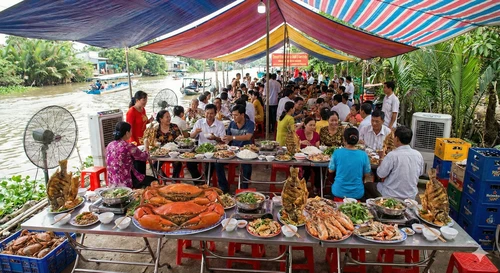
It's a meal that demands attention, a communal experience enjoyed at humble plastic tables by the roadside or tucked away in bustling market stalls. The sound of slurping, the clatter of bowls, and the quiet satisfaction on people's faces tell a story of morning nourishment.
5 Ca Mau's Star Ingredient: The Delta Crab
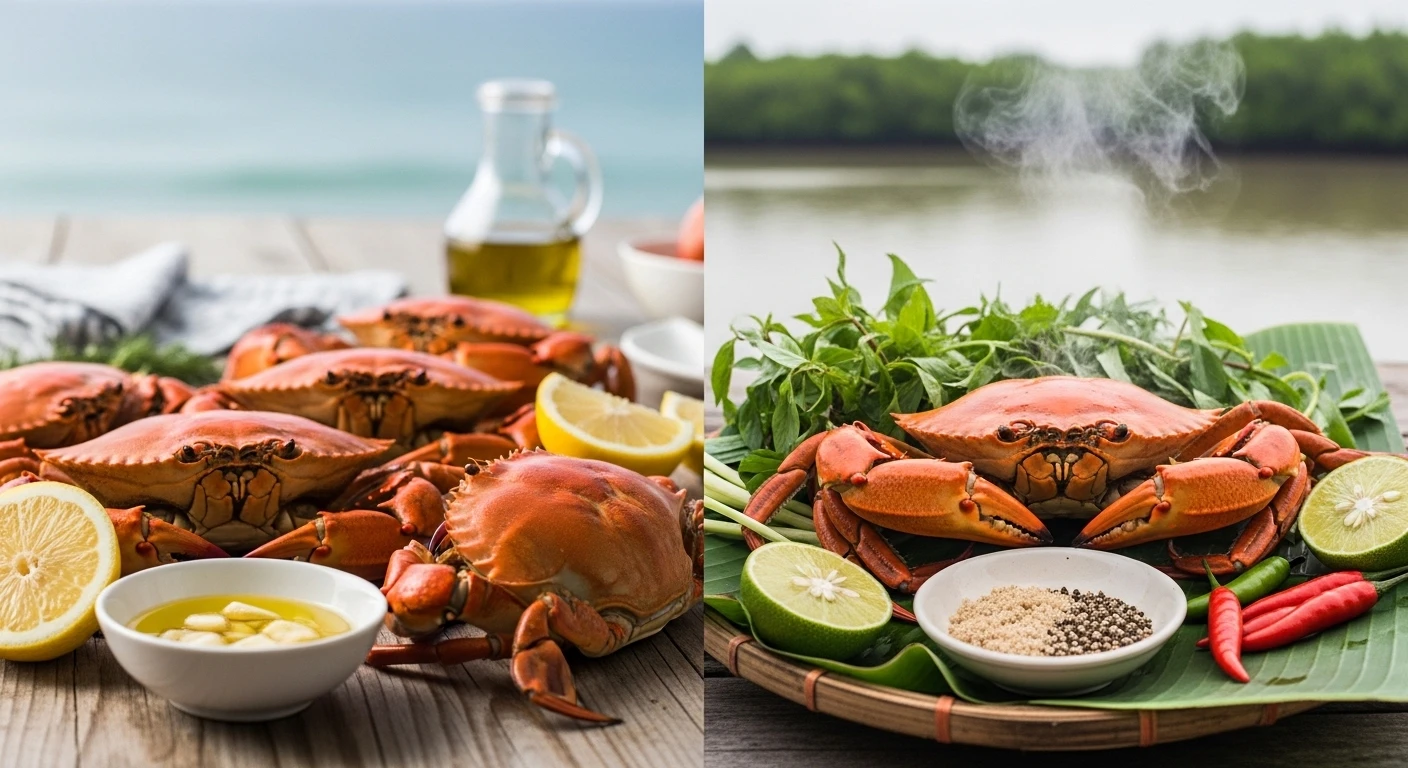
Why Ca Mau crab? What makes it so revered? The secret lies in its habitat. Ca Mau's extensive mangrove forests and brackish waterways—where freshwater meets saltwater—create the perfect environment for mud crabs to thrive. These crabs feed on a rich diet of mangrove ecosystem inhabitants, resulting in meat that is exceptionally firm, sweet, and boasts a distinct oceanic flavor that's hard to replicate elsewhere.
- Flavor Profile: Sweeter and more intensely flavored than crabs from purely saltwater or freshwater environments.
- Texture: The meat is notably firm and succulent, not watery.
- Shell Color: Often a darker, richer hue, indicative of their robust diet.
- Abundance: Local fishermen expertly navigate the waterways, bringing in fresh catches daily, ensuring peak quality for the morning markets and eateries.
When you eat Ca Mau crab, whether in a soup or simply steamed, you're not just consuming food; you're tasting the essence of the delta, a product of its unique geography and the dedication of its people.
6 Other Delta Delights for Your Morning Palate
While Banh Canh Cua might be the star, Ca Mau’s morning culinary scene offers other compelling options that reflect the delta’s bounty and ingenuity:
- Bún Riêu Cua: A lighter, tangier noodle soup with a crab and tomato-based broth, often featuring crab cakes and various fresh herbs. It's a vibrant, aromatic alternative.
- Bánh Tằm Cua: A lesser-known but equally delicious dish featuring thick, soft rice noodles, shredded vegetables, herbs, and, of course, a rich crab and coconut milk sauce. It's a textural and flavor adventure.
- Local Seafood Porridge: Simple yet comforting, a bowl of congee often made with fish or shrimp, seasoned delicately to highlight the freshness of the seafood.
These dishes, too, are often accompanied by the ever-present cà phê sữa đá, cementing the unique breakfast culture where savory seafood and potent coffee coexist harmoniously.
A Traveler's Guide to Embracing the Ca Mau Morning
For the adventurous food traveler, diving into a Ca Mau breakfast is an essential experience. Here are a few pointers to help you navigate this unique culinary landscape:
Order Your Coffee First
Head to a local cafe or street vendor and order your cà phê sữa đá. It gives you time to observe, soak in the atmosphere, and let your coffee slowly drip while you decide on your food.
Seek Out Busy Stalls
The busiest stalls usually mean the freshest ingredients and the most authentic flavors. Don't be shy; point to what others are eating if you're unsure how to order.
Customize Your Bowl
Most noodle soups come with a plate of fresh herbs, lime, and chili. Don't hesitate to add them to your liking. A squeeze of lime brightens the broth, and chili adds a delightful kick.
Embrace the Local Vibe
Sit on the small plastic stools, observe the morning rush, and enjoy the symphony of sounds and smells. It's part of the authentic Ca Mau experience.
8 A Morning’s Reflection: The Taste of Ca Mau
As the morning progresses and the heat begins to climb, the lingering taste of sweet crab and robust coffee remains. A Ca Mau breakfast isn't just a meal; it’s a portal into the soul of the Mekong Delta. It's a testament to a region that lives by the water, celebrates its bounty, and finds profound satisfaction in simple, intensely flavored pleasures.
It’s a reminder that truly great food isn’t always found in Michelin-starred restaurants, but often in the most unassuming corners, served with genuine warmth and steeped in local tradition. So, next time you find yourself yearning for an adventure, let your taste buds lead you to Ca Mau. Wake up, sip your coffee, crack a crab, and discover a breakfast habit you never knew you needed.