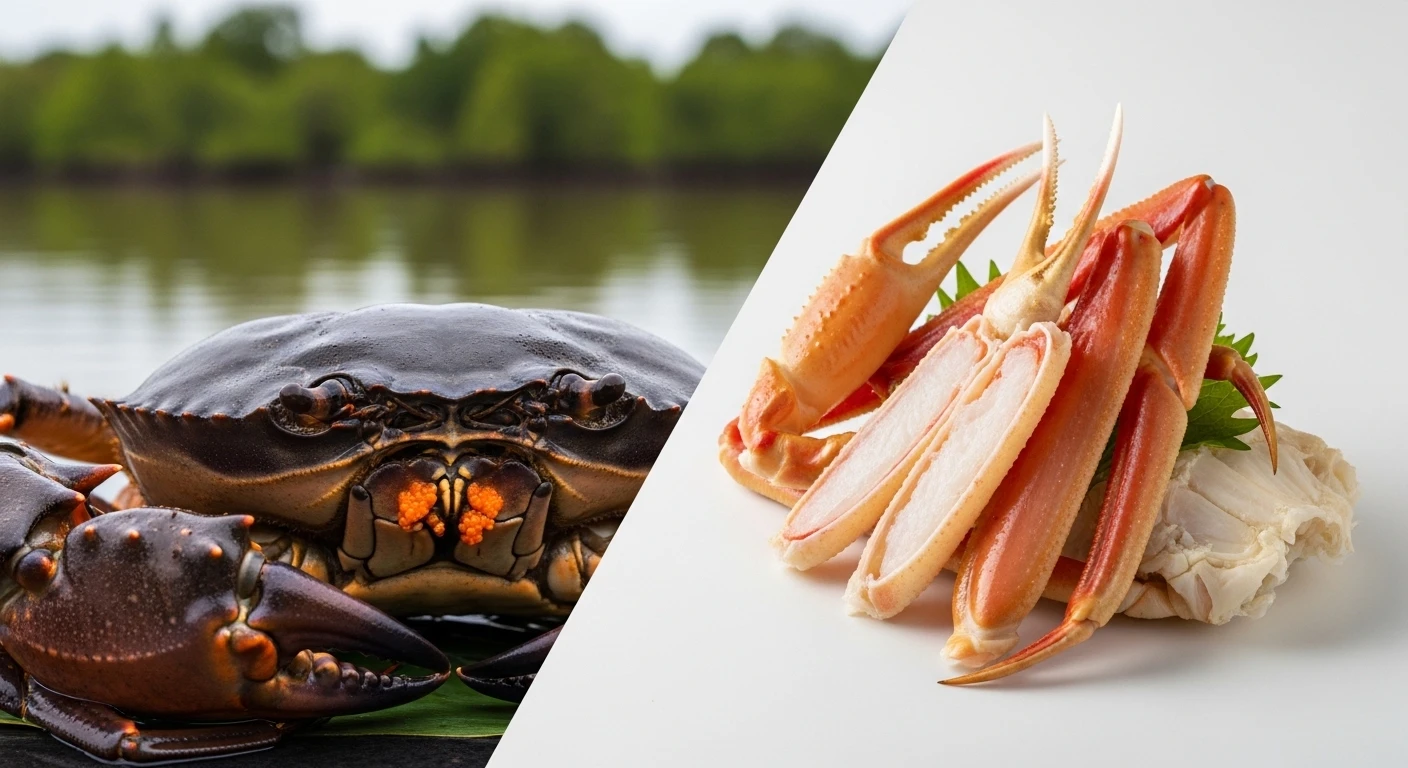
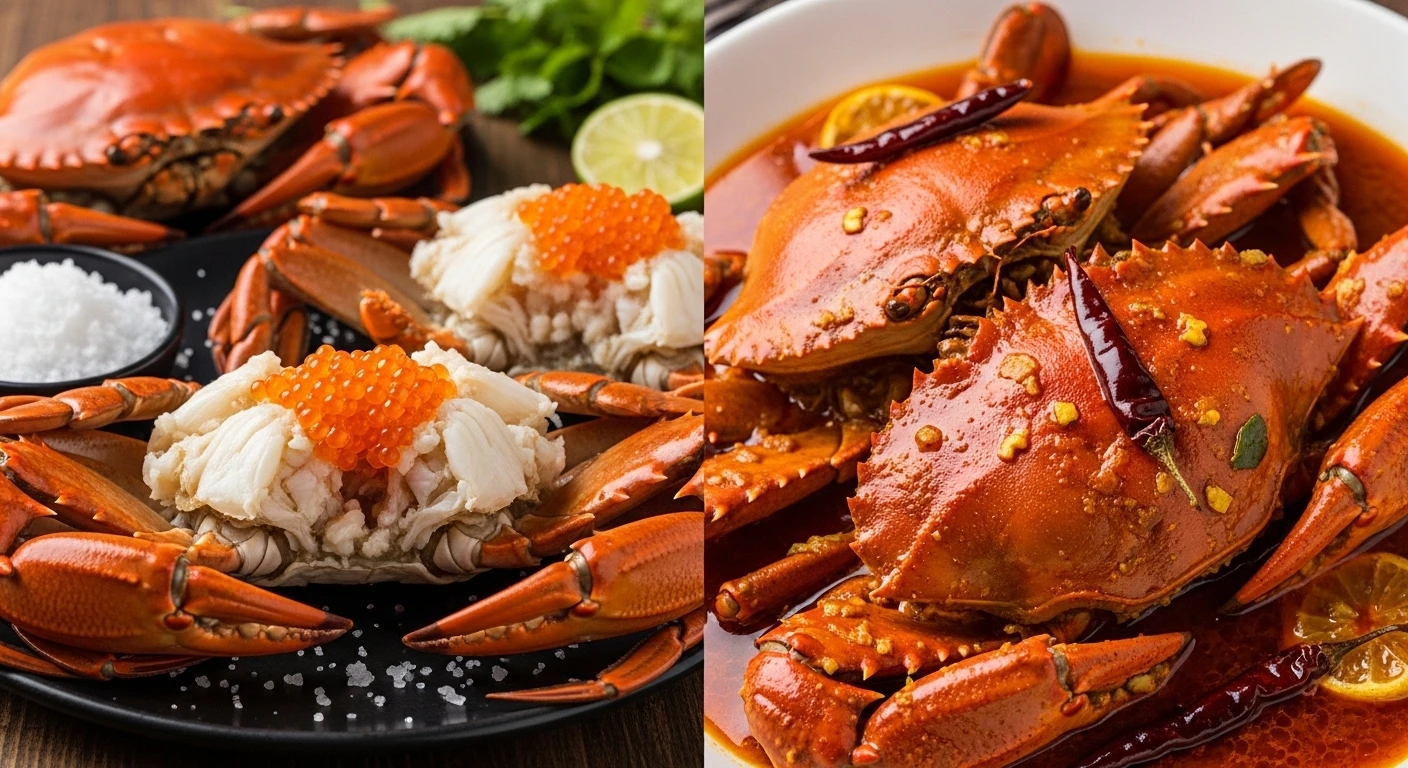
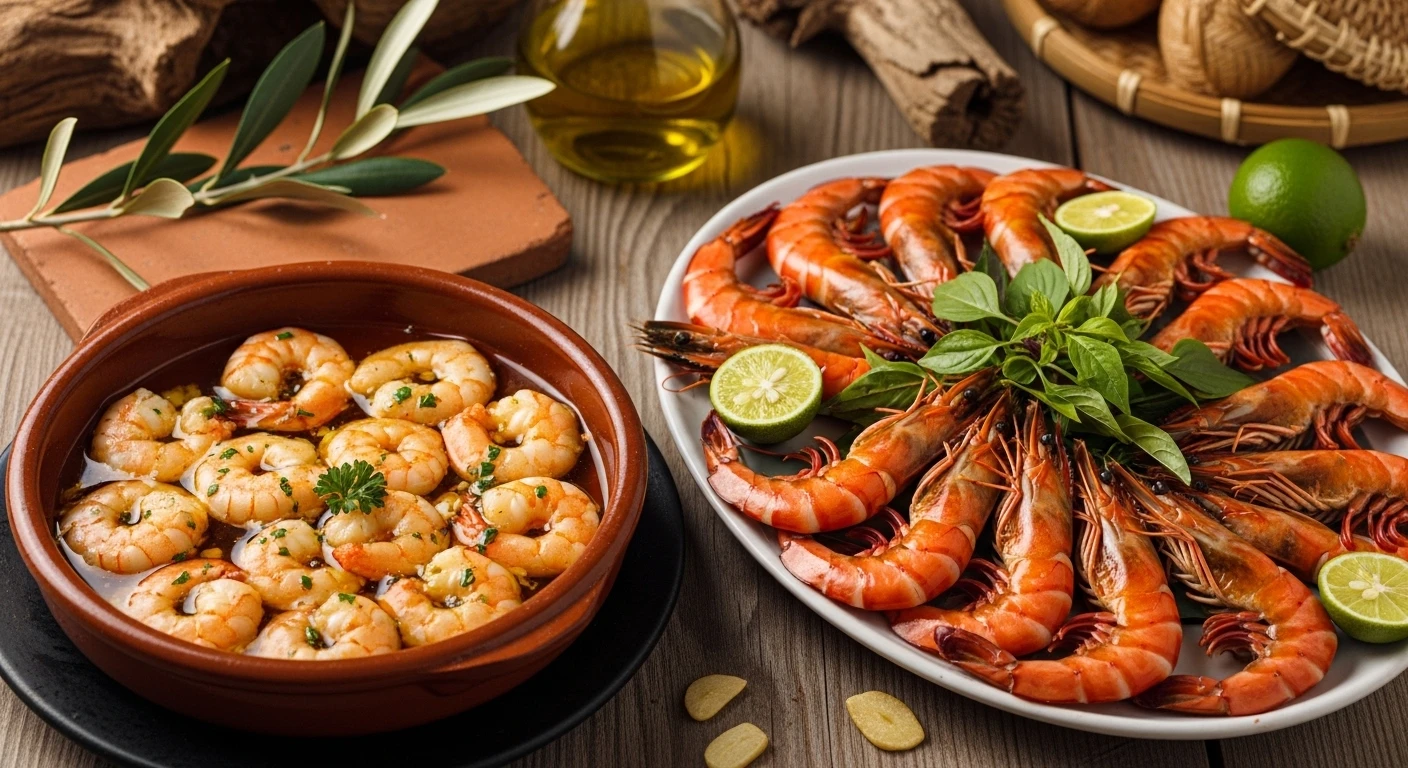
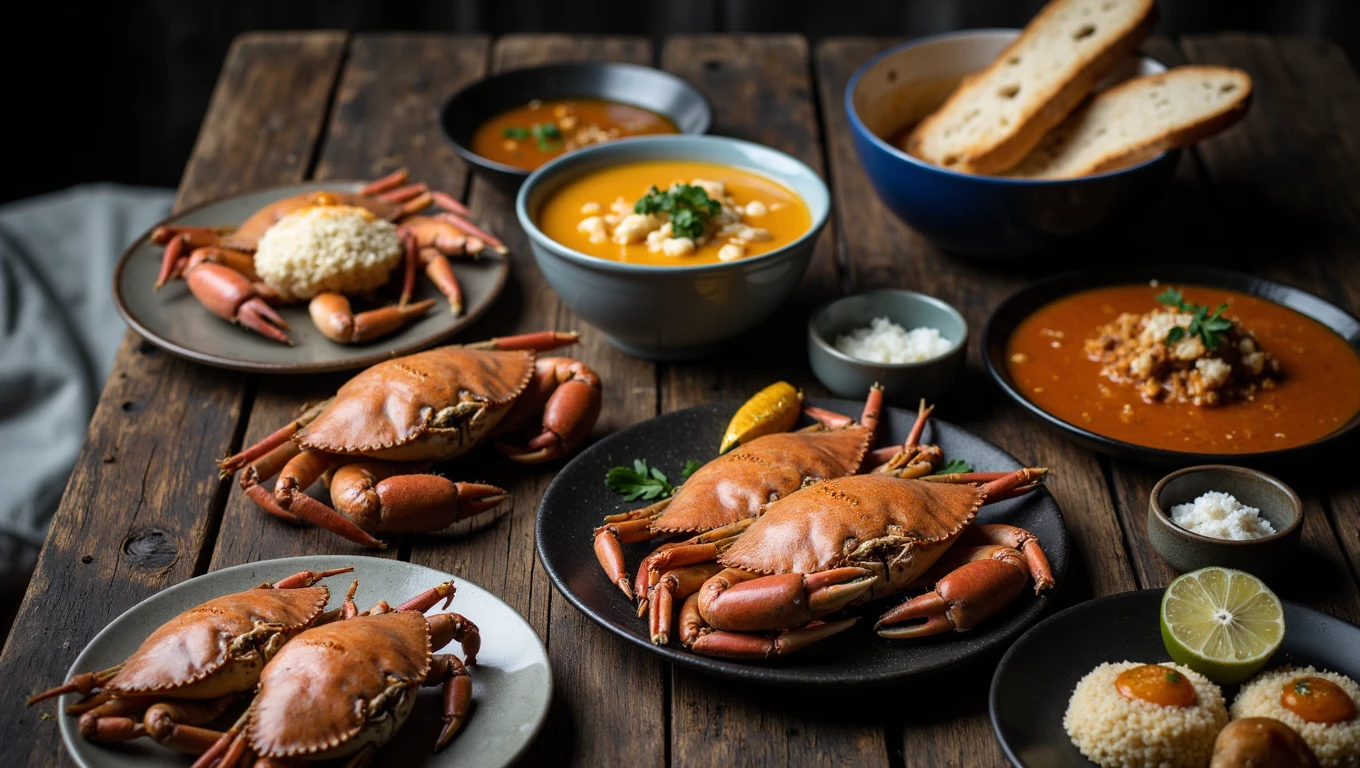
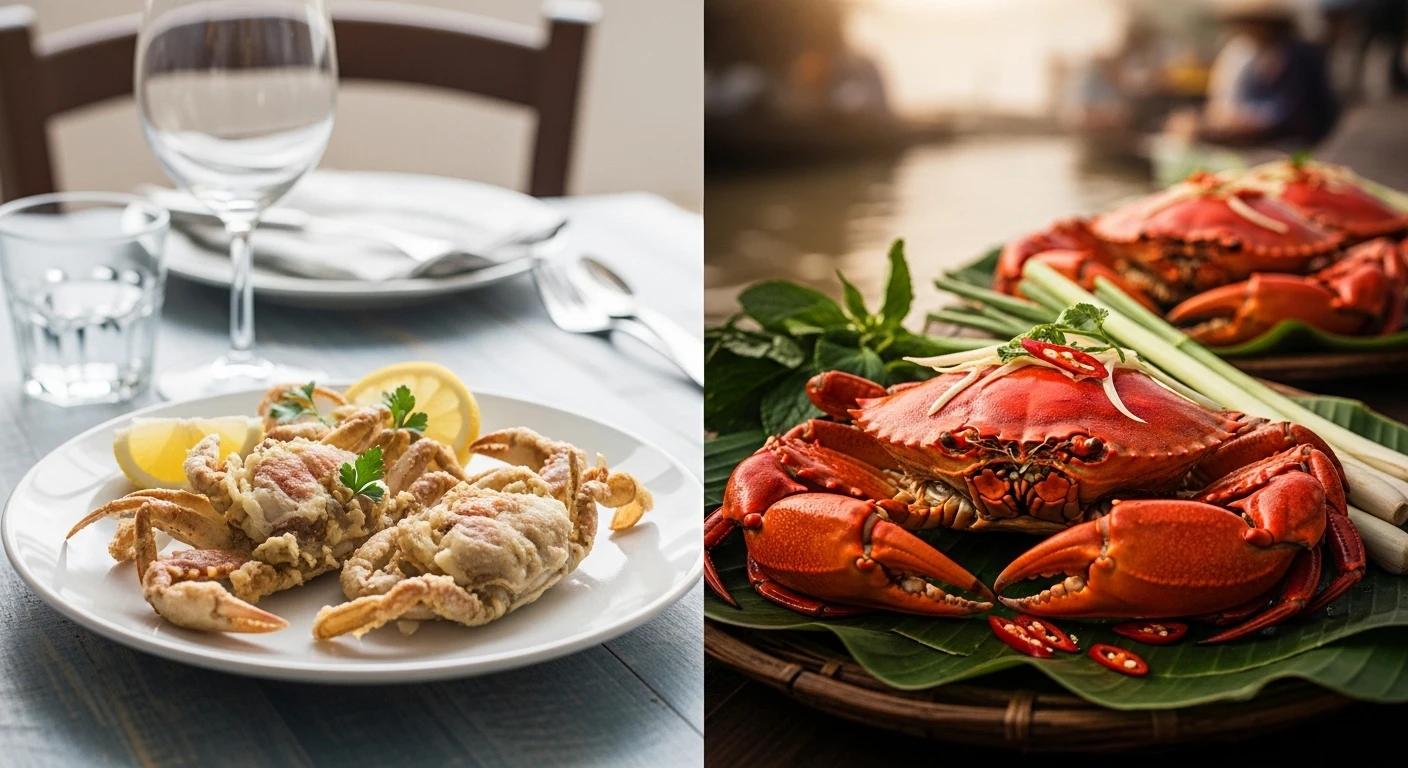
" From the muddy embrace of the Mekong Delta to the sizzling woks of Kuala Lumpur, shrimp occupies a hallowed space on both nations' tables. But how they express their essence is a study in cultural contrast. "
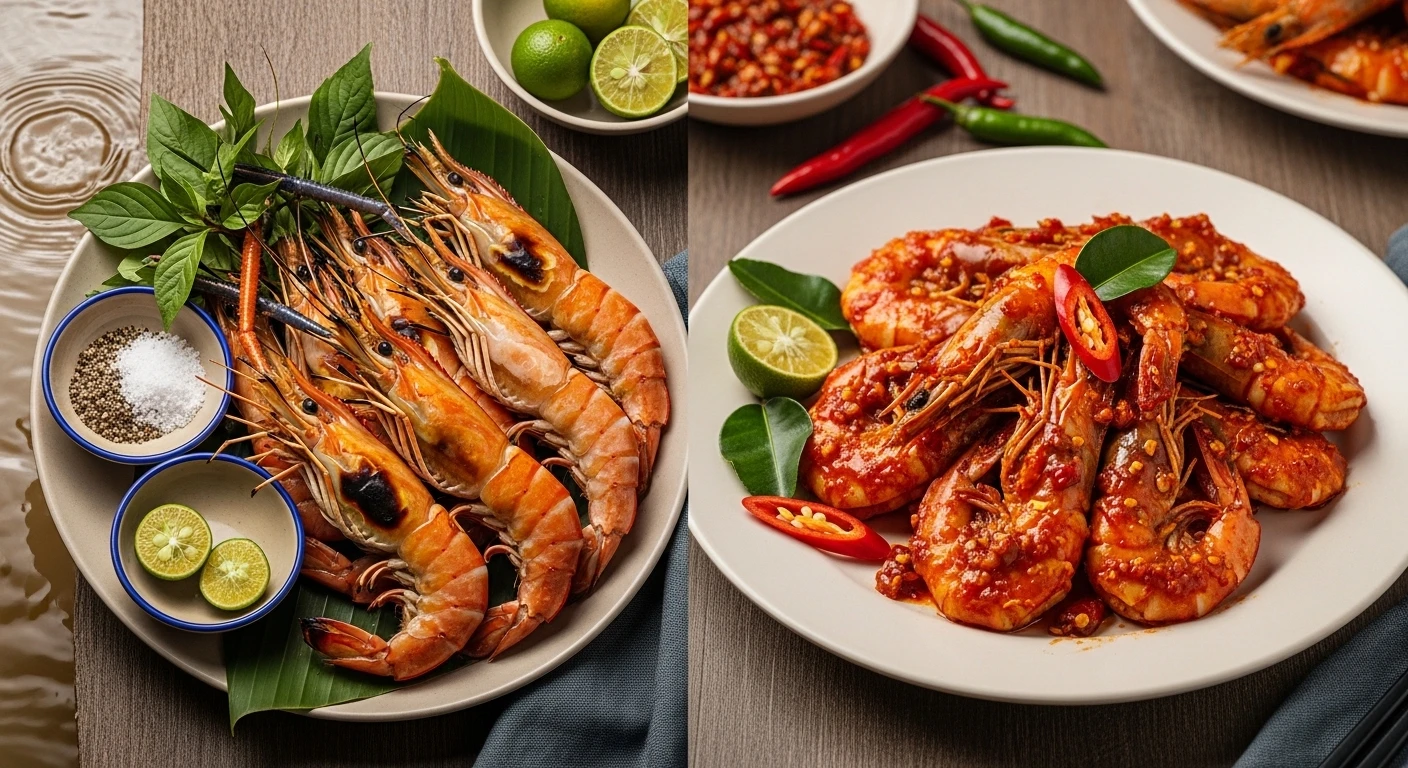
📸 Two worlds collide: The vibrant essence of shrimp culture.
1 The Mekong's Giants: Vietnam's Delta Soul
Venture into the labyrinthine waterways of Vietnam's Mekong Delta, and you'll find shrimp not just as food, but as the lifeblood of communities. This is a realm where aquaculture is deeply intertwined with the ebb and flow of the tides, a philosophy that permeates the very flavor of the shrimp.
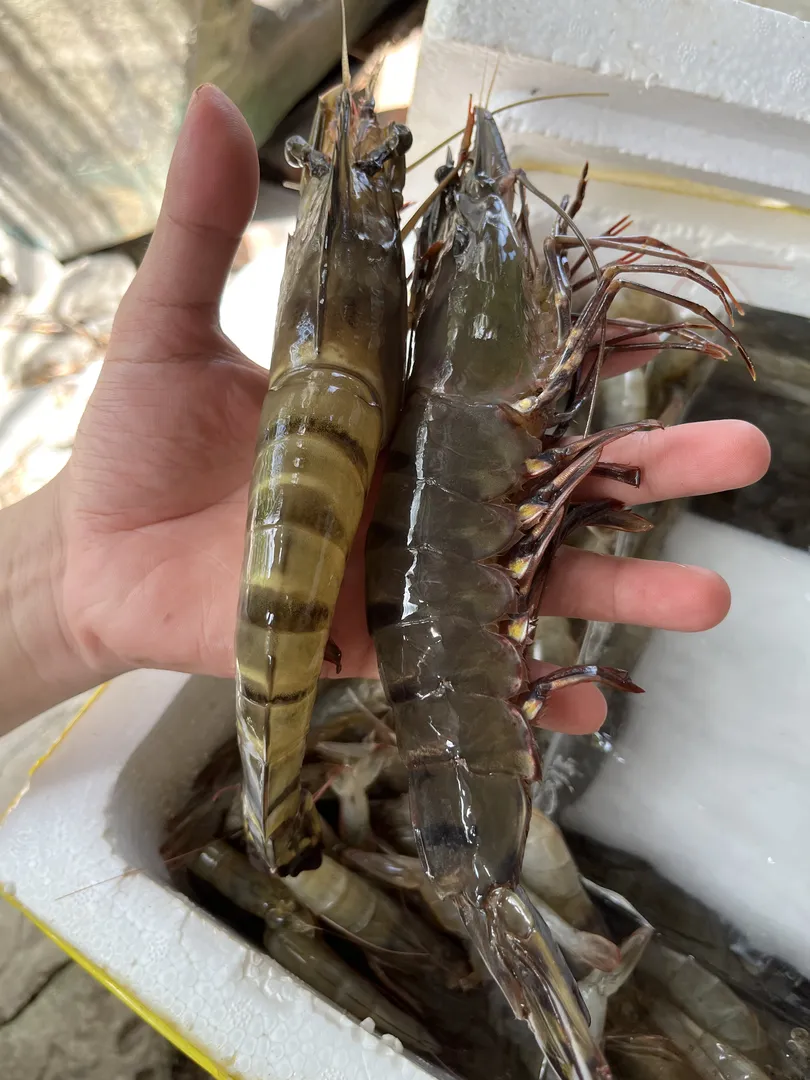
Here, the star is often the Ca Mau black tiger shrimp (tôm sú). These aren't your mass-produced, factory-farmed behemoths. They are raised in brackish mangrove ecosystems, drawing their sustenance from a complex natural diet. This terroir, much like wine from a specific region, imparts a distinct character: a firmer texture, a cleaner, sweeter taste, and a subtle brininess that whispers of their coastal origins.
Ca Mau Black Tiger Shrimp
Prized for their firm flesh and naturally sweet, slightly briny flavor, a direct result of mangrove aquaculture.
Heritage Ingredient
Ca Mau Black Tiger Shrimp
Ca Mau Black Tiger Shrimp
Large black tiger shrimp associated with mangrove aquaculture in Ca Mau, known for firm flesh and a cleaner, sweeter finish than intensively farmed shrimp.
Where every ingredient captures the essence of the wind and tides, weaving a vibrant culinary tapestry of the Mekong region.
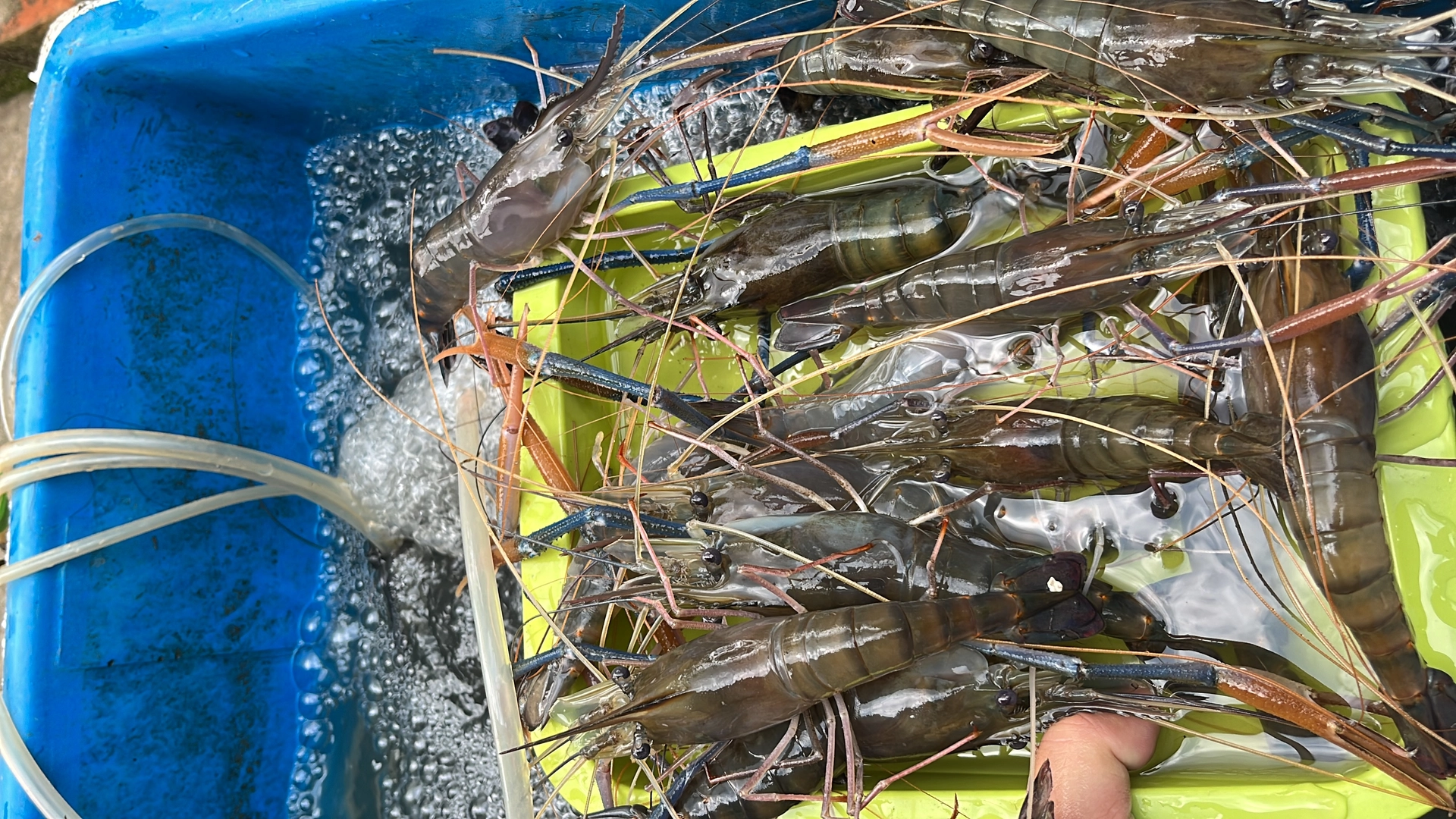
Mekong Giant Freshwater Prawn
Distinguished by their size, long blue claws, and particularly rich, flavorful 'head butter' (fat). Excellent grilled or in rich broths.
Heritage Ingredient
Mekong Giant Freshwater Prawn
Mekong Giant Freshwater Prawn
A river prawn with long blue claws and rich head fat, common in grilled prawn dishes and hotpot traditions across the Mekong basin.
Where every ingredient captures the essence of the wind and tides, weaving a vibrant culinary tapestry of the Mekong region.
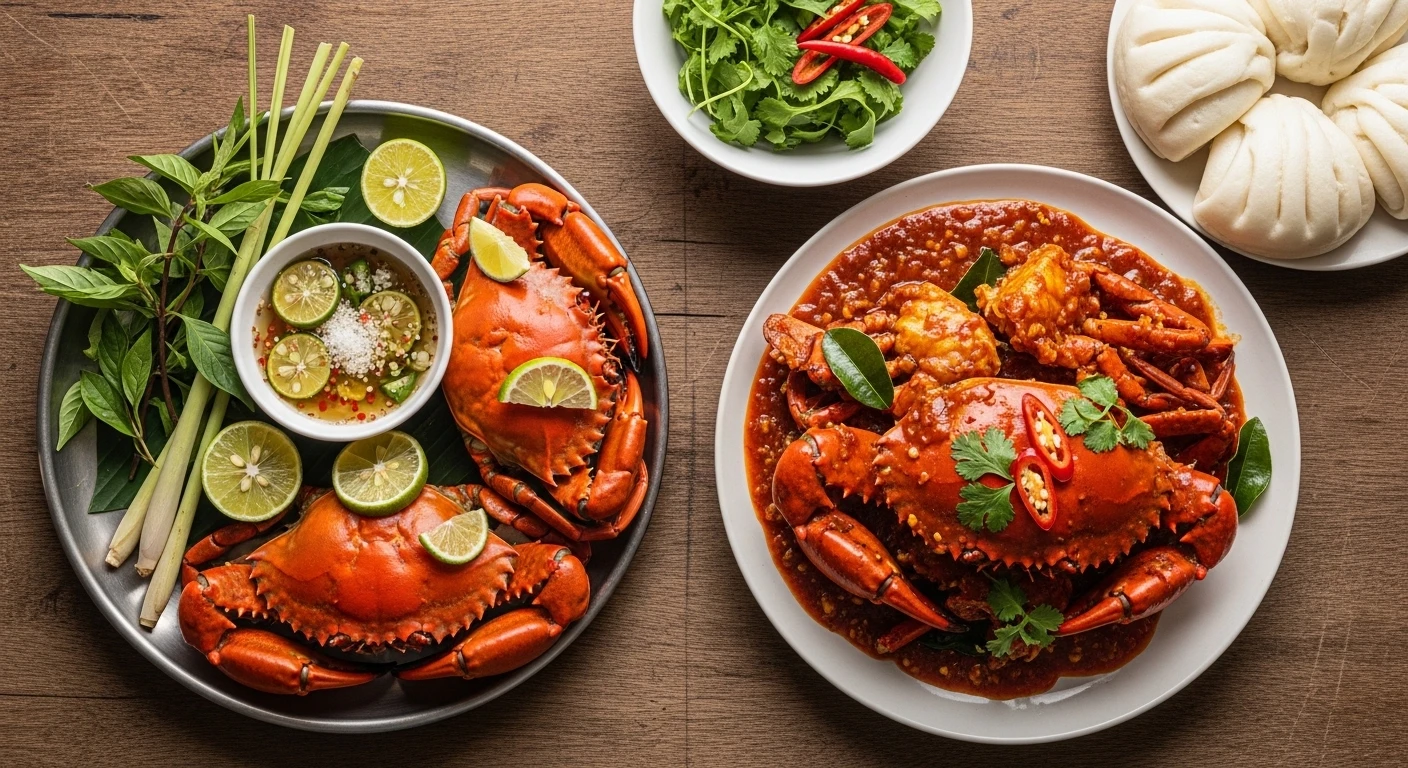
The Vietnamese approach to shrimp, especially in the Delta, is one of reverence. The philosophy is simple: let the ingredient speak for itself. Cooking methods often involve minimal intervention – grilling, steaming, or a quick stir-fry – designed to highlight the shrimp's inherent sweetness and texture. Sauces, when used, are often bright and complementary rather than dominant. Think of a simple dipping sauce of lime, chili, and salt, or a whisper of garlic and pepper. It's about enhancing, not masking.
2 Malaysia's Sauce Symphony: Hawker Firepower
Cross the South China Sea to Malaysia, and you enter a culinary landscape where shrimp often takes center stage in a dazzling, complex performance. The Malaysian kitchen, particularly the legendary hawker stalls, is a maestro of sauces and bold flavors.
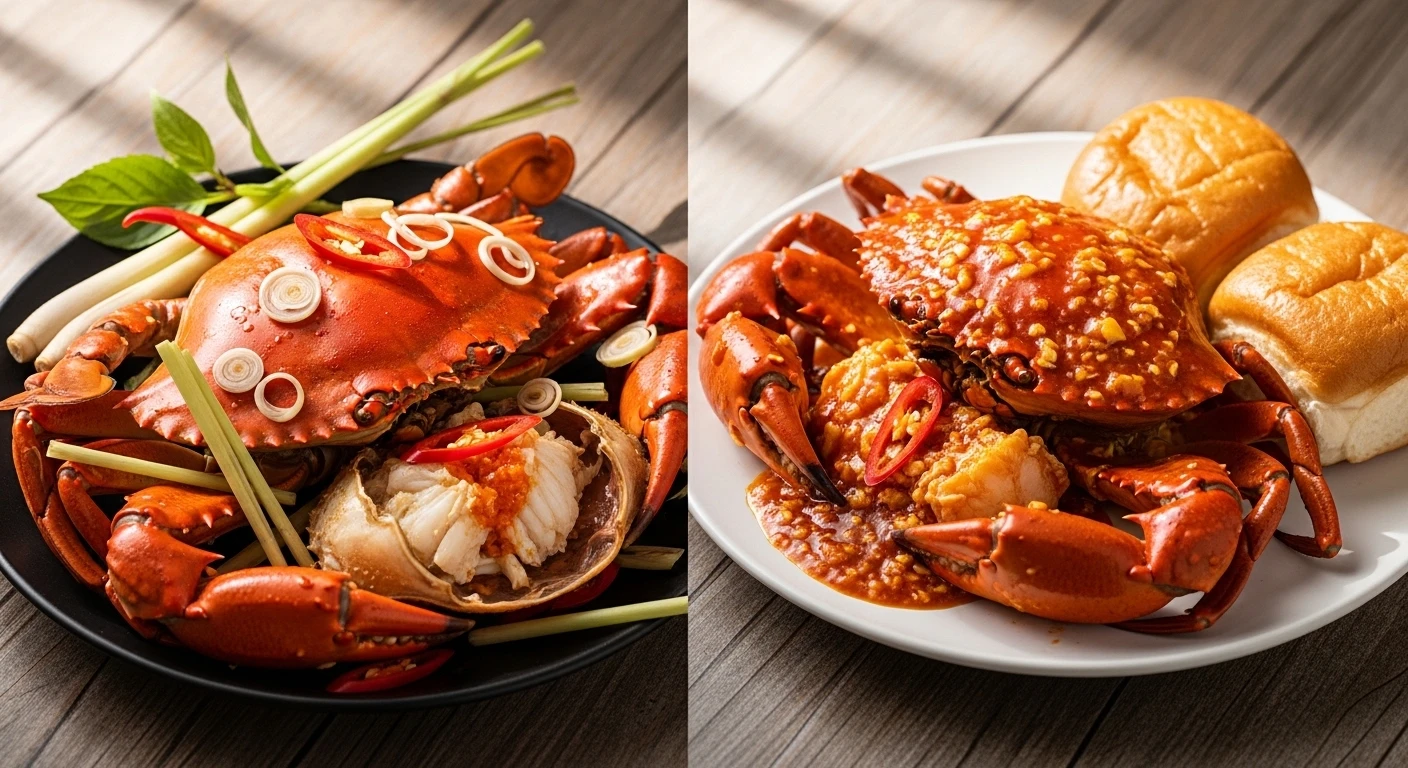
Here, shrimp are not just ingredients; they are canvases for an explosion of taste. Whether it's the fiery kick of sambal udang, the rich, creamy embrace of butter prawns, or the aromatic depth of prawn noodles, Malaysian chefs wield a vast arsenal of spices, herbs, and condiments. The goal is often to create a harmonious, multi-layered flavor profile that tantalizes the palate.
Malaysian shrimp dishes are an unapologetic celebration of flavor. You'll find shrimp bathed in complex sauces that are sweet, sour, spicy, and savory all at once. Ingredients like chilies, garlic, ginger, tamarind, coconut milk, soy sauce, and a myriad of spices are masterfully blended. This approach doesn't diminish the shrimp; rather, it elevates it, creating a dish that is greater than the sum of its parts.

📸 A symphony of spice: Malaysian hawker-style shrimp.
The types of shrimp used in Malaysia are diverse, often favoring varieties that hold up well to robust cooking methods and absorb flavors beautifully. While black tiger and whiteleg shrimp are common, the preparation is what truly defines the dish. It's about that "wow" factor, the memorable punch that keeps you coming back for more.
3 The Culinary Philosophy: Clarity vs. Complexity
The core difference lies in their approach to flavor. In the Mekong Delta, the shrimp itself is the star. Think of a simple grilled Mekong Giant Freshwater Prawn, its rich head butter caramelized, served with a squeeze of lime. The focus is on the inherent sweetness, the delicate texture, and the subtle marine notes. It's a minimalist's dream, appreciating the pure essence of the ingredient.
Malaysia, conversely, often orchestrates a grander culinary performance. Shrimp become part of a vibrant ensemble. Take Whiteleg shrimp, plump and sweet, stir-fried with chilies, garlic, and a potent sambal. The shrimp is still delicious, but it's the expertly crafted sauce, a complex interplay of heat, tang, and umami, that steals the show. It's a celebration of layers, a bold, confident expression of flavor.
This isn't to say one is superior; they are simply different expressions of a shared passion. Vietnam's restraint allows the quality of its premium shrimp, particularly from regions like Ca Mau, to shine. Malaysia's bold approach showcases the country's incredible spice heritage and mastery of sauce-making.
4 Terroir and Tradition: The Delta's Signature
The Mekong Delta's shrimp culture is inextricably linked to its unique geography. Vast mangrove forests, fertile alluvial soil, and intricate river systems create an environment unlike any other. Shrimp farming here often mimics natural conditions, allowing shrimp to develop their characteristic flavors and textures.
Consider the Ca Mau black tiger shrimp. Raised in salt-tolerant mangrove areas, they are a testament to sustainable aquaculture. The slight salinity of the water, the natural diet of microorganisms and small organisms in the mud, all contribute to their superior taste. This is 'terroir' applied to seafood – a flavor deeply rooted in its specific place of origin.

📸 The source of the bounty: Shrimp farming in the Mekong Delta.
In Vietnam, shrimp traditions often reflect family and community. Home cooking emphasizes freshness and simplicity. In local markets, the visual of plump, wriggling shrimp is paramount, a direct indicator of quality and freshness. It's a tactile, honest relationship with food.
5 The Malaysian Kitchen: A Global Melting Pot
Malaysia's culinary landscape is a vibrant tapestry woven from Malay, Chinese, Indian, and indigenous influences. This diversity is reflected in its approach to shrimp, where a single ingredient can be transformed into countless dishes, each drawing from different culinary traditions.
The iconic Whiteleg shrimp, common in many parts of Asia, finds new life in Malaysian hands. Whether it's infused with fiery sambal, enveloped in a creamy butter sauce, or swimming in a rich noodle soup, the Malaysian kitchen excels at layering complex flavors that appeal to a broad palate.
The hawker culture is central to this. Food stalls are more than just places to eat; they are culinary laboratories where generations of knowledge are passed down, and where bold flavor experiments thrive. Shrimp dishes from these stalls are known for their intense aromas, satisfying textures, and a memorable spicy kick that is quintessentially Malaysian.
6 The Comparison Point: Flavor Profiles
When you compare Vietnamese and Malaysian shrimp dishes side-by-side, the divergence in flavor philosophy becomes clear:
Vietnam (Mekong Delta Focus)
- Emphasis: Natural sweetness, delicate texture, subtle brininess.
- Key Flavors: Fresh, clean, often highlighted with citrus, chili, salt, garlic.
- Sauces: Light, acidic, complementary (e.g., lime-salt-pepper, fish sauce dips).
- Philosophy: Ingredient-centric, restraint, letting the 'terroir' shine.
Malaysia
- Emphasis: Bold, complex flavor profiles, often spicy and savory.
- Key Flavors: Rich, aromatic, a symphony of sweet, sour, spicy, umami.
- Sauces: Robust, multi-layered (e.g., sambal, butter sauces, curry bases).
- Philosophy: Culinary artistry, vibrant fusion, bold expression.
7 Seafood Culture: Markets and Meals
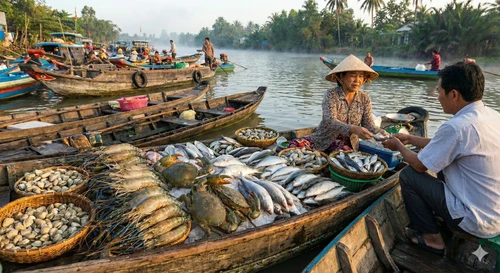
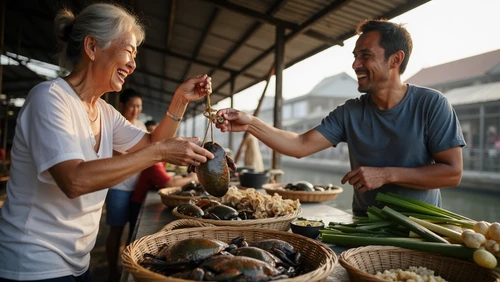
The way seafood is presented and consumed also differs. In the Mekong Delta, markets are alive with the sight and sound of fresh catches. The value is placed on the live, pristine quality of the shrimp. Meals might be communal family affairs where simplicity reigns, or sophisticated restaurant dishes that still prioritize the shrimp's natural integrity.

📸 A vibrant Vietnamese market scene, showcasing fresh catches.
In Malaysia, the hawker centers are the heart of the shrimp experience. These bustling hubs are where diverse culinary influences converge, offering an astonishing array of shrimp dishes. Eating here is often a casual, energetic affair, a sensory overload of aromas and flavors. The shrimp is the vehicle for these incredible taste sensations, a celebrated component in a complex culinary mosaic.
8 Your Next Shrimp Adventure: Which Path to Choose?
For the discerning traveler and food lover, both Vietnam and Malaysia offer unparalleled shrimp experiences, but for different reasons:
- Seek Purity and Terroir? Head to the Mekong Delta, Vietnam. If your ideal shrimp dish highlights the natural sweetness and delicate texture of premium shrimp, the unique mangrove-influenced shrimp of Ca Mau and the simple, honest cooking styles of Southern Vietnam will captivate you. It's a journey into the soul of the ingredient.
- Crave Bold Flavors and Culinary Spectacle? Immerse yourself in Malaysia's Hawker Scene. If you adore complex sauces, a symphony of spices, and dishes that offer an explosion of taste, Malaysia's shrimp creations will thrill you. It's a vibrant, energetic celebration of flavor.
Ultimately, the journey of shrimp through these two nations is a delicious testament to the diverse ways cultures celebrate and elevate a beloved ingredient. Whether you prefer the delicate whispers of the Delta or the robust cheers of the hawker stall, a world of incredible shrimp awaits.
Craving More Spice?
Vietnamese shrimp is delicate, but sometimes you want that explosive, complex Malaysian flavor.
🌶️ Explore Malaysian Prawn Noodles