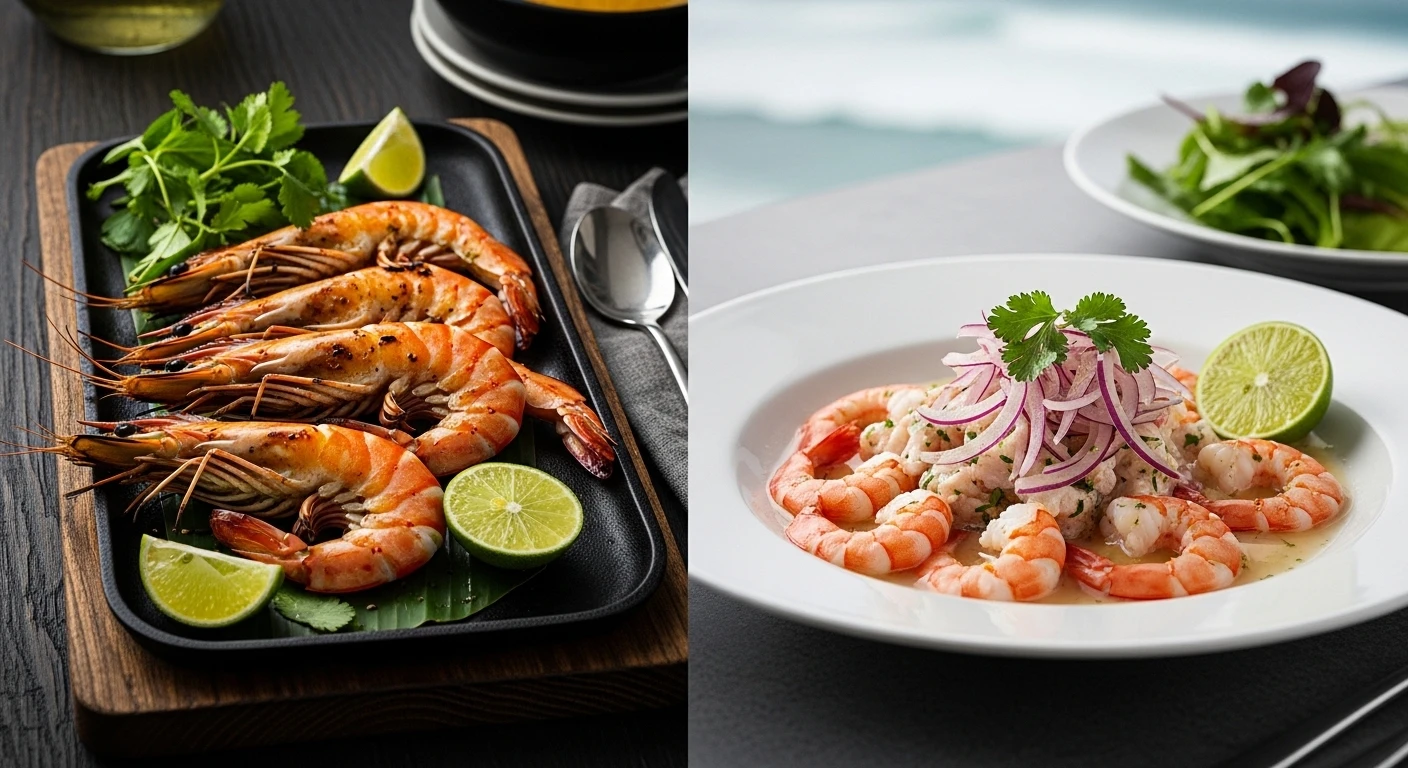
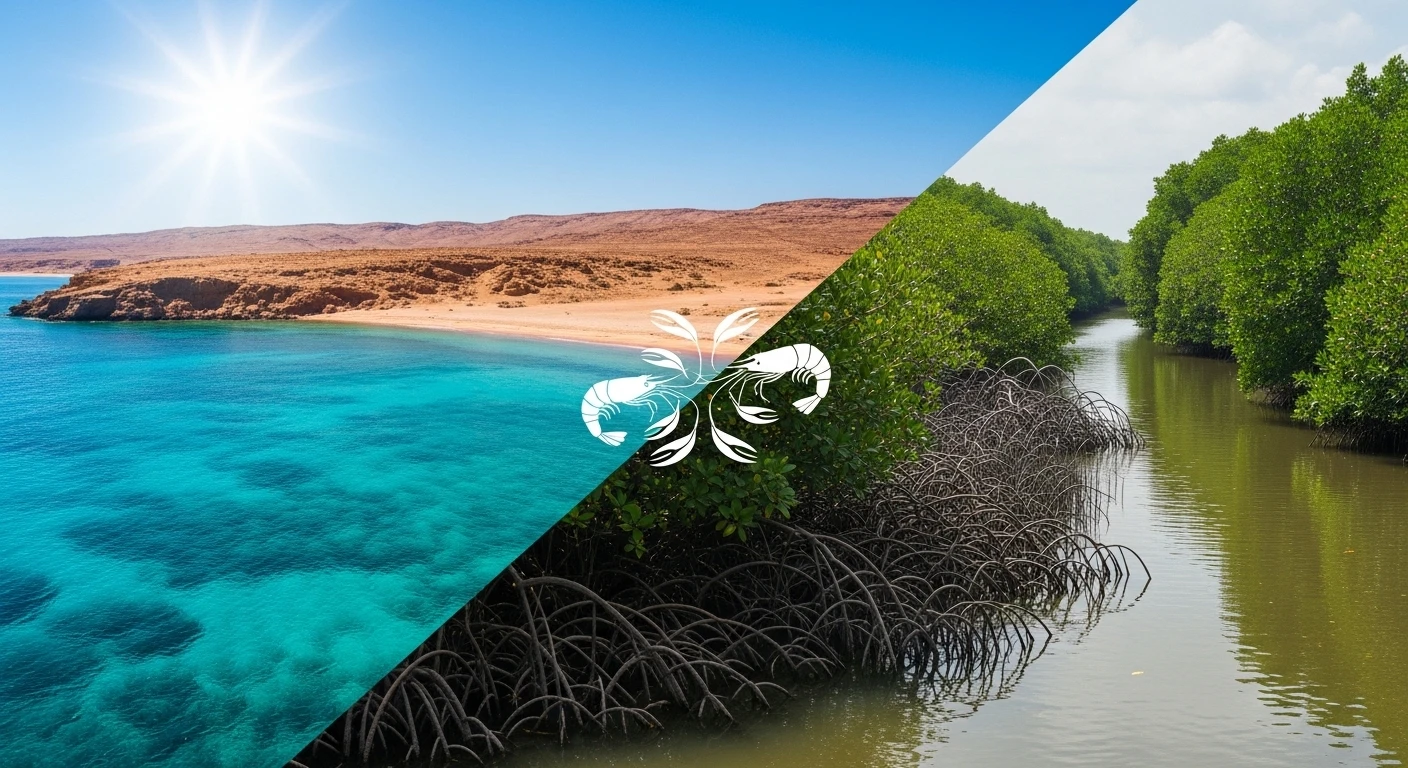
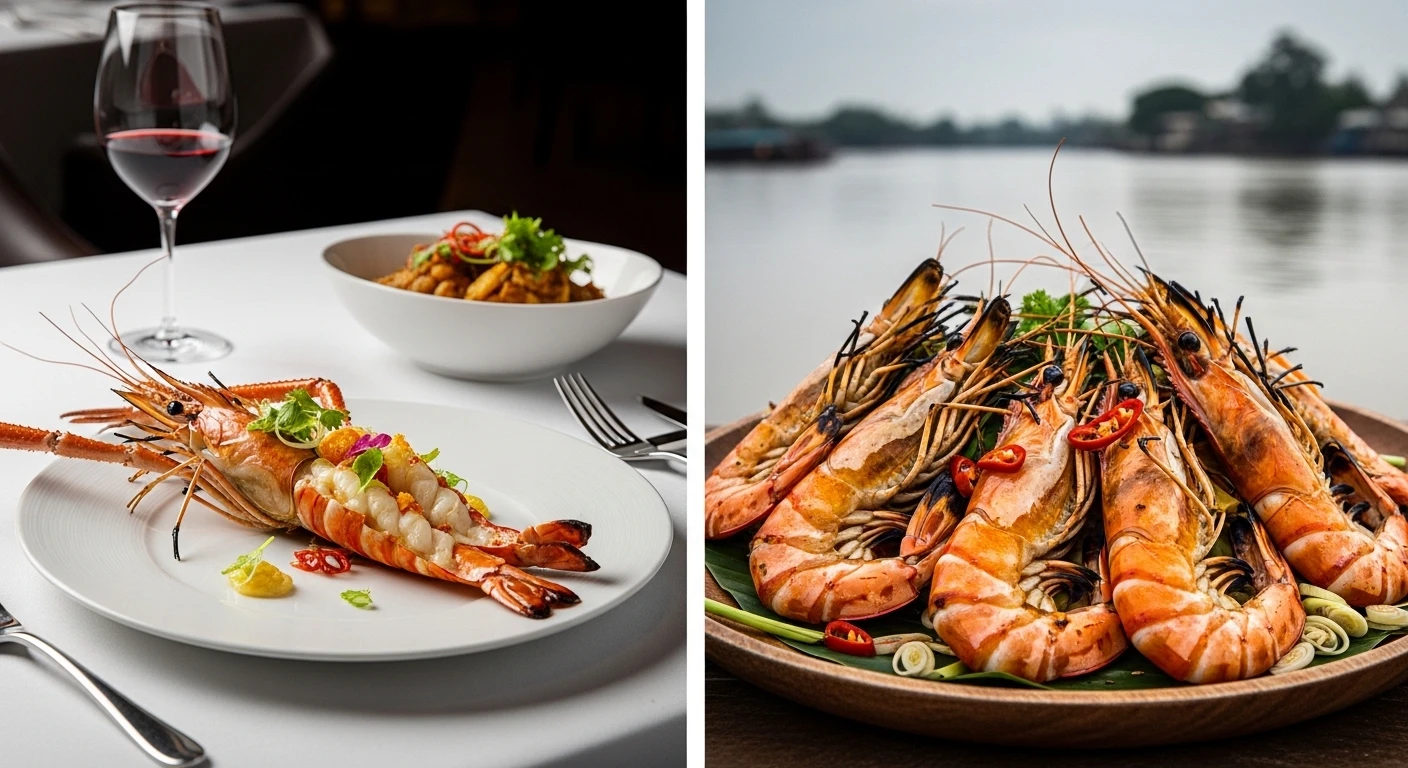
" It's a tale of two waters, two philosophies, and two profoundly different expressions of seafood devotion. "
1 Spain: The Art of the Gamba
In Spain, shrimp—or rather, gambas—are not just food; they are a cultural cornerstone. Think of the bustling tapas bars of San Sebastián or the sun-drenched patios of Andalusia. Here, shrimp are elevated to an art form, celebrated for their sweet, firm flesh and their role as social connectors.
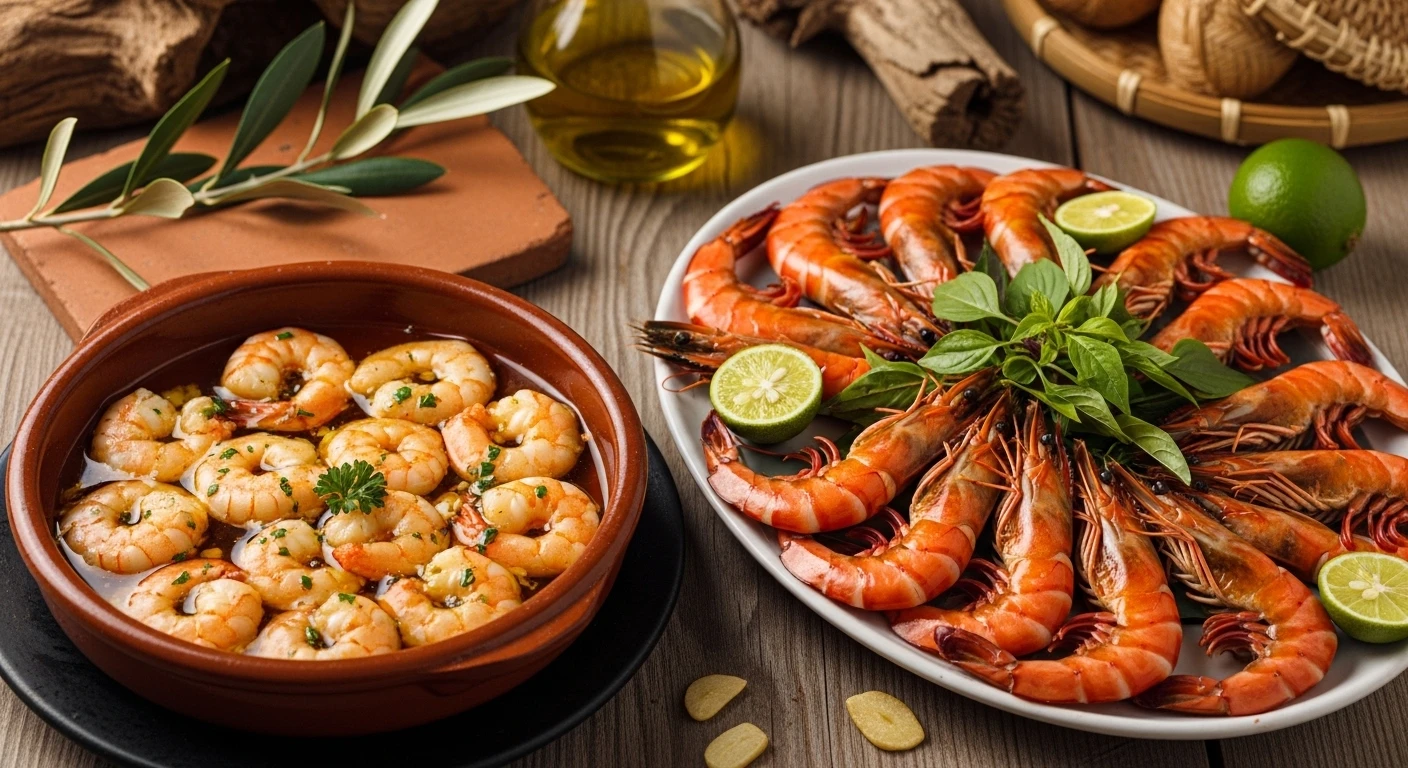
The Spanish approach is one of elegant simplicity. The star is often a beautifully plump Gamba Roja (red shrimp), or the iconic Gambas al Ajillo. This latter dish, sizzling in garlic-infused olive oil with a hint of chili and parsley, is the quintessential Spanish gamba experience. It’s a testament to what happens when you treat a perfect ingredient with the respect it deserves, letting its natural sweetness shine through the robust flavors of garlic and good olive oil. The ritual involves sopping up that glorious oil with crusty bread, a communal act that epitomizes Spanish dining.
Spanish shrimp culture often emphasizes a clean, briny flavor profile, a direct reflection of their Atlantic and Mediterranean origins. Whether wild-caught or from carefully managed aquaculture, the goal is a shrimp that tastes undeniably of the sea. It’s a prestige product, often commanding higher prices and found at the heart of celebratory meals and casual gatherings alike.
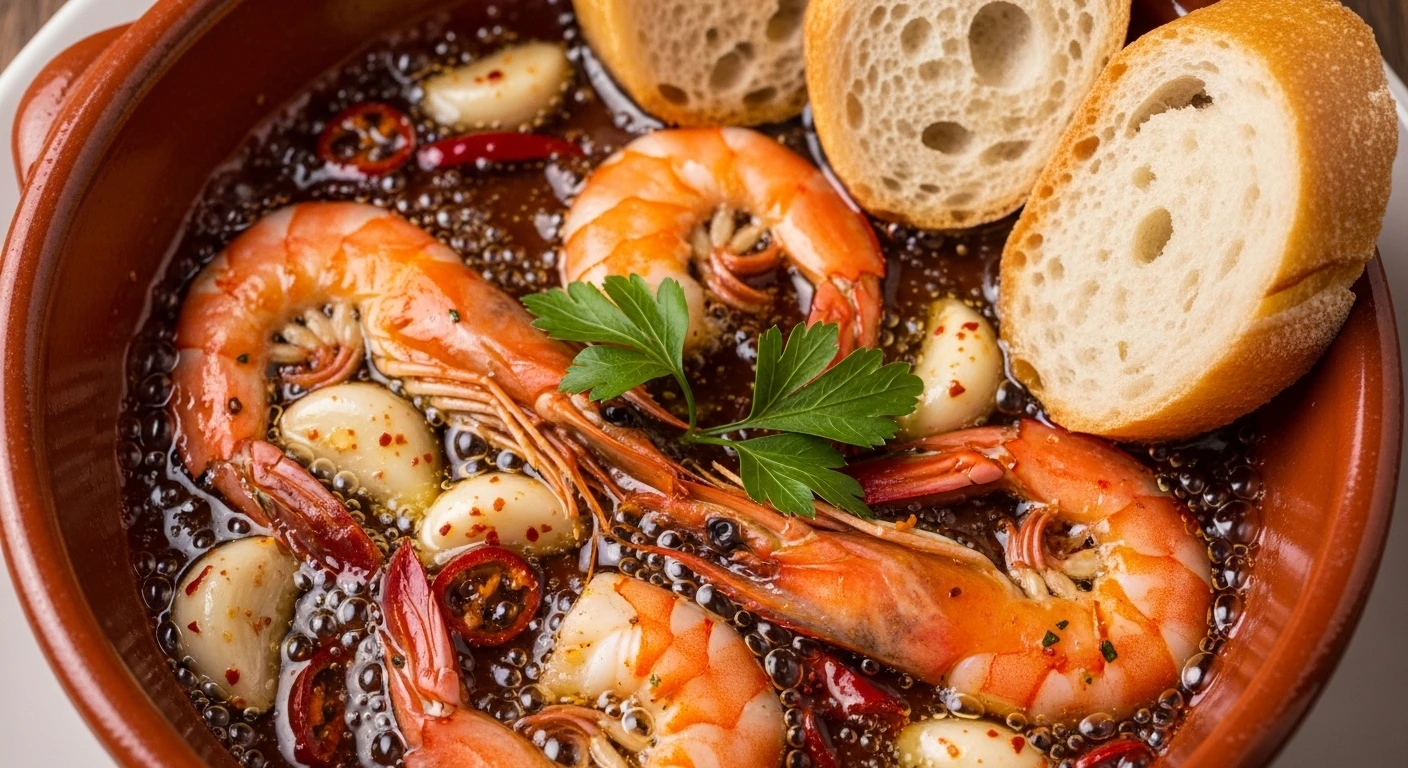
📸 Spanish Tapas Icon: Gambas al Ajillo, a celebration of garlic, olive oil, and perfect shrimp.
2 Vietnam: The Mekong Delta's Abundant Bounty
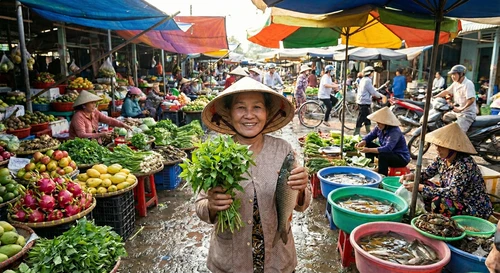
Now, journey southeast, to the sprawling, intricate labyrinth of waterways that define the Mekong Delta in Southern Vietnam. This is the heartland of Vietnam's shrimp production, a region where life pulses to the rhythm of the tides and the ebb and flow of brackish water.
Unlike the focused prestige of Spanish gambas, Vietnamese shrimp culture is one of immense diversity and scale. The delta's unique environment – a blend of freshwater rivers and saltwater intrusion – creates ideal conditions for a vast array of species. From the coveted Ca Mau black tiger shrimp, grown in ecologically rich mangrove systems, to the ubiquitous whiteleg shrimp (often farmed in extensive pond systems), and the impressive Mekong giant freshwater prawn thriving in the river networks, the variety is astonishing.
The Mekong Delta's approach to shrimp is deeply integrated with its environment and its people's livelihoods. Aquaculture here isn't just an industry; it's a way of life, passed down through generations. The sweetness and firm texture of Ca Mau black tiger shrimp, for example, are directly attributed to the nutrient-rich mangrove ecosystems they inhabit, absorbing the complex flavors of the brackish waters. This is a terroir-driven sweetness, a far cry from the simpler briny notes of some other shrimp.
Heritage Ingredient
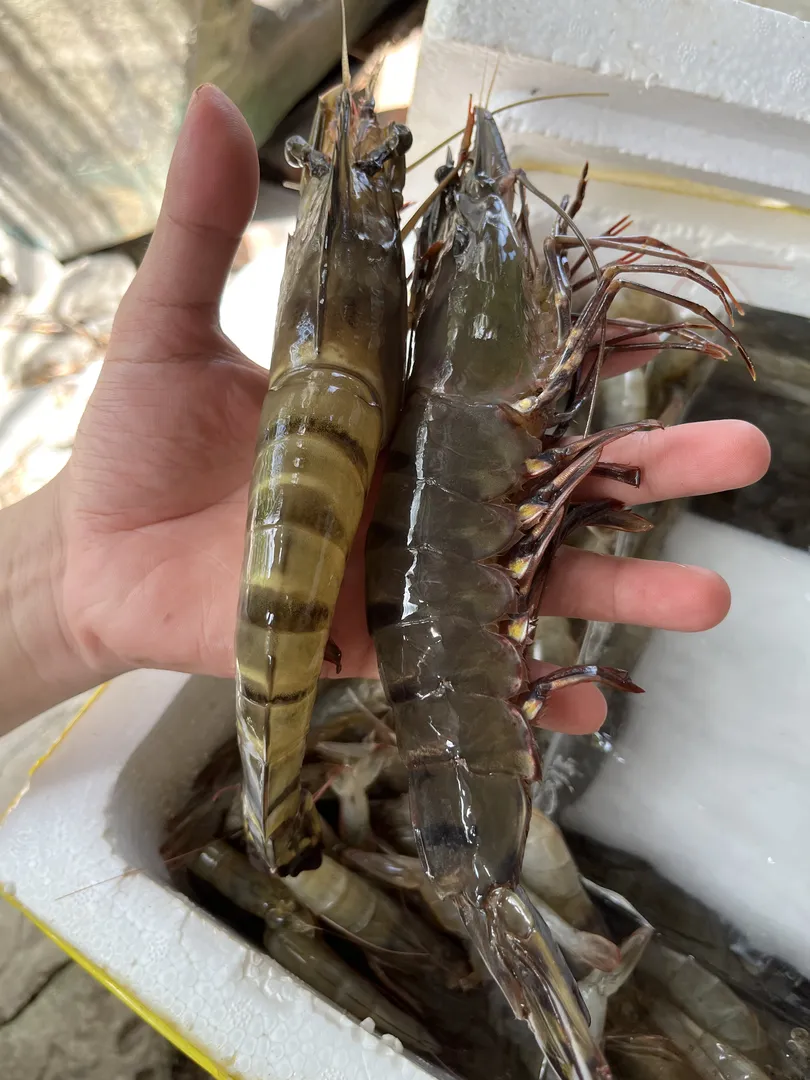
Ca Mau Black Tiger Shrimp
Ca Mau Black Tiger Shrimp
Large black tiger shrimp associated with mangrove aquaculture in Ca Mau, known for firm flesh and a cleaner, sweeter finish than intensively farmed shrimp.
Wild spirits of the mangroves, these black-banded gems deliver a firm, snappy texture and a sweetness that echoes the forest's vibrant life.
Heritage Ingredient
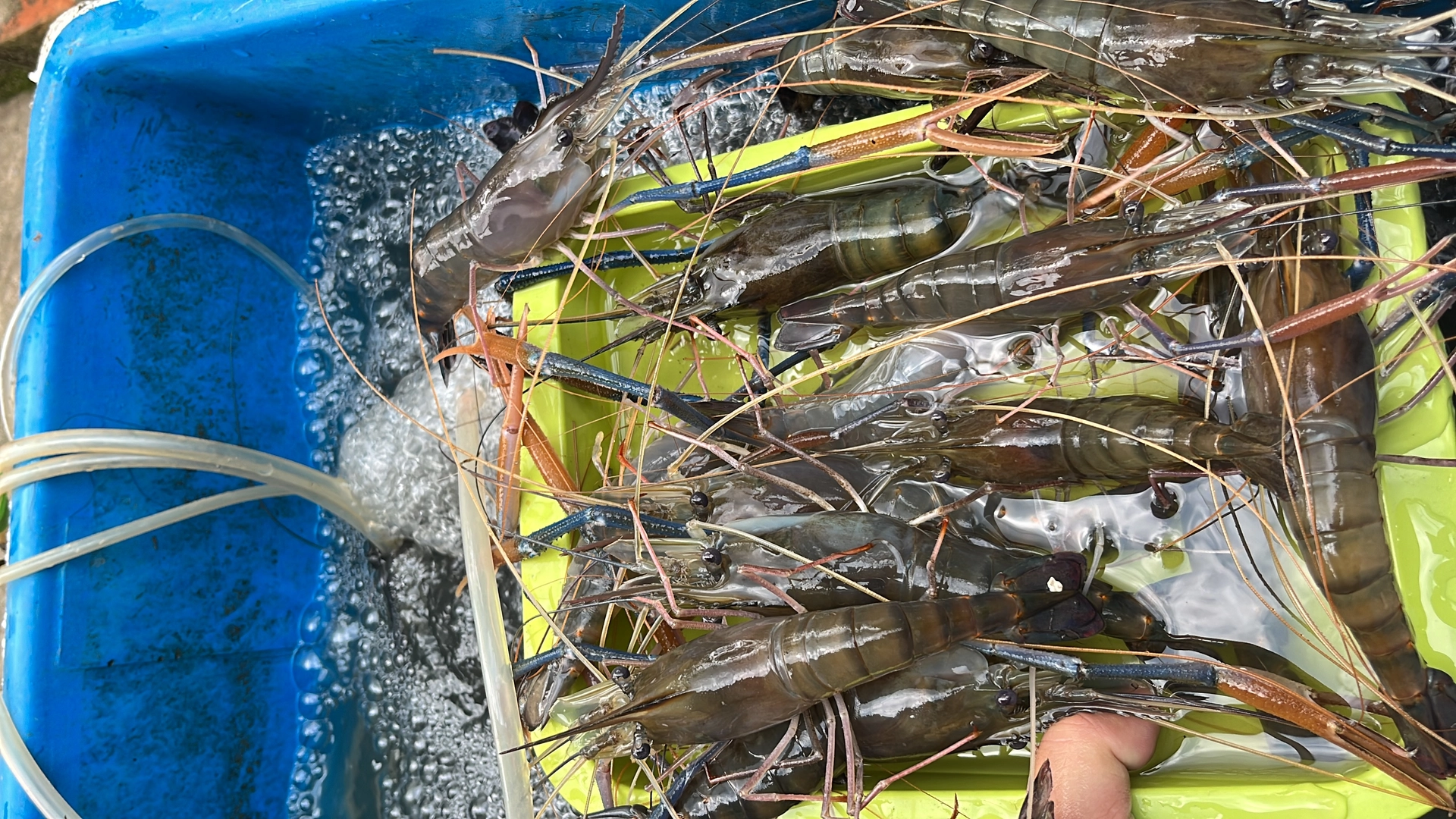
Mekong Giant Freshwater Prawn
Mekong Giant Freshwater Prawn
A river prawn with long blue claws and rich head fat, common in grilled prawn dishes and hotpot traditions across the Mekong basin.
Majestic blue-clawed warriors of the Mekong, famous for their rich, fatty heads and a savory depth that captures the essence of the delta's rivers.
3 A Tale of Two Palates: Sweet Delta vs. Briny Mediterranean
The most striking difference lies in the flavor. Spanish gambas, especially those from the Atlantic, often possess a pronounced, clean briny sweetness. It's the taste of pure, open sea, a vibrant salinity that makes them sing when paired with garlic, olive oil, or a squeeze of lemon.
Vietnamese shrimp, particularly those from the Mekong Delta's complex estuarine and mangrove environments, offer a different kind of sweetness – a richer, more nuanced terroir-driven sweetness. Ca Mau black tiger shrimp, for instance, are celebrated for a subtle sweetness with earthy undertones, a result of their diet and the unique mineral composition of mangrove waters. Mekong giant freshwater prawns boast a luxurious, almost buttery richness, especially in their head fat, a flavor profile that speaks of freshwater abundance.
This difference is crucial in cooking. Spanish shrimp shine in dishes where they are the star, their inherent flavor amplified by simple, potent accompaniments. Vietnamese shrimp, with their deeper, more complex sweetness, lend themselves beautifully to stir-fries, soups, and savory sauces where they can meld with other aromatic ingredients, yet still assert their individual character.
4 From Sun-Kissed Shores to Emerald Waters
The source of these delicious crustaceans could not be more different. Spain's shrimp traditions are deeply tied to its coastal geography. While some are wild-caught, Spanish aquaculture has also developed sophisticated pond systems, often mirroring traditional fishing grounds. The focus is on water quality, precise temperature control, and mimicking the natural marine environment.
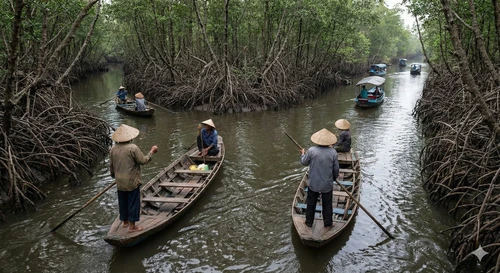
The Mekong Delta offers a stark contrast. Here, shrimp farming is intrinsically linked to the unique hydrological system of the delta. Integrated mangrove-shrimp farming, particularly in Ca Mau and Bac Lieu provinces, is a prime example. This sustainable model integrates shrimp cultivation within natural mangrove forests. The mangroves act as natural filters, provide habitat for shrimp fry, and protect coastlines. This symbiotic relationship imbues the shrimp with their distinctive flavor, a direct result of a thriving, biodiverse ecosystem.
Other farming methods in the delta include extensive pond systems for whiteleg shrimp and river-based cultivation for giant prawns. This geographical and ecological diversity means Vietnam offers a wider spectrum of shrimp types, each with its own unique characteristics shaped by its specific habitat.
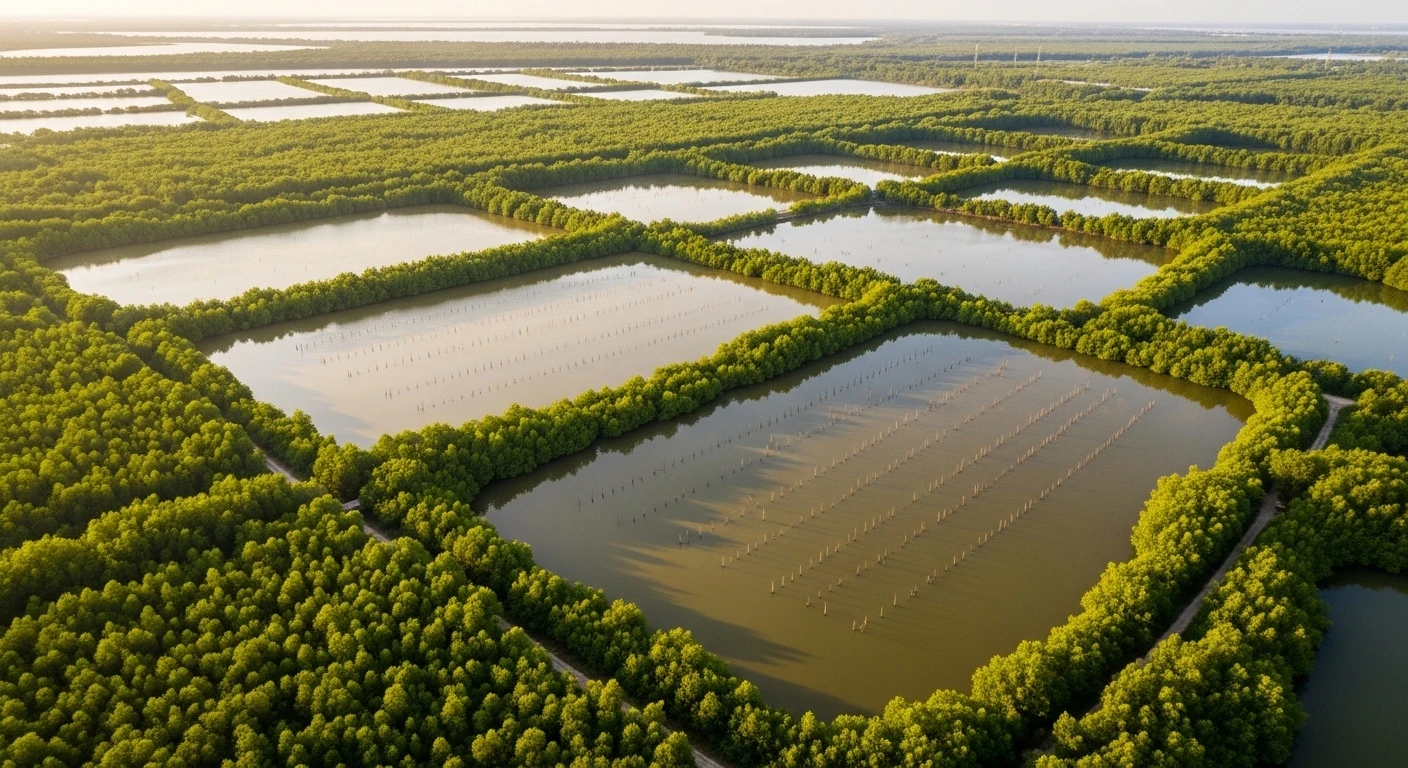
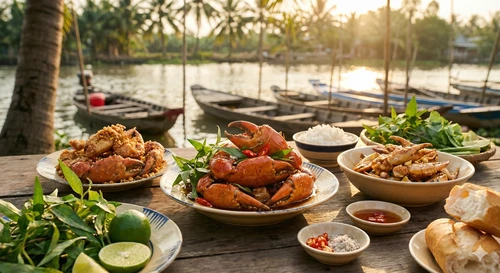
📸 Eco-Conscious Cultivation: Mangrove-integrated shrimp farms in Ca Mau, Vietnam, are vital to the region's ecosystem and economy.
5 From Sizzling Platters to Aromatic Stir-Fries
The way shrimp are prepared reflects deeply ingrained culinary philosophies. In Spain, the emphasis is on enhancing the shrimp's inherent qualities. Think Gambas a la Plancha (grilled shrimp), simply seasoned and seared to perfection, or the aforementioned Gambas al Ajillo. The focus is on minimal intervention, allowing the quality of the shrimp and a few key aromatics to dominate.
Vietnamese cuisine utilizes shrimp in a far broader spectrum of dishes. Their sweetness makes them ideal for light, aromatic broths like Canh Chua (sour soup), where they mingle with tamarind, pineapple, and herbs. They are a star in vibrant stir-fries with crunchy vegetables and savory sauces, and form the backbone of many noodle dishes like Bun Tom Thit Nuong (vermicelli with grilled shrimp and pork). Shrimp paste, a concentrated umami bomb, is also a critical ingredient in many Southern Vietnamese dishes, showcasing the shrimp's versatility.
The speed and intensity of a wok are perfect for Vietnamese shrimp, quickly cooking them to retain their snap while absorbing the surrounding flavors. Spanish cooking, conversely, often favors slower infusions in olive oil or quick searing over high heat, letting the shrimp cook to a tender, slightly firm bite.
6 The Communal Experience
Both cultures place a high value on communal dining, but the expression differs. Spanish tapas culture is built around sharing small plates, often standing at a bar, with gambas being a frequent and highly sought-after item. It’s a lively, social, and spontaneous way of eating.
In the Mekong Delta, shrimp are central to family meals, often served communally in large platters or integrated into shared dishes. The preparation might be more elaborate for a family gathering, showcasing the breadth of local ingredients and cooking techniques. The emphasis is on abundance, family connection, and celebrating the harvest from the rivers and farms.
7 Spain's Edge: Prestige and Unadulterated Flavor
Spain has masterfully cultivated the image of its shrimp as a premium product. The reverence for Gamba Roja, the meticulous preparation of Gambas al Ajillo, and the ubiquitous presence of shrimp in tapas culture all contribute to a perception of high quality and culinary sophistication. The simplicity of Spanish preparations ensures that when one eats a Spanish shrimp dish, they are tasting the unadulterated essence of the sea, enhanced by just a few complementary flavors.
This focus on a clean, direct flavor profile, often achieved through meticulous sourcing and straightforward cooking methods, has cemented Spain's reputation for exceptional shrimp. It’s a testament to the idea that sometimes, less is more, and that the quality of the raw ingredient is paramount.
8 Vietnam's Gifts: Unrivaled Variety and Delta Soul
Vietnam, particularly the Mekong Delta, stands out for its sheer diversity and the remarkable depth of flavor derived from its unique ecosystems. The Ca Mau black tiger shrimp, with its firm texture and complex, slightly sweet, earthy taste born from mangrove aquaculture, offers a distinct experience that can't be replicated.
Then there are the Mekong giant freshwater prawns, celebrated for their impressive size and rich, decadent head fat – a delicacy in itself. And for everyday cooking, the readily available whiteleg shrimp provides a versatile and affordable option that graces countless Vietnamese tables.
The Vietnamese approach is adaptable. While simple preparations exist, the delta's shrimp also perform brilliantly in complex, aromatic dishes that showcase the richness of Southern Vietnamese cuisine. This ability to adapt, to be both a star ingredient and a harmonious component in a symphony of flavors, is Vietnam's true strength. The unique terroir of the Mekong Delta, from its brackish mangrove waters to its fertile river systems, provides a flavor profile that is distinctly Vietnamese – a sweet, complex, and endlessly fascinating taste of the region.
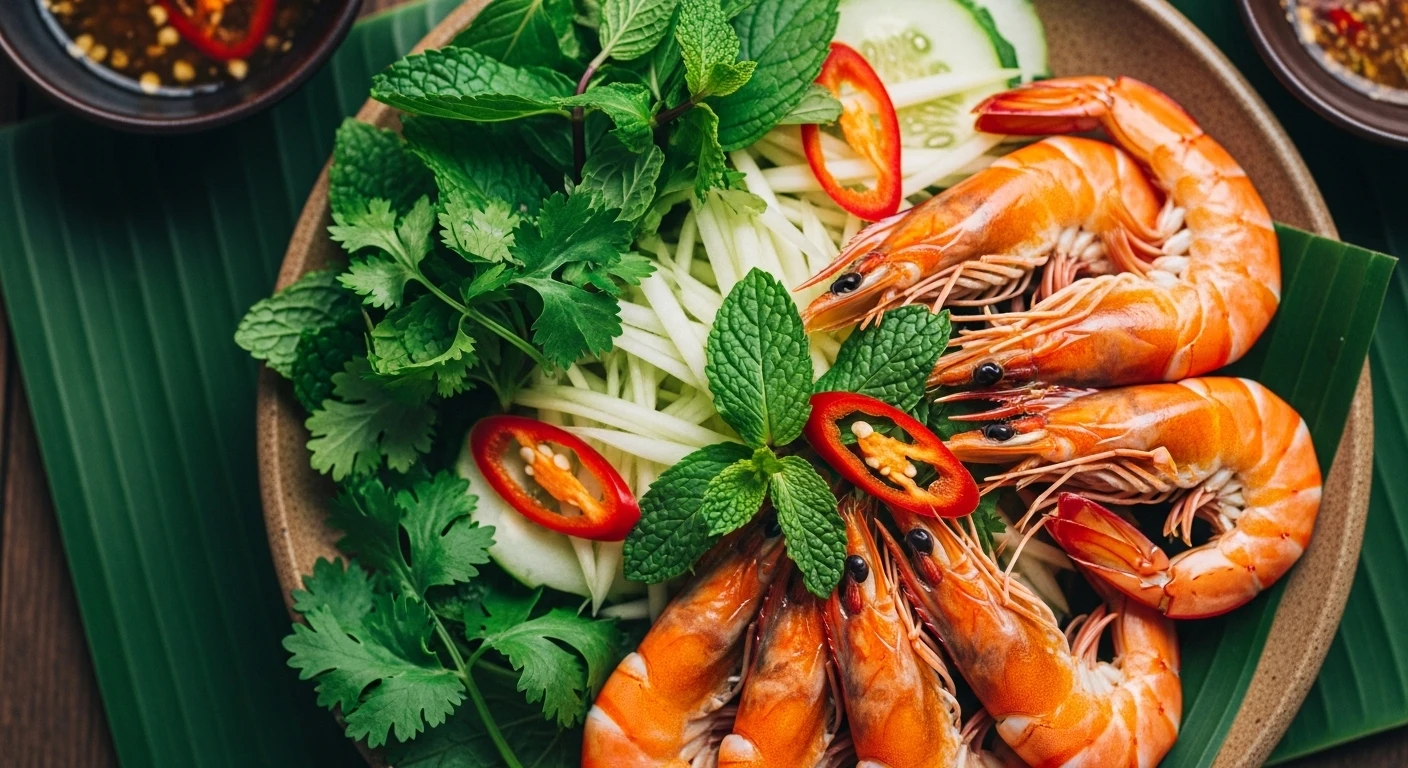
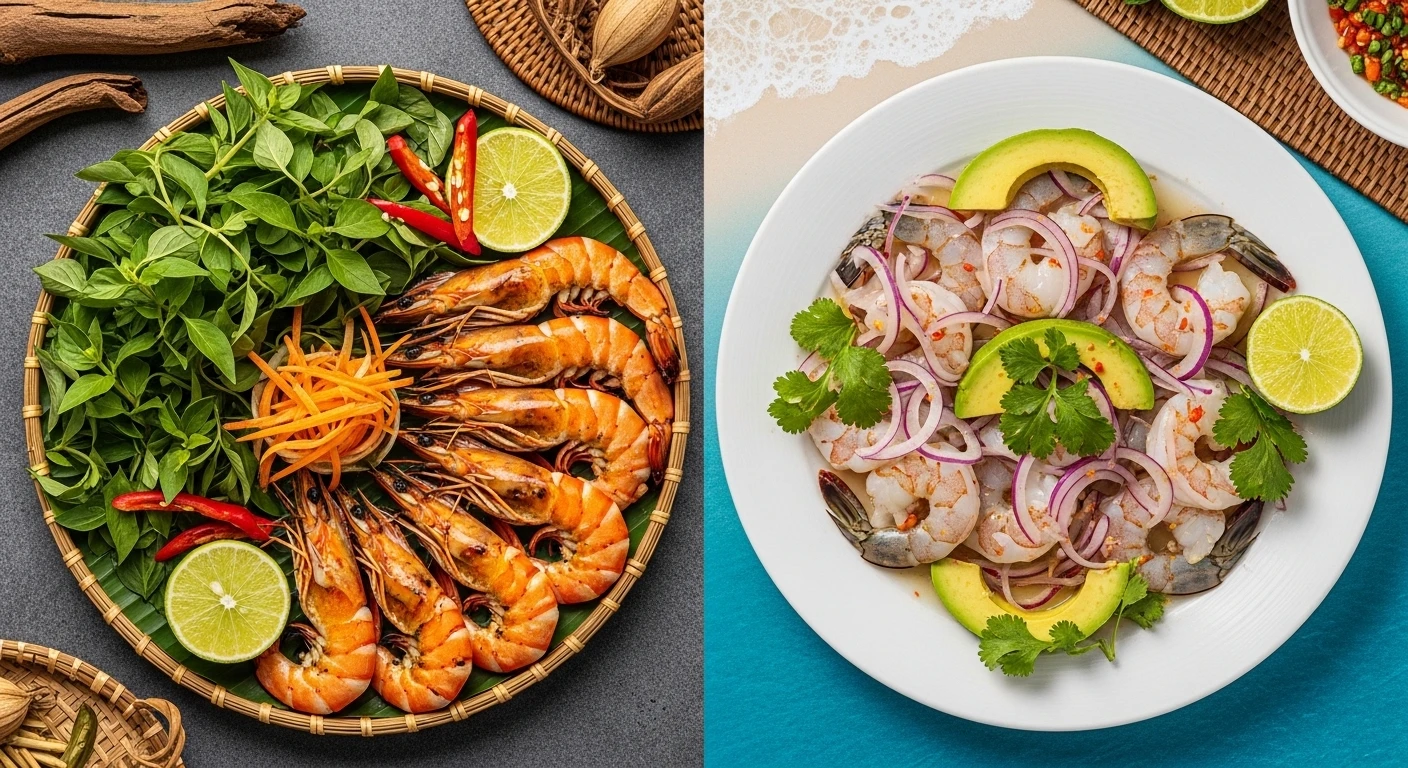
📸 Mekong Flavors: A typical Vietnamese shrimp dish, rich with fresh herbs and a hint of chili.
So, while Spain excels in elegant simplicity and a pure, briny sea-kissed flavor, Vietnam, with its vast delta and diverse aquaculture, offers a spectrum of shrimp experiences. From the distinct mangrove-influenced sweetness of Ca Mau black tigers to the rich, freshwater essence of giant prawns, the Mekong Delta presents a compelling case for exploring a different dimension of shrimp culture – one deeply rooted in its unique environment and vibrant culinary traditions.
The Verdict: Where Do You Go Next?
For the discerning palate, the differences are profound. Spanish gambas offer a sublime, direct expression of the sea, perfect for those who cherish simplicity and prestige. But if you crave a journey into nuanced flavors, diverse textures, and a profound connection between environment and taste, the Mekong Delta beckons.
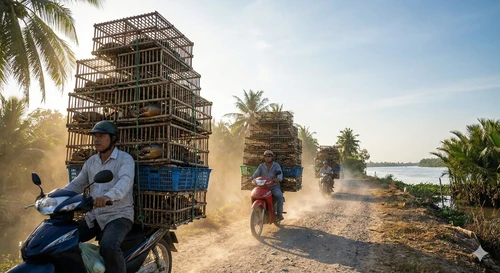
Imagine navigating those waterways, visiting shrimp farms nestled amongst emerald mangroves, tasting a Ca Mau black tiger shrimp pulled fresh from the water, or savoring a giant freshwater prawn grilled roadside. It’s an adventure for the senses, a culinary pilgrimage that reveals shrimp culture in a light you may have never experienced before.
Whether you're a seasoned food traveler or simply a shrimp enthusiast, understanding the distinct charms of both Spanish gambas and Vietnamese Delta shrimp enriches your appreciation for this beloved crustacean. But for that unique journey into flavor, habitat, and tradition, the vibrant, complex world of Vietnamese shrimp awaits.