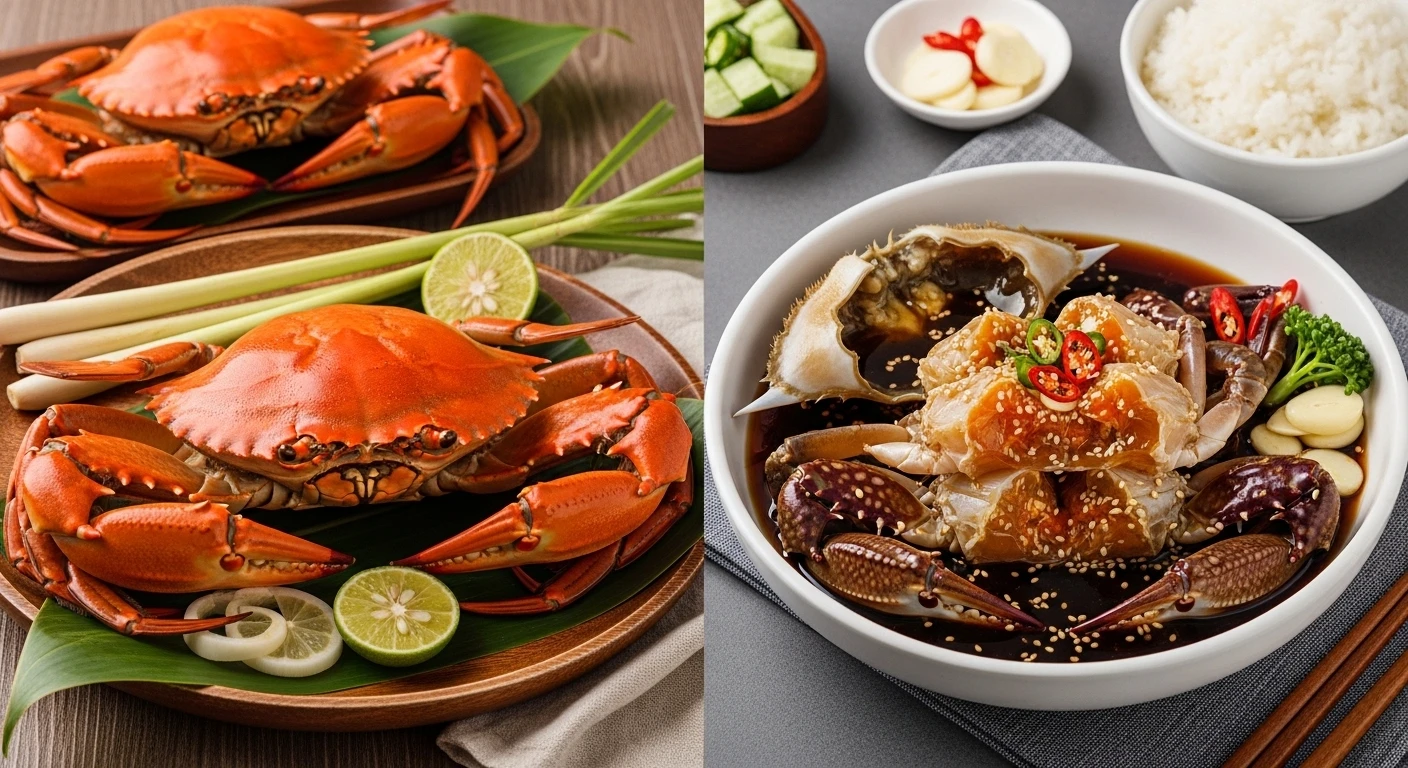
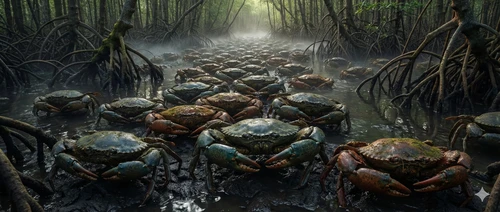
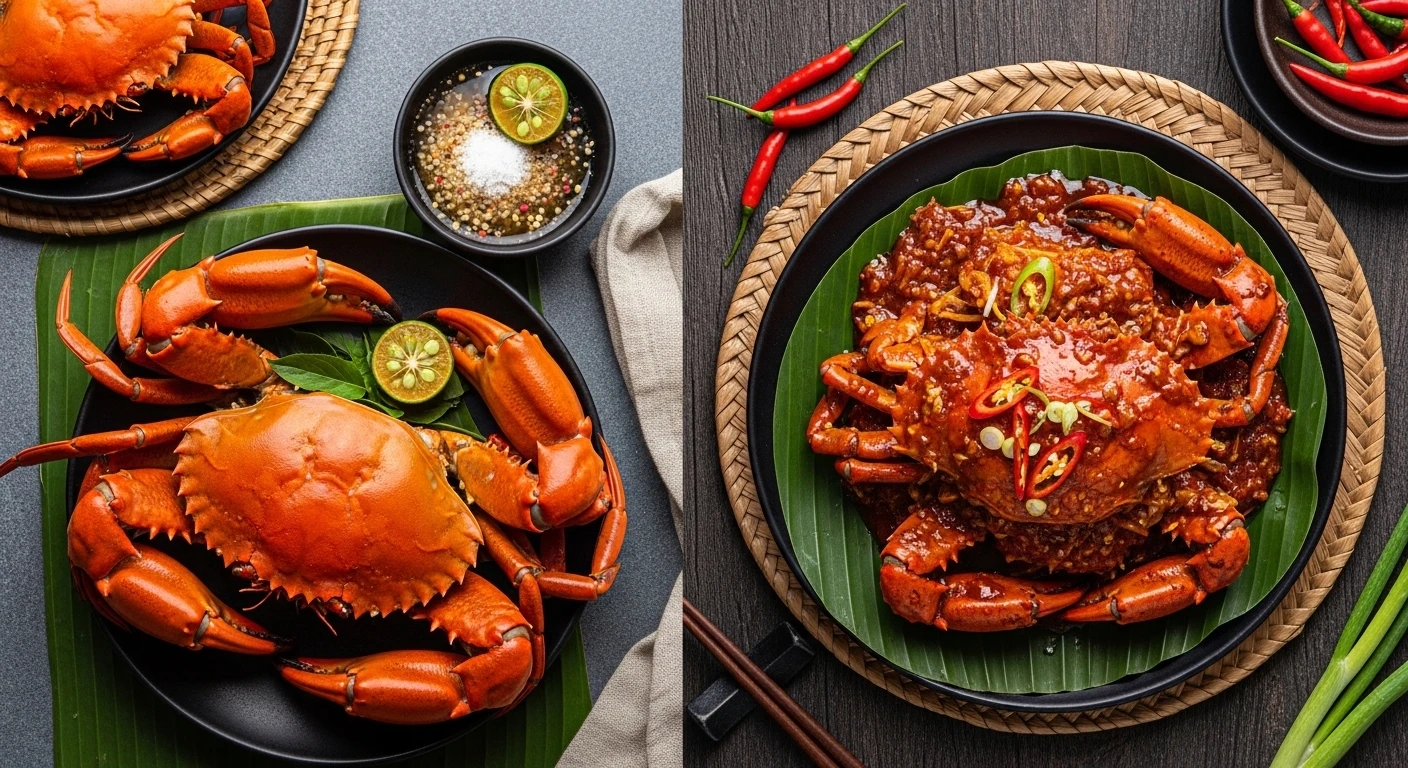
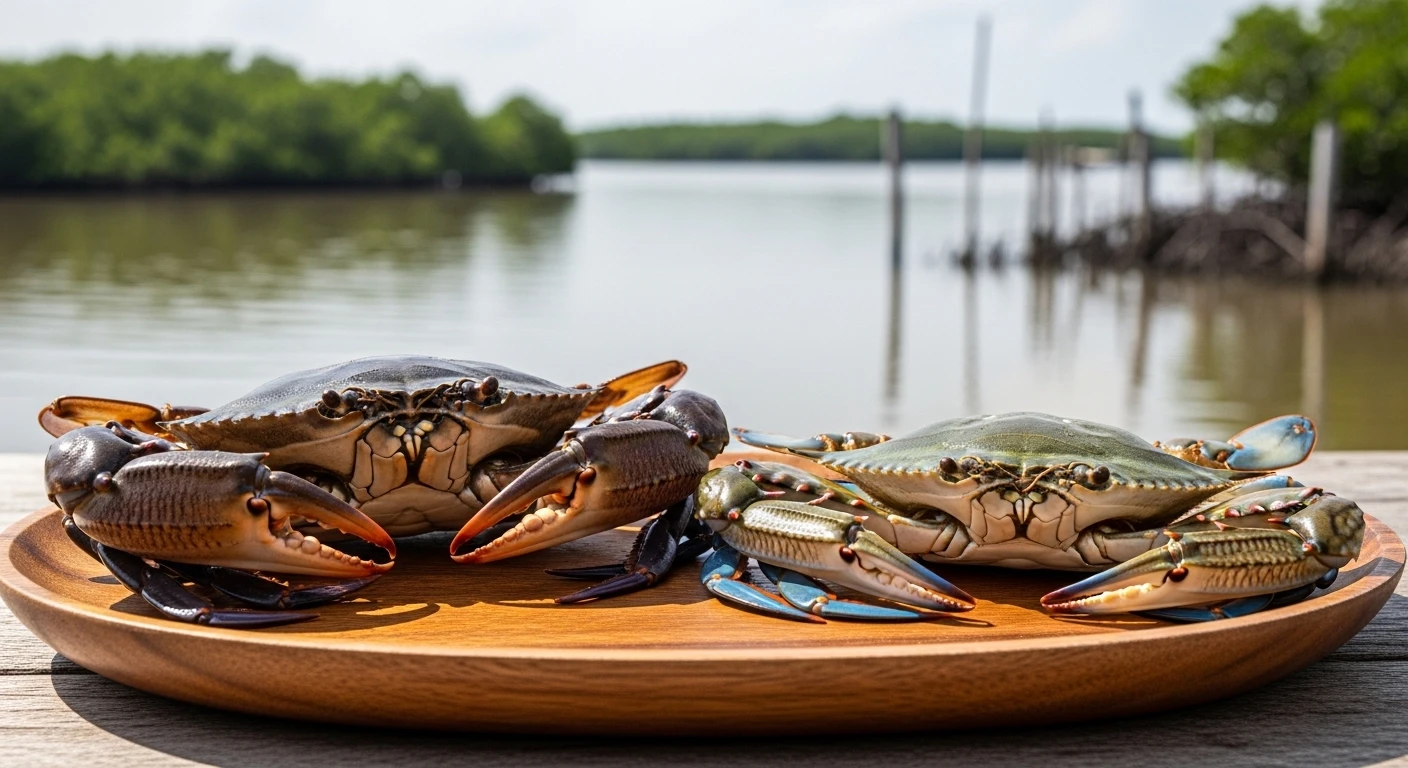
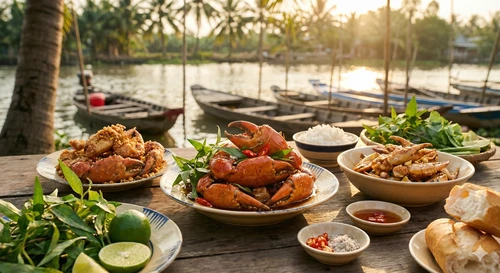
" Two worlds, one ocean (and river). The journey of shrimp from the Red Sea's sun-baked shores to the lush, life-giving waters of Vietnam's Mekong Delta tells a story of tradition, terrior, and taste that’s as vast as the waters they inhabit. "
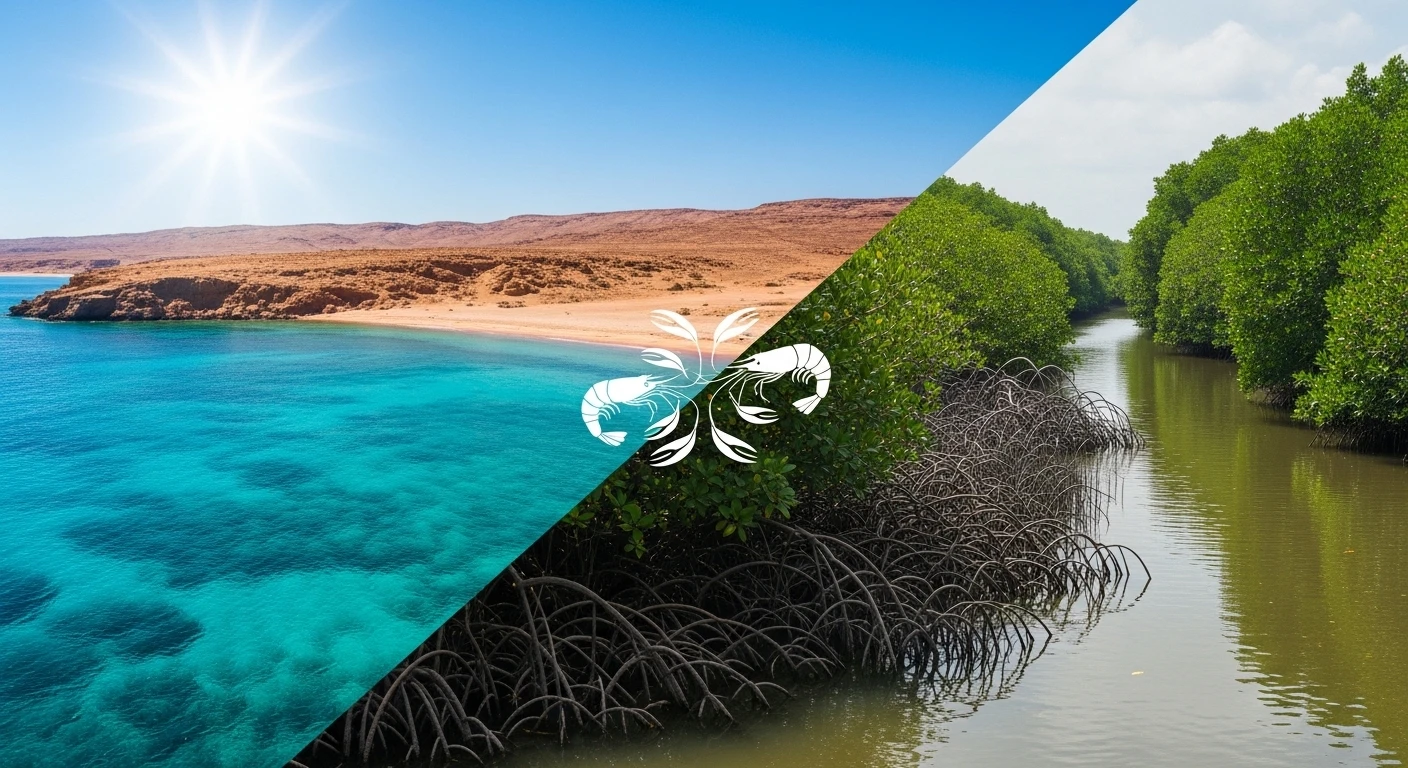
📸 Where Two Seafood Worlds Converge
1 The Red Sea's Bounty: Saudi Arabia's Shrimp Legacy
Saudi Arabia, with its extensive coastline along the Red Sea and the Arabian Gulf, boasts a rich seafood heritage. The kingdom’s proximity to these vital marine ecosystems has long dictated its culinary traditions. For Saudis, seafood is not just sustenance; it's an integral part of social gatherings, festive meals, and a reflection of their connection to the water. The demand is for a premium product – plump, meaty, and often prepared with aromatic spices that complement the natural salinity of the sea.
The favored species in Saudi kitchens often include larger shrimp, prized for their substantial texture and ability to stand up to robust flavors. While aquaculture plays a role, there's a deep appreciation for wild-caught varieties that contribute to the distinct taste profiles of the region. Expect to see shrimp prepared in ways that celebrate their size and inherent sweetness, often grilled over coals, baked with fragrant rice, or simmered in flavorful stews. The coastal cities, from Jeddah on the Red Sea to Dammam on the Gulf, are hubs where the freshest catches are celebrated, forming the backbone of local cuisine and fueling a sophisticated seafood market.
2 The Mekong Delta's Vibrant Waters: Vietnam's Shrimp Heartland
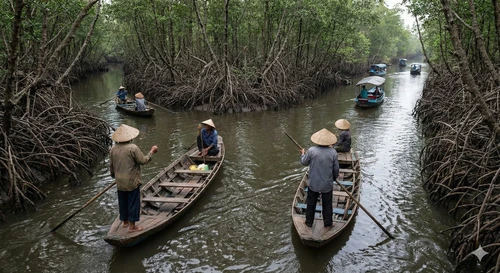
Journey to the southern tip of Vietnam, and you’ll find the Mekong Delta – a sprawling labyrinth of rivers, canals, and coastal mangroves. This is Vietnam's agricultural and aquaculture powerhouse, and its lifeblood flows through the water. Here, shrimp farming is not just an industry; it's a way of life, deeply intertwined with the natural rhythms of the tides and the unique ecosystem of the mangrove forests. The delta produces a staggering variety of shrimp, each with its own character, shaped by the specific environment it’s grown in.
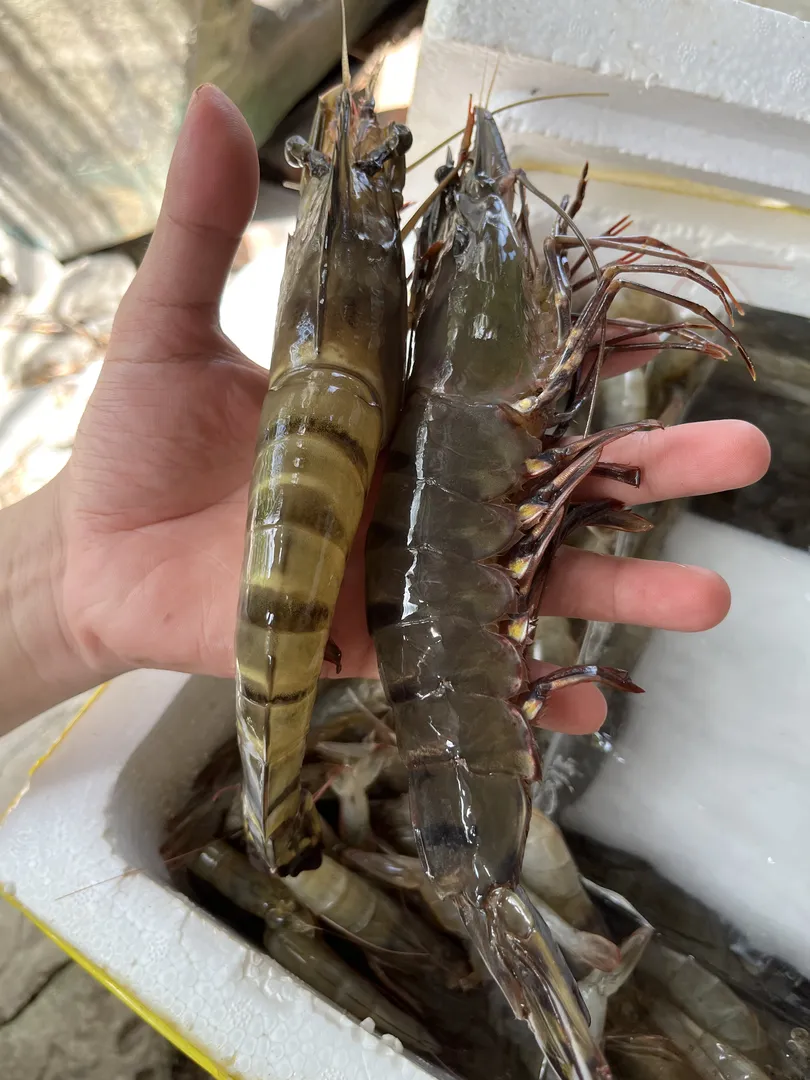
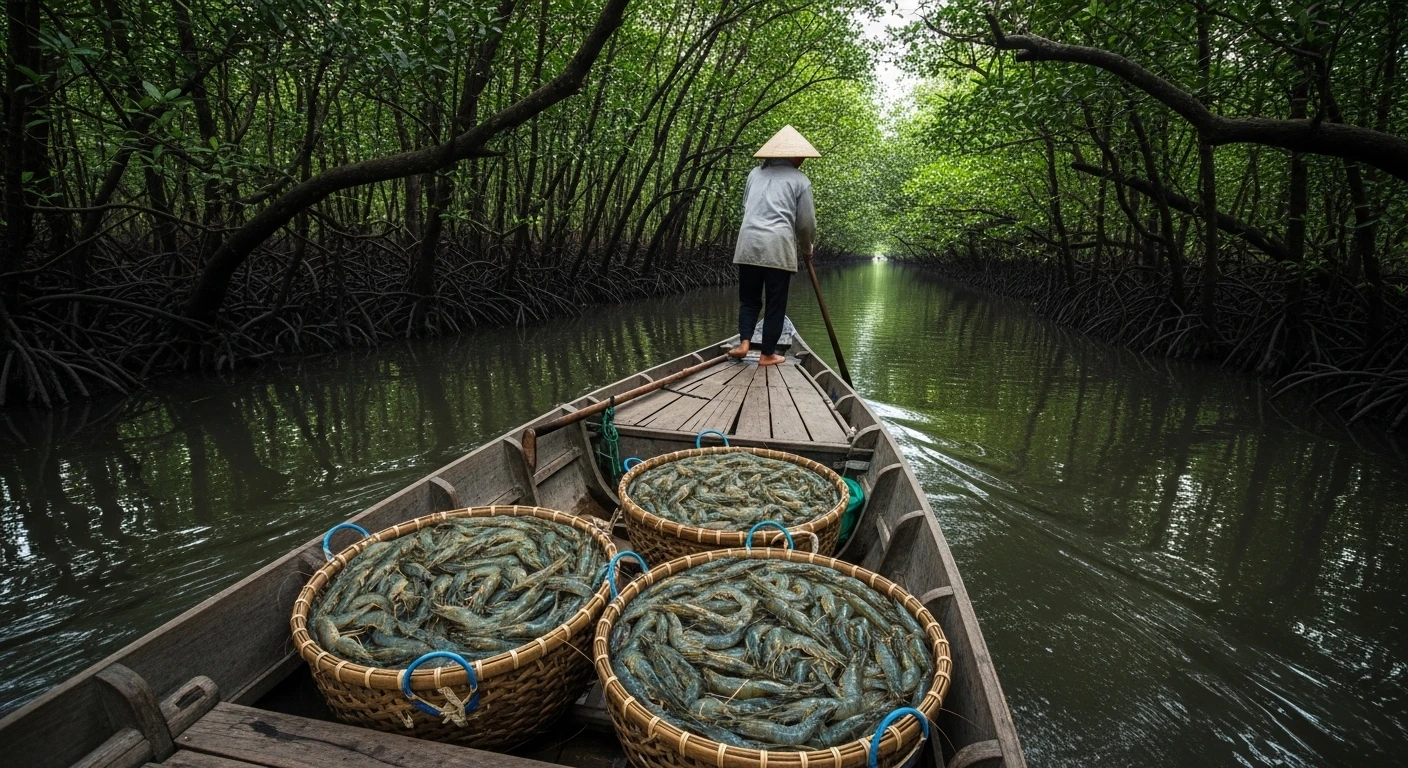
The undisputed king of this region is the **Ca Mau Black Tiger Shrimp**. These aren't your average farmed shrimp. Grown in brackish waters within the protective embrace of mangrove forests, they develop a firmer texture and a cleaner, sweeter taste than their intensively farmed counterparts. The connection to the mangrove environment – the natural filtration, the diverse diet available – imbues these shrimp with a distinct terroir.
Heritage Ingredient
Ca Mau Black Tiger Shrimp
Ca Mau Black Tiger Shrimp
Large black tiger shrimp associated with mangrove aquaculture in Ca Mau, known for firm flesh and a cleaner, sweeter finish than intensively farmed shrimp.
Where every ingredient captures the essence of the wind and tides, weaving a vibrant culinary tapestry of the Mekong region.
Heritage Ingredient
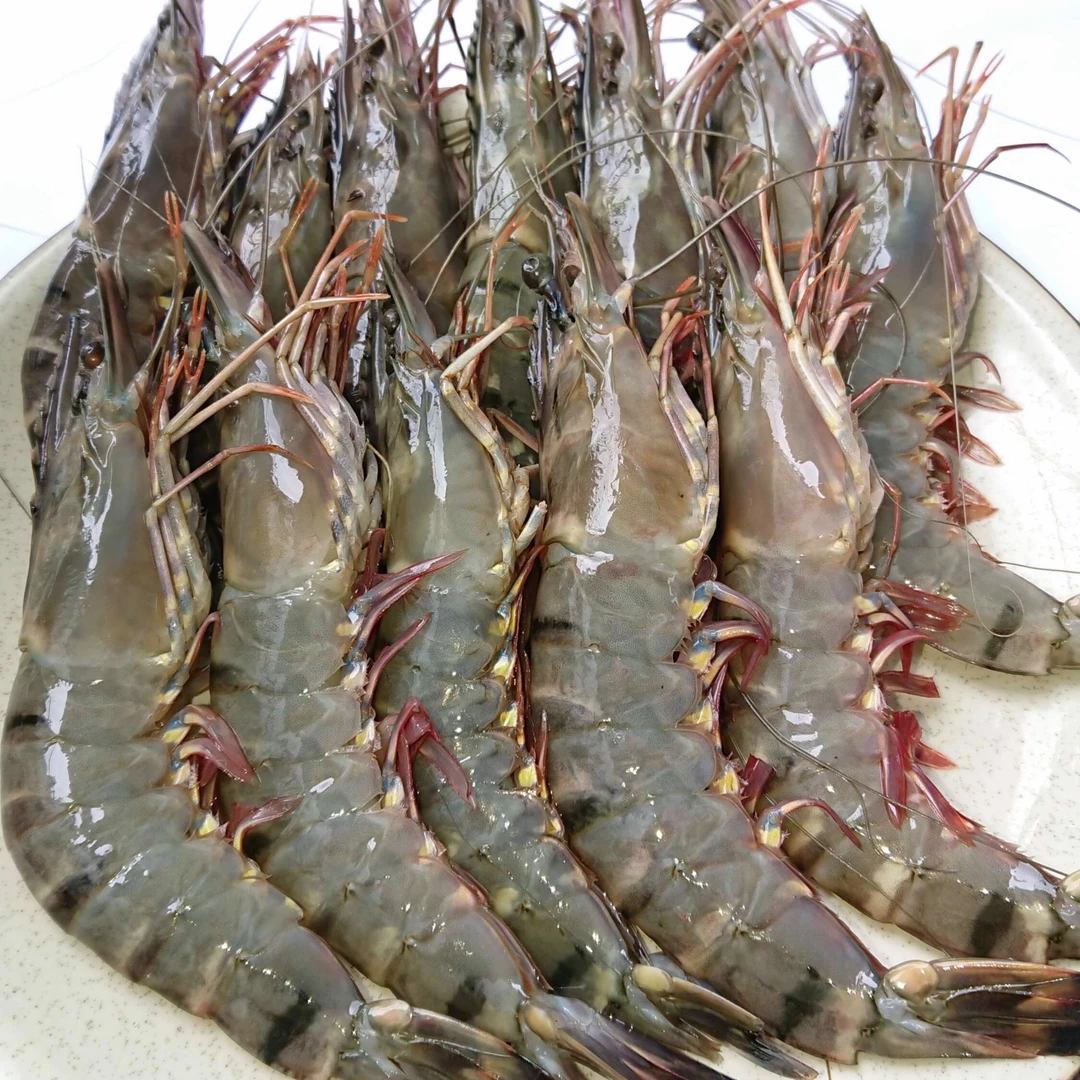
Whiteleg Shrimp
Whiteleg Shrimp
A widely used shrimp in Vietnamese home kitchens, suitable for stir-fries, soups, steamed dishes, and practical cooking articles that need a familiar shrimp reference.
Where every ingredient captures the essence of the wind and tides, weaving a vibrant culinary tapestry of the Mekong region.
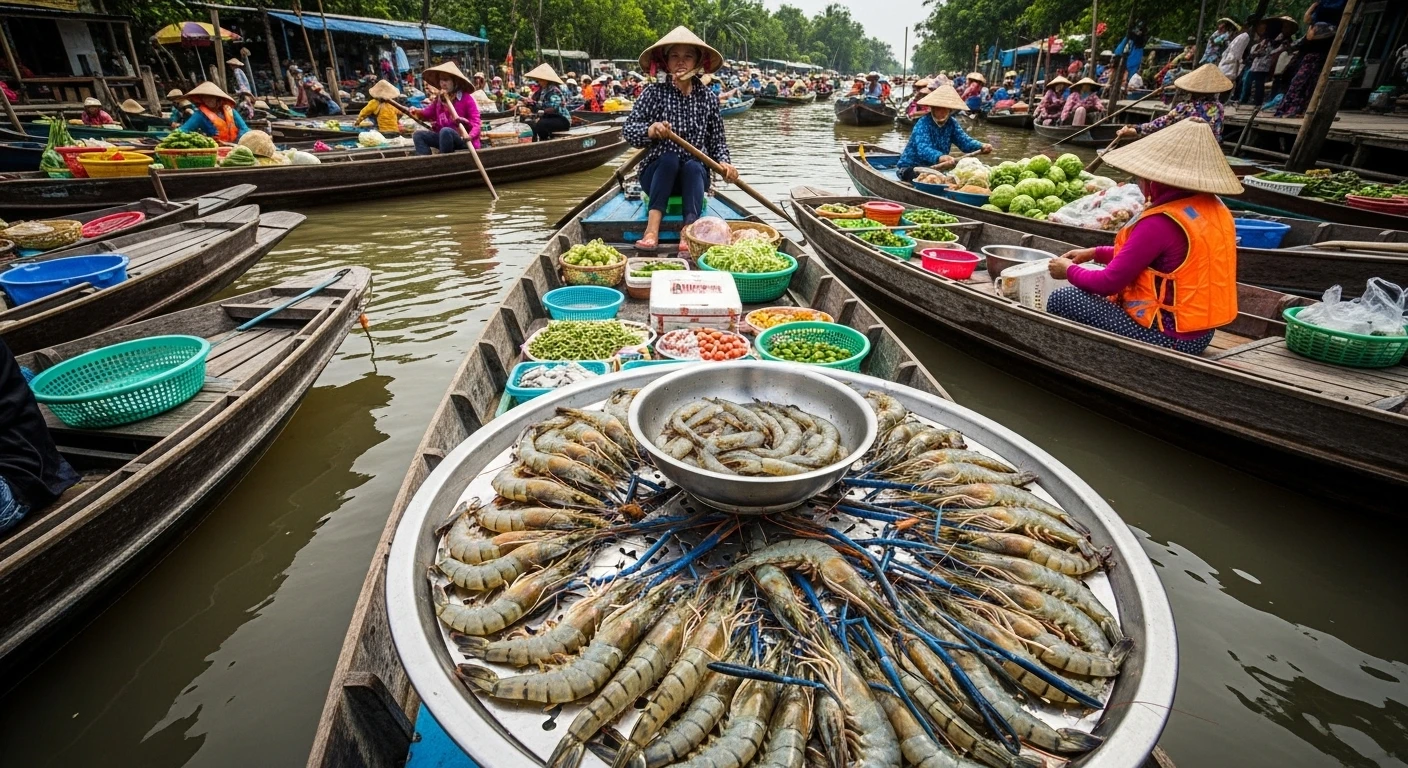
Beyond the majestic black tigers, the delta cultivates **Whiteleg Shrimp** (often known as Pacific White Shrimp), a versatile species found on tables worldwide, prized for its consistent quality and adaptability in cooking. Then there are the **Mekong Giant Freshwater Prawns**, with their striking blue claws and rich, buttery heads, a delicacy often grilled or enjoyed in hot pots. These prawns speak to the delta's freshwater influence, a stark contrast to the purely marine environment of the Red Sea.
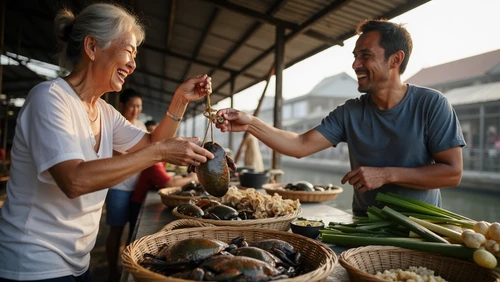
The culture of shrimp in the Mekong Delta is one of abundance and culinary diversity. From bustling floating markets where shrimp are traded directly off boats to humble family kitchens, shrimp feature in countless dishes: crisp stir-fries, aromatic noodle soups, succulent grilled skewers, and delicate steamed preparations.
3 The Terroir Test: Flavor and Texture Comparison
Saudi Red Sea Shrimp:
- Flavor Profile: Often described as clean, bright, and distinctly saline, carrying the pure taste of the sea. The flavor is robust, reflecting a life spent in a mineral-rich, warmer marine environment.
- Texture: Typically firm, meaty, and slightly resilient, especially the larger wild-caught varieties. They hold their shape well when cooked, offering a satisfying bite.
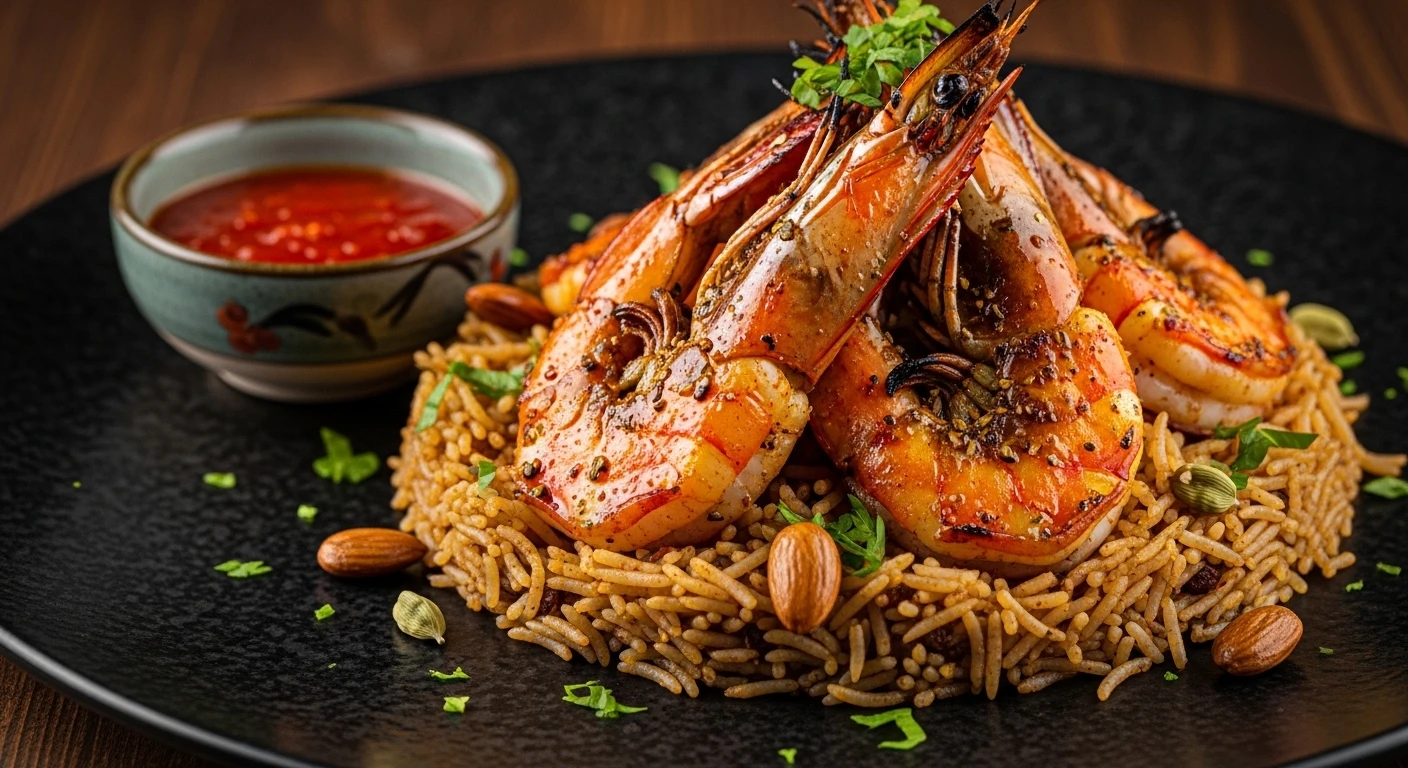
- Dominant Cooking Styles: Grilling, baking with rice (Kabsa variations), rich stews, and pan-frying with spices. The aim is often to complement or enhance the inherent salinity and meatiness.
Mekong Delta Shrimp:
- Flavor Profile: Varies greatly by species and habitat. Black Tiger Shrimp from mangroves offer a delicate sweetness with subtle earthy undertones. Freshwater prawns possess a richer, almost buttery flavor, especially from the head fat. Whiteleg shrimp are generally milder and more neutral.
- Texture: Black tigers are firm and slightly springy. Giant prawns are tender and succulent. Whiteleg shrimp are softer and more yielding.
- Dominant Cooking Styles: Stir-fries, soups, steaming, boiling, grilling with simple marinades (salt, pepper, lime), and often used in complex dishes where they absorb surrounding flavors beautifully.
4 From Coast to Canal: Cultural Differences in Shrimp Consumption
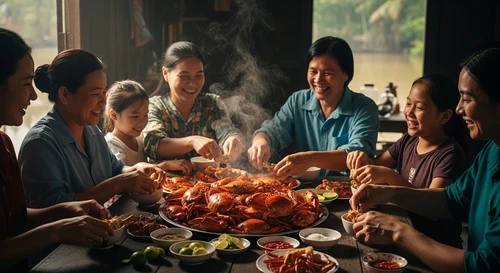
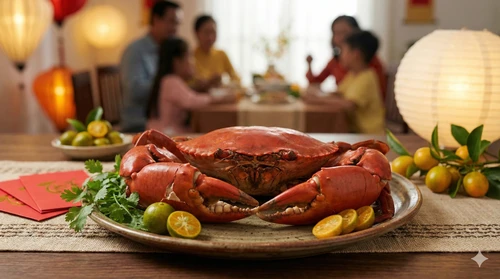
The way shrimp are integrated into daily life and special occasions reveals deep cultural divergences. In Saudi Arabia, the large, premium shrimp often feature in celebratory meals, served with aromatic rice dishes or as the star of a shared platter during family gatherings. The emphasis is on quality, size, and robust preparation that highlights their meaty appeal. The coastal communities possess a profound respect for the ocean's gifts, and shrimp are a prized component of this bounty.
In the Mekong Delta, shrimp are woven into the fabric of everyday cuisine and market culture. Their sheer variety means they are accessible for daily meals, making them a staple rather than an occasional luxury for many. The social aspect is less about grand celebratory platters and more about communal dining – sharing bowls of noodle soup with shrimp, enjoying grilled skewers at a riverside eatery, or haggling for the freshest catch at a floating market. The delta's cuisine often relies on delicate balances of sweet, sour, salty, and spicy, allowing the shrimp's natural flavors to shine through, enhanced by fresh herbs and chilies. The tradition here is about maximizing the utility and deliciousness of a diverse aquaculture resource.
5 The Vietnamese Edge: What Makes Delta Shrimp Sing?
What truly sets Vietnamese shrimp, particularly those from the Mekong Delta, apart is the confluence of three key factors: **Terroir, Aquaculture Practices, and Culinary Philosophy.**
Mangrove Synergy:
The Ca Mau Black Tiger Shrimp's direct link to mangrove ecosystems is crucial. These shrimp feed on a natural diet of small organisms within the complex mangrove root systems. This environment provides natural filtration and a diverse food source, leading to shrimp with a cleaner, sweeter flavor and a firmer, more satisfying texture compared to shrimp from monoculture ponds. It’s a form of sustainable, low-intensity farming that prioritizes quality over sheer volume.
Diverse Species & Applications:
The Mekong Delta isn't a one-shrimp show. The presence of varieties like the giant freshwater prawn and the widely consumed whiteleg shrimp means a spectrum of tastes and textures are readily available. This diversity allows Vietnamese cuisine to utilize shrimp in an incredible range of dishes, from subtle enhancements in delicate soups to the star of a fiery stir-fry. Each species is chosen for its suitability to a particular culinary application.
Furthermore, Vietnamese culinary philosophy often emphasizes freshness and letting the ingredients speak for themselves. While spices are used, they are typically employed to enhance, not mask, the natural flavors of the shrimp. This approach allows the subtle sweetness of the black tiger or the richness of the prawn's head fat to be appreciated fully, a testament to the quality of the produce.
6 The Mouthwatering Comparison: How to Enjoy Them
When considering how to best enjoy shrimp from these two distinct regions, the contrasts are as revealing as the similarities:
Saudi Style: Bold & Aromatic
- Focus: Celebrating size and salinity.
- Classic Preparations: Large shrimp grilled with a simple marinade of lemon, garlic, and perhaps a touch of cumin or coriander. Shrimp cooked with rice, infused with fragrant spices and often incorporating dried limes.
- Dipping Sauces: Often served with a side of chili sauce or a lemon wedge to add acidity and heat.
Vietnamese Delta Style: Fresh & Herbaceous
- Focus: Preserving delicate sweetness and texture.
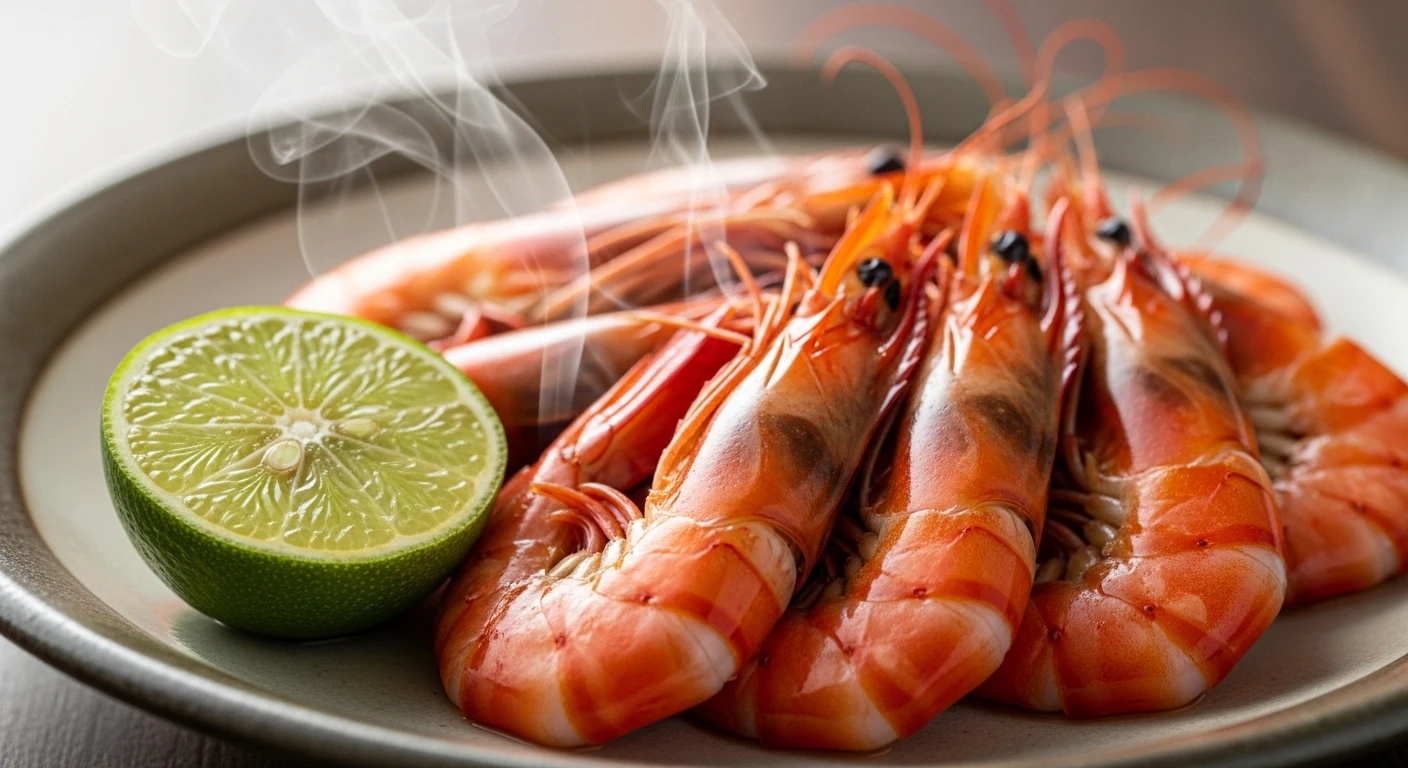
- Classic Preparations: Steamed black tiger shrimp served with salt-lime-pepper dip. Grilled giant prawns with a simple salt-pepper rub. Whiteleg shrimp in hearty noodle soups or light stir-fries with abundant fresh herbs like mint, basil, and cilantro.
- Dipping Sauces: The ubiquitous salt-lime-chili dip (muối ớt xanh) is king, offering a complex balance of sour, salty, and spicy.
7 Beyond the Plate: The Lure of the Mekong
For travelers and gourmands alike, the comparison between Saudi Arabia's coastal kitchens and Vietnam's vibrant delta offers more than just culinary insights; it paints a picture of two distinct cultures deeply connected to their aquatic environments. While Saudi Arabia offers the allure of the Red Sea and its rich traditions, the Mekong Delta beckons with its unique ecosystem, unparalleled biodiversity, and a way of life inextricably linked to the water.
Visiting the Mekong Delta is an immersion. It’s about navigating winding canals, witnessing the daily hustle of floating markets, understanding the intricate mangrove farming systems, and, of course, tasting shrimp that are the product of generations of tradition and careful cultivation. It's a journey into the heart of Vietnam's culinary soul, where the freshness of the shrimp is matched only by the warmth of its people.
8 Conclusion: A World of Difference, A Shared Love
Whether you're drawn to the pure salinity of Red Sea shrimp or the nuanced sweetness of Mekong Delta varieties, both Saudi Arabia and Vietnam offer compelling reasons for shrimp enthusiasts to explore. Saudi Arabia presents a vision of premium, robust shrimp celebrated through aromatic, celebratory dishes. Vietnam, with its Mekong Delta as a prime example, showcases a diverse array of shrimp, each shaped by its unique aquatic terroir and prepared with a philosophy that prizes freshness and delicate flavor.
For the adventurous palate and the curious traveler, the waters of the Mekong Delta, teeming with their exceptional shrimp, offer an experience that is both delicious and profoundly cultural. It's a testament to how geography, tradition, and passion converge to create something truly extraordinary on the plate.