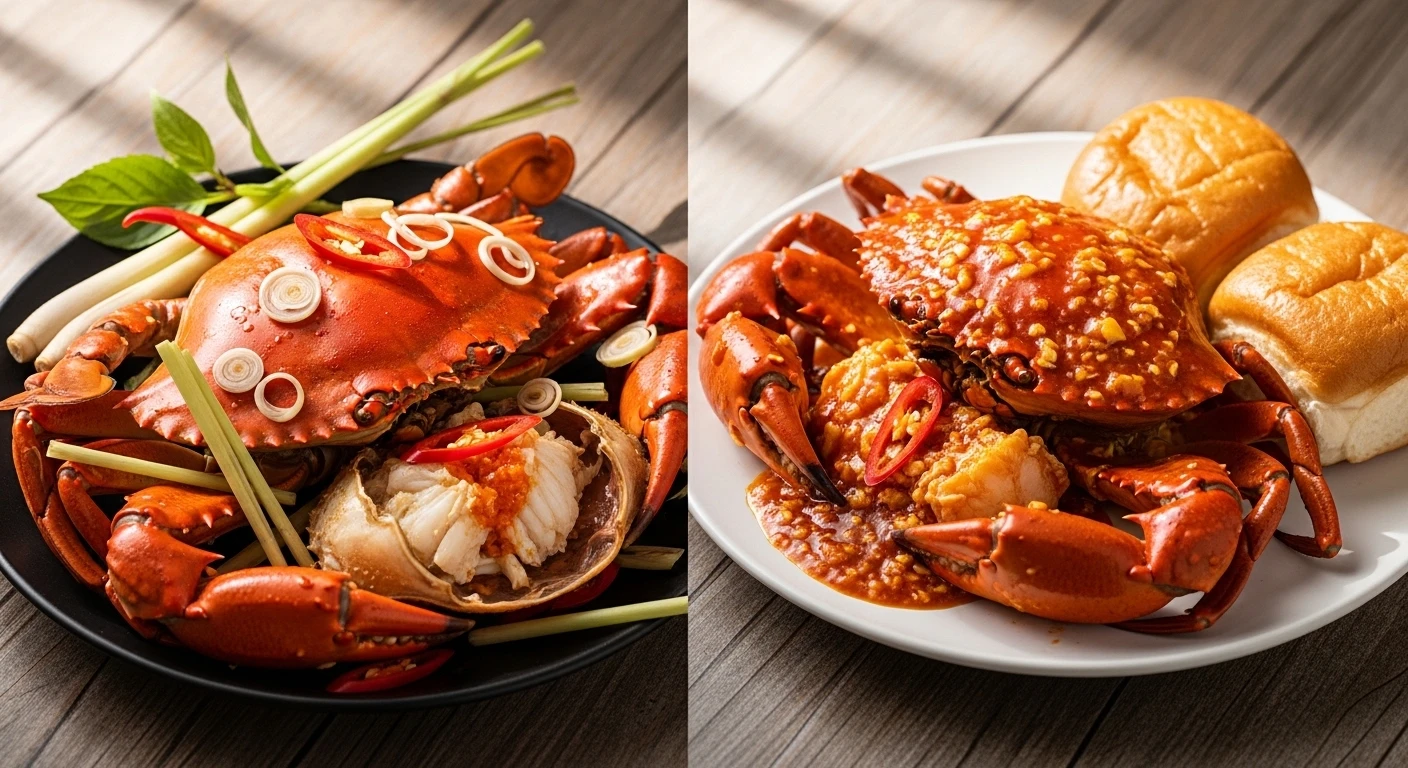
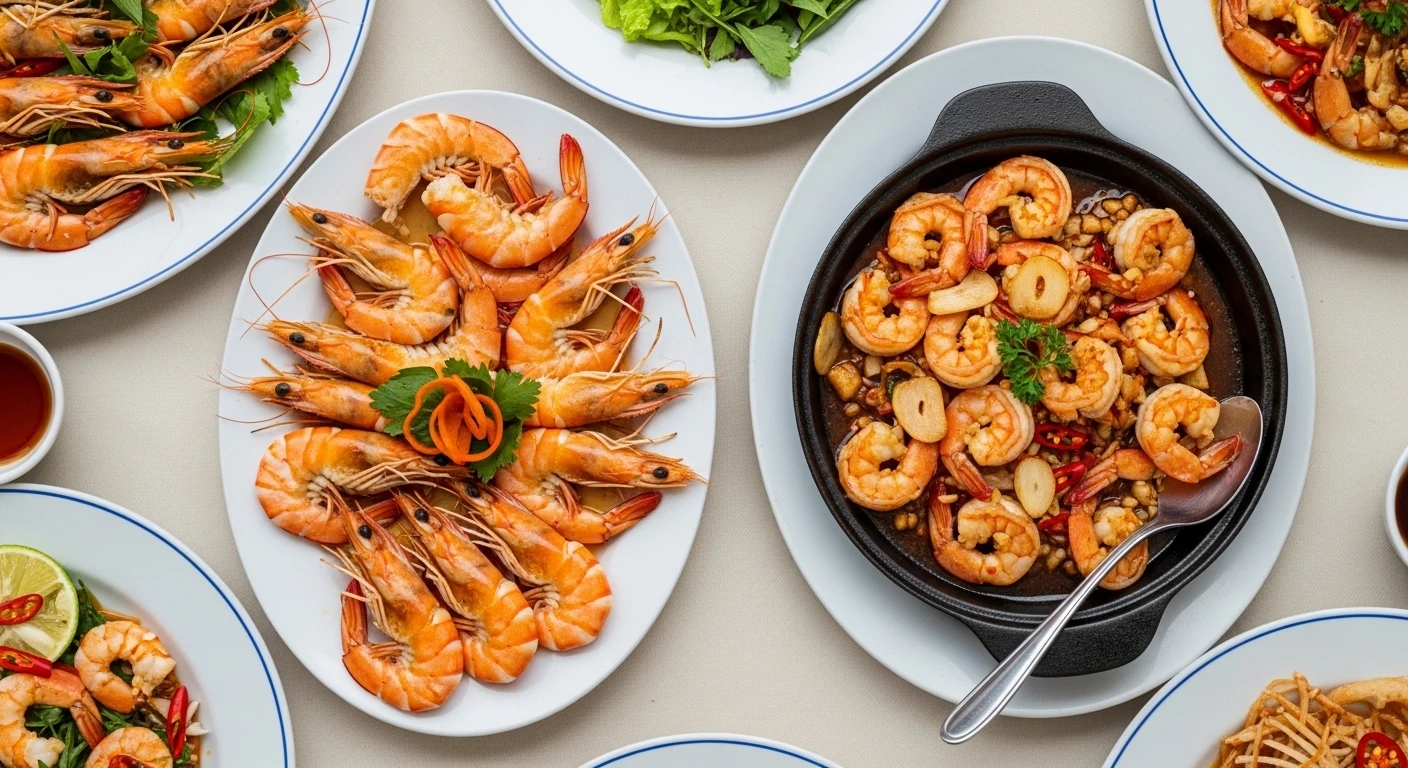
" The first time I truly understood Vietnamese hospitality, it wasn't a fancy restaurant or a bustling market stall. It was a simple home, deep in the watery labyrinth of the Mekong Delta, and before me lay a steaming platter of perfectly cooked crab. In that moment, the meal transcended food; it became an offering, a sacred bond. "
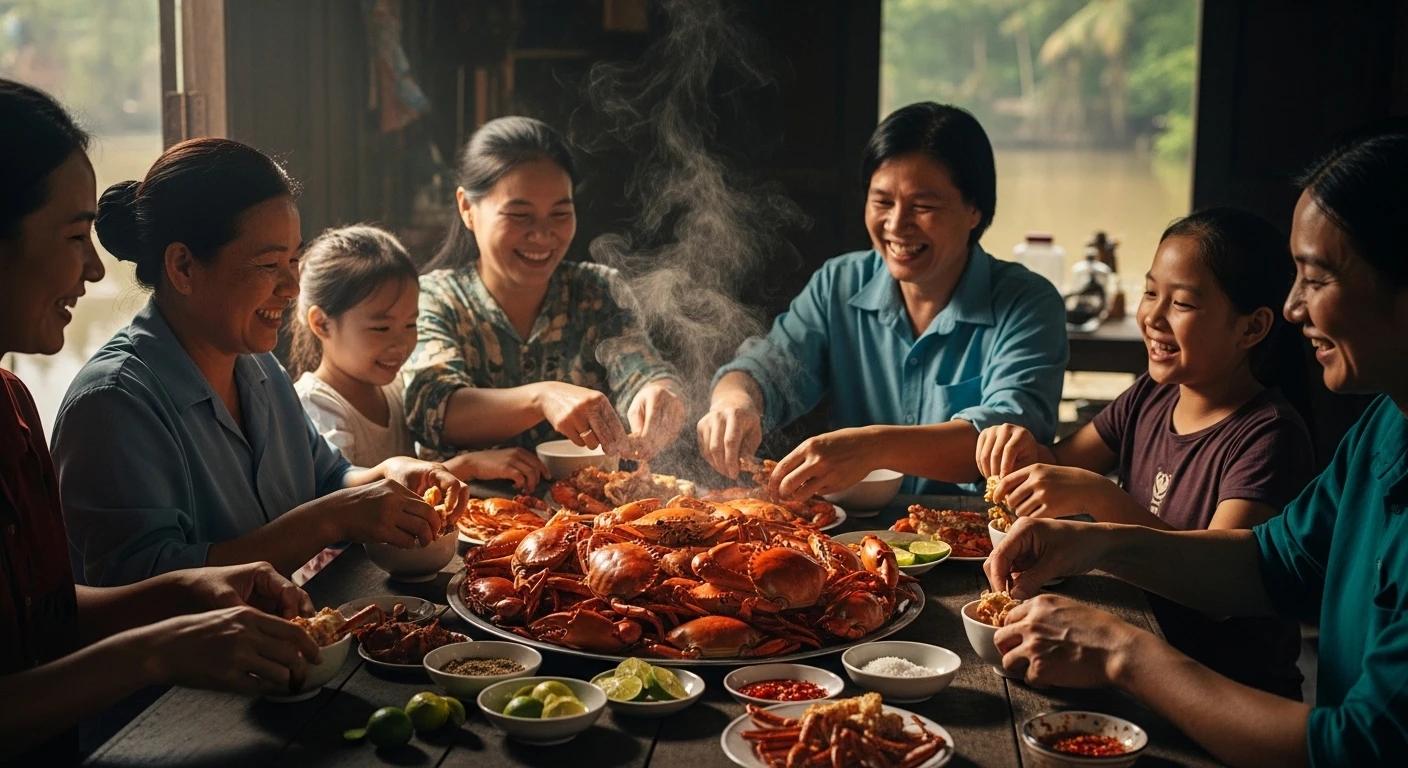
📸 A family gathers around a feast, where the star is often a symbol of honor.
1 The Unspoken Language of the Mekong Table
The Mekong Delta is a place where life flows with the rhythm of the tides and the generosity of its people runs as deep as its rivers. Here, hospitality isn't just a concept; it's a way of life, a heartfelt exchange that builds bridges between strangers and strengthens bonds between kin. And sometimes, this profound sentiment is served on a platter, crimson and glistening.
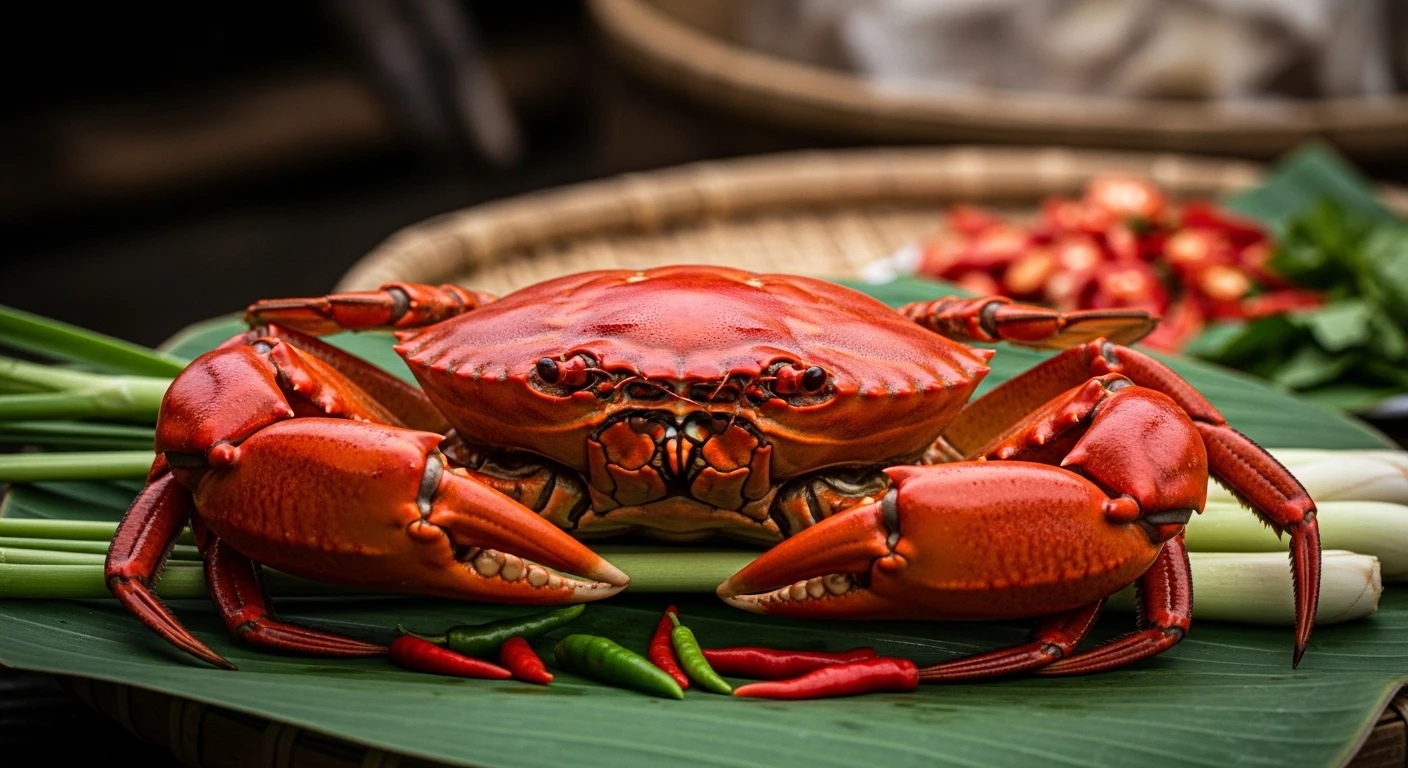
For a Western visitor, it might seem like a simple meal, but when a host in the Mekong Delta brings out a large, steaming crab, know this: you are not just being fed; you are being honored. This isn't just about delicious seafood; it's a cultural statement, a grand gesture that speaks volumes without a single word. It’s a testament to the host's respect and affection, a clear signal that you are valued.
2 When Crab Appears: A Grand Declaration of Esteem
Imagine arriving at a friend's home or a guesthouse in the Delta. You're offered tea, fresh fruit, perhaps a small snack. These are standard, warm greetings. But then, the host emerges from the kitchen, often with a proud smile, carrying a massive plate piled high with bright red crabs. This is where the hospitality shifts into overdrive.
Why crab? It boils down to three key factors:
- Cost: Good quality, live crab is not cheap, even in the Delta. It’s a significant investment for a family, especially one living off the land and water. Serving it implies a willingness to expend resources for your guest's comfort.
- Effort: Procuring the best, freshest crab often means an early morning trip to the market or even a special arrangement with local fishermen. The cleaning and preparation, while simple for steaming, are still a thoughtful act.
- Status & Symbolism: Crab, particularly large mud crabs, are considered a delicacy. They symbolize abundance, good fortune, and celebration. To share such a prized food is to share one's best, elevating the guest to a position of honor. It’s a way of saying, "You are special. You are family."
It's a deliberate choice, signaling that your presence is a cause for celebration, not just a casual visit.
3 The Delta's Liquid Gold: Where the Finest Crabs are Born
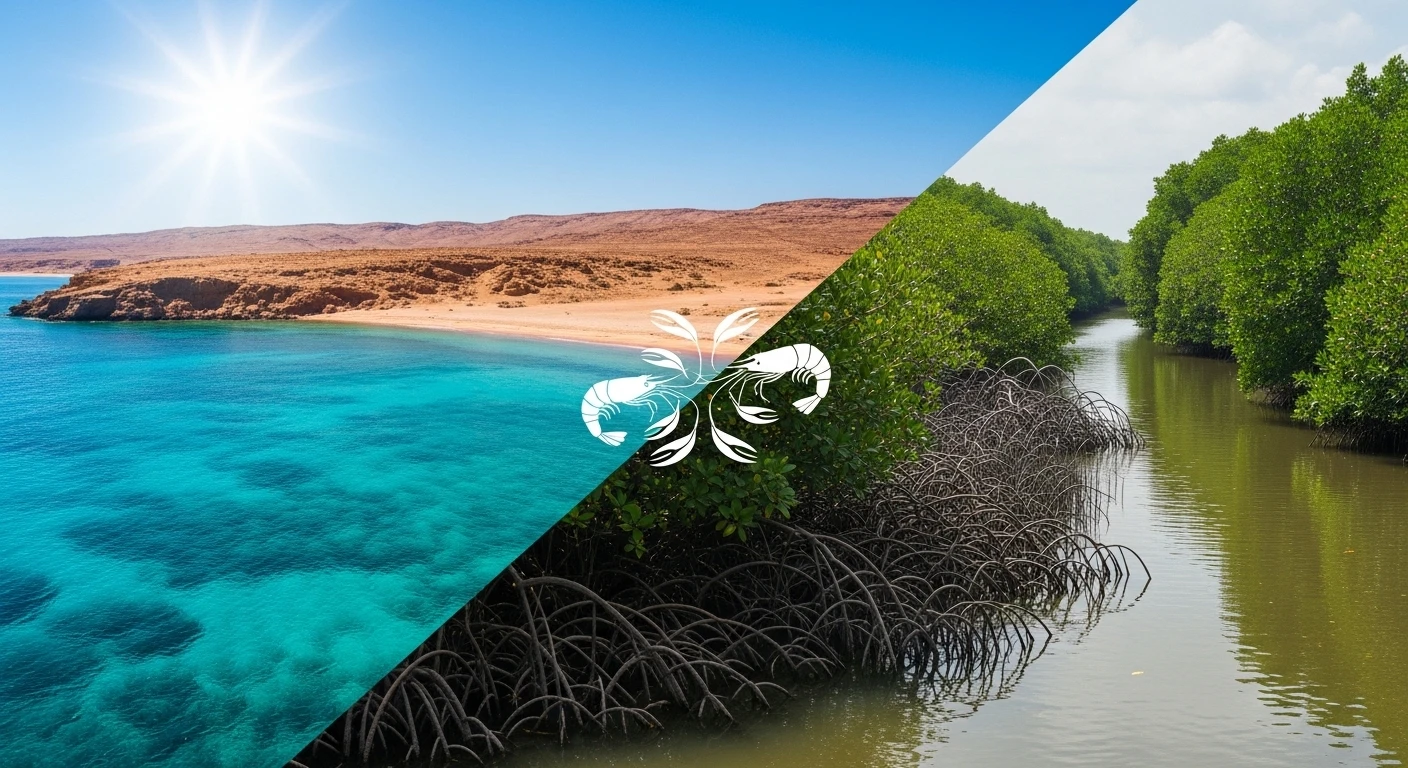
The Mekong Delta, a vast network of rivers, canals, and fertile land, is Vietnam’s rice bowl, but it's also its seafood basket. The brackish waters, where the freshwater of the Mekong meets the South China Sea, create an ideal nursery for a myriad of aquatic life, including some of the world's most prized crabs.
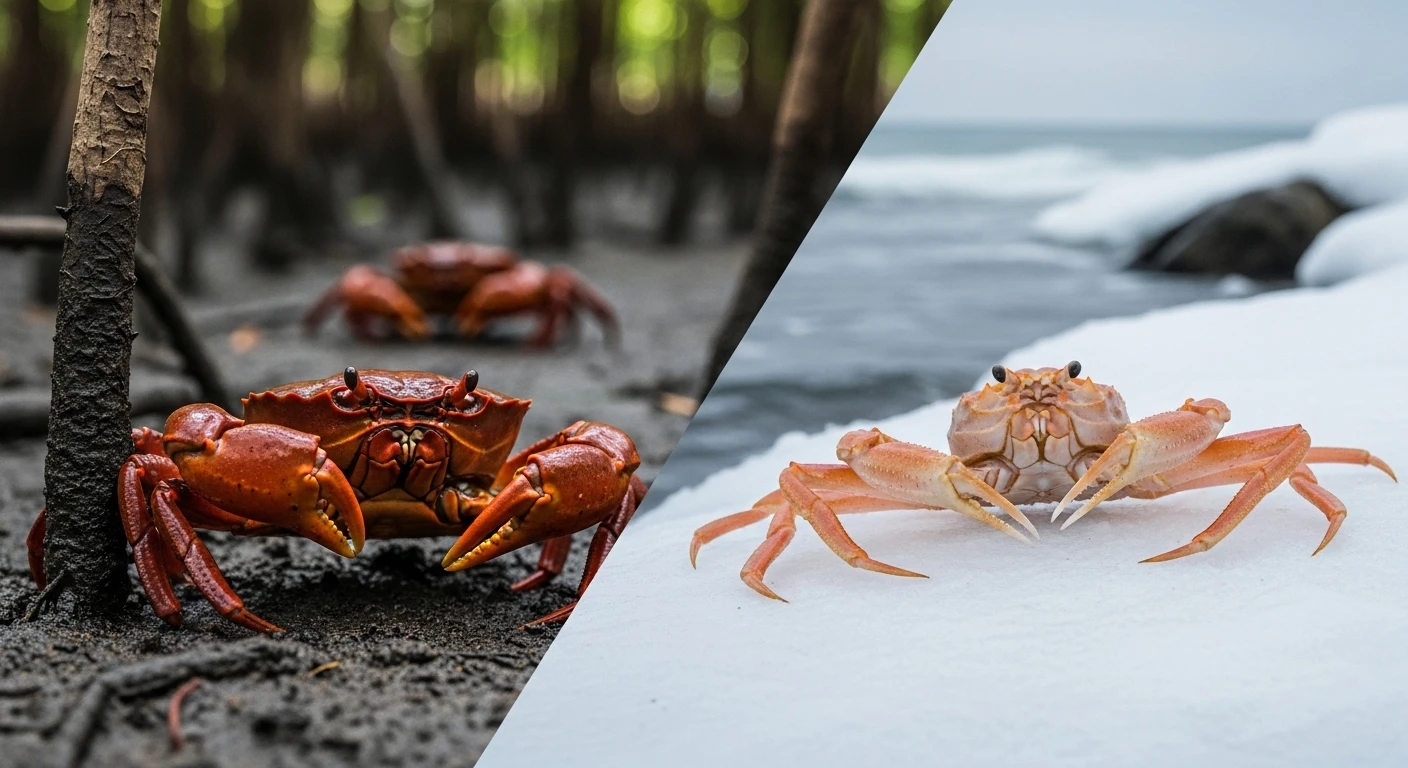
Ca Mau Province, located at the southernmost tip of Vietnam, is particularly renowned for its mud crabs. Here, the extensive mangrove forests, fed by nutrient-rich sediment, provide the perfect habitat for these crustaceans to thrive. These crabs are famous for their firm, sweet meat and rich, creamy roe – a true epicurean delight.
The local communities have developed a deep, almost symbiotic relationship with their environment, understanding the delicate balance required for sustainable fishing. This knowledge, passed down through generations, ensures that the crabs caught are not only abundant but also of exceptional quality. It’s a testament to the Delta’s generous ecosystem and the people who cherish it.
4 From Traps to Table: A Journey of Freshness
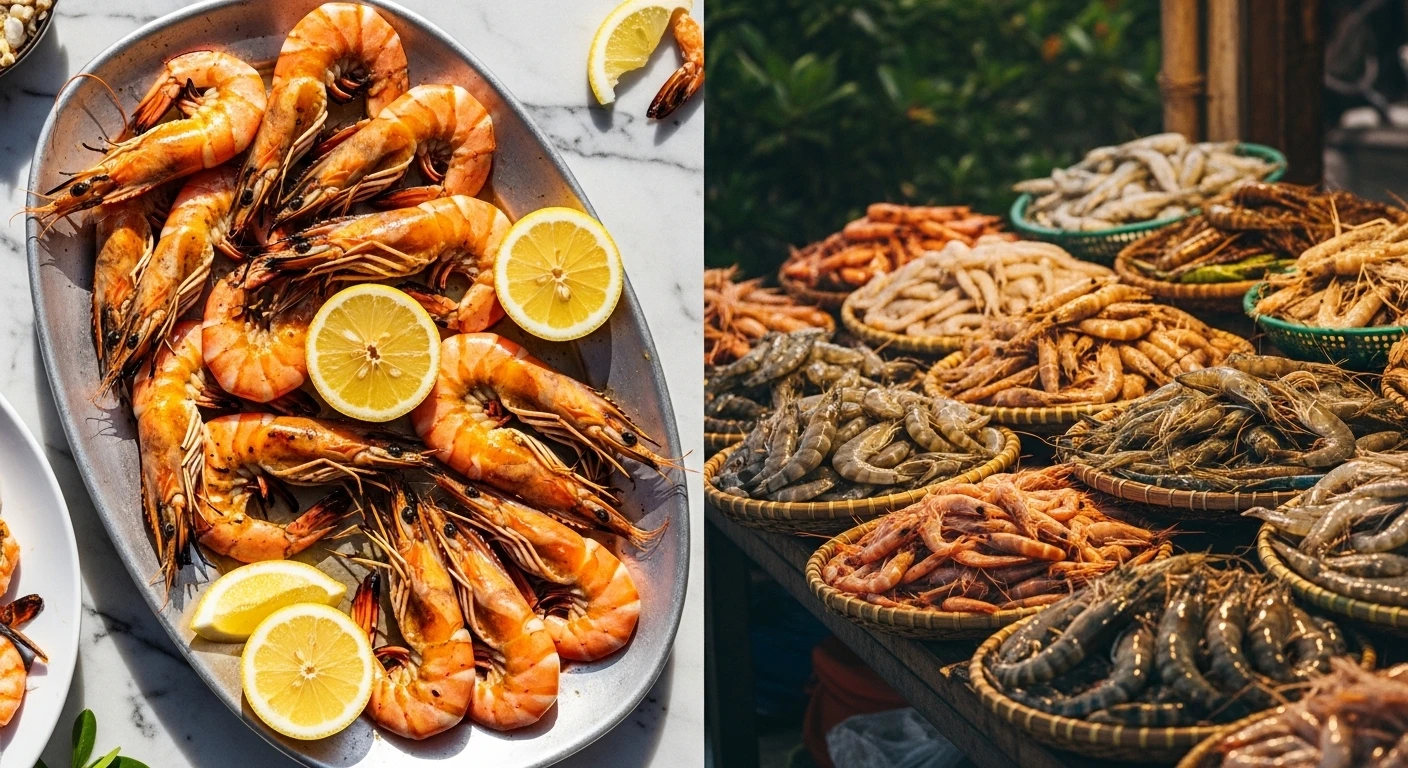
In the Delta, the concept of "fresh" takes on an entirely new meaning. Seafood isn't just caught; it's practically still swimming when it hits your plate. For crab, this means a rigorous selection process.
Local fishermen set out early, using traditional traps or nets in the mangroves. The best crabs are chosen for their weight, vitality, and often, the promise of abundant roe. A Mekong host will meticulously select only the most robust, live crabs from the market or directly from a trusted fisherman. This commitment to freshness is paramount because, when it comes to steaming, there's nowhere for an inferior product to hide.
The Golden Rule: Live or Nothing
Unlike some cuisines where frozen seafood is acceptable, in Vietnam, especially for a prized dish like steamed crab, it must be alive. The difference in taste, texture, and aroma is night and day. A host serving anything less would feel they're compromising their hospitality.
The journey from the murky waters of the mangrove forest to the vibrant red centerpiece on your table is swift and intentional, all designed to preserve the pure, sweet essence of the crab.
5 The Art of Simplicity: Preparing the Star of the Show
The beauty of Mekong Delta crab preparation lies in its elegant simplicity. There's no need for elaborate sauces or complex cooking methods that might mask the crab's natural flavor. The goal is to enhance, not overpower.
The most common and revered method is steaming. This can be done in a few traditional ways, each imparting a subtle yet distinct character:
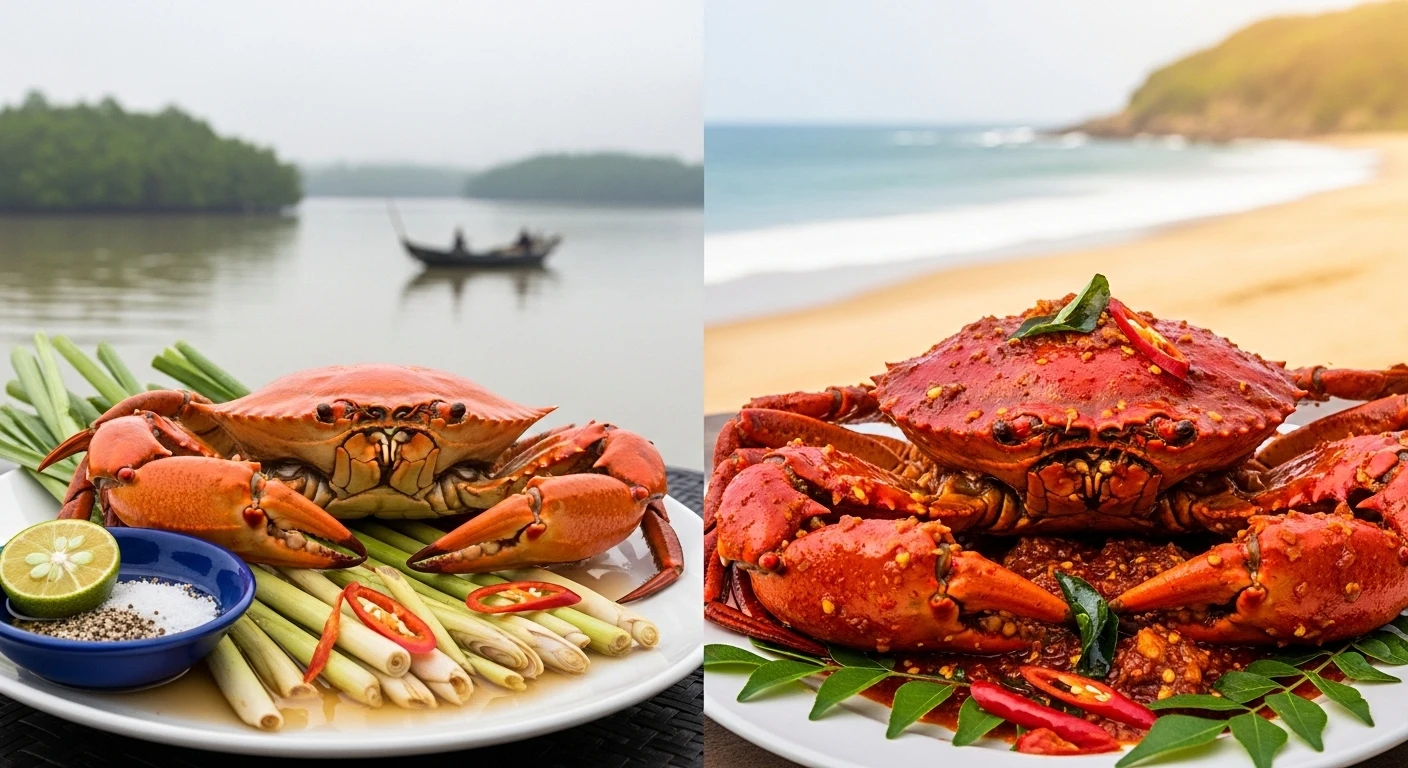
- Steamed with Lemongrass and Beer: A classic. The aromatics of crushed lemongrass and sliced ginger infused with beer steam eliminate any potential "fishy" odor, while imparting a faint malty earthiness that complements the crab's sweetness. The alcohol evaporates, leaving behind only the pure essence.
- Steamed with Coconut Water: This method is equally popular and introduces a delicate, almost creamy sweetness to the crab meat. The natural sugars in the coconut water gently caramelize, making the meat incredibly tender and fragrant.
- Steamed with Ginger and Spring Onion: A simpler, yet deeply aromatic approach, relying on the pungent warmth of ginger and the fresh bite of spring onion to highlight the crab's inherent flavor.
The act of preparing the crab, often done collectively by family members, adds another layer to the hospitality. Children might help clean, while aunts and uncles contribute their expertise, making the meal a true communal endeavor even before it hits the table.
The Ritual of the Feast: More Than Just Eating
When the crab arrives, the table transforms. It's not a quiet, reserved affair. It's a vibrant, hands-on experience, a symphony of cracking shells, happy chatter, and shared moments.
The Communal Joy
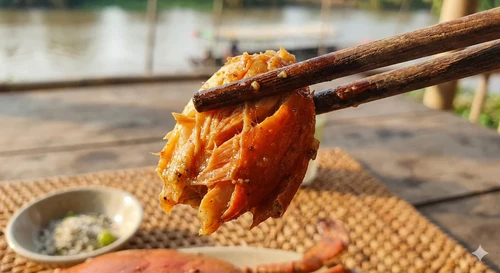
Everyone gathers, tools (small hammers, picks) at the ready. Hands get messy, but nobody cares. It's a primal, joyous interaction with food, a direct connection to the bounty of the Delta. The host will often offer the choicest pieces, like the large claws or the roe-filled body, to their honored guest.
The Essential Accompaniment
Steamed crab finds its perfect partner in a simple yet potent dipping sauce: lime, salt, and pepper (muối tiêu chanh). Sometimes a touch of chili is added for an extra kick. This acidic, salty, and spicy paste cuts through the richness of the crab, awakening the palate and highlighting its delicate sweetness. It's an indispensable component of the experience.
"The best stories are told not around a campfire, but around a table piled high with crab shells."
7 Beyond the Claws: Other Expressions of Mekong Generosity
While crab is a pinnacle of Delta hospitality, it’s part of a broader tapestry of warmth and welcome. Vietnamese culture, particularly in the rural heartland, values communal living and generosity deeply. You'll often find that your host:
- Offers Abundance: The table will groan under the weight of multiple dishes – often including fresh fish, local vegetables, fragrant rice, and tropical fruits. The goal is to ensure you eat your fill and then some.
- Shares Their Home: If you're lucky enough to experience a homestay, you'll be welcomed into their family life, given a comfortable place to sleep, and included in daily routines.
- Engages in Conversation: Despite potential language barriers, hosts will make every effort to communicate, share stories, and learn about you. Laughter and genuine smiles bridge many gaps.
- Provides Comfort: From offering a cool drink on a hot day to ensuring you have a fan in your room, every small detail is considered to make your stay pleasant.
It’s an immersive experience designed to make you feel less like a guest and more like a cherished member of the family, if only for a brief time.
Accepting the Gift: Navigating Mekong Etiquette
To truly appreciate this profound hospitality, understanding how to receive it is key.
- Eat Heartily: The greatest compliment you can give your host is to eat well and enjoy the food. Don't be shy about having second or even third helpings, especially when encouraged.
- Express Gratitude: A simple "Cảm ơn" (pronounced "gam un," meaning "thank you") goes a long way. A sincere smile and gesture of appreciation are universally understood.
- Engage with the Meal: Show enthusiasm for the crab. Ask about its origin, the preparation, or even try to crack a claw yourself. Your active participation is part of the bonding experience.
- Small Gestures of Reciprocity: While not expected, a small gift from your home country, offering to help with dishes (though often politely refused), or sharing a story about your own culture can deepen the connection.
- Avoid Refusal: Politely decline food only if absolutely necessary due to allergies or dietary restrictions. Otherwise, try a little bit of everything offered. Refusing food can be seen as rejecting the host’s generosity.
This isn't about politeness for politeness' sake; it's about acknowledging the deep well of kindness from which your host is drawing.
An Invitation to Experience True Connection
The Mekong Delta is more than just a landscape of rice paddies and winding waterways; it's a living canvas of human connection, where simple gestures carry profound meaning. The next time you find yourself immersed in its gentle embrace, and a steaming plate of crab appears before you, remember: you’re not just about to enjoy a meal. You are about to partake in a tradition of honor, a declaration of welcome, and an unforgettable taste of true Vietnamese hospitality. It's a memory that will linger long after the last sweet morsel has been savored.