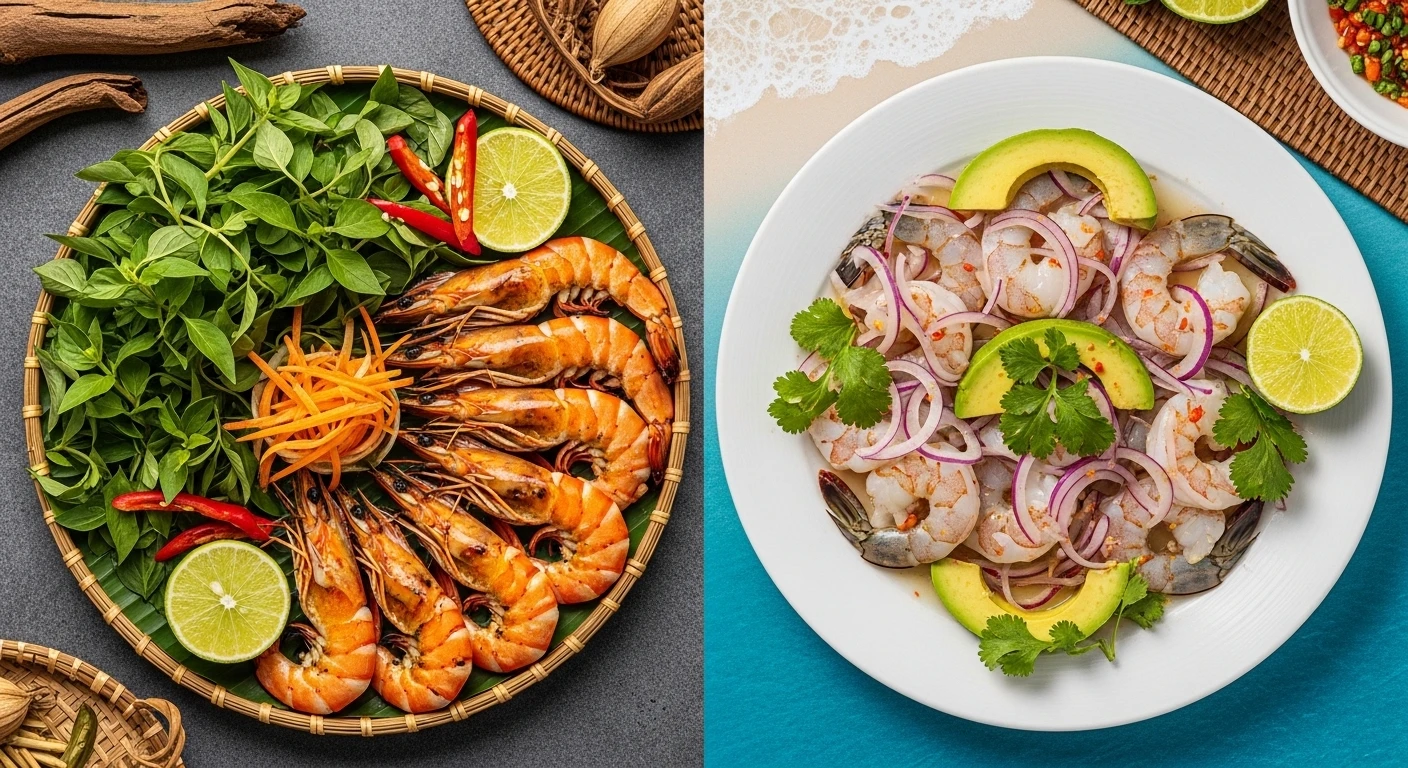
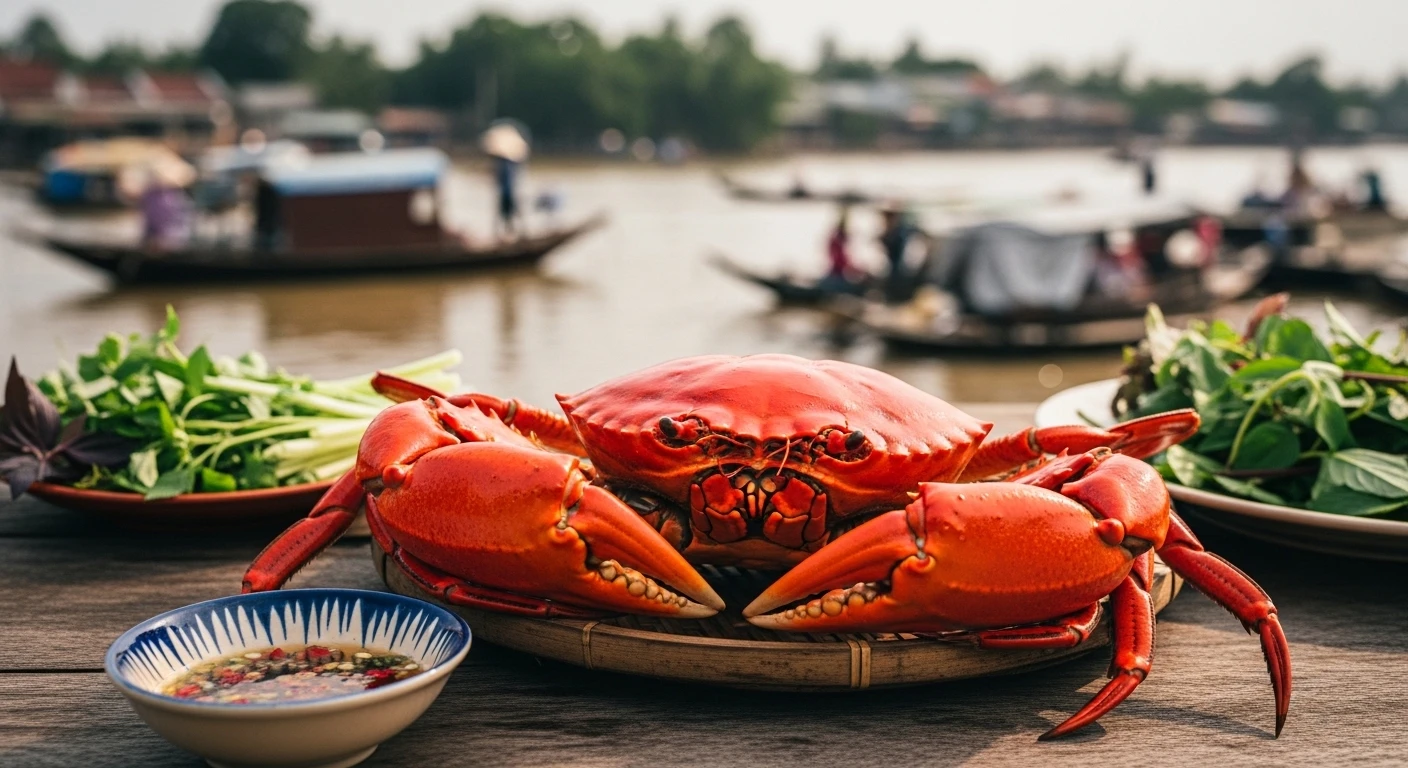
" The Nusantara archipelago, a thousand islands teeming with life, and the fertile delta of the Mekong, a realm of freshwater and saltwater meeting. Both are cradles of extraordinary crab cultures. But when the tide comes in, what sets these Southeast Asian titans apart? "
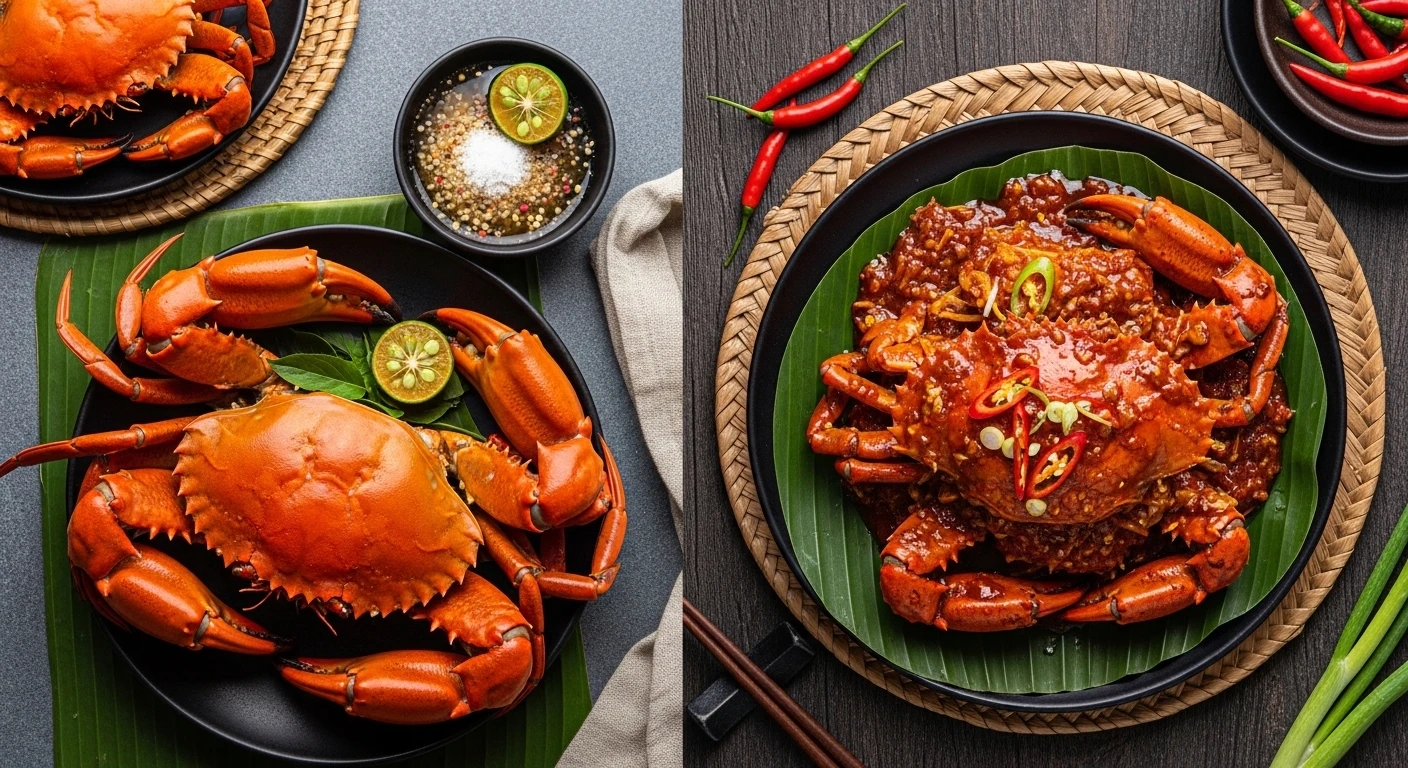
📸 Two worlds of flavor: Mud crab from Vietnam's delta meets island bounty from Indonesia.
1 The Soul of the Delta: Vietnam's Crab Culture
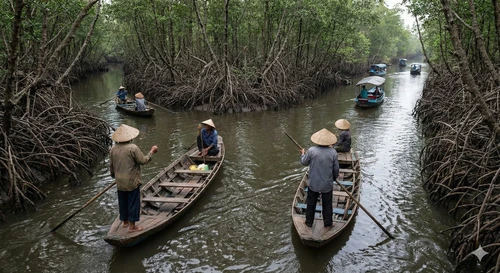
Venture into the labyrinthine waterways of Vietnam's Mekong Delta, and you'll find crab isn't just food; it's an ecosystem, a livelihood, and a culinary cornerstone. Especially in provinces like Ca Mau, Bac Lieu, and Soc Trang, the brackish waters where rivers meet the sea are the lifeblood of some of Southeast Asia's most prized crustaceans.
Here, the star is often the mud crab (cua), a versatile creature adapted to the mangrove forests and saline canals. These aren't just any mud crabs; they are often distinguished by their rich, dense meat and, for the females, a glorious, deep orange roe (gạch) that’s a delicacy in its own right.
Ca Mau Crab: The Benchmark
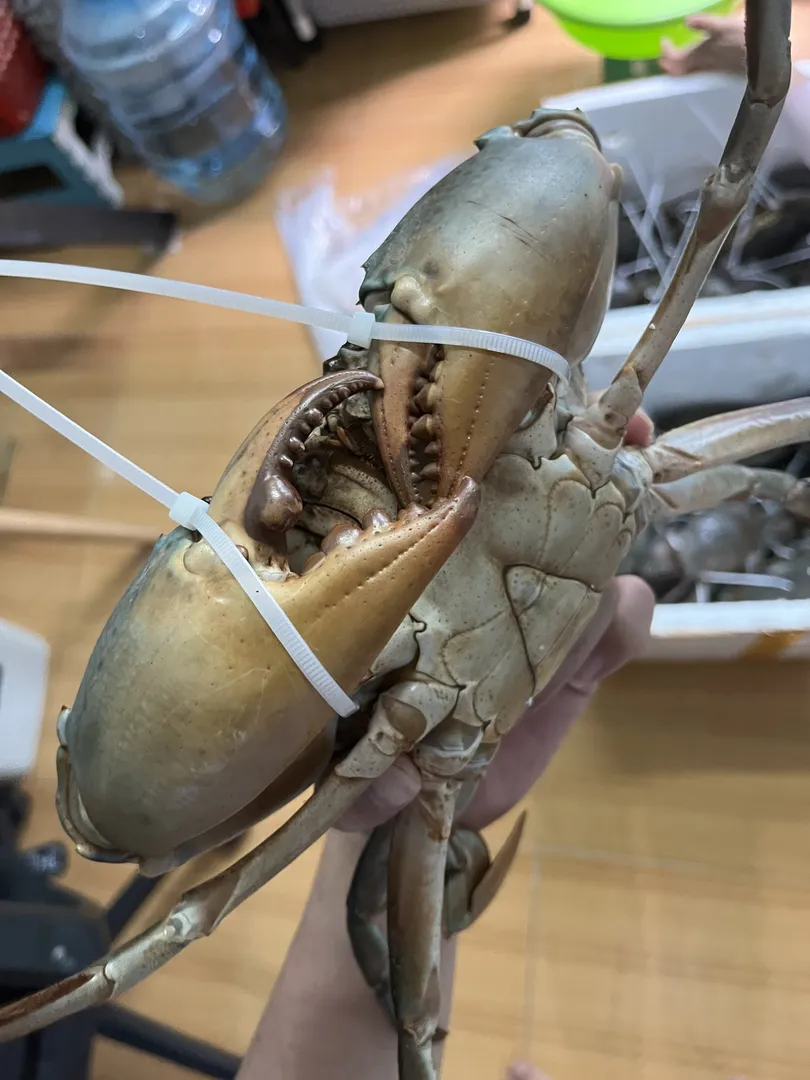
Ca Mau sea crab, particularly, is revered. Its habitat, characterized by extensive mangrove systems, infuses the crab with a subtle, sweet salinity. Male crabs, often prized for their substantial claws and meaty bodies, are frequently steamed, grilled, or cooked in rich broths.
Heritage Ingredient
Ca Mau Jumbo Mud Crab
Ca Mau Jumbo Mud Crab
A large male mud crab prized for dense, sweet meat and thick claws, commonly used in steamed crab and grilled crab dishes across the Mekong Delta.
Where every ingredient captures the essence of the wind and tides, weaving a vibrant culinary tapestry of the Mekong region.
The Coveted Roe Crab
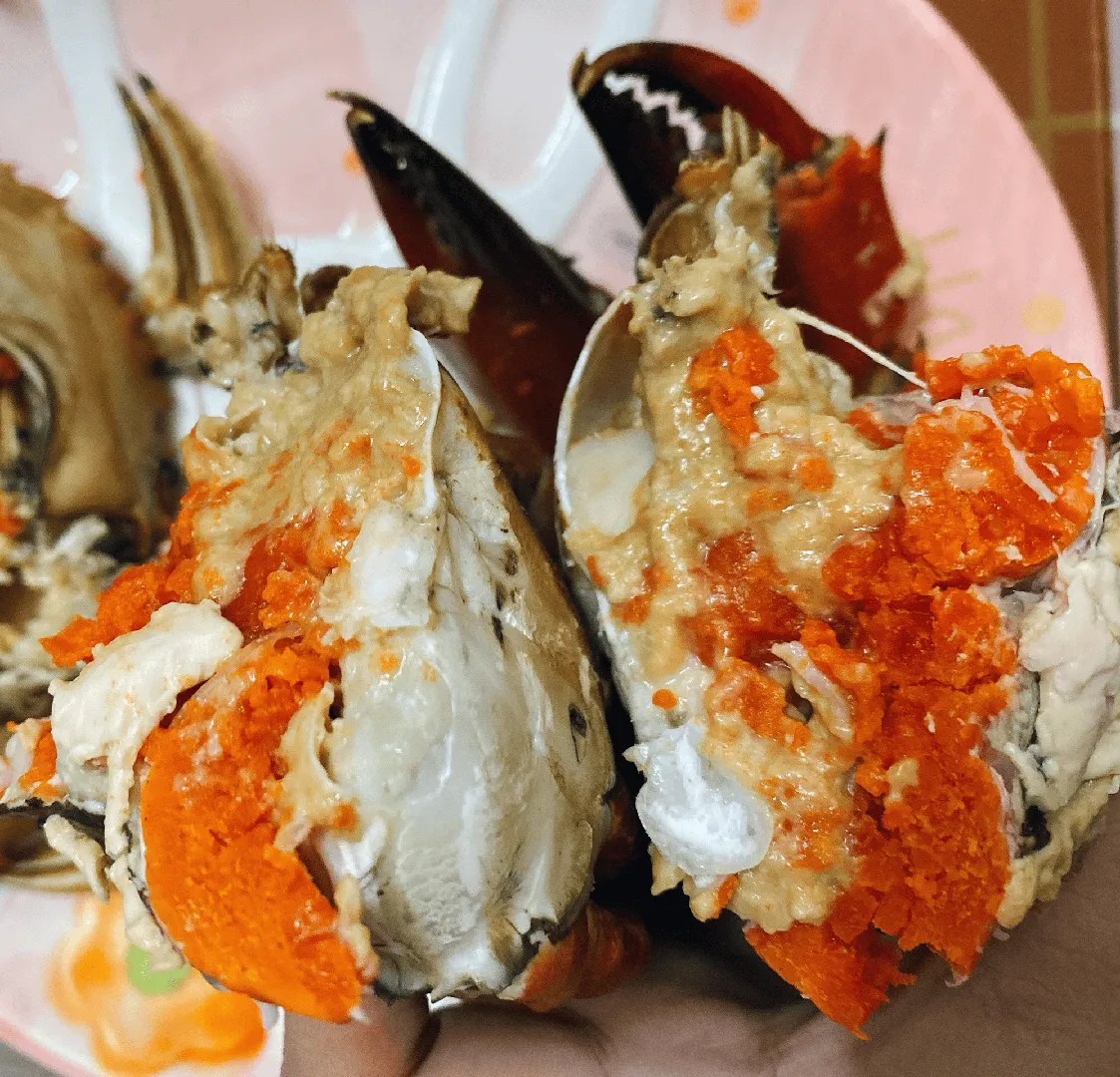
Female crabs laden with bright orange roe are considered a symbol of abundance and luxury. They are often steamed to preserve their delicate texture and rich, buttery flavor, or used in celebratory dishes. The "virgin crab" (cua yếm vuông), identified by its square-shaped plastron, signals a crab full of sweet meat and developing roe – a perfect balance for many.
Heritage Ingredient
Ca Mau Roe Mud Crab
Ca Mau Roe Mud Crab
A female mud crab known for deep orange roe and a rich, creamy finish, often featured in celebratory Southern Vietnamese seafood meals.
Where every ingredient captures the essence of the wind and tides, weaving a vibrant culinary tapestry of the Mekong region.
In the Mekong Delta, crab is prepared with a reverence for its natural sweetness. Simple steaming (often with lemongrass and beer, or coconut water) allows the ingredient to shine. Sauces tend to be bright and acidic – think the quintessential Vietnamese lime, salt, and pepper dip, sometimes enhanced with chili. The focus is on purity, letting the *terroir* of the delta imbue every bite.
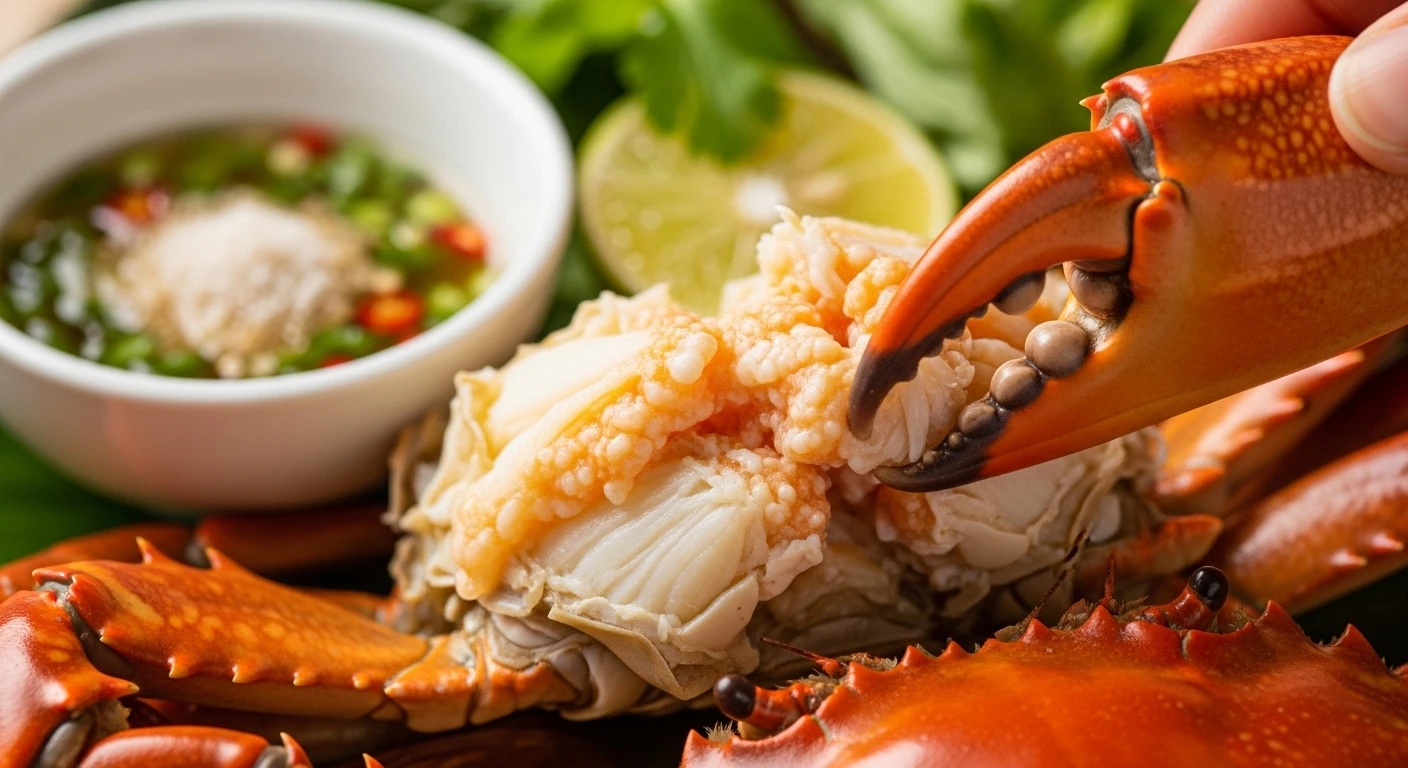
📸 The treasure within: Sweet, dense crab meat from the Mekong Delta, best enjoyed with a simple dip.
2 The Spice Archipelago: Indonesia's Crab Traditions
Across the waters, Indonesia's vast archipelago offers a dazzling spectrum of seafood, with crab taking center stage in countless regional cuisines. From the volcanic sands of Java to the coral reefs of Raja Ampat, Indonesian crab culture is characterized by its bold flavors, diverse cooking methods, and a deep integration with spices and local condiments.
While Indonesia boasts various crab species, the **mud crab (kepiting)** remains a popular choice, often harvested from coastal areas and mangrove ecosystems that share similarities with Vietnam's. However, the way it's prepared is distinct. The Indonesian approach often embraces a symphony of flavors, with chili, garlic, ginger, and a unique array of condiments taking precedence.
The Sambal Connection
Perhaps the most defining element of Indonesian crab is its pairing with sambal. This fiery chili paste, with countless regional variations, acts as the soulmate to crab meat. Whether it's the sweet and spicy sambal matah from Bali (fresh shallots, chili, lime, lemongrass) or the robust sambal terasi (shrimp paste), these sauces add a complex, pungent, and exhilarating dimension that is quintessentially Indonesian.
Island Grilling & Beyond
Island communities often excel at grilling crab over open flames, imparting a smoky char. Dishes like Kepiting Saus Padang (crab in Padang sauce, rich with chili, tomato, and spices) or Kepiting Lada Hitam (black pepper crab) are global favorites, showcasing a culinary philosophy that celebrates intense, layered flavors. The focus here is on transforming the sweet crab meat into an even more potent flavor experience.
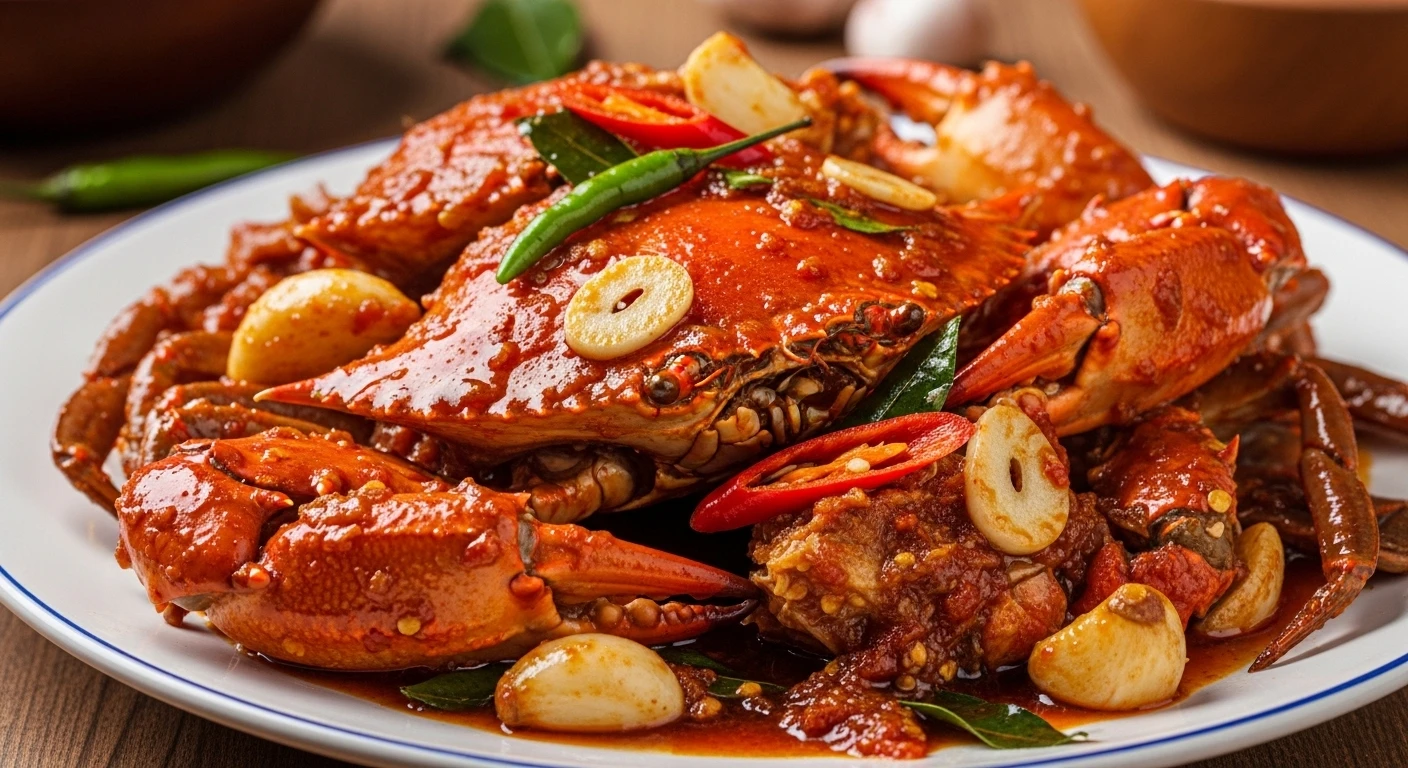
📸 A fiery embrace: Indonesian crab, generously coated in rich, spicy sambal, a hallmark of the archipelago's cuisine.
3 The Environmental Edge: Mangroves vs. Coral Reefs
Both Vietnam's Mekong Delta and Indonesia's islands benefit from critical coastal ecosystems that support thriving crab populations. The comparison here lies in the nuances of these environments.
Vietnam's Mekong Delta is dominated by expansive mangrove forests. These estuarine environments, where freshwater rivers mix with saltwater, create a unique habitat. The muddy substrate, rich in organic matter, is perfect for mud crabs to burrow and feed. The intricate root systems offer protection for young crabs and a nursery for juvenile fish, on which crabs prey. This brackish water habitat contributes to the subtle sweetness and slightly saline character of Ca Mau crabs. The density of mangroves is a key factor in the high quality of Vietnamese mud crab.
Indonesia, with its vast coastline, features a diverse mix of habitats, including significant mangrove areas, especially in Sumatra and Kalimantan, as well as surrounding coral reefs. While mud crabs thrive in Indonesian mangroves, the proximity to coral reefs also means a greater diversity of marine life impacting the local diet. The open sea and reef-adjacent areas might support different crab species or influence the diet of the common mud crab, potentially leading to a broader range of subtle flavor profiles influenced by varied oceanic prey.
The key takeaway is that while both regions leverage mangrove ecosystems, the unique blend of estuarine complexity in the Mekong and the broader oceanic influence in Indonesia shape their respective crabs.
4 The Flavor Spectrum: Purity vs. Boldness
The most striking difference, perhaps, lies in the underlying culinary philosophy applied to crab.
In Vietnam, particularly the Mekong Delta, crab is often treated as a pure ingredient. The philosophy leans towards highlighting the natural sweetness, delicate texture, and subtle salinity of the crab itself. This means simpler cooking methods – steaming, boiling, or light grilling – and often a reliance on bright, fresh dipping sauces (like the classic lime, salt, and pepper mix) that enhance, rather than mask, the crab's essence. It's a celebration of the ingredient's intrinsic quality.
Indonesia, on the other hand, often embraces a more robust and complex flavor profile. Crab is seen as a magnificent canvas for spices, chilies, and aromatic blends. Dishes are frequently characterized by their intensity, with sauces being a crucial component. The focus is on creating a harmonious, often spicy and savory, symphony where the crab is a star player, elevated by a rich, vibrant accompaniment. Think of the explosion of flavor in a good Kepiting Saus Padang.
5 Dining Together: Community and Celebration
Crab holds significant social and cultural weight in both nations.
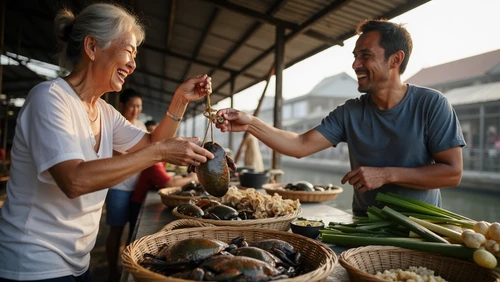
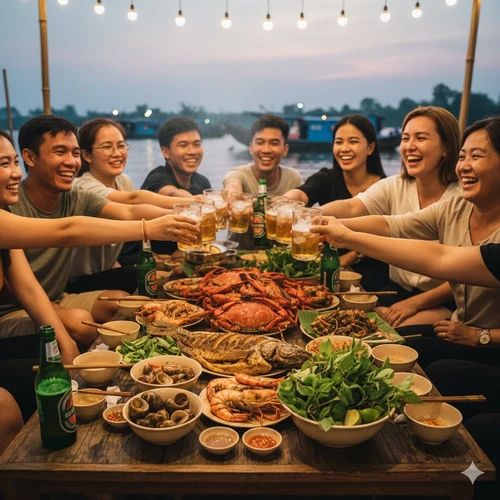
In the Mekong Delta, crab often features in family gatherings, celebrations, and market meals. Sharing a large steamed crab or a pot of crab noodle soup is a communal experience. The act of cracking open shells and dipping into the sweet meat fosters connection. High-quality Ca Mau crabs are often reserved for special occasions, signifying prosperity and good fortune.
In Indonesia, crab dishes, especially those with rich sauces like Sambal or Padang, are often celebratory centerpieces. A family meal or a gathering with friends frequently involves ordering a generous portion of crab. The interactive nature of eating crab, often with hands, and the communal sharing of saucy platters underscore the spirit of togetherness and feasting. The bold flavors also lend themselves to lively, festive occasions.
6 For the Global Food Explorer
For the intrepid traveler seeking the ultimate crab experience, both Vietnam and Indonesia offer distinct, yet equally compelling, journeys.
Visiting the Mekong Delta offers a chance to experience crab in its pristine environment. Imagine savoring freshly caught mud crab from a floating market in Can Tho, or feasting on the famed Ca Mau roe crab in a humble riverside eatery. It’s an opportunity to connect with the source, appreciate the delicate balance of flavors, and understand the deep respect Vietnamese culture has for its seafood. The clarity of taste, the purity of the method, and the connection to the fertile waterways are unparalleled.
In Indonesia, the adventure is one of flavor intensity and regional diversity. Exploring the seafood restaurants of Jakarta, sampling sambal-laden crab by the beaches of Bali, or discovering local specialties in Sulawesi offers a different kind of thrill. It's about experiencing the bold, spicy, and complex side of crab, where each bite is an explosion of the archipelago's rich culinary heritage. The sheer variety of preparation and the mastery of spice are what draw food lovers here.
7 The Verdict: Two Paths to Crab Perfection
Declaring a single "winner" in a comparison like this is almost impossible, and frankly, misses the point. Both Vietnam and Indonesia offer world-class crab experiences, each with its own distinct character forged by geography, culture, and culinary tradition.
If your palate craves the pure, sweet essence of the sea, the delicate texture that allows the natural flavor to sing, and a cooking philosophy rooted in respect for the ingredient, then the Mekong Delta's Ca Mau crab is your ultimate pilgrimage. It offers a taste of terroir, a delicate balance that is both refined and deeply satisfying.
If you are drawn to bold, complex flavors, fiery spices, and culinary creations that transform ingredients into vibrant masterpieces, then Indonesia's diverse crab dishes, particularly those featuring sambal, will undoubtedly captivate you. It's an exhilarating journey through a spectrum of tastes and aromas.
Ultimately, the "superior" crab is the one that best speaks to your personal taste. But for those who value the unadulterated sweetness and subtle terroir of freshwater-influenced seafood, the unique mangrove-fed crabs of Vietnam’s Mekong Delta, especially from Ca Mau, stand as an unparalleled benchmark. They represent a particular magic that only a region with such a rich, natural bounty can offer.
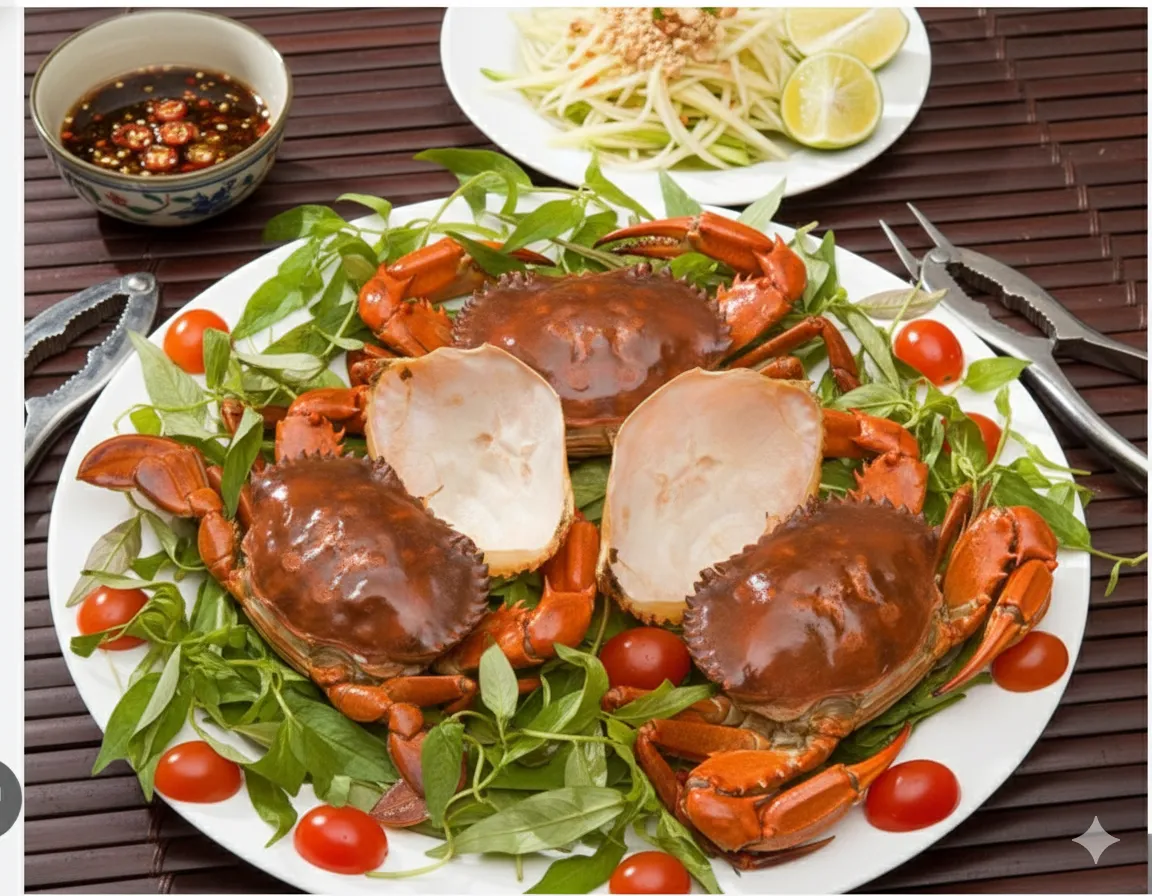
Heritage Ingredient
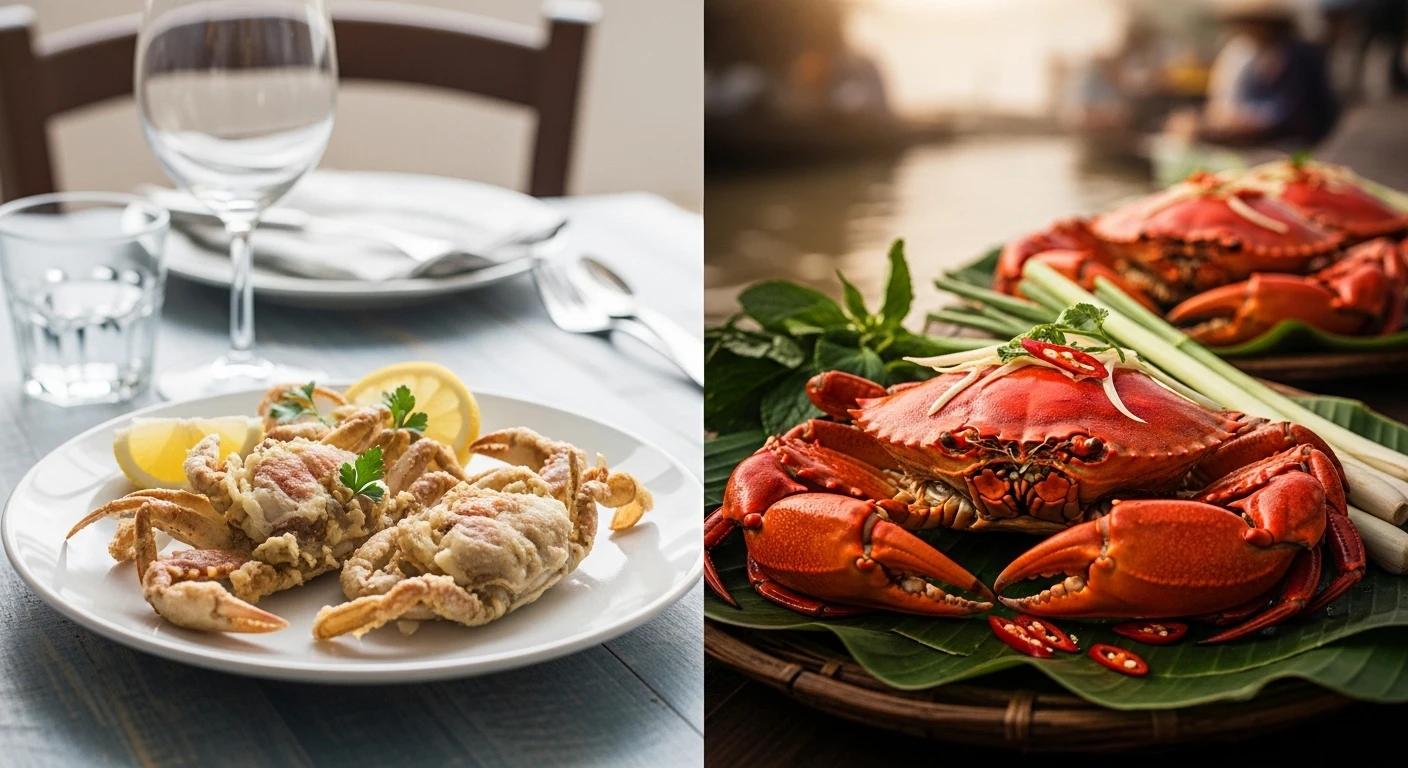
Soft-Shell Butter Crab (Molting Crab)
Soft-Shell Butter Crab (Molting Crab)
A rare molting mud crab from Ca Mau, valued for its edible soft inner shell and exceptionally creamy roe, making it the closest local equivalent to soft-shell crab concepts familiar abroad.
Where every ingredient captures the essence of the wind and tides, weaving a vibrant culinary tapestry of the Mekong region.
8 Your Next Culinary Journey
Whether you dream of slurping a rich, spicy sauce in Jakarta or savoring the delicate sweetness of a steamed Ca Mau crab by the Mekong's gentle flow, both destinations promise unforgettable culinary encounters.
For a truly immersive experience into the heart of crab culture, a journey to Vietnam's Mekong Delta is a must. Explore the bustling markets of Can Tho, take a boat through the mangrove channels of Ca Mau, and taste crab prepared the way it has been for generations – a testament to the region's unique environment and culinary heritage. The subtle sweetness, the tender meat, and the sheer freshness are a revelation that must be experienced firsthand.