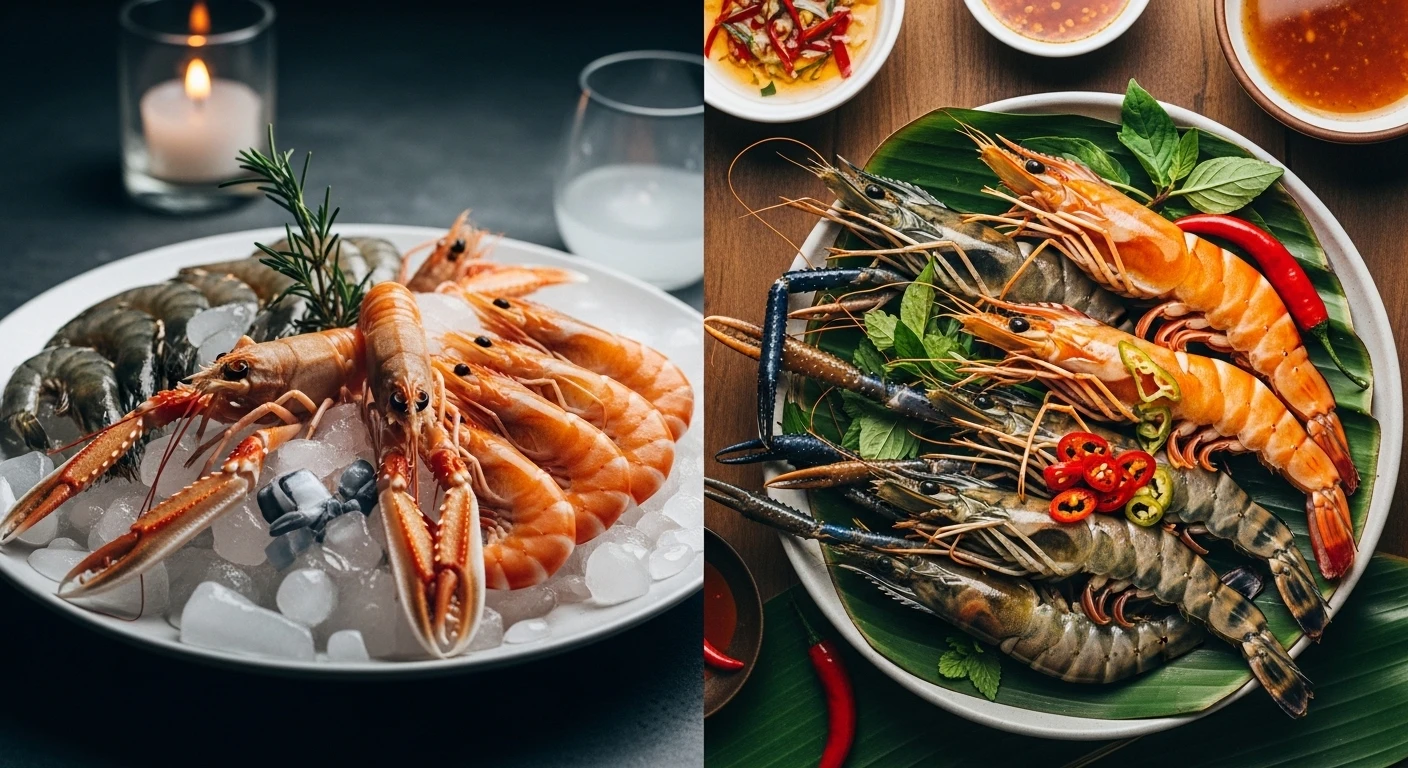
" The world of shrimp is vast, a shimmering tapestry woven from icy currents and tropical tides. On one end, the pristine, almost sterile purity of Norwegian waters. On the other, the vibrant, life-pulsating ecosystems of Vietnam's Mekong Delta. What happens when we bring these two worlds together, not for battle, but for understanding? "
1 The Nordic Precision: Norway's Cold-Water Prawns
Imagine Norway: dramatic fjords, snow-capped mountains, and water so cold and clean it feels almost sacred. This is the birthplace of some of the world's most prized cold-water prawns, most notably the deep-sea langoustine (Norway lobster) and a variety of true shrimp species.
The key here is clarity. The frigid temperatures and low salinity of the North Atlantic, Norwegian Sea, and Barents Sea create an environment where these crustaceans grow slowly, developing a firm texture and a delicate, pure sweetness. It’s a flavor profile devoid of the tropical exuberance found elsewhere. Think of it as the high-fidelity audio of the shrimp world – precise, clean, and utterly refined.
Norwegian seafood culture is deeply intertwined with its maritime heritage. Generations have relied on the sea, fostering a reverence for its bounty. When it comes to shrimp, the focus is on simplicity: often boiled briefly, served chilled with minimal adornment, perhaps with a squeeze of lemon, a dollop of mayonnaise, or simply enjoyed as they are, allowing their inherent quality to speak volumes. There's an emphasis on sustainability and meticulous fishing practices, ensuring the continuation of these rich traditions.

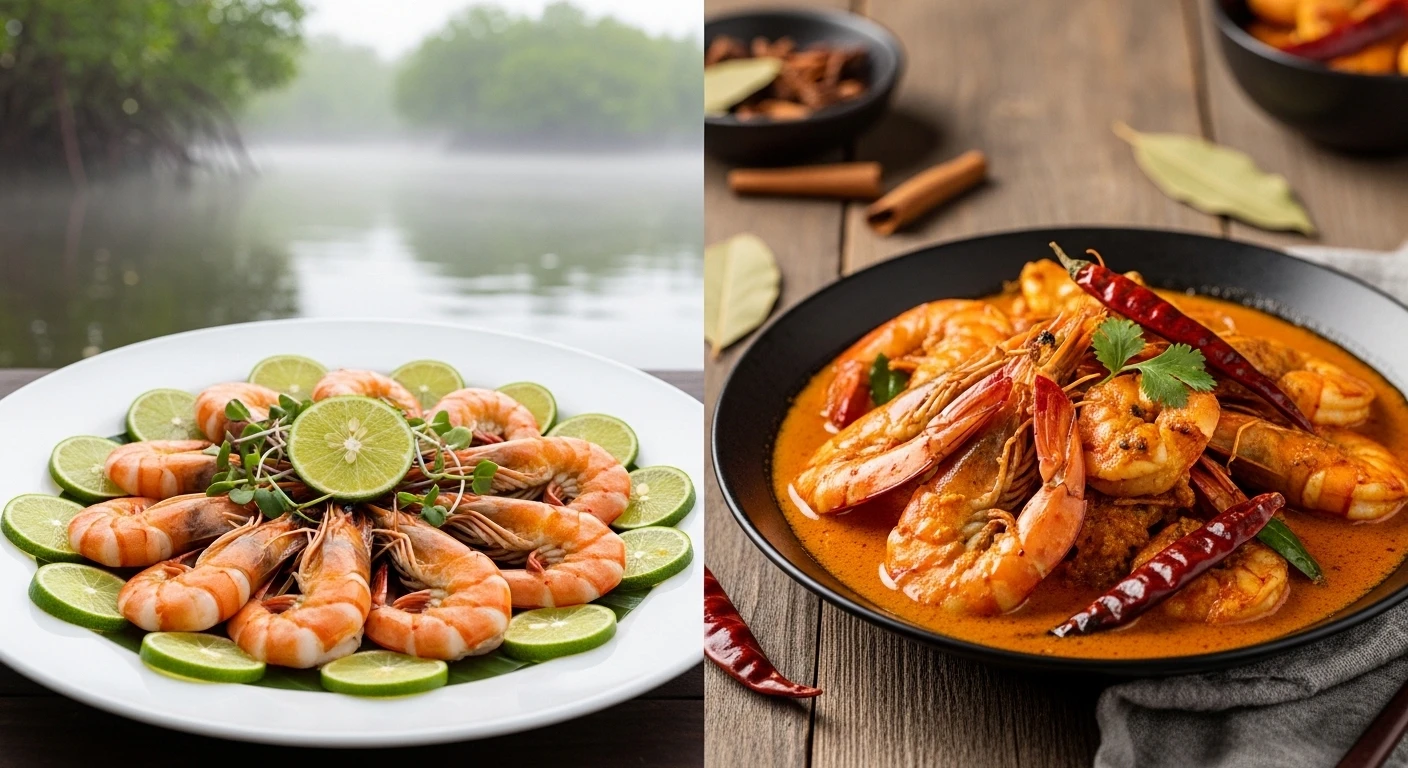
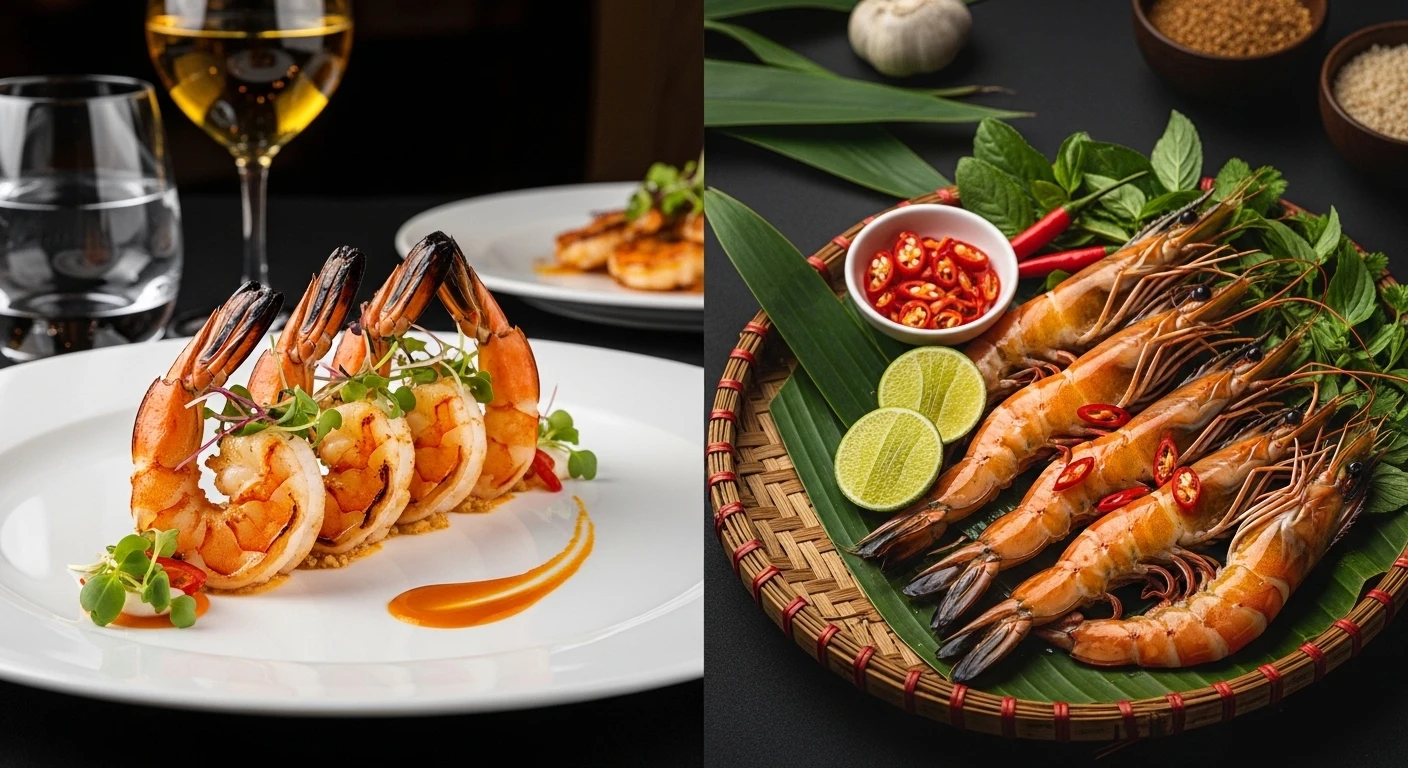
📸 Clarity on a plate: Chilled Norwegian prawns, a testament to their pure, clean flavor.
You won't find the bold, brash spice of Southeast Asia here. Instead, Norwegian shrimp offer a subtle, almost mineral-like sweetness. It's a flavor that whispers of glaciers, deep ocean trenches, and the crisp, invigorating air of the Nordic coast.
2 The Mekong Delta's Vibrant Heartbeat
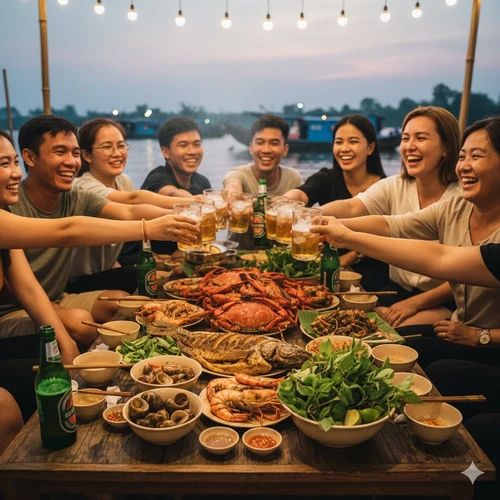
Now, let’s journey south, to the sprawling, life-giving network of rivers and canals that is Vietnam's Mekong Delta. This is a world of lush green rice paddies, bustling floating markets, and a climate that pulses with tropical heat and humidity. Here, shrimp culture is not just about sustenance; it's a way of life, deeply embedded in the landscape and the local psyche.
The stars of this show are often species that thrive in warmer, brackish waters. The undisputed monarch is the Ca Mau Black Tiger Shrimp (Tôm Sú). These are not your average shrimp. Farmed in the extensive mangrove systems of provinces like Ca Mau, Bac Lieu, and Soc Trang, they benefit from a unique terroir. The mangroves filter the water, and the shrimp feed on a natural diet of plankton and organic matter, resulting in a firm, almost succulent flesh with a distinct, sweet, and slightly earthy flavor profile that hints at their rich, biodiverse habitat.
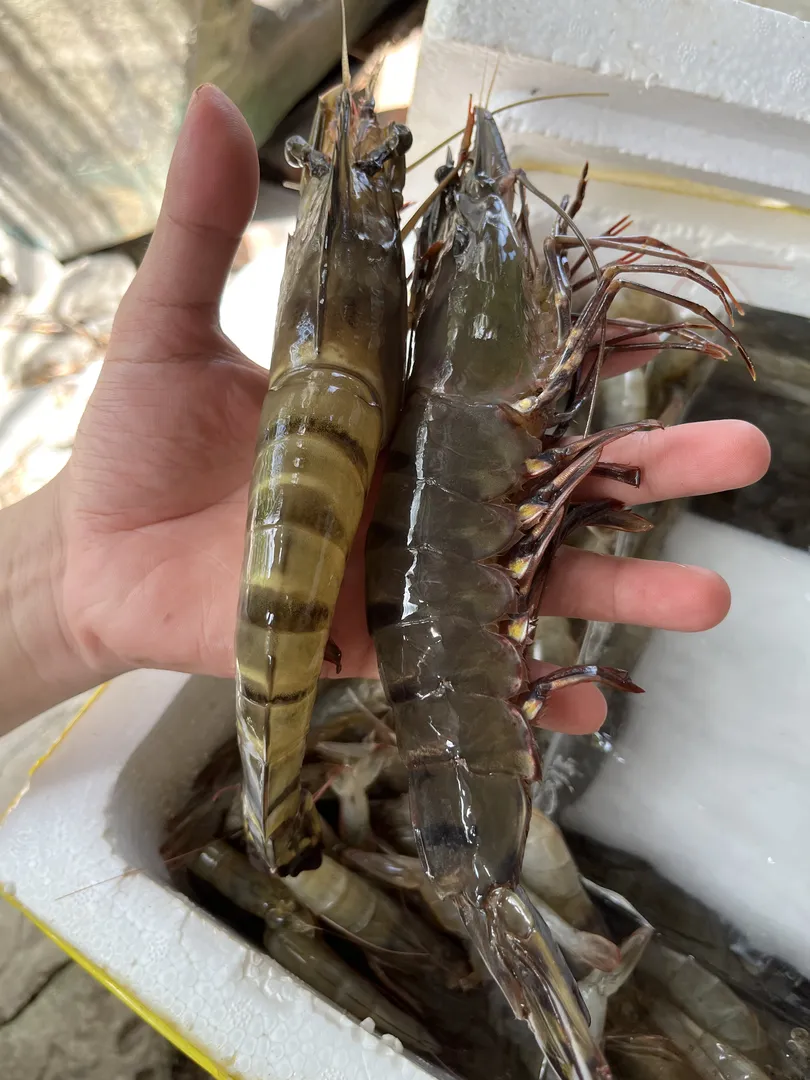
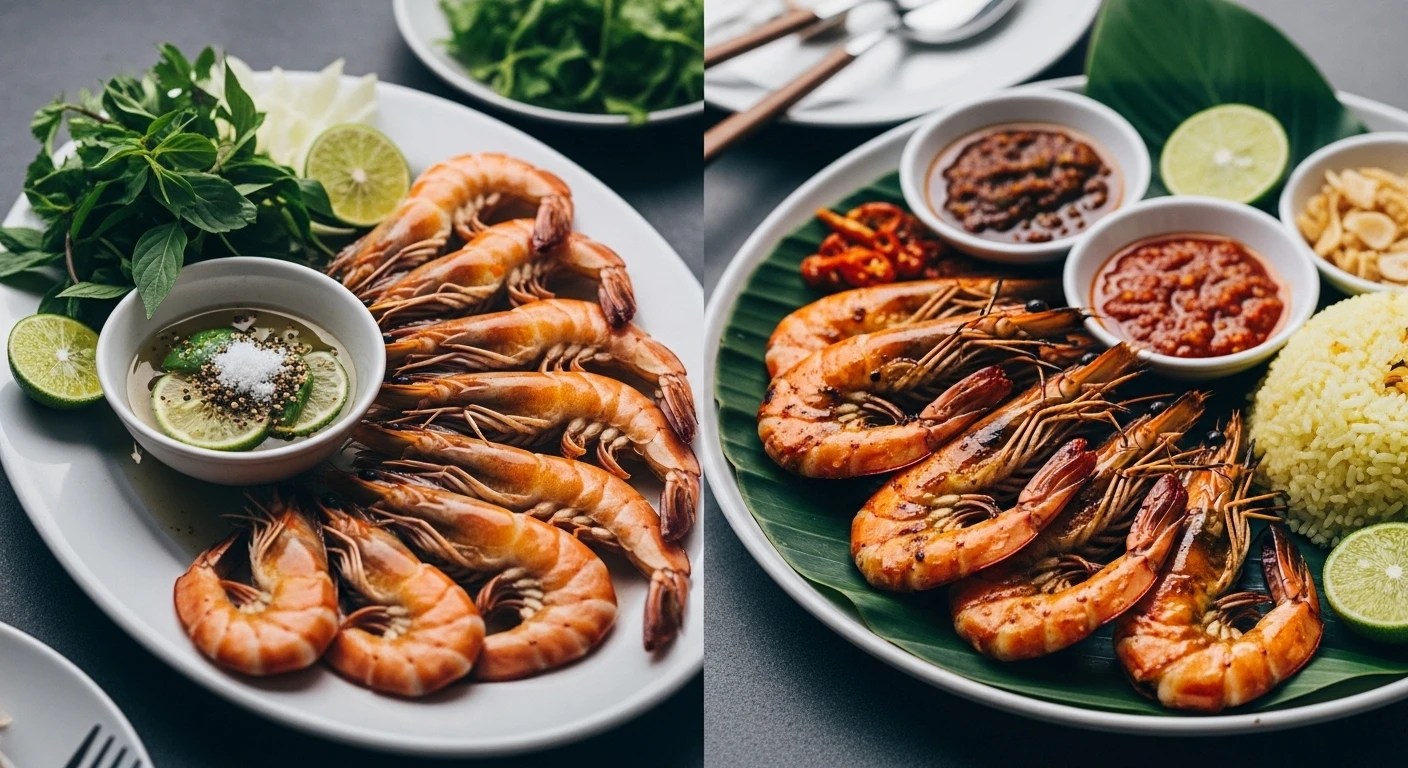
Ca Mau Black Tiger Shrimp: Renowned for firm flesh and a sweet, clean finish from mangrove aquaculture.
Then there are the Giant Freshwater Prawns (Tôm Càng). These majestic creatures, with their striking blue claws, are staples in Mekong cuisine. Their flavor is rich, their texture substantial, and the prized "head fat"—that unctuous, orange goo in the head—is a delicacy in itself, often mixed with chili and lime. They are the backbone of many iconic Delta dishes, grilled to smoky perfection or simmered in aromatic broths.
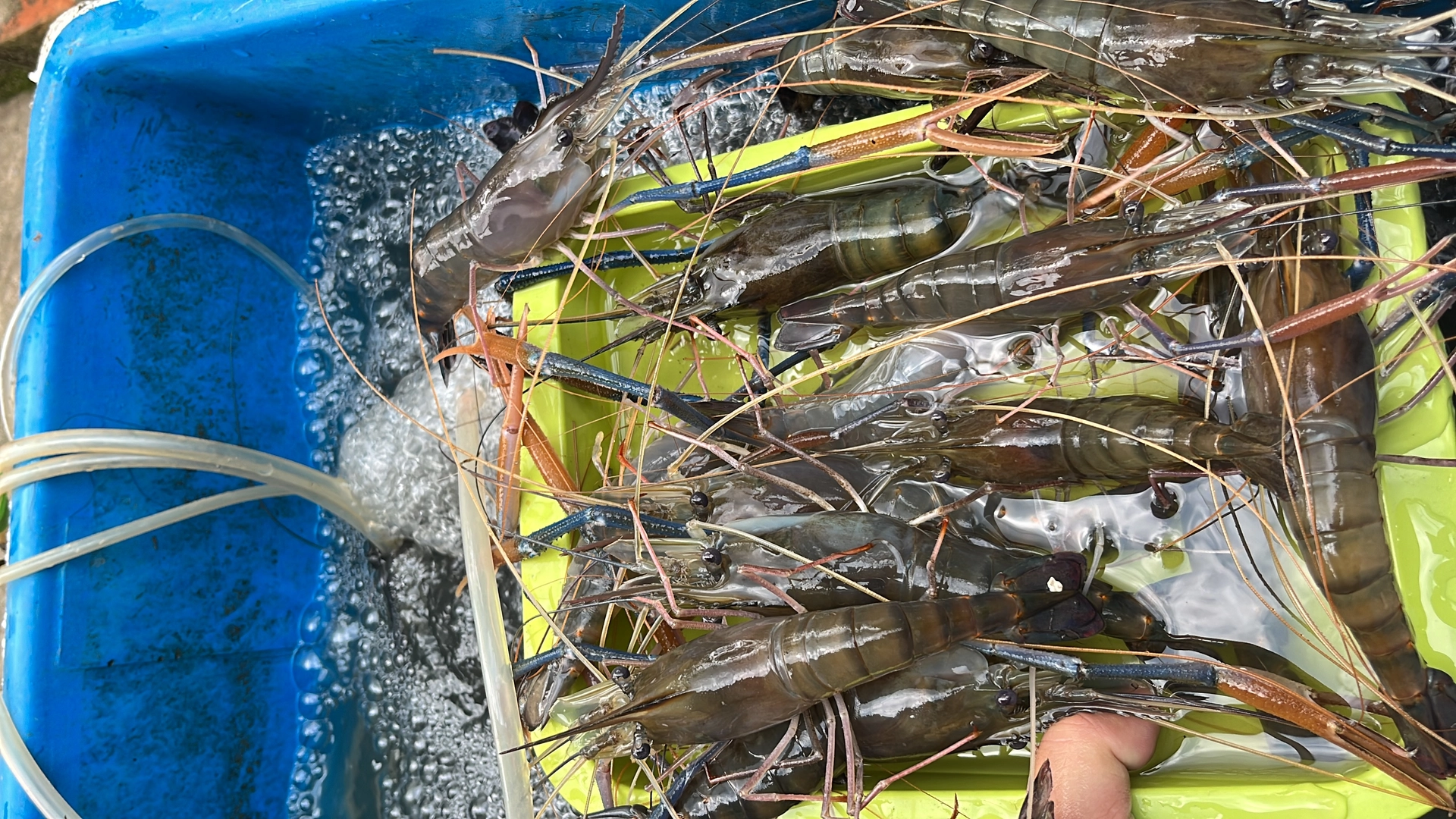
Mekong Giant Freshwater Prawn: Known for its substantial size and rich head fat.
And we can't forget the ubiquitous Whiteleg Shrimp (Tôm Thẻ). While perhaps less exotic than its black tiger cousin, it’s the workhorse of Vietnamese kitchens, incredibly versatile and found in countless home-cooked meals and street food stalls. Its milder flavor makes it perfect for absorbing the complex sauces and spices that define Vietnamese cooking.
The Mekong Delta's shrimp culture is one of abundance, diversity, and bold flavors. It's about the vibrant community markets, the generations of knowledge passed down, and a deep connection to the rhythm of the rivers.
3 The Flavor Spectrum: Sweetness & Texture
This is where the contrast truly sings. Norwegian cold-water shrimp are characterized by their subtle, pure sweetness and a firm, sometimes slightly snappy texture. The slow growth in near-freezing water results in less water content, leading to a denser, more concentrated flavor. Imagine biting into a perfectly chilled langoustine; it's clean, delicate, with a hint of the sea that doesn't overpower.
Vietnamese shrimp, particularly the Ca Mau Black Tiger and Mekong Giant Prawns, offer a different kind of sweetness: one that is often described as richer, more tropical, and sometimes infused with the essence of their environment. The Black Tiger’s firm flesh is noted for its satisfying bite, while the Giant Prawn boasts a succulent, almost buttery texture, especially in its larger specimens. The Whiteleg shrimp, while milder, still carries a pleasant sweetness that pairs wonderfully with other ingredients.
Norway's Profile
- Flavor: Pure, subtle sweetness; clean, slightly mineralic.
- Texture: Firm, dense, sometimes snappy; delicate.
- Terroir Influence: Icy, cold, low-salinity waters; slow growth.
Mekong Delta's Profile
- Flavor: Richer, tropical sweetness; hints of mangrove/earthiness.
- Texture: Firm and succulent (Black Tiger); substantial and juicy (Giant Prawn); versatile (Whiteleg).
- Terroir Influence: Warm, brackish, biodiverse mangrove/river systems; natural diet.
The choice between them often comes down to personal preference and the desired culinary outcome. For a pristine, unadulterated taste of the sea, Norway calls. For a shrimp that can stand up to bold flavors, contribute its own tropical sweetness, and form the heart of a vibrant dish, the Mekong Delta shines.
4 Culinary Traditions: Simplicity vs. Spice
The way shrimp are prepared and consumed is a direct reflection of their cultural context. In Norway, the philosophy is often "less is more." The inherent quality of the shrimp is paramount. Think of them simply boiled, chilled, and perhaps served with a light aioli or a lemon wedge. This approach respects the purity of the flavor, allowing the subtle sweetness and firm texture to be the stars. It's about appreciating the clean, crisp essence of the Nordic sea.
In the Mekong Delta, shrimp are often partners in a grand culinary dance. They are integral to complex flavor profiles. While simple preparations exist, like grilled Giant Prawns seasoned with salt and chili, you'll more frequently find them integrated into dishes where they absorb and complement vibrant sauces. Consider stir-fries with chili and garlic, rich coconut curries, or zesty salads. The natural sweetness of Vietnamese shrimp provides a perfect counterpoint to the characteristic tang of lime, the heat of chili, the aromatic punch of herbs like lemongrass and mint, and the umami depth of fish sauce.
Nordic Methods
- Boiling (brief, chilled serve)
- Cocktail sauce, aioli, mayonnaise
- Focus on natural flavor, purity
- Minimal seasoning
Mekong Delta Methods
- Grilling (with chili, salt)
- Stir-frying (spicy, savory sauces)
- Soups, curries, salads
- Bold use of herbs, chili, lime, fish sauce
5 Biodiversity and Sustainability: Two Approaches
Both Norway and Vietnam are conscious of the importance of sustainable seafood. However, their challenges and approaches differ. Norway, with its vast, relatively pristine cold-water fisheries, often focuses on managing stocks and ensuring responsible fishing quotas. The emphasis is on maintaining the health of extensive marine ecosystems.

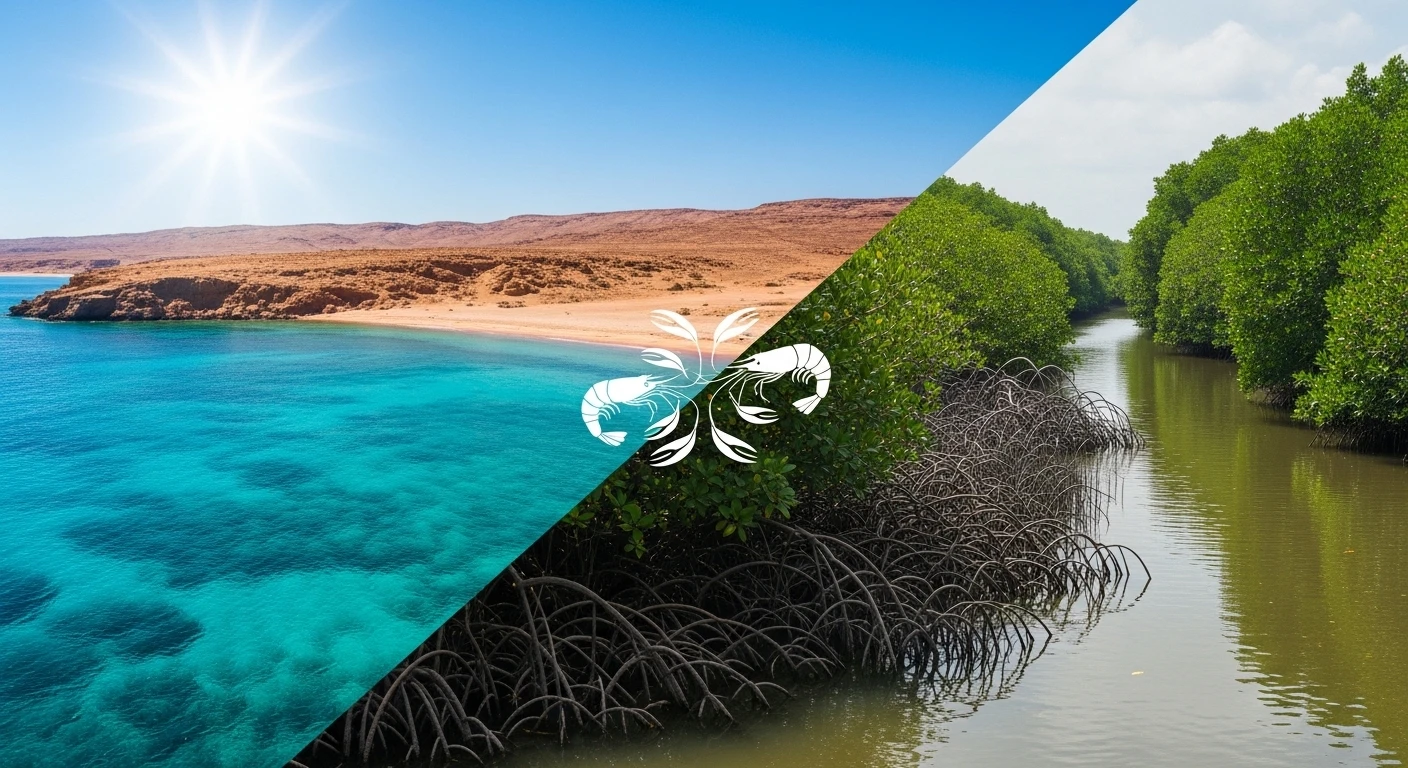
📸 Nordic seascapes: Responsible fishing is key to Norway's sustainable seafood heritage.
Vietnam, particularly the Mekong Delta, faces the complex task of balancing aquaculture with its sensitive estuarine environment. Mangrove-based shrimp farming, like that of Ca Mau Black Tiger Shrimp, is often lauded for its lower environmental impact compared to intensive pond culture. The mangroves act as natural filters, provide habitat for other species, and protect coastlines. There's a growing movement towards certifiably sustainable practices, recognizing that the health of the shrimp is directly tied to the health of the delta's unique ecosystem. This approach leverages nature's own systems, a testament to the traditional wisdom of the region.
6 The Giants of the Delta: Extraordinary Specimens
While Norway's shrimp are known for their delicate consistency, the Mekong Delta is home to some truly formidable crustaceans. The Mekong Giant Freshwater Prawn is a prime example. These aren't shy, small shrimp; they are substantial, meaty beasts, their long blue claws a clear statement of their power. When cooked, their flesh is firm and abundant, offering a hearty meal. The prized "butter" in their heads is an acquired taste for some, a rich, intense burst of flavor that is quintessentially Mekong.
Ca Mau is also synonymous with exceptionally large Black Tiger Shrimp, often referred to as "jumbo" size. These are shrimp that command attention on the plate, their size a promise of a satisfying chew and a concentrated sweetness. They often represent the pinnacle of mangrove aquaculture, a testament to both nature's bounty and the farmer's skill in nurturing these magnificent creatures.
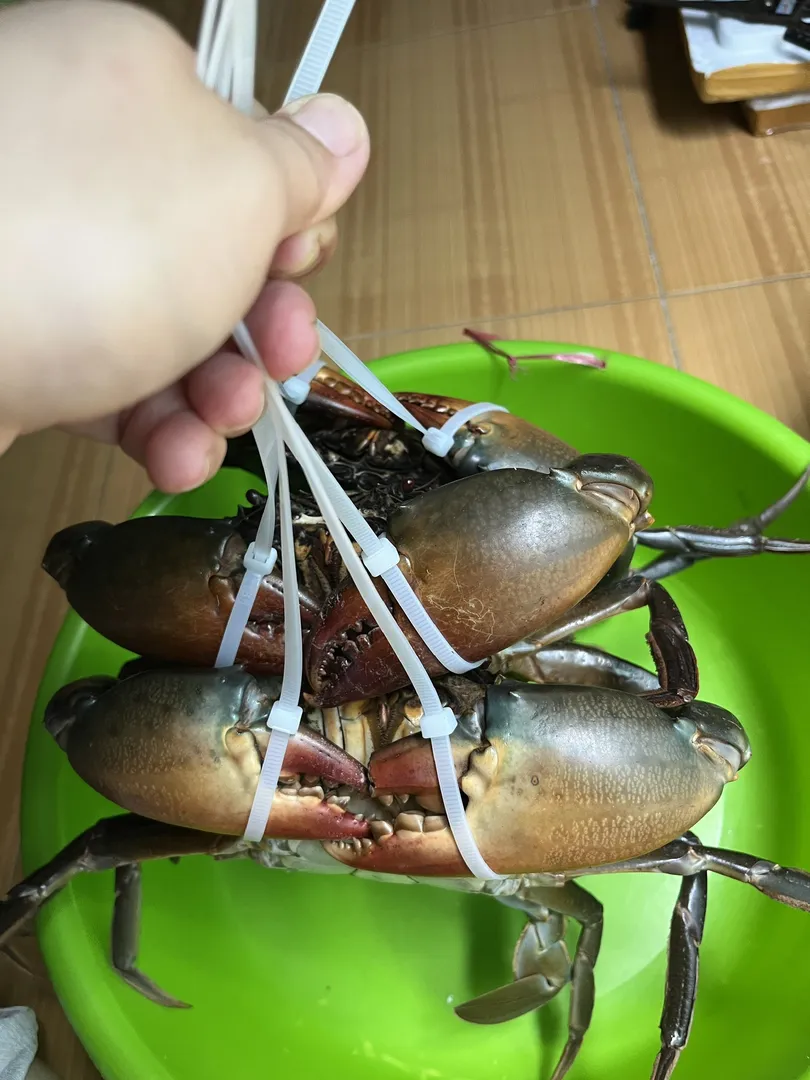
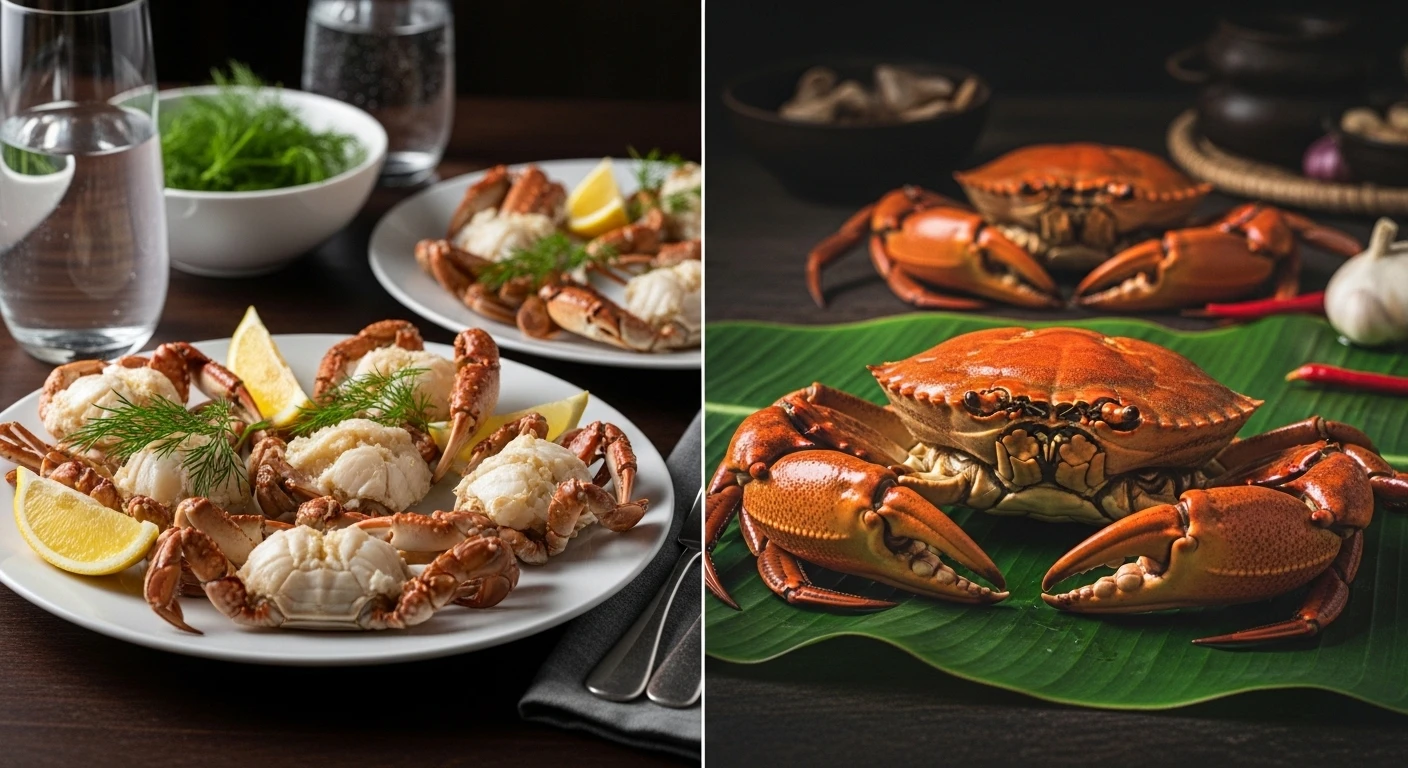
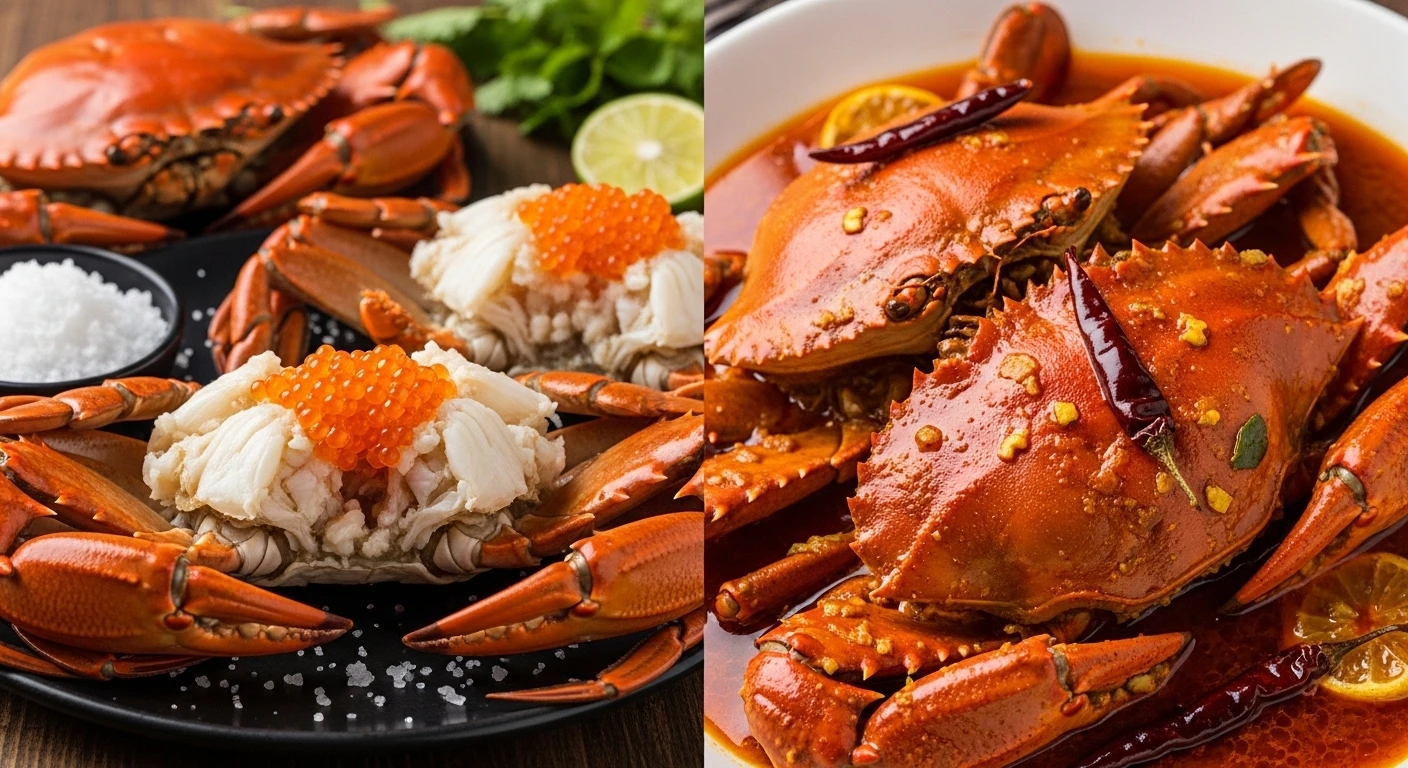
Giant Ca Mau Crab: Exemplifies the "giant" scale of crustaceans found in the region, mirroring the large prawn varieties.
These larger specimens underscore the diversity of the Mekong's aquatic life and the region's capability to produce shrimp that are not only delicious but also impressive in size and character.
7 The Taste of Terroir: What Makes Them Different?
"Terroir" is a term often reserved for wine, but it applies just as powerfully to seafood. The specific minerals in the water, the surrounding vegetation, the water temperature, and the diet all contribute to the unique flavor profile of shrimp.
In Norway, the terroir is one of cold, nutrient-rich waters, where slow-growing shrimp develop a clean, almost crystalline sweetness, with subtle saline notes. It's the taste of pristine, arctic seas.
In the Mekong Delta, the terroir is one of warm, brackish, nutrient-dense waters influenced by the immense river system and the rich mangrove forests. This environment imbues the shrimp with a deeper, sweeter flavor, sometimes with earthy undertones from the mangrove detritus they consume. The Ca Mau Black Tiger Shrimp, in particular, is celebrated for this unique "taste of place." It's the taste of life, growth, and the fertile river mouth.

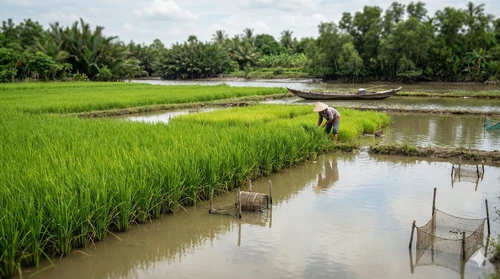
📸 Where flavor is born: The mangrove ecosystems of Ca Mau are integral to the unique taste of Vietnamese shrimp.
8 Choosing Your Adventure: A Global Palate
Comparing Norwegian and Vietnamese shrimp isn't about declaring a "winner." It's about appreciating the vast diversity that our planet offers. It's an invitation to explore different palates, different cultures, and different ways of life, all through the humble shrimp.
If you seek the pristine, the pure, and the subtle — the kind of shrimp that shines brightest with minimal intervention — then the clean, cold waters of Norway offer an unparalleled experience. It’s a taste of Nordic order and natural refinement.
If you crave boldness, vibrant sweetness, a rich textural experience, and a shrimp that can beautifully complement complex, aromatic dishes, then the sun-drenched Mekong Delta awaits. It's a taste of tropical abundance, ecological richness, and the warm, generous spirit of Vietnam.
For the adventurous palate, the true joy lies in experiencing both. Understand the clarity of the North Atlantic and the warmth of the Mekong. Each offers a profound connection to its homeland, a delicious story told through taste and texture. To truly appreciate shrimp, one must journey, both on the plate and, perhaps one day, to the shores and rivers where they are born.
A World of Shrimp, A World of Taste
Whether it's the refined elegance of Norway's cold-water prawns or the vibrant, sweet complexity of Vietnam's delta-farmed treasures, each offers a unique window into its origin. Exploring these differences enriches our understanding of seafood, culture, and the incredible diversity of our planet.