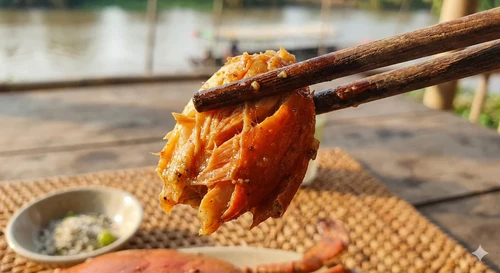
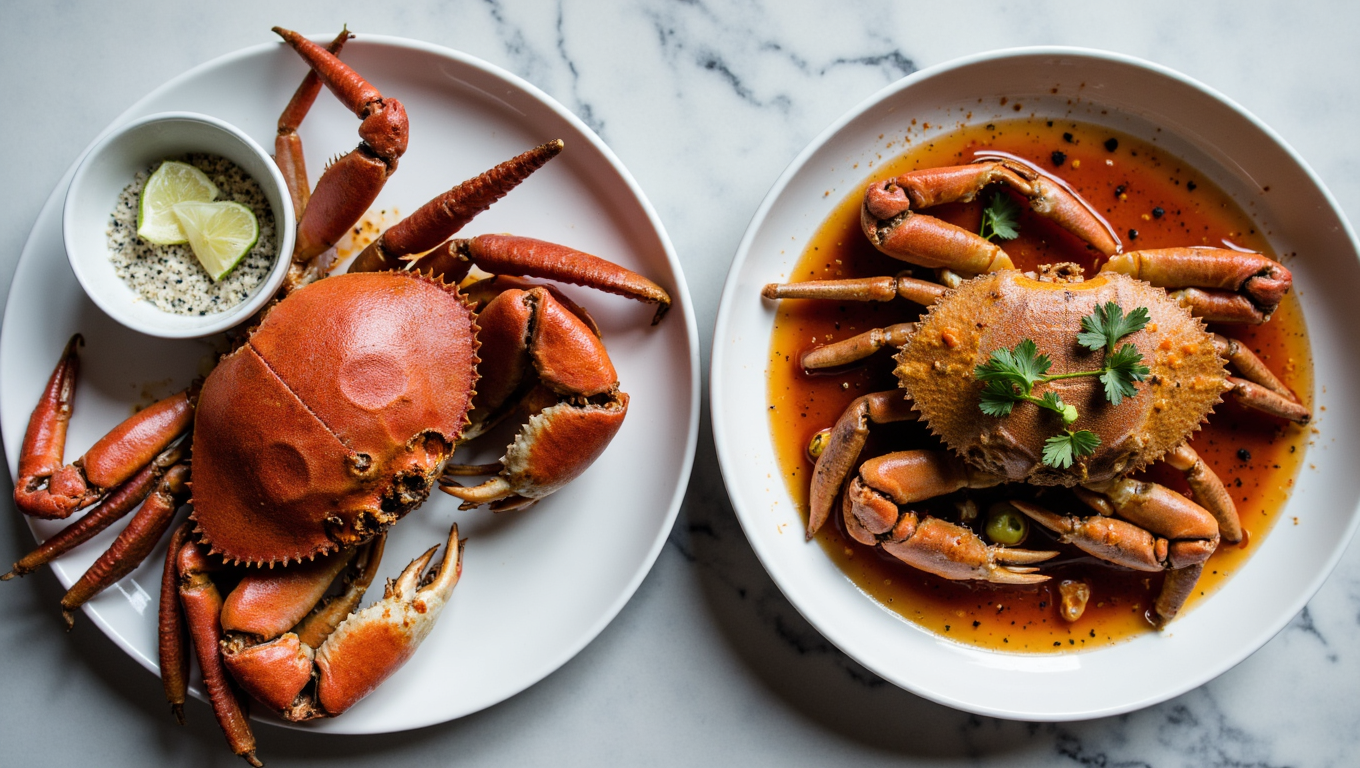
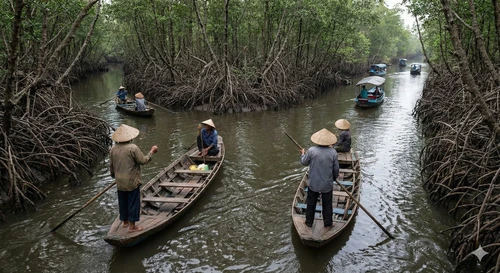
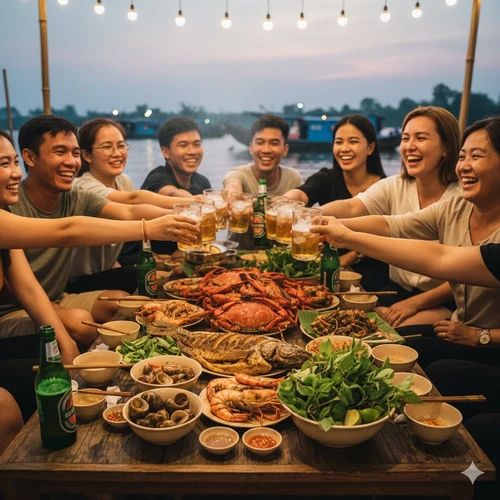
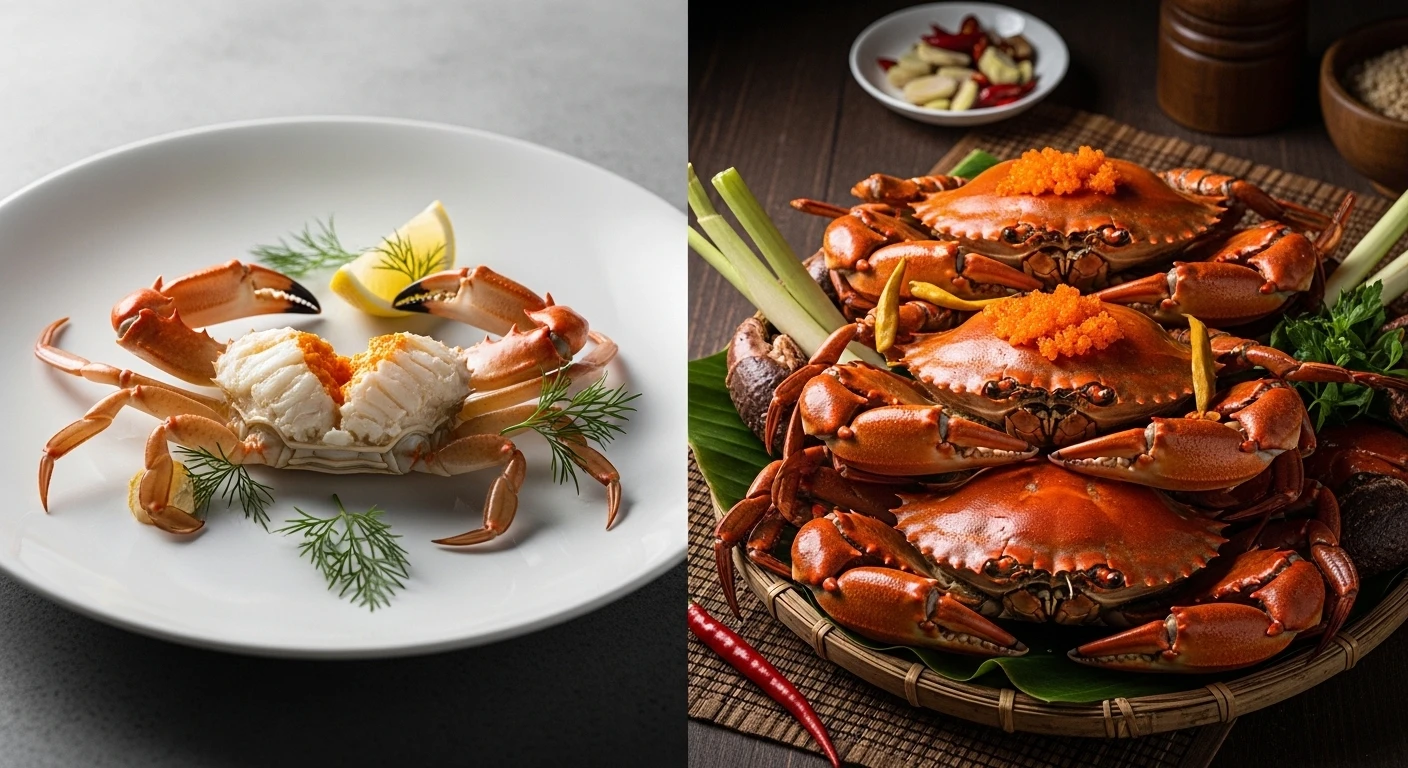
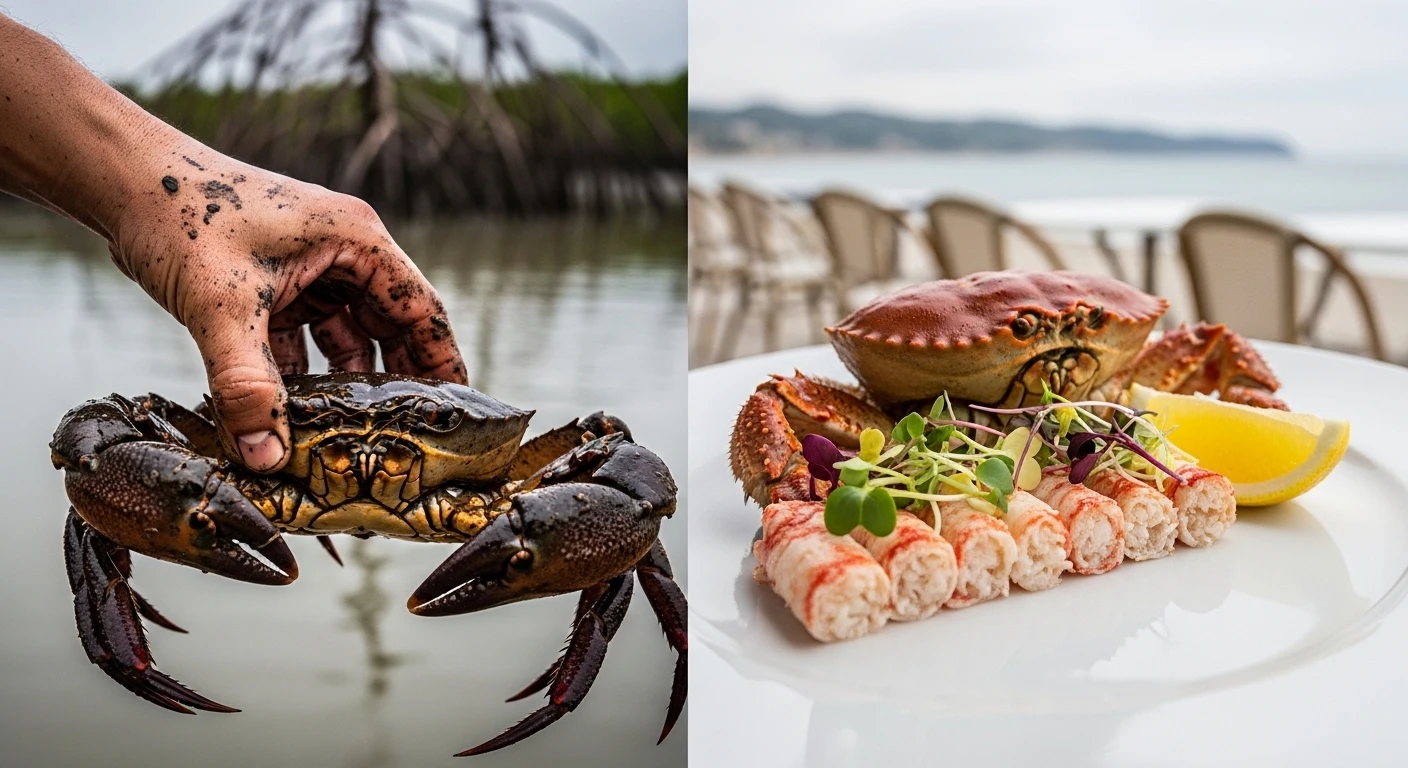
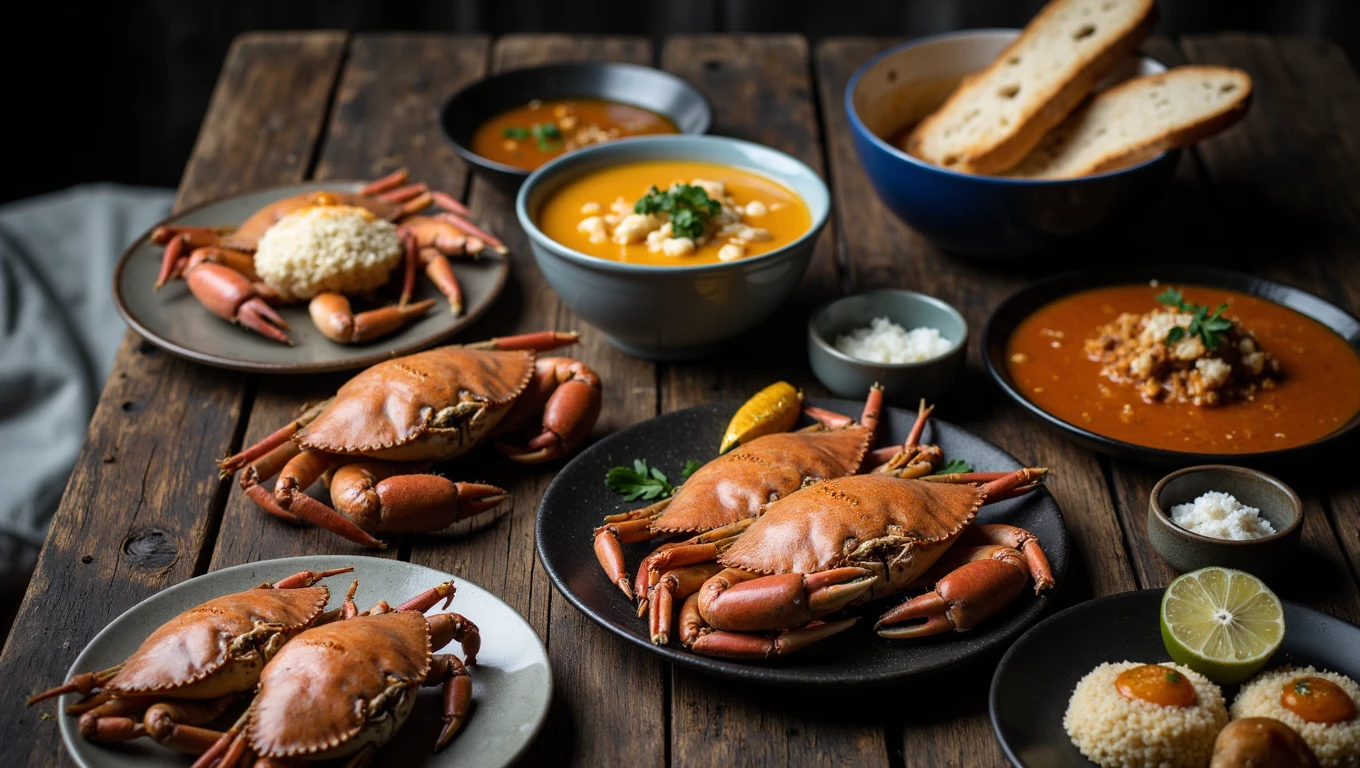
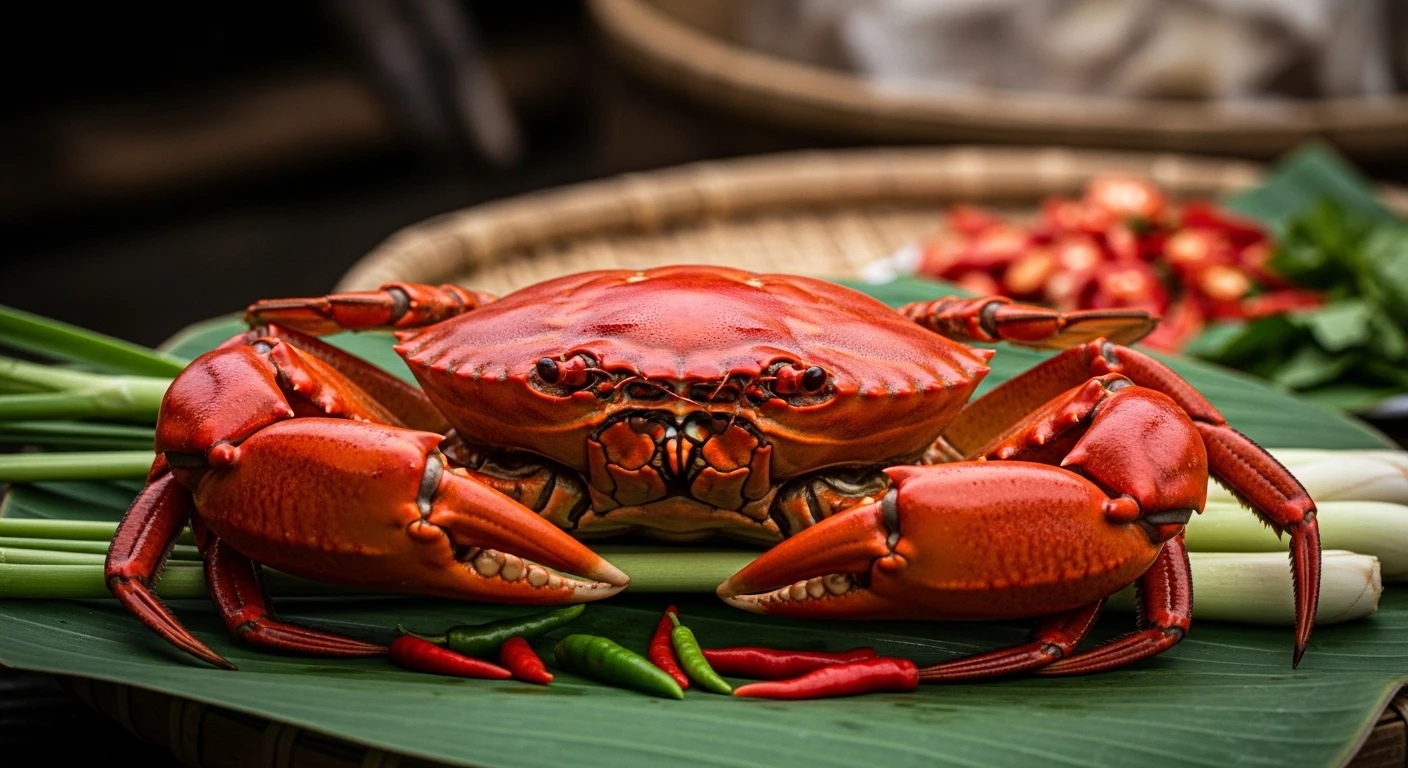
" The salty tang of the sea, the sweet succulence of perfectly cooked shrimp – it’s a universal language of flavor. But in Southeast Asia, this language has countless dialects, spoken with distinct accents by the verdant mangroves of Vietnam's deltas and the sprawling archipelagos of Indonesia. "
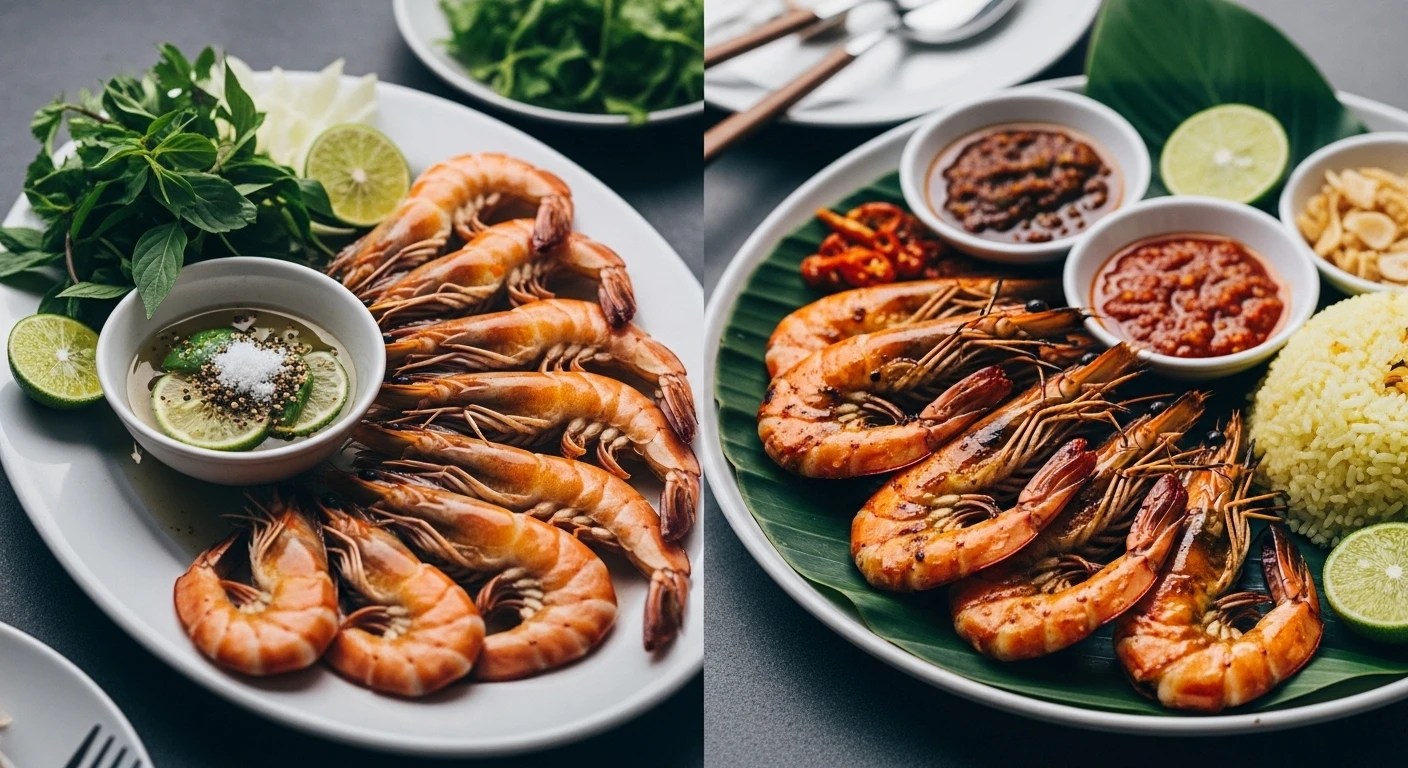
📸 Where two worlds of flavor meet.
1 Vietnam: The Mekong's Emerald Embrace
Venture south in Vietnam, and you’ll find yourself in the embrace of the Mekong Delta, a sprawling labyrinth of rivers, canals, and fertile floodplains. This is the heartland of Vietnamese aquaculture, a place where life revolves around the water. The air is thick with humidity, the scent of ripening fruit, and the subtle, briny promise of the sea carried inland. For centuries, this region has been synonymous with abundant seafood, and shrimp, in particular, have become the lifeblood of its coastal communities and a cornerstone of its culinary identity.
Here, shrimp farming isn't just an industry; it's an art form, deeply intertwined with the natural mangrove ecosystems that fringe the coastline. In provinces like Ca Mau, the southernmost tip of Vietnam, the vast mangrove forests aren't just ecological wonders; they are the very nurseries that give Vietnamese shrimp their distinct character.
2 Ca Mau's Black Tiger & The Delta's Diverse Catch
When you talk about Vietnamese shrimp, the name that echoes loudest is the Ca Mau Black Tiger Shrimp. These aren't your average farmed shrimp. Grown in semi-intensive systems within the protective embrace of the mangrove forests, they benefit from the natural filtration and nutrient-rich environment. This unique terroir imparts a firmer texture, a cleaner, sweeter flavor, and a more robust shell compared to shrimp raised in intensive, land-based ponds. The characteristic dark stripes on their shells are a badge of honor, a testament to their wilder upbringing.
But the Mekong isn't a monoculture. Beyond the famed black tiger, the delta is home to other prized crustaceans. The Mekong Giant Freshwater Prawn, with its striking blue claws and rich, buttery head fat, is a riverine marvel. These behemoths are often grilled, their substantial meat soaking up smoky char, their heads a delicacy for those who appreciate the deeper, more intense flavor of prawn roe. Then there's the ubiquitous Whiteleg Shrimp, a workhorse in Vietnamese kitchens, adaptable to countless stir-fries, soups, and steamed dishes, proving that even everyday shrimp can be delicious when handled with care and cooked with fresh, local ingredients.
Heritage Ingredient
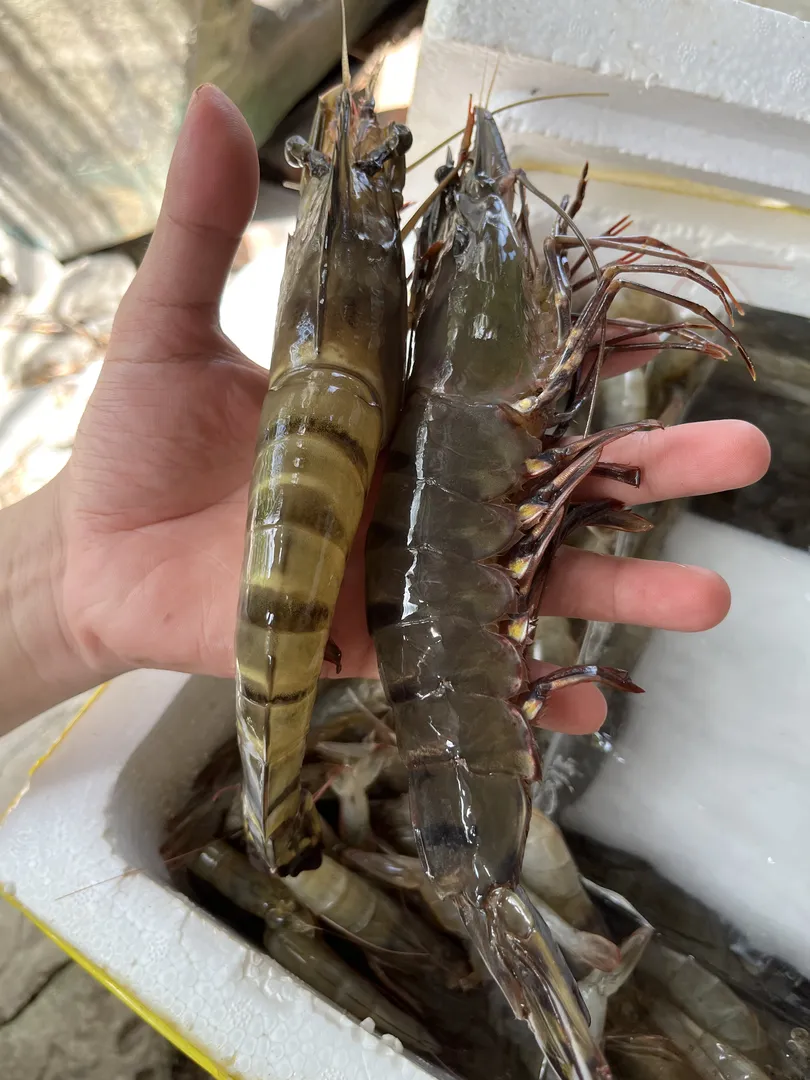
Ca Mau Black Tiger Shrimp
Ca Mau Black Tiger Shrimp
Large black tiger shrimp associated with mangrove aquaculture in Ca Mau, known for firm flesh and a cleaner, sweeter finish than intensively farmed shrimp.
Wild spirits of the mangroves, these black-banded gems deliver a firm, snappy texture and a sweetness that echoes the forest's vibrant life.
Heritage Ingredient
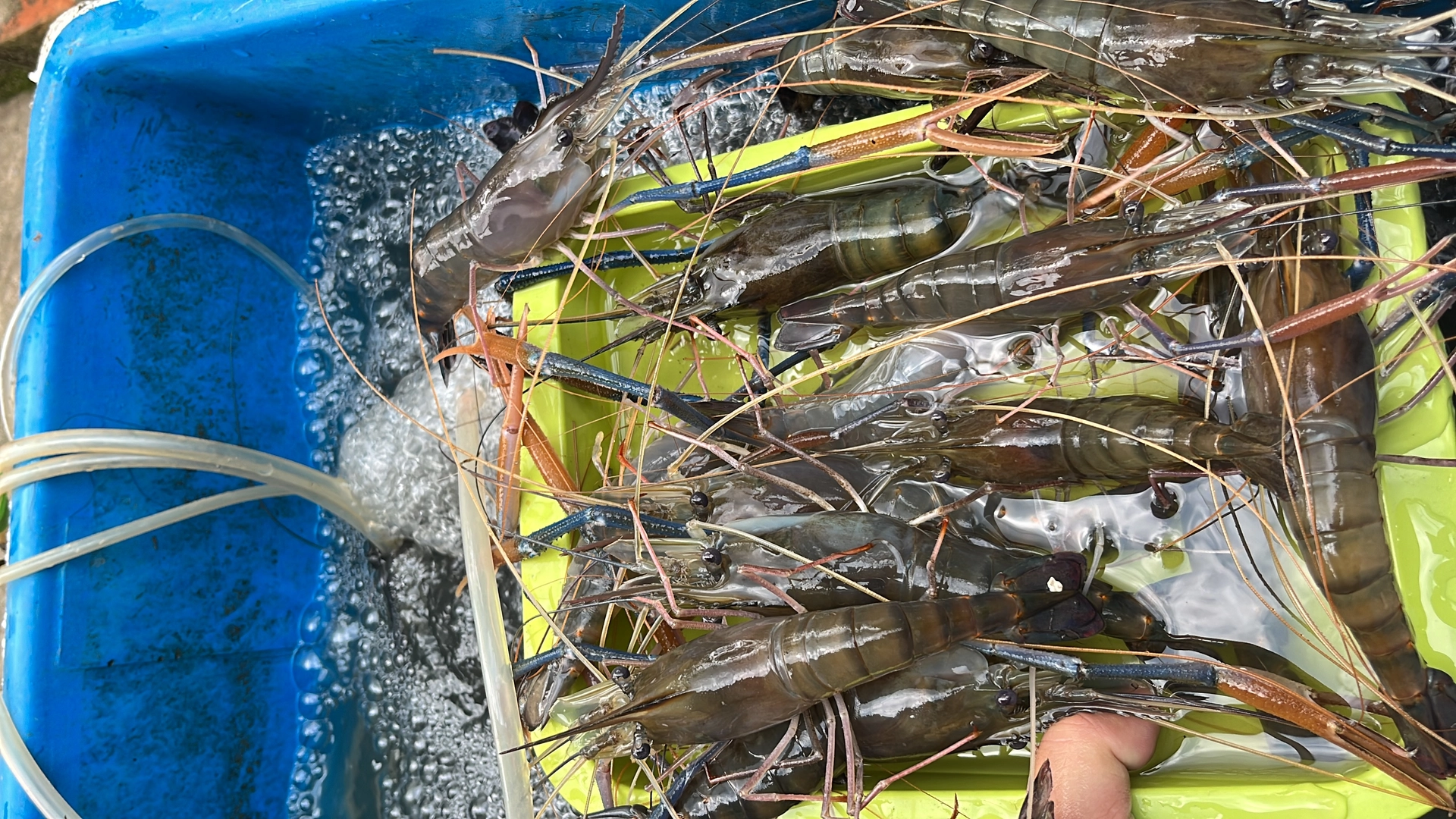
Mekong Giant Freshwater Prawn
Mekong Giant Freshwater Prawn
A river prawn with long blue claws and rich head fat, common in grilled prawn dishes and hotpot traditions across the Mekong basin.
Majestic blue-clawed warriors of the Mekong, famous for their rich, fatty heads and a savory depth that captures the essence of the delta's rivers.
Heritage Ingredient
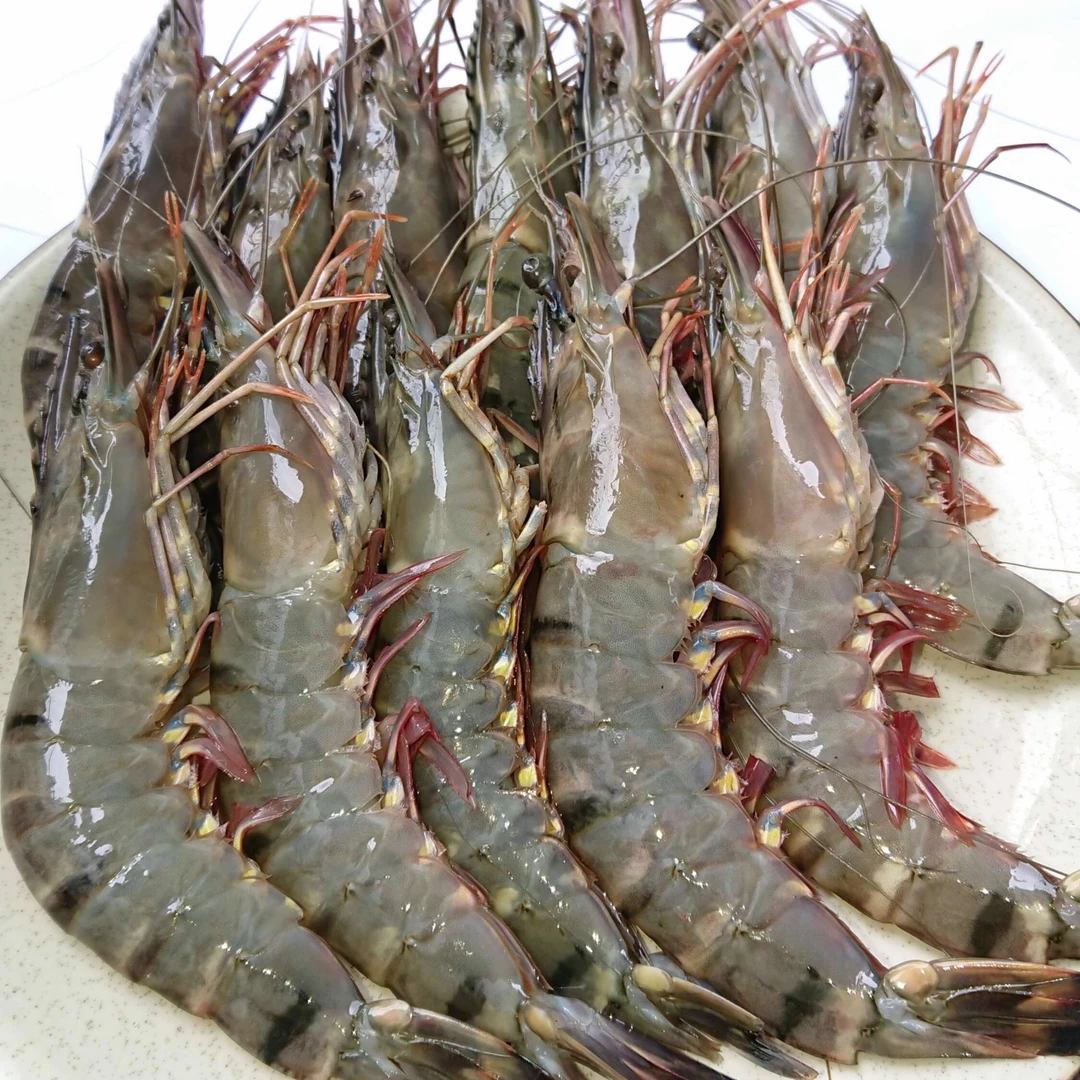
Whiteleg Shrimp
Whiteleg Shrimp
A widely used shrimp in Vietnamese home kitchens, suitable for stir-fries, soups, steamed dishes, and practical cooking articles that need a familiar shrimp reference.
Translucent jewels of the coast, thin-shelled and remarkably sweet, making every simple home meal feel like a seaside celebration.
3 Indonesia: A Thousand Islands, Endless Seas
Across the turquoise waters, Indonesia presents a different, yet equally compelling, seafood narrative. As the world's largest archipelagic state, its coastline stretches for over 99,000 kilometers, creating a staggering diversity of marine environments. From the shallow, nutrient-rich waters of the Malacca Strait to the deep trenches of the Banda Sea, Indonesia’s seas teem with life. Shrimp, of course, are a vital component of this marine bounty and a staple on Indonesian tables.
Indonesian shrimp culture is as varied as its islands. While mangrove-associated species like black tigers are also farmed here, the sheer scale of their coastline means a broader spectrum of species are harvested and cultivated. Their traditions often lean into bolder flavors and more robust cooking methods, reflecting the diverse cultural influences that have shaped Indonesian cuisine. The emphasis is often on maximizing the natural sweetness of the shrimp and amplifying it with powerful aromatics and fiery chilies.
4 Indonesia: Grilling, Sambals, and Coastal Rites
Picture this: the smoky aroma of charcoal grills, the vibrant hues of fresh sambals, and the joyful chaos of a family gathering by the sea. This is the quintessential Indonesian shrimp experience. Grilling is king, especially for larger specimens. Shrimp are often marinated in a punchy blend of soy sauce, chili, garlic, and sometimes palm sugar, then kissed by the flames. The resulting char, the tender meat, and the slightly caramelized exterior create an irresistible combination.
Sambal, the ubiquitous chili paste, is the Indonesian equivalent of a national condiment, and it’s the perfect partner for shrimp. From the fiery Sambal Terasi (shrimp paste chili) to the sweet and spicy Sambal Kecap (chili soy sauce), these sauces are more than just accompaniments; they are an integral part of the dish. They cut through richness, add layers of complexity, and deliver that signature Indonesian kick. Coastal family meals often feature platters piled high with grilled shrimp, a variety of sambals, steamed rice, and perhaps some fresh, crisp vegetables, fostering a communal dining experience that is both delicious and deeply satisfying.

5 Flavor Profiles: Terroir vs. Spice Dominance
At its core, the comparison between Vietnamese and Indonesian shrimp often boils down to a spectrum: the subtle, terroir-driven sweetness of Vietnam versus the bold, spice-forward punch of Indonesia. In the Mekong Delta, particularly with Ca Mau black tigers, the focus is on letting the shrimp's natural, clean sweetness shine. Cooking methods like steaming, boiling, or gentle grilling are common, often paired with delicate dipping sauces like lime salt and pepper or fish sauce with chili. The goal is to highlight the pristine flavor of the mangrove-raised crustacean.
Indonesia, while also appreciating the inherent quality of its shrimp, tends to build more complex flavor profiles around it. The use of pungent spices, fermented shrimp paste, and the ever-present chili means that Indonesian shrimp dishes are often characterized by a vibrant, multi-layered taste experience. It’s about the interplay of sweet, savory, sour, and spicy, where the shrimp is a star ingredient but part of a grander, more aromatic ensemble. Both approaches yield exquisite results, catering to different palates and culinary philosophies.
6 Cooking Styles and Communal Dining
Vietnamese shrimp preparations often emphasize clarity and freshness. Think of shrimp served peeled and tossed with fresh herbs, lime, and chili in a refreshing salad, or simply boiled and served with a savory dipping sauce. Family meals in the Delta might feature large platters of steamed shrimp, shared communally, with each person dipping into their preferred condiment. The focus is on the pure, unadulterated taste of the shrimp.
In contrast, Indonesian cooking often embraces more intricate preparations. Beyond grilling, shrimp are found in rich coconut curries, stir-fried with fiery sambals, or incorporated into hearty rice dishes like Nasi Goreng. The communal aspect is equally strong, but often expressed through larger family-style platters of mixed grilled seafood or bowls of aromatic curry meant for sharing. The cooking methods are robust, designed to infuse flavor and create a memorable, often spicy, dining experience.
7 The Mangrove's Hand: A Tale of Two Ecosystems
The shared feature that links the finest Vietnamese shrimp to many premium Indonesian varieties is their upbringing in mangrove-rich environments. These coastal forests are more than just beautiful landscapes; they are vital ecosystems that provide natural shelter, food, and filtration for juvenile shrimp. This natural aquaculture leads to shrimp with a more complex flavor profile, a firmer texture, and a higher quality of flesh.
Vietnam's Ca Mau region, in particular, is globally recognized for its commitment to sustainable mangrove shrimp farming. This approach not only yields superior shrimp but also contributes to the preservation of these critical coastal habitats, creating a positive feedback loop for both the environment and the quality of the seafood. While Indonesia also has extensive mangrove coastlines supporting shrimp populations, the specific integration and recognition of this terroir in Vietnam's Ca Mau province has cultivated a unique identity for its black tiger shrimp.

8 Beyond the Plate: A Traveler's Perspective
For the intrepid traveler and the discerning food lover, the comparison between Vietnamese and Indonesian shrimp culture offers a compelling reason to explore both nations. Indonesia, with its thousands of islands, promises diverse coastal experiences, from the volcanic beaches of Bali to the marine wonders of Raja Ampat. The warmth of its people and the bold flavors of its cuisine are unforgettable.
Yet, for those seeking a deeper understanding of shrimp's connection to a specific, rich ecosystem and a more subtle yet profound culinary tradition, Vietnam's Mekong Delta beckons. Imagine navigating the intricate waterways by boat, visiting traditional floating markets piled high with fresh produce and seafood, and tasting shrimp plucked straight from the water and prepared with generations of knowledge. The experience of Ca Mau shrimp is not just about eating; it's about immersing yourself in a way of life shaped by the tides and the mangroves. It’s a journey into the very soul of the river.
The Final Catch
Whether you’re drawn to the clean, sweet notes of mangrove-grown Vietnamese shrimp or the fiery, vibrant flavors of Indonesian island cooking, both cuisines offer a profound appreciation for these oceanic treasures. The Mekong Delta and Indonesia's archipelagic shores stand as two distinct, yet equally magnificent, bastions of shrimp culture, each offering a unique journey for the palate and the soul.