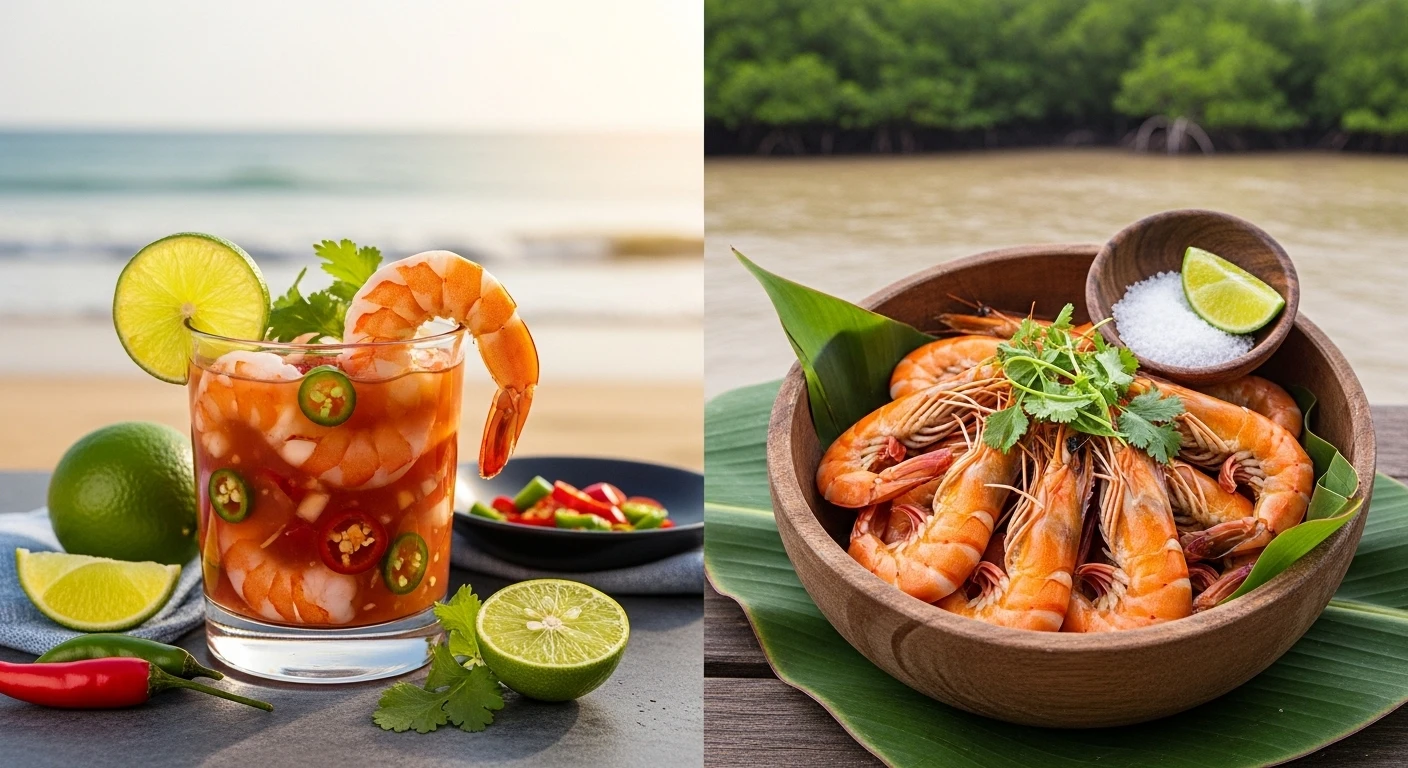
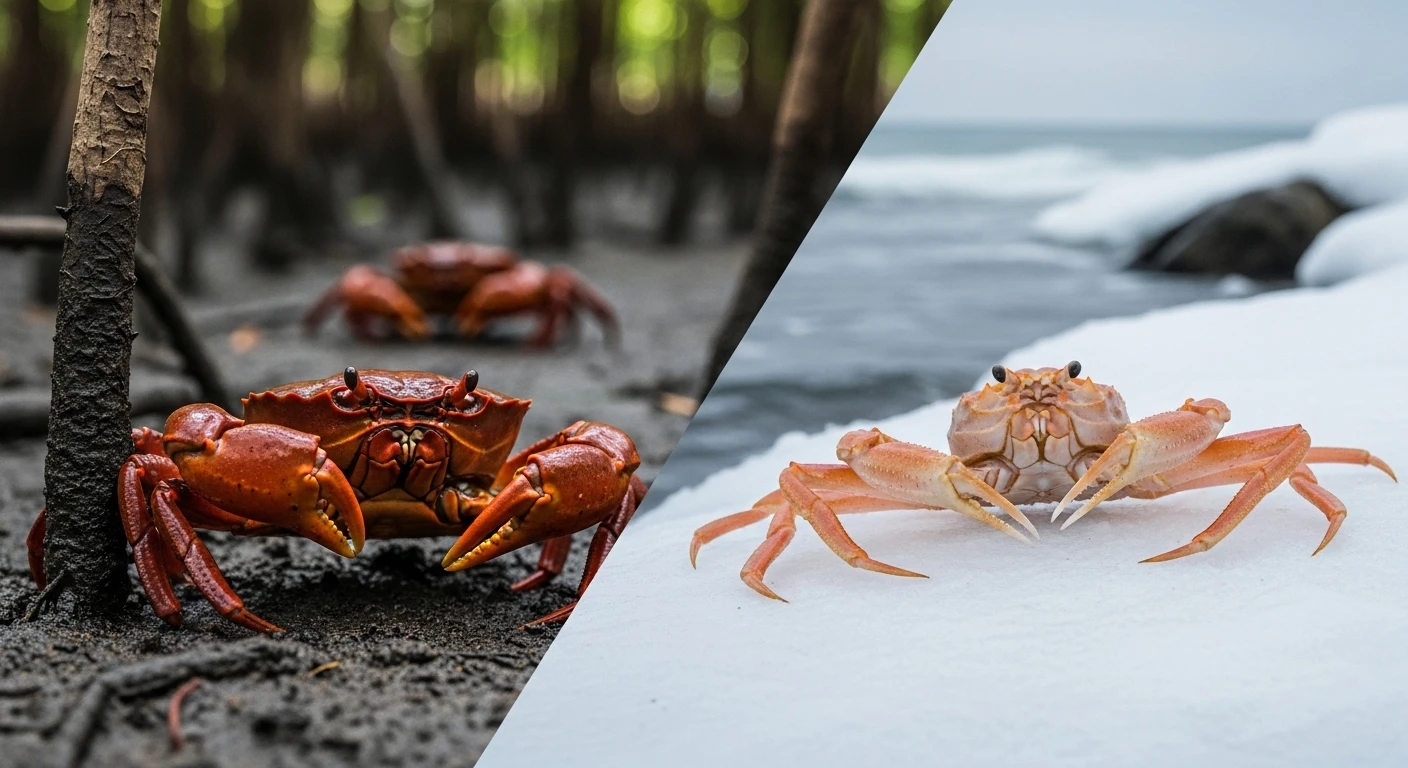
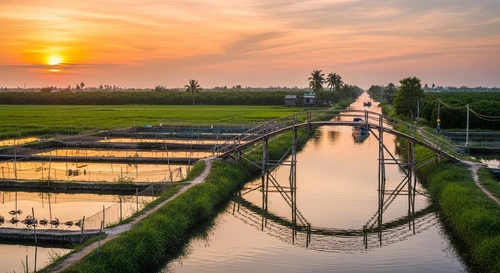
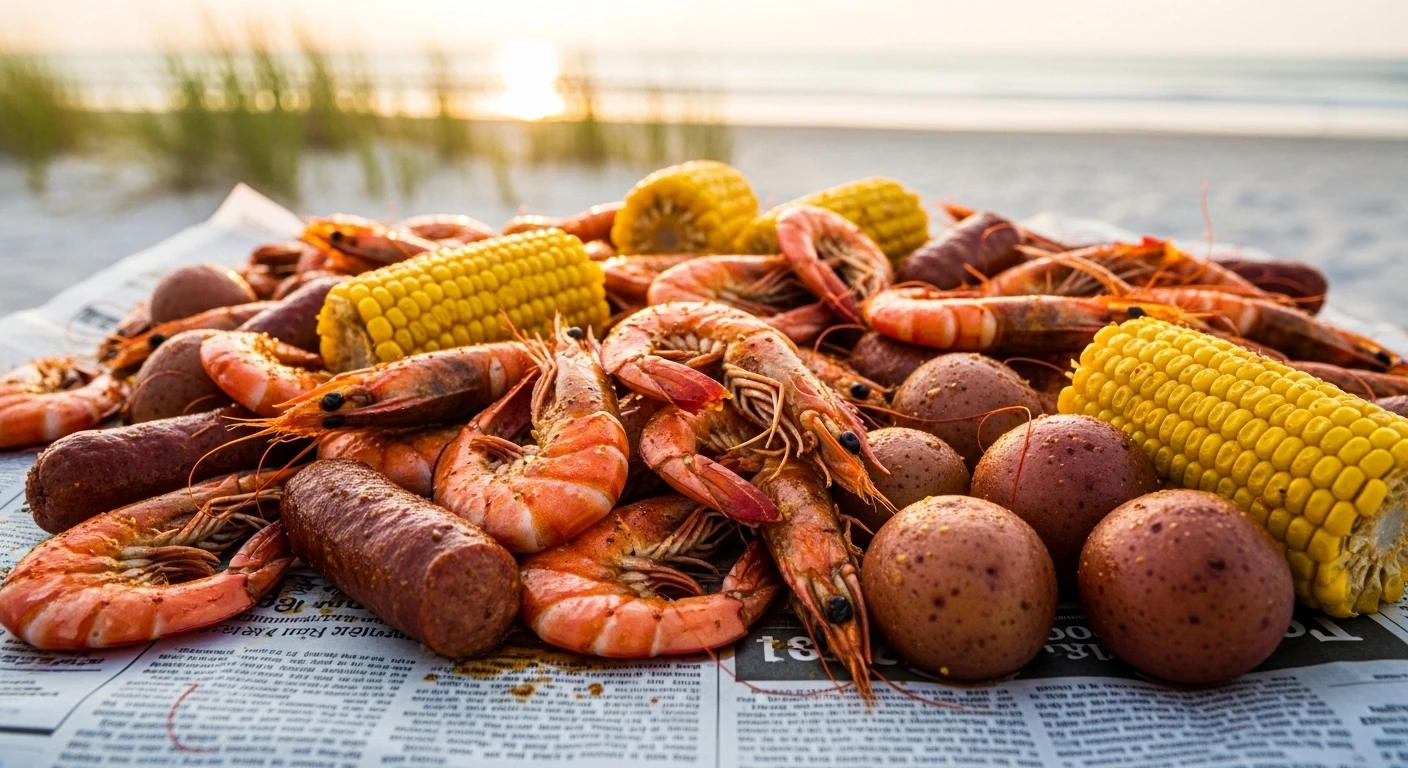
" From the mangrove-rich wetlands of the Mekong Delta to the sun-drenched coastlines of Australia, the humble crab has inspired culinary traditions as diverse as the waters they inhabit. "
1 The Great Crab Divide: Mudflats vs. Coastlines
For anyone who truly appreciates the briny kiss of the ocean and the sweet reward of a succulent crustacean, the world of crab offers an endless exploration. Down here in the Mekong Delta, it's a lifeblood. Up in Australia, it's a celebrated delicacy. While both involve the same captivating creature, the journey from water to plate, the cultural reverence, and the very essence of flavor tell vastly different stories. This isn't just about species; it's about terroir, tradition, and the human connection to the sea.
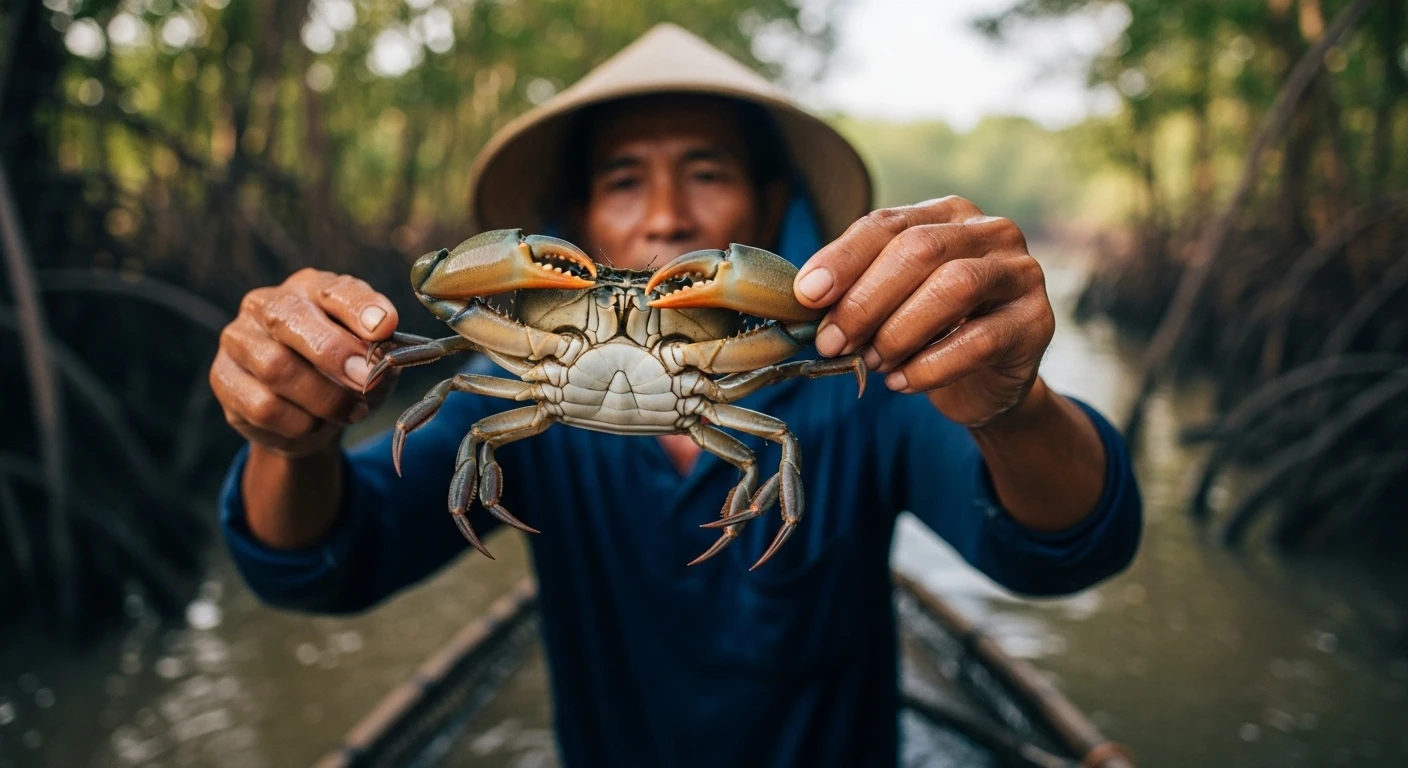
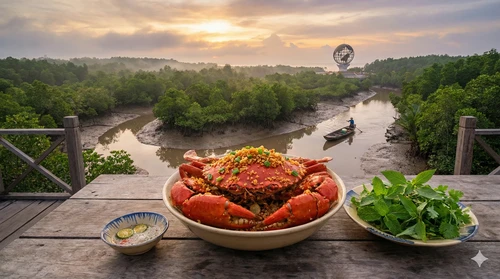
📸 Mudcrab magic: The lifeblood of the Mekong Delta.
When we talk about Vietnamese crab, especially the famed mud crabs of Ca Mau, we're speaking of an ecosystem. A vast network of brackish waterways, mangrove forests, and a traditional, almost symbiotic, relationship with the land. These aren't farmed in sterile ponds, but often harvested from the wild or through sustainable aquaculture integrated with the natural environment. This results in a crab that carries the distinct, complex character of its muddy, saline birthplace.
Australia, on the other hand, offers a different kind of crab paradise. Think of the iconic mud crabs and blue swimmer crabs gracing the tables of Sydney restaurants or being grilled on a remote Queensland beach. The emphasis here is often on the premium coastal harvest, pristine waters, and a meticulous approach to presenting a high-quality, luxurious seafood experience. It’s about the robust, clean flavor that comes from powerful ocean currents and a rich marine biodiversity.
2 The Mekong Delta's Mud Crab: A Taste of Terroir
The star of the show in Southern Vietnam's crab scene is undoubtedly the mud crab from Ca Mau province. This region, at the very southern tip of Vietnam, is a labyrinth of rivers, canals, and coastal mangroves. It's a place where the water is a complex mix of fresh river water and salty seawater, creating a unique environment that mud crabs thrive in.
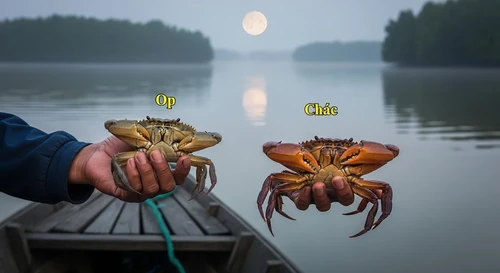
Flavor Profile: These crabs possess a deep, complex sweetness, often described as having a slight mineral or earthy undertone from their muddy habitat. The meat is dense, firm, and incredibly satisfying. Depending on whether it's a "meat crab" (male) or "roe crab" (female), the experience shifts. The males boast substantial, succulent claws and a firm body meat. The females, with their prized vibrant orange roe, offer a richer, more unctuous, and almost creamy texture when cooked.
Sourcing & Livelihood: Harvesting mud crabs here is a generational skill. Fishermen navigate the waterways in small boats, setting traps or meticulously collecting crabs from the mangrove roots. It's a sustainable practice deeply woven into the local economy and culture. The appreciation for a good crab is palpable; it's more than just food, it's a symbol of prosperity and a connection to the delta's bounty.
Heritage Ingredient
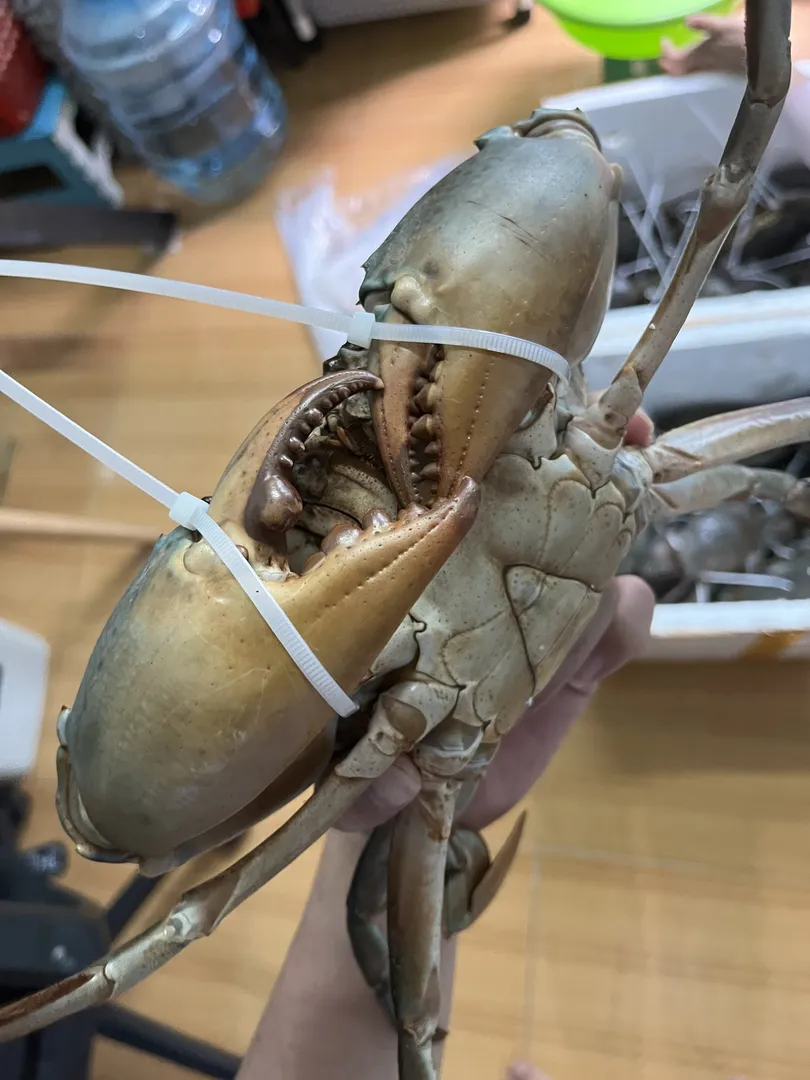
Ca Mau Jumbo Mud Crab
Ca Mau Jumbo Mud Crab
A large male mud crab prized for dense, sweet meat and thick claws, commonly used in steamed crab and grilled crab dishes across the Mekong Delta.
Where every ingredient captures the essence of the wind and tides, weaving a vibrant culinary tapestry of the Mekong region.
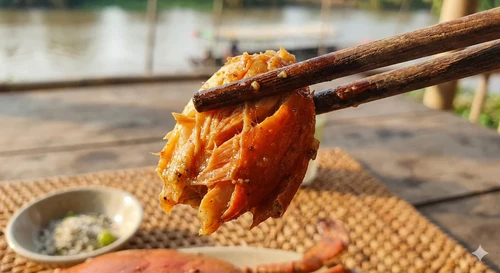
Cooking Traditions: Simplicity reigns supreme. Steaming, often with beer and lemongrass, or grilling over charcoal are the preferred methods to let the crab's natural flavor shine. Crab noodle soup (Bún riêu cua) is a ubiquitous and beloved dish, where the crab meat and roe form the base of a rich, tangy broth. Salted egg yolk crab, stir-fried with rich, savory egg yolk, is another decadent indulgence that highlights the crab's ability to absorb complex flavors.
Texture and Meat Quality: The firm, dense meat of a well-sourced Ca Mau mud crab is a benchmark. It has a satisfying chew and a pure, sweet flavor. The roe crab, when in season, is a particular treat, offering a rich, buttery intensity that’s hard to replicate.
Heritage Ingredient
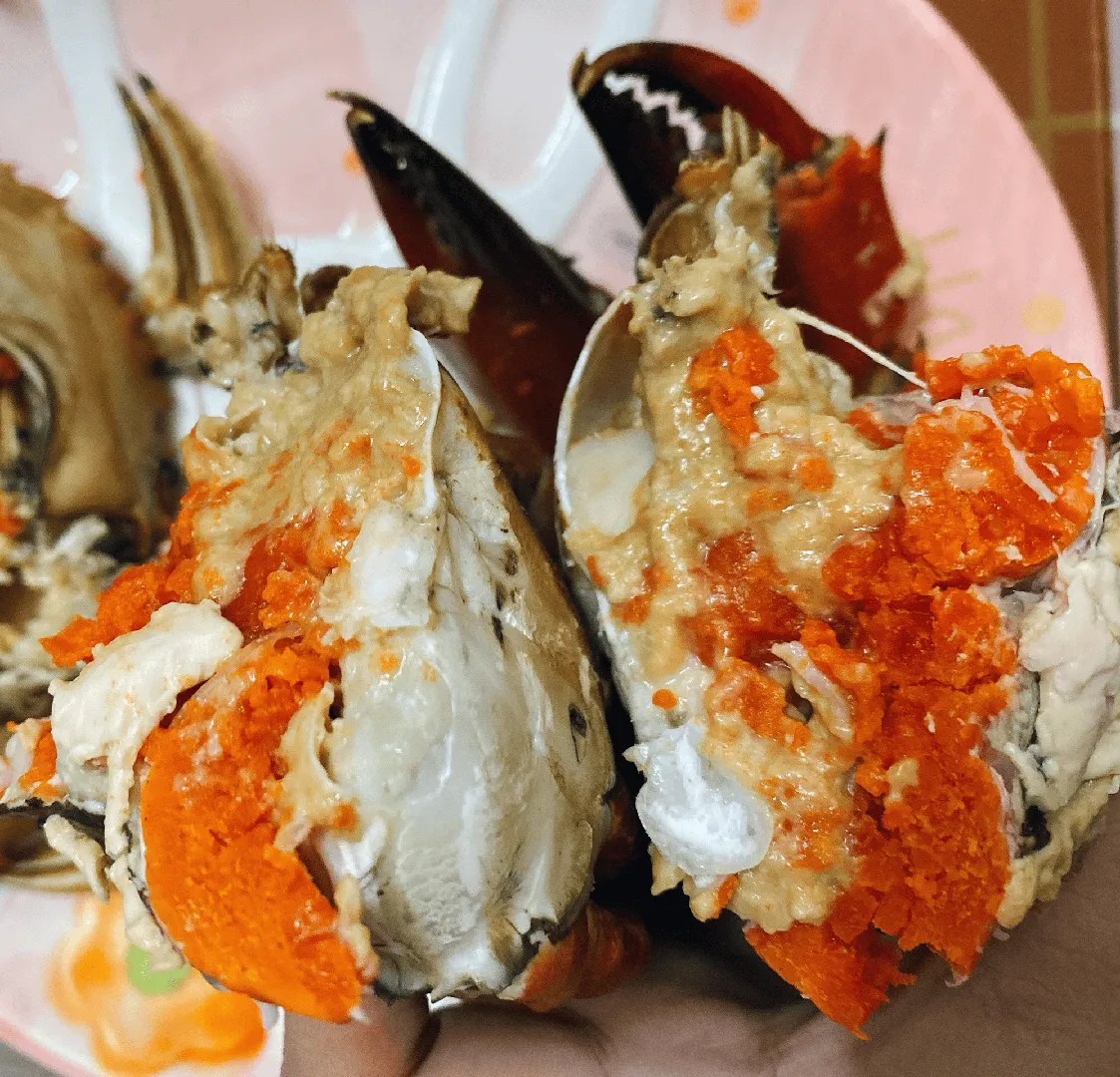
Ca Mau Roe Mud Crab
Ca Mau Roe Mud Crab
A female mud crab known for deep orange roe and a rich, creamy finish, often featured in celebratory Southern Vietnamese seafood meals.
Where every ingredient captures the essence of the wind and tides, weaving a vibrant culinary tapestry of the Mekong region.
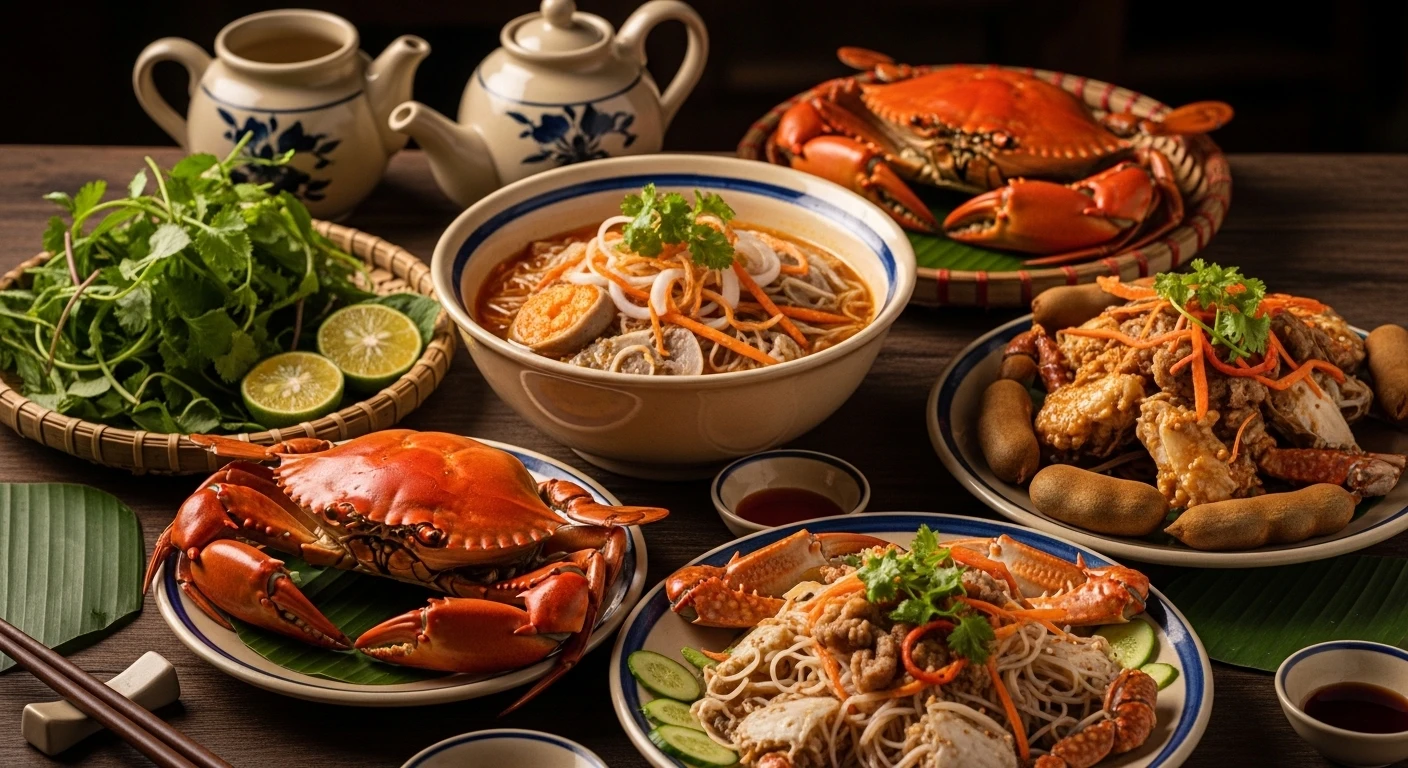
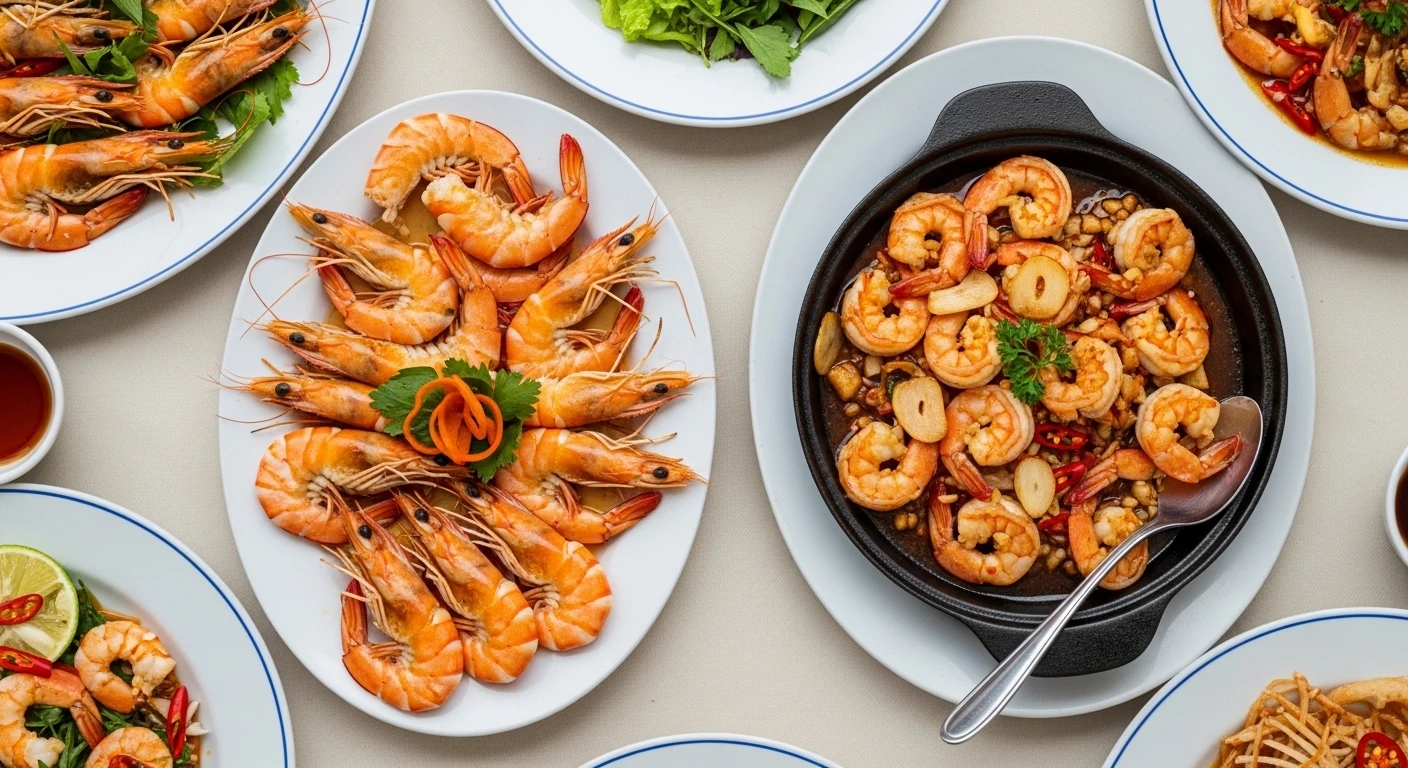
📸 A feast from the Mekong: Simplicity and flavor.
3 Australia's Coastal Pride: Premium Seafood
Australia is blessed with an extensive coastline and a deep-sea fishing heritage. When it comes to crab, the nation boasts several highly sought-after species, primarily the Australian mud crab (Scylla serrata) and the blue swimmer crab (Portunus pelagicus). These are often positioned as premium seafood, celebrated for their quality, size, and the clarity of their flavor.
Flavor Profile: Australian mud crabs share the 'mud crab' name with their Vietnamese cousins but often present a cleaner, more pronounced sweetness. The flesh is firm and moist, with a less pronounced earthy quality than its Mekong Delta counterpart, a reflection of its pristine ocean environment. Blue swimmer crabs, while smaller, are prized for their delicate, sweet flesh, particularly in the legs and body.
Sourcing & Sustainability: Australia places a strong emphasis on sustainable fishing practices, with strict quotas and regulations governing the harvest of crabs. This ensures the long-term health of the stocks and commands a premium price for consumers. The image of a glistening, perfectly cooked crab on a white tablecloth or a casual beach barbecue is iconic.
Cooking Traditions: Grilling and steaming are paramount, often served with minimal fuss – perhaps a lemon wedge or a simple garlic butter sauce. The focus is on the crab itself. Blue swimmer crabs are famously used in seafood platters, and their sweet meat is a star in seafood salads and pasta dishes. The Australian mud crab is a showstopper, often presented whole, highlighting its impressive size and robust claws.
Texture and Meat Quality: The texture is typically very firm and clean. Australian mud crab meat is prized for its substantial flake and sweetness. Blue swimmers are more delicate, requiring careful cooking to preserve their subtle flavors. Both are celebrated for their high quality, making them a staple in fine dining and special occasions.
4 The Crab-Off: Flavor, Texture, and Habitat
So, how do they truly stack up? It’s not a matter of one being "better" than the other, but rather appreciating their distinct characteristics, forged by their environments.
Mekong Delta Mud Crab:
- Habitat: Brackish mangroves, river systems, extensive canal networks.
- Flavor: Deep, complex sweetness with subtle earthy/mineral notes.
- Texture: Dense, firm, very satisfying chew. Roe is rich and creamy.
- Cultural Role: Staple, livelihood, accessible, everyday luxury.
- Primary Cooking: Steaming, grilling, soups, stir-fries with bold sauces.
Australian Crab (Mud & Blue Swimmer):
- Habitat: Coastal waters, pristine marine environments, estuaries.
- Flavor: Clean, pure sweetness, less earthy influence.
- Texture: Firm, moist (mud crab); delicate, sweet (blue swimmer).
- Cultural Role: Celebrated delicacy, premium offering, special occasions.
- Primary Cooking: Steaming, grilling, seafood platters, delicate dishes.
The Vietnamese mud crab offers a more robust, integrated flavor profile that speaks directly to its environment. The Australian crab, particularly the mud crab, presents a cleaner, more refined sweetness, a direct reflection of its pure marine origin. Both are exceptional, but they satisfy different cravings. The delta crab is the soulful storyteller; the Australian crab is the elegant ambassador.
5 Cultural Insights: From Market to Table
The way crab is consumed and perceived is deeply rooted in local culture. In the Mekong Delta, the daily rhythm is dictated by the tides and the catch. Markets bustle with activity, vendors expertly grading crabs, the air thick with the scent of fresh seafood and aromatic herbs. Families gather for communal meals, where crab is often the centerpiece, shared with gusto. It's accessible, though prized, forming part of the everyday culinary fabric.
In Australia, while casual crab feasts are a cherished tradition, the crab often carries an air of sophistication. It graces menus in high-end restaurants and is a star attraction at seafood buffets. The emphasis on sustainability and quality means it's often positioned as a premium product, an indulgence for celebratory moments. The ritual around ordering and savoring a whole crab, often with accompaniments like a crisp white wine, speaks to its status as a refined delicacy.
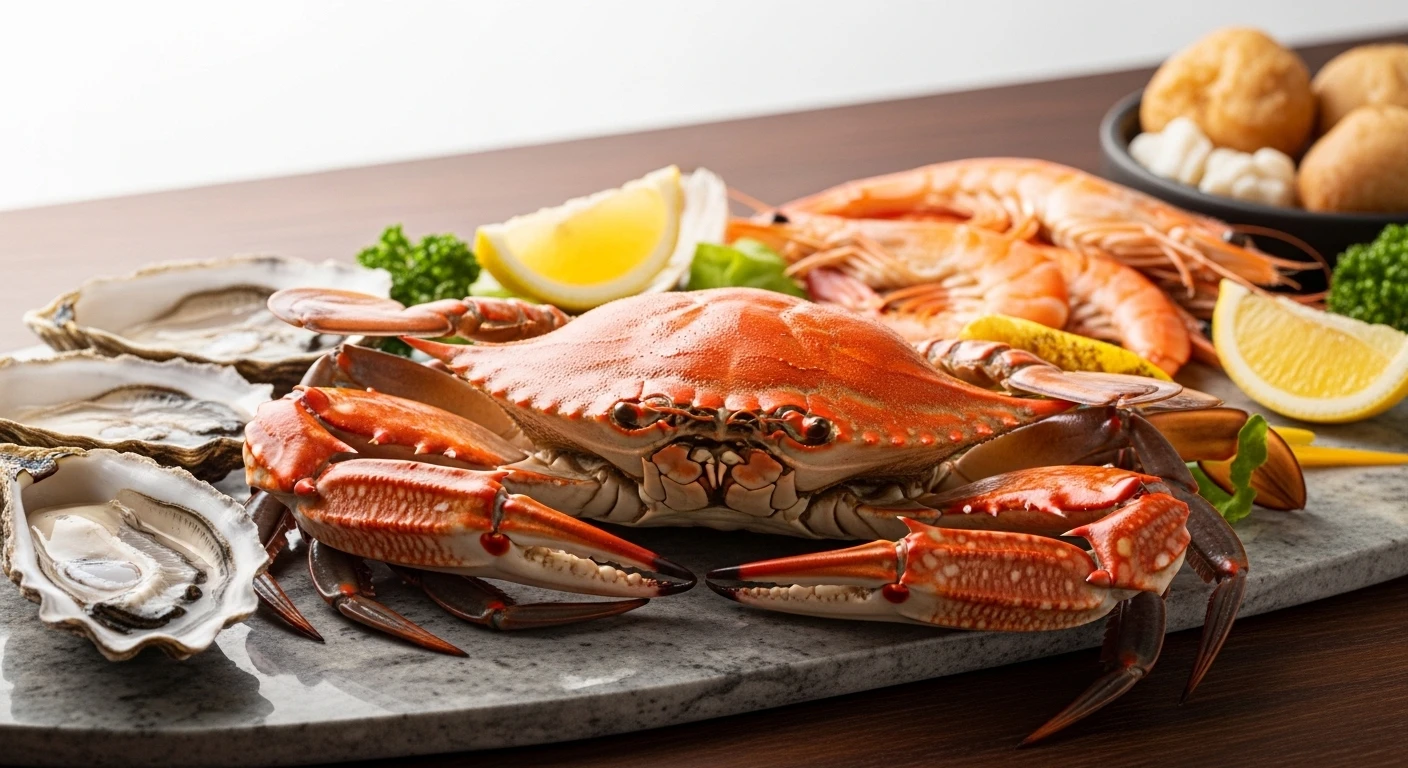
📸 A taste of Australia: Pristine seafood presentation.
This cultural difference shapes not just how crabs are prepared but also how they are valued. The Mekong Delta’s crab is a celebration of resourcefulness and natural abundance, deeply tied to the land and water. Australia's crab is a testament to its rich marine ecosystem and a commitment to delivering world-class seafood experiences.
6 Why Vietnam's Crab Deserves Your Attention
For the discerning seafood lover in Australia, or anywhere in the world for that matter, exploring Vietnamese crab, particularly the mud crab of the Mekong Delta, offers a unique and compelling dimension to your culinary journey. It’s not about replacing your beloved Australian favorites, but about expanding your palate and understanding of what makes crab so universally cherished.
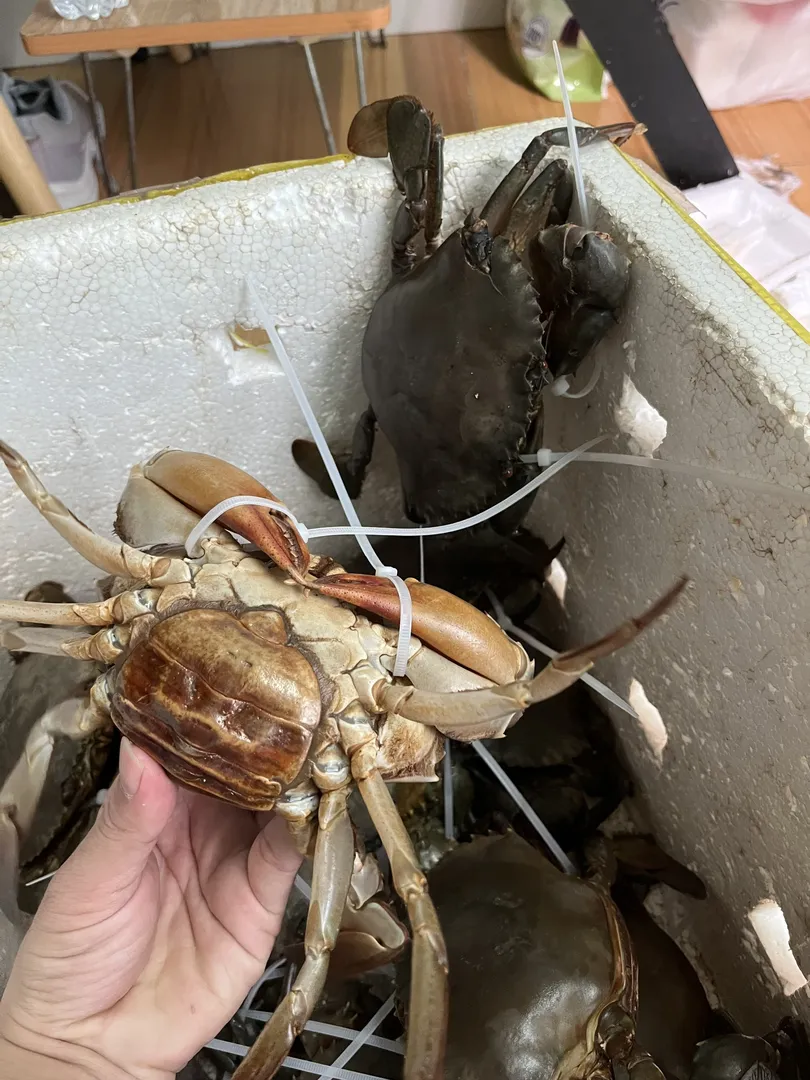
Heritage Ingredient
Young Roe Mud Crab (Virgin Crab)
Young Roe Mud Crab (Virgin Crab)
A young female mud crab identified before full spawning, offering a balance of sweet meat and light roe that sits between meat crab and roe crab styles.
Where every ingredient captures the essence of the wind and tides, weaving a vibrant culinary tapestry of the Mekong region.
The distinct terroir of Ca Mau, the intricate flavors derived from its mangrove-rich environment, the cultural significance, and the often more accessible price point make it an incredible value proposition. Imagine tasting a crab whose flavor is as nuanced as the complex waterways it calls home. It's an adventure for the senses, a chance to connect with a food culture that respects its ingredients profoundly, often through the simplest, most honest cooking methods.
Traveling to the Mekong Delta and experiencing crab in its natural habitat – from humble roadside eateries to vibrant floating markets – is an immersion into a way of life. It’s about understanding the journey from the muddy waters to your plate, and appreciating the skill and dedication of the people who bring it to you. It’s an experience that nourishes the soul as much as the body.
7 Beyond Ca Mau: Exploring Southern Vietnamese Crab Traditions
While Ca Mau is the undisputed king of Vietnamese mud crabs, the entire southern region, known as the 'Rice Bowl' of Vietnam and often referred to by its historical designation Dong Bang Song Cuu Long (Mekong River Delta), is a hub for exquisite crab cuisine. Coastal provinces and riverine communities alike have developed unique ways to celebrate this versatile shellfish.
From the famous crab hot pot (Lẩu cua đồng), a rich, savory broth simmered with crab meat and herbs, to the addictive crab noodle soup (Bún riêu cua), where the crab provides the soul of the dish, the ingenuity is astounding. Even simple preparations like steamed crab with ginger and scallions, or stir-fried crab with tamarind sauce (Cua rang me), highlight the sweetness and texture of the local catch. Each dish tells a story of local ingredients, family traditions, and the enduring love affair between Vietnamese people and their seafood.
8 Your Next Crab Adventure
Whether you're a seasoned seafood aficionado or a curious foodie looking to expand your horizons, the world of crab offers a delicious journey. If you've savored the pristine, clean flavors of Australian crab, I wholeheartedly encourage you to seek out the complex, soulful sweetness of the Mekong Delta's mud crab.
Consider a trip to Vietnam, a country where food is not just sustenance but an integral part of the culture, hospitality, and daily life. Exploring the markets, talking to fishermen, and dining at local establishments will offer an unparalleled appreciation for this magnificent crustacean. The delta awaits, ready to share its treasures, one delicious crab at a time.