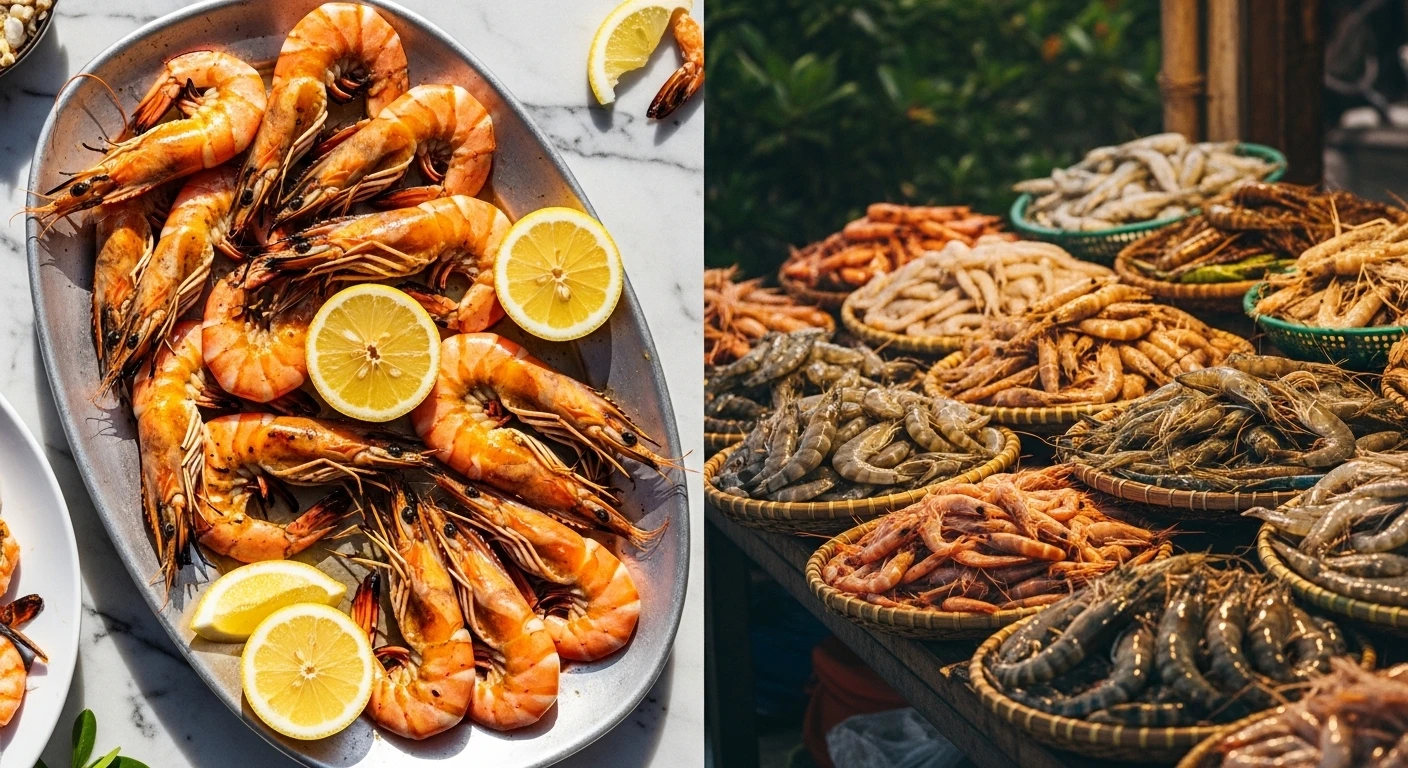
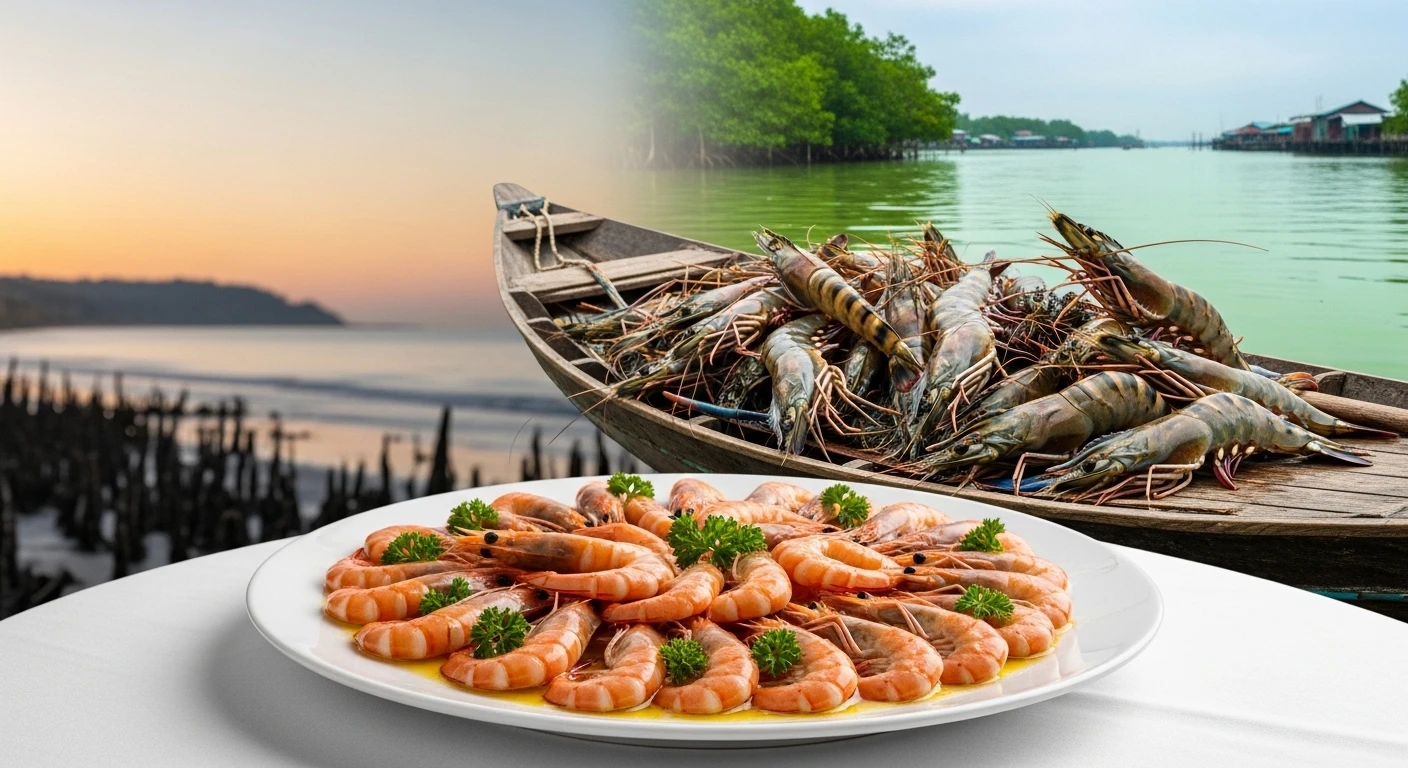
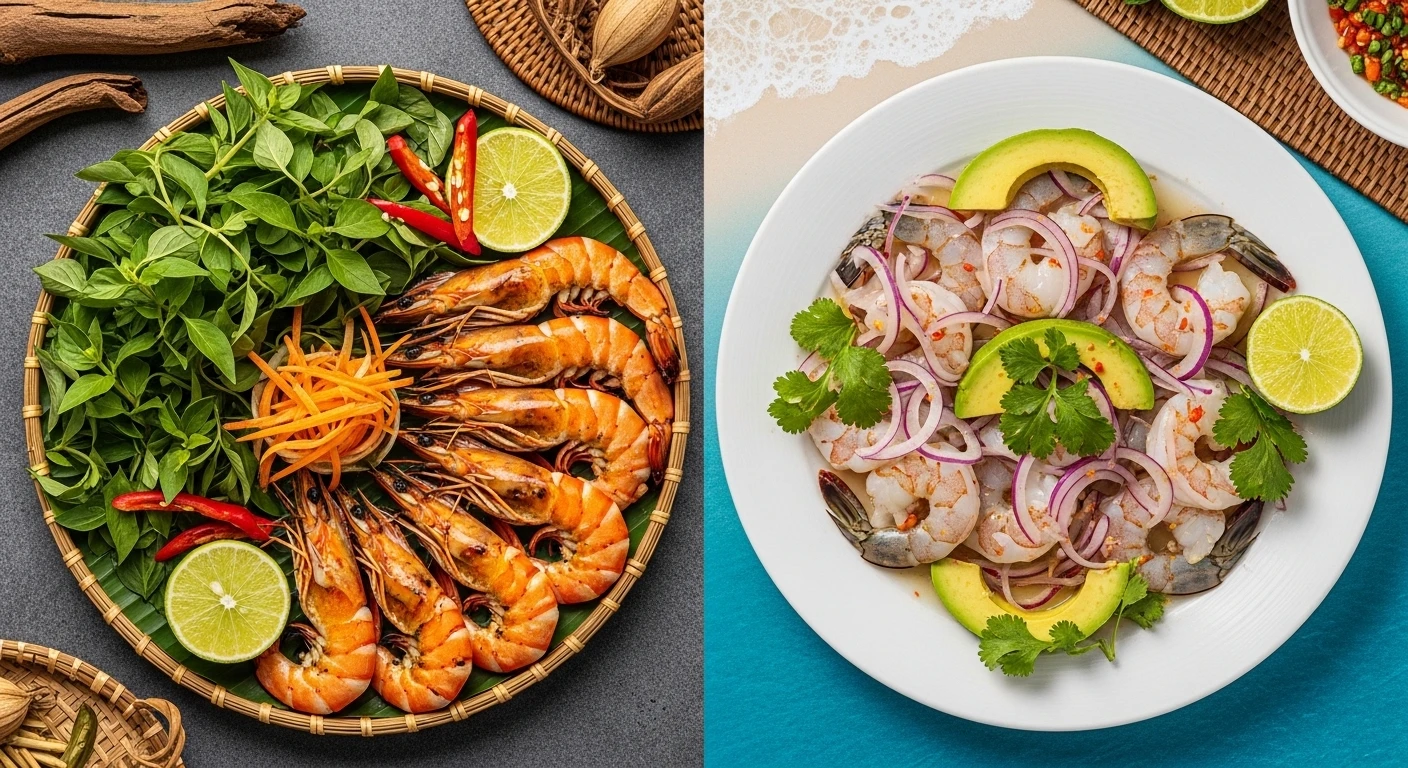
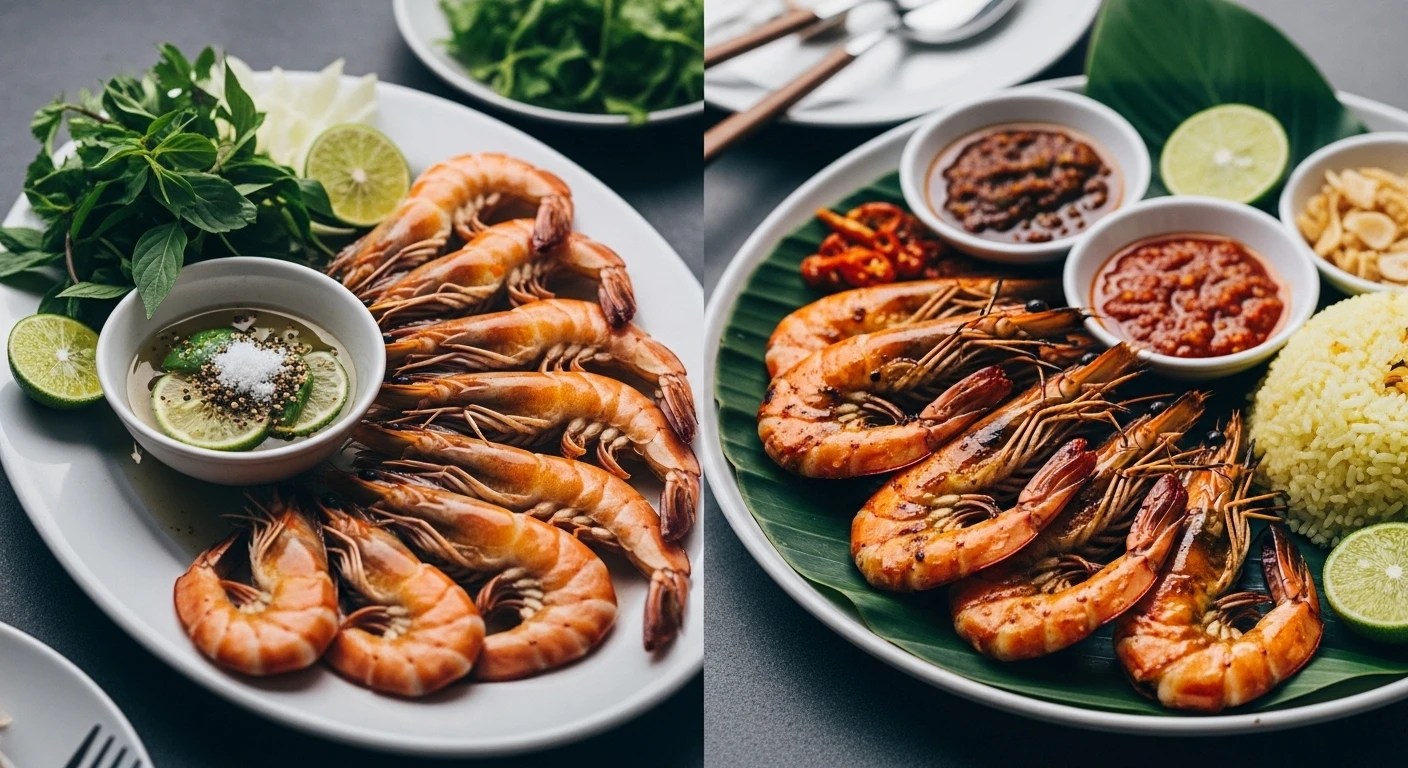
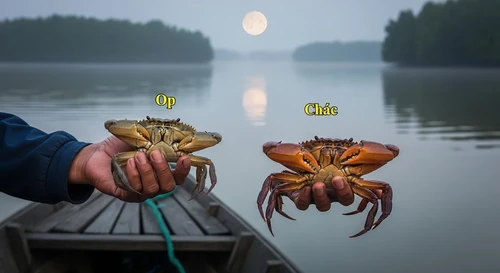
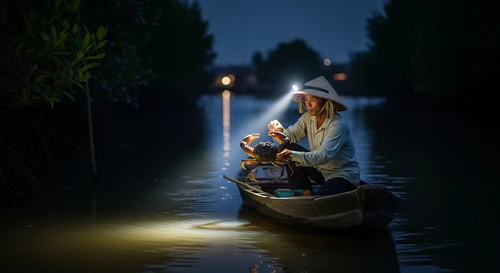
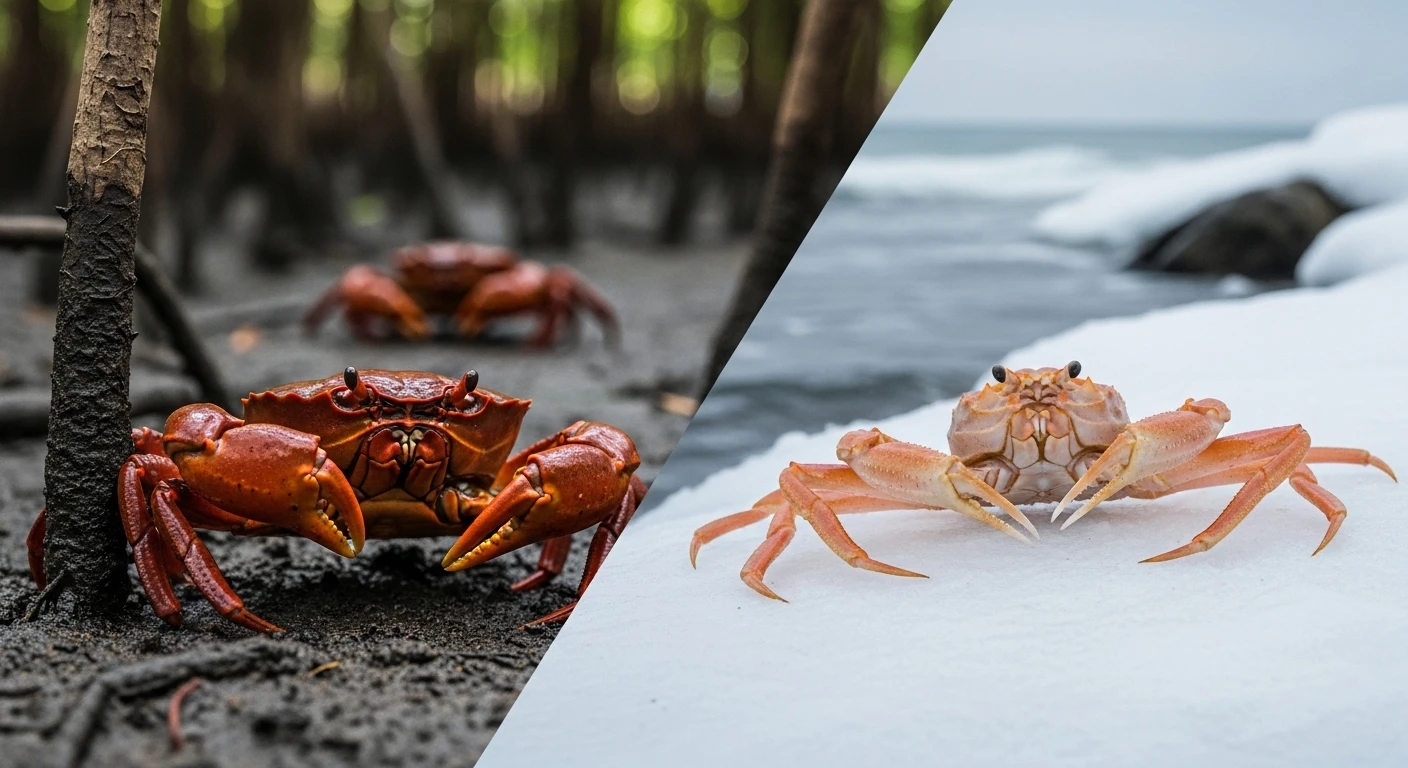
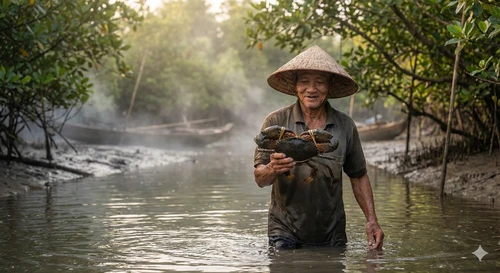
" To truly understand shrimp, you must understand its journey: from the murky, mangrove-lined waters of the Mekong to the sun-drenched Pacific coastlines of Mexico. Each tells a story. "
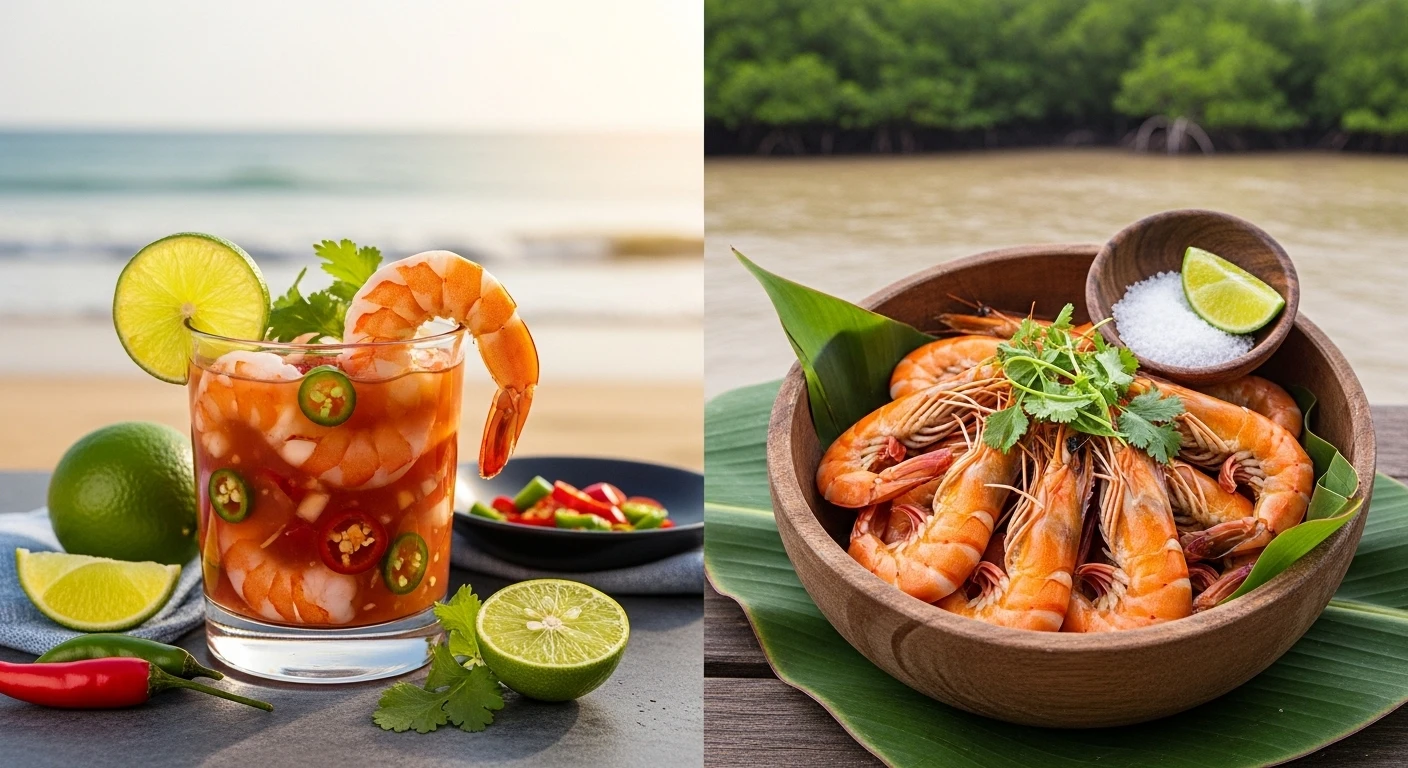
📸 Two worlds, one culinary bridge: The vibrant bounty of Vietnam and Mexico.
1 The Mexican Tide: A Symphony of Citrus and Spice
Step onto any Mexican coastline, from Baja California to the Yucatán, and the scent of shrimp hangs heavy in the air. Shrimp here isn't just sustenance; it's a fiesta, a daily celebration. The iconic Coctel de Camarones is a testament to this. Picture plump, often boiled shrimp, swimming in a chilled, vibrant broth of tomato, lime, and a generous kick of hot sauce. It’s cool, refreshing, and zesty – a perfect antidote to the sun.
Then there are the Tacos de Camarones. These are less about the subtle sweetness of the shrimp and more about its textural contrast and its ability to carry bold flavors. Fried shrimp tacos, often featuring a crispy batter, are popular, especially in the northwest. The shrimp is paired with shredded cabbage, crema, salsa, and a crucial squeeze of lime. It’s a flavor explosion, where the shrimp is a vital component, but part of a much larger, dynamic ensemble.
Mexican shrimp, particularly from the Pacific, often have a firm, almost snappy texture. Their flavor profile leans towards the briny, sea-kissed essence of marine life, ready to be uplifted by the acidic dance of lime and the fiery embrace of chili. It's a cuisine that celebrates the ingredient by adorning it, harmonizing it with complementary, often dominant, partners.
2 The Mekong Delta Current: Purity, Terroir, and Umami
Venture into Vietnam's Mekong Delta, and the shrimp story shifts. Here, in the vast network of rivers, canals, and mangrove forests, shrimp cultivation is deeply intertwined with the ecosystem. Ca Mau, the southernmost province, is synonymous with premium shrimp, particularly the black tiger shrimp. These aren't just any shrimp; they're grown in brackish waters, often within integrated mangrove aquaculture systems, which imparts a distinct, clean sweetness and a firm, succulent texture that is hard to replicate.
Mekong shrimp traditions favor a lighter, ingredient-led approach. The goal is often to showcase the shrimp's natural sweetness, its subtle umami, and its pristine flavor. Think of simple preparations: steamed, grilled, or incorporated into light broths and stir-fries. The emphasis is on quality, freshness, and allowing the inherent taste of the Mekong to shine through.
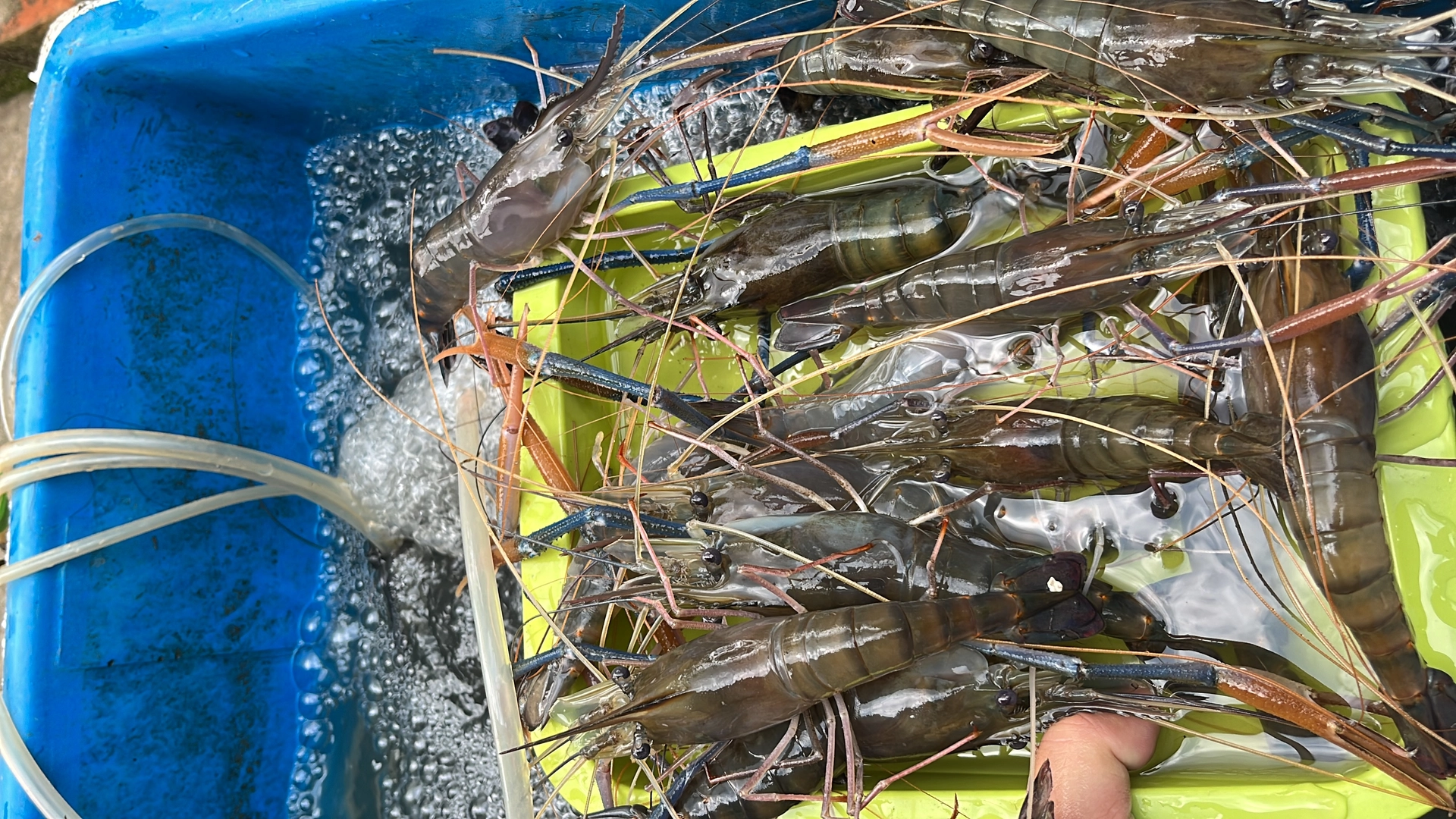
Consider the Mekong giant freshwater prawn (tom cang). With its long, striking blue claws and rich head fat, it’s a creature of the rivers, not the sea. Grilled to perfection, its sweet, delicate meat is often enhanced by a whisper of garlic or a simple dipping sauce, allowing its luxurious flavor to take center stage. This is a stark contrast to the bold mariachi band of Mexican flavors; this is a solo violin performance, pure and exquisite.
Heritage Ingredient
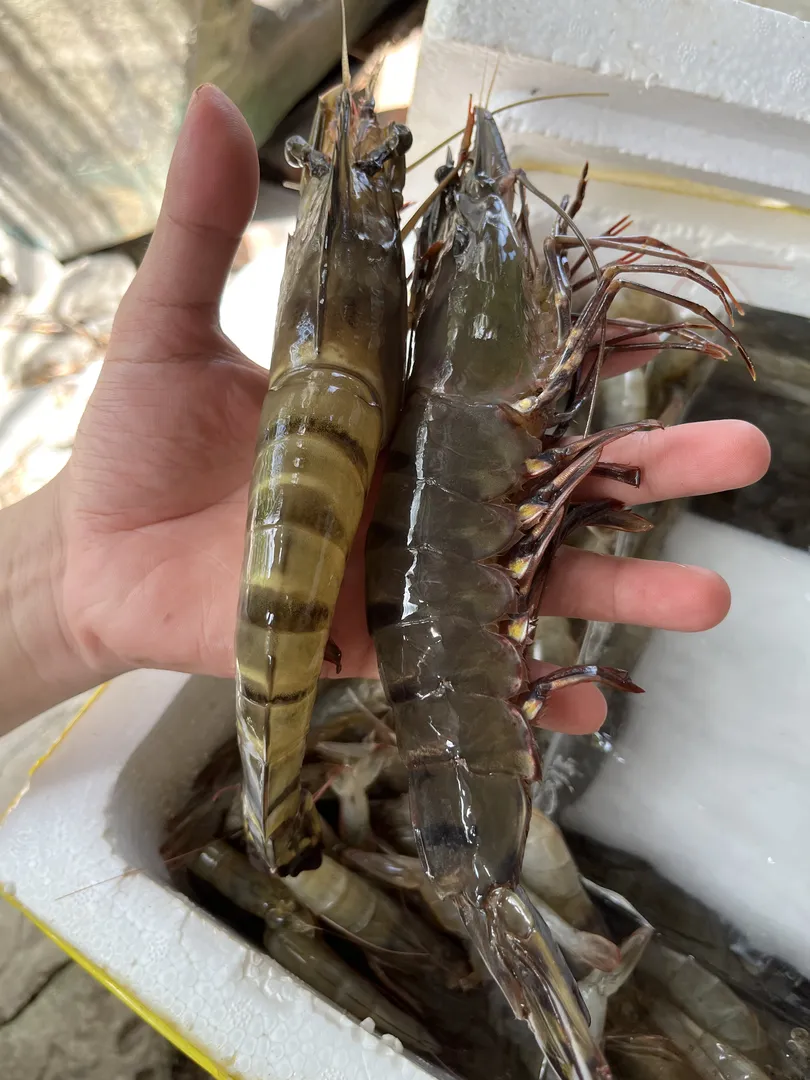
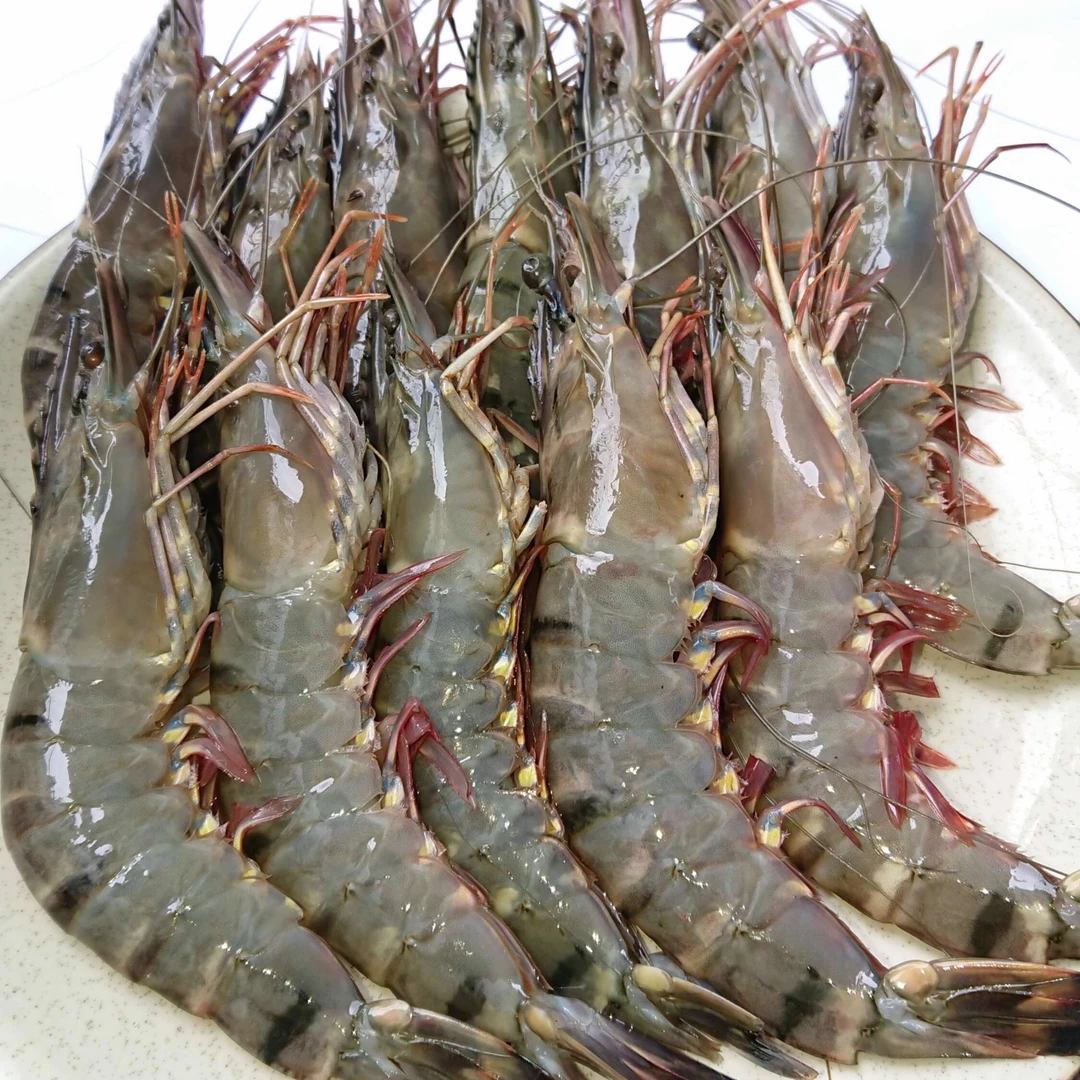
Ca Mau Black Tiger Shrimp
Ca Mau Black Tiger Shrimp
Large black tiger shrimp associated with mangrove aquaculture in Ca Mau, known for firm flesh and a cleaner, sweeter finish than intensively farmed shrimp.
Wild spirits of the mangroves, these black-banded gems deliver a firm, snappy texture and a sweetness that echoes the forest's vibrant life.
Heritage Ingredient
Mekong Giant Freshwater Prawn
Mekong Giant Freshwater Prawn
A river prawn with long blue claws and rich head fat, common in grilled prawn dishes and hotpot traditions across the Mekong basin.
Majestic blue-clawed warriors of the Mekong, famous for their rich, fatty heads and a savory depth that captures the essence of the delta's rivers.
Heritage Ingredient
Whiteleg Shrimp
Whiteleg Shrimp
A widely used shrimp in Vietnamese home kitchens, suitable for stir-fries, soups, steamed dishes, and practical cooking articles that need a familiar shrimp reference.
Translucent jewels of the coast, thin-shelled and remarkably sweet, making every simple home meal feel like a seaside celebration.
3 Flavor Philosophies: Adornment vs. Revelation
The most striking difference lies in their culinary philosophies. Mexican shrimp culture often sees shrimp as a canvas for vibrant, complex flavor profiles. Lime, cilantro, garlic, chili, tomato – these are not mere accompaniments; they are integral to the dish's identity. A Mexican shrimp dish is a statement, a celebration of bold, assertive tastes that awaken the palate.
In contrast, Vietnamese shrimp cookery, particularly in the Mekong, champions subtlety. The focus is on revealing the shrimp's inherent qualities. Seasonings are often minimal, allowing the natural sweetness, the clean brininess of the black tiger shrimp, or the rich umami of the freshwater prawn's head fat to be the star. Dipping sauces, when used, are typically lighter: a simple blend of lime juice, salt, and pepper; or a more complex nuoc mam (fish sauce) based concoction that enhances rather than masks.
This isn't to say one is "better" than the other. Both are triumphs of their respective environments and cultures. Mexico’s approach is a joyous, festive outpouring of flavor, a culinary party. Vietnam’s is a refined, almost meditative appreciation of purity and origin, a respect for the ingredient's true essence.
4 Terroir and Tradition: From Pacific Shores to Delta Channels
The "terroir" of shrimp—the environmental factors that shape its flavor—is fundamentally different. Mexican shrimp are largely marine, harvested from the Pacific or the Gulf of Mexico. They swim in open waters, absorbing the briny essence of the sea, which translates into their characteristic flavor and firm texture. Their culinary traditions are shaped by generations of coastal living, where seafood is abundant and influences spice palettes deeply rooted in Spanish and indigenous heritage.
Mekong Delta shrimp, however, hail from a complex network of freshwater rivers and brackish mangrove estuaries. This unique environment, rich in organic matter and influenced by tidal shifts, cultivates a different kind of sweetness. The black tiger shrimp, particularly those farmed in harmony with mangroves, develop a cleaner, more delicate flavor profile, often with a satisfying chew. Giant freshwater prawns are born in the rivers, their taste a testament to the nutrient-rich waterways of Western Vietnam. The culinary traditions here are deeply influenced by the riverine lifestyle, with an emphasis on freshness and communal dining.
5 The Humble Shrimp: A Symbol of Culture
In both Mexico and Vietnam, shrimp transcend their status as mere food. They become symbols of hospitality, celebration, and connection to the land and sea. In Mexico, a large platter of shrimp cocktail served with tostadas is the centerpiece of many family gatherings and restaurant meals. It’s about abundance, generosity, and the joyous sharing of coastal bounty.
In the Mekong Delta, shrimp are a cornerstone of the economy and daily life. Markets overflow with their vibrant colors, and every meal, from a humble breakfast noodle soup to an elaborate banquet, often features them. The preparation is usually straightforward, designed to be shared family-style – a testament to communal eating. Whether it's a perfectly steamed platter or a simple grill, the emphasis remains on the ingredient itself, an embodiment of the region's rich aquatic heritage.
6 When to Choose Which? A Practical Guide
If you're craving a dish that sings with bright, zesty, and spicy notes, where the shrimp plays a crucial but integrated role in a symphony of flavors, turn to Mexican inspiration. Think ceviches, spicy shrimp tacos, or that cooling, tomato-based shrimp cocktail. These dishes are perfect for parties, outdoor gatherings, or when you want a meal that feels like a vibrant fiesta.
However, if your palate seeks purity, a clean sweetness, a subtle brininess, and a texture that speaks of its unique origin, then Vietnamese shrimp, especially from the Mekong Delta, are your calling. Opt for simple preparations like steamed black tiger shrimp with lime salt, grilled giant freshwater prawns, or shrimp in a delicate pho broth. These dishes are ideal for appreciating the unadulterated flavor of premium seafood and understanding the nuanced culinary landscape of Vietnam.
7 Beyond the Plate: The Mekong Delta Experience
The journey for Vietnamese shrimp doesn't end at the market or on the plate. Visiting the Mekong Delta offers a unique opportunity to see these incredible creatures in their element. Imagine navigating the intricate network of canals by boat, passing by floating villages where shrimp farming is a way of life. The air is thick with humidity, the scent of the river, and the promise of fresh, vibrant seafood.
In regions like Ca Mau, you can witness mangrove-integrated shrimp farms, a sustainable practice that preserves vital ecosystems while producing some of the world's finest shrimp. Engaging with local communities, tasting freshly caught and prepared shrimp at a riverside eatery, or exploring bustling floating markets provides an immersive understanding of the deep connection between the people, the environment, and their cherished shrimp culture. It’s a travel experience that nourishes both body and soul.
8 Final Thoughts: A Global Appreciation
Mexico and Vietnam, separated by vast oceans, share an undeniable passion for shrimp. Mexico's approach is a vibrant, joyful celebration of bold flavors and festive gatherings, deeply rooted in its coastal heritage and love for citrus and spice. Vietnam, particularly the Mekong Delta, offers a more refined journey, emphasizing the pristine sweetness, unique terroir, and pure, unadorned essence of its freshwater and brackish water treasures.
For the global traveler and food enthusiast, both offer unparalleled culinary adventures. Understanding these differences enriches our appreciation for the world's diverse seafood traditions. While Mexico captivates with its zesty parties, Vietnam whispers tales of purity and origin, inviting us to savor the subtle complexities of its delta-grown treasures. So, next time you choose shrimp, consider the journey – the journey from the ocean's embrace or the river's gentle flow – and the distinct cultural stories they tell.