" There's a particular kind of magic that settles over the Mekong Delta when the sun slinks below the horizon. The cacophony of the day softens, replaced by the symphony of crickets, the gentle lapping of water, and the distant hum of a lone boat engine. This is when the real adventure begins. "
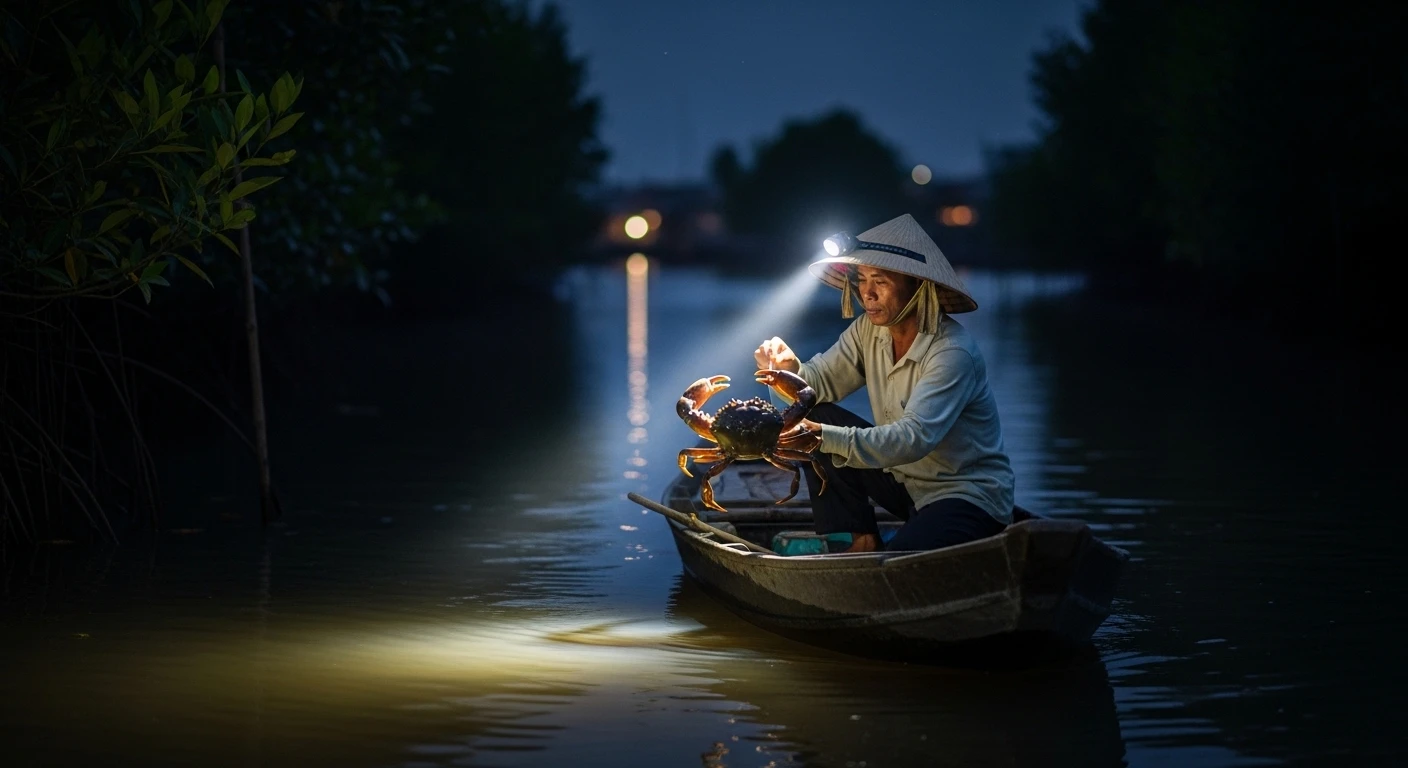
📸 The beam of a headlamp cuts through the delta darkness, illuminating the night's bounty.
1 The Delta's Nocturnal Embrace: A World Transformed
Forget the vibrant green rice paddies and bustling markets of daylight. As dusk paints the sky in fiery hues, a different Mekong Delta emerges. The air cools, carrying the scent of damp earth and blooming night jasmine. The river, a bustling highway by day, becomes a silent, reflective mirror for the countless stars that begin to pepper the vast, inky canvas above.
It's a world stripped bare of its daytime distractions, where your senses sharpen, and the rhythm of life slows to a patient hum. This transformation isn't just aesthetic; it's a call to those seeking a deeper connection with the delta's wild heart, where the most prized catches prefer to roam under the cloak of night.
2 The Elusive Prize: Mekong Mud Crabs
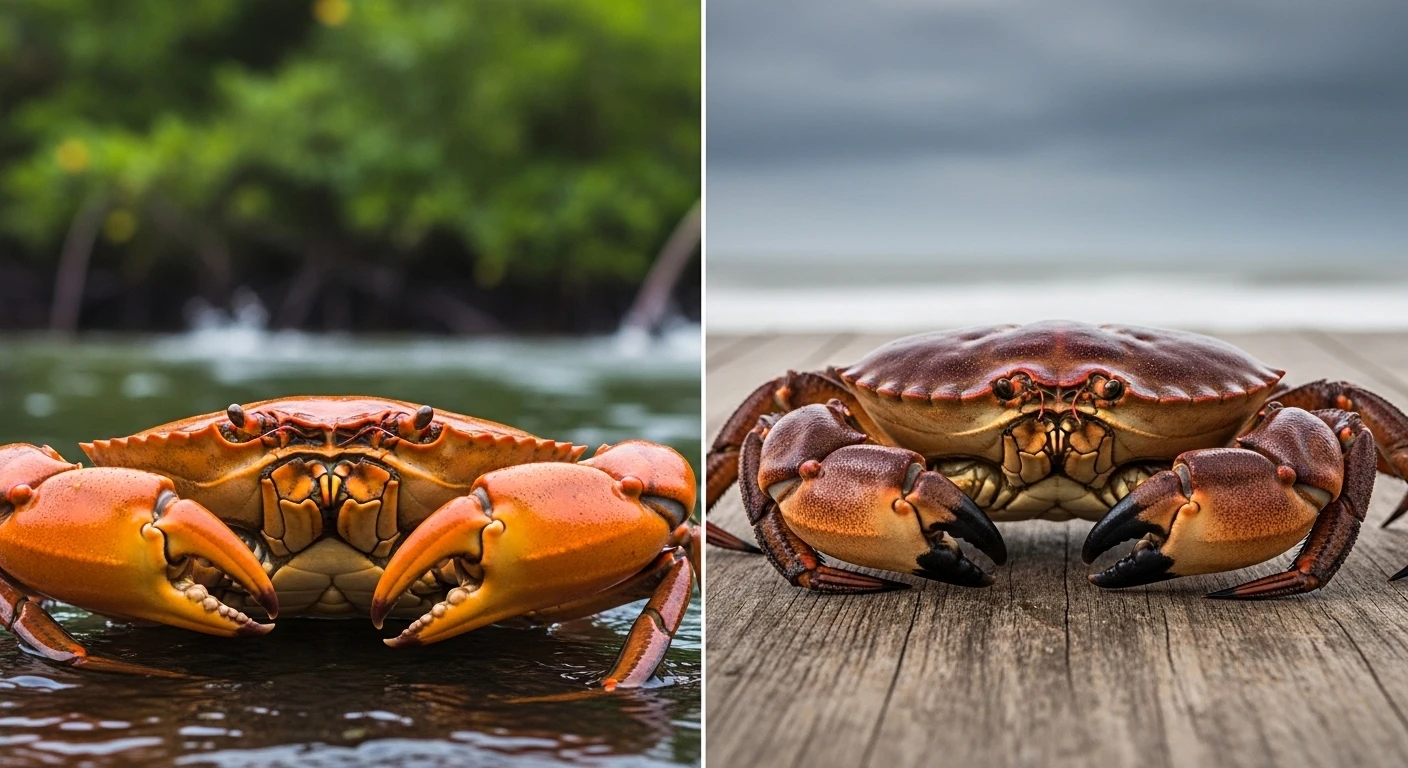
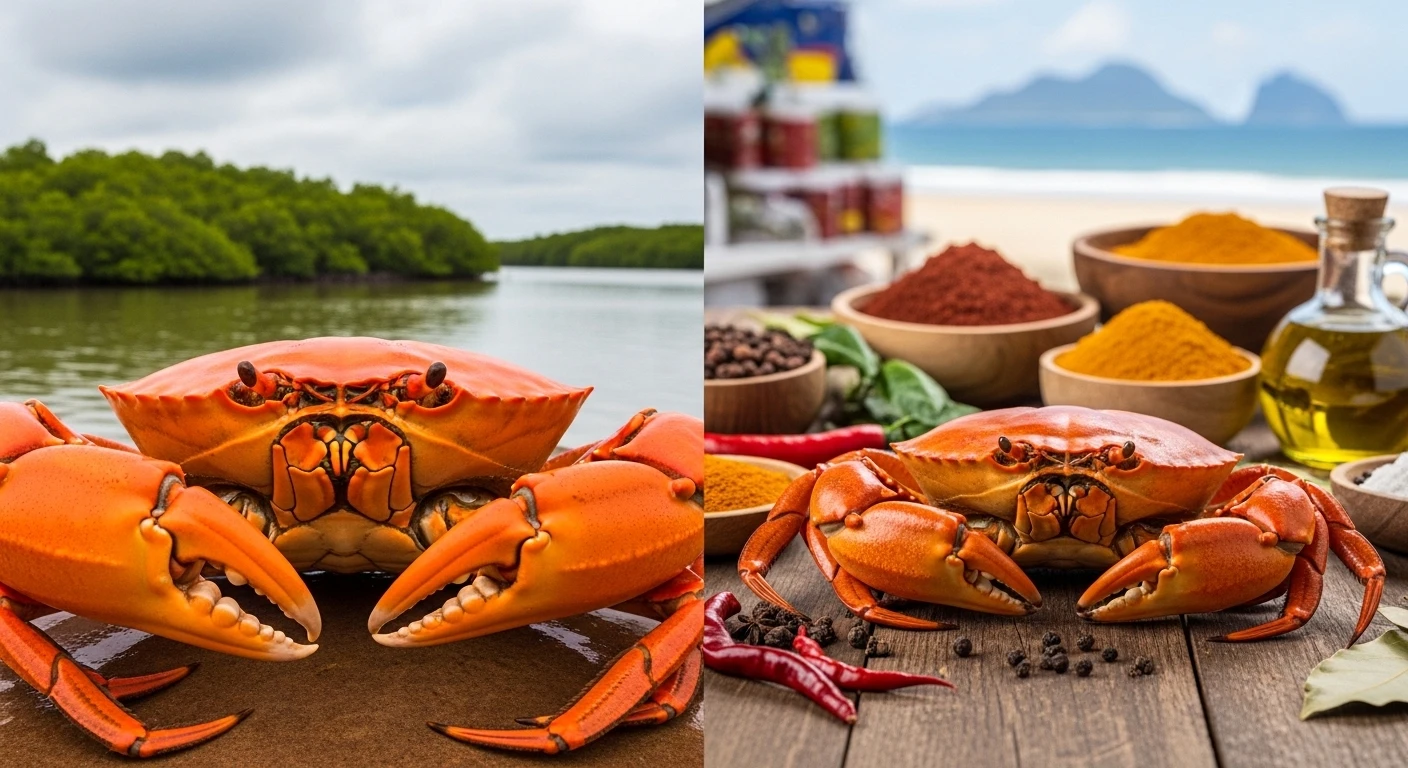
Our target tonight is the formidable Mekong mud crab. These aren't your dainty blue swimmers; we're talking about robust, meaty crustaceans with shells as dark as the delta mud they inhabit and powerful claws capable of a serious pinch. They thrive in the brackish waters where freshwater meets the sea, particularly abundant in provinces like Ca Mau, Vietnam's southernmost tip, renowned for its rich mangrove forests.
What makes them a nocturnal delicacy? Like many bottom-dwellers, mud crabs are most active after dark, scuttling out from their muddy burrows to forage for food. This makes them perfectly suited for a night hunt, offering a unique challenge and a truly rewarding catch for those willing to venture into their realm.
3 The Tools of the Trade: Simplicity and Ingenuity
You won't find high-tech sonar or fancy fishing rods on this expedition. The delta fishermen rely on generations of knowledge and deceptively simple tools:
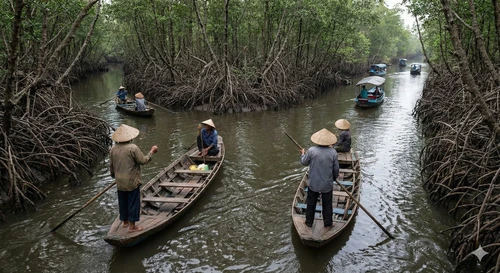
- Small Wooden Boats: Often motorized, these agile vessels navigate the narrowest canals and shallowest waters with ease.
- Headlamps or Lanterns: Essential for spotting crabs lurking in the mud or clinging to mangrove roots.
- Scoop Nets or Hand-Held Traps: For quickly scooping up or trapping the crabs once spotted. Some use small baited cages (lồng cua) left overnight.
- Bamboo Poles: Used to gently prod the banks or retrieve nets, extending the fisherman's reach.
- Gloves: An absolute must! Those crab claws are no joke.
It's a testament to the delta's way of life – making the most of what nature provides with clever, sustainable methods.
4 Into the Gloom: The Thrill of the Hunt
As your small boat glides silently through the dark, narrow waterways, guided by the experienced hand of a local fisherman, the anticipation is palpable. The only sounds are the gentle dip of paddles (if not using a motor), the rustle of mangroves, and your own hushed breathing. Your headlamp beam sweeps across the muddy banks, searching for tell-tale signs: a pair of glowing eyes, a subtle ripple in the water, or the outline of a crab camouflaged against the mud.
When a crab is spotted, the real action begins. It's a quick, precise dance between the hunter and the hunted. The fisherman, with years of practice, deftly maneuvers the boat, while you, with your net or trap, try to intercept the crab before it scuttles back into its muddy sanctuary. The moment of capture is pure exhilaration – a primal triumph against the backdrop of the wild delta night. Each successful catch adds to the shared thrill and the promise of a magnificent feast.
5 From River to Hearth: A Riverside Feast Awaits
With your bucket clanking with the night's bounty, you return to a small, often rustic, riverside homestay or restaurant. The transition from hunter to diner is almost immediate. There's an undeniable satisfaction in knowing that the succulent meat you're about to enjoy was, just an hour ago, scuttling freely in the dark waters you just navigated.
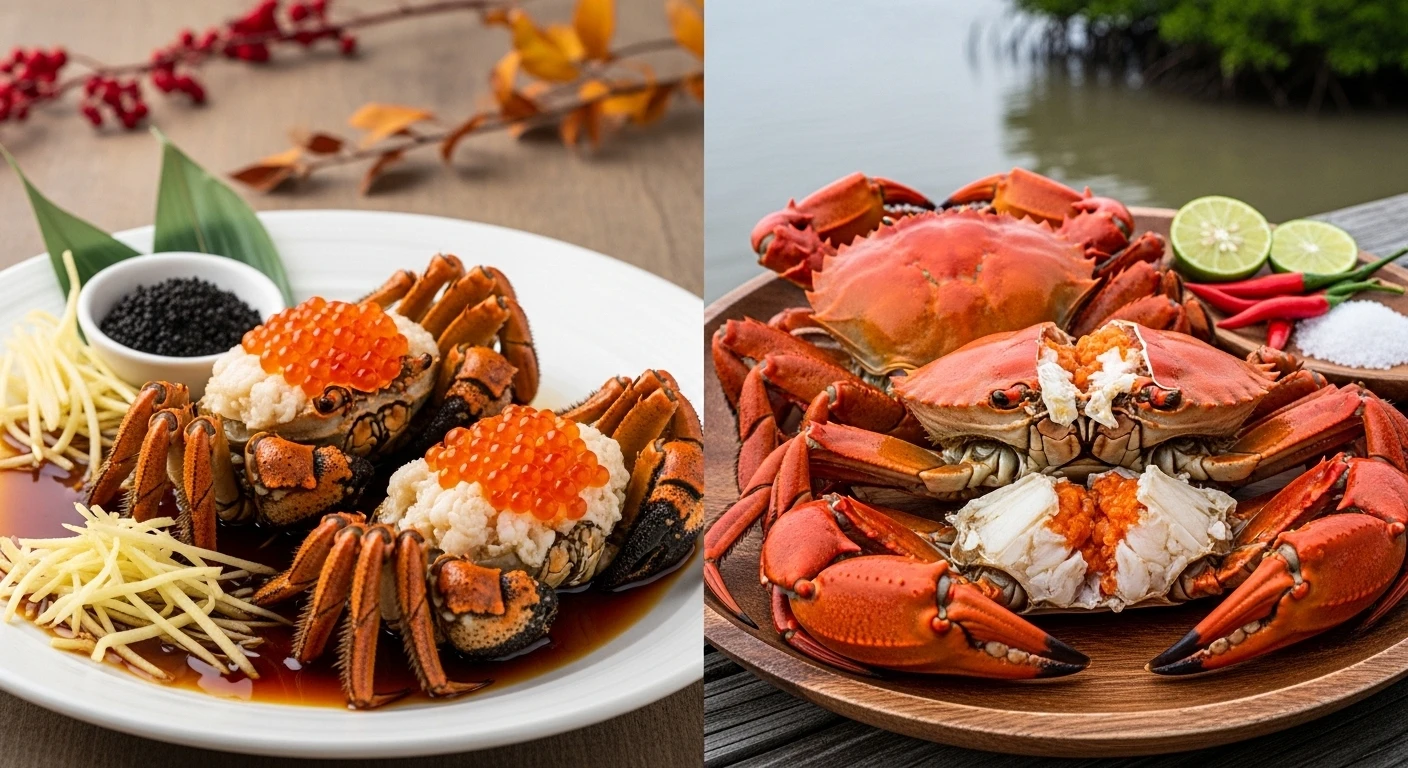
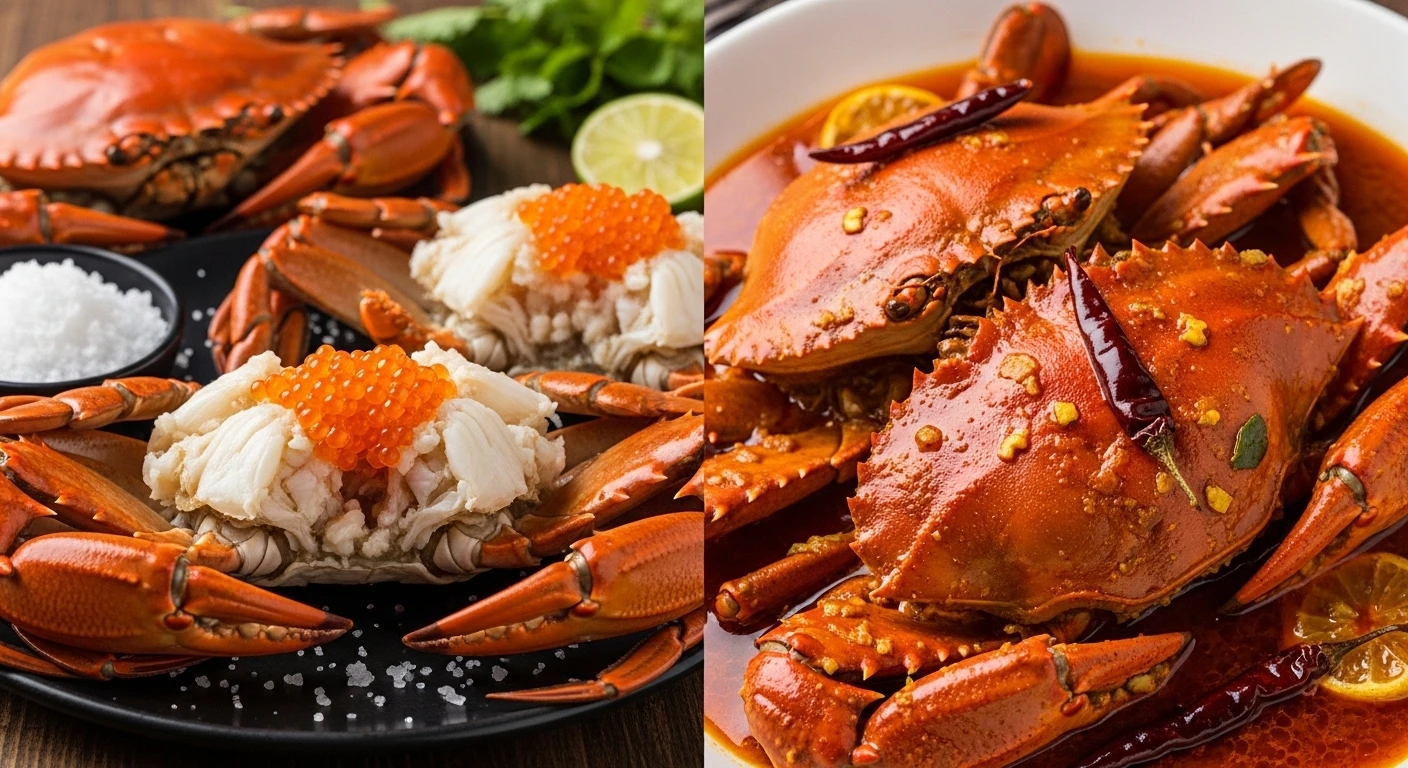
The beauty of the Mekong mud crab is its inherent sweetness and firm texture, requiring minimal adornment. Local culinary wisdom dictates that the freshest ingredients need the simplest preparations to truly shine. This is where the magic of delta cooking truly comes alive – a celebration of raw quality and time-honored techniques.
Cooking Your Mud Crab: A Symphony of Simplicity
The choice of preparation often depends on local preference and what ingredients are at hand, but the goal is always to highlight the crab's natural flavor.
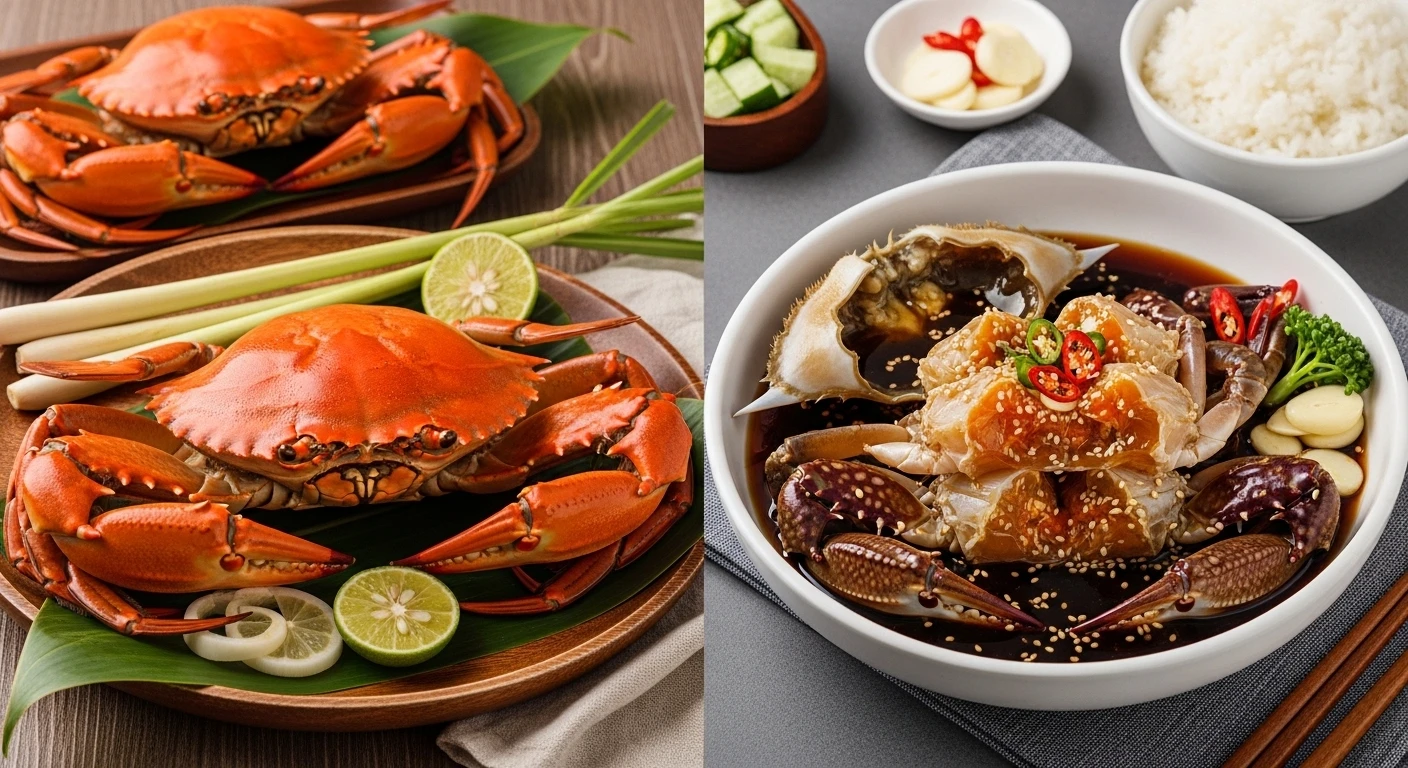
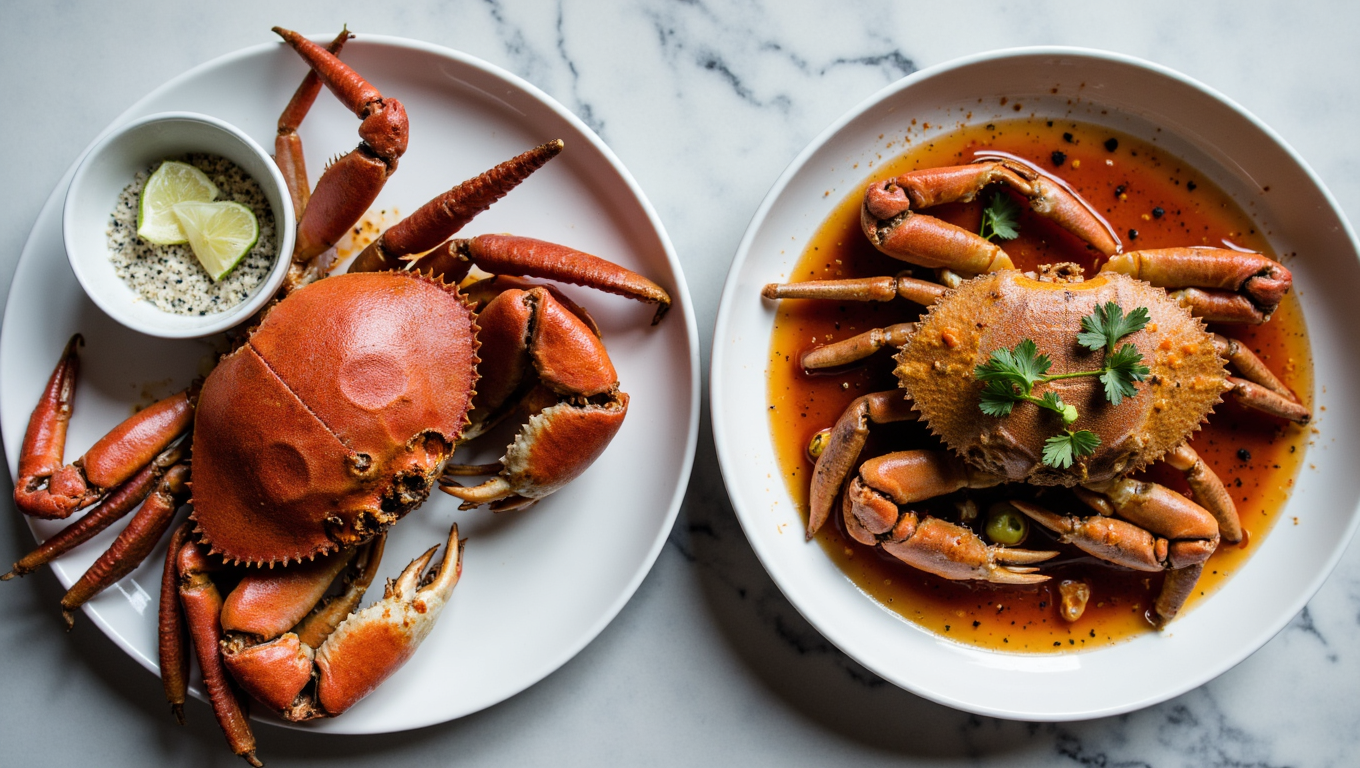
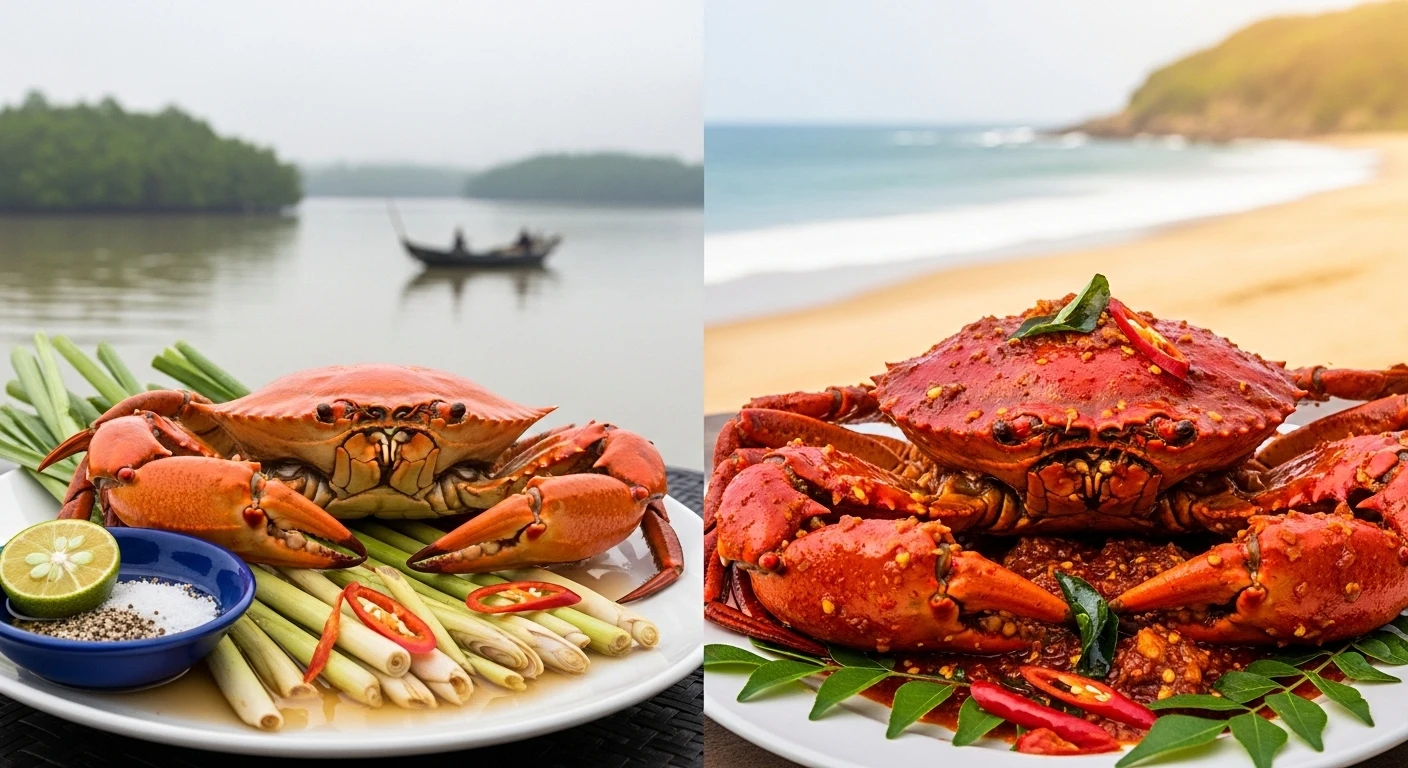
Steamed with Beer & Lemongrass
Perhaps the most iconic delta preparation. The crabs are steamed over a bed of smashed lemongrass and a can of local beer. The beer's subtle malty notes and the lemongrass's citrusy aroma infuse the crab meat, making it incredibly tender and aromatic. Read our full guide here.
- Flavor Profile: Pure, sweet, aromatic.
- Best served with: Lime, salt, and pepper dipping sauce.
Grilled over Charcoal
For a smokier, more rustic flavor, crabs are simply brushed with a touch of oil (or often, nothing at all) and grilled directly over hot charcoal. The shells crisp up, and the meat develops a delightful char. It's primitive and perfect.
- Flavor Profile: Smoky, savory, intense.
- Best served with: Green chili condensed milk sauce (muối ớt xanh).
Whichever method you choose, the reward is the same: sweet, pristine crab meat, pulled from its shell with sticky fingers and savored under the delta stars. This isn't just a meal; it's the taste of an adventure.
7 Beyond the Catch: A Deeper Connection
Night fishing for crabs in the Mekong Delta is more than just a thrilling activity; it's a window into the soul of this watery landscape. You're not just a tourist; you're an apprentice, learning from those who have lived in harmony with the river for generations. You gain an appreciation for their ingenuity, their patience, and their intimate knowledge of the delta's ebb and flow.
It's a reminder of the simple pleasures, the bounty of nature, and the warmth of human connection. Sharing a meal of freshly caught crab with your guides, under the vast delta sky, transcends language barriers and creates memories that will linger long after the last claw has been cracked.
8 Charting Your Own Course: Planning Your Nocturnal Adventure
Ready to trade the familiar for the fantastic? Here's how to embark on your own night fishing escapade:
- Where to Go: The southern provinces, particularly Ca Mau and its Nam Can district, are renowned for their abundant mud crabs and mangrove forests. Local tour operators in Can Tho or Ha Tien can arrange tours.
- When to Go: While available year-round, the dry season (November to April) generally offers more stable weather. Avoid full moon nights if you want darker conditions, though crabs can be caught anytime.
- What to Bring: Light, comfortable clothing, insect repellent (essential!), closed-toe shoes, a waterproof bag for electronics, and an open mind.
- Finding a Guide: Look for reputable eco-tourism operators or ask your guesthouse/homestay host for recommendations. Local guides are key to a safe and authentic experience.
- Embrace the Rustic: This is not a luxury cruise. Expect simple boats, basic facilities, and an authentic, hands-on experience. That's precisely where its charm lies.
" To hunt crabs in the dark heart of the Mekong Delta is to peel back a layer of Vietnam that few travelers ever see. It's gritty, it's authentic, and it's utterly exhilarating. It’s an adventure that awakens the senses, feeds the soul, and leaves you with a taste of the delta's wild, untamed spirit. Don't just visit the Mekong; live it. "