" The ocean gives. How we receive it, how we prepare it, how we share it – that's where cultures are born. "
1 France: The Refined Shellfish Palette
Walk through any French fish market – be it the bustling Rungis near Paris or a charming coastal stall in Brittany – and you’ll witness a reverence for seafood. The emphasis is on purity, provenance, and subtle enhancement. French shrimp and shellfish are often treated with an almost architectural precision, meant to showcase their natural form and delicate flavor. Think glistening displays of langoustines, plump crevettes roses (prawns), and the revered homard (lobster).
The French approach to cooking shrimp often leans towards classic, butter-based preparations. A simple sauté in garlic butter with a splash of white wine and parsley is a staple. Delicate sauces, often cream-based or infused with herbs like tarragon or dill, complement rather than mask the inherent sweetness of the shellfish. It's about coaxing out elegance, a quiet symphony of sea and dairy. For the French, the quality of the product dictates the method; less is often more, but the 'less' is executed with an unparalleled degree of skill and respect for the ingredient's origin.
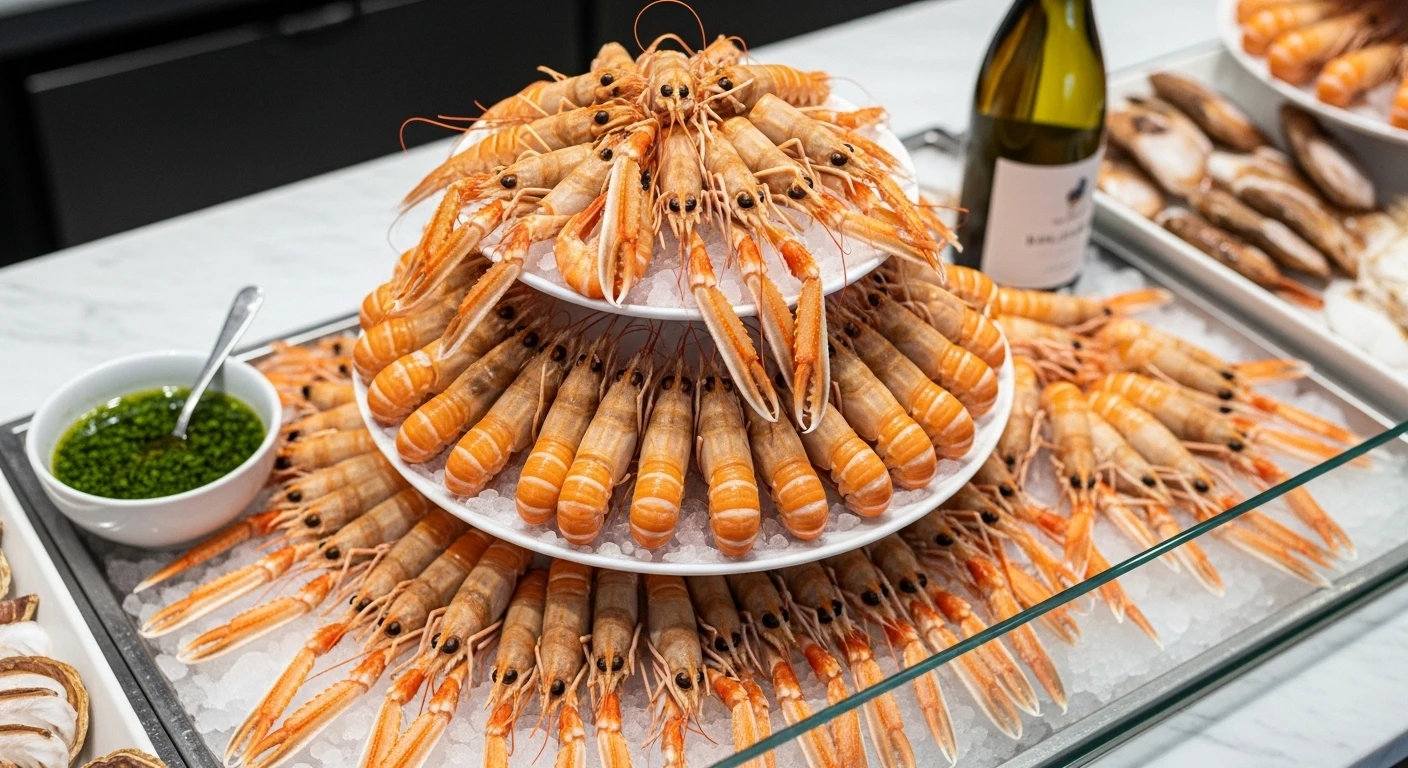
📸 French market stalls often present shrimp and shellfish with meticulous, artful arrangement.
Key Characteristics of French Shrimp Culture:
- Market Presentation: Pristine, often served chilled or lightly cooked, emphasizing visual appeal.
- Flavor Profile: Delicate, briny, and naturally sweet, enhanced by butter, herbs, and white wine.
- Cooking Methods: Sautéing, poaching, grilling, often with a focus on minimal intervention.
- Sauces: Cream-based, butter-based, herb-infused, designed to elevate, not overpower.
2 Mekong Delta: Where the River Meets the Plate
Journey south to Vietnam's Mekong Delta, and you step into a world where water is life, and seafood is the pulsating heart of its cuisine. The vast network of rivers, canals, and brackish estuaries creates a unique ecosystem, teeming with an astonishing diversity of aquatic life. Here, shrimp aren't just a commodity; they are an integral part of the landscape, a livelihood, and a cultural cornerstone.
Unlike the controlled elegance of French markets, Mekong Delta shrimp culture is deeply intertwined with the natural environment. Ca Mau black tiger shrimp, nurtured in mangrove forests, boast a firm texture and a cleaner, sweeter finish thanks to their natural diet and the brackish waters. The mighty Mekong giant freshwater prawn, with its imposing blue claws, offers a rich, buttery head fat that's a delicacy in itself. Even the ubiquitous whiteleg shrimp, while common globally, takes on a distinct character here, soaking up the delta’s subtle flavors.
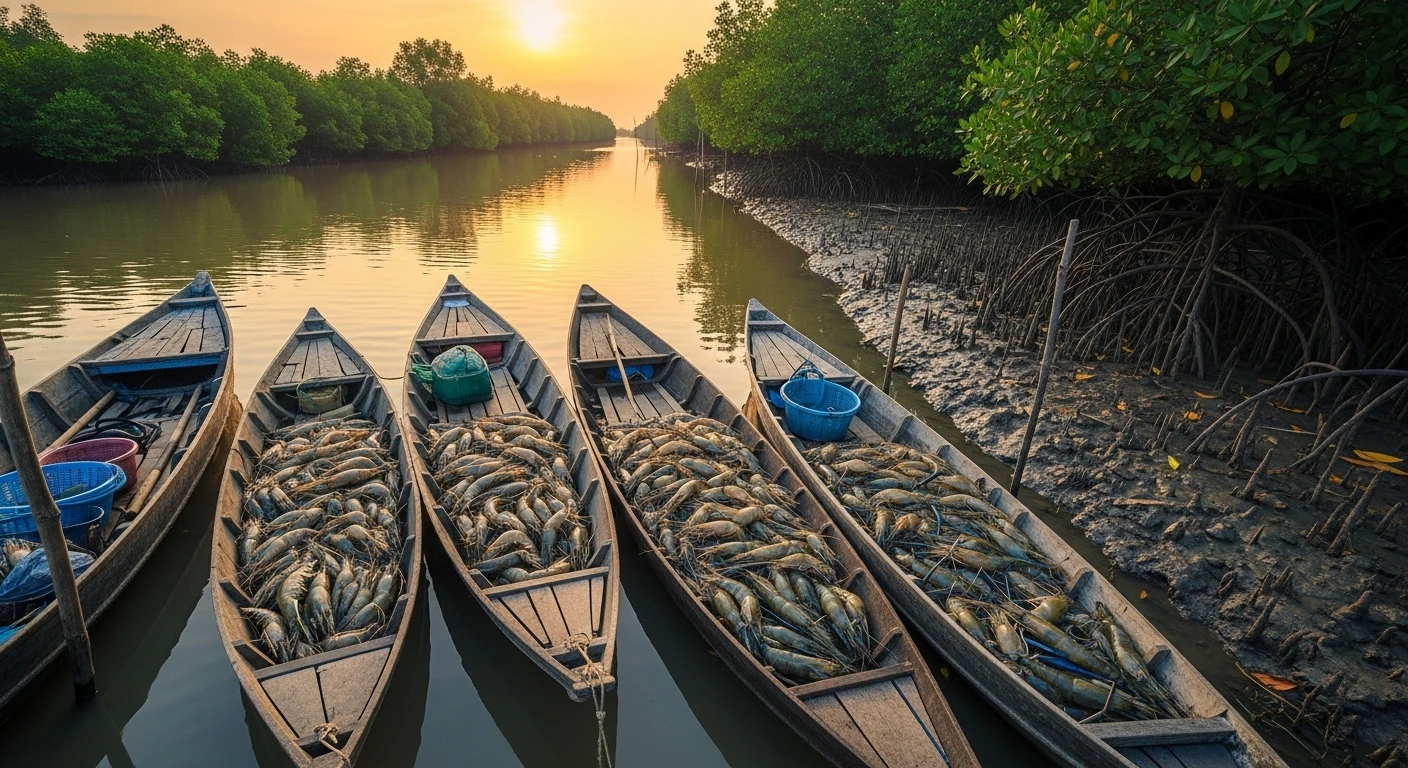
📸 Sunrise over the Mekong Delta, where shrimp are more than food – they are a way of life.
Key Characteristics of Mekong Delta Shrimp Culture:
- Terroir-Driven: Flavors influenced by brackish waters, mangrove ecosystems, and river systems.
- Livelihood & Tradition: Deeply integrated into local economies and daily life, passed down through generations.
- Diverse Species: From prized black tiger shrimp to substantial freshwater prawns.
- Freshness is Paramount: Often sold straight from boats or local markets, still alive.
3 Flavor & Texture: The Subtle Contrast
The primary distinction often lies in the inherent flavor profile and texture. French shrimp, particularly those from colder Atlantic waters, tend to be leaner with a crisp, almost brittle texture when cooked. Their flavor is clean, briny, and subtly sweet, making them perfect for preparations where their natural essence is the star. Think of a perfectly grilled crevette, with just a hint of lemon.
Mekong Delta shrimp, on the other hand, often possess a more robust sweetness and a firmer, more yielding flesh. This is particularly true for the Ca Mau black tiger shrimp. The influence of their mangrove habitat, a rich soup of nutrients and minerals, contributes to a complex, slightly earthy undertone that complements their sweetness. The Mekong giant freshwater prawn adds another layer with its exceptionally rich, almost creamy head fat, a treasure trove of concentrated flavor.
French Influence
Texture: Crisp, firm, sometimes slightly brittle.
Flavor: Clean, briny, subtle sweetness, delicate sea notes.
Mekong Delta
Texture: Firm, yielding, succulent, with rich head fat in prawns.
Flavor: Robust sweetness, complex, sometimes with subtle earthy notes from habitat.
4 Culinary Styles: Butter & Wine vs. Herbs & Chili
This is where the cultural divide truly shows. French chefs often elevate shrimp with classic techniques. Imagine shrimp flambéed in cognac, served with a delicate saffron sauce, or simply poached and chilled with a homemade mayonnaise infused with chives. The use of butter, cream, and white wine creates a richness that speaks of refinement and indulgence. It’s about creating harmony on the plate, where each component plays its part with sophisticated grace.
In the Mekong Delta, shrimp cooking is often more direct, vibrant, and herb-forward. Stir-fries burst with garlic, chili, and fresh herbs like lemongrass or basil. Steamed shrimp are frequently served with a zesty lime-salt-chili dip – a bright, punchy condiment that cuts through the shrimp's sweetness. Soups and hotpots are common, where shrimp lend their flavor to complex broths alongside fresh vegetables and herbs. The approach is often about bold, clean flavors that highlight the natural sweetness of the shrimp, tempered with fresh aromatics and a touch of heat. The whiteleg shrimp, being versatile, finds its way into countless such dishes.
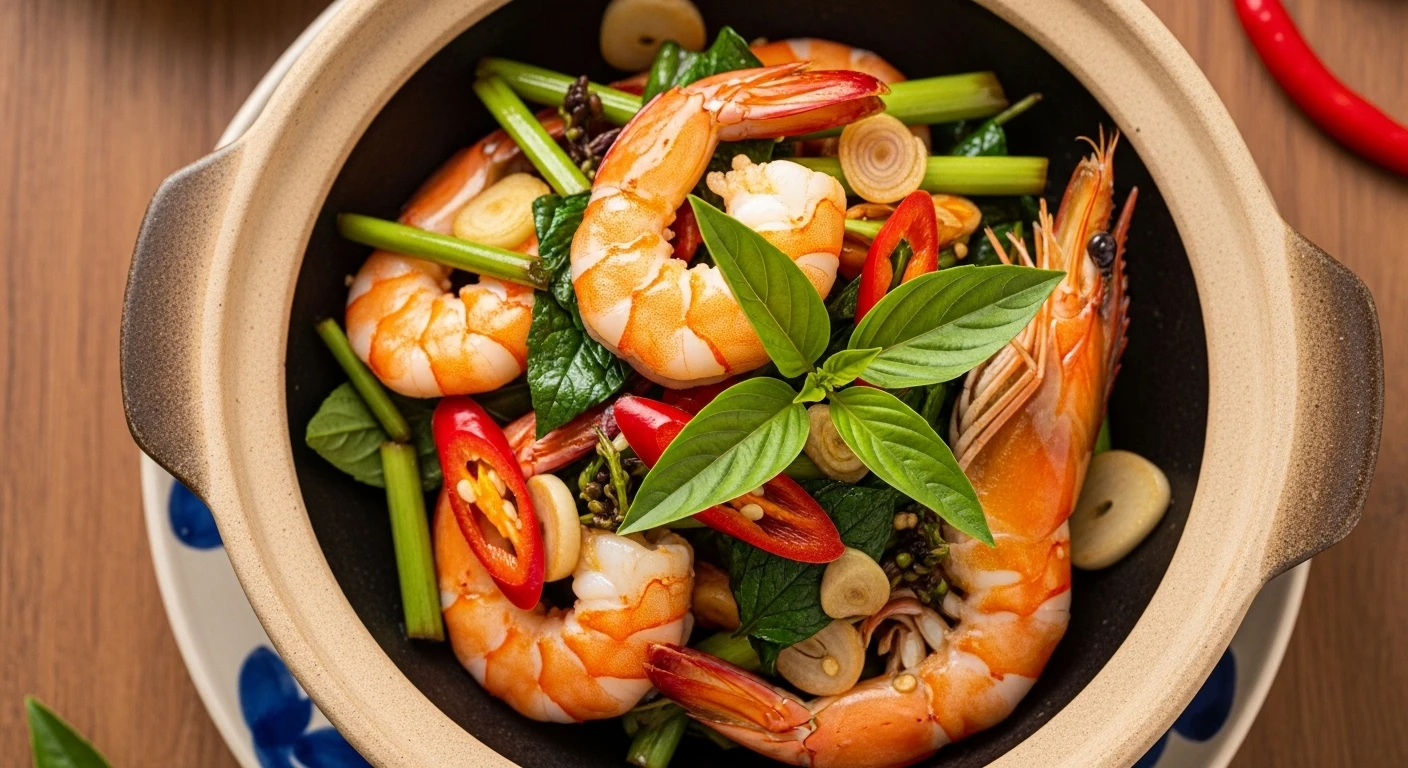
📸 A typical Vietnamese shrimp dish, showcasing fresh herbs and vibrant colors.
Contrasting Approaches:
- France: Butter, cream, white wine, refined sauces, subtle enhancement.
- Mekong Delta: Fresh herbs, chili, garlic, lime, bold dips, complex broths, vibrant stir-fries.
5 From Market Stall to Family Table: A Social Dive
The act of buying and consuming shrimp is a cultural ritual in both regions, though with different flavors. In France, the fish market is often a place of curated experience. Buyers are discerning, looking for impeccable freshness and specific species, often for a sophisticated meal at home or a special restaurant visit. The shrimp is an ingredient, a star, but part of a broader gastronomic tradition.
In the Mekong Delta, the experience is more visceral and communal. Markets are bustling, noisy, and colorful affairs where vendors sell their catch directly from woven baskets or boats. The purchase of shrimp is often for immediate consumption, cooked simply at home for a family meal, or enjoyed fresh from a street vendor. There’s a raw energy to it, a direct connection from the water to the table that defines the region’s food culture. The abundance and accessibility mean shrimp are a daily staple, not a luxury, weaving themselves into the fabric of everyday life.
French Market Experience:
Orderly, precise, ingredient-focused, for refined dining.
Mekong Delta Market Experience:
Energetic, communal, direct river-to-table, integral to daily life.
6 The Ca Mau Advantage: Delta's Unique Terroir
While French shrimp culture excels in refinement and elegance, the Mekong Delta offers something distinct: a profound connection to a unique terroir that imparts unparalleled natural sweetness and complexity. Ca Mau province, the southernmost tip of Vietnam, is legendary for its brackish mangrove ecosystems, a critical habitat for high-quality aquaculture. Here, shrimp aren’t just farmed; they are raised in harmony with nature.
The Ca Mau black tiger shrimp is a prime example. Cultivated in the intricate network of mangrove forests, these shrimp feed on natural organisms and are exposed to the rich mineral content of the brackish water. This natural upbringing results in a shrimp with a denser flesh and a cleaner, sweeter flavor profile that stands out from conventionally farmed varieties. It’s a taste that speaks of the unique environment it comes from – a direct expression of the delta's vitality.
Beyond the tiger shrimp, the sheer diversity of the Mekong Delta's waterways yields other treasures. The Mekong giant freshwater prawn, another regional icon, offers a different kind of richness with its prized head fat, a delicacy sought after for its intense flavor. Even the more common whiteleg shrimp, when sourced from responsible delta farms, carries a freshness and clean taste that is often lost in mass-market production.
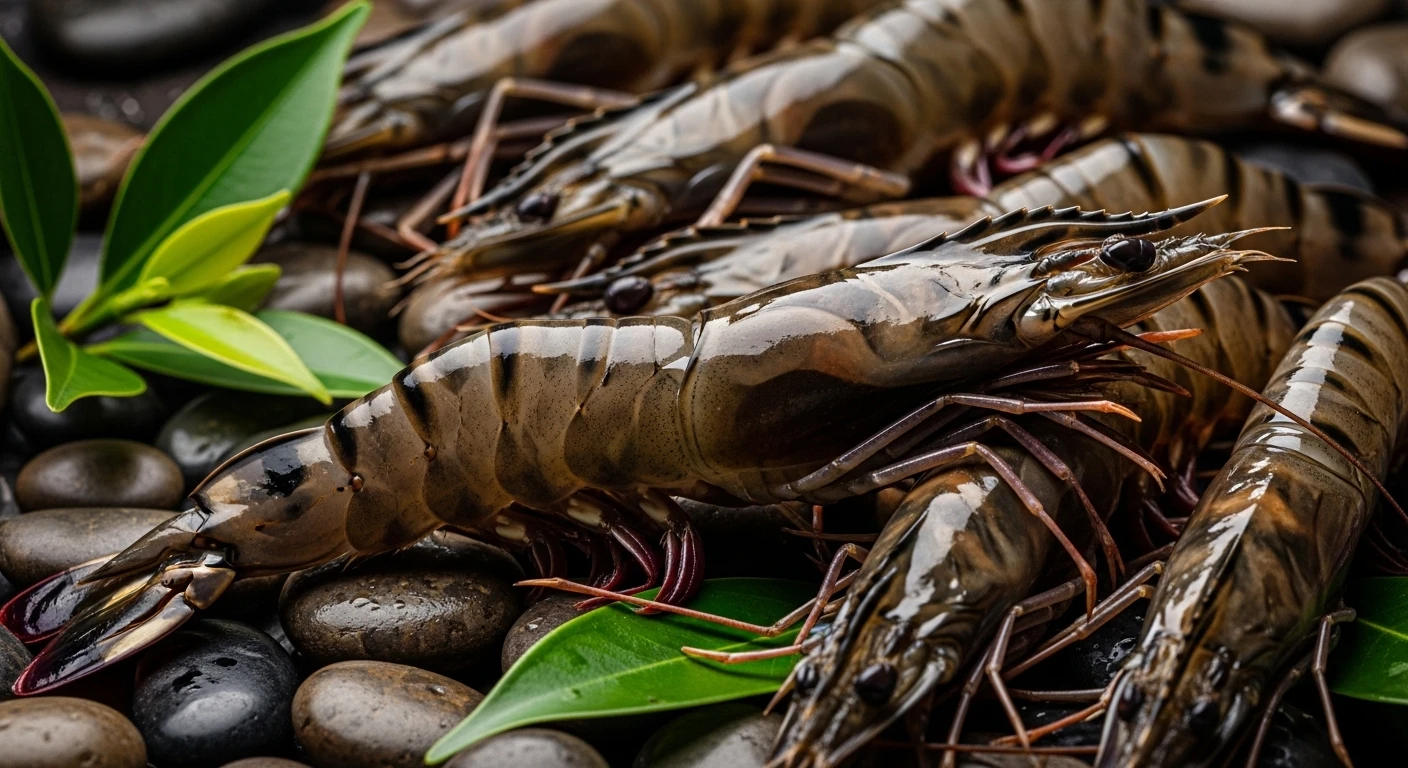
📸 The distinctive markings of Ca Mau black tiger shrimp, a hallmark of premium quality.
Why the Delta Stands Out:
- Unique Habitat: Mangrove forests and brackish waters impart distinct flavors.
- Natural Diet: Leads to firmer texture and cleaner, sweeter taste.
- Biodiversity: A range of species, each with its own character.
- Freshness Factor: Direct sourcing from local waterways ensures peak quality.
7 For the Culinary Explorer: A Tale of Two Shores
If your palate yearns for the subtle artistry of butter-kissed seafood, the sophisticated charm of coastal towns, and an appreciation for the classic techniques that have defined French gastronomy for centuries, then a culinary journey through France's seafood heartlands is a must. Imagine savoring perfectly prepared prawns in a seaside bistro in Brittany, or exploring the grand seafood halls of Paris.
However, if you dream of a more immersive, vibrant, and flavor-exploding seafood adventure, where the direct connection to the water is palpable and the sweetness of the shrimp is a revelation, then the Mekong Delta awaits. Picture yourself cruising down a slow-moving canal, buying shrimp directly from a fisherman, and later savoring a steaming bowl of shrimp noodle soup on a bustling riverside market. The Delta offers a raw, authentic, and profoundly satisfying seafood experience that is as rich in culture as it is in flavor.
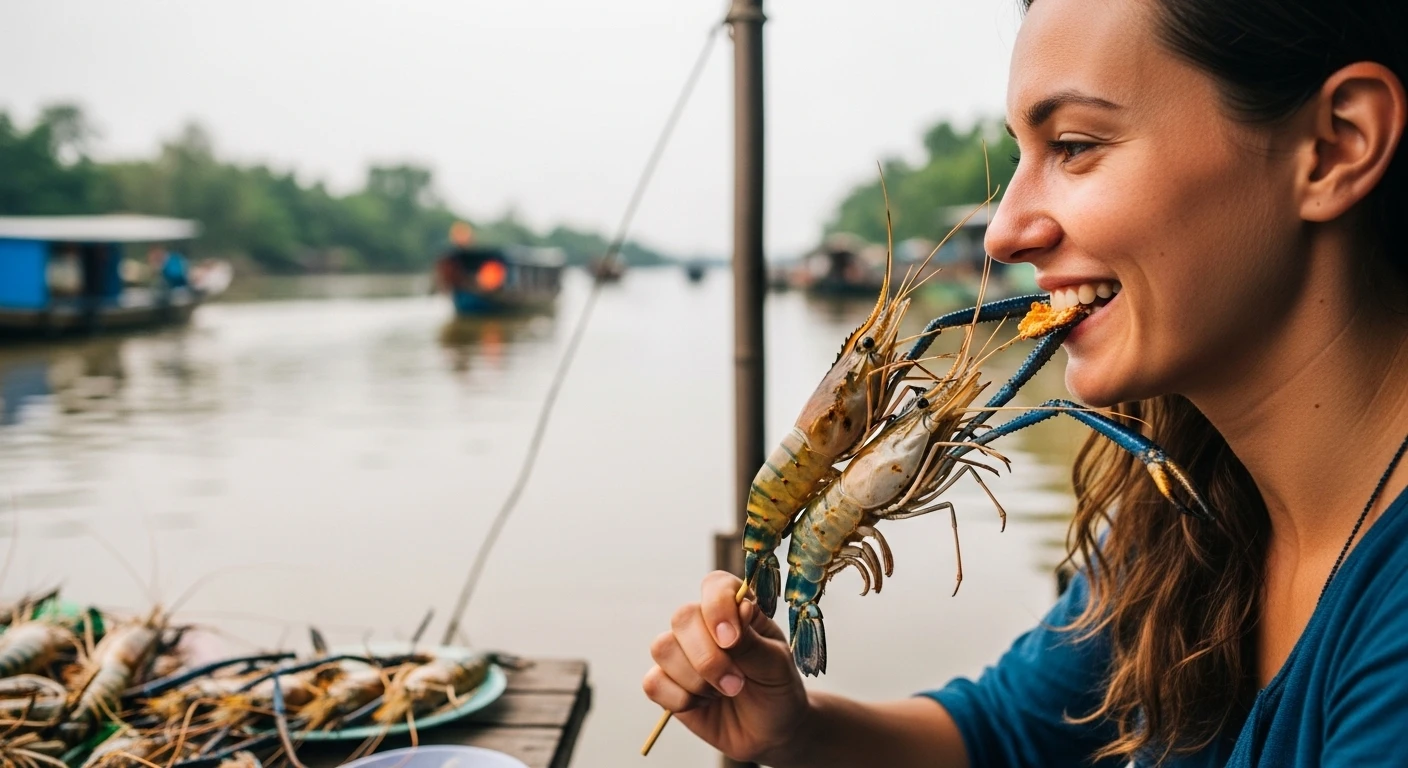
📸 The ultimate reward: savoring fresh, local shrimp by the water in the Mekong Delta.
8 A Shared Appreciation, Different Expressions
Ultimately, comparing Vietnamese shrimp culture, particularly the vibrant bounty of the Mekong Delta, with that of France is not about declaring a winner. It's about appreciating the diverse ways humans connect with the sea and its gifts. France offers a masterclass in refined presentation and delicate flavor enhancement, a testament to centuries of culinary heritage.
The Mekong Delta, conversely, provides a potent reminder of the raw, unadulterated sweetness that nature can provide when shrimp are raised in unique, biodiverse environments. From the prized Ca Mau black tiger shrimp to the robust Mekong giant freshwater prawn, this region offers a spectrum of flavors and textures deeply rooted in its geography and people. For the adventurous palate, it's an experience that promises not just delicious food, but a profound connection to a land where water truly is life.
Discover More:
More on Culinary Journeys
View More Travel & Culture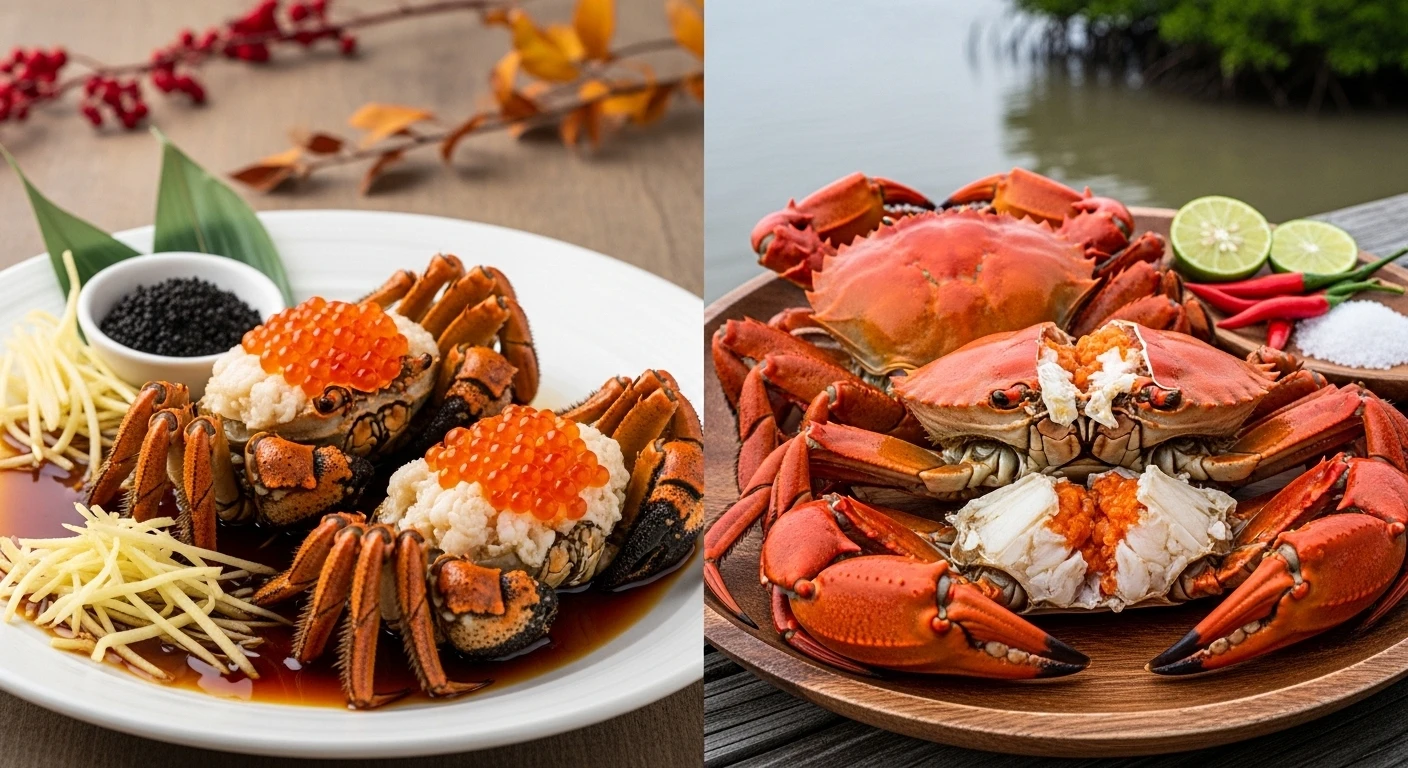
Vietnam Crab vs Chinese Crab: Mekong Mud Crab vs Hairy Crab Prestige
A thoughtful comparison between Vietnamese mud crab and China’s famous hairy crab culture, with a focus on texture, roe, ritual, and price.
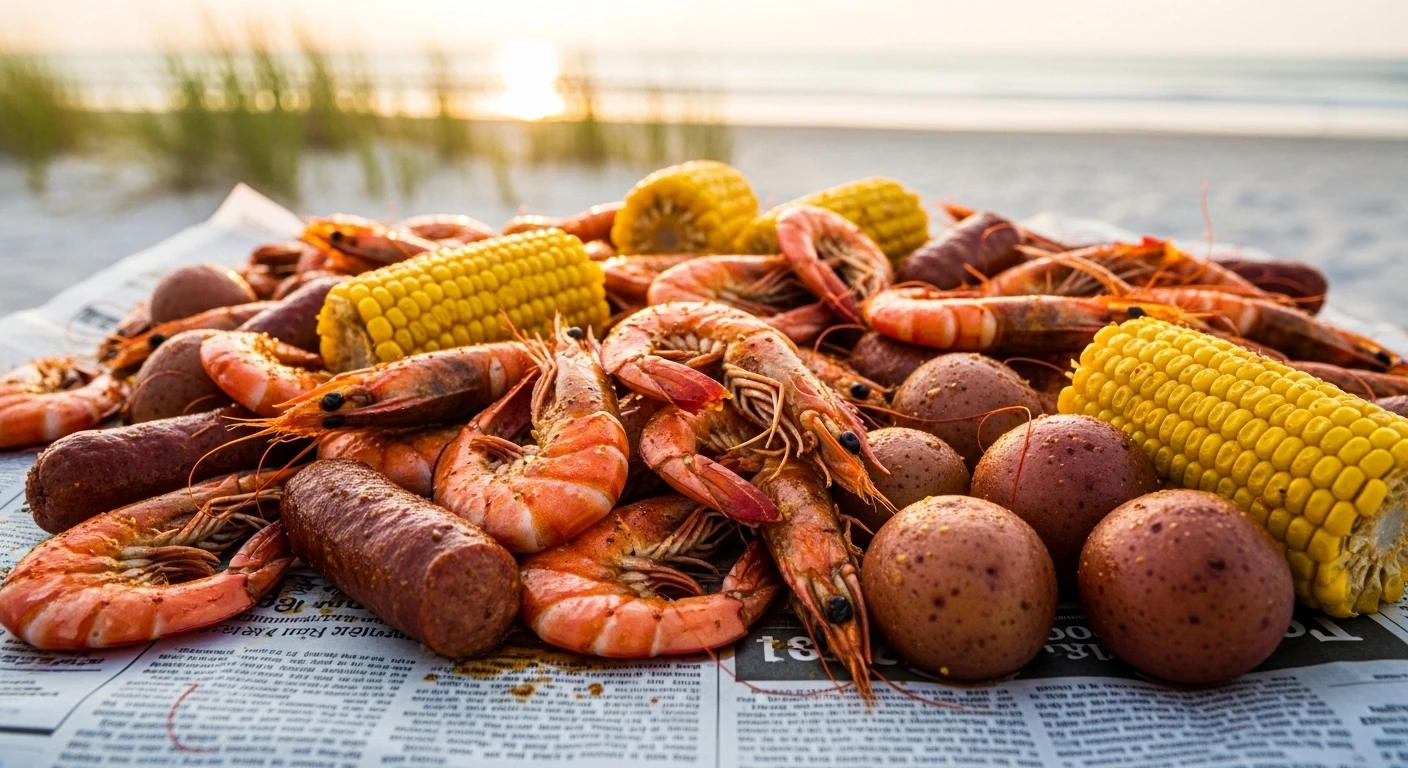
Vietnam Shrimp vs American Shrimp: Gulf Traditions, Southern Boils, and Mekong Delta Flavor
A US-focused look at how Vietnamese shrimp compares with Gulf shrimp, Southern shrimp boils, and American seafood expectations.
Floating Markets: Buying Seafood on the River
A unique shopping experience in the Mekong Delta.
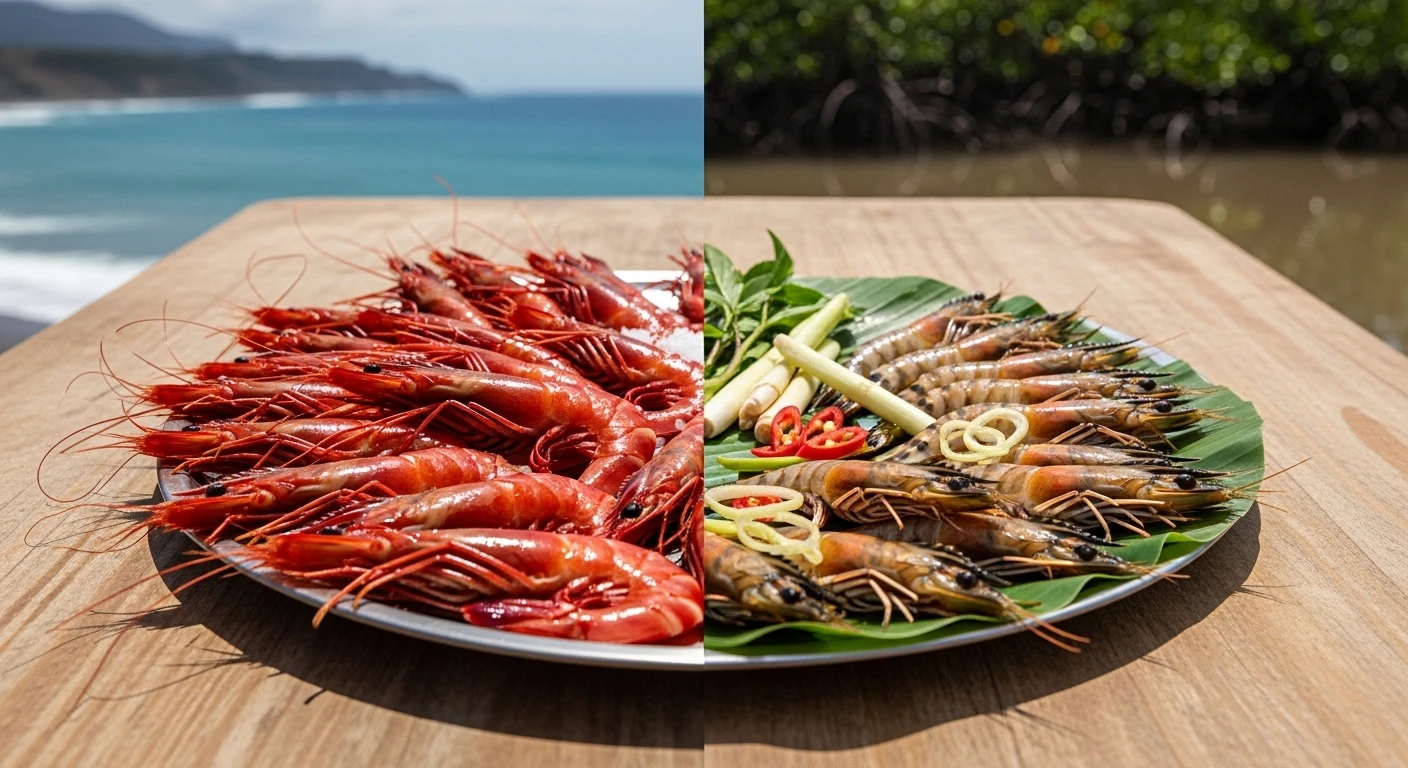
Vietnam Shrimp vs Argentine Shrimp: Wild Southern Character vs Mangrove-Grown Sweetness
A comparison between Argentina’s prized red shrimp image and the deeply regional shrimp culture of Vietnam’s Mekong Delta.
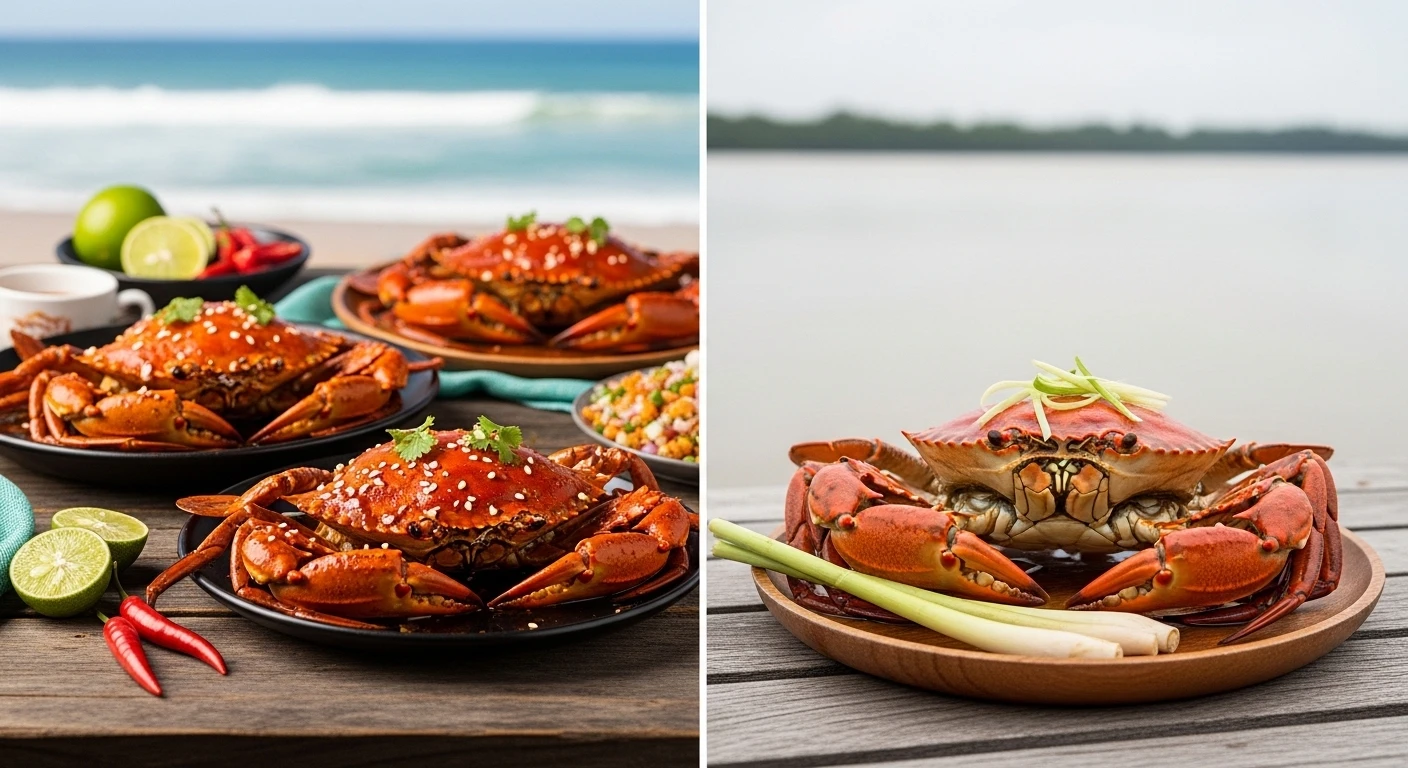
Vietnam Crab vs Mexican Crab: Coastal Heat, Street Flavor, and Delta Sweetness
Mexico and Vietnam both know how to make shellfish exciting, but their crab identities move in different directions.
Eating with Chopsticks: The Ultimate Challenge
Can you pick up a piece of crab meat with chopsticks?
A Day in the Life of a Crab Farmer
From sunrise to sunset: The hard work behind your meal.
Vietnam Shrimp vs Spanish Shrimp: Mediterranean Refinement Meets the Mekong Delta
A comparison between Vietnamese shrimp and Spain’s famous gambas culture, from tapas bars to brackish-water farms.
Vietnam Crab vs Portuguese Crab: Atlantic Brine Meets the Mekong Delta
A practical guide to how Vietnamese crab compares with Portugal’s shellfish culture in taste, markets, and coastal dining.