" The world of crab is vast, a symphony of the sea and the soil. In Portugal, it's the briny kiss of the Atlantic; in Vietnam, particularly the Mekong Delta, it's the complex, life-giving embrace of estuary and river. Two worlds, one noble crustacean. "
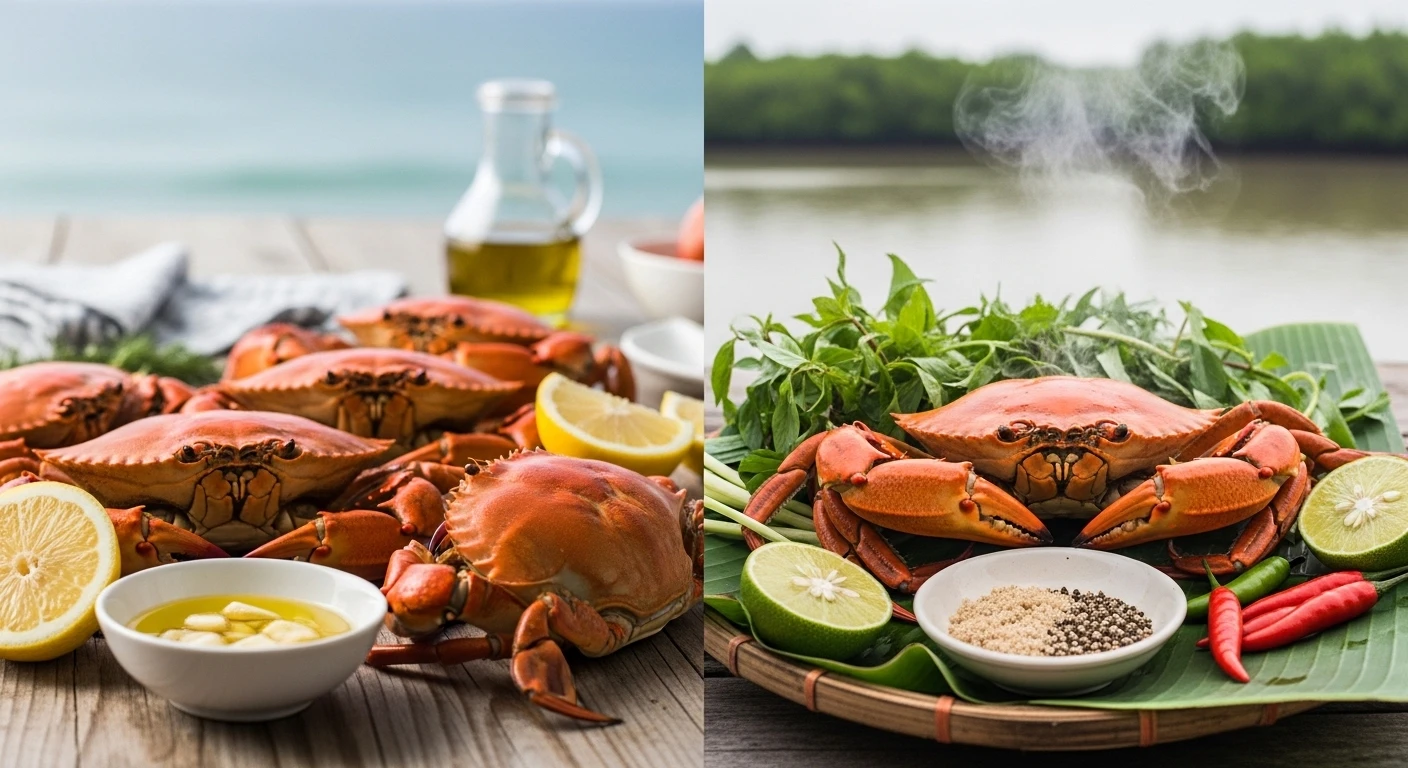
📸 A Tale of Two Shores: Where the Atlantic meets the Mekong.
1 The Call of the Sea: Portugal's Atlantic Treasures
Portugal, a nation deeply etched into the maritime world, boasts a seafood culture as rich and robust as its history. The Atlantic Ocean, stretching endlessly to its west, is the source of its piscine bounty. When it comes to crab, the Portuguese palate often leans towards the intense, clean flavors that define the cold, mineral-rich Atlantic waters.
Think of the iconic Sapateira, a large rock crab often stuffed with its own spiced pâté, or the delicate sweetness of the Lapas (limpets), which, while not crabs, speak to a love for the ocean's rugged offerings. Portuguese crab preparations often emphasize the crab's natural saline notes, using minimal seasoning to let the inherent quality shine. Grilling, boiling, and serving with simple lemon, garlic, or a light aioli are common. The markets, like those in Lisbon or Porto, are vibrant displays of the day's catch, where freshness is paramount and quality is judged by the firmness of the shell and the life in the eyes. It’s a celebration of the ocean's straightforward gifts.

📸 Lisbon's Mercado da Ribeira: A testament to Portugal's seafood dedication.
2 The Mekong's Embrace: Vietnam's Crab Lifestyle
Venture south into Vietnam, and the landscape transforms dramatically. The Mekong Delta, a sprawling network of rivers, canals, and flooded plains, is a world away from the open ocean. Here, crab isn't just food; it's interwoven with the very fabric of life, tied to aquaculture, fishing livelihoods, and a distinct culinary philosophy that values balance and complex flavor layering.
The undisputed king of this aquatic kingdom is the Ca Mau mud crab. Unlike the Atlantic's hard-shelled, pure saltwater dwellers, Mekong mud crabs thrive in brackish and freshwater environments, often raised in mangrove forests or flooded rice paddies. This unique habitat imparts a distinctive character: a slightly sweeter, richer meat and, in female crabs, an intensely flavorful, creamy roe (gạch). The Mekong Delta's culinary approach is less about purity and more about harmonious enhancement. While a simple steamed crab is a delight, Vietnamese cooking often employs aromatics, spices, and sauces that complement and elevate the crab's natural sweetness. Think of crab stir-fried with tamarind, garlic butter, or black pepper, each dish creating a new dimension.
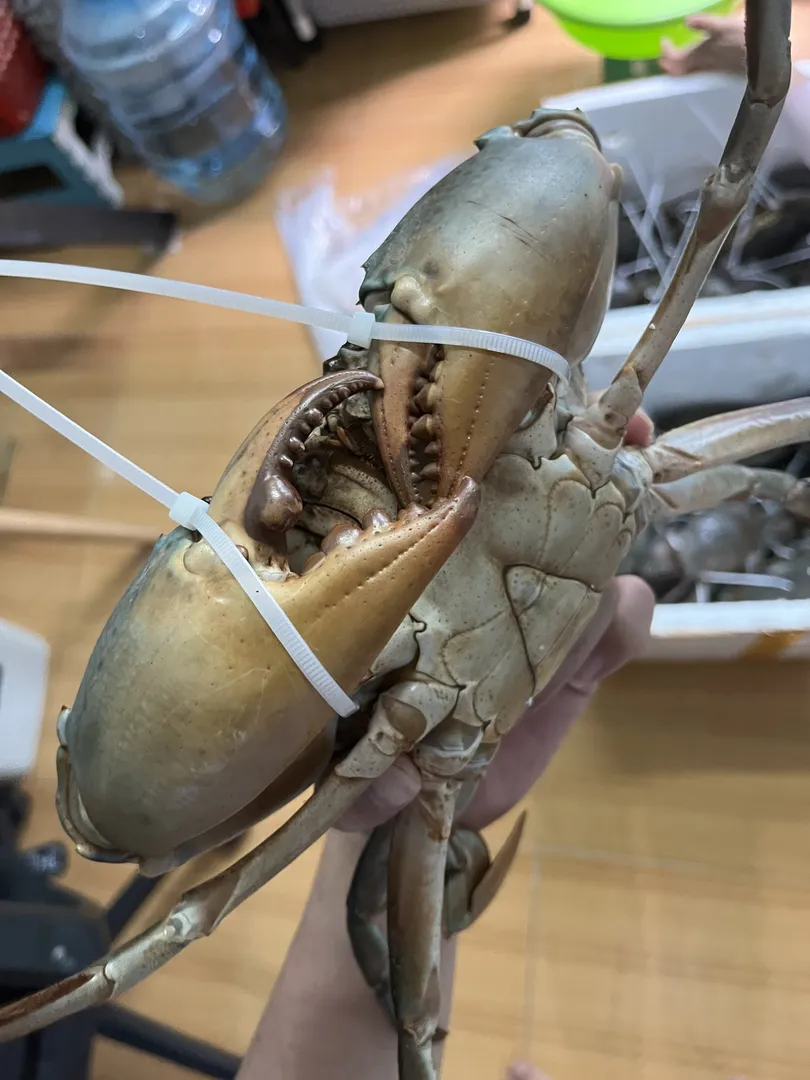
Heritage Ingredient
Ca Mau Jumbo Mud Crab
Ca Mau Jumbo Mud Crab
A large male mud crab prized for dense, sweet meat and thick claws, commonly used in steamed crab and grilled crab dishes across the Mekong Delta.
An icon of coastal culinary heritage, featuring firm, sweet meat that captures the raw power and freshness of Ca Mau's tides.
The livelihood tied to these crabs is palpable. In the floating markets of Cai Rang or the smaller canal-side villages, crab is a currency, a source of income, and a communal meal. The act of catching, selling, and cooking crab is a daily ritual, a testament to the region's rich biodiversity and the ingenuity of its people.
3 A Matter of Terroir: Habitat and Its Flavor
The most striking difference, and perhaps the most crucial for any discerning diner, lies in the influence of their environment—the terroir. Portugal's Atlantic crabs, from species like the Sapateira (Portuguese crab, *Carcinus maenas* family) or the sweet Santola (Spider Crab), are shaped by cold, oxygen-rich, saline waters. This results in a firm, dense meat with a pronounced, clean, oceanic flavor, often described as 'briny' or 'salty'. The minerals and salts of the Atlantic are infused into every fiber of their being.
In stark contrast, Ca Mau mud crabs (Scylla serrata) navigate the dynamic salinity of mangrove estuaries and freshwater systems. This unique blend of fresh and saltwater, along with their diet of mangrove roots and small aquatic life, cultivates a meat that is subtly sweeter, more delicate, and often more tender than its Atlantic cousins. The roe of female mud crabs from Ca Mau is particularly prized—a rich, buttery, deep orange treasure that melts in the mouth, offering a luxurious counterpoint to the meat. This difference is akin to comparing a crisp, dry white wine from a mineral-rich soil to a velvety, fruit-forward red from a warmer climate—both excellent, but distinctly different.

📸 The cradle of Ca Mau crab: Lush mangroves providing a unique environment.
4 Culinary Approaches: Simplicity vs. Harmony
The way crab is prepared tells a story about the culture that prepares it. Portugal often champions a philosophy of culinary purity, where the goal is to present the crab in its most unadulterated form. A common preparation might involve simply boiling or steaming the crab, then serving it with a wedge of lemon, a drizzle of fine olive oil, or a simple garlic butter sauce. The intent is to highlight the inherent sweetness and saline notes of the Atlantic crab. Even in preparations like the famous Arroz de Marisco (Seafood Rice), the crab, while part of a larger medley, is still treated with respect, its flavor allowed to meld without being overpowered.
Vietnam, and especially the Mekong Delta, embraces a more complex culinary artistry. While steamed crab (often with beer or coconut water) is a foundational dish, it's just the beginning. The region excels at building layers of flavor. Consider the ubiquitous Ca Mau mud crab often seen in dishes like:
- Crab with Tamarind Sauce: A sweet, sour, and savory explosion that clings beautifully to the crab meat.
- Crab with Black Pepper: A fiery, aromatic dish where the pungent pepper enhances the crab's sweetness.
- Crab with Salted Egg Yolk: A rich, decadent preparation where creamy, savory salted egg yolk coats the crab.
This isn't about masking the crab; it's about creating a dance of flavors where the crab is the star, supported by complementary elements. The ingredients are fresh, but the focus is on the interplay between the crab and its accompaniments, reflecting a culinary tradition that seeks balance and gastronomic adventure.
5 Market Culture and Social Dining
Both Portugal and Vietnam celebrate crab as a social dish, a reason to gather, but the settings differ. Portuguese seafood restaurants often offer a slightly more formal setting, where families and friends gather to share platters of grilled or boiled crab, accompanied by good wine and conversation. The act of cracking shells and sharing stories is central, but the presentation tends to be more refined.
In the Mekong Delta, crab is an integral part of casual, convivial dining. Picture a family gathering by the river, feasting on freshly caught mud crab, or friends sharing bowls of spicy crab soup at a bustling roadside eatery. The dining experience is often hands-on and communal, with shared platters, dipping sauces readily available, and a relaxed atmosphere. The floating markets of the Delta are not just places of commerce but also dining destinations, where you can see crabs being cooked and enjoyed on boats. This deeply ingrained connection to the waterways means that crab is not just a meal, but a reflection of the Delta's abundant, generous spirit. It's a taste of home, a taste of the river.
6 The Versatility of Vietnamese Crab (Beyond the Delta)
While Ca Mau is the undisputed heartland for premium mud crab, Vietnam's coastal and estuarine regions offer a diverse array of crab experiences. From the smaller, sweet-meated crabs found in central Vietnam to the robust hard-shell crabs of the north, each region brings its unique character.
The Mekong Delta itself showcases incredible versatility. Beyond the celebrated mud crab, consider the regional specialties:
- Soft-shell crab, or 'crab molting' (cua lột), is a delicacy in Ca Mau. These crabs, caught just as they shed their hard shells, are prized for their edible, tender shell and rich, creamy interior. This offers a unique texture experience that sets it apart from any hard-shelled crab.
- Smaller, local crabs are often used in flavorful broths and soups, like Canh Chua (sour soup), where their concentrated essence adds depth to the broth.
- Crab roe itself is a celebrated ingredient, often steamed, fried, or used as a rich filling in dishes like spring rolls (chả giò cua).
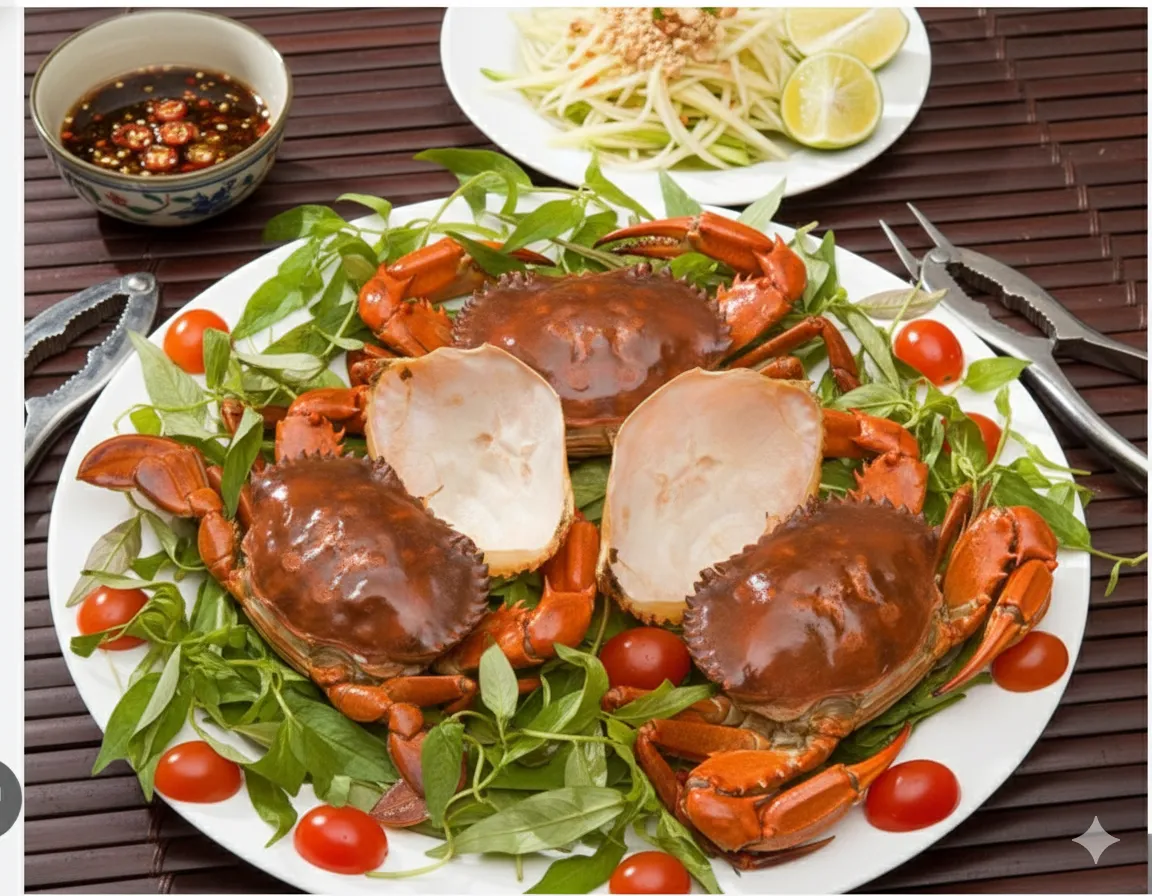
Heritage Ingredient
Soft-Shell Butter Crab (Molting Crab)
Soft-Shell Butter Crab (Molting Crab)
A rare molting mud crab from Ca Mau, valued for its edible soft inner shell and exceptionally creamy roe, making it the closest local equivalent to soft-shell crab concepts familiar abroad.
Nature's rare masterpiece—a delicate transition where a soft inner layer protects golden, custard-like roe in a fleeting moment of flavor.
7 Traveler's Takeaway: Which Crab Speaks to You?
For the traveler drawn to the sea, both Portugal and Vietnam offer profound crab experiences. If you cherish the pure, unadulterated taste of the ocean, the robust, briny essence of Portugal's Atlantic crabs will undoubtedly captivate you. It's a celebration of the sea's unvarnished bounty.
However, if your palate seeks adventure, complexity, and a deep connection to a vibrant landscape, the Mekong Delta beckons. The nuanced sweetness of Ca Mau mud crab, the creamy richness of its roe, and the inventive culinary traditions that celebrate this unique crustacean offer an immersive gastronomic journey. Exploring the floating markets, dining on a riverside boat, or simply savoring a perfectly cooked mud crab at a local eatery is to taste the very soul of Vietnam's riverine heartland. It’s a living, breathing culinary ecosystem.
8 Final Thoughts: The Universal Appeal
Ultimately, the appreciation of crab transcends borders. Whether it's the rugged charm of a Portuguese Sapateira or the delicate sweetness of a Ca Mau mud crab, this remarkable creature connects us to our food, our environment, and each other. While their origins and preparations may differ, the joy of cracking open a shell to reveal tender meat, the communal act of sharing a delicious meal, and the sheer pleasure of indulging in nature's bounty are universal sentiments. Both Portugal and Vietnam, in their own glorious ways, have mastered the art of celebrating the crab.
More Shellfish Journeys
View More Travel & Culture
Bamboo Bridges and Crab Ponds
The iconic imagery of the Mekong Delta landscape.
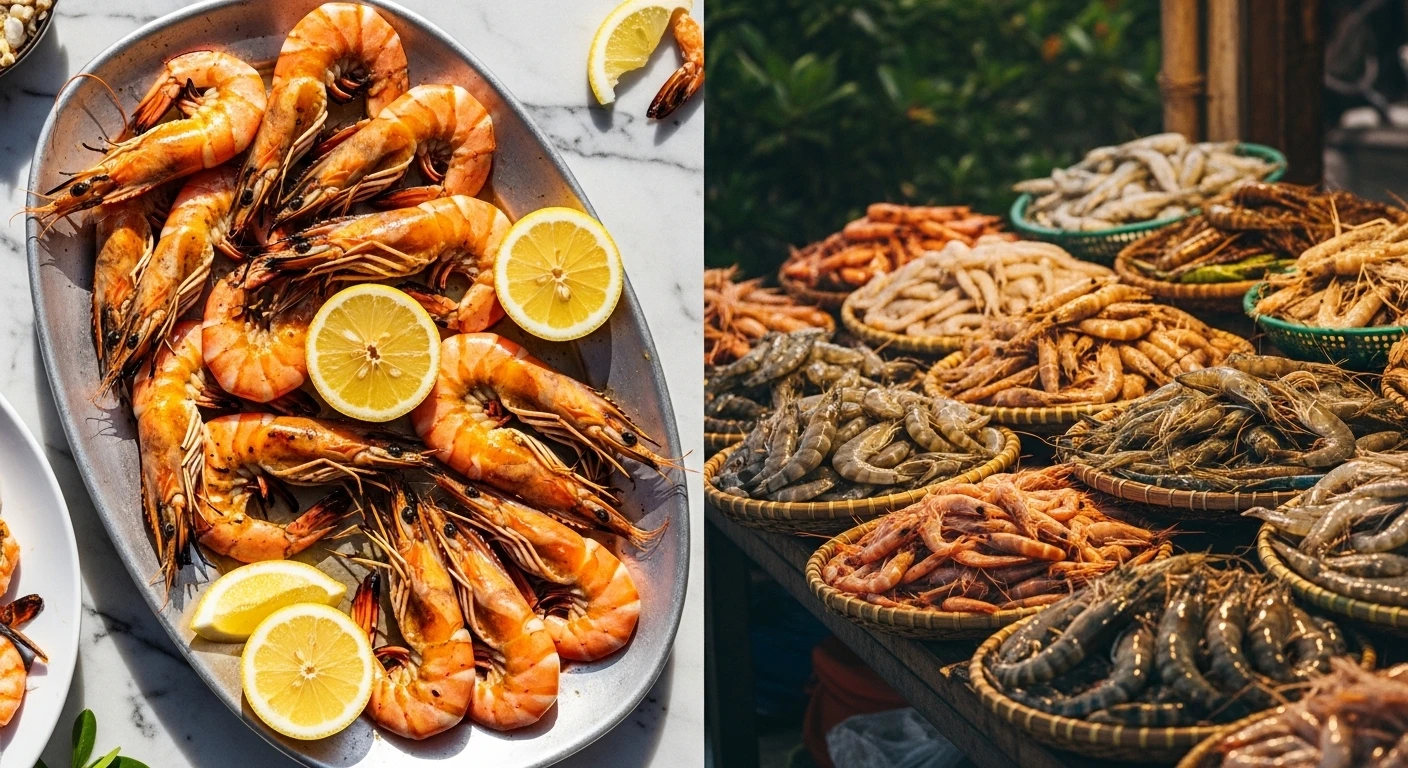
Vietnam Shrimp vs Australian Shrimp: Prawn Prestige vs Mangrove-Grown Character
Australians love prawns, but Vietnam offers a different shrimp story rooted in estuaries, mangroves, and the Mekong Delta.
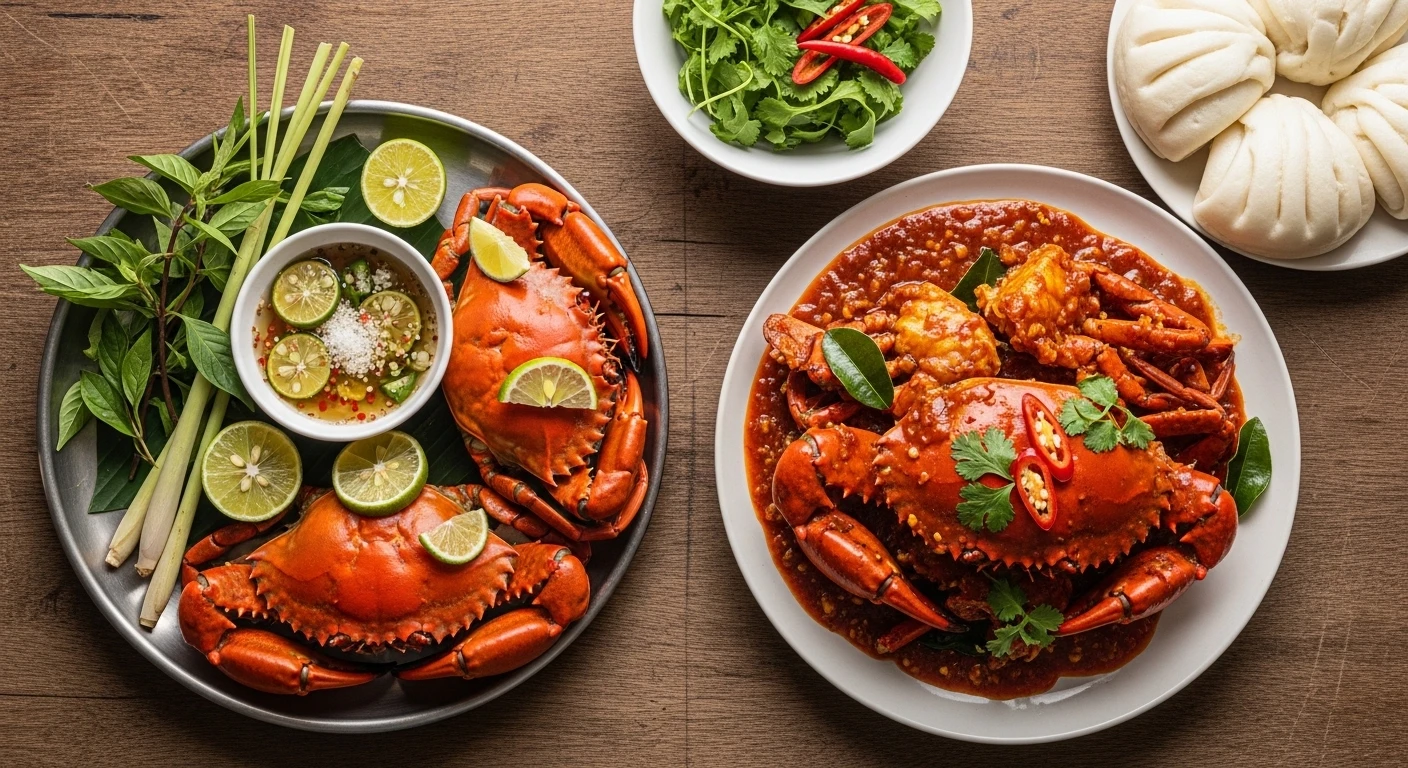
Vietnam Crab vs Malaysian Crab: Sweet Delta Crab vs Sauce-Heavy Hawker Culture
A flavorful comparison between Mekong Delta crab traditions and Malaysia’s beloved crab dishes from hawker centers and coastal kitchens.
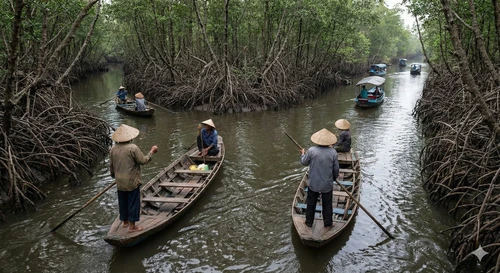
Why Ca Mau Mangroves Produce the Best Crabs?
The secret relationship between the mangrove roots and crab quality.
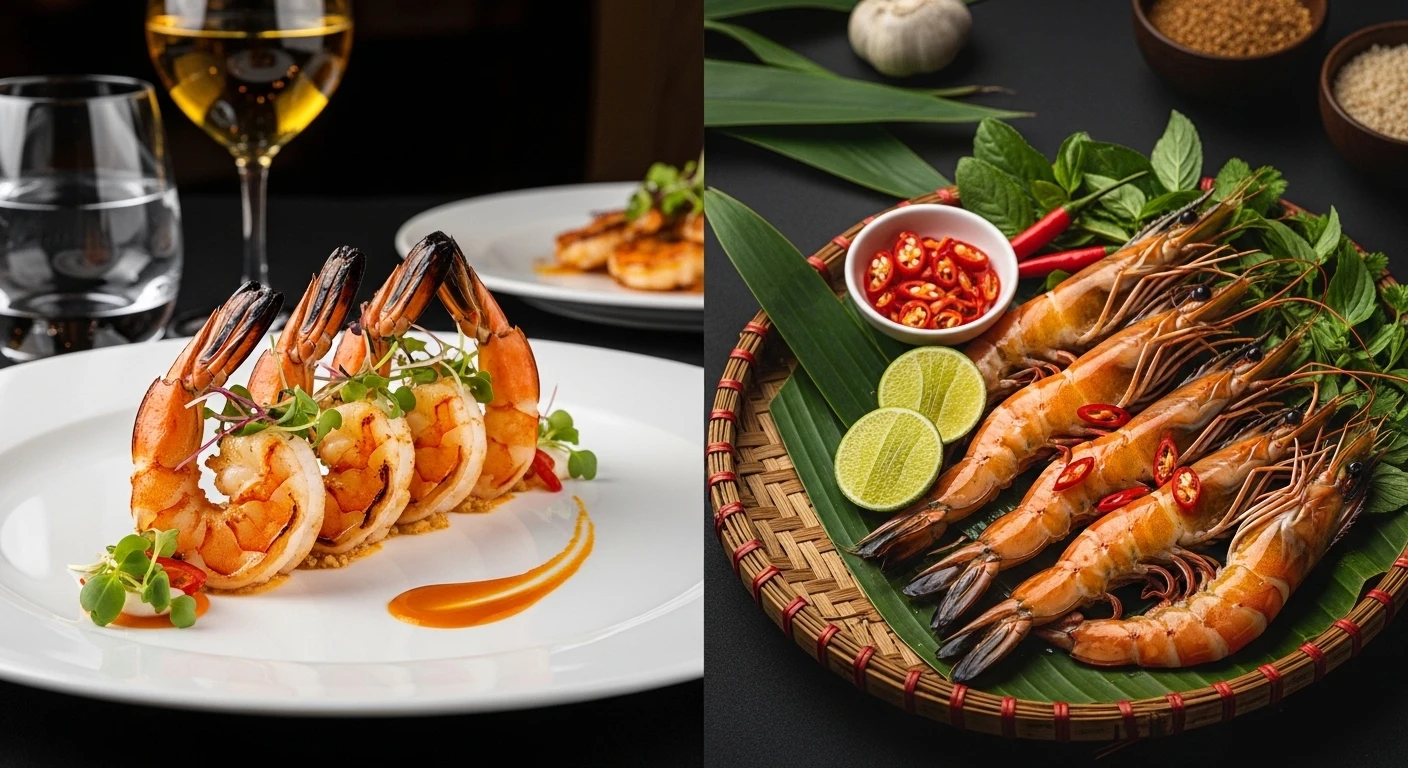
Vietnam Shrimp vs UAE Shrimp: Luxury Seafood Appetite Meets Delta Authenticity
The UAE’s premium dining expectations and Vietnam’s shrimp-growing expertise create a compelling seafood comparison.
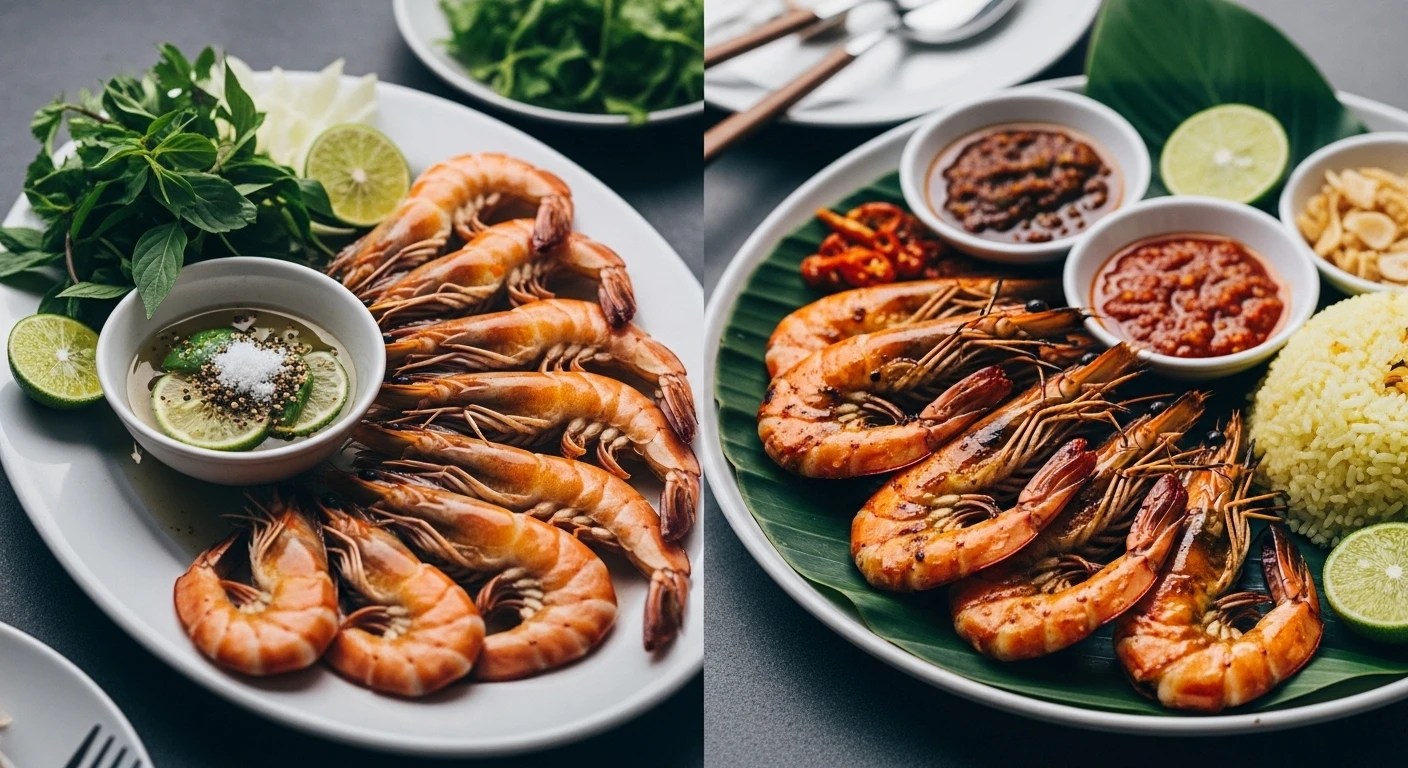
Vietnam Shrimp vs Indonesian Shrimp: Mangrove Richness Across Island and Delta Kitchens
A Southeast Asian shrimp comparison looking at Vietnam’s Ca Mau shrimp against Indonesia’s vast archipelagic seafood traditions.
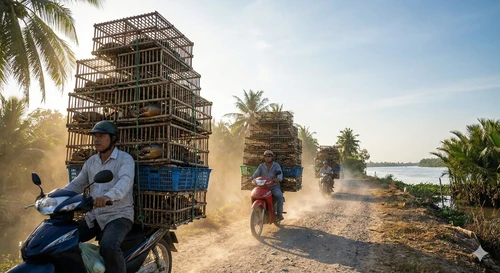
Motorbikes and Crabs: A Crazy Logistics System
How thousands of crabs are transported on two wheels.
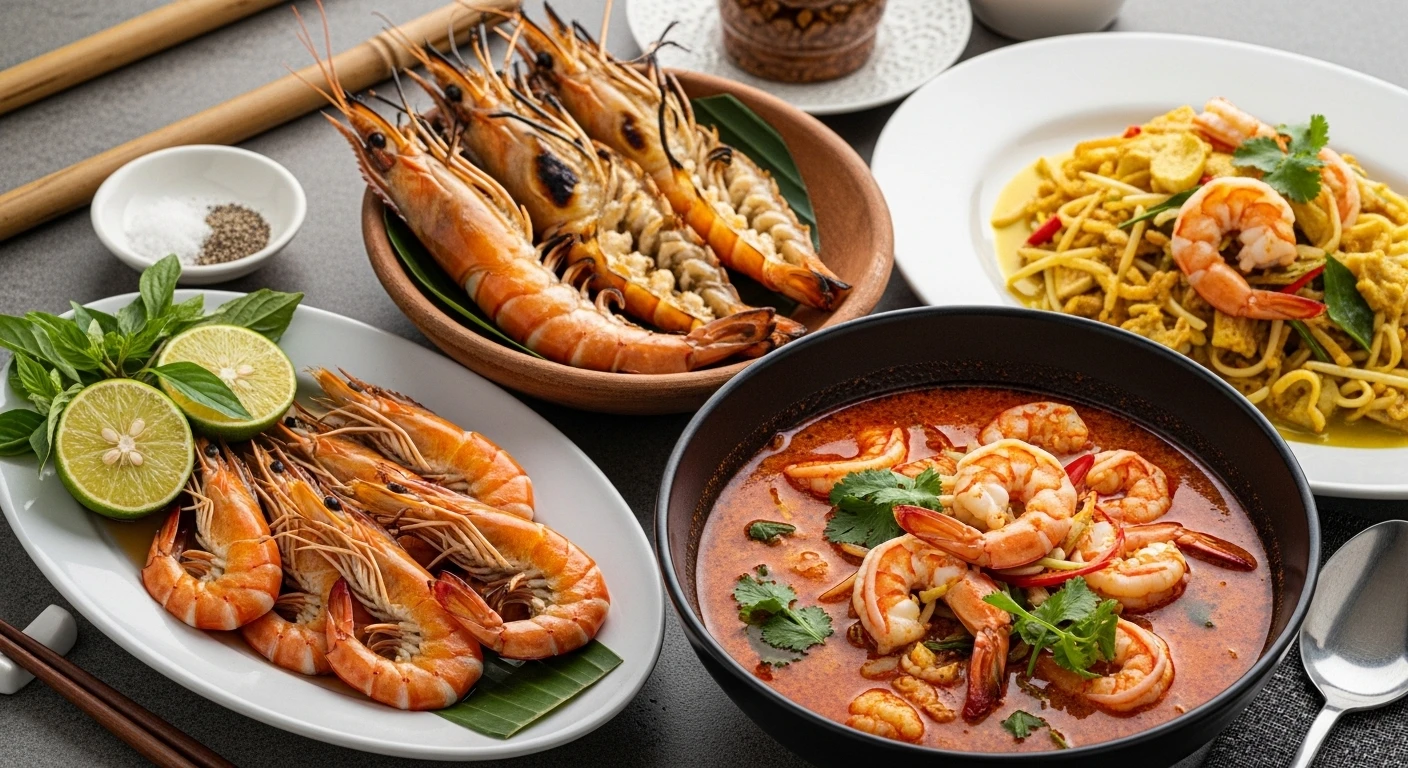
Vietnam Shrimp vs Thai Shrimp: Delta Purity vs Spice-Driven Coastal Energy
Vietnam and Thailand both excel at shrimp, but the eating experience, sauces, and cooking philosophy are strikingly different.
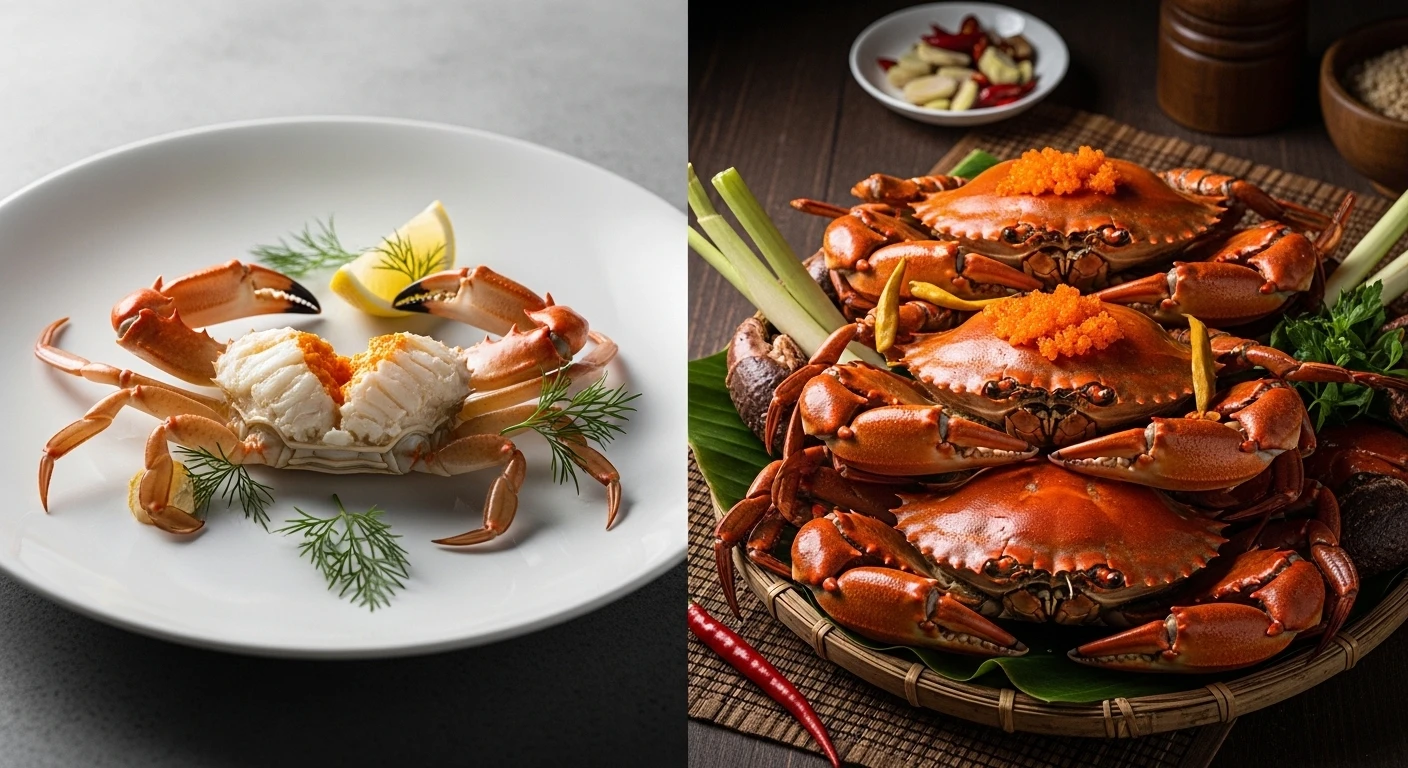
Vietnam Crab vs Danish Crab: Nordic Restraint Meets Ca Mau Richness
A comparison of Denmark’s clean-lined seafood culture and Vietnam’s expressive mud crab traditions.