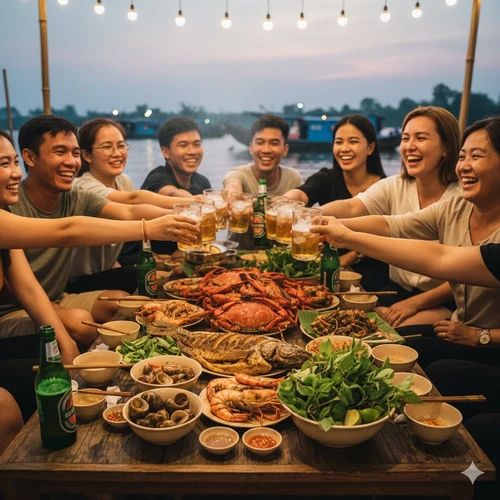
" The oceans and rivers of Southeast Asia pulse with life, and few creatures are as central to their culinary identity as shrimp. For travelers, the subtle dance between Vietnam's verdant Mekong Delta and Thailand's sun-drenched coast offers a fascinating study in how terroir, tradition, and taste diverge. While both nations are shrimp powerhouses, the experience on the plate is a world apart. "
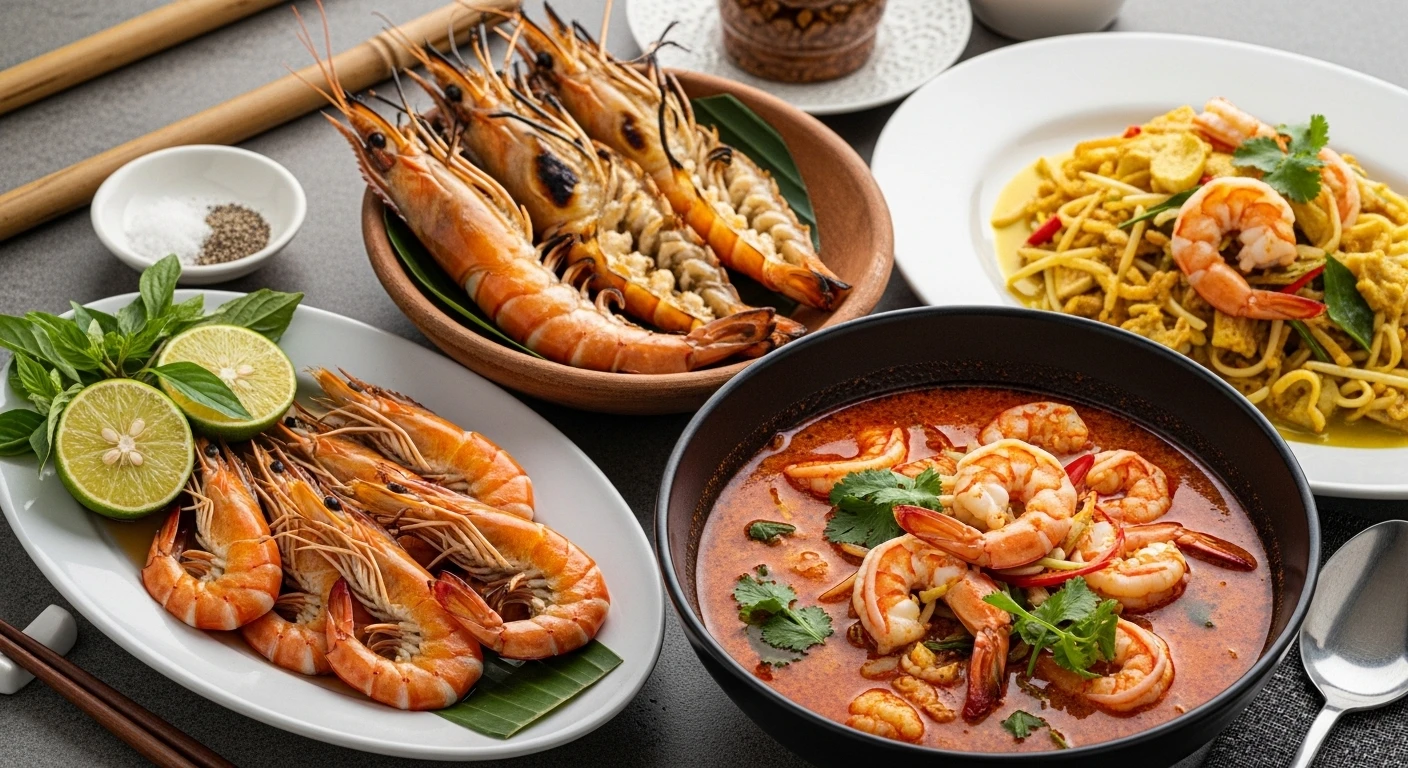
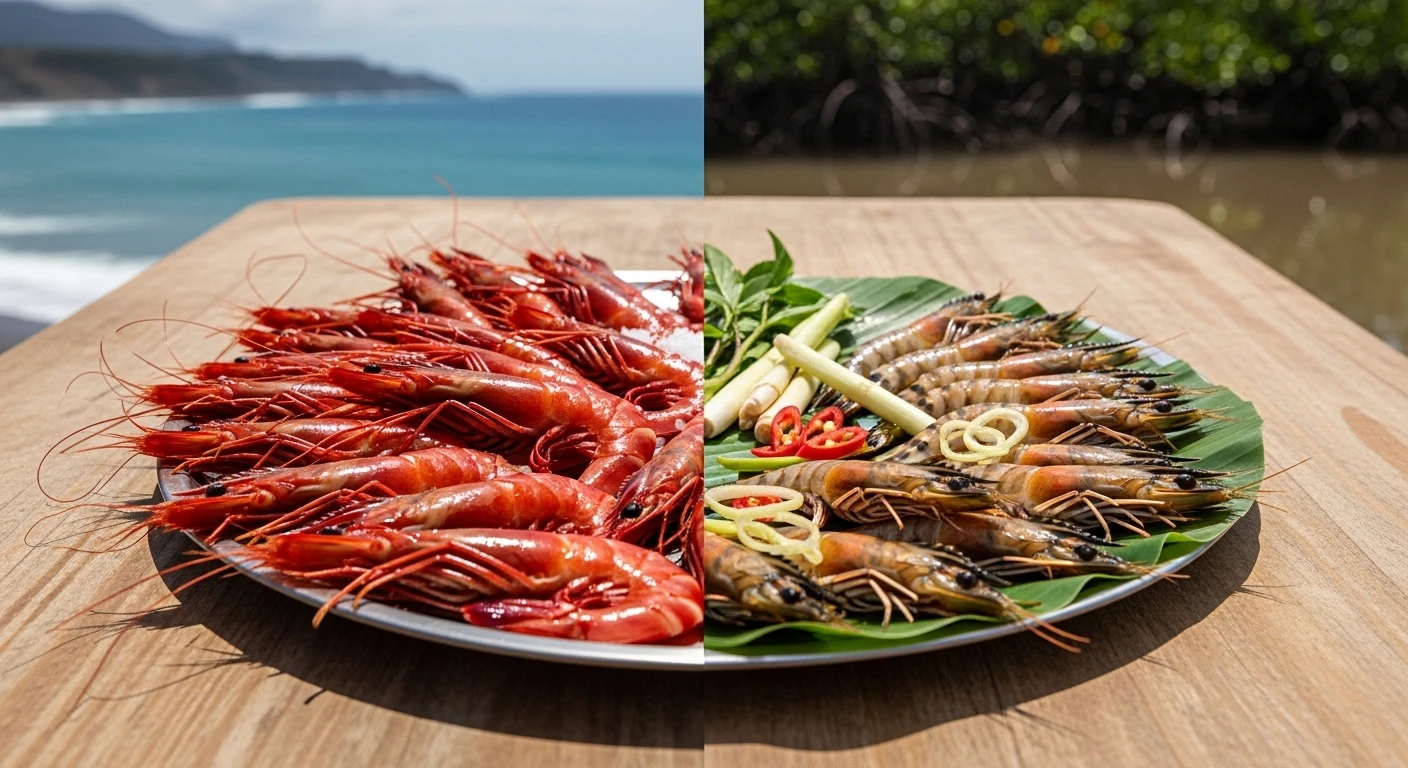
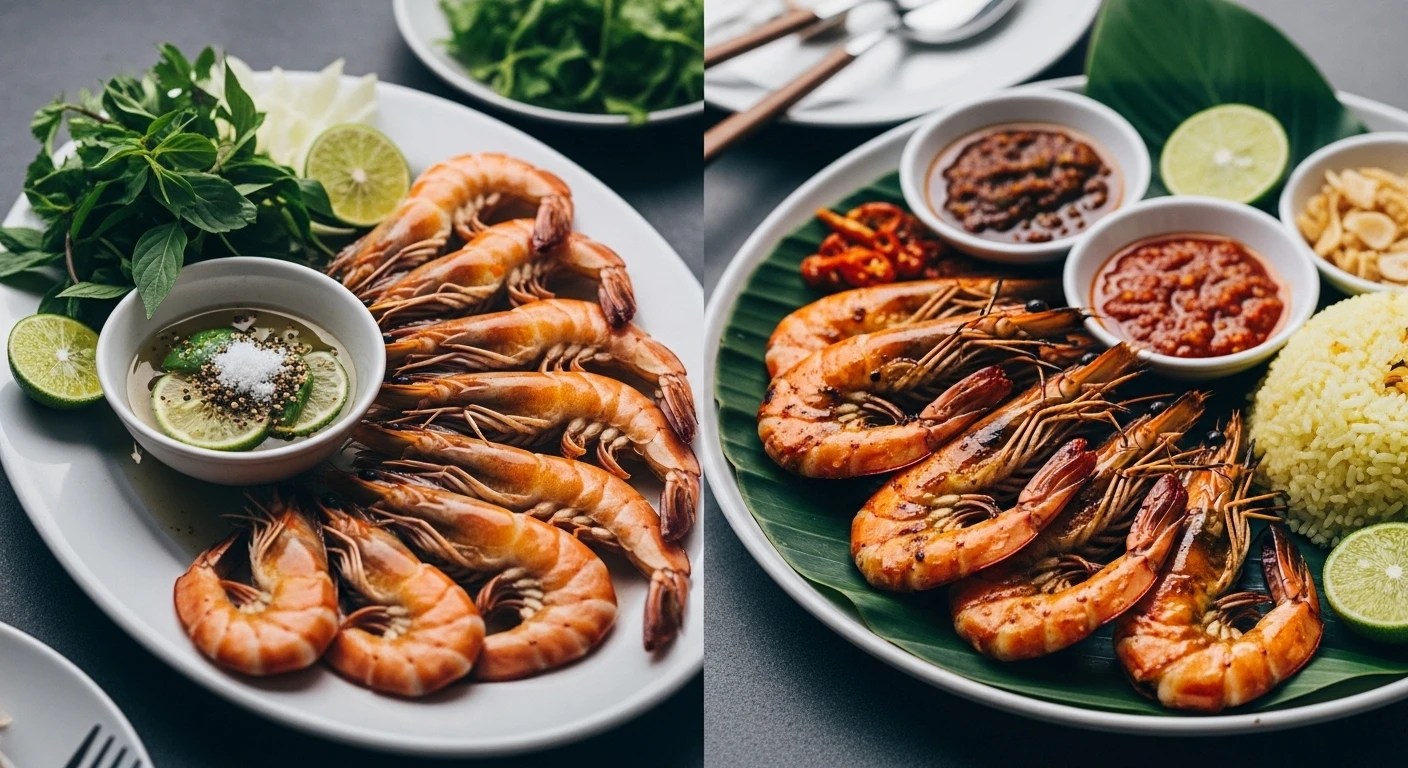
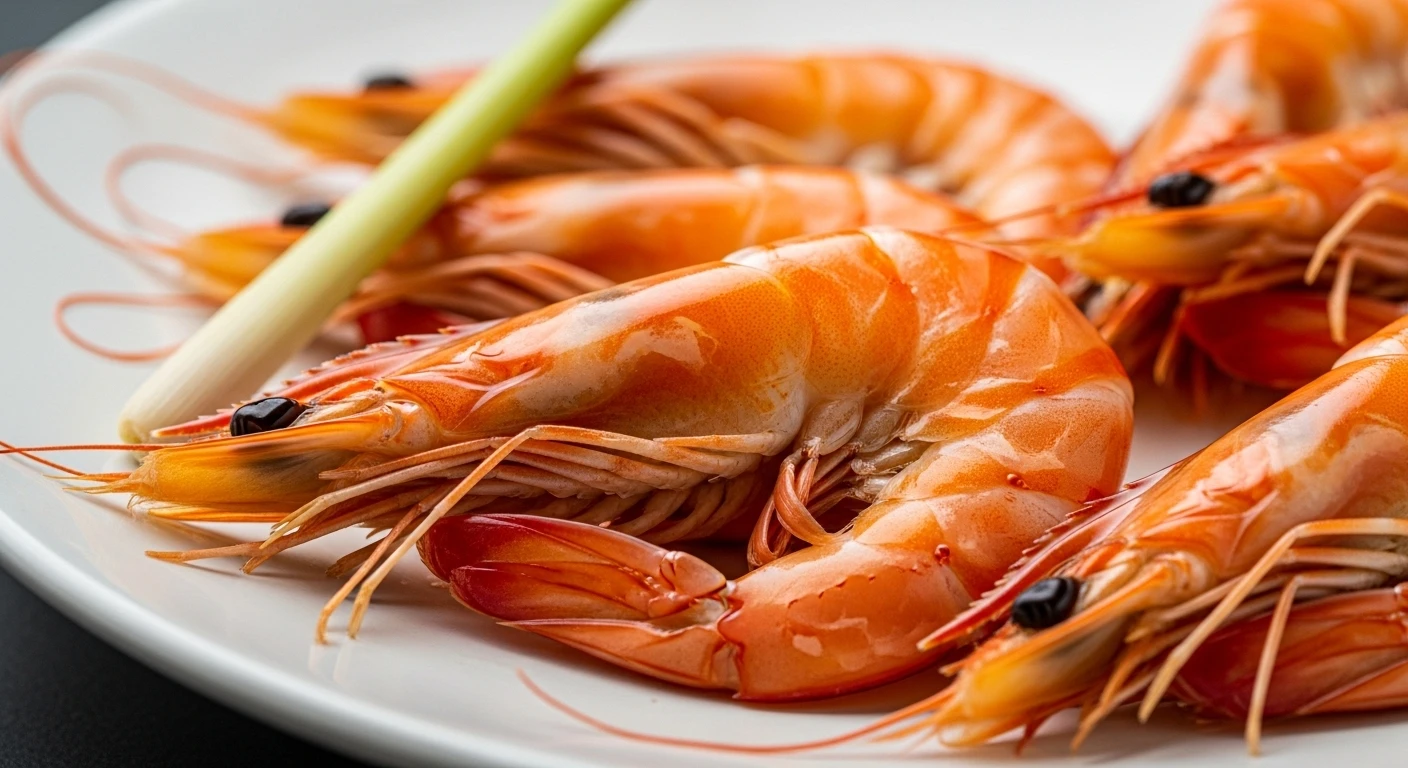
📸 A visual feast: The contrasting aesthetics of Vietnamese Delta freshness and Thai coastal vibrancy.
1 The Mekong Delta's Sweet Promise: Purity and Terroir
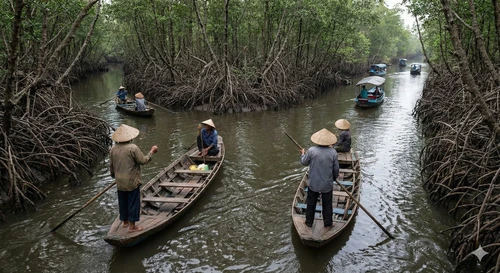
Venture into the labyrinthine waterways of the Mekong Delta, a region often called Vietnam’s rice bowl, and you’ll discover a shrimp culture deeply intertwined with the ebb and flow of freshwater and brackish tides. Here, aquaculture isn't just farming; it’s a way of life, often sustained by the unique mangrove ecosystems and the natural purity of the waters.
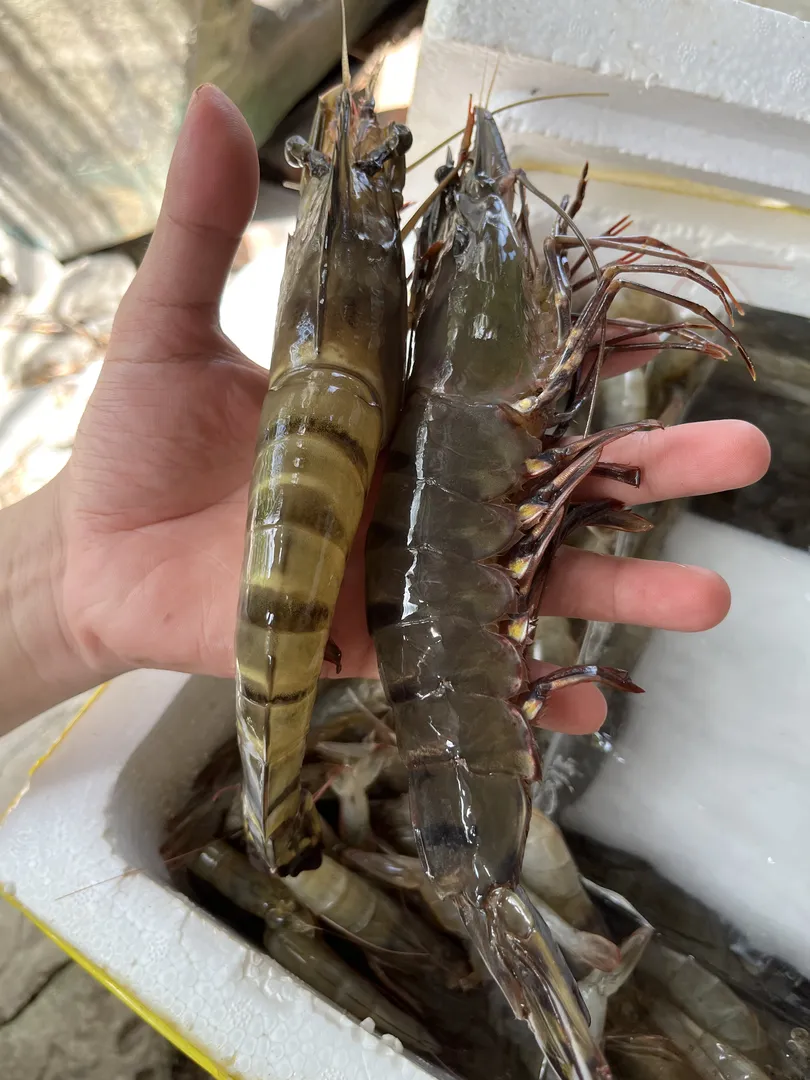
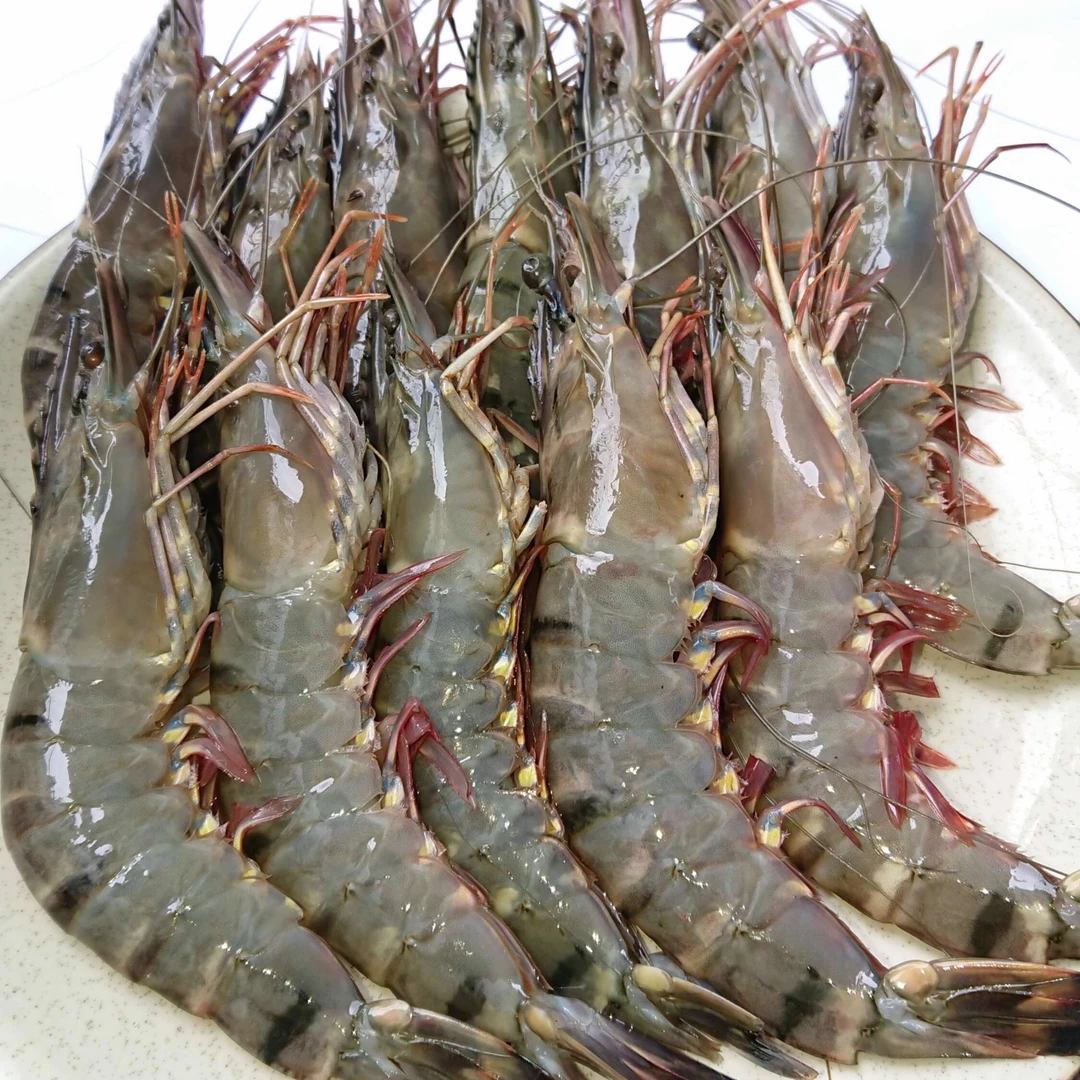
Ca Mau Black Tiger Shrimp, for instance, are a testament to this philosophy. Raised in semi-intensive systems within the mangrove forests of Ca Mau province – Vietnam's southernmost tip – these shrimp benefit from the natural diet and water quality that the environment provides. This leads to a distinctively firm texture and a clean, pure sweetness that is often described as the very essence of the sea, or rather, the estuary.
Heritage Ingredient
Ca Mau Black Tiger Shrimp
Ca Mau Black Tiger Shrimp
Large black tiger shrimp associated with mangrove aquaculture in Ca Mau, known for firm flesh and a cleaner, sweeter finish than intensively farmed shrimp.
Wild spirits of the mangroves, these black-banded gems deliver a firm, snappy texture and a sweetness that echoes the forest's vibrant life.
This sweetness is prized. In Vietnamese cuisine, particularly in the South, the philosophy often leans towards highlighting the ingredient's natural flavor. Shrimp are frequently prepared simply: steamed with lemongrass, grilled over charcoal, or simmered in delicate broths. Sauces are typically accompaniments designed to enhance, not mask. Think of the ubiquitous muối tiêu chanh (salt and pepper with lime) or a light fish sauce-based dip. The goal is to taste the shrimp first and foremost.
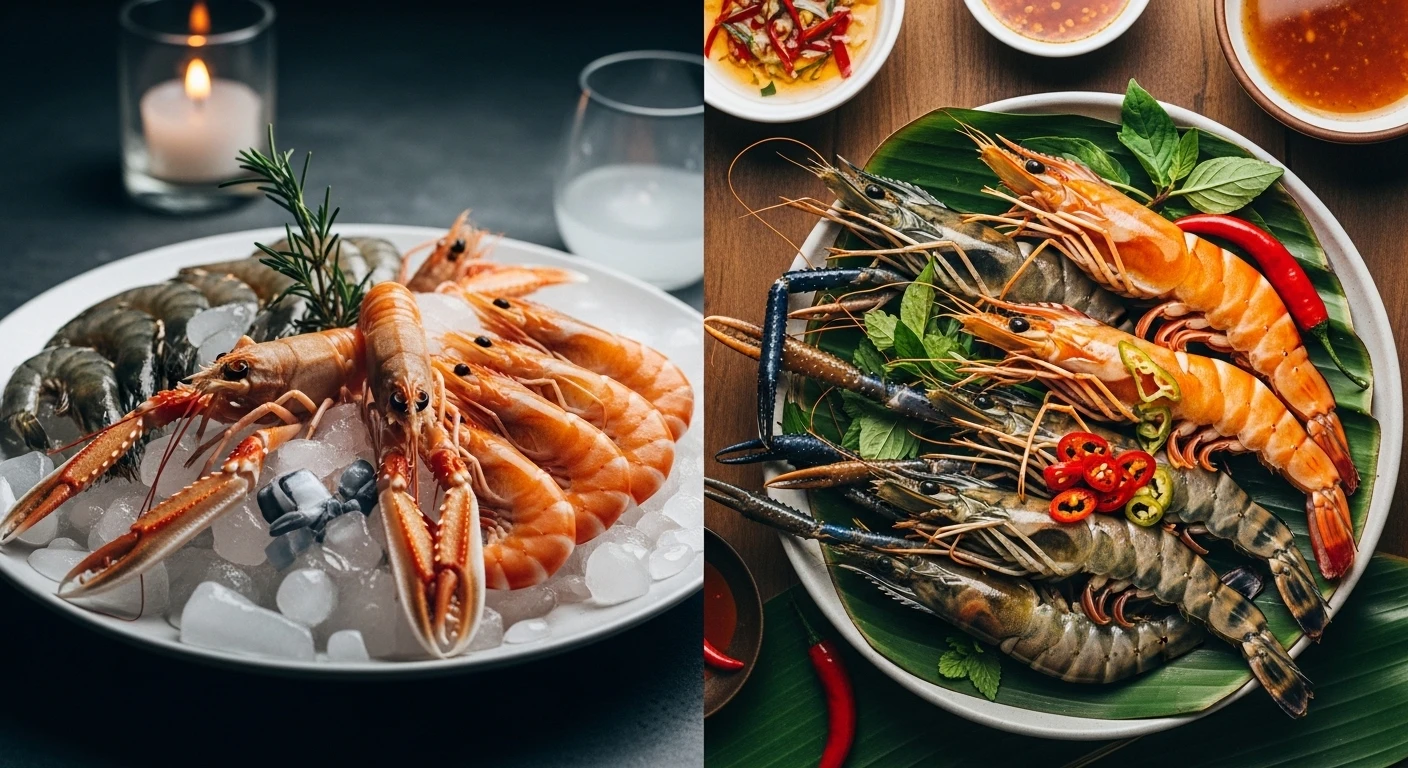
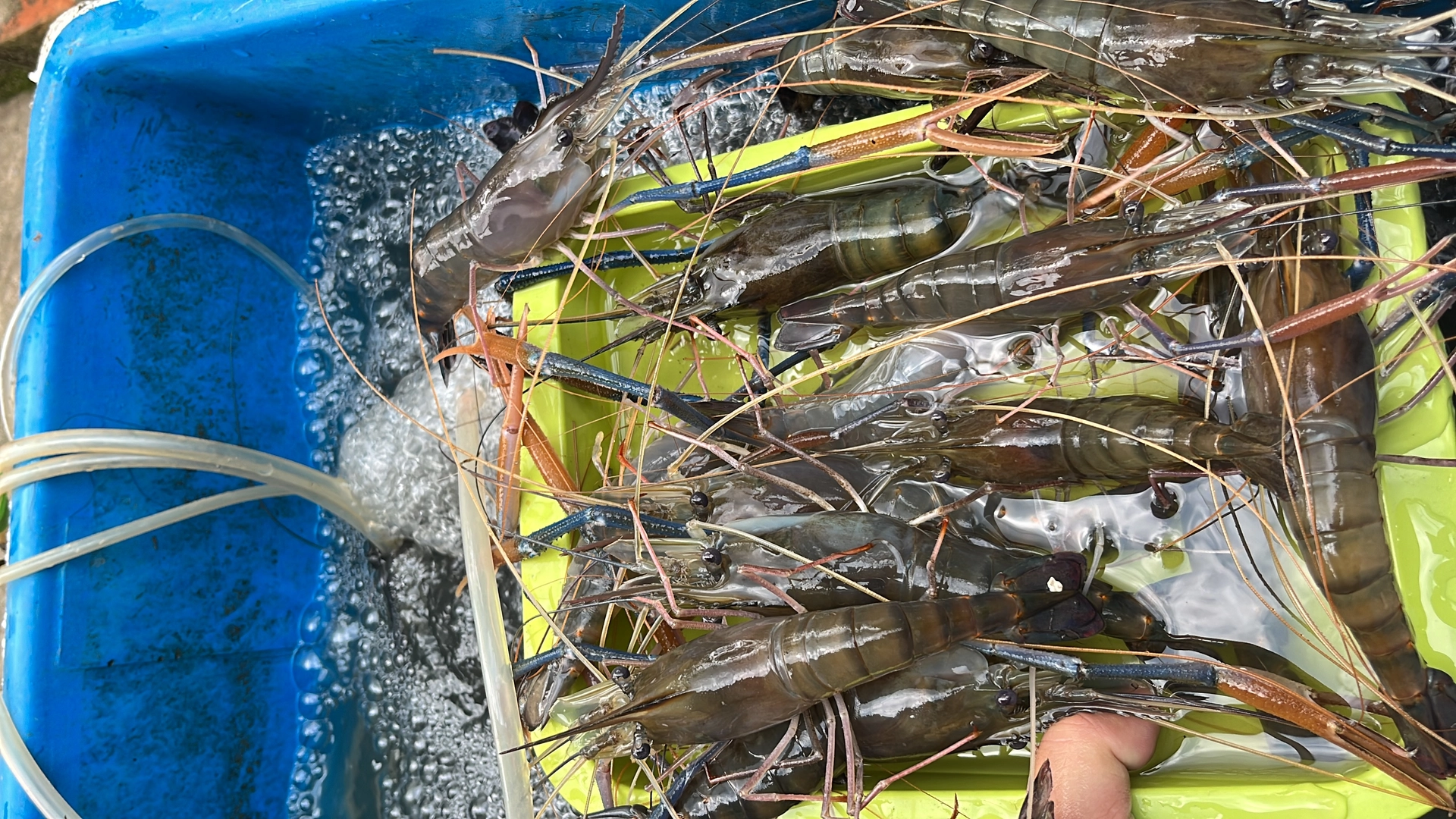
Beyond black tigers, the Delta is home to other prized varieties. Giant Freshwater Prawns, with their impressive blue claws and rich, buttery head fat, are a delicacy often found in hotpots or grilled to perfection, their inherent richness celebrated. Even the more common Whiteleg Shrimp, while widely farmed, are treated with respect, appearing in stir-fries, soups, and salads where their mild flavor and tender texture serve as a versatile canvas.
Heritage Ingredient
Mekong Giant Freshwater Prawn
Mekong Giant Freshwater Prawn
A river prawn with long blue claws and rich head fat, common in grilled prawn dishes and hotpot traditions across the Mekong basin.
Majestic blue-clawed warriors of the Mekong, famous for their rich, fatty heads and a savory depth that captures the essence of the delta's rivers.
The visual aesthetic is also key. Vietnamese shrimp dishes often present the ingredients in their most natural state, allowing the vibrant pinks and oranges of perfectly cooked shrimp to speak for themselves, often garnished simply with fresh herbs.
2 Thailand's Coastal Energy: Herbaceous, Spicy, and Bold
Cross the border into Thailand, and the maritime landscape shifts. While Thailand also boasts extensive coastlines and aquaculture, its shrimp culture is often characterized by a bolder, more assertive flavor profile, deeply rooted in its vibrant street food scene and the complex layering of herbs and spices that define Thai cuisine.
Thai shrimp, whether from the Andaman Sea or the Gulf of Thailand, is often the star player in dishes that are already bursting with flavor. The quintessential Thai approach involves a symphony of aromatics: galangal, lemongrass, kaffir lime leaves, chilies, garlic, and coriander root often form the base of marinades or sauces. The shrimp is not just cooked; it’s often an integral part of a complex flavor narrative.
Consider iconic dishes like Tom Yum Goong. The shrimp here are plump and succulent, but they are swimming in a broth that is a potent, exhilarating blend of sour, spicy, salty, and slightly sweet. The shrimp’s inherent flavor is present, but it’s amplified and transformed by the explosion of taste around it. Or think of Goong Pad Pong Garee (Shrimp Fried with Curry Powder), where the shrimp are coated in a rich, creamy, and distinctly spiced sauce that is utterly addictive.
Heritage Ingredient
Whiteleg Shrimp
Whiteleg Shrimp
A widely used shrimp in Vietnamese home kitchens, suitable for stir-fries, soups, steamed dishes, and practical cooking articles that need a familiar shrimp reference.
Translucent jewels of the coast, thin-shelled and remarkably sweet, making every simple home meal feel like a seaside celebration.
The emphasis in Thai cooking is often on contrast and intensity. While Vietnamese cuisine might favor subtle sweetness, Thai cuisine embraces the piquant, the fragrant, and the fiery. Even simple preparations like grilled shrimp often come with a complex dipping sauce, like the nam jim seafood, a potent concoction of lime juice, fish sauce, garlic, chilies, and cilantro that provides a sharp, herbaceous counterpoint to the shrimp's natural salinity.
The visual presentation in Thailand also tends to be more dynamic. Dishes are often colorful, with vibrant sauces, fresh herbs artfully arranged, and garnishes that add texture and visual appeal, reflecting the energetic, bustling nature of Thai food culture.
3 Beyond Borders: A Tale of Two Terroirs
The fundamental difference lies in their primary ecosystems and the resulting flavor profiles. The Mekong Delta, with its vast network of freshwater rivers and canals meeting the brackish waters of the southern coast, nurtures shrimp with a naturally mild sweetness. This terroir encourages a culinary approach that respects and amplifies this inherent quality.
Thai coastal aquaculture, while also diverse, often leans into the use of robust, fragrant spices and chilies. This isn't to say Thai shrimp isn't sweet or fresh; it's that the culinary philosophy embraces a bolder, more complex flavor palette where the shrimp is a vital component of a larger, more intensely flavored dish. It’s a difference between appreciating the individual notes of a fine instrument versus enjoying a full orchestral piece.
For the traveler, this translates into distinct experiences. In the Mekong Delta, a simple plate of steamed Ca Mau shrimp, served with a squeeze of lime and a pinch of salt and pepper, is a revelation of pure, unadulterated flavor. It’s the taste of the mangrove, the clean water, the pristine environment.
In Thailand, a bowl of Tom Yum Goong offers a thrilling, multi-sensory experience, where the shrimp’s sweetness is a crucial element that balances the exhilarating heat and sourness of the broth. It’s an adventure for the palate, a celebration of bold flavors working in harmony.
4 Species and Systems: A Subtle Distinction
While both countries farm a wide array of shrimp, the prominence of certain species and cultivation methods shapes their respective culinary landscapes. Vietnam’s strength in mangrove-integrated shrimp farming, particularly for black tigers and certain prawns, lends a unique quality tied to specific coastal geographies. This method often results in a slower growth rate but yields a superior texture and cleaner flavor, a direct reflection of the shrimp’s natural habitat.
Thailand also champions sustainable aquaculture but has a massive industry encompassing various systems, including intensive farming for species like whiteleg shrimp, which are crucial for global export markets. Their coastal regions are also vital for wild-caught varieties. The Thai focus on herb and spice integration means that even shrimp from less terroir-specific farming systems can be elevated to extraordinary dishes through masterful culinary techniques.
The key takeaway for any discerning diner or traveler is to understand that the source and how it’s treated are paramount. In Vietnam, the Mekong Delta’s ecosystem is the source of its celebrated shrimp purity. In Thailand, the vibrant pantry of herbs and spices is the key to unlocking bold, unforgettable shrimp dishes.
5 The Soul of the Dish: Sauces and Dipping Rituals
The role of sauces is perhaps the most telling differentiator. In the Mekong Delta, the accompanying sauces are typically minimalistic, designed to be a subtle enhancement. Muối tiêu chanh (salt, pepper, lime) is a classic for a reason; it provides salinity, a touch of sharpness, and a hint of citrus that makes the shrimp’s sweetness pop without overpowering it. Fish sauce-based dips, often with a whisper of garlic or chili, serve a similar purpose – to provide a savory depth that complements, rather than dominates.
Thai sauces, however, are often complex flavor powerhouses in their own right. The nam jim seafood is a prime example: a potent blend of fresh lime juice, fish sauce, garlic, bird’s eye chilies, and cilantro that is intensely sour, salty, spicy, and herbaceous. It acts as a vibrant conductor, orchestrating a complex interplay of flavors with the shrimp. Other dishes involve rich, spiced curry sauces or creamy, chili-infused concoctions that fundamentally transform the shrimp into part of a much larger, more dramatic culinary narrative.
This contrast mirrors the overall culinary philosophies: Vietnam’s focus on the inherent quality of pristine ingredients, and Thailand’s mastery of blending diverse aromatics and spices into bold, cohesive flavor profiles.
6 For the Curious Palate: Where to Explore Next
As a traveler, exploring the shrimp cultures of Vietnam and Thailand offers a unique journey through Southeast Asian culinary diversity. If your preference leans towards the subtle, the pure, and the naturally sweet, the Mekong Delta beckons. Imagine yourself on a small boat, the humid air thick with the scent of mangroves, savoring a simple yet profound dish of perfectly steamed Ca Mau shrimp. It’s an experience that grounds you in the purity of place.
Conversely, if you crave vibrant flavors, a thrilling dance of sweet, sour, spicy, and savory, and the energetic buzz of street food culture, Thailand’s coastal offerings will undoubtedly captivate you. The complex sauces, the aromatic herbs, the bold spices – it’s a culinary adventure that engages all senses.
Neither approach is superior; they are simply different expressions of a shared love for this incredible crustacean, shaped by distinct environments and traditions. For those seeking to understand the nuanced flavors of shrimp and their connection to the land and water, a comparative culinary pilgrimage through the Mekong Delta and Thailand’s coastlines is an indispensable gastronomic adventure.
7 The Mekong's Edge: A Benchmark in Natural Sweetness
While Thailand excels in creating intensely flavorful shrimp dishes, Vietnam, particularly the Mekong Delta, offers a benchmark for shrimp that speaks for itself. The Ca Mau Black Tiger Shrimp, nurtured in mangrove ecosystems, embodies a purity of flavor that is rare. Its firm texture and clean, inherent sweetness provide a baseline against which other shrimp can be measured. This natural quality is a direct result of the unique terroir and sustainable aquaculture practices prevalent in the region.
For chefs and gourmands worldwide, the subtle sweetness and firm texture of Mekong Delta shrimp are highly sought after. They represent a connection to a natural environment, a commitment to quality that transcends simple farming. When you taste a Ca Mau shrimp, you are tasting the clean waters, the mangrove forests, and a tradition of respectful aquaculture that prioritizes flavor and sustainability.
This dedication to preserving the natural character of the shrimp makes it a standout ingredient. While Thai cuisine expertly uses spices to complement shrimp, Vietnamese Delta cuisine lets the shrimp's own essence shine, making it a pure and unadulterated delight.
8 A Flavorful Dialogue
The comparison between Vietnamese and Thai shrimp culture is not about declaring a winner, but about appreciating the rich tapestry of flavors and traditions that Southeast Asia offers. From the pure, sweet essence of Mekong Delta shrimp, subtly enhanced by simple accompaniments, to the bold, herbaceous, and spicy fireworks of Thai coastal cuisine, both nations provide unparalleled experiences for shrimp lovers.
For the traveler, understanding these nuances enriches the culinary journey. It’s an invitation to explore the land, the water, and the people behind each dish. Whether you find yourself savoring the clean sweetness of Ca Mau shrimp or diving into a vibrant Thai shrimp curry, you are tasting the soul of a region. And that, in the end, is the greatest flavor of all.
📸 The star of the show: Ca Mau Black Tiger Shrimp, celebrated for its firm texture and pure, sweet taste.
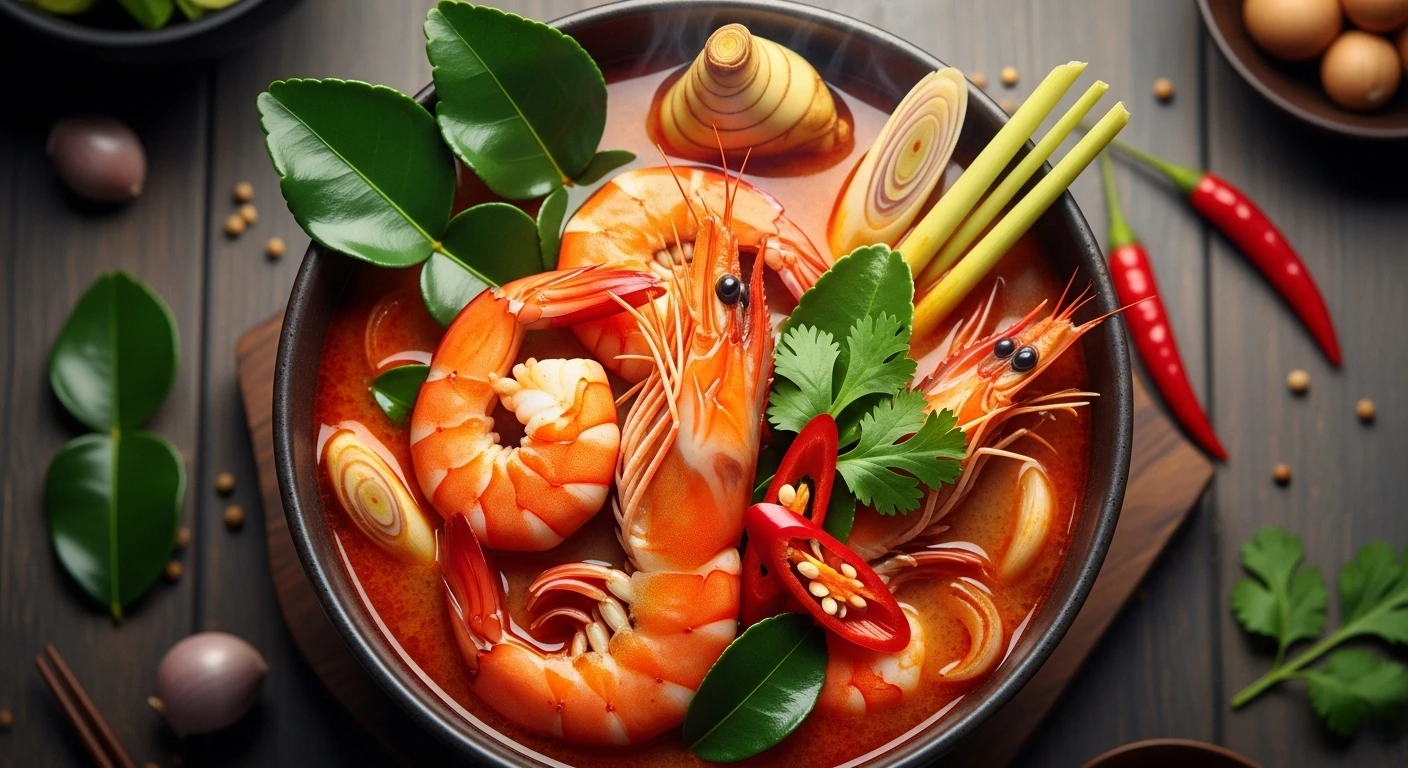
🌶️ A flavor explosion: Tom Yum Goong, a classic Thai dish where shrimp meet a symphony of spicy, sour, and herbaceous notes.
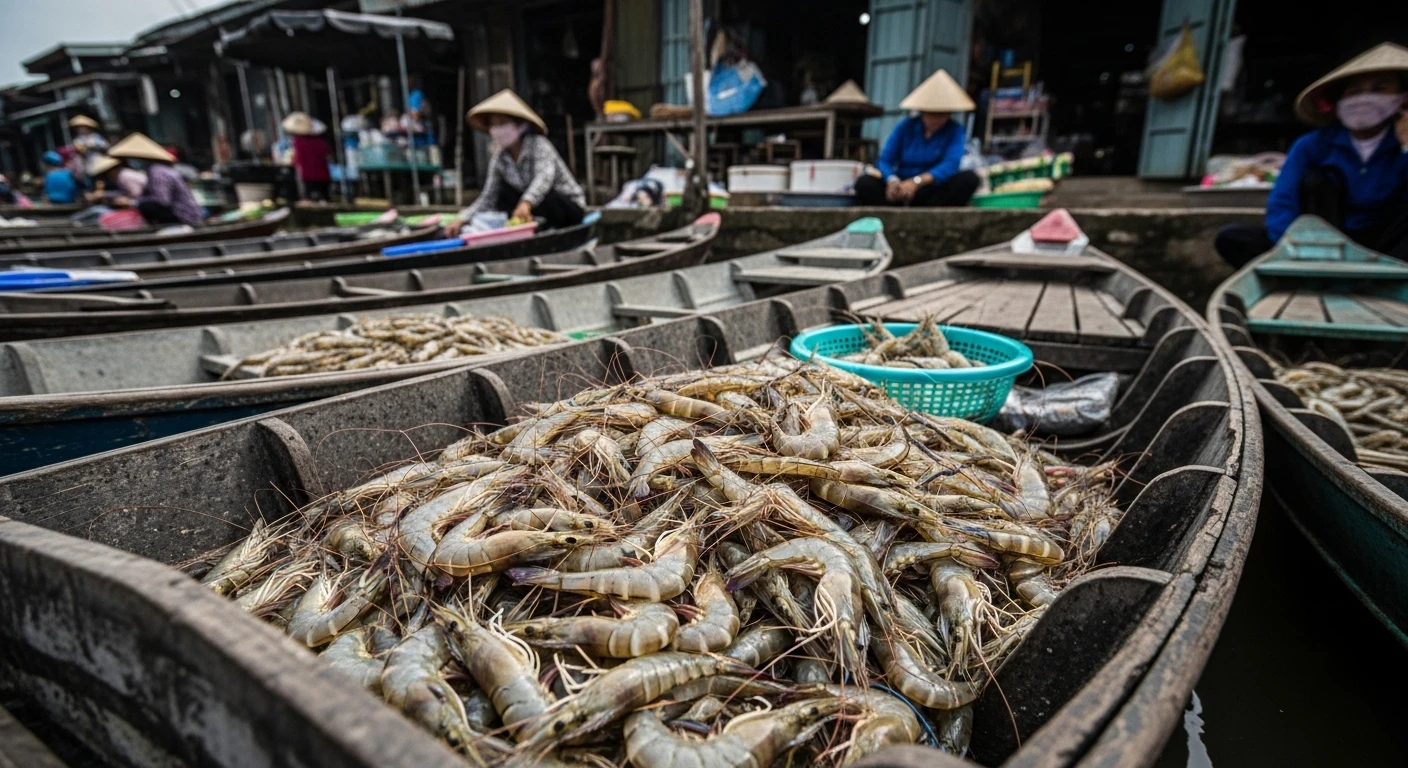
🛶 The source of sweetness: Freshly harvested shrimp in a Mekong Delta market, a glimpse into the lifeblood of the region.