" There's a universe of difference between a shrimp pulled from the deep, wild South Atlantic and one carefully cultivated in the labyrinthine waterways of Vietnam's Mekong Delta. It's a tale of raw power versus nuanced terroir, of pristine oceans versus emerald mangroves. "
1 The Wild Heart of Argentina's Shrimp
When you hear "Argentine shrimp," a powerful image often comes to mind: vast, icy waters, rugged coastlines, and a sense of untamed nature. The iconic Argentine Red Shrimp (Pleoticus muelleri) is the king of this image, a crustacean that has built its reputation on being plucked from the frigid, nutrient-rich depths of the South Atlantic, far off the Patagonian coast.
These are not just any shrimp. They are swimmers of the open ocean, relying on the natural bounty of the sea for survival. This wild existence translates into a distinct culinary profile: a firm, almost snappy texture and a flavor that’s clean, intensely sweet, with a subtle brininess reminiscent of the ocean spray. The color, a vibrant ruby red even before cooking, hints at the richness within.
The Argentine approach to shrimp is one of reverence for its wild origin. Fishing fleets operate under strict quotas and sustainability practices, ensuring that this prized resource is managed responsibly. The processing is often minimal, focusing on preserving the shrimp's natural integrity – quick freezing at sea to lock in that unparalleled freshness and texture. It’s a testament to the power of pristine environments and traditional, robust fishing methods.
For many, Argentine shrimp represents the pinnacle of wild-caught seafood. Its prestige isn't just about taste; it's about the story it tells of a wild, powerful ocean and a nation that respects its natural heritage. It’s a shrimp that commands attention, often served with simple preparations – grilled, pan-seared, or even raw – allowing its inherent sweetness and firm bite to be the stars of the plate.
2 The Mangrove Maestro: Vietnam's Mekong Delta Shrimp Culture
Now, let's journey to the other side of the globe, to the verdant, intricate river systems of Vietnam's Mekong Delta. Here, shrimp culture is not a story of icy depths, but of warm, brackish waters, a rich tapestry of mangroves, and a deep-seated tradition woven into the fabric of daily life. This is a realm where aquaculture is an art form, refined over generations.
The Mekong Delta, a sprawling network of rivers, canals, and tidal estuaries, is a unique ecosystem. It’s here that Vietnamese farmers have mastered the art of cultivating shrimp. Unlike the wild-caught Argentine species, Vietnamese shrimp often thrive in carefully managed ponds that mimic their natural estuarine environment. This is where the character of Vietnam's shrimp truly emerges.
Prominent among these are the Ca Mau Black Tiger Shrimp. Grown in mangrove-integrated farms, these shrimp benefit from the natural filtration and nutrients provided by the mangrove forests. This is more than just farming; it's a symbiotic relationship. The result is a shrimp with a firm, succulent flesh and a clean, distinct sweetness – a flavor profile that carries the subtle essence of its coastal, mangrove-infused home. It's often lauded for its robust texture and a less "fishy" taste compared to intensely farmed shrimp.
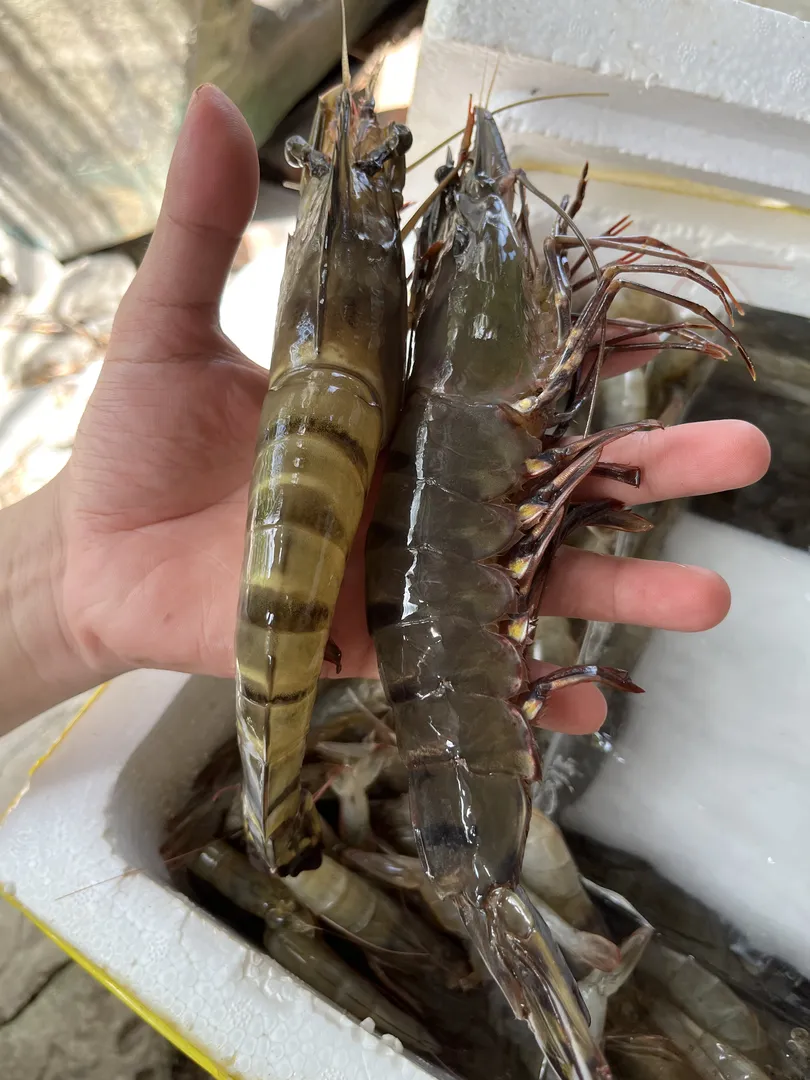
Heritage Ingredient
Ca Mau Black Tiger Shrimp
Ca Mau Black Tiger Shrimp
Large black tiger shrimp associated with mangrove aquaculture in Ca Mau, known for firm flesh and a cleaner, sweeter finish than intensively farmed shrimp.
Wild spirits of the mangroves, these black-banded gems deliver a firm, snappy texture and a sweetness that echoes the forest's vibrant life.
Then there are the Giant Freshwater Prawns. These magnificent crustaceans, with their long, striking blue claws, are a hallmark of the Mekong's inland waterways. They are often raised in extensive pond systems, feeding on natural forage. Their meat is dense and sweet, but it's the rich, creamy "head fat" – essentially the prawn's hepatopancreas – that is particularly prized, lending an incredible depth of flavor to grilled preparations or broths.
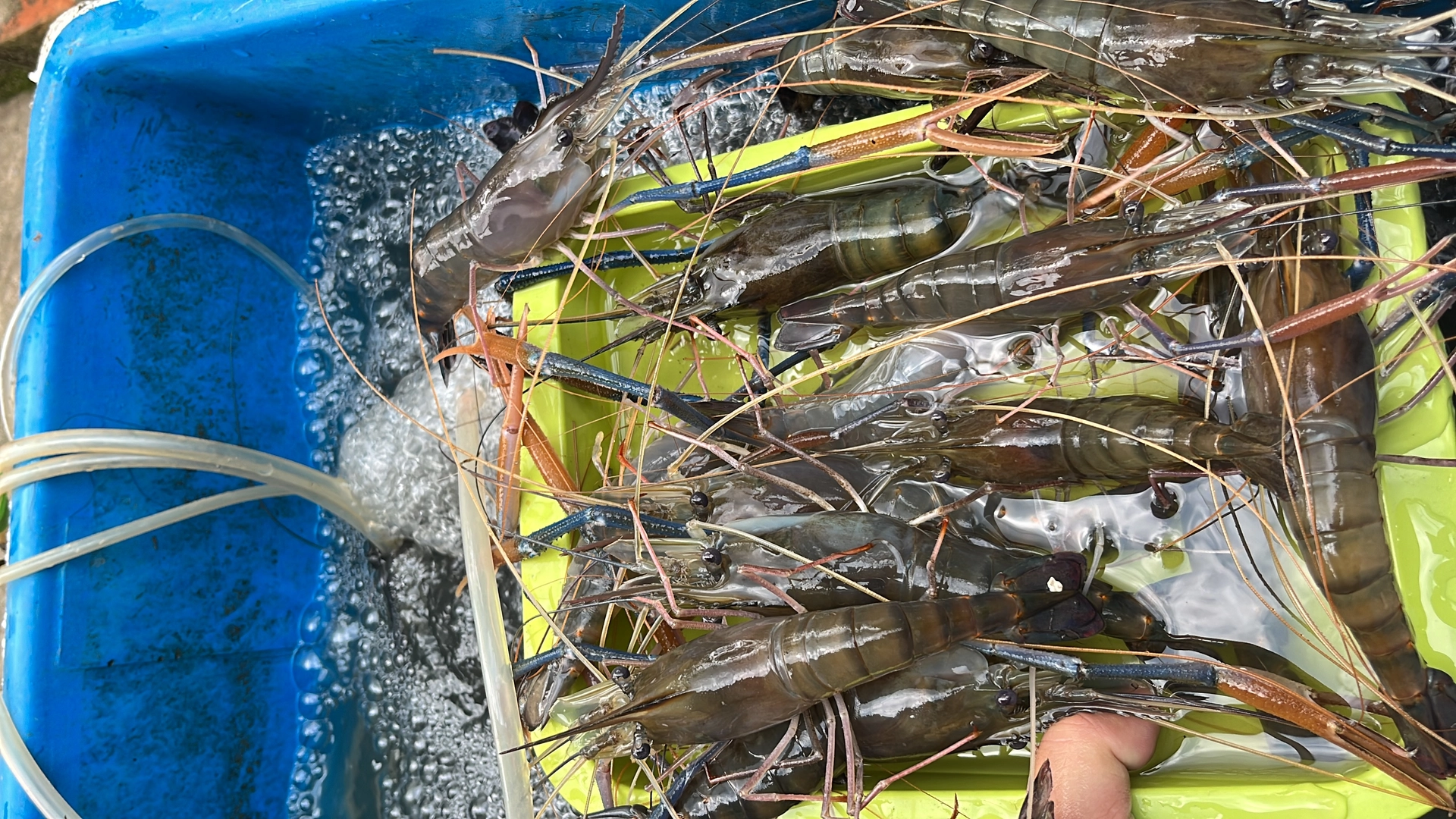
Heritage Ingredient
Mekong Giant Freshwater Prawn
Mekong Giant Freshwater Prawn
A river prawn with long blue claws and rich head fat, common in grilled prawn dishes and hotpot traditions across the Mekong basin.
Majestic blue-clawed warriors of the Mekong, famous for their rich, fatty heads and a savory depth that captures the essence of the delta's rivers.
Even the ubiquitous Whiteleg Shrimp, though farmed extensively worldwide, takes on a local charm in the Mekong. Here, they are integrated into diverse farming systems, from rice-paddy shrimp rotation to integrated mangrove culture, finding their way into countless everyday Vietnamese dishes, from stir-fries to steaming hotpots. Their adaptability and widespread availability make them a cornerstone of domestic cuisine.
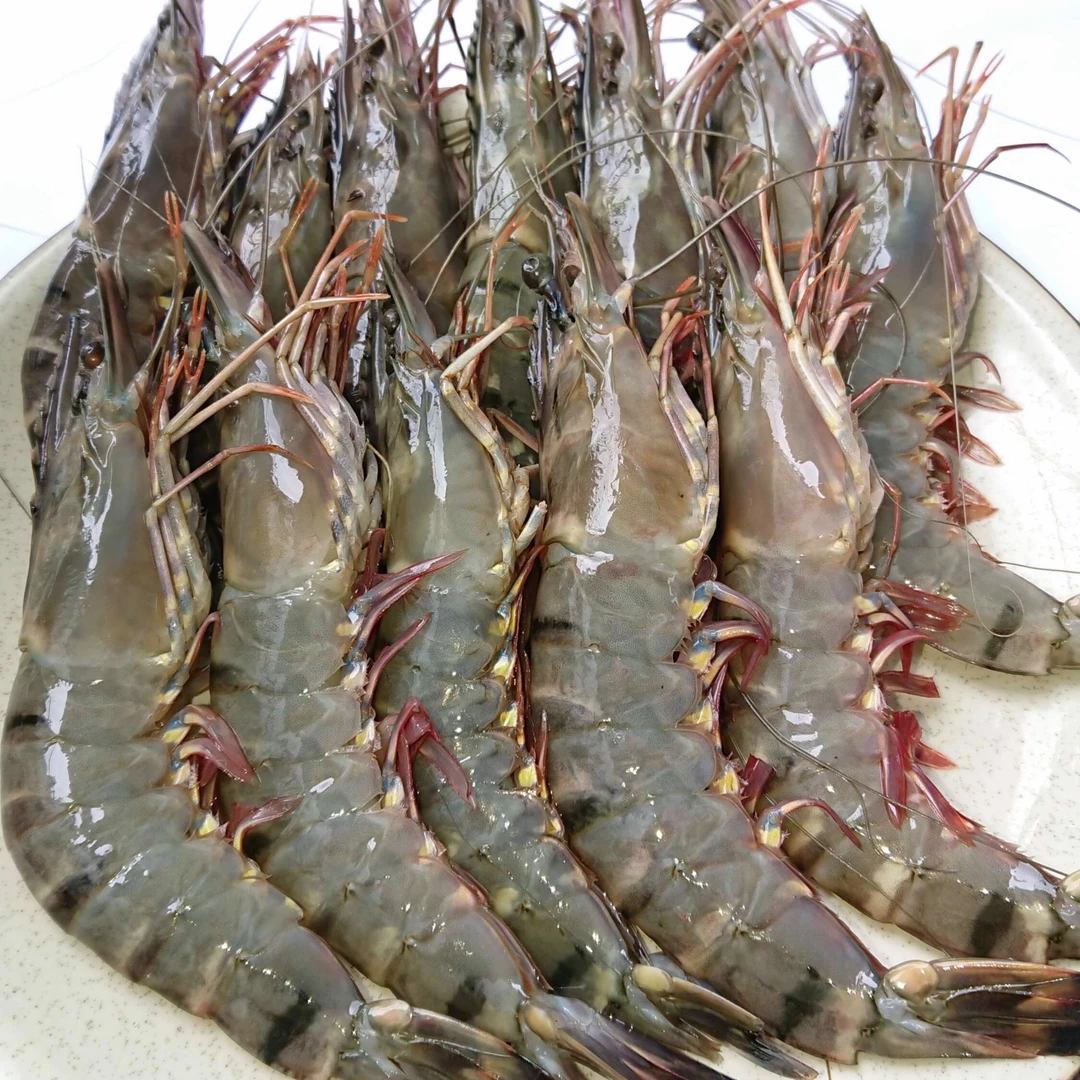
Heritage Ingredient
Whiteleg Shrimp
Whiteleg Shrimp
A widely used shrimp in Vietnamese home kitchens, suitable for stir-fries, soups, steamed dishes, and practical cooking articles that need a familiar shrimp reference.
Translucent jewels of the coast, thin-shelled and remarkably sweet, making every simple home meal feel like a seaside celebration.
Vietnamese shrimp culture in the Mekong Delta is a testament to human ingenuity and a profound understanding of the aquatic environment. It's a livelihood that supports millions, blending traditional knowledge with modern aquaculture techniques, all while aiming to preserve the delicate balance of the delta's ecosystem.
3 The Taste Test: Wild Power vs. Terroir-Driven Sweetness
How do these two distinct shrimp worlds translate to the palate? It's a study in contrasts, each offering a unique, captivating experience.
Argentine Red Shrimp: The Ocean's Pure Power
The Argentine Red Shrimp is the embodiment of its environment. Its flavor is bold, direct, and unapologetically sweet. The texture is firm, almost crystalline, providing a satisfying chew that speaks of a life spent battling currents. It’s a clean, pure sweetness, devoid of any muddy undertones, often described as having a hint of lobster-like richness. It's the taste of untamed, wild nature.
Mekong Delta Shrimp: The Nuance of the Waterways
Vietnamese shrimp, particularly from the Ca Mau region, offer a more nuanced sweetness. The Black Tiger Shrimp, grown in brackish, mangrove-infused waters, possesses a delicate, almost floral sweetness. Its texture is firm, yet tender, a perfect balance that showcases its carefully managed aquatic habitat. It’s a sweetness that hints at the very earth and water it came from – the mangrove forests, the tidal flows.
The Giant Freshwater Prawns present another dimension: the luxurious, fatty richness of their head. While the tail meat is sweet and firm, it's the concentrated flavor from the head that elevates dishes, adding a depth and complexity that is distinctly Mekong.
4 Habitat & Life Cycle: Ocean Ices vs. Emerald Estuaries
The fundamental difference in their flavor and texture stems directly from their vastly different life experiences.
Argentina: The Deep Freeze Frontier
Argentine Red Shrimp are pelagic, living and feeding in the open ocean. They migrate over long distances, subject to the challenges and rich nutrients of the powerful South Atlantic currents. Their life cycle is dictated by the rhythms of the sea, their bodies adapted to survive in colder temperatures and abundant, plankton-rich waters. This hardiness contributes to their dense musculature and clean flavor.
Vietnam's Mekong Delta: The Aquacultural Cradle
In contrast, Mekong Delta shrimp are largely cultured. Ca Mau Black Tiger Shrimp, for instance, are raised in ponds integrated with mangrove ecosystems. This means they consume a diet influenced by the natural organic matter from decaying mangrove leaves and a rich array of small aquatic organisms that thrive in this brackish environment. The warmer waters and the specific mineral content of the delta's soil and water impart a distinct character.
Giant Freshwater Prawns are bred and raised in freshwater or slightly brackish ponds, their diet carefully managed to promote growth and the development of their prized head fat. This controlled environment, while different from the wild, allows for specific flavor profiles to be cultivated, often emphasizing sweetness and richness.
5 Culinary Traditions: Simplicity vs. Savory Complexity
The way these shrimp are celebrated in their respective cuisines highlights their inherent qualities.
Argentina: The Respectful Showcase
Argentine cuisine often favors a minimalist approach when it comes to its premium seafood. For their red shrimp, this means grilling with minimal seasoning, perhaps just a drizzle of olive oil, a squeeze of lemon, or a simple garlic butter sauce. The goal is to let the shrimp’s inherent sweetness and firm texture shine. Raw preparations, like ceviche or carpaccio, are also popular, further emphasizing the clean, ocean-fresh flavor.
Vietnam's Mekong Delta: A Symphony of Flavors
In the Mekong Delta, shrimp are more likely to be integral components in a broader spectrum of dishes, embracing more complex flavor profiles. They are steamed with coconut water or beer (a nod to the region's drinking culture), stir-fried with tamarind and chili for a sweet, sour, and spicy punch, or simmered in rich broths for hotpot. Grilled prawns are a staple, often marinated with lemongrass, garlic, and chili, showcasing the region's vibrant spice palate.
The abundance and variety of shrimp in the Delta mean they are used in everyday meals, festive gatherings, and as key ingredients in regional specialties. The emphasis is on creating a harmonious blend of flavors where the shrimp is a star, but part of a delicious, often spicy and aromatic, ensemble.
6 Sustainability and Lifestyle
Both Argentina and Vietnam face the critical challenge of sustainable seafood production, albeit through different lenses.
Argentina: The Wild Catch Ethos
Argentina's wild-caught shrimp industry is governed by stringent regulations aimed at protecting marine ecosystems. The focus is on managing wild populations, preventing overfishing, and minimizing bycatch. The lifestyle associated with this is one of maritime industry – the hardy fishermen, the processing plants that preserve freshness, and a national pride in their oceanic bounty.
Vietnam: The Integrated Aquaculture Approach
In Vietnam's Mekong Delta, sustainability efforts are increasingly focused on responsible aquaculture. This includes promoting mangrove-integrated farming, which helps protect coastal areas from erosion and provides critical habitat for biodiversity. Certifications like ASC (Aquaculture Stewardship Council) are becoming more common, signaling a shift towards environmentally conscious farming practices. The lifestyle here is deeply tied to the land and water – the daily rhythms of the farmer tending to their ponds, the local markets bustling with fresh produce, and a community that relies on the health of the delta for its prosperity.
7 Why Visit the Mekong Delta for Shrimp Lovers?
If you’re a seafood enthusiast, particularly one captivated by shrimp, the Mekong Delta offers an experience that transcends mere consumption. It’s an immersion into a living, breathing culture where shrimp are more than just food; they are a livelihood, a tradition, and a vital part of the regional identity.
Imagine cruising down the intricate waterways, passing by shrimp farms nestled amongst lush mangroves. Picture visiting bustling floating markets where the freshest catches are traded. Envision tasting shrimp prepared in ways you've never imagined, from humble street-side stalls to family-run restaurants.
The Mekong Delta provides an unparalleled opportunity to understand the journey of shrimp from pond to plate, to witness the dedication of the farmers, and to savor the authentic flavors that have been perfected over centuries. It’s a chance to connect with the source of your food in a way that is both educational and incredibly delicious.
8 The Verdict: Two Worlds, Two Kinds of Excellence
Comparing Argentine Red Shrimp and Mekong Delta shrimp is not about declaring a winner, but about appreciating distinct forms of culinary excellence. Argentina offers the raw, untamed power of the ocean – a pure, intense sweetness born from icy depths and a wild existence.
Vietnam’s Mekong Delta, on the other hand, presents a story of cultivation, nuance, and terroir. Its shrimp carry the subtle, complex flavors of their estuarine homes, influenced by mangrove ecosystems and generational farming wisdom. Whether it's the distinct character of Ca Mau Black Tiger Shrimp or the rich decadence of Giant Freshwater Prawns, the Delta offers a unique taste of its vibrant aquatic landscape.
Both offer unparalleled deliciousness, catering to different preferences and culinary philosophies. For those who seek the unadulterated taste of the wild sea, Argentina's bounty is unmatched. For those who appreciate the subtle interplay of environment, cultivation, and tradition, the Mekong Delta's shrimp are an edible journey into a rich cultural tapestry. Both are worth seeking out, savoring, and understanding.
More About Vietnamese Seafood
View More Travel & Culture
Motorbikes and Crabs: A Crazy Logistics System
How thousands of crabs are transported on two wheels.
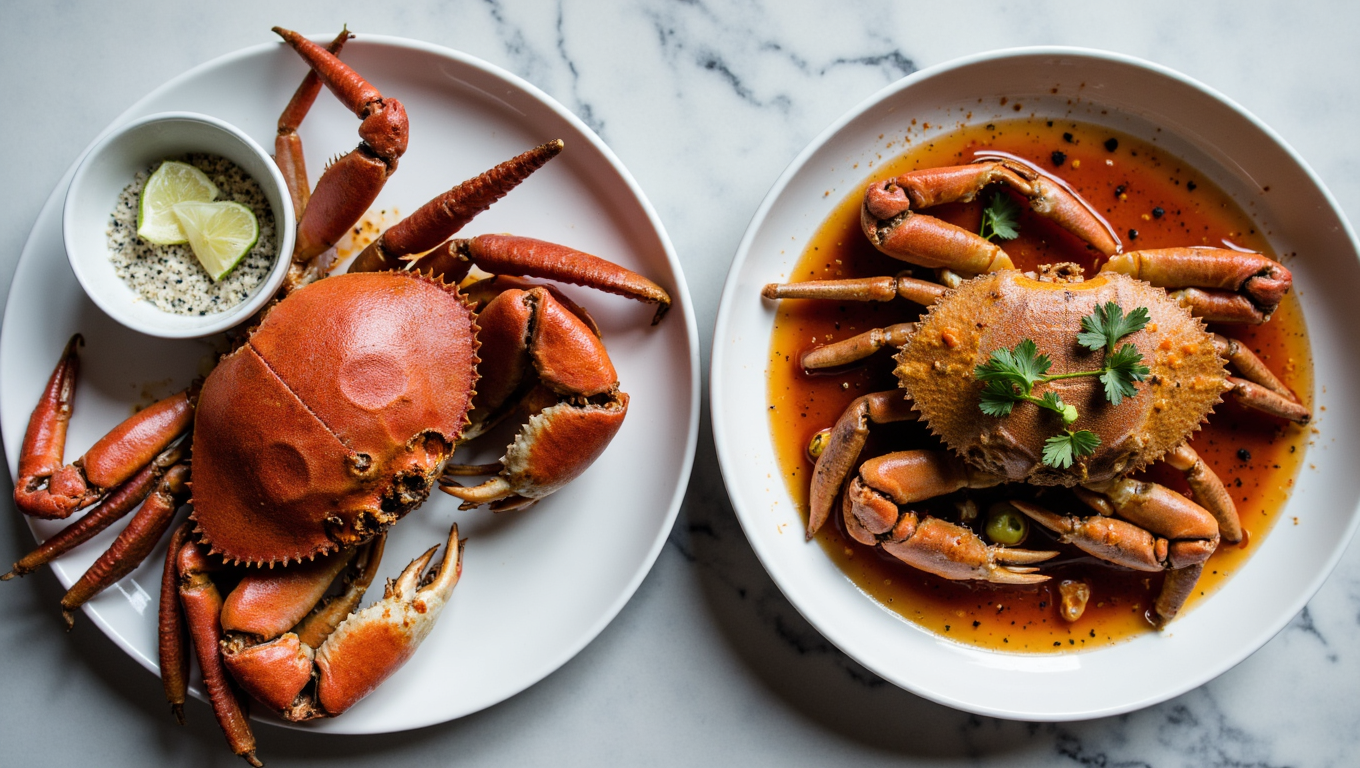
Vietnam Crab vs Thai Crab: Which Seafood Culture Delivers More Flavor Per Bite?
A comparison of Vietnamese Mekong mud crab and Thai crab dishes, from coastal markets to bold sauces and street-food traditions.
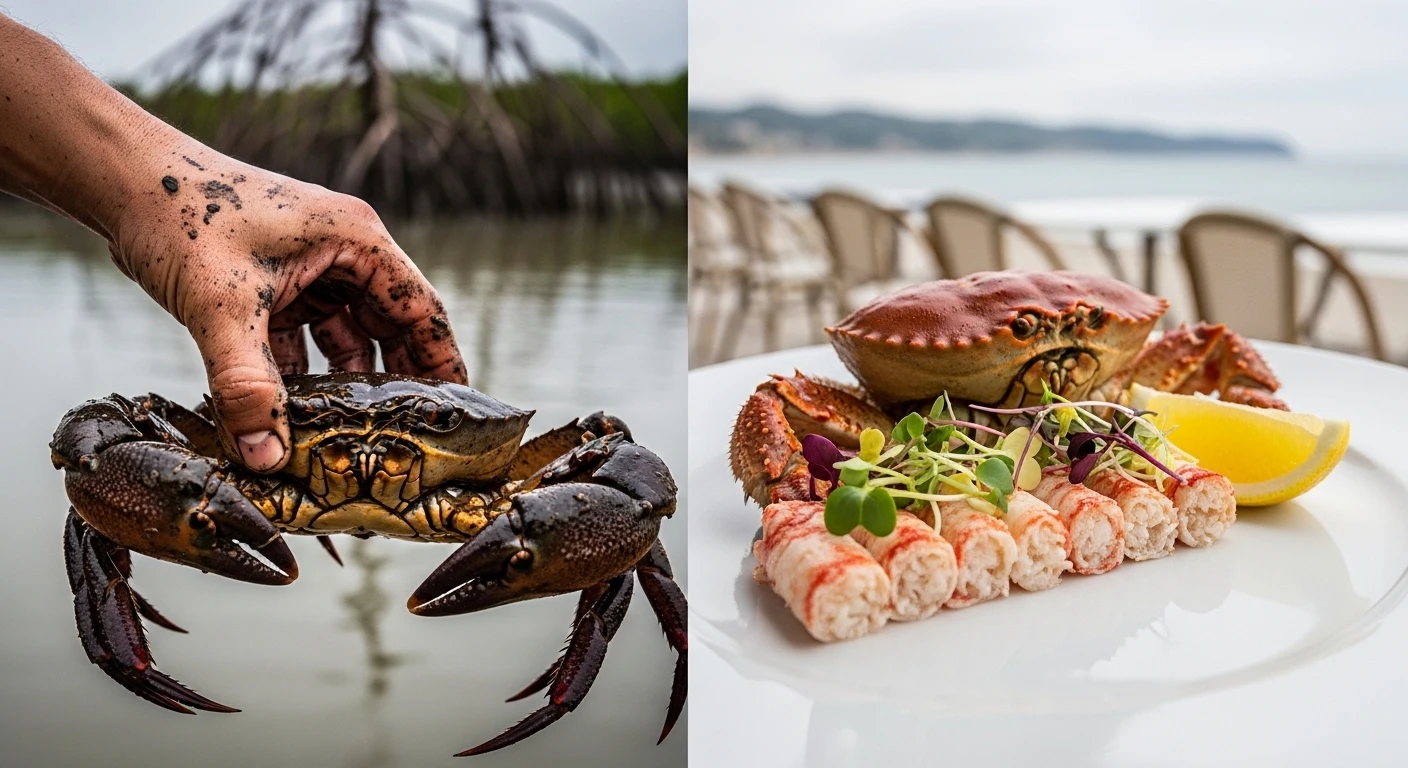
Vietnam Crab vs French Crab: Rustic Delta Crab vs Refined Coastal Gastronomy
What happens when the humble power of Mekong mud crab is compared with French coastal seafood elegance?
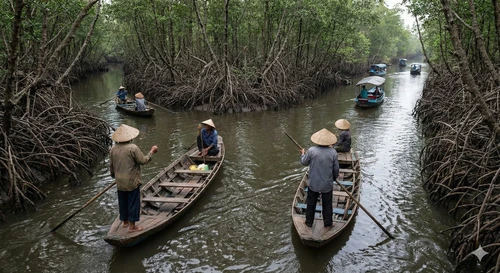
Why Ca Mau Mangroves Produce the Best Crabs?
The secret relationship between the mangrove roots and crab quality.
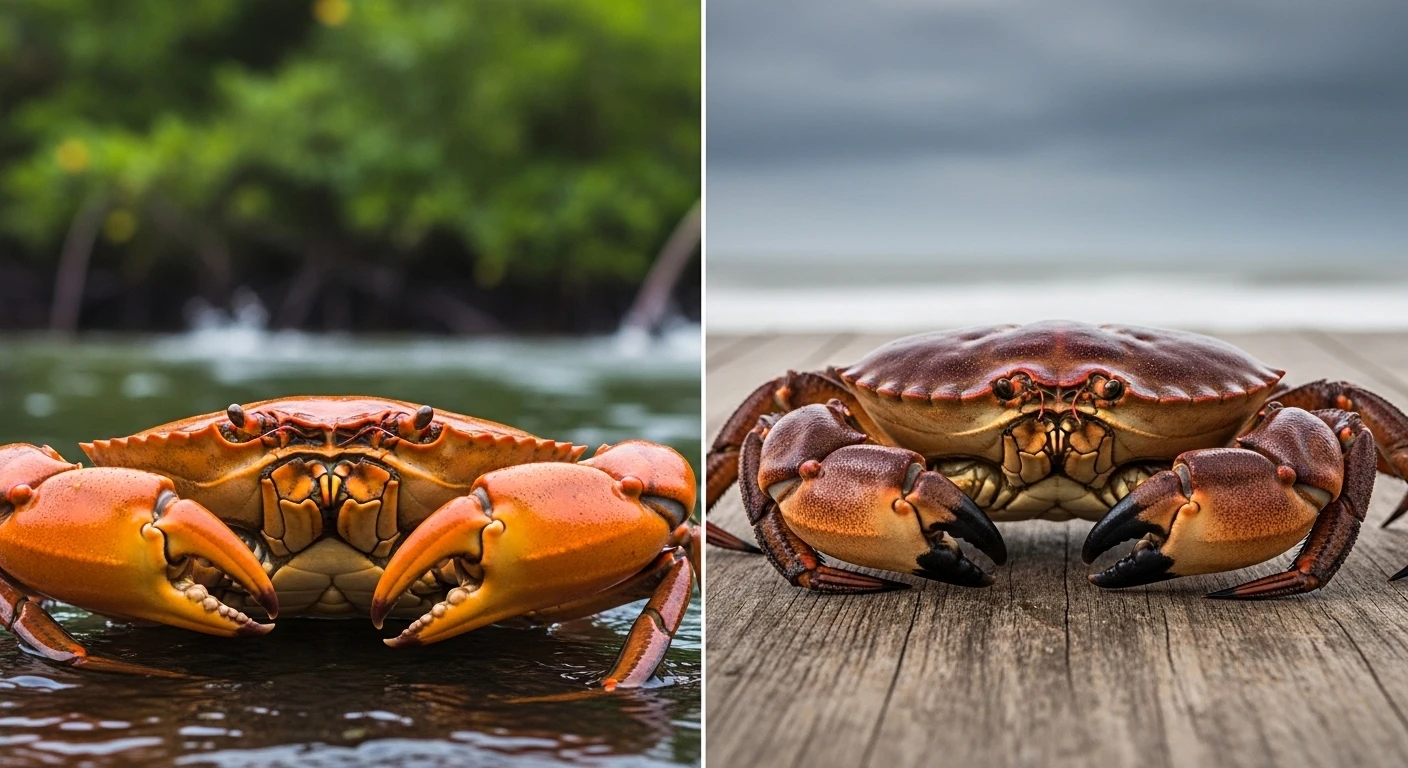
Vietnam Crab vs British Crab: Mekong Delta Mud Crab Meets the UK’s Coastal Classics
A cultural and culinary comparison between Vietnam’s mud crab and Britain’s coastal crab traditions.
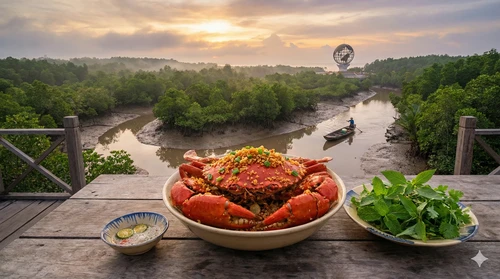
Ca Mau Cape: The Southernmost Point of Vietnam
A travel guide to the land of crabs and forests.
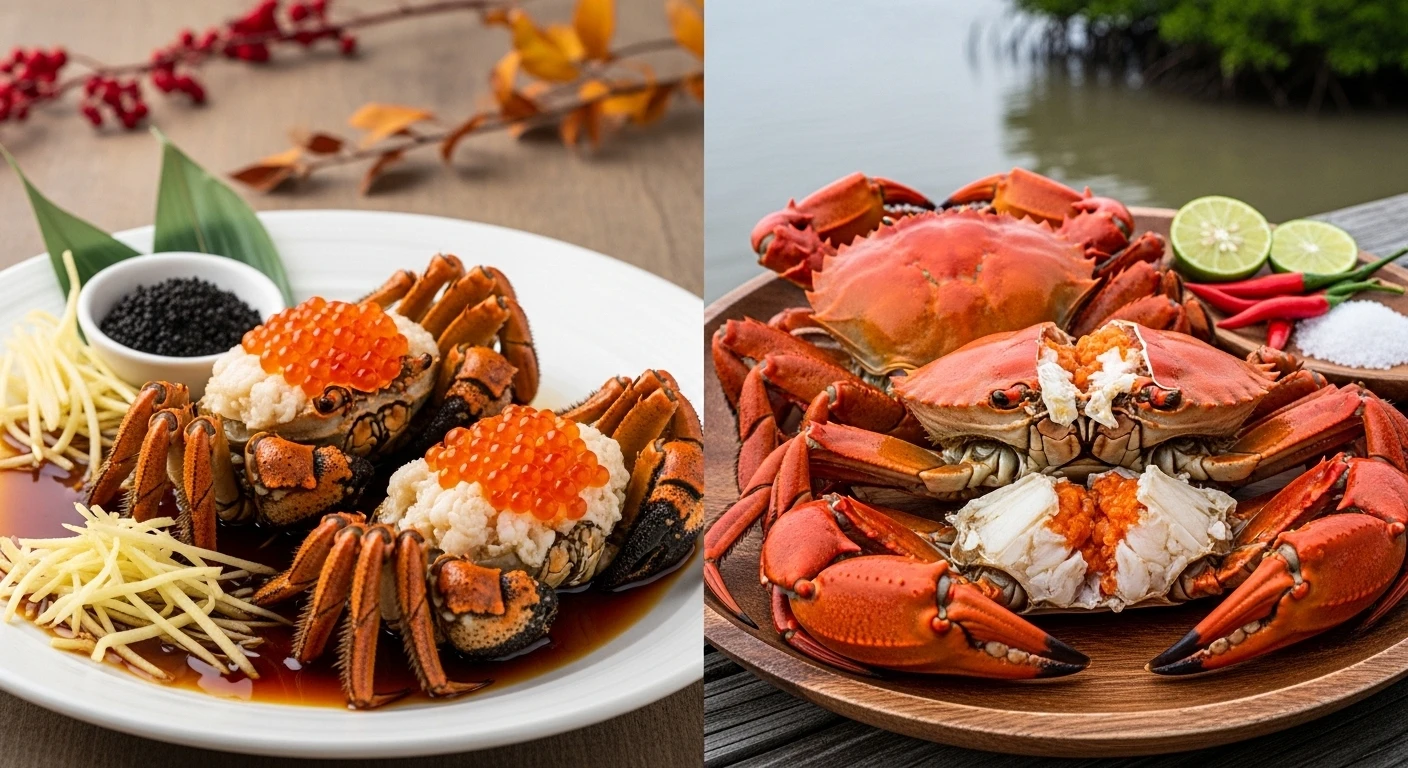
Vietnam Crab vs Chinese Crab: Mekong Mud Crab vs Hairy Crab Prestige
A thoughtful comparison between Vietnamese mud crab and China’s famous hairy crab culture, with a focus on texture, roe, ritual, and price.
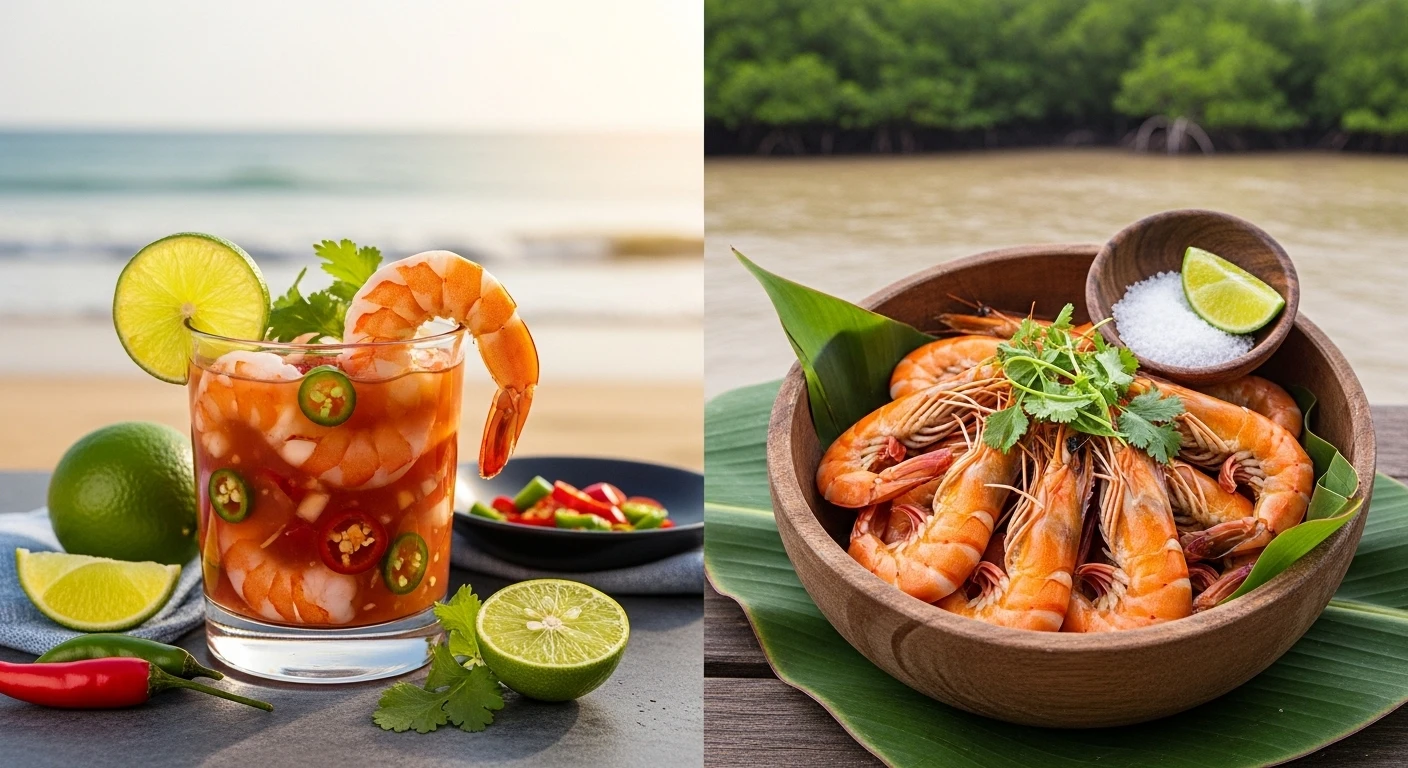
Vietnam Shrimp vs Mexican Shrimp: Lime, Chili, Coastlines, and Delta Sweetness
Mexico and Vietnam both turn shrimp into everyday celebration, but the flavors and seafood logic are not the same.
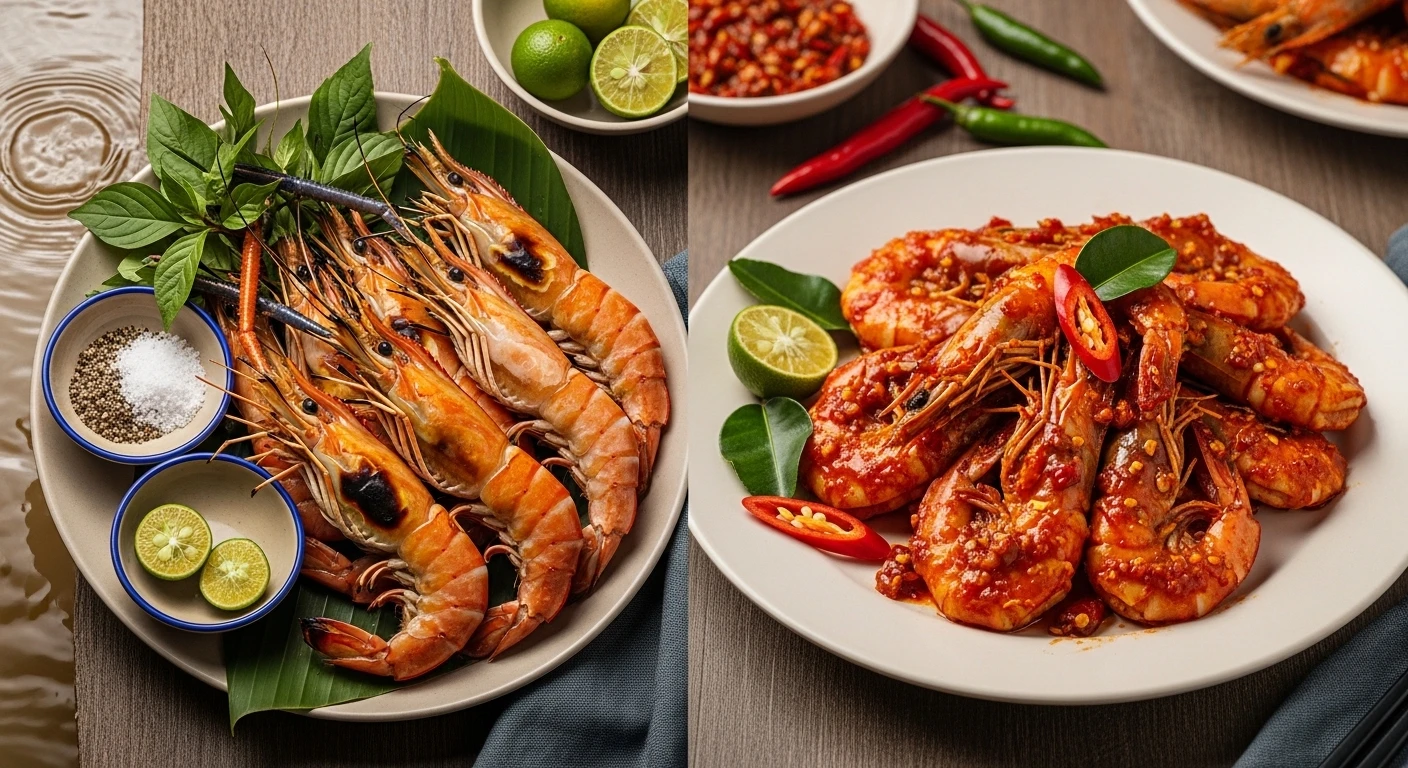
Vietnam Shrimp vs Malaysian Shrimp: Hawker Firepower vs Delta Restraint
Vietnam and Malaysia both love shrimp, but they showcase it in very different ways across markets, homes, and restaurants.