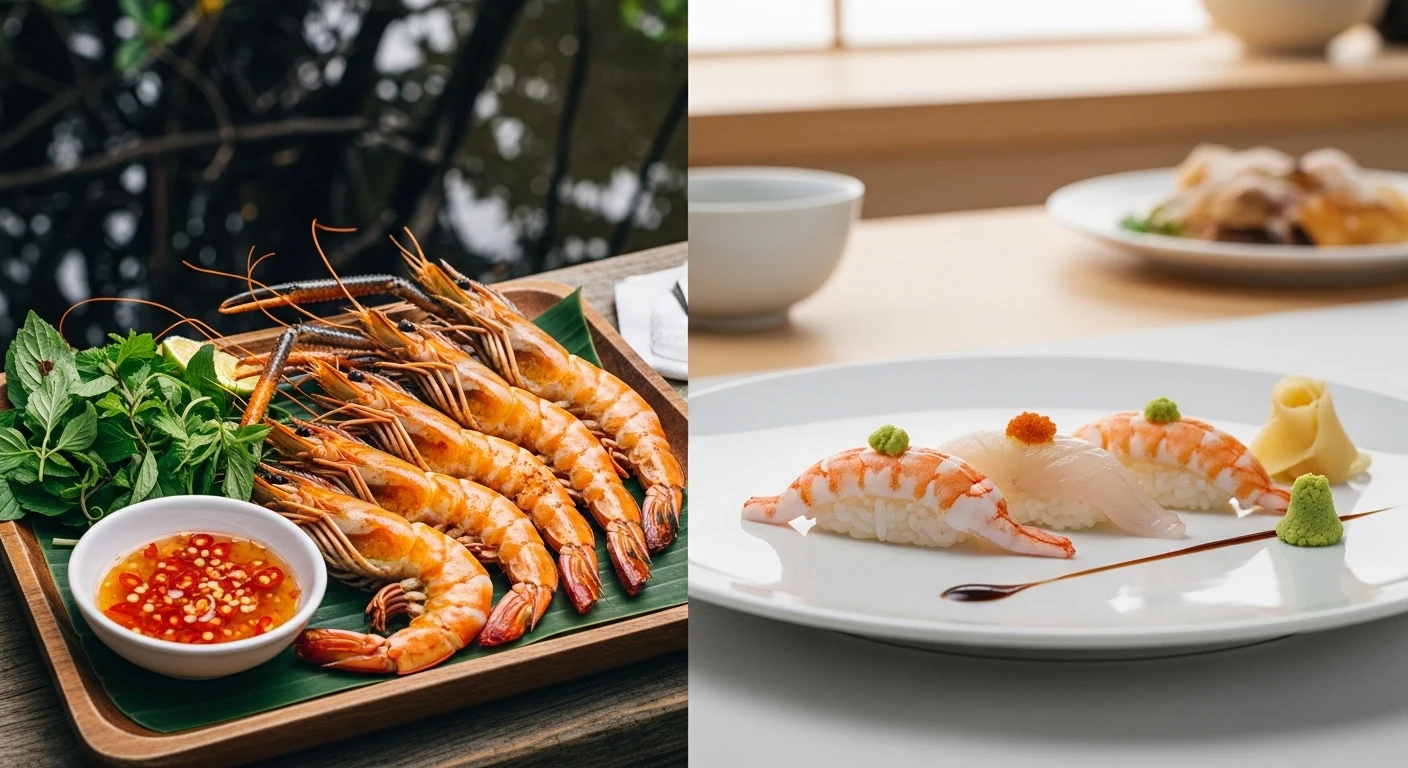
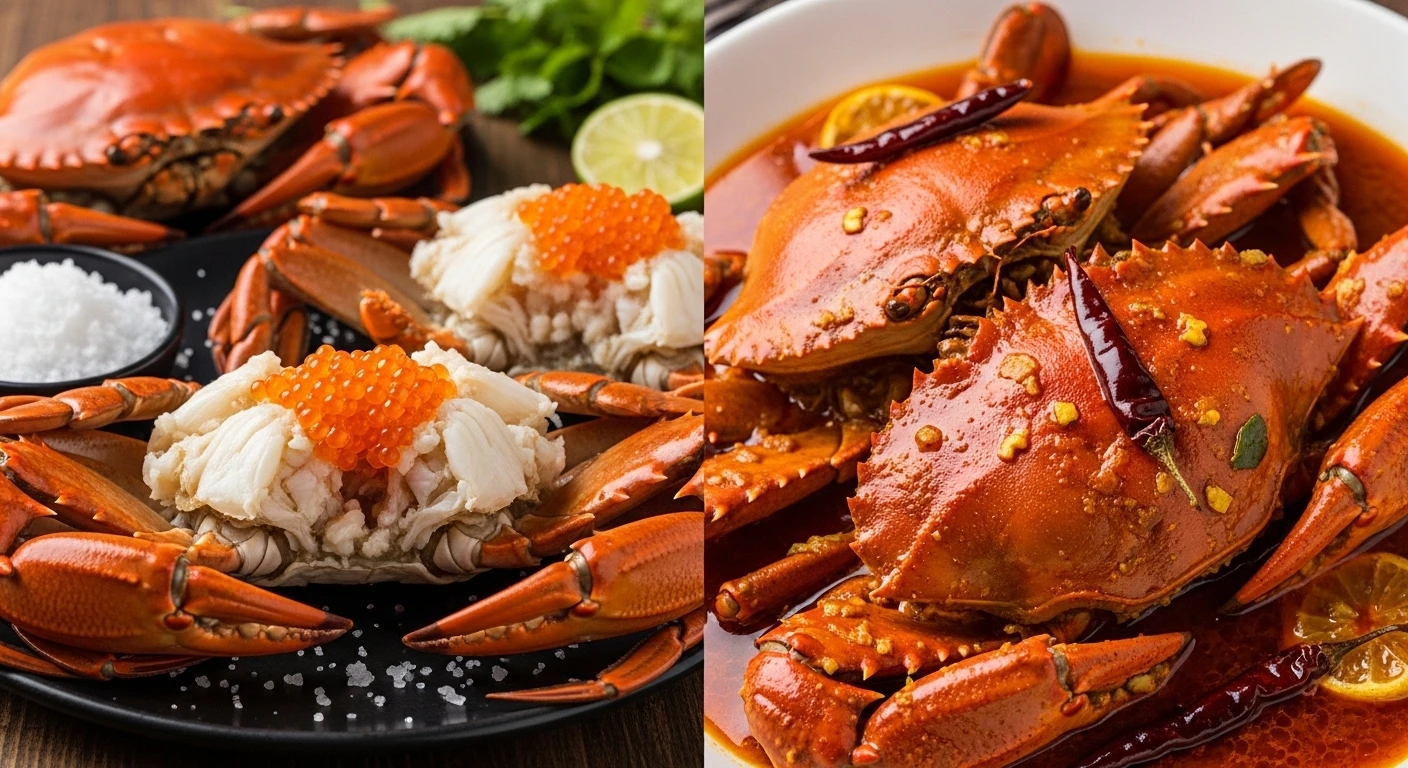
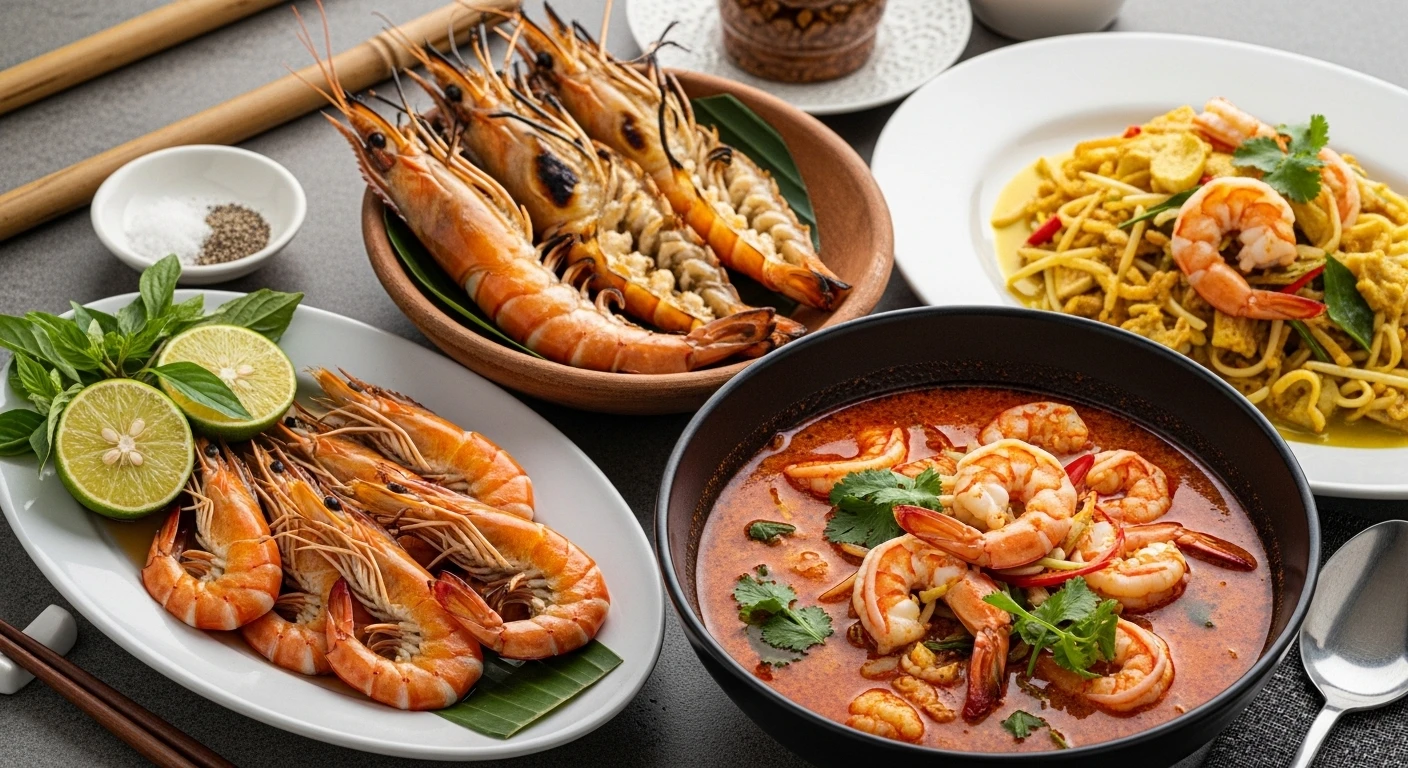
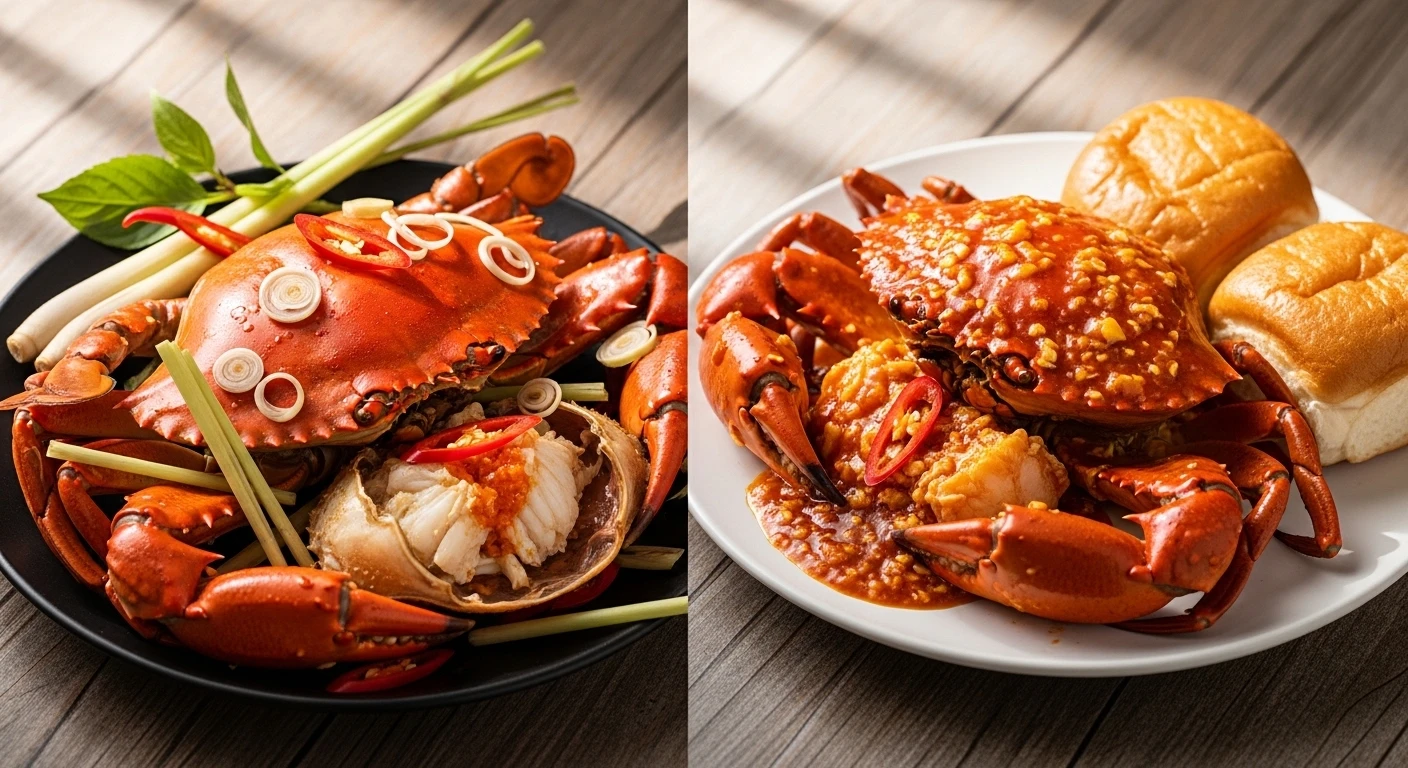
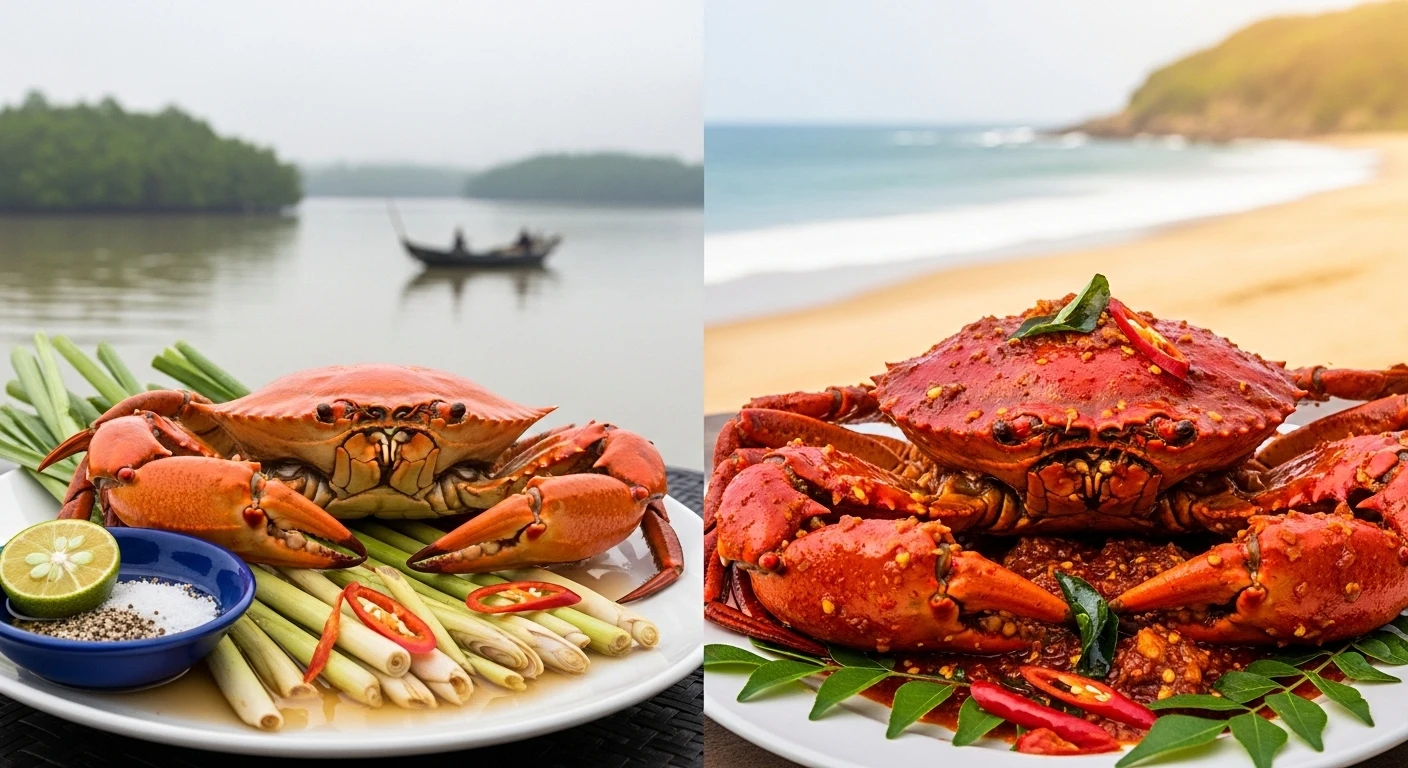
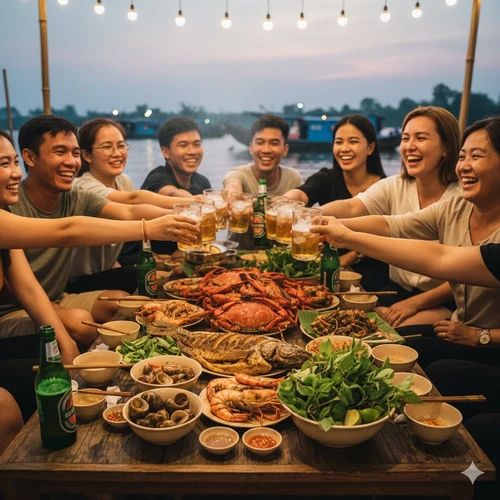
" In the sprawling, water-laced labyrinth of Vietnam's Mekong Delta and along Thailand's sun-drenched coasts, there exists a primal, almost spiritual connection to the humble crab. It’s more than just food; it’s a cultural cornerstone, a symbol of bounty, and a communal feast. "
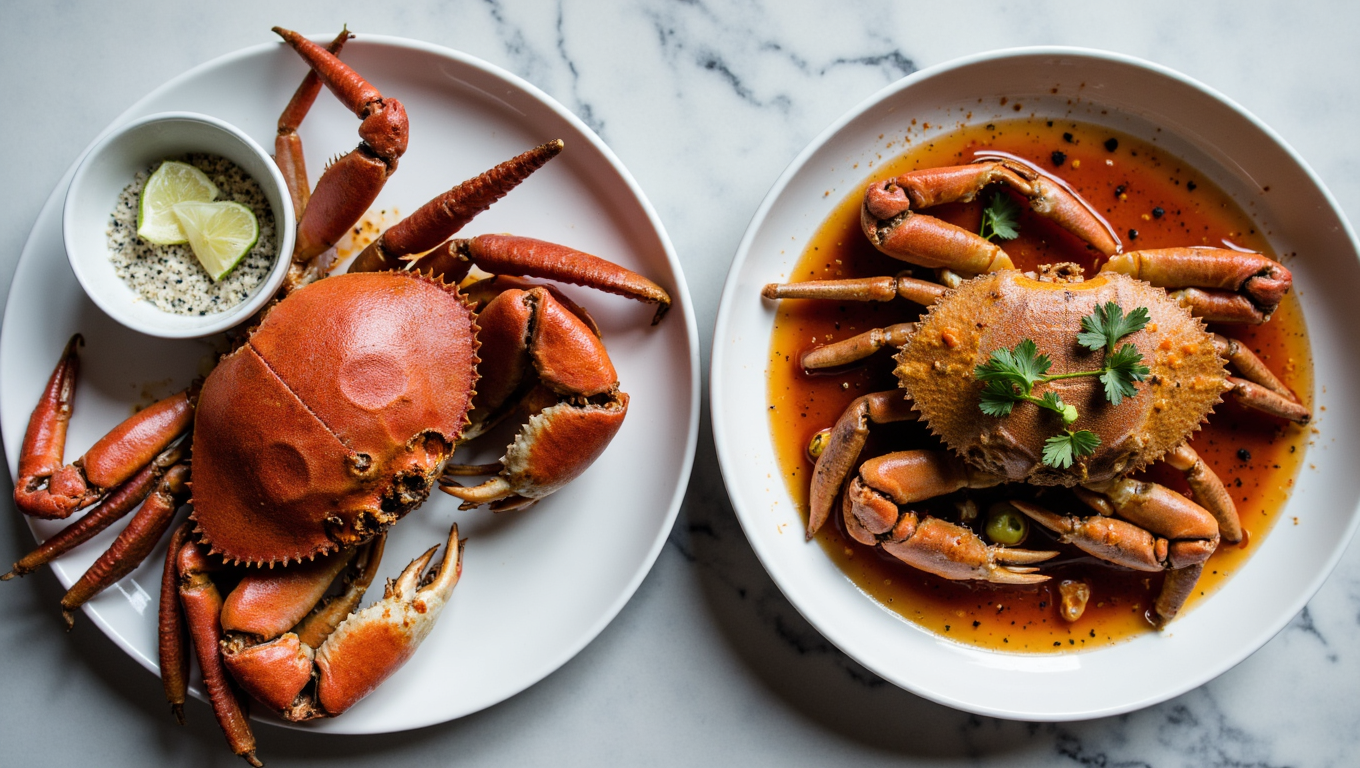
📸 A tale of two tables: From the verdant Mekong to the azure Thai coast.
1 The Mekong Delta: Where Crab is King
Venture into the sprawling waterways of Southern Vietnam, and you'll find yourself in the heart of crab country. The Mekong Delta, a vast network of rivers, canals, and mangrove forests, is the undisputed kingdom of Mud Crab, particularly the famed Ca Mau sea crab.
This isn't just a place where crab is eaten; it's a place where life revolves around it. Generations of delta dwellers have honed their craft, from sustainable aquaculture in the mangrove swamps of Ca Mau and Bac Lieu to intricate cooking methods passed down through families. The very ecosystem here imparts a unique sweetness and purity to the crab.
Here, mud crabs are not just sustenance; they are a sign of prosperity. The sight of a large, healthy crab – whether it's a meaty male prized for its dense flesh (like the Ca Mau Jumbo Mud Crab) or a female laden with rich, orange roe (the revered Ca Mau Roe Mud Crab) – is a cause for celebration. The delta's culinary philosophy often leans towards highlighting the crab's natural flavor, with steaming (often with beer or coconut water), grilling, and simple stir-fries being common preparations. Sauces are usually bright and zesty, designed to complement, not mask, the pristine, briny sweetness of the shellfish.
Habitat: Mangrove Magic
The brackish waters and intricate mangrove systems of Ca Mau provide a unique environment that cultivates exceptionally sweet and firm crab meat.
Texture: Sweet & Dense
Mekong Delta crabs are known for their tender, slightly sweet, and dense meat, especially prized in larger specimens and roe crabs.
Flavor Profile: Naturally Pure
Focus on the inherent, delicate sweetness enhanced by simple preparations and vibrant dipping sauces.
2 Thailand: A Symphony of Spice and Seafood
Journey west to Thailand, and you'll encounter a crab culture equally passionate, but with a distinctly bolder, more robust flavor profile. Thailand's extensive coastline, from the Andaman Sea to the Gulf of Thailand, yields an incredible variety of crabs, often prepared with a characteristic Thai flair.
Thai crab dishes are renowned for their complex sauces and assertive seasonings. Here, the crab often plays a starring role in a vibrant cast of ingredients. Think of the iconic Phad Pong Garee Poo (Crab Curry with Yellow Curry Powder), where the crab is bathed in a rich, fragrant, and slightly spicy coconut milk sauce. Or the fiery Phad Prik Thai Dam (Stir-fried Crab with Black Pepper), a dish that balances intense heat with the natural sweetness of the crab.
Street food stalls and seafood restaurants across Thailand offer a dazzling array of crab preparations. While steaming is also popular, it's often accompanied by an array of zesty dips. The Thai approach often embraces a more intense interplay of sweet, sour, salty, and spicy, making each bite an adventure. This robust seasoning is a testament to Thailand's mastery of balancing diverse flavors, turning simple seafood into culinary masterpieces.
Habitat: Oceanic Harvest
From deep sea to coastal waters, Thai crabs are a diverse catch, often processed and sold fresh at bustling markets.
Flavor Profile: Bold & Spicy
Thai crab dishes often feature complex spice blends, rich curries, and bold sauces, creating a powerful flavor experience.
Cooking Styles: Saucy & Stir-fried
Curries, stir-fries with bold sauces, and grilled preparations with potent dips are hallmarks of Thai crab cuisine.
3 The Great Crab Debate: Flavor and Texture
This is where the rubber meets the road, or perhaps, the claw meets the plate. Both Vietnam and Thailand offer sublime crab experiences, but they appeal to different palates and priorities.
Mekong Delta's Purity
The defining characteristic of Mekong Delta crab, especially from Ca Mau, is its unadulterated, natural sweetness. The crabs thrive in brackish water environments, feeding on a rich diet that contributes to a clean, pure flavor profile. The texture is often described as tender, flaky, and exquisitely sweet. Whether it's the dense, meaty claws of a male crab or the rich, creamy roe of a female, the focus is on the crab itself.
Preparations like steaming with beer and lemongrass, or simple grilling, preserve this pristine flavor. Dipping sauces, such as the classic Vietnamese lime-salt-pepper mixture, are designed to enhance, not overpower, the crab’s inherent taste. This purity makes Mekong Delta crab a benchmark for those who appreciate the subtle nuances of high-quality seafood.
Thailand's Bold Embrace
Thai crab cuisine is about a more assertive, complex flavor journey. The sweetness of the crab is often the foundation upon which vibrant spices, herbs, and sauces are built. The texture can range from delicate to robust, depending on the preparation.
Dishes like crab curry or black pepper crab showcase the Thai ability to meld ingredients seamlessly. The use of ingredients like chili, garlic, galangal, lemongrass, and coconut milk creates a multi-layered taste experience that is exhilarating. For those who love a dish with a punch, where the seafood is part of a harmonious, powerful flavor explosion, Thai crab is unparalleled.
4 Cultural Cohesion: Markets to Meals
Beyond the plate, the way crab is integrated into daily life and social rituals reveals much about each culture.
Vietnam: The Riverine Ritual
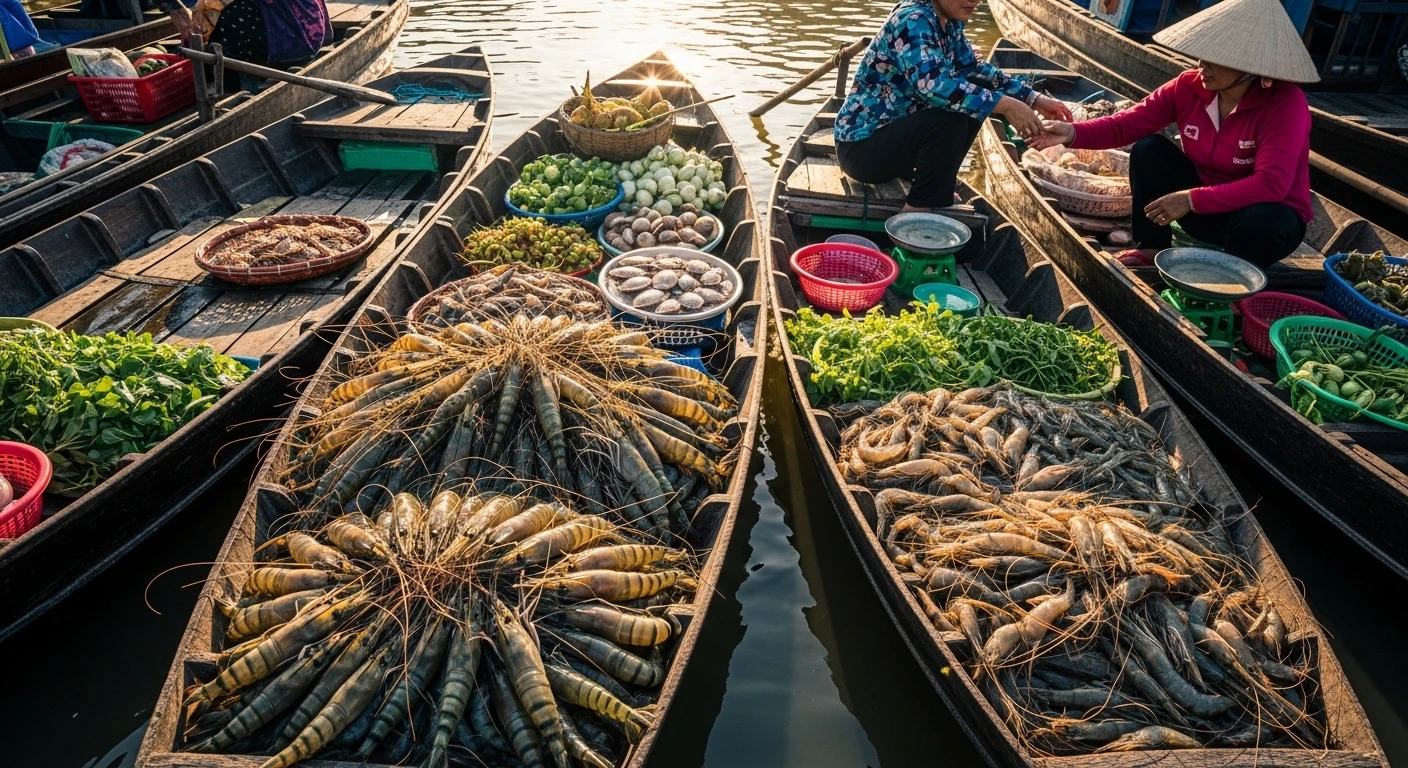
In the Mekong Delta, crab is deeply woven into the fabric of life. Marketplaces are vibrant hubs where fishermen bring their daily catch, and families haggle over the freshest specimens. Meals featuring crab are often communal affairs, shared with family and friends, symbolizing connection and abundance.
The experience of eating crab in Vietnam often involves hands-on, interactive dining. Peeling the shells, cracking the claws, and dipping the succulent meat into zesty sauces is part of the joy. It’s a sensory engagement that fosters conversation and creates lasting memories. This grounded, community-centric approach to seafood is a hallmark of the delta's rich traditions.
Thailand: A Feast for the Senses
In Thailand, crab is also a central element of social dining, but often with a more theatrical flair. From bustling night markets to upscale restaurants, the presentation of crab dishes is frequently as impressive as the flavors.
The act of sharing a large plate of Phad Pong Garee Poo or a fiery stir-fry is a quintessential Thai experience. The communal enjoyment, coupled with the vibrant, often spicy aromas that fill the air, makes dining an immersive event. The Thai approach to crab often involves a joyful, energetic celebration of flavor, bringing people together through shared culinary excitement.
5 The Unassuming Star: Vietnamese Crab Grading & Types
To truly appreciate Vietnamese crab, especially from the Mekong Delta, understanding the nuances of different types and their quality is key. The region boasts a spectrum of crabs, each with its own appeal:
Meat Crab vs. Roe Crab
The primary distinction in Vietnam, particularly for mud crabs, is between "meat crabs" (cua thịt) and "roe crabs" (cua gạch). Meat crabs, often larger males, are prized for their dense, sweet flesh. Roe crabs, the females, are revered for their deep orange, creamy roe, which is considered a delicacy and lends a luxurious richness to dishes.
Beyond the Classics
The delta also offers other fascinating varieties. "Young Roe Crabs" or "Virgin Crabs" (cua yếm vuông) represent a delightful middle ground, offering a balanced combination of sweet meat and nascent roe. Then there's the elusive "Soft-Shell Butter Crab" (cua com), a molting crab with a tender, edible shell and rich, custard-like roe, a local delicacy akin to foreign soft-shell crab preparations.
Rare Delicacies:
Young Roe Crab: A balanced blend of meat and roe.
Soft-Shell Butter Crab: Edible soft shell, custard roe.
Why this matters to travelers:
Knowing these distinctions allows visitors to order with confidence and truly appreciate the specific quality and flavor they are seeking in Vietnamese cuisine.
6 Sauces & Spices: Contrasting Palettes
The flavor journey of crab is significantly shaped by its accompanying sauces and spice profiles.
Vietnam: The Zesty Enhancers
Vietnamese dipping sauces for crab are typically bright, fresh, and designed to cut through the richness and enhance the crab's sweetness without overwhelming it. The iconic lime-salt-pepper mixture is a prime example. It's a simple yet effective combination that offers a salty, tangy kick. Other popular accompaniments include muối ớt xanh (green chili salt dip), which adds a creamy, spicy dimension, or even a tangy tamarind-based sauce for certain preparations.
The emphasis is on clean, sharp flavors that complement the crab's delicate taste. Think of it as highlighting the star of the show, not trying to steal its thunder.
Thailand: The Aromatic Maestros
Thai sauces and spice blends for crab are often more complex and integrated directly into the cooking process. Yellow curry powder, coconut milk, chili, garlic, and a symphony of herbs like galangal and lemongrass create dishes where the sauce is as vital as the crab itself.
The famous Phad Pong Garee Poo exemplifies this, with the crab swimming in a rich, aromatic, and gently spiced coconut curry. Similarly, black pepper stir-fries offer an intense, savory, and spicy experience. These preparations are about creating a harmonious, potent, and deeply satisfying flavor profile where the crab is a crucial component within a larger culinary masterpiece.
7 Which to Choose? A Traveler's Guide
If you're planning a culinary adventure and crab is high on your list, consider your personal preferences:
For the Purist: Head to Vietnam's Mekong Delta
If your heart sings for the unadulterated, sweet, briny essence of fresh crab, then the Mekong Delta is your sanctuary. The focus here is on the quality of the ingredient itself. You'll savor the subtle sweetness of Ca Mau crab prepared with minimal fuss. This is for those who want to taste the ocean, pure and simple. A visit to markets in Can Tho or exploring coastal eateries in Ca Mau will reveal this dedication to natural flavor.
Pro Tip: Order steamed crab (cua hấp) with a side of lime-salt-pepper. It's a classic for a reason.
For the Flavor Seeker: Dive into Thailand's Coastal Cuisine
If you crave an explosion of flavors, a complex dance of spices, and dishes that are as bold as they are delicious, Thailand’s coastal kitchens await. The crab here is a canvas for culinary artistry, married with aromatic curries, fiery chilies, and fragrant herbs. This is for the adventurous eater who delights in a dish where every element plays a crucial role. Exploring Bangkok's seafood markets or coastal towns like Phuket offers endless flavorful possibilities.
Pro Tip: Try Phad Pong Garee Poo (Crab in Yellow Curry Powder) for a quintessential Thai crab experience.
8 Final Verdict: The Best of Both Worlds
To declare a definitive "winner" in the Vietnam vs. Thailand crab debate is to miss the point entirely. Both nations excel in their own unique ways, offering distinct yet equally compelling crab experiences.
The Mekong Delta's Ca Mau sea crab stands as a testament to the power of pristine environments and a culture that reveres the natural sweetness of its bounty. It's a benchmark for purity and delicate flavor, a culinary experience that grounds you in the very essence of the delta's waterways.
Thailand, on the other hand, showcases its mastery of flavor fusion, transforming crab into vibrant, exhilarating dishes that are a feast for the senses. It's a celebration of culinary boldness and the art of balancing complex tastes.
For the global traveler, this isn't about choosing one over the other, but about embarking on a journey to experience both. Whether you seek the tranquil sweetness of a Mekong Delta steamed crab or the exhilarating spice of a Thai crab curry, both destinations promise an unforgettable encounter with one of the sea's most cherished treasures. Both cultures deliver flavor per bite, just in different, delicious languages.
Visualizing the Mekong's Finest
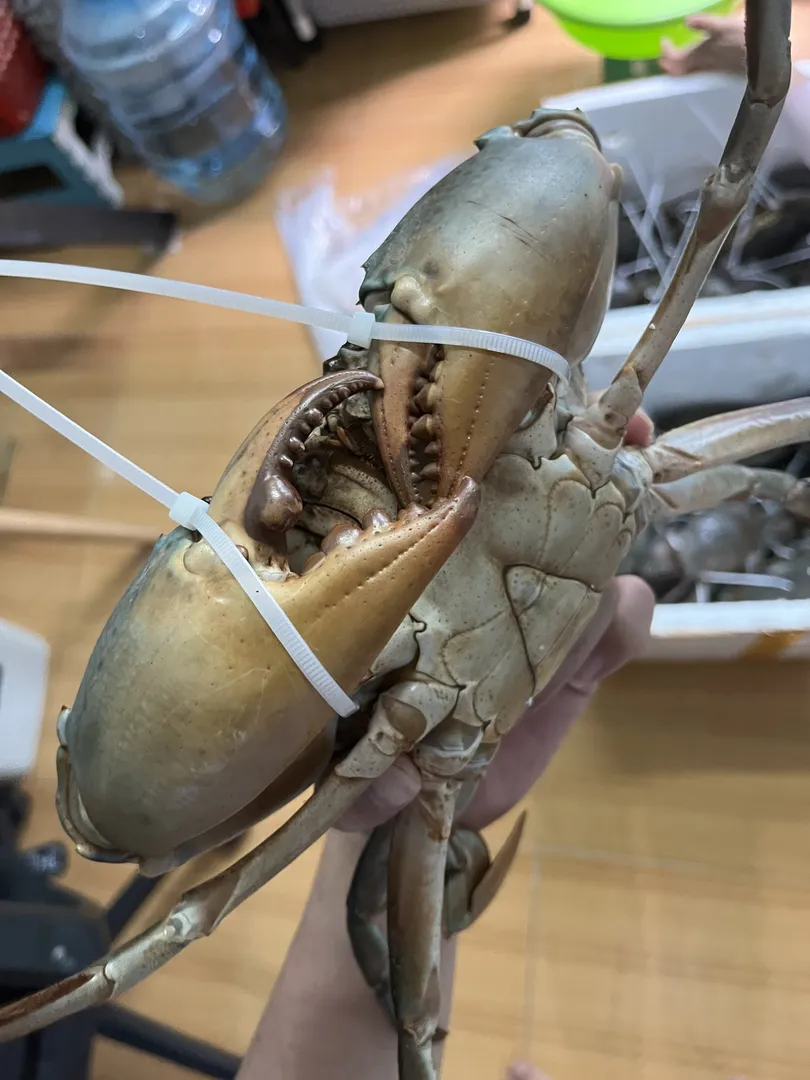
Heritage Ingredient
Ca Mau Jumbo Mud Crab
Ca Mau Jumbo Mud Crab
A large male mud crab prized for dense, sweet meat and thick claws, commonly used in steamed crab and grilled crab dishes across the Mekong Delta.
An icon of coastal culinary heritage, featuring firm, sweet meat that captures the raw power and freshness of Ca Mau's tides.
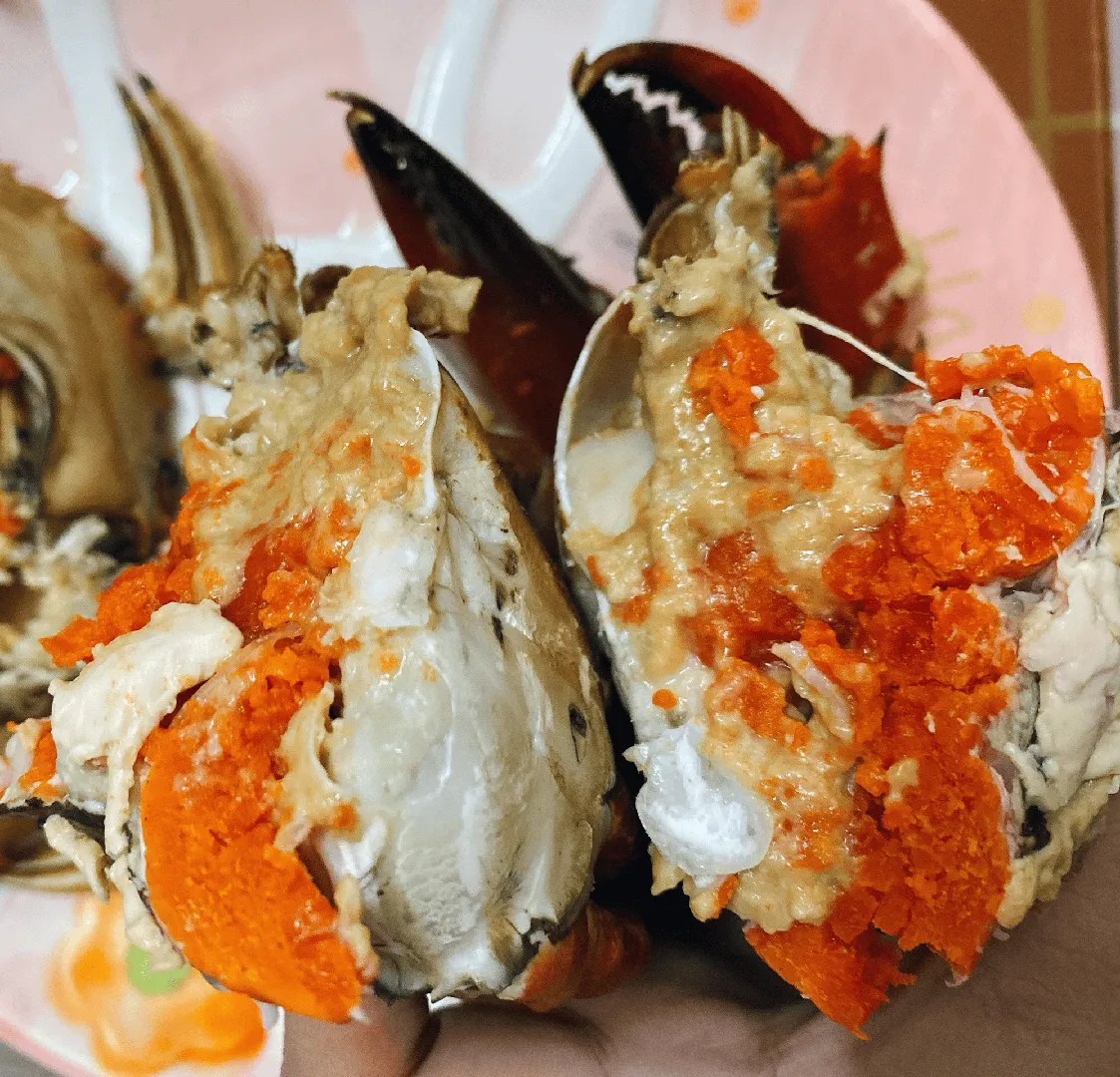
Heritage Ingredient
Ca Mau Roe Mud Crab
Ca Mau Roe Mud Crab
A female mud crab known for deep orange roe and a rich, creamy finish, often featured in celebratory Southern Vietnamese seafood meals.
A crimson treasure hidden within a shell, boasting rich, creamy roe that melts on your tongue like a golden sunset over the delta.
These illustrate the prized mud crabs found in Vietnam's Mekong Delta.