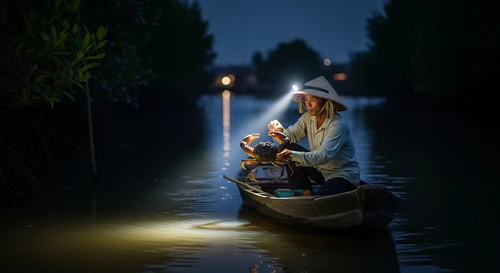
" Forget the sterile aisles of a Western supermarket. Imagine waking with the sun, the air thick with humidity and the murmur of distant engines, then stepping onto a small boat. Ahead, a vibrant tapestry of life unfolds on the water: the Mekong Delta's floating markets. Here, the river isn't just a waterway; it's a bustling high street, a social hub, and the freshest seafood counter you’ll ever encounter. "
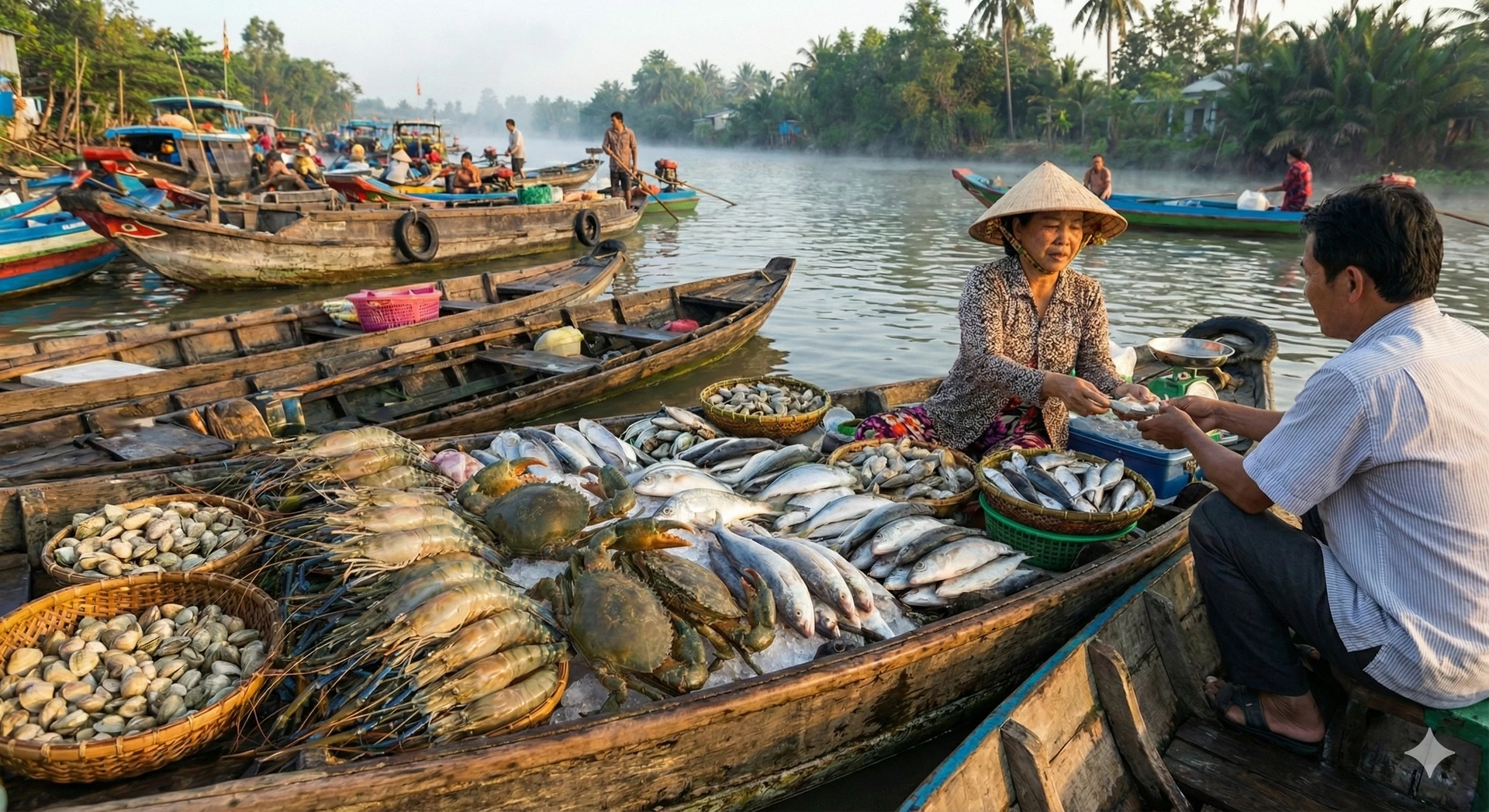
📸 A kaleidoscope of commerce: Boats laden with nature's bounty at a Mekong Delta floating market.
1 The Pulse of the Delta: Where Life Floats By
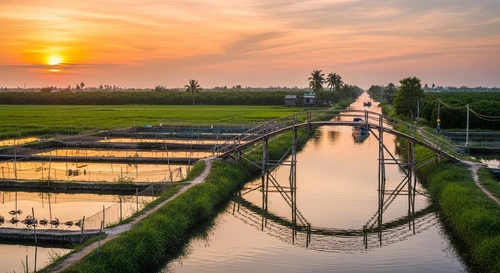
The Mekong Delta, often called Vietnam’s "rice bowl," is also its seafood basket. Shaped by the mighty Mekong River, this region’s identity is intrinsically linked to water. For centuries, floating markets have been the beating heart of commerce, a testament to the ingenuity and adaptability of its people. These are not tourist traps, but vital arteries of daily life, where families have traded for generations, often living directly on their boats.
Here, the concept of "farm-to-table" gets a literal twist: it's "river-to-boat-to-bowl." The early morning hum of these markets, a symphony of chugging engines, calls of vendors, and the splash of water, is an experience that awakens the soul as much as the senses. It’s a glimpse into a way of life that resists the relentless march of modern concrete, holding fast to its watery roots.
2 A Symphony of Senses: The Market Awakens
The floating market assaults your senses in the best possible way. It's a vibrant, chaotic, and utterly captivating spectacle that no photograph can truly capture.
The Sights
Colorful boats packed with exotic fruits, vegetables, and, of course, glistening seafood. Overhead, tall poles display the day's offerings – a pineapple on a stick means pineapple for sale. It's visual poetry.
The Sounds
A cacophony of engines, vendors calling out their wares, the splash of fish in nets, the rhythmic chopping from onboard kitchens. It's a vibrant, living soundtrack to commerce.
The Smells
A heady mix of damp earth, fresh river water, grilling fish, sweet tropical fruits, and the occasional whiff of robust Vietnamese coffee. It's primal and intoxicating.
This isn't just shopping; it's immersion. You're not a passive observer; you're part of the river's ebb and flow, its daily ritual.
3 From Net to Negotiation: The Journey of Mekong Seafood
The seafood at these markets doesn’t travel far. Often, it’s caught just hours before dawn by the very families who are selling it. This immediate connection to the source is what makes the Delta’s seafood so extraordinary. There are no middlemen, no long journeys in refrigerated trucks, just the direct transfer of nature's bounty from the river's embrace to your waiting hands.
What to Expect: A Delta Dive
The variety is astonishing, a living testament to the Mekong's biodiversity. Keep your eyes peeled for:
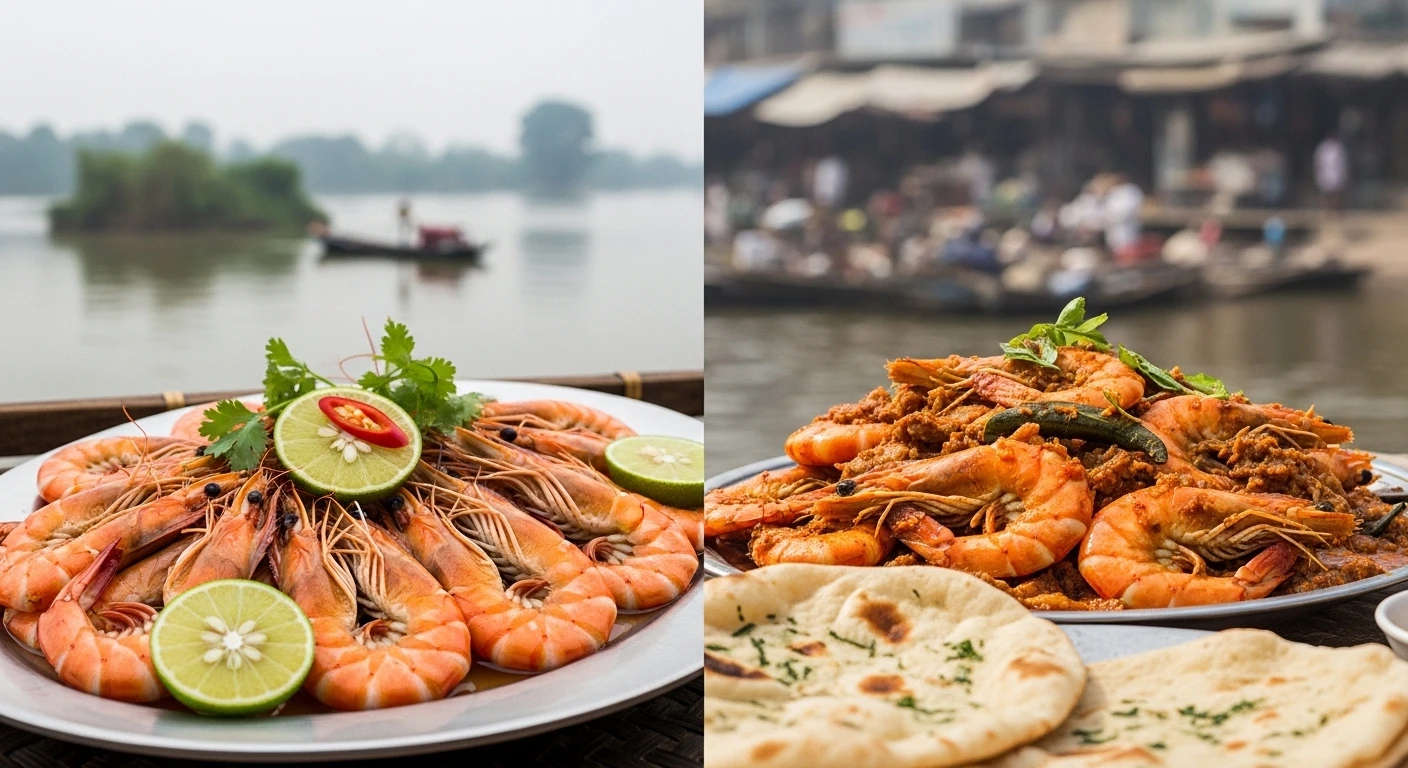
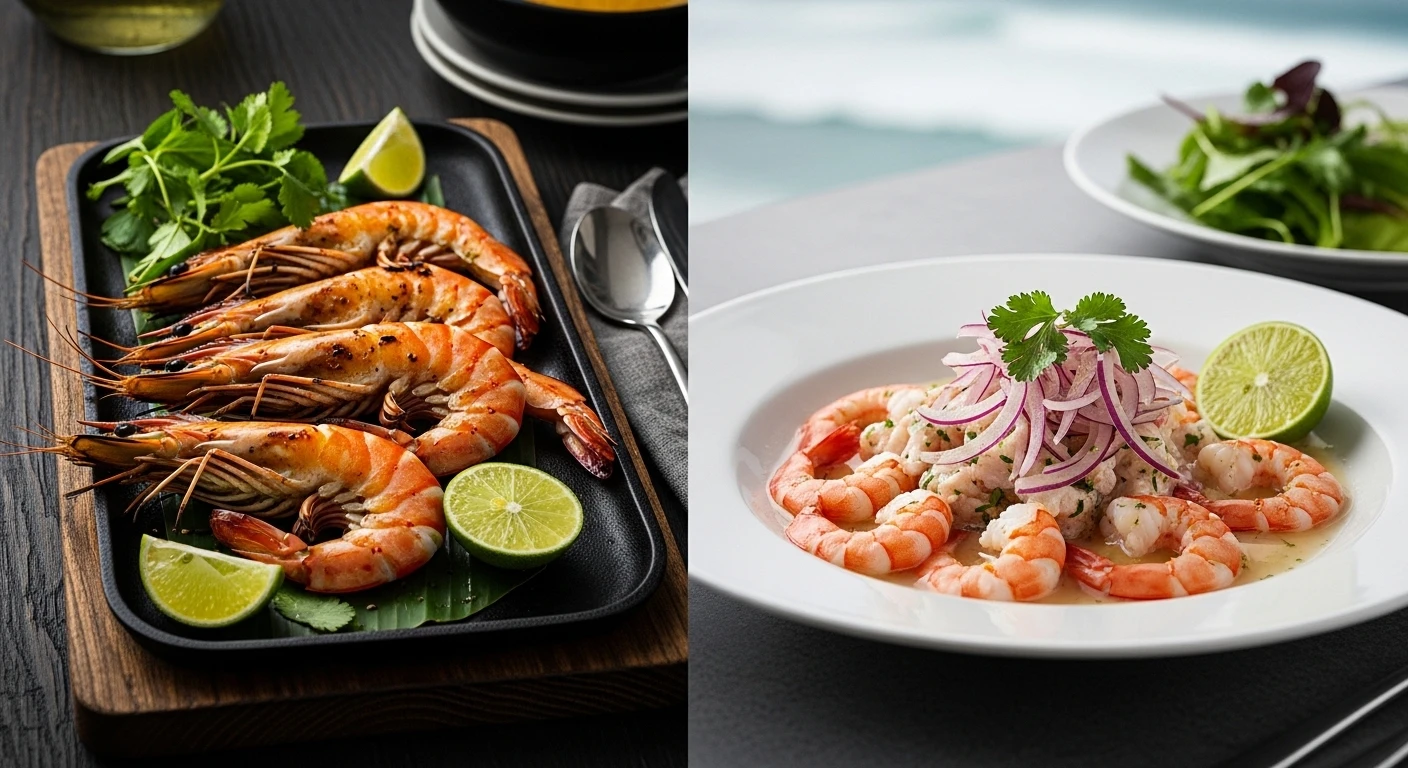
- Giant River Prawns: These colossal crustaceans, often blue-tinged, are a Delta specialty. Imagine them grilled with garlic and butter, their sweet, firm flesh yielding with every bite.
- Freshwater Fish: From delicate ca loc (snakehead fish) perfect for hotpots or grilled whole, to various carp and catfish, each species offers a unique texture and flavor profile.
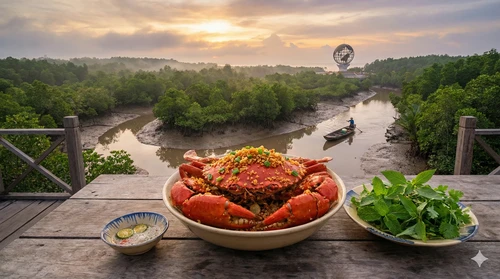
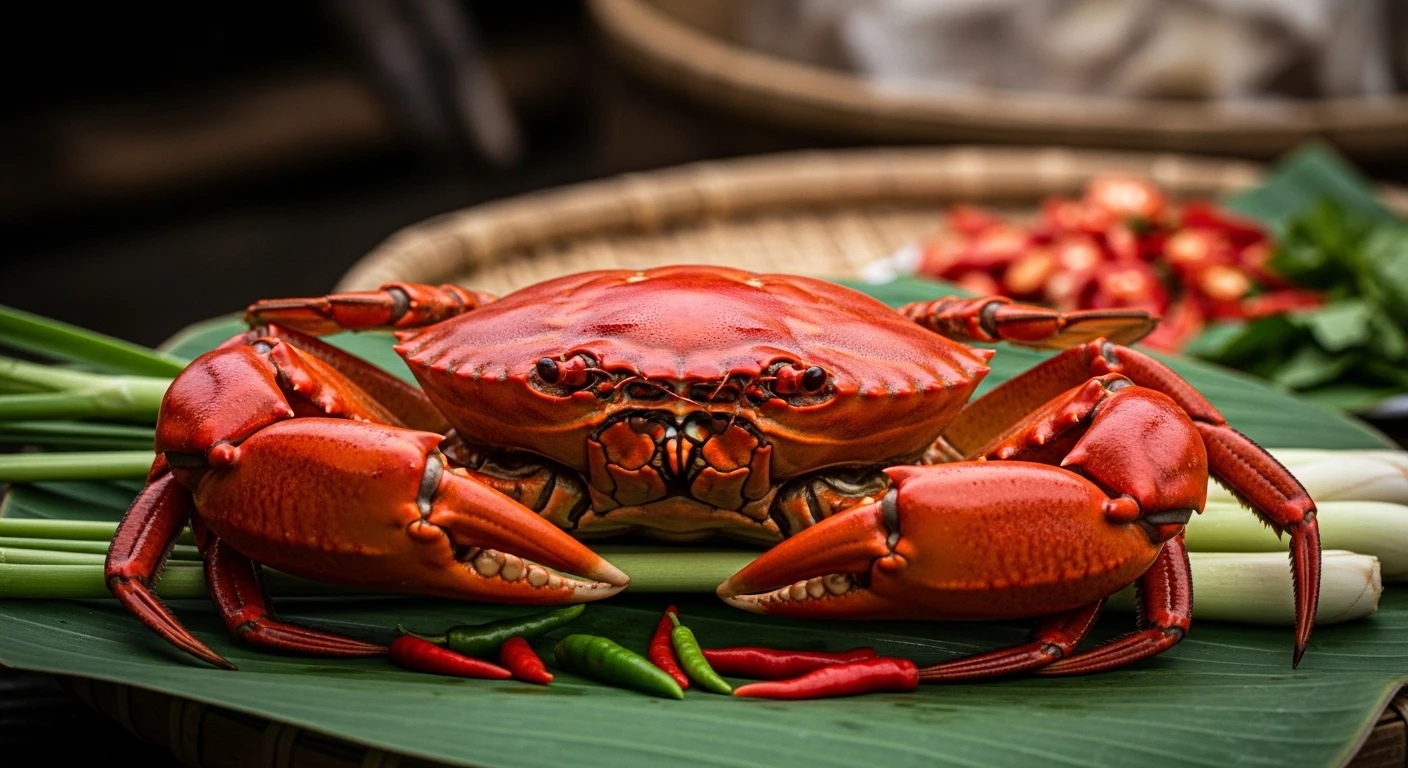
- Mud Crabs: Robust and flavorful, mud crabs are often steamed with beer and lemongrass or stir-fried with tamarind, showcasing their rich, succulent meat.
- Clams, Snails, and Shellfish: A treasure trove of smaller delights, often cooked simply with chili and herbs, providing bursts of briny goodness.
Negotiating prices is part of the fun, a polite dance of numbers. Don't be afraid to haggle a little, always with a smile. It's a cultural exchange as much as a transaction.
4 Decoding the Delta's Delicacies: Selecting Your Catch
In a floating market, "fresh" isn't a marketing term; it's a guarantee. But knowing how to pick the absolute best is an art form.
- The Eye Test: For fish, look for clear, bulging eyes. Avoid anything with cloudy or sunken eyes. The gills should be bright red, not brown or slimy.
- The Smell Test: Fresh seafood should smell clean, like the ocean or fresh river water, not overtly "fishy" or ammoniac.
- The Touch Test: If buying whole fish, the flesh should be firm and spring back when gently pressed. Scales should be shiny and intact, not easily flaking off.
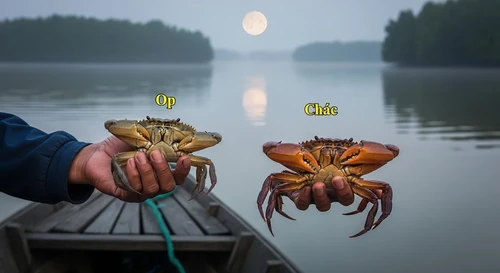
- The Movement Test (for crustaceans): Prawns, crabs, and lobsters should be alive and active. A lively crab is a happy, tasty crab. Watch for movement and vitality.
- The Vendor's Pride: Often, the vendor's enthusiasm for their product is a good indicator. They know their catch, and they'll proudly show off the best.
Don't be shy to point, ask, and even hold. This is an interactive experience, and the vendors appreciate genuine interest.
5 Beyond the Haul: A Floating Feast and Culinary Creations
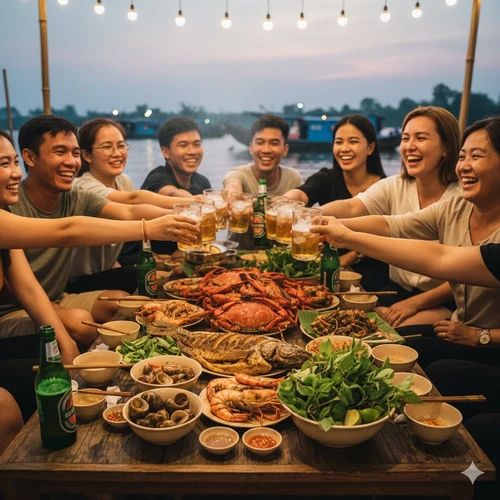
Once you've secured your treasure, the question is: how to enjoy it? The beauty of the floating market is that you don’t even have to leave the river. Many boats double as impromptu kitchens, offering to cook your freshly purchased seafood on the spot.
Immediate Indulgence: Cooked on the Water
Imagine the simplicity: your giant river prawns, grilled over charcoal right there on a tiny boat, served with a squeeze of lime and a fiery chili-salt dip. Or perhaps a whole fish, steamed with ginger and spring onions, its delicate flesh flaking perfectly. This is street food at its most authentic, fresh, and immediate. The flavors are clean, vibrant, and utterly unforgettable, tasting of the river itself.
Bringing the Delta Home: Recipe Inspiration
If you're heading back to a guesthouse or hotel with cooking facilities, the possibilities expand. The Mekong Delta's cuisine emphasizes freshness and balance:
- Lemongrass Steamed Crab: A classic. The aromatic steam infuses the crab meat with subtle, earthy notes, best enjoyed with a simple lime-salt-chili dipping sauce.
- Grilled Fish with Tamarind Sauce: Whole fish, charred to perfection, then drizzled with a tangy, sweet, and savory tamarind sauce. Served with fresh herbs and rice vermicelli.
- Prawns with Coconut Water: Poached in fresh coconut water, the prawns absorb a delicate sweetness, a perfect counterpoint to their natural brininess.
- Seafood Hotpot (Lẩu Hải Sản): A communal dish where a bubbling broth (often sour and spicy) cooks an array of fresh fish, prawns, squid, and vegetables right at your table.
The key is minimal intervention, allowing the pristine quality of the seafood to be the star.
6 Expert's Guide to Navigating the Waters: Practical Tips
To truly embrace the floating market experience, a little preparation goes a long way.
- Go Early: The markets start buzzing before dawn and typically wind down by mid-morning. The earlier you go, the more vibrant and authentic the experience.
- Hire a Local Boat: Don't try to navigate on your own. Hire a small local boat (and a driver) for a few hours. They know the ins and outs, the best vendors, and the history.
- Bring Small Bills: Transactions are often in Vietnamese Dong, and smaller denominations are preferred for easier haggling and payment.
- Protect Yourself from the Sun: The tropical sun can be intense. Wear a hat, sunglasses, and plenty of sunscreen.
- Be Open and Friendly: A smile and a respectful attitude go a long way. Engage with the vendors; they often have stories to tell.
- Carry Hand Sanitizer: While the food is fresh, hygiene can be rustic. Hand sanitizer is always a good idea.
- Mind the Environment: Be conscious of your waste. Try to minimize single-use plastics.
Remember, this is not just a market; it's a living museum, a testament to a unique cultural heritage. Treat it with respect.
7 The Unseen Hands: The People of the River
Behind every pile of glistening prawns and every fragrant bowl of noodle soup sold on the river are families whose lives are inextricably bound to the Mekong. Generations have lived, loved, and labored on these waters. The floating market is more than an economic engine; it's a social fabric, a community. Children grow up learning the rhythm of the tides and the art of trading before they can even properly walk.
Their warmth, their resilience, and their genuine hospitality are as much a part of the experience as the food itself. Take the time to observe, to exchange a few words, even with gestures. You’ll find a profound connection to a world where human connection still thrives amidst the everyday hustle. These are not merely vendors; they are storytellers, custodians of a living tradition.
8 A Taste of Authenticity: Why Floating Markets Endure
In an increasingly globalized world, the Mekong Delta's floating markets stand as bastions of authenticity. They offer more than just goods; they offer an experience, a narrative, a living piece of history.
- Unparalleled Freshness: You won't find seafood fresher than this, often caught just hours before sale.
- Cultural Immersion: It's a window into the daily lives and traditions of the Mekong Delta people.
- Sensory Overload: A feast for the eyes, ears, and nose, beyond just the palate.
- Support Local: Your purchases directly support local families and their centuries-old way of life.
This isn't just a trip; it's an adventure into the heart of a culture, an indelible memory etched by the tastes, sounds, and faces of the river.
Final Thoughts: The Enduring Magic of the River
" As the sun climbs higher and the market begins to disperse, leaving behind only gentle ripples on the water, you'll carry with you more than just a bag of fresh prawns. You'll take away the echoes of laughter, the smell of fresh ginger, the sight of a thousand colorful lives intertwined with the mighty Mekong. This isn't just buying seafood; it’s experiencing the very soul of the Delta. Go there. Eat well. Live a little. "