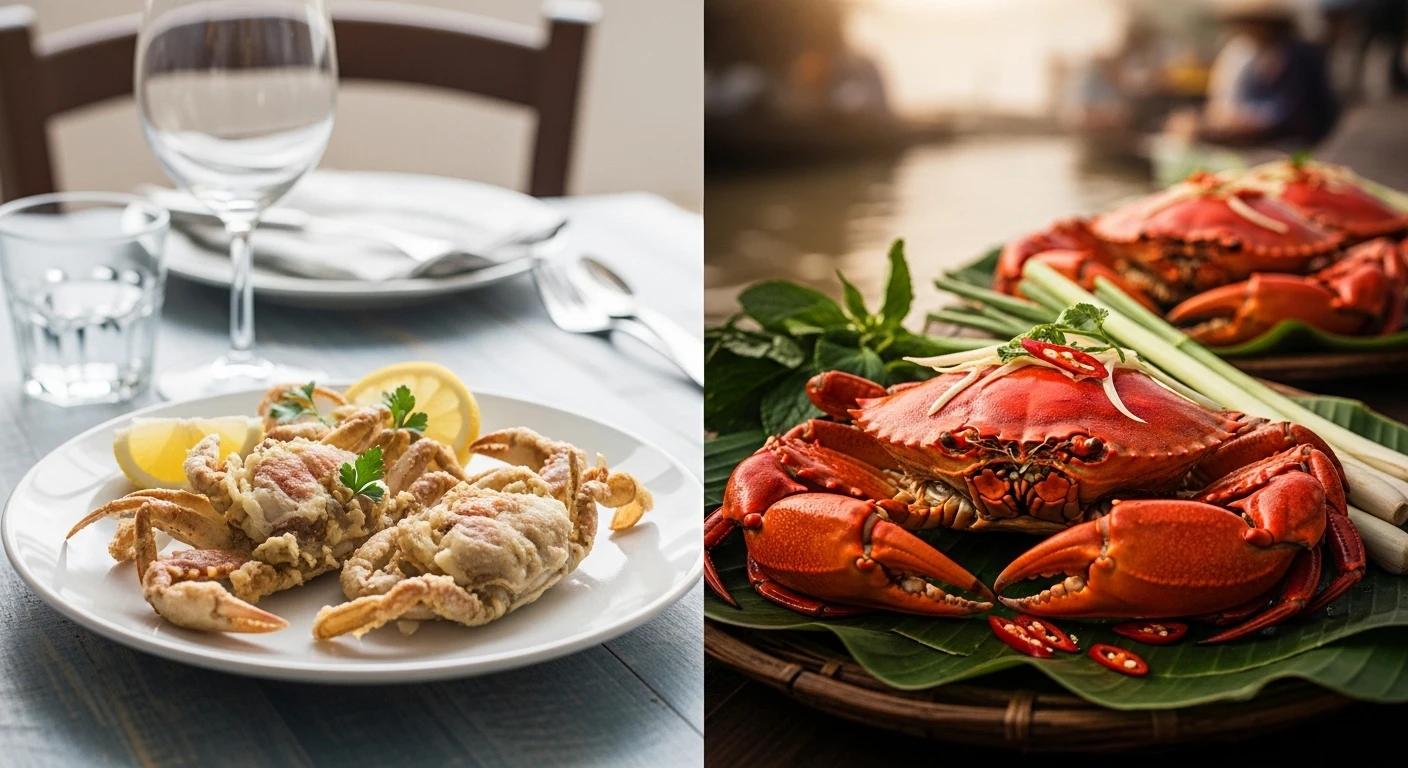
" The world’s oceans teem with treasures, but few capture the imagination—or the palate—quite like crab. From the tranquil, sweet waters of Vietnam's Mekong Delta to the spice-laden shores of India, these crustaceans offer a culinary journey that’s as diverse as the coastlines they inhabit. "
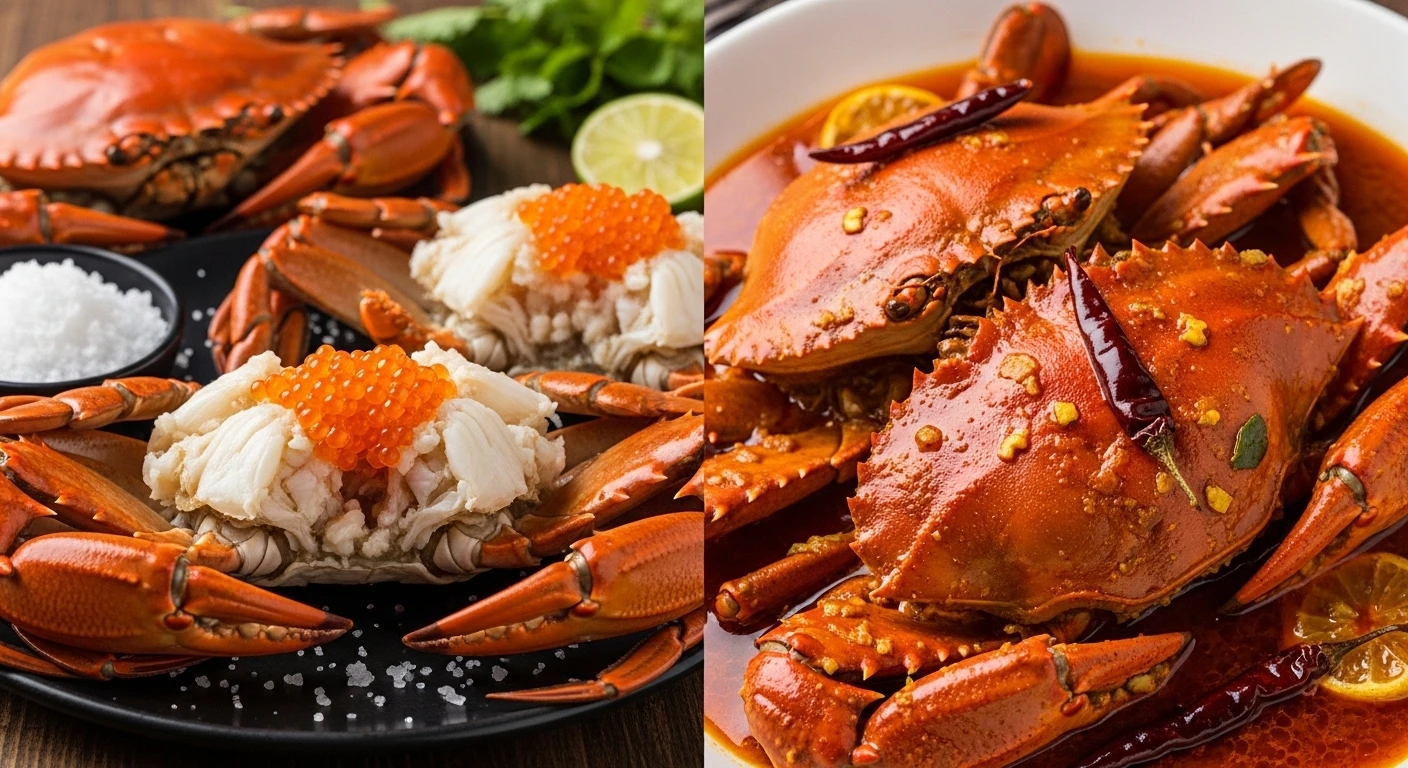
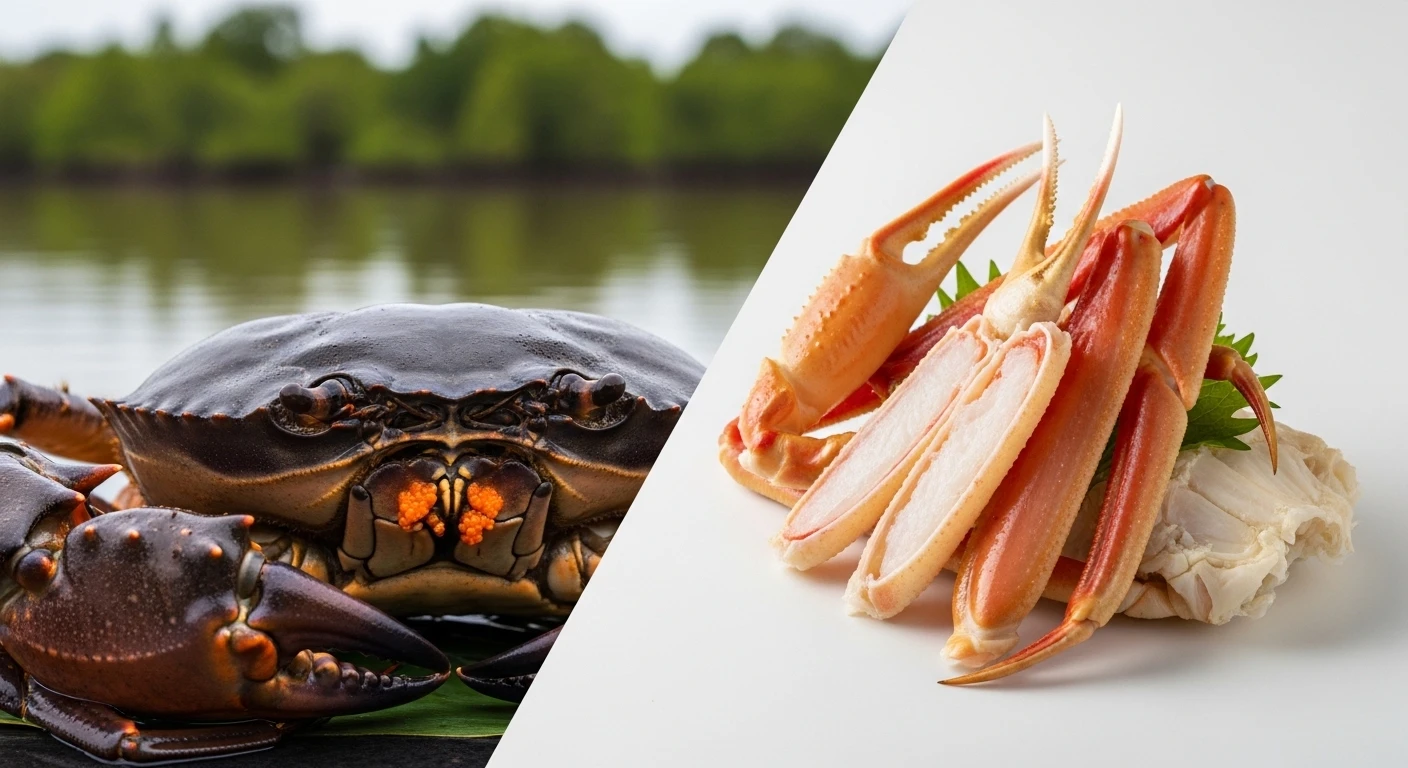
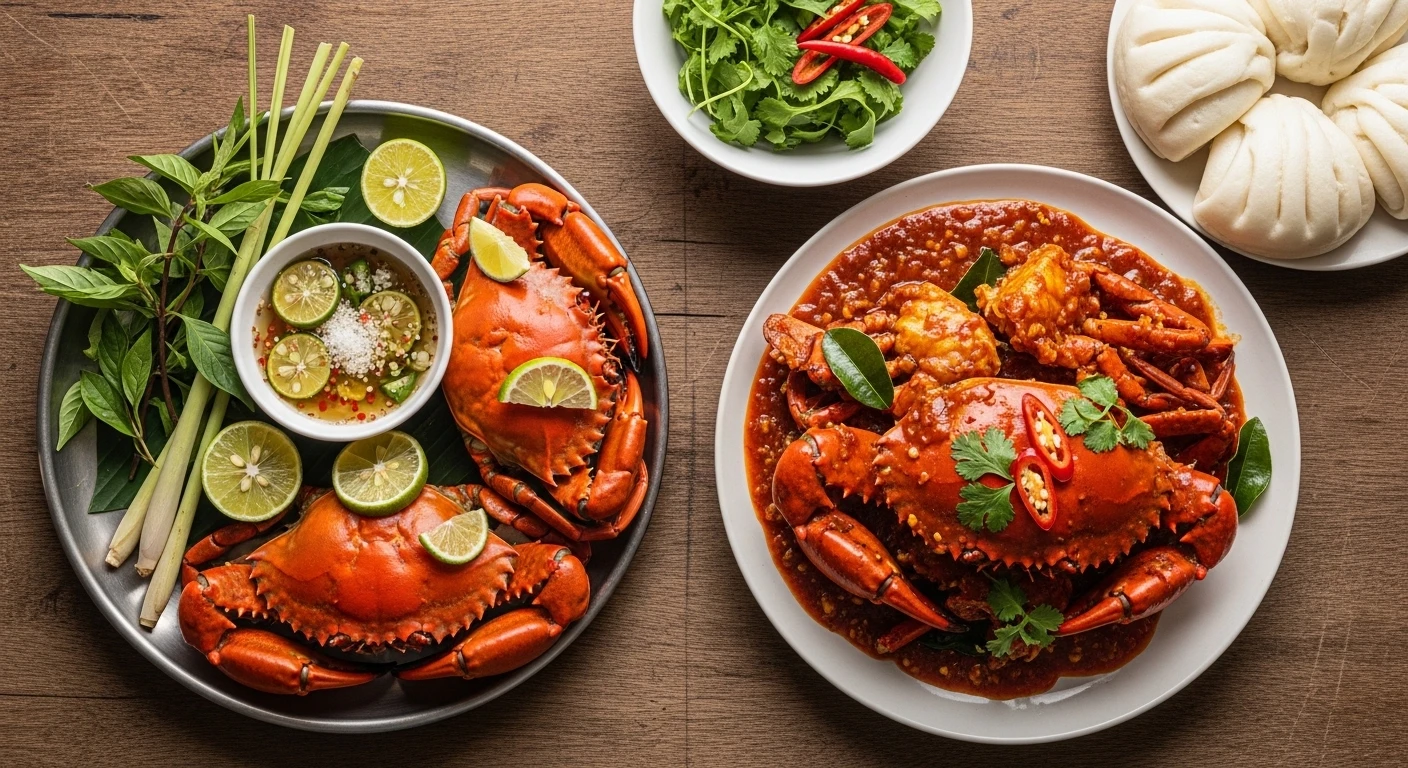
📸 Two worlds, one passion: The nuanced sweetness of Vietnam meets the bold spices of India.
1 The Mekong Delta's Embrace: A Sweet Symphony of Mud and Water
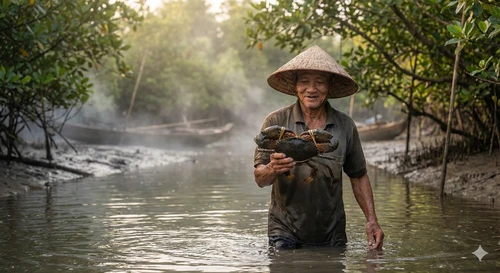
Venture into the labyrinthine waterways of Vietnam's Mekong Delta, and you'll discover a crab culture deeply intertwined with the rhythm of the tides and the rich, alluvial soil. This isn't just seafood; it's the lifeblood of coastal communities. The undisputed king here is the mud crab, particularly from provinces like Ca Mau, known for its vast mangrove forests and aquaculture. These crabs thrive in brackish waters, feeding on a diet that imbues their flesh with an unparalleled, delicate sweetness.
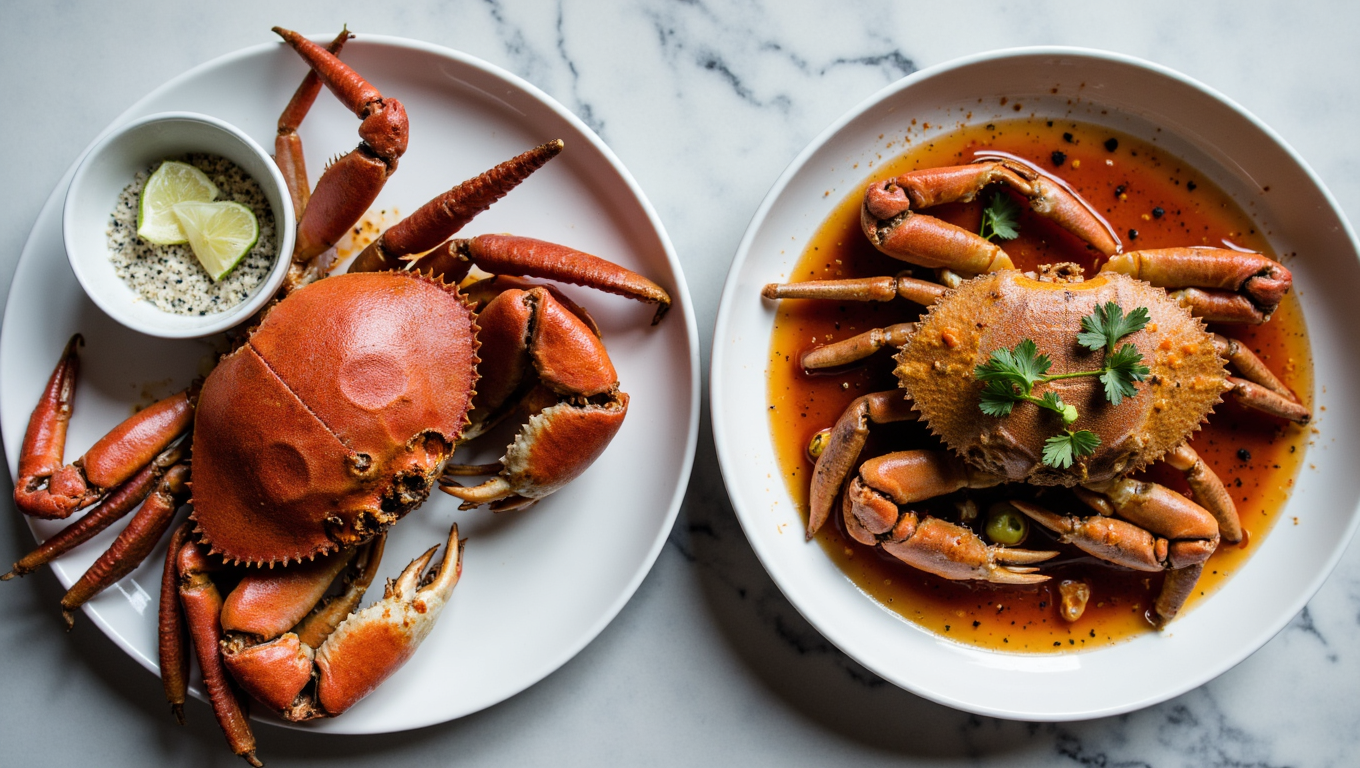
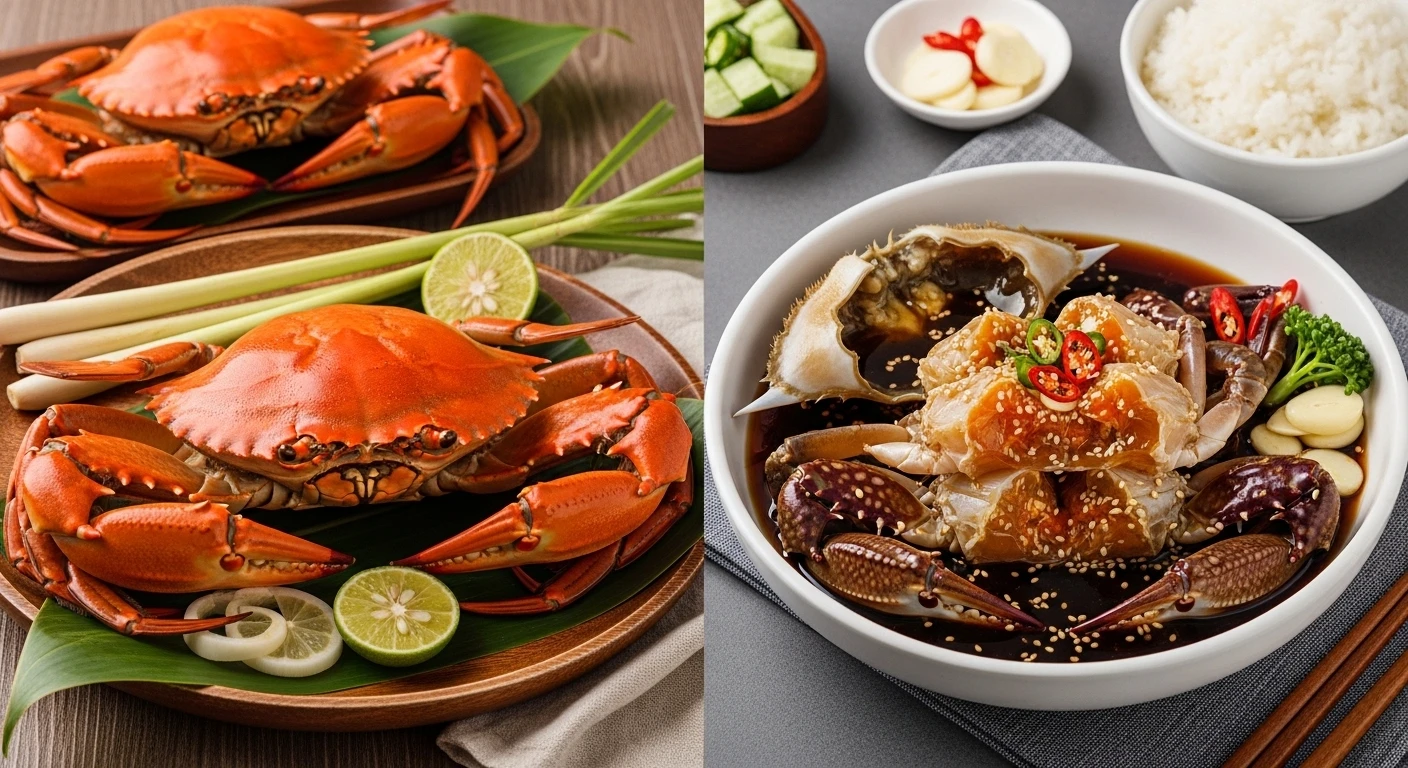
In the Mekong, crab isn't about overpowering spices. It's about celebrating the pure essence of the ingredient. Think of simple, elegant preparations: steamed crab served with a wedge of lime and a sprinkle of salt and pepper, allowing the natural sweetness to sing. Or crab cooked with coconut water, its subtle sweetness enhancing the crab's own. Female crabs, especially those with rich, orange roe (gạch), are prized for their luxurious, creamy texture, often reserved for special occasions and considered a sign of prosperity. The meaty male crabs, with their substantial claws, offer a satisfying, firm texture.
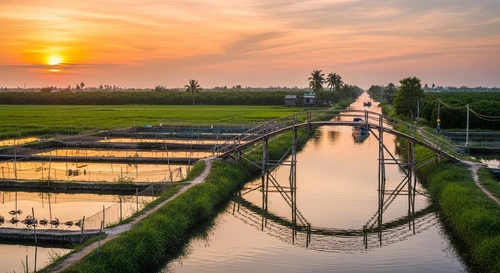
The aquaculture in Ca Mau, often integrated with shrimp farming in a sustainable mangrove ecosystem, yields crabs of exceptional quality. The flavor profile is clean, sweet, and subtly briny, a direct reflection of its pristine environment. This approach prioritizes the natural development of the crab, resulting in a texture that is both firm and succulent, without the need for masking sauces.
Texture Profile
Delicate, firm, succulent. The meat is known for its clean, sweet taste without a hint of muddiness.
Flavor Notes
Subtly sweet, slightly briny, with a clean finish. The roe is rich and creamy, tasting of pure umami.
Heritage Ingredient
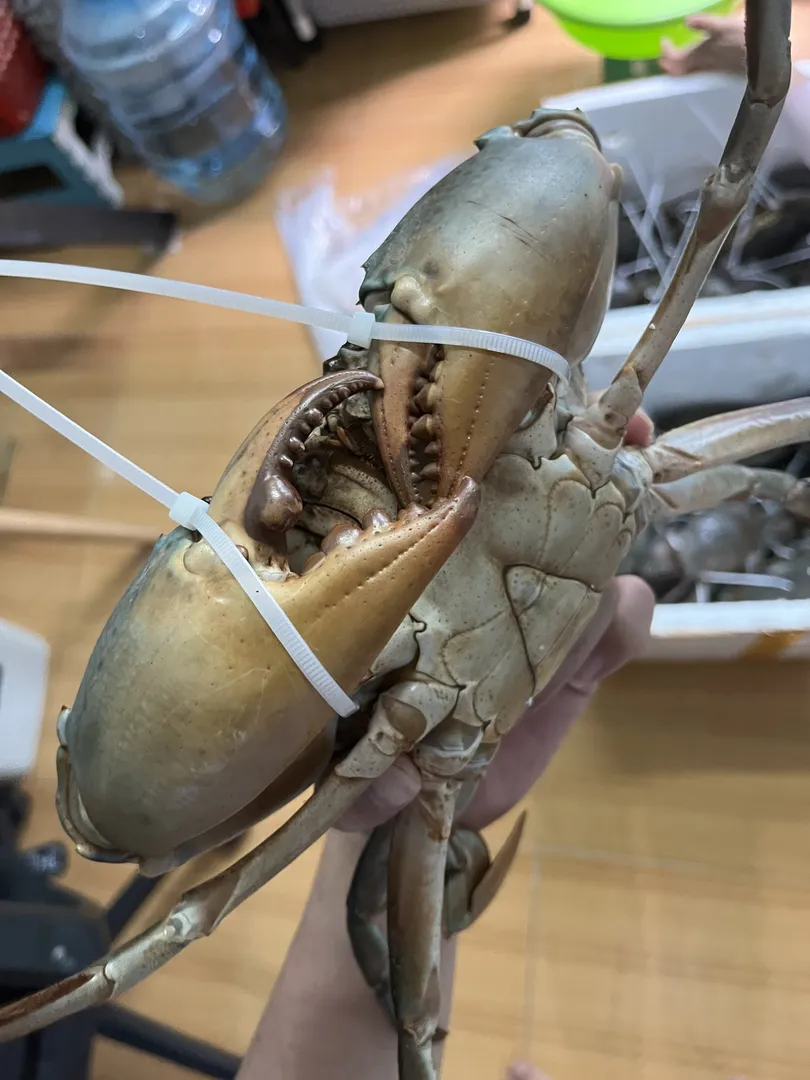
Cua Thịt Y (Size Lớn)
Cua Thịt Y (Size Lớn)
Cua Y đực, thịt chắc nịch, ngọt đậm đà. Vỏ mỏng, càng to. Bao ăn, bao chắc. Lựa chọn kinh tế cho bữa tiệc gia đình.
Biểu tượng của ẩm thực đất Mũi với những thớ thịt săn chắc, ngọt lịm, mang trọn hương vị nồng nàn của biển khơi.
2 India's Spice Coast Power: A Fiery, Aromatic Tapestry
Now, turn your gaze westward to India, a subcontinent renowned for its vibrant culinary landscape and a profound mastery of spice. India's coastline, stretching thousands of kilometers, boasts a staggering diversity of seafood, and crab holds a place of honor. From the Arabian Sea's west coast to the Bay of Bengal's east, regional crab preparations are as varied and complex as the spices that define Indian cuisine.
Unlike the subtle sweetness often favored in Vietnam, Indian crab dishes are a celebration of bold flavors. Crab is frequently cooked with an intoxicating blend of turmeric, cumin, coriander, chili, ginger, garlic, and a host of other aromatic spices, often creating a thick, rich gravy or a dry, intensely flavored masala. Each region offers its unique interpretation: Goan crab curry might feature coconut milk and the fiery Kashmiri chili, while Bengali crab preparations (like 'Kankra Jhal') can be intensely spiced and sometimes cooked with mustard oil for an extra pungent kick. The Konkan coast offers crab preparations that are often drier and pepper-focused.
The texture of Indian crabs can vary depending on the species and preparation, but the dominant experience is often the intense interplay of spices that coat the succulent meat. Whether it's a whole crab steamed and then tossed in a dry masala, or crab meat simmered into a robust curry, the focus is on creating a multi-layered flavor explosion. The very act of eating Indian crab is often a hands-on, messy, and deeply satisfying affair, an experience that engages all the senses.
Texture Profile
Succulent meat, often enveloped in a rich, spiced gravy or coating. Texture varies, but flavor is always paramount.
Flavor Notes
Complex, aromatic, spicy, and often rich. A symphony of herbs and spices dominates, balanced with the crab's natural flavor.

Indian Spice Coast Crab (Illustrative)
Aromatic Spices, Coastal Delights
A representative example of a crab from India's spice-rich coastlines, often prepared with vibrant spices.
3 Sweet vs. Spice: A Tale of Two Palates
The fundamental difference lies in philosophy. Vietnamese crab cuisine, particularly in the Mekong Delta, is often about *revealing* the crab's inherent qualities – its sweetness, its delicate texture, its oceanic freshness. Preparations are typically minimalist, using aromatics like lemongrass, ginger, or a whisper of chili to complement, not to dominate. The goal is to let the crab be the star.
Indian crab cuisine, conversely, is about *transforming* the crab into a canvas for complex, exhilarating flavors. Spices are not merely accents; they are the narrative. The crab's meat provides a perfect vehicle for absorbing and carrying these potent, layered tastes. It's a bold, robust expression where the crab is an integral part of a much larger, more intricate culinary story.
Cooking Method Emphasis
Steaming, boiling, stir-frying with minimal sauce. Focus on clean flavors.
Flavor Profile Emphasis
Rich, aromatic, spicy gravies and masalas. Complex spice blends are key.
4 Terroir Matters: Ca Mau Crab's Unique Landscape
The distinctiveness of Mekong Delta crab is deeply rooted in its environment. Ca Mau, Vietnam's southernmost province, is characterized by extensive mangrove forests, a rich network of rivers and canals, and a coastal area that supports a unique ecosystem. Mud crabs here are often raised in semi-intensive or extensive farming systems within these mangrove environments, or sometimes in coastal ponds.
This connection to the mangroves is crucial. The crabs feed on natural ingredients found in this brackish water environment – small fish, mollusks, and other crustaceans – and benefit from the water's complex mineral composition. This natural diet and habitat are precisely what contribute to the celebrated sweetness and firm texture of Ca Mau crab. It's a flavor profile that speaks of its origin, much like a fine wine expresses its vineyard. When you taste a Ca Mau crab, you're tasting the estuary, the mangroves, and the meticulous care of local farmers.
Heritage Ingredient
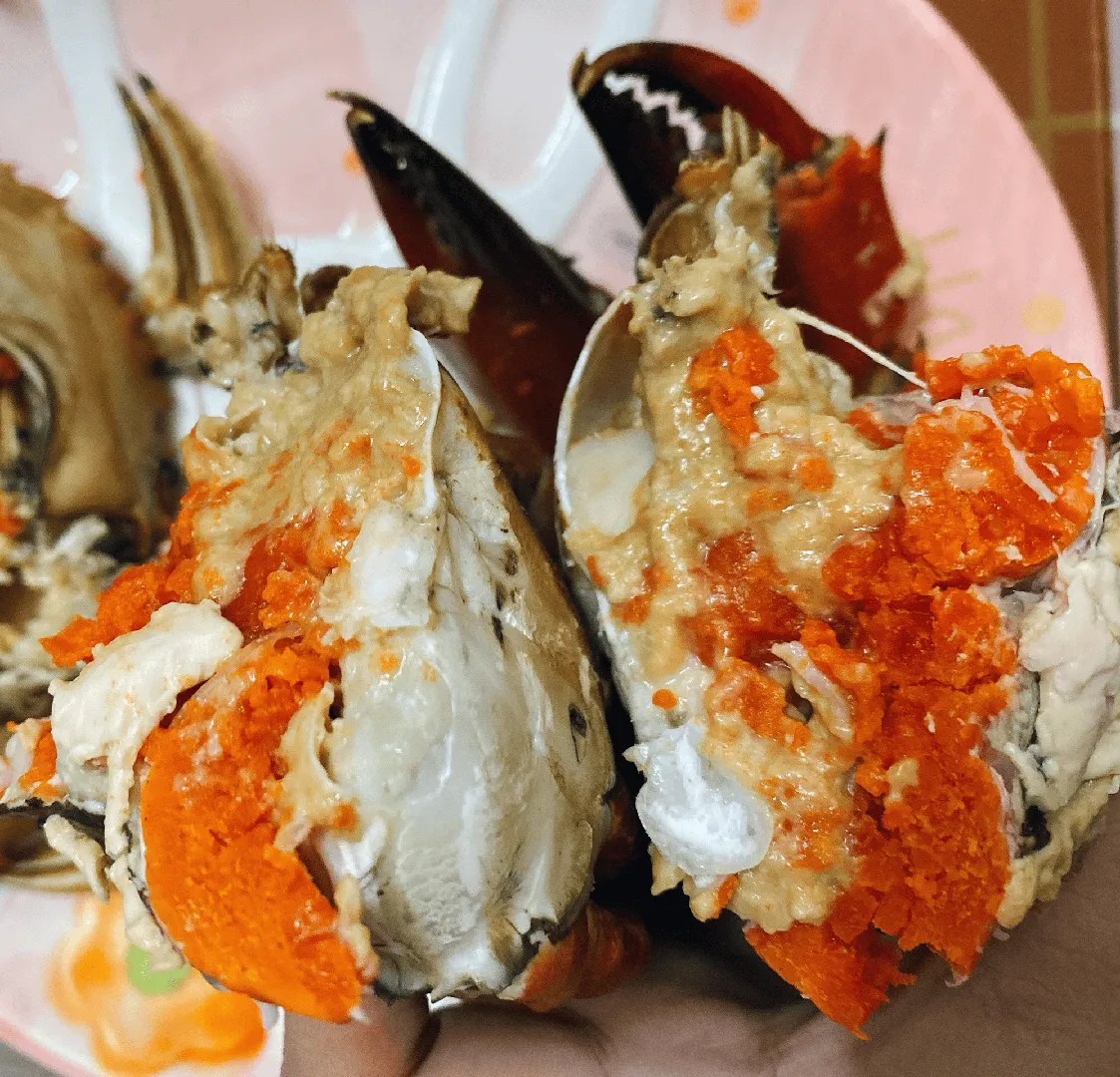
Cua Gạch Cà Mau (Gạch Son)
Cua Gạch Cà Mau (Gạch Son)
Dòng cua gạch truyền thống, gạch son đỏ au, béo ngậy. Cam kết dây trói siêu nhỏ, bao ăn 1 đổi 1. Món quà sức khỏe tuyệt vời.
Tinh túy của phù sa hội tụ trong lớp gạch son đỏ rực, béo ngậy, tan ngay đầu lưỡi như một bản giao hưởng hương vị.
5 Home Cooking and Cultural Rituals
In Vietnamese households, steaming crab is a communal affair, often prepared quickly for a family meal. It's straightforward, healthy, and requires minimal fuss, fitting seamlessly into daily life. The accompanying dipping sauce – a simple blend of salt, pepper, and lime – is key to elevating the experience, providing that essential tang and saltiness that contrasts beautifully with the crab's sweetness. It's a way to connect with the purity of the ingredient.
In India, crab dishes are often centerpieces of celebrations, festivals, and special family gatherings. The elaborate preparation and rich spices reflect the occasion. Sharing a spicy crab curry or a mound of masala crab is an event in itself, a testament to the communal joy of feasting on flavorful food. The experience is more about indulging in a rich, sensory journey, often accompanied by rice or bread to soak up every last drop of the fragrant gravy.
6 Market Scenes: A Visual Feast
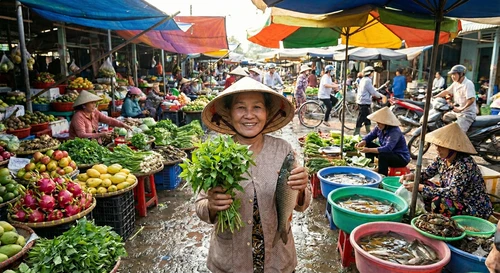
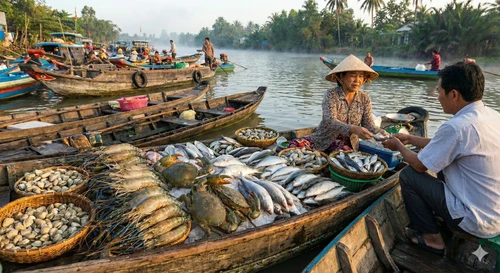
Imagine the bustling seafood markets of the Mekong Delta: live crabs displayed in woven baskets, the air thick with humidity and the faint smell of salt. Vendors call out, their hands expertly selecting the finest specimens. The visual is one of abundance, freshness, and a direct connection to the water. The crabs are often sold whole, live, and their beauty lies in their raw, natural state.
Contrast this with the vibrant chaos of an Indian seafood market. Here, crab might be sold live, but you'll also see pre-prepared pastes and spice mixes readily available, hinting at the culinary adventures to come. The visual is one of intense color, aromatic spices displayed alongside the catch, and a palpable excitement about the transformation that will happen in the kitchen. It's a marketplace that promises a sensory overload of flavors.
7 Beyond the Plate: Why Travelers Must Experience Both
For the global food traveler, the journey from Vietnam's Mekong Delta to India's spice coast offers a profound understanding of how geography, culture, and ingredients shape cuisine. In Vietnam, you’ll learn to appreciate the subtle art of letting natural flavors shine. You’ll witness a way of life intrinsically linked to the waterways, where simplicity yields profound deliciousness. A visit to the Ca Mau region is an immersion into a unique terroir where crab aquaculture thrives sustainably.
In India, you’ll be captivated by the sheer audacity of flavor, the incredible depth achieved through meticulous spice blending. You’ll experience the warmth of Indian hospitality through its generous, often fiery, dishes. Exploring coastal India reveals a culinary heritage built on centuries of trade, tradition, and a fearless approach to seasoning. Each offers a distinct, yet equally compelling, chapter in the global story of crab.
8 The Verdict: A Delicious Dichotomy
There’s no definitive "winner" in the Vietnam vs. India crab debate. It’s not about superiority; it’s about the sheer breadth of human culinary expression. Vietnam’s Mekong Delta offers a masterclass in purity and delicate sweetness, a testament to the power of pristine environments and mindful preparation. Ca Mau sea crab, in particular, stands as a benchmark for clean, natural flavor and texture.
India counters with a robust, complex, and exhilarating explosion of spices, showcasing how culinary traditions can transform a single ingredient into an epicurean adventure. Whether you crave the subtle whisper of the delta or the bold declaration of the spice coast, both offer an unforgettable experience that defines their respective cultures and the incredible versatility of the humble crab.
Curious About Vietnamese Crab?
Dive deeper into the specific preparations and regional variations of Vietnam's beloved crab cuisine.
🦀 Explore More Vietnamese Crab