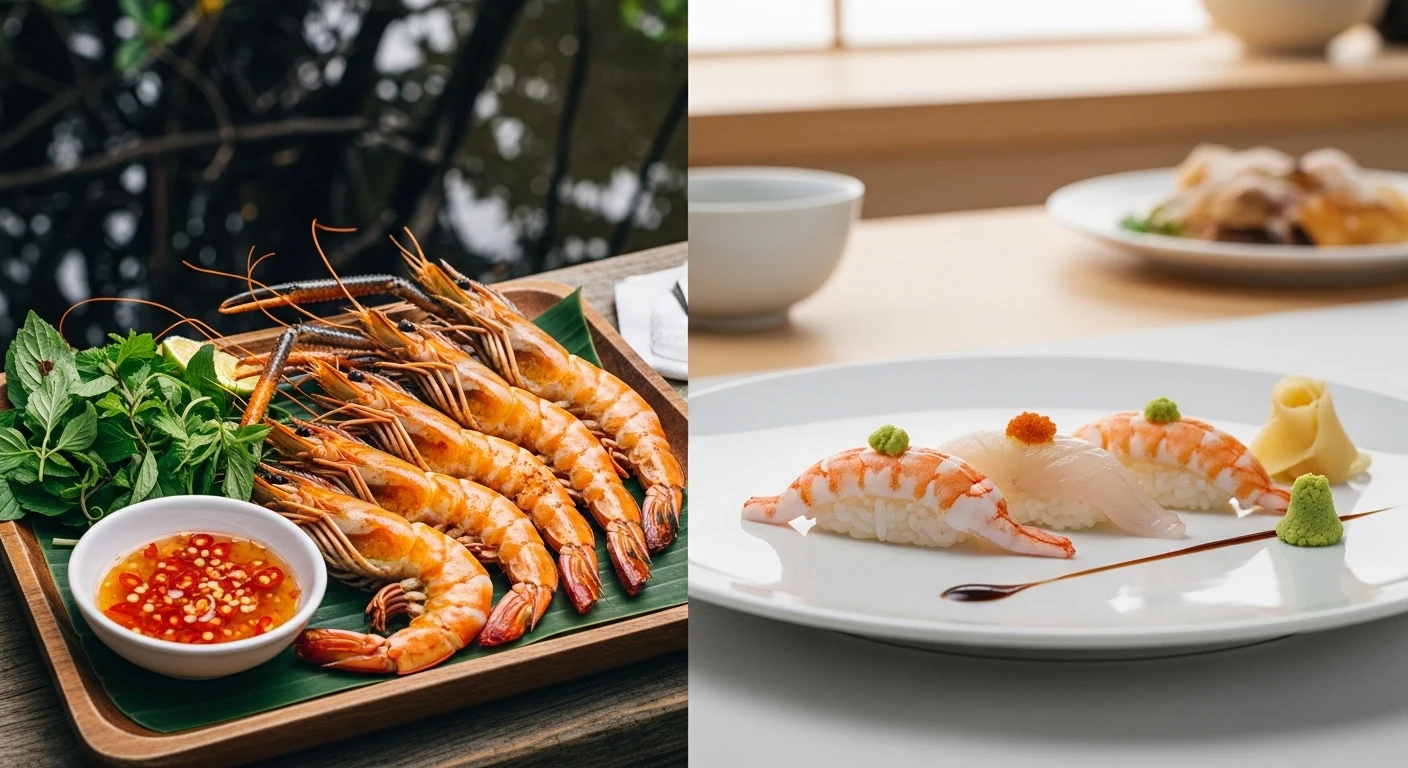
" There's a primal connection between humans and the bounty of the sea. For many, crab represents the pinnacle of this relationship – a complex, sweet, and utterly satisfying prize. But when you pit the celebrated traditions of Japan against the raw, vibrant soul of Vietnam's Mekong Delta, where does the true king of the crustacean kingdom lie? "
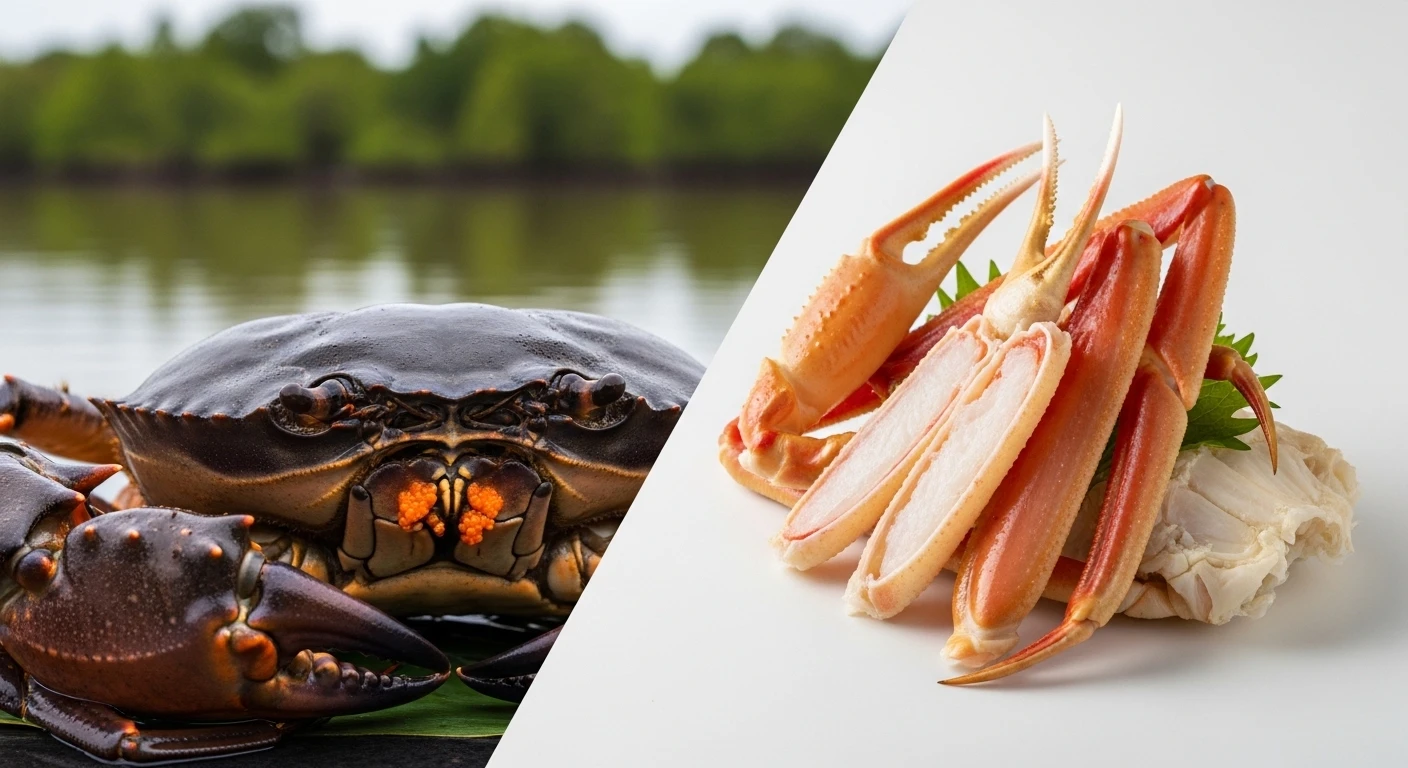
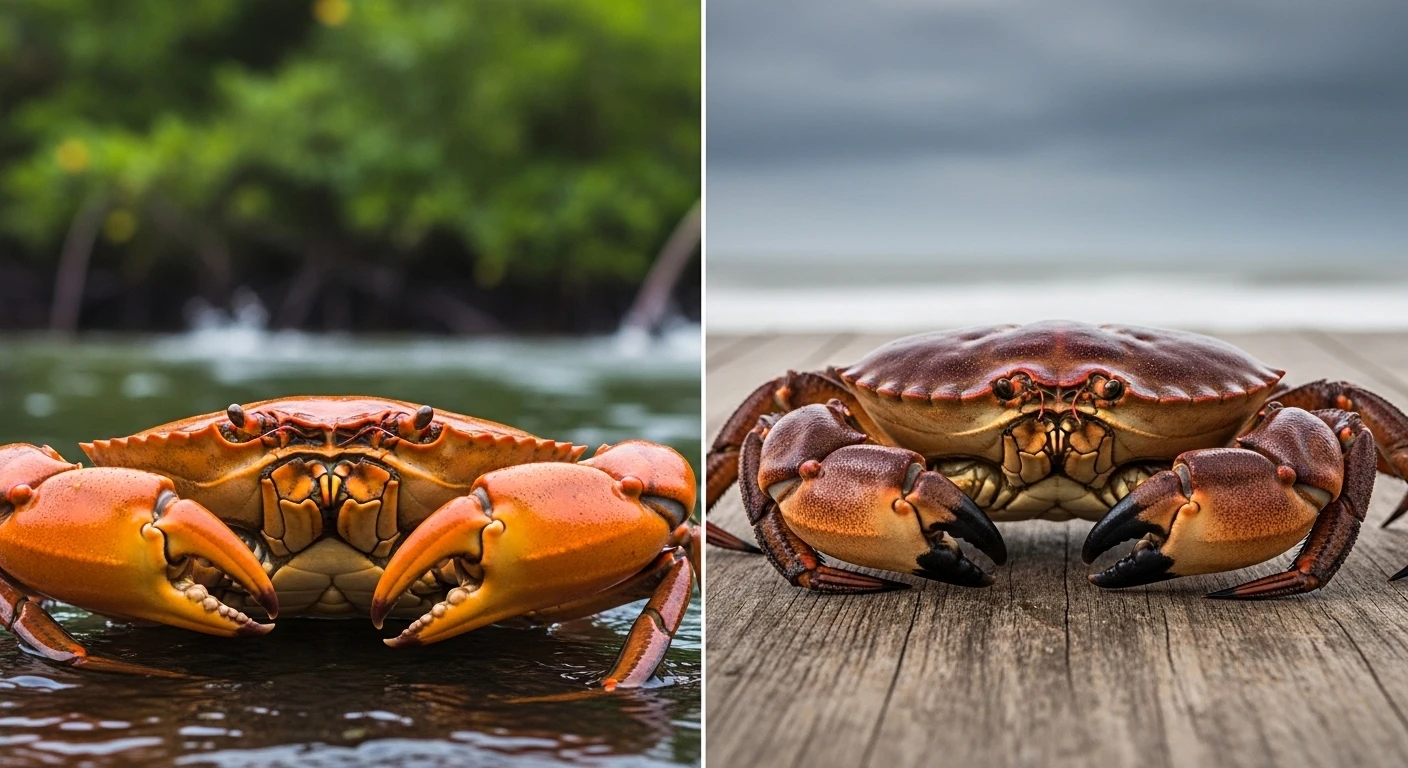
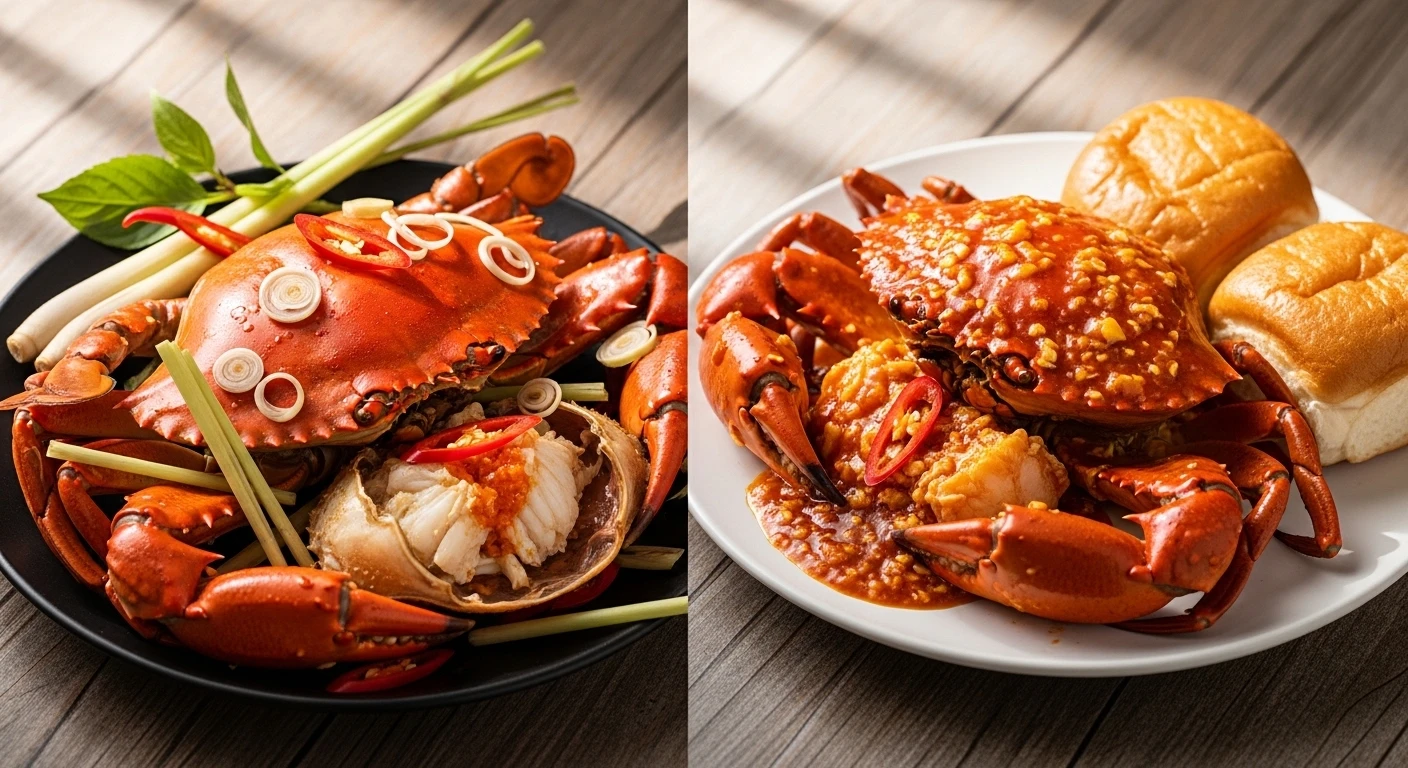
📸 The iconic crab: A visual representation of two culinary worlds.
1 The Elegance of Japan: Precision, Prestige, and 'Kani'
Japan's relationship with crab is a story steeped in tradition, seasonality, and an almost reverential respect for the ingredient. When most people think of Japanese crab, images of majestic, snow-white snow crab (zuwaigani) or the colossal king crab (tarabagani) come to mind. These are not just seafood; they are luxury items, celebrated with dedicated festivals and intricate dining rituals.
'Kani tourism' is a phenomenon, with regions boasting prime crab catches drawing eager visitors during peak seasons. The focus is often on purity of flavor: delicate steaming, subtle grilling, or even enjoying the crab raw as 'kani sashimi'. Japanese cuisine excels at highlighting the inherent sweetness and unique texture of each crab variety, often with minimal intervention. The prestige associated with these crabs is undeniable, reflected in their higher price points and their status at celebratory meals.
The Japanese approach is about perfection. Every step, from sourcing the freshest catch to the precise cooking time, is curated. The sweet, almost buttery meat of a prime snow crab, with its distinct flaky texture, is a benchmark. King crab offers a firmer, more substantial bite, its sweetness rich and deep. This dedication to quality and the emphasis on seasonality create a culinary experience that is both sophisticated and deeply satisfying.

📸 Elegance on a plate: Japanese king crab and snow crab, celebrated for their delicate sweetness and texture.
2 Mekong Delta's Heartbeat: Mud Crab's Robust Charm
Venture south, into the labyrinthine waterways of Vietnam's Mekong Delta, and you'll discover a different kind of crab: the tenacious mud crab. These aren't creatures of the icy depths, but dwellers of brackish waters, mangrove swamps, and tidal flats. Their habitat profoundly influences their character – a robust, intensely flavored crab that embodies the wild spirit of its environment.
The undisputed star of this region is the Ca Mau sea crab. Ca Mau, Vietnam's southernmost province, is renowned for its vast mangrove forests, a pristine ecosystem that yields some of the country's finest mud crabs. Here, the crabs are not merely farmed; they are integral to the local livelihood, their presence a barometer of the health of the delta's unique aquatic environment.
Vietnamese mud crab, particularly from Ca Mau, is celebrated for its dense, sweet meat and, crucially, its rich, often vibrant orange roe. The 'mud crab' moniker might sound humble, but these crabs are anything but. Male crabs, known as 'thịt' (meat crabs), boast thick, succulent claw meat that is surprisingly sweet and firm. Female crabs, or 'gạch' (roe crabs), are prized for their opulent roe, which can range from a creamy golden hue to a deep, earthy orange. This roe, when cooked, transforms into a decadent, almost custardy richness, a flavor profile distinct from anything found in Japanese crab.
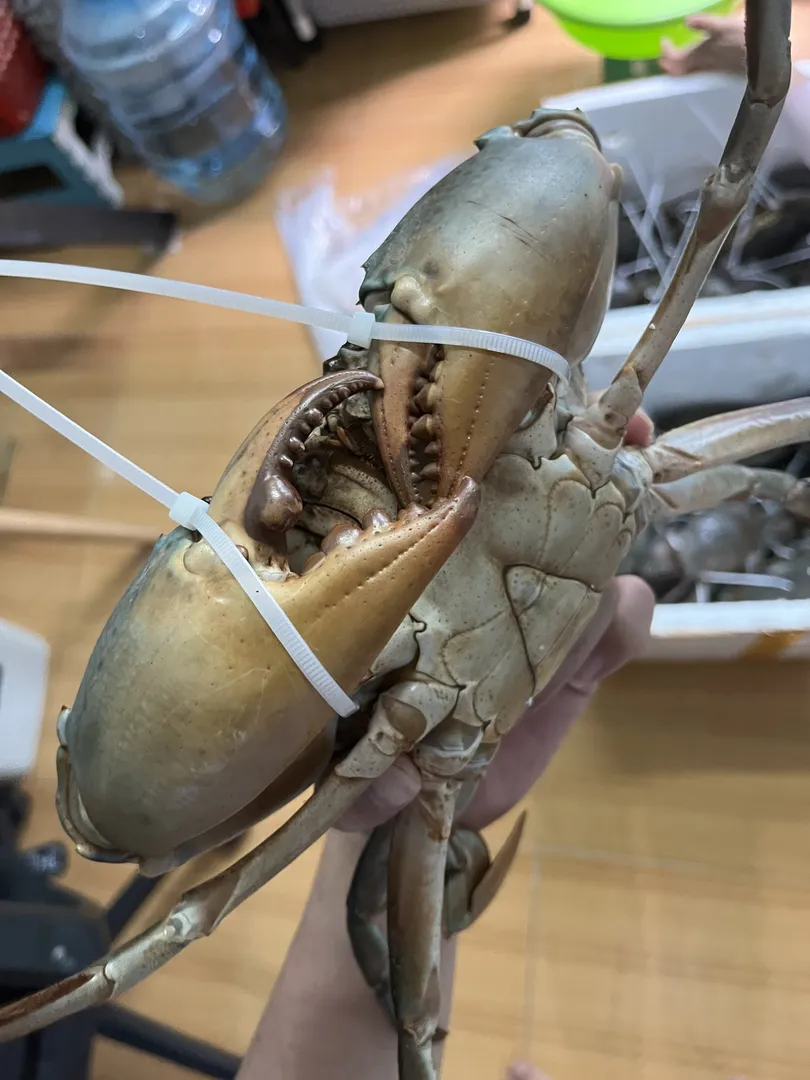
Heritage Ingredient
Ca Mau Jumbo Mud Crab
Ca Mau Jumbo Mud Crab
A large male mud crab prized for dense, sweet meat and thick claws, commonly used in steamed crab and grilled crab dishes across the Mekong Delta.
An icon of coastal culinary heritage, featuring firm, sweet meat that captures the raw power and freshness of Ca Mau's tides.
3 The Palate Test: Sweetness, Texture, and the 'Umami' Factor
This is where the comparison truly ignites. Both Vietnam and Japan offer sublime crab experiences, but they speak different culinary languages.
Japanese Crab: The Sweet Symphony
Sweetness: Often described as pure, clean, and delicate. The sweetness is refined, almost floral in some instances, especially in peak season snow crabs.
Texture: Snow crab is flaky, tender, and moist, pulling away easily from the shell. King crab is firmer, more fibrous, but still incredibly succulent.
Umami: Subtle, clean, and highly nuanced. It complements the sweetness without overpowering it.
Mekong Delta Crab: The Robust Rhapsody
Sweetness: Deeper, more pronounced, with a distinct briny undertone that speaks of its coastal, mangrove environment. Ca Mau crabs are famously sweet.
Texture: Mud crab meat is denser, more fibrous, and incredibly satisfying. The claw meat is particularly substantial. The roe is creamy, rich, and intensely flavorful.
Umami: Bold and earthy. The crab's diet and habitat contribute to a powerful, satisfying 'sea-flavor' that is uniquely Vietnamese.
The choice between them often comes down to personal preference. Do you seek the ethereal delicacy of Japan's prized crustaceans, or the bold, briny, and richly flavored character of Vietnam's mud crab? Both are triumphs, but they offer entirely different, yet equally compelling, journeys for the palate.
4 From Zen Simplicity to Delta Feasts
The way crab is prepared and enjoyed tells as much about the culture as the crab itself. Japan's approach is often minimalist, honoring the crab's natural state.
Japan: The Art of Restraint
- Steaming (Mushi): The quintessential method, preserving the crab's pure flavor.
- Grilling (Yakishi): Often done simply with a brush of soy sauce or butter to enhance natural flavors.
- Boiling (Nabe): Crab hot pots are popular, where the crab infuses the broth with its essence.
- Raw (Sashimi): For the highest grades, enjoyed with minimal accompaniments like wasabi and soy sauce.
Dipping sauces are typically light – ponzu, a touch of soy, or a simple vinegar mix.
Vietnam: Bold Flavors, Communal Spirit
- Steaming (Hấp): Often with beer and lemongrass, infusing the crab with aromatic notes.
- Grilling (Nướng): Frequently enhanced with scallion oil, chili, or a tamarind glaze.
- Boiling (Luộc): Simple boiling is common, serving the crab with vibrant dipping sauces.
- Soups & Hotpots: Crab forms the base for rich, complex broths.
Dipping sauces are crucial: a spicy lime and salt mix (muối ớt chanh) or rich tamarind sauces are common.
In Vietnam, especially in the Mekong Delta, enjoying crab is often a communal affair. It's about sharing a bountiful platter, cracking shells together, and savoring the process. While Japan’s crab dining can be serene and focused, Vietnam’s is lively, flavorful, and deeply connected to the land and water.

📸 A taste of the Delta: Vietnamese mud crab prepared with bold spices and aromatic herbs.
5 Terroir and the True Essence of Crab
The concept of 'terroir'—the environmental factors that shape a food's unique characteristics—is vital here. Japan's prized crabs thrive in cold, deep oceanic waters. This frigid environment contributes to their slower growth, dense fat content, and the characteristic delicate sweetness and flaky texture. The purity of these waters is paramount to their appeal.
In contrast, Mekong Delta mud crabs flourish in a dynamic, brackish environment. The rich sediment, the salinity fluctuations, and the mangrove ecosystem itself impart a unique minerality and a bolder, more complex flavor profile to the crab. The diet of these crabs, feasting on smaller creatures and organic matter in the delta's fertile mud, contributes to their robust taste and the richness of their roe. It's a flavor that is intrinsically tied to the very essence of the Mekong.
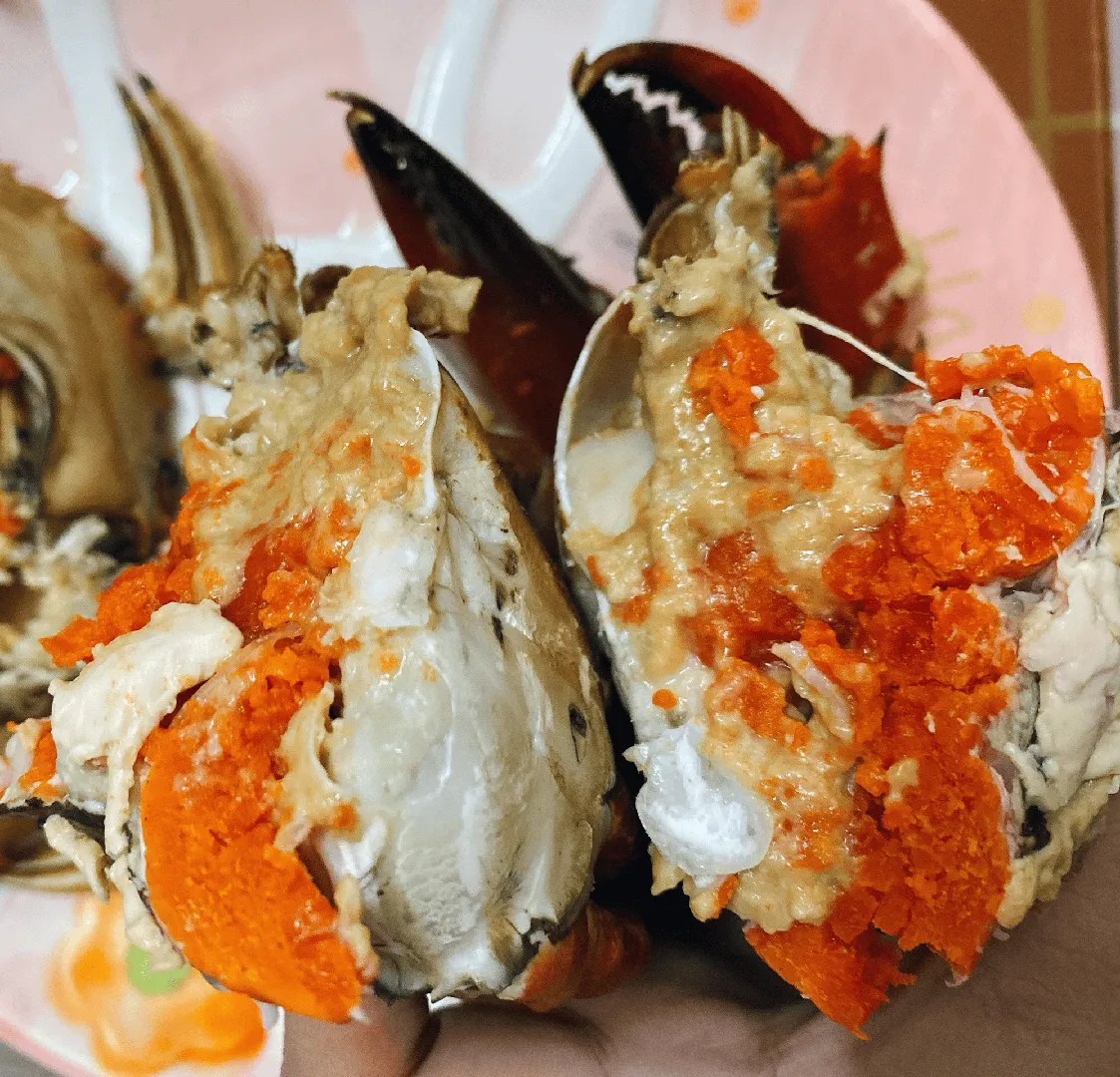
Heritage Ingredient
Ca Mau Roe Mud Crab
Ca Mau Roe Mud Crab
A female mud crab known for deep orange roe and a rich, creamy finish, often featured in celebratory Southern Vietnamese seafood meals.
A crimson treasure hidden within a shell, boasting rich, creamy roe that melts on your tongue like a golden sunset over the delta.
6 The Question of Price: Luxury vs. Abundance
When comparing these crabs, price is a significant factor. Japan's premium crabs, like snow crab and king crab, are often considered luxury items. Their scarcity, the challenging harvesting conditions, and their esteemed reputation contribute to higher costs. They are typically reserved for special occasions or sought out by discerning diners willing to pay a premium for unparalleled quality and prestige.
Mekong Delta mud crabs, while highly prized within Vietnam and increasingly for export, are generally more accessible. The region's abundant waterways and well-established aquaculture and harvesting practices mean that delicious, high-quality mud crabs are more readily available. This doesn't diminish their value; rather, it makes the incredible flavor and richness of Vietnamese mud crab a more common, yet no less cherished, part of everyday culinary life for many. It's a taste of the sea that, while special, isn't exclusively for the elite.
7 The Verdict: A Tale of Two Crowns
So, which one wins? The honest answer is: neither. This isn't a battle to be won, but a celebration of diverse culinary excellence. Japan's crab offers refined elegance, pristine sweetness, and a testament to precision in preparation. It's a culinary art form that respects tradition and elevates the natural.
Vietnam's Mekong Delta mud crab, particularly from Ca Mau, presents a wilder, more robust charm. It's a taste of untamed waters, a symphony of deep sweetness, satisfying texture, and the unmistakable essence of its unique terroir. The richness of its roe and the boldness of its flavor provide an experience that is profoundly satisfying and deeply rooted in its origins.
For the traveler, the food enthusiast, or the dedicated crab lover, both destinations offer an unforgettable journey. Japan calls with its sophisticated palates and revered seasons. Vietnam beckons with its vibrant waterways, its lively kitchens, and the unparalleled, earthy sweetness of its mud crabs. The true victory lies in experiencing both.
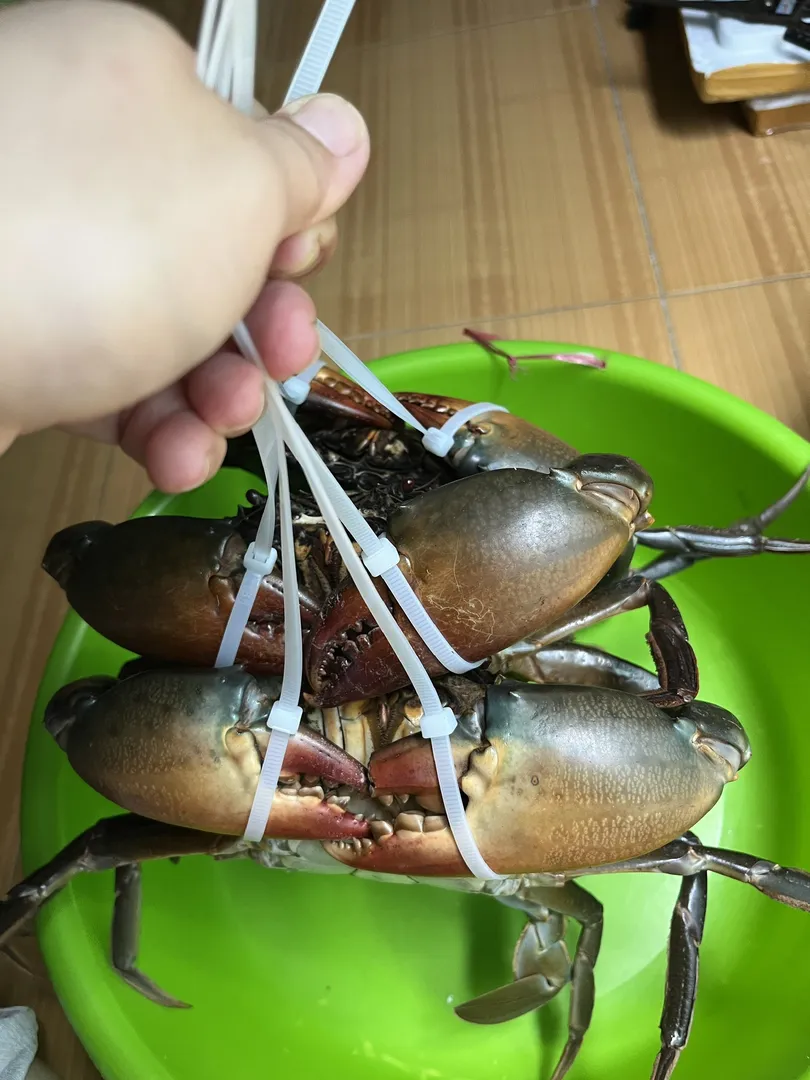
Heritage Ingredient
Giant Ca Mau Mud Crab
Giant Ca Mau Mud Crab
A larger export-grade mud crab with dramatic claws and thick meat, often used to illustrate oversized crab categories in Vietnamese seafood markets.
A titan of the ocean, offering colossal claws filled with muscular, succulent meat that elevates every feast into a royal experience.
8 Planning Your Journey: When to Savor Which
If your compass points towards Japan, aim for winter months (November to March) when snow crab and king crab are at their absolute best, a period often referred to as 'kani season'. Hokkaido, the Sea of Japan coast, and parts of northern Honshu are prime locations.
For the Mekong Delta experience, crab season is less strictly defined but generally, the transition periods between the wet and dry seasons offer excellent conditions. During the rainy season, the increased freshwater flow can sometimes affect salinity, while the dry season brings more concentrated salinity. However, Ca Mau mud crabs are generally available year-round, with peak availability often cited from June to December. Visiting Can Tho, Soc Trang, or Ca Mau city will put you at the heart of this culinary tradition.
No matter which direction you choose, embarking on a quest for the finest crab is a journey that rewards the senses and deepens one's appreciation for the incredible diversity of our planet's bounty.