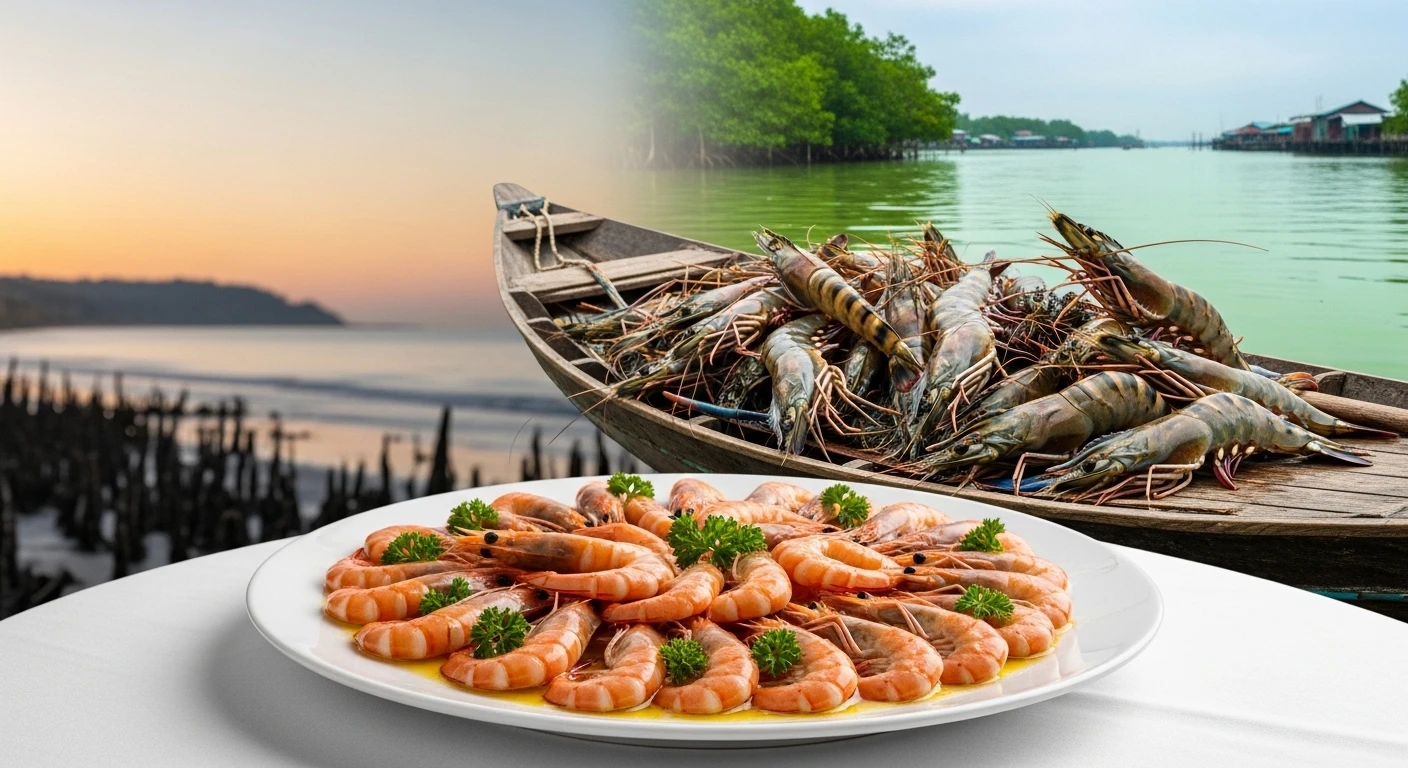
" There are those who simply eat shrimp, and then there are those who understand shrimp. The latter group knows that where it comes from—its terroir—is as crucial as how it's cooked. Peru and Vietnam, two oceanic and estuarine giants, offer a delicious dichotomy. "
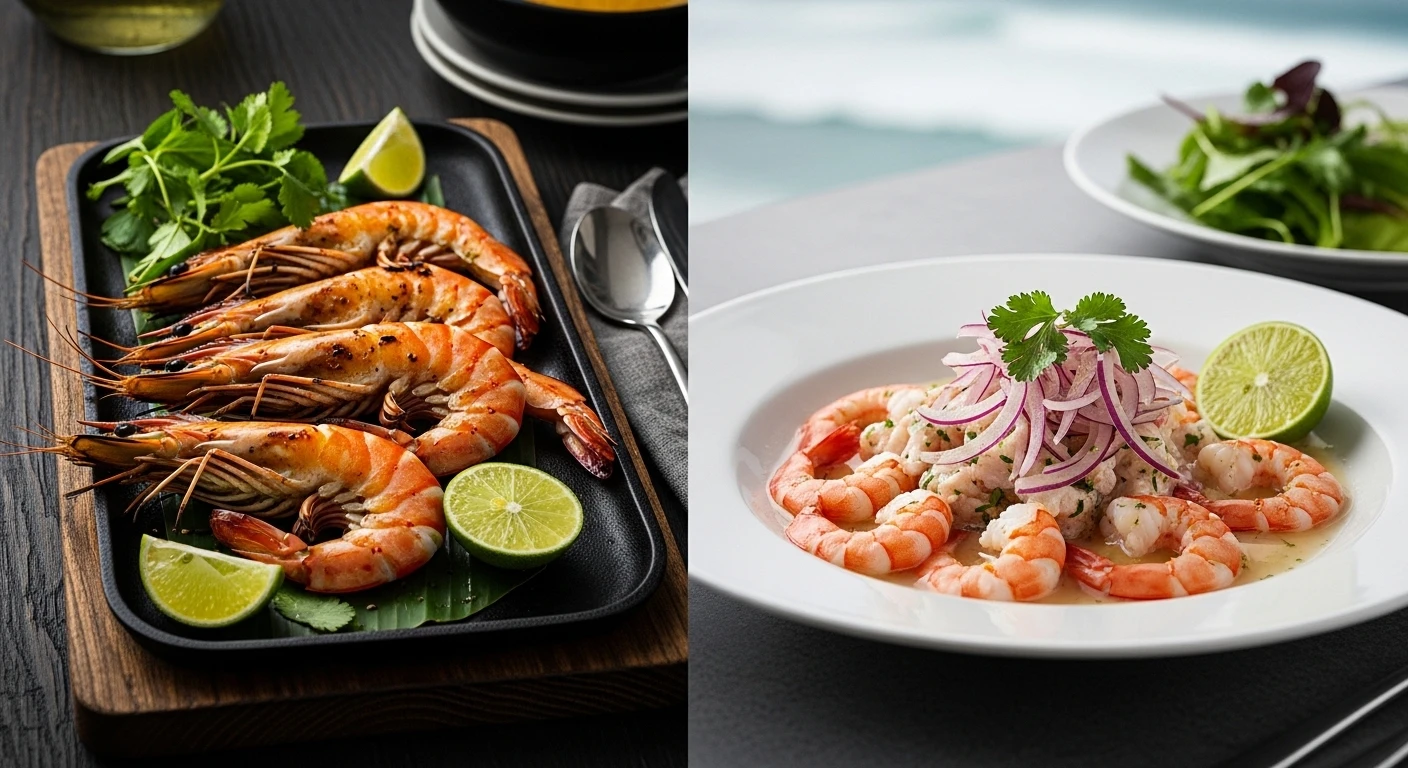
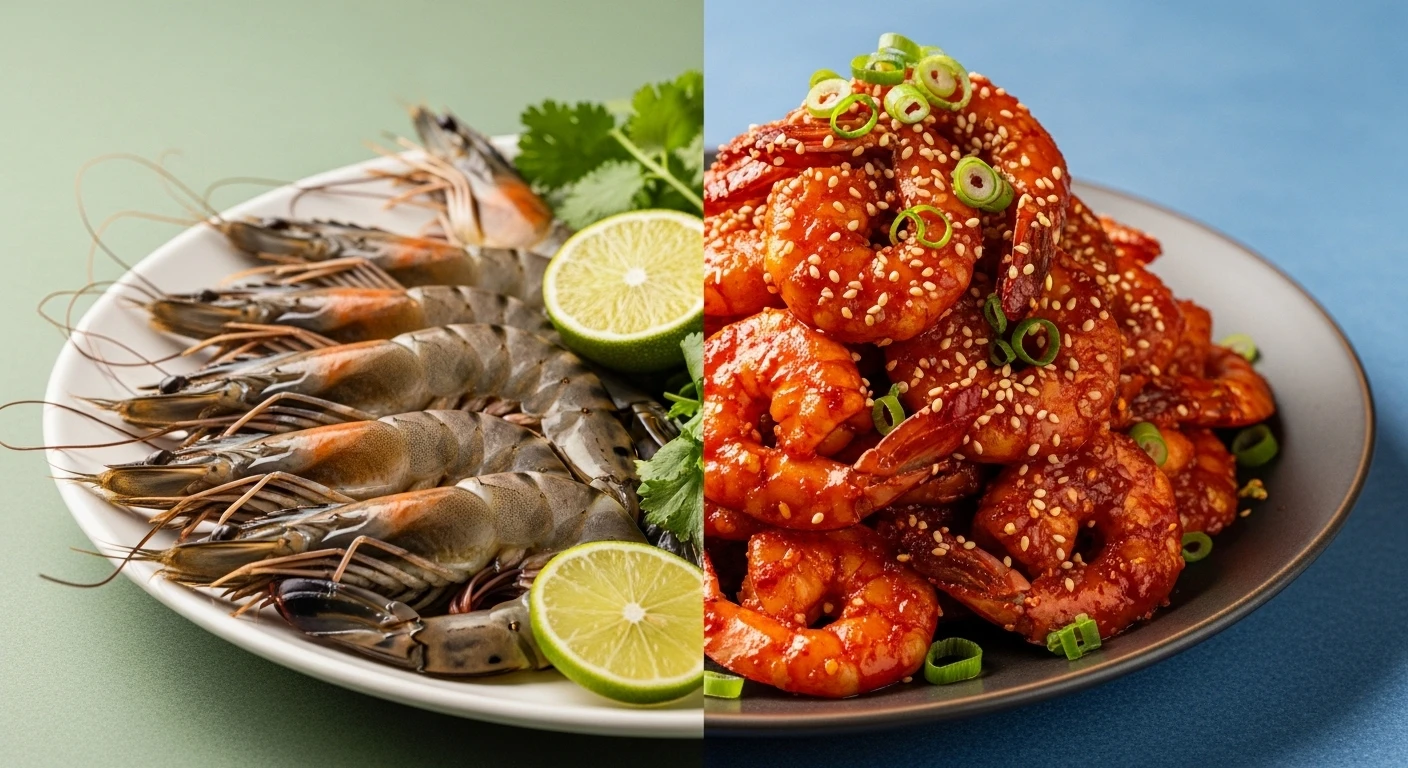
📸 The contrast: Vibrant Peruvian ceviche meets rustic Mekong Delta grilled prawns.
1 Peru: The Pacific's Zesty Embrace
The Peruvian coast is a marvel of marine biodiversity, shaped by the cold Humboldt Current and the fertile upwelling it provides. This isn't just a backdrop; it's the very essence of Peruvian seafood. When it comes to shrimp, Peru often highlights smaller, intensely flavored varieties that thrive in this rich ocean environment. While not as globally recognized for shrimp as for its famed ceviche fish, Peruvian shrimp possesses a distinct character, often characterized by a bright, clean sweetness that sings when paired with the country's iconic citrus-forward cuisine.
The logic of Peruvian seafood preparation is often built around acid. Lime juice, often from the abundant Peruvian *limón* (which is more akin to a Key lime), isn't just a garnish; it's a primary cooking agent. This "cooked" by acid approach, central to ceviche, demands shrimp with a robust, inherent sweetness and a firm texture that can stand up to the potent marinade. Peruvian dishes often feature these shrimp with a symphony of chili (like *ají amarillo* or *rocoto*), red onion, cilantro, and sometimes corn or sweet potato. The result is a dish that is simultaneously refreshing, spicy, and deeply savory—a true testament to the power of contrasting flavors born from a unique oceanic terroir.
When you bite into a perfectly prepared Peruvian shrimp, you're tasting the cold, nutrient-rich Pacific. It’s a flavor profile that’s sharp, invigorating, and leaves you wanting more. It's the taste of sunshine meeting the sea, transformed by culinary alchemy.
2 The Mekong Delta: Estuary's Sweet Depths
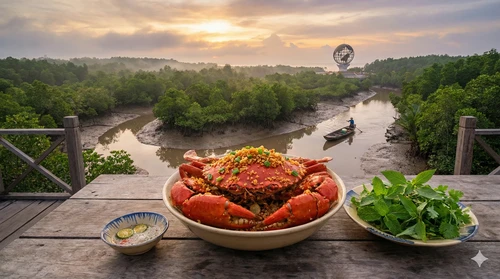
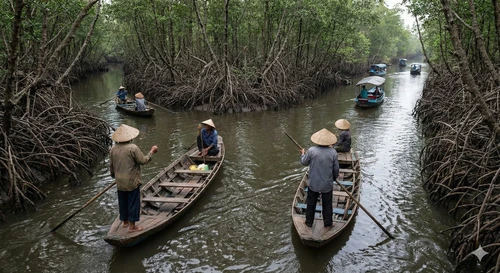
Now, cast your gaze to the vast, intricate labyrinth of rivers, canals, and mangroves that define Vietnam's Mekong Delta, the "rice bowl" of the nation. Here, life ebbs and flows with the tides, and shrimp culture is woven into the very fabric of existence. Unlike the open ocean of Peru, Mekong shrimp thrive in brackish waters—a complex blend of freshwater from the Mekong River and saltwater from the South China Sea. This unique environment shapes the shrimp profoundly.
The stars of this region are often the mighty Ca Mau black tiger shrimp. These aren't your average farmed shrimp. They're raised in carefully managed mangrove ecosystems, where they feed on natural detritus and micro-organisms. This natural diet imbues them with a firm, almost meaty texture and a deep, complex sweetness that's often described as having a subtle, clean marine flavor, a far cry from the sometimes-monotonous sweetness of intensive pond-raised varieties. Imagine the taste of that rich estuary, the hint of mangrove sap, captured in every bite. It's a flavor that speaks of its origin.
Alongside the black tigers, the Mekong is home to the majestic Giant Freshwater Prawn. With their impressive blue claws and rich, buttery head fat, these are prawns meant for celebration. They are often grilled, their sweetness intensified by the smoky char, their luxurious head fat a coveted delicacy.
Then there are the ubiquitous whiteleg shrimp, a workhorse for everyday Vietnamese cooking. While less "premium" than the black tigers or giant prawns, their mild, adaptable flavor makes them perfect for stir-fries, soups, and countless home-style dishes. The sheer variety and the deep cultural integration of shrimp farming and consumption in the Delta is astounding.
Heritage Ingredient
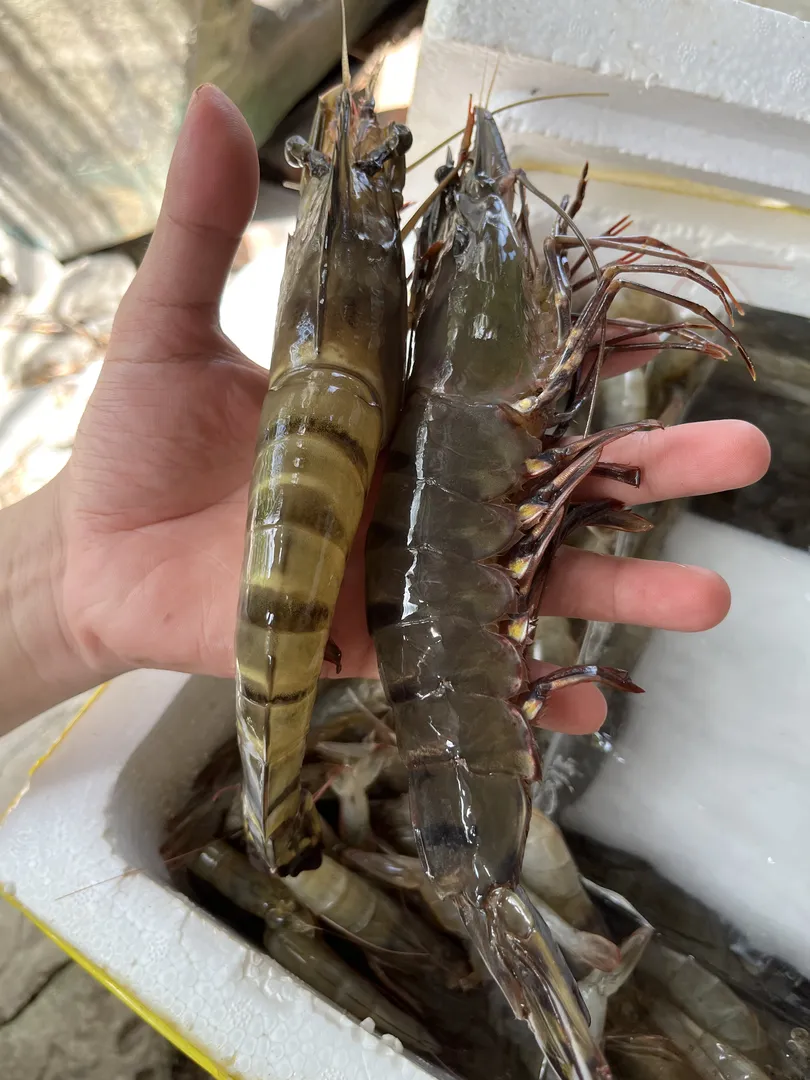
Ca Mau Black Tiger Shrimp
Ca Mau Black Tiger Shrimp
Large black tiger shrimp associated with mangrove aquaculture in Ca Mau, known for firm flesh and a cleaner, sweeter finish than intensively farmed shrimp.
Where every ingredient captures the essence of the wind and tides, weaving a vibrant culinary tapestry of the Mekong region.
3 The Flavor Showdown: Acid vs. Sweetness
Peruvian Brilliance: Zesty & Bright
Peruvian shrimp, when prepared in the national style, offers a sharp, electrifying taste. The defining characteristic is the bright acidity of lime juice, which "cooks" the shrimp and intensifies its natural sweetness while adding a tangy counterpoint. This is often amplified by the fiery kick of *ají* peppers, the pungent bite of red onion, and the fresh herbaceousness of cilantro. It’s a dish that awakens the palate—complex, refreshing, and designed to be eaten in the heat of the day. The shrimp's flavor is present, but it's part of a vibrant chorus, not a solo performance.
Mekong Depth: Sweet & Savory
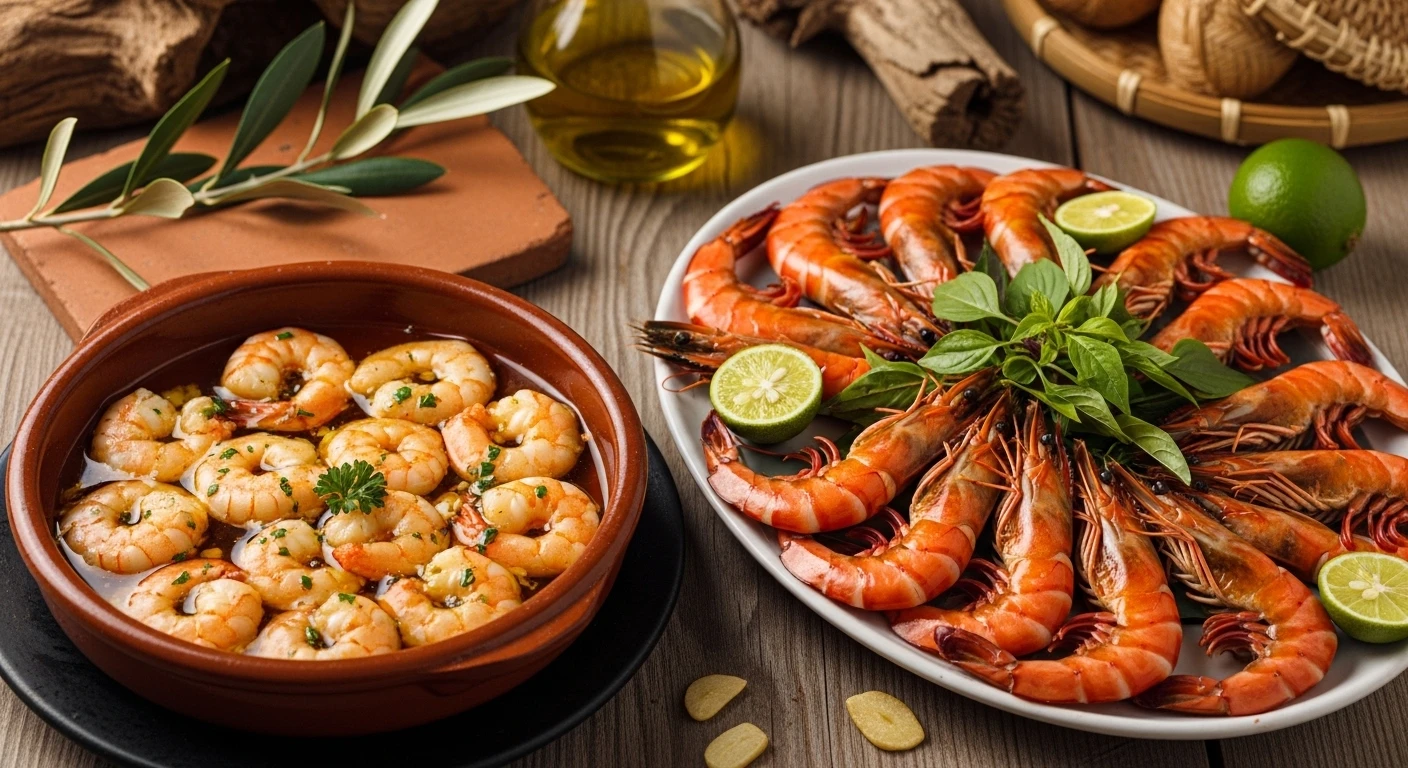
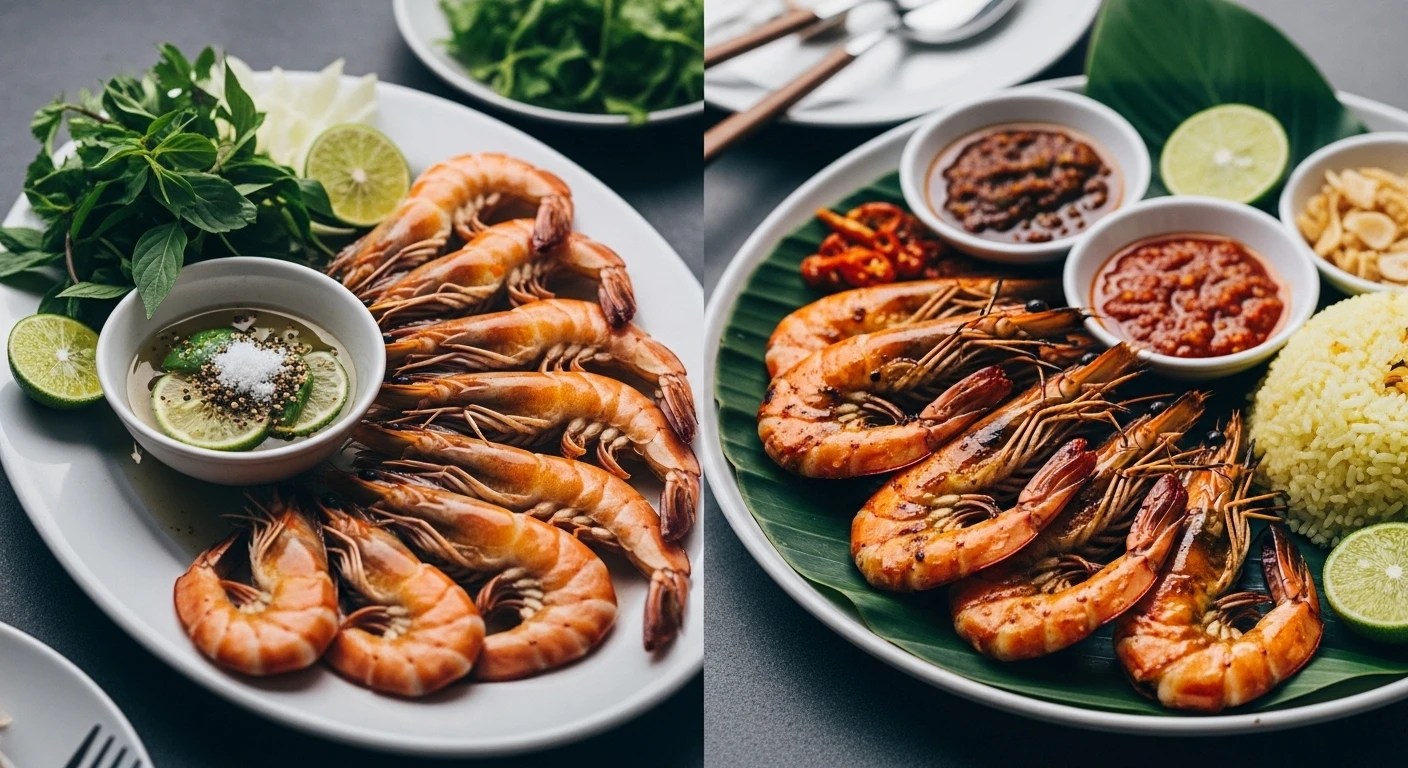
Mekong Delta shrimp, particularly the black tiger variety, leans into its inherent sweetness and the subtle saline notes of its estuary habitat. While lime is used in Vietnamese cuisine, it's often a softer acidity, balanced by fish sauce (nuoc mam), garlic, and sugar. Grilling, a popular method in the Delta, caramelizes the natural sugars in the shrimp, deepening its flavor and adding a smoky dimension. Dishes often emphasize the pure, unadulterated taste of the shrimp, perhaps with a light garlic-butter glaze or a simple chili-salt dip. It's about showcasing the ingredient's intrinsic quality, allowing its natural richness and depth to shine.
4 The Feel: Firmness and Succulence
The textural difference is as significant as the flavor. Peruvian shrimp, often smaller and from a cooler, more turbulent ocean, tend to be exceptionally firm, with a satisfying snap. This firmness is crucial for ceviche, ensuring the shrimp doesn't become mushy when exposed to acid.
Mekong Delta shrimp, especially the mangrove-grown black tiger variety, offer a unique textural experience. They are robust and firm, certainly, but with an added layer of succulence and a slightly more yielding quality that hints at their nutrient-rich, estuarine diet. The Giant Freshwater Prawns, with their substantial size, provide a meaty, almost lobster-like texture, particularly around the claw meat, and that coveted creamy richness from the head fat.
5 How They're Served: A Tale of Two Tables
In Peru, shrimp often play a supporting role in larger dishes like ceviche mixto, arroz con mariscos (seafood rice), or chupes (rich stews). They are rarely the sole focus, but their presence elevates the dish with their bright flavor and texture. The emphasis is on the harmonious blend of multiple seafood elements and bold seasonings.
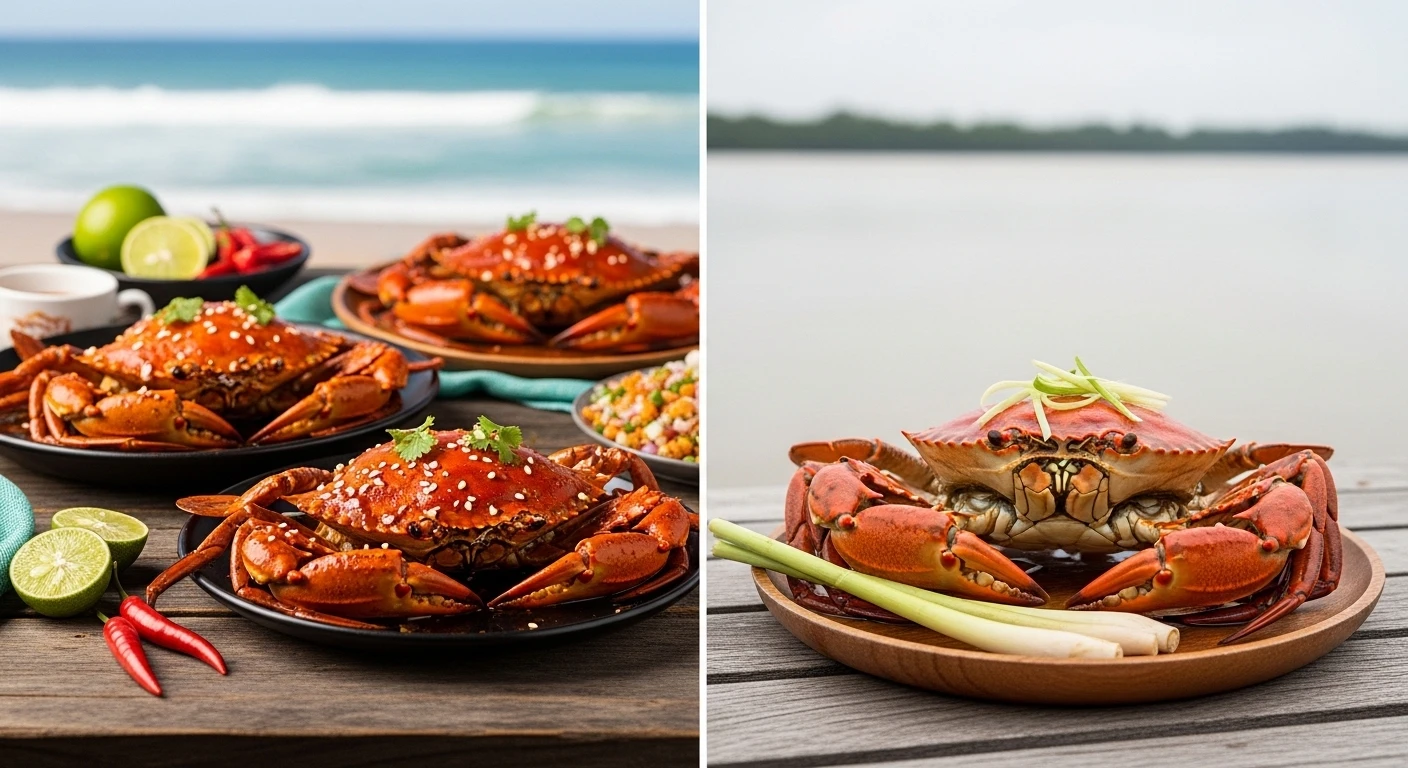
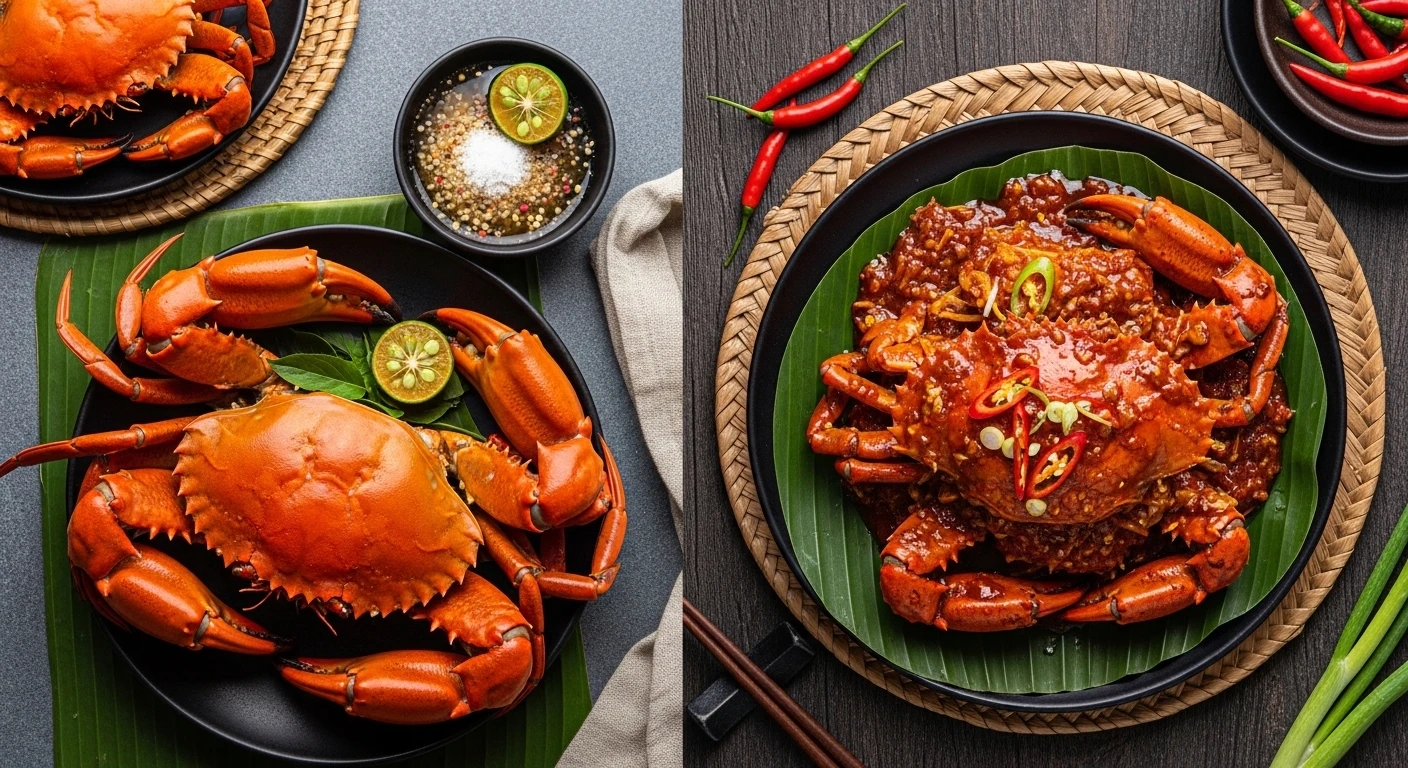
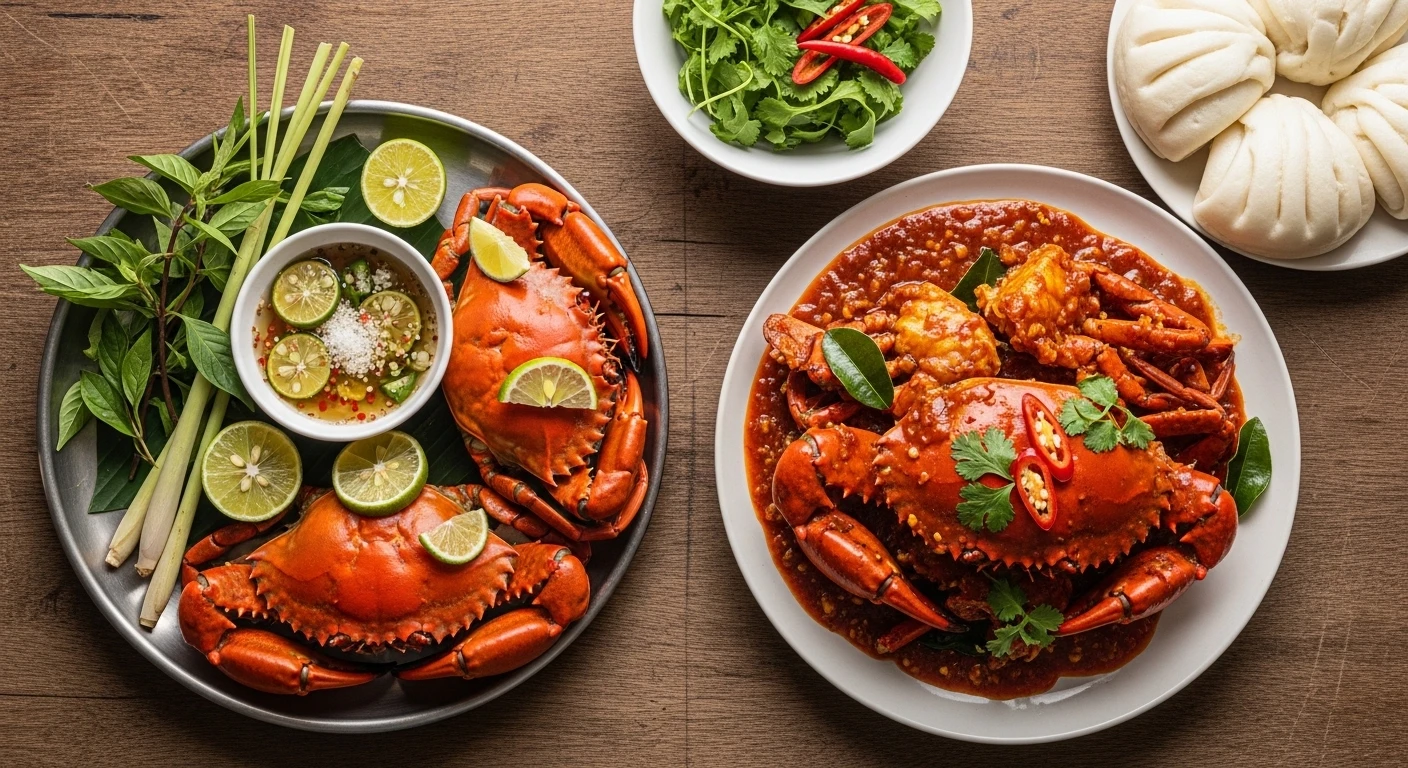
In the Mekong Delta, shrimp are often celebrated more directly. A plate of perfectly grilled Ca Mau black tiger shrimp, perhaps with a simple dipping sauce, is a meal in itself. The Giant Freshwater Prawns are often presented whole, a visual spectacle of their size and impressive claws. Even the humble whiteleg shrimp is integral to family meals, featuring in stir-fries, noodle soups, or steamed dishes. Vietnamese cooking often highlights the natural sweetness of the shrimp, using it as a foundation rather than a component in a complex mix. The communal aspect of sharing these seafood platters is also a key part of the experience—gatherings where the bounty of the river is the star.
Heritage Ingredient
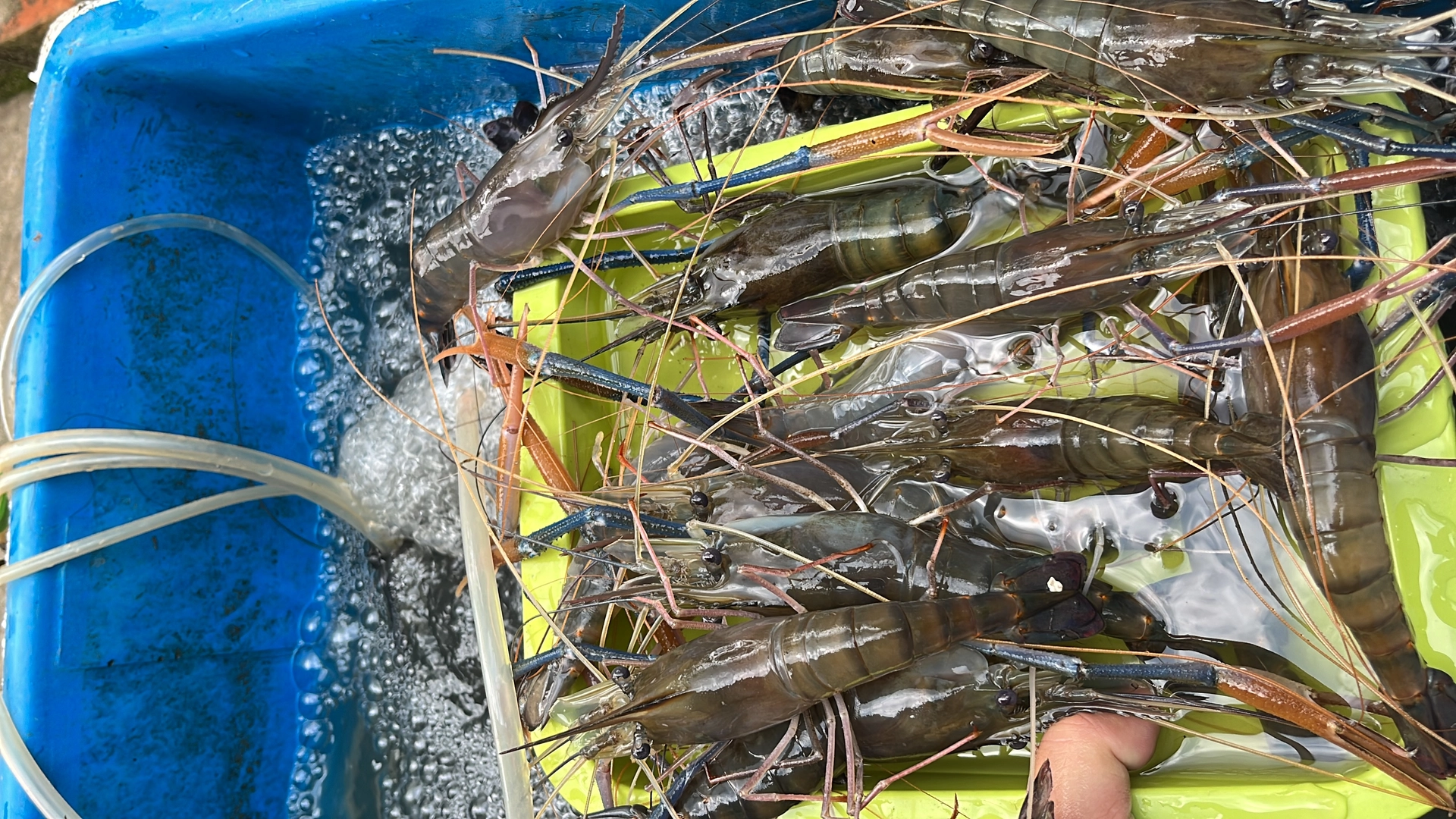
Mekong Giant Freshwater Prawn
Mekong Giant Freshwater Prawn
A river prawn with long blue claws and rich head fat, common in grilled prawn dishes and hotpot traditions across the Mekong basin.
Where every ingredient captures the essence of the wind and tides, weaving a vibrant culinary tapestry of the Mekong region.
6 A Legacy of Estuary and Ingenuity
The Mekong Delta's relationship with shrimp is not merely agricultural; it's a way of life. For generations, the people here have understood how to work with the tides, cultivating shrimp in ways that are both sustainable and yield exceptional quality. The knowledge of mangrove ecosystems, the subtle art of balancing freshwater and saltwater, and the ingrained culinary traditions that honor the shrimp's natural flavor are passed down through families.
Visiting the floating markets near Can Tho, or the vast shrimp farms stretching towards Ca Mau, you witness this legacy firsthand. The sheer scale of shrimp production is impressive, but what truly stands out is the dedication to quality. The emphasis on specific species, like the Ca Mau black tiger, known for its distinct origin and superior taste, speaks volumes about the pride and expertise in this region. It's an invitation to experience a shrimp culture that is deeply rooted, remarkably diverse, and profoundly delicious.
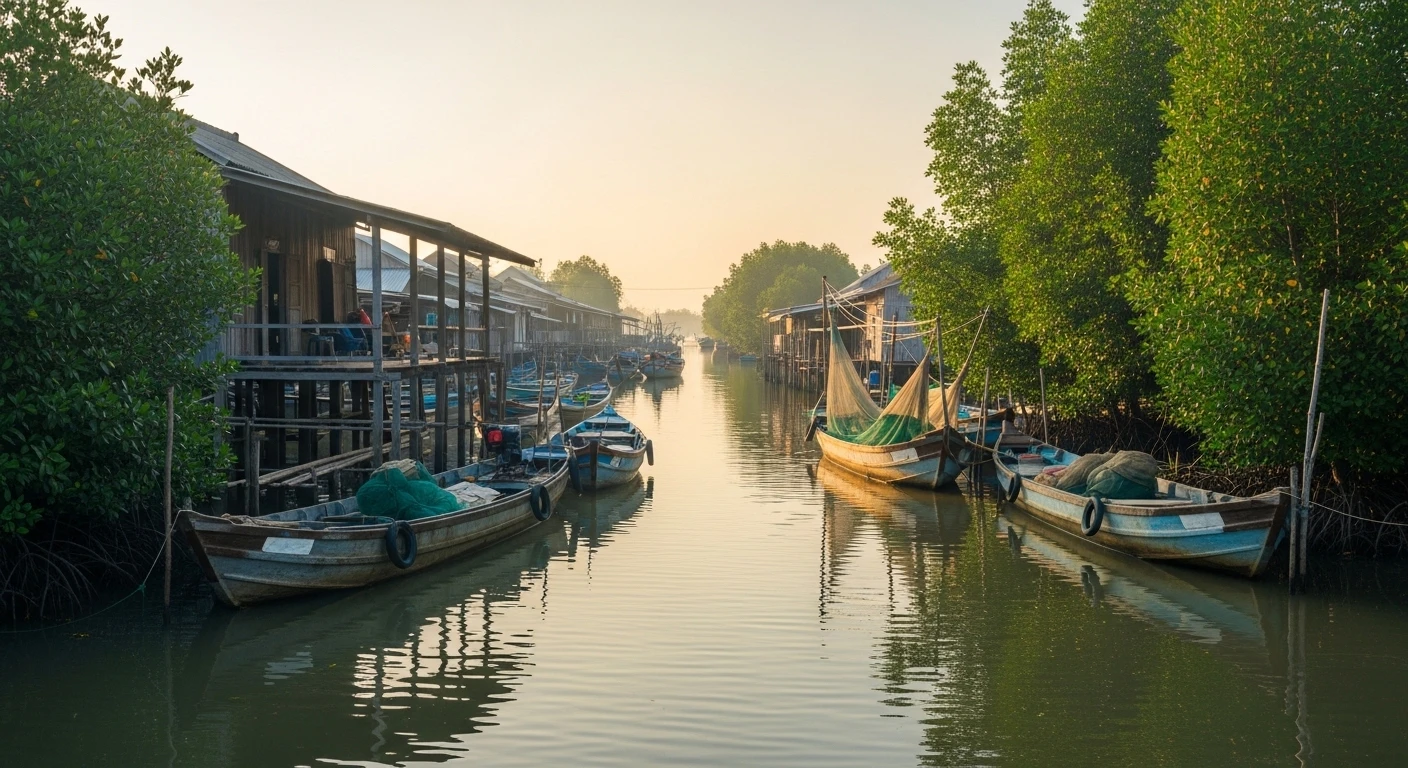
📸 Lifeblood of the Delta: Traditional shrimp farming in the lush Mekong landscape.
7 For the Global Palate: What's Your Next Culinary Adventure?
If you're a traveler who seeks authentic flavors and cultural immersion through food, the contrast between Peruvian and Vietnamese shrimp traditions offers a fascinating choice for your next culinary exploration. Do you crave the bright, zesty, palate-cleansing thrill of acid-kissed seafood, perhaps with a side of Pisco Sour? Peru beckons with its coastal vibrancy.
Or are you drawn to the deep, complex sweetness of estuary-born shrimp, savored in a rustic, convivial setting, perhaps with a chilled local beer? The Mekong Delta, with its winding waterways and legendary mangrove-grown shrimp, offers a journey into a different kind of seafood paradise. It's a place where the rhythm of the river dictates the flavor on your plate, a taste of pure, unadulterated delta depth.
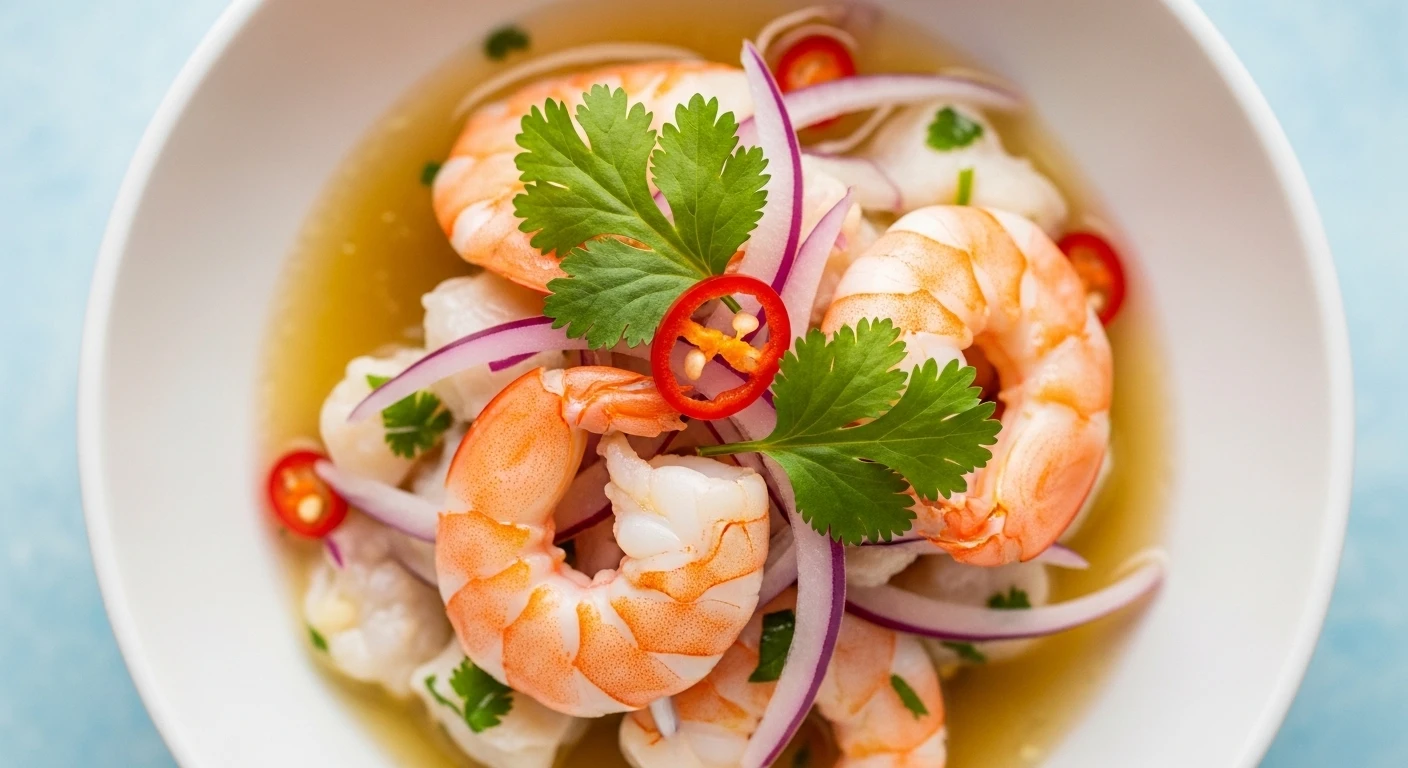
📸 Peruvian classic: Ceviche, where shrimp meets lime in a citrus explosion.
8 Beyond Compare: Two Worlds, One Passion
Ultimately, comparing Peruvian and Mekong Delta shrimp isn't about declaring a winner. It's about appreciating the incredible diversity that geography, climate, and human tradition bring to the table. Peru offers a brilliant, sharp, citrus-driven seafood logic, a testament to the power of the Pacific and ingenious use of acid.
The Mekong Delta provides a profound, nuanced sweetness, a direct expression of its unique estuarine environment and a culinary approach that cherishes the ingredient's natural integrity. Whether you find yourself drawn to the invigorating zing of a Peruvian ceviche or the satisfying, savory depth of a Ca Mau black tiger shrimp grilled over charcoal, both traditions offer unforgettable journeys for the senses. The world of shrimp is vast and varied, and these two regions stand as magnificent pillars of its rich, global tapestry.
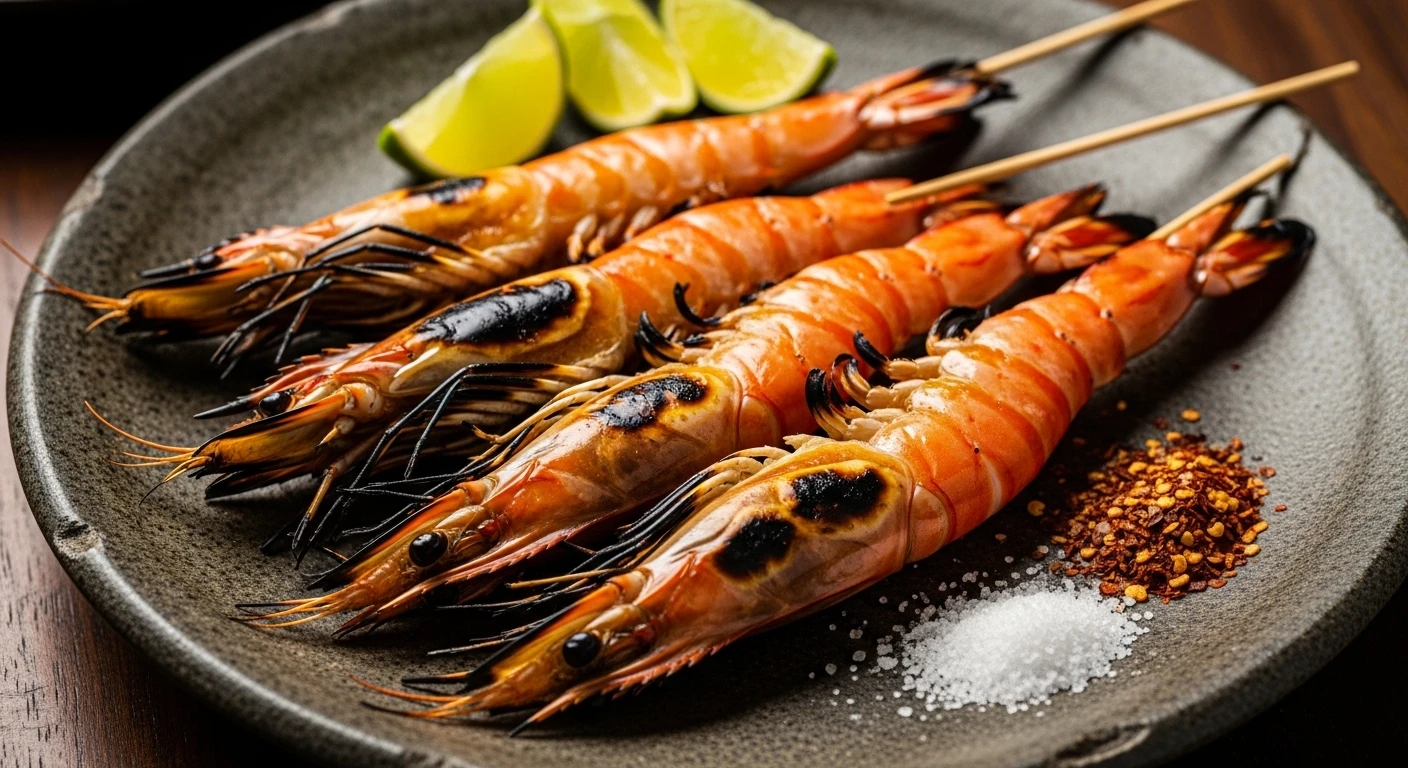
📸 Delta Delicacy: Simple grilled Ca Mau black tiger shrimp, highlighting its natural sweet flavor.