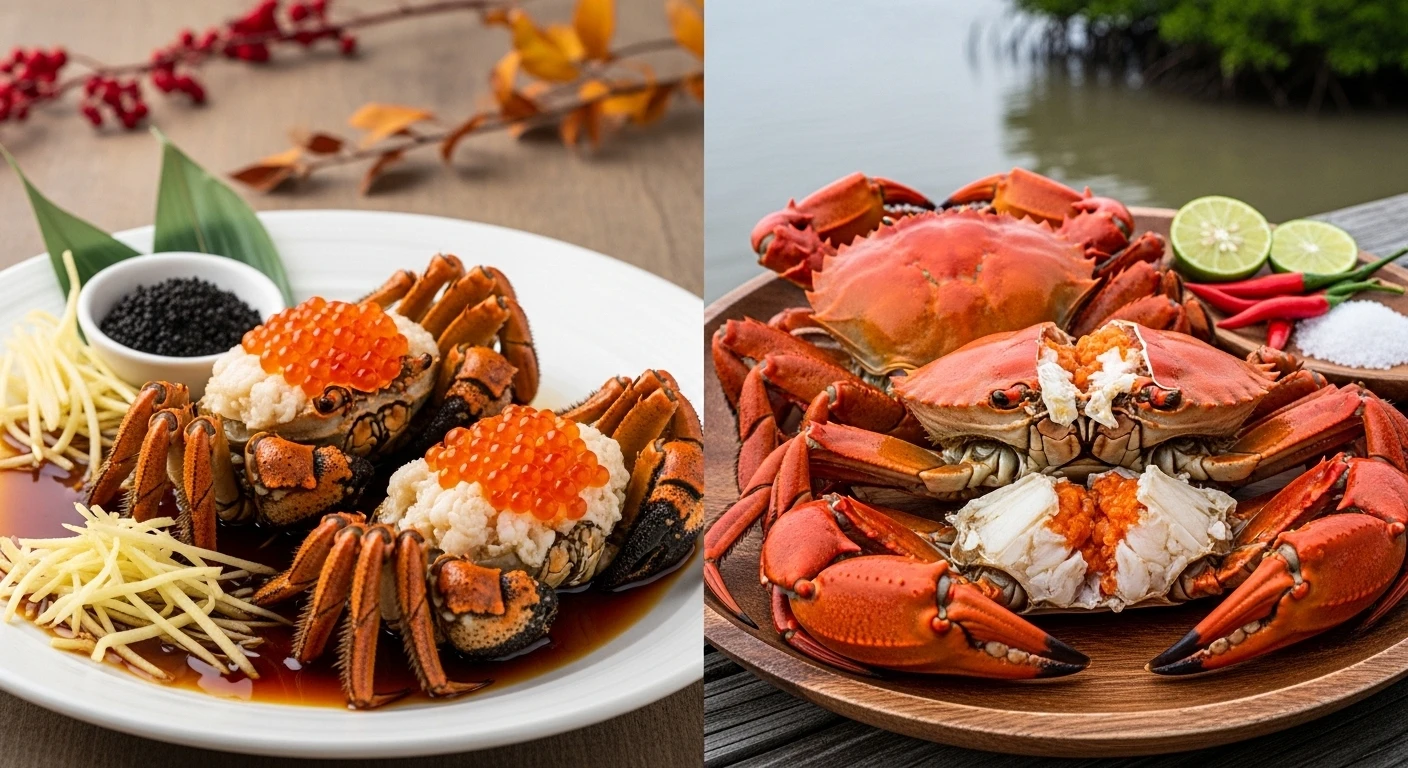
" In the humid embrace of Southeast Asia, two archipelagoes and one sprawling delta share a deep, abiding love for the mangrove crab. It’s a creature of immense culinary power, its sweet, succulent flesh a canvas for distinct regional flavors. Yet, despite their shared ecological backyard, the stories these crabs tell on the plate, in the market, and at the family table are remarkably different. "
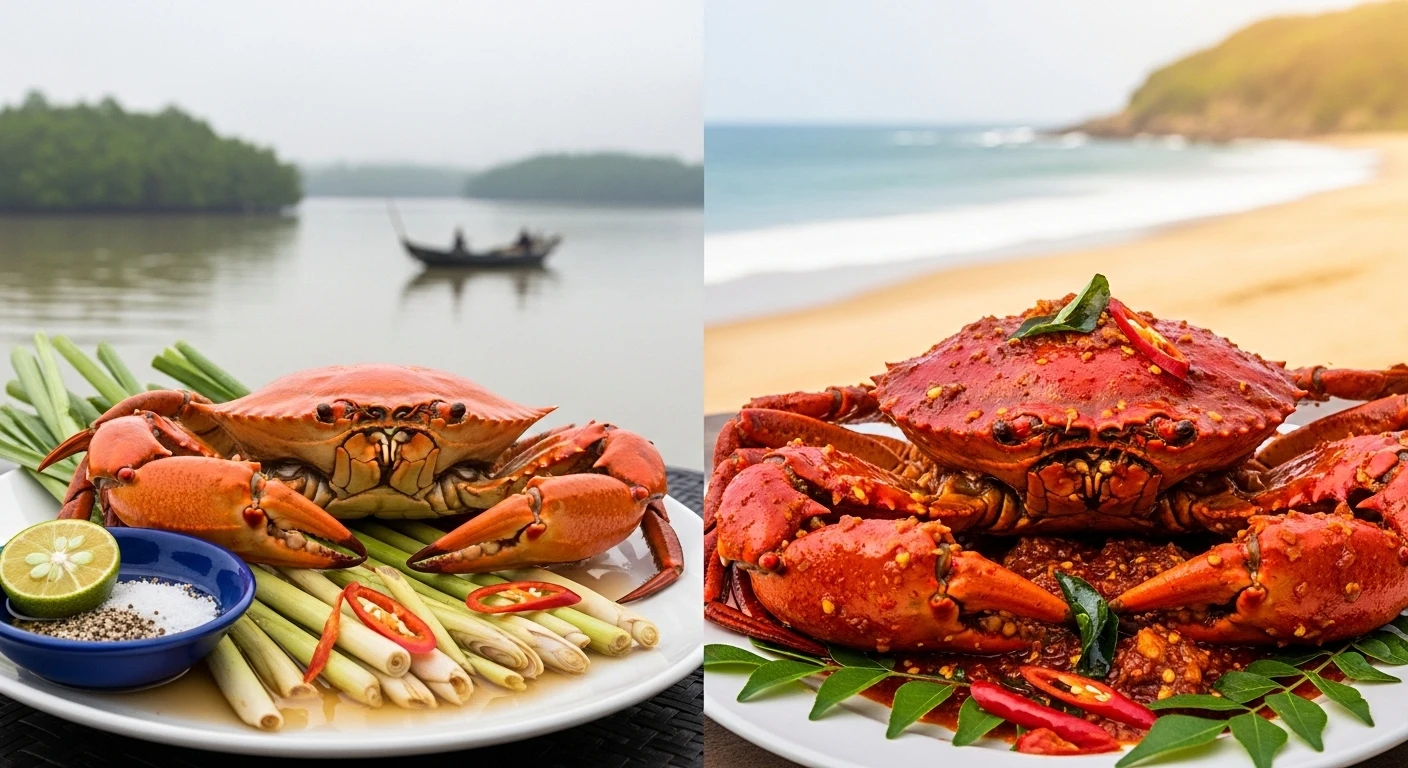
📸 A Tale of Two Tables: Which crab appeals more to your palate?
1 The Shared Domain: Where Mangrove Meets Sea
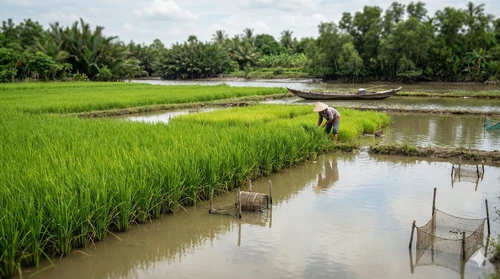
Both Vietnam and the Philippines are blessed with extensive coastlines and intricate river systems that are the perfect nursery for the mighty mud crab (Scylla serrata). These brackish water warriors, often found in mangrove forests and estuaries, are prized for their robust shells and generous portions of sweet, firm meat. The Mekong Delta in Vietnam, a vast labyrinth of rivers, canals, and fertile floodplains, provides an unparalleled habitat. Similarly, the archipelagic nature of the Philippines, with its myriad islands and coastal wetlands, creates ample opportunities for mud crab populations to thrive. This shared ecology means both nations have a deep, ancestral connection to these crustaceans.
2 Ca Mau Sea Crab: The Mekong Delta's Jewel
When you speak of crab in Southern Vietnam, especially in the Mekong Delta province of Ca Mau, you're talking about a legend. Ca Mau’s unique geography, with its extensive mangrove forests and proximity to the sea, is considered the 'kingdom' for mud crabs in Vietnam. These crabs are not just food; they are a cornerstone of the local economy and identity.
What sets Ca Mau crab apart? It's a combination of factors:
- Terroir & Diet: Crabs feed on the rich bounty of the mangrove ecosystem – small mollusks, shrimp, and detritus – contributing to a distinct, slightly saline sweetness and a firmer texture than some farmed varieties.
- Types: Vietnamese crab culture often distinguishes between meat crabs (cua thịt), typically males prized for their dense, white meat, and roe crabs (cua gạch), females laden with vibrant, creamy orange roe, considered a delicacy. The latter is particularly revered for celebrations.
- Flavor Profile: Vietnamese cooking, particularly in the South, often aims to highlight the natural sweetness of seafood. Simplicity is key. Dishes like steamed crab with lemongrass and salt, or grilled crab brushed with a touch of chili salt, let the crab’s essence shine.

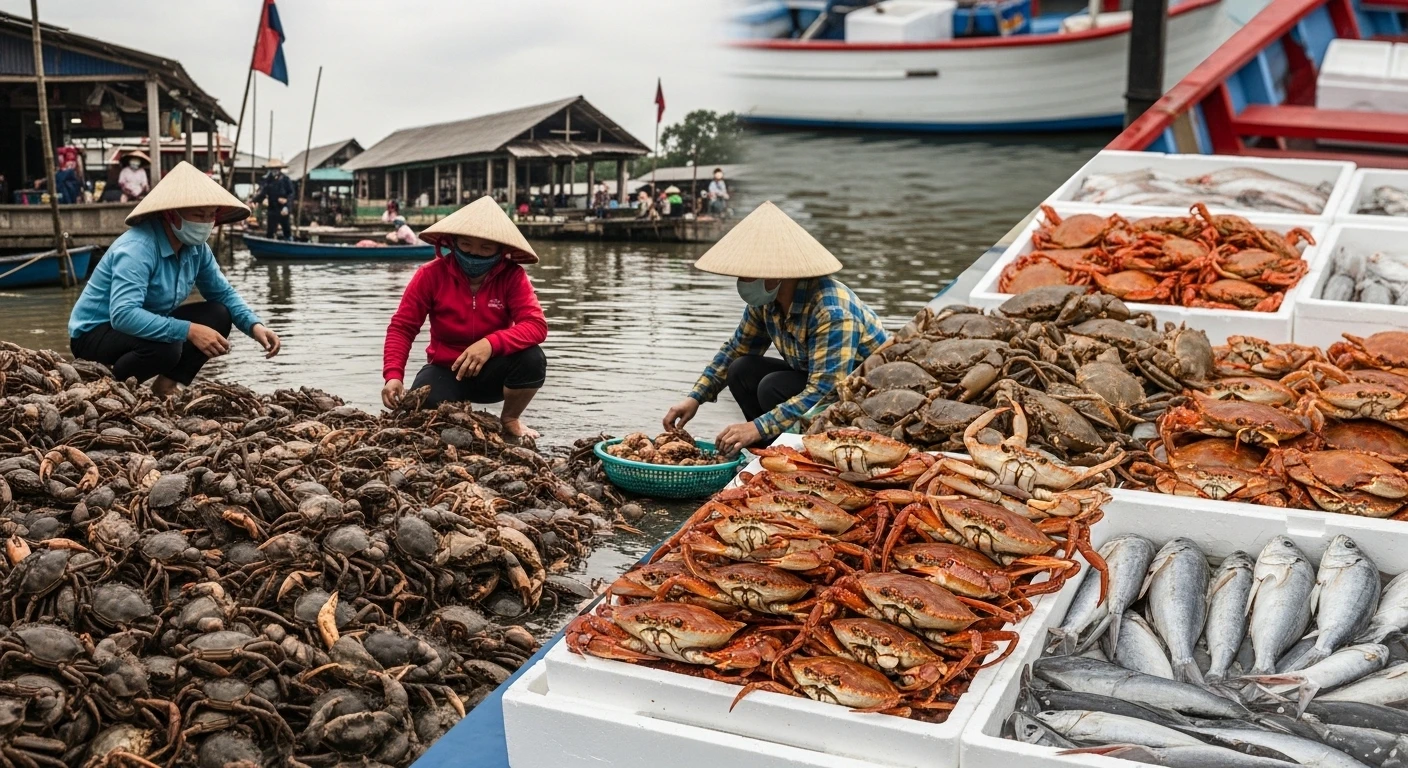
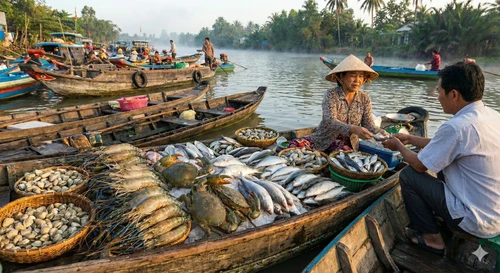
📸 The lifeblood of the Delta: Live mud crabs in a typical Mekong market.
3 Filipino Crab: A Feast for the Senses
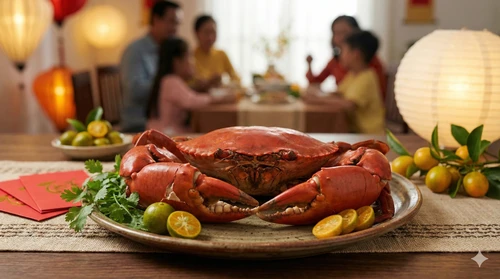
In the Philippines, crab is more than just a meal; it’s often the centerpiece of communal gatherings, celebrations, and a significant indicator of a good harvest or a bountiful catch. The appreciation for crab is deep-rooted, integrated into the national identity and culinary landscape.
Filipino crab culture emphasizes:
- Regional Diversity: While mud crab is king, different regions might have unique crab varieties or preferred methods. Alimango (mud crab) and Alimasag (blue swimming crab) are common, but the mud crab is often the star for its substantial size and meat.
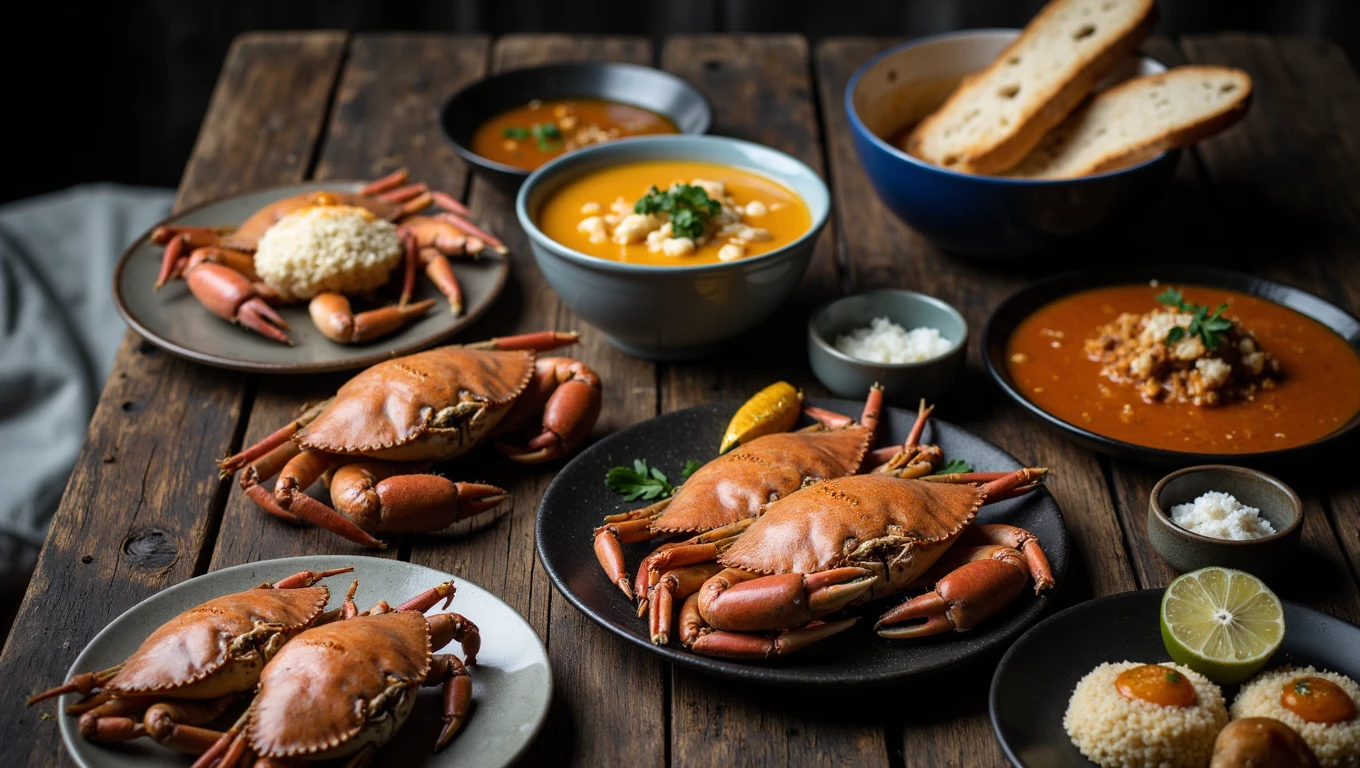
- The 'Sauce Dip': Often, the entire meal revolves around the sauce. Diners use crusty bread or rice to sop up every last drop, making the sauce as important as the crab itself.

📸 Comfort in a bowl: Crab cooked in rich coconut milk (Ginataan).

📸 A decadent delight: Mud crab swimming in fragrant garlic butter.
4 Market Dynamics and Cultural Value
The way crab is bought, sold, and perceived differs significantly. In the Mekong Delta, you’ll find that crabs are often sold fresh from floating markets or local fishmongers. The emphasis is on freshness, with a keen eye for plumpness and shell quality. While valued, the price can fluctuate based on season and catch. There's a grounded, practical value placed on crab as a significant source of income and sustenance for many delta communities.
In the Philippines, crab can also be readily available, but it often carries a perception of being a more 'special occasion' or 'restaurant' food, particularly the larger mud crabs. While local markets offer them, the price for premium mud crabs can be substantial, reflecting their desirability for celebrations. Dining out for crab is a common Filipino pastime, where the communal enjoyment of a large platter of crab is a cherished ritual. The abundance of seafood in the Philippines, coupled with strong cultural traditions around feasting, elevates crab to a status of celebratory luxury.

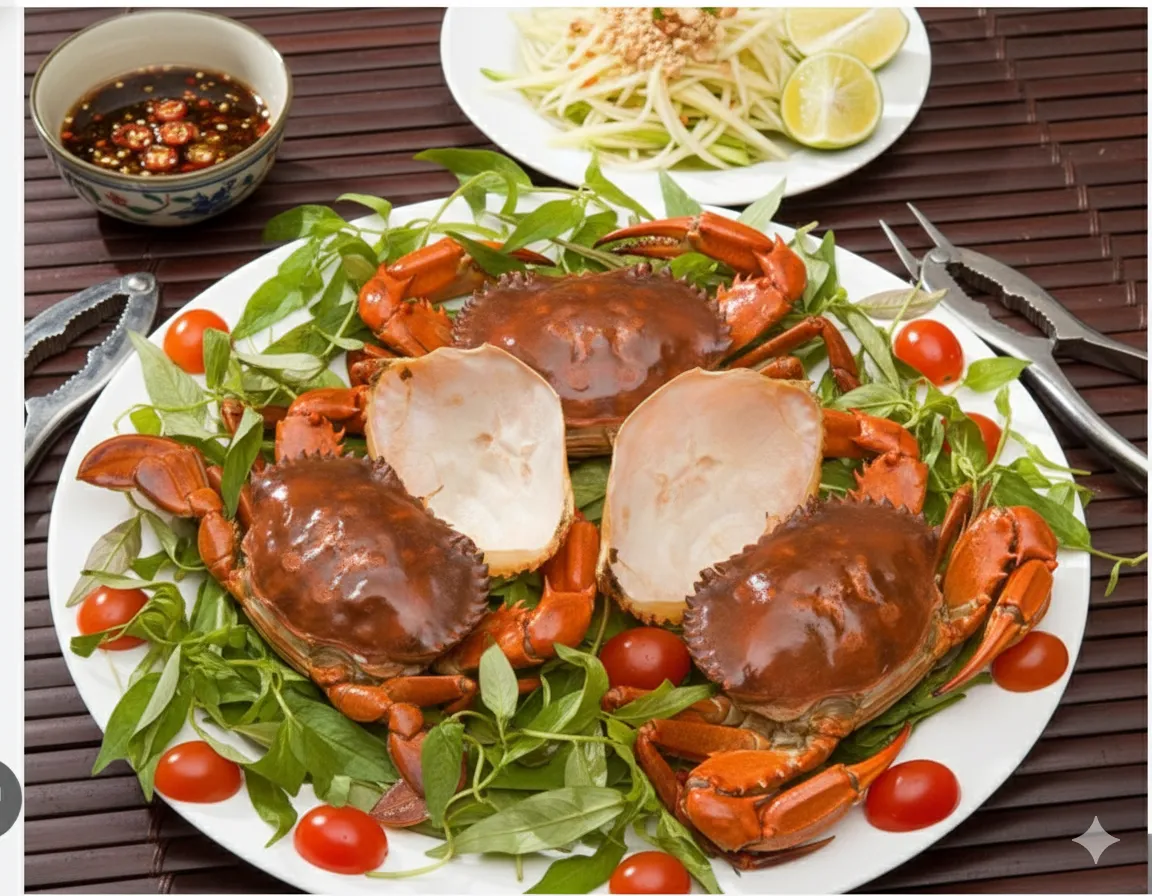
📸 Simplicity perfected: Steamed Ca Mau crab, highlighting its natural sweetness.
5 Seasoning and Preparation: A Matter of Taste
This is perhaps where the most striking differences lie. Vietnamese crab preparation, particularly in the Mekong Delta, leans heavily towards purity.
- Vietnam: Techniques like steaming (often with beer or coconut water for added aroma and moisture), grilling, or a simple boil are common. The aim is to preserve the inherent sweetness. Dipping sauces are usually minimalist: a zesty lime, salt, and chili mix, or a black pepper sauce. Minimal oil and heavy spices are avoided. The subtle flavors of the crab’s roe (if present) are savored.
Filipino crab dishes, on the other hand, often embrace bold, rich sauces that meld with the crab’s flavor, creating a complete, satisfying dish.
- Philippines: Garlic butter is ubiquitous, infusing the crab meat with a luxurious, savory depth. Ginataan adds a creamy, comforting dimension with coconut milk. Other preparations might involve sweet and sour sauces or spicy chili preparations. The goal is often a complex flavor symphony where the crab is the star, but the sauce plays an equally critical role.
6 The Experience: From Delta Hustle to Island Feast
Eating crab in the Mekong Delta is often an intimate affair, whether it's a family dinner where a single, magnificent steamed crab is shared, or a casual meal at a riverside restaurant. The focus is on the freshness, the texture, and the delicate, natural flavor. It’s about connecting with the ingredients and the lifeblood of the region’s waterways. You might find yourself meticulously picking out crab meat, dipping it into a simple, sharp sauce, savoring each bite.
In the Philippines, a crab feast is frequently a more boisterous, communal event. Imagine a table laden with platters of steaming crab, bowls of fragrant sauce, rice, and perhaps other seafood. Conversations flow easily as hands dive in, cracking shells, scooping out meat, and sopping up sauce. It's a celebration of abundance, family, and the joy of sharing delicious food. The experience is often richer, more indulgent, and overtly celebratory.
7 Why Ca Mau Crab is a Must-Try for Filipino Food Lovers
For those who cherish the crab traditions of the Philippines, a journey to Vietnam’s Mekong Delta, particularly Ca Mau, offers a compelling contrast and a profound appreciation for the pure essence of this magnificent creature.
If you love the rich, indulgent sauces of Filipino crab dishes, exploring Ca Mau crab will open your eyes to how the crab’s inherent sweetness and texture can stand proudly on their own. It’s a chance to taste crab in its most unadulterated form. You’ll understand the subtle nuances of mangrove-fed crabs and appreciate the Vietnamese philosophy of letting the star ingredient speak for itself.
The experience of visiting the floating markets of the Mekong, seeing the crabs harvested from the very mangroves, and tasting them minutes later – perhaps steamed simply with a whisper of lemongrass – is an immersion into a culture where seafood is not just food, but a way of life. It’s a different kind of feast, one that celebrates the raw beauty and flavor of the sea and river.
Heritage Ingredient
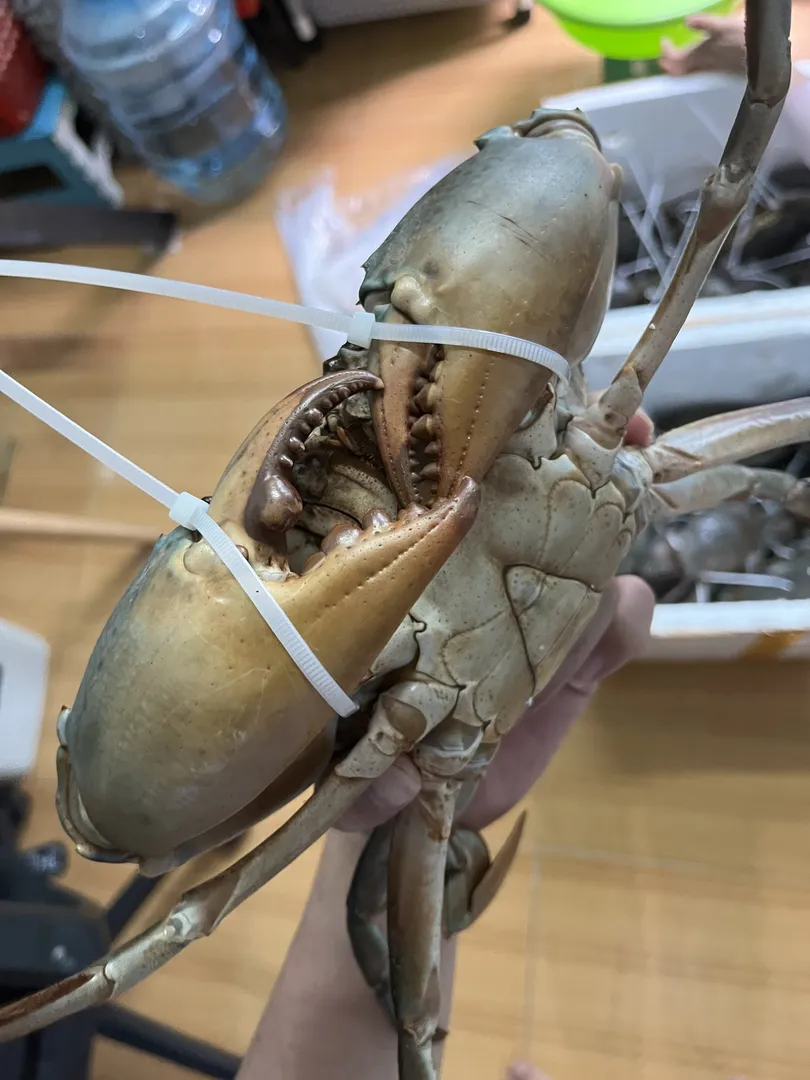
Ca Mau Jumbo Mud Crab
Ca Mau Jumbo Mud Crab
A large male mud crab prized for dense, sweet meat and thick claws, commonly used in steamed crab and grilled crab dishes across the Mekong Delta.
An icon of coastal culinary heritage, featuring firm, sweet meat that captures the raw power and freshness of Ca Mau's tides.
Heritage Ingredient
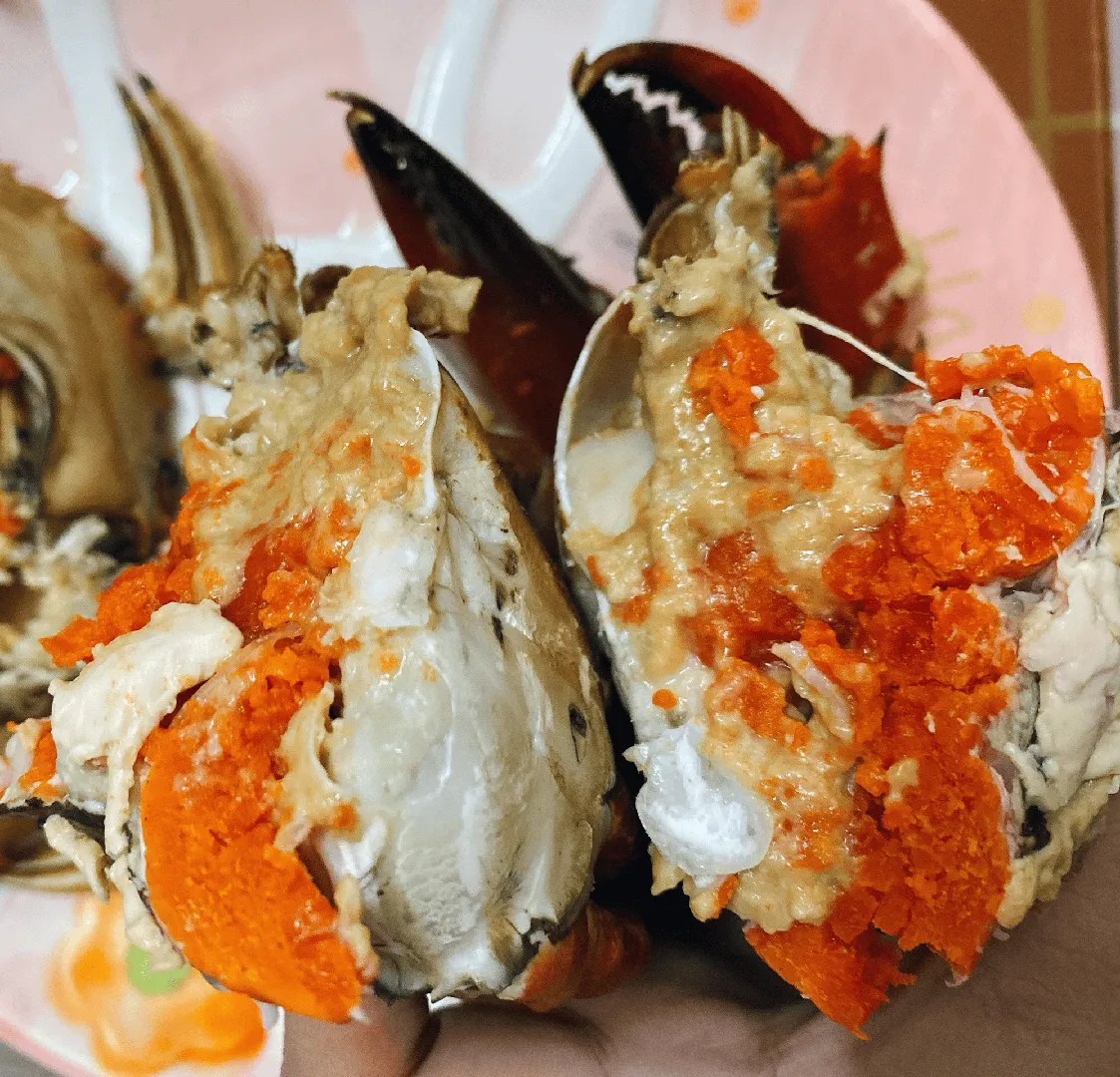
Ca Mau Roe Mud Crab
Ca Mau Roe Mud Crab
A female mud crab known for deep orange roe and a rich, creamy finish, often featured in celebratory Southern Vietnamese seafood meals.
A crimson treasure hidden within a shell, boasting rich, creamy roe that melts on your tongue like a golden sunset over the delta.
Heritage Ingredient
Soft-Shell Butter Crab (Molting Crab)
Soft-Shell Butter Crab (Molting Crab)
A rare molting mud crab from Ca Mau, valued for its edible soft inner shell and exceptionally creamy roe, making it the closest local equivalent to soft-shell crab concepts familiar abroad.
Nature's rare masterpiece—a delicate transition where a soft inner layer protects golden, custard-like roe in a fleeting moment of flavor.
8 Conclusion: Two Shores, One Love
Whether you’re drawn to the rich, saucy celebrations of Filipino crab feasts or the pure, unadorned sweetness of Ca Mau’s finest, the humble mud crab offers a journey into the heart of Southeast Asian culinary traditions. The Philippines showcases the crab as a canvas for bold flavors and communal joy, while Vietnam, especially the Mekong Delta, celebrates its natural essence and the subtle artistry of its preparation. Both are valid, delicious, and deeply satisfying ways to experience this incredible crustacean. The next time you crave crab, consider the journey from the archipelago to the delta – a testament to a shared love for the bounty of the sea.