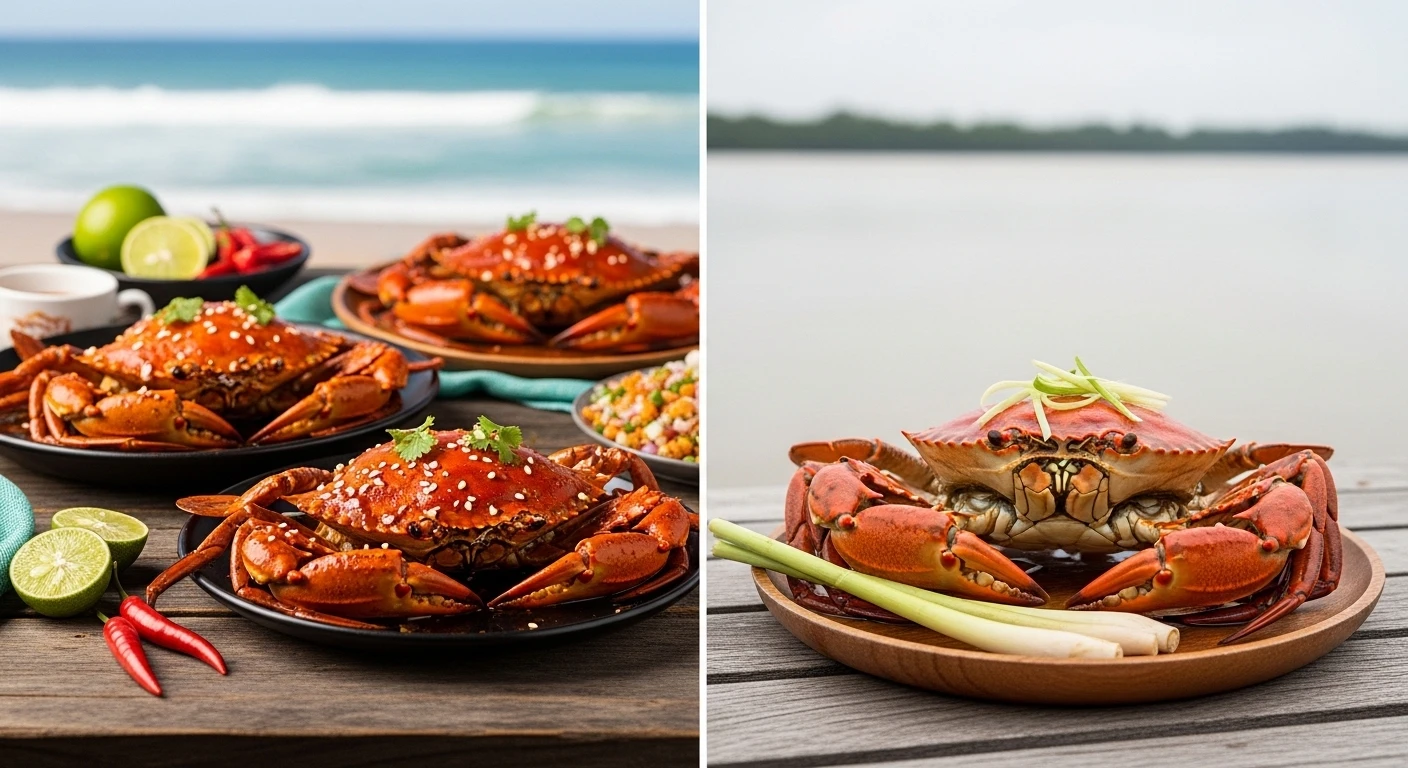
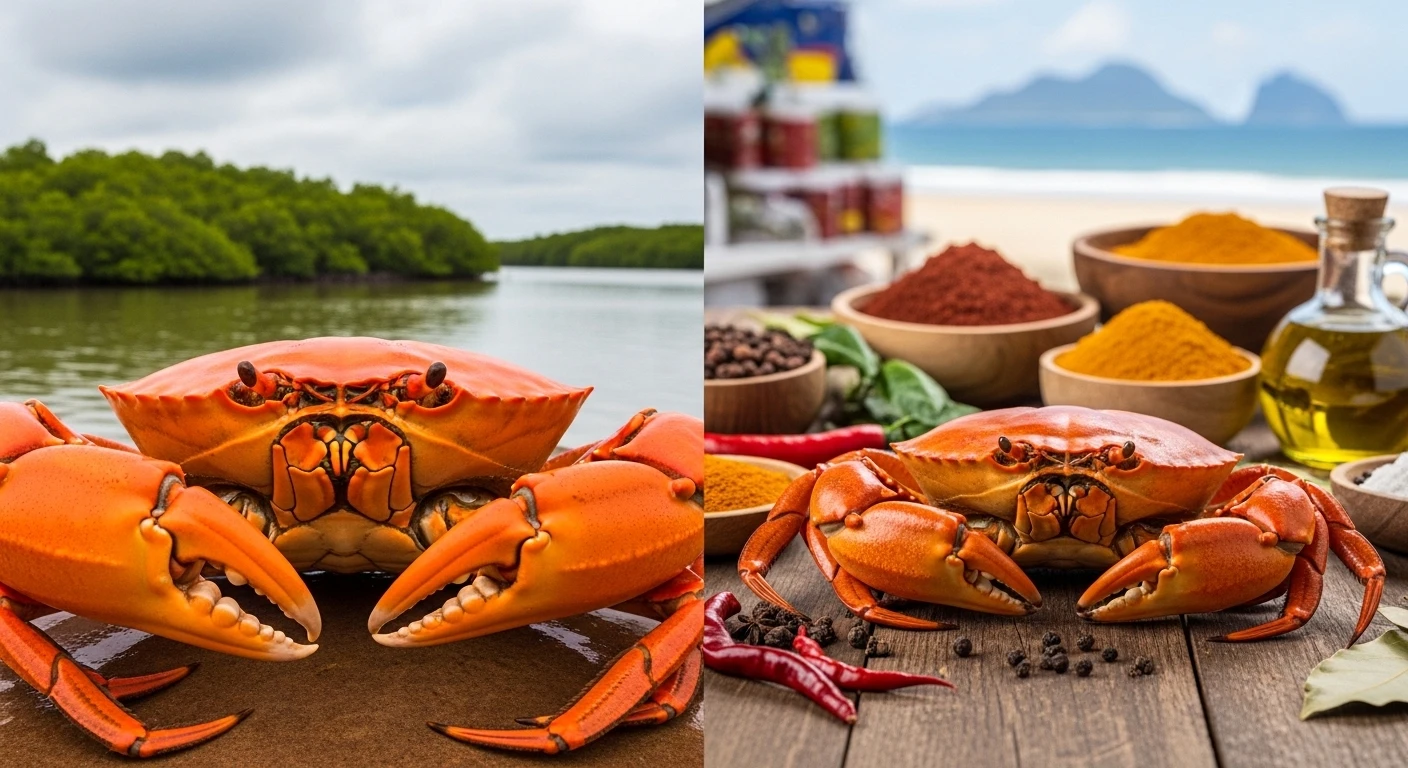
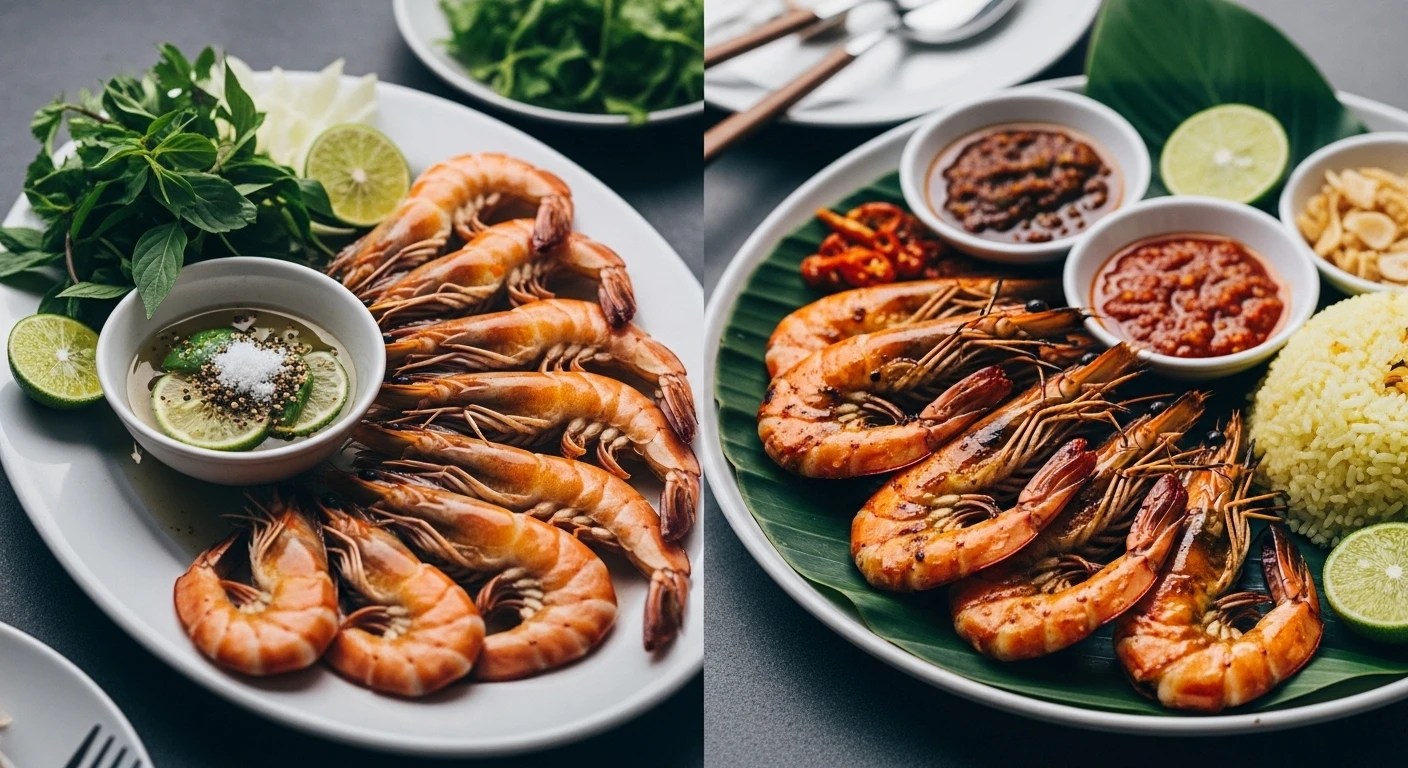
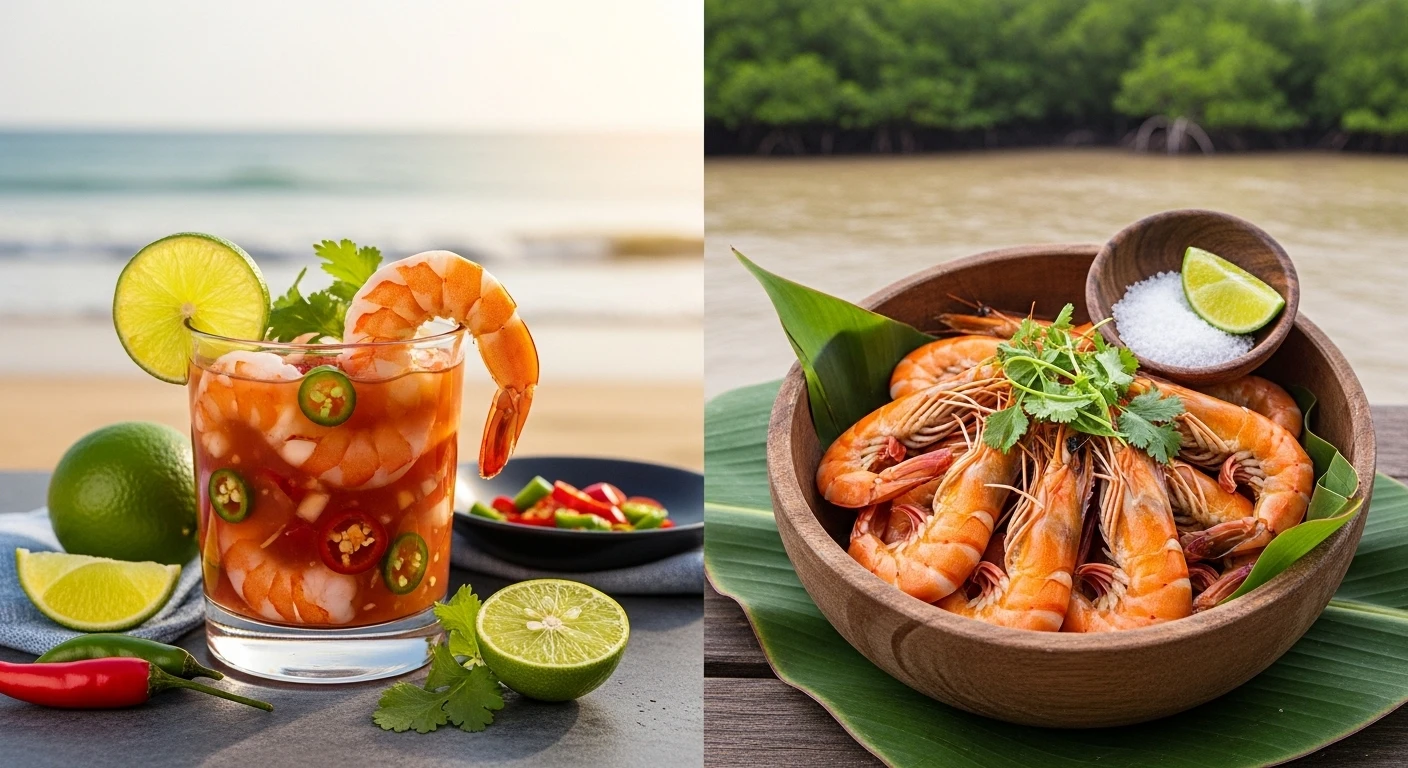
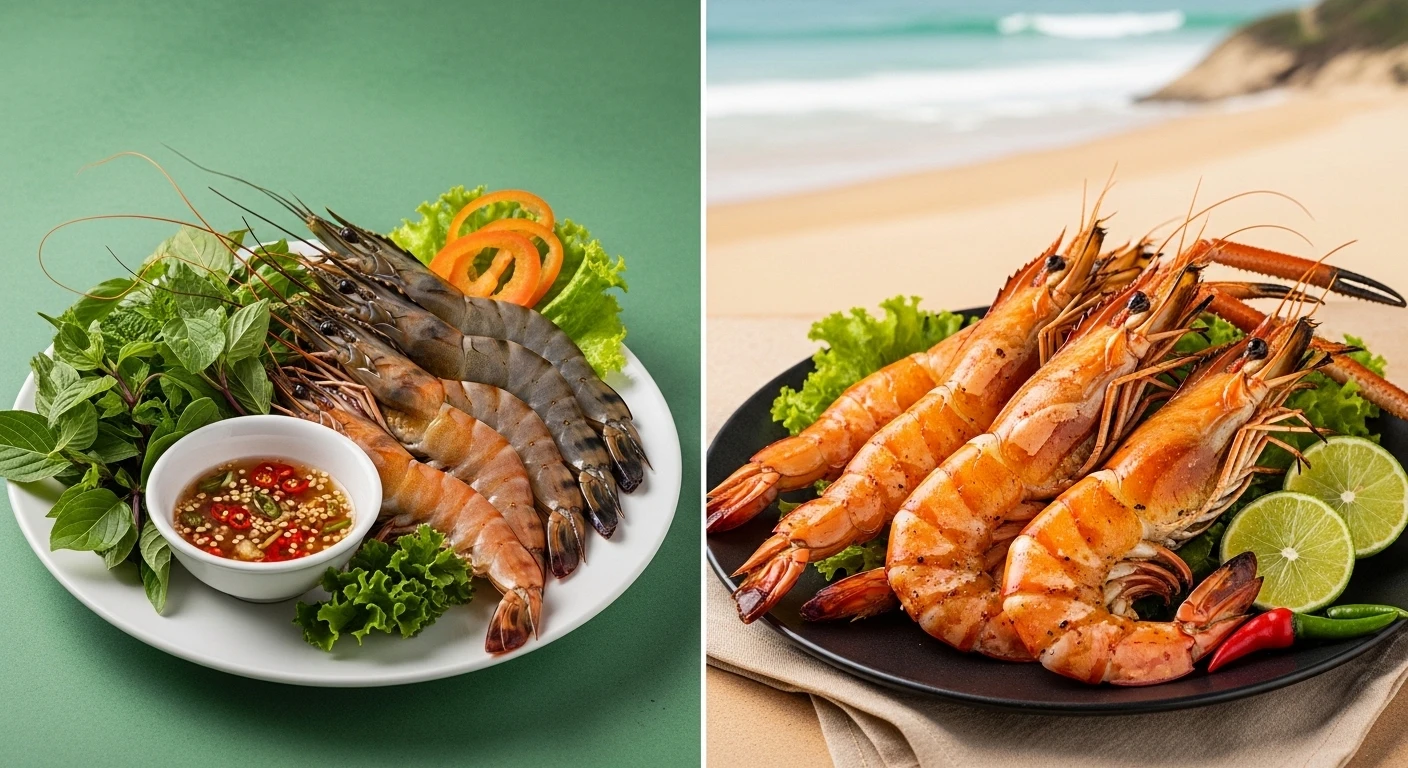
" In the humid embrace of Southeast Asia, few ingredients weave through daily life, celebratory feasts, and the very soul of coastal communities quite like shrimp and prawns. "
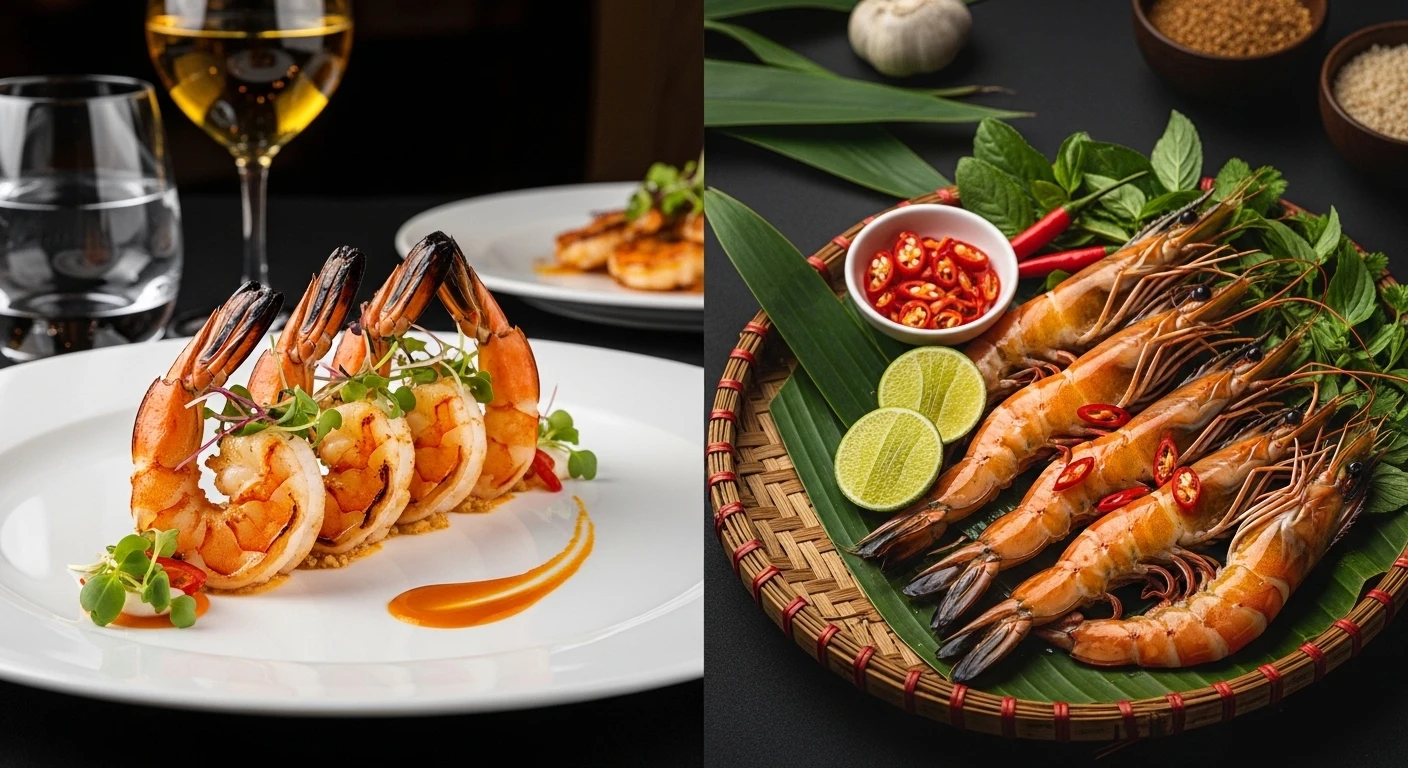
📸 A culinary bridge: The shared love for shrimp unites islands and deltas.
1 Mekong Delta: Where River Meets Sea, and Shrimp Flourish
Venture south in Vietnam, and you step into the labyrinthine waterways of the Mekong Delta, a region defined by its brackish waters, mangrove forests, and an ancient symbiotic relationship with aquaculture. This is the heartland of Vietnamese shrimp culture, a world away from the open ocean catch.
Here, shrimp aren't just farmed; they are integrated into an ecosystem. The famed Ca Mau province, often called Vietnam's "shrimp capital," thrives on a model where black tiger shrimp are raised in mangrove-lined ponds. This unique environment imbues these prawns with a distinct, clean sweetness and a firm, satisfying texture that sets them apart.
Beyond the black tiger, the Mekong Delta is home to the impressive Giant Freshwater Prawn, its striking blue claws a testament to its regal presence. These are not your average shrimp; they are a delicacy, often grilled whole to highlight their rich, creamy head fat – a coveted treasure by seasoned diners. The common Whiteleg Shrimp, though more ubiquitous globally, is also a staple here, prized for its versatility in everyday home cooking, from vibrant stir-fries to comforting soups.
The meticulous aquaculture in Ca Mau, often using natural mangrove systems, is key. It's less about intensive feeding and more about harnessing the natural bounty of the estuary, leading to a superior product.
Culturally, shrimp in the Mekong Delta are deeply intertwined with family meals. They represent prosperity, sustenance, and the generous spirit of the region. From humble home-cooked dishes to vibrant market displays, shrimp are a constant presence.

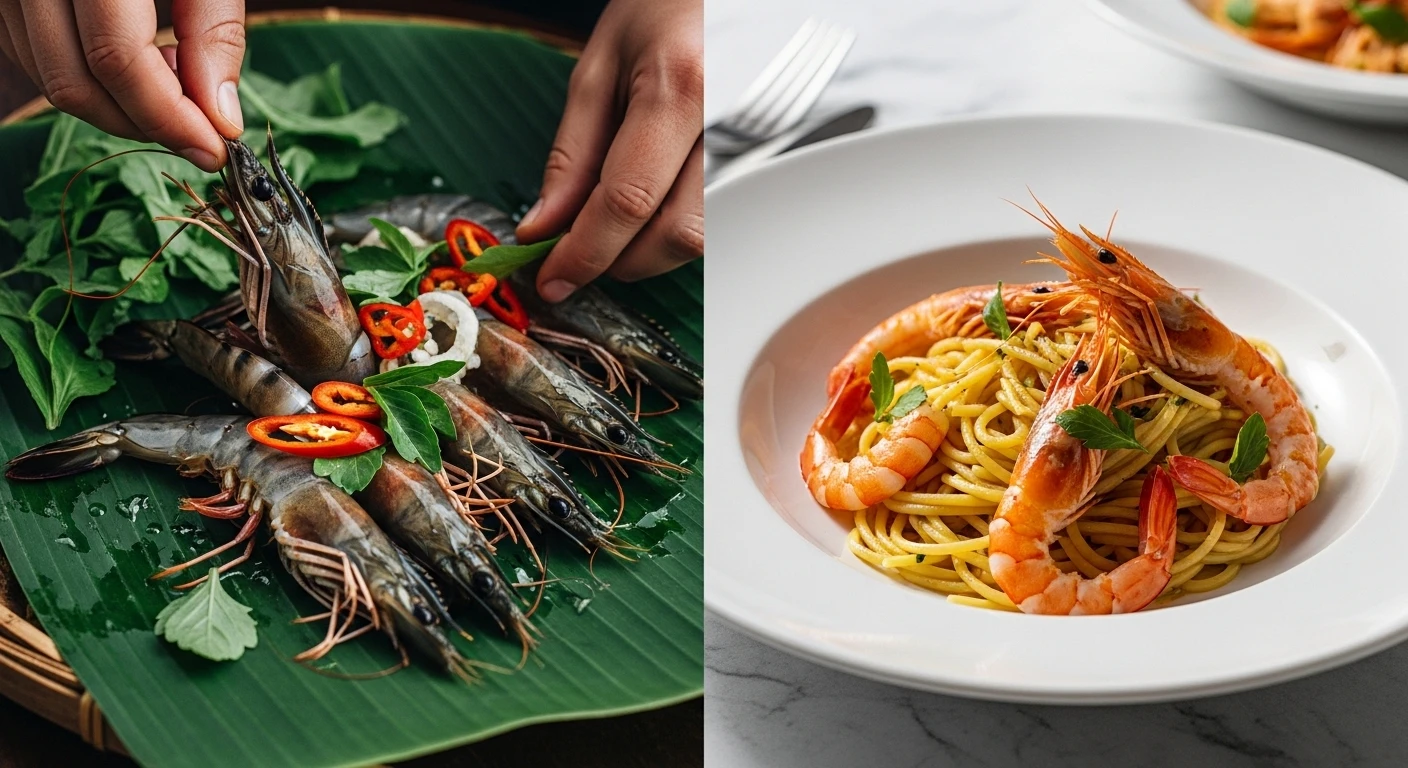
📸 The Source: Brackish waters and mangrove forests of the Mekong Delta, birthplace of world-class shrimp.
2 Philippines: Archipelagic Bounty and the Heart of the Family Table
Jump across the sea to the Philippines, an archipelago blessed with an extensive coastline and a deep-seated culture of seafood consumption. Here, shrimp and prawns are not just food; they are central characters in countless family gatherings, Sunday lunches, and festive occasions.
Filipino shrimp culture is characterized by its diversity – from abundant catches in the Western Pacific to carefully managed aquaculture. While specific regional varieties abound, the common thread is their integration into communal meals. It's common to see platters piled high with succulent shrimp, a symbol of abundance and shared joy.
The cooking styles are often bold and savory, designed to complement the natural sweetness of the shrimp. Think of dishes like Gambas al Ajillo, a Spanish-influenced garlicky, spicy prawn sauté, or Sinigang na Hipon, a sour and savory shrimp soup that is a national comfort food. The emphasis is on vibrant flavors that bring people together, making every meal an event.
There's a palpable sense of pride in Filipino seafood. Local fishermen bring their daily catch to bustling wet markets, and families take great care in selecting the freshest ingredients. The shared ritual of preparing and eating shrimp is a cornerstone of Filipino culinary identity, reflecting the warmth and hospitality of its people.
3 Terroir vs. Tradition: Unpacking the Flavor Profile
While both nations champion shrimp, their distinct environments and culinary traditions lead to nuanced differences that epicures will appreciate.
Mekong Delta Shrimp (e.g., Ca Mau Black Tiger Shrimp): The defining characteristic here is "terroir." Grown in brackish waters influenced by mangrove ecosystems, these shrimp develop a cleaner, sweeter, and more complex flavor. The flesh is notably firmer, offering a satisfying bite that holds up well to simple preparations like grilling or steaming, allowing its natural character to shine. The value is in its purity and the subtle salinity from its natural habitat.
Philippine Shrimp: The focus tends to be on bold, celebratory flavors. Whether coastal-caught or farmed, Philippine shrimp are often the star of dishes where they absorb and mingle with robust sauces and aromatics. The texture can vary, but the common experience is of plump, juicy shrimp that are delightful when paired with garlic, chilies, or sour broths. The value is in the communal experience and the skillful application of complementary flavors.
It's not a matter of one being "better," but rather understanding the subtle distinctions. If you seek shrimp that speak of their environment, the Mekong Delta is your destination. If you crave shrimp as the vibrant centerpiece of a lively, flavor-packed feast, the Philippines beckons.
4 Living with the Tide: Shrimp's Role in Society
The relationship between people and shrimp in both regions is profoundly cultural. In the Mekong Delta, shrimp farming is an integral part of the economy and landscape. Generations have passed down knowledge of tides, ponds, and sustainable practices. The image of the expansive shrimp farms against the backdrop of lush mangroves is iconic, representing a livelihood deeply connected to nature.
The daily life of a Mekong Delta shrimp farmer is dictated by the rhythm of the water. Their success is tied to the health of the ecosystem, fostering a deep respect for the environment. This connection translates into the quality of the shrimp, which are often considered a premium product due to the careful, traditional methods employed.
In the Philippines, shrimp is woven into the fabric of family and celebration. The act of sharing a large platter of shrimp during a meal is a powerful social ritual. It signifies generosity, hospitality, and the importance of togetherness. From humble households to grand fiestas, shrimp plays a central role in expressing cultural values and strengthening bonds.
The Filipino approach often involves more hands-on, home-style cooking, where family members gather to prepare dishes collectively. This shared effort amplifies the joy and connection associated with the food. It’s about more than just sustenance; it’s about creating memories around the table.

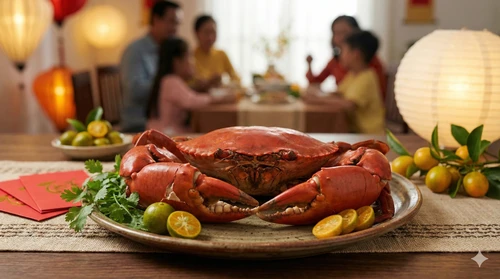
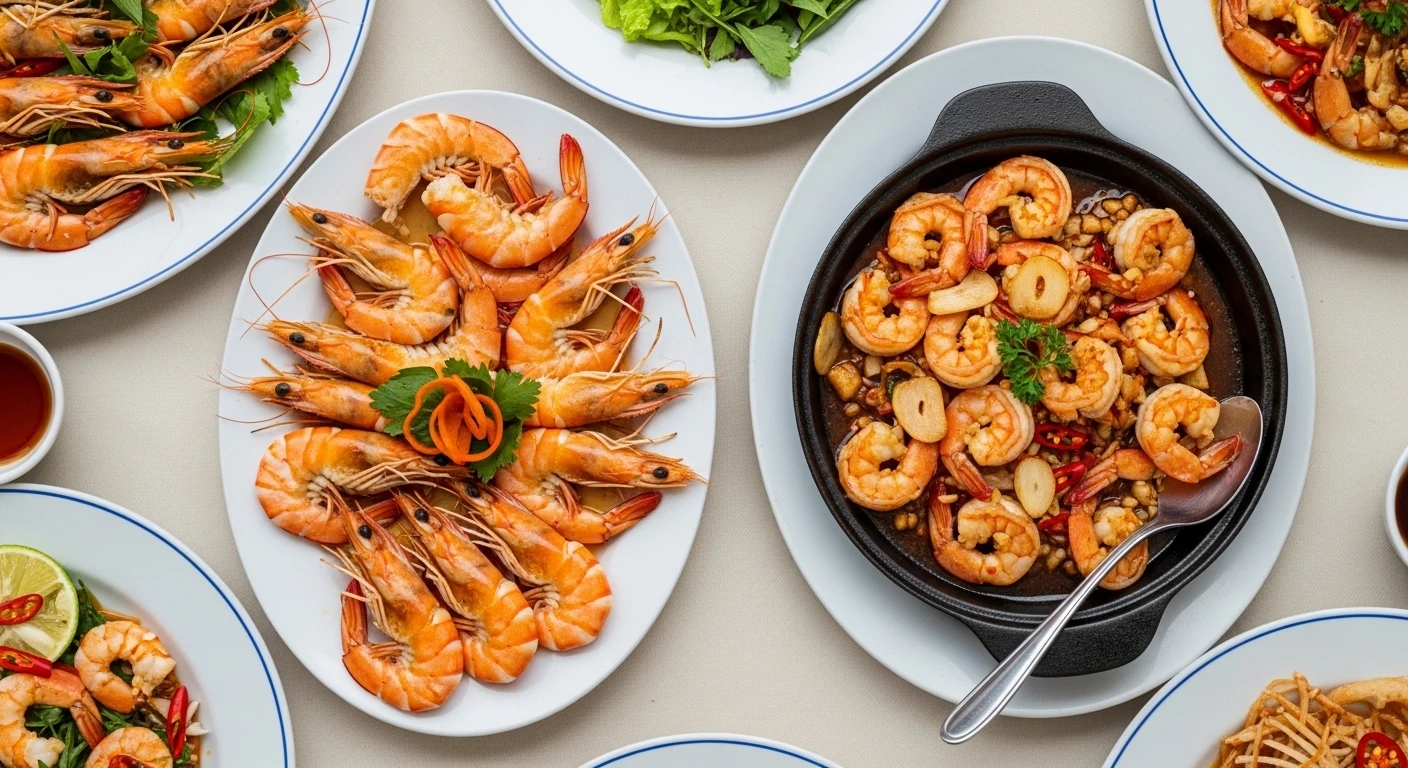
📸 The Filipino Feast: Shrimp as the centerpiece of a warm, communal family meal.
5 Cooking Across the Waters: Simplicity vs. Spice
The way shrimp are prepared offers a delightful contrast, reflecting each culture's culinary philosophy.
Vietnamese Mekong Delta Style: Emphasis is on purity and showcasing the natural flavor.
- Grilling: Whole prawns or shrimp are often grilled over charcoal, sometimes marinated simply with salt, pepper, and a touch of lime.
- Steaming: Delicate steaming, perhaps with lemongrass or chili, highlights the inherent sweetness.
- Boiling: For home cooking, simply boiling shrimp to serve with a dipping sauce (like a lime and chili salt mix) is common.
- Soups and Hot Pots: Shrimp add a crucial layer of flavor to fragrant broths, like those in Lẩu mắm.
Philippine Style: Flavors tend to be more robust and cooked through.
- Garlicky Sauté (Gambas): Shrimp are quickly cooked in copious amounts of garlic, butter, and often chili.
- Sour Soups (Sinigang): A national favorite, where shrimp are simmered in a tangy tamarind broth with vegetables.
- Fried Shrimp: Often coated and fried to a crisp, served with various dipping sauces.
- BBQ Shrimp: Marinated and grilled, frequently with a sweet and savory glaze.
Modern twists are appearing in both regions, with chefs experimenting with fusion techniques, but these traditional preparations remain the bedrock of their shrimp cuisine.
6 Sharing the Bounty: The Social Heart of Shrimp Dining
The way shrimp are presented and consumed speaks volumes about the societies that cherish them.
In the Mekong Delta, family meals are often a communal affair, but the focus might be on multiple small dishes rather than one dominant ingredient. Shrimp might be one of several stars, appearing in a stir-fry, a salad, or a small bowl of grilled prawns. The act of sharing is central, fostering connection over a variety of flavors.
In the Philippines, shrimp often takes center stage. A large platter of perfectly cooked shrimp is frequently the centerpiece of the table, inviting everyone to partake directly. The interactive nature of cracking shells and dipping into sauces is part of the communal experience. It’s less about variety and more about celebrating a shared, beloved ingredient.
This difference highlights a subtle cultural nuance: the Mekong Delta’s appreciation for diverse, balanced flavors in a meal versus the Filipino emphasis on celebrating one star ingredient with vibrant, crowd-pleasing preparations.
7 The Ca Mau Edge: A Commitment to Purity and Flavor
While both nations produce excellent shrimp, Vietnam’s approach in regions like the Mekong Delta, particularly Ca Mau, offers a distinct advantage for those seeking unparalleled natural flavor and texture.
The sustained practice of raising shrimp within mangrove ecosystems is a commitment to quality over quantity. This method, passed down through generations, leverages the natural filtration and nutrient-rich environment of the mangroves. It results in shrimp that are:
- Sweeter: The natural salinity and diet contribute to a delicate, inherent sweetness.
- Firmer Texture: The slower growth and natural environment lead to denser, more satisfying flesh.
- Cleaner Taste: Free from the off-flavors that can sometimes arise from intensive, artificial farming methods.
- Sustainably Produced: Mangrove aquaculture plays a vital role in coastal ecosystem preservation.
This dedication to natural quality means that when you taste a Ca Mau black tiger shrimp, you are tasting the essence of the Mekong Delta itself. It’s a product of its environment, carefully nurtured, and a true benchmark in the world of premium shrimp.
8 Embark on a Taste Journey
For travelers and food lovers, understanding these subtle differences elevates the culinary experience. If you've savored the shrimp feasts of the Philippines and appreciate their vibrant communal spirit, you owe it to yourself to explore the more nuanced, terroir-driven flavors of Vietnam's Mekong Delta.
Imagine yourself in Can Tho, watching the sunrise over the floating markets, sampling grilled prawns fresh from a sampan. Or perhaps in Ca Mau, learning about mangrove aquaculture firsthand and tasting shrimp that have been sustainably farmed for centuries. These are experiences that connect you directly to the source, offering a deeper appreciation for the ingredients and the cultures they represent.
Whether you're drawn by the warmth of Filipino family meals or the refined purity of Mekong Delta shrimp, both destinations offer an unforgettable exploration of our shared love for the ocean's bounty. Your palate will thank you for the journey.