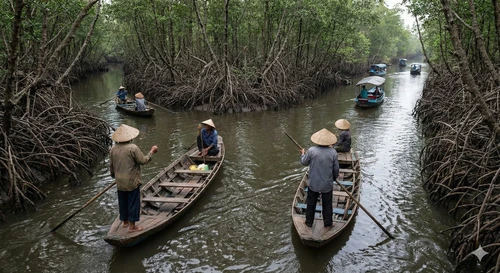
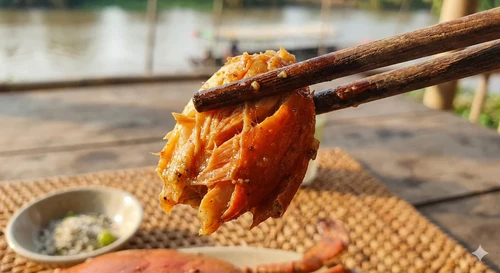
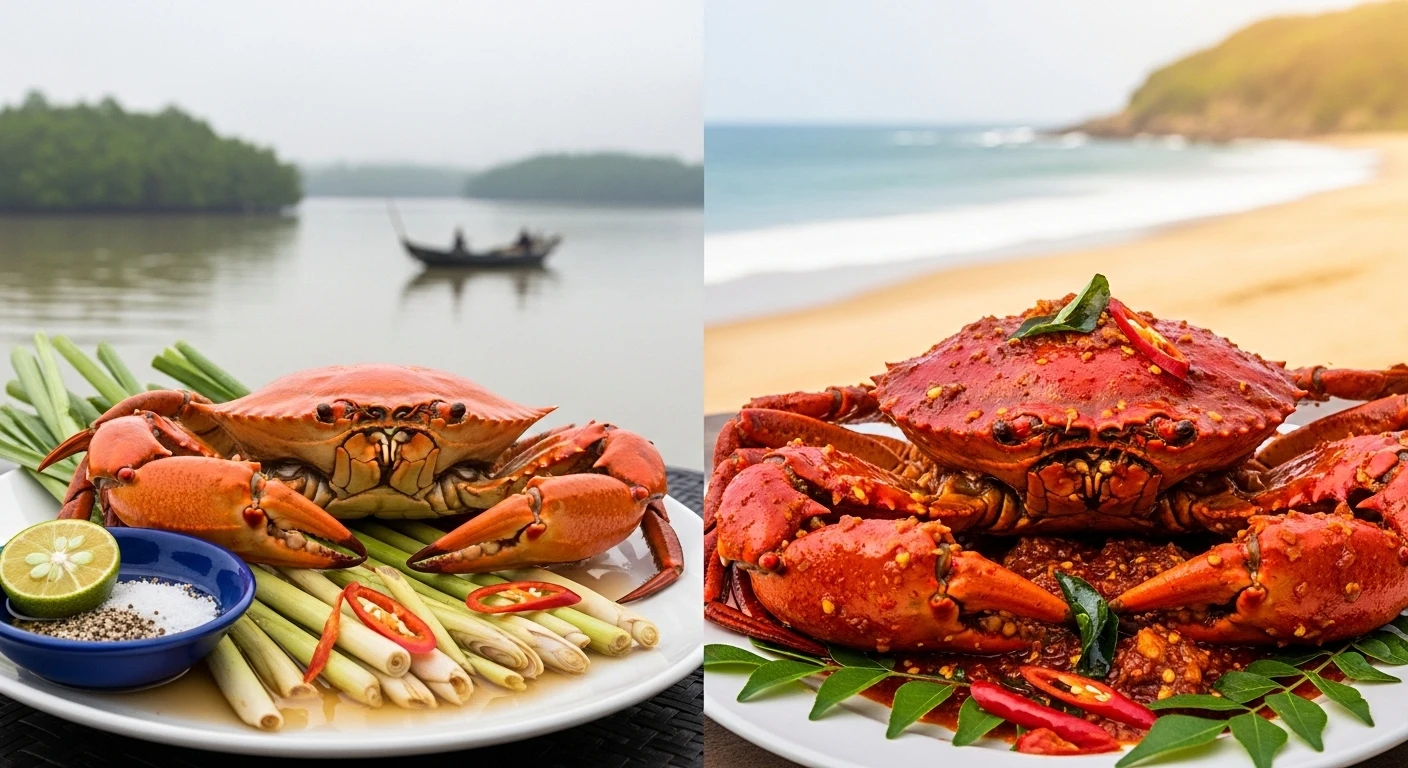
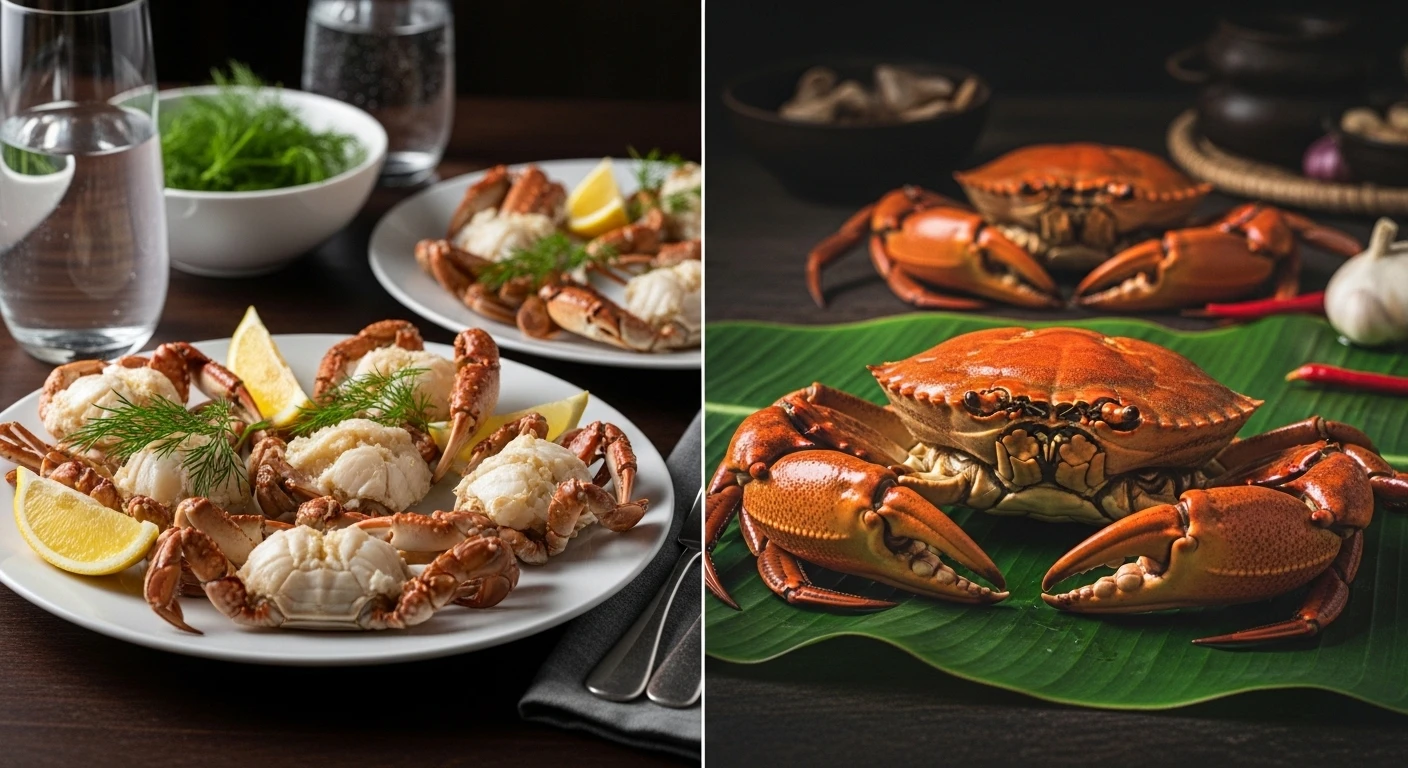
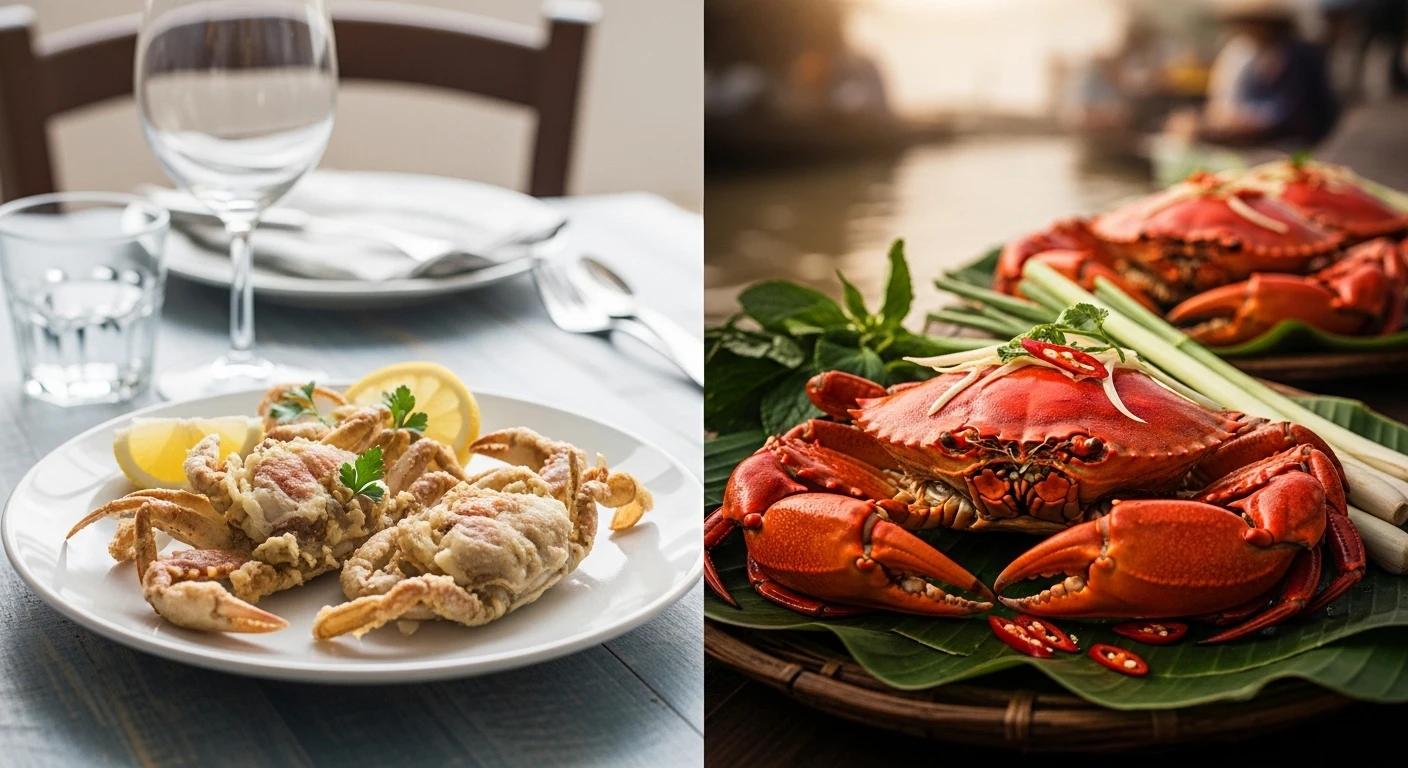
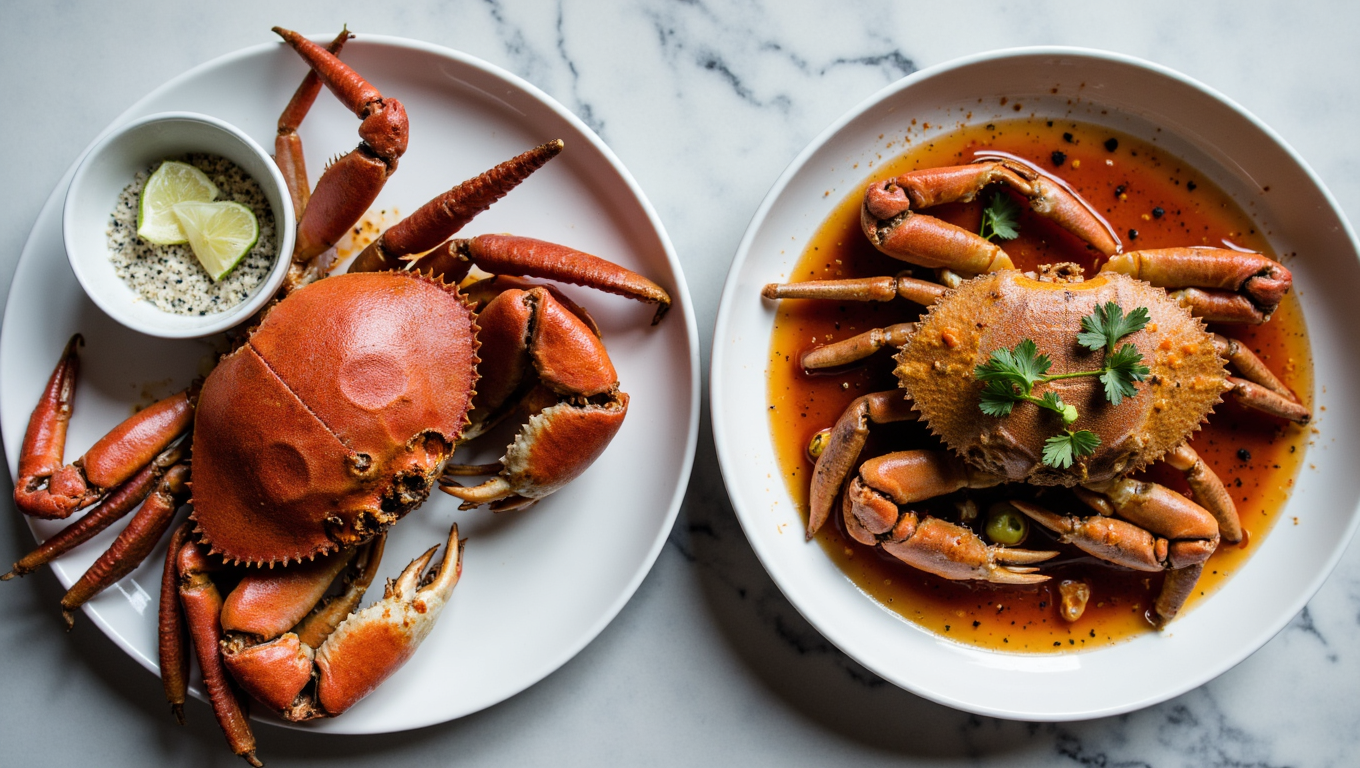
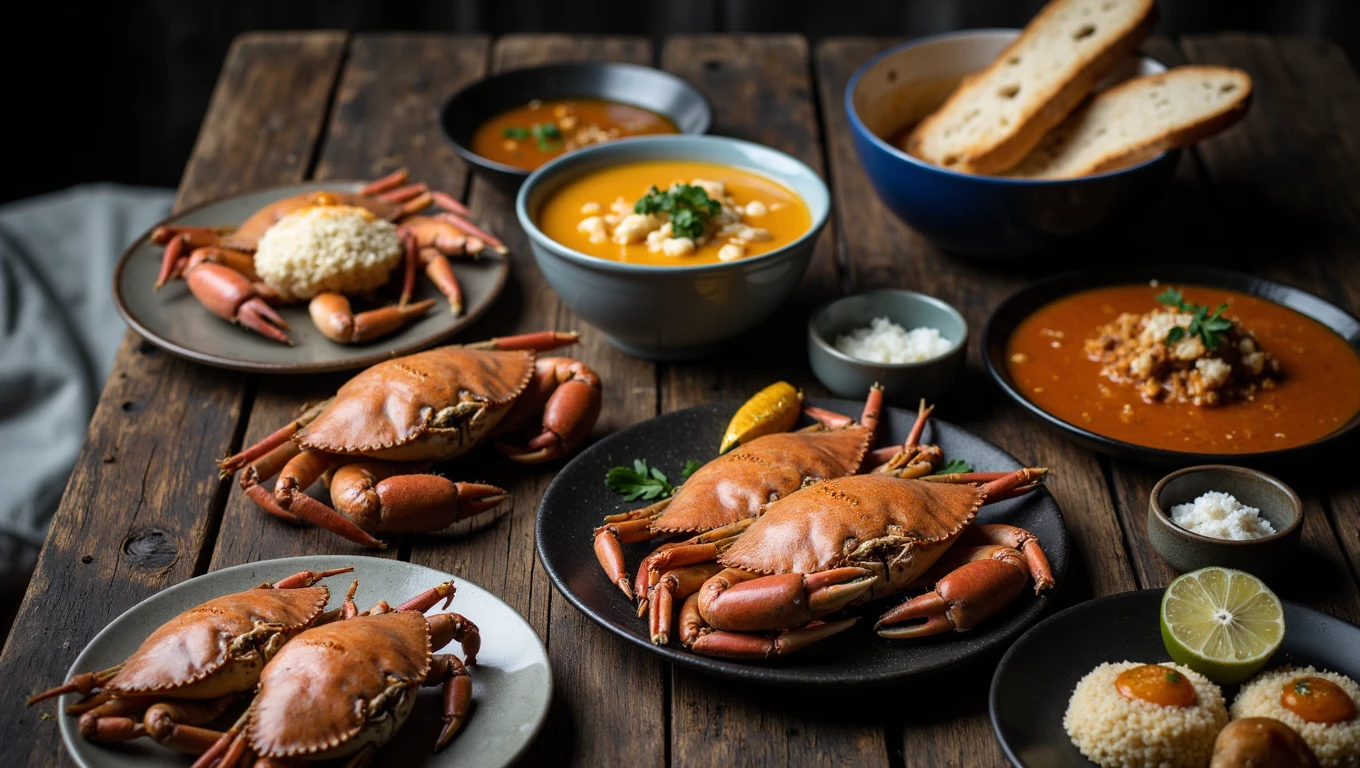
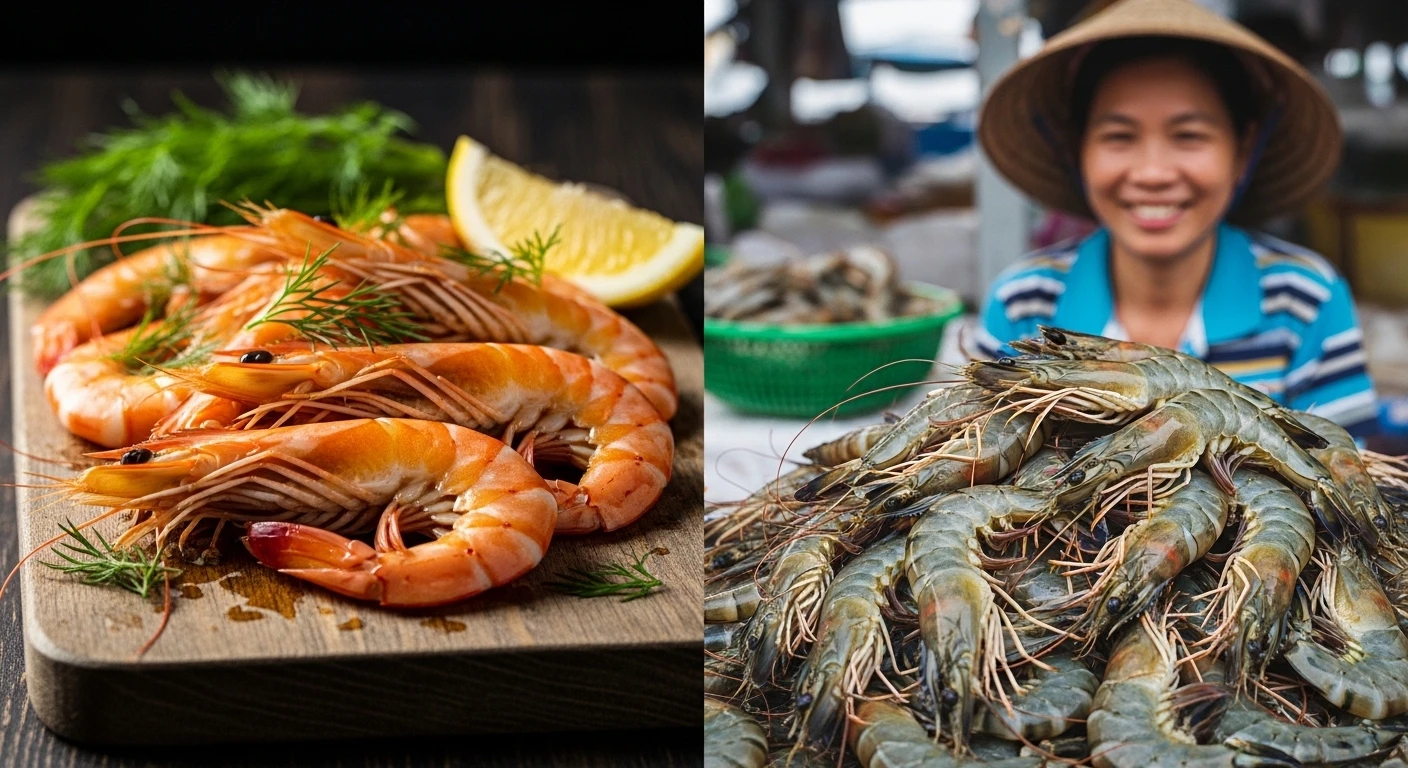
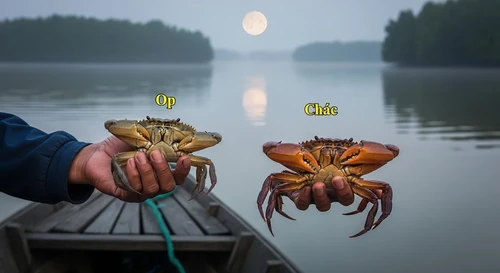
" In the grand theatre of global gastronomy, shrimp plays a starring role. But the script—and the flavour profile—changes dramatically depending on the stage. Dubai demands opulence, precision, and an undeniable luxury. The Mekong Delta offers something different: a deep, ingrained authenticity, a connection to the very soil and water that birthed it. "
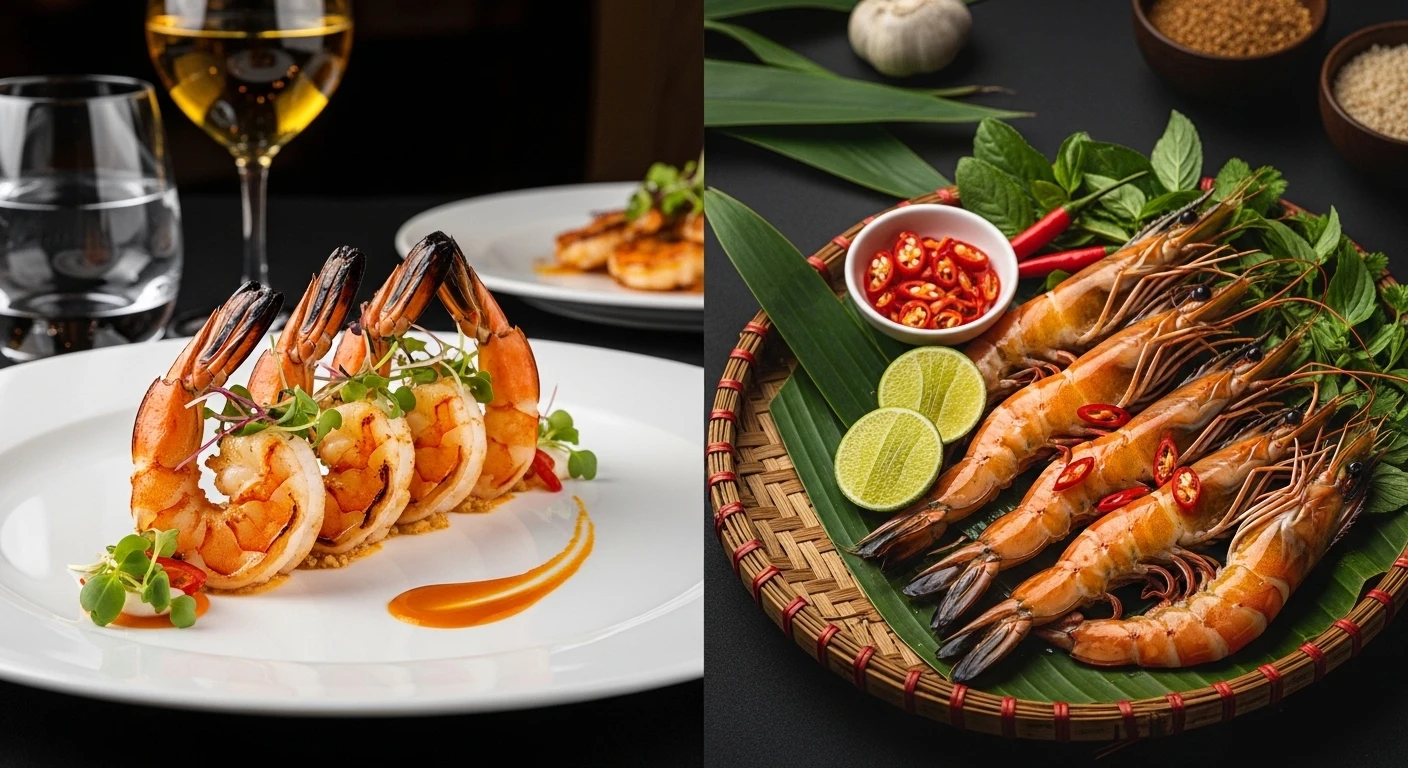
📸 A tale of two seas: The vibrant promise of the Mekong meets the sophisticated palate of the UAE.
1 The UAE: A Palate of Prestige and Precision
Step into Dubai, Abu Dhabi, or any of the UAE's glittering metropolises, and you're entering a culinary arena defined by global standards of luxury. Here, seafood isn't just food; it's an experience, an art form, and often, a statement. The expectations for shrimp are sky-high, driven by a discerning clientele accustomed to the finest ingredients flown in from every corner of the globe.
For the UAE consumer and restaurateur, "premium shrimp" typically means impeccable presentation, uniformity in size and shape, and a consistent, mild flavour that acts as a canvas for sophisticated culinary techniques. Think oversized King Prawns grilled to perfection, delicate Tiger Prawns forming the base of an opulent seafood bisque, or Pandalus shrimp (often confused with other species) used in meticulously crafted sushi or ceviche. Traceability, sustainable certifications (like ASC), and a clean, almost sterile harvesting and processing environment are paramount. The ideal shrimp here is one that looks flawless on the plate, performs well in high-heat cooking, and doesn't overpower other delicate ingredients. It’s about purity of form and a reliable, albeit subtle, taste.
This focus on perfection and luxury is deeply interwoven with the UAE's identity as a global hub. Restaurants here cater to an international crowd, sourcing ingredients that meet a universal definition of quality. The concept of 'terroir'—the unique environmental factors that influence flavour—is less pronounced than the demand for consistent, high-grade product that can be showcased with confidence on any world-class menu.
2 The Mekong Delta: A Symphony of Authentic Flavors
Now, journey south with me to Vietnam, specifically the sprawling, intricate network of waterways that make up the Mekong Delta. This is the heartland of Vietnamese aquaculture, a region where shrimp and fish have been a way of life for generations. Forget sterile laboratories and precise uniformity; the Delta is a vibrant, organic ecosystem. Life here pulses with the ebb and flow of the tides, the monsoon rains, and the ancient rhythms of farming.
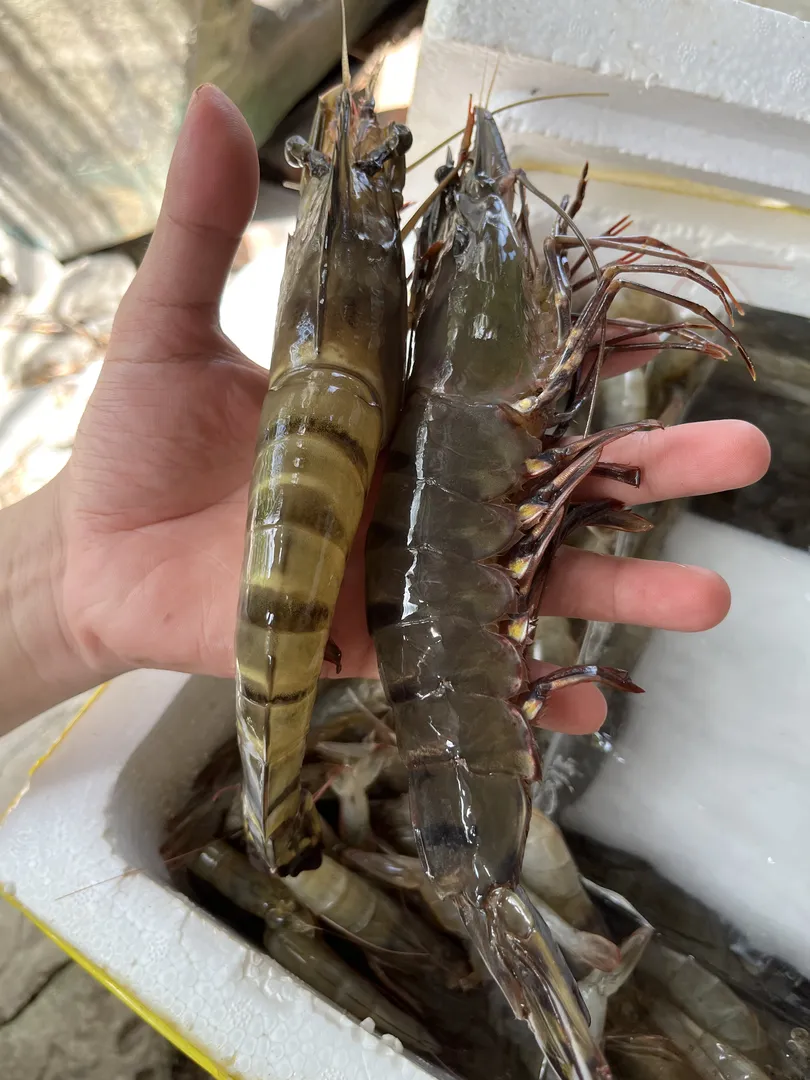
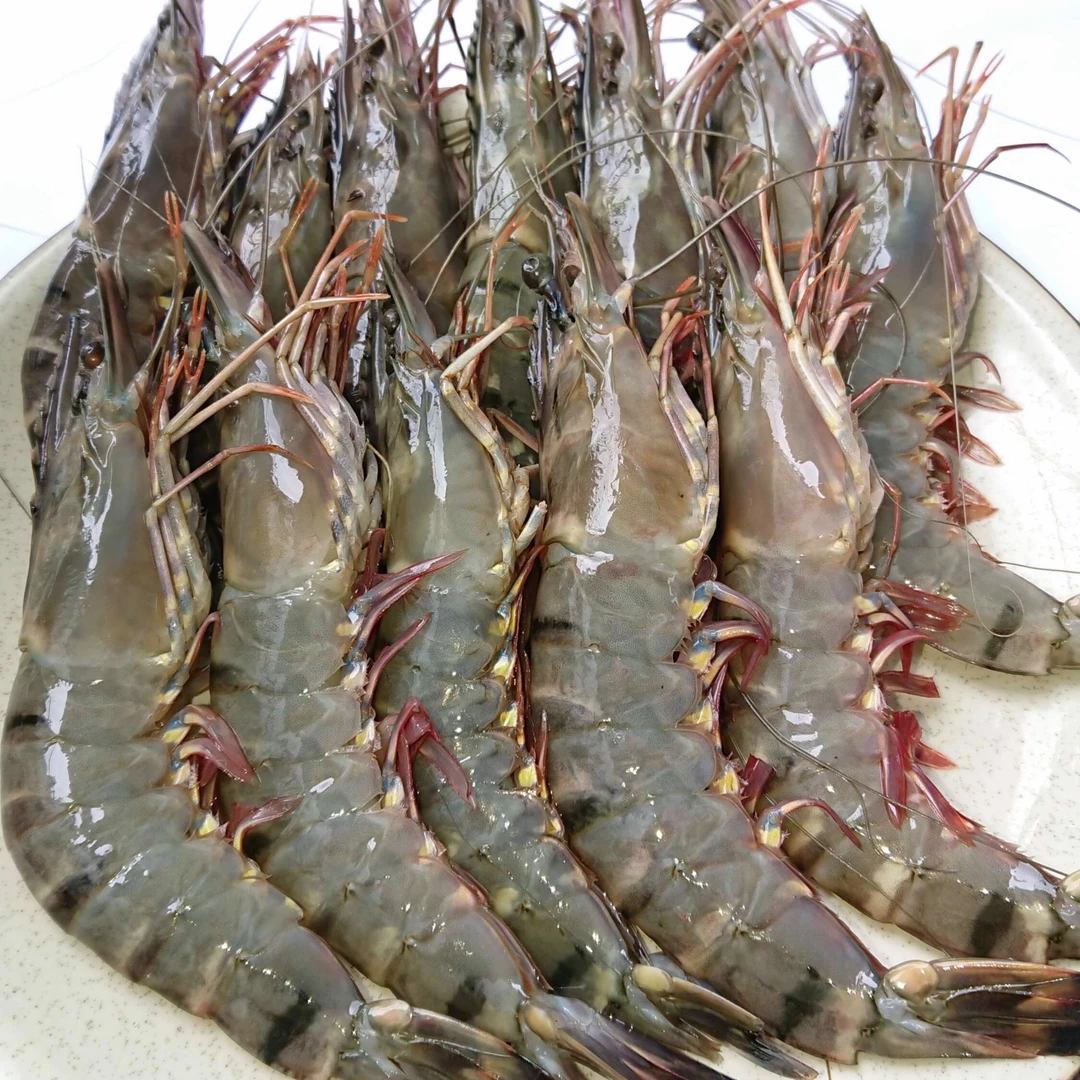
In places like Ca Mau, Bac Lieu, and Soc Trang, shrimp cultivation is inextricably linked to the environment. The legendary Ca Mau Black Tiger Shrimp (tôm sú) is a prime example. These are not the uniformly sized, pale specimens often found in global supply chains. Ca Mau black tigers, often raised in intricate mangrove systems, possess a robustness, a deeper colour, and a flesh that is notably firmer. Their flavour profile is complex – a clean, sweet brine with a subtle minerality, a direct echo of the brackish waters and mangrove roots they call home. This is shrimp with personality, shrimp with a story.
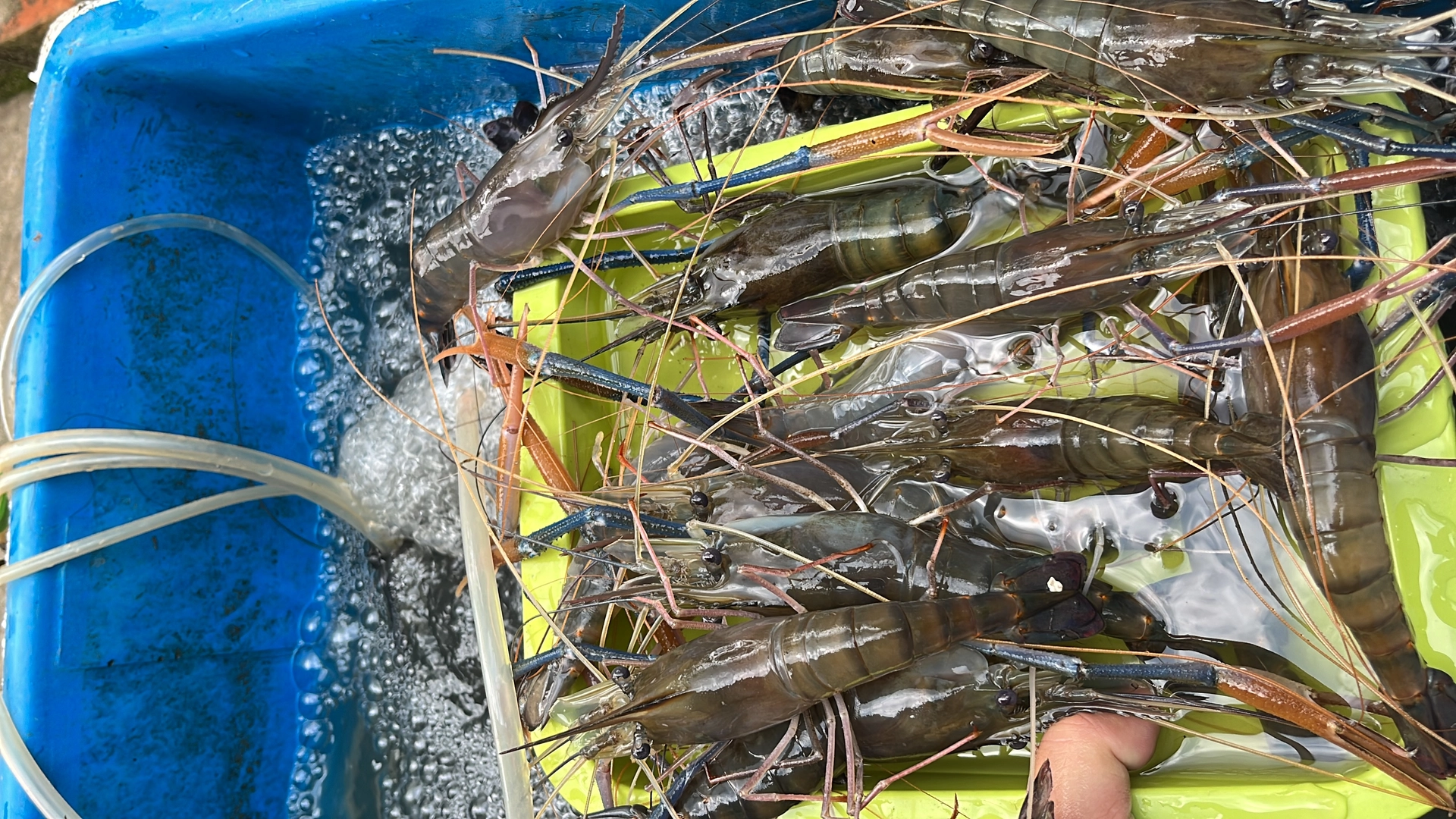
Then there are the Giant Freshwater Prawns (tôm càng). These majestic crustaceans, with their long, vibrant blue claws, are a staple in the Mekong's rivers and canals. Their appeal lies not just in their impressive size but in the rich, unctuous 'head fat'—a concentration of pure flavour that makes grilling these prawns an intensely satisfying experience. Their taste is a robust, sweet, and slightly earthy testament to their freshwater habitat.
Even the ubiquitous Whiteleg Shrimp (tôm thẻ), while farmed more intensively and found globally, takes on a distinct character in the Delta. It's the everyday shrimp, yes, but cooked in the local style—steamed with lemongrass, grilled over charcoal, or starring in a flavourful canh chua (sour soup)—it carries the soul of Vietnamese cuisine: fresh, bright, and deeply satisfying.
Heritage Ingredient
Ca Mau Black Tiger Shrimp
Ca Mau Black Tiger Shrimp
Large black tiger shrimp associated with mangrove aquaculture in Ca Mau, known for firm flesh and a cleaner, sweeter finish than intensively farmed shrimp.
Wild spirits of the mangroves, these black-banded gems deliver a firm, snappy texture and a sweetness that echoes the forest's vibrant life.
Heritage Ingredient
Mekong Giant Freshwater Prawn
Mekong Giant Freshwater Prawn
A river prawn with long blue claws and rich head fat, common in grilled prawn dishes and hotpot traditions across the Mekong basin.
Majestic blue-clawed warriors of the Mekong, famous for their rich, fatty heads and a savory depth that captures the essence of the delta's rivers.
Heritage Ingredient
Whiteleg Shrimp
Whiteleg Shrimp
A widely used shrimp in Vietnamese home kitchens, suitable for stir-fries, soups, steamed dishes, and practical cooking articles that need a familiar shrimp reference.
Translucent jewels of the coast, thin-shelled and remarkably sweet, making every simple home meal feel like a seaside celebration.
3 Flavor Profiles: The Soul vs. The Showpiece
The most striking difference lies in the flavour. UAE's premium shrimp often exhibit a clean, almost neutral sweetness. This is by design; it makes them versatile for a wide range of international cuisines, from French to Japanese to Italian. They are the perfect performers on the global stage, adaptable and reliable.
Mekong Delta shrimp, however, speak of their origin. The Ca Mau Black Tiger, grown amidst mangroves, carries a distinct, slightly briny sweetness, a whisper of the forest floor and the sea. The Giant Freshwater Prawn’s rich head fat is a flavour bomb in itself, a direct result of its diet and environment. This isn't just sweetness; it's a complex, layered taste that tells a story of the water, the climate, and the careful (often traditional) farming practices. It’s a taste that is deeply satisfying because it feels so intrinsically linked to its source.
4 From Polished Plates to Rustic Charm
In the UAE's high-end establishments, shrimp presentation is meticulously curated. Expect perfectly peeled and deveined specimens, often arranged with geometric precision. The texture is typically firm and yielding, a result of controlled farming and quick freezing processes that preserve integrity.
In the Mekong Delta, the beauty is in the raw, untamed nature. Black tiger shrimp might have a slightly uneven colouration, a testament to their natural habitat. Their shells can be a deeper, more vibrant hue. The texture is often described as "snappy" or "resilient," with a satisfying chew that speaks of a life lived actively in the water. Freshwater prawns, with their impressive claws, are often presented whole, grilled to showcase their imposing form and the golden head fat. It’s a visual appeal that is less about manufactured perfection and more about the inherent, wild beauty of the product.
5 From Global Farms to Delta Livelihoods
The UAE's seafood supply chain often emphasizes large-scale, technologically advanced aquaculture or deep-sea fishing operations that adhere to international standards for safety and sustainability. This ensures a predictable, high-quality product for a global market. The narrative is one of efficiency, reliability, and often, innovation in farming techniques.
Contrast this with the Mekong Delta, where shrimp farming is deeply intertwined with the local economy and cultural heritage. Many farmers practice traditional methods, integrating shrimp with rice paddies or raising them in mangrove forests. This approach is not just about production; it’s about livelihood, community, and a sustainable coexistence with the natural environment. The value isn't just in the pound of shrimp, but in the generations of knowledge passed down, the social fabric woven around the harvest, and the unique ecosystem supported by these practices. This inherent cultural depth is a flavour all its own.
6 How They Shine: Dubai's Elegance vs. Mekong's Heart
In the UAE, shrimp dishes often exemplify refined international cuisine. Think delicate shrimp cocktail sauces, creamy shrimp risotto, or perfectly seared prawns with lemon-butter sauce. The shrimp is the star, but it's often presented within a framework of familiar, upscale culinary traditions that appeal to a diverse, cosmopolitan audience. Sauces are often rich, buttery, or creamy, designed to complement without overwhelming.
Vietnamese cuisine, particularly in the Mekong Delta, uses shrimp in ways that are vibrant, fresh, and often embrace a beautiful balance of sweet, sour, salty, and spicy. Steamed shrimp with fresh lime and chili, grilled prawns marinated in satay or honey, or the essential ingredient in complex noodle soups like Hu Tieu and Bun Nuoc Leo – these dishes highlight the shrimp's natural flavour with bold, complementary aromatics. The use of fresh herbs, chili, lime, and fish sauce creates a flavour profile that is uniquely Southeast Asian. Sauces are often lighter, designed to enhance, not mask, the shrimp’s intrinsic sweetness.
7 Beyond the Plate: Experiencing Mekong Shrimp Culture
For the traveler, the distinction extends far beyond the taste. While the UAE offers unparalleled luxury dining, the Mekong Delta offers an immersive cultural experience centered around its aquatic bounty. Imagine visiting a floating market at dawn, watching local fishermen haul in their catch, or learning to prepare a traditional shrimp dish with a local family. This is where you truly understand the origin of the flavour.
Exploring the shrimp farms, navigating the mangrove forests, and tasting shrimp pulled directly from the water – these are the experiences that connect you to the essence of Vietnamese seafood. It’s about understanding the ecosystem, the people, and the generations of tradition that make Mekong Delta shrimp so special. It's a journey that appeals to the adventurous palate and the curious soul, offering a depth of flavour and a richness of experience that the most opulent ballroom dinner simply cannot replicate.
8 The Verdict: A World of Shrimp, Two Distinct Tastes
Both the United Arab Emirates and Vietnam offer exceptional shrimp experiences, but they cater to different desires. The UAE delivers a globally recognized standard of luxury, precision, and versatility, perfect for the sophisticated diner seeking a flawless, internationally-aligned culinary moment. Vietnam, particularly the Mekong Delta, provides an authentic, terroir-driven taste that is deeply rooted in its environment and cultural heritage.
For the discerning palate that seeks not just a meal but a connection to the source, the story, and the soul of an ingredient, the Mekong Delta's shrimp—from the robust Black Tiger to the regal Giant Freshwater Prawn—offers an unparalleled journey. It's a taste of authenticity, a testament to nature's bounty, and an invitation to explore a world where food is inseparable from life itself.
Craving More Vietnamese Seafood Stories?
Dive deeper into the rich culinary landscape of Vietnam and discover more authentic flavors.
🌊 Explore Crab Culture