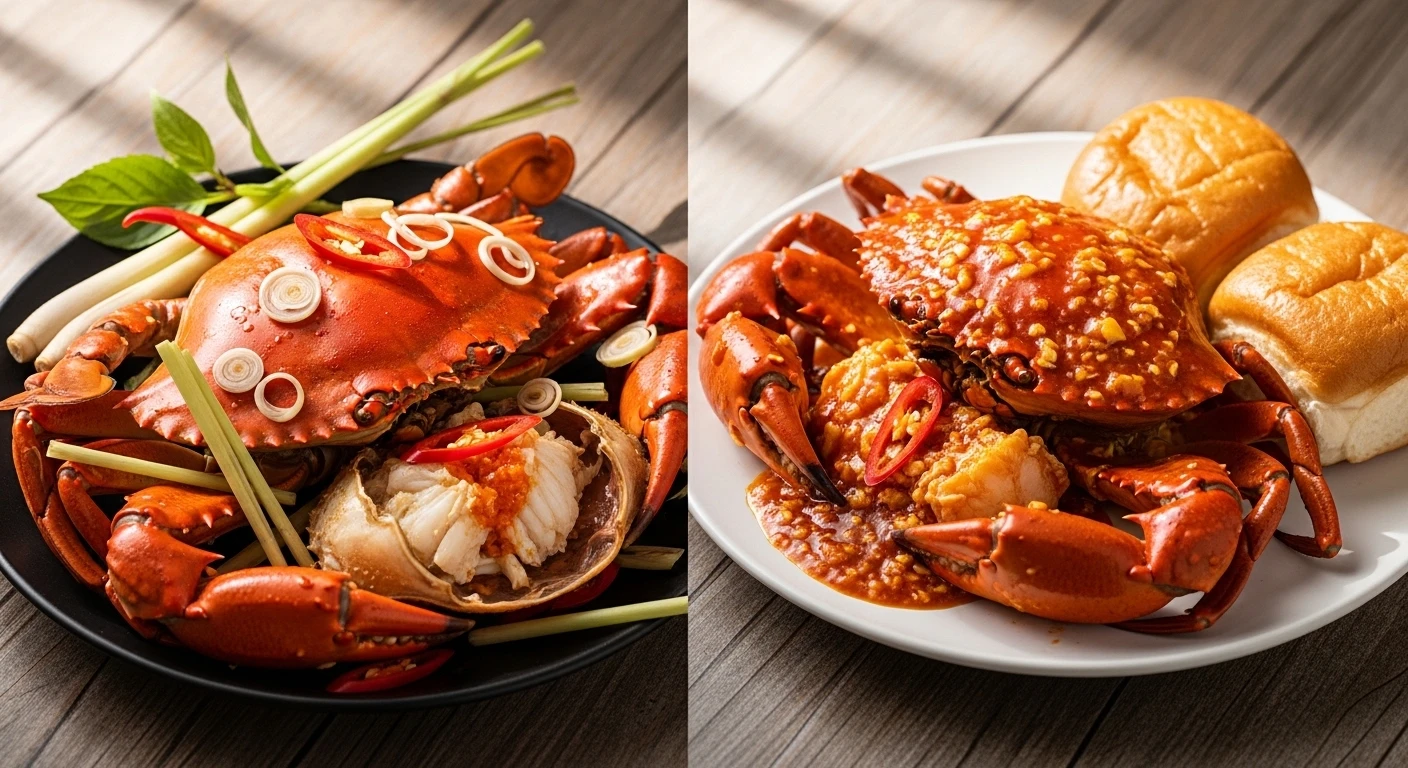
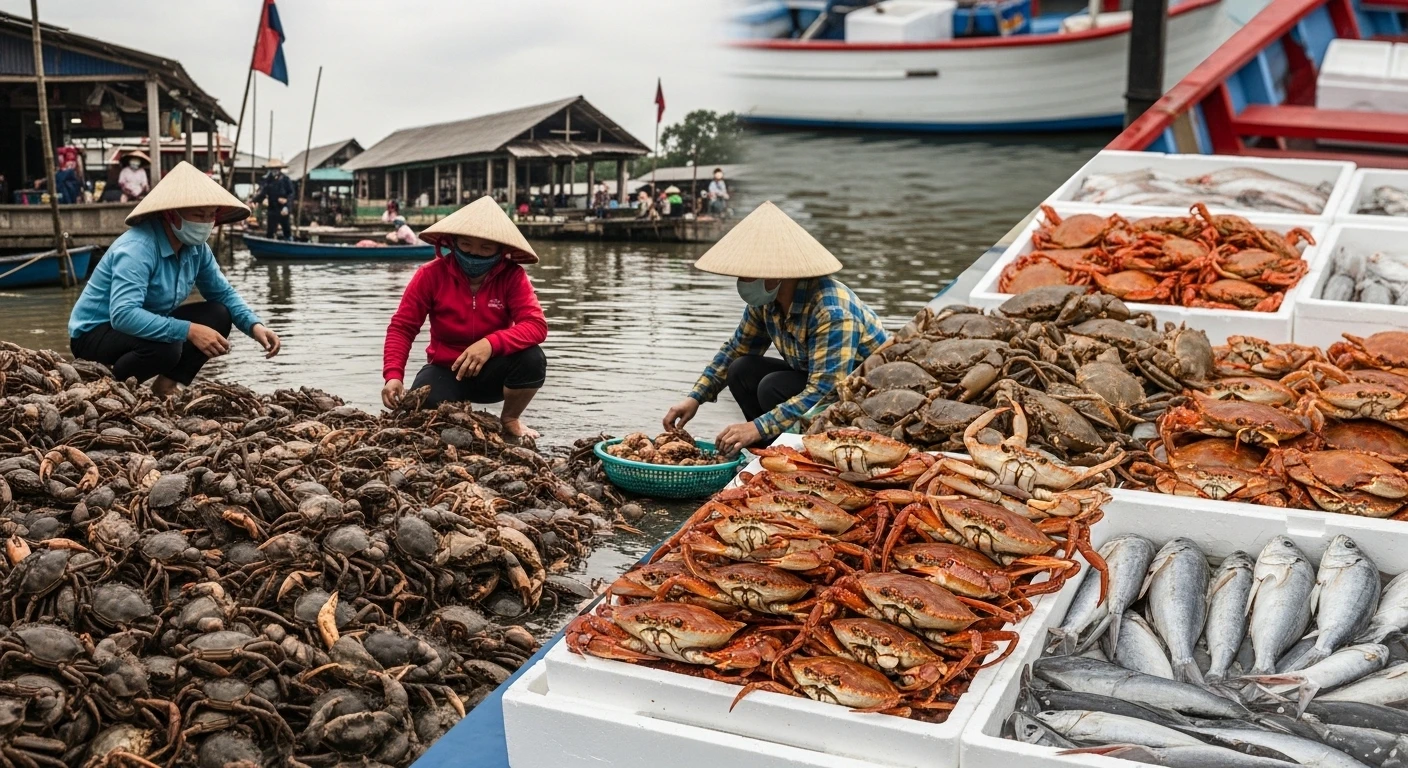
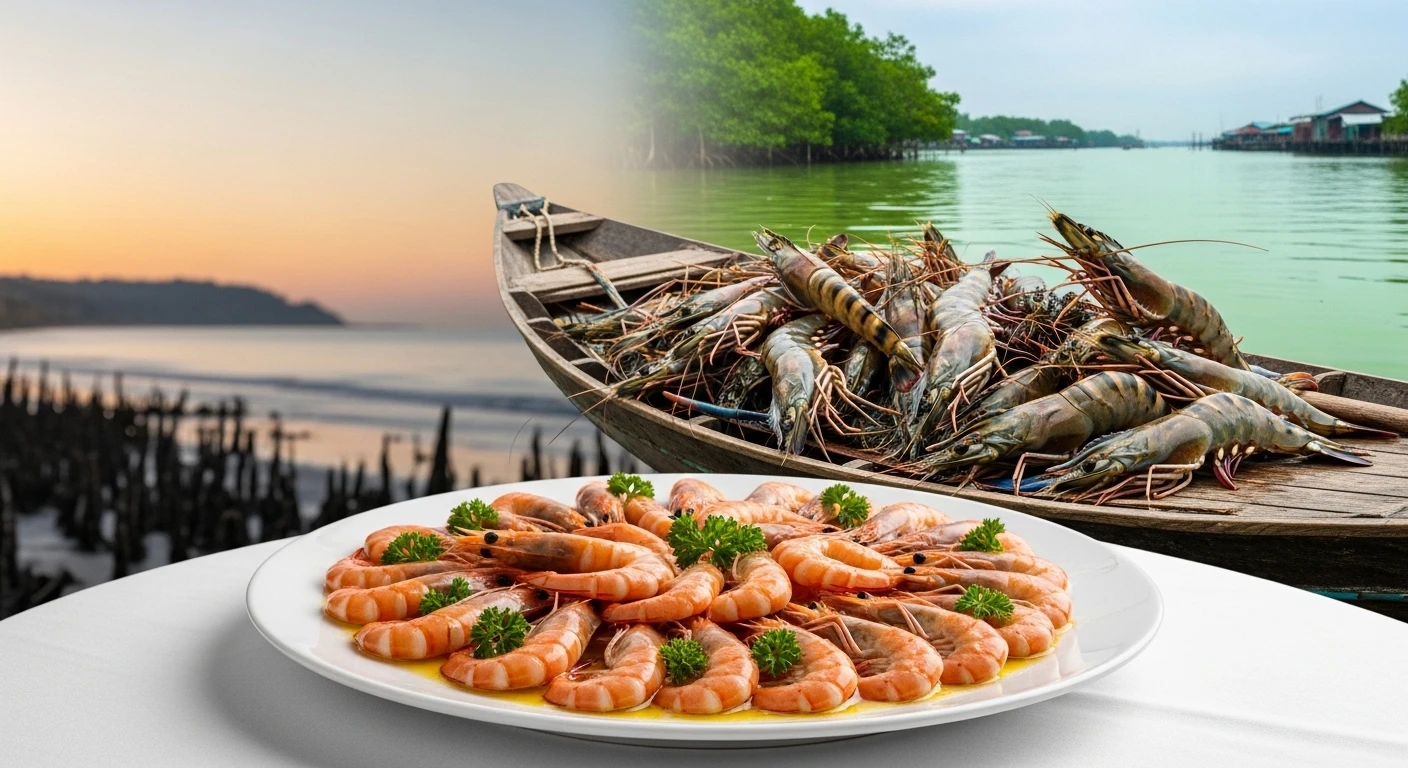
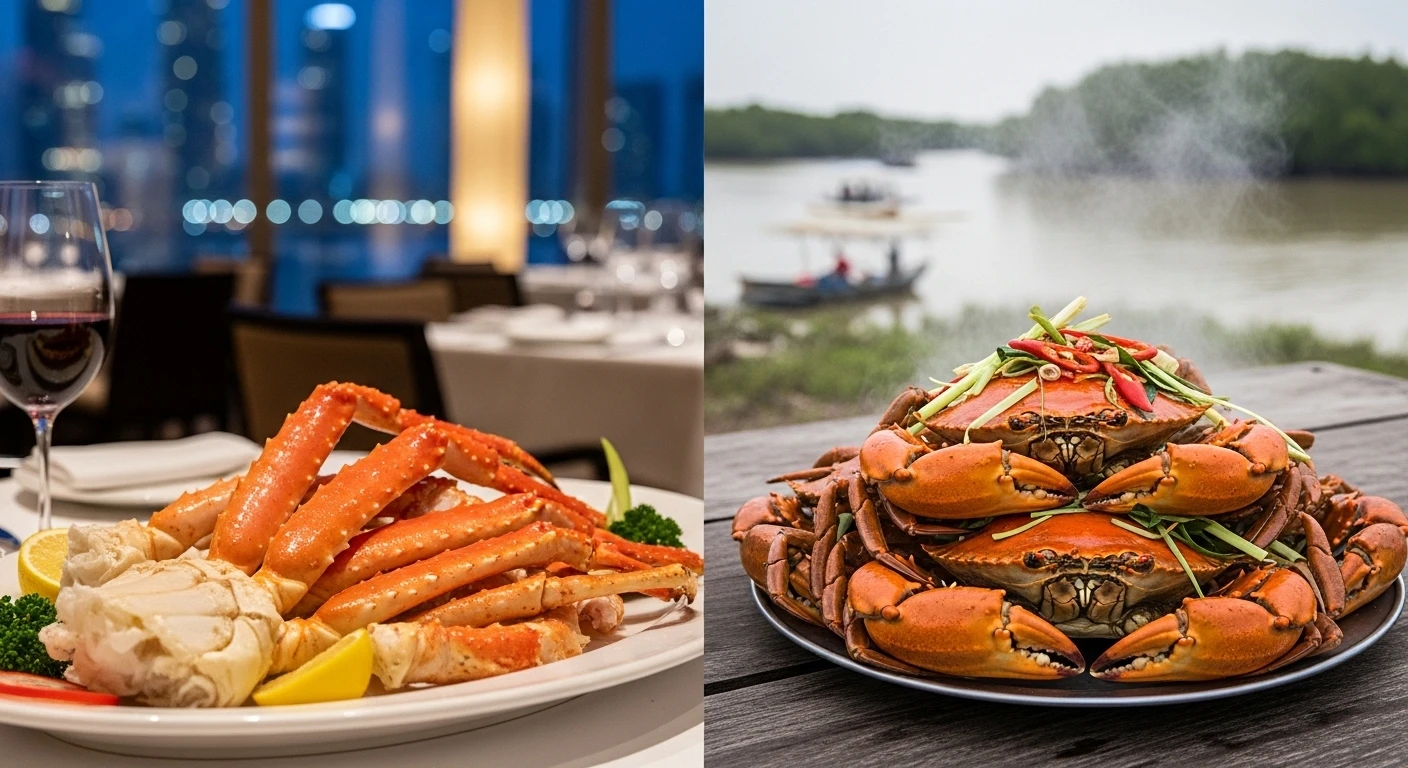
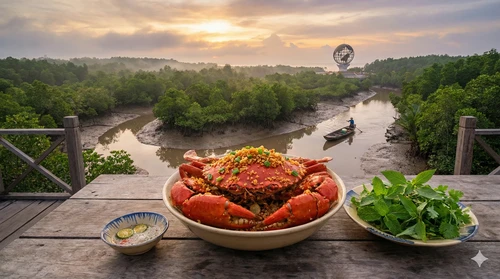
" Forget everything you thought you knew about crab. The ocean's armor-plated jewels come in vastly different packages across this planet. "
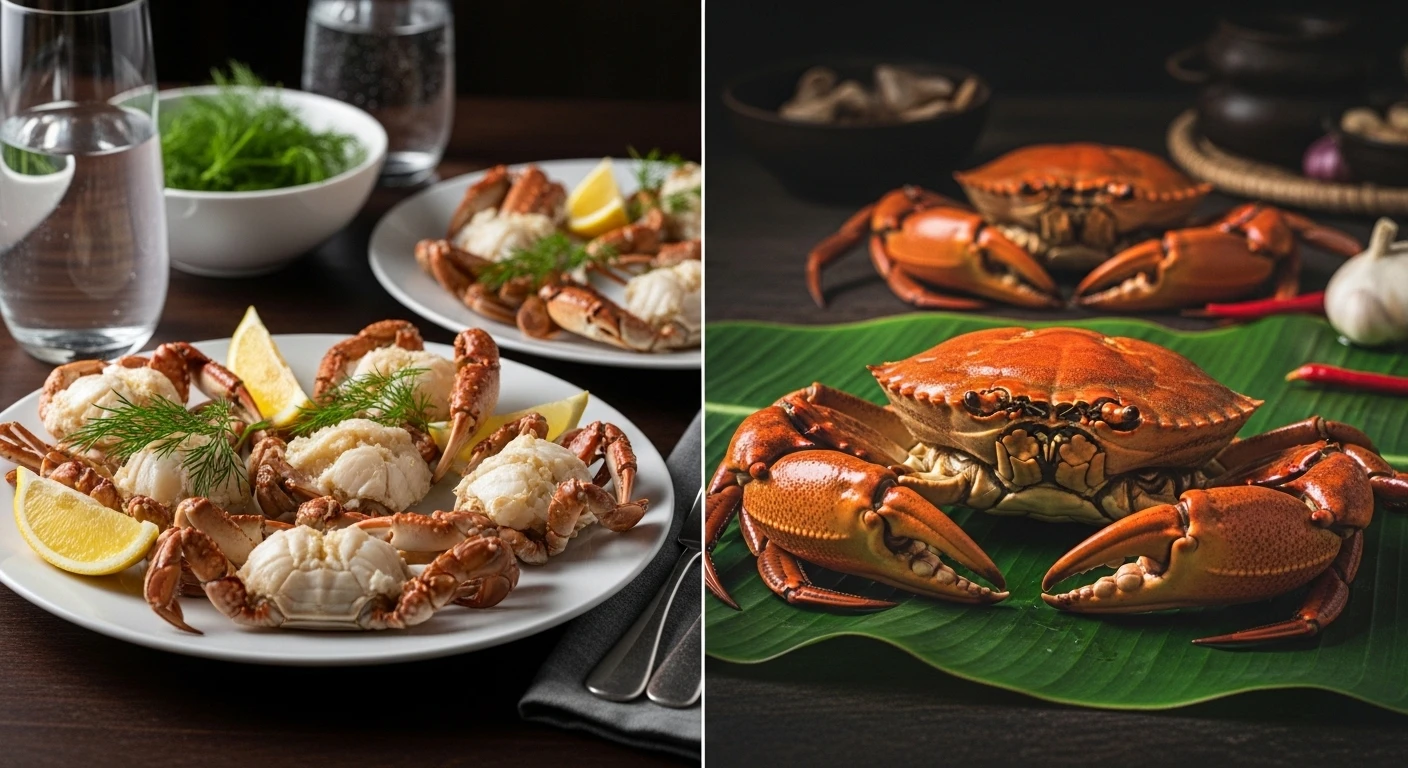
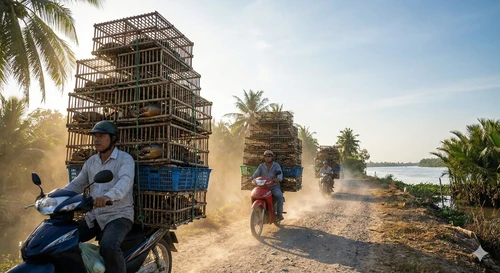
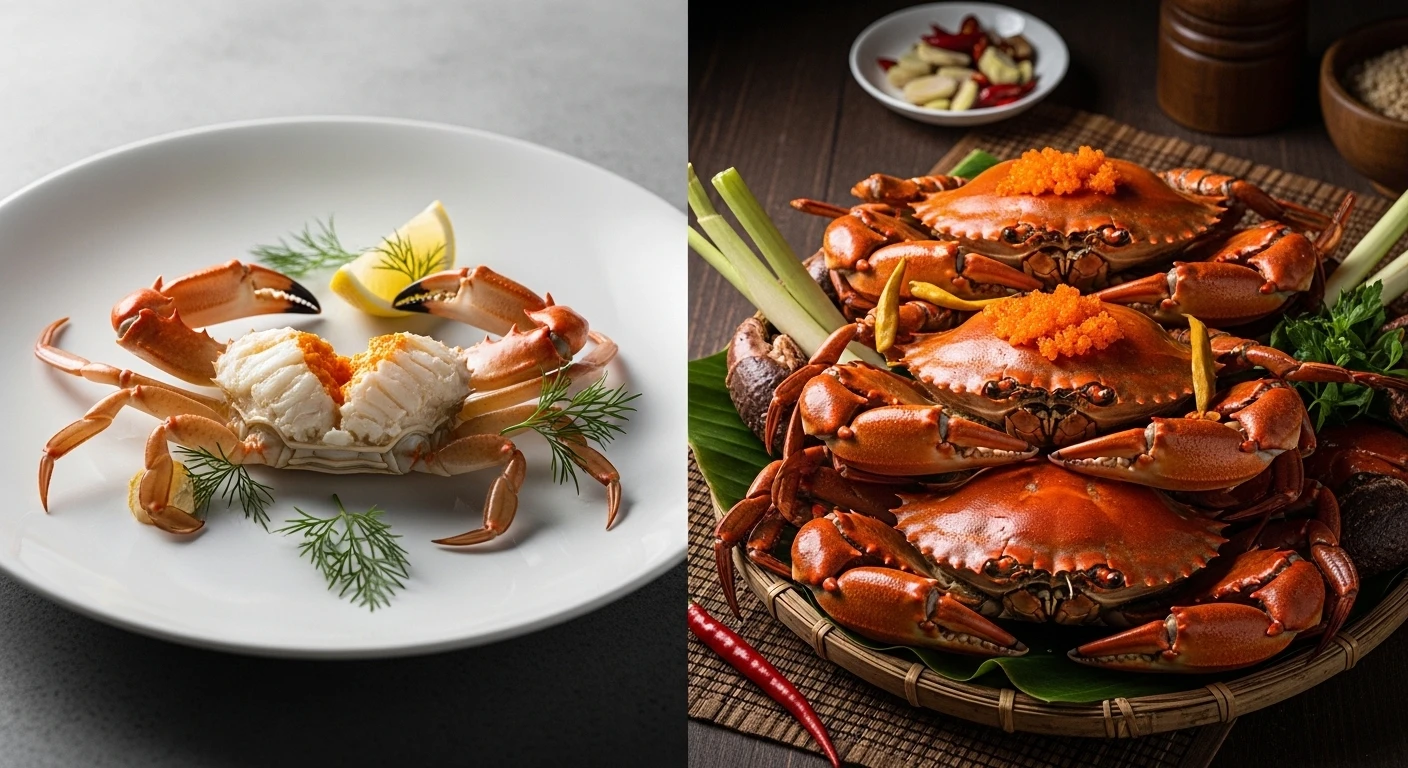
📸 A tale of two crabs: The subtle elegance of the North Sea meets the powerful presence of the Mekong.
1 The German Approach: Precision and Purity
When you picture German seafood, what comes to mind? Likely, it’s something clean, perhaps accompanied by dill and a crisp Riesling. Germany, with its coastline along the frigid North and Baltic Seas, has a shellfish tradition honed by challenging, cold waters.
The stars here are often smaller, more delicate crabs like the edible crab (Cancer pagurus) or the smaller shore crab. These are not creatures of brute force but of refined, subtle sweetness. The German culinary ethos often emphasizes letting the natural flavor shine, often through simple preparations:
- Boiled or Steamed: The most common methods. The goal is to extract pure flavor without masking it.
- Herbs & Spices: Dill, parsley, and sometimes bay leaves are favored companions, offering an aromatic whisper rather than a roar.
- Dipping Sauces: Lemon wedges, a light vinaigrette, or remoulade sauce are typical accompaniments, designed to complement, not overpower.
- Presentation: Often served whole, emphasizing the freshness and quality of the crab itself.
There's a deep respect for the ingredient, a testament to the fishermen who brave the often-unforgiving seas to bring these treasures ashore. It's about quality over quantity, precision over abundance. Think of it as haute couture of the crustacean world – elegant, meticulously crafted, and deeply satisfying.
2 The Mekong Delta: A Mud Crab's Paradise
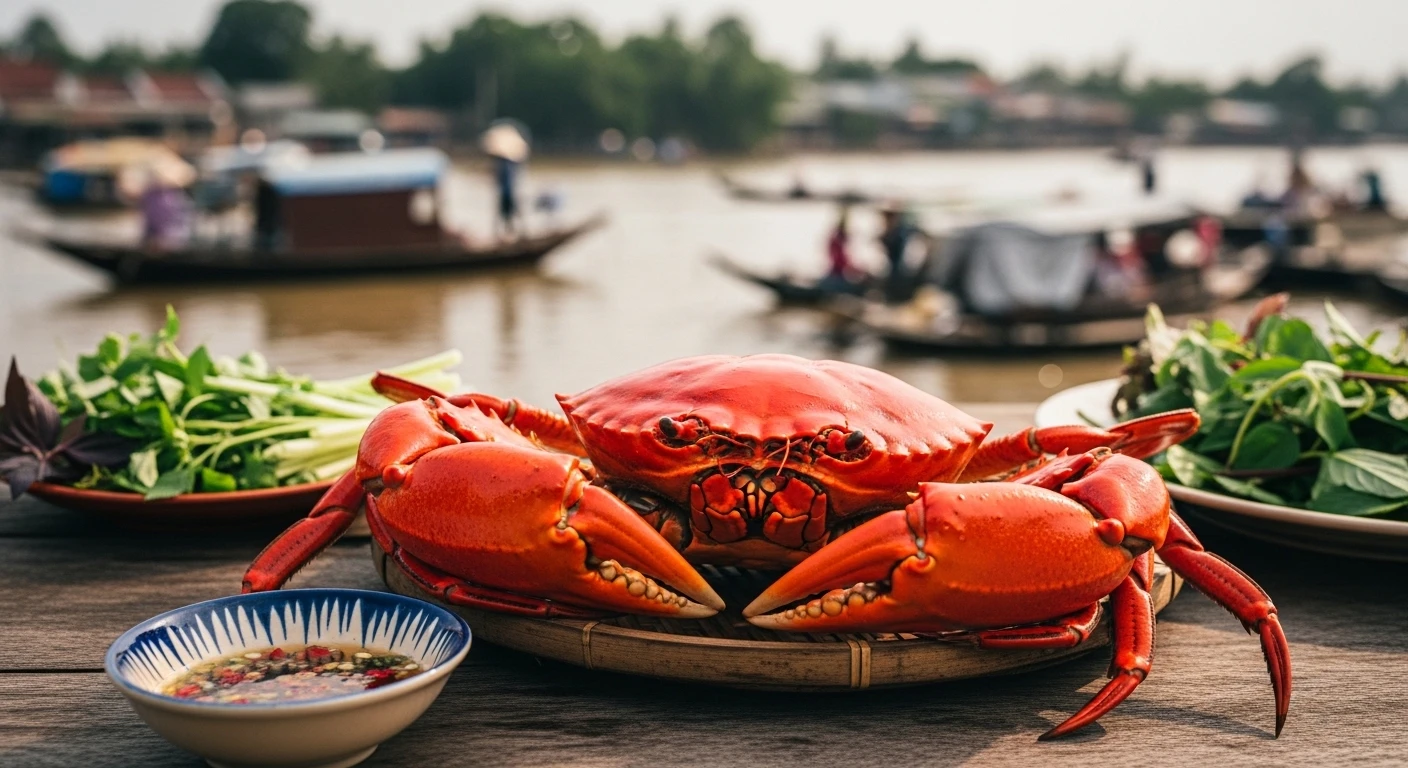
Now, shift your gaze south, to the tangled waterways and mangrove forests of Vietnam’s Mekong Delta. This is the domain of the mud crab (Scylla serrata), a beast altogether different from its Northern European cousins. These are muscular, robust crabs, forged in the rich, brackish environment where fresh river water meets the salty sea.
The Mekong Delta is Vietnam's rice bowl, but it's also a vibrant aquatic ecosystem. Aquaculture, particularly of shrimp and crab, thrives here, utilizing the natural bounty of the estuaries and mangrove systems. The mud crab, especially the prized Ca Mau sea crab, is a symbol of this region's incredible biodiversity and culinary richness.
Unlike the delicate North Sea varieties, Mekong mud crabs are characterized by:
- Size and Strength: They are significantly larger, with formidable claws that promise substantial, sweet meat.
- Texture: The meat is dense, flaky, and incredibly sweet, with a satisfying chew.
- Roe: Female crabs, particularly sought after, boast rich, creamy orange roe that is a delicacy in itself.
- Terroir: Their flavor is said to be influenced by the unique mangrove ecosystem, adding a subtle minerality and depth.
The culture around crab in the Mekong is one of abundance, celebration, and hearty enjoyment. While Germans might focus on purity, Vietnamese traditions often embrace bold flavors and communal eating.
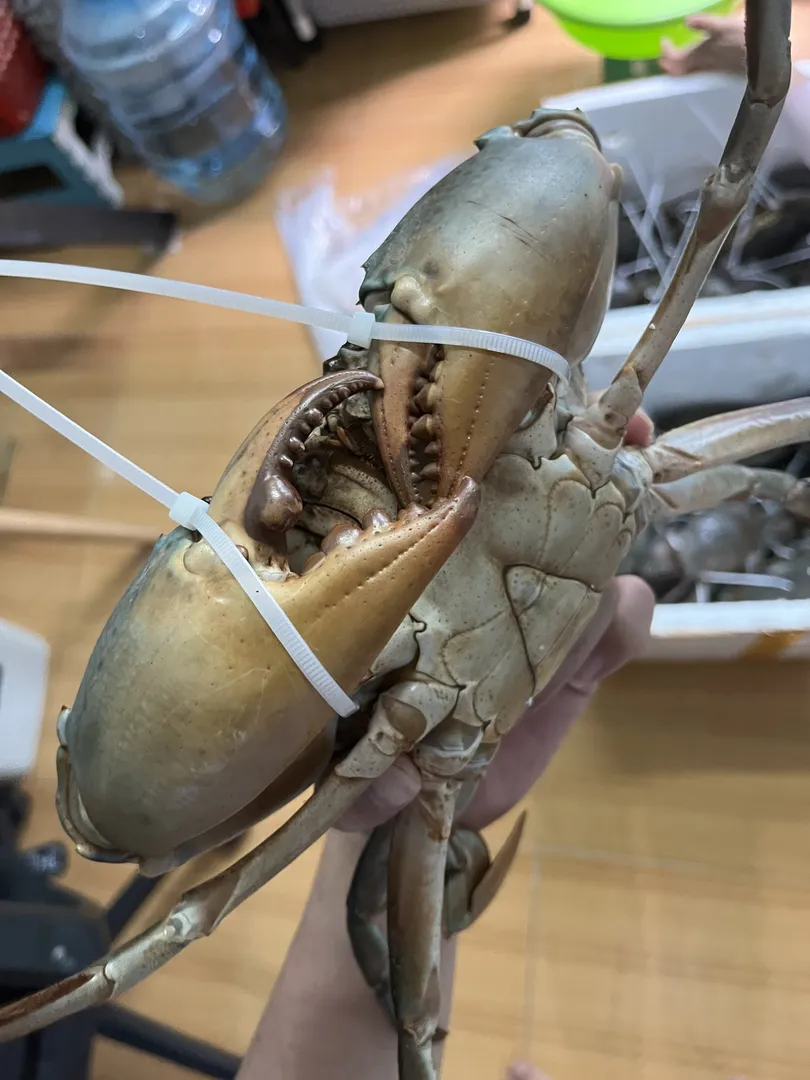
Heritage Ingredient
Ca Mau Jumbo Mud Crab
Ca Mau Jumbo Mud Crab
A large male mud crab prized for dense, sweet meat and thick claws, commonly used in steamed crab and grilled crab dishes across the Mekong Delta.
An icon of coastal culinary heritage, featuring firm, sweet meat that captures the raw power and freshness of Ca Mau's tides.
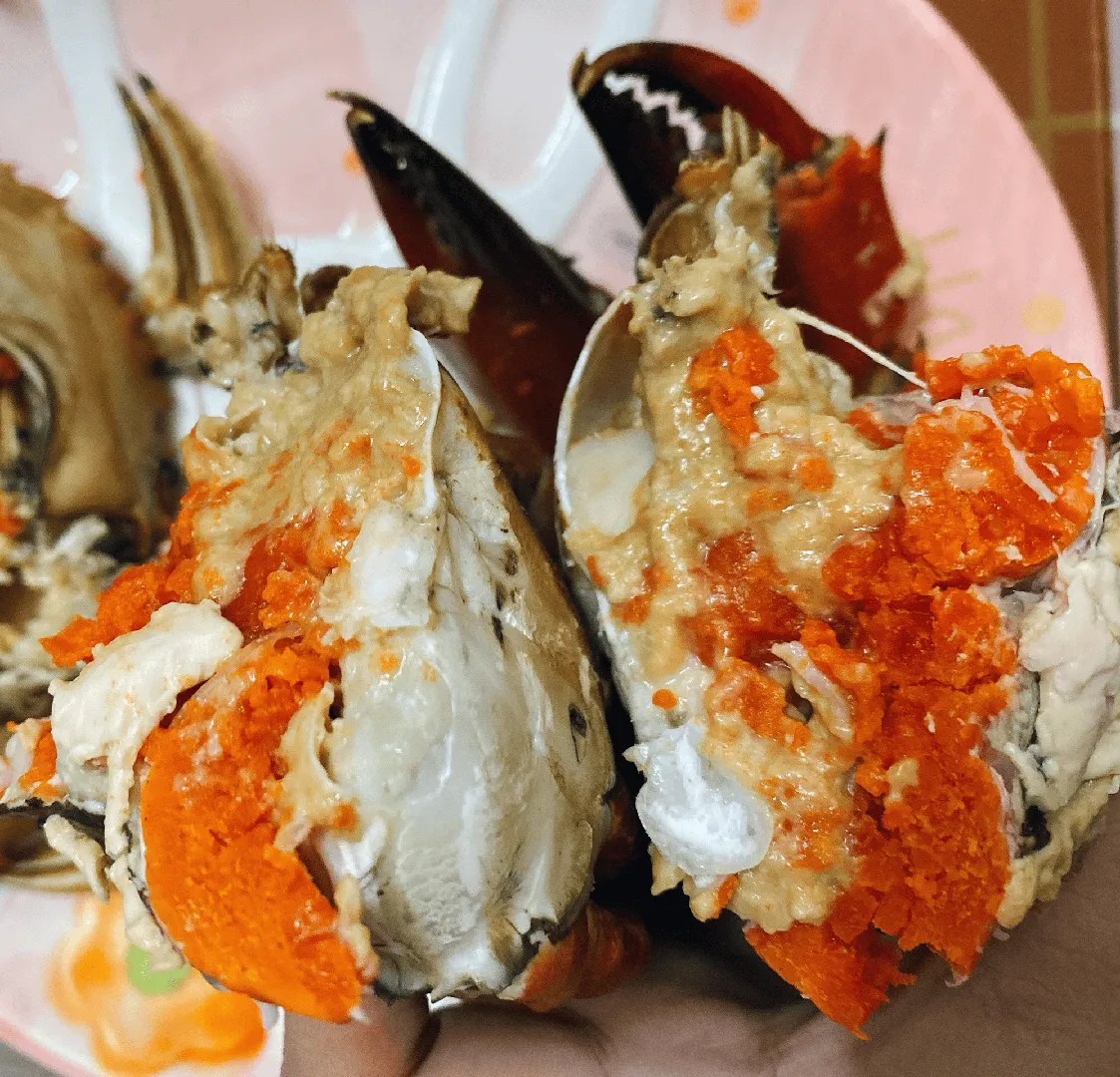
Heritage Ingredient
Ca Mau Roe Mud Crab
Ca Mau Roe Mud Crab
A female mud crab known for deep orange roe and a rich, creamy finish, often featured in celebratory Southern Vietnamese seafood meals.
A crimson treasure hidden within a shell, boasting rich, creamy roe that melts on your tongue like a golden sunset over the delta.
3 Cooking Styles: Elegance vs. Embrace
The difference in approach is stark. In Germany, you'll find crabs steamed with just a hint of dill, or perhaps served in a light broth. The emphasis is on preserving the crab's intrinsic, subtle sweetness. The German palate appreciates restraint.
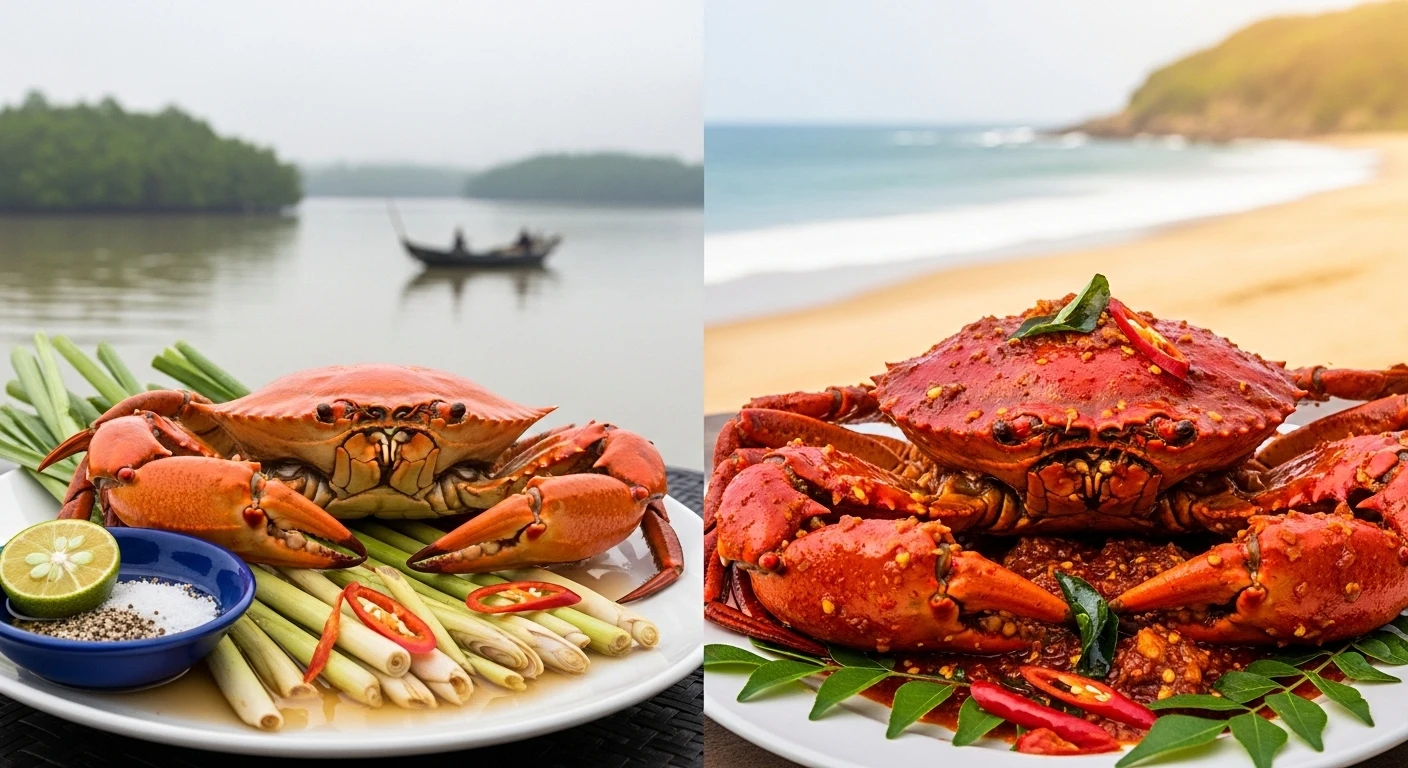
In the Mekong Delta, crab is a canvas for vibrant flavors. Consider these popular Vietnamese preparations:
- Steamed Crab with Beer (Cua Hấp Bia): Aromatic, savory, and surprisingly effective at tenderizing.
- Tamarind Crab (Cua Rang Me): A sticky, sweet-and-sour glaze that coats every bit of the crab.
- Salt and Pepper Crab (Cua Rang Muối Tiêu): Fried to a crisp, then tossed with garlic, chili, salt, and pepper – a flavor explosion.
- Crab with Coconut Milk: Rich, creamy, and deeply comforting.
These dishes often involve more assertive spices, aromatic herbs like lemongrass and chili, and sauces that can be sticky, spicy, sour, or savory. The Vietnamese approach is an embrace, a celebration of the crab's robust nature, using it as the star in a complex, multi-layered flavor profile. It’s less about subtlety and more about a full sensory experience.
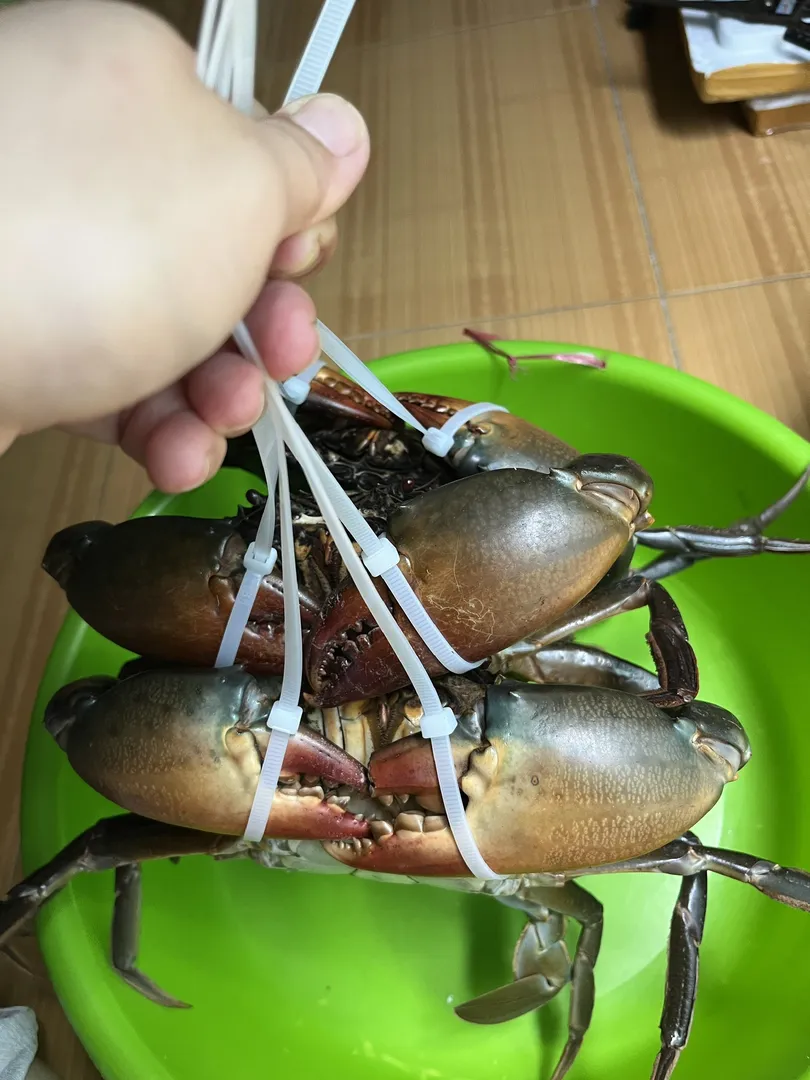
Heritage Ingredient
Giant Ca Mau Mud Crab
Giant Ca Mau Mud Crab
A larger export-grade mud crab with dramatic claws and thick meat, often used to illustrate oversized crab categories in Vietnamese seafood markets.
A titan of the ocean, offering colossal claws filled with muscular, succulent meat that elevates every feast into a royal experience.
4 A Tale of Two Textures: Shell and Roe
One of the most striking differences lies in the crabs' internal characteristics. German crabs, harvested from cold waters, often have a thinner, more brittle shell. The meat inside, while sweet, can be more delicate and flaky.
Mekong mud crabs, on the other hand, are known for their hard, thick shells. This armor protects a substantial amount of dense, sweet meat, particularly in the claws and body. But perhaps the biggest differentiator, especially for enthusiasts, is the roe. Female mud crabs from Ca Mau, when in season, are prized for their deep orange, almost custardy roe. This 'roe crab' (cua gạch) is a culinary experience unto itself, offering a rich, unctuous flavor and creamy texture that is unparalleled. It’s a key component of Southern Vietnamese celebratory seafood meals.
While some European crab species carry roe, the sheer richness and distinctiveness of Ca Mau’s roe crab are a particular highlight of Vietnamese crab culture. It transforms a meal into a luxurious indulgence.
5 The Dining Table: A Quiet Affair vs. A Lively Feast
How crab is enjoyed also speaks volumes about cultural values. German crab dining can often be a refined, almost formal affair, especially in coastal restaurants. It’s about savoring each bite, discussing the nuances of flavor, perhaps with a glass of local wine or beer. The focus is on personal appreciation of quality.
In the Mekong Delta, crab is frequently a centerpiece of communal dining. Large platters of steamed or stir-fried crab are shared among family and friends. The act of cracking shells, dipping claws into communal sauces, and sharing the bounty is an integral part of the experience. It’s boisterous, hands-on, and deeply social. The sheer abundance and accessibility of mud crab in the region make it a staple for celebrations and everyday gatherings alike.
The robust flavor of Vietnamese crab also lends itself better to sharing and robust dipping sauces, whereas the delicate flavor of German crabs might be best preserved for more intimate, focused enjoyment.
6 Beyond Borders: The Allure of the Delta
For the global traveler, understanding these differences isn't just about trivia; it’s about opening up your palate and your travel ambitions. If you appreciate the clean, precise flavors of German seafood, you owe it to yourself to experience the sheer, unadulterated pleasure of a truly great mud crab from the Mekong.
The Mekong Delta, particularly the province of Ca Mau, is the undisputed capital of Vietnam's mud crab. This is where the crabs are born, bred, and transformed into culinary legends. Visiting the region offers a chance to:
- Witness the Source: See the mangrove farms and understand the ecosystem that produces these incredible crabs.
- Taste Authenticity: Eat crab prepared by generations of cooks who understand its every nuance, often in humble riverside eateries or bustling local markets.
- Experience the Culture: Immerse yourself in the lively, communal dining culture that defines Southern Vietnamese cuisine.
While the refined elegance of German crab is a worthy pursuit, the bold, abundant, and deeply satisfying experience of Mekong mud crab offers a different, equally compelling, and perhaps more visceral, culinary adventure. It’s a taste of a region teeming with life and flavor.
7 The Takeaway: A World of Crustacean Delights
The comparison between Vietnam's mud crab culture and Germany's North Sea traditions highlights a fundamental truth about food: it is intrinsically linked to geography, climate, culture, and history.
German crab represents the pinnacle of understated excellence, a product of a cold, controlled environment and a culinary philosophy that values purity. It’s a testament to how careful harvesting and preparation can unlock delicate, nuanced flavors.
Vietnamese mud crab, particularly from Ca Mau, embodies abundance, robust flavor, and a spirited approach to cooking. It’s a creature of the tropics, celebrated with bold spices and communal joy. The sheer presence of the mud crab, its formidable claws and rich roe, makes it an icon of the Mekong Delta’s generous spirit.
So, next time you find yourself craving crab, consider the journey. Whether you find yourself drawn to the precise elegance of a German crab dish or the hearty embrace of a Mekong mud crab feast, you're embarking on a delicious exploration of our planet's diverse culinary landscapes. The delta awaits.