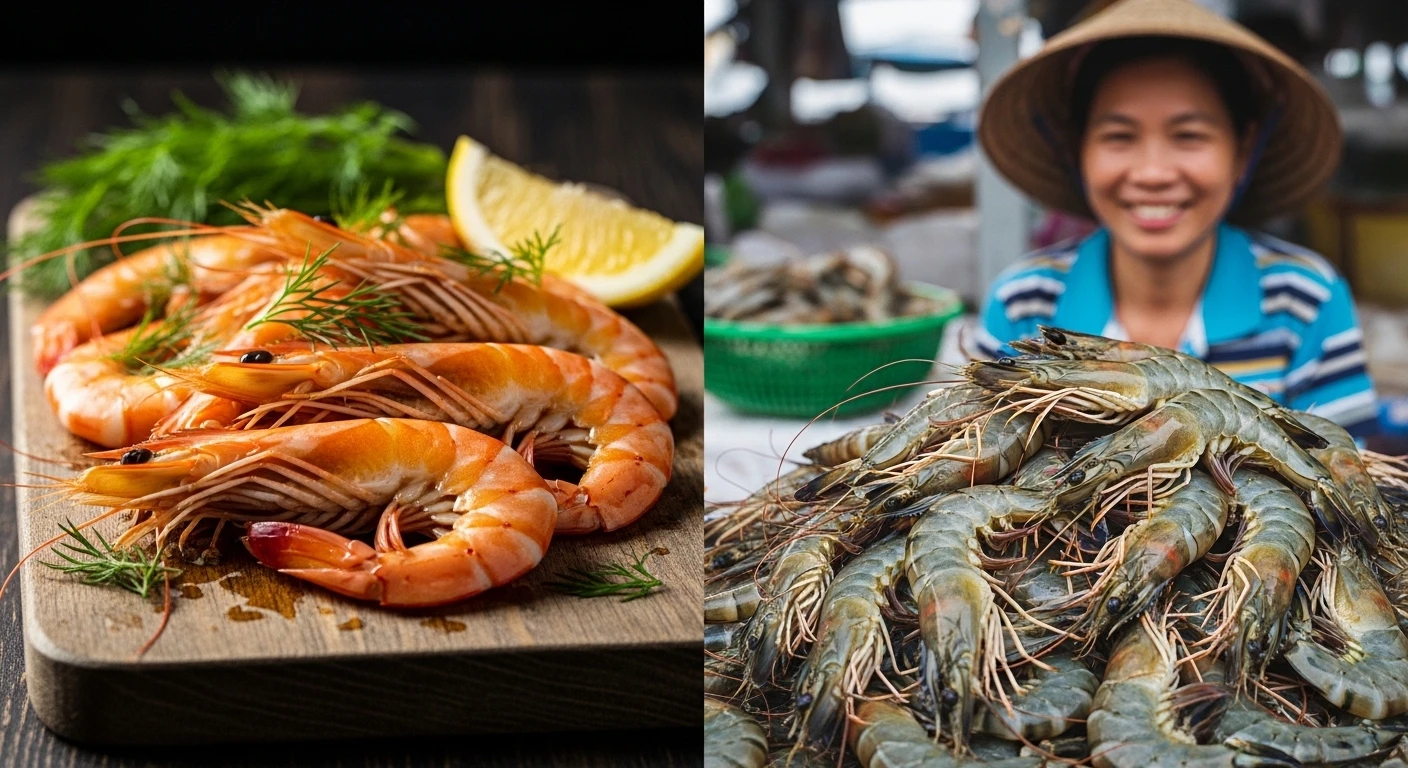
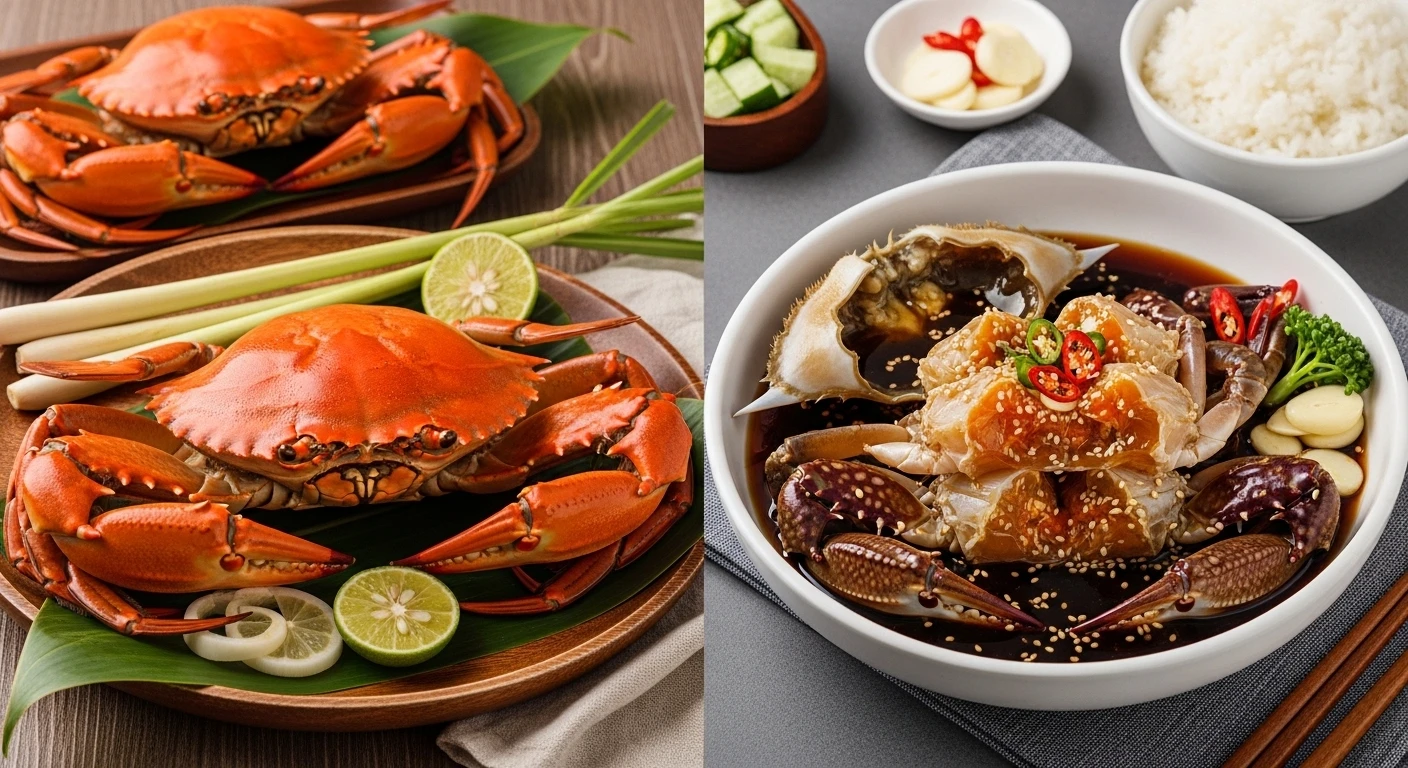
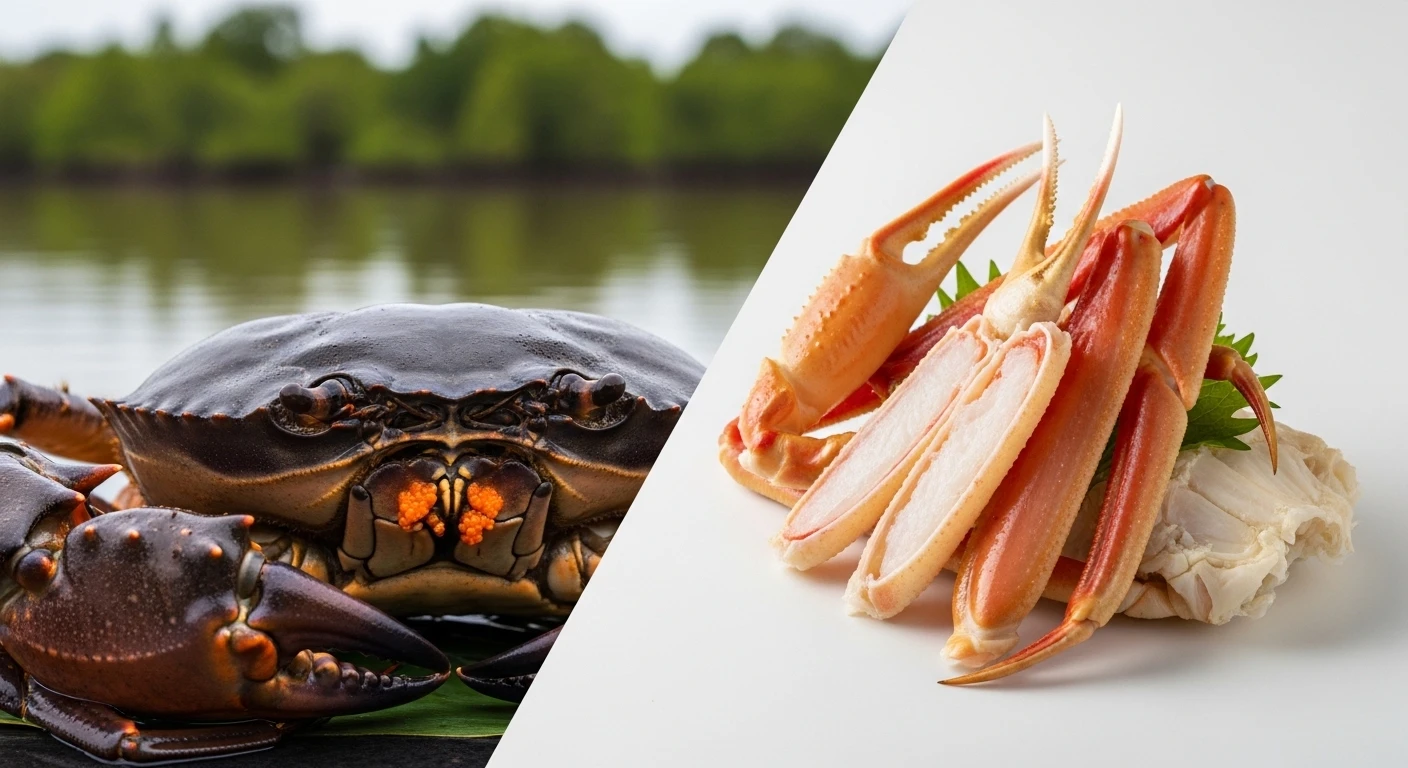
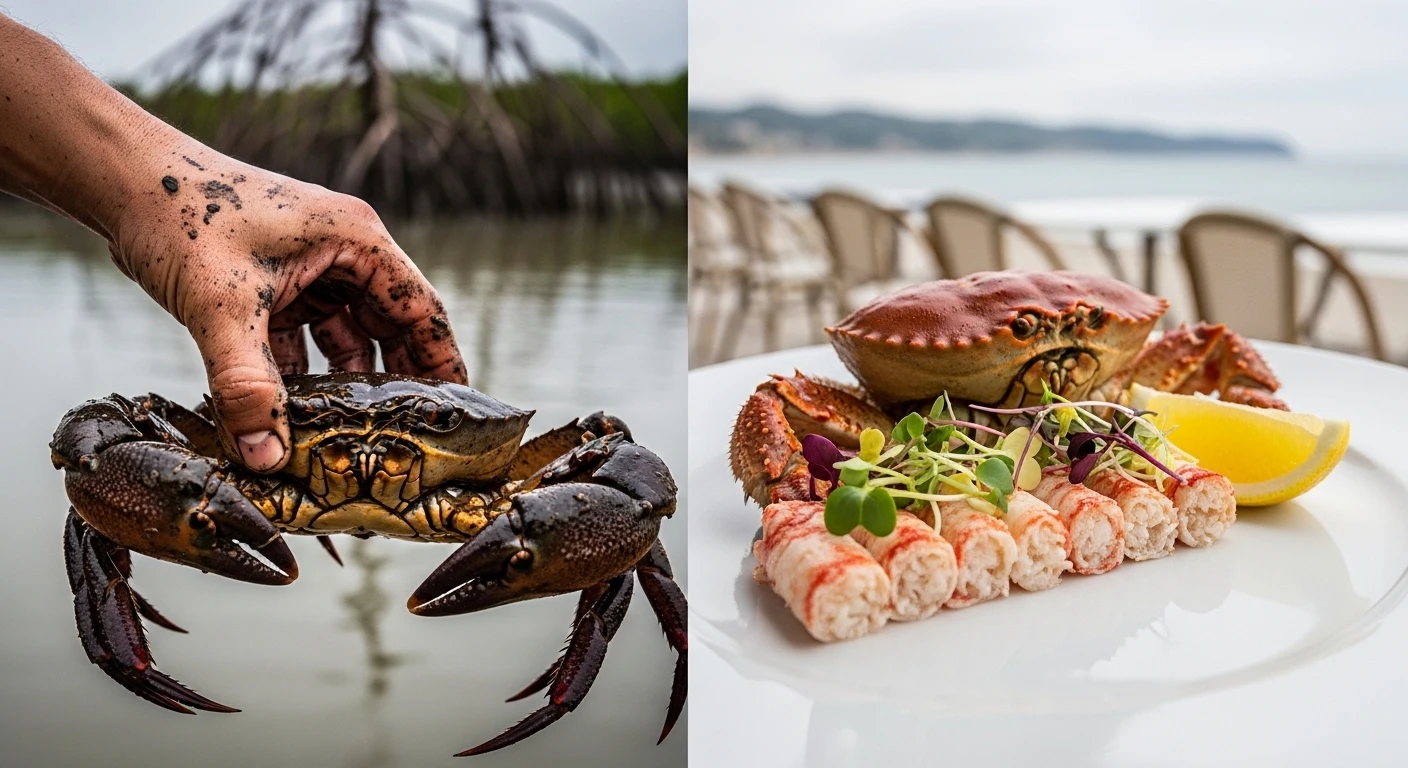
" In the grand theatre of global cuisine, few ingredients command such reverence as the humble crab. It's a creature of two worlds: the cool, precise waters of the North, and the warm, complex embrace of the tropics. Tonight, we pit two titans against each other: the clean elegance of Danish seafood and the wild, untamed spirit of Vietnamese mud crab. "
📸 A Tale of Two Crabs: The visual contrast speaks volumes.
1 The Danish Delicate: Purity, Precision, and Pristine Waters
Denmark's relationship with seafood is steeped in centuries of maritime tradition. Along its extensive coastline, from the Wadden Sea in the south to the Skagerrak strait, the focus is on harnessing the pure, clean flavors of the cold North Atlantic and Baltic Sea. Danish seafood culture, much like its renowned design aesthetic, values restraint, quality ingredients, and an almost reverent respect for the natural state of the food.
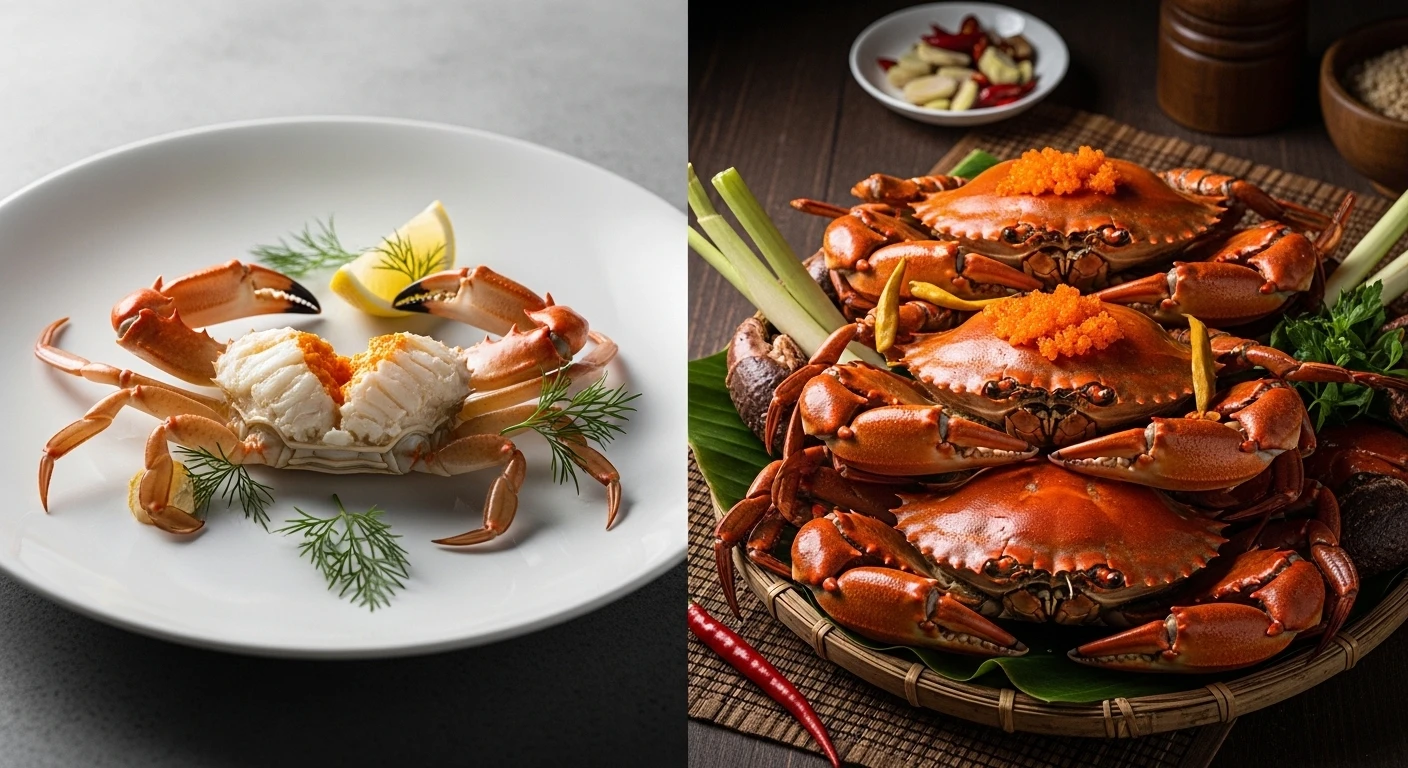
When it comes to crab, Danish cuisine often favors species like the edible crab (Cancer pagurus), prized for its sweet, white meat. The approach is seldom complex. Steaming, boiling, or simply serving them chilled, often with a simple mayonnaise, dill, and a squeeze of lemon. The goal is to highlight the inherent sweetness and delicate texture, a testament to the unpolluted waters where these crabs are harvested.
Think of a Danish seafood meal: it's often an exercise in minimalist perfection. Presentation is clean-lined, flavors are subtle, and the star is always the pristine quality of the ingredient itself. There's a sense of quiet confidence; the crab doesn't need artifice to impress. It's a direct dialogue between the diner and the sea.
Nordic Simplicity
Focus on inherent sweetness, delicate texture. Minimal seasoning, often served chilled or simply steamed.
Terroir of Cold Waters
Cold, nutrient-rich waters contribute to firmer, cleaner-tasting crab meat.
2 The Mekong Mud Crab: A Symphony of Richness and Aroma
Venture south, to the labyrinthine waterways and brackish mangrove forests of Vietnam's Mekong Delta, and you enter a different universe of crab. Here, the undisputed king is the mud crab, often referred to as "cua đồng" or more specifically, the prized Ca Mau sea crab. This isn't just seafood; it's an embodiment of the delta's unique ecosystem and its vibrant culinary soul.
Unlike its Nordic cousins, the Mekong mud crab thrives in a warm, estuarine environment. These crabs burrow into the rich, silty mud of the mangroves, feeding on a diverse diet that imparts a distinctive flavor and texture. This "terroir" translates into crab meat that is often richer, more intensely flavored, and possesses a captivating sweetness. The true marvel, however, lies in the roe – deep orange and sumptuously creamy, a delicacy prized above all else.
Heritage Ingredient
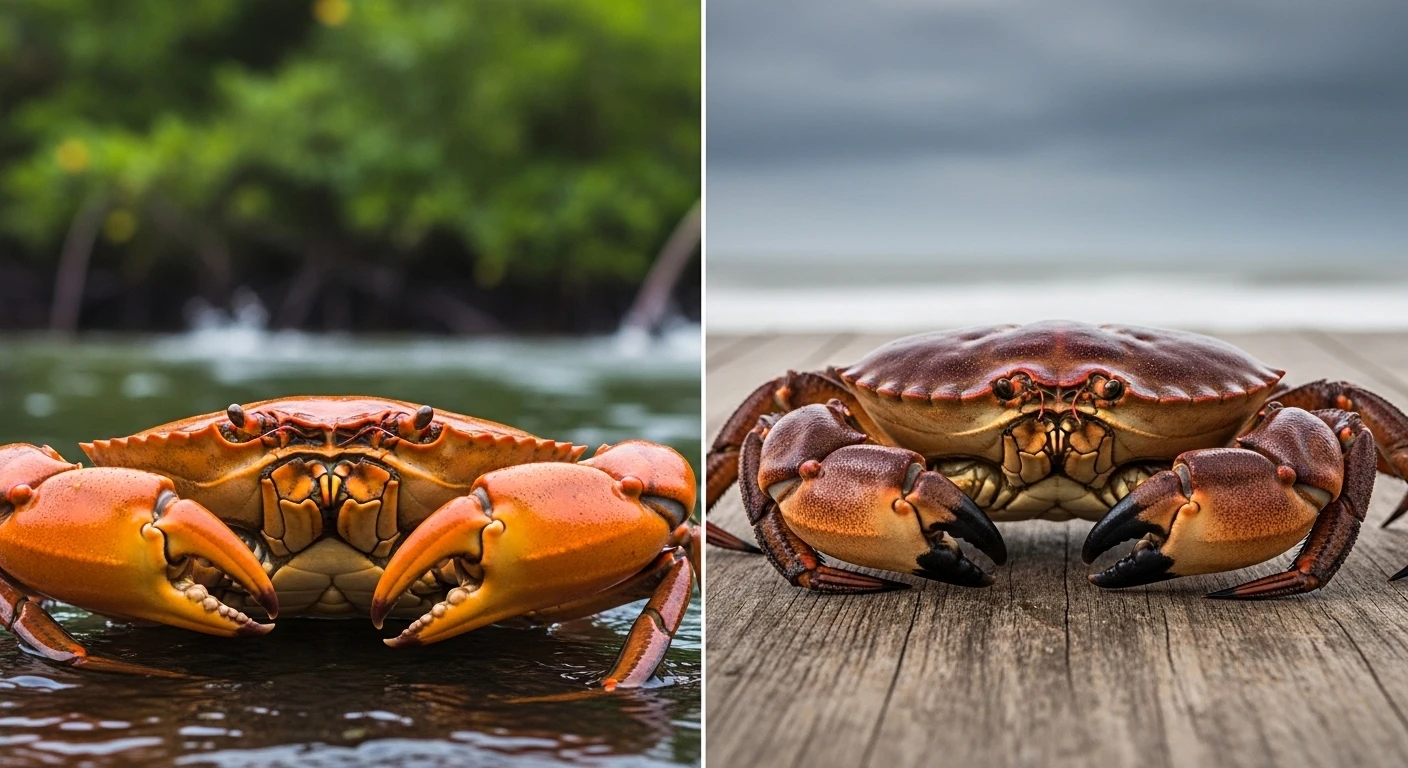
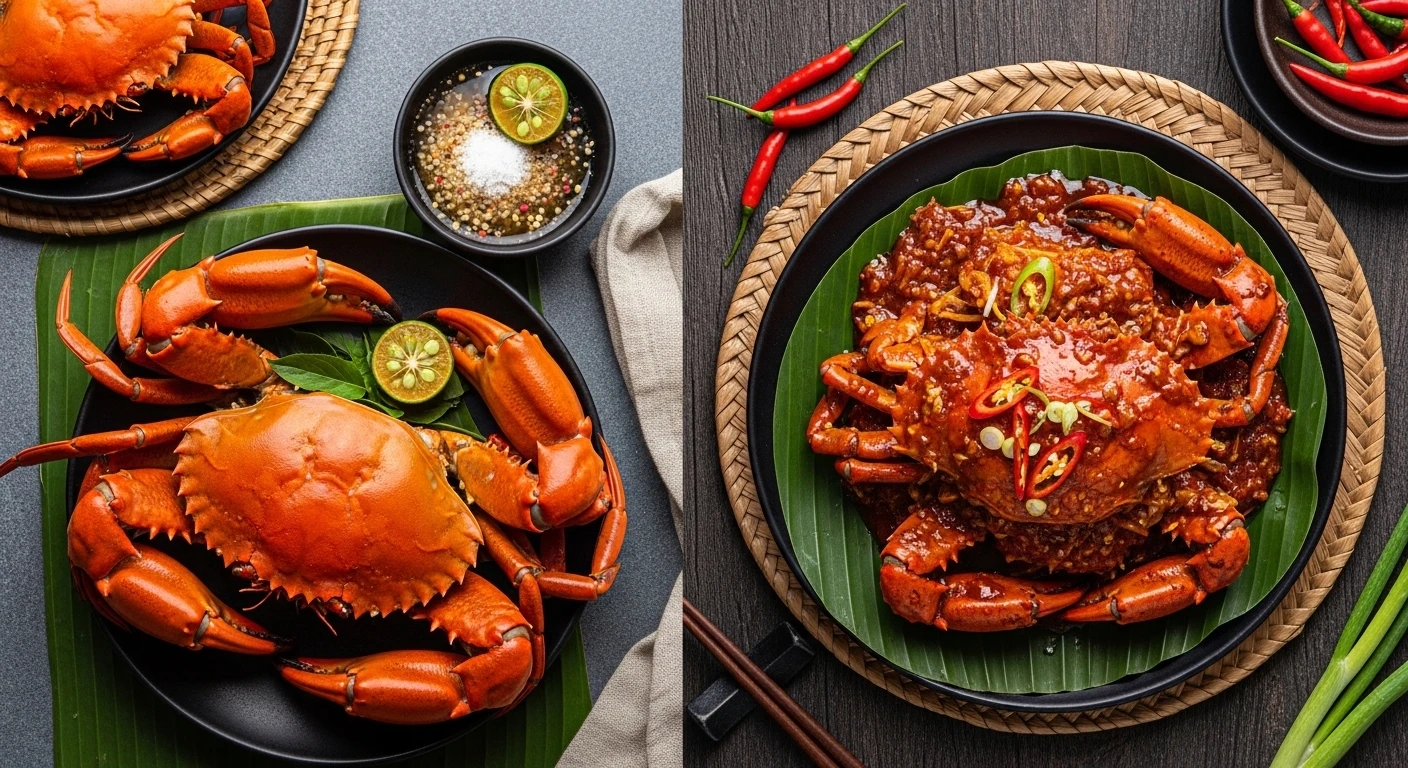
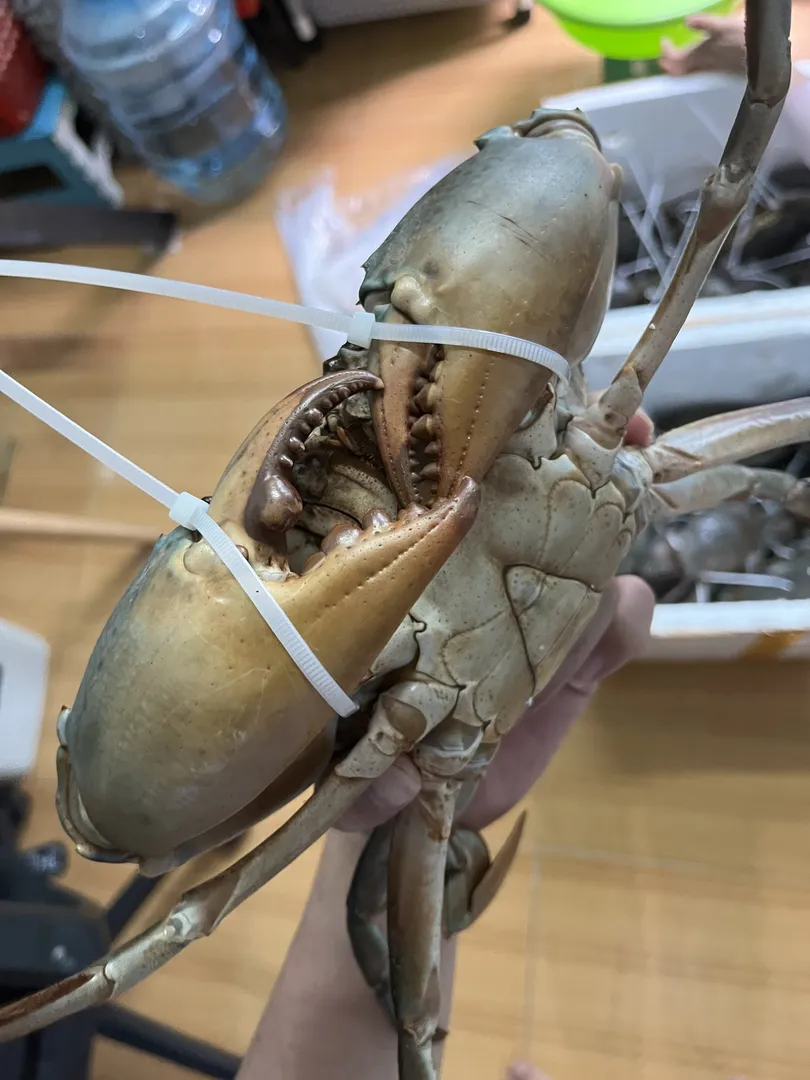
Ca Mau Jumbo Mud Crab
Ca Mau Jumbo Mud Crab
A large male mud crab prized for dense, sweet meat and thick claws, commonly used in steamed crab and grilled crab dishes across the Mekong Delta.
An icon of coastal culinary heritage, featuring firm, sweet meat that captures the raw power and freshness of Ca Mau's tides.
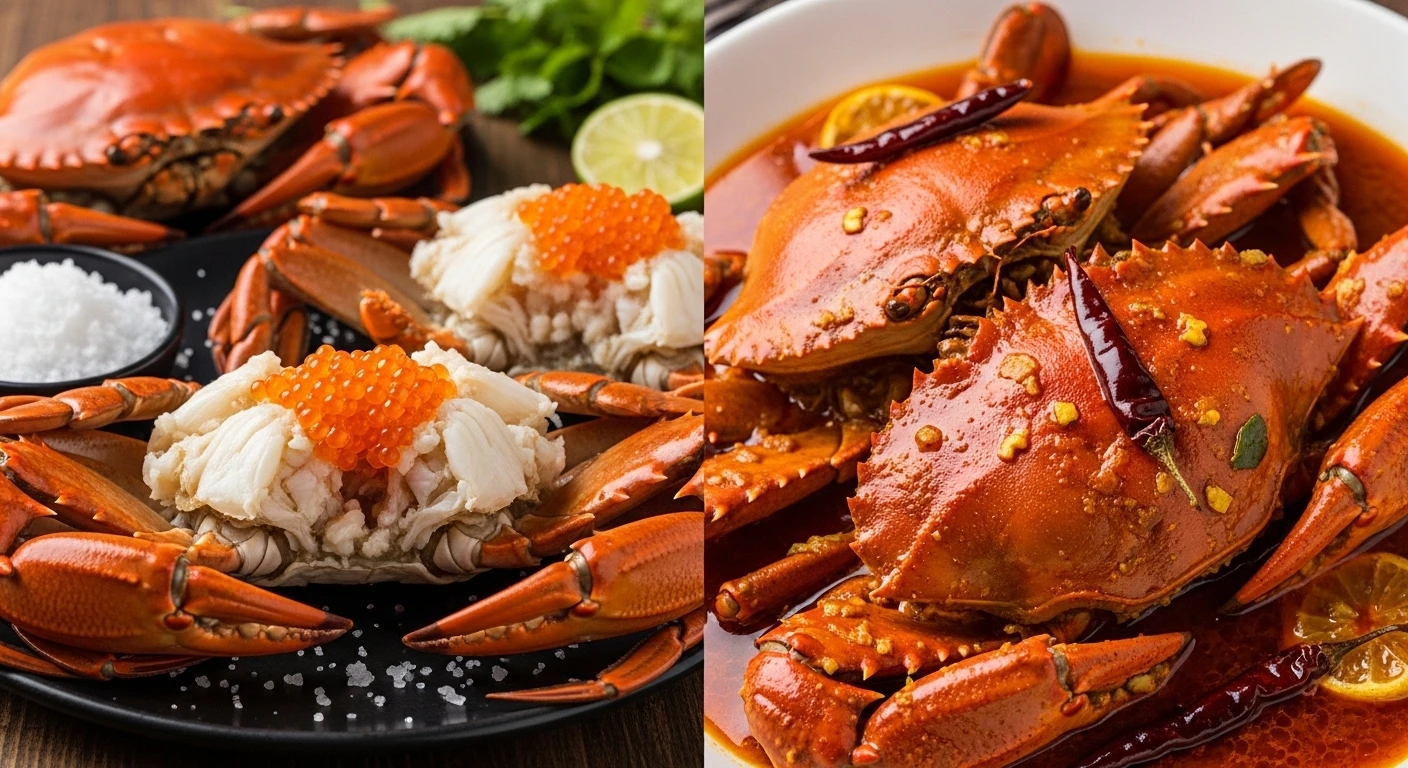
The sheer variety of mud crabs in Ca Mau alone is astounding. There are the robust 'meat crabs' (cua thịt), with their substantial claws and dense, sweet flesh, perfect for grilling or steaming. Then come the 'roe crabs' (cua gạch), especially coveted for their luscious, orange roe, often found in celebratory dishes and considered a mark of luxury.
Heritage Ingredient
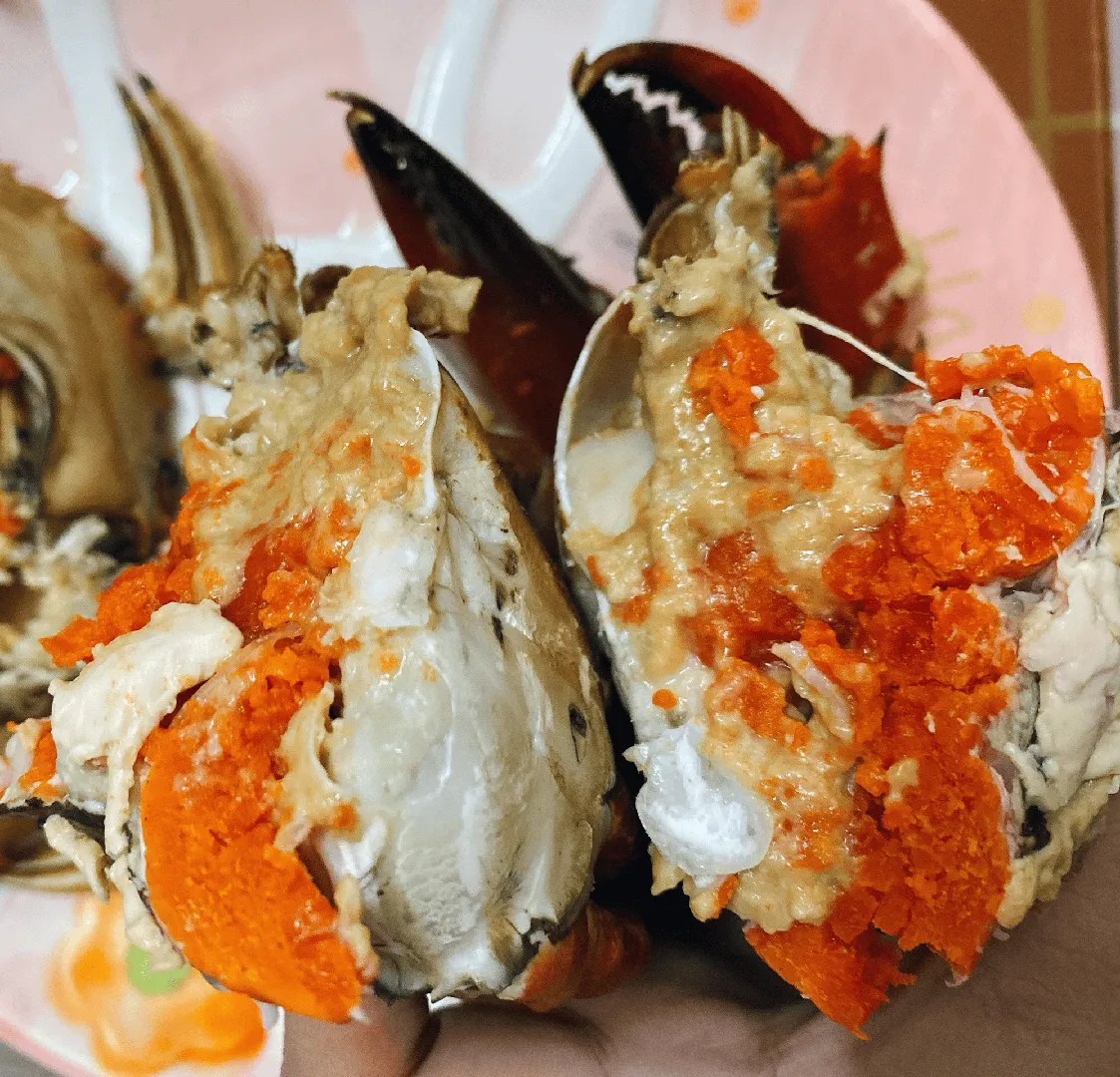
Ca Mau Roe Mud Crab
Ca Mau Roe Mud Crab
A female mud crab known for deep orange roe and a rich, creamy finish, often featured in celebratory Southern Vietnamese seafood meals.
A crimson treasure hidden within a shell, boasting rich, creamy roe that melts on your tongue like a golden sunset over the delta.
The delta's crab culture is inseparable from its social fabric. Eating crab here is rarely a solitary pursuit. It's a communal affair, often enjoyed family-style, with hands diving into shared platters, accompanied by lively conversation and the clinking of glasses. The cooking methods are diverse, designed to amplify the crab's natural character: steamed with lemongrass and beer, stir-fried with tamarind and chili, or simply grilled over charcoal, each revealing a new facet of its complex flavor.
3 Texture & Taste: The Core of the Comparison
This is where the two worlds truly diverge. A Danish crab, harvested from cold, deep waters, typically offers a meat that is lean, firm, and possesses a crystalline sweetness. It’s pure, unadulterated ocean flavor, like biting into the essence of a clean sea breeze. The texture is fine, almost flaky, and remarkably clean on the palate. It demands minimal intervention, as the ingredient is already at its peak.
The Mekong mud crab, by contrast, delivers a more robust, complex experience. The meat is dense, moist, and carries a richer, almost buttery undertone, a direct result of its diet and warmer habitat. The claws, especially, are a treasure trove of succulent flesh. But the real magic for many is the roe – a deep orange, unctuous delight that is intensely savory and creamy, often described as a "custard of the sea." It’s a flavor profile that speaks of the fertile delta mud and the abundant life it supports. This richness means Vietnamese crab often pairs beautifully with bolder flavors – the tang of tamarind, the heat of chili, the aromatic whisper of lemongrass.
Danish Crab:
Texture: Lean, firm, fine, almost flaky.
Taste: Crystalline sweetness, clean, pure ocean essence.
Roe: Typically less prominent or absent.
Mekong Mud Crab:
Texture: Dense, moist, rich, substantial.
Taste: Deep sweetness, slightly savory, hints of brine and earth.
Roe: Deep orange, creamy, intensely flavored – a major highlight.
4 Culinary Approaches & Social Rituals
The way crab is prepared and eaten is a mirror to each culture's values. In Denmark, a boiled or chilled crab, served with a meticulously prepared aioli or dill-infused mayonnaise, is a celebration of the ingredient's inherent quality. It's often an elegant starter or a sophisticated light meal, savored slowly and appreciated for its purity.
In the Mekong Delta, crab is often the main event, a reason for gathering. Meals are boisterous, communal affairs. Steamed crab with lemongrass and beer is a popular, aromatic preparation. Stir-fried mud crab with tamarind sauce is a flavor explosion – tangy, sweet, and savory, requiring you to get your hands dirty and work for every morsel. The act of cracking shells and extracting meat is as much a part of the experience as the taste itself. It's a more visceral, hands-on engagement with food.
Denmark:
Cooking: Boiling, steaming, chilling.
Sauces: Light mayonnaise, dill, lemon, simple aioli.
Ritual: Elegant, refined, often individual portions, focus on purity.
Mekong Delta:
Cooking: Steaming, grilling, stir-frying (e.g., tamarind, chili).
Sauces: Tamarind, chili, salt-pepper-lime, garlic butter.
Ritual: Communal, boisterous, hands-on, celebration of flavor intensity.
5 The Mangrove Story: Ca Mau's Unique Ecosystem
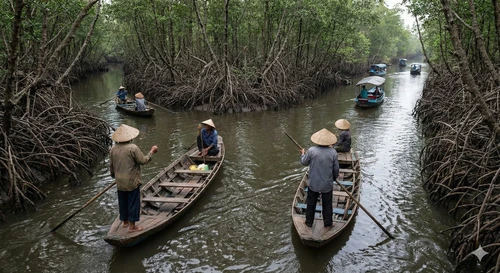
To truly appreciate Vietnamese mud crab, one must understand its origin: the intricate mangrove ecosystems of Ca Mau province in the southwestern tip of Vietnam. These vital coastal forests are more than just a habitat; they are the cradle of the crab's distinct character.
The brackish water, rich with decaying organic matter from the mangroves, fuels a diverse food chain that mud crabs thrive on. They burrow in the soft, nutrient-rich silt, protected from harsh currents and predators. This environment is crucial. It's this unique interplay of salinity, sediment, and biodiversity that gives Ca Mau crabs their signature intense flavor and firm, sweet meat. Unlike intensively farmed populations, these crabs, often harvested from sustainable aquaculture integrated with shrimp or forest farming, benefit from a natural, complex diet.
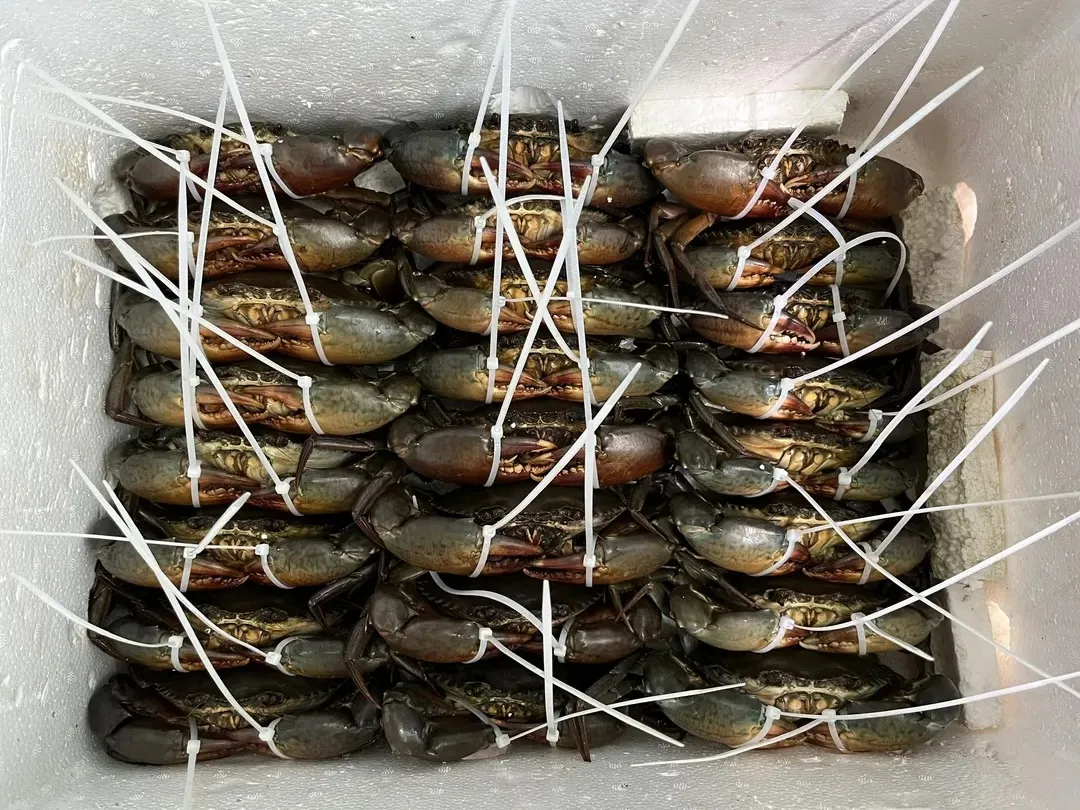
Heritage Ingredient
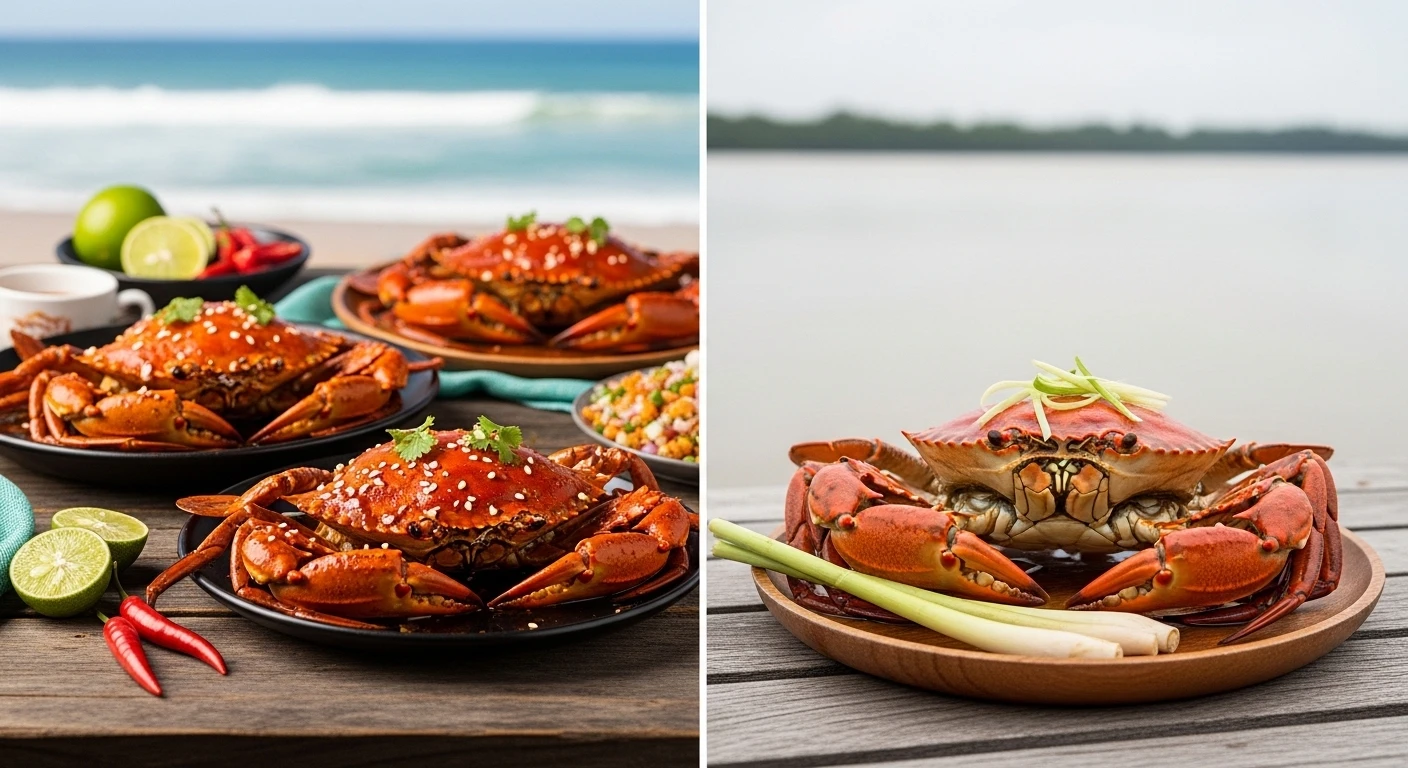
Export-Grade Ca Mau Roe Crab
Export-Grade Ca Mau Roe Crab
A carefully sorted roe crab selected for size, shell quality, and roe consistency, suitable for explaining premium grading in Vietnamese crab culture.
The pinnacle of perfection—pristine shells and bursting roe, meticulously selected to conquer the hearts of global gourmets.
The dedication to preserving these mangrove ecosystems is directly linked to the quality of the crab. When you taste a Ca Mau mud crab, you're not just tasting seafood; you're tasting the essence of a thriving, unique natural landscape. It's a stark contrast to the open, cold ocean that defines Danish crab harvesting, showcasing how geography fundamentally shapes flavor.
6 A Traveler's Verdict: Why Vietnam Beckons
If you are a connoisseur of crab, a lover of seafood, or simply someone who appreciates authentic culinary experiences, the Mekong Delta is a pilgrimage worth making. Denmark offers a refined, pure expression of crab. But Vietnam, particularly the Ca Mau region, offers an immersion into a culture where crab is not just food, but a way of life, deeply interwoven with the land, the water, and the people.
Imagine yourself in a floating market in Can Tho, watching vendors hawk live mud crabs. Picture yourself in a small riverside restaurant, cracking open a grilled crab with your hands, the aroma of charcoal and sea salt filling the humid air. Consider the sheer joy of discovering the intensely flavored roe, a taste sensation unlike any other. This is the adventure that awaits.
While Danish crab provides an exquisite lesson in ingredient purity, the experience of Vietnamese mud crab is one of sensory adventure, cultural depth, and unparalleled flavor intensity. It’s a chance to taste the very soul of the Mekong Delta, a rich tapestry woven with water, earth, and the spirited bounty of its seas.
7 The Southern Vietnam Advantage: Abundance and Authenticity
Southern Vietnam, with its extensive coastline and fertile delta, is a powerhouse for seafood, and crab is its crown jewel. The traditions here are ancient, honed by generations of fishermen and cooks. This isn't just about catching crab; it's about understanding its cycles, its habitats, and how to best coax out its magnificent flavors.
The sheer abundance of high-quality mud crab, especially in provinces like Ca Mau, Bac Lieu, and Soc Trang, means that the culinary scene is vibrant and diverse. From humble street food stalls to upscale seafood restaurants, crab is celebrated in countless preparations. The emphasis remains on freshness and robust flavors, making Southern Vietnamese crab dishes unforgettable.
For travelers seeking an authentic, deeply satisfying seafood experience, the crab culture of Southern Vietnam offers a richness, variety, and cultural immersion that is truly unparalleled. It's a culinary journey that engages all the senses and leaves a lasting impression.
8 Final Thoughts: A Matter of Palate and Perspective
Ultimately, comparing Danish and Vietnamese crab is less about declaring a winner and more about appreciating the vast spectrum of what this incredible creature offers. Denmark provides a masterclass in purity and understated elegance, a refined taste of the cold, clean sea. Vietnam, through its mud crabs, offers a journey into richness, complexity, and a vibrant culinary tradition deeply connected to its unique environment.
For the adventurous palate, for the traveler eager to explore food as a gateway to culture, the call of the Mekong Delta's mud crabs is strong. It’s an invitation to experience a different kind of sea-change, one that is as bold and multifaceted as the delta itself. So, while you may savor the delicate perfection of a Danish crab, remember the vibrant, soulful abundance that awaits in the waters of Southern Vietnam.

📸 The Bounty of the Delta: Local markets are the heart of Vietnam's crab culture.