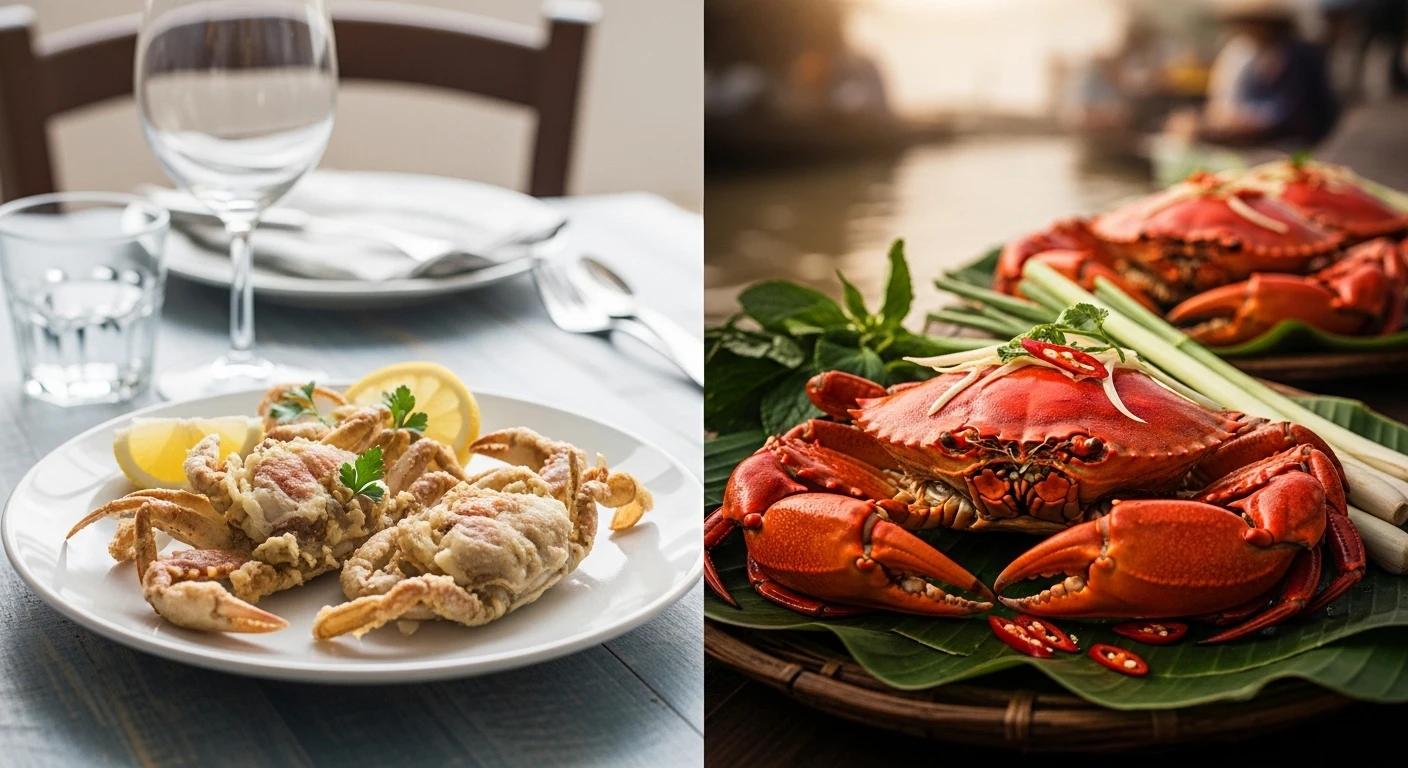
1 The Tides of Cultures: A Global Tapestry
Water. It shapes continents, sustains life, and dictates culture. For centuries, communities have learned to read the ebb and flow of tides, not just for survival, but for sustenance. Across the globe, the humble crab, a creature of the intertidal zone, has woven itself into the culinary and social fabric of coastal and estuarine peoples.
Two nations, separated by vast oceans and vastly different landscapes, stand as testament to this universal connection: Vietnam, with its sprawling Mekong Delta, and the Netherlands, a nation sculpted by the North Sea. Both understand the logic of the estuary, the delicate balance of freshwater and saltwater, the rhythm of the tides. Yet, their approach to the bounty that crawls beneath the surface, particularly their relationship with crabs, tells profoundly different stories.
From the muddy banks of Ca Mau to the polders of Zeeland, this is a journey into two worlds where crab is more than just food; it's a reflection of history, geography, and way of life.
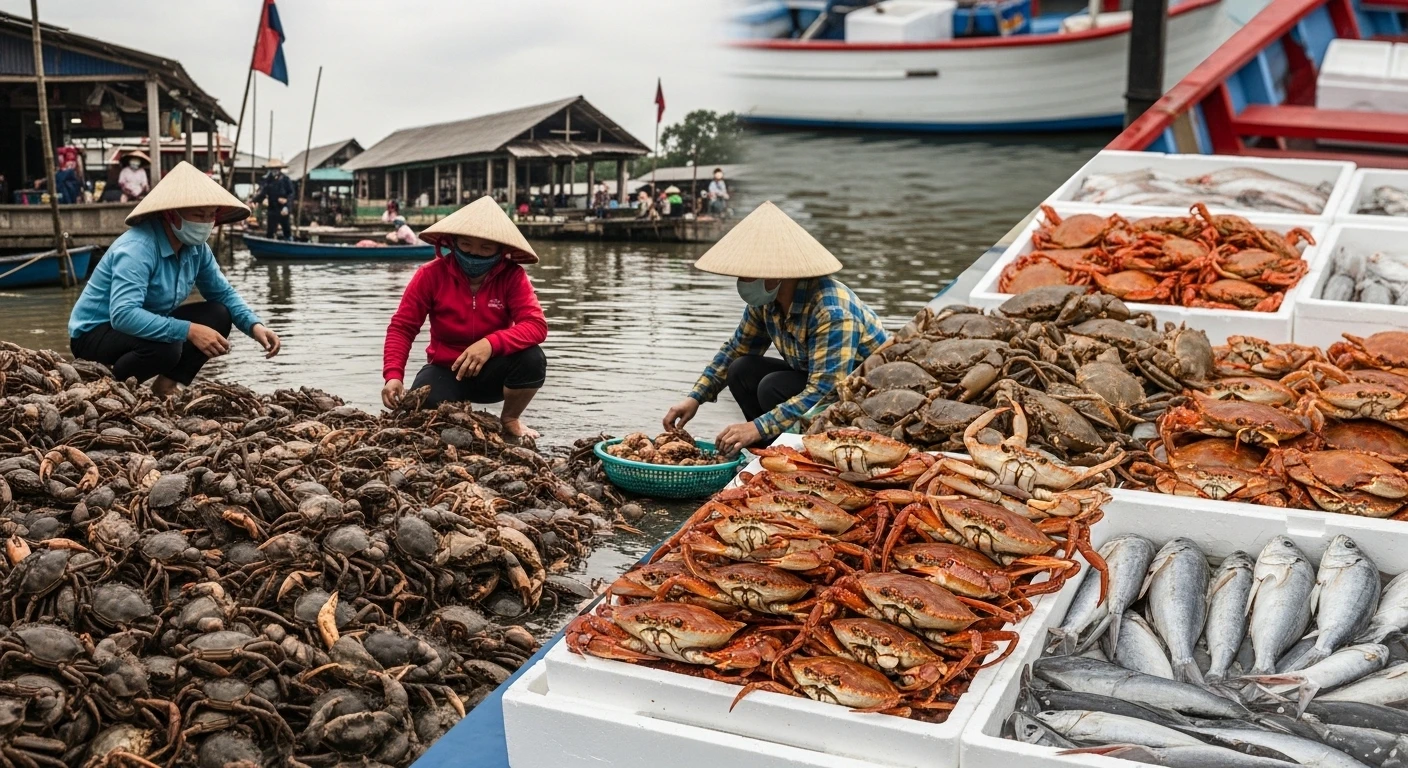
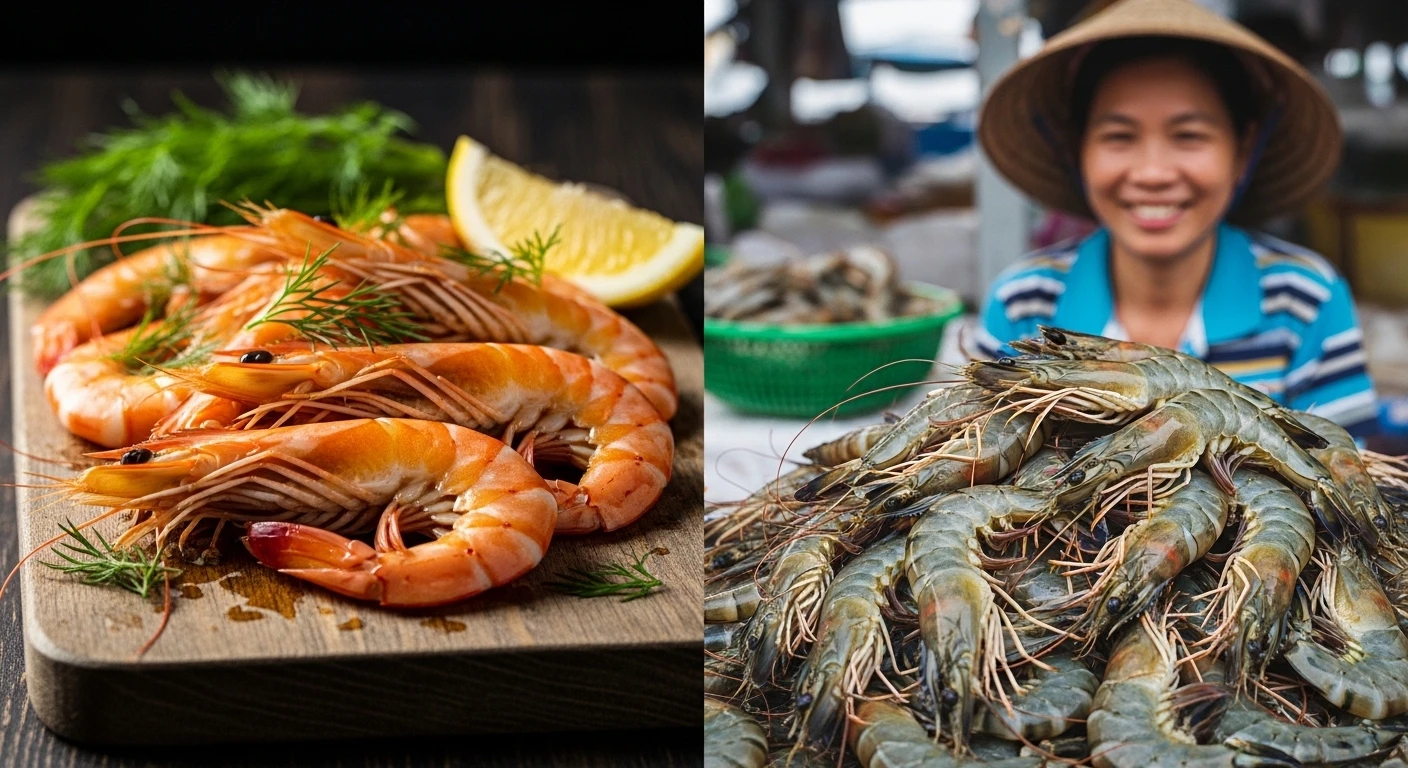
📸 Estuary Echoes: From the vibrant chaos of a Vietnamese market to the disciplined shores of the Netherlands.
2 The Mekong Delta: A Crab's Paradise
Venture into the watery labyrinth of Vietnam's Mekong Delta, particularly the southern provinces like Ca Mau, Bac Lieu, and Soc Trang, and you'll find a world where water dictates everything. This vast, low-lying region, a fertile cradle fed by the Mekong River, is a network of canals, rivers, and mangrove forests that teem with life. It's here that the mud crab (cua bùn) reigns supreme.
Unlike the open sea crabs many in the West are accustomed to, Mekong Delta crabs thrive in brackish, estuarine environments. They are masters of their domain, navigating the muddy substrates and mangrove roots. This unique habitat imparts a distinct character to the crab: a richer, sweeter, and often more robust flavor profile compared to their purely marine cousins.
The most prized among these is the Ca Mau sea crab (often referred to as mud crab, though its habitat is a mix). Ca Mau's reputation is legendary. The crabs here are known for their size, the density of their meat, and in the females, the opulent, deep orange roe.
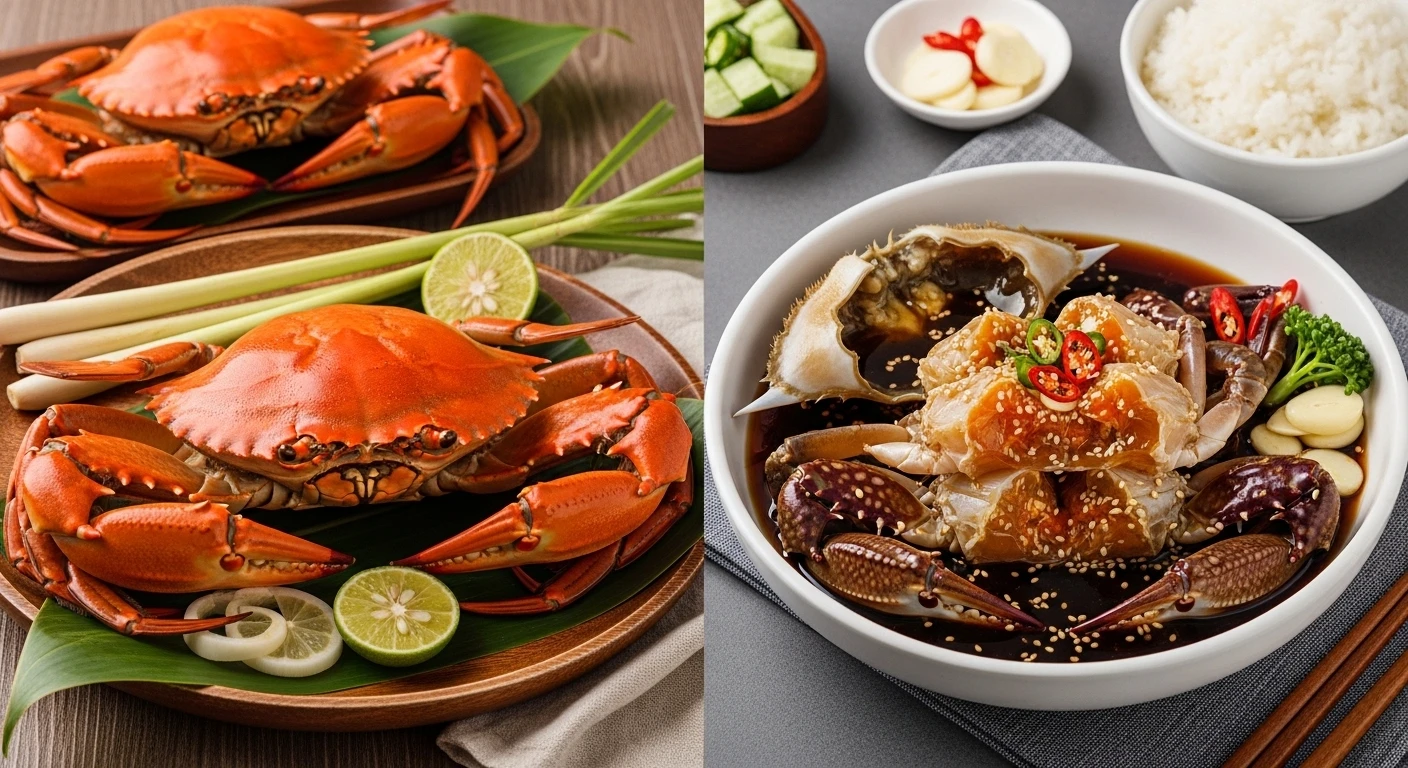
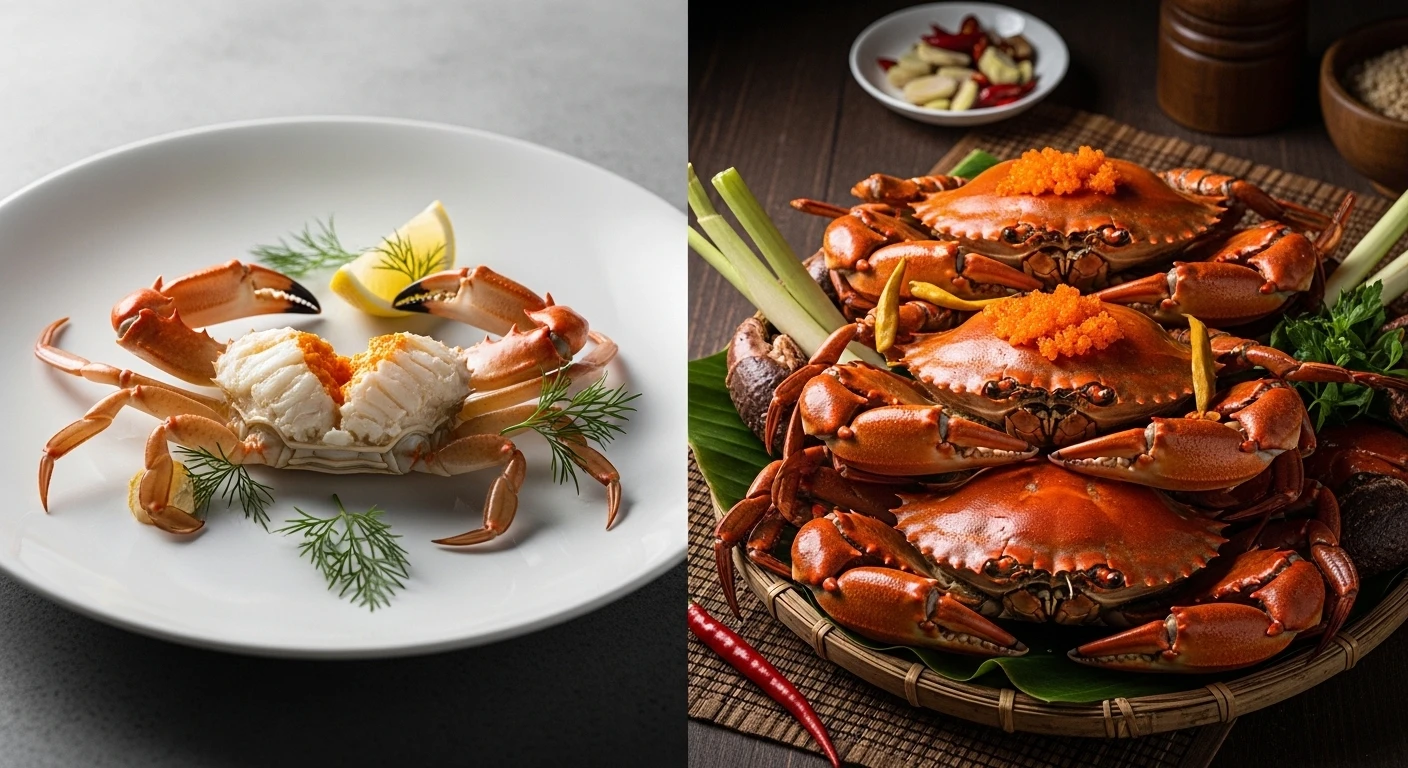
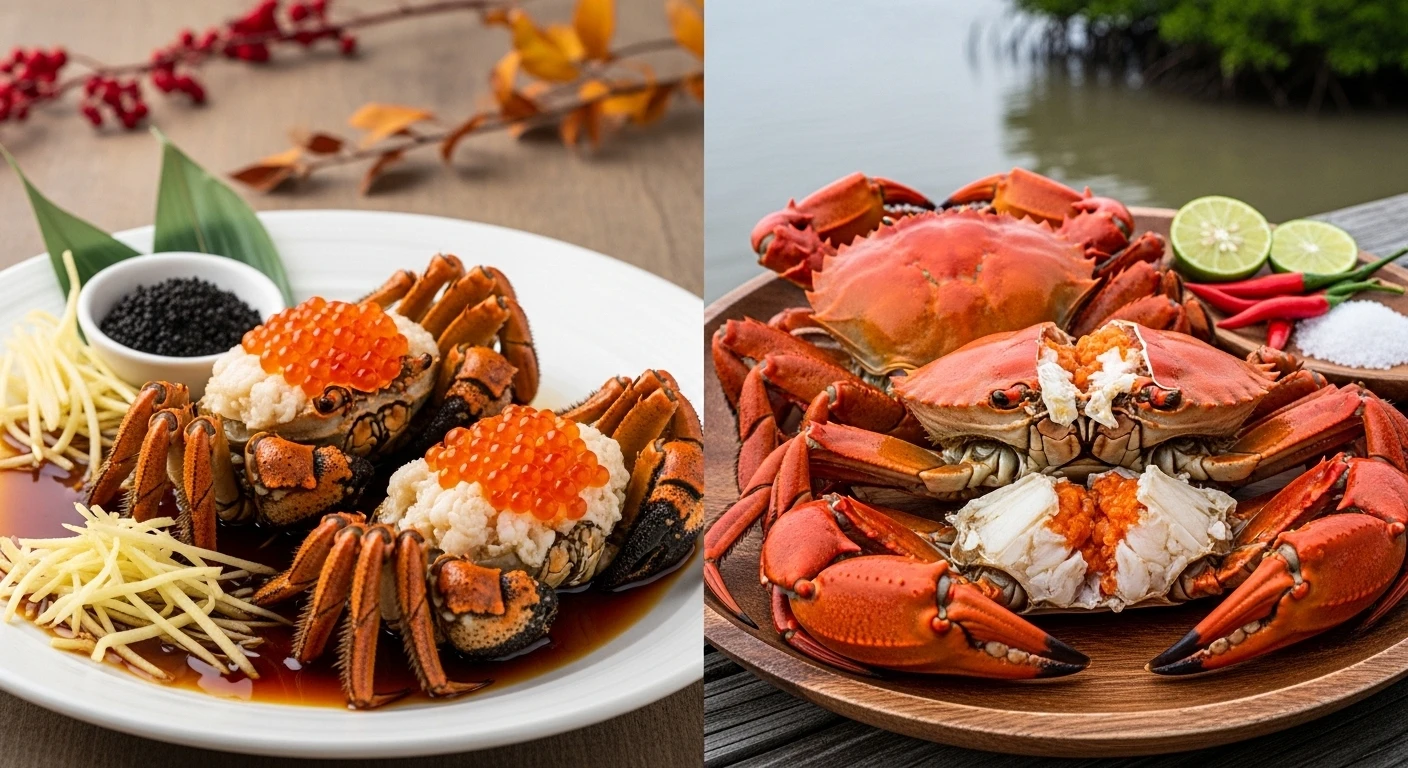
Consider the Ca Mau Jumbo Mud Crab. This is a male, a powerhouse of sweet, firm flesh, particularly in its substantial claws. It's the stuff of celebratory meals, often simply steamed to let its inherent quality shine. Then there's the female, the "cua gạch," revered for its rich, creamy roe. This roe, a vibrant orange treasure, signifies a celebratory harvest, perfect for luxurious dishes.
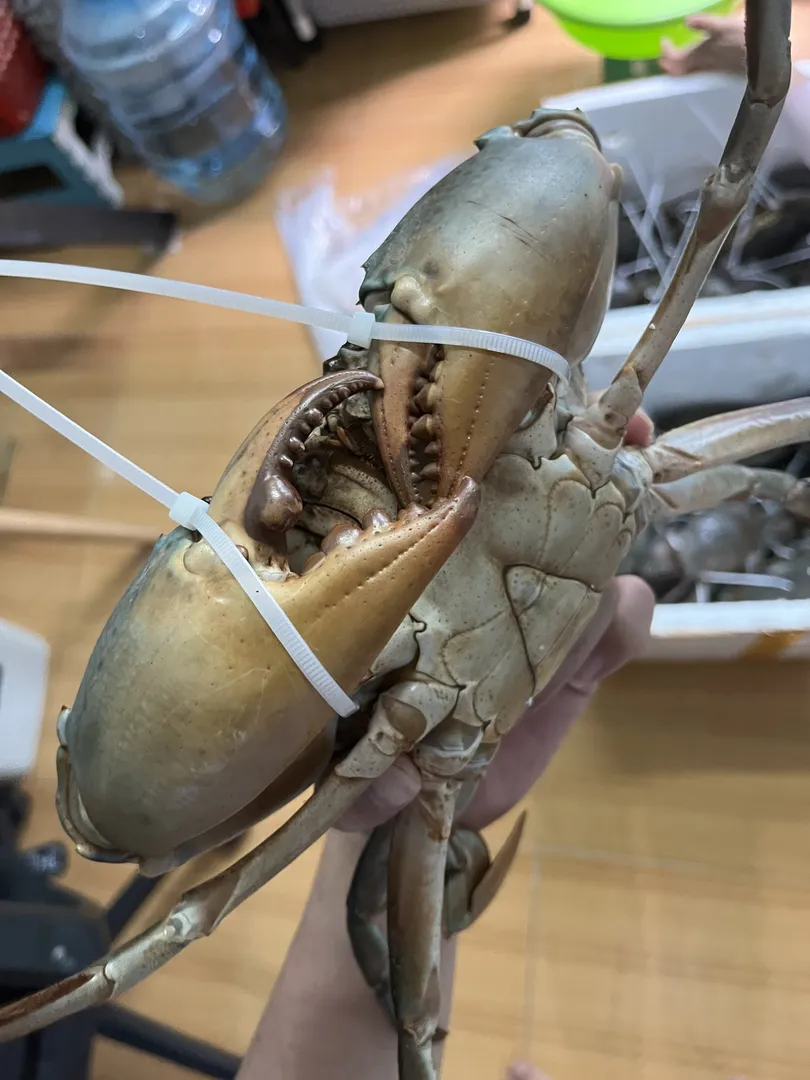
Heritage Ingredient
Ca Mau Jumbo Mud Crab
Ca Mau Jumbo Mud Crab
A large male mud crab prized for dense, sweet meat and thick claws, commonly used in steamed crab and grilled crab dishes across the Mekong Delta.
An icon of coastal culinary heritage, featuring firm, sweet meat that captures the raw power and freshness of Ca Mau's tides.
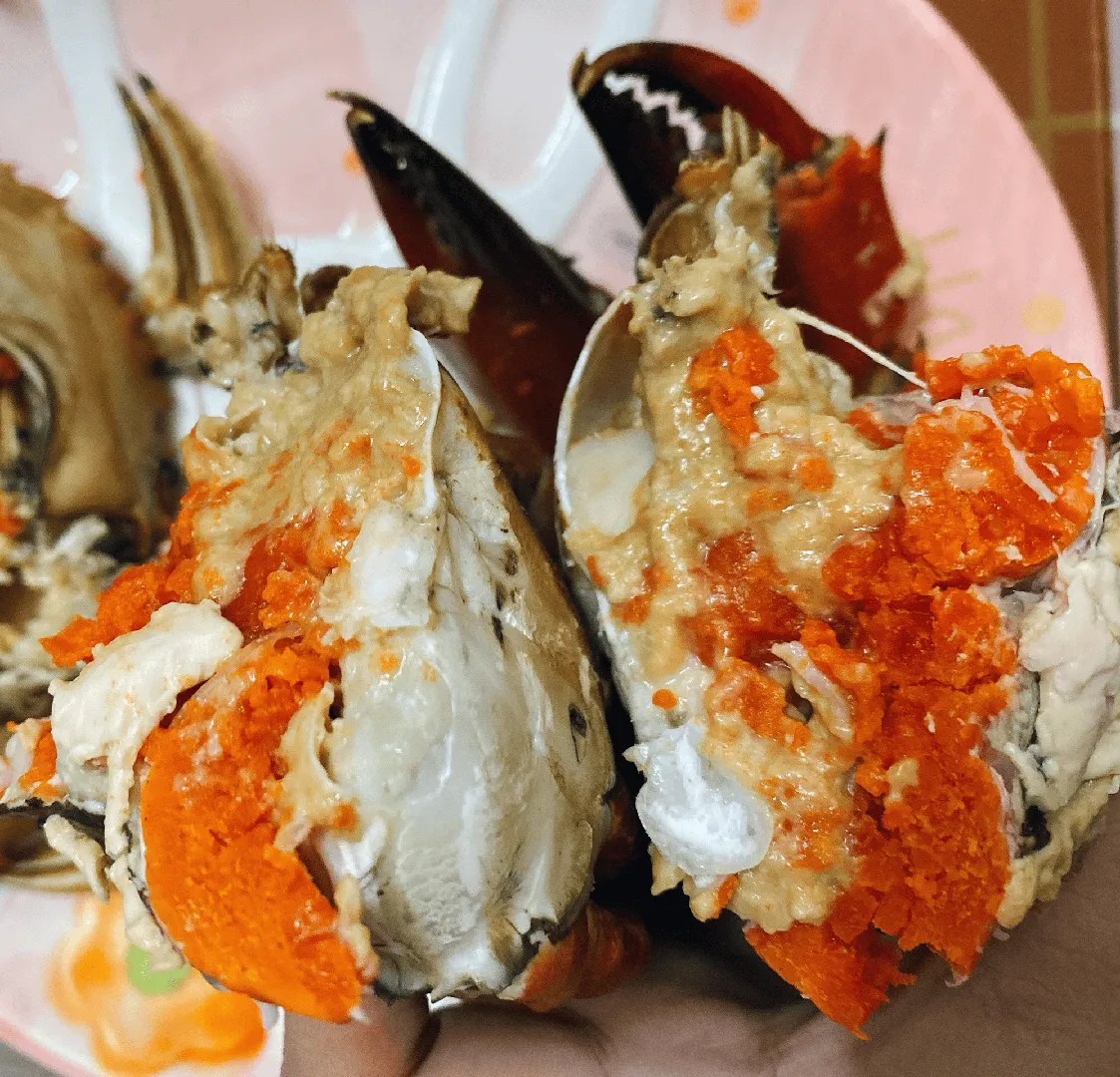
Heritage Ingredient
Ca Mau Roe Mud Crab
Ca Mau Roe Mud Crab
A female mud crab known for deep orange roe and a rich, creamy finish, often featured in celebratory Southern Vietnamese seafood meals.
A crimson treasure hidden within a shell, boasting rich, creamy roe that melts on your tongue like a golden sunset over the delta.
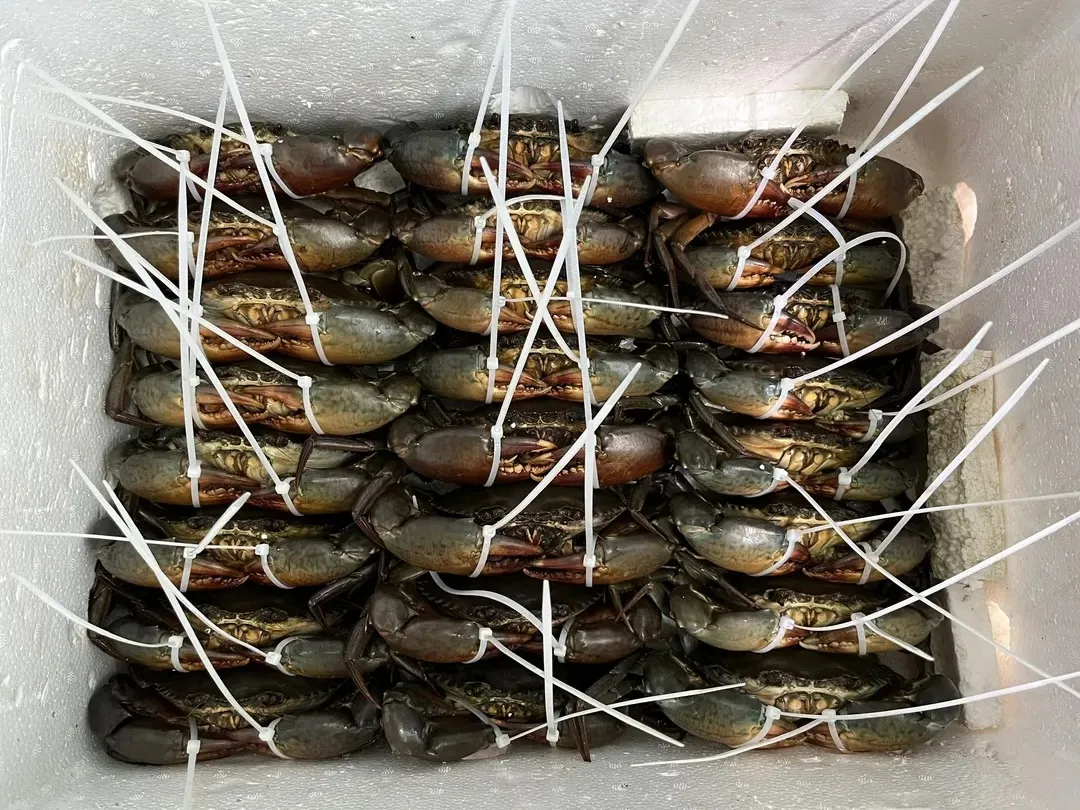
Heritage Ingredient
Export-Grade Ca Mau Roe Crab
Export-Grade Ca Mau Roe Crab
A carefully sorted roe crab selected for size, shell quality, and roe consistency, suitable for explaining premium grading in Vietnamese crab culture.
The pinnacle of perfection—pristine shells and bursting roe, meticulously selected to conquer the hearts of global gourmets.
The culture surrounding crab in the Mekong Delta is deeply intertwined with the riverine way of life. Markets are vibrant, often bustling affairs held on the water or along its banks. Families sell their daily catch, fishermen haggle over prices, and the air is thick with the scent of brine and cooking. Hospitality dictates that the finest crab is often reserved for guests, a gesture of generosity that speaks volumes. It's a tradition of freshness, of direct connection to the source, and an appreciation for the nuanced flavors that only a pristine estuary can provide.
3 The Netherlands: Coastal Pragmatism
Across the globe, the Netherlands presents a starkly different narrative of human-sea interaction. This is a nation that has spent centuries reclaiming land from the sea, a continuous battle against the water that has bred a culture of practicality, efficiency, and a deep respect for the resources that the remaining waters offer.
Dutch seafood traditions, while rich, often lean towards the pragmatic and the commercially viable. When it comes to crabs, the focus is often on species found in the colder waters of the North Sea, such as the European edible crab (Cancer pagurus) and the brown shrimp (Crangon crangon), which are often used in cooked preparations.
The Dutch approach to seafood often emphasizes purity and simplicity, a reflection of their Calvinistic heritage. The emphasis is on the quality of the catch itself, minimally processed and reliably prepared. You'll find crabs often boiled or steamed, served with a simple sauce, perhaps mayonnaise or a remoulade, focusing on the clean, sweet taste of the meat.
Marketplaces in the Netherlands, like the famous ones in cities such as Amsterdam or The Hague, are organized, clean, and focused on delivering high-quality, safely handled produce. The interaction may be more transactional, but the underlying assurance is one of consistent quality and rigorous standards. There's a quiet pride in the sustainability and traceability of their fisheries. It’s a culture that trusts its systems, its boats, and its regulatory frameworks to deliver the best possible product.
4 The Subtle Art of Selection: Mekong vs. Maritime
The very notion of "quality" in crab differs vastly between the two regions. In the Mekong Delta, quality is judged by the crab's condition *at the moment of harvest*. Is it lively? Does it have a firm shell? For female crabs, is the roe plump and vibrant orange? The local appreciation for roe is a significant differentiator. A female crab, or "cua gạch," is not just about meat; it's a delicacy prized for its rich, almost custardy innards. This concept of "roe crab" as a distinct, premium category is less pronounced in the Dutch tradition.
The Dutch, on the other hand, might prioritize species known for their meaty claws and overall meat yield, such as the European edible crab. The selection process would focus on shell hardness, weight, and absence of damage, indicative of a healthy crab from a sustainable catch. While they appreciate the taste of crab, the nuanced appreciation for the textural and flavor variances of roe versus meat crab is not as culturally central.
The Vietnamese approach to crab selection is deeply rooted in the specific ecological niches of the delta. For example, the concept of a "molting crab" or "soft-shell butter crab" (cua com) is a unique delicacy in Ca Mau. These crabs, caught just as they shed their hard outer shell, have an edible, soft interior, offering a creamy, buttery experience unlike anything found in traditional Dutch cuisine. This demonstrates an incredible local knowledge and an ability to extract value from every stage of the crab's life cycle.
5 Culinary Philosophy: Spices vs. Simplicity
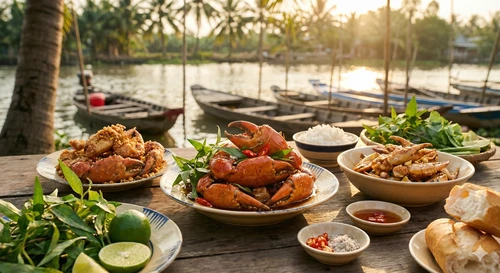
The preparation of crab is where the cultural divergence truly sings. In the Mekong Delta, crab is often a canvas for the vibrant flavors of Southern Vietnamese cuisine. While simple steaming is popular, especially for the highest quality crabs, it’s also common to see them prepared with rich sauces. Think of crab stir-fried with tamarind, chili, and garlic, or steamed with lemongrass and beer, where aromatic herbs and spices play a significant role.
The accompaniments are equally telling. While the Dutch might reach for a dollop of mayonnaise or a classic remoulade, Vietnamese diners often dip their crab into a potent mixture of salt, pepper, and lime juice, sometimes electrified with fresh chili. This acidic, spicy kick cuts through the richness of the crab meat and roe, creating a delightful contrast.
In the Netherlands, the culinary philosophy leans towards honoring the natural flavor of the seafood with minimal intervention. Boiled or steamed crabs are typically served to showcase the inherent sweetness of the North Sea crustacean. Sauces are secondary, designed to complement rather than dominate. This reflects a culture that values precision and the unadulterated taste of its prized ingredients.
6 Market Culture and Social Dynamics
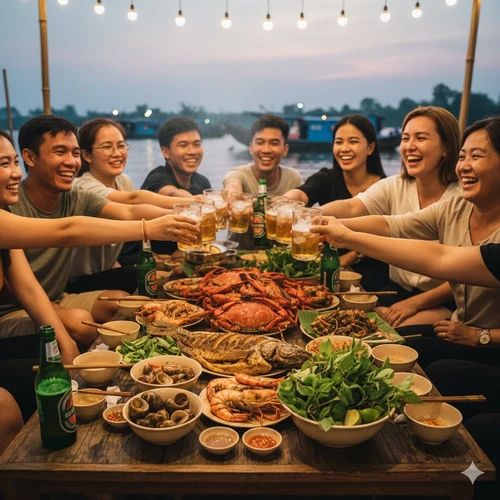
The act of buying and consuming crab is a social ritual in both countries, albeit with different expressions. In the Mekong Delta, the market is a sensory explosion. Fishermen proudly display their catches from wooden boats, vendors call out prices, and the air is alive with activity. It's a place where relationships are built, and the freshness of the catch is paramount. Sharing a meal of crab is often a communal affair, a sign of hospitality and shared enjoyment.
In the Netherlands, the seafood market experience is often more curated. Fishmongers are knowledgeable professionals, emphasizing provenance and sustainability. While still a place for commerce, the interaction may be less boisterous and more focused on information exchange about the product. The social aspect of crab consumption might be more reserved, often at home or in formal restaurants, where the emphasis is on a clean, civilized dining experience.
The accessibility and perceived value also differ. In Vietnam, particularly in the Delta, fresh crab is a staple, relatively affordable, and a symbol of prosperity and good fortune, especially during festivals. In the Netherlands, while delicious, certain types of crab can be considered a more premium or special occasion food, reflecting higher labor costs and different fishery management practices.
7 Southern Vietnam Crab Traditions: A Taste of the Delta
If you're traveling to Southern Vietnam, especially the Mekong Delta, your crab experience will be unlike any other. Expect vibrant markets alive with the sound of vendors and the scent of the sea. You'll find crabs prepared in ways that showcase their natural sweetness, often balanced with aromatic herbs and spices.
Key traditions include:
- Simplicity for Superiors: The best crabs (e.g., large, meaty males or those with rich roe) are often steamed with minimal fuss—perhaps just with lemongrass or beer—to highlight their inherent quality.
- Flavorful Pairings: Don't be surprised to find crabs cooked in robust sauces like tamarind, chili, or black pepper. These aren't meant to mask the crab but to amplify its sweetness through contrast.
- The Salt-Lime-Pepper Dip: This is the quintessential dipping sauce. Freshly squeezed lime juice, coarse sea salt, and freshly ground black pepper create a bright, sharp counterpoint to the rich crab meat and roe.
- Communal Dining: Crab is often served family-style, with diners cracking shells and sharing portions, fostering a sense of connection and shared enjoyment.
You might encounter different types of crabs, from the celebrated Ca Mau sea crab to smaller varieties adapted to the delta's intricate waterways. Each offers a unique texture and flavor profile, a testament to the region's biodiversity. If you're lucky, you might even find the rare soft-shell butter crab, a true delicacy.
8 When in the Netherlands: Dutch Delicacies
Visiting the Netherlands offers its own distinct crab encounters, rooted in the North Sea's bounty and Dutch culinary principles. The focus here is on the clean, briny taste of well-sourced seafood.
Expect to find:
- European Edible Crab: This robust crab is a staple. It's typically boiled or steamed whole and served either hot or cold. The meat is sweet and firm, particularly from the claws.
- Brown Shrimp: While not a crab, these tiny "grey" shrimp are a national treasure, often boiled, peeled, and served simply on bread ("broodje garnalen") or as a starter with mayonnaise. They represent the Dutch dedication to showcasing simple, high-quality seafood.
- Straightforward Preparations: Dishes will likely emphasize purity. Boiled crab might be accompanied by a simple salad, fries, and classic dips like mayonnaise or a mild aioli.
- Emphasis on Sustainability: The Dutch are very conscious of sustainable fishing practices, so you can expect clear information about the origin and fishing methods of the crab you consume.
The Dutch crab experience is one of reliable quality and unpretentious enjoyment. It's about savoring the clean taste of the sea, prepared with efficiency and a deep understanding of the product.
9 The Deciding Factor: What Calls to You?
The choice between Vietnamese and Dutch crab experiences hinges on what you seek. If your palate craves nuanced sweetness, rich roe, the thrill of vibrant, bustling markets, and a deep cultural connection to water life, the Mekong Delta beckons. The Ca Mau sea crab, with its diverse preparations and the generosity of its people, offers a culinary adventure that is both deeply satisfying and profoundly authentic.
If your preference lies with clean, straightforward flavors, reliable quality, a focus on sustainable maritime catches, and a culture that prizes efficient, no-nonsense preparation, the Netherlands will not disappoint. Its North Sea crabs offer a pure taste of a different aquatic world.
Both traditions offer a window into how humans interact with their environment, how food becomes culture, and how the simple act of sharing a crab can tell a story of place and people. But for those seeking an experience that is both explosively flavorful and deeply rooted in the land's watery embrace, the call of the Mekong Delta, and its magnificent crabs, is undeniable.
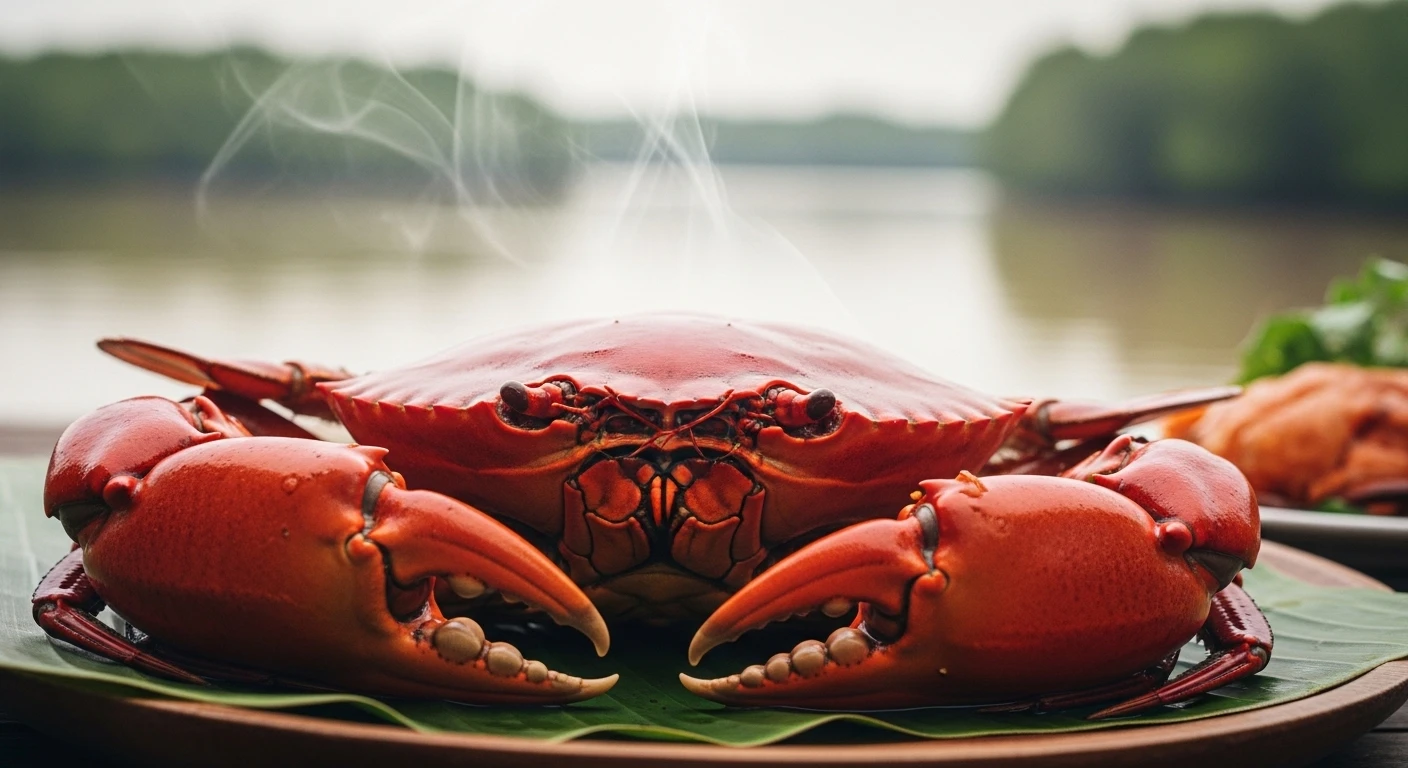
📸 Delta Delight: The unadulterated beauty of a perfectly steamed Ca Mau crab.
10 Your Next Adventure: Where Will the Tides Take You?
The world of crab is as diverse as the oceans and rivers it inhabits. Whether you're drawn to the complex, flavorful landscape of the Mekong Delta or the clean, pure essence of the North Sea, a culinary journey awaits.
If the stories of Ca Mau's mud crabs and the warmth of Southern Vietnamese hospitality have ignited your wanderlust, consider making Vietnam your next travel destination. Exploring the vibrant markets, dining with local families, and tasting crab fresh from the source is an experience that will linger long after the last shell is cracked.
And for those who appreciate the Dutch commitment to quality and sustainability, a trip to the Netherlands offers a refined appreciation of their maritime heritage. Both paths promise a deeper understanding of how the humble crab connects us to our world.
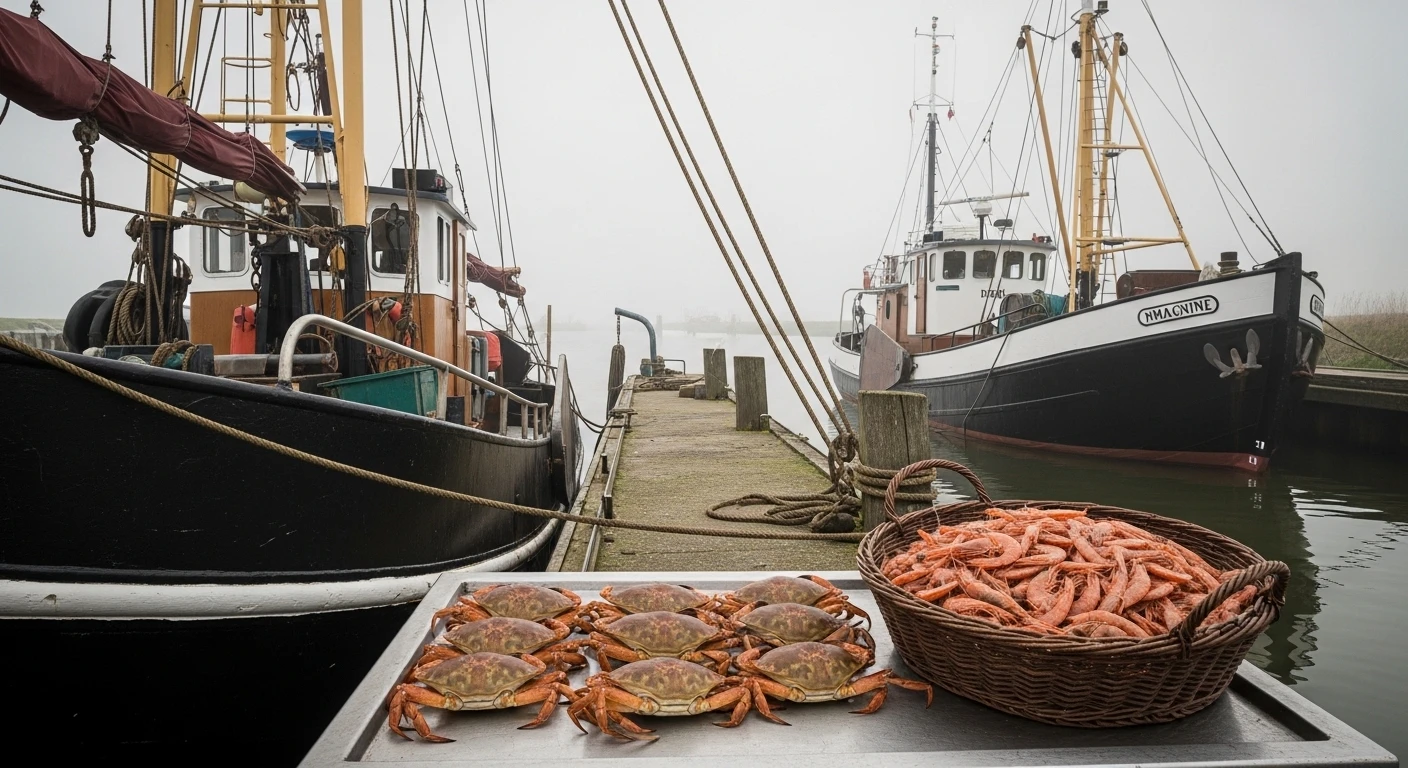
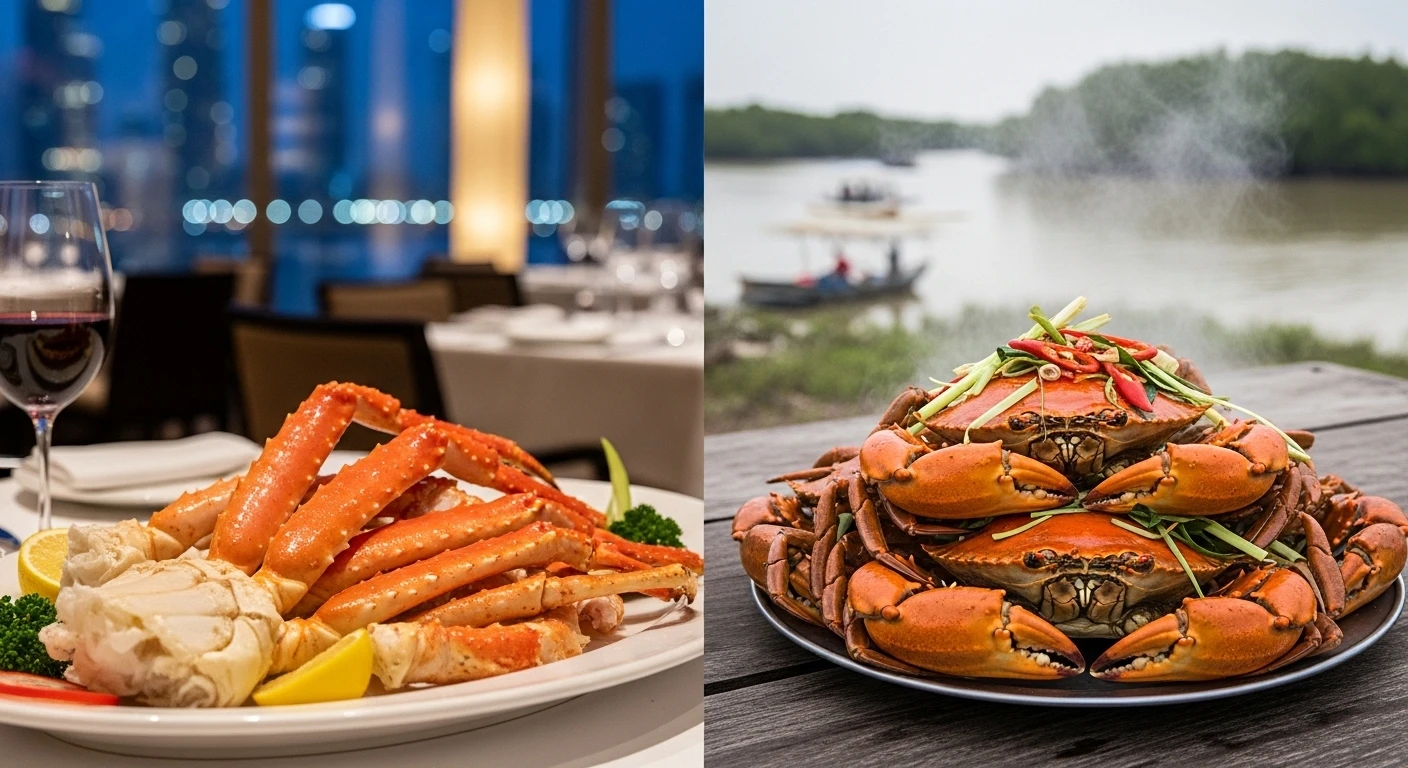
📸 North Sea Harvest: Dutch efficiency meets the bounty of the ocean.
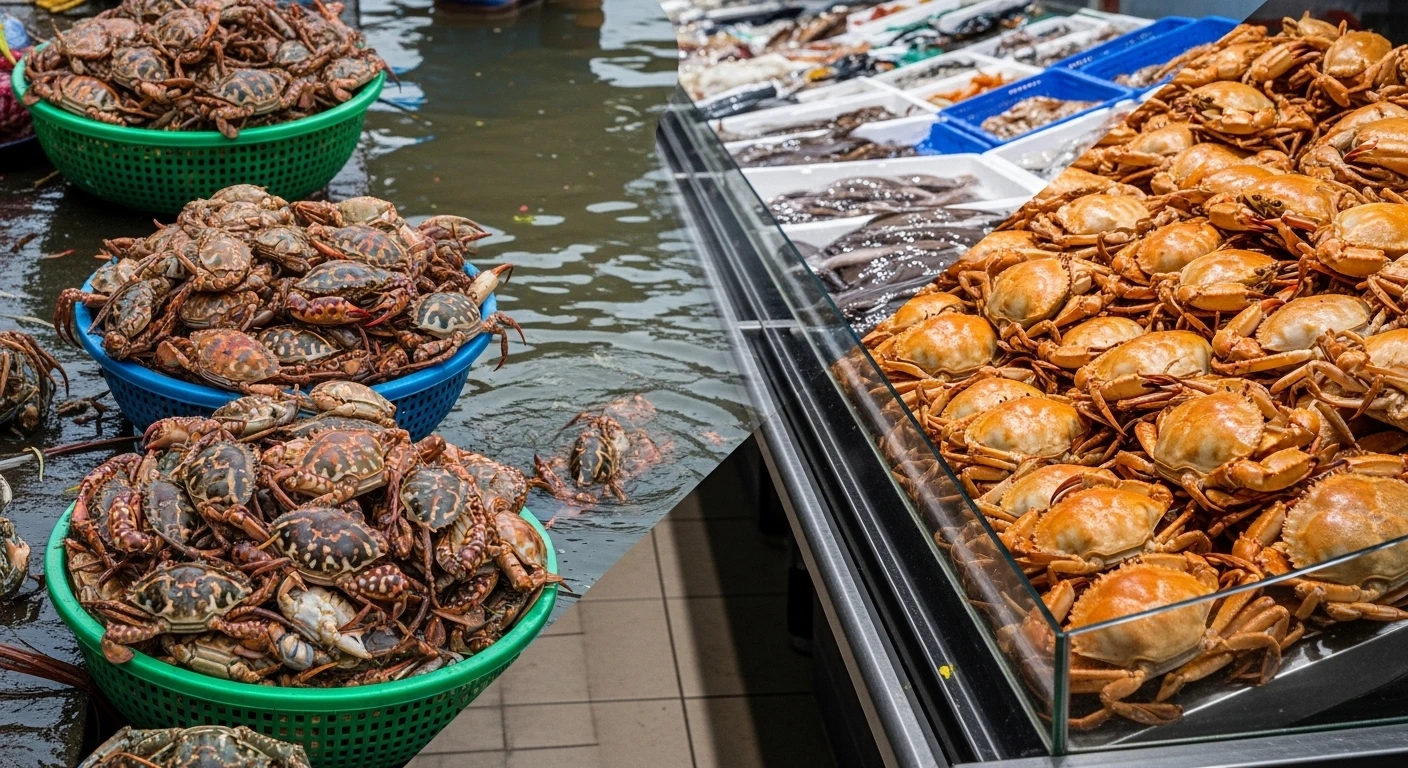
📸 East Meets West: A visual dialogue between Vietnamese estuary culture and Dutch maritime tradition.