" In the grand theater of global seafood, shrimp plays a starring role. Two of its most passionate champions? Vietnam, with its intricate mangrove systems, and Brazil, a titan of the Atlantic. "
1 The World's Aquatic Giants: A Tale of Two Coasts
Shrimp. It’s a word that conjures images of sizzling garlic, vibrant curries, and succulent skewers. Globally, it's the most consumed seafood, a testament to its versatility and universal appeal. When we talk about shrimp production and culture on a grand scale, two nations often rise to the top: Vietnam and Brazil.
Both countries bask in warm waters, blessed with coastlines and river systems that are ideal for aquaculture and wild-catch fisheries. Yet, the shrimp that emerge from their waters, and the cultures that surround them, are as different as the landscapes they inhabit. This isn't just about species or farming methods; it's about tradition, terroir, and the very soul of a nation reflected in its most beloved crustacean.
Brazil, a continent-sized nation with an extensive Atlantic coastline, is a powerhouse in both wild-caught and farmed shrimp. Its aquaculture is often associated with coastal lagoons and estuaries, yielding species prized for their size and robust flavor.
Vietnam, a long, sinuous nation facing the South China Sea and crisscrossed by the mighty Mekong River, boasts a diverse shrimp landscape. From its iconic mangrove-fed black tigers to its freshwater giants, Vietnamese shrimp culture is deeply intertwined with its unique aquatic geography, especially in the fertile Mekong Delta region.
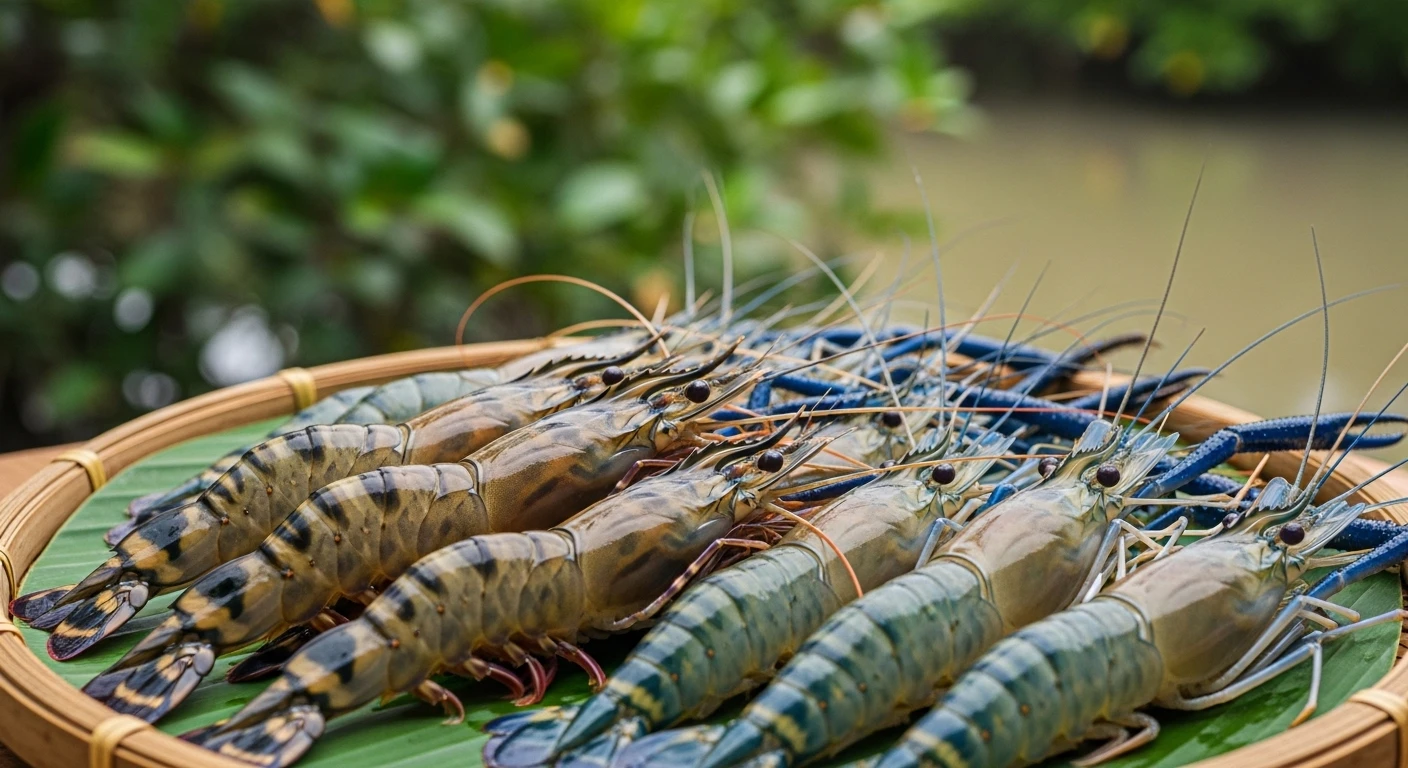
Vietnamese shrimp, showcasing natural color and freshness.
2 Mekong Delta: Where Mangroves Whisper Sweetness
Venture into Vietnam's Mekong Delta, the "rice bowl" of the country, and you'll find a realm where water dictates life. Here, shrimp isn't just farmed; it’s often integrated into an ecosystem. The most celebrated are the Ca Mau black tiger shrimp. These aren't grown in sterile ponds. Instead, they thrive in brackish water within the protected mangrove forests, particularly around provinces like Ca Mau and Bac Lieu.
This unique mangrove aquaculture imparts a distinct character to the shrimp. The brackish water, rich with tannins and organic matter from the decaying mangrove leaves, provides a natural diet and protection. The result is a shrimp with a firmer texture, a cleaner, more nuanced sweetness, and a robust flavor profile that speaks of its environment—a true taste of terroir.
Beyond the black tigers, the Mekong's waterways also give us the impressive Mekong Giant Freshwater Prawn. These aren't delicate creatures; they are substantial, with long blue claws and a rich, buttery head fat that is a delicacy in itself. They are often found in grilled dishes, hotpots, and celebratory meals, embodying the bounty of the river.
Then there's the ubiquitous Whiteleg Shrimp, often referred to locally as 'tom the'. While perhaps less heralded for its unique terroir than its mangrove-grown cousins, it forms the backbone of daily Vietnamese cuisine—perfect for quick stir-fries, comforting soups, and a myriad of home-style dishes. Its consistency and mild flavor make it incredibly versatile.
Heritage Ingredient
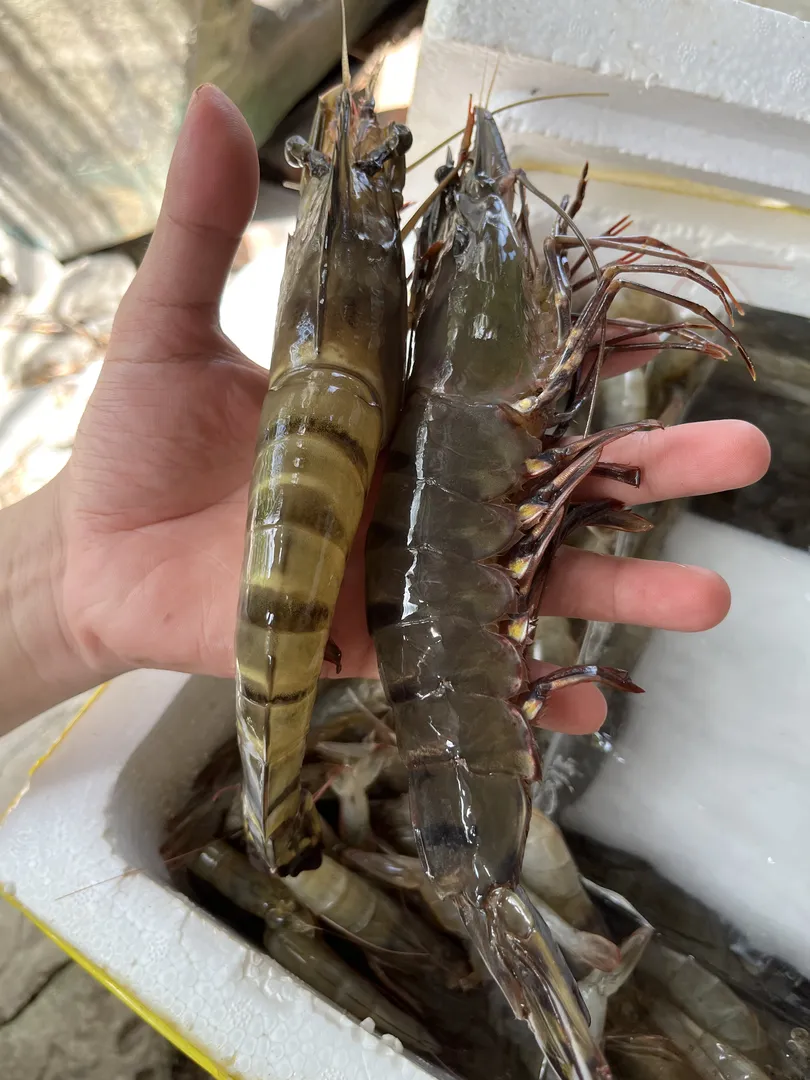
Ca Mau Black Tiger Shrimp
Ca Mau Black Tiger Shrimp
Large black tiger shrimp associated with mangrove aquaculture in Ca Mau, known for firm flesh and a cleaner, sweeter finish than intensively farmed shrimp.
Where every ingredient captures the essence of the wind and tides, weaving a vibrant culinary tapestry of the Mekong region.
Heritage Ingredient
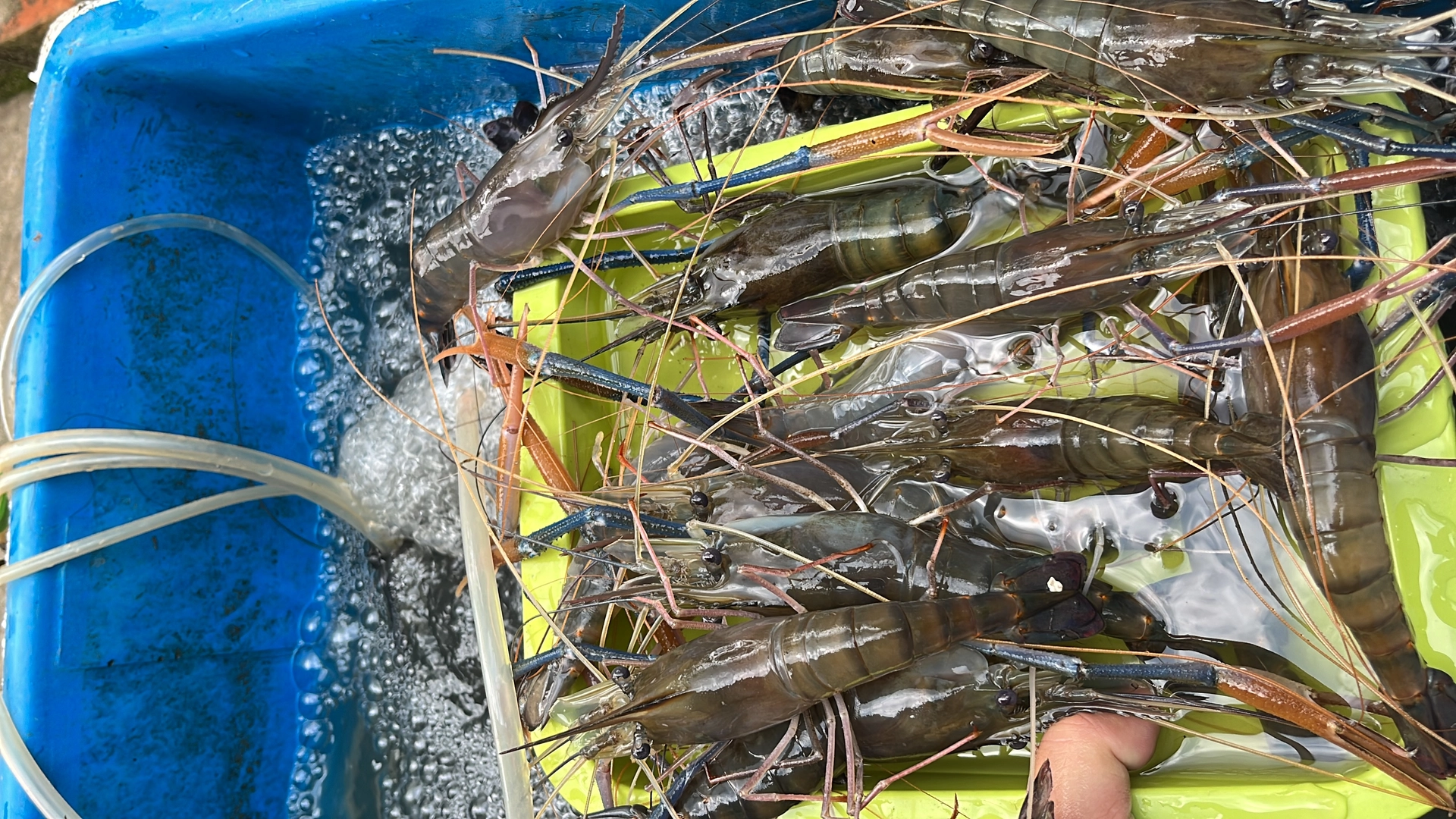
Mekong Giant Freshwater Prawn
Mekong Giant Freshwater Prawn
A river prawn with long blue claws and rich head fat, common in grilled prawn dishes and hotpot traditions across the Mekong basin.
Where every ingredient captures the essence of the wind and tides, weaving a vibrant culinary tapestry of the Mekong region.
Heritage Ingredient
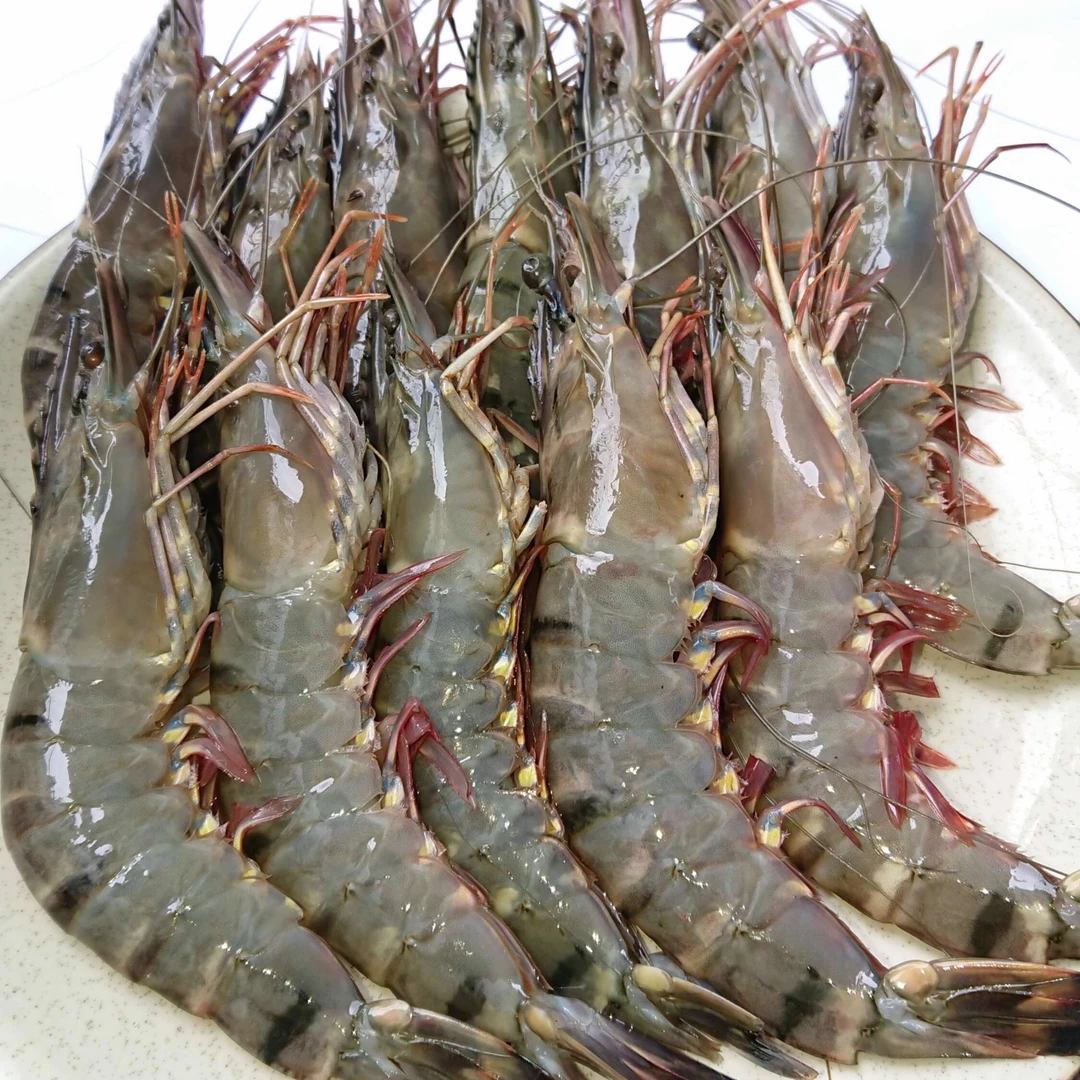
Whiteleg Shrimp
Whiteleg Shrimp
A widely used shrimp in Vietnamese home kitchens, suitable for stir-fries, soups, steamed dishes, and practical cooking articles that need a familiar shrimp reference.
Where every ingredient captures the essence of the wind and tides, weaving a vibrant culinary tapestry of the Mekong region.
In the Mekong Delta, shrimp farming is often a livelihood passed down through generations, deeply connected to the rhythm of the tides and the health of the environment. It’s a culture that values sustainability, often integrated with rice cultivation (rice-shrimp farming), a practice that has existed for centuries and is vital to the region's economy and ecology.
3 Brazil: The Atlantic's Briny Bounty
Brazil’s shrimp story is largely one of coastal and offshore abundance. The country's immense coastline offers diverse habitats, supporting both wild-caught fisheries and extensive aquaculture operations. The dominant farmed species here is often the Pacific Whiteleg shrimp (Litopenaeus vannamei), similar to Vietnam's 'tom the', but Brazil also boasts significant wild-caught species and other farmed varieties.
When we speak of "Brazilian shrimp," it often evokes a sense of size and a slightly brinier, more assertive flavor compared to the delicate sweetness of some Vietnamese varieties. This is partly due to the Atlantic waters, which can lend a more pronounced saline character.
Brazilian aquaculture has invested heavily in technology and scale. Many operations are large-scale coastal farms, and while efforts are made for sustainability, the focus is often on high-volume production. Wild-caught shrimp from Brazil's waters, depending on the species and region, can offer a very different, often more intense, oceanic flavor.
The culinary traditions in Brazil often celebrate the shrimp's size and robust taste. Think of hearty moqueca (a rich seafood stew, often featuring shrimp), grilled prawns served with vibrant sauces, or shrimp incorporated into rice dishes. The shrimp is frequently a centerpiece, its bold flavor standing up well to the strong, sunny flavors of Brazilian cuisine.
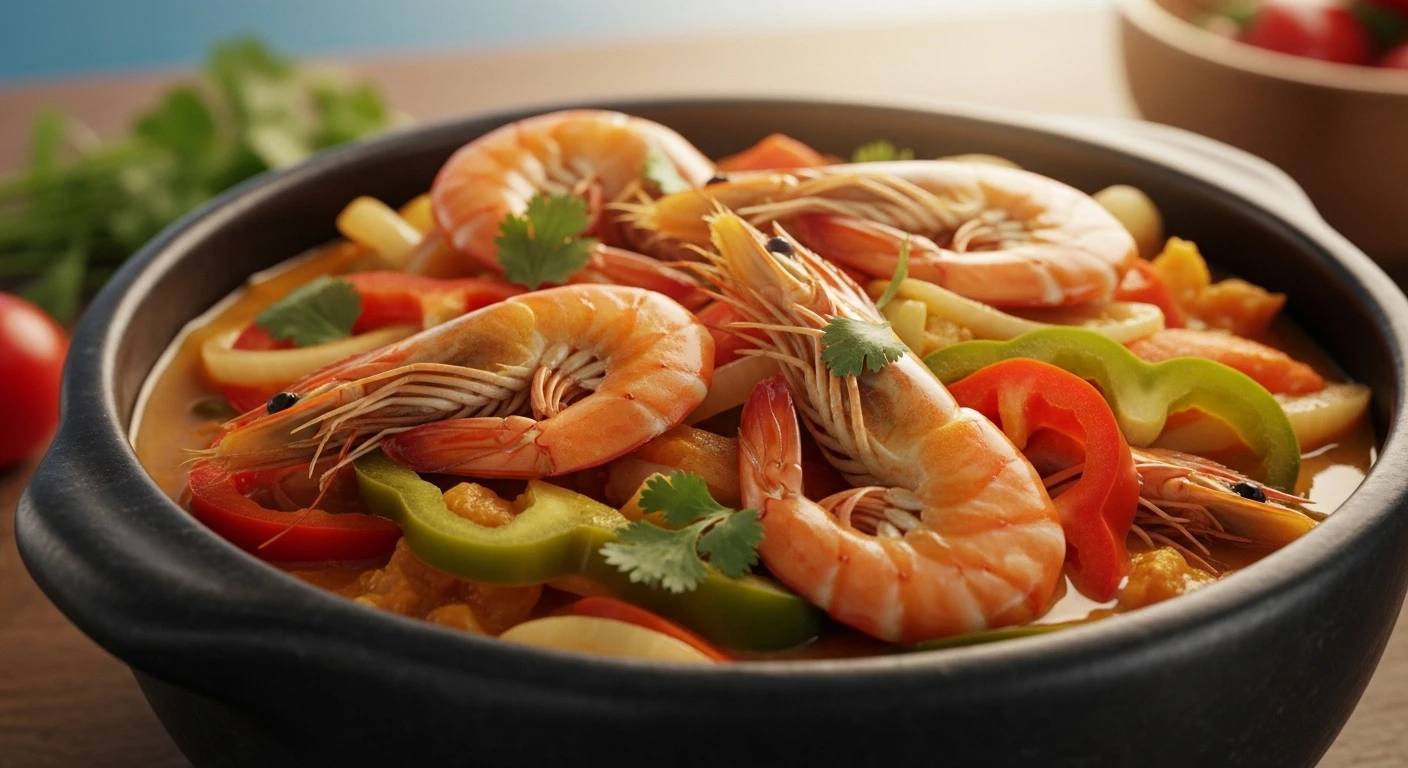
Large grilled shrimp, a staple in Brazilian seafood culture.
4 Taste the Difference: Sweetness vs. Brine, Texture Tales
This is where the real magic happens – comparing the distinct personalities of Vietnamese and Brazilian shrimp.
Flavor Profile:
Vietnam (Mekong Delta): The defining characteristic is a delicate, clean sweetness, especially from mangrove-fed black tigers. The flavor is nuanced, subtle, and often described as "natural." It’s a sweetness that doesn't overwhelm, allowing it to pair beautifully with fresh herbs and light sauces. The Giant Freshwater Prawn offers a richer, more intense seafood flavor, particularly from its prized head fat.
Brazil: Generally, Brazilian shrimp, particularly from coastal waters, lean towards a more pronounced, briny, and oceanic flavor. This salinity is robust and assertive, making it a star in dishes that can stand up to its bold character. The sweetness is present but often plays a supporting role to the inherent saltiness of the sea.
Texture:
Vietnam: Ca Mau black tigers are renowned for their firm, snappy texture. This is a shrimp that holds its shape beautifully when cooked. The Giant Freshwater Prawns also offer a satisfying, meaty bite.
Brazil: Brazilian shrimp often present a firm, substantial texture as well, suitable for grilling and hearty preparations. The specific firmness can vary by species, but they are generally not perceived as 'mushy' and have a good bite.
Terroir's Touch:
This is Vietnam's trump card for its premium shrimp. The mangrove ecosystem in Ca Mau imbues its black tiger shrimp with a unique flavor profile that simply cannot be replicated in intensive farming or open ocean environments. It’s a testament to how geography shapes taste. Brazil's vast Atlantic influence provides its own form of terroir, lending that characteristic briny depth.
5 From Delta Markets to Atlantic Shores: How We Eat Shrimp
The way shrimp is woven into the fabric of daily life and celebration tells a rich story.
Vietnamese Shrimp Culture:
In the Mekong Delta and across Vietnam, shrimp is a staple. It’s enjoyed in its purest form—simply steamed, grilled, or boiled, often with a dipping sauce that highlights, rather than masks, its natural flavor. Think of Gỏi Cuốn Tôm Thịt (fresh spring rolls) where the shrimp's sweetness is a key component, or Cơm Tấm (broken rice) often served with grilled shrimp.
The communal aspect is vital. Meals are shared, and shrimp dishes are often central to family gatherings. The appreciation for freshness is paramount; live seafood markets are common, and the journey from water to plate can be remarkably short. The tradition of tôm hấp nước dừa (shrimp steamed in coconut water) or the iconic grilled prawns with lemongrass speak volumes about Vietnam's approach: letting the ingredient shine.

A typical Vietnamese family meal, featuring fresh shrimp.
Brazilian Shrimp Culture:
Brazil’s approach often amplifies the shrimp’s natural strength. Moqueca, a celebrated national dish, showcases shrimp in a rich, coconut milk-based stew, often flavored with dendê oil, peppers, and onions. It’s a dish that demands a shrimp with a robust flavor to stand up to its powerful aromatics.
Grilled shrimp is another common preparation, often served simply with lime, garlic, and a touch of chili, allowing the briny flavor to dominate. The scale of production in Brazil also means shrimp is accessible and a common ingredient in everyday cooking, from casual beachside snacks to more elaborate family feasts.

A classic Brazilian Moqueca, highlighting the country's love for shrimp.
6 Nurturing the Waters: Sustainability on Both Sides
As global demand for shrimp continues to rise, sustainability becomes paramount. Both Vietnam and Brazil face the challenge of balancing production with environmental stewardship.
Vietnam's focus on mangrove-integrated aquaculture for its premium black tiger shrimp represents a significant step towards ecological harmony. By preserving and utilizing the natural mangrove buffer zones, this method supports biodiversity, protects coastlines, and offers a sustainable pathway for high-quality shrimp production. Certifications like ASC (Aquaculture Stewardship Council) are becoming increasingly important for these producers.
Brazil is also actively engaged in improving its aquaculture practices. Efforts are being made to enhance water management, reduce disease outbreaks through improved biosecurity, and minimize the environmental footprint of large-scale farms. The country's vast territorial waters also mean that managing wild-caught fisheries responsibly is a continuous focus, with quotas and regulations aimed at preventing overfishing.
For consumers, understanding these practices—looking for certifications, inquiring about sourcing, and appreciating the story behind the shrimp—can empower more sustainable choices.
7 Your Culinary Pilgrimage: Why Vietnam Beckons
If you're a shrimp lover, both Brazil and Vietnam offer compelling culinary journeys. But for those seeking to delve into the heart of nuanced flavor, diverse ecosystems, and a deeply ingrained culture of appreciating seafood, the Mekong Delta is an absolute must.
Imagine yourself: cruising down the Mekong, the air thick with humidity and the scent of water, stopping at a floating market where live shrimp are bartered. Then, sitting down to a meal of impossibly fresh, mangrove-fed black tiger shrimp, grilled simply with a squeeze of lime and a pinch of sea salt, its sweetness unfolding with every bite. Or savoring the rich, complex flavors of a Mekong Giant Prawn dish prepared with local herbs.
The journey through Vietnam's shrimp culture is not just about tasting; it’s about experiencing a way of life inextricably linked to the water. It’s about the warm hospitality, the vibrant markets of Can Tho, the quiet beauty of the mangrove forests in Ca Mau, and the simple, profound joy of eating food prepared with respect for its origin.

The vibrant seafood trade in a Mekong Delta floating market.
8 Two Nations, One Unifying Ingredient
Brazil and Vietnam, two giants of tropical seafood, offer distinct yet equally compelling shrimp experiences. Brazil's strength lies in its oceanic bounty, its large, briny shrimp, and robust culinary traditions that celebrate bold flavors. It’s a testament to the Atlantic's power and scale.
Vietnam, particularly the Mekong Delta, shines with its unique terroir, its commitment to mangrove ecosystems, and its ability to coax unparalleled sweetness and firm texture from its shrimp. It's a nuanced, ecosystem-driven approach that yields some of the world's most exquisite shrimp.
Ultimately, the "better" shrimp is a matter of personal preference. But for the discerning palate seeking complexity, environmental connection, and a profound culinary heritage, a journey into the world of Vietnamese shrimp, especially the treasures of the Mekong Delta, is an adventure that promises to delight and inspire. So, next time you see shrimp on the menu, consider its origin—it’s a story waiting to be savored.
Discover More Around the Globe
View More Travel & Culture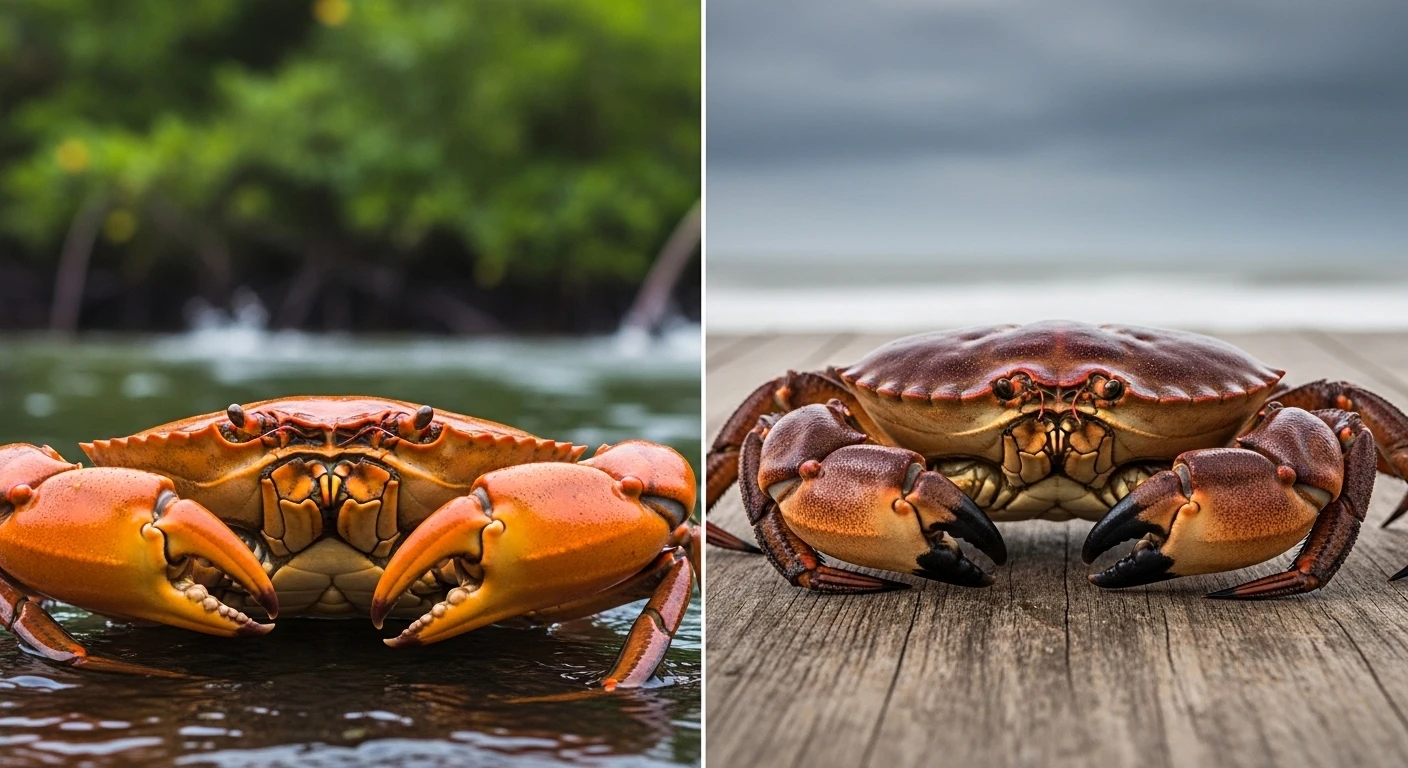
Vietnam Crab vs British Crab: Mekong Delta Mud Crab Meets the UK’s Coastal Classics
A cultural and culinary comparison between Vietnam’s mud crab and Britain’s coastal crab traditions.
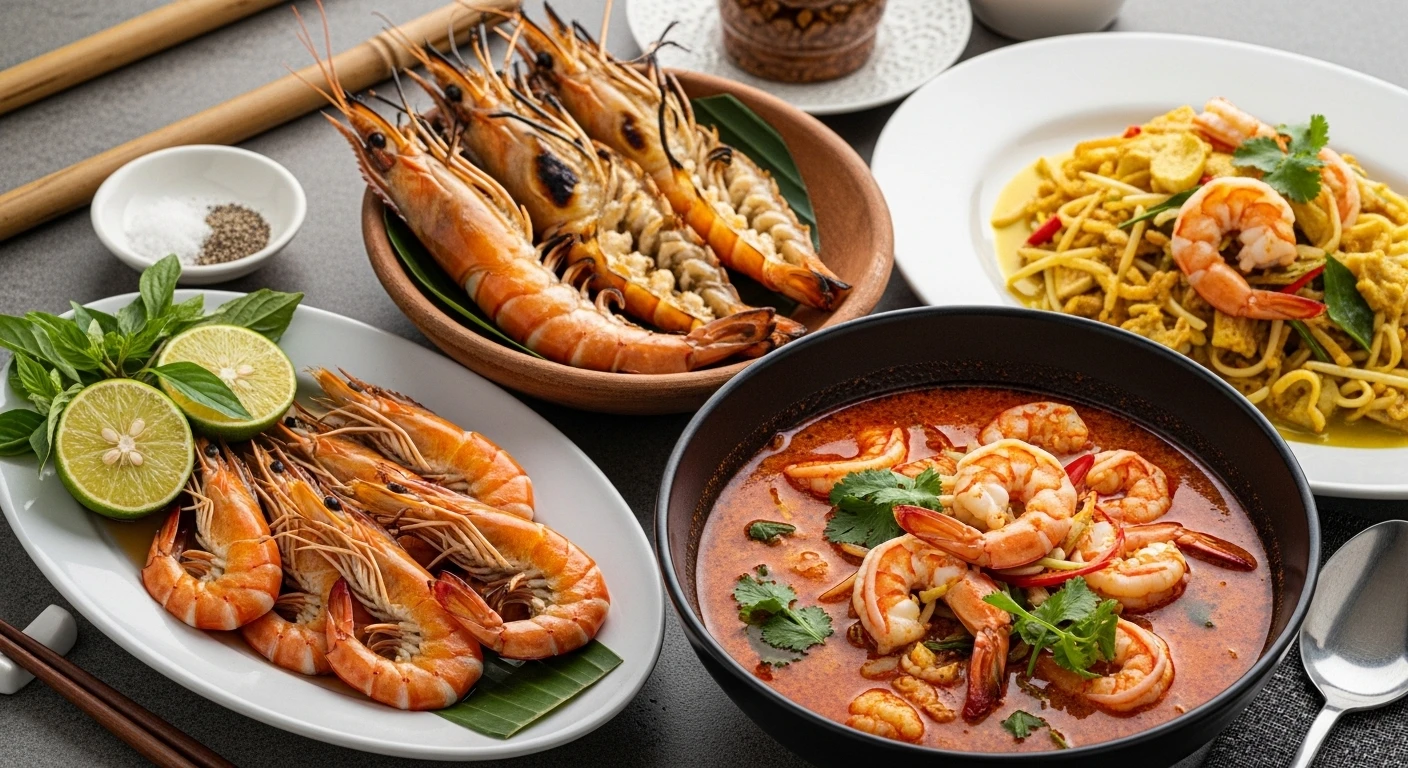
Vietnam Shrimp vs Thai Shrimp: Delta Purity vs Spice-Driven Coastal Energy
Vietnam and Thailand both excel at shrimp, but the eating experience, sauces, and cooking philosophy are strikingly different.
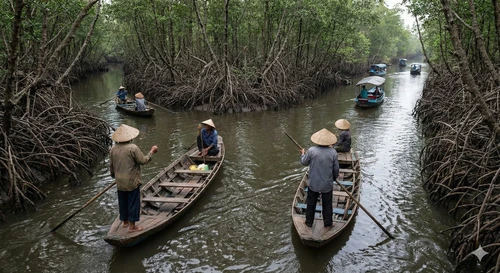
Why Ca Mau Mangroves Produce the Best Crabs?
The secret relationship between the mangrove roots and crab quality.
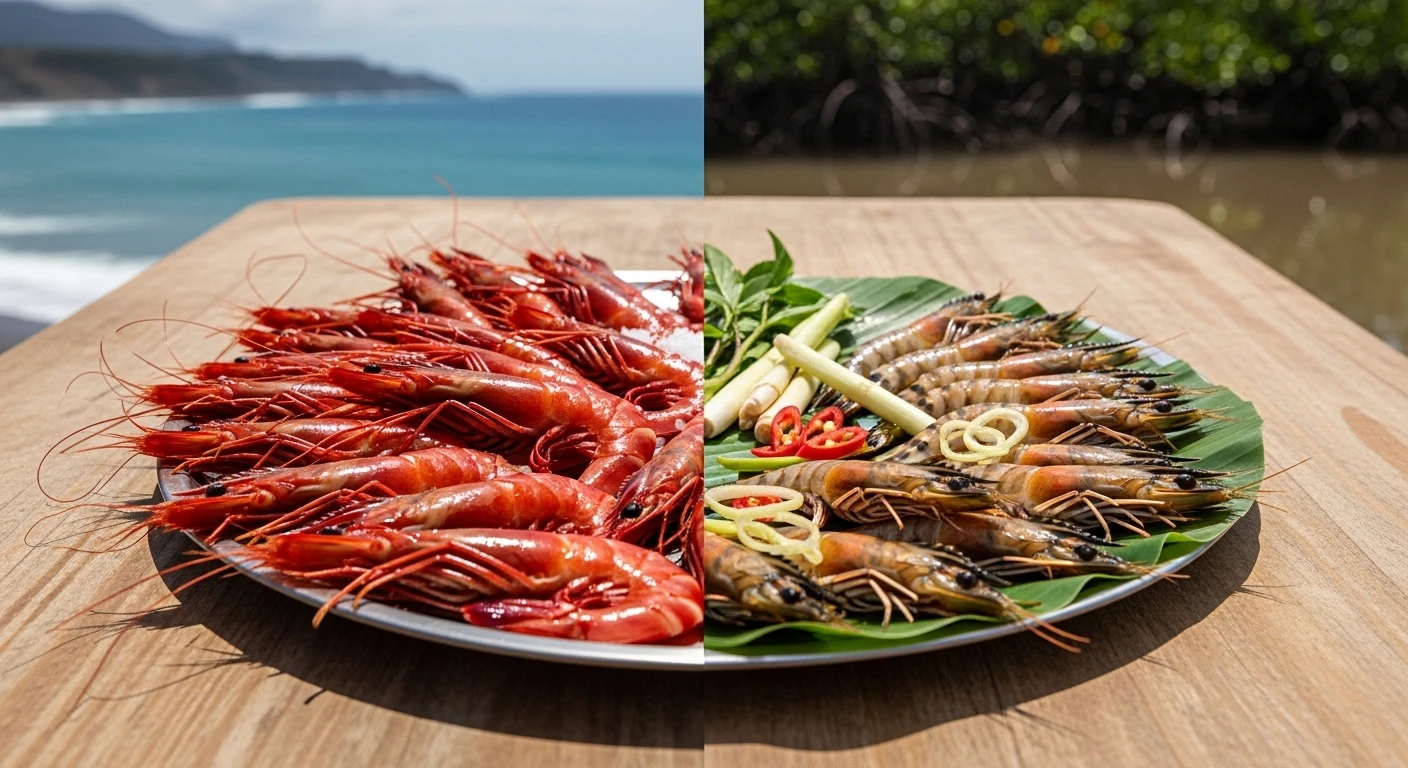
Vietnam Shrimp vs Argentine Shrimp: Wild Southern Character vs Mangrove-Grown Sweetness
A comparison between Argentina’s prized red shrimp image and the deeply regional shrimp culture of Vietnam’s Mekong Delta.
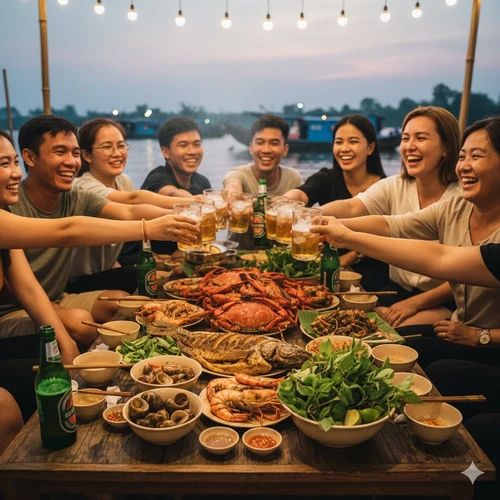
The Art of 'Nhau': Vietnamese Drinking Culture
How to say 'Cheers' in Vietnam and why seafood is essential.
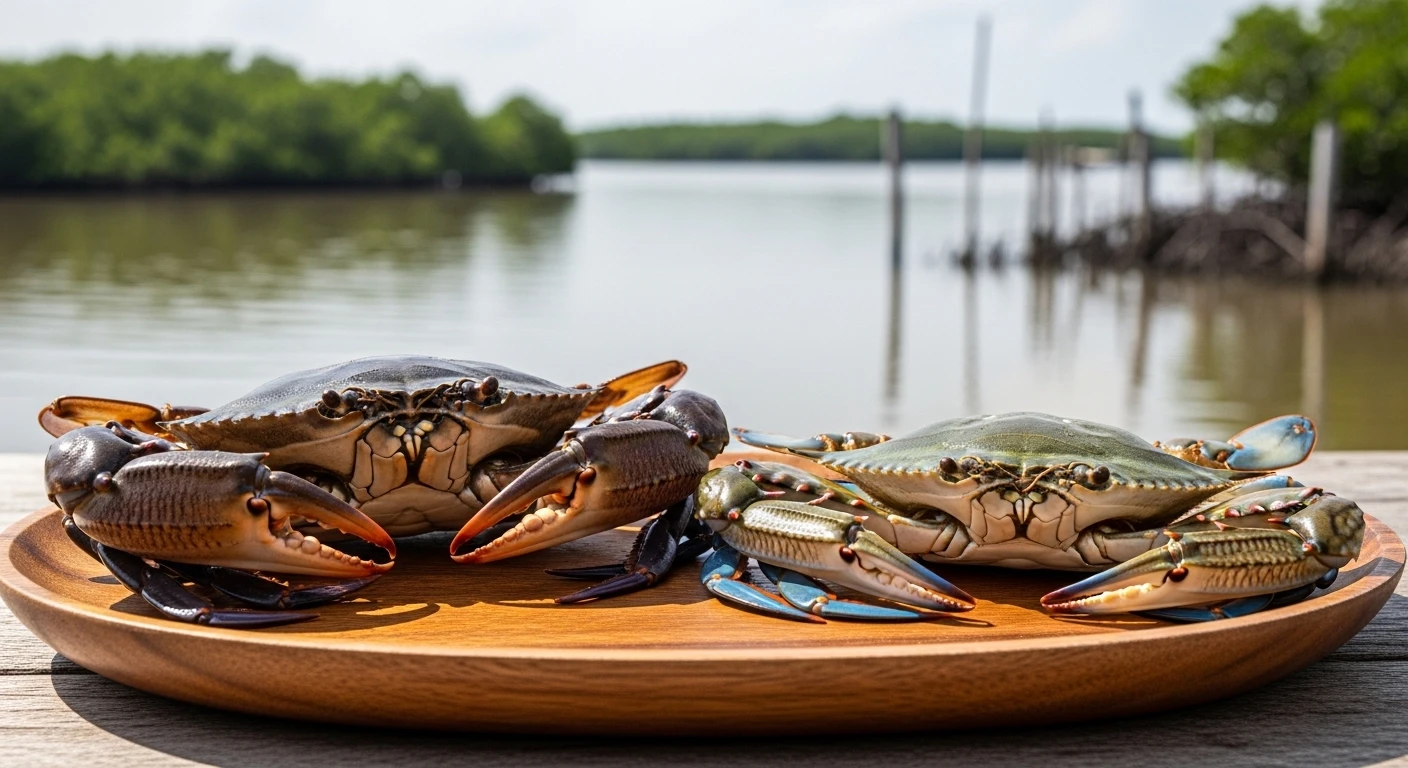
Vietnam Crab vs American Crab: Mekong Mud Crab vs Blue Crab, Dungeness, and Gulf Traditions
A detailed comparison between Vietnam’s famous mud crab and the major crab cultures of the United States.
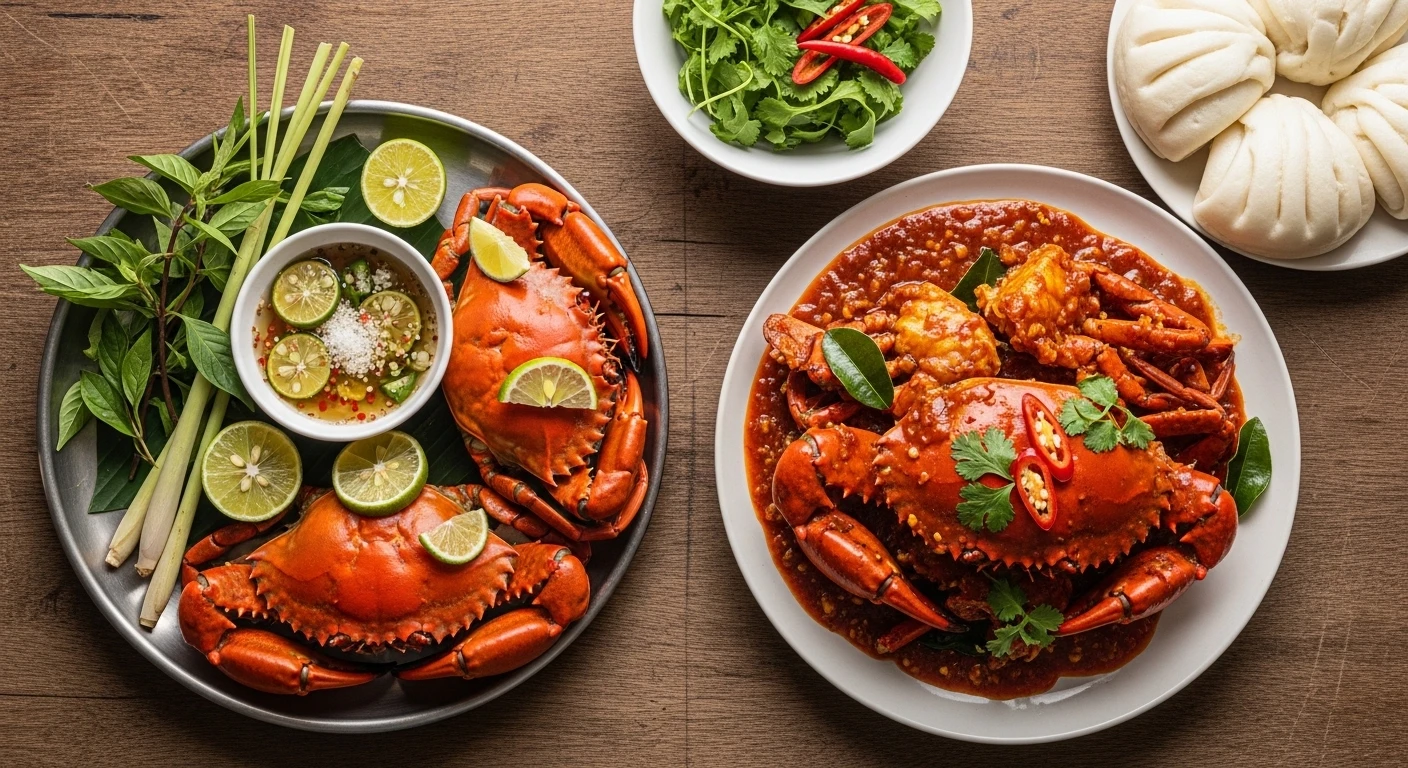
Vietnam Crab vs Malaysian Crab: Sweet Delta Crab vs Sauce-Heavy Hawker Culture
A flavorful comparison between Mekong Delta crab traditions and Malaysia’s beloved crab dishes from hawker centers and coastal kitchens.
Vietnam Shrimp vs Spanish Shrimp: Mediterranean Refinement Meets the Mekong Delta
A comparison between Vietnamese shrimp and Spain’s famous gambas culture, from tapas bars to brackish-water farms.
Vietnam Crab vs Singapore Crab: Mud Crab Purity vs Chili Crab Icon Status
How Vietnamese mud crab compares with Singapore’s famous crab culture in flavor, sauces, dining style, and market identity.