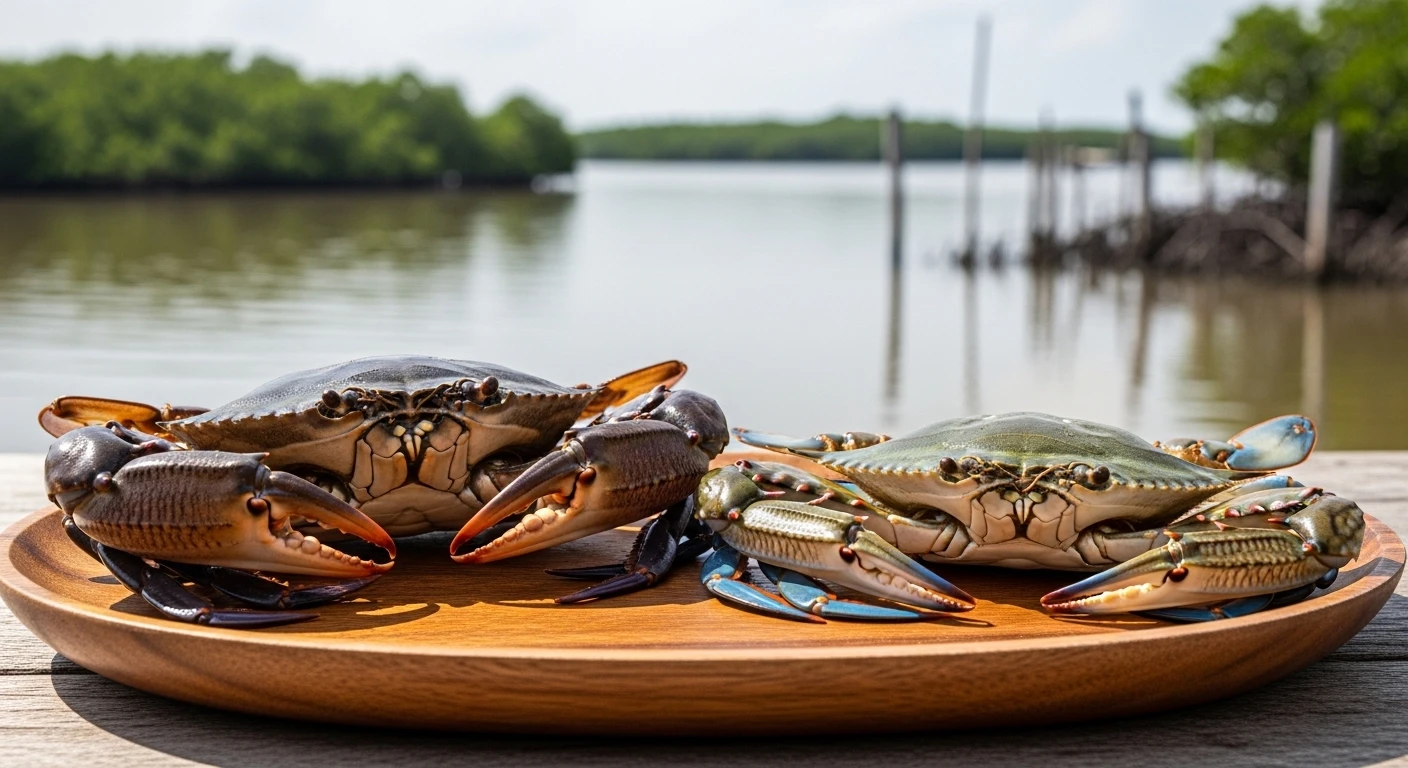
The rich biodiversity of the Mekong Delta meets the celebrated coastlines of America.
1 The Mud Between the Shells: A Mekong Delta Origin Story
To truly understand Vietnamese crab, you must first grasp the essence of the Mekong Delta. This vast, fertile river delta in Southwestern Vietnam, a sprawling tapestry of canals, rice paddies, and mangrove forests, is where the magic happens. It's a land where freshwater rivers meet the salty embrace of the East Sea, creating unique brackish environments that are the lifeblood of its incredible seafood.
Here, crab isn't just a delicacy; it's an integral part of the ecosystem and the local economy. Generations have lived by the ebb and flow of the tides, their lives intertwined with the crustaceans that thrive in the nutrient-rich mud. The stars of this watery realm are the mud crabs, known locally as cua bùn, particularly those from the provinces of Ca Mau, Bac Lieu, and Soc Trang. These aren't just any crabs; they are sculpted by their environment, developing a dense, sweet meat and, in the case of females, an intensely rich, vibrant roe that is prized above all else.

Heritage Ingredient
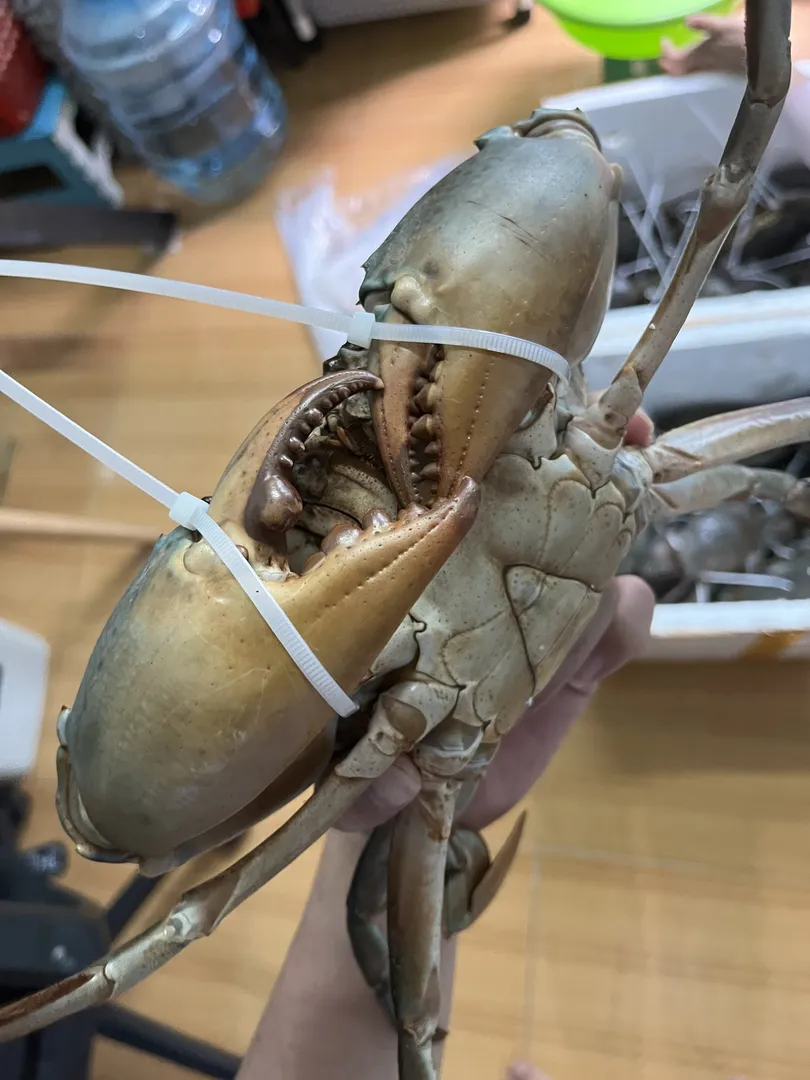
Ca Mau Jumbo Mud Crab
Ca Mau Jumbo Mud Crab
A large male mud crab prized for dense, sweet meat and thick claws, commonly used in steamed crab and grilled crab dishes across the Mekong Delta.
An icon of coastal culinary heritage, featuring firm, sweet meat that captures the raw power and freshness of Ca Mau's tides.
2 American Shores: A Crab Culture Shaped by Coastlines
Now, cast your gaze across the Pacific to the United States, a nation blessed with diverse coastlines and a rich tapestry of crab traditions. From the iconic Blue Crab of the East Coast to the prized Dungeness of the West Coast, and the various species found in the Gulf of Mexico, America boasts a formidable crab heritage, deeply embedded in regional identities and culinary histories.
On the Atlantic side, the Blue Crab (Callinectes sapidus) reigns supreme, particularly in the Chesapeake Bay region. These crabs are celebrated for their sweet, delicate meat and are a staple in dishes like crab cakes and soft-shell crab sandwiches. Their capture is often a cherished tradition, with methods like hand-lining and crab pots passed down through families. Meanwhile, the Pacific Northwest is home to the Dungeness crab (Metacarcinus magister), famed for its nutty, sweet flavor and firm texture, often enjoyed simply steamed or as a luxurious crab Louie salad.
The Gulf Coast, with states like Louisiana and Florida, offers its own unique bounty. While Blue Crabs are also prevalent, the region is known for its sweet, succulent Stone Crab (M_en_ipl_ax_ terrapin_) and other varieties that contribute to the vibrant Creole and Cajun culinary scenes.


3 Texture & Taste: The Nuances of Vietnam's Mud Crab
The primary benchmark for Vietnamese crab, especially in the south, is the mud crab. These are hardy crustaceans that have adapted to life in muddy estuaries, their shells often bearing the color of their environment. The meat is characteristically dense, firm, and remarkably sweet, with a clean finish that speaks of its pristine, if sometimes murky, habitat.
A key distinction in Vietnamese crab culture lies in the appreciation for both the meat and the roe. Male mud crabs, often referred to as "jumbo meat crabs," are prized for their substantial claws and thick, sweet flesh. Their texture is often described as more robust, almost akin to lobster in its firmness. Imagine tearing into a claw, the sweet, succulent meat yielding with a satisfying density. This is what makes dishes like Ca Mau Jumbo Mud Crab (cua thịt Cà Mau) so revered – it's about the sheer quantity and quality of meat.
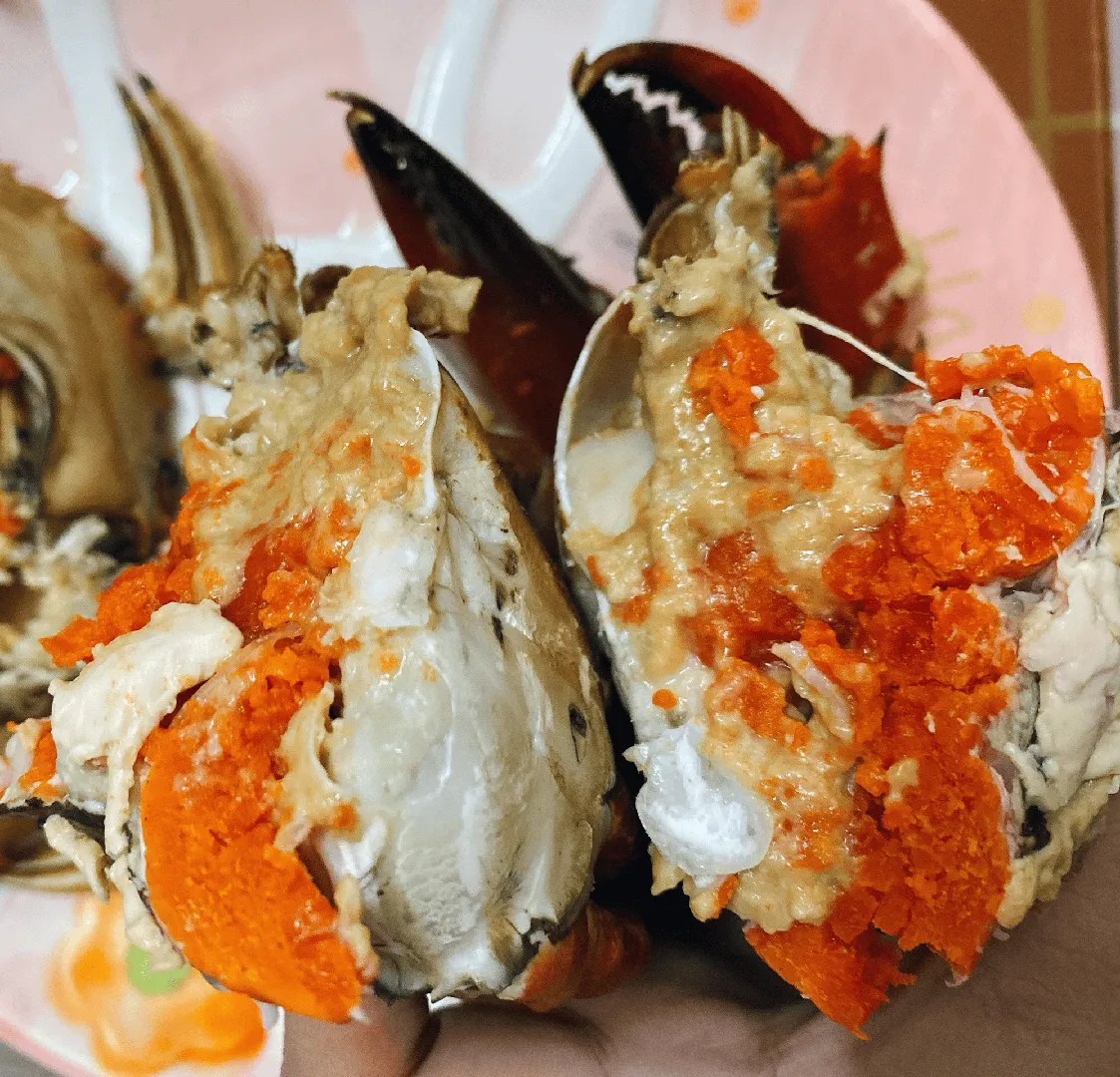
However, for many connoisseurs, the true crown jewel is the female crab, particularly when it's laden with roe. The roe, a deep orange-red mass, is incredibly rich and creamy, offering a flavor profile that is complex, buttery, and intensely savory. When cooked, it transforms into a luxurious, custard-like texture that coats the palate. This roe is highly sought after, often featuring in celebratory meals or as a standalone delicacy. The Ca Mau Roe Mud Crab is the embodiment of this luxury, representing a distinct flavor experience that many Western crab traditions don't focus on as heavily.
Heritage Ingredient
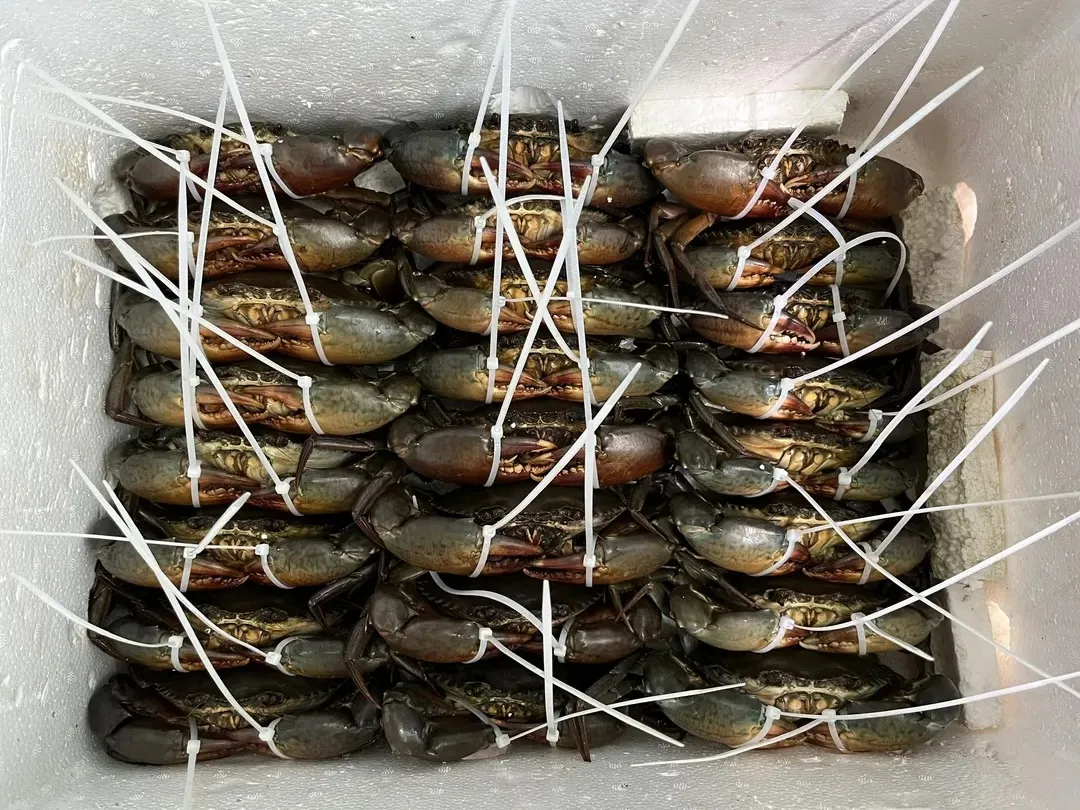
Export-Grade Ca Mau Roe Crab
Export-Grade Ca Mau Roe Crab
A carefully sorted roe crab selected for size, shell quality, and roe consistency, suitable for explaining premium grading in Vietnamese crab culture.
The pinnacle of perfection—pristine shells and bursting roe, meticulously selected to conquer the hearts of global gourmets.

4 American Crab Profiles: From Delicate Blue to Nutty Dungeness
American crabs, while equally delicious, offer a different spectrum of textures and flavors, often highlighting a more delicate sweetness.
The Blue Crab, especially from the Chesapeake Bay, is renowned for its sweet, somewhat lighter meat compared to the dense mud crab. Its texture is flakier, making it ideal for applications where the crab meat needs to be incorporated, like in crab cakes, where it binds together beautifully without becoming mushy. The flavor is clean, briny, and undeniably sweet. While Blue Crabs do have roe, it's typically a more subtle, greenish hue and less prominent in culinary traditions compared to Vietnamese roe.
Dungeness crab, on the other hand, presents a more distinct profile. Its meat is a beautiful orange-red, with a flavor that is often described as nutty and slightly sweet, with a richness that sets it apart. The texture is firm, but perhaps not as densely packed as a mature Ca Mau mud crab. It’s often steamed or boiled and served whole, allowing its unique flavor to shine through, often accompanied by simple melted butter. The focus here is on the inherent sweetness and delicate complexity of the crab's flesh itself.


5 Culinary Canvas: Steaming, Grilling, and Sauces
The way crab is prepared is a direct reflection of culture. In the Mekong Delta, simplicity often reigns supreme, allowing the natural flavor of the crab to be the star. Steaming is perhaps the most revered method. A common preparation involves steaming crab with beer and lemongrass, a technique that imparts subtle aromatics without masking the crab's sweetness. Another popular method is steaming with coconut water, which enhances the natural sweetness. Grilling, particularly for larger crabs, is also enjoyed, often with a simple glaze of salt, pepper, and lime.
However, Vietnamese crab cuisine also embraces richer, more complex sauces. Tamarind crab, stir-fried with a tangy, sweet, and slightly spicy tamarind sauce, is a beloved classic. Salted egg crab, where the crab is enveloped in a rich, savory salted egg yolk sauce, is another indulgence. The use of fresh herbs, chilies, and pungent spices is common, creating bold flavor profiles.
Across the US, preparation styles are often more regionalized. In Maryland, steamed Blue Crabs are a communal affair, seasoned generously with Old Bay seasoning and served with melted butter and vinegar. Crab cakes are a national treasure, typically featuring minimal binder to let the crab meat dominate. Soft-shell crabs, when the Blue Crab molts its old shell, are a highly anticipated seasonal treat, usually fried to crispy perfection. Dungeness crab is often enjoyed simply steamed, its nutty flavor enhanced by clarified butter, or incorporated into upscale dishes like crab bisque or cioppino, a hearty seafood stew popular in San Francisco.


6 From Market to Table: The Social and Economic Fabric
The journey of crab from water to plate is deeply ingrained in the social and economic fabric of both regions, though in distinct ways.
In the Mekong Delta, the daily rhythm is dictated by the tides. Fishermen and farmers tend to their ponds and traps from dawn till dusk. The local markets are vibrant hubs of activity, overflowing with fresh catches. Here, crab is not just a transaction; it's a community gathering point. The emphasis is often on freshness and direct sourcing. For locals, crab is a nutritious and accessible protein, integral to their diet and celebrations. The appreciation for different grades of crab – by size, meat fullness, or roe content – is sophisticated and deeply understood.
In the United States, crab is also a significant economic driver and a source of regional pride. The Chesapeake Bay Blue Crab has become an icon for Maryland, while Dungeness crab is synonymous with the Pacific Northwest. The crab fisheries are often heavily regulated to ensure sustainability, with seasons, catch limits, and gear restrictions playing a crucial role. Consumer purchasing often happens through established seafood markets, supermarkets, or directly from docks. While communal crab feasts exist, particularly in the Chesapeake region, the overall experience can sometimes feel more segmented, with consumers buying prepared crab dishes or whole crabs for home preparation.


7 The 'Terroir' of Crab: What Makes Ca Mau Special?
The concept of "terroir" – the unique environmental factors that shape the character of a food product – is powerfully present in Ca Mau's mud crab. The region's intricate network of brackish waterways, fed by both the Mekong River's freshwater and the salinity of the East Sea, creates an incredibly fertile environment. Mangrove forests act as natural nurseries, providing shelter and abundant food sources (plankton, small crustaceans, mollusks) for the crabs.
This specific habitat contributes to the crab's distinctive characteristics: its firm, dense flesh, and the pure, sweet flavor that isn't muddied by strong, unpleasant undertones. The minerals and unique microbial life in the sediment where these crabs forage are believed to impart a subtle, yet discernible, complexity to their taste. When you eat a Ca Mau Jumbo Mud Crab or its roe-laden counterpart, you are tasting the culmination of this unique ecosystem. The export-grade crabs, like the Export-Grade Ca Mau Roe Crab, are carefully selected, ensuring that their exceptional qualities are preserved and appreciated globally.
While American crabs also have distinct regional characteristics influenced by their environments – the briny depths of the Chesapeake for Blue Crabs or the cooler, mineral-rich waters off the Pacific coast for Dungeness – the Ca Mau mud crab's flavor profile, particularly its clean sweetness and the richness of its roe, offers a unique benchmark that many seafood lovers seek out.
Heritage Ingredient
Ca Mau Roe Mud Crab
Ca Mau Roe Mud Crab
A female mud crab known for deep orange roe and a rich, creamy finish, often featured in celebratory Southern Vietnamese seafood meals.
A crimson treasure hidden within a shell, boasting rich, creamy roe that melts on your tongue like a golden sunset over the delta.

8 Beyond the Shell: A Traveler's Guide to Experiencing Crab
For the adventurous palate, both Vietnam and the United States offer unparalleled crab experiences. If you're a fan of the sweet, delicate meat of the Blue Crab or the nutty richness of Dungeness, you'll find those traditions lovingly preserved in their respective regions. A trip to the Chesapeake Bay for a classic steamed crab feast or a journey to San Francisco for fresh Dungeness is a rite of passage for any seafood enthusiast.
But if you're ready to explore a different dimension of crab, the Mekong Delta awaits. Imagine sitting by a canal, the humid air thick with the scent of the river, as a freshly steamed Ca Mau mud crab is placed before you. The sweetness of the meat, the richness of the roe, the vibrant dipping sauces – it's an experience that engages all the senses.
Visiting the crab markets in Ca Mau or Can Tho is a vibrant spectacle. Engaging with local fishermen, learning about their craft, and tasting crab prepared in traditional ways offers a profound connection to the culture. Whether you prefer the robust, sweet meat of the male crab or the luxurious, creamy roe of the female, Vietnamese mud crab offers a benchmark of quality and flavor that stands shoulder-to-shoulder with, and in many ways transcends, traditional Western crab experiences. It's a culinary journey that begins in the mud and ends on a plate, a testament to the bounty of one of the world's most extraordinary river deltas.


Dive Deeper
View More Travel & Culture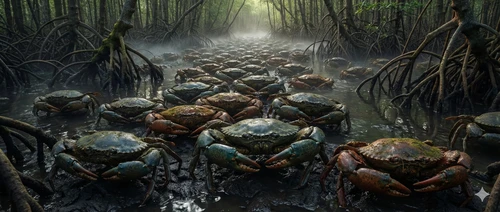
The Legend of the Giant Crab in Vietnamese Folklore
Mythical stories passed down through generations.
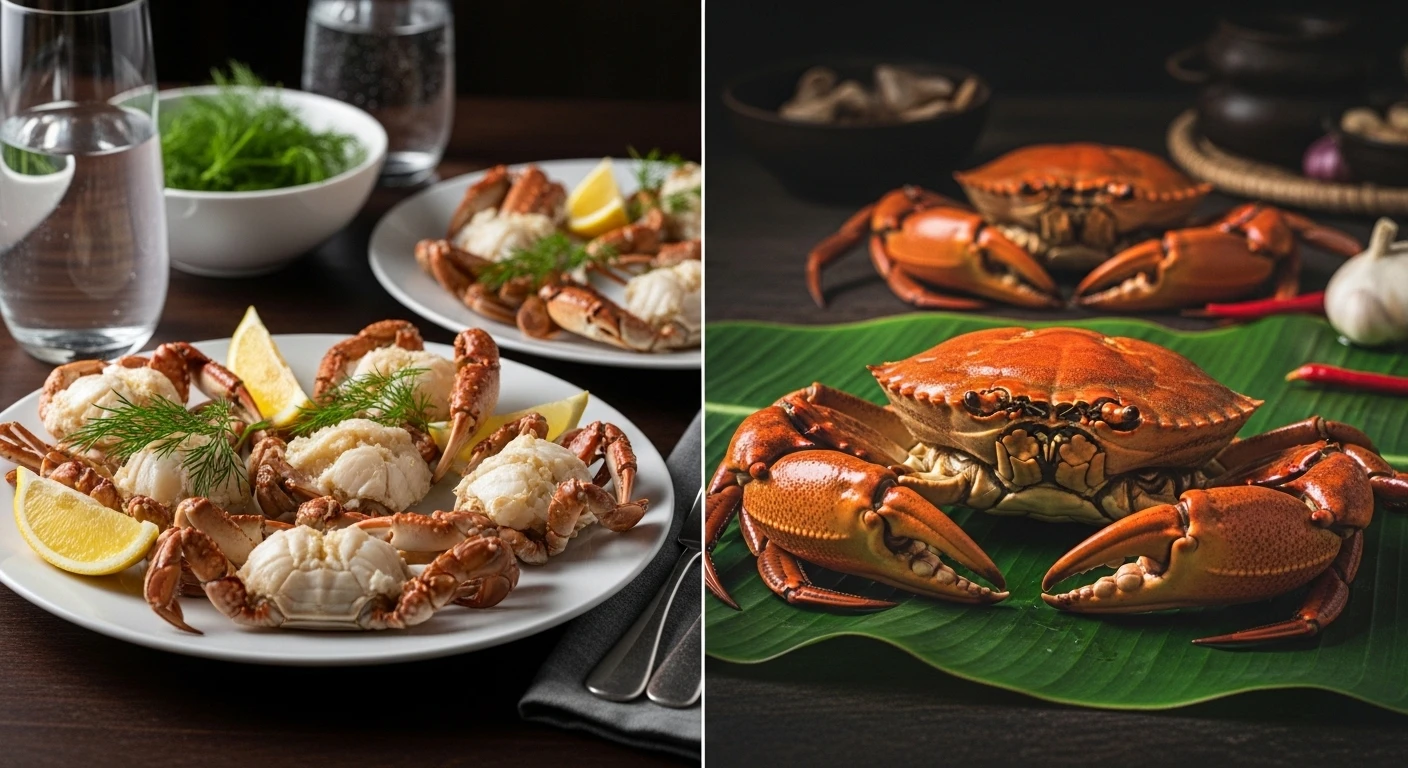
Vietnam Crab vs German Crab: North Sea Precision vs Delta Abundance
A surprising comparison between Germany’s colder-shellfish traditions and the muscular mud crab culture of Ca Mau.
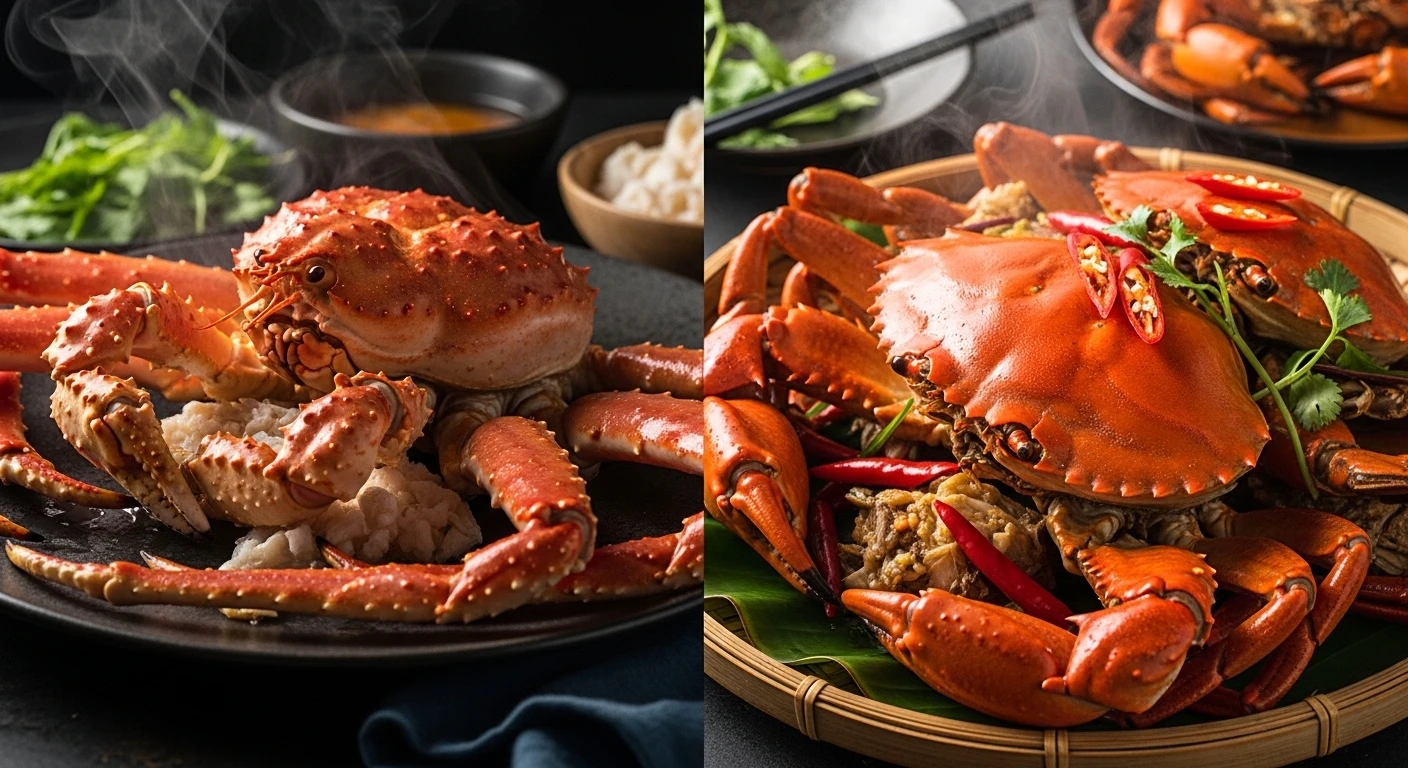
Vietnam Crab vs Norwegian Crab: Arctic Cleanliness vs Tropical Intensity
Cold-water Norway and brackish-water Ca Mau produce two very different but equally fascinating crab experiences.
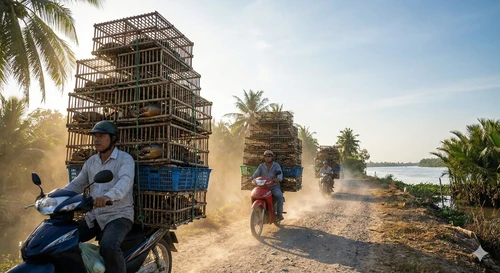
Motorbikes and Crabs: A Crazy Logistics System
How thousands of crabs are transported on two wheels.
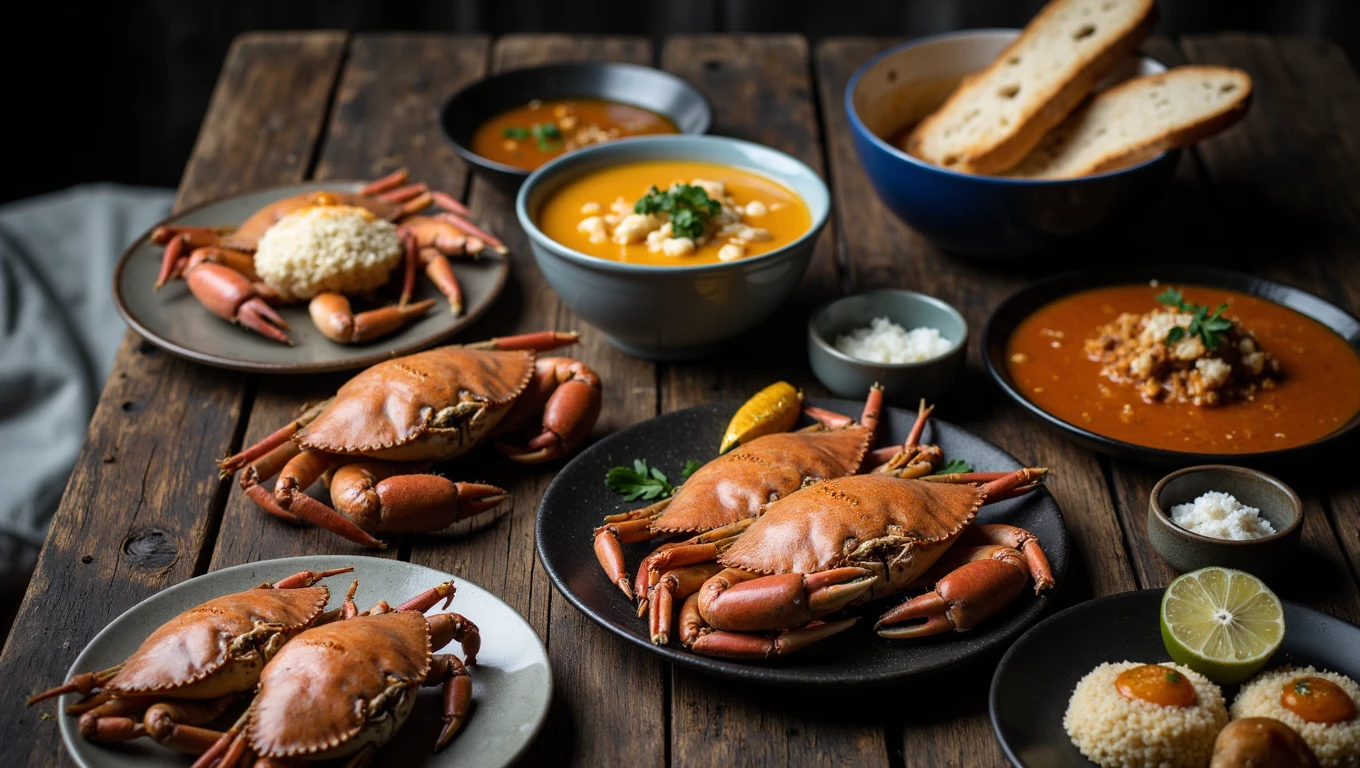
Vietnam Crab vs Filipino Crab: Mangrove Cousins with Very Different Dining Stories
Vietnam and the Philippines both love mud crab, but the way each country cooks, values, and experiences crab can feel worlds apart.
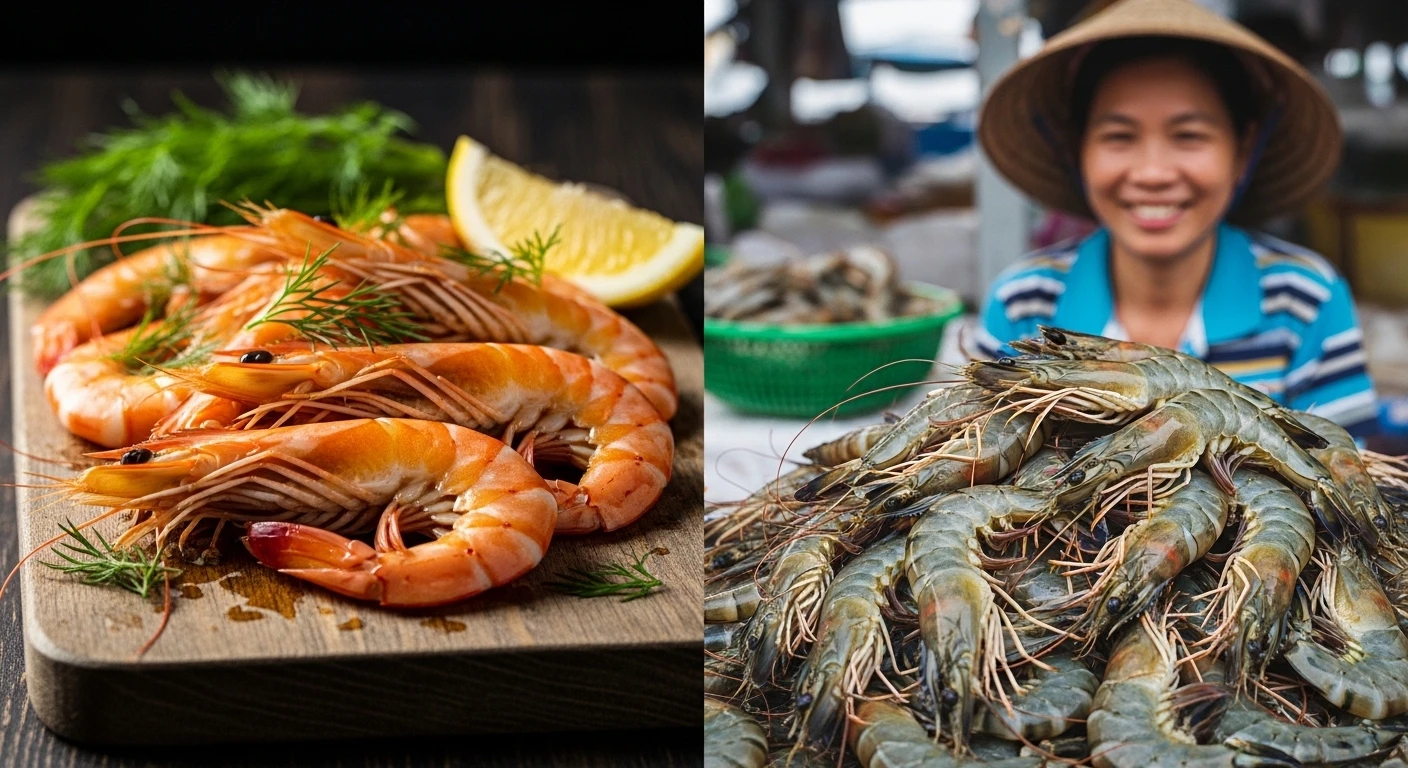
Vietnam Shrimp vs Canadian Shrimp: Cold-Water Expectations and Tropical Sweetness
A useful guide for Canadian readers curious about how Vietnamese shrimp differs in taste, texture, and culinary context.
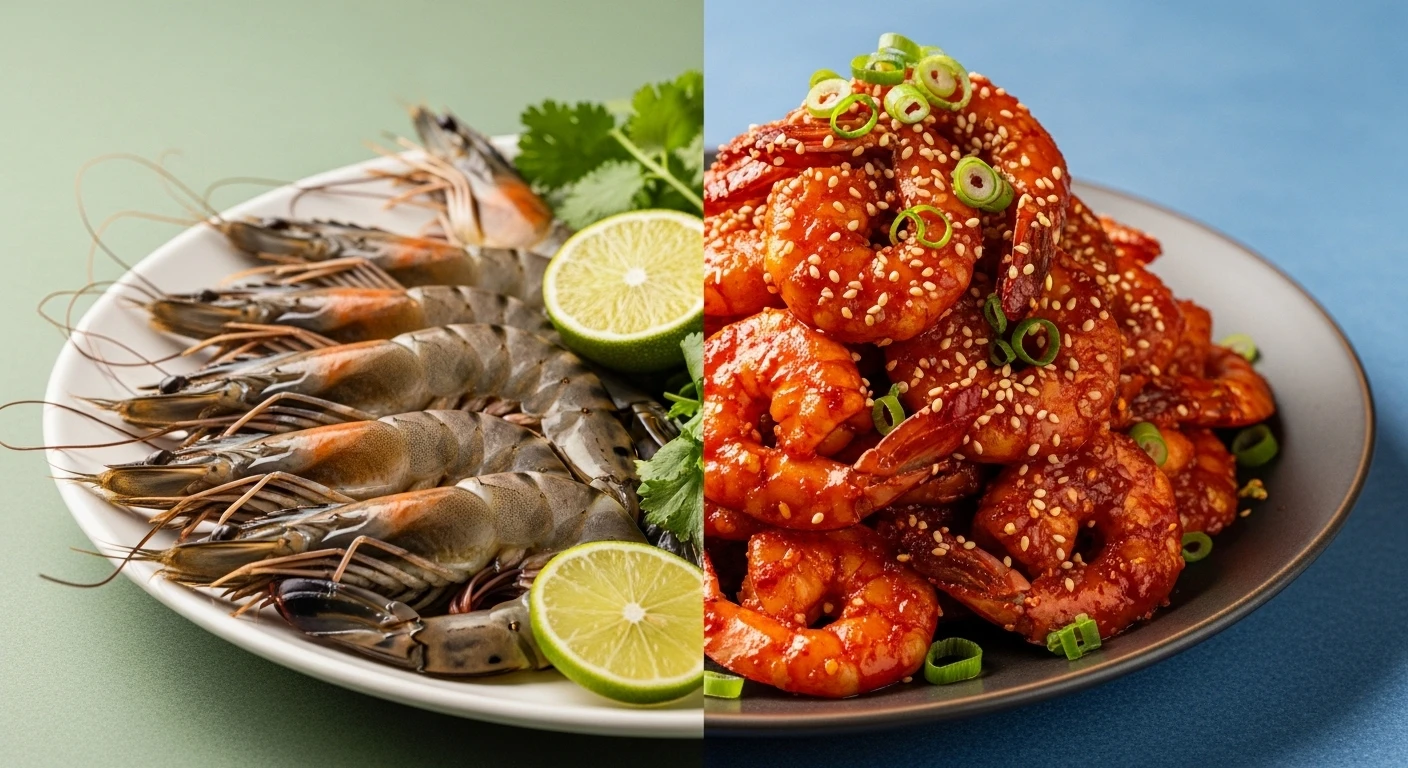
Vietnam Shrimp vs Korean Shrimp: Soy Marinades, Grills, and the Mekong Delta
A practical comparison between Vietnamese shrimp and Korean shrimp culture, from grilled prawns to soy-marinated delicacies.
Vietnamese Hospitality: Why Hosts Serve Crab
Serving crab is a sign of respect and generosity.
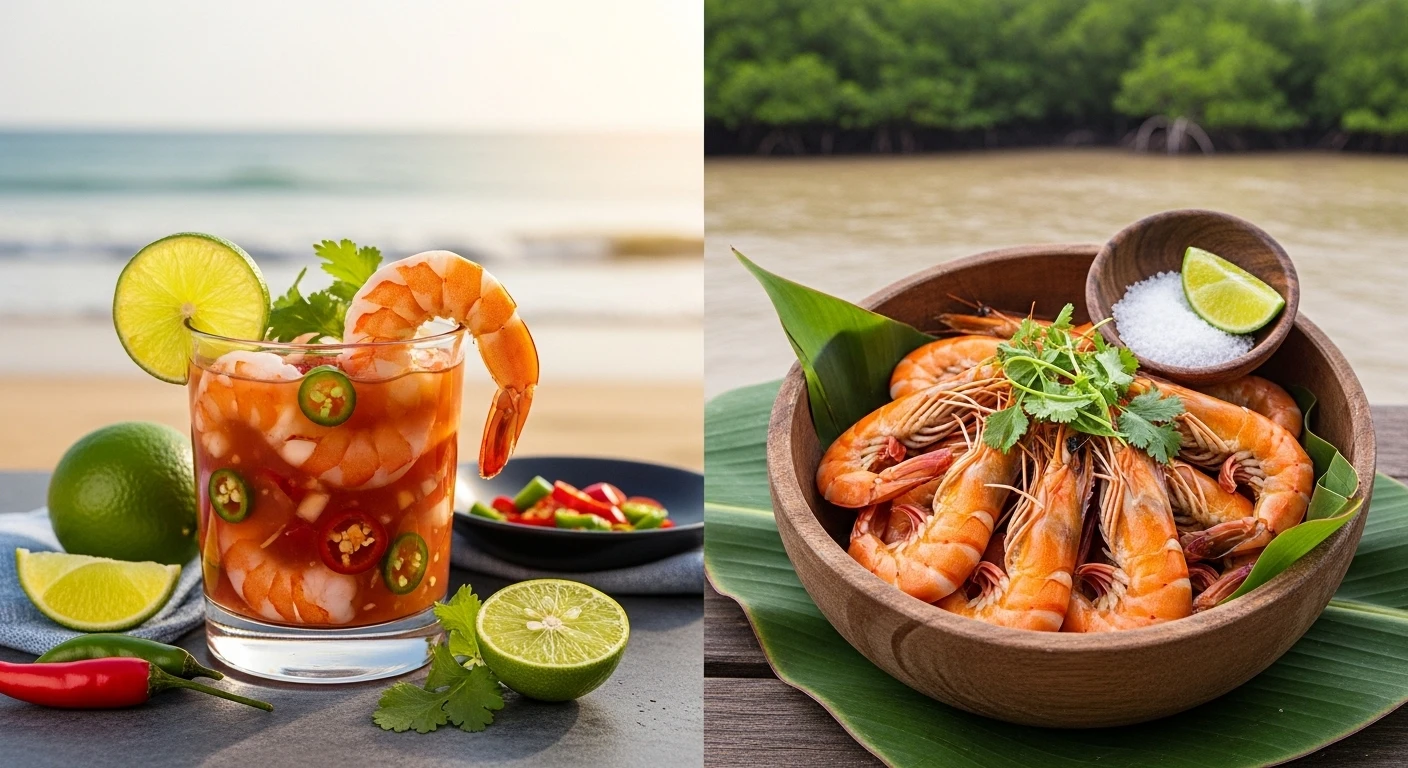
Vietnam Shrimp vs Mexican Shrimp: Lime, Chili, Coastlines, and Delta Sweetness
Mexico and Vietnam both turn shrimp into everyday celebration, but the flavors and seafood logic are not the same.