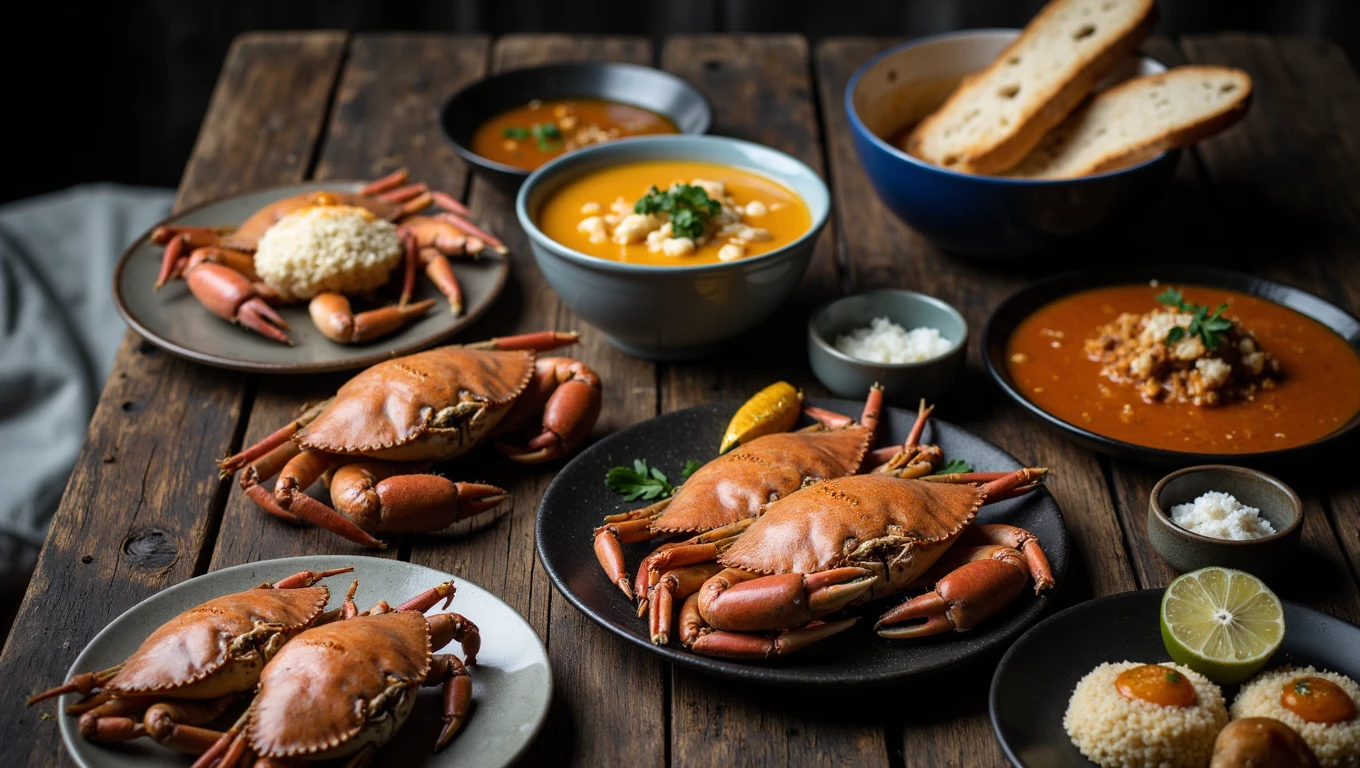
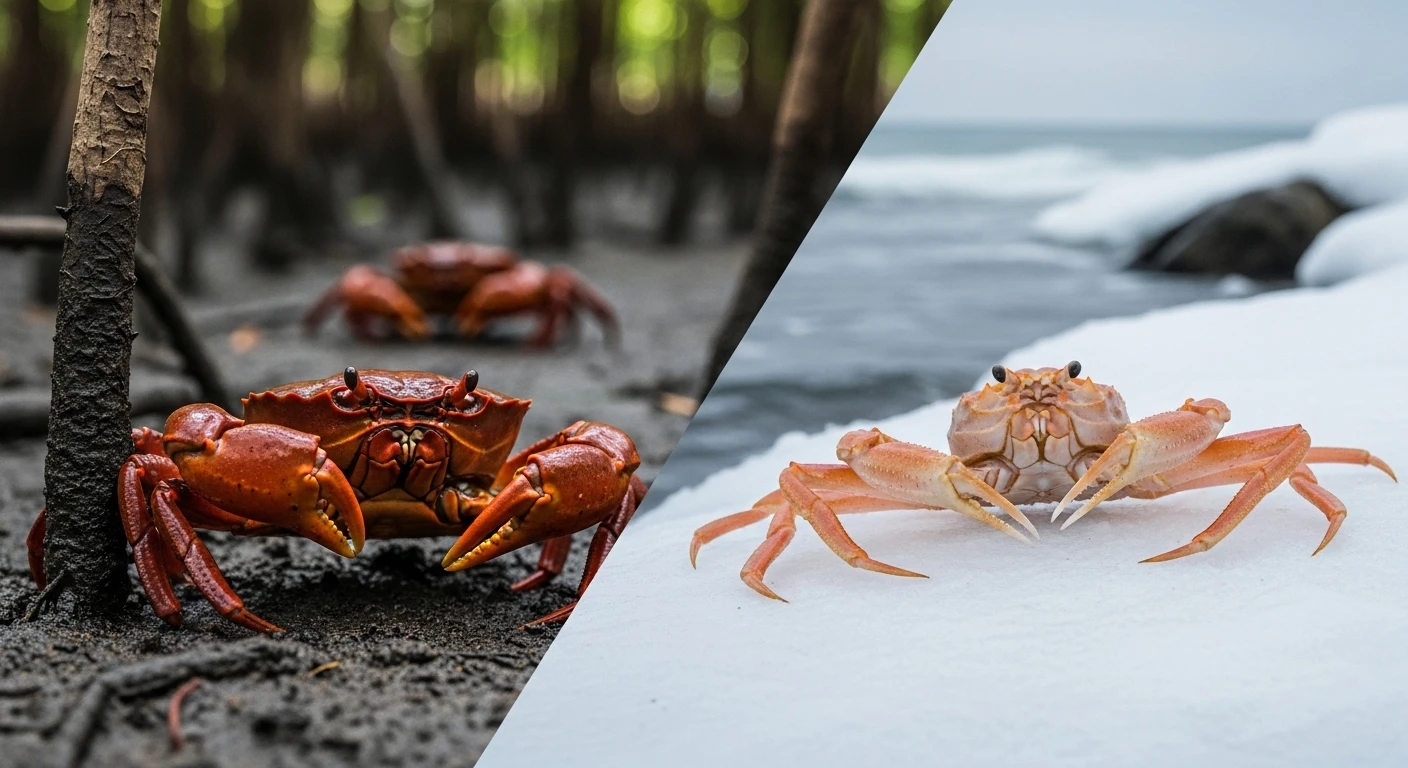
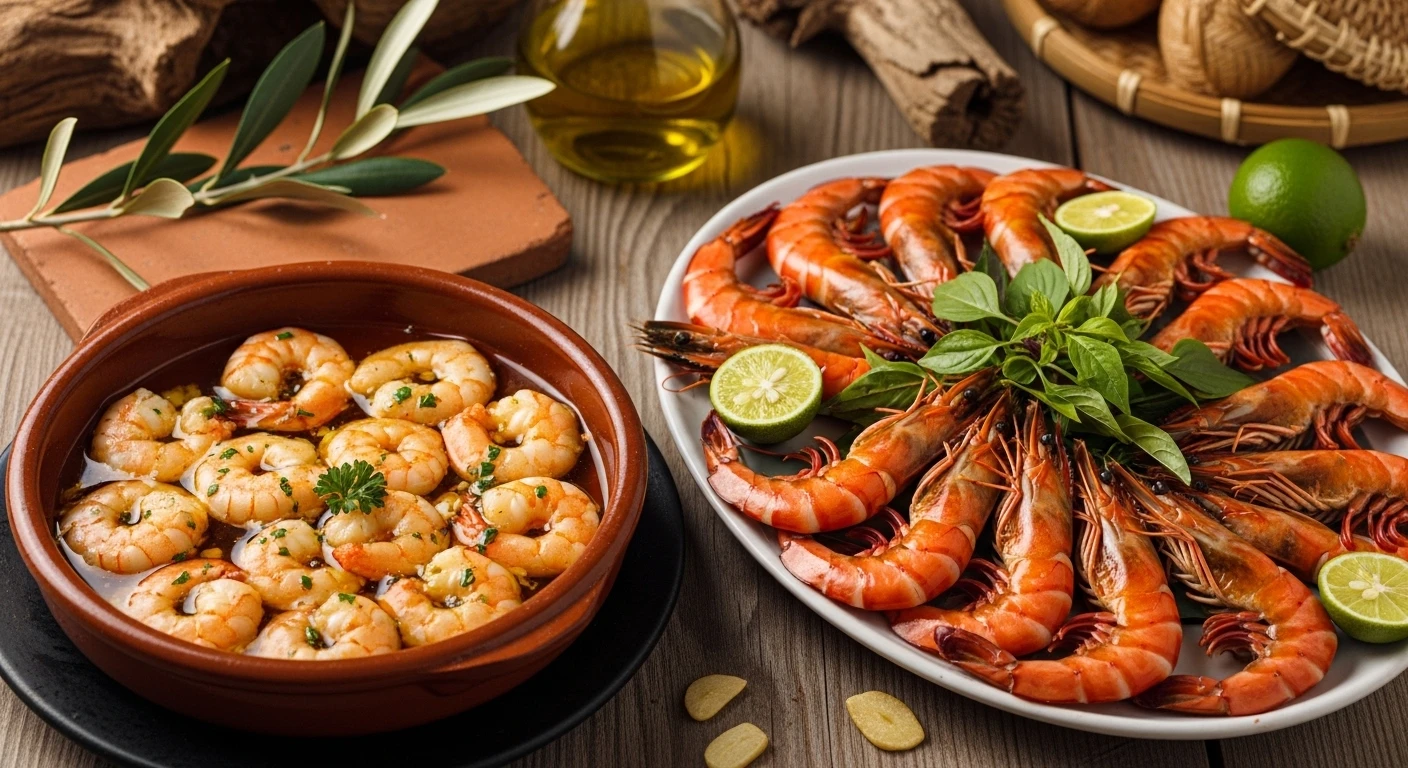
" The world is a buffet, and the humble crab is a global superstar. But not all stars shine the same. In the mangrove-rich realms of Vietnam and Brazil, this crustacean tells profoundly different stories, shaped by tidal rivers, unique seasonings, and centuries of local lore. "
1 Where Water Meets Land: The Mangrove and Estuary Embrace
Both Vietnam’s Mekong Delta and Brazil’s extensive coastline boast a shared natural advantage: a vast network of mangroves and estuaries. These fertile, brackish waters are nurseries for an incredible diversity of marine life, none more celebrated than the crab. This shared habitat is not merely a geographical footnote; it's the very foundation of their deep-rooted crab cultures.
In Vietnam, the Mekong Delta’s labyrinthine rivers and canals teem with life, especially mud crabs that thrive in the mangrove forests of provinces like Ca Mau. These crabs are central to local livelihoods, a staple in daily meals, and a symbol of the region's bounty. Similarly, Brazil’s coastline, stretching thousands of kilometers, hosts diverse mangrove ecosystems from the Amazon to the South. Here, crabs are not just food but integral to coastal communities, influencing local economies and culinary traditions.
Vietnam's Mekong Delta
Characterized by freshwater and saltwater mixes, rich silt, and dense mangrove cover. This environment is perfect for mud crabs, known for their sweet meat and prized roe.
Brazil's Coastal Estuaries
Diverse, from the nutrient-rich Amazon outflows to temperate southern coastlines. Home to various crab species adapted to different salinities and tidal patterns.
2 The Ca Mau Crab: Jewel of the Mekong
When we speak of Vietnamese crab, especially from the South, the name Ca Mau often echoes with reverence. This southern-most province of Vietnam is synonymous with some of the country's finest mud crabs. The unique ecosystem here, where freshwater rivers meet the saline South China Sea, cultivates crabs with an unparalleled sweetness and firm texture.

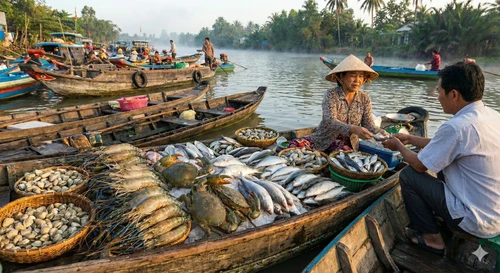
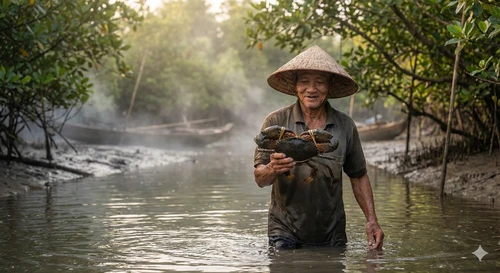
📸 Daily life: Crab harvesting is a vital part of Mekong Delta culture.
Vietnamese crab culture is deeply intertwined with simplicity and respect for the ingredient. The focus is often on enhancing the crab’s natural flavor rather than masking it.
Flavor Profile
Intensely sweet, often described as having a clean, briny essence. Ca Mau mud crabs are particularly prized for their dense, meaty claws and rich, creamy roe (especially in female crabs).
Texture
Firm, succulent, and almost "buttery" in the prime specimens. The meat should flake easily yet hold its structure.
Key Varieties
Mud Crab (Cua Gach/Cua Thit): The star. Female crabs ("cua gach") are famous for their bright orange roe, while males ("cua thit") are celebrated for their meaty claws.
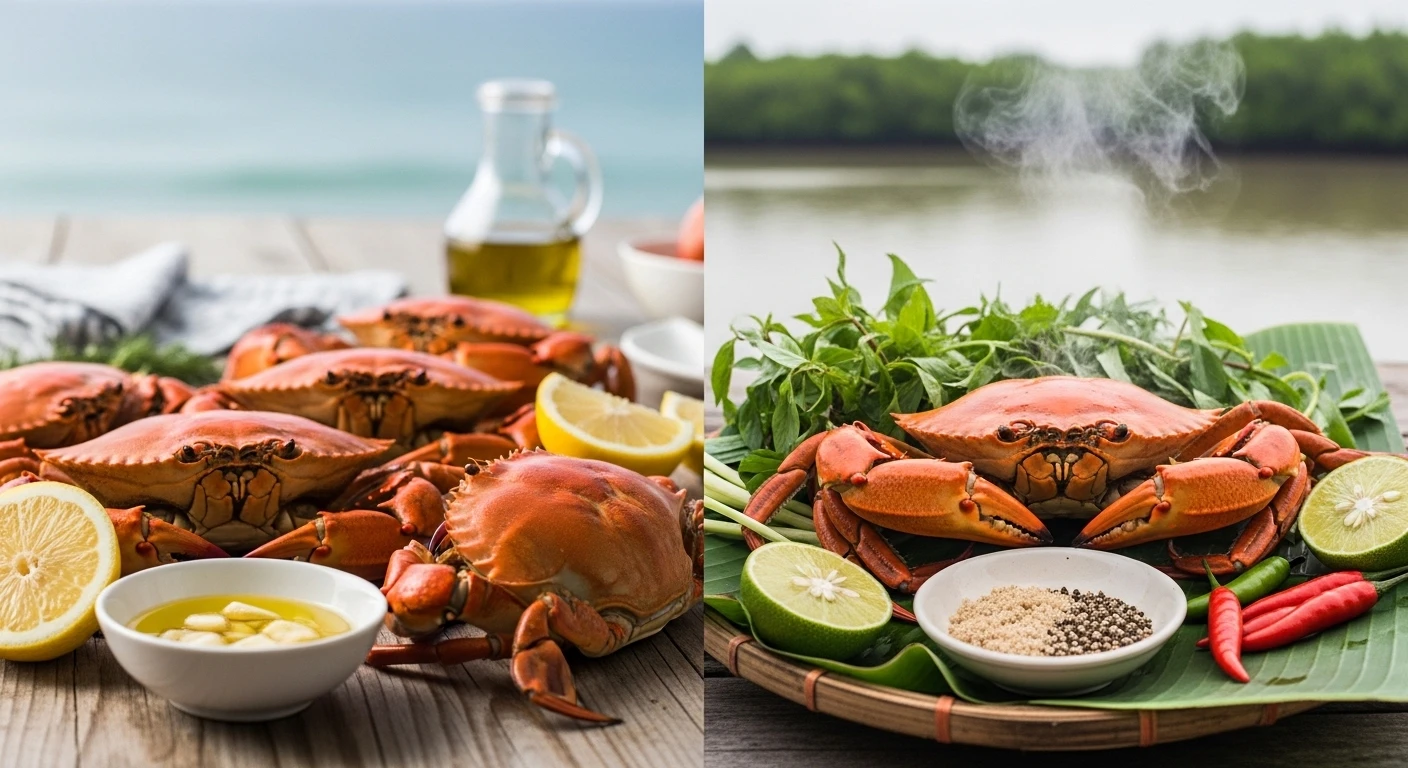
The ultimate expression of Vietnamese crab appreciation often lies in minimal preparation. Steaming with lemongrass and beer, boiling with green chili salt, or simple grilling are common. The accompanying dipping sauces are crucial, designed to complement, not overpower: a potent mix of lime juice, salt, pepper, and fresh chili is a classic.
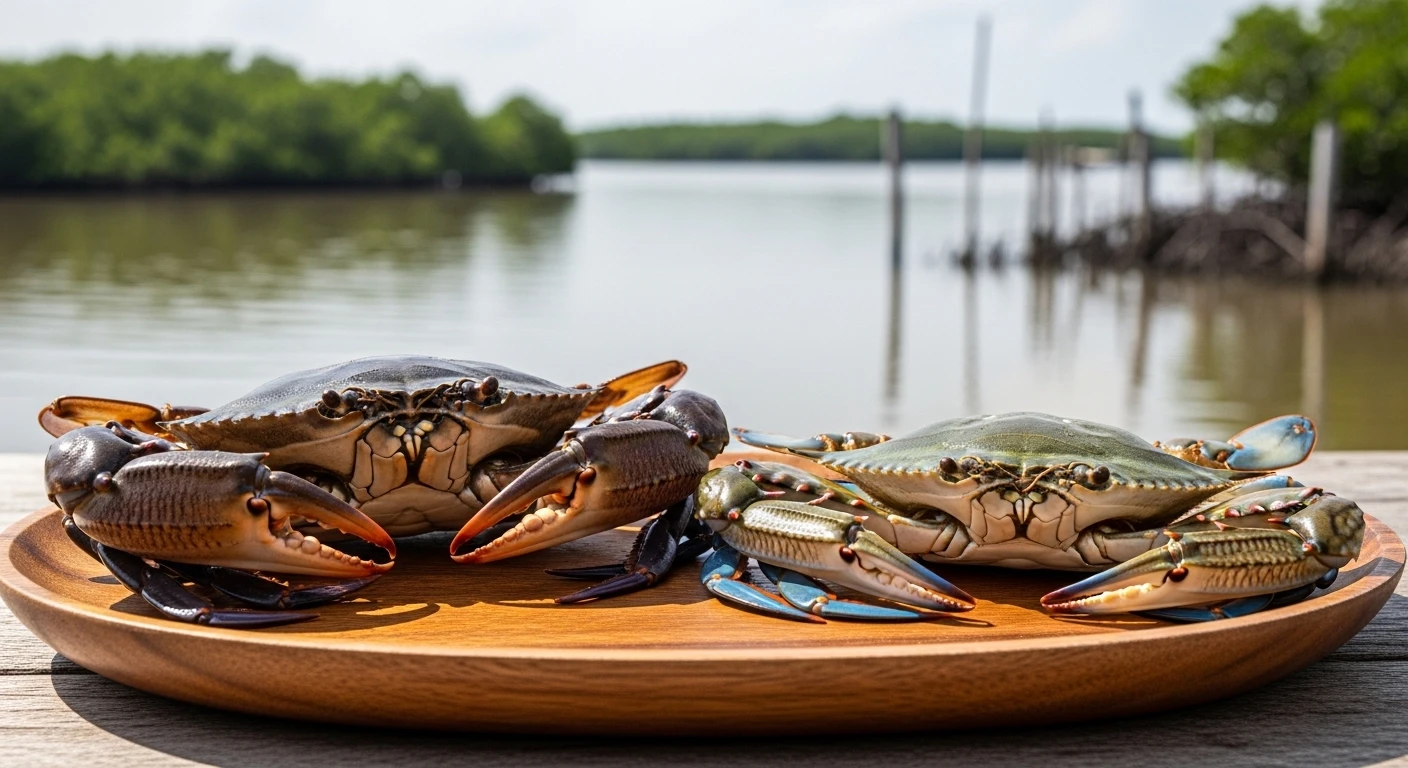
Illustrating Vietnamese Crab Varieties:
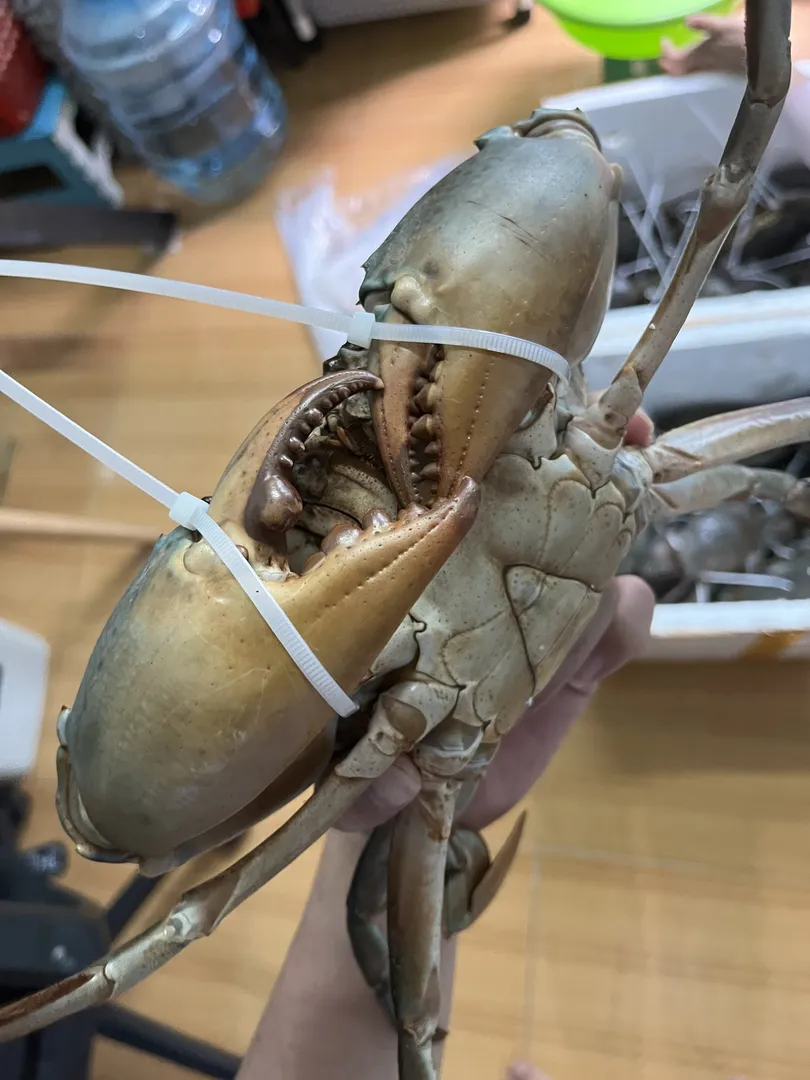
Heritage Ingredient
Ca Mau Jumbo Mud Crab
Ca Mau Jumbo Mud Crab
A large male mud crab prized for dense, sweet meat and thick claws, commonly used in steamed crab and grilled crab dishes across the Mekong Delta.
Where every ingredient captures the essence of the wind and tides, weaving a vibrant culinary tapestry of the Mekong region.
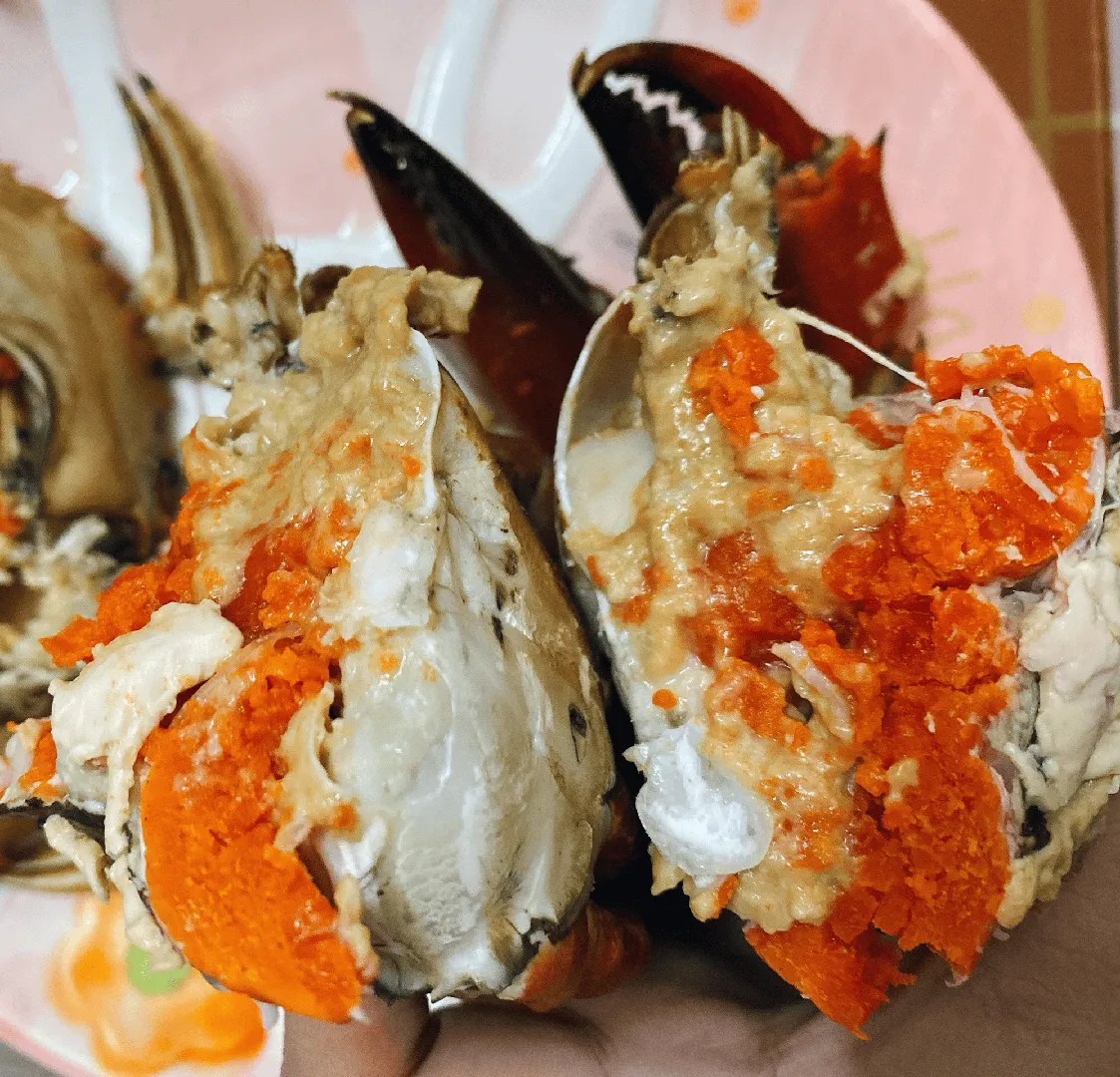
Heritage Ingredient
Ca Mau Roe Mud Crab
Ca Mau Roe Mud Crab
A female mud crab known for deep orange roe and a rich, creamy finish, often featured in celebratory Southern Vietnamese seafood meals.
Where every ingredient captures the essence of the wind and tides, weaving a vibrant culinary tapestry of the Mekong region.
3 Brazil's Ocean Bounty: Diversity and Bold Flavors
Brazil's relationship with crab is as vast and varied as its coastline. From the iconic Aratu (mangrove crab) of the Northeast to the larger crabs found in more temperate southern waters, the culinary landscape is rich and diverse. Brazilian crab culture often embraces bolder flavors and a more assertive seasoning approach.

📸 Brazilian Seafood Spectacle: A typical market scene showcasing diverse crustacean offerings.
While there's a tradition of enjoying crab in its natural state, Brazilian preparations often feature robust sauces, herbs, and spices that reflect the country's rich culinary tapestry. Think of Moqueca, a famous seafood stew, or various crab dishes enhanced with coconut milk, dendê oil, and fiery peppers.
Flavor Profile
Can range from delicate sweetness in some species to a more robust, saline taste in others. Often paired with rich, complex flavors.
Texture
Varies by species; can be tender and flaky, or firmer and more dense. The cooking method heavily influences this.
Key Varieties
Aratu: A highly valued mangrove crab, especially in the Northeast, often prepared in stews or fried. Caranguejo (general term for crab): Encompasses many species, enjoyed steamed, in soups, and various regional preparations.
Dishes like "Caranguejo com Molho de Camarão" (crab with shrimp sauce) or "Aratu na Moranga" (crab baked in a pumpkin) highlight this adventurous use of ingredients. The common threads are bold spices, the use of local herbs like cilantro and dill, and often a touch of richness from coconut milk or palm oil.
4 A Tale of Two Condiments: Simplicity vs. Complexity
Perhaps the most striking difference between Vietnamese and Brazilian crab culture lies in their approach to seasoning and sauces.
Vietnam: The Art of Acidity and Salt
Vietnamese sauces are typically bright, zesty, and designed to cut through the crab's natural richness, enhancing its sweetness. The holy trinity of salt, lime, and chili is paramount. This creates a sharp, refreshing counterpoint that makes you want to dive into the next claw.
- Lime Salt & Pepper: The quintessential dip, especially for steamed or boiled crab.
- Fish Sauce Dips: Often a light, pungent dipping sauce with garlic, chili, and lime for grilled or fried preparations.
- Minimalist Focus: The crab itself is the star; sauces are supporting actors.
Brazil: Boldness and Richness
Brazilian sauces are often more integrated into the dish, providing layers of flavor. They can be creamy, spicy, and deeply savory, reflecting the diverse influences on Brazilian cuisine.
- Moqueca-Style Sauces: Coconut milk, dendê oil, peppers, and tomatoes create a rich stew.
- Herbaceous Marinades: Garlic, cilantro, parsley, and lime are common for grilled crab.
- Flavor-Forward: Sauces and seasonings often play an equal role to the crab in the overall dish profile.
5 Culinary Approaches: From Steam to Stew
The way crabs are cooked in Vietnam and Brazil often speaks volumes about their respective cultures and the types of crabs they commonly use.
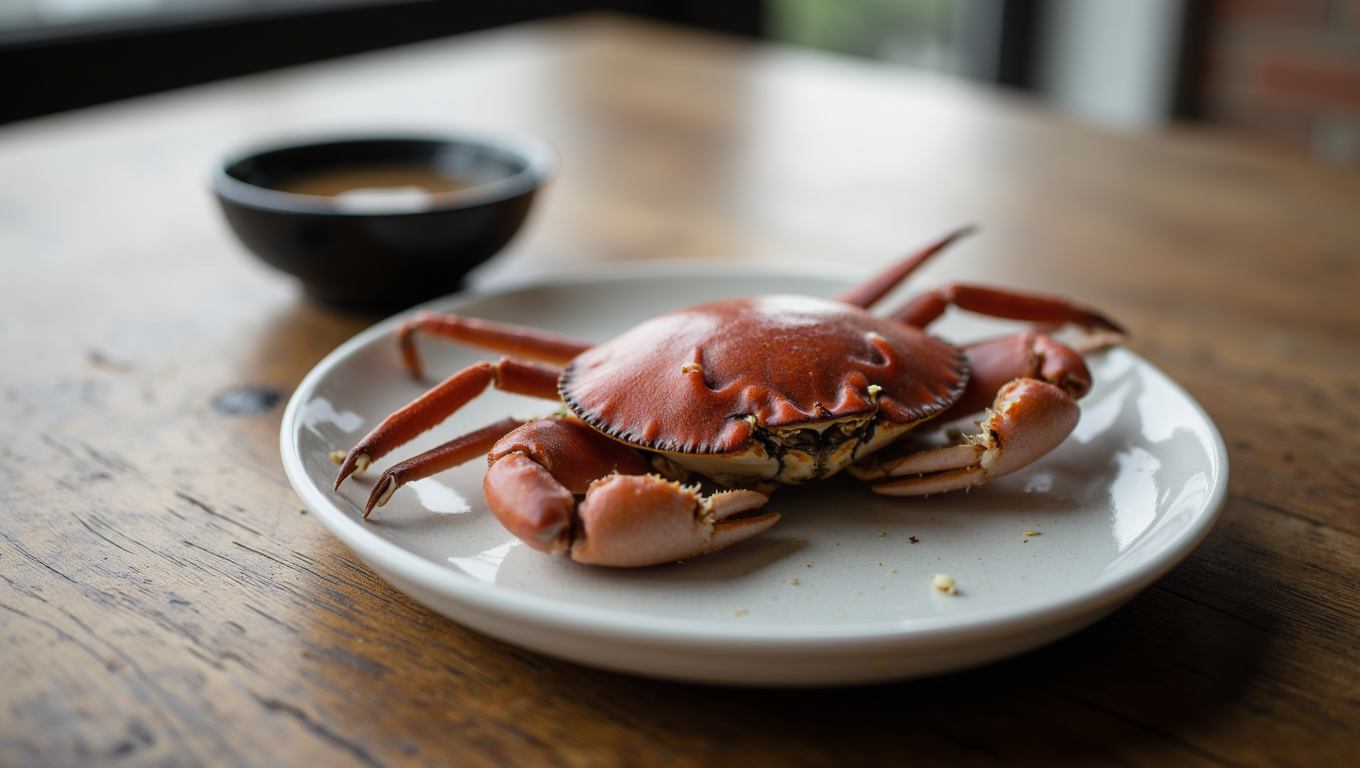
Vietnam: The Gentle Touch
Emphasis on Quick, Clean Cooking:
- Steaming: The gold standard for showcasing the natural sweetness of mud crabs, often with aromatics like lemongrass or ginger.
- Boiling: Simple, quick, and effective, usually served with that essential dipping sauce.
- Grilling: Often for larger crabs or when a slight char is desired, allowing smoky notes to meld with the crab's flavor.
- Hot Pot: Crab can be a luxurious addition to communal hot pots.

Brazil: Hearty and Flavorful
Rich and Integrated Preparations:
- Moqueca: A signature dish, where crab is simmered in a flavorful broth with coconut milk, palm oil, and vegetables.
- Stews and Soups: Crab meat is often a key ingredient in hearty seafood broths.
- Fried/Sautéed: Crab cooked with garlic, onions, and spices.
- Baked Dishes: Crab often stuffed or baked with rich fillings.
6 The Communal Crab: Gathering and Celebration
In both Vietnam and Brazil, crab is more than just a meal; it's an occasion. It’s a food that brings people together, often enjoyed in a communal setting.
Vietnam: Family Gatherings and Riverside Dining
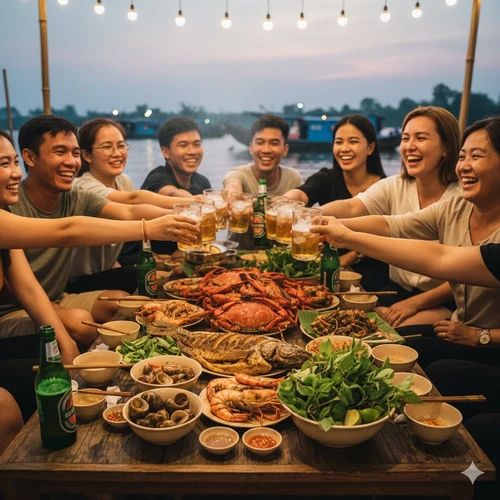
Crab feasts are common during family reunions and special celebrations in the Mekong Delta. Riverside restaurants and seafood markets offer laid-back settings where diners can crack shells and share stories. It's about appreciating the fresh catch and the company. The focus is on the interactive experience of breaking down the crab.
Brazil: Feiras and Festive Meals
In Brazil, crab is often a highlight at coastal *feiras* (markets) or festive family meals. Whether it's a bucket of steamed crabs shared amongst friends or a rich crab stew served at a Sunday lunch, the act of eating crab is often a social ritual, a chance to connect and celebrate the region's rich seafood heritage.
7 Protecting the Nurseries: Sustainability in Mangrove Regions
The health of mangrove ecosystems is critical for the future of crab populations in both Vietnam and Brazil. Deforestation, pollution, and unsustainable fishing practices pose threats to these vital habitats.
Vietnam: Balancing Aquaculture and Conservation
The Mekong Delta faces challenges in balancing traditional crab fishing with the growing demands of aquaculture and development. Efforts are underway to promote sustainable fishing methods and mangrove conservation to ensure the long-term viability of Ca Mau crab populations. Responsible sourcing and an understanding of the ecological impact are becoming increasingly important for consumers.
Brazil: Marine Protected Areas and Community Initiatives
Brazil is also grappling with similar issues. The establishment of marine protected areas and community-led conservation projects aim to safeguard mangrove habitats and ensure that crab populations can thrive for future generations. Awareness of local fishing seasons and respecting crab size limits are crucial for supporting sustainable practices.
8 Your Next Crab Pilgrimage: Vietnam or Brazil?
For the discerning crab lover, both Vietnam and Brazil offer unparalleled experiences. If you appreciate the delicate, sweet essence of crab meat and roe, prepared with a light hand that lets the natural flavors sing, then the Mekong Delta's Ca Mau crab is an absolute must-try. It's a journey into a landscape where the river’s bounty is celebrated with profound respect.

📸 The Waterways: Exploring the Mekong Delta offers a direct connection to the source of its famous crabs.
On the other hand, if your palate craves bold spices, rich sauces, and a more integrated approach to seafood cookery, Brazil's coastal kitchens beckon. Their crab dishes are a vibrant exploration of flavor, a testament to the country's diverse culinary heritage.
Ultimately, the choice depends on your personal taste. But one thing is certain: exploring the crab cultures of these two mangrove nations offers a delicious and insightful journey into the heart of their respective cuisines and communities. For those who cherish the subtle sweetness and pristine flavor of pure crab essence, the Mekong Delta awaits with open arms and the finest mud crabs the world has to offer.