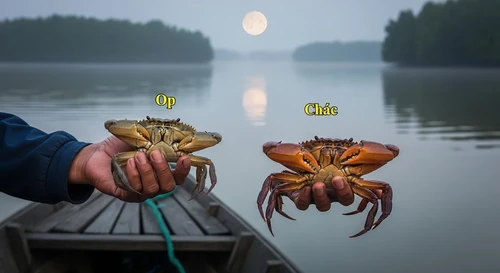
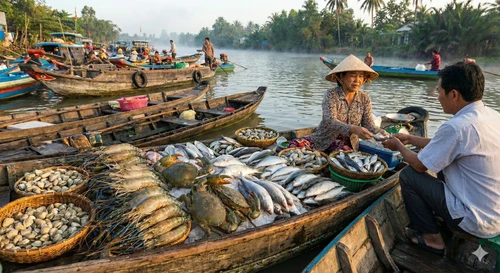
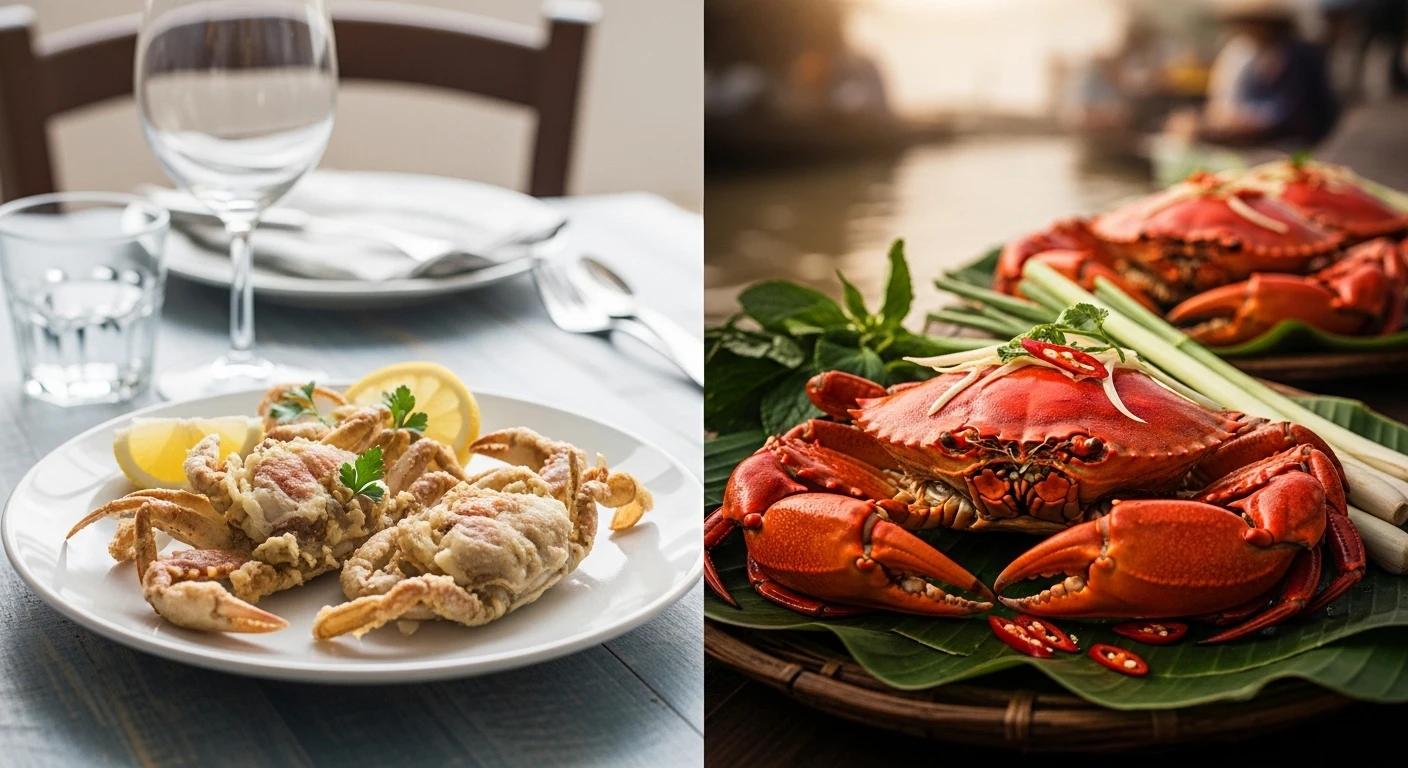
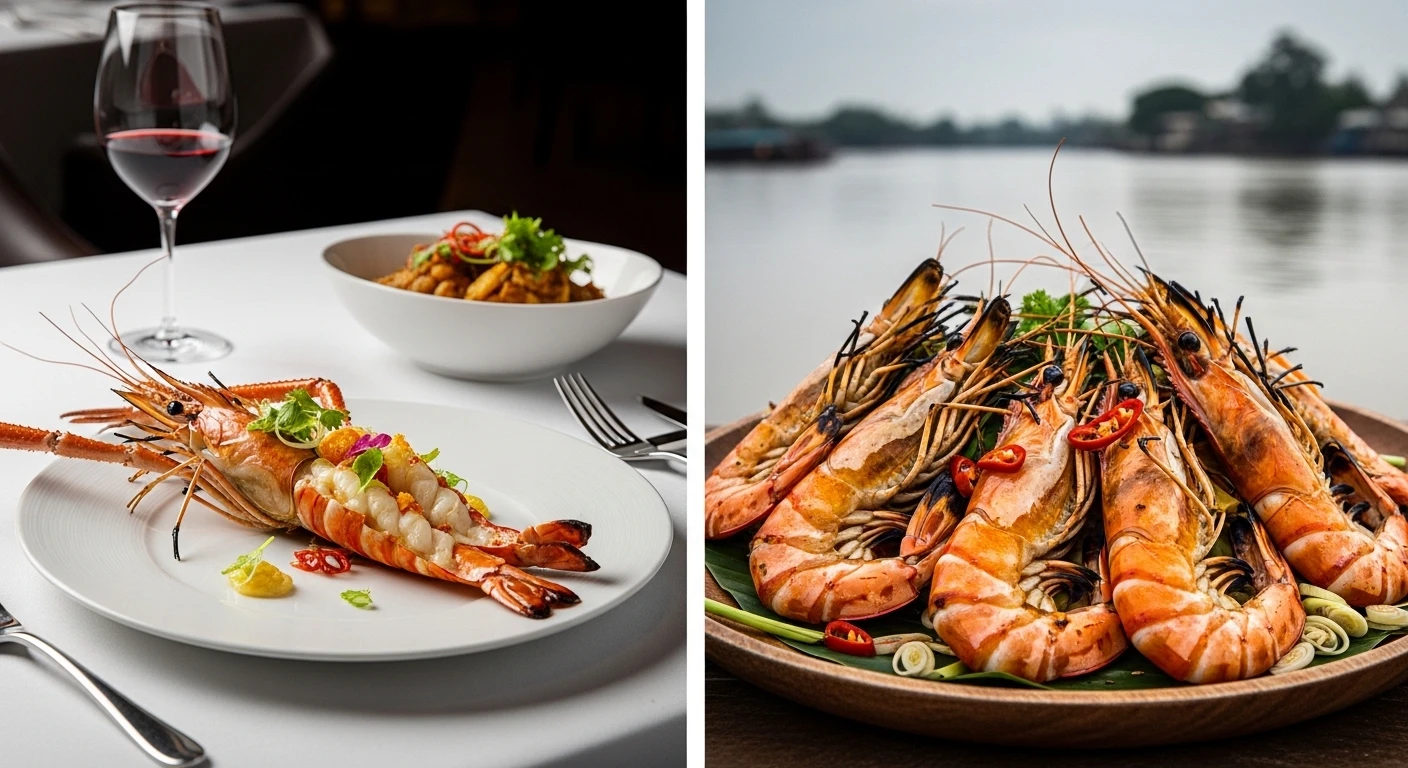
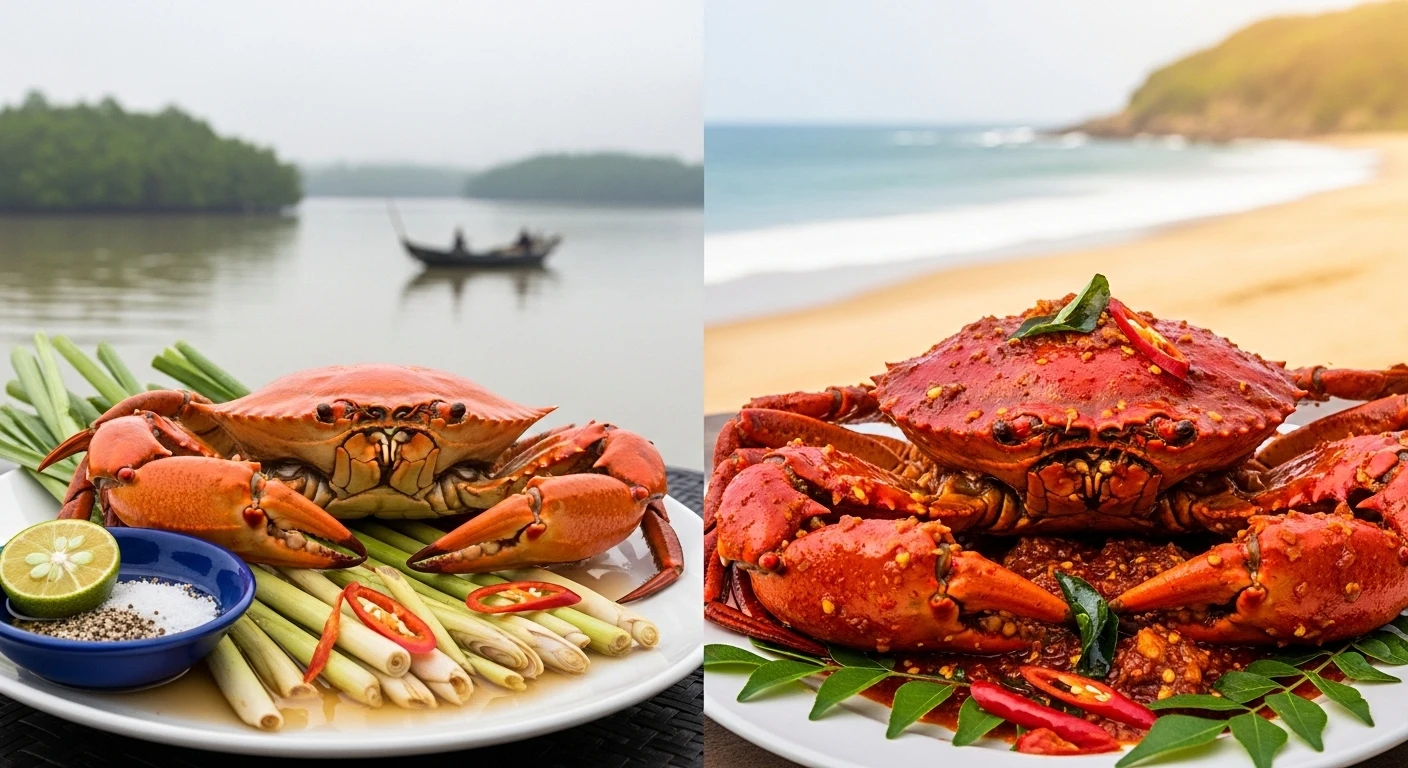
" It's a tale of two worlds, two oceans, two very different crustacean experiences. One whispers of tropical breezes and muddy rivers, the other roars of icy winds and pristine seabeds. "
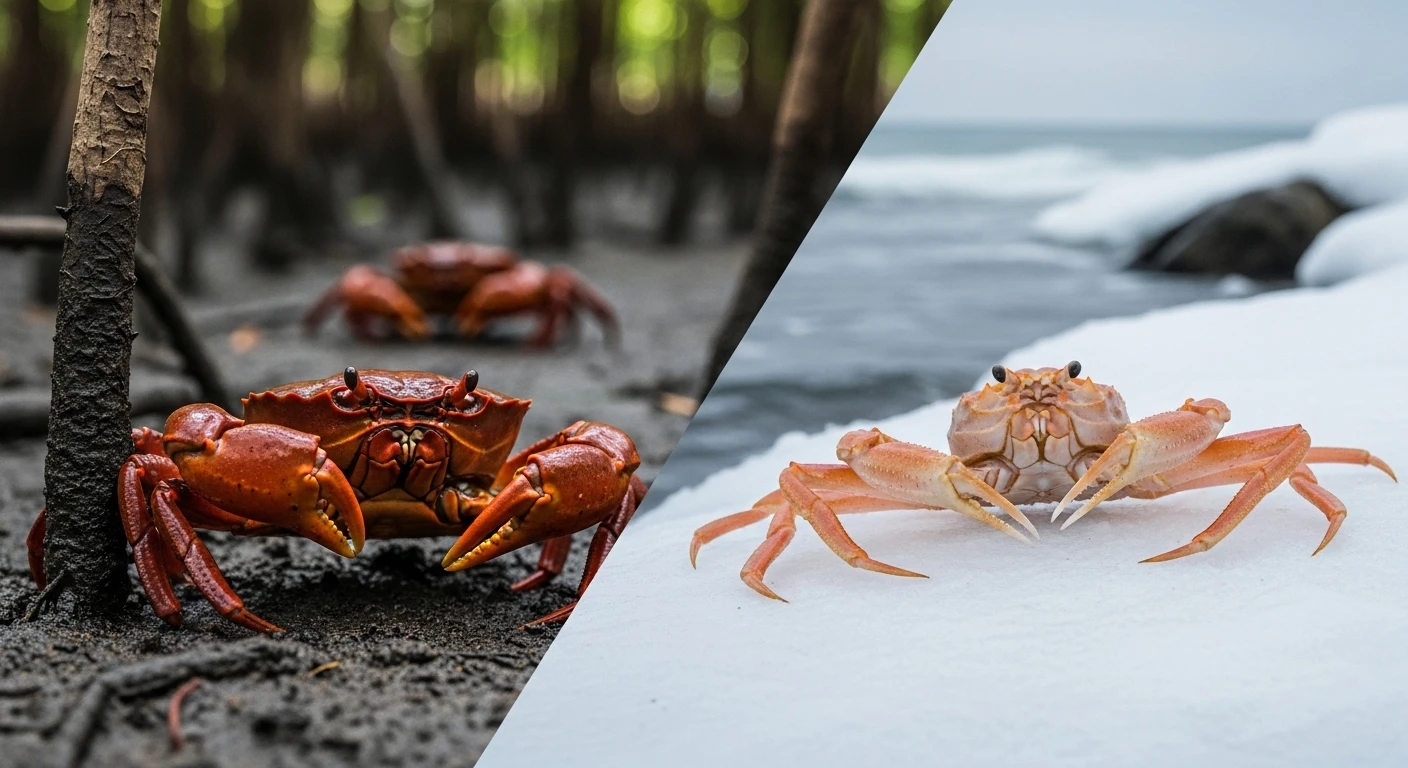
📸 A visual duel: The robust mud crab of Vietnam versus the delicate snow crab of Canada.
1 The Heart of the Delta: Vietnam's Mud Crab Culture
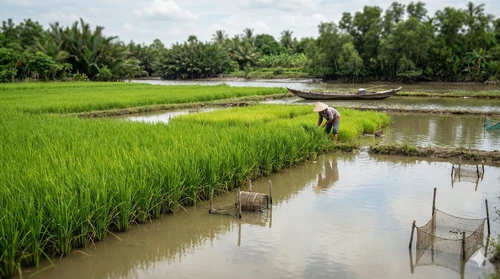
Venturing into the Mekong Delta, a labyrinth of intricate waterways and lush mangrove forests, you'll find a seafood culture as rich and complex as the terrain itself. Here, the crab isn't just a delicacy; it's a cornerstone of the local economy and cuisine. The star player? The mud crab, particularly those from the Ca Mau province, a region synonymous with premium Vietnamese seafood.
Unlike the vast, open oceans that yield Canadian crabs, Vietnamese mud crabs thrive in brackish, estuarine environments. This unique habitat, often within the protective embrace of mangrove ecosystems, imparts a distinct character to the crab. The salinity levels fluctuate, and the crabs feed on a diverse diet of small crustaceans and organic matter, leading to a flesh that is robust, intensely flavored, and often sweeter than its cold-water counterparts.
Ca Mau's Pride: Texture and Flavor
When you talk about Vietnamese mud crab, especially the prized Ca Mau sea crab, you're talking about muscle. These crabs are active, constantly navigating the complex delta environment. This translates to firm, dense, almost springy meat, particularly in the claws and legs. The flavor profile is a captivating balance of briny sweetness with subtle mineral undertones, a true taste of the terroir. The roe, when present in female crabs, is a deep, luxurious orange, creamy and rich, often considered a delicacy in its own right.
The popular Vietnamese way of enjoying this crab is often simple: steamed with lemongrass and ginger, grilled over charcoal, or simmered in a rich broth. The goal is to let that inherent, powerful flavor shine through.
The Mud Crab Ecosystem
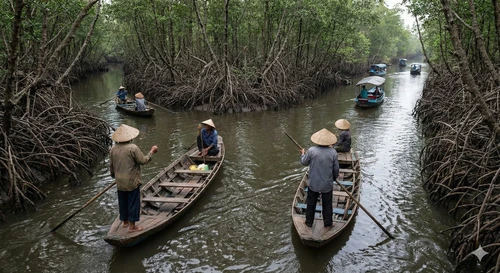
The life cycle of the mud crab is deeply tied to the Mekong's ebb and flow. Farmers here often practice integrated aquaculture, where shrimp and crab farms coexist, utilizing the natural mangrove system. This not only supports a sustainable industry but also influences the crab's growth and diet. You'll find a variety of mud crabs, from the meaty 'crab with meat' (cua thịt) to the prized 'roe crab' (cua gạch), each offering a nuanced experience. The very act of harvesting these crabs—often by small boats navigating narrow channels—is an ingrained part of the region's identity.
Heritage Ingredient
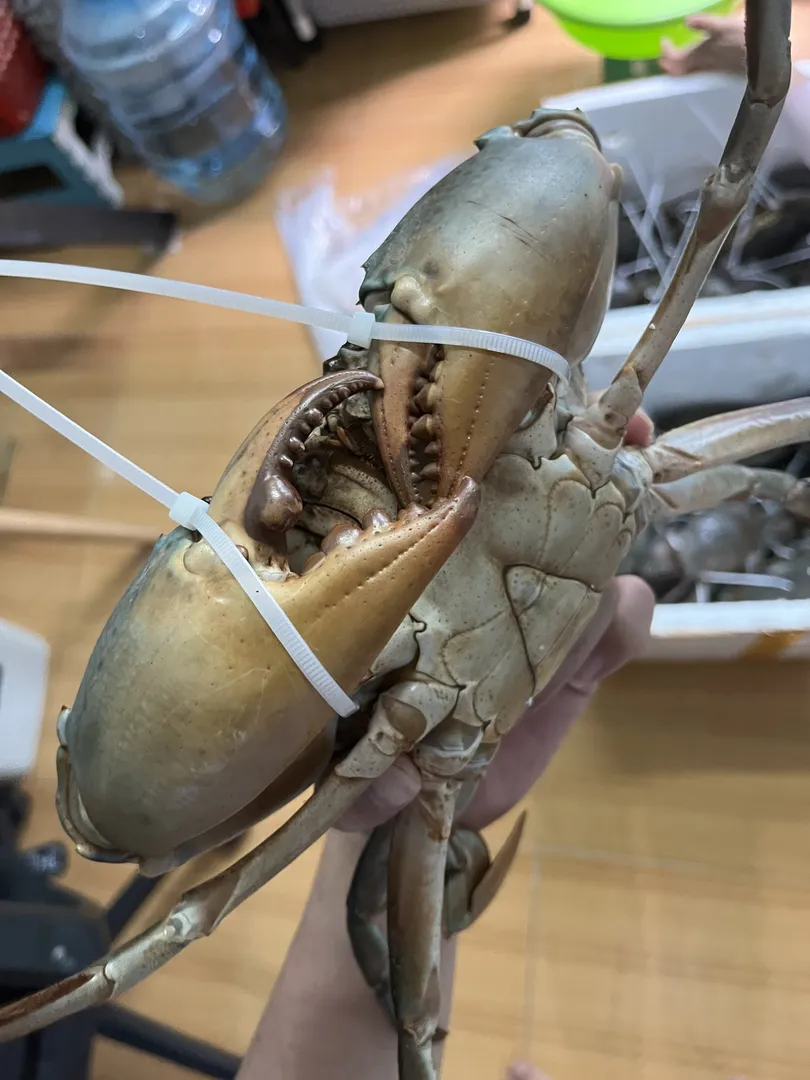
Ca Mau Jumbo Mud Crab
Ca Mau Jumbo Mud Crab
A large male mud crab prized for dense, sweet meat and thick claws, commonly used in steamed crab and grilled crab dishes across the Mekong Delta.
An icon of coastal culinary heritage, featuring firm, sweet meat that captures the raw power and freshness of Ca Mau's tides.
Heritage Ingredient
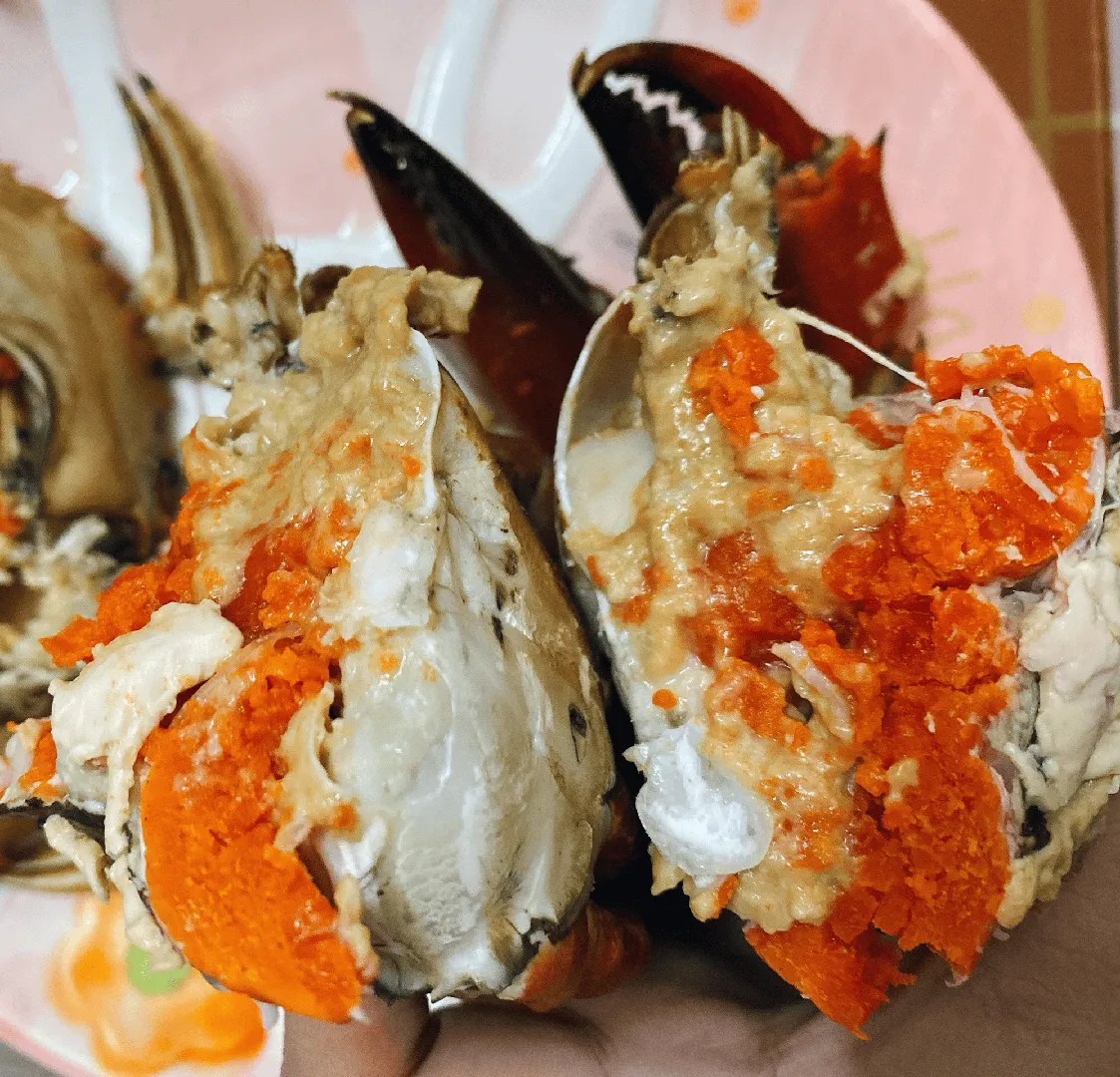
Ca Mau Roe Mud Crab
Ca Mau Roe Mud Crab
A female mud crab known for deep orange roe and a rich, creamy finish, often featured in celebratory Southern Vietnamese seafood meals.
A crimson treasure hidden within a shell, boasting rich, creamy roe that melts on your tongue like a golden sunset over the delta.
2 From Frozen Depths: Canada's Cold-Water Crab Heritage
Now, cast your gaze north to Canada, a land defined by its vast coastlines and the chilling embrace of the Atlantic and Pacific oceans. Here, crab culture is intrinsically linked to the cold, nutrient-rich waters that nurture some of the world's most sought-after crustaceans. Canadian seafood is celebrated for its purity, its delicate flavors, and the sheer abundance harvested from these pristine environments.
The undisputed king of Canadian crab for many international palates is the snow crab. Harvested from the deep, cold waters of the North Atlantic, snow crab is a testament to the power of a pristine environment. Its meat is famously tender, almost flaky, with a subtle, clean sweetness that is a direct reflection of its icy habitat and specialized diet. Unlike the robust, muscular texture of its Vietnamese mud crab cousin, Canadian snow crab offers an ethereal delicacy.
The Snow Crab Experience
Canadian snow crab is predominantly found on the East Coast, with major fisheries in Newfoundland and Labrador, Nova Scotia, and Quebec. The harvesting process is highly regulated, ensuring sustainability and quality. The meat, typically found in the legs and body, is renowned for its light, almost buttery sweetness and its incredibly tender, slightly fibrous texture. It's often described as melting in the mouth.
The simplicity of preparation often mirrors that of Vietnamese traditions, but with a Canadian twist. Steamed snow crab, often served with melted butter and lemon, is a classic. The sweetness of the crab is the star, complemented by the rich, comforting fats of butter. It’s a celebration of pure, unadulterated seafood flavor.
Beyond Snow Crab
While snow crab reigns supreme in international markets, Canada also boasts other impressive cold-water crabs, such as the iconic Dungeness crab on the West Coast (though less common than snow crab in widespread international trade) and the red king crab, a true giant of the Bering Sea. Each species offers its own unique contribution to Canada's rich seafood tapestry, showcasing the diversity that cold-water environments can produce. These crabs are prized for their large size, their succulent meat, and their ability to command a premium on global tables.
3 Tropical Muscle vs. Cold-Water Delicacy: A Taste Bud Showdown
This is where the real divergence lies, a sensory experience that speaks volumes about their origins.
Vietnamese Mud Crab
Texture: Firm, dense, almost chewy or springy. It has a substantial "bite." Think of it as lean, high-quality protein.
Flavor: Robust, sweet with distinct savory, almost mineral notes. A taste of the unique brackish environment, often described as having more "depth."
Canadian Cold-Water Crab (Snow Crab)
Texture: Delicate, tender, flaky, almost melts in your mouth. Very fine, moist fibers.
Flavor: Clean, subtly sweet, often with a hint of butteriness and a pure ocean essence. Less complex, more about pristine marine sweetness.
The Contrast
It's the difference between a lean athlete (mud crab) and a graceful dancer (snow crab). Both are magnificent, but in fundamentally different ways. Your preference will likely hinge on whether you seek intensity and substance or delicate purity.
4 How They're Eaten: Markets, Meals, and Traditions
The way crab is prepared and enjoyed is as distinct as its origin. In the Mekong Delta, crab is woven into the fabric of daily life, from bustling riverside markets to family meals.
Vietnam: Simplicity and Spice
- Market Culture: Freshly caught crabs are sold live at vibrant markets. Vendors expertly select crabs based on size, shell condition, and roe weight. The selection process itself is a culinary art.
- Cooking Methods: Steaming (often with lemongrass), grilling, or simmering in rich, often spicy broths are common. The emphasis is on enhancing the crab's natural flavor.
- Signature Sauces: While many dishes are enjoyed plain, a ubiquitous dipping sauce of salt, lime juice, and chili provides a sharp, zesty counterpoint to the crab's richness.
- Communal Dining: Crab meals are often large, family-style affairs, a centerpiece of celebrations and gatherings. The act of cracking shells and sharing the bounty is a social ritual.
Canada: Purity and Comfort
- Harvest and Distribution: Strict quotas and regulations ensure sustainability. Crabs are often processed and flash-frozen quickly to preserve freshness for global export.
- Cooking Methods: Steaming is paramount, often with just a hint of salt. Boiling is also common. The goal is to highlight the crab's inherent sweetness.
- Classic Pairings: Melted butter (often clarified or infused with garlic) and lemon wedges are the classic accompaniments, offering richness and brightness without overpowering the delicate crab.
- Celebratory Meals: Crab feasts are a sign of abundance and a special occasion, often enjoyed in seaside towns or during holidays. It represents the bounty of the cold ocean.
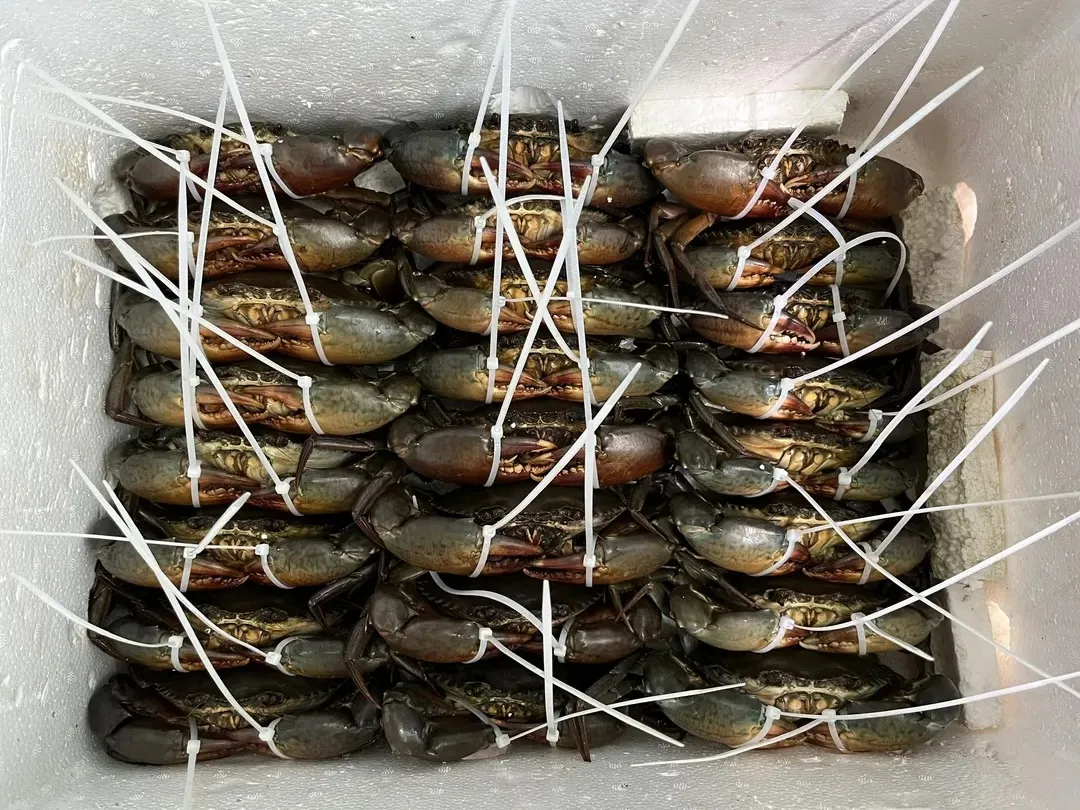
One might find an Export-Grade Ca Mau Roe Crab being meticulously sorted, a practice that speaks to the Vietnamese dedication to quality. In Canada, the emphasis is on the pristine nature of the cold-water harvest, ensuring that what reaches the table is as pure as the ocean it came from.
Heritage Ingredient
Export-Grade Ca Mau Roe Crab
Export-Grade Ca Mau Roe Crab
A carefully sorted roe crab selected for size, shell quality, and roe consistency, suitable for explaining premium grading in Vietnamese crab culture.
The pinnacle of perfection—pristine shells and bursting roe, meticulously selected to conquer the hearts of global gourmets.
5 From Mangroves to Icebergs: Where They Come From
The environments where these crabs are found are as different as night and day, influencing everything from their growth to their final flavor.
Mekong Delta: Brackish Biodiversity
The Mekong Delta's muddy, estuarine waters, a mix of freshwater from the river and saltwater from the sea, create a unique biome. Mangrove forests play a crucial role, providing shelter and food for juvenile crabs. This environment is dynamic, influenced by tidal patterns and seasonal monsoons, contributing to the crab's robust nature and complex flavor. The sustainability here is often tied to traditional farming practices and community management.
Canadian Arctic/Atlantic: Pristine Cold Waters
Canada's cold-water crabs inhabit some of the planet's most pristine marine ecosystems. The frigid temperatures slow their metabolism, leading to a slower growth rate but a denser, sweeter meat. Strict government regulations and international certifications (like MSC) underscore Canada's commitment to sustainable harvesting. These cold waters are less biologically diverse in terms of species that can survive, but the species that thrive there, like snow crab, are often incredibly abundant and of exceptional quality.
6 Accessibility and Perceived Value
The cost and availability of crab can vary significantly, impacting how they are perceived and consumed.
Mekong Delta: Local Abundance
Within Vietnam, especially in the Mekong Delta, mud crab is a relatively accessible and staple protein. While premium grades like large male meat crabs or roe crabs command higher prices, the everyday consumption of crab is common. Its value is deeply embedded in local diets. Internationally, Ca Mau crabs are increasingly recognized as a premium product, with prices reflecting their unique quality and provenance, but still often offer a more accessible entry point into high-quality crab compared to some extreme cold-water species.
Canada: Premium Global Commodity
Canadian cold-water crabs, particularly snow crab and king crab, are largely considered premium global commodities. Their harvesting occurs in challenging, cold environments and is subject to stringent regulations, which contribute to their higher market price. While available and enjoyed domestically, they are often seen as a special occasion food or a luxury item, especially when destined for export markets where they fetch top dollar. The perceived value is tied to the purity of origin and the delicate, sought-after texture.
7 Why Visit? The Culinary Tourist's Journey
For the discerning traveler and food enthusiast, the differences between Vietnamese and Canadian crab offer compelling reasons to explore both worlds.
Mekong Delta: An Experiential Feast
Visiting the Mekong Delta to experience crab is an immersion. It's about understanding the lifecycle, from seeing crabs in their natural mangrove habitat to tasting them cooked simply at a local eatery. It's the sensory overload of a bustling market, the warmth of the tropical air, and the deep connection to the land and water. You don't just eat crab; you experience the entire ecosystem that produces it. The robust flavor profile is unforgettable.
Canada: A Taste of Pristine Purity
Traveling to Canada for crab is about experiencing the pinnacle of cold-water seafood. It's about the crisp air, the vast ocean vistas, and the understanding of a highly regulated, sustainable industry. Enjoying a snow crab feast by the Atlantic coast, perhaps with a view of the ocean, is a profoundly serene and delicious experience. The focus is on the exquisite, delicate sweetness of the meat, a pure expression of the cold, clean environment.
Whether you seek the intense, savory muscle of the tropics or the ethereal sweetness of the icy north, both offer unparalleled culinary adventures.
8 The Final Shell: A Matter of Preference
So, which crab reigns supreme? The answer, of course, is subjective. It's a delicious dilemma, pitting the powerful, complex character of the Mekong Delta mud crab against the refined, subtle sweetness of Canada's cold-water treasures.
If you crave a crab with a firm, satisfying bite and a flavor profile that tells a story of brackish waters and mangrove roots, the Vietnamese mud crab, especially from Ca Mau, will likely captivate you. Its robust nature makes it incredibly versatile in cooking, absorbing spices and broths while retaining its inherent character.
Conversely, if your palate leans towards delicate, melt-in-your-mouth textures and a clean, pure oceanic sweetness, then Canadian snow crab, or other cold-water varieties, will be your choice. They are the epitome of refined seafood, a pure expression of the cold, clear ocean.
Ultimately, the "better" crab is the one that brings you the most joy. But understanding their origins, their habitats, and their unique qualities deepens the appreciation for both. The world of crab is vast and varied, a constant reminder of the incredible bounty our planet offers. And for those who love crab, the journey to explore these differences is a delectable one indeed.